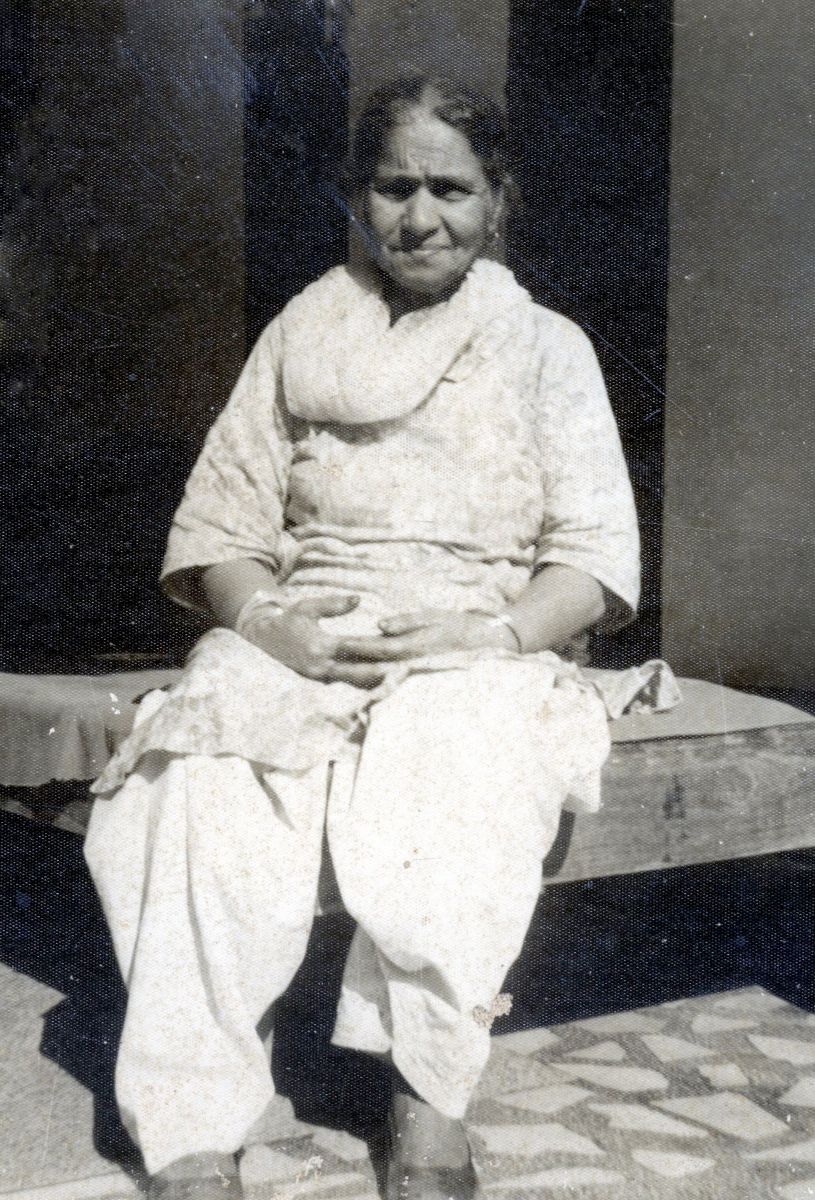
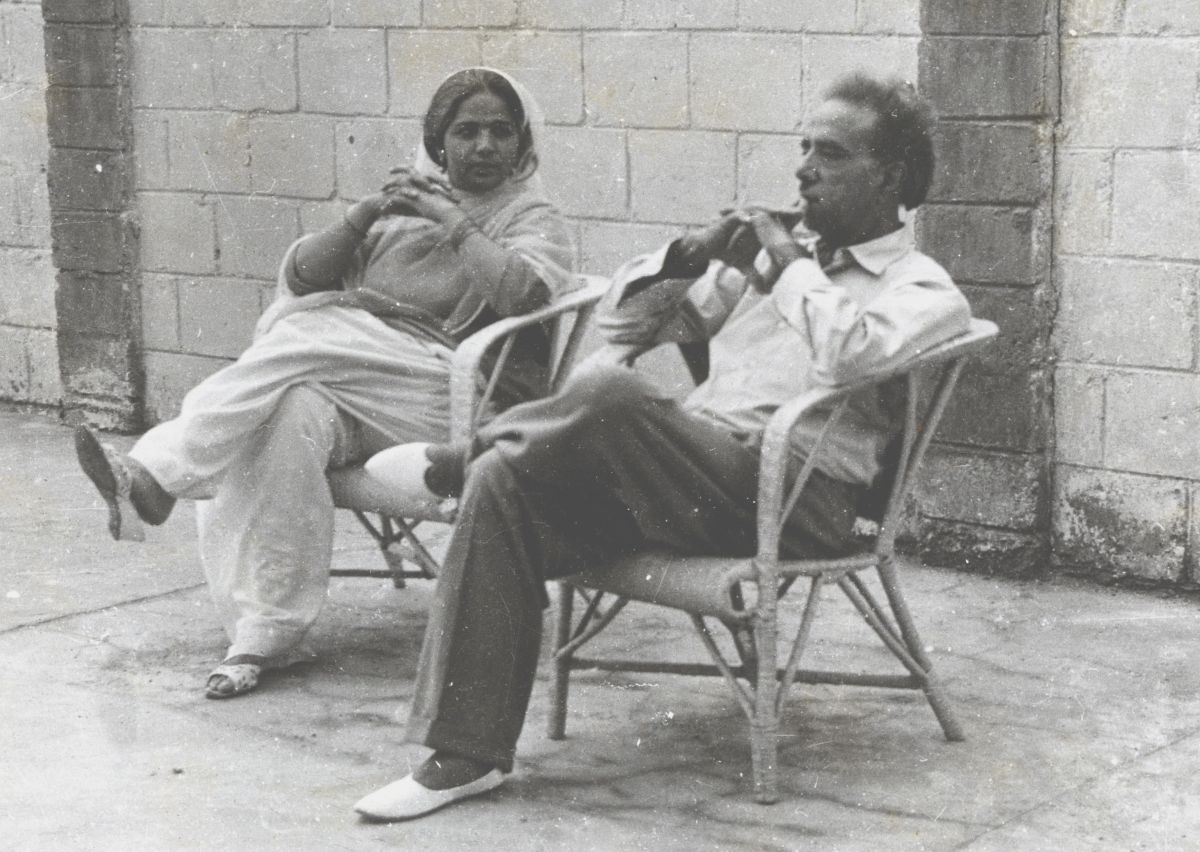
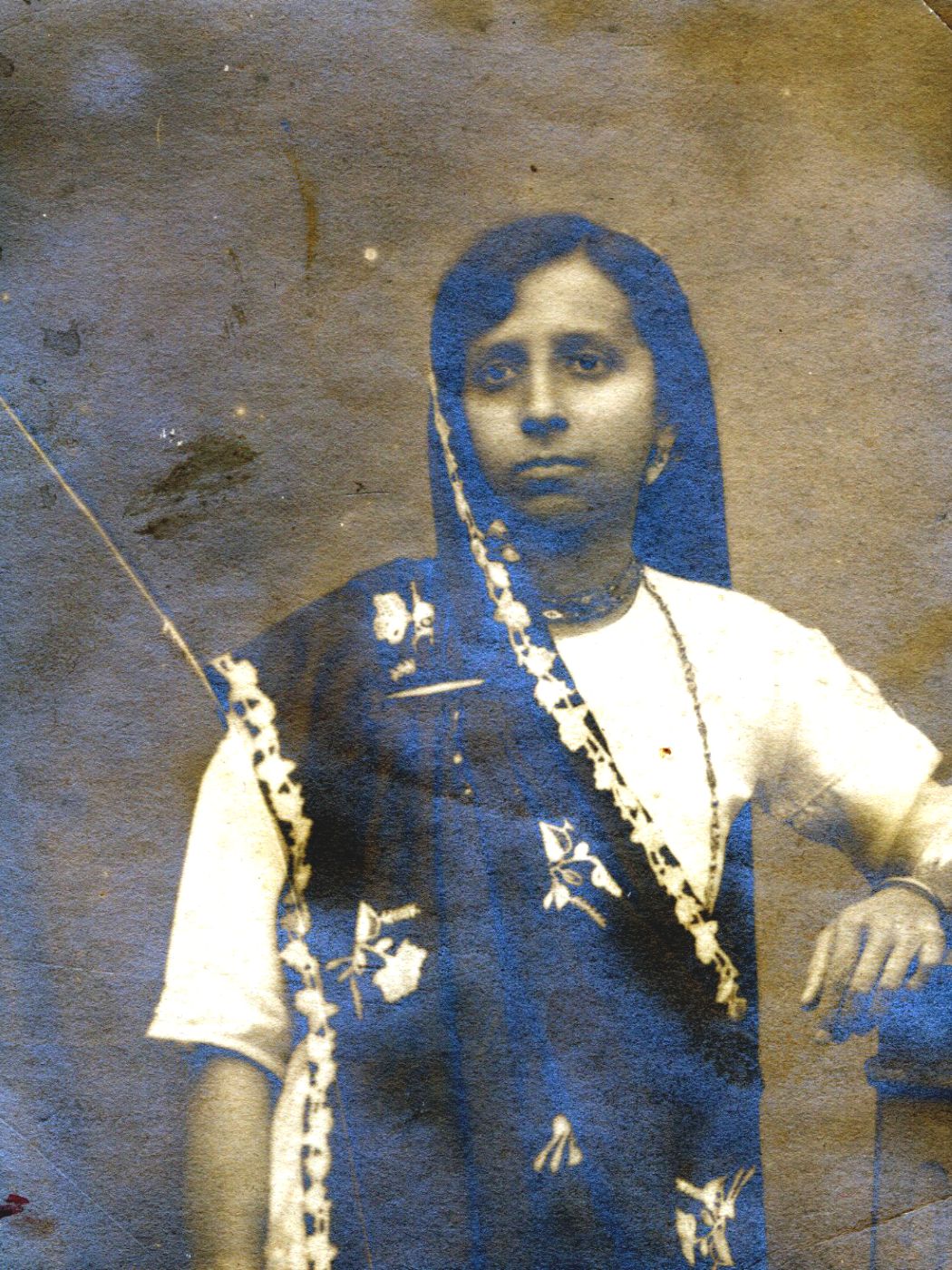
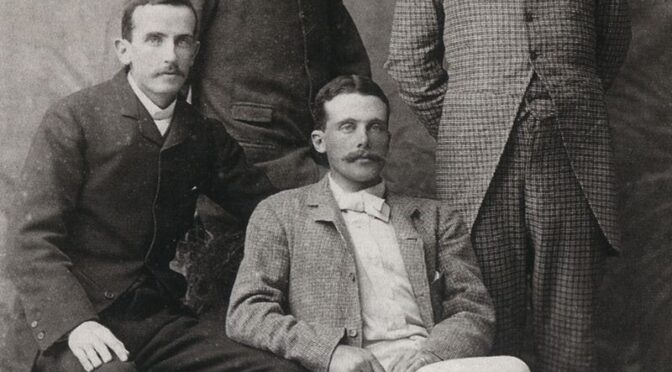
A CONTINUOUS PROCESS OF REGULAR UPS AND DOWNS; THE NEXT GENERATION CUSTODIANS CHUGHTAI MUSEUM. Allah grants us a level of time to sort out things which confront us in this world. We handle it well or we lose the opportunity to do well. On 17th January, 1975, my father Abdur Rahman Chughtai breathed his last breath. He was not well but many people did not want him to get well. Outside forces were trying to do their utmost to gnaw at the legacy of the artist. Internal forces were no different, but here there was the mere greed to confiscate the properties of the artist. Only I stood between these two malevolent forces. My object to fulfill the desire of the artist for the museum.
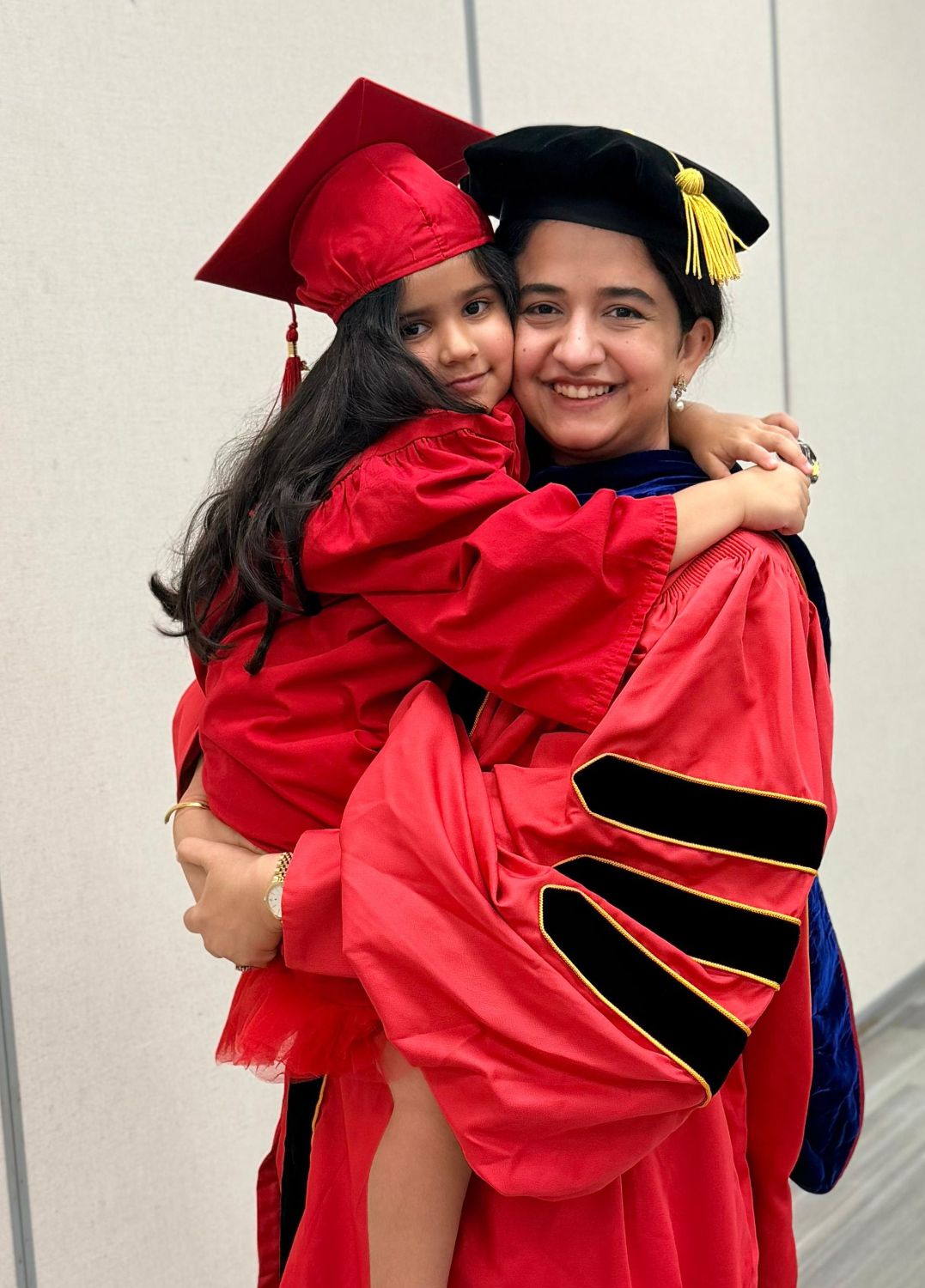
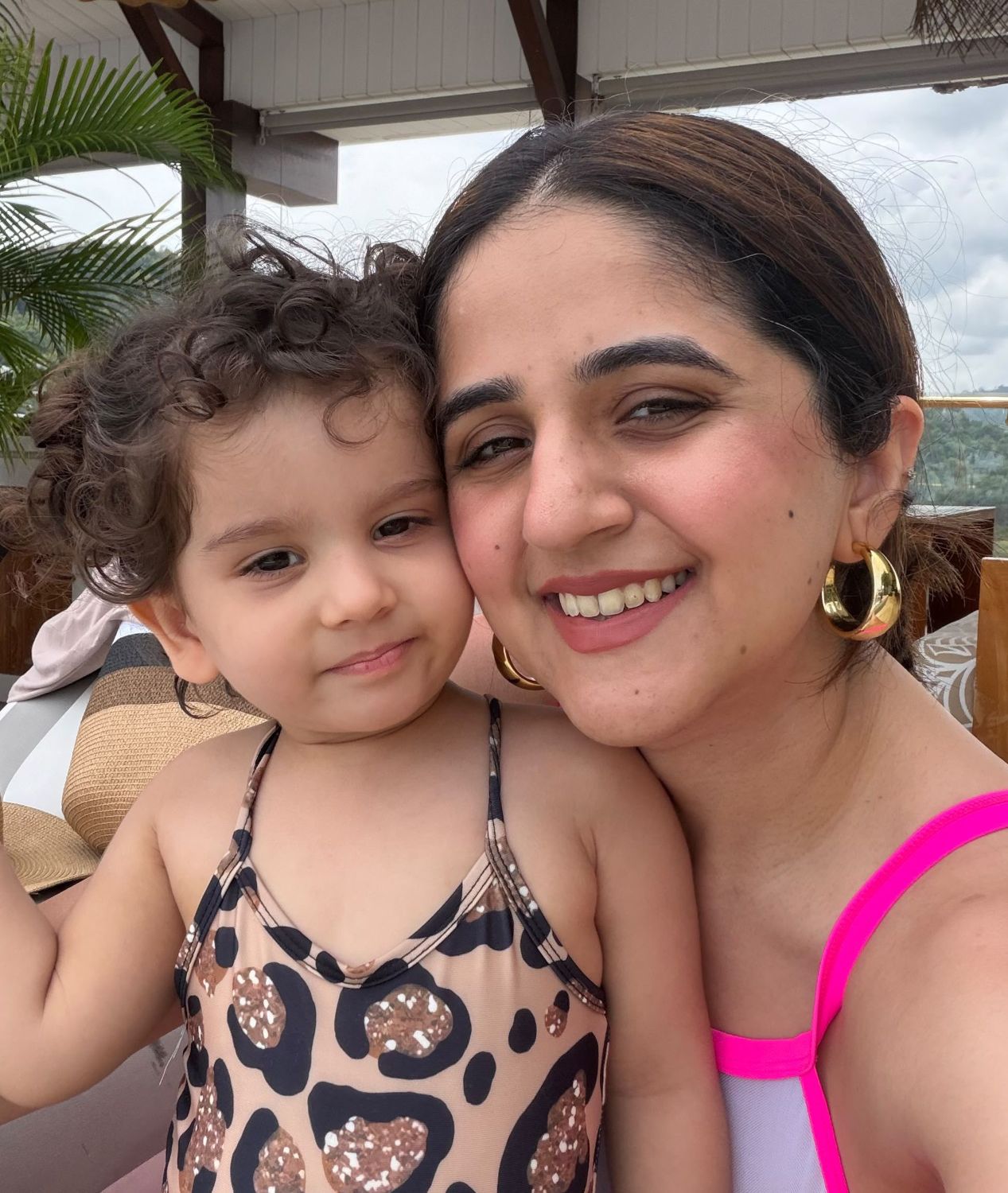
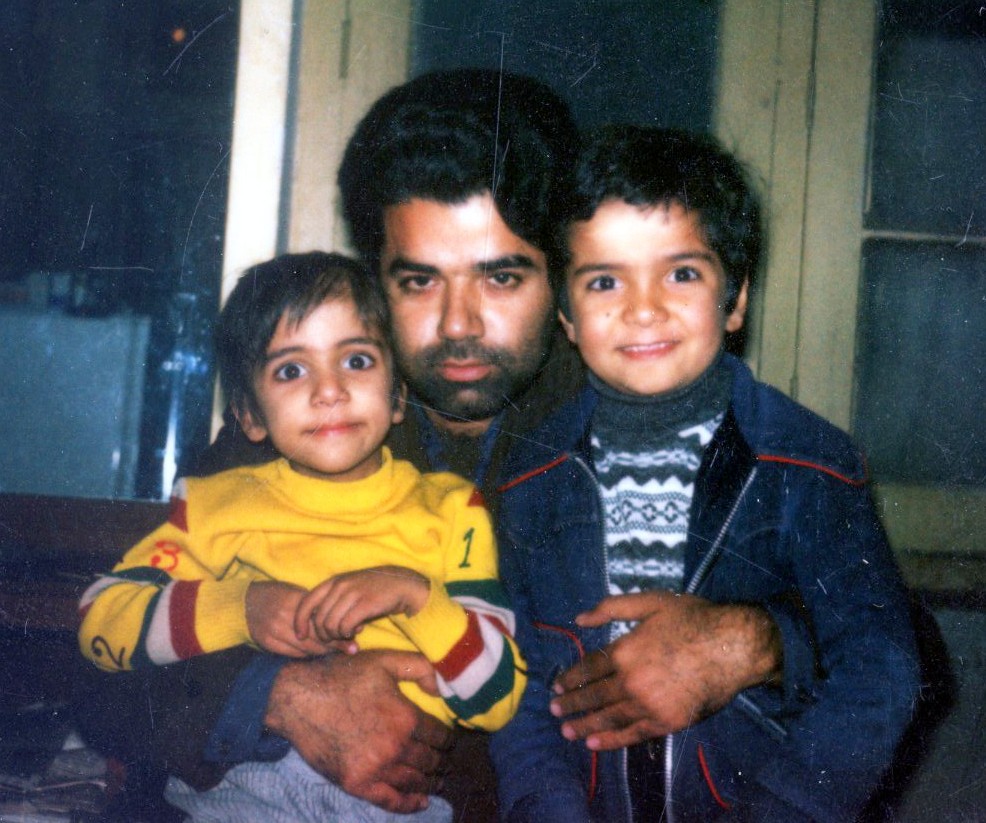
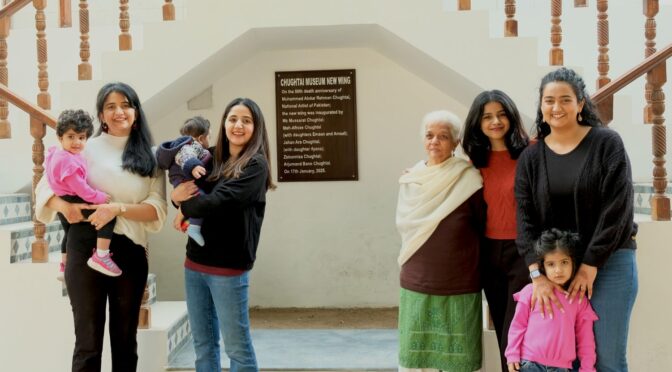
Dr Mah Afroze with daughterJahan Ara with daughterZebunnisa Chughtai 2Saffi TahirSaffi and Osama 1979.
It would be utter lying to say it was all easy. My attitude was simple, to go ahead and not irritate anybody. That was my weakness as well as strength. I had to lose my hare instincts and become a tortoise most of the time. But it worked. I have written all this in FIFTY YEARS OF CHUGHTAI MUSEUM (THE NESTOF THE PEACOCK). My father used to say flowers do sprout from stones even, and that somehow became my motto of life. I know I must train the next generation not only in remaining vigilante but also knowing the basic abc of things related to art. They have the capacity and they will learn. But on no condition they should let the legacy of M.A. Rahman Chughtai, which is the legacy of Pakistan to go to waste. I always say Pakistan Forever!
THE COYOTES SURROUNDING THE LION M.A. RAHMAN CHUGHTAI; SIBLING RIVALRIES ABDULLAH CHAGHATAI, ABDUR RAHEEM CHUGHTAI.
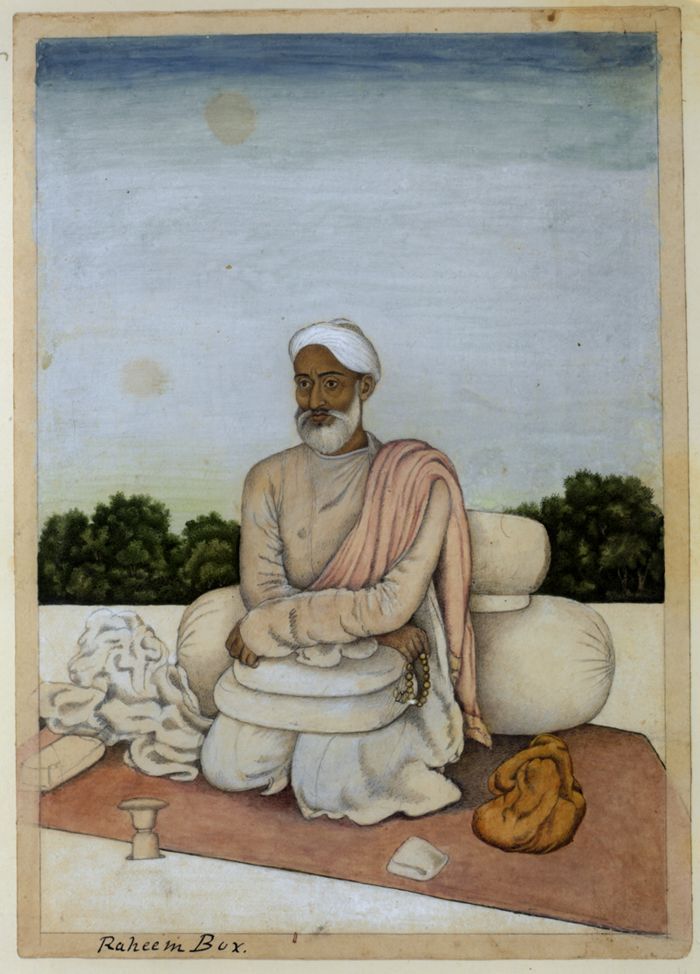
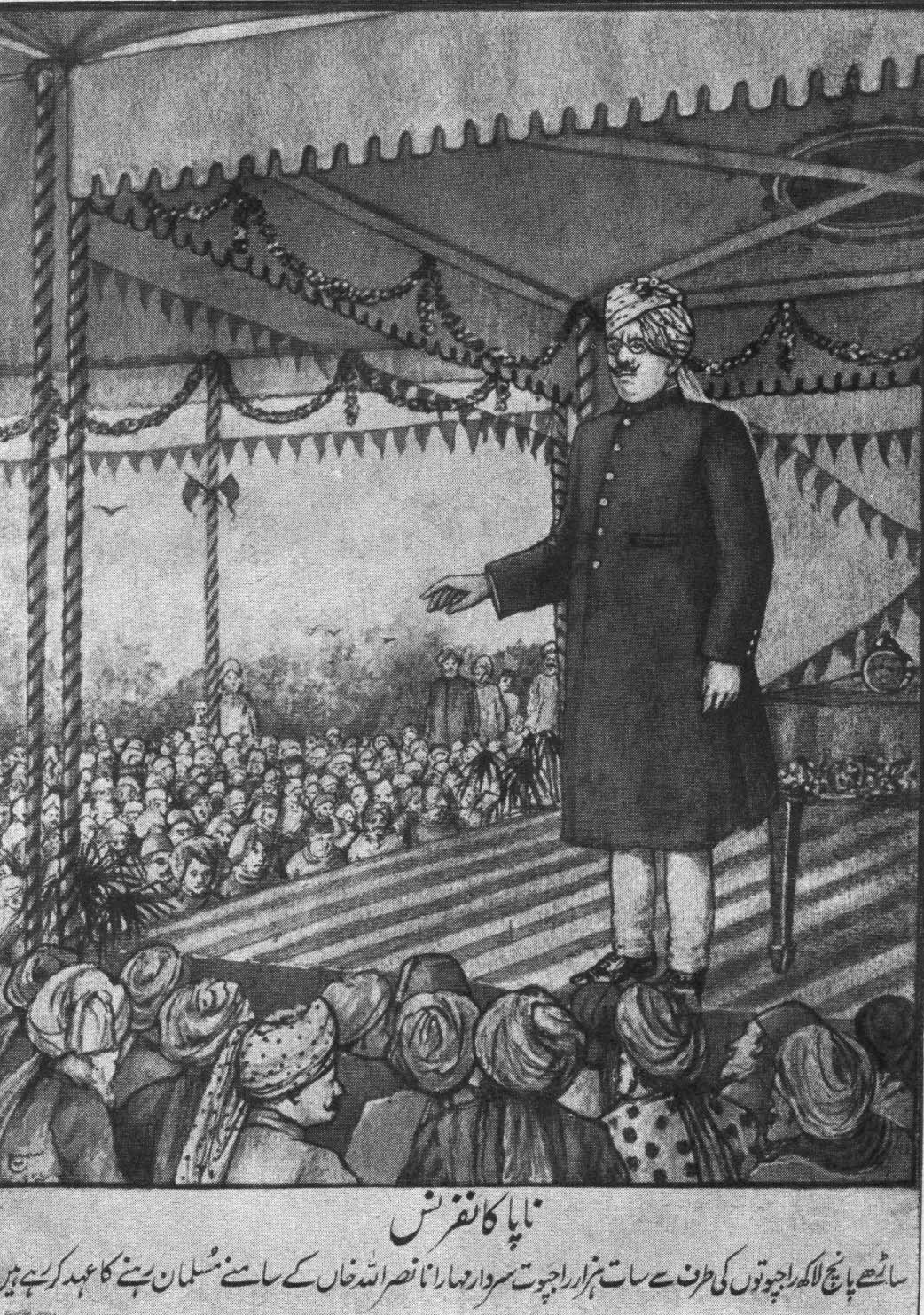
Mian Kareem Baksh had four sons, Muhammed Hussain from first wife, Abdur Rahman Chughtai, Abdullah and Abdur Raheem from second wife. The father died in 1913, and all four sons left on their own. The property was divided into two portions. Muhammed Hussain took fifty percent of the same, the other three took the rest. There were other properties, which were sold to keep themselves alive. To pull themselves out of the rut. It is a story of survival.
The first earning member became Master Abdullah, who got a job as a teacher, and his arrogance knew no limit, and he refused to share his pittance salary of Rs 15, with mother or his brothers. He left home, and got attached to his wife after marriage. Abdur Rahman Chughtai got married in 1911, when his father was alive. After his diploma, from Mayo, he was sent as a Drawing Master to Gujranwala Mission High School, probably at Rs 30 per month. The third brother Abdur Raheem Chughtai got a job as a typist at Rs 10 per month, from Typist Traders, related to his wife Mumtaz Begum. But he was in no position to share his salary. It was the salary of Abdur Rahman Chughtai, which was supporting the family. A generous spirit he supported every one. The generosity got on the head of others, and they started the clamour of trying to bulldoze possession of things actually belonging to the artist alone.
The first to burst the loving circle of the family was Abdullah Chaghatai. On the instigation of his wife, he demanded a share of everything, which did not even belong to him. As a result, he literally fought with the brother and went on his own. I can not say exactly but the fight lasted for more than thirty years or more, but in the process the brother Abdullah would try to undo everything related to his brother. Opposed him tooth and nail. The animosity passed on to his children and then grandchildren. Not one had the brains or the heart to understand the problem. What was the problem? The exceptional talent not only brought fame to the artist but also enhanced his financial (in 1920 the artist sold about ten of his paintings for more than Rs 2500, a phenomenal sum for that time) and material wealth, and this brother wanted a part of something, which was not his or his making. Like an ailing child, he cribbed possesion of whatever which was not his and even sabotaged the financial deal of the first book Murraqa Chughtai in 1928. A present of Number one of the book which was to be given to the Nizam of Hyderabad at a state function was given when the Nizam came to say his prayers in the mosque. It was in total bad taste. Sir Akbar Hydari, the Prime Minister made Abdullah a persona na grata in the state of Hyderabad for his rude behaviour. The grant to be given to the artist was lost.
Now left was the younger brother Abdur Raheem Chughtai. He attached himself to the artist to malinger and destroy things from within. Resenting the second marriage of the artist, he tried his best to break the marriage, even leaving a pregnant wife at the railway station during communal riots. Thinking that she would never be able to come back. (But by the Grace of Allah she managed to come back with a daughter who was born in Amritsar for the same reason). But the idle chatter about the family of the wife, and the innuendoes to brainwash his brother on the character of the wife’s family, went on and on.
It is strange how the mind of Abdur Raheem Chughtai worked. He knew his brother was an artist who would not survive without help from mundane matters. So the brother made himself indispensable. He took responsibility for most things in the life of the artist but the most important involved property and financial matters. He took everything in his control and played havoc in the life of the artist. He was in the habit of renting out the artist’s property and then creating an issue with the tenant, and going on a legal course. His whole life was spent in the courts sorting out petty tenants. In the process he would fidget with property records all the time. With access to the artist in his control, as well as the property and finances, he was in a position to batter the personal life of the artist.
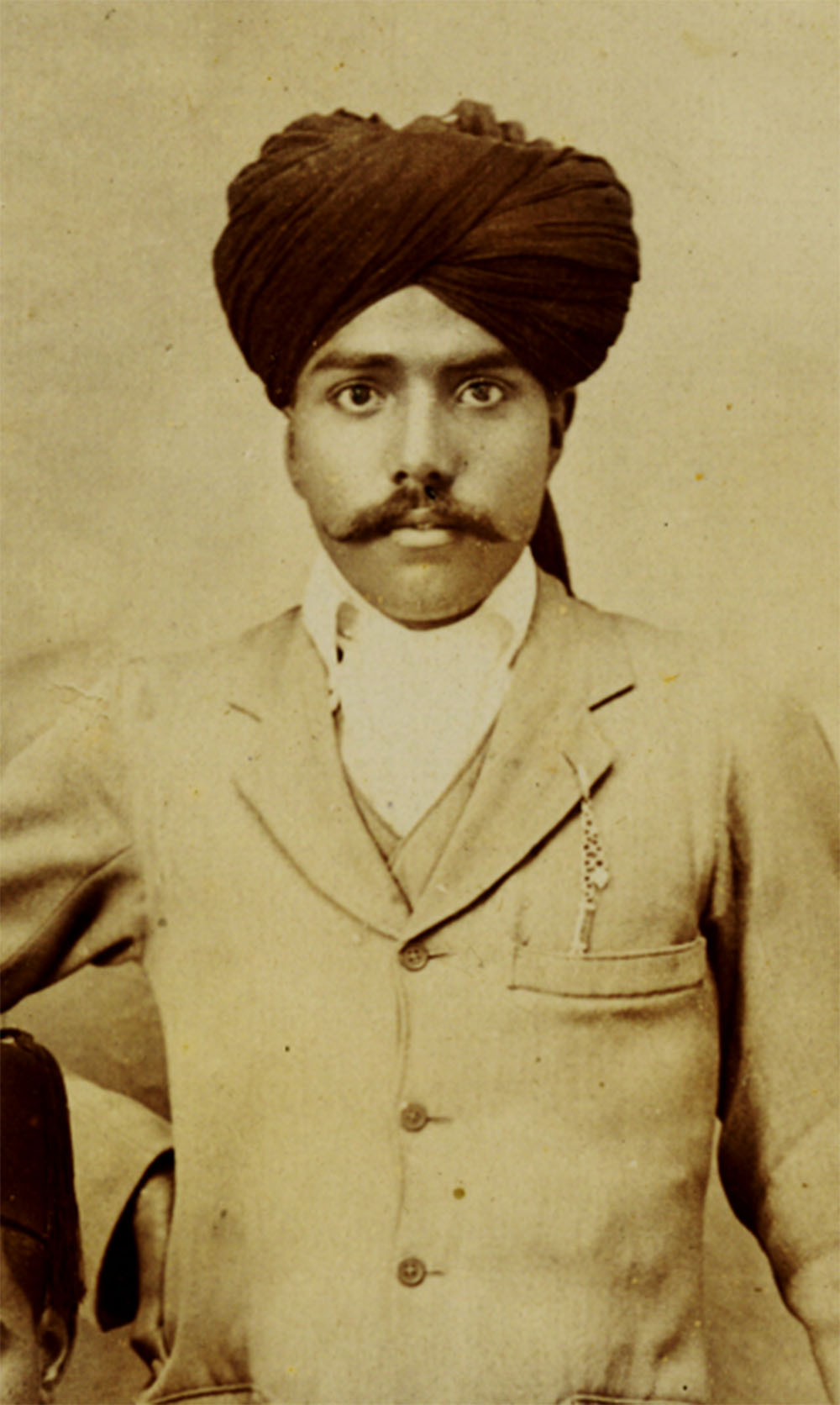
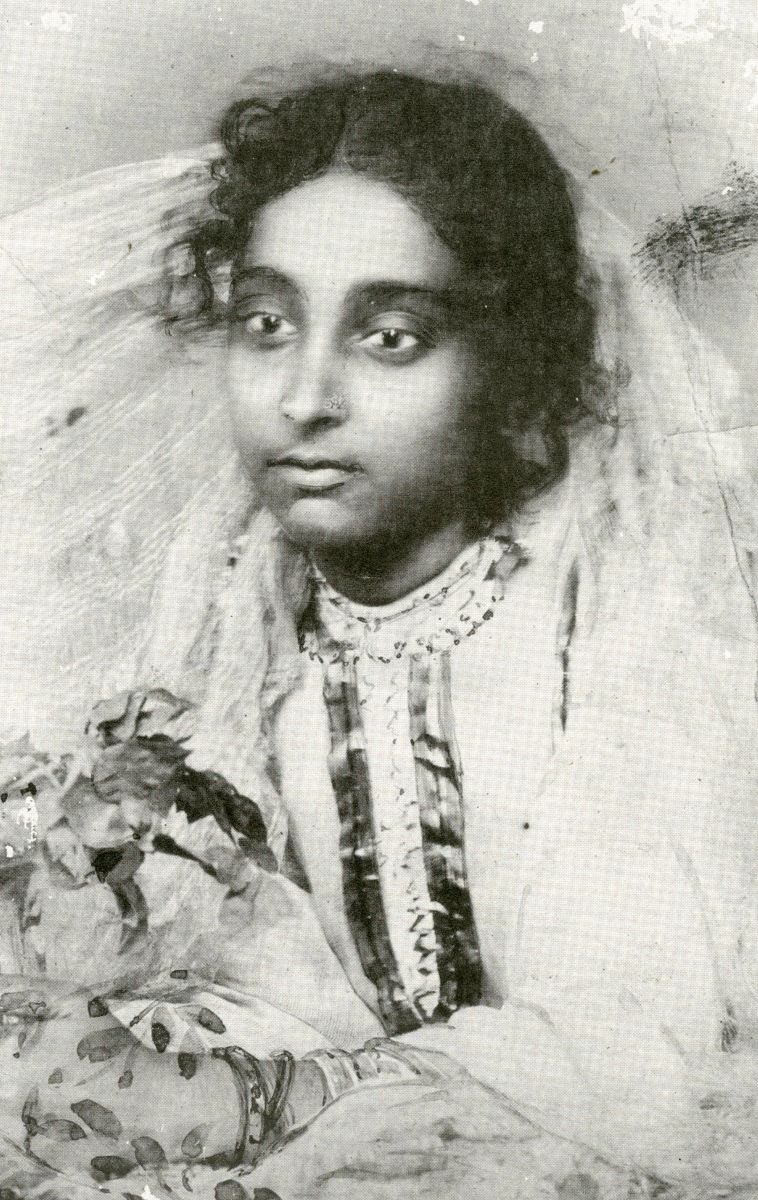
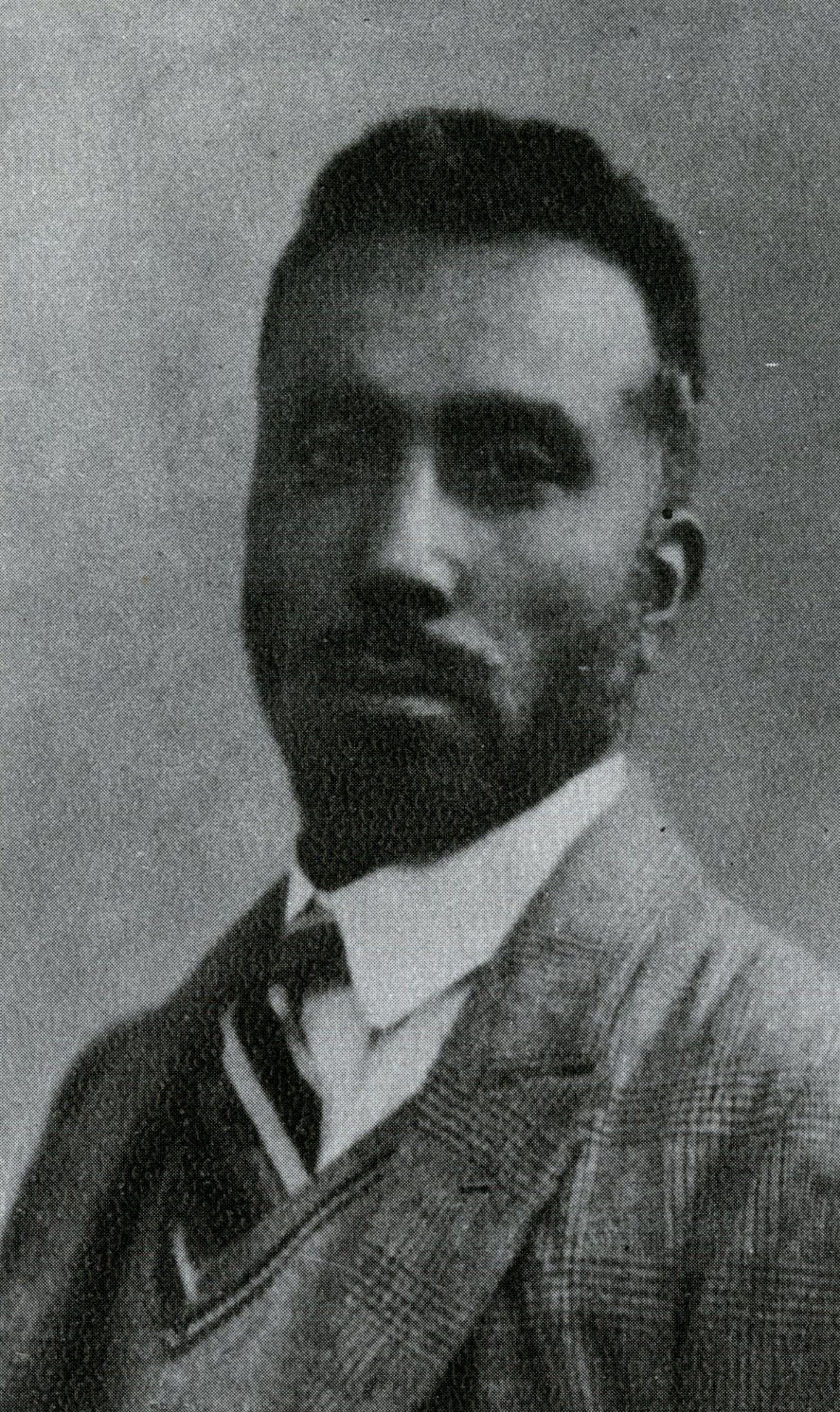
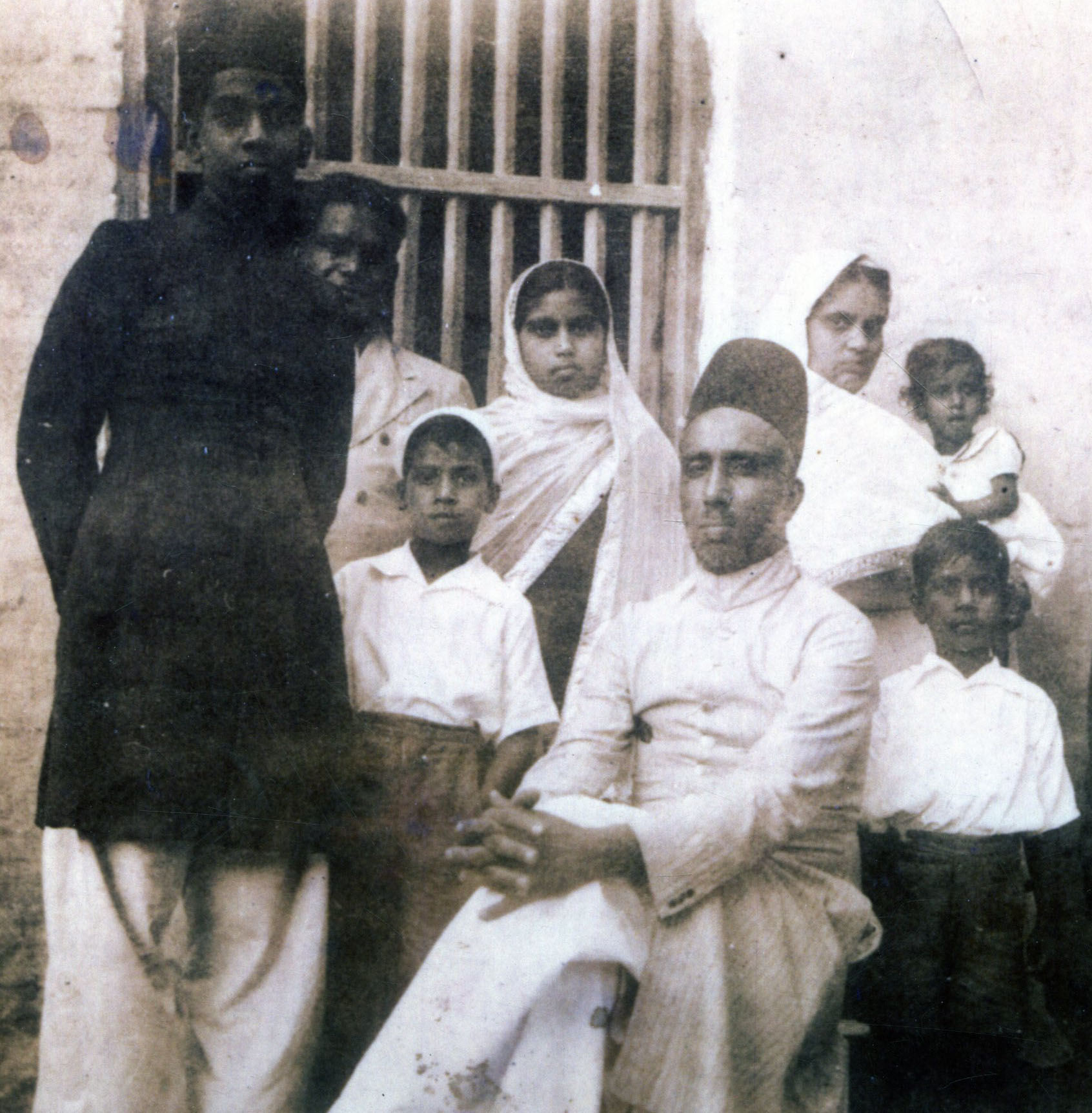
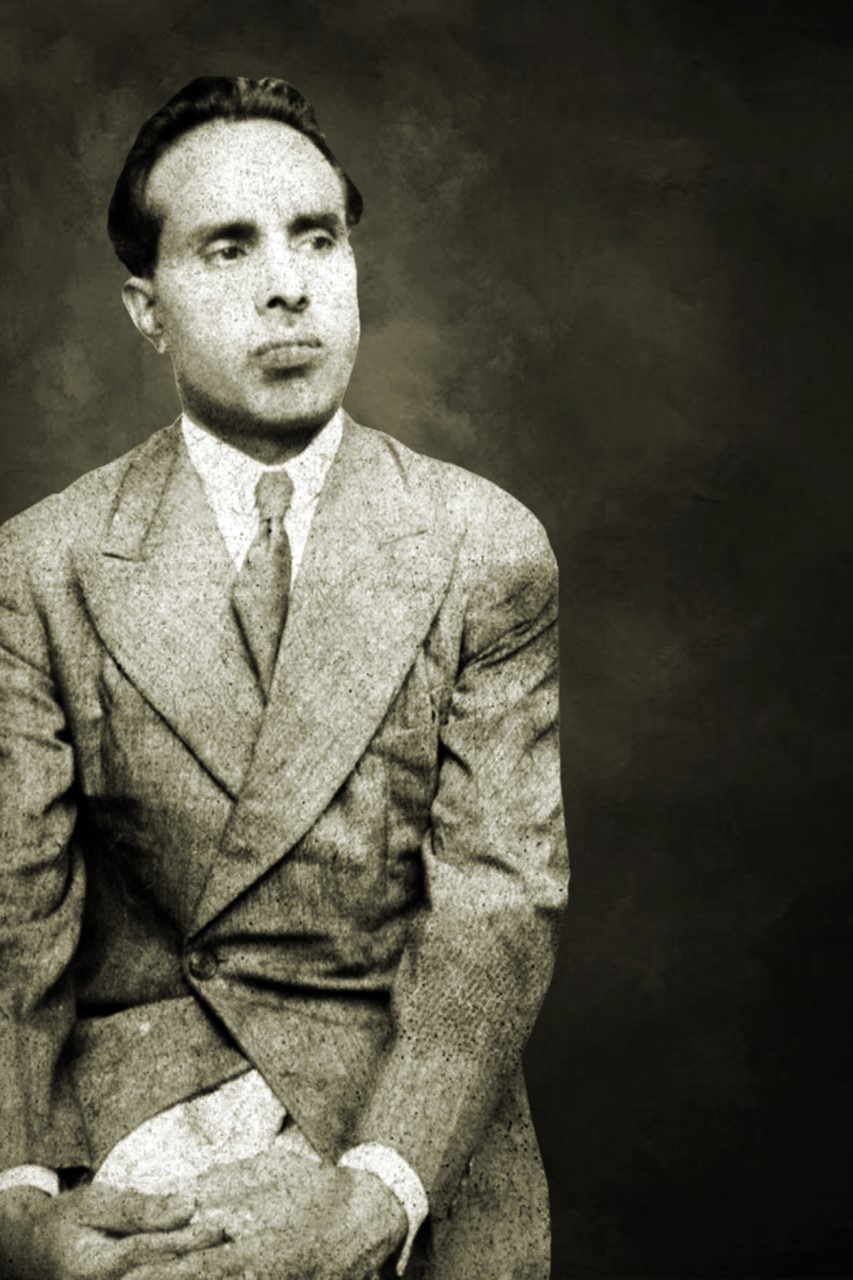
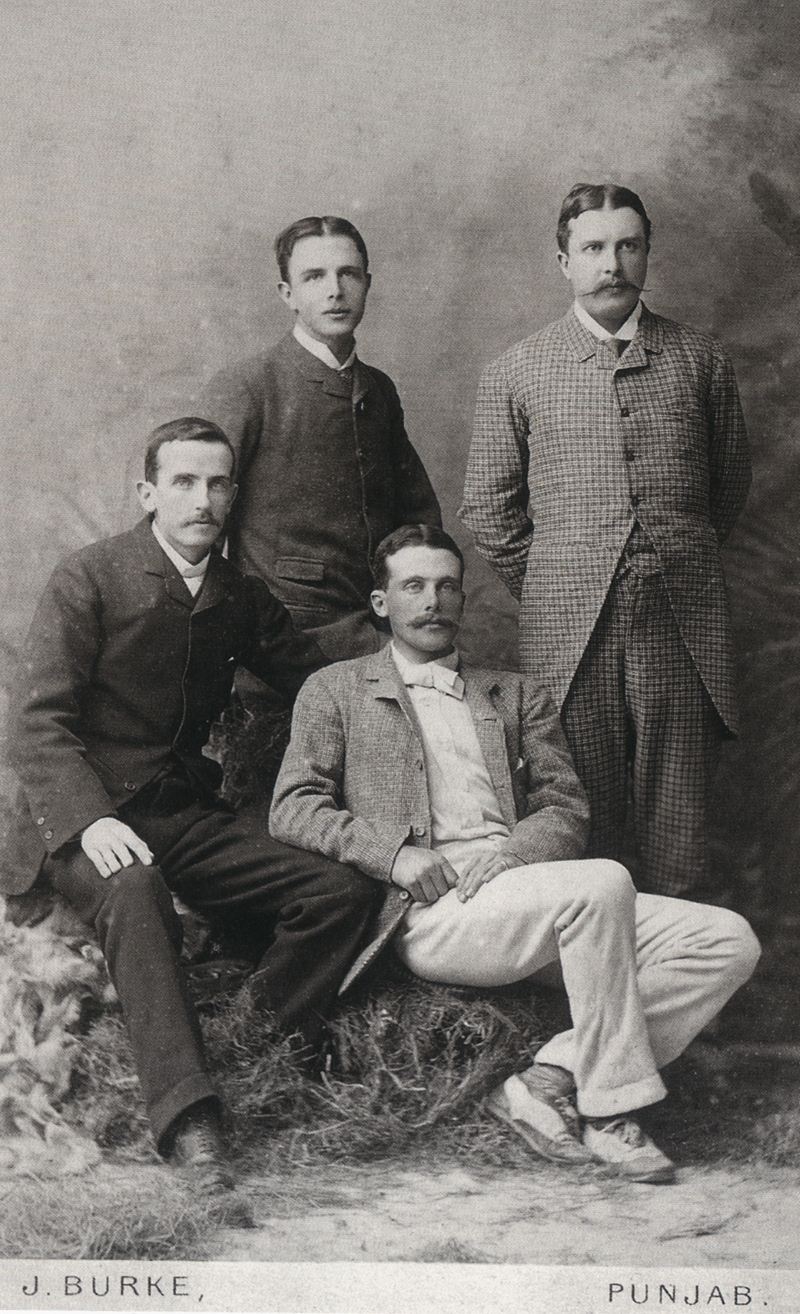
Abdur Rahman Chughtai 1911Wazeer un nisa bride MARCAbdullah ChaghataiAbdullah, wife and familyYoungest brother Abdur Raheem ChughtaiMumtaz wife Abdur RaheemMARC with second wife KishwarAbdur Raheem second wife Lucknow
In the process his own personal life was ruined, as the wife was oriented towards grave worship of Sufis, and not caring for husband or his children. The elder Abdul Wahid Chughtai, who the father wanted to send to Aligarh, and to play in the National Cricket Team, absconded at all places, and let his father down. For the second son, he stepped up an exceptionally Printing Press, at a cost of Rs One and a half lakh (at that time phenomenal), and sent him to London to secure printing education. The son never went to the Printing School, and hardly came back, at least not for the press anyway. Eventually the FRONTAX machine and Kliminish camera was sold to Nisar Art Press Lahore. Another dream vanquished with time. But that was not enough. Of all things M.A., Rahman Chughtai was blessed with a son in 1949. The object was to control the son, while the others in the family wanted to vanquish him from life itself. While on one hand he tirelessly fostered his grandchildren, with literal and financial help, he wanted to deprive the son from establishing himself in life. Hurdles were created against the education of the son. After matriculation, the stress was no more education. Same after Intermediate, actually maneuvering to fail the son. And after Bachelors, no more. The idea was floated to send me to Paris to learn about life. It was rumoured and put in the mind of the father that the son was a worthless student and had failed and was going to the university to fool everybody. Mind you I was striving for a gold medal with a first class first. Nobody understood the bullshit about this step. He left all of us penniless, even absconded with our Eid savings of many years. A car bought was immediately transferred to the name of his son Abdul Waheed Chughtai, with the Warris road address on it. He never wanted us to stand on our feet. And the moronic, low IQ grandchildren do not know these things to this day.
NO ON CARED FOR THE ARTISTS VISION OF HIS OWN MUSEUM
One thing is to be cleared right now. M.A. Rahman Chughtai preserved his works for his museum. Nobody understood the need for this at all. In fact in my view everybody was sabotaging the same. On the day the agreement for the Garden Block was being executed, the witness Dr M I D Chughtai told me that Abdur Raheem Chughtai was insisting that the agreement should go into his name. The artist refused same. So this youngest brother planned the destruction of the property by letting meaningless people to stay there, while loading the premises with his own worthless relatives. The son in law wrote a small note to me and slipped it under the door. Museums are made by Governments, not private people. If you have access to money, distribute it to your needy poor relatives like myself. A visionless low IQ response from an acutely greedy person.
I am Arif Rahman Chughtai. I am the son of the artist M.A. Rahman Chughtai. I have written a book FIFTY YEARS OF CHUGHTAI MUSEUM (NEST OF A PEACOCK). I have explained everything there. Here I can enumerate the attitude of the two brothers to myself, the direct descendant of the artist. After the death of my father, I visited the house of my uncle Dr Abdullah Chaghatai., His son literally turned me out of the house, with a statement do not come here again. After years of working on the Chughtai Museum project, in 1991, Abdur Raheem Chughtai wrote me a letter, disparaging my attempt and going to the idea, it is not for us to make the museum. His ambition now centered on his son Abdul Waheed Chughtai somehow the dream of him marrying Mussarat Chughtai, and moving himself into the Garden Town premises.
Let us get one thing straight. All the properties of Abdur Rahman Chughtai were made through the earnings of the artist, and the contribution of the two brothers is not literally but actually zero. Abdullah contributed nothing, not even his efforts. Abdur Raheem did contribute decades of work, but only to his advantage, and had control of all the finances of the artist. He lived in the best of times. He was also in the habit of forging documents as well as signatures. He even forged my own signature, to manufacture records. But to this day all the properties are clearly in the name of the artist, and inherited by his two children, Ms Mussarat Chughtai and Arif Rahman Chughtai. The documents are very clear on the owners. The unrest with the foolish grandchildren of the two brothers should subside by now. Nothing will prevail but the truth.OthersOthers are disturbed too. A waiter in Dubai, an Oxford student from UK, and an artist from Canada. Probably others too. They do not understand a simple fact that is PATERNAL not MATERNAL. Once we clear this hurdle, everything falls into place. More in future blogs. Till then this is protected land, stay away from it, and keep your dirty eyes elsewhere. Awakening of consciousnessHe was unhappy with his children and his last hope his son let him down. Change of heart took place. He took me and my mother to various patawarisoffices and DC offices. Corrected things there on his own.And wheñ he had a heart attack he was shouting loud all day asking for our forgiveness. I said do not worry we have forgiven you. Our fight was not only external but internal too. External opposition remained all the time, but so did internal bickering, and saliva salivating with greed. Material gain blinded them to the grand legacy issue. The museum was built and now it is for the next generation to take care of it. This includes Saffi Taher, son of Ms Mussarat Chughtai. And my four daughters, yes Mah Afroze Chughtai, Jahan Ara Chughtai, Zebunnisa Chughtai and Arjumand Bano Chughtai. The Property is heading towards a long term legal protection. The idea of Pakistan is not a joke, the legacy of M.A, Rahman Chughtai is also not.Pakistan forever Chughtai museum forever.Efforts of Quaid Azan, Allama Iqbal and Abdur Rahman Chughtai will not go in vain.
SOCIAL ISSUES FORCE US TO TACKLE PRESENT DIPLOMATICALLY, THE TRUTH REMAINS THE HISTORY OF LAHORE RAILWAY STATION. WILLIAM BRUNTON ARCHITECT, MIAN SULTAN CONTRACTOR, AND MIAN RAHEEM BAKSH ACTUAL FOREMAN AND BUILDER STATION.
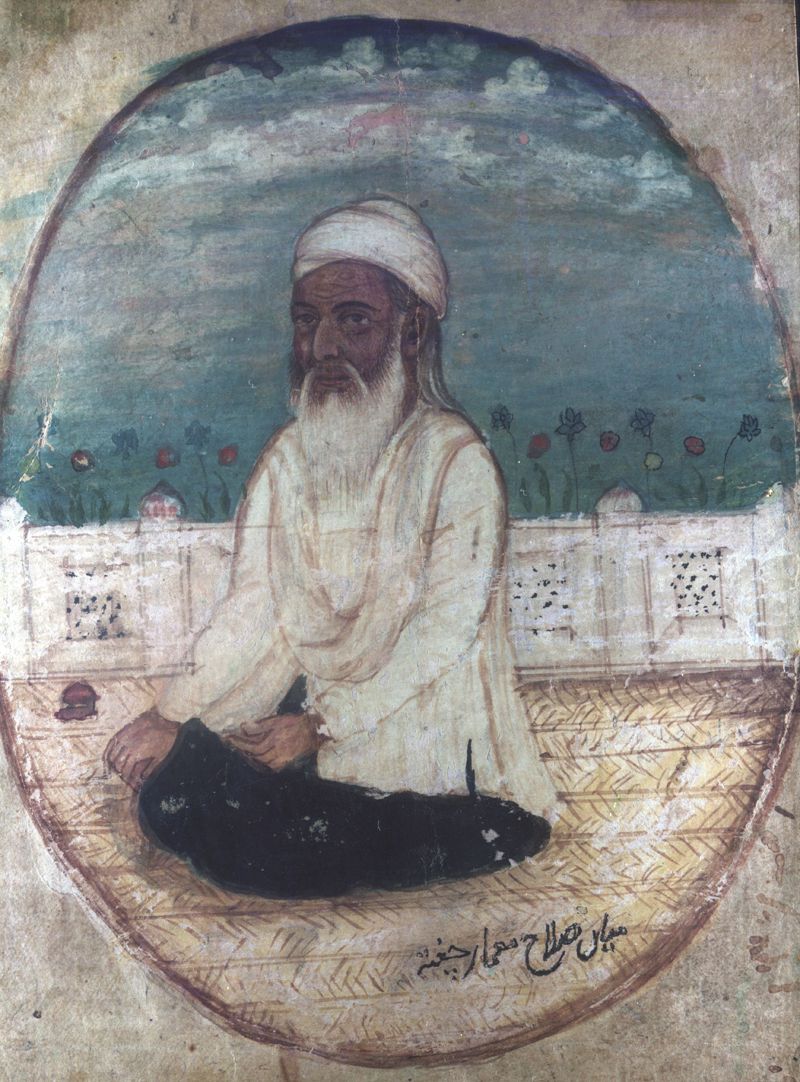
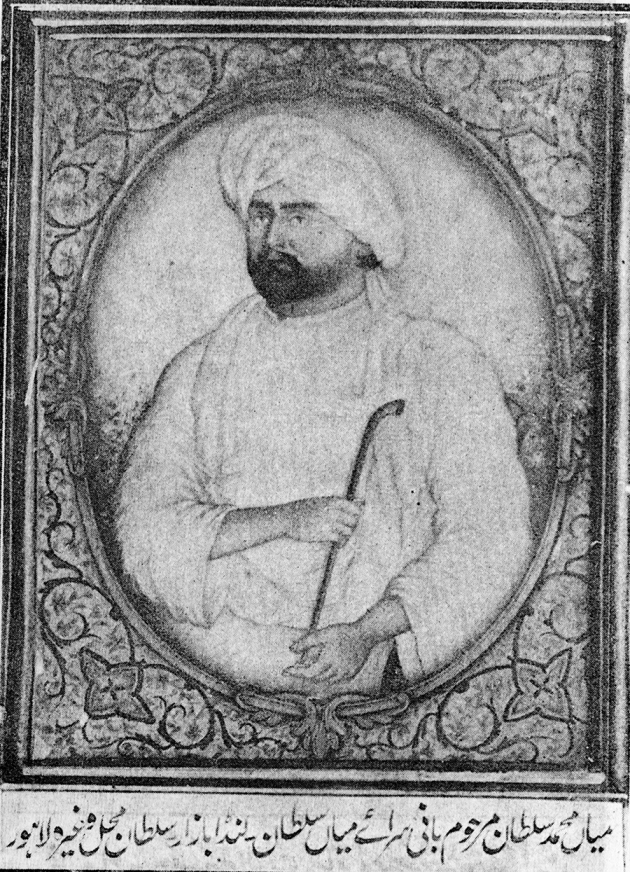
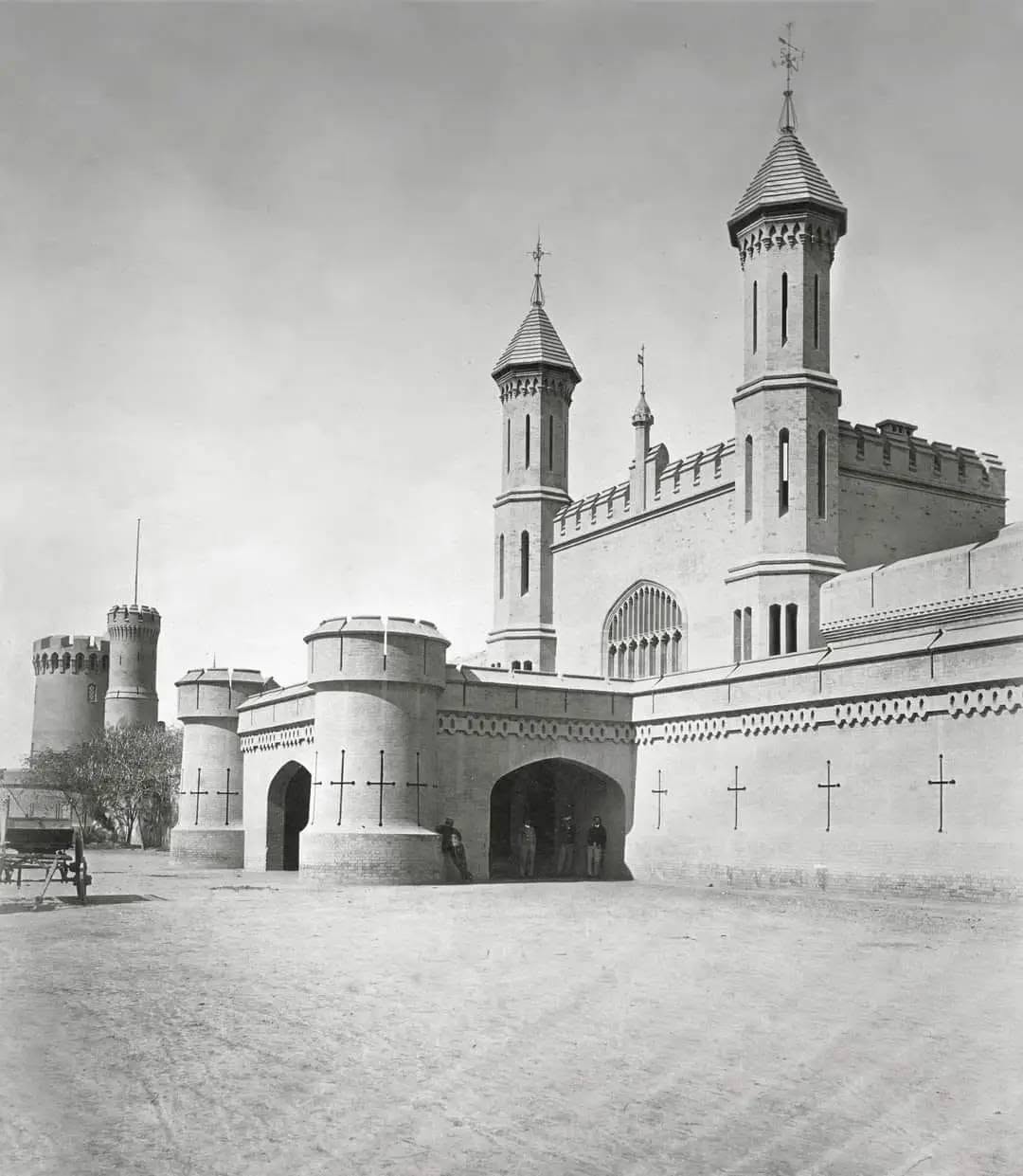
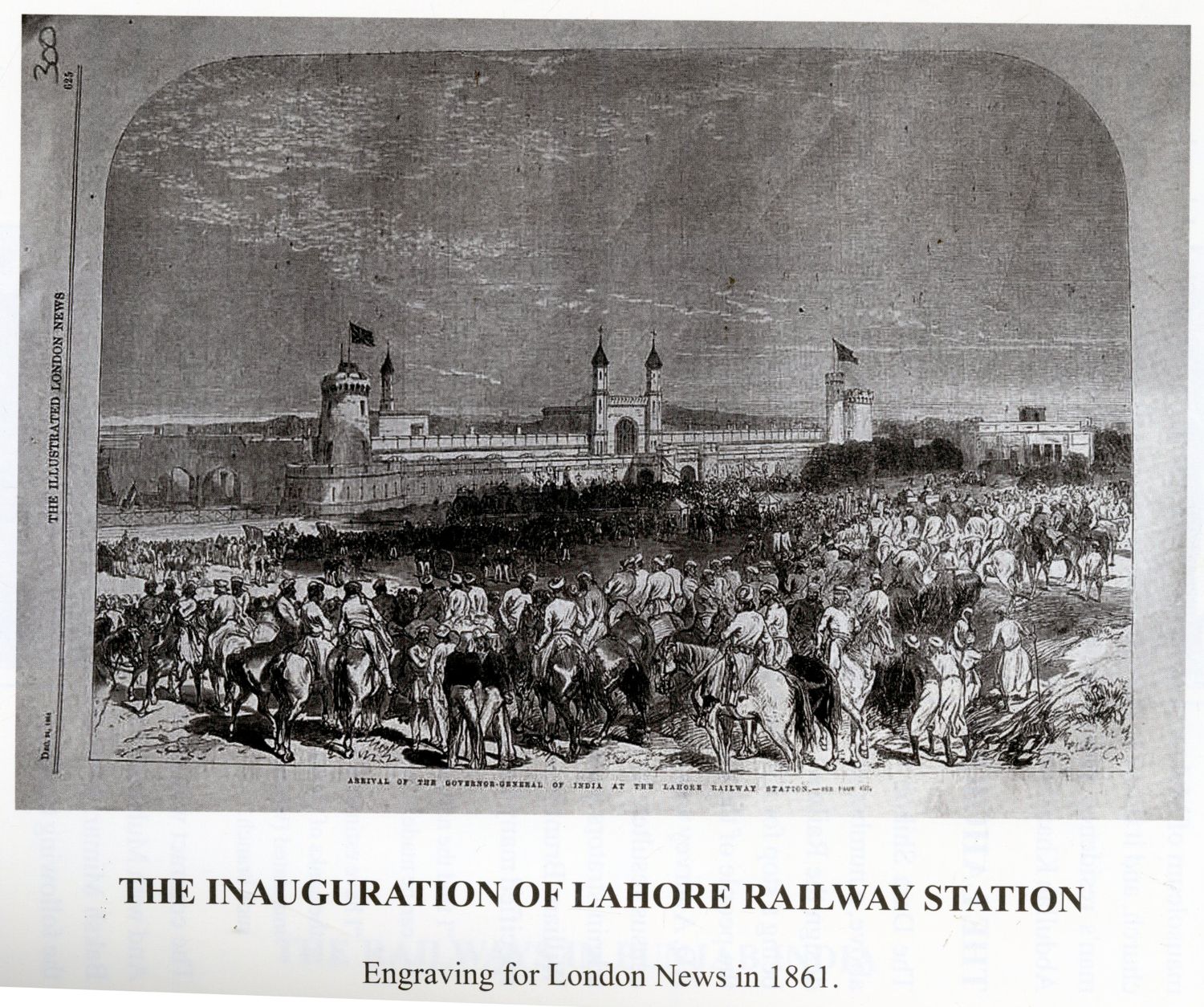
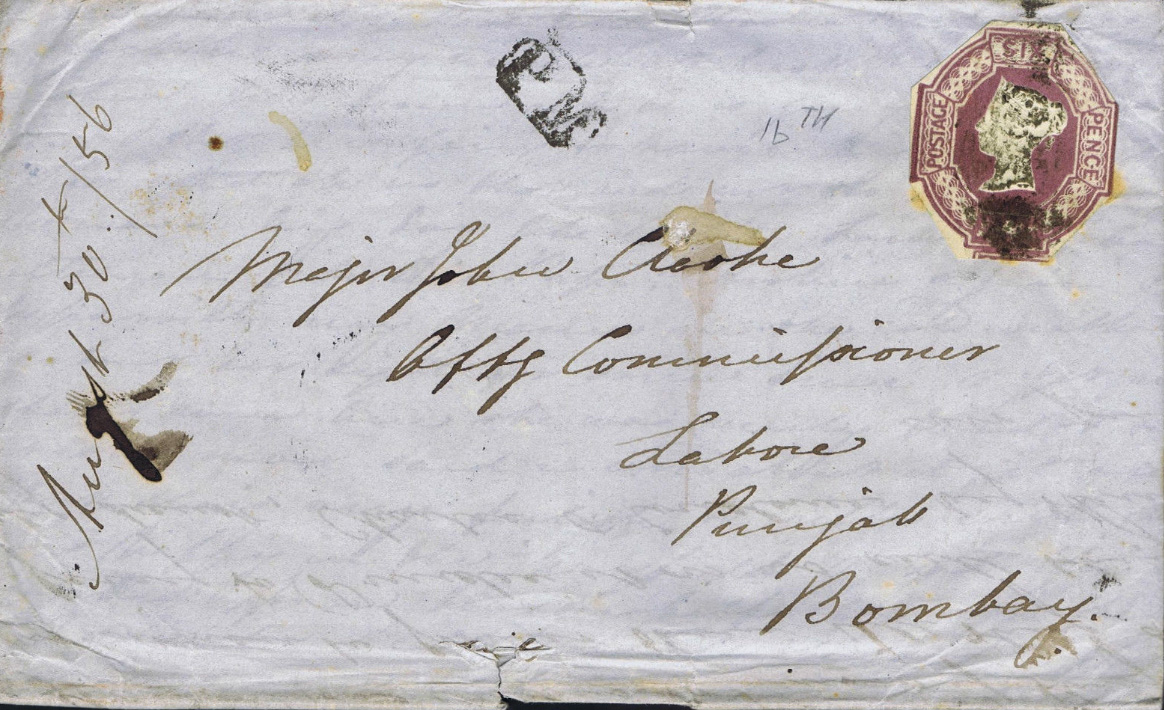
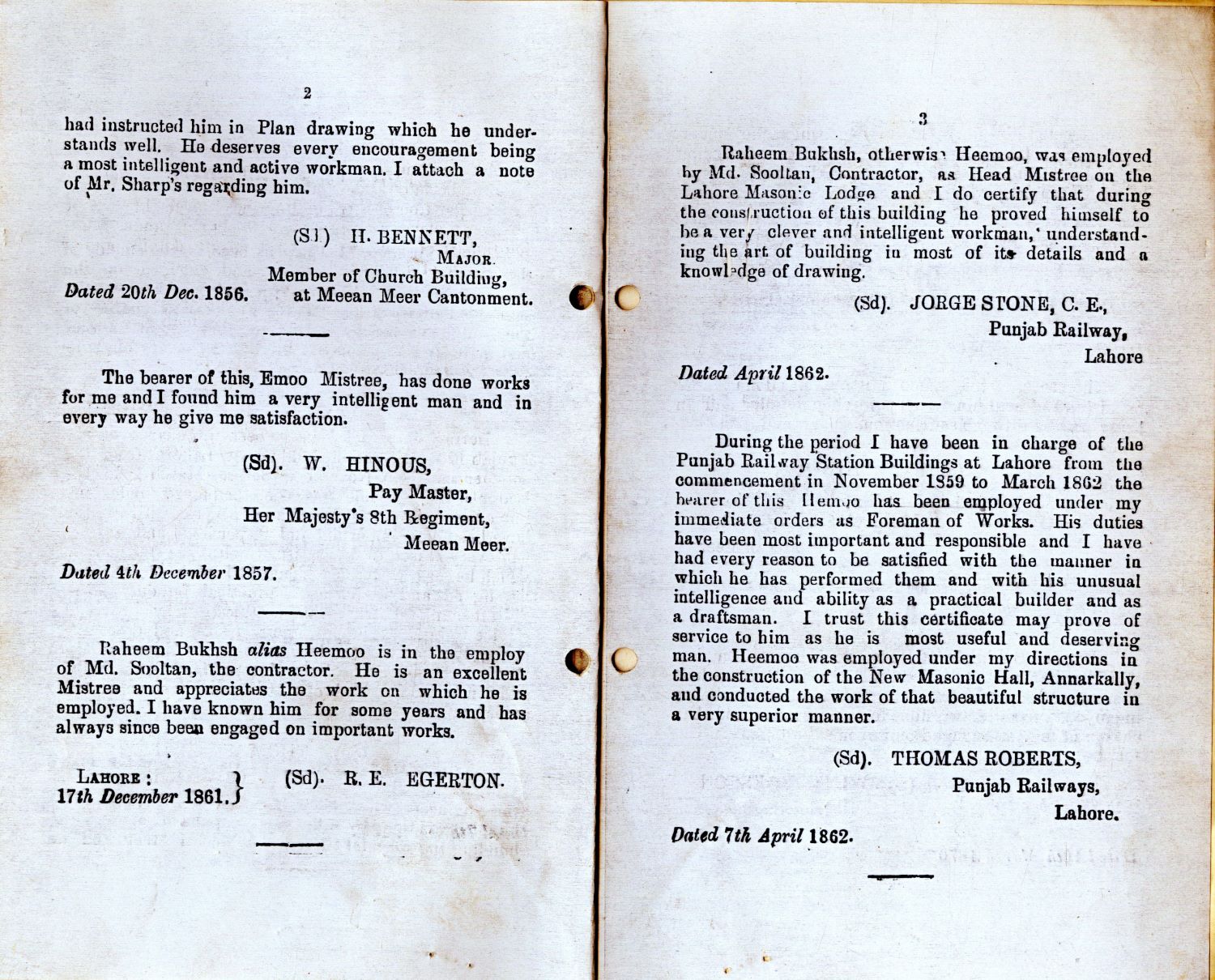
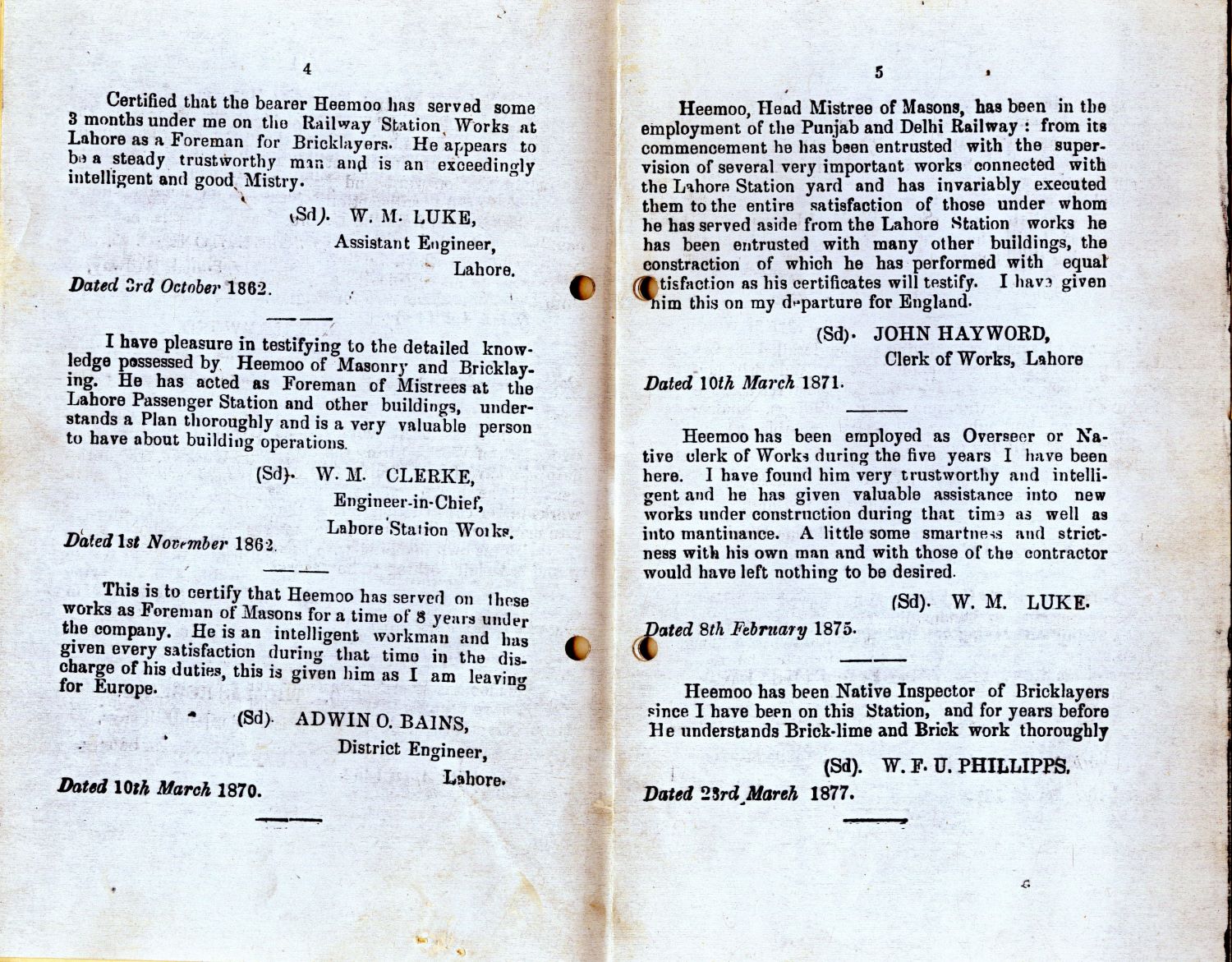
I was born in Lahore, and the favourite means of long distance travel was the Railway. Every year we picked up our luggage and as a family plan our annual trip to Karachi. My fathers favourite spot was Delhi but after some years, Delhi was impossible to reach safely. The last time as a family we left Delhi, there was acute disturbances, probably in Amritsar. People on rail track stopping our train journey. Tear gas on the Station itself and we were huddled in a rest house toilet, putting wet towels to shield our eyes. Not all was good between the Sikhs and the Muslims after the massive killings at time of partition. My mother and sister, stranded in Amritsar, came back at the brave move of my Khaloo (Khalas husband who had a factory in Shahdara). The journey was long and tiring but some sleeping berths were always reserved for us. Our delight to sleep above the seats of lower passengers. In those days, a link with Railways was a prestigious thing and a lot of our relatives were in the Railways. After partition my maternal cousin was General Manager Railways, his brother Chief Medical Officer Railways, and an actual cousin, Chief Mechanical Engineer Railways. My grandmother’s brothers were in the Railways too. My father was educated at the Railway Technical School, Lahore. In reality, the relationship between fathers and sons were not friends like life today. My father was involved in ancestral studies but never shared such things with us. However his emphasis was on the times of Shah Jahan, and knew or cared nothing for recent family achievements. He never told us of our ancestral attachment to the Lahore Railway Station. Going through the records of our relatives, I came across other information about my grandfather and great grandfather and his father, Mian Salah Mimar of Kocha Chabuk Sawaran Lahore. There was a miniature in our house, and I was transfixed at the sight of a man, who headed our various generations. It was love in rapture. A lot of meaningless nobodies are always trying to find links of relations with us, but we were a small family. My fathers paternal family was very limited. His son Mian Raheem Baksh alias Haeemo was linked to many constructions, and we find his name in Khalsa Darbar records as well as certificates of English administration in Lahore. Lahore Railway Station was linked with him as well as Mian Sultan, the famous contractor of Lahore.. The English administrative structure was made up of highly educated, skilled as well as manipulative people. These bureaucrats knew that to control the vast track of Hindustan, there was a need to link all the portions of the region with a fast moving track, so that uprisings could be checked in time and rebellions quashed. Along it was the commercial motive of looting every juicy blood of the nation. Railways was an excellent means of doing the same. Gradually Lahore was an important city and the Rail was destined to pass through it. They were not bothered with clearing the rubble in way of any Muslim monuments on their rail track. The destruction on the way was inevitable. In addition each Railway Station was to be like a fort to be filled with soldiers at first cry of dissent, and the soldiers trained to show no mercy to the citizens. Even today the same principle applies to things.. The Railway Museum in Lahore as well as that in Golra Sharif cater to preservation of historical carriages, and no archives are there. Possibly they exist somewhere But for our reference we search a book published in 1853, and William Brunton termed as the Architect of the Railway Station Lahore. Without doubt the contract was handed over to Mian Muhammed Sutan Tekhaydar (contractor), who passed on the actual work to a leading architect of Lahore, Mian Raheem Baksh Mimar. Various work references are available from various British administrators, including R E Egerton, who was Commissioner Lahore and later even the Governor of Punjab, and remembered to this day with his named road, that is Egerton road, Lahore.
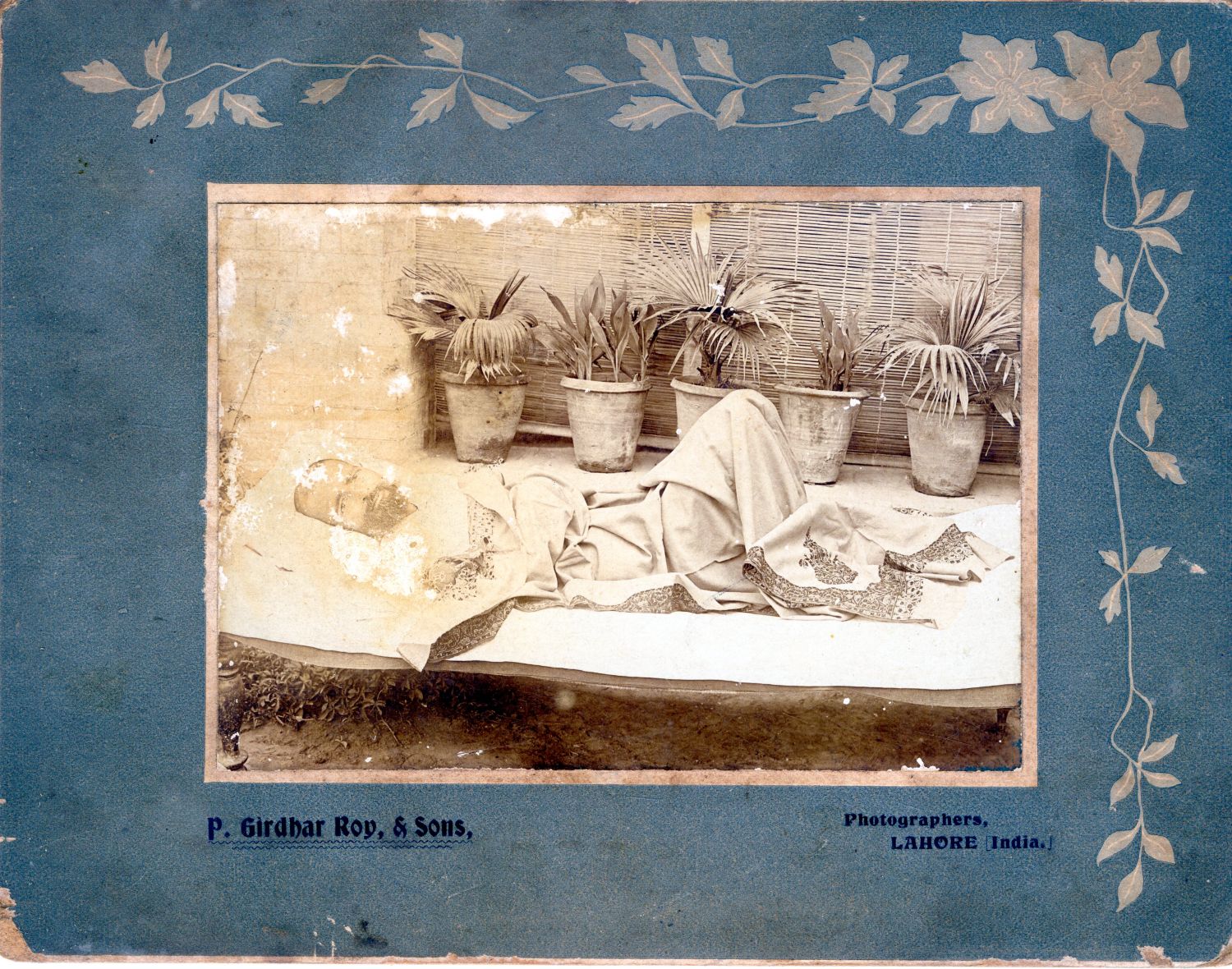
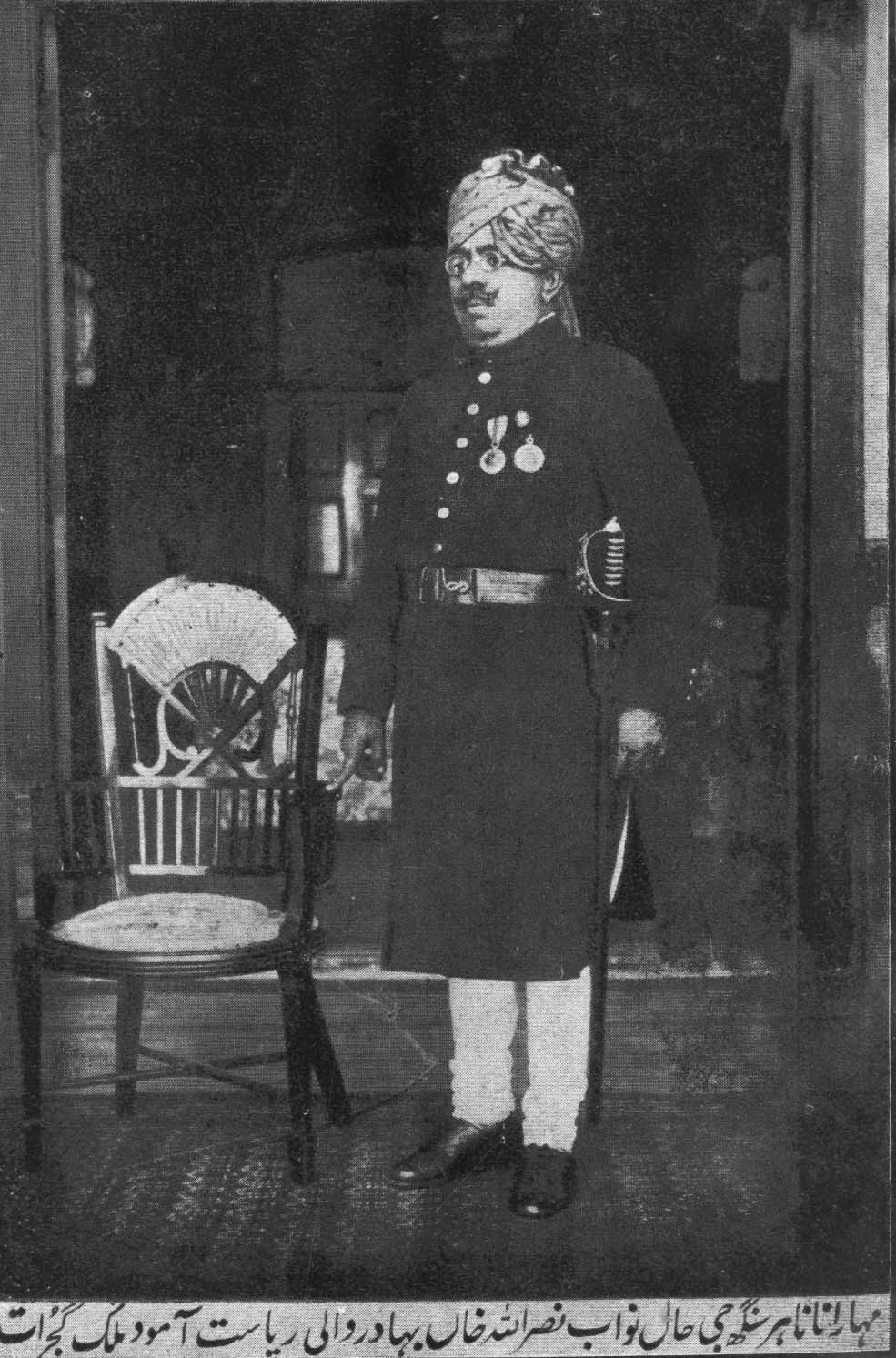
Salah-Mimar-Chaughata-died-11th-May-1858-2Mian-Raheem-Baksh-Mimar-3Mian-Muhammed-SultanMian Sultan on death bedLahore Railway StationINAUGURATION RAILWAY STATION 1861Commissioner RE Egerton LahoreMajor John Clarke DC LahoreCover-TestimonialsCredential Raheem Baksh MimarCredentials moreMaharana conversion in Lahore Railway StationMass conversion at Railway Station
In a momentous book “History of Railways” it is clearly written: “The Lahore Station was built among the ruins of the ancient city, and great difficulty was experienced in laying the foundations of the various station buildings over the depth of the ruins over the firm soil below. The station was built like a fort so that it could be easily defended in times of danger. They were round bastions provided with loop holes and the roof was surrounded with loop holed parapets for musketry. In the early days there were two entrances equipped with heavy armour doors, which sliding across the opening, completed the scheme of defense. The station today retains its fort-like appearance . It was designed by William Brunton and constructed by contractor Muhammed Sultan at a cost of Rs 500,000. Bricks were used throughout, the outer surface having carefully closed joints and perhaps the masonry could not be bettered even today.” And the quality of the masonry was due to Mian Raheem Baksh Mimar expertise without any doubt. A detailed information is written in my book entitled AIN E KHANA DARA SHIKOH LAHORE. The reason that the complete city of Dara Shikoh in Lahore was dismantled to build the Lahore Railway Station, and a lot of other monuments destroyed too. The Rail ran through the Shahdara monuments and tragically separated the mausoleum of Empress Nur Jahan from that of her brother Asif Khan and husband Emperor Jahangeer. And the serai was used as a Railway shed. And it ran through the mausoleum of Ali Mardan Khan too. Construction was made with the view of the soil and condition of the track in heavy rain and floods which were plentiful in Lahore. In a memorandum William Brunton says this very plainly. It took time to construct as they waited for rainy months to figure out the correct path. I have noted the details of Willisam Brunton in my book. A blog cannot accommodate all the information. POSTSCRIPT:Ms Farwa Batool requested information about the Lahore Railway Station for a documentary. I tried my best but she was thinking on parallel lines, and not willing to listen to me. Stuck on the idea that the Railway museum would have archives. This is Pakistan, no one cares for the present, who cares about the past? Cheapsters are on the internet as paid instruments of destroying Pakistan and its Ideology and romanticizing Mandirs and Gurudwaras. India is destroying our heritage there and we are obsessed with saving their ordinary things. Money makes the mare go and in Pakistan mares gallop all the time.
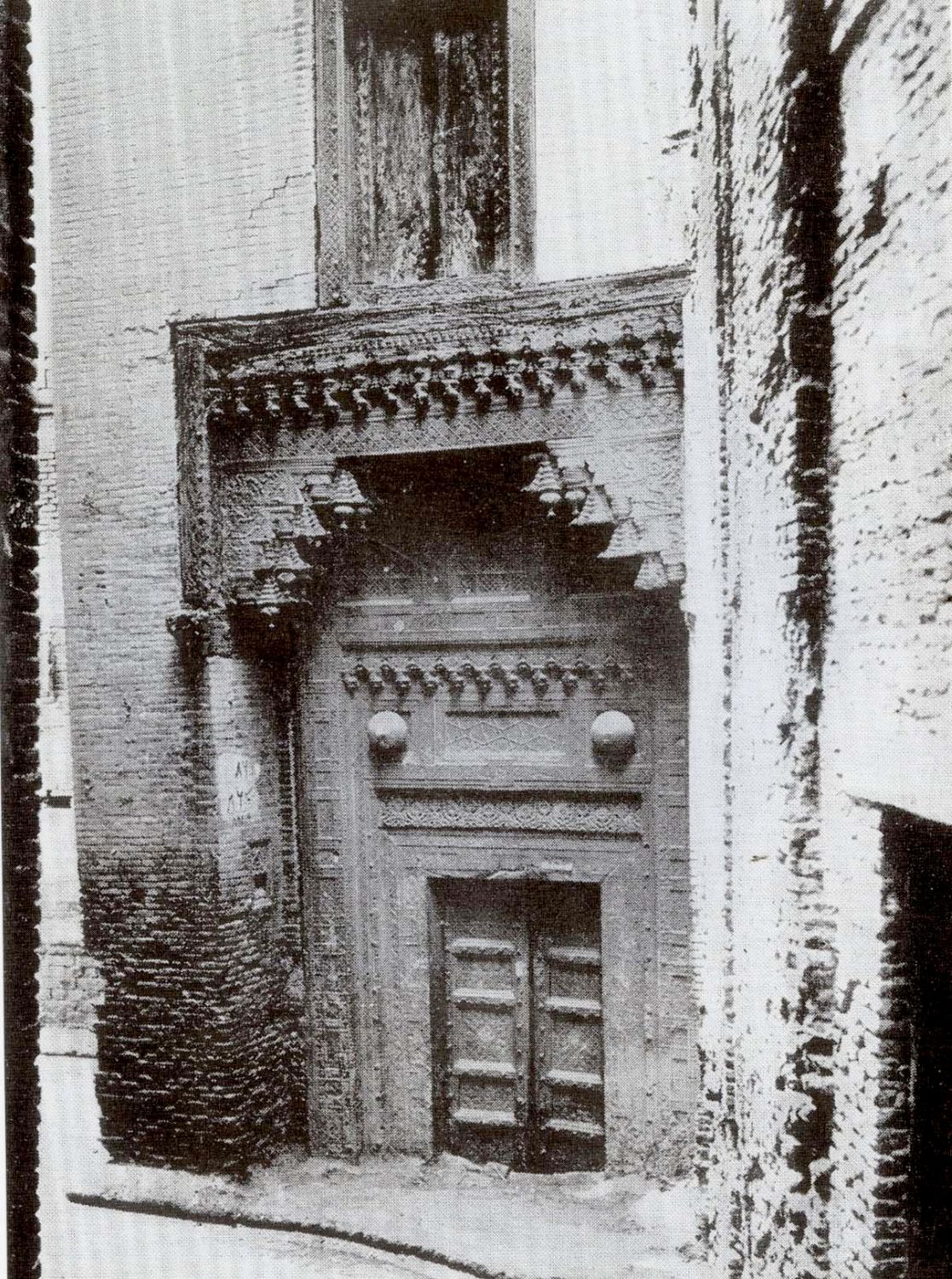
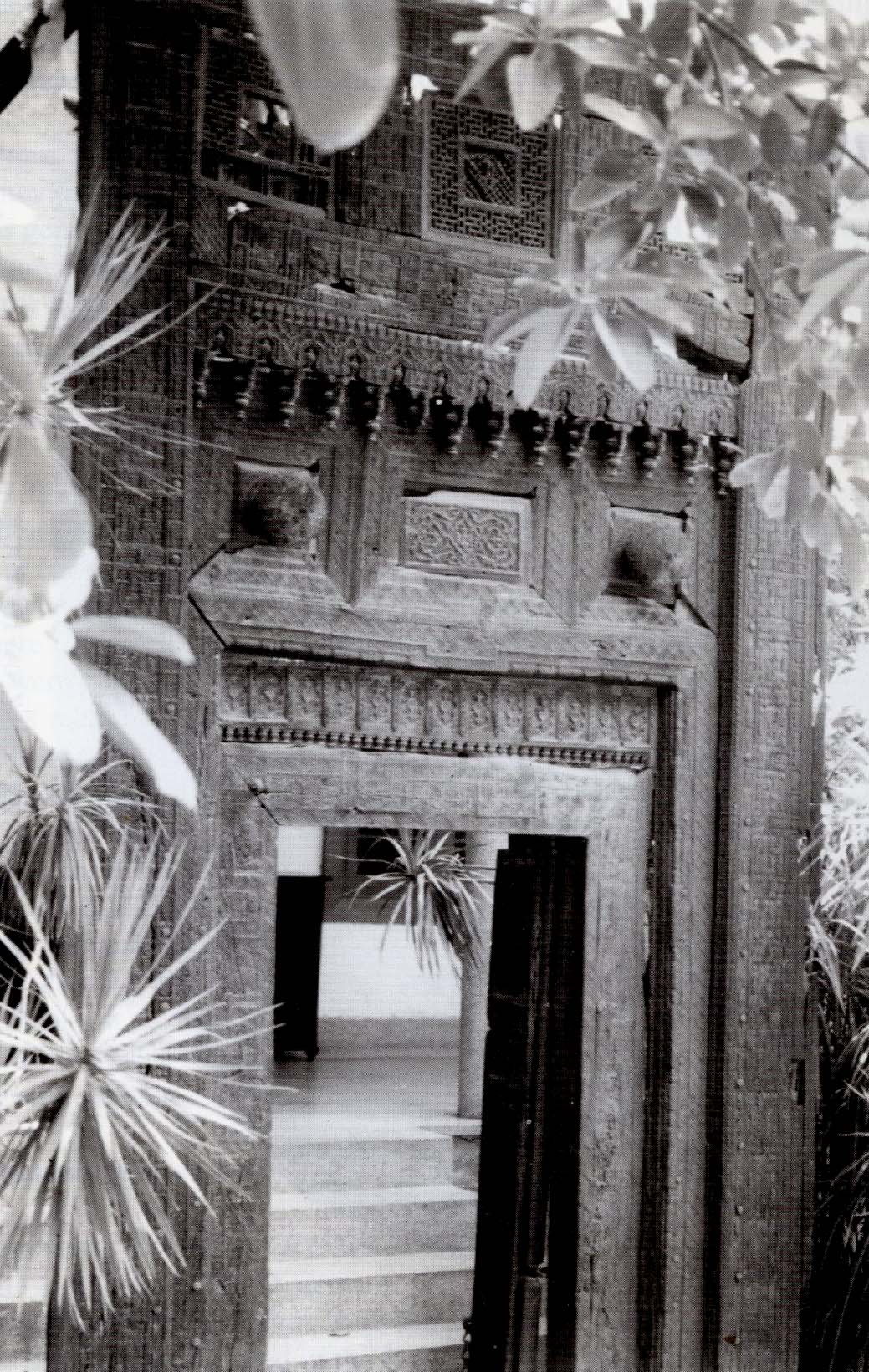
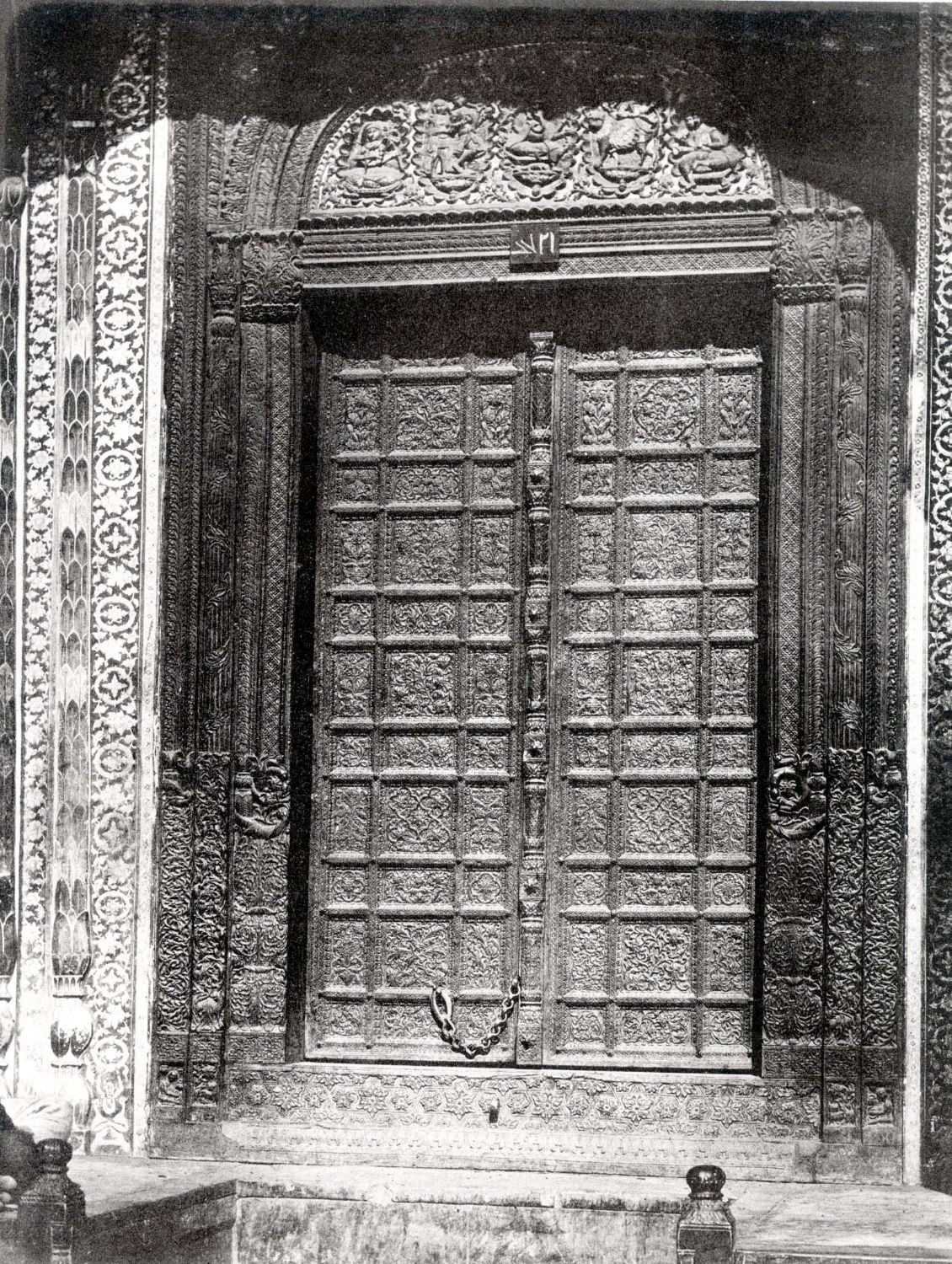
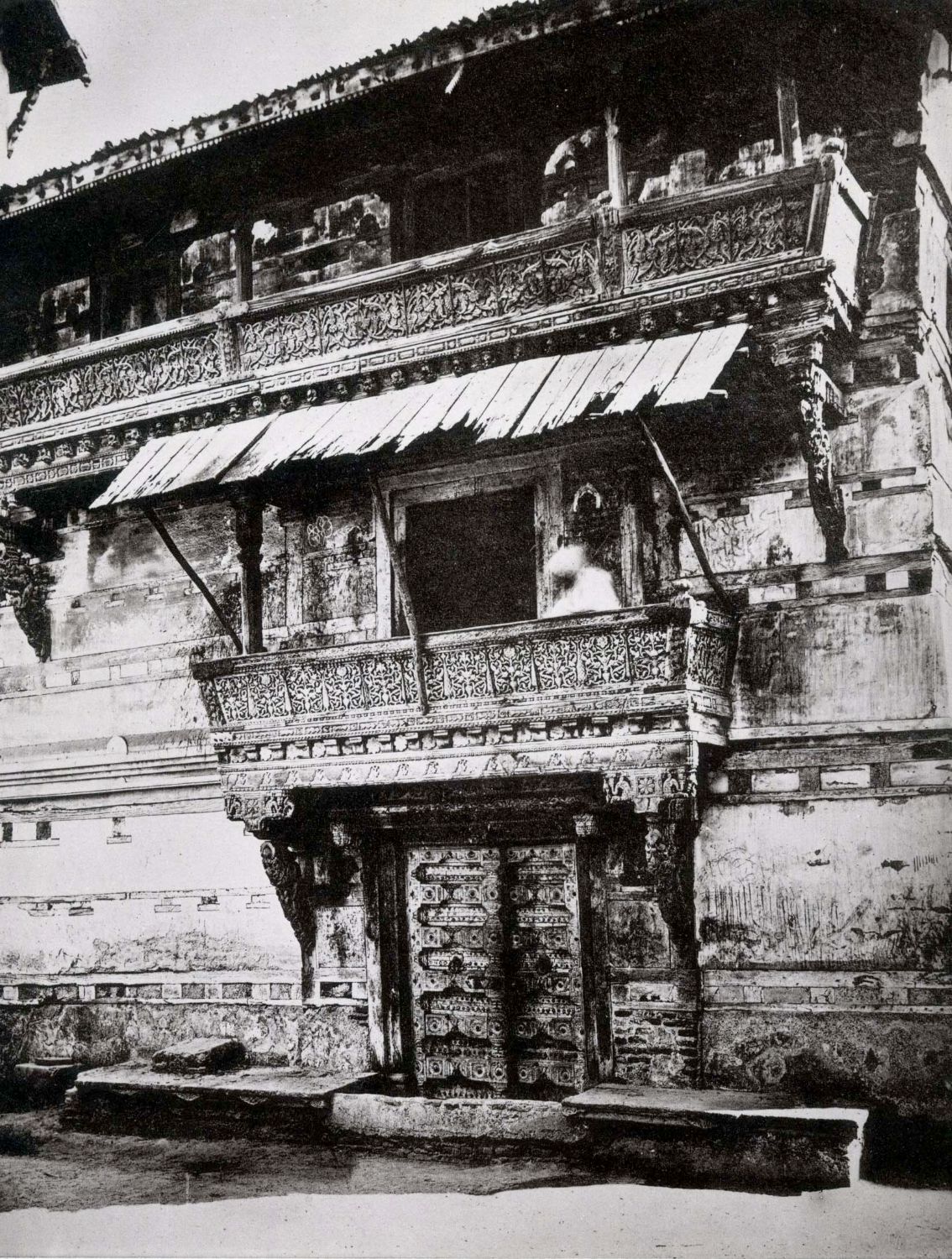
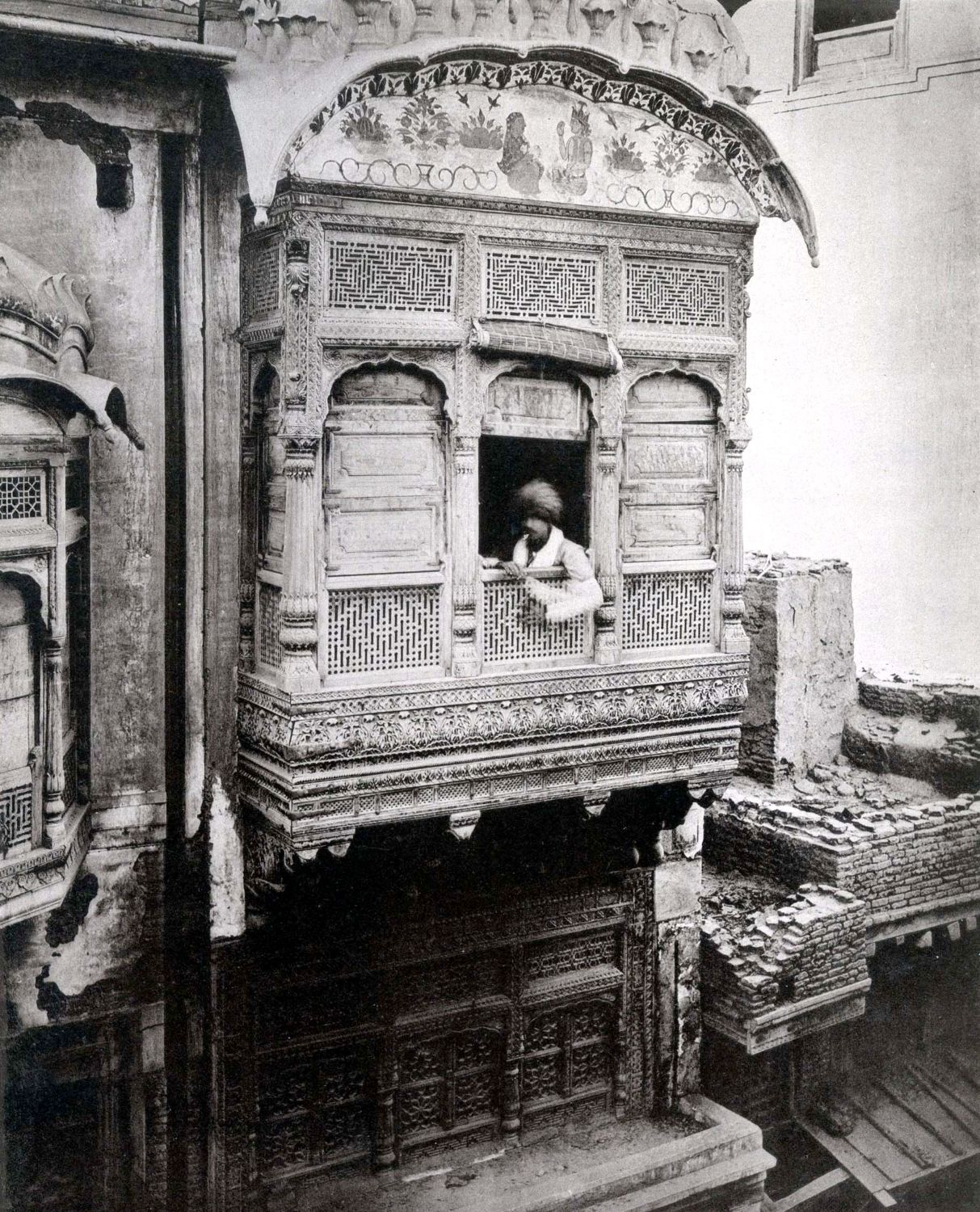
HIDDEN TRADITION OF EXQUISITE CARVED DOORS OF LAHORE; DESIGN STUDIES NOT MERELY GHAZNAVID SELJUK BUT LAHORI.
Once upon a time wood carving was dominant in Lahore. Old photographs reveal intricate chabutras in almost every other house in the city. One can wonder what promoted such lavish display of resources and how was the same even afforded by the average citizens in Lahore. It perplexes even the most fertile imagination. And it was a reflection of the Muslim aspect and side of Lahore. One can imagine the 200 craftsmen brought by Governor Ayaz to make the city of Mahmudabad a living testimony of aesthetics.
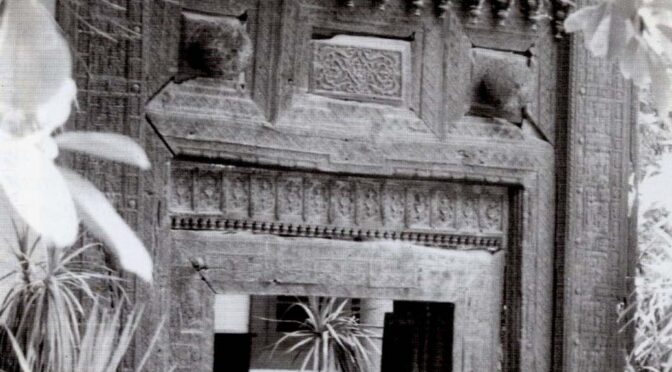
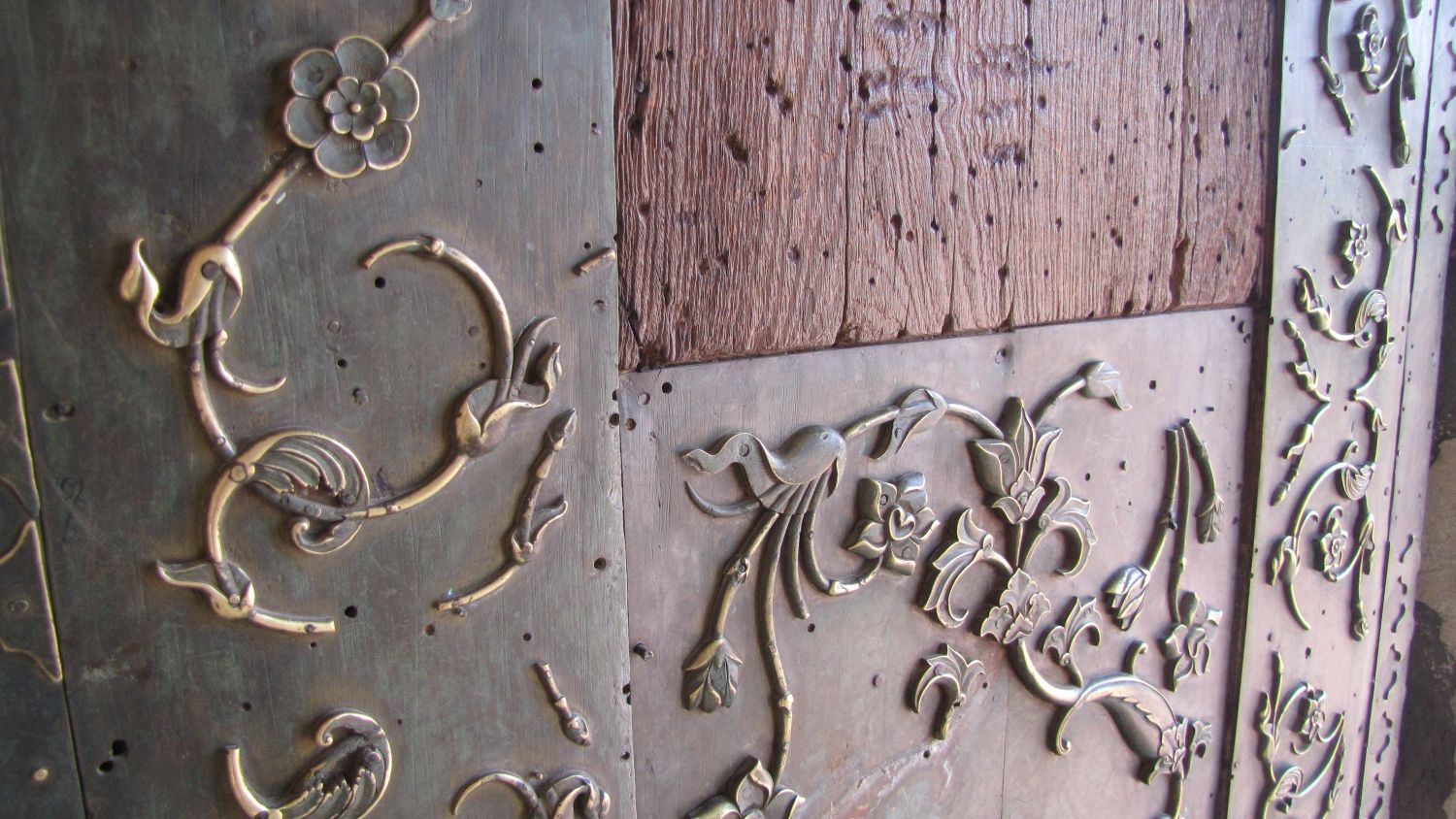
The city was destroyed many times but when the Sayyid brothers repopulated Lahore, the name of Mubarakabad was coined. Invitations were extended to people everywhere and make Lahore a living city again. In those days, even bricked ones were plastered together with a special roghini mud, and it was so strong, remnants even survive today. Some doors of that period when removed, show bricks held tight by mere clay. So little remains of buildings of that period, except signs under buried grounds. Floods and rain hit Lahore all the time. In British times the administrators thought it fit to remove most of the darwazas of the ancient period, and send them for preservation and display in museums there. Not knowing if they exist or not, but no display information is available. One found its way for publication in Percy Brown’s book. But most of these were concentrated in one portion of Lahore. And the height of that level is almost 25 feet below present street level, so safely we can take a period of 800 years.
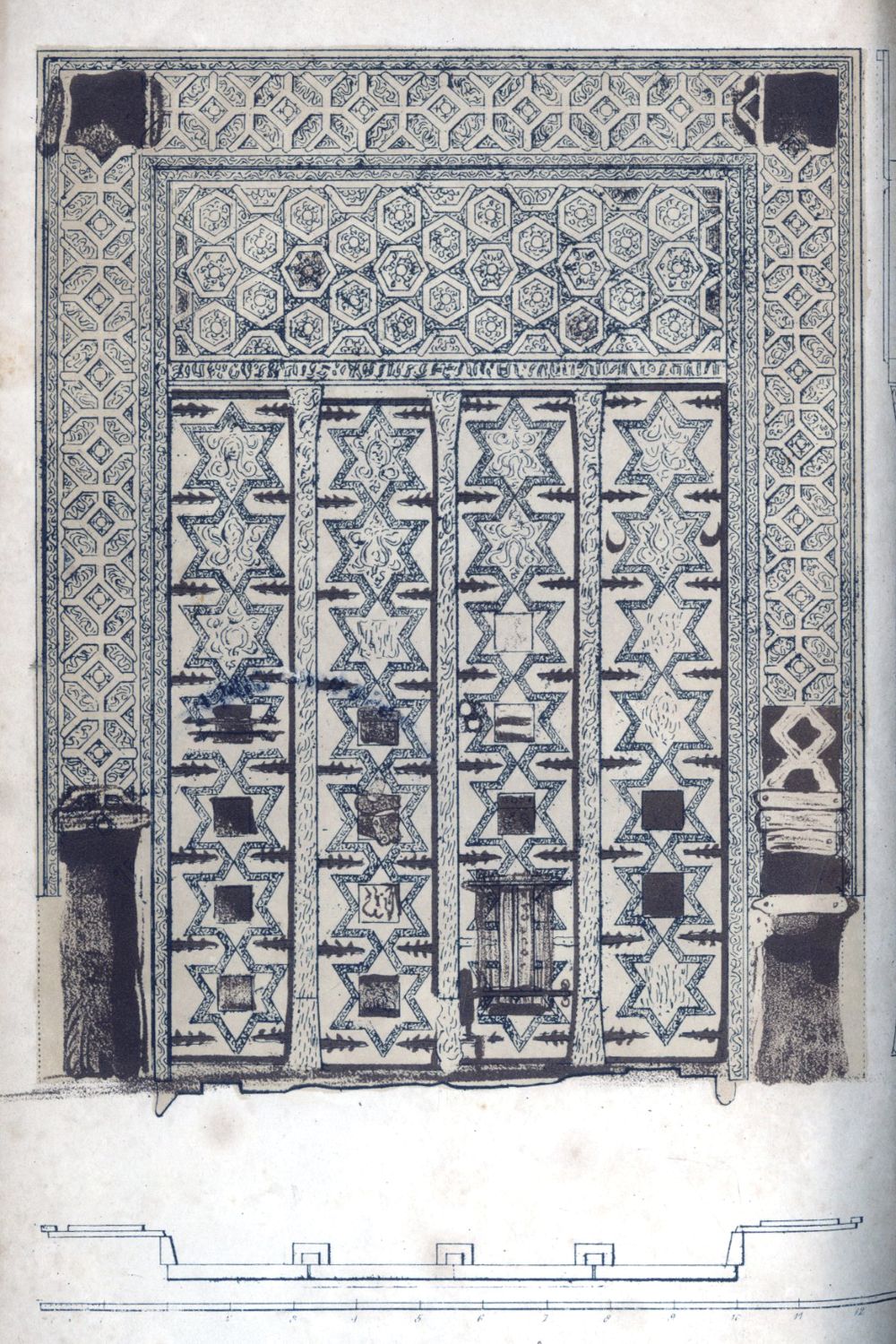
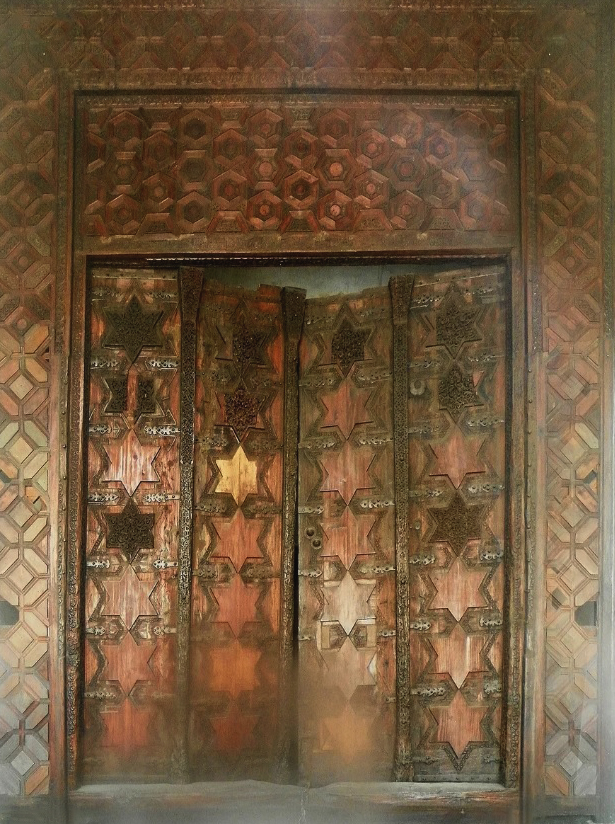
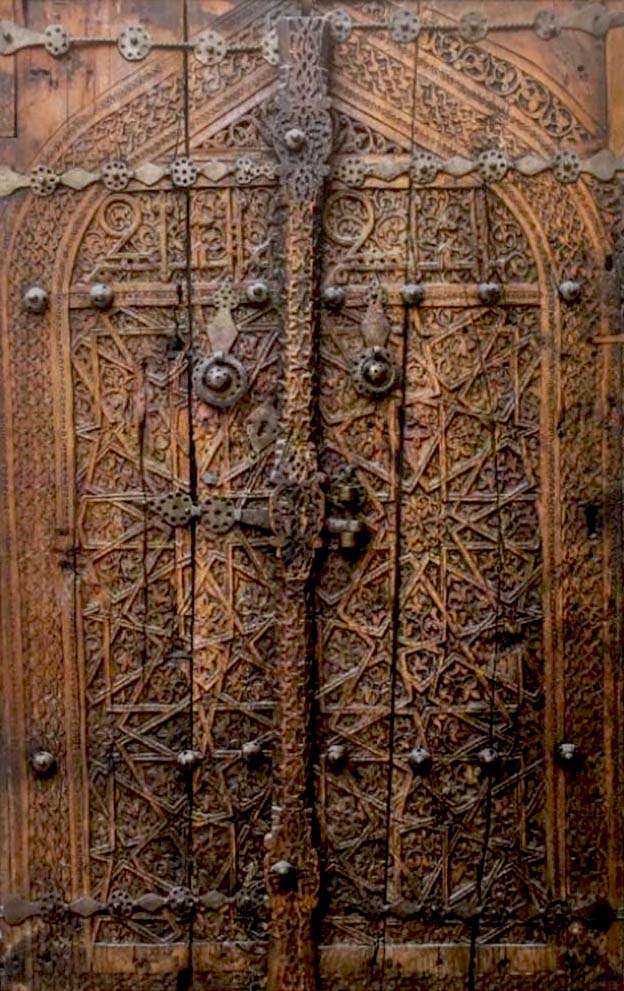
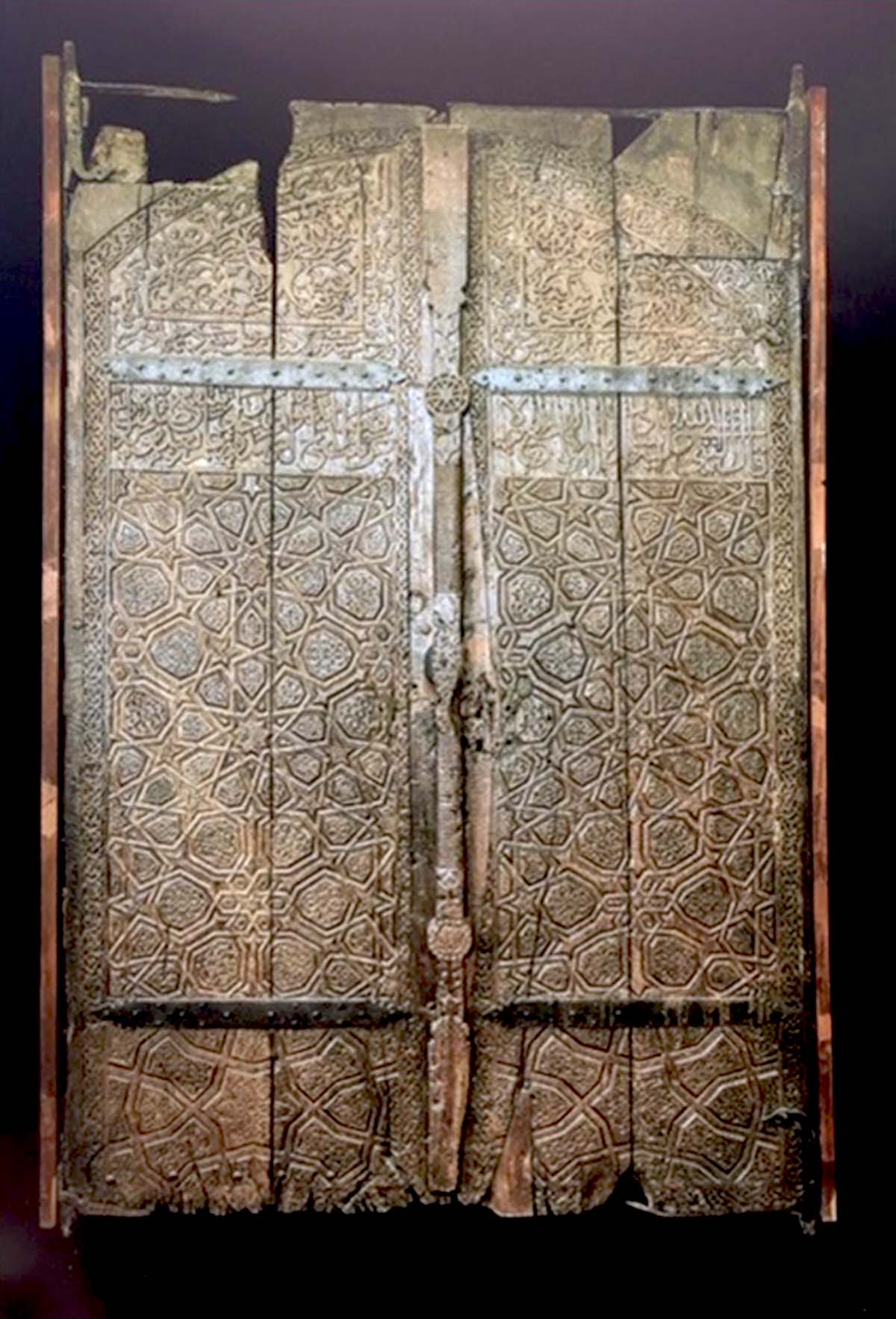
A design study of the darwazas is perplexing to us. As we have seen such doors of Amritsar, Multan and other areas of the region and they are all different. The ones in Lahore are unique in their design. Percy Brown proclaimed them as Ghazanavid Seljuk in outlook, but a look at doors of that era is a different perception. The father of these doors is the door of the Mausoleum of Sultan Mahmud Ghaznavi. Many years were confused as Gates of Somnath, when the foolish bigoted Lord Ellenborough was shown the door with recognition of the same as totally Islamic in nature. The Indian government did not have the decency of returning them to Afghanistan. Instead went on creating false stories of the Golden Sandalwood gates of Somnath. Now lying aimlessly in the Red Fort Delhi. No one is seeking inspiration.
Father of Lahore Carved darwazasGhazanavid darwazaGhazanavid Seljuk darwazaIslamic darwazaSeljuk door wingAbu Muslum Door wingAmritsar darwazaAhmedabad darwazaLahore balconeyPercy Brown first writer of Lahori DarwazasSultanate door LahoreBack of Islamic DarwazaPortion of darwaza
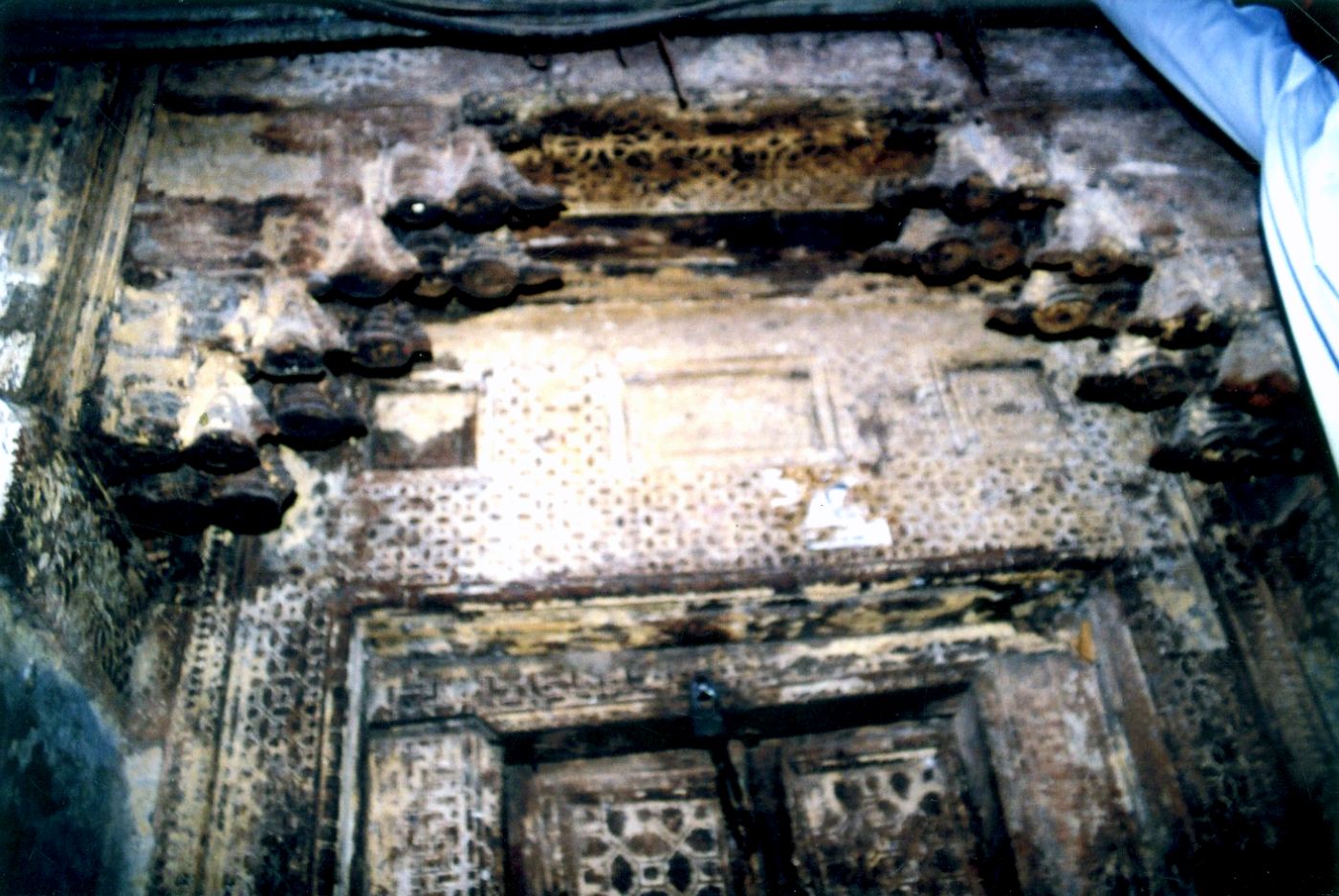
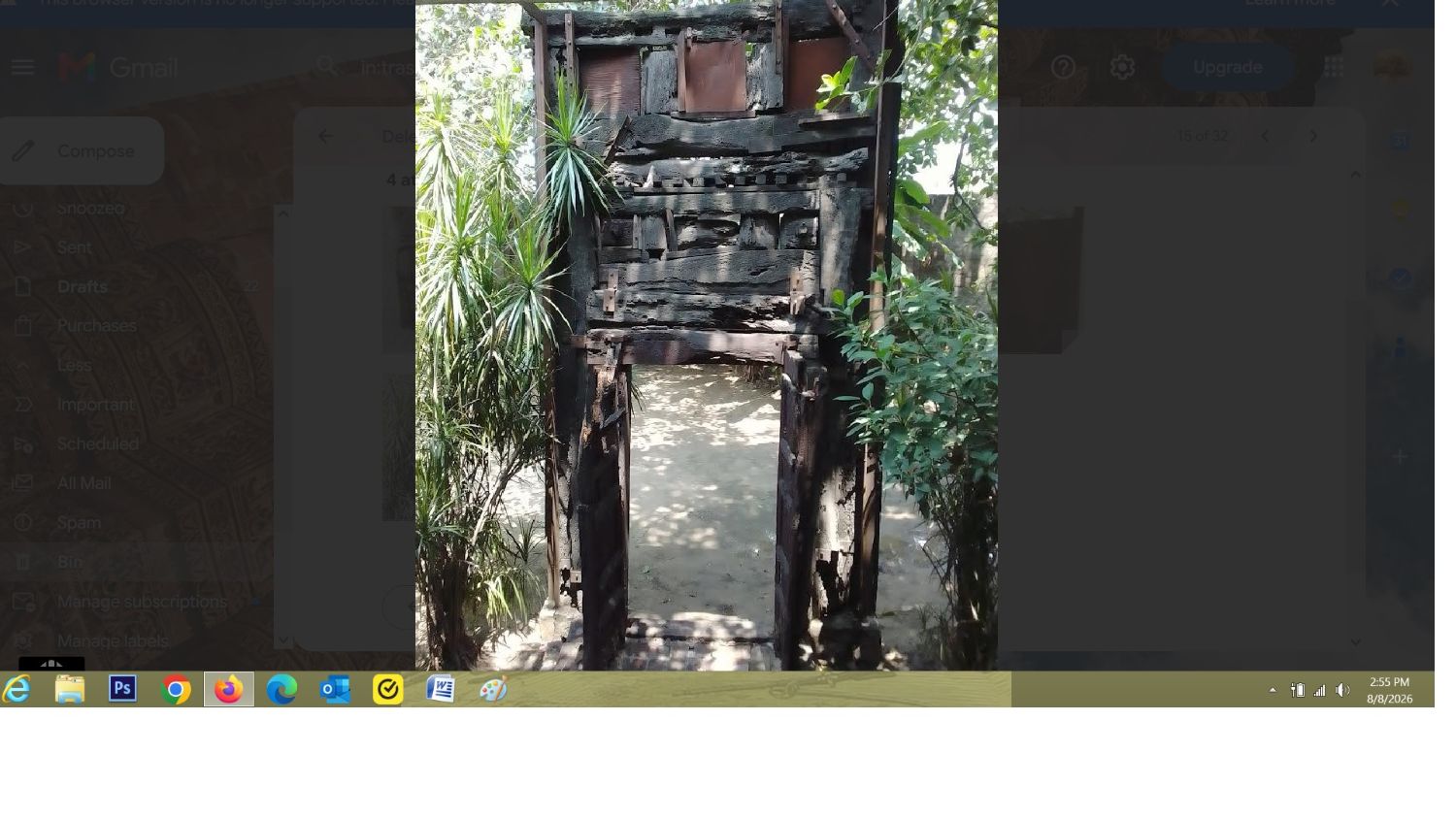
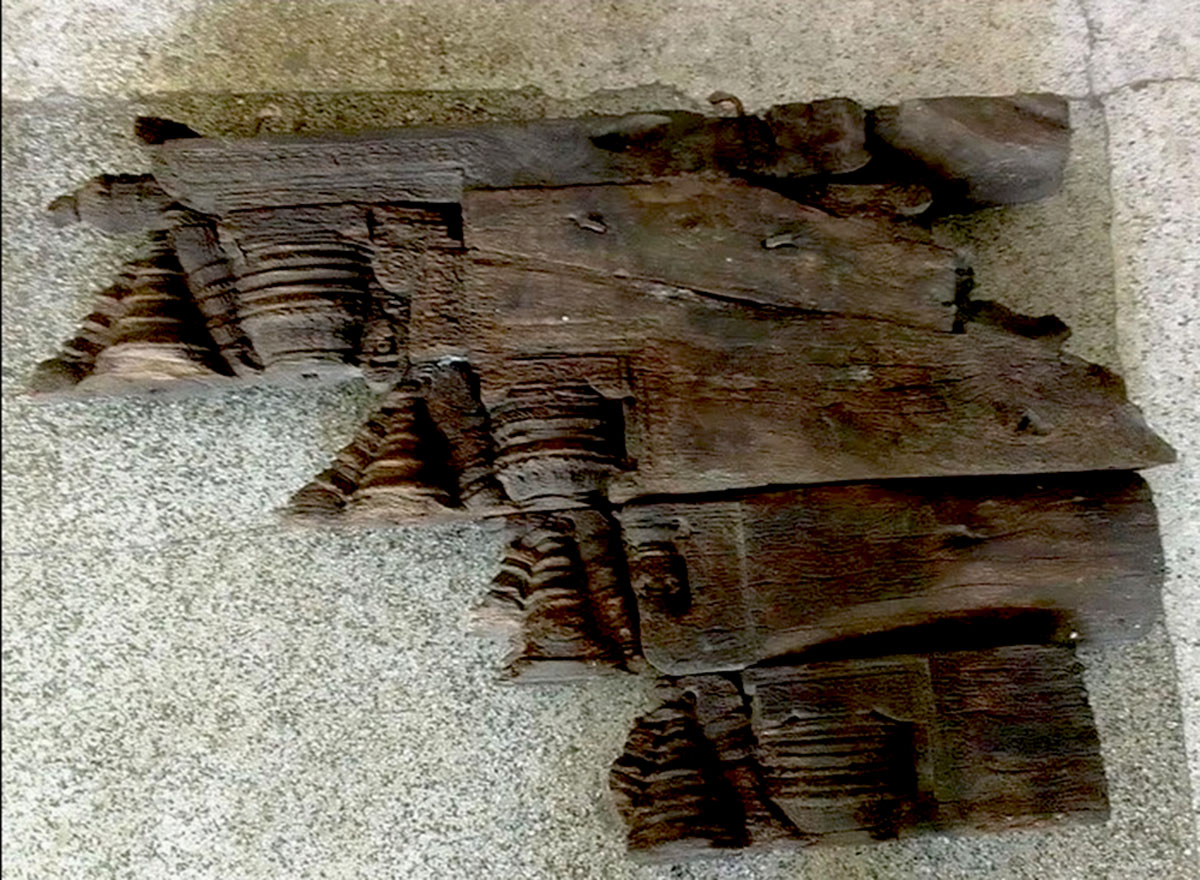
Scholars viewing them offer different clues. Percy Brown view them as reflecting tents of the Ghaznavid Sultans, with tassels and opening hangings. For some indication of bells in entrance and honey combs. Entrance to paradise.some even think of the two globules indicating presence of females in the same. Intricate geometric Islamic designs and some even have ivory inlay work. There is usually a small look out window at the top
. There are different layers of the doors and certainly they are huge, almost fourteen feet in height. It is said that tarkhans took years to complete even one and when completed, celebrations used to be held with a. Festival of food and prayers to Allah for the blessing. No greed was involved. Masud Saad Sulaiman the Lahori poet has given the existence of wonderful carpenters and naqashi carvers in Lahore. The illustration is self-evident. The wood used was of an extinct tree of BER present in Lahore, officially Zisiphus Jujuba in name.
The continuation of carving doors and balconies went on and on in Lahore, but nobody was able to recreate that golden period of the Wooden Darwazas of Lahore. A pure Lahori innovation to this day.
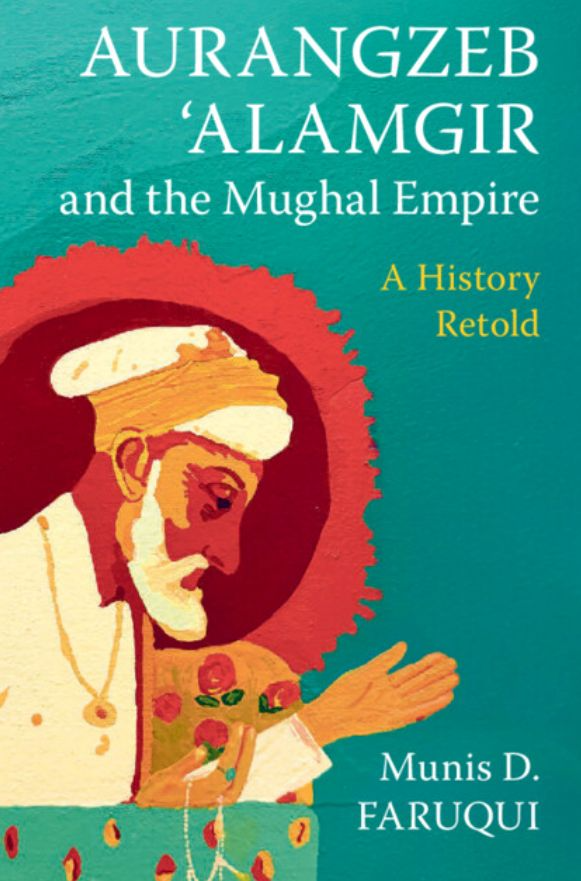
ADDING TO MUNIS FAROOQI INFORMATION REVEALED 1951 OFFICIAL MUGHAL JAIPUR NEWS REPORTS
ABSOLUTELY NEW INFORMATION ON EMPEROR AURANGZEB; FROM CONTEMPORARY JAIPUR STATE RECORDS UNKNOWN: PROVIDER MAULANA YUSUF ALI KHAN LIBRARIAN RECORDS.
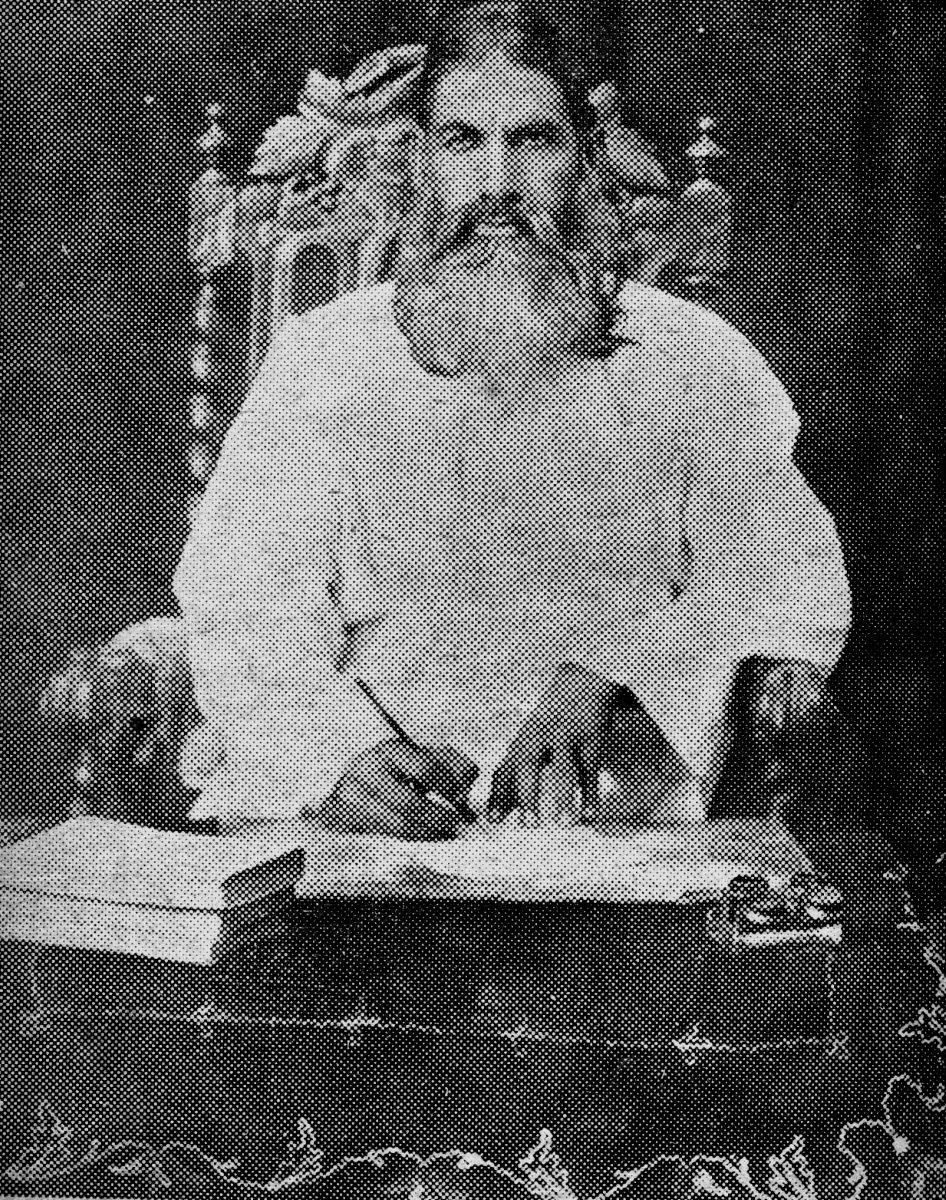
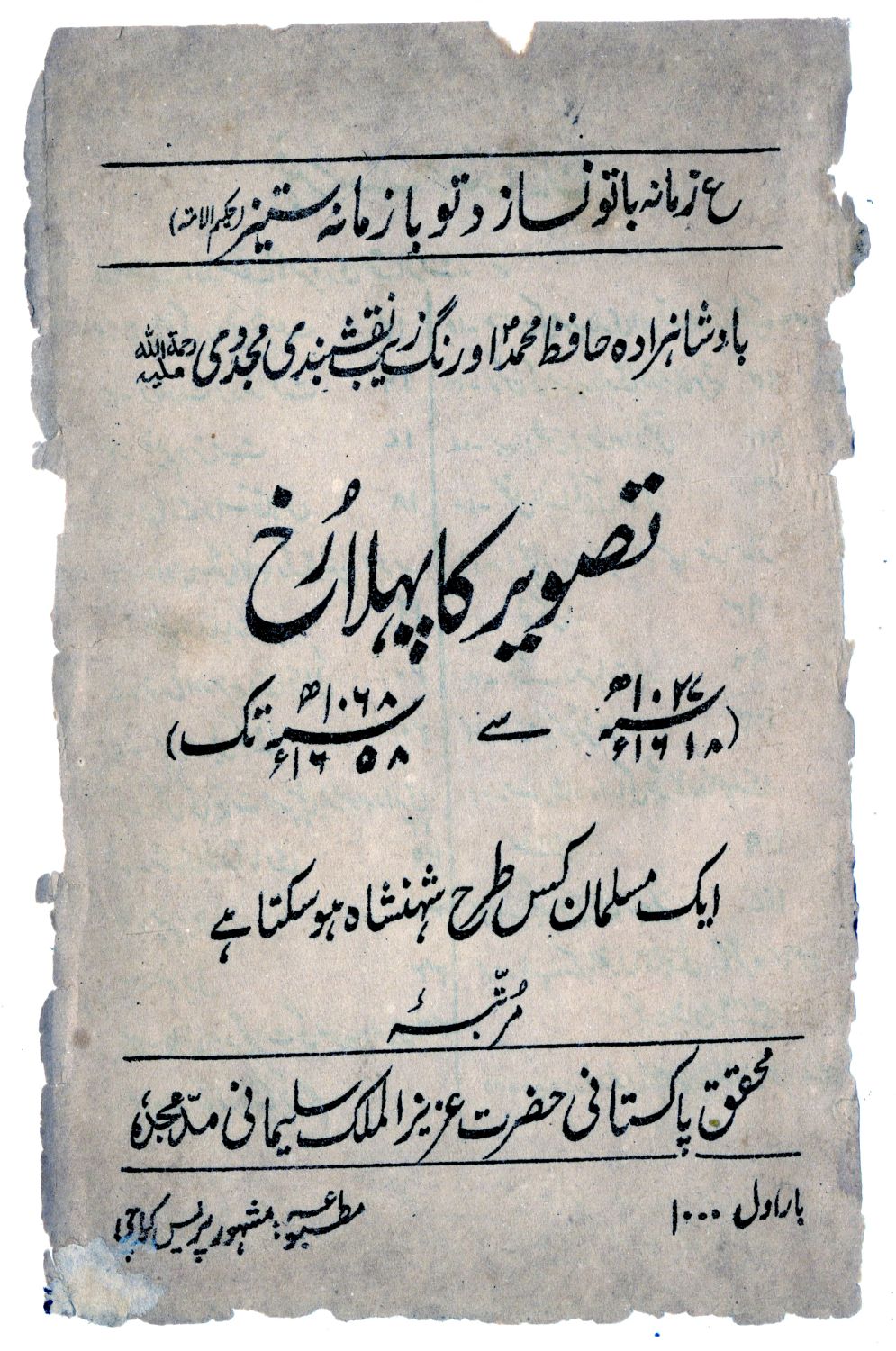
Maulana Yusuf Ali Khan migrated to Pakistan. He was a Librarian of Records at Jaipur State, which included rarest newsletters from the times of the Mughals itself. He knew how important those records were and certainly not in a position to publish a grand book about them. So, the best he did was publish a book in Urdu in 1951, from Karachi, narrating the valid information he had from them. A copy of the book is in our archives.
Pakistan and India are not one. They represent the two-nation theory . As Quaid e Azam said very aptly, heroes of one nation are villains of the other, and Vica. Our National Poet Dr Allama Iqbal described Emperor Aurangzeb as “Ibraheem (Abraham) of the Indian But-Khana (idols house)”, and loyal Pakistanis deem the role of Emperor Aurangzeb, as no less than Hazrat Umar of the Prophet’s (PBUH) time. Unfortunately, foreign lobbies are quick to employ local pseudo intellectuals to spread their point of view. The Ideology of Pakistan is the bane of foreign lobbies. Sponsor so called intellectual festivals in which the main theme is to embarrass loyal Pakistanis out of their valid convictions. Twenty years with Dr Allama Iqbal, Abdur Rahman Chughtai understood the Ideology of Pakistan well. The legacy of the artist is with us. A country with convictions, protected by a strong ideological army, our steps towards tomorrow.
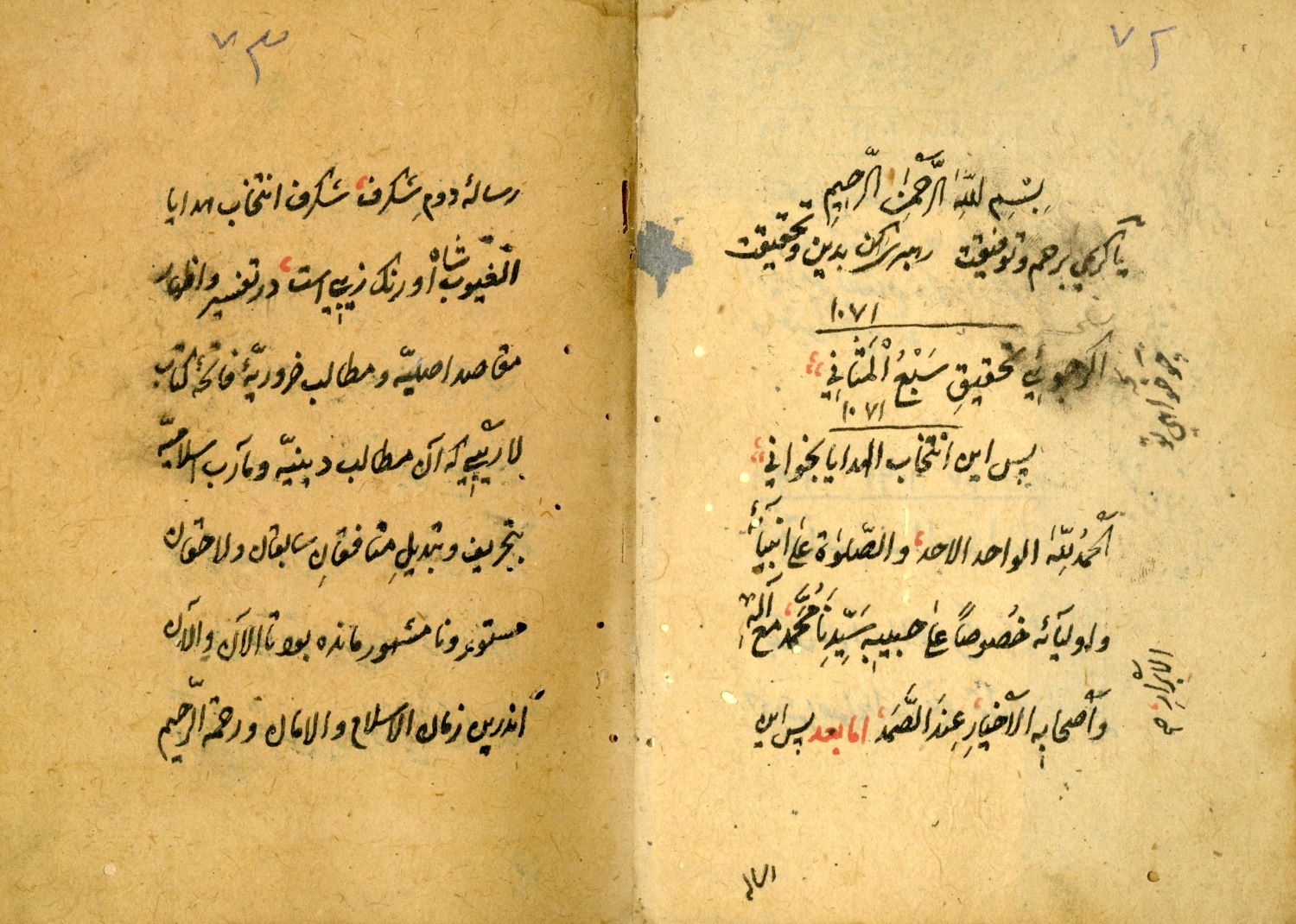
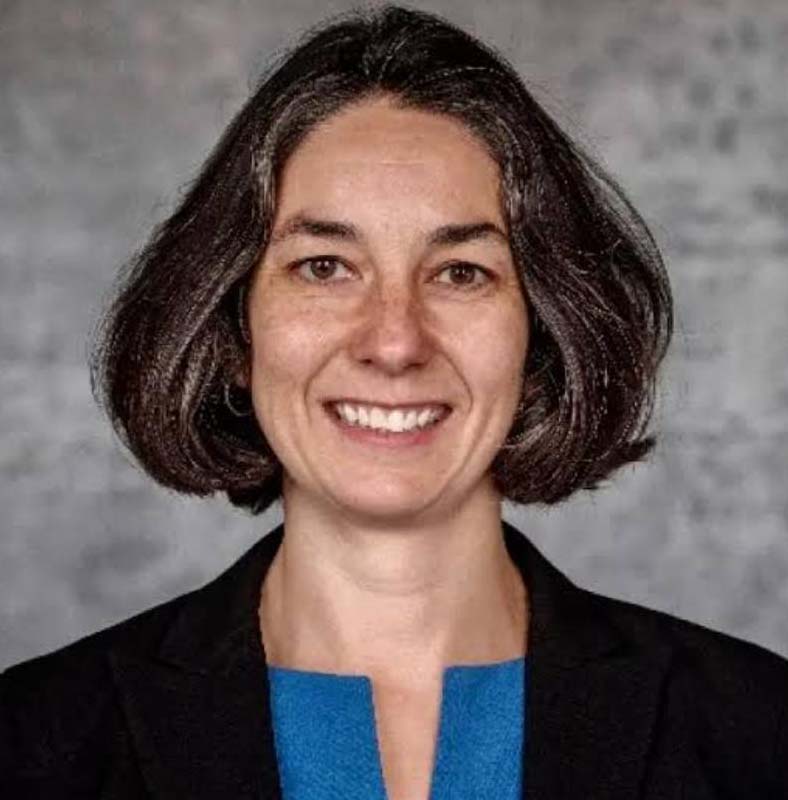
The usual sources of our knowledge are there. Books like Maaseray Alamgeeri, Alamgeer Nama, as well as the Hyderabad State Records. A worthy edition is that of Maulana Shibli, which has become a classic on Aurangzeb. The hate Aurangzeb literature is led by 83 years old Dr Mubarak Ali, who certainly will be asked by history as to his venom against a great Emperor. As to a horde of Aurangzeb haters in India, who really have only stereotypes at their disposal without factual records. Here in the world Ms Audrey Trustschke of Rutgers University stepped in, and incurred the wrath of Indian zealots against her factual research. Congratulations to her for steadfastly standing on the grounds of truth. I read the factual record of the last day of Emperor Aurangzeb, and the small book of prayers, he wrote in his own hands for a courtier (in my possession), and all I feel is compassion for a great soul of the world. And the greatest shame was the alert issued in Khuldabad of desire of some zealots to uproot the grave of Emperor Aurangzeb, and throw his body out. The same thing was done by Ranjit Singh with the body of Empress Nur Jahan in Lahore. People forget that they will die one day too.
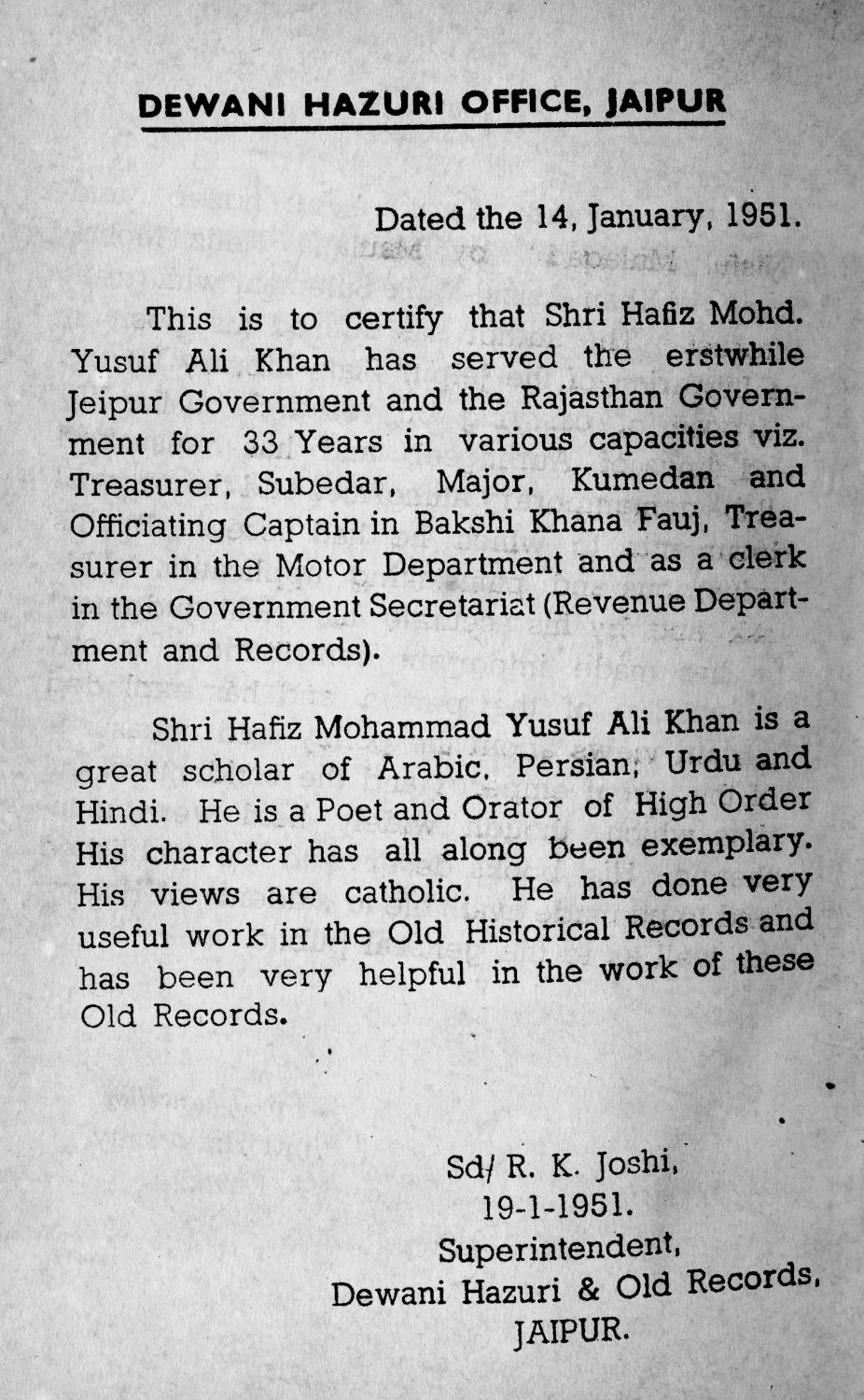
The merit of life of Maulana Yusuf Ali Khan is above reproach. He carried certificates from the Government in Jaipur. He came across newsletters which reached Jaipur and consulted them and took out a book on the unknown life of Aurangzeb Alamgeer. Published in Karachi in 1951, it is worthy of records elsewhere too. A number of new facts come to light.
The Newsletter narrates the arrival of Dara Shikoh in Delhi and the lockup of father and son in Khizarpur prison. The interesting part is that father and son declined to receive food from outside and used to cook their own food. Then there is the letter of Dara Shikoh to Aurangzeb, apologizing for everything, and telling him that he has no desire for the throne and he be allowed to live. Dara Shikoh promised to pray for Aurangzeb and his sons, all his life. It seems that everything as well as arrogance, was driven out of the Prince in this capture alone. The zeal was gone.
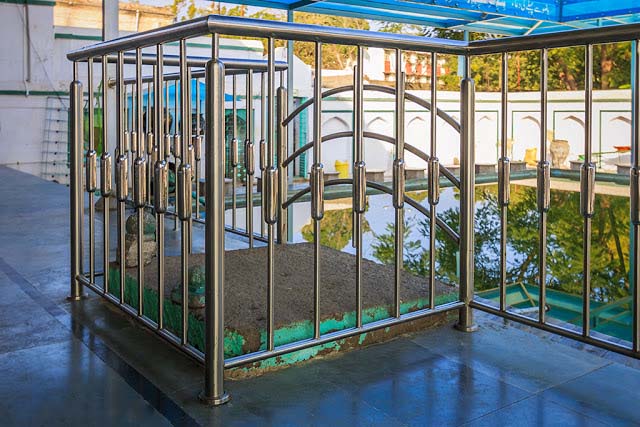
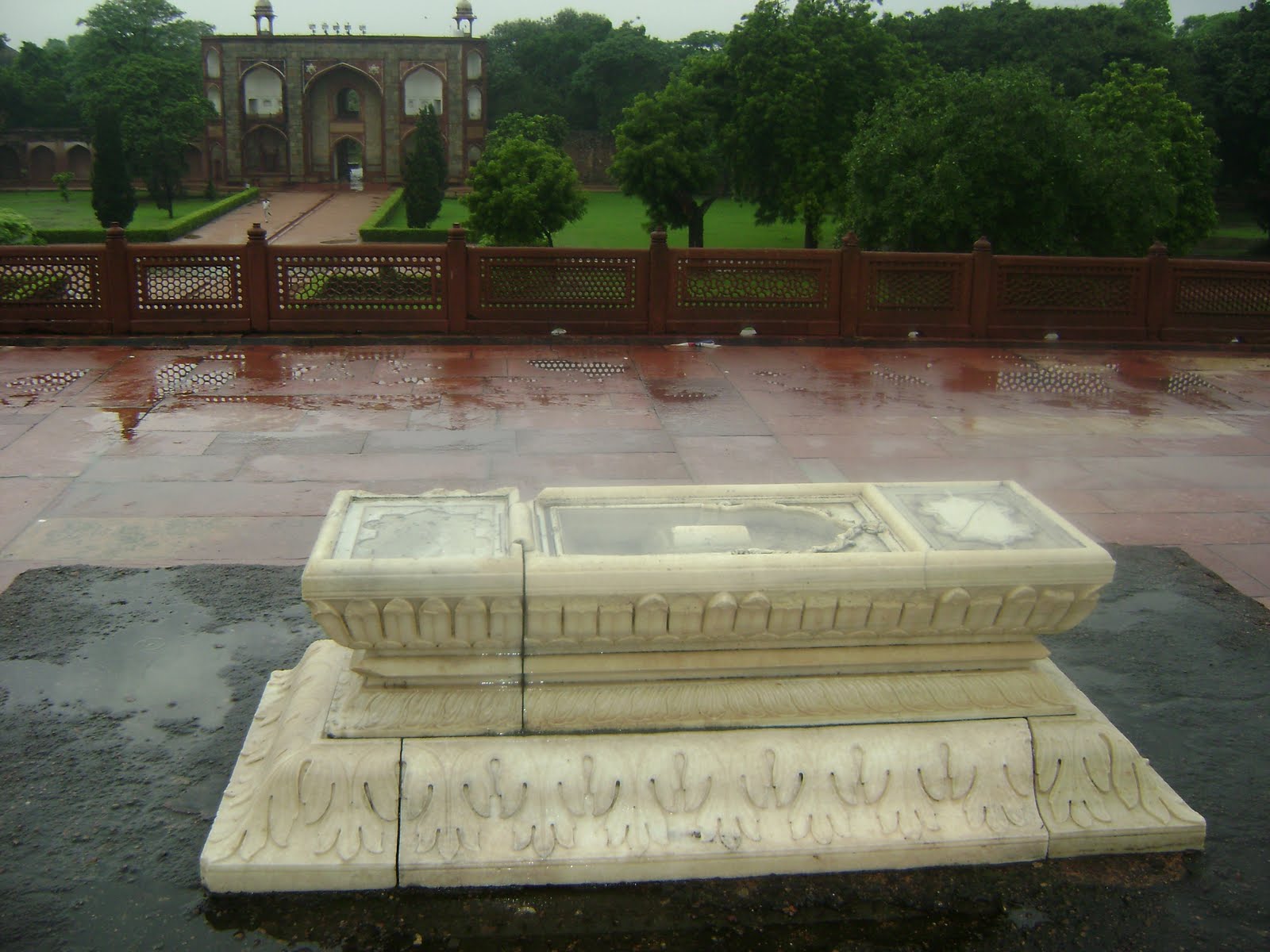
Another very interesting feature is the burial of Dara Shikoh in Humayouns courtyard. Aurangzeb Alamgeer had seen to it that Dara Shikoh should be buried properly there. News reaches the Emperor, that the grave is no longer in good repair. Aurangzeb Alamgeer issues orders for the immediate, and proper repair of the grave, as well as appointment of Caretakers to take care of it. Orders were also issued for it to be covered with a proper dignified chaddar (cloth) all the time. Upholding of such traditions, tell us of the attitude of Aurangzeb towards his dead brother. Given honour and dignity even after death.
This may look amazing to some, but then Aurangzeb Alamgeer is the most misquoted and misunderstood Mughal Emperor of Hindustan. There is so much animosity against him, that no one is interested in hearing the truth about him. There is much more in the records at Jaipur.
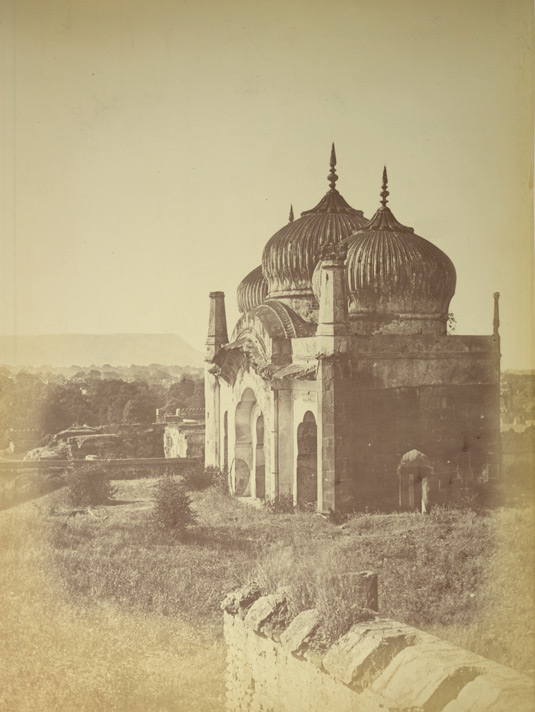
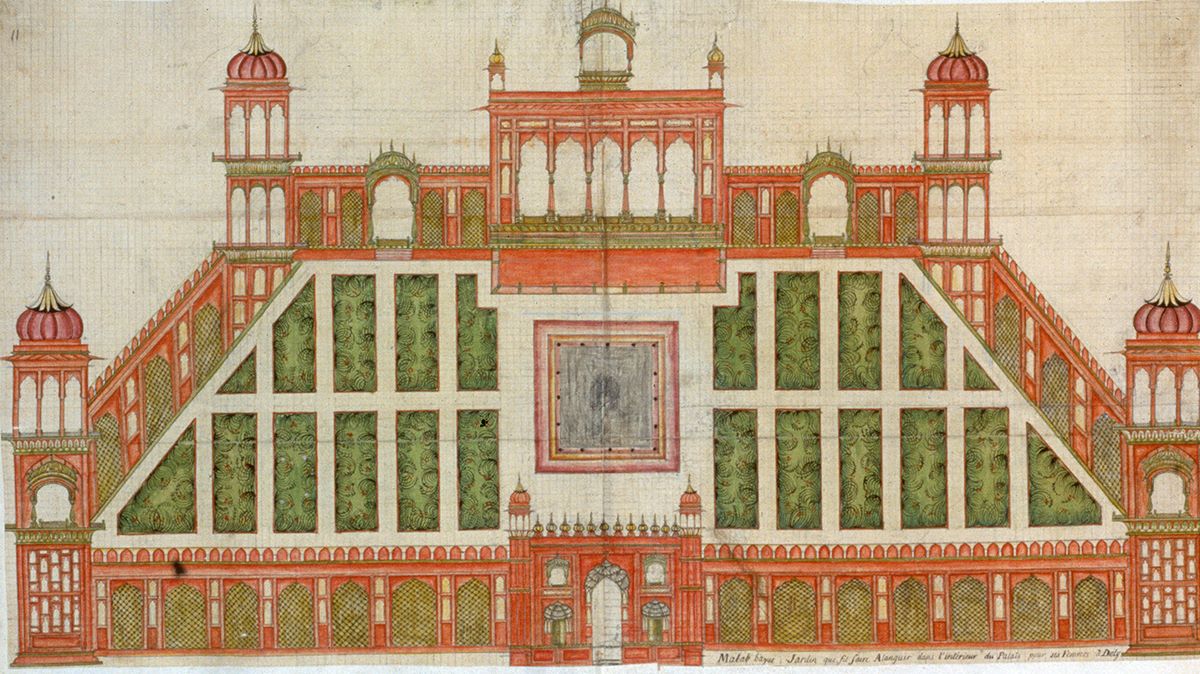
Yusuf Researcher Jaipur RecordsResearch Aurangzeb OriginalCertificate Jaipur recordsEmperor-AurangzebAurangzebs-Mosque-1868-SepiaStone-Ja-namaz-AurangzebPrayer-Book-Aurangzeb-1071-AHLost-Palace-of-Aurangzeb-Alamgeer-DelhiGrave-Dara-ShikohAudrey-Truschke
ANOTHER INCIDENT FROM JAIPUR STATE RECORDS SHAH JAHAN PUTS THE CROWN ON AURANGZEB’S HEAD
The work and combined effort of Jahan Ara and others
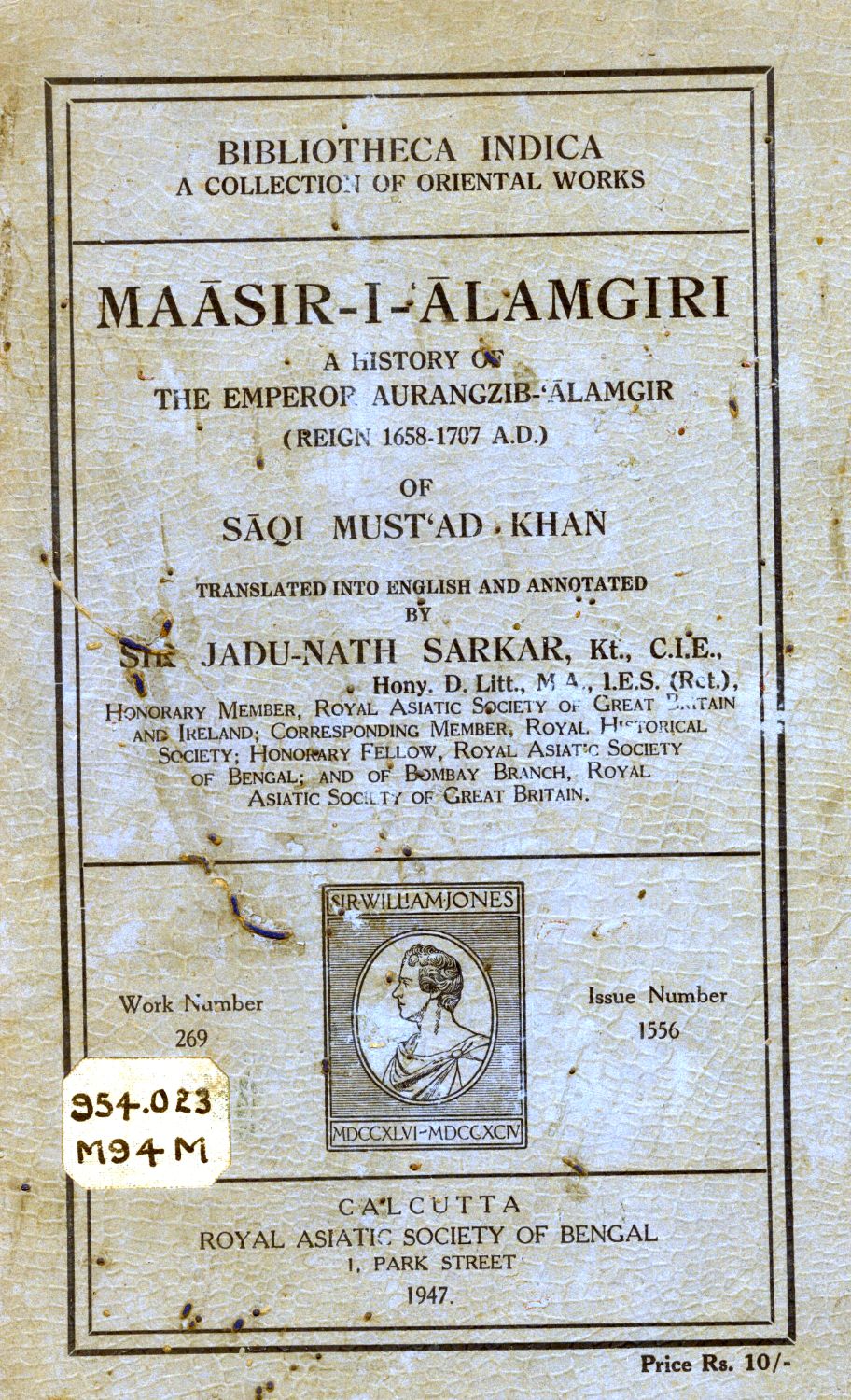
The English translation of the bigoted Jadunath Sarkar of MAASIR-I-ALAMGEERI of Saqi Mustad Khan jumps at places and there are deliberate gaps there. On 12th May (29th Shaban) 1659, Aurangzeb Alamgeer enters the Delhi Fort. His second coronation is listed by Jadunath Sarkar as being on 5th June, 1659 (24th Ramazan). There is no account of the missing 25 days or so. Some portions left perhaps due to Mustad Khan, others left by Jadunath Sarkar. A lot happened in those 25 days.
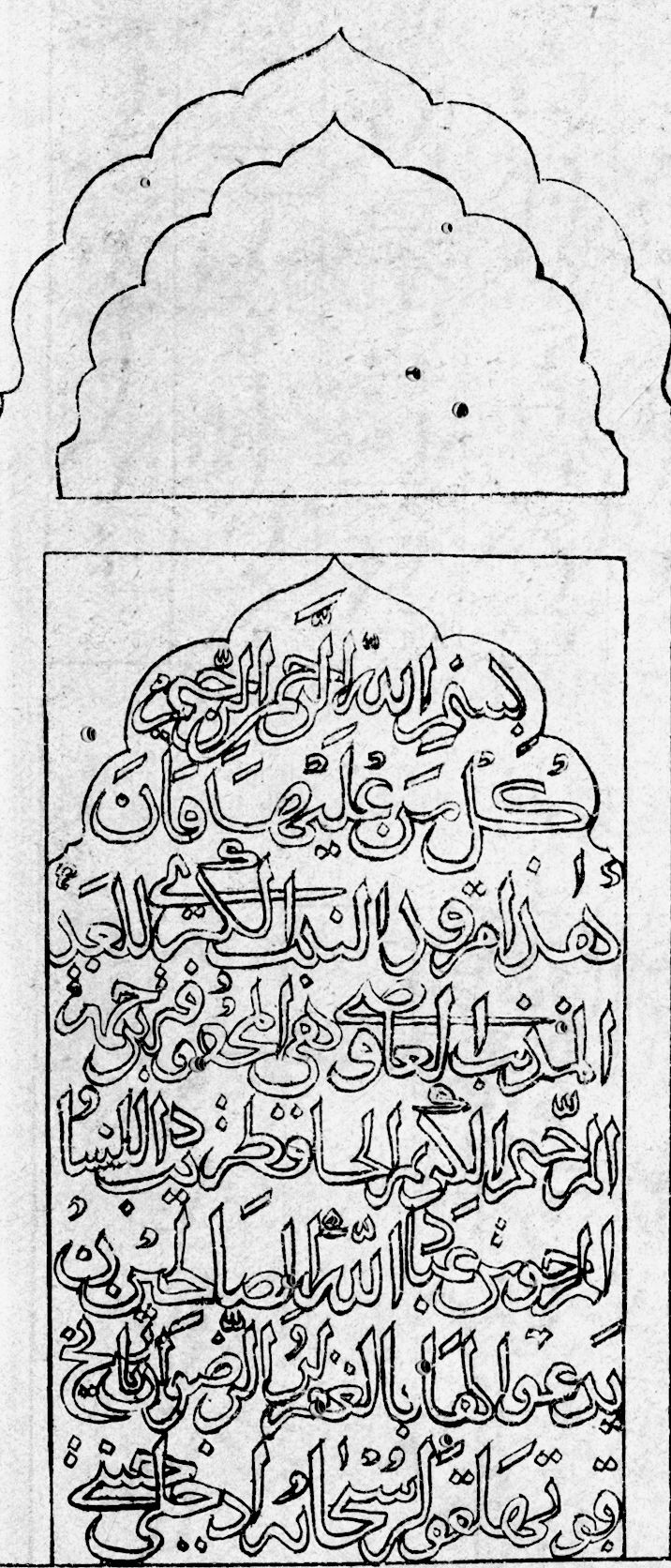
Aurangzeb Alamgeer gave the utmost respect to Shah Jahan and the father was told the whole story of his achievements. The reconciliation was started by Syed Muhammed Qanauji and perfected by Jahan Ara herself. In the end she won the day by reconciling Shah Jahan with his son. The result Shah Jahan himself put the crown on the head of the Prince Aurangzeb Alamgeer and got issued a coin in his name on the 1st of Ramazan at Agra. That is 23 days before the official coronation mentioned in Alamgeeri texts. The coin and khutba was generated which called ABU MUZZAFER MOHYUDDIN MUHAMMED AURANGZEB BAHADUR ALAMGEER. (page 134 Aurangzeb Alamgeer book by Yusuf Ali Khan quoting Jaipur State Records) There is even an inscription in the mosque of HUSSAM DIN SAKHTA AT SANBAR JAIPUR, which lists 1659 as first Jaloos of Alamgeer.
In all these episodes Aurangzeb Alamgeer is projected as a villain but it is forgotten by historians, that Shah Jahan was so carried away with his love for Dara Shikoh, that father and son, invited Aurangzeb Alamgeer to Delhi, and had made plans for his assassination. It was Roshan Ara Begum, sister of Aurangzeb Alamgeer, who informed him of this plan, and Aurangzeb declined their invitation. That is why Roshan Ara Begum was so close to Aurangzeb Alamgeer later in life too.
The date of this reconciliation would be very close to the 12th May entry of Aurangzeb Alamgeer into Delhi Fort. Possibly a day or two later. It should be kept in mind that the Jaipur State Records are of that date, not later in life. It is the official newsletter sent to other officials about the working of the Court. Raja Jai Singh and his heirs were very close to the Mughal Court. This is no second hand information from the streets. Scholars are welcome to research on this project. But the bigotry of many Indian writers obsessed with creating their own versions of history without documentation is at the least repulsive to scholarship.
On 5th June 1660 the first year of reign was celebrated at Mughal Court with great enthusiasm. This was the 24th of Ramazan. Official decree was issued by the Emperor Aurangzeb, that the sacred day was the 1st of Ramazan, when his father put the crown on his head, so from then on, the official commemoration day would be 1st Ramazan, and so the jaloos should be calculated from that day. This was his homage to his father Shah Jahan.
I hope someone picks up on these records and goes further. There is much more to it. Best of luck to them!
ATTAULLAH RUSHDI ELDEST SON OF USTAD AHMAD MIMAR; ACTUAL DECCAN MANUSCRIPT RECORDS AND SEALS PROVE, HIS ROLE AS CHIEF ARCHITECT OF AURANGZEB ALAMGEER.
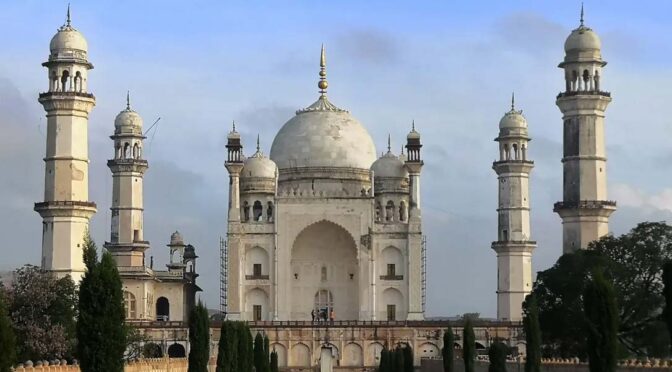
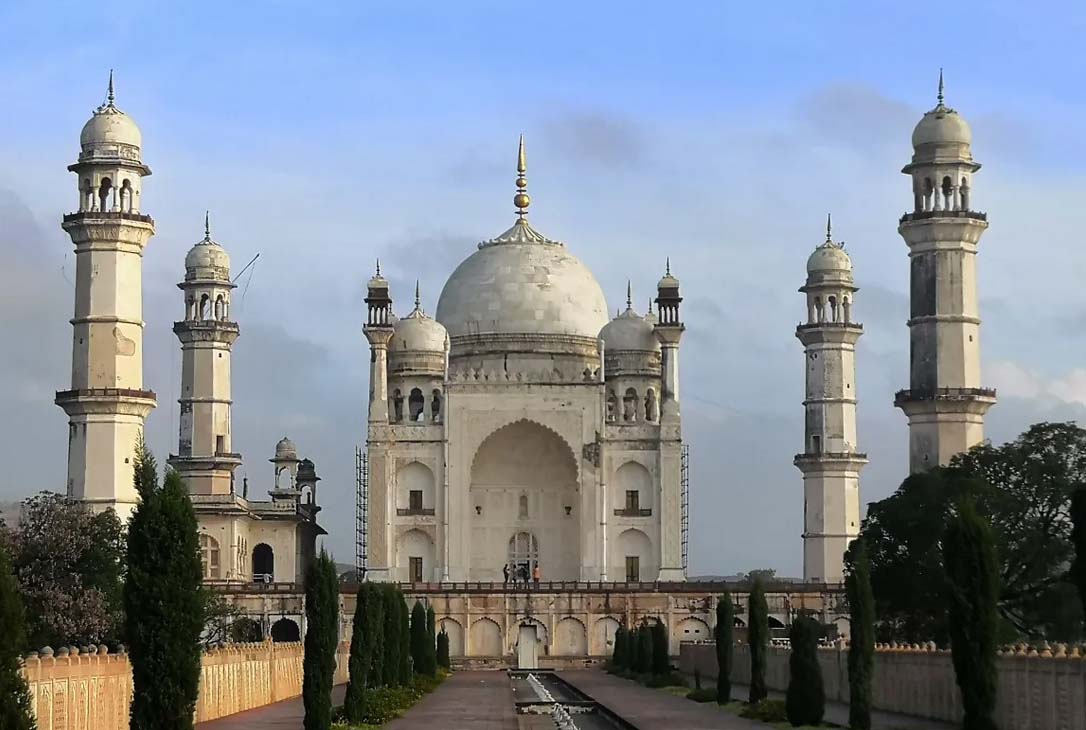
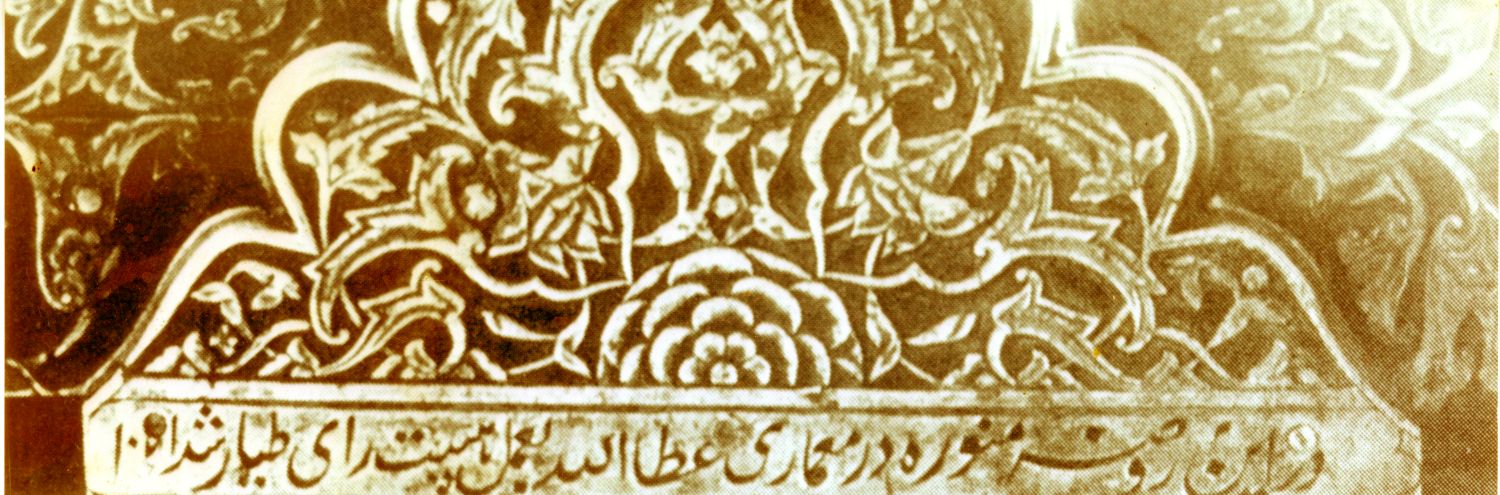
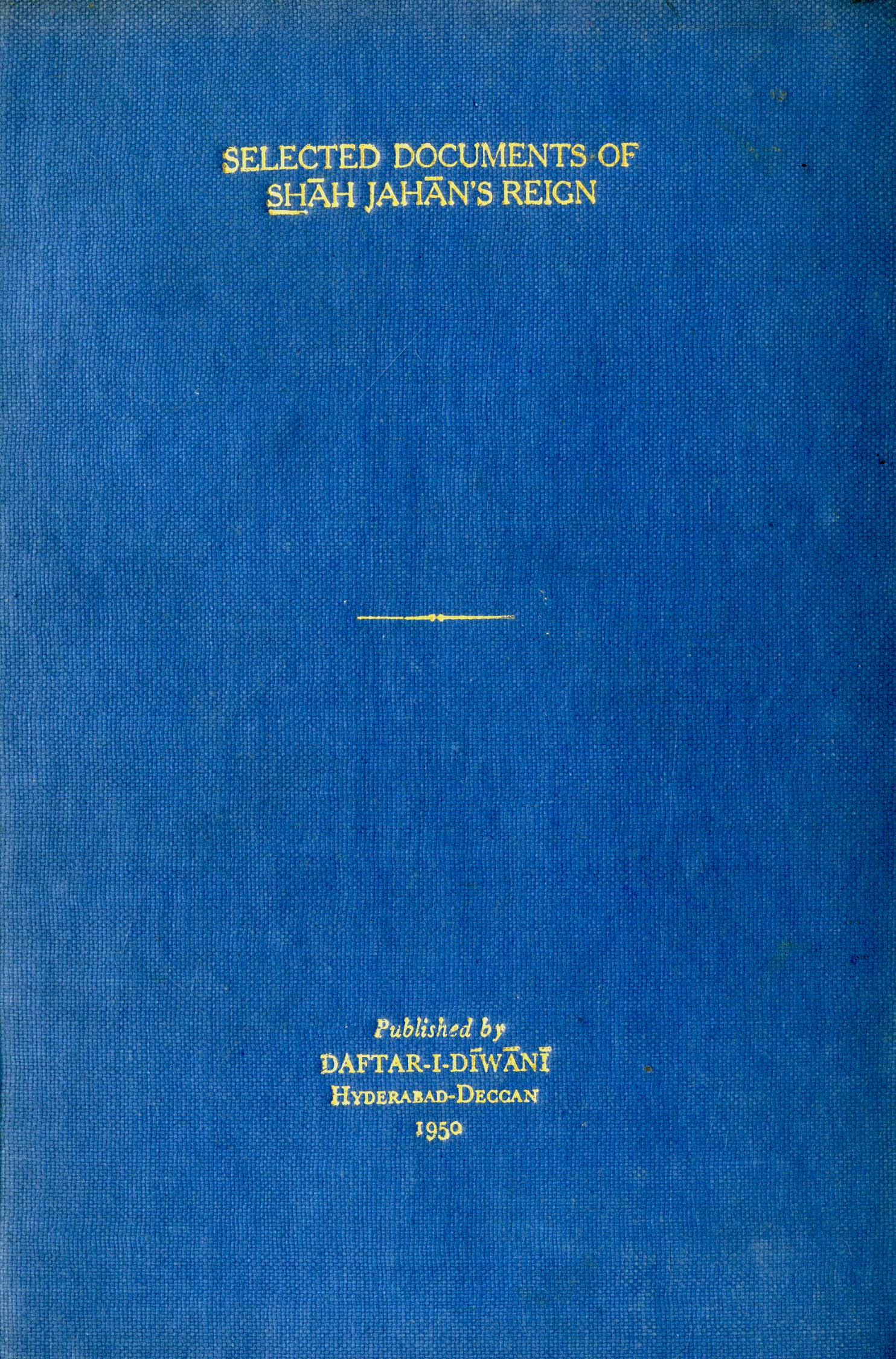
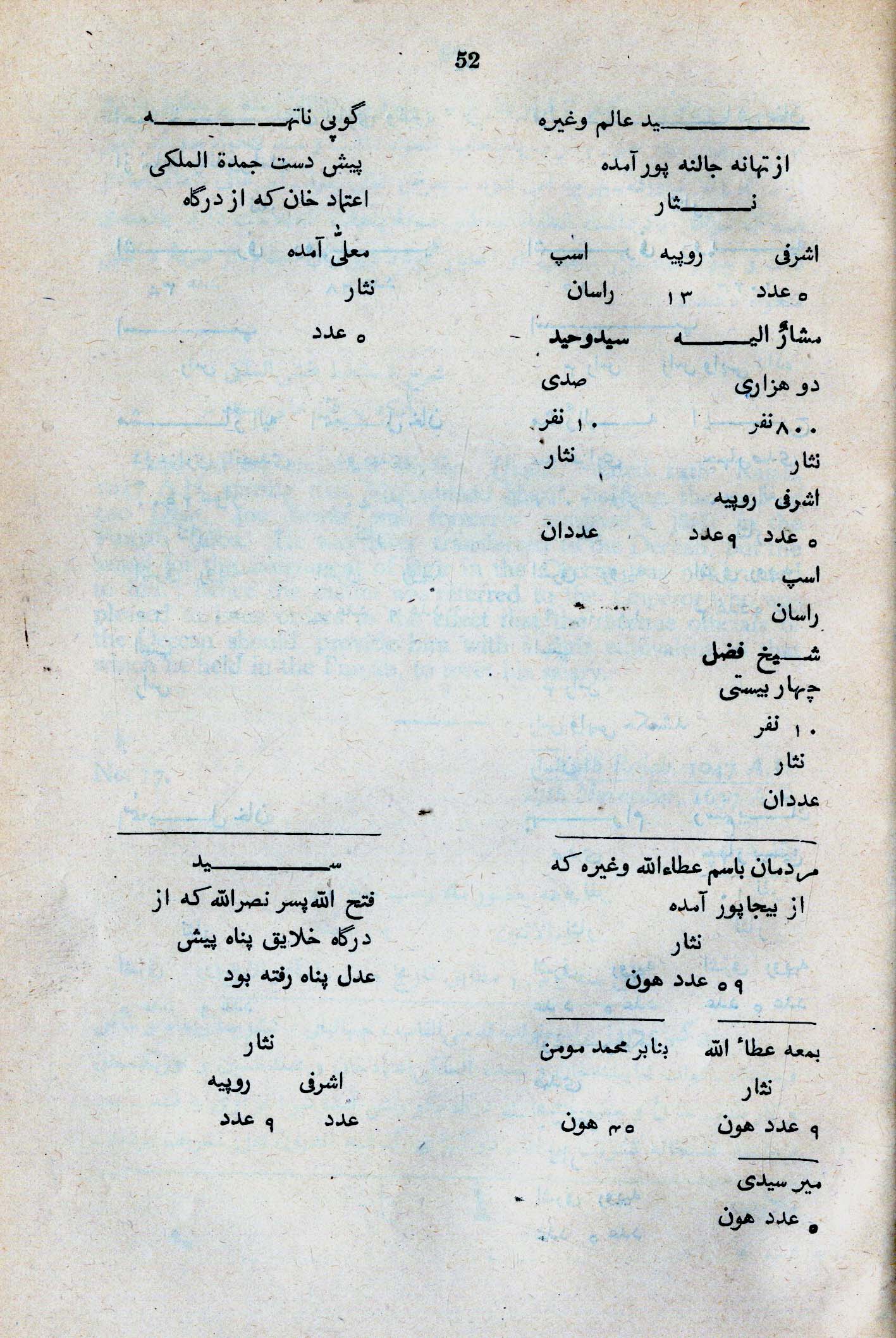
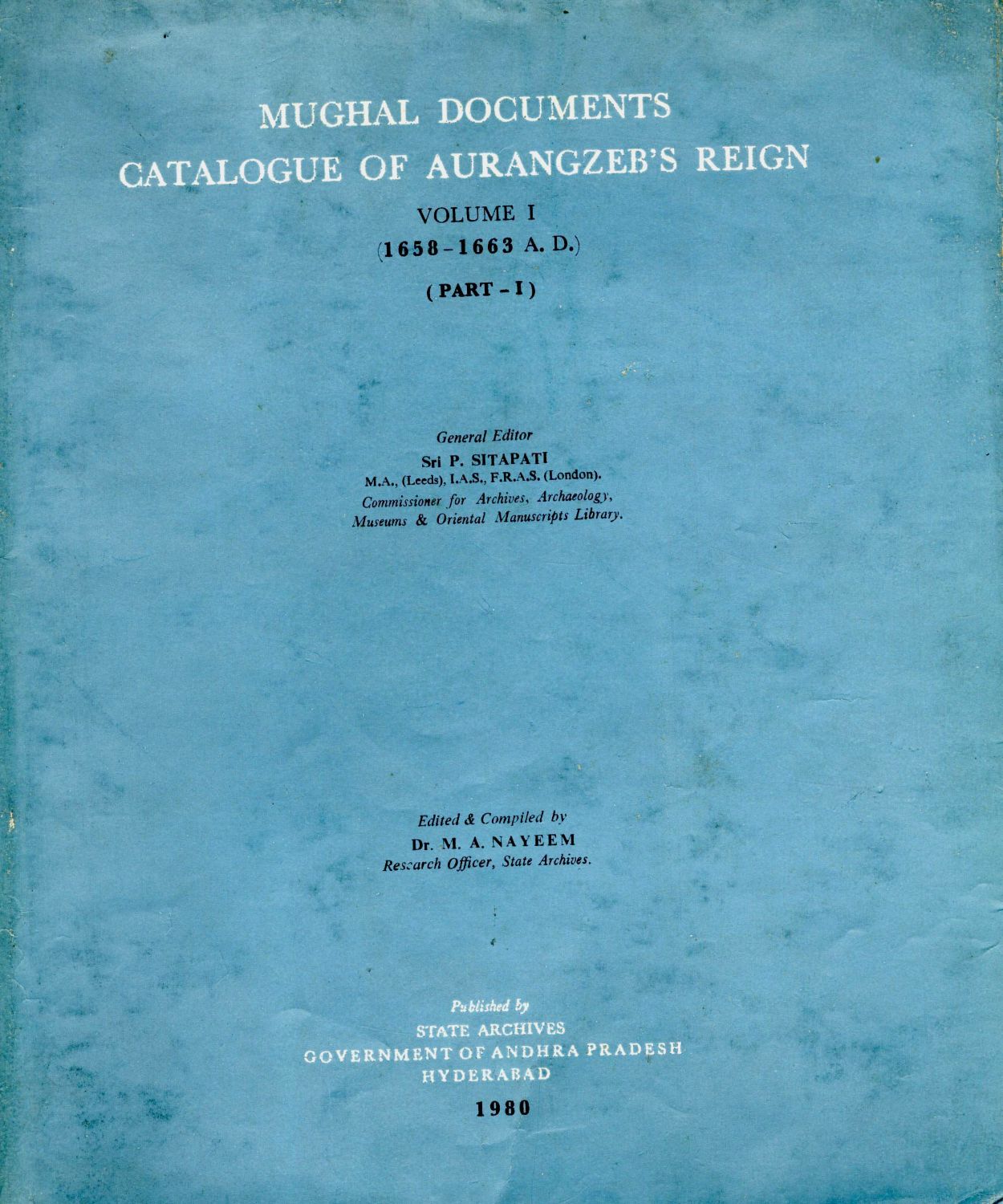
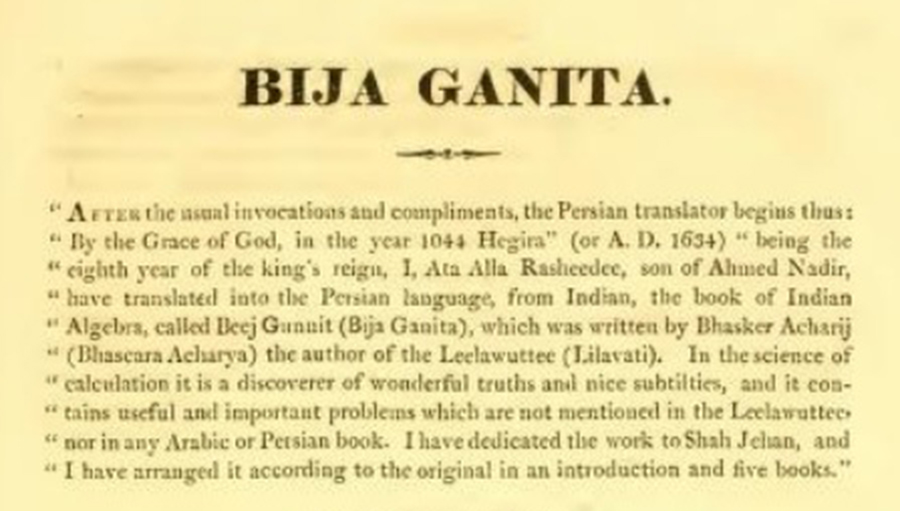
It is amazing that when you search for unknown things, you come across an abundance of records. Records people have neglected or were too difficult to pursue. In the Deccan state archives the first reference we come across is a reference to Attaullah in document 17 dated 19th Rajab, 1047 AH or 27th November, 1637. Attaullah arrives from Bijapur and presents his credentials He was presented to Prince Aurangzeb in the Times of Emperor Shah Jahan. He made an offering of 59 Huns to the Prince. The Prince bestowed Robe of Honour to Attaullah for his exceptional services. At the same time orders were issued for repair of apartments of Sultan Murad and petty repairs to the Royal palace.This copy was published in 1959, but later on more and more volumes were printed by the Deccani government. I got some volumes but later on the exchange became difficult. We have a few volumes of Aurangzeb period, and Attaullah is mentioned in many of them related to the construction of Mausoleum of Rabia Dirrani, wife of Emperor Aurangzeb, also known as Bibi ka Maqbra. But what cannot be forgotten is that the name of Attaullah as Mimar is on the gateway to the mausoleum on the brass sill of the main gate. The tourist booth gives the same information too, and visitors to Aurangabad cannot put two and two together. The Bibi ka Maqbara is considered a copy of the Taj Mahal (not a copy different development under different patronage),but forgotten that work of father and son. Professor Dr Shaikh Ramazan the complete historian of Aurangabad is so much afraid of extremist Hindus, that even in his thesis he avoids these references. Life becomes more important than research matters. And the amazing part is that during Aurangzeb’s tenure, the mAusoleum of Rabia Durrani was protected on site by various Hindu officials of Aurangzeb’s court, and their names are on record too. In fact some died while on duty there. Aga Beg son of Abdul Mahdi was the Darogha of the tomb.
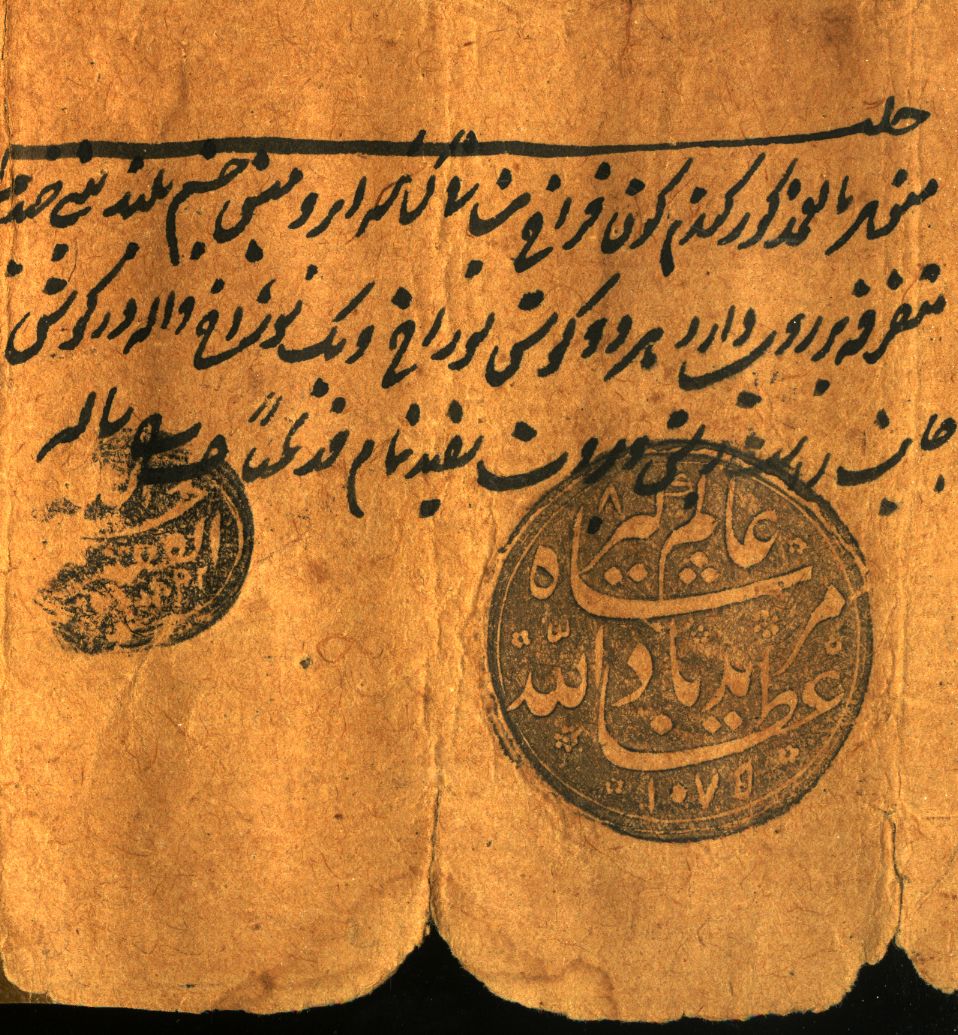
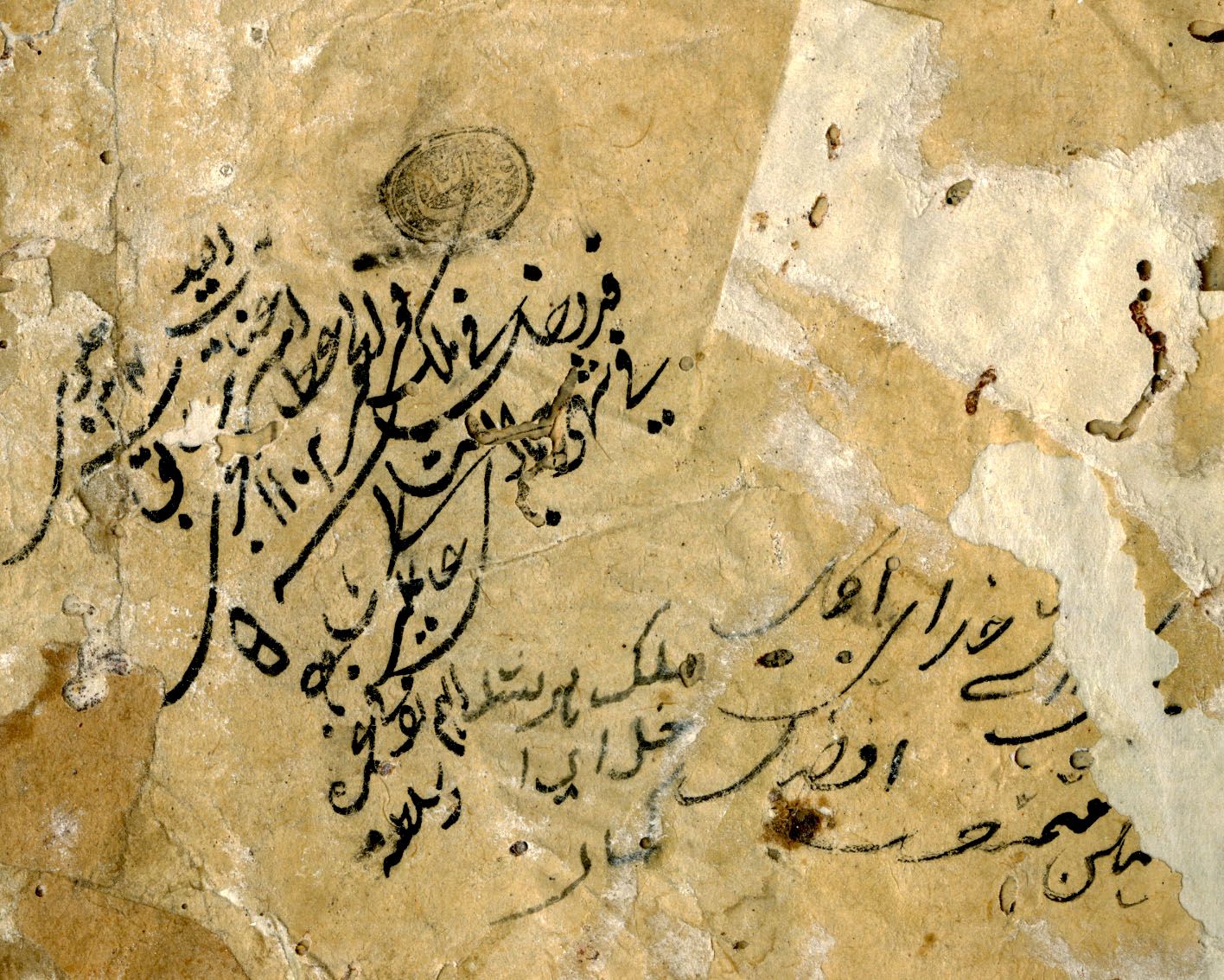
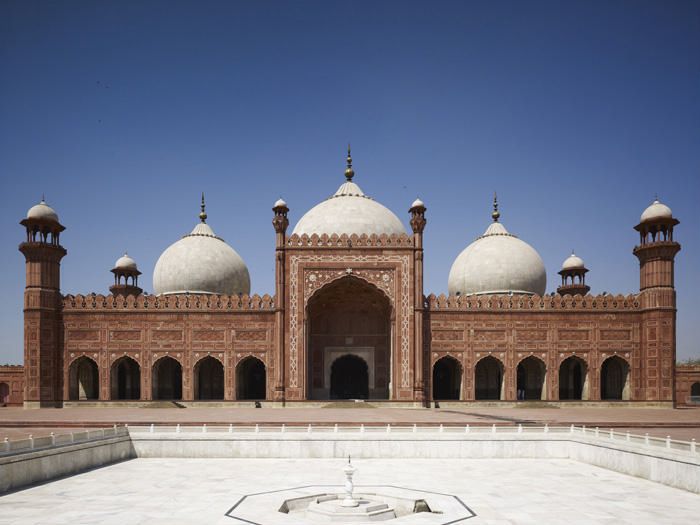
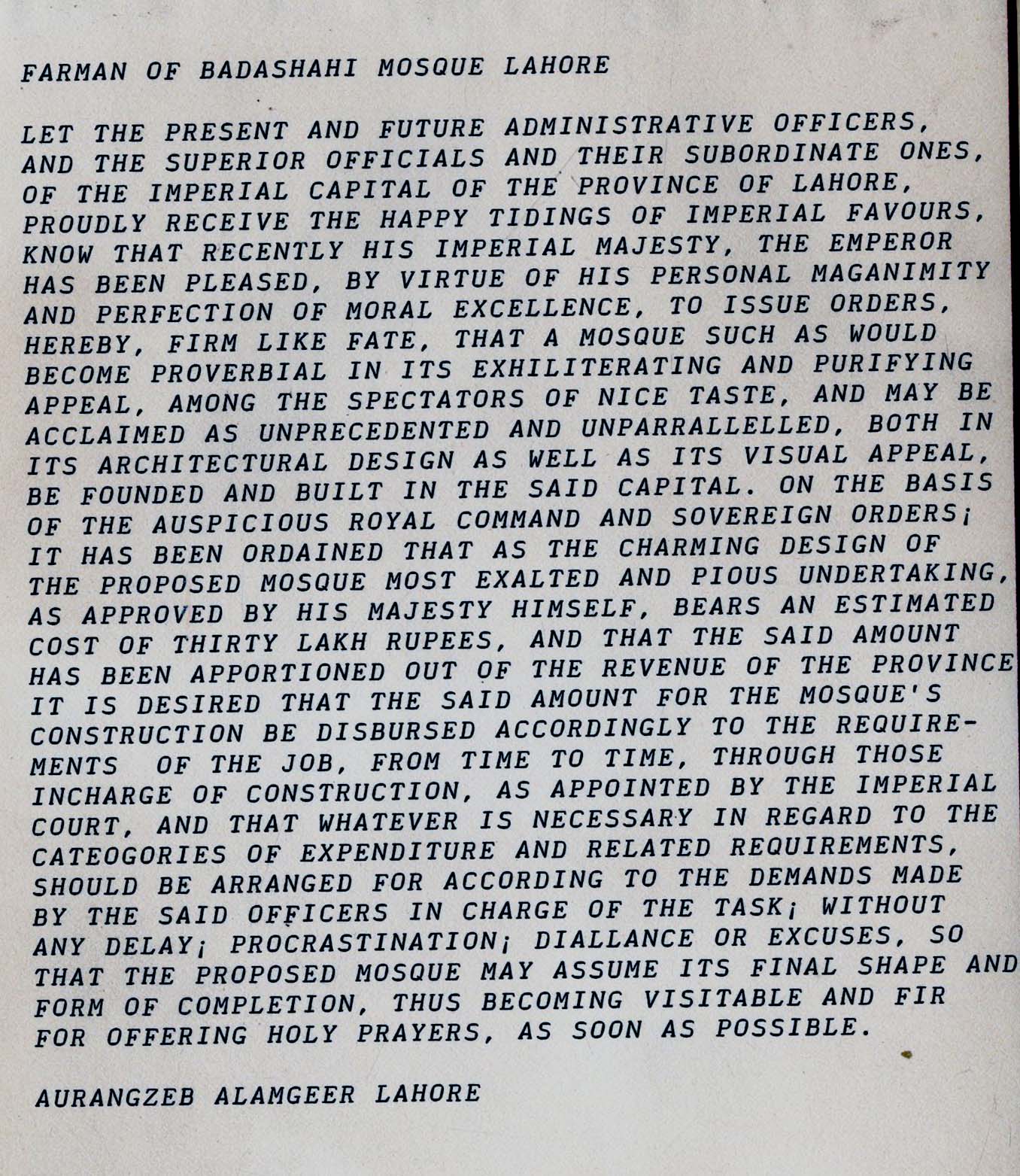
Besides the State archives next to Attaullah Rushdi, another name of a mimar comes up that is Shukrullah Mimar, but that is again a reference to repairs to the Mausoleum of Rabia Durrani. That name comes up in “Ruqat Alamgeeri”. In a personal manuscript of Hadees, there is a seal of Attaullah on it. He calls” himself as “Ash of the Grave”, or “Qabar Khaq”. It looks like he is 99 years old at that time. But on a property document, we find two seals of Attaullah. One when he was in the services of Aurangzeb Alamgeer and the other smaller one after that. Dates are 1078 AH and 1082 AH. Clear cur association with the Emperor, large seal denotes his important rank there. And this is around the same year when the Badshahi masjid Lahore was made in 1082 AH and completed in 1084 AH. Attaullah Mureed Badashah Aurangzeb Alamgeer.
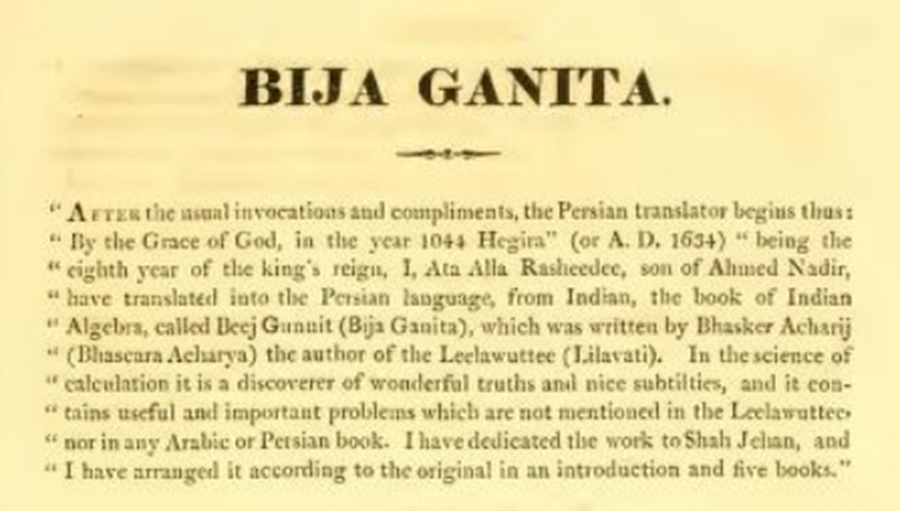
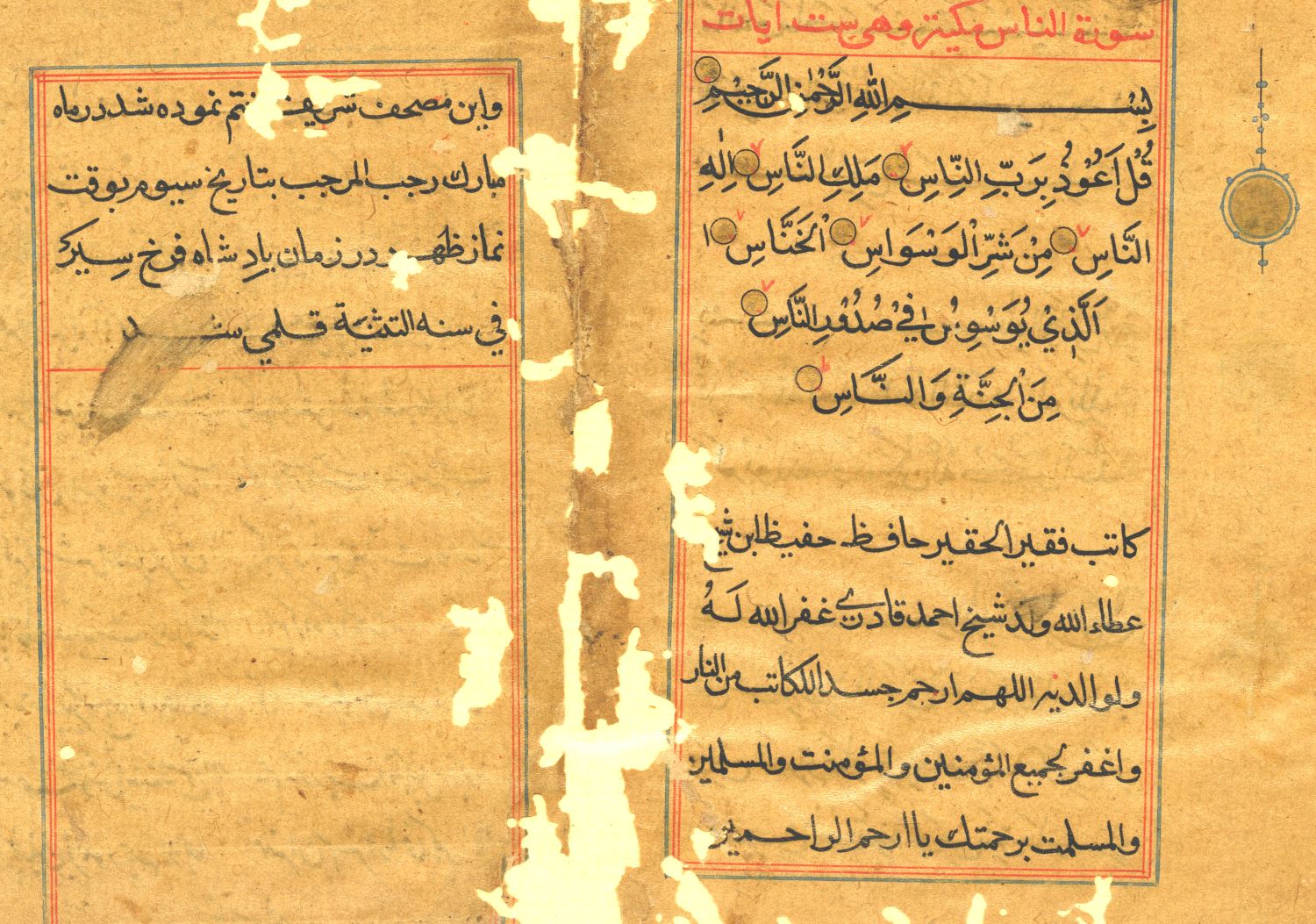
Mausoleum Rabia DurraniMimari Attaullah Rabia Durrani MausoleumSeals Attaullah 1075 and 1082 AHAttaullah reference of Ahmad NadirOld Attaullah earth grave 1102 AHHafiz Hafeez Nur MuhammedSeal of Nur MuhammedOfficial order Aurangzeb AlamgeerBeautuful brass doors of Rabia DurraniBadashahi masjid farman 1Badashahi masjid farman 2Badashahi Masjid LahoreDeccan archivesDeccan aechives Doc 17Various Volumes of Deccan ArchivesDome-Taj-MahalDome-Badshahi-mosqueDome-Asif-KhanDome-Pirzada-Masjid-copyEnglish translation Farman Badashahi masjidPinnacles-of-Badshahi-Masjid-being-weldedMaasir i Alamgiri Affirmation Attaullah and Nur MuhammedGrave-inscription-of-Princess-Zebunnisa-2
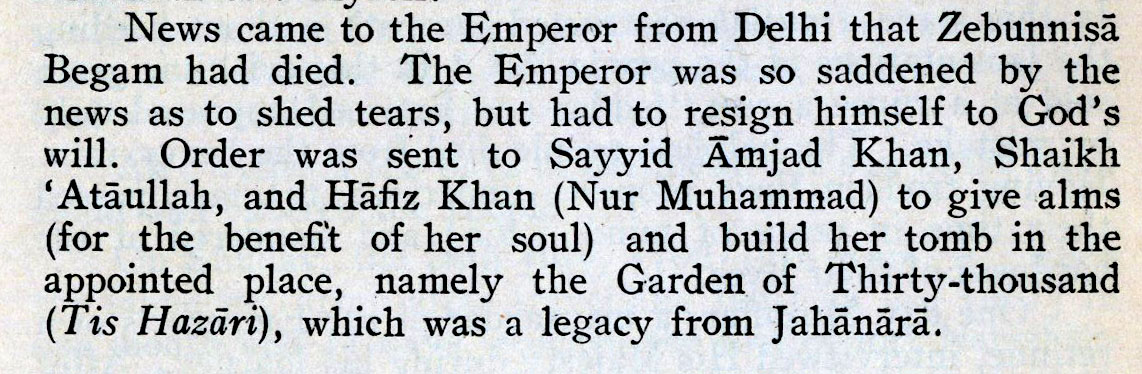
In the book Maasir i Alamgiri the ereference is more astounding. The Emperor calls three persons to build the Mausoleum of Princess Zebunnisa
Two mentioned directly are Attaullah and his son Hafiz Hafeez (Nur Muhammed). Attaullah is an old man by now or Ash of Grave as he calls himself. But his son Hafiz Hafeez *Nur Muhammed is a working architect, fully versed in his fathers knowledge. Documents prove the relation, including a hand written Quran in Jahandar Shah period. What more proof one can require?
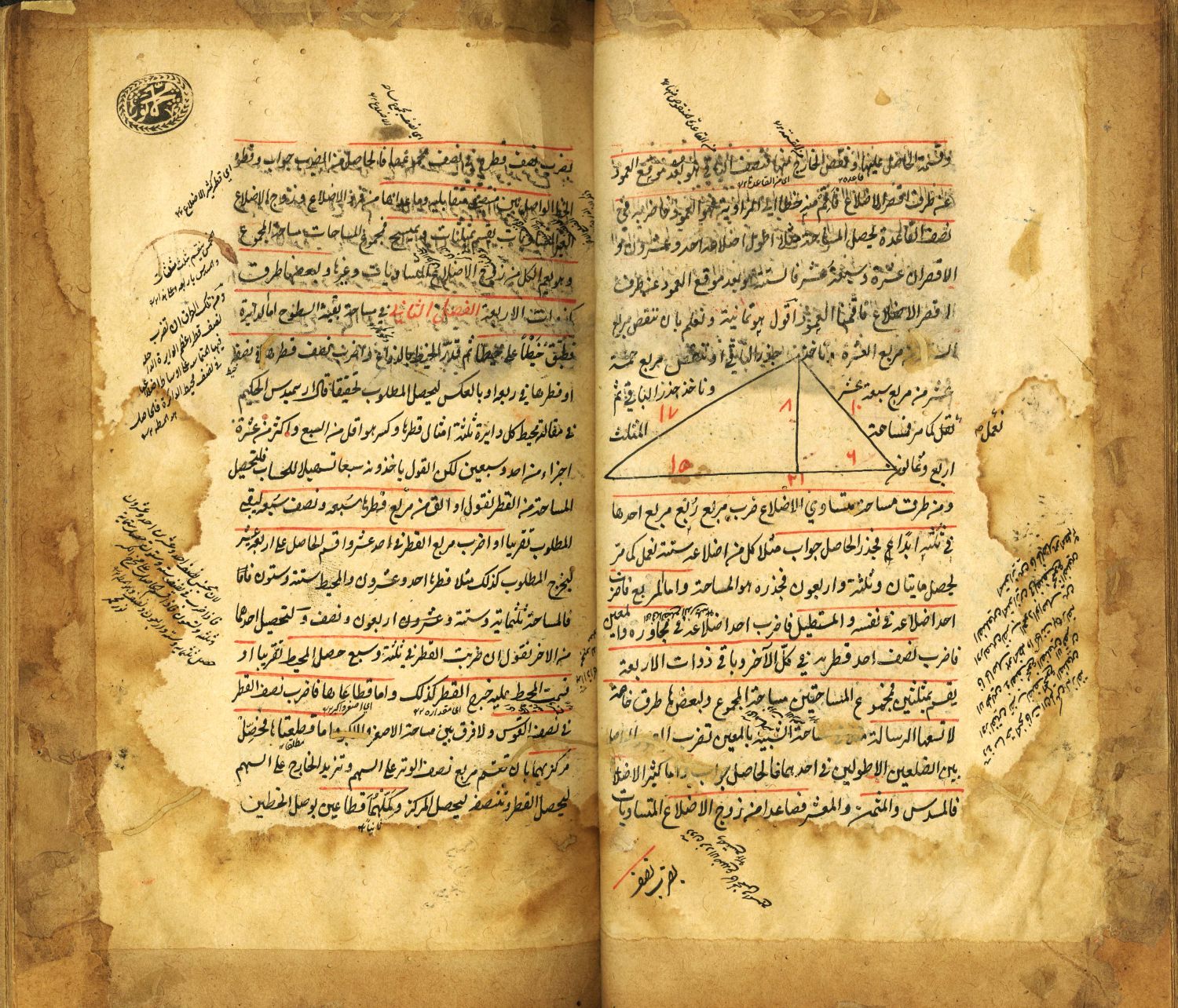
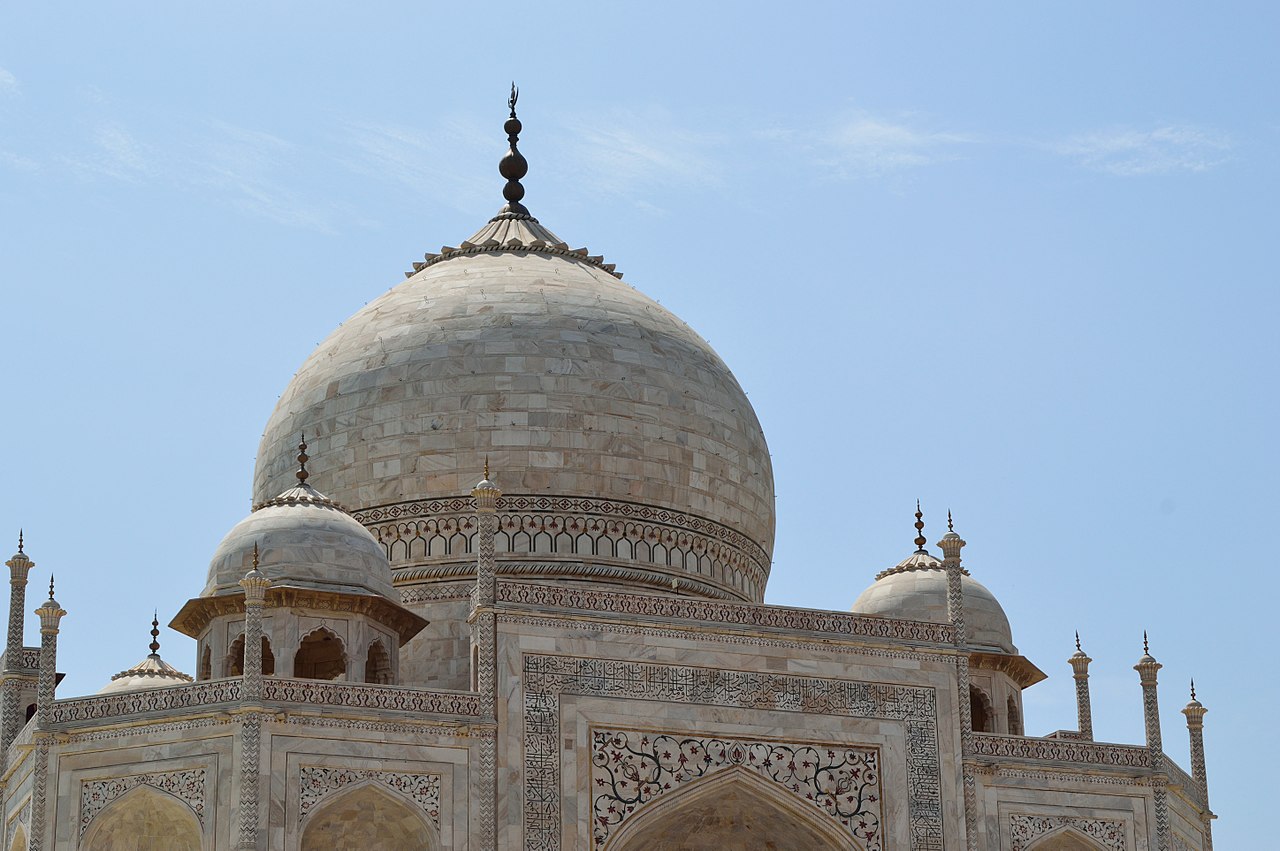
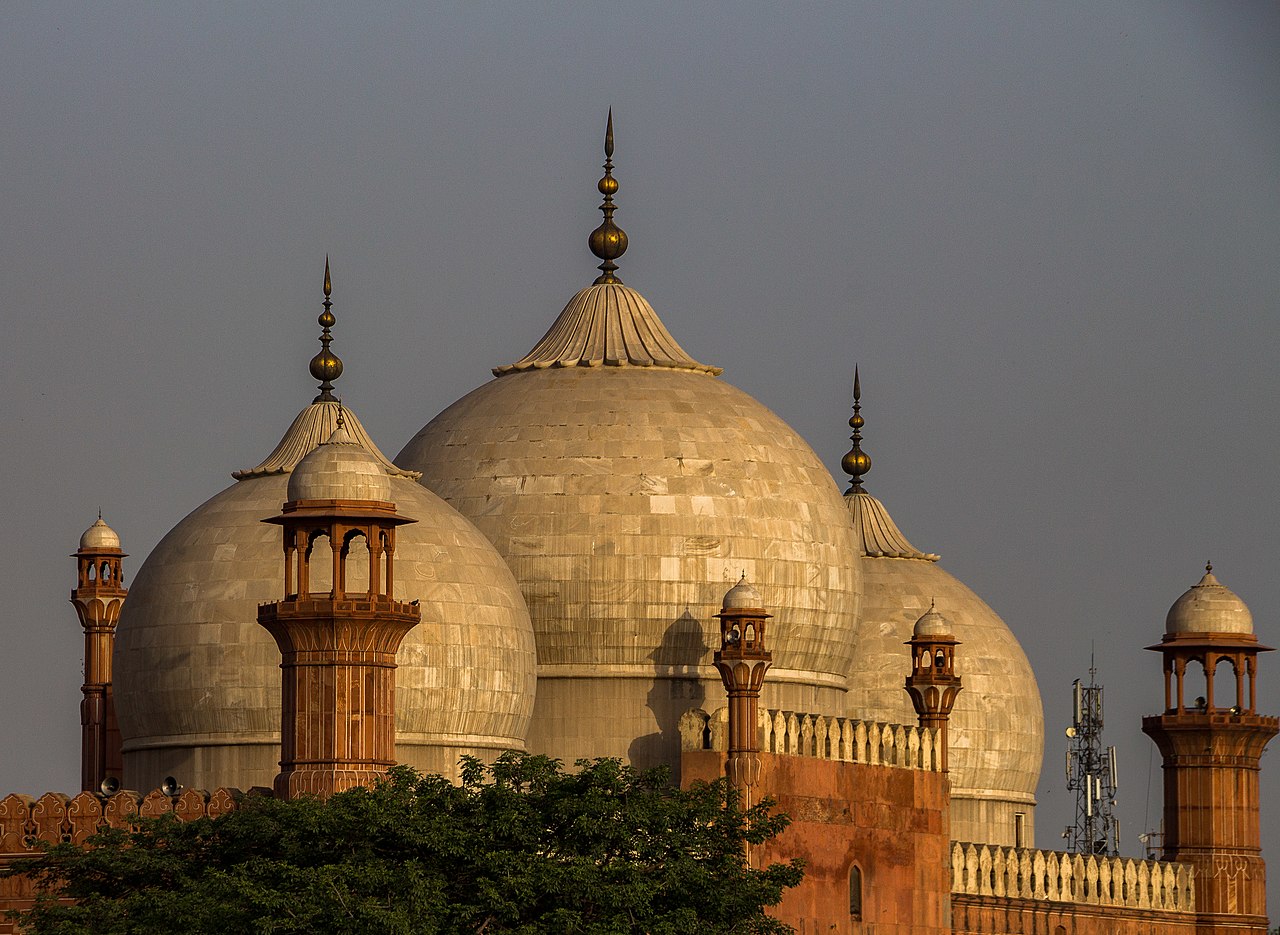
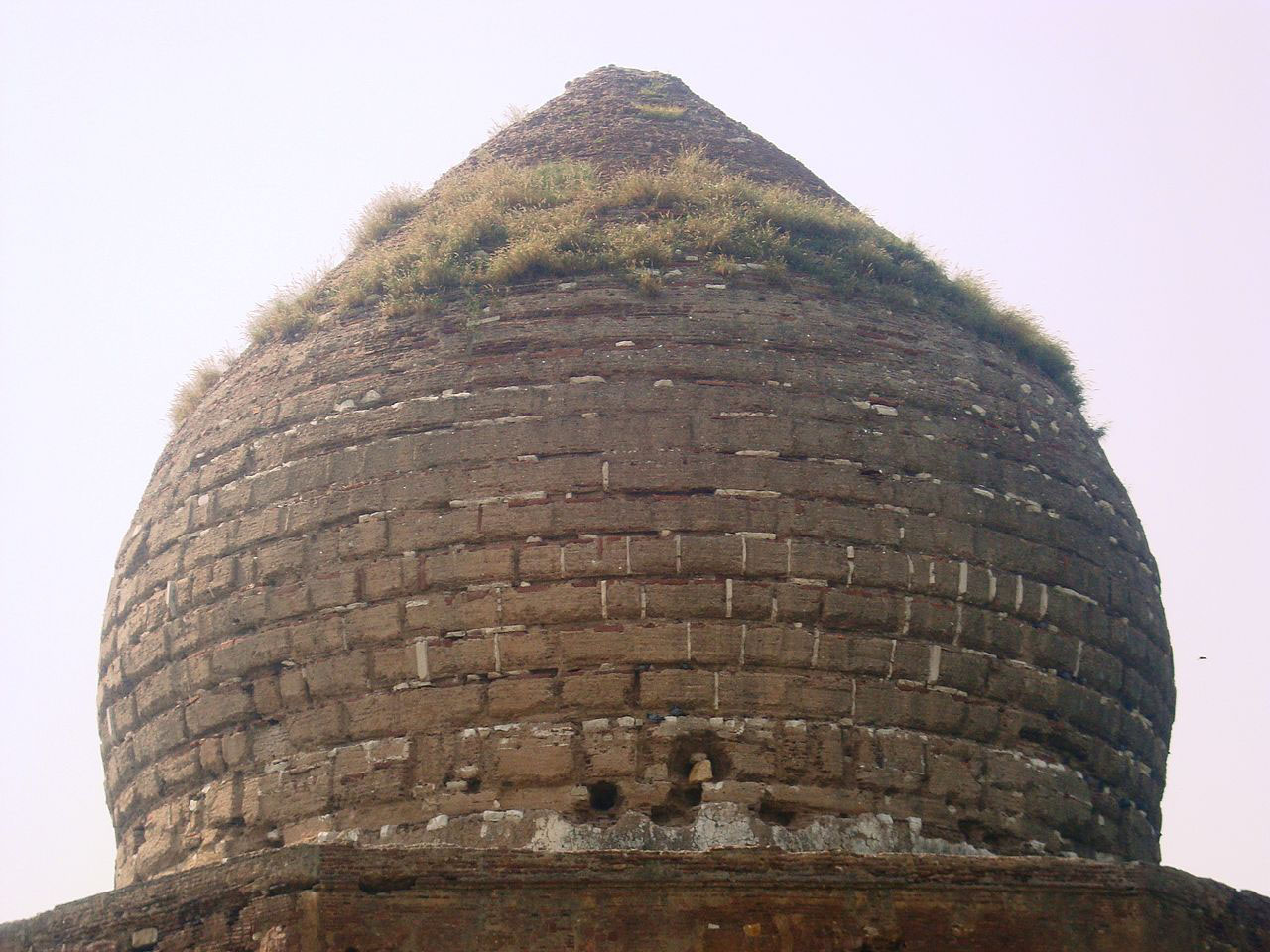
Documents and seals prove the personal association of Attaullah Rushdi with Emperor Aurangzeb, even as a Prince and later as emperor. But there is more. If we see and compare the domes of some buildings associated with family, we see the bulbous dome on the Taj Mahal, Bibi ka Maqbara, Mausoleum Asif Khan and even the Pirzada Masjid in Haryana (Yusuf Mimar) , we see the similarity in proportions of same. The same Euclid principles manifested in design. Research clears everything in history. In fact this research deserves a book of its own.
SECRET EXPERIMENTATIONS M.A. RAHMAN CHUGHTAI; NOBODY REALLY KNOWS, YES PUBLIC FOR FIRST TIME. THE HIDDEN CHUGHTAI ART NOBODY WILL EVER KNOW.
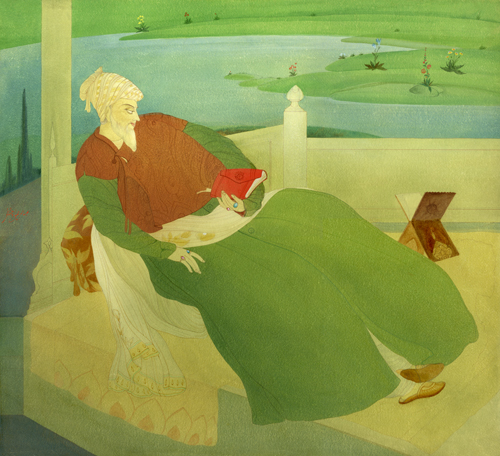
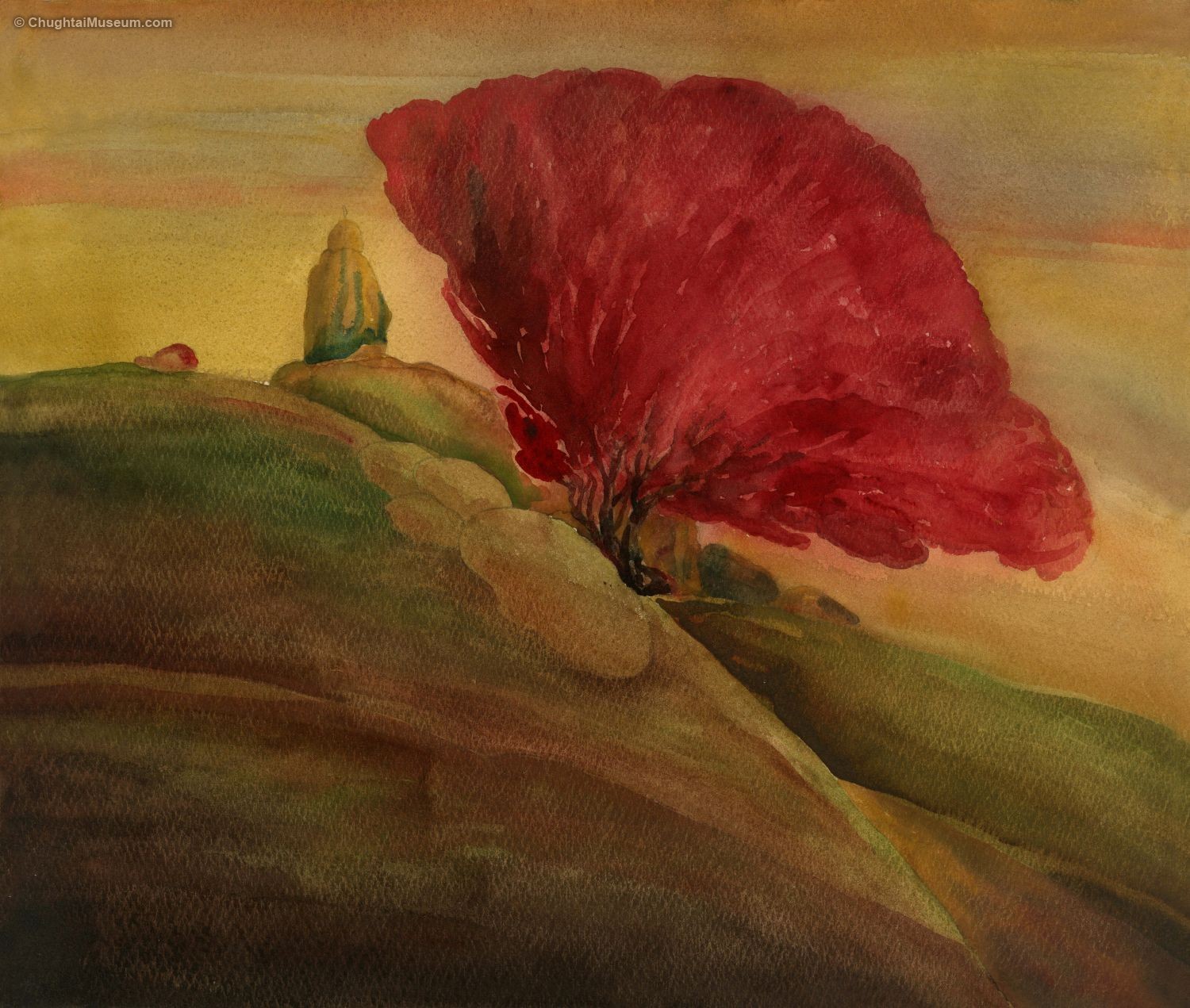
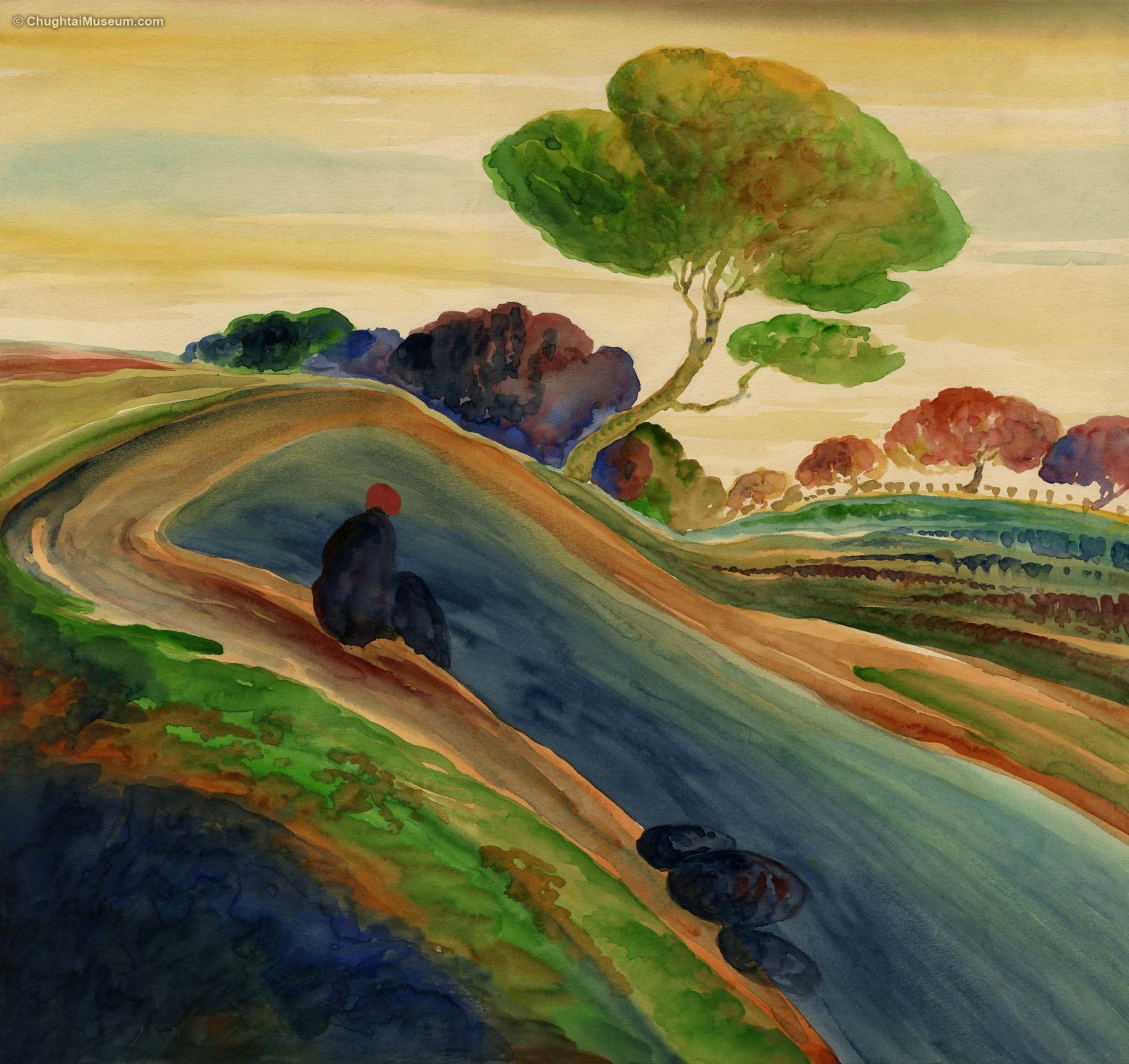
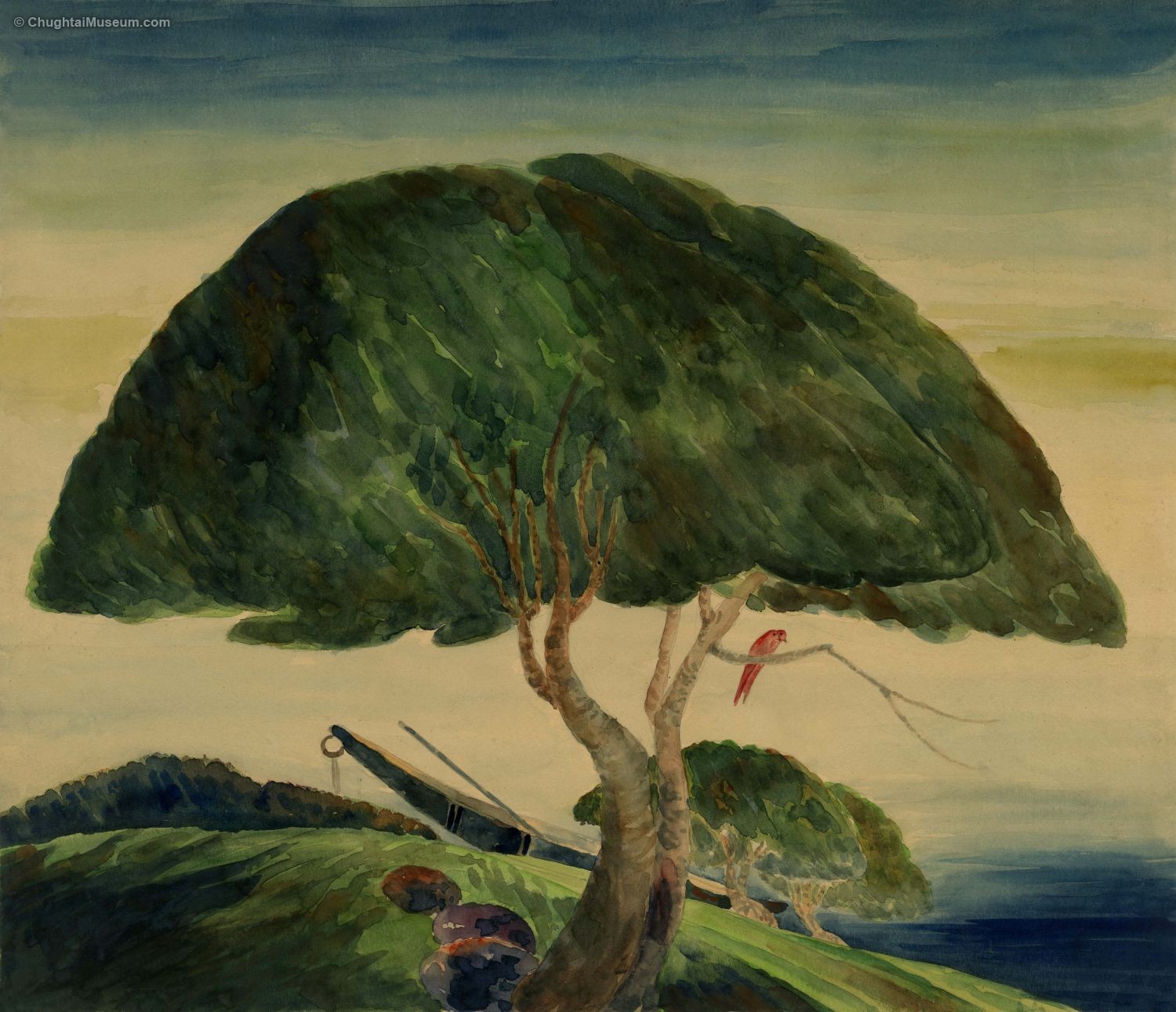
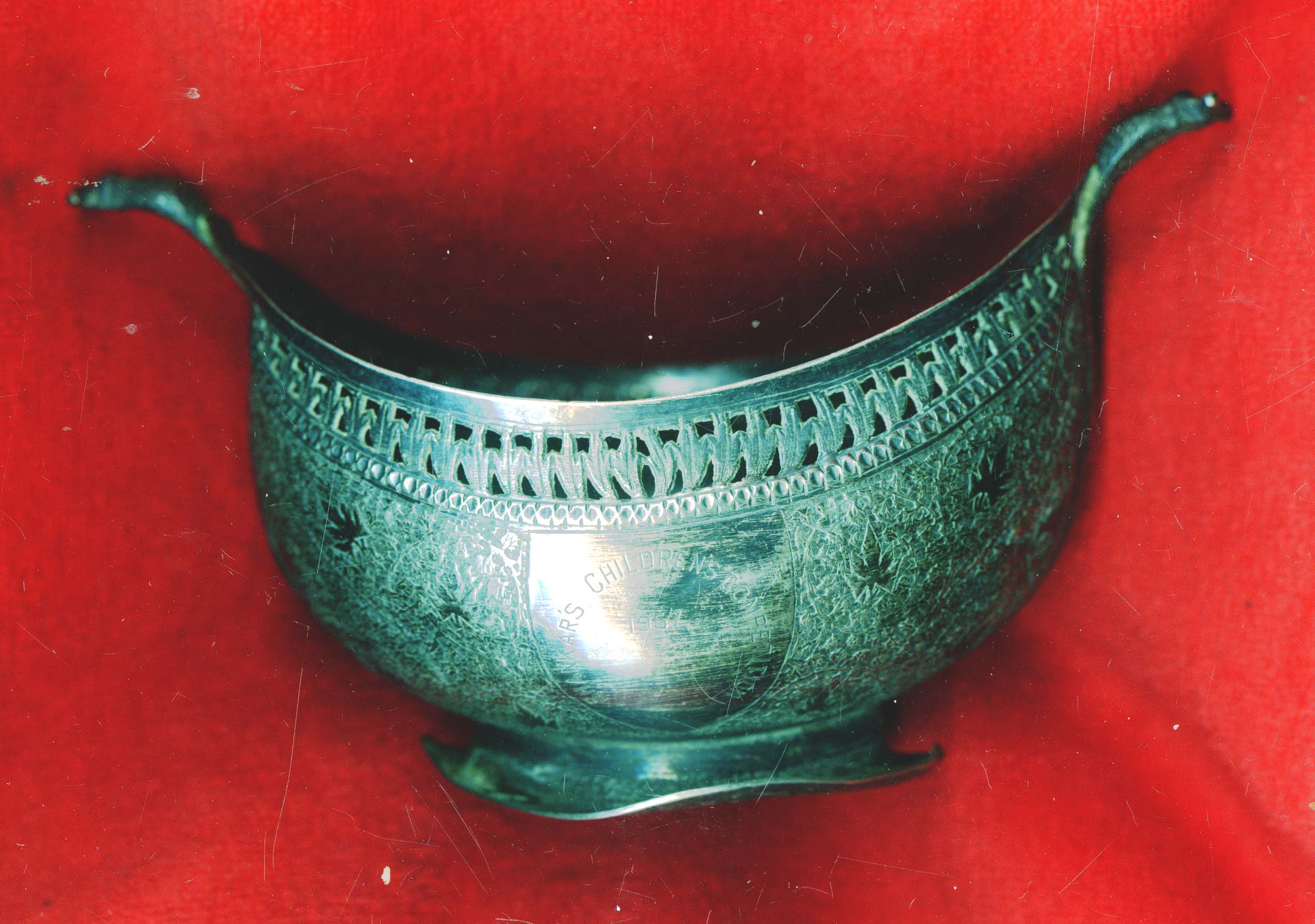
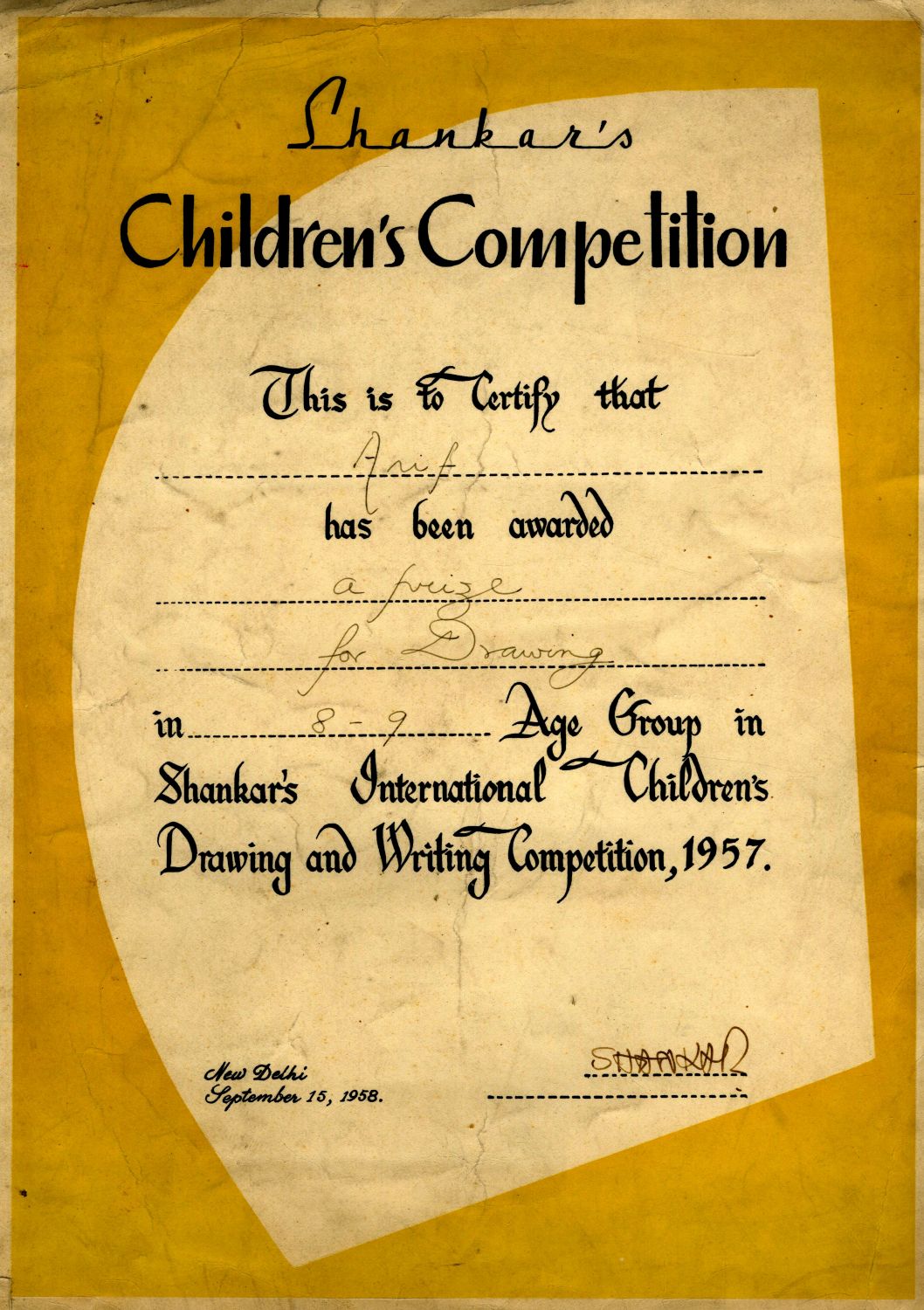
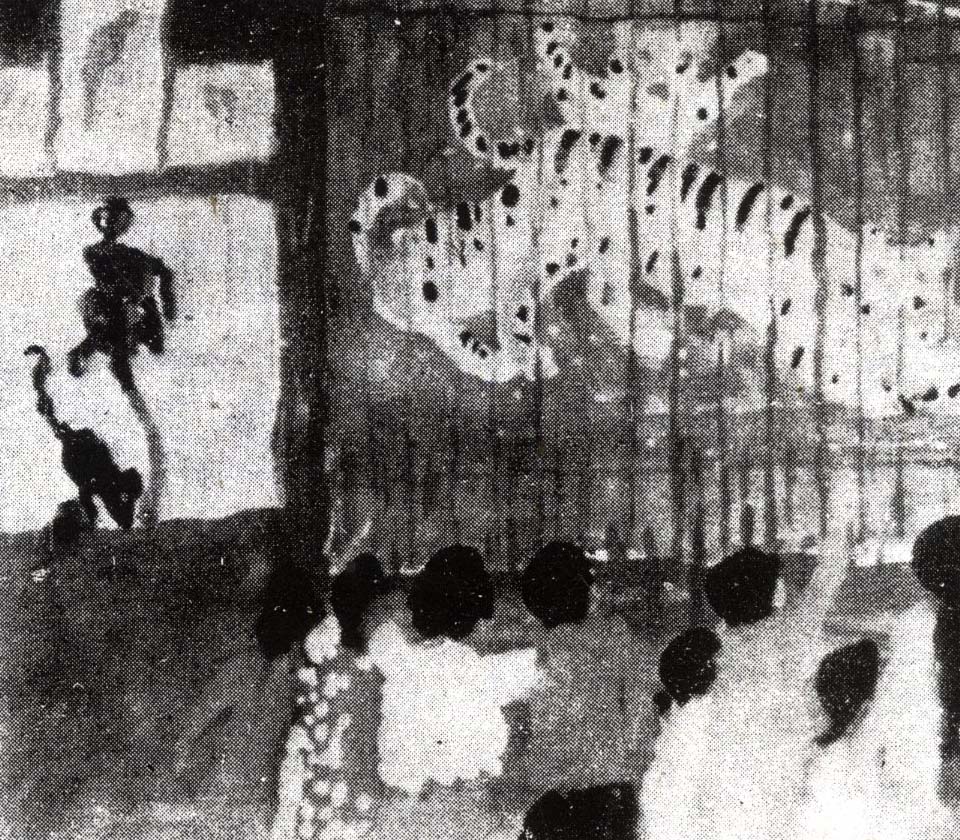
It was 1957, I was studying in 2B Saint Anthony’s High School, and a call came from the Principal’s office. Brother Henderson communicated that a Silver Cup had been received from India as an award for Arif Chughtai, for his work exhibited at the Shankar Children Competition in Delhi, India. And the Principal would come to the class of Madame Cooper to present it to me. I was not only frightened but also embarrassed, for I had done nothing like that at all. The secret was that my father had made a small children painting of a zoo, with a tiger and animals in it and some children watching the tiger from outside the cage. Totally childlike, and yet with exceptional talent. I had not done it. But the Indian judges in Delhi recognized it as an exceptional work of a 7 years old child. It was printed in colour in Shankar’s Annual but we miss it now. However the cup is still with me. And the load of its memory makes me uncomfortable even now. My father Abdur Rahman Chughtai liked to experiment things. Not only that he used to secretly make some Western type paintings and he exhibited them in name of his guide and German lady friend Elza Huiffner. These works were exhibited at various shows in 1930s, 1940s and 1950s, and received accord for their aesthetics. A different technique and media tested by M.A. Rahman Chughtai in secret experimentations.
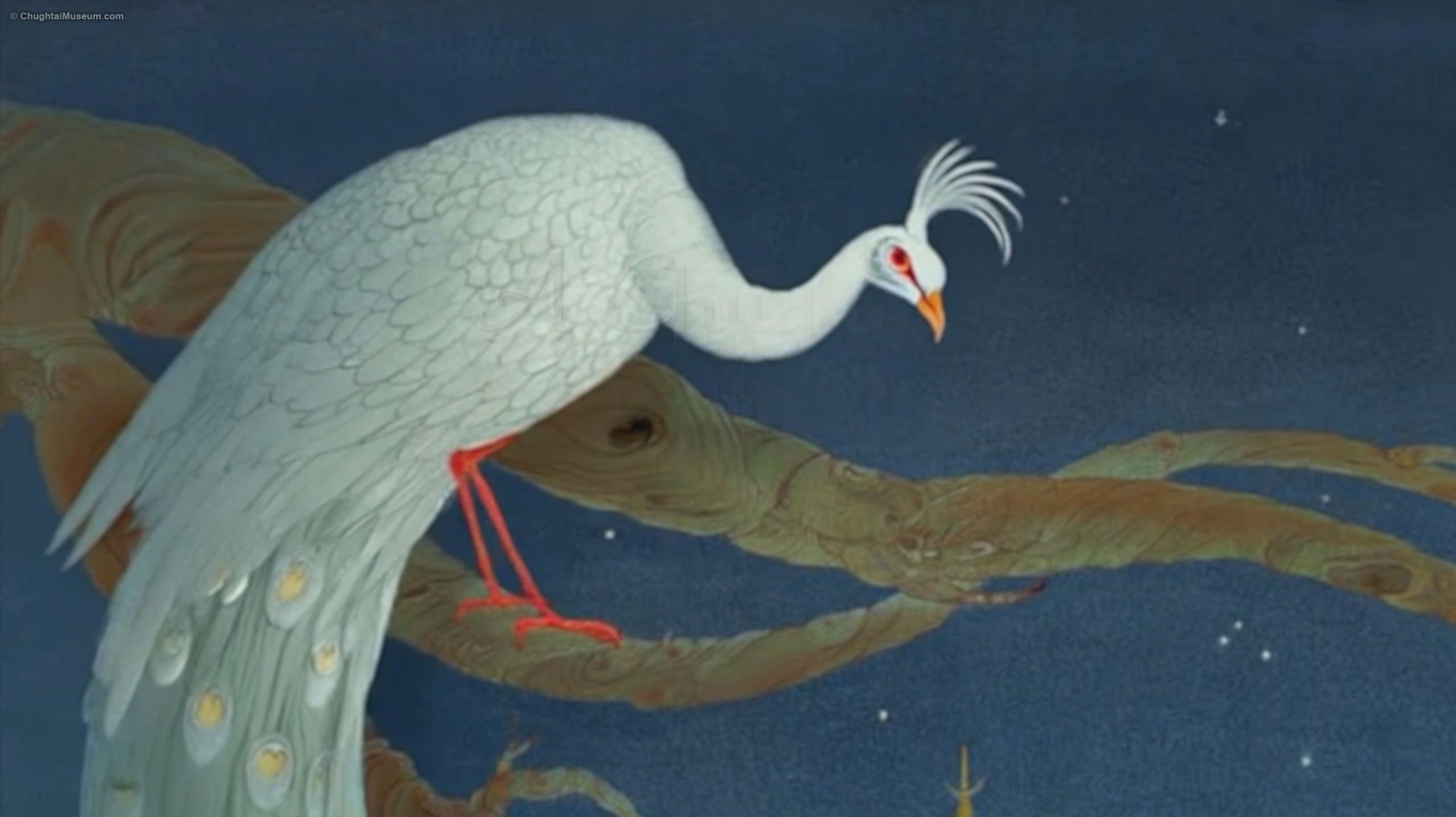
Red TreesBy the river sideRed Bird1957 Shankar for ArifShankar certificate 1957 ArifChildren at zoo by MARC
Not only that, at times letters written in pseudonym names to express opinions about things they did not want to be referred to in their own names. The dialogue with Dr Munhsmmed Din Taseer is famous for such communication, as Taseer himself used a pseudonym. These are hidden aspects which with time no one will really know. It is best to write all things as a historical record for the future. But it does show the exceptional talent the artist Abdur Rahman Chughtai had. I have myself seen him correcting the composition of his friend Ustad Allah Baksh, not with malignancy but as an act of advice of loyalty. The artist actually posed for his portrait done by Ustad Aziz, adopted son of Ustad Allah Baksh, and not only that he corrected features of his own portrait. Certainly years of training and learning, but in all ways, an inherited DNA programmed to aesthetics. People writing about him in the past knew little, but at present literally nothing. It needs a certain exceptional framework of mind to indulge in studies about Chughtai Art.
IN SEARCH OF ANY POETIC CREATION LEFT BY, USTAD AHMAD MIMAR LAHORI, TERMED AS NADIR: NADIR NAMAH LOVE OF SULTAN MAHMOOD AND AYAZ. FROM SADI TO JAMI TO FAMOUS EPIC POEM OF ZULALI.
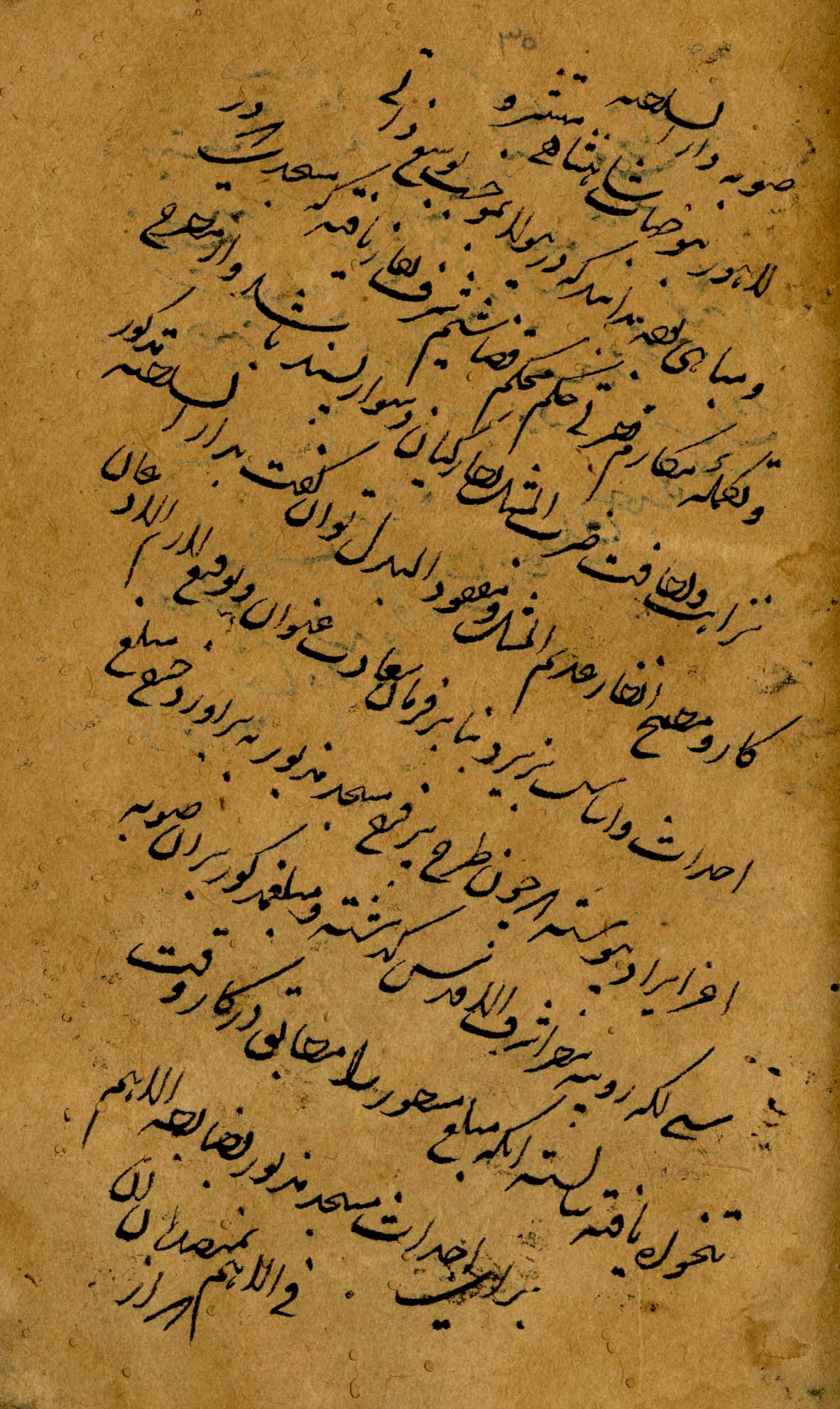
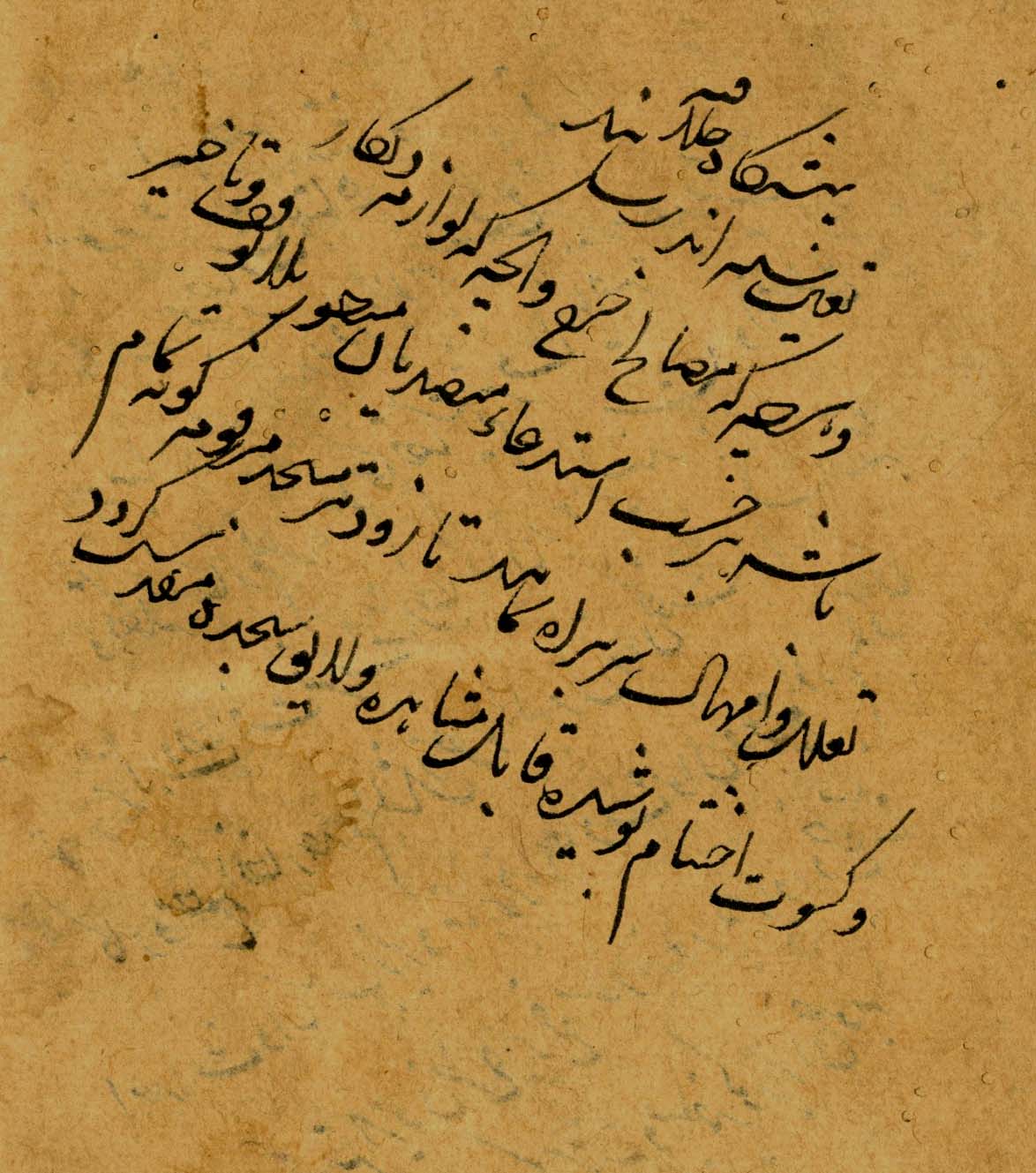
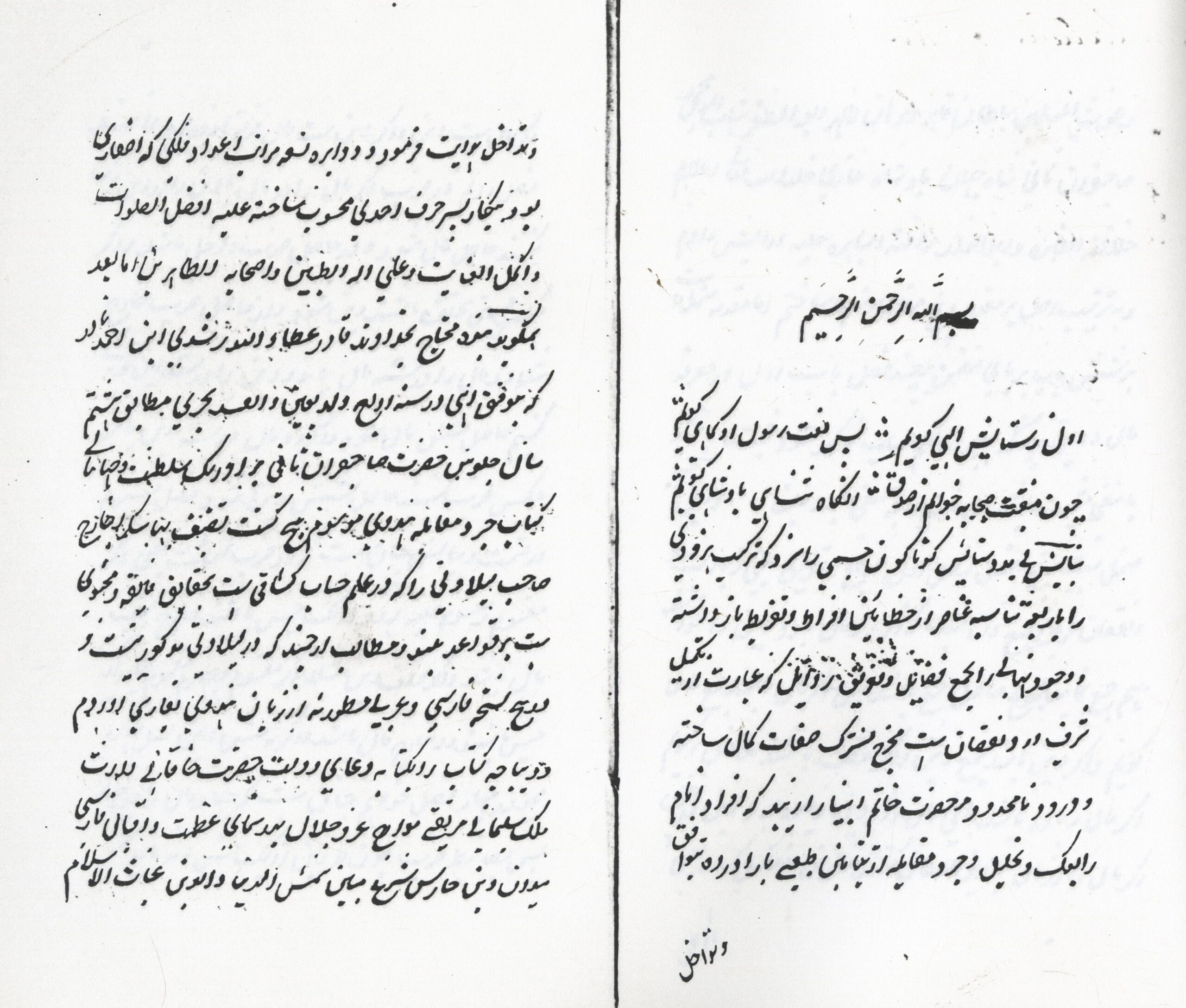
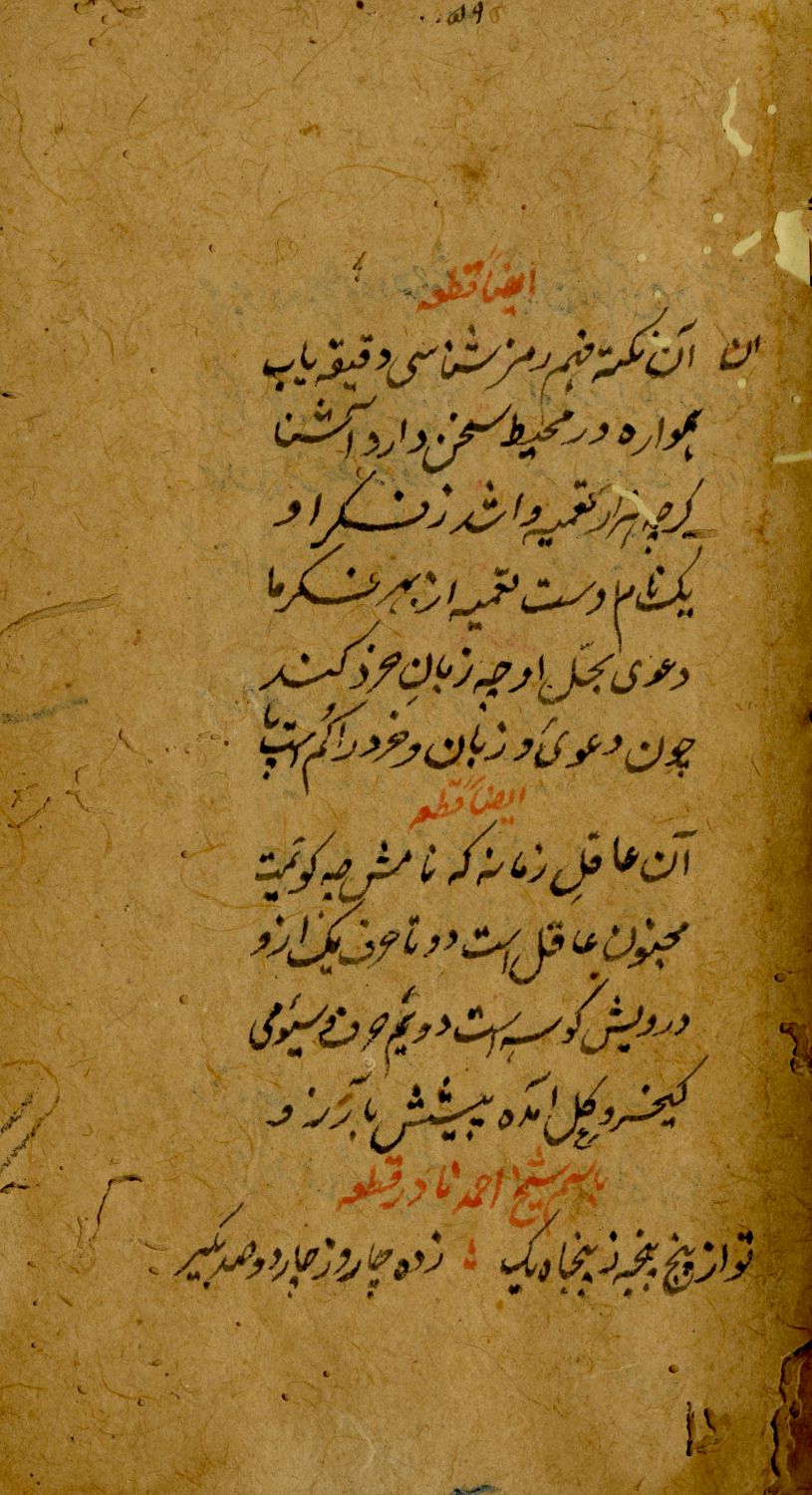
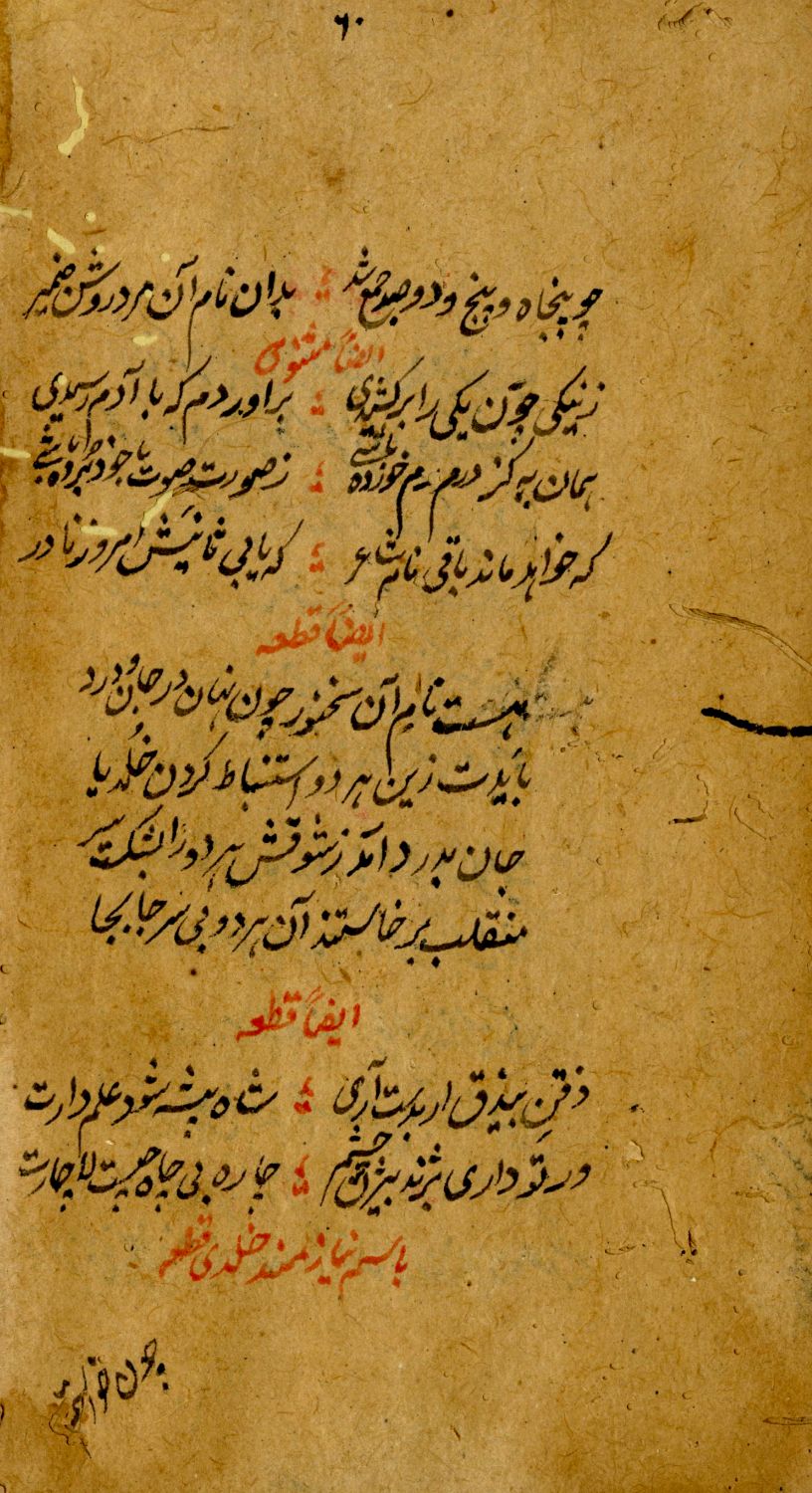
Many years back a manuscript reached me, and it was not a very old one, but dated around 1273 AH, the scribe was Jalaluddin son of Mian Raheem Baksh Rajpoot of Mitranwali, and the poetry was of Abdur Rahman takahallus khuldi, resident of Heranwal. It was titled as Nushka Maumma, the art of sealing the name of a person in form of guess work. In our terms naming a person like a puzzle or paheli. It had four maummas of the name of Ahmad Nadir. It also listed othes. The reference was that of Sheikh Ahmad with takahallus Nadir, not much more. The poet Khuldi did not even know the burial place of Ahmad Nadir. He did make a conjecture of his mausoleum, but in a maumma he referred to him as having Royal Profession. That was the only reference in my decades of research on this name.
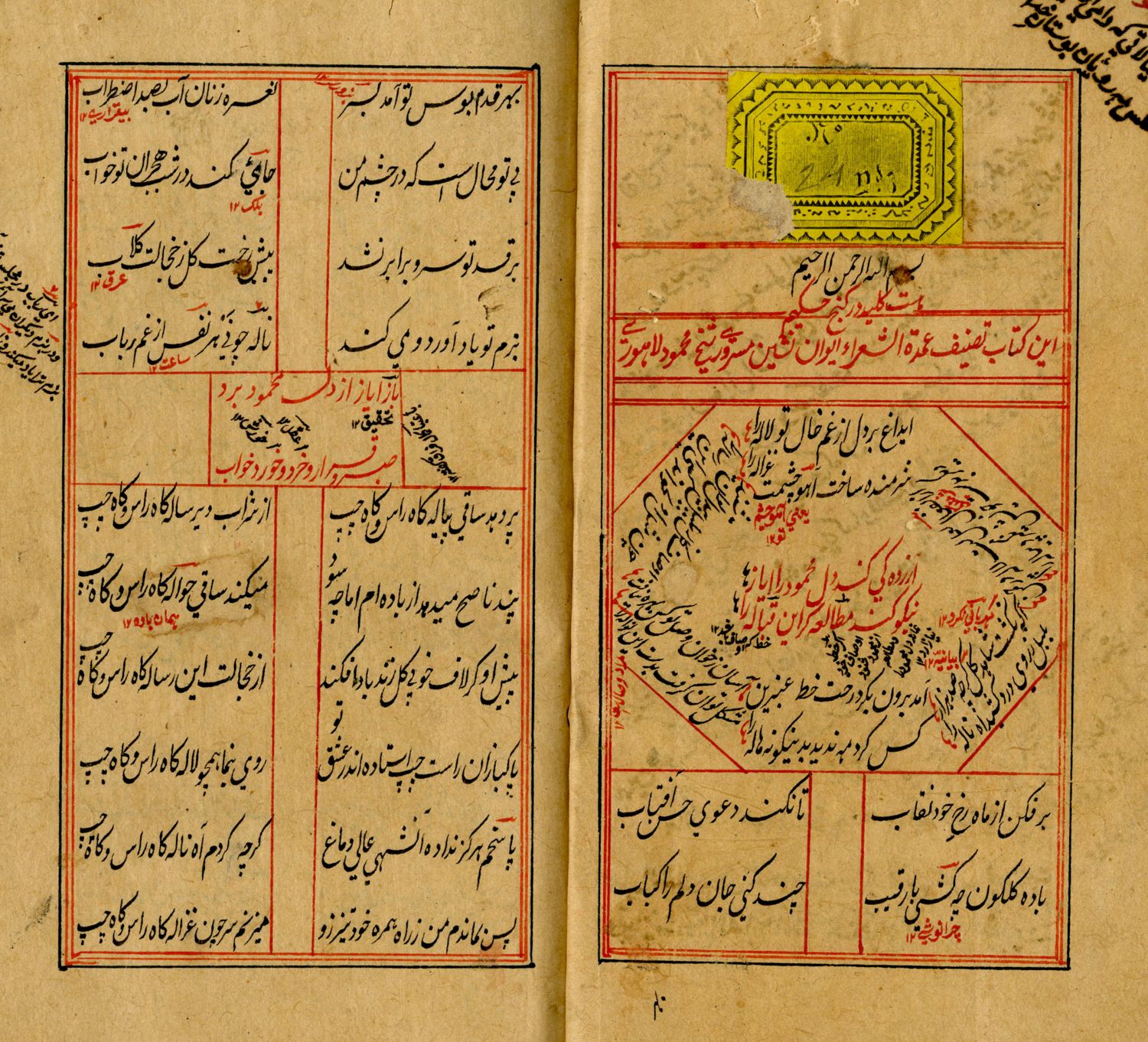
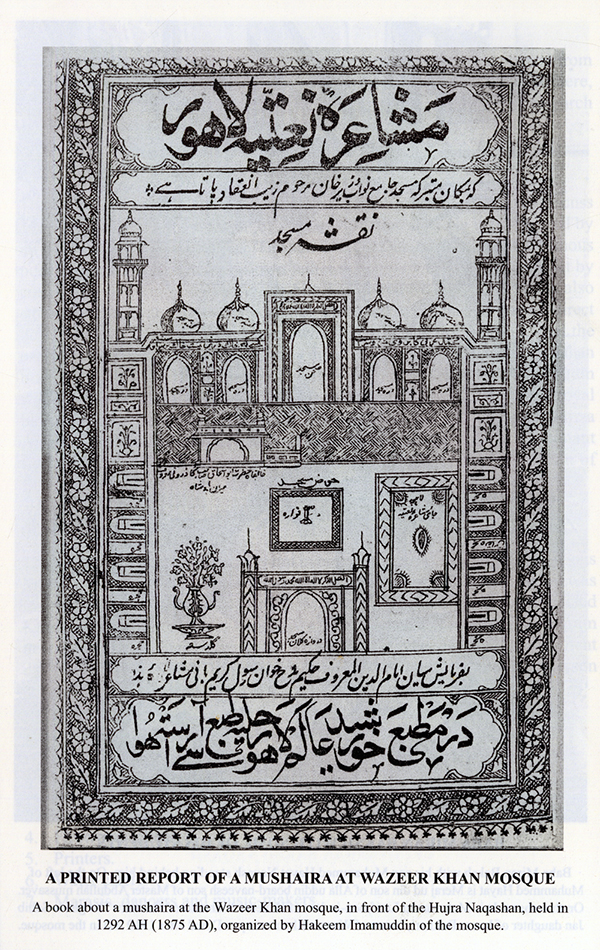
Let us go back a little. Researchers have pointed out that Ustad Ahmad Mimar Lahori was also a poet and wrote in the name of Nadir. In fact his son Attaullah Rushdi specifically mentions the title of Nadir attached to his father and perhaps comes from the fact that he had the title of Nadir Ul Asar from the Emperor himself. Yes, so much excitement and no concrete results. A Baloch researcher gave me a catalogue of the manuscripts in the National Museum Karachi and strangely there was a collection of poetic sections of three poets, one was Abdur Rahman namely Khuldi. The other two were simply given. One Mahmood of Lahore of the 17th century, I had seen manuscripts of this poet and he was at a mushairra in Lahore in 1044 AH, the inauguration of Masjid Wazeer Khan. I had seen a volume of his poetry from the 17th century. The other was Ahmad Nadir. Khuldi had a section dated as Nushka Ajeeb, and the other two were Nadir namah and Mahmood namah. All three were of the love of Sultan Mahmood and the slave Ayaz, who by becoming the Governor of Lahore, put Lahore on the cultural map of the world, But obtaining a copy from here was utterly difficult. A student Amar Malik of Berkeley volunteered to help and sent me a copy of that manuscript.
In a flurry of excitement, analysis of that manuscript was handed over to a professional who knows these things well. I asked him to seek name references in the Nadir namah. He told me there was no specific reference, but as far as metaphors were concerned, there was an illusion of three names. The metaphors related to Princess Gulbadan, Emperor Jahangeer and Emperor Babur. This very clearly pointed out that the poet belonged to the early 17th century. Then I asked him on what level did he cover the love of Sultan Mahmood and slave Ayaz, Governor of Lahore. The answer was simple, the story spun in Persian circles of a homosexual relation was not treated by these poets in that way. My research in the life of Sultan Mahmood is very clear. Sultan Mahmood himself had a slavish background and came across a sick child in an auction house in Ghazni. He felt very tender with the plight of the boy and bought him. He sent him for the best education and training and ultimately he became the Governor of Lahore. A fact which hardly any one knows that Sultan was in love with the sister of Ayaz and wanted to marry her, but the courtiers advised him against proceeding with the marriage. My research is written in my book the MUSLIM FIGURINES OF LAHORE. So my question was simply Ahmad Nadir deals with that love on which plain of thought. I was told that no mention of any immoral relation but the spirituality of that love and affection. It was very satisfying for me.
The three metaphors were translated and I translated them in English. I was told that the Persisn language used was not that of some ordinary poet but spoke well of the excellence of poetry in Nadir namah.The three are:
Metaphor of Gulbadan: My body is in such a way full of injuries and spots like the tears in the eyes of the nightingale and I am in search of a shawl covered bridal Gulbadan beloved with a flowery body whose sharp sword can be drenched with blood when the blood of my body has already gone dry.
Metaphor of Jahangeer: Jahangeer obsession means that love or frame of mind which takes into possession the whole world and the drum beats it’s fame and wisdom leaves and the empire of heart takes over. Mind kneels before this love and the beloved beauty gaze through thee splendour of her fallen hair not unlike the darkness of Shab meraj when the light of spirituality of Laila tul qadr
Shines out.
Metaphor of Babur: When the beloved opened the lut of her hair, the onlookers got sad because in front of her beauty even the stars wandered out like Babur who in the night lost his way
Between two eyebrows the distance met with an object unlike a man had completed the level of his constructed house.
Centuries gave us nothing of Ahmad Nadir. Can there be more? Who knows? People spent their lives on this research. I have done the same. Eventually something more will be discovered. We wait for that day! There are people who buried him in the past. There are those who broke his sarcophagus in Khuldabad. But Allah’s Law of Makafat overrides these people. aUstad Ahmad Mimsr Lahori shines as much as Rauza Muqarrana or the Taj Mahal. The Blessings of Allah are on him. !
THERE IS NO DISTINCTION BETWEEN HEROES AND VILLAINS; VESTED INTERESTS CAN MAKE ANYONE SOUND ANYTHING: ENIGMA OF RANJIT SINGH HAUNTS LAHORE ALL THE TIME.
The decline of the Mughal Empire had obvious security issues in the region. The reign of Nawab Zakaria Khan and icons like Princess Sharafunnisa were slowly vanishing into oblivion. The attack of Ahmad Shah Abdali and the brave resistance by Mir Mannu too vanished and Mughalani Begum came into power. Chaos followed with attack of the three dacoits in Lahore. It is history. The curse of their rule mitigated with alternative interpretations. Our own ancestors spoke of the curse of the rule of these three, always ready to attack people, take their goods and steal their women. Whole city of Lahore was linked to adjoining houses, so that if the narrow streets could not keep away the dacoits, the inhabitants could flee from the roof to other vicinities. There used to be wells in many houses and small secret rooms at water level. When men wen outside the houses they put the women and children in those small rooms, and given daggers to them. Aim slaughter yourself before being harassed and raped by these bandits. Th citizens of Lahore tired of all this invited another dacoit of Gujranwala to capture Lahore. The city gates opened and this dacoit allowed the administration of Lahore. It is history and now being mitigated with paid lobbies to undo truth.
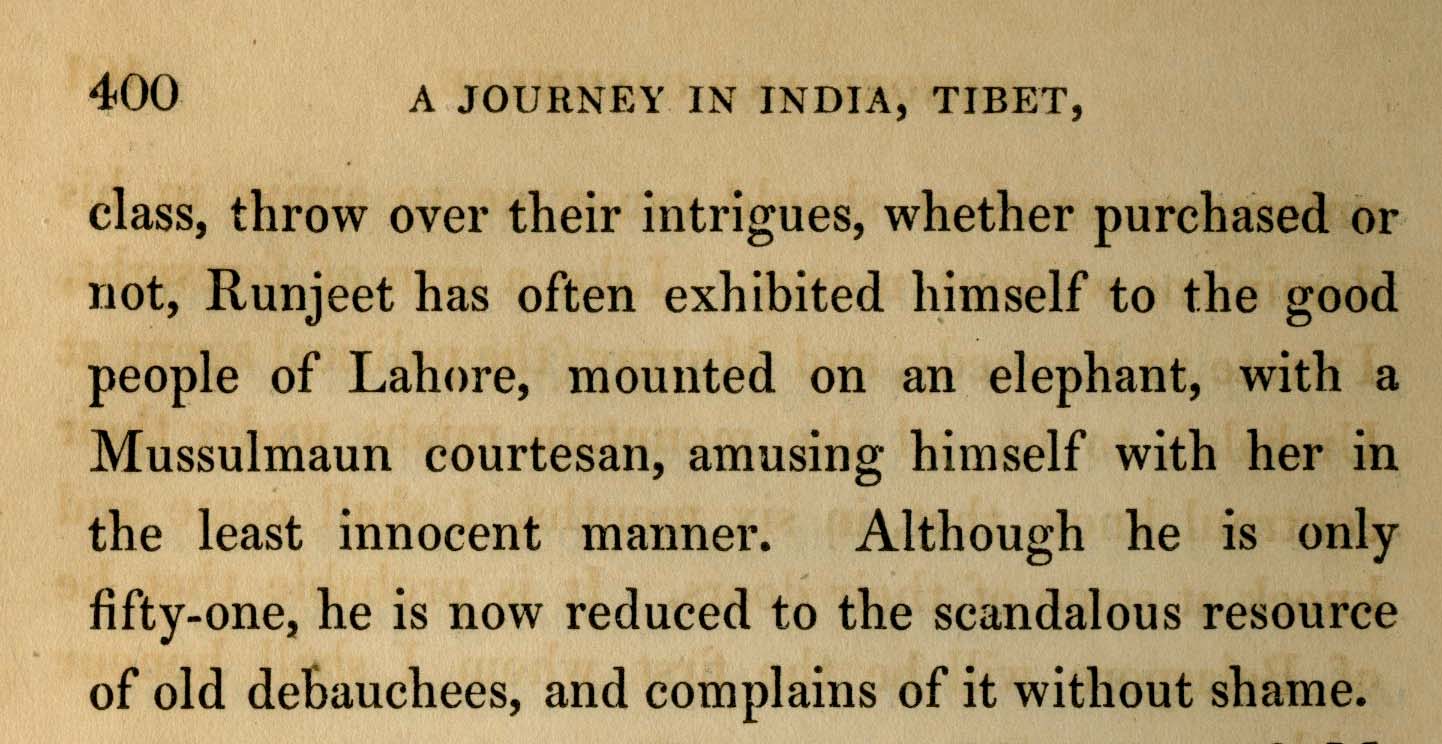
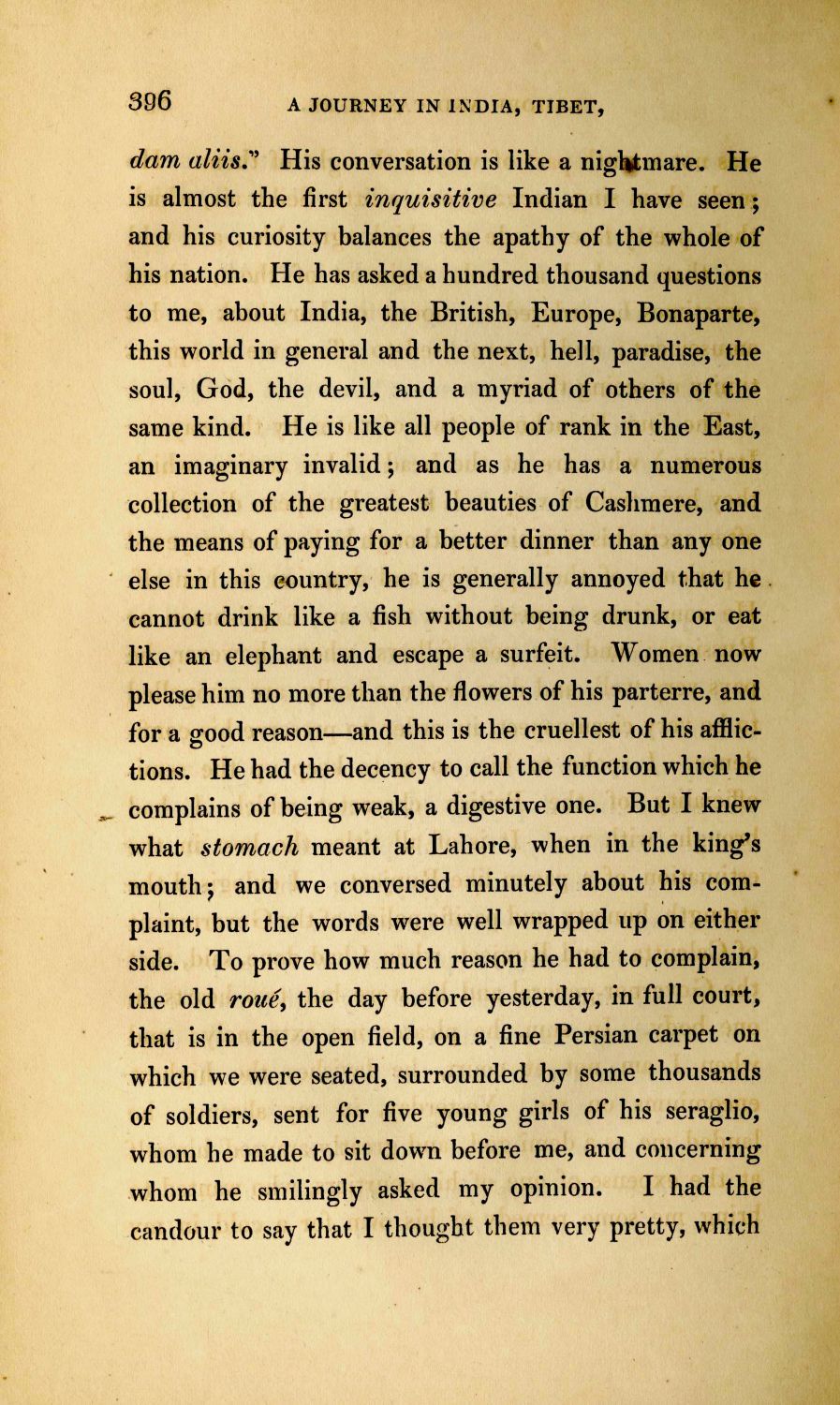
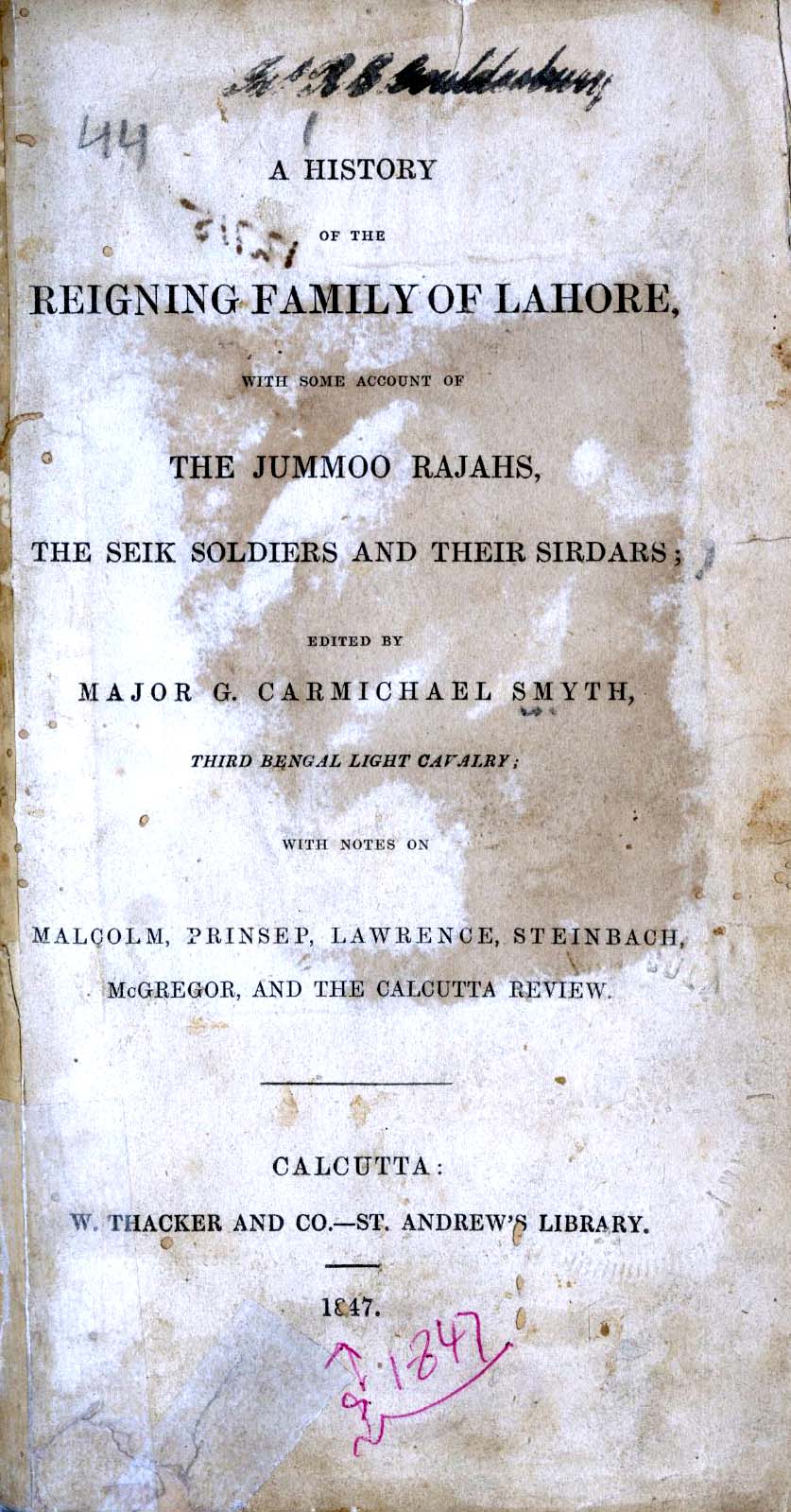
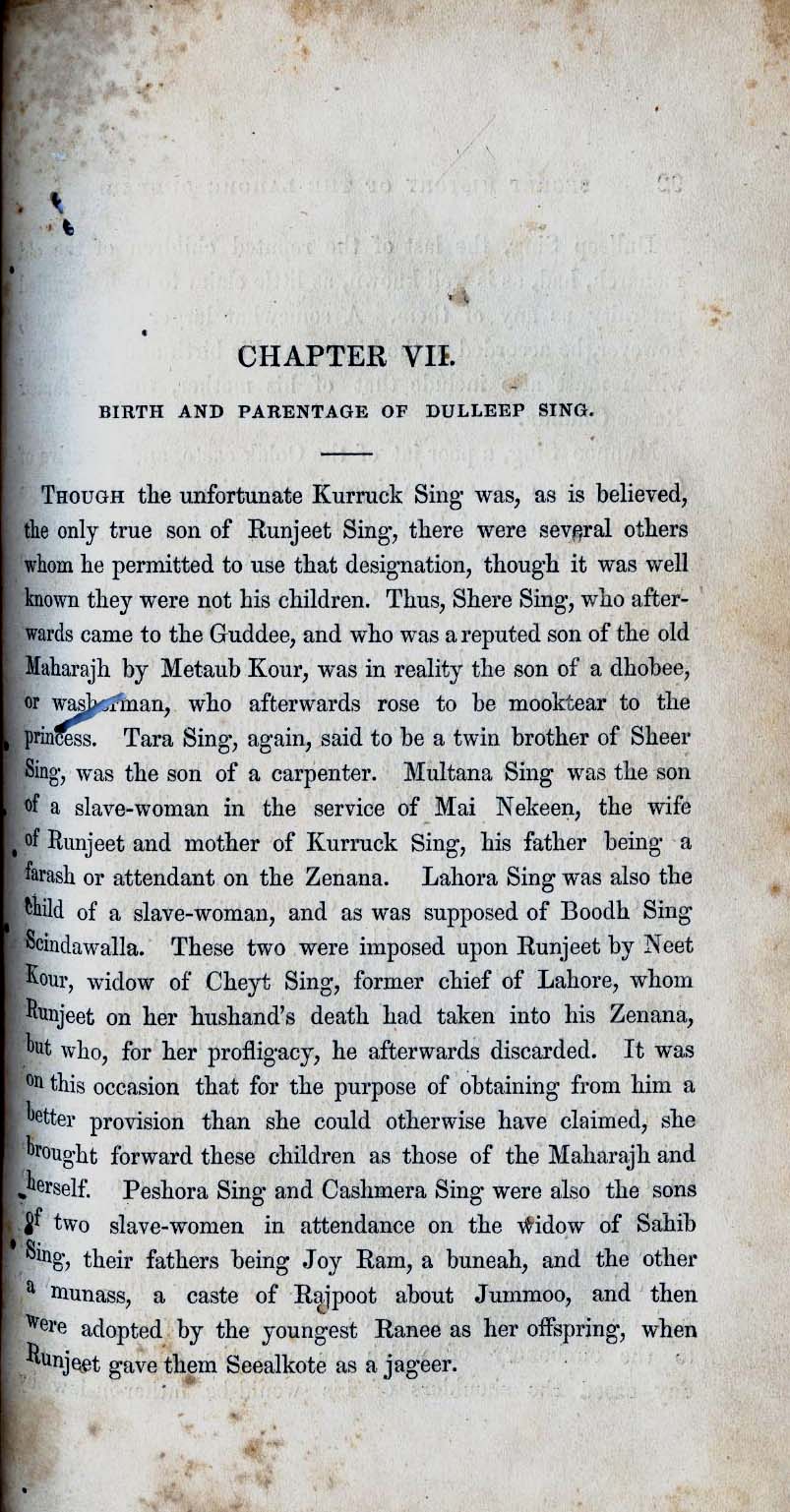
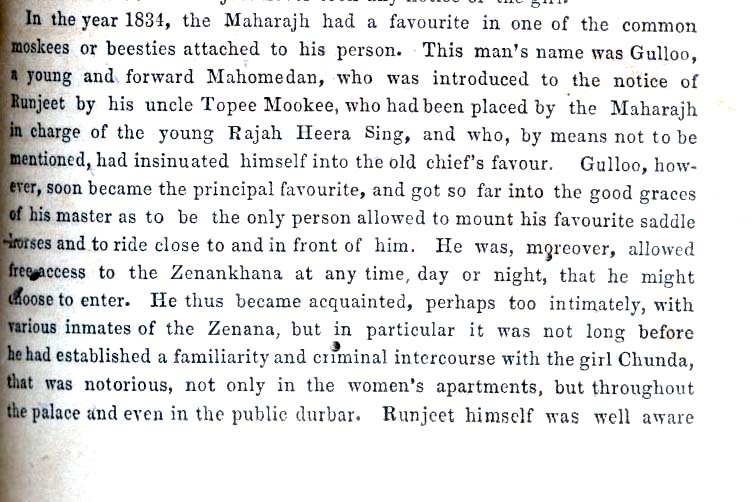
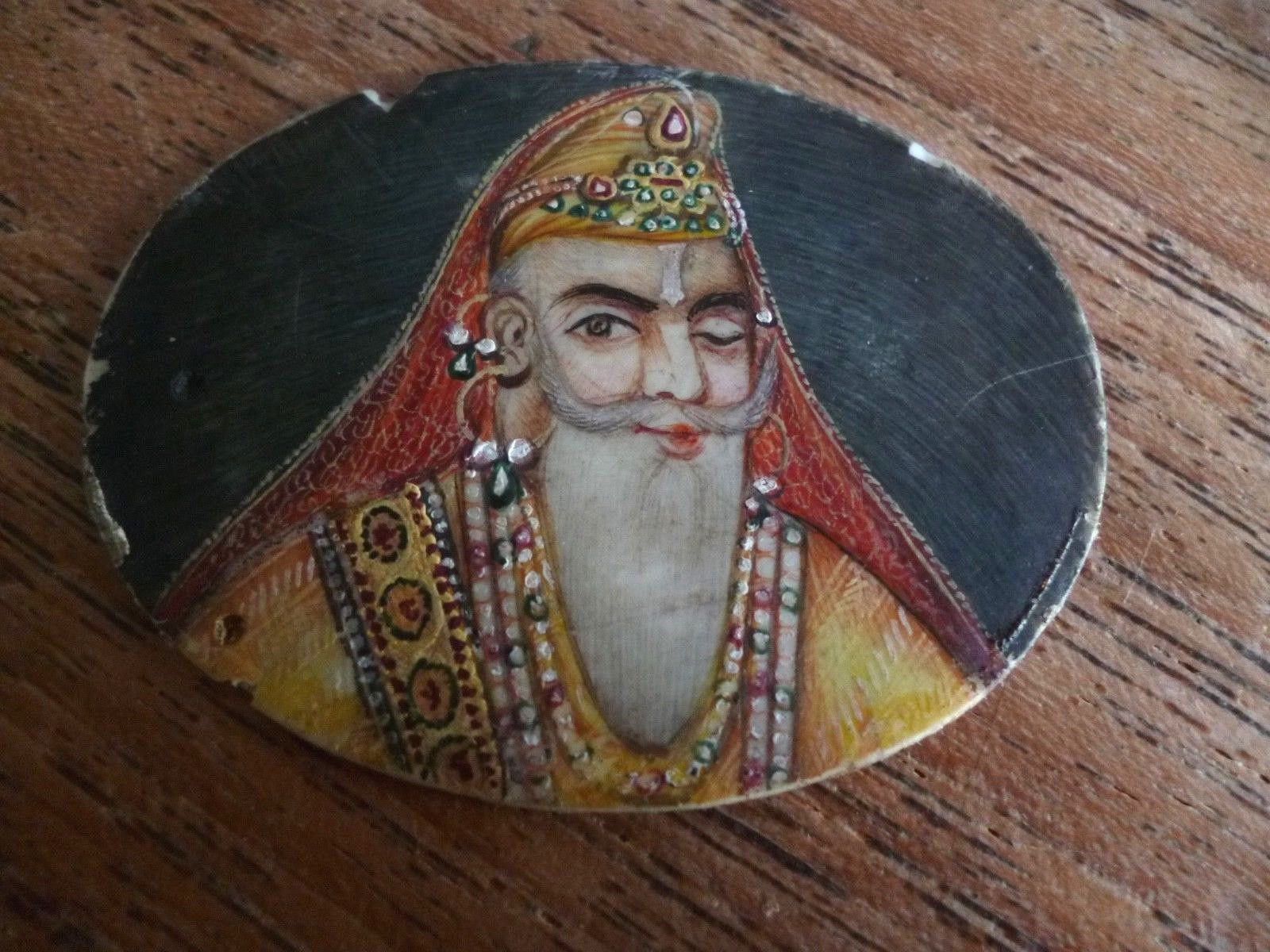
Ranjit scandalous resourceRanjit Singhs afflictionMajor Smyth Reigning Family LahoreParentage of Dulleep SinghGulloo favourite Maskee Ranjit Singhranjit singh ivory
Foreign travelers tell us a lt of things. Jacquement became very close to Ranjit Singh, and the Sikh shared his ailments with him. In many letters the French man reveals the total impotence of the Sikh leader. These are published facts in various books. Mufti Ghulam Sarwar reveals the sexual antics of Ranjit Singh on the minaret of Wazeer Khan Mosque. Jacquement adds to it. If you google the afflictions of Ranjit Singh, you come across the reference of the Sikh having Chronic syphilis, and his urethra full of pus, with him unable to urinate or father children. Khushwant Singh lists his 50 Children. Major Smyth lists the actual father of many of these sons and relates that only Khurrack Singh was his only offspring. Check it out yourself! Not accusations, things published in the lifetime of Ranjit Singh, or some years later. Now we make him a hero, just like India tries to make the dacoit Shivaji a hero.
Our goal is to enliven research. Remember both aspects, the good and the bad. Not merely heroes, but villains of highest order too. Rest is history.