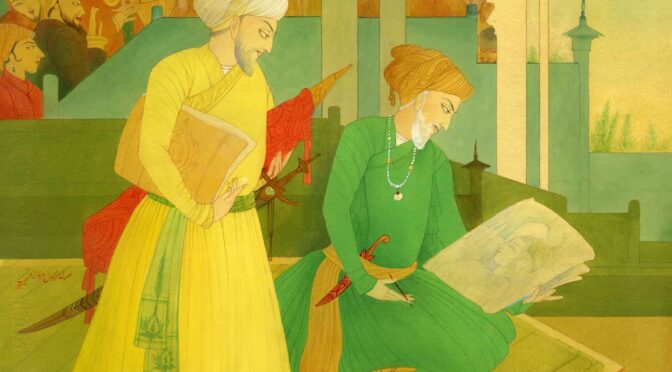
LIVING LEGEND OF USTAD AHMAD MIMAR LAHORI,
THE CHIEF ARCHITECT OF EMPEROR SHAH JAHAN,
OUR ROLE IN REVELATION; A PRIDE OF OUR FAMILY.
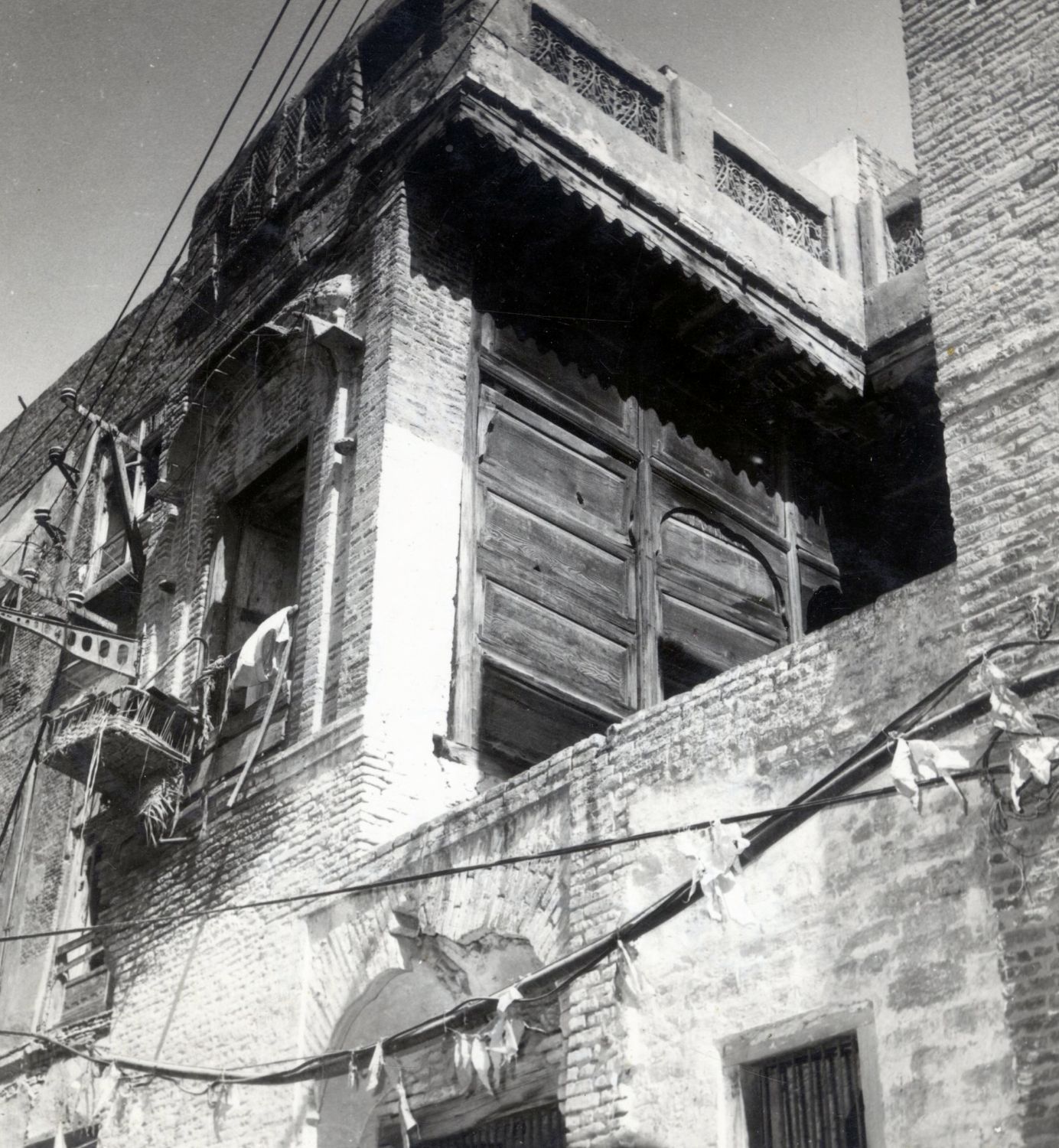
There was an old lady in our Chughtai family. She lived to an age of. 120 years. She had seen the Sikh period too. She used to speak of some Lutufullah in our family. Not much else she knew but she was certain a number of very famous Mughal monuments were due to our family. And Lutufullah was part of same. Her son Kareem Baksh Mimar was qualified under British certified engineering department in 1853. Architecture was in our blood, as generations of architects came into our family. Eleven generations brought more architects than any other profession. But all related to creativity and aesthetics.
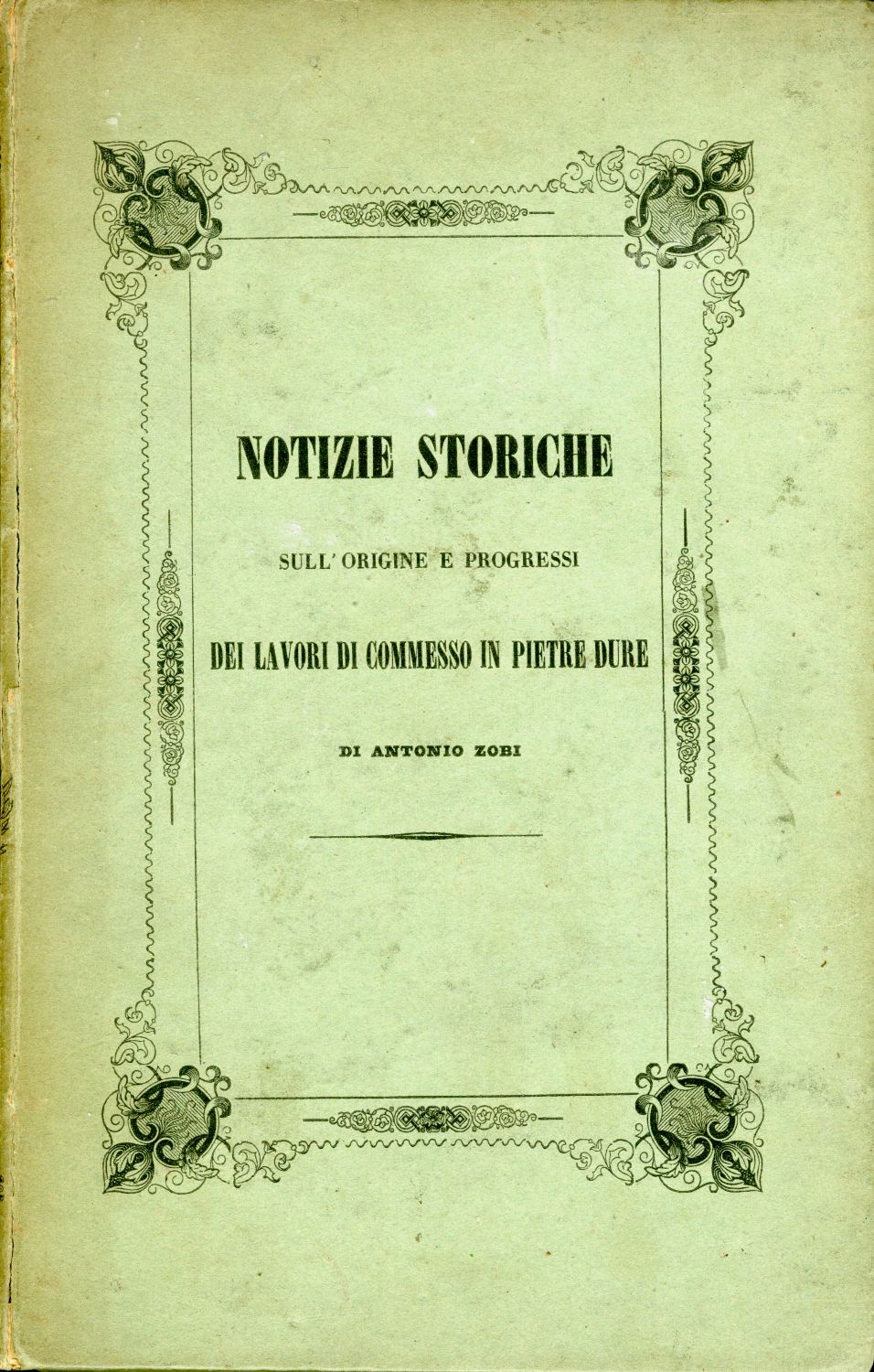
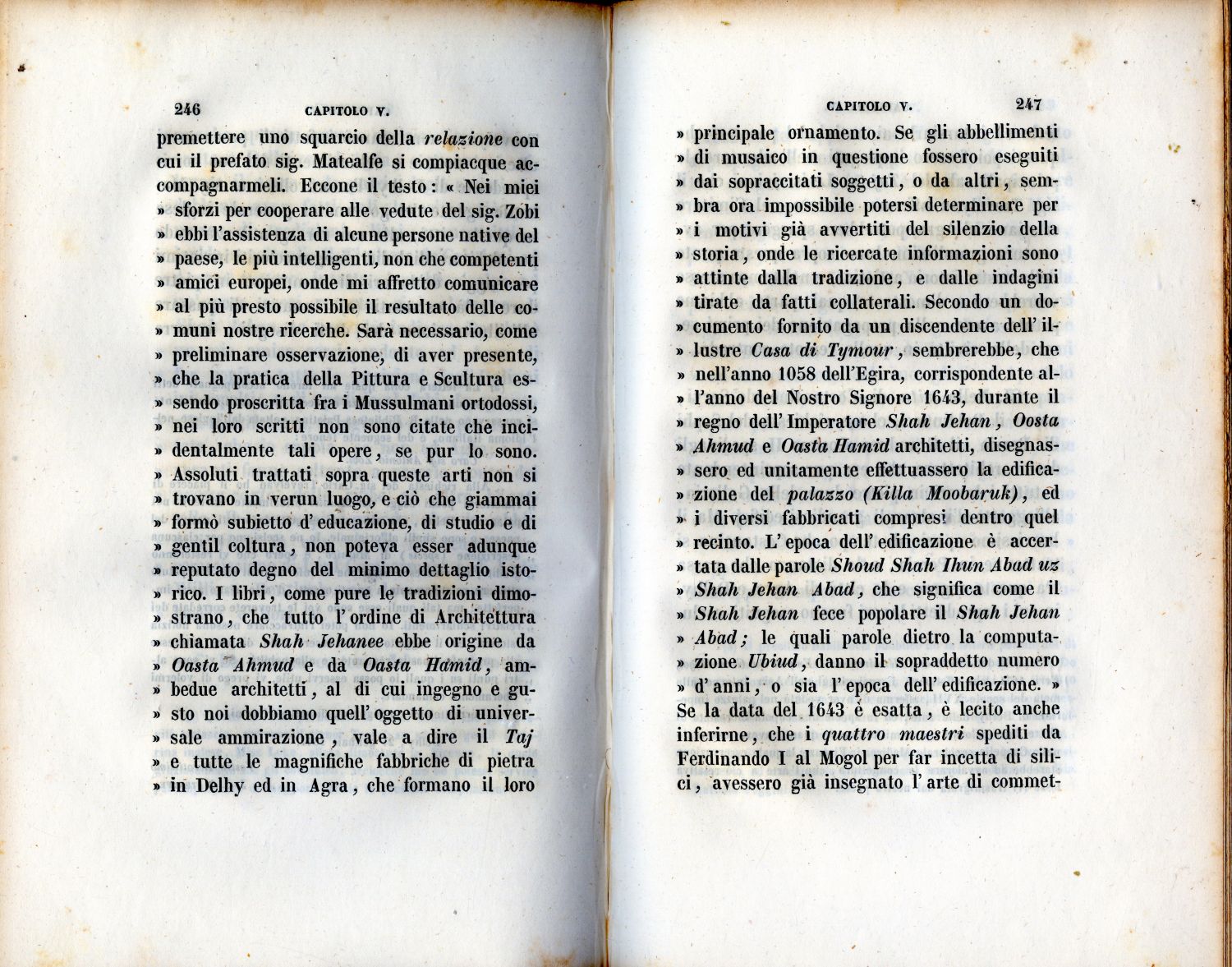
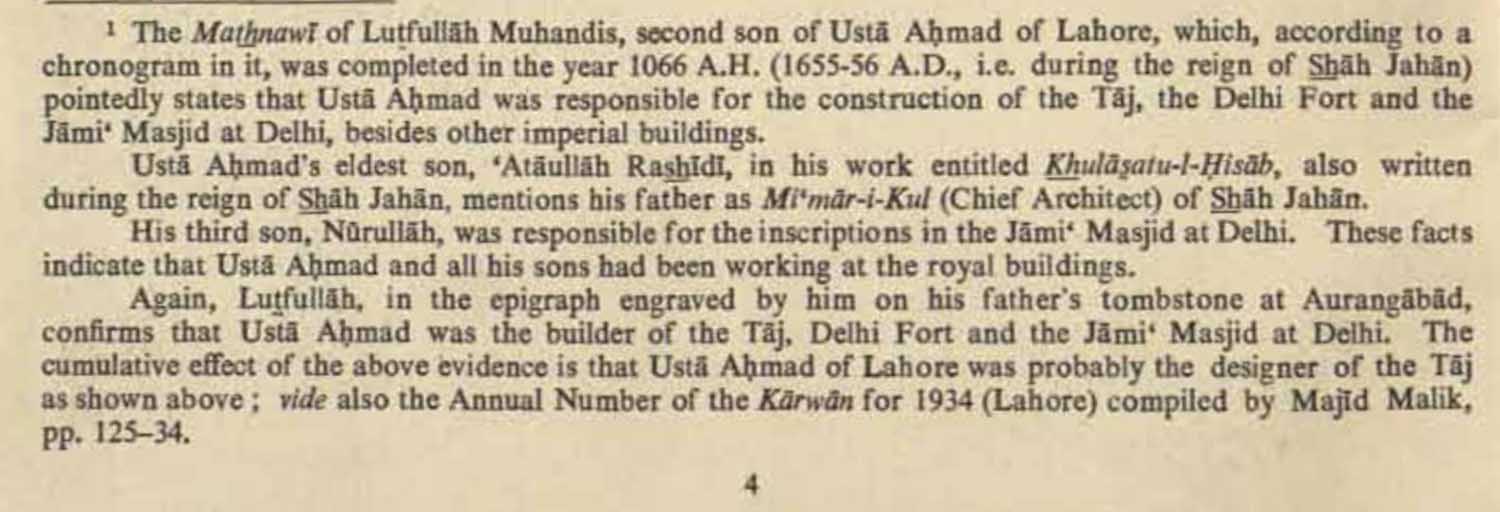
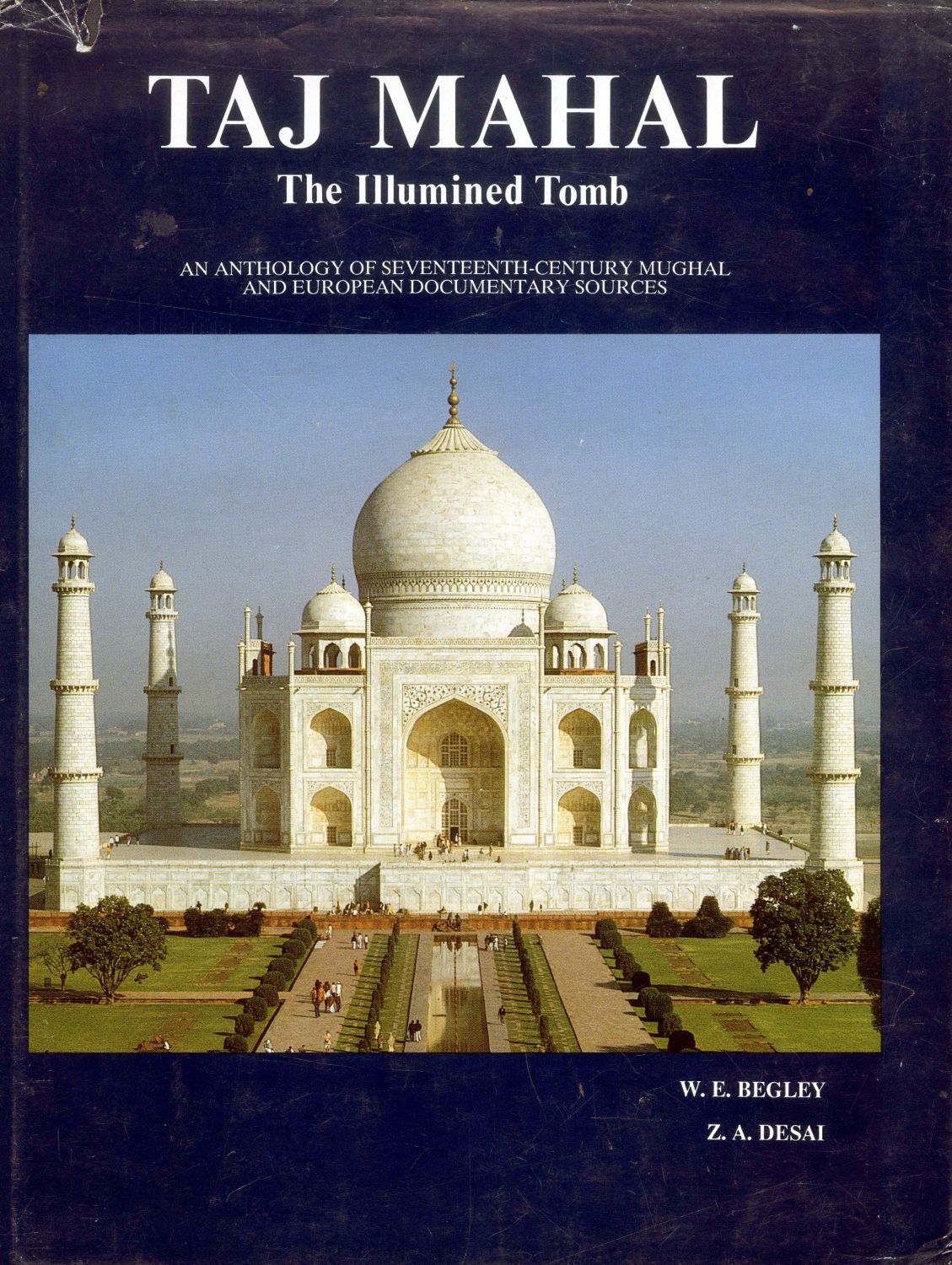
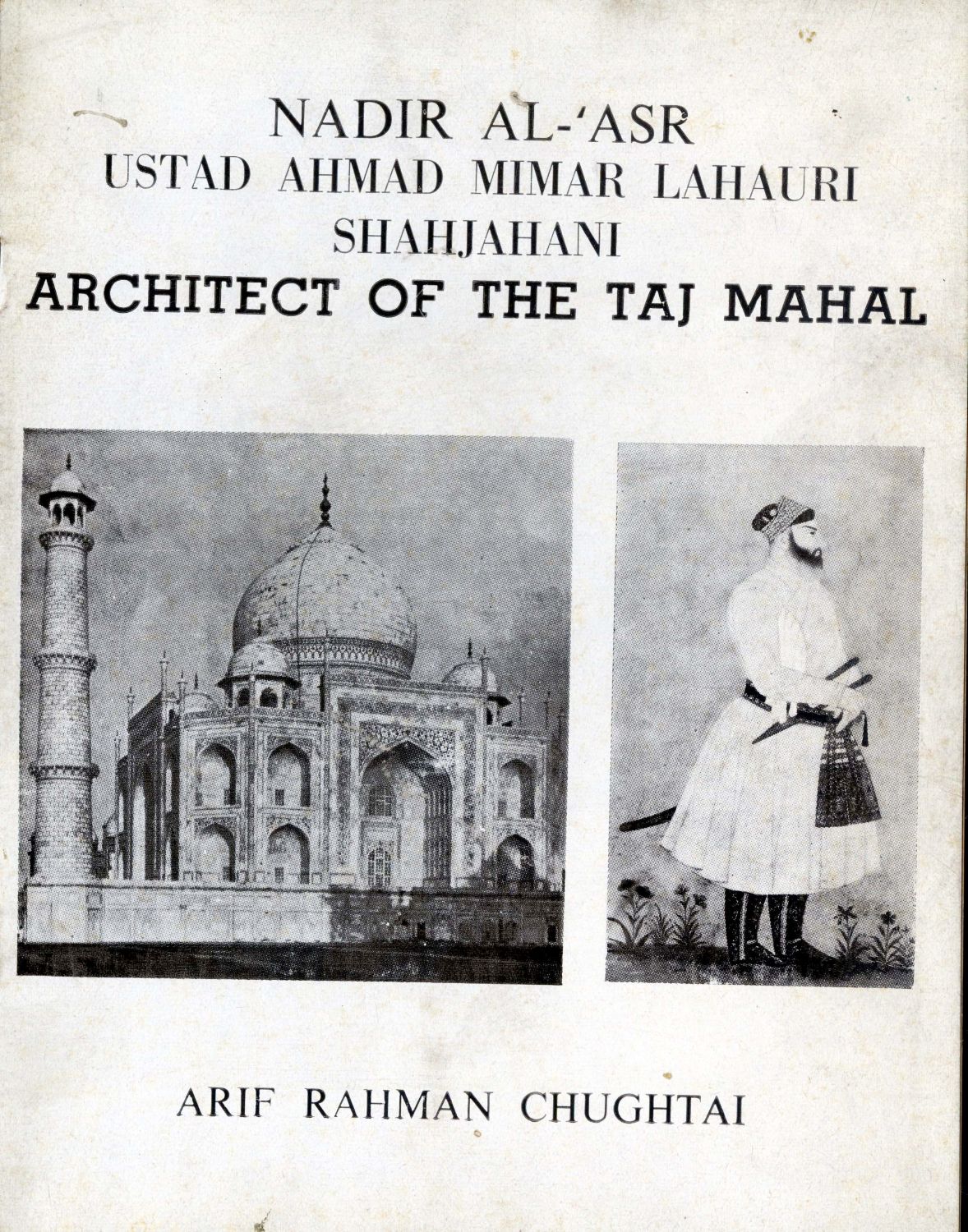
Obviously historians of Shah Jahan have mentioned Ustad Ahmad Mimar Lahori related to construction of the Red Fort Delhi as well as the city of Shahjahanabad. Another historian Shafqiue Nagoni has mentioned him in context of the Sheesh mahal haveli of Nawab Asif Khan in Lahore (demolished by British authorities to build the first European Cemetery in Lahore). But no reference was found of his relation to the architecture of Taj Mahal of Agra. Actually the reference was there but it was not known by most. The first clear cut reference was a response to the enquiry of Italian Petra Dura artist Antonio Zobi in 1844 to the Resident of Delhi C. Metcalfe. The book was in Italian and generally not available. Recent history reprints were made. The original nowhere. An Italian bibliophile died in Italy and his library was auctioned. I got my hands on it. It was a very expensive book, but I was dedicated. The photocopies from Victoria and Albert Museum London would not do. The original had to be in our library, and it is there now. I had it translated in a very difficult manner, today it is an easy thing to do. More about it later. Suffice to say that the Resident of Delhi researched and confirmed to Antonio Zobi that most Mughal monuments, in Delhi and Agra, and including the Taj Mahal were made by Ustad Ahmad and Ustad Hamid. Confirmation by the Delhi Resident Metcalfe after perusing documents, manuscripts and dialogue with people.
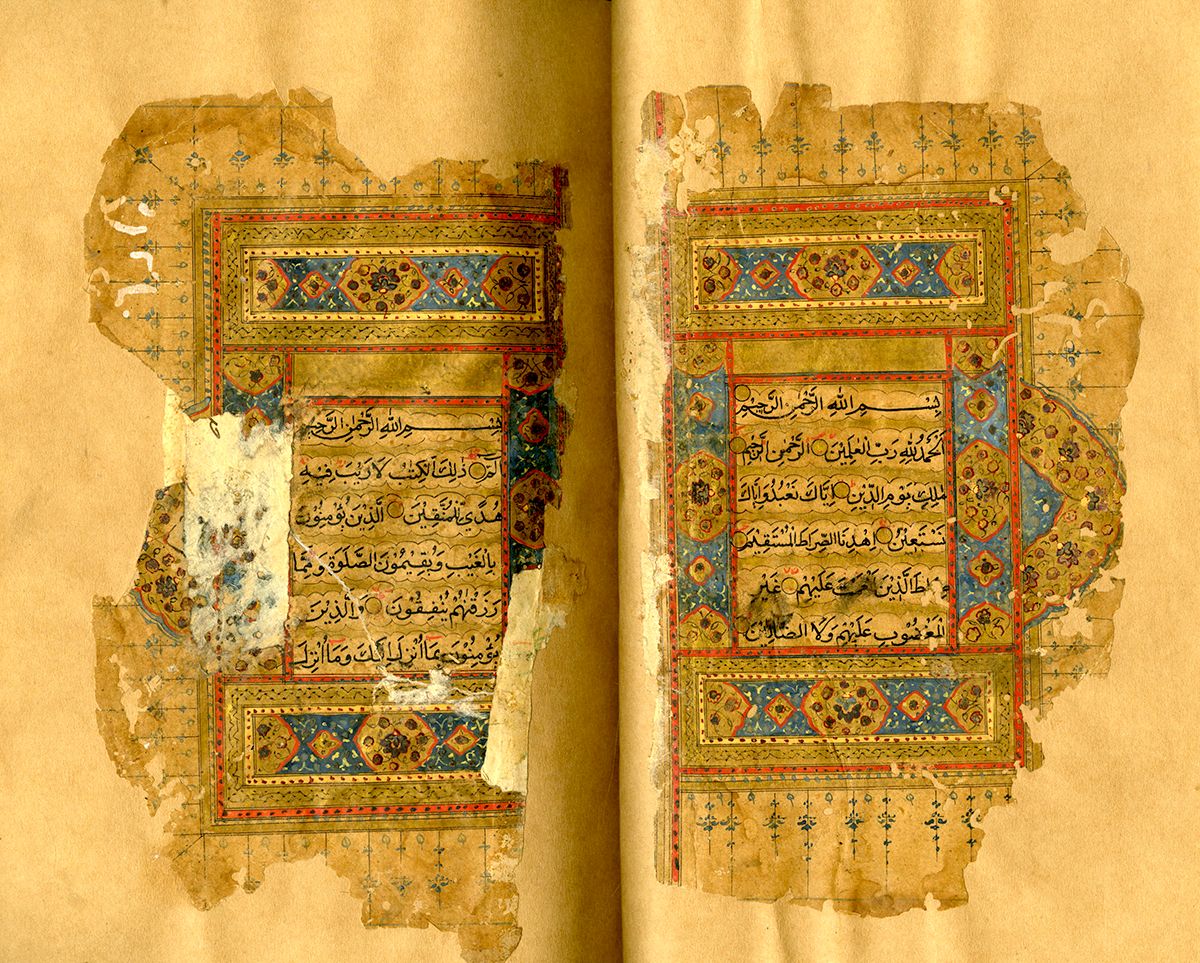
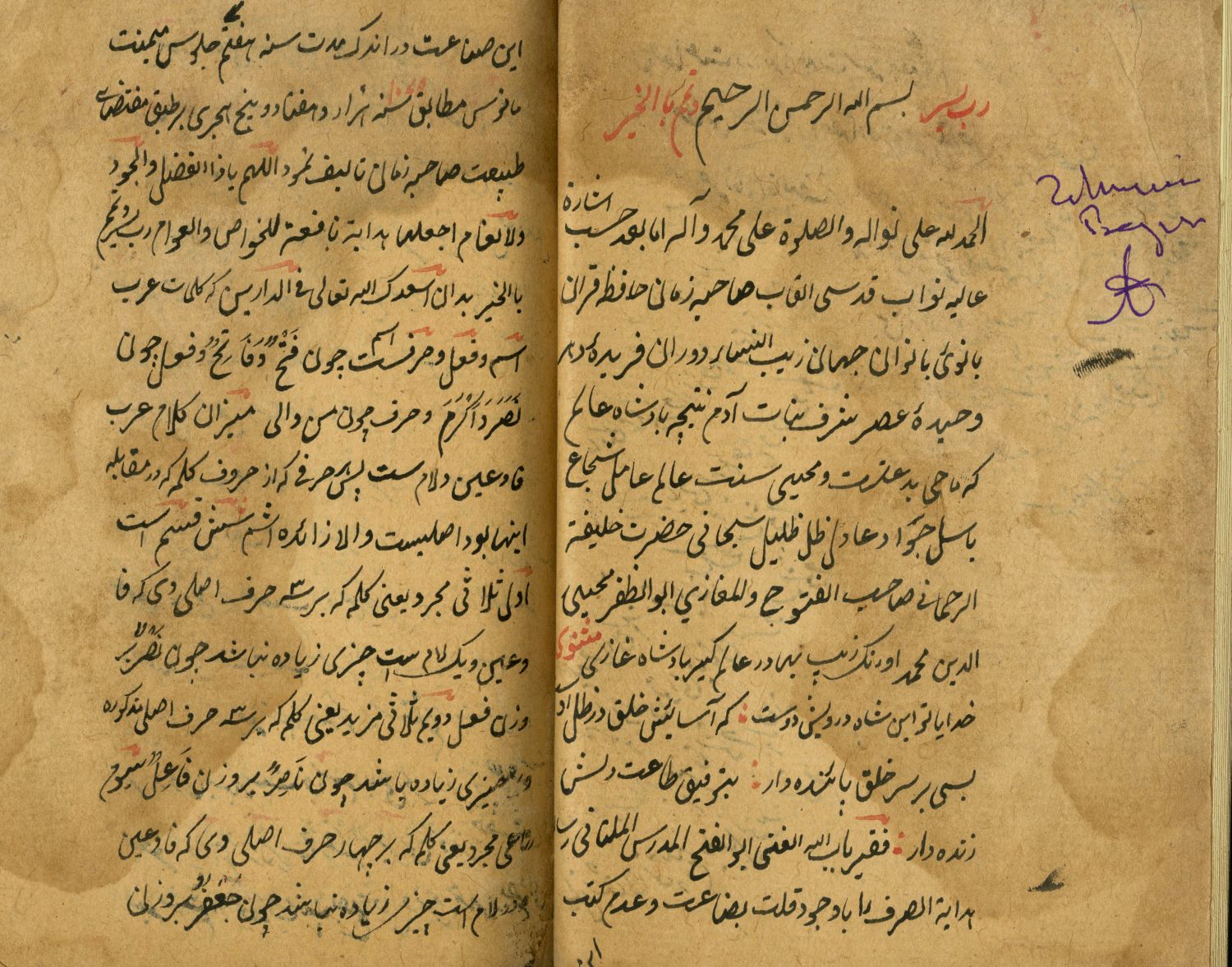
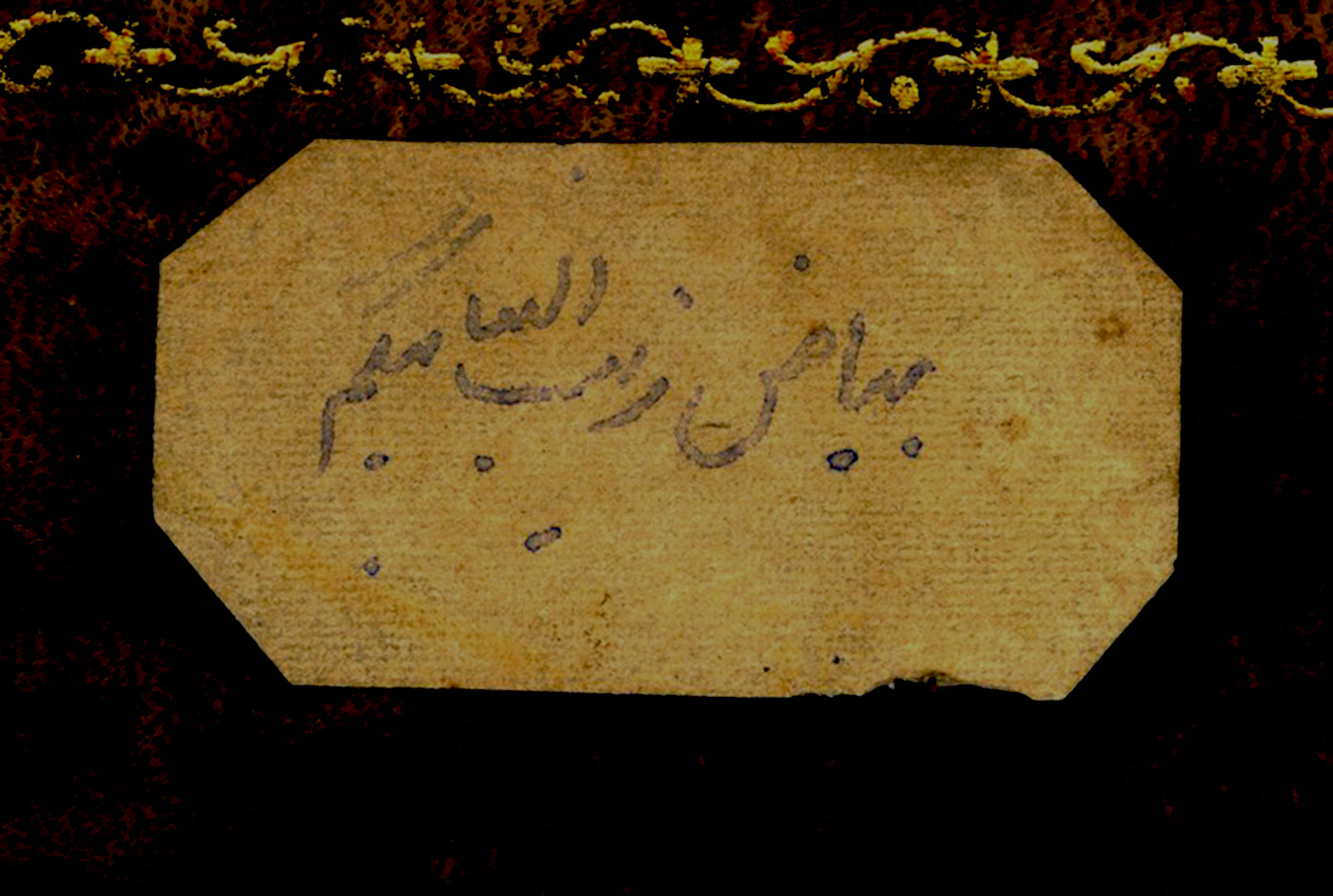
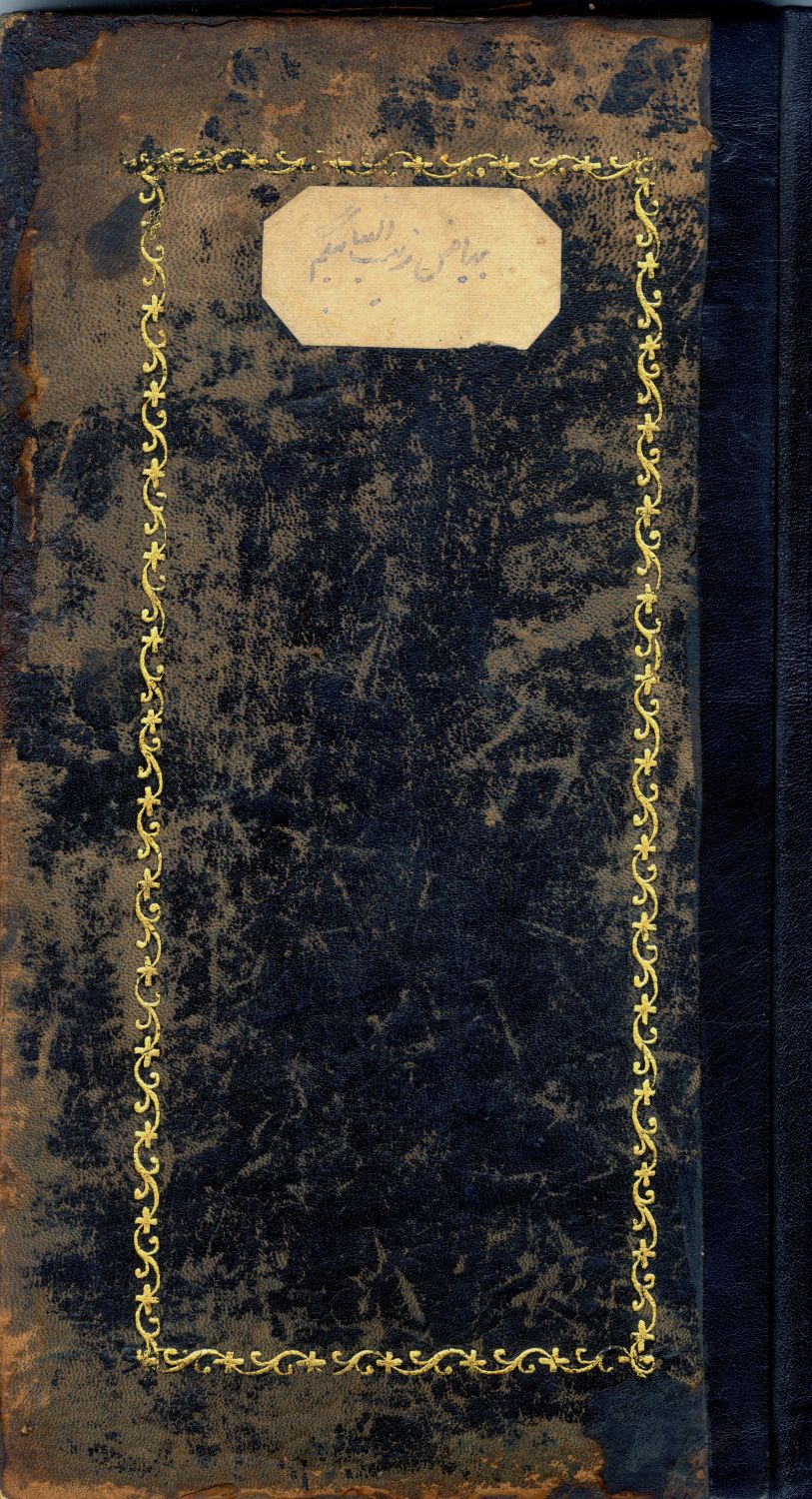
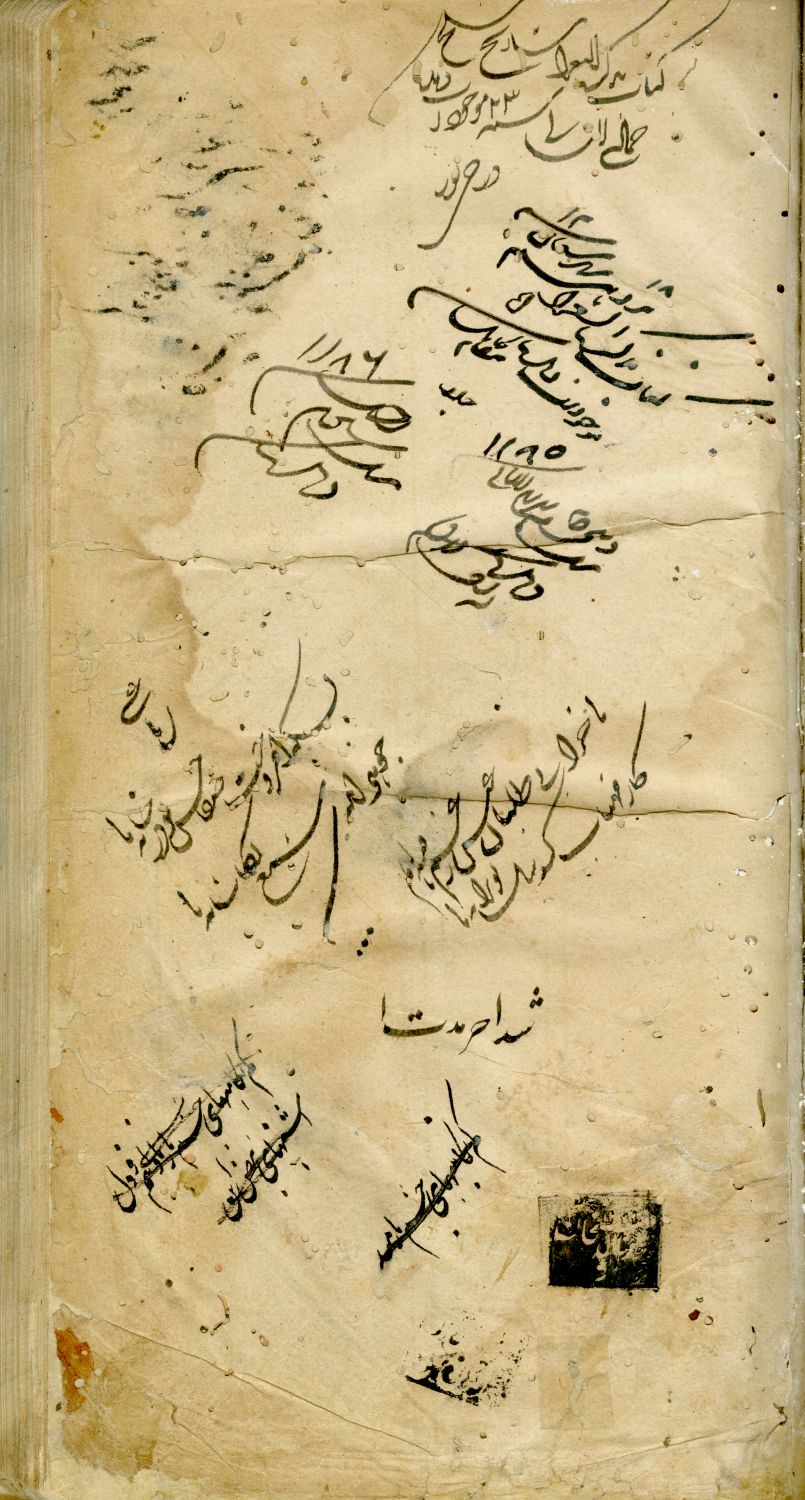
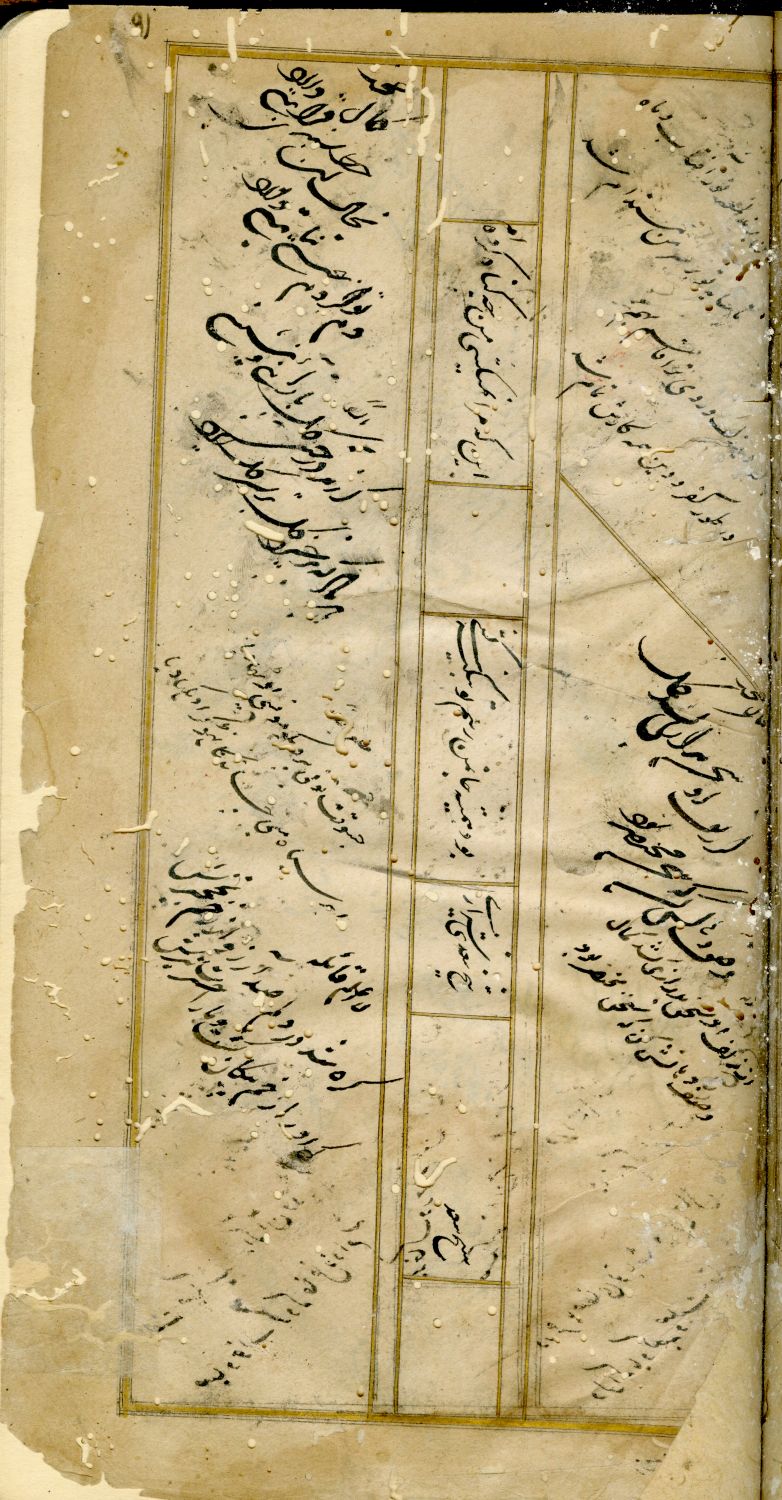
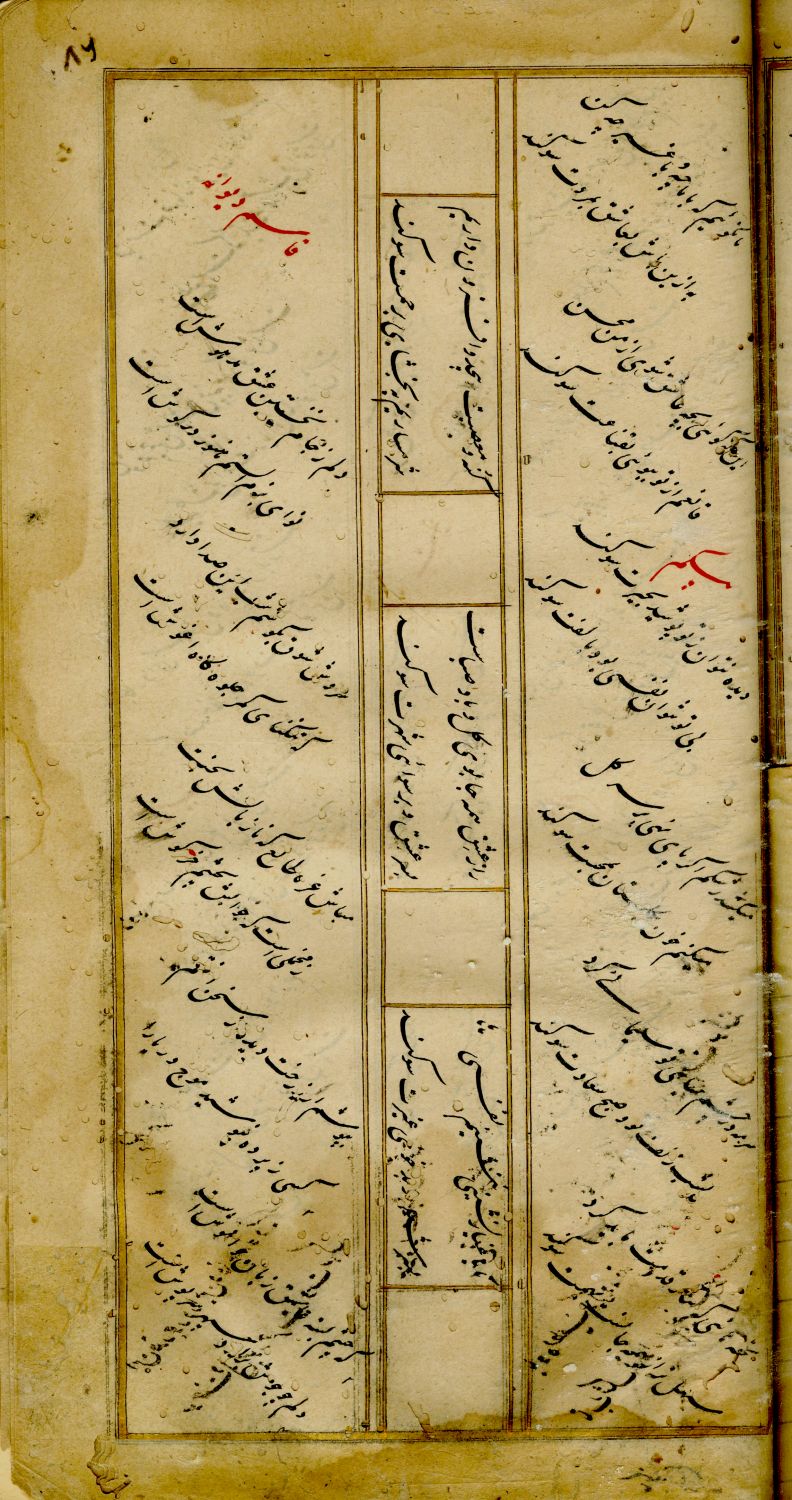
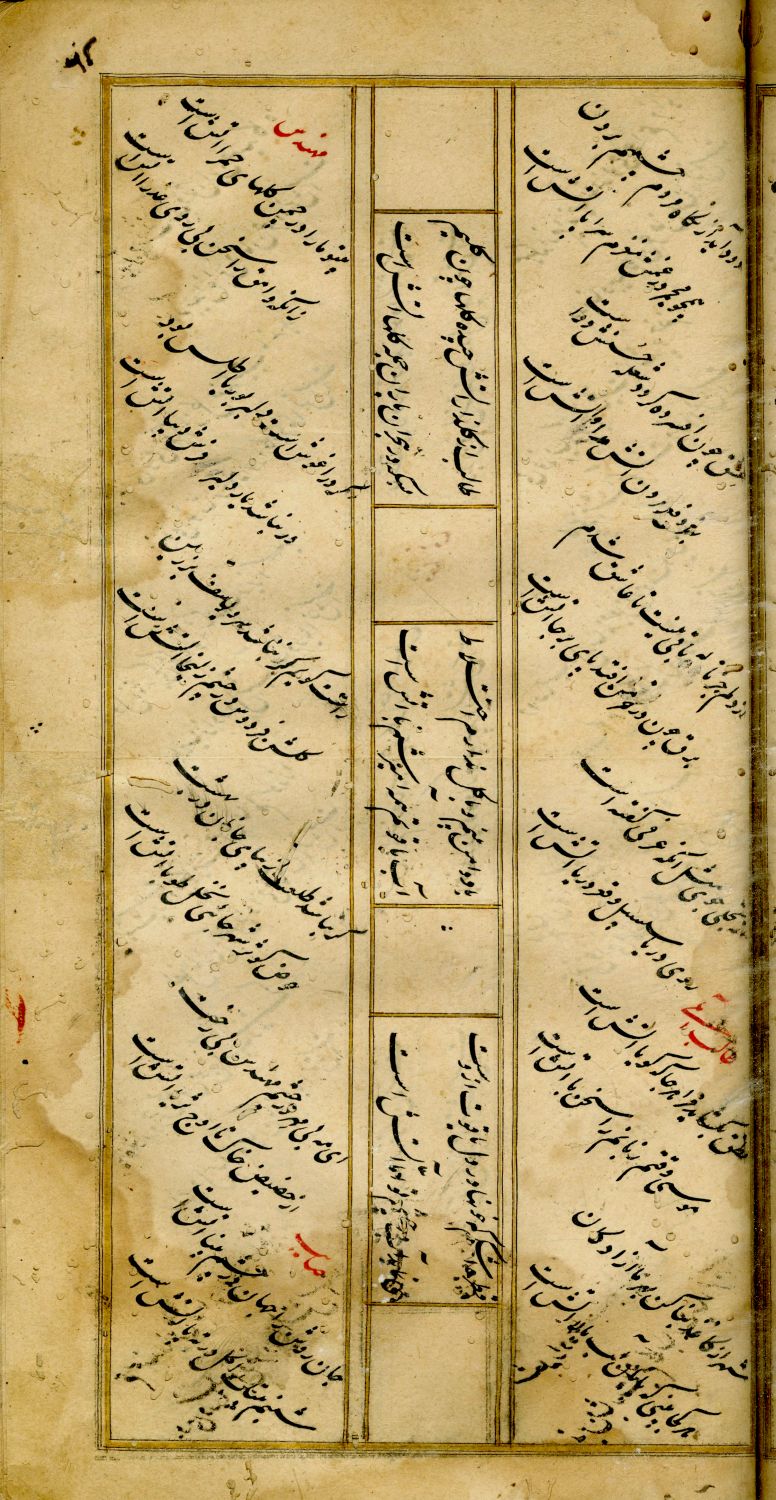
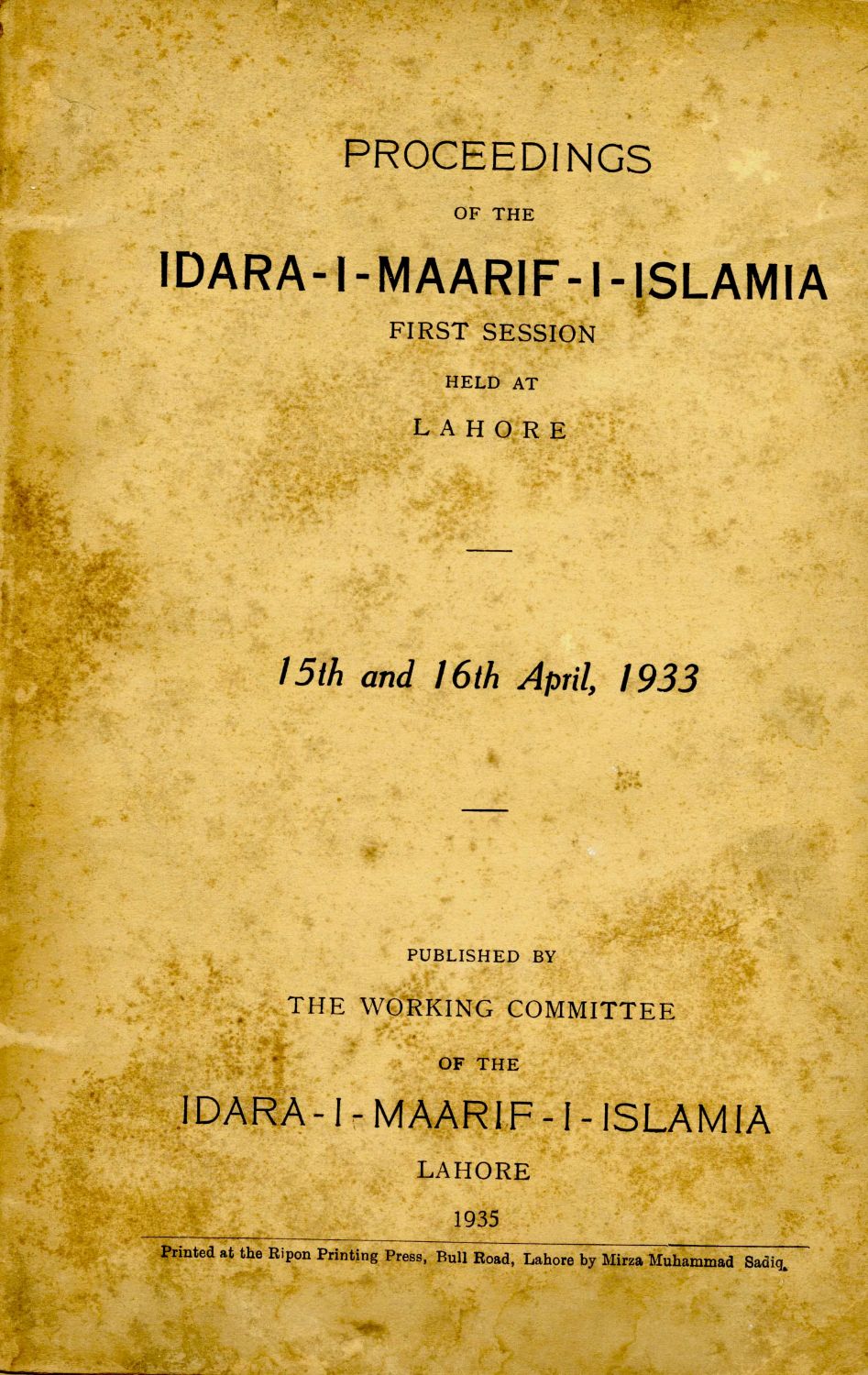
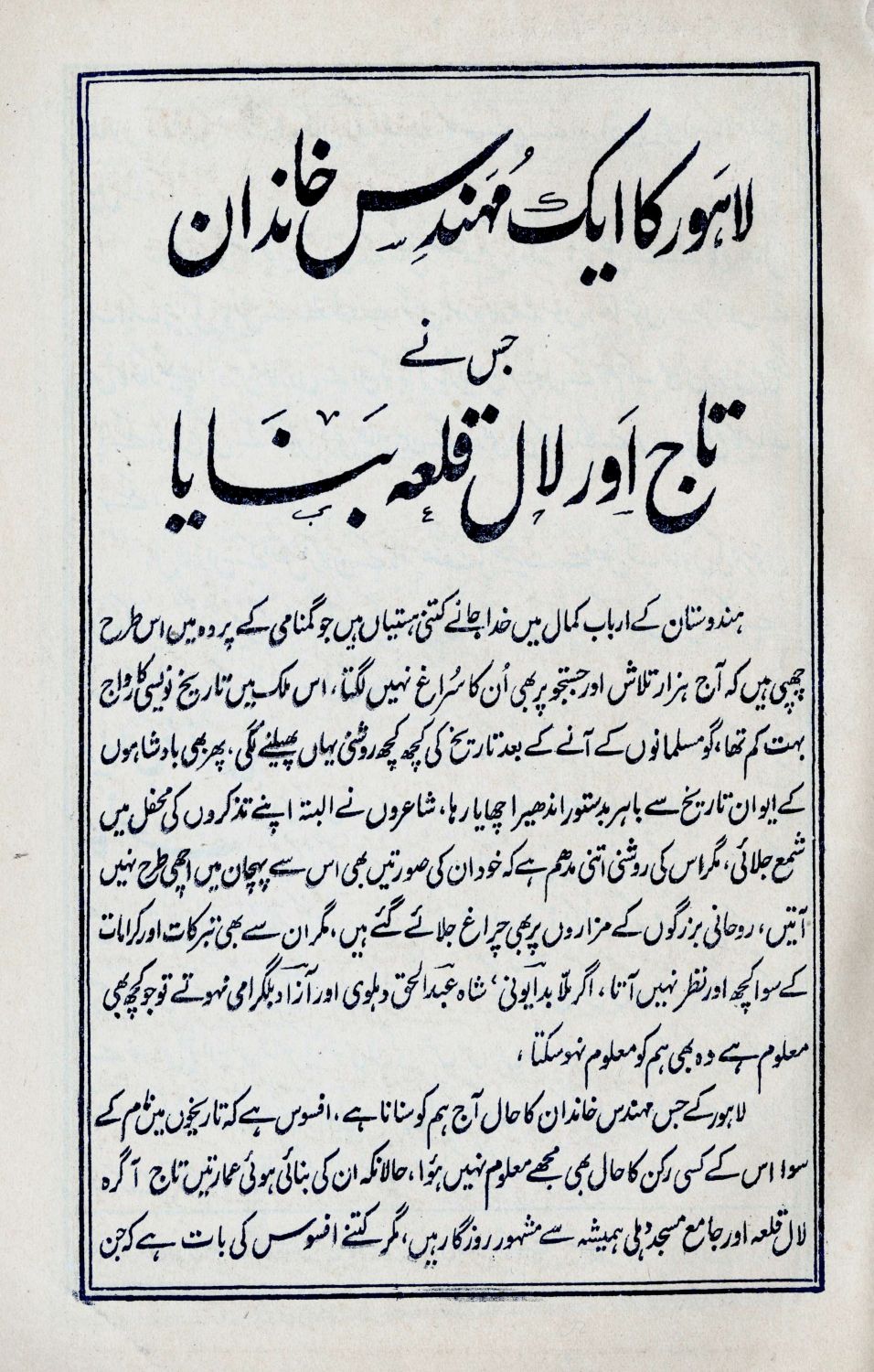
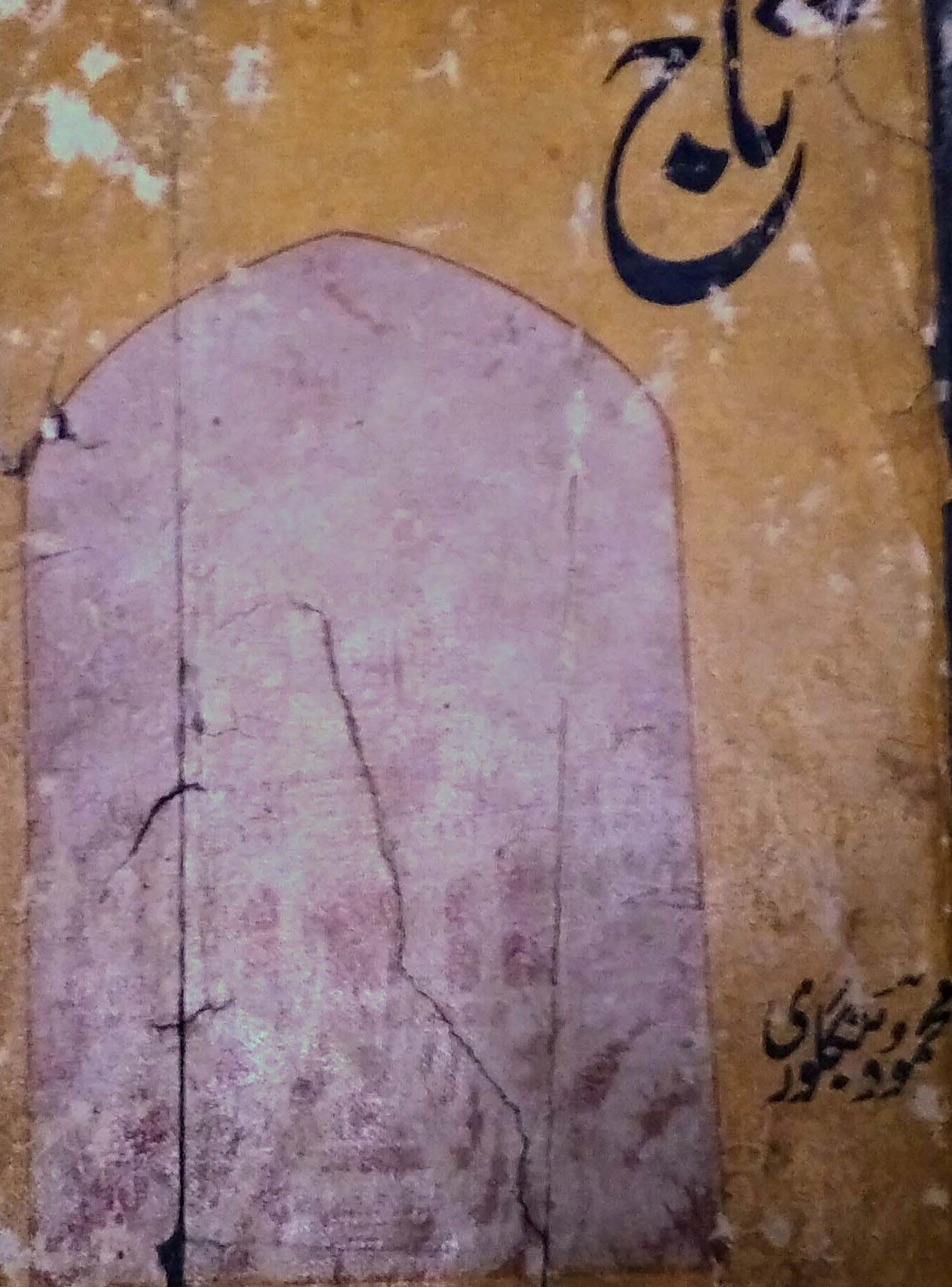
Miracles can happen. An author Mahmood Bangaloree was habitually ,looking for important books on the second hand book market on pavements on Sundays, and he came across a Persian Diwan, and its importance he recognized immediately. It was Diwan of Muhandis, or more particularly Lutufullah Ahmad Muhandis and the voice of a son spoke for a dead father. In clear terms Lutufullah Ahmad ascribed many Mughal monuments to his father, including the immortal Taj Mahal, or in particular Rauza Mumtaz Mahal, shortened by Britishers as Taj Mahal. The research die was caste, and he sent it to Maulana Sulaiman Nadwai, who after studying it, read it in Lahore, under the President ship of Dr Allama Iqbal, at Idara Maarif Islamia proceedings. The research burst out in the world, to disappointment of all those foreigners who made grand false stories of French and Italian architectural connection of Taj Mahal. Truth was like an explosion to many.
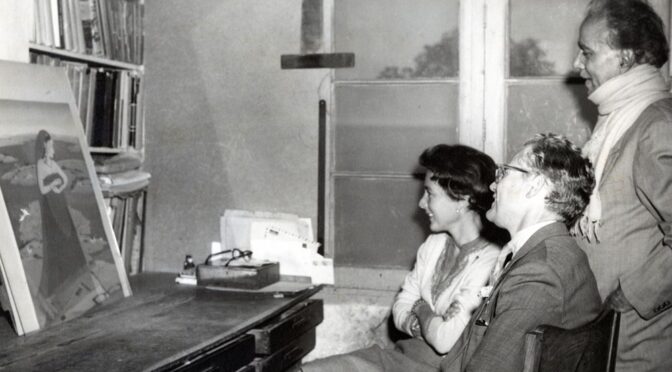
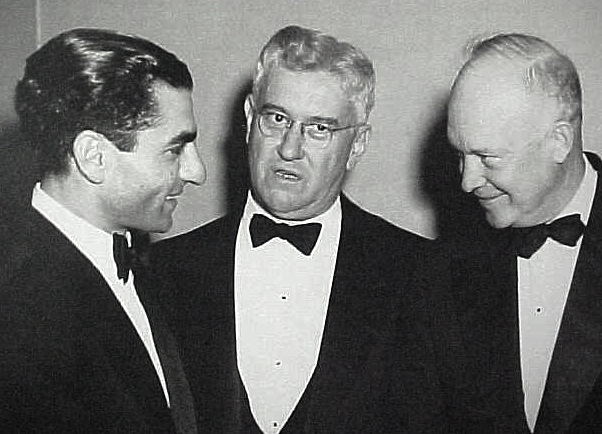
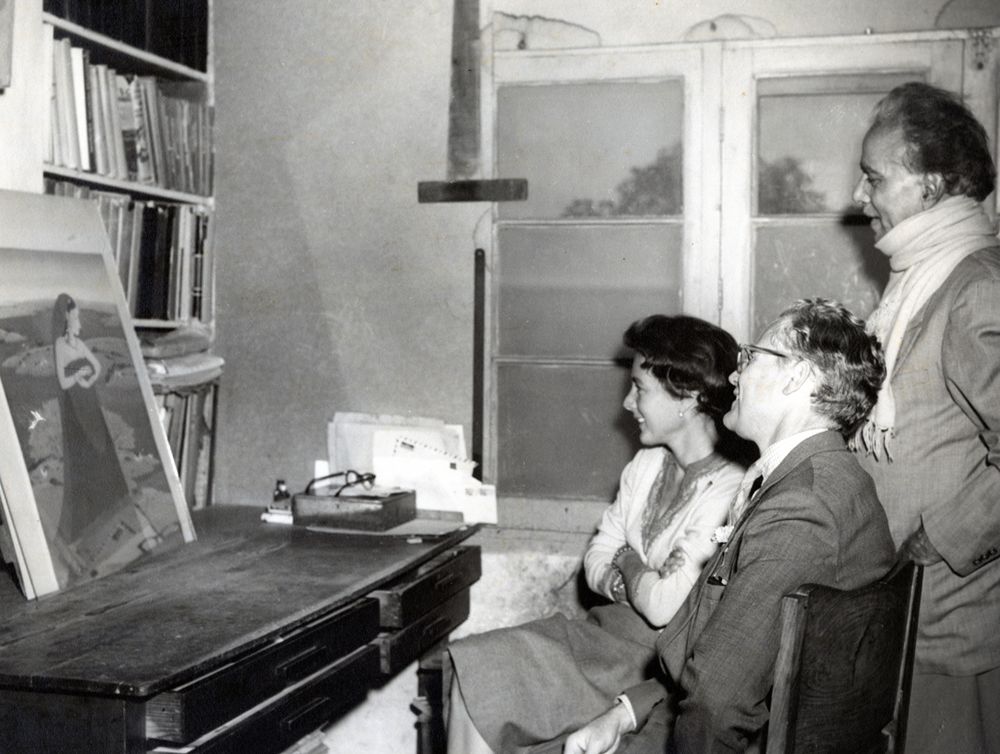
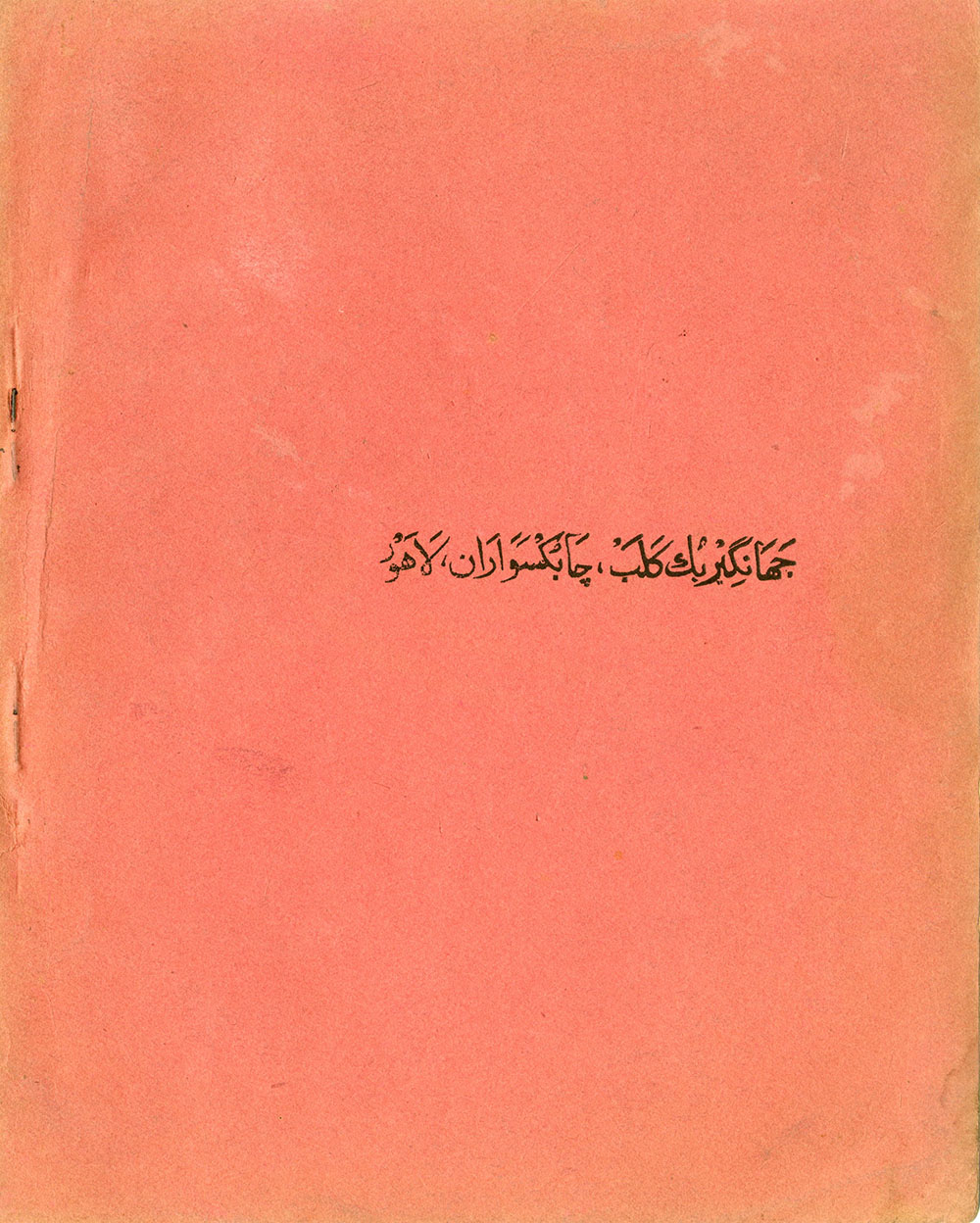
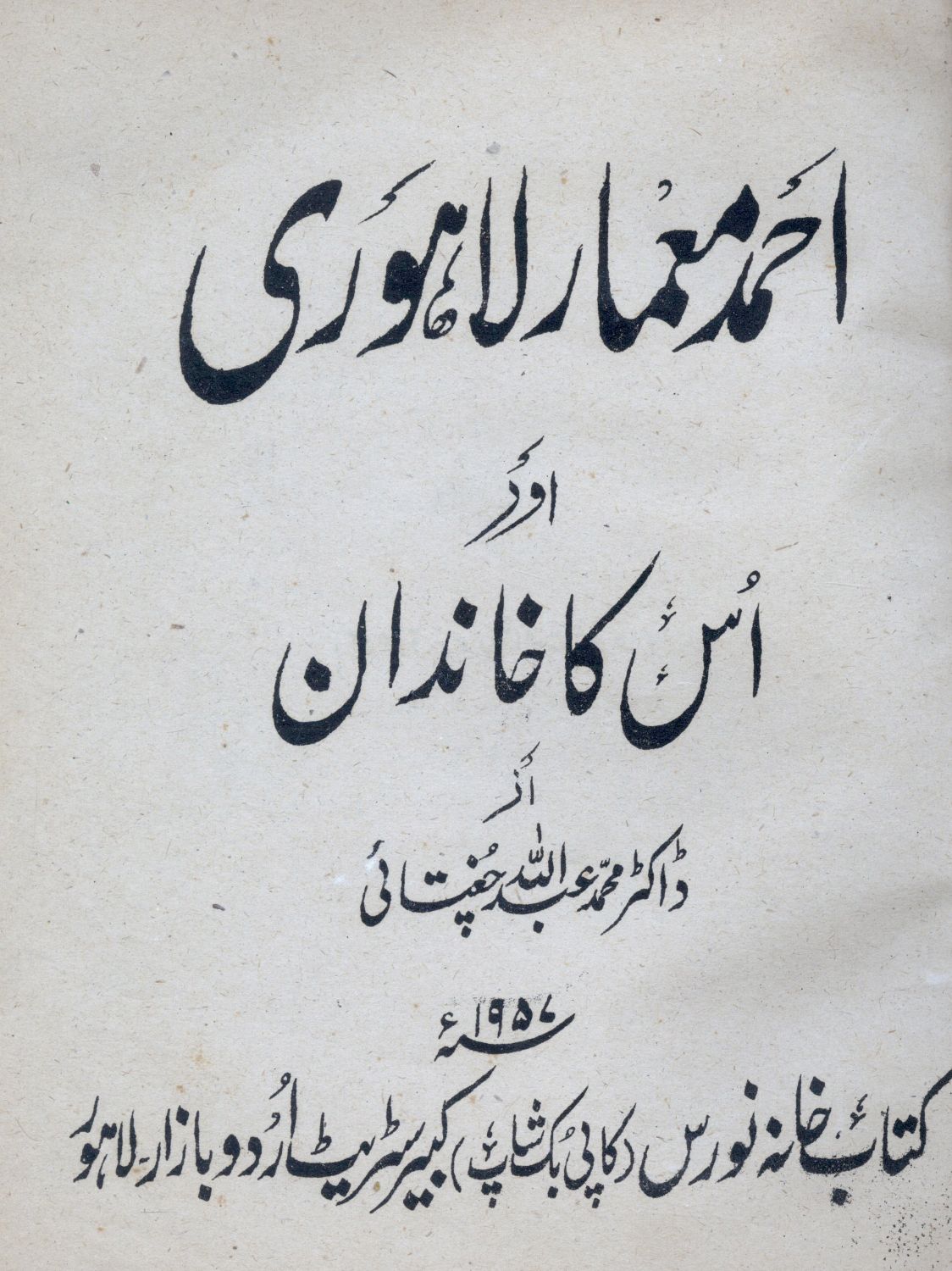
Dr Abdullah Chaghatai was there too, and read his own contributions to the subject (can be seen in the photograph). But Mahmood Bangaloree went one step forward, he printed an entire book on the subject. Diwan Muhandis came in printed form for all to read entitled TAJ. The story of Imam Bibi, our relative ancestor was coming all so true. It led to a small booklet on Ustad Ahmad Mimar by Dr Abdullah Chaghatai, which is now rare too.
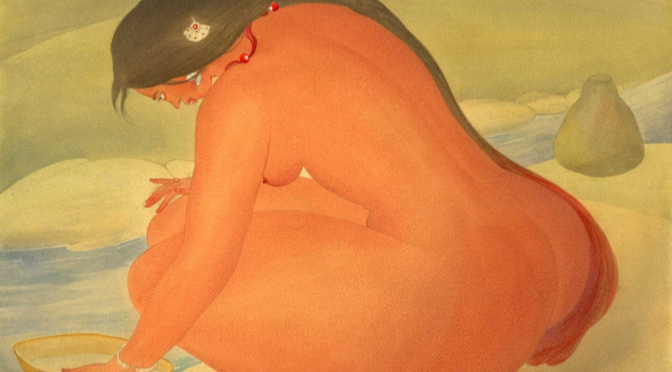
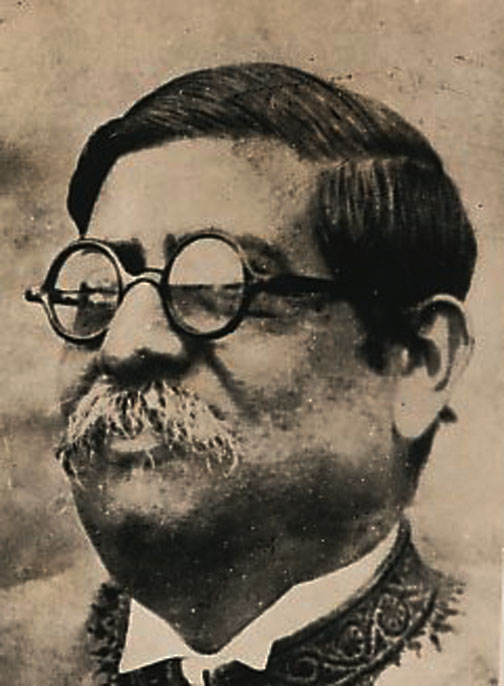
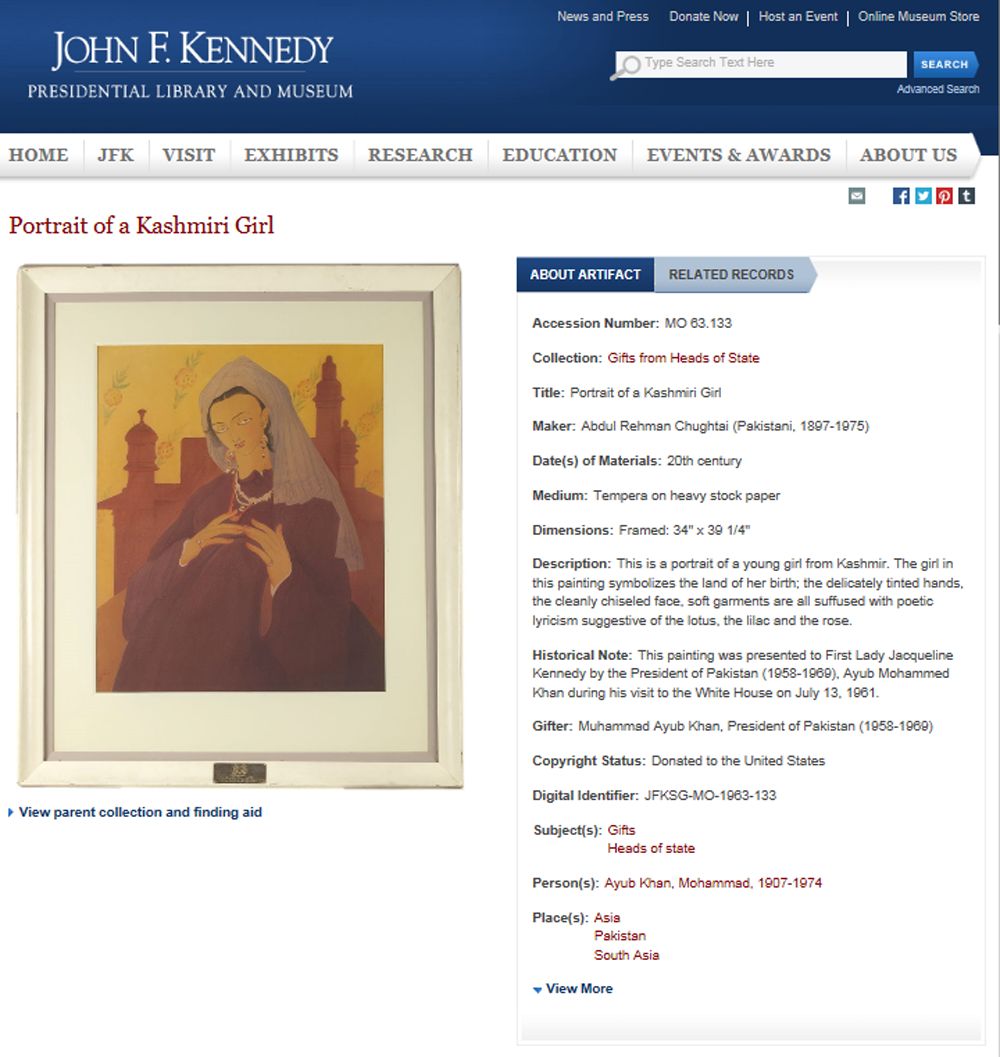
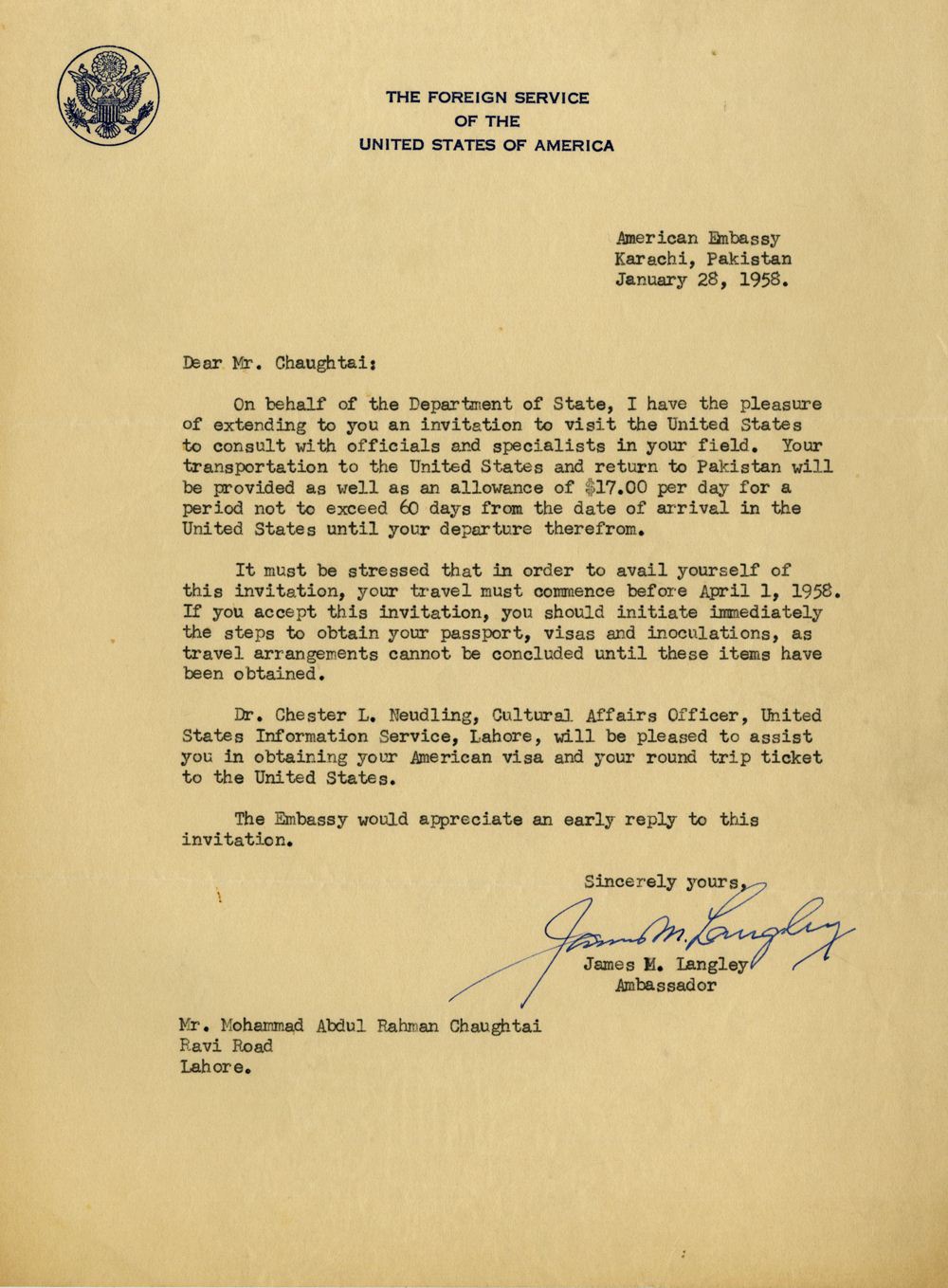
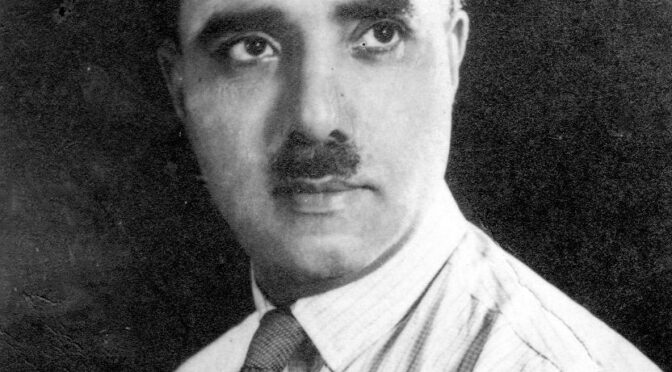
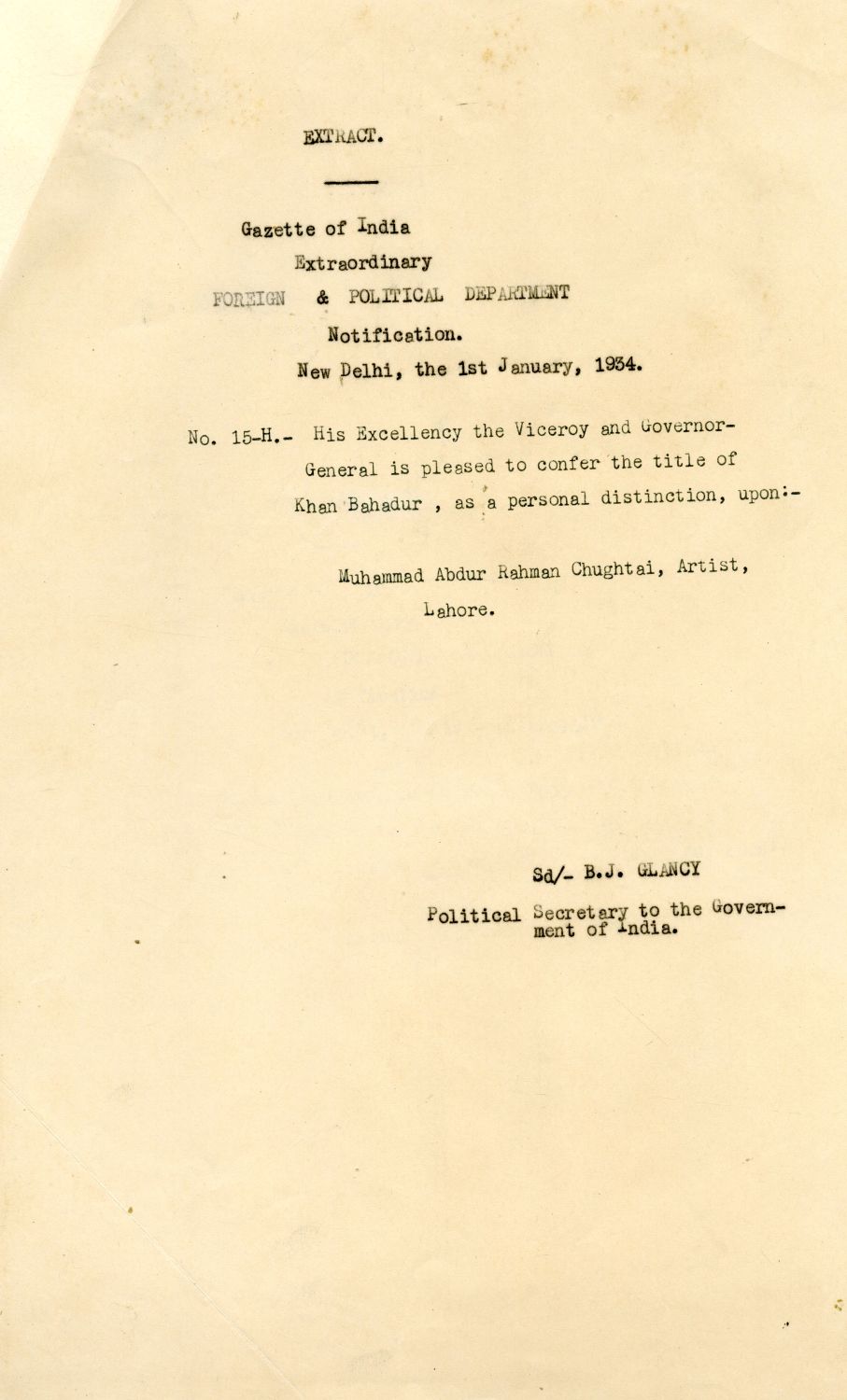
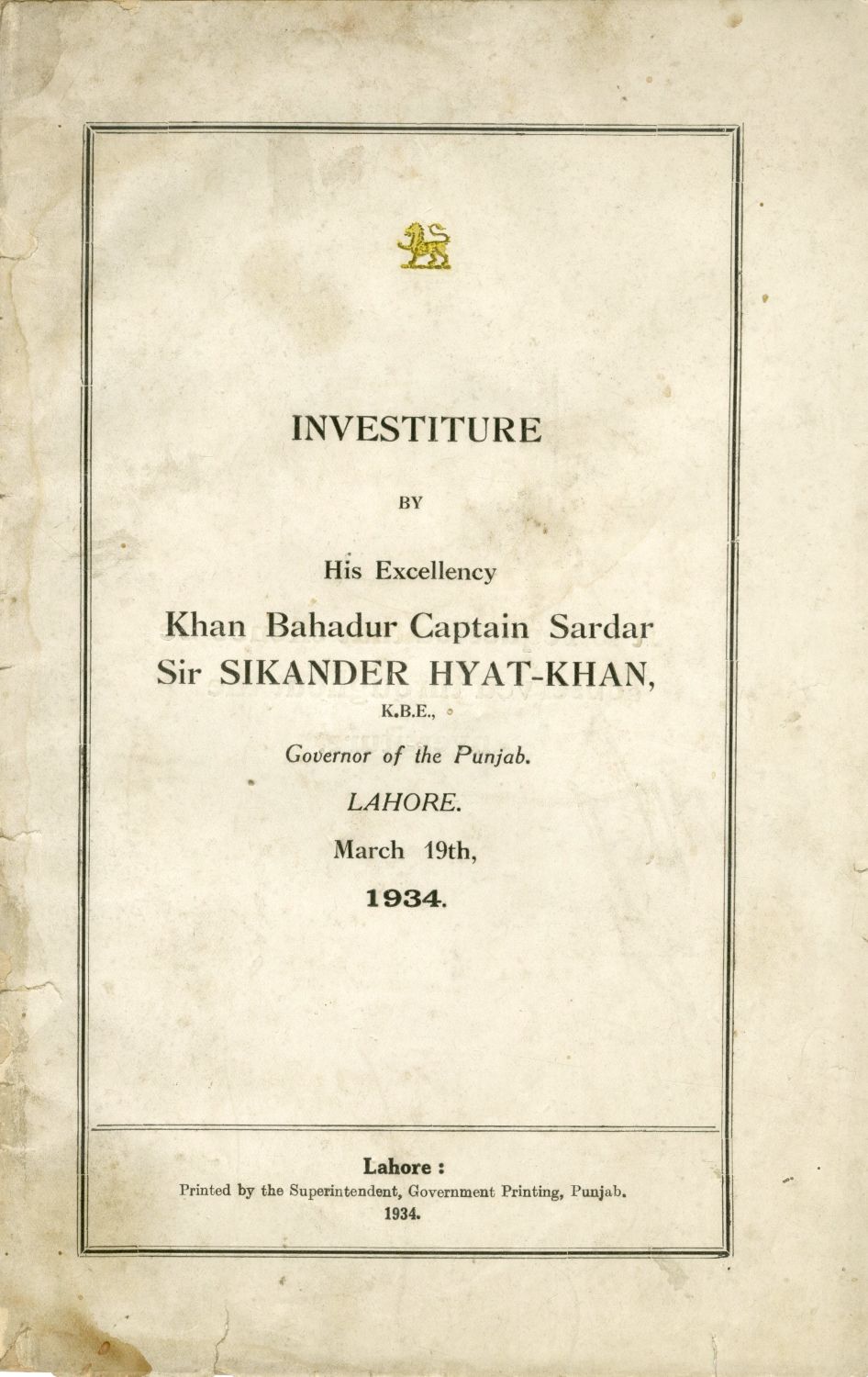
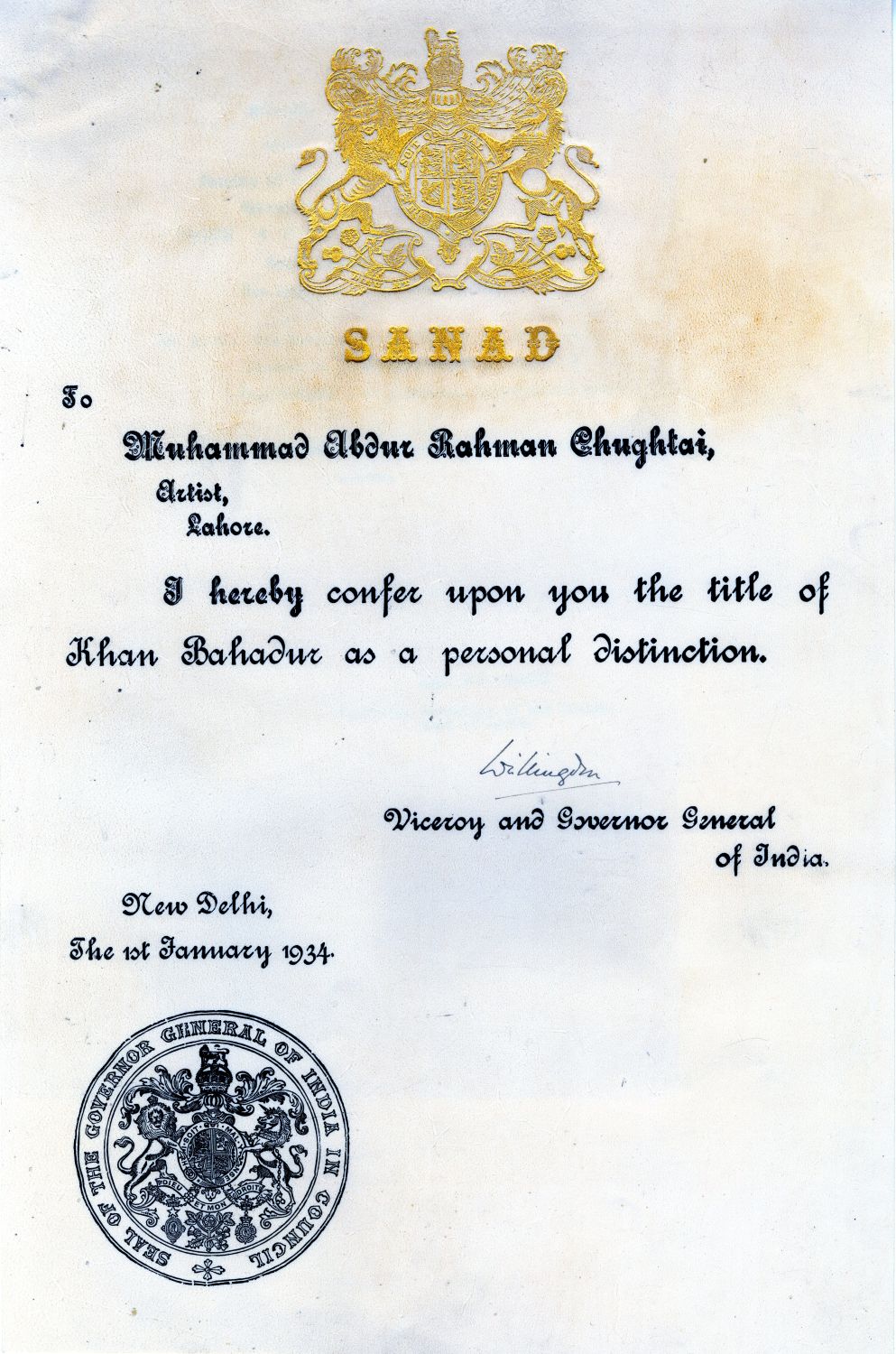
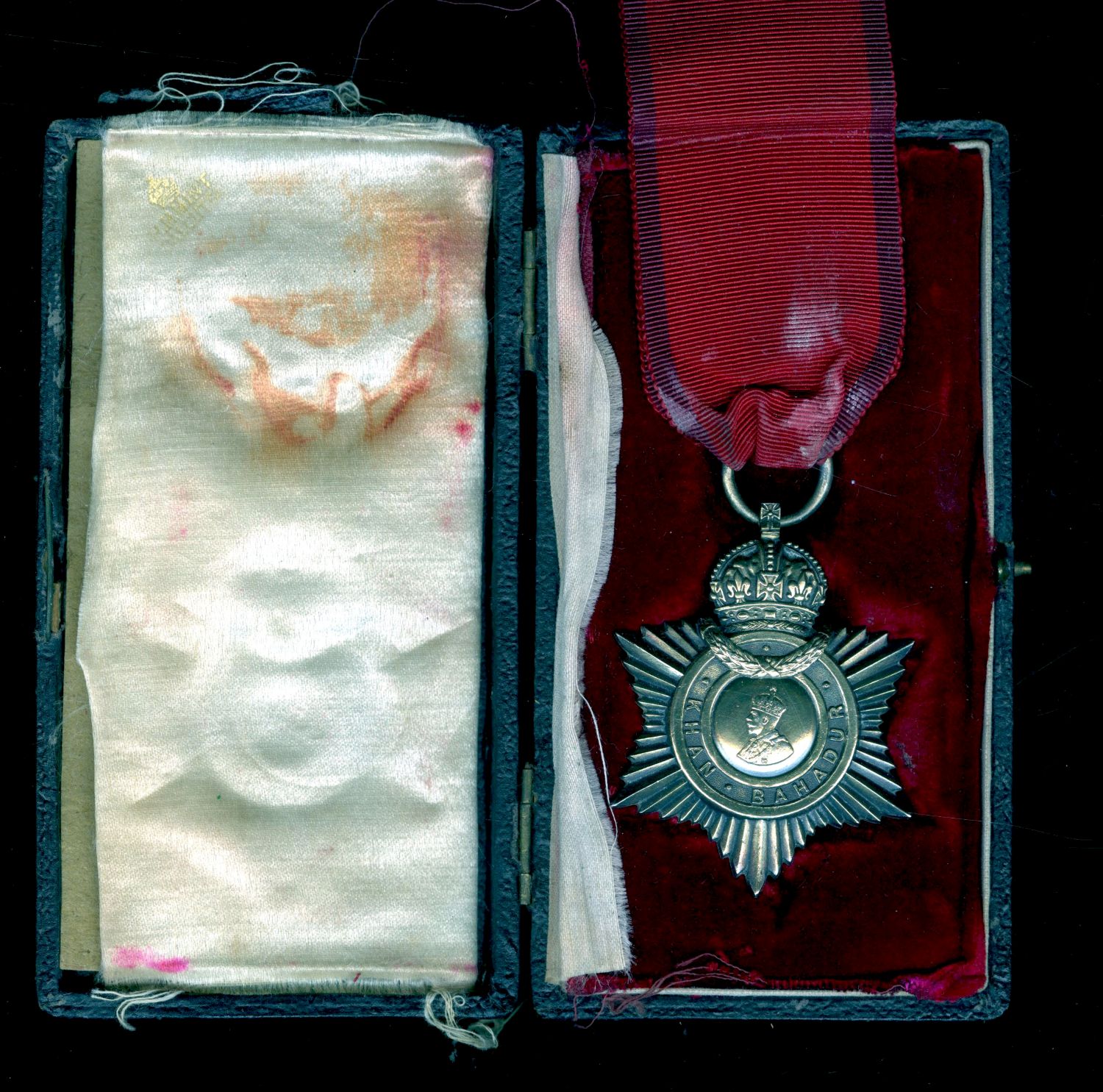
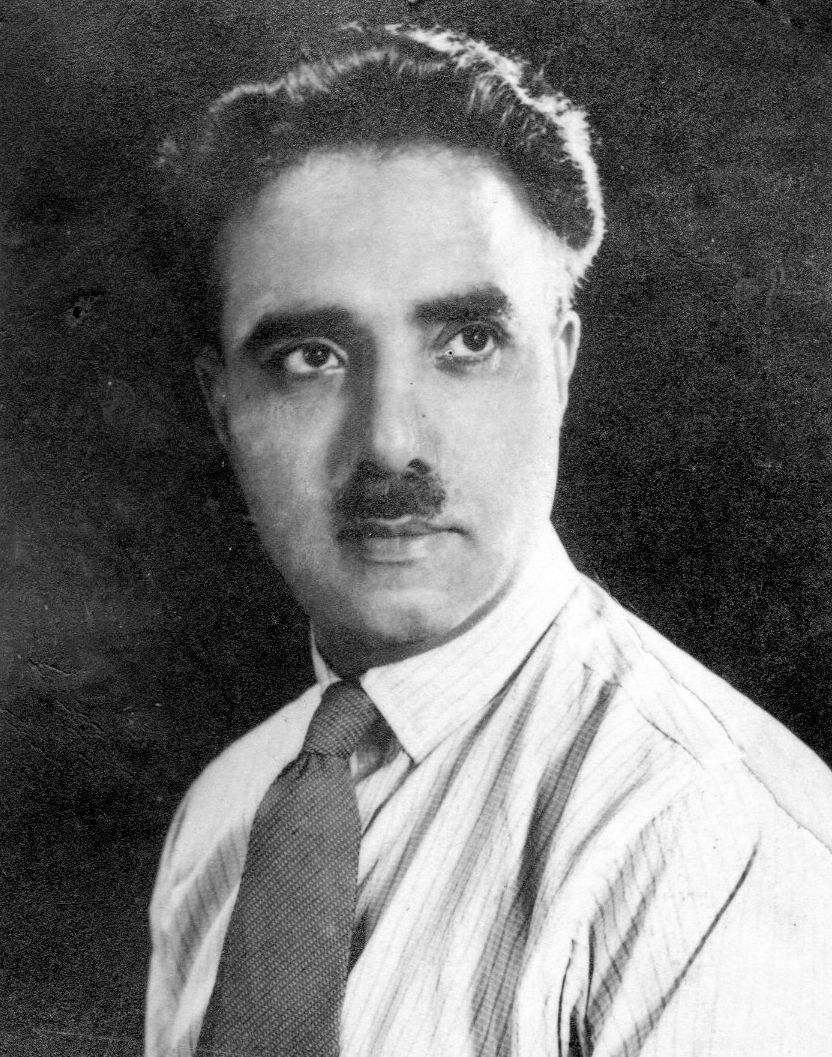
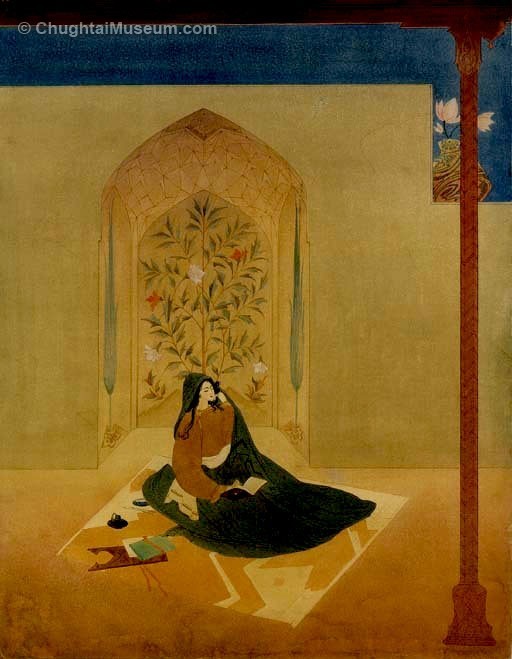
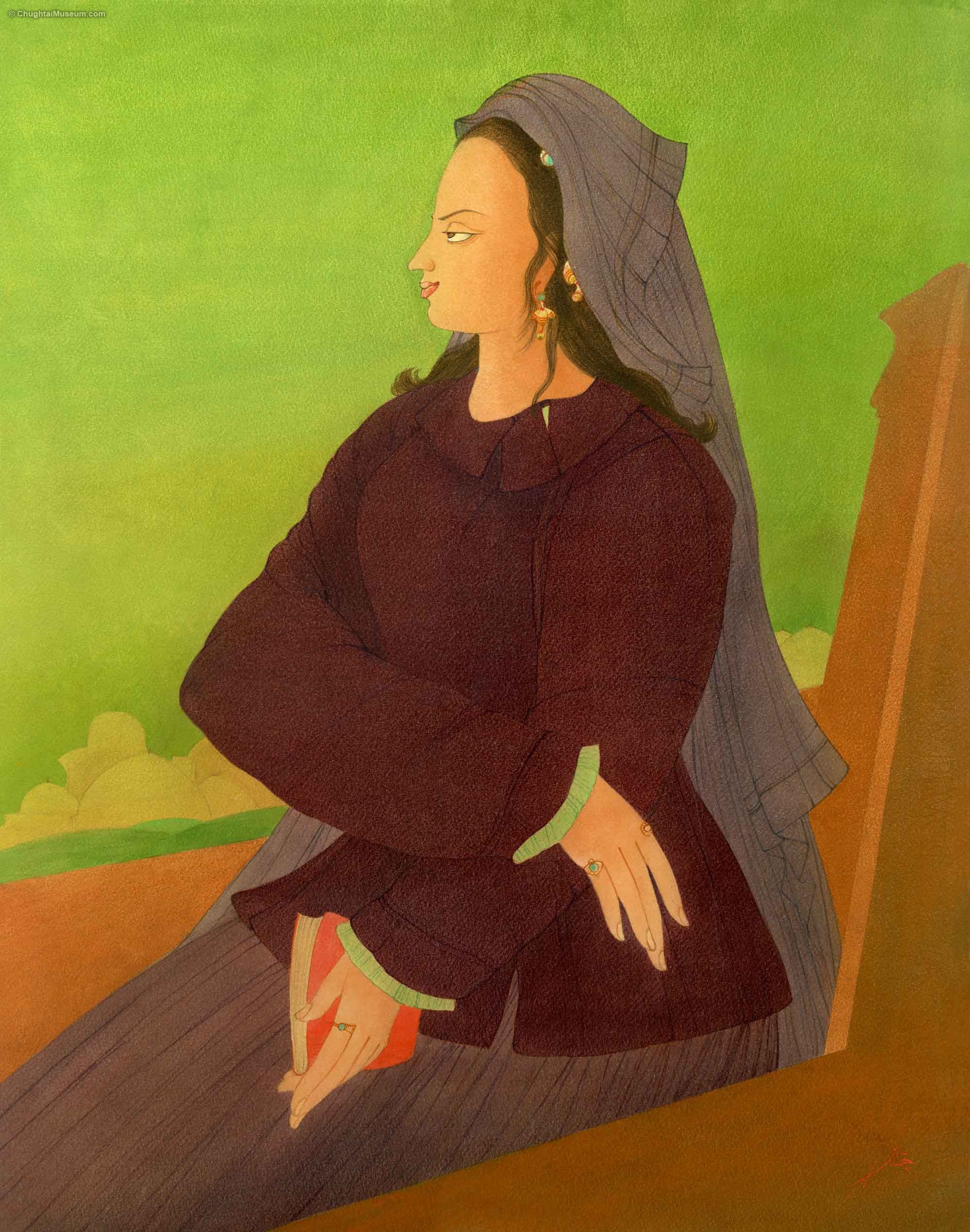
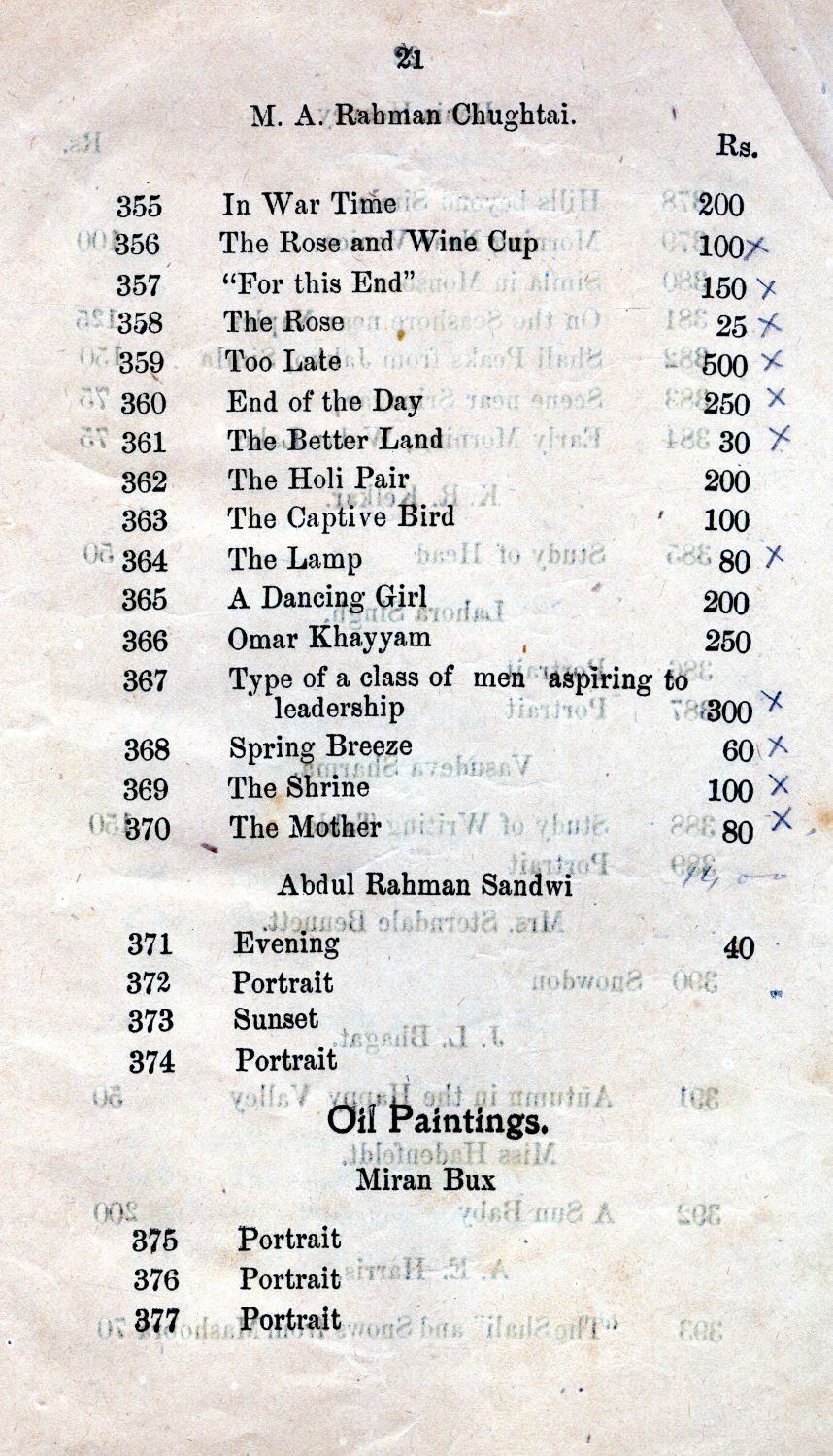
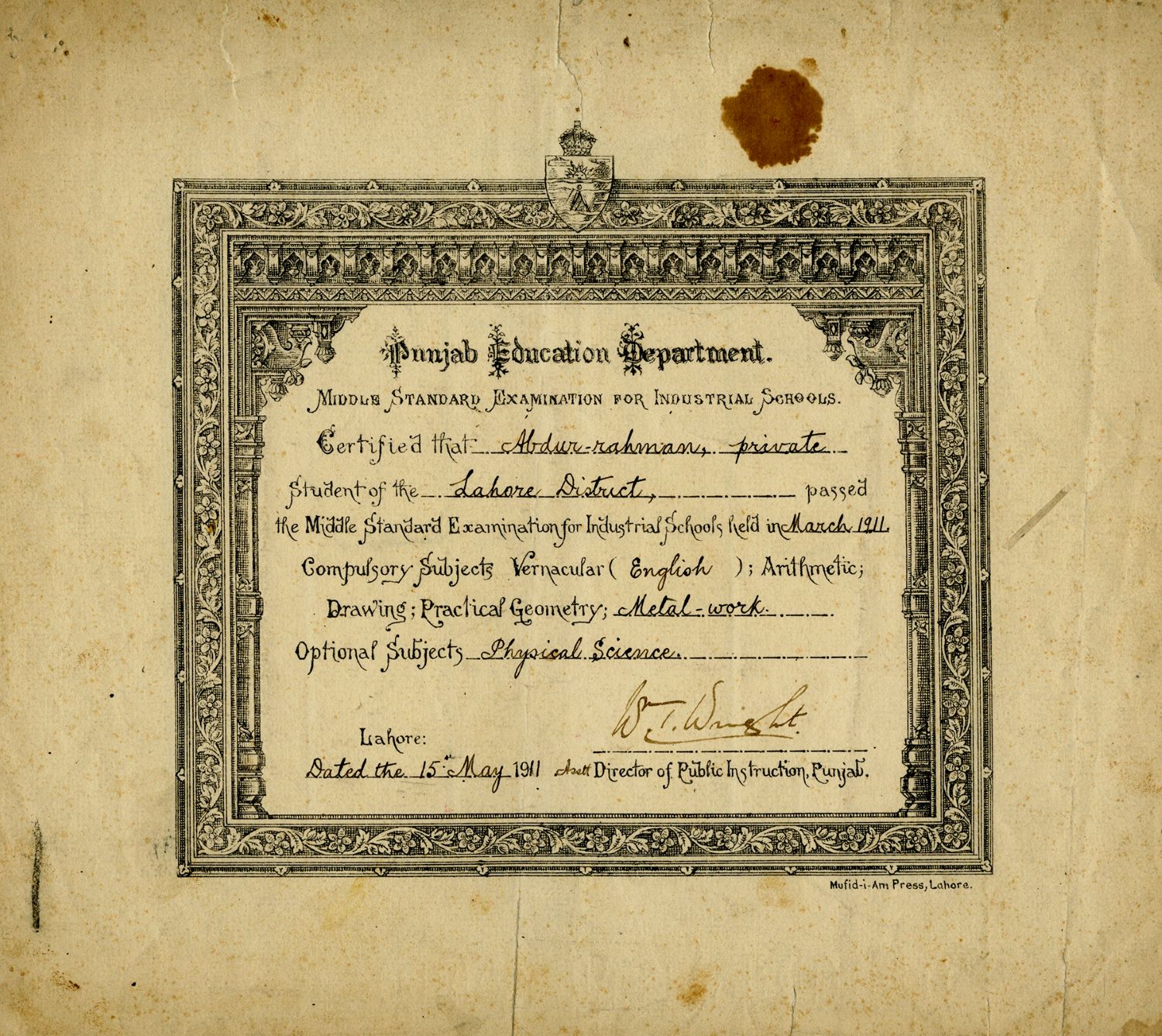
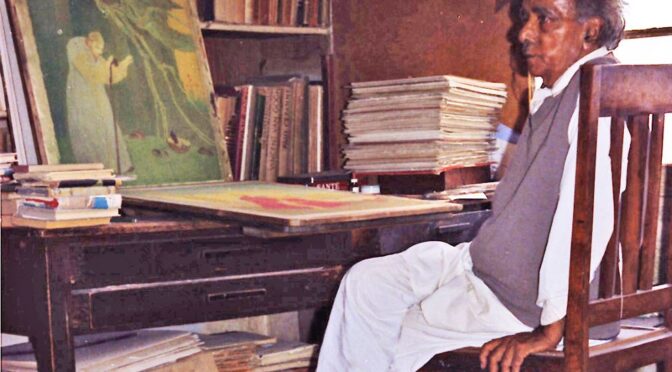
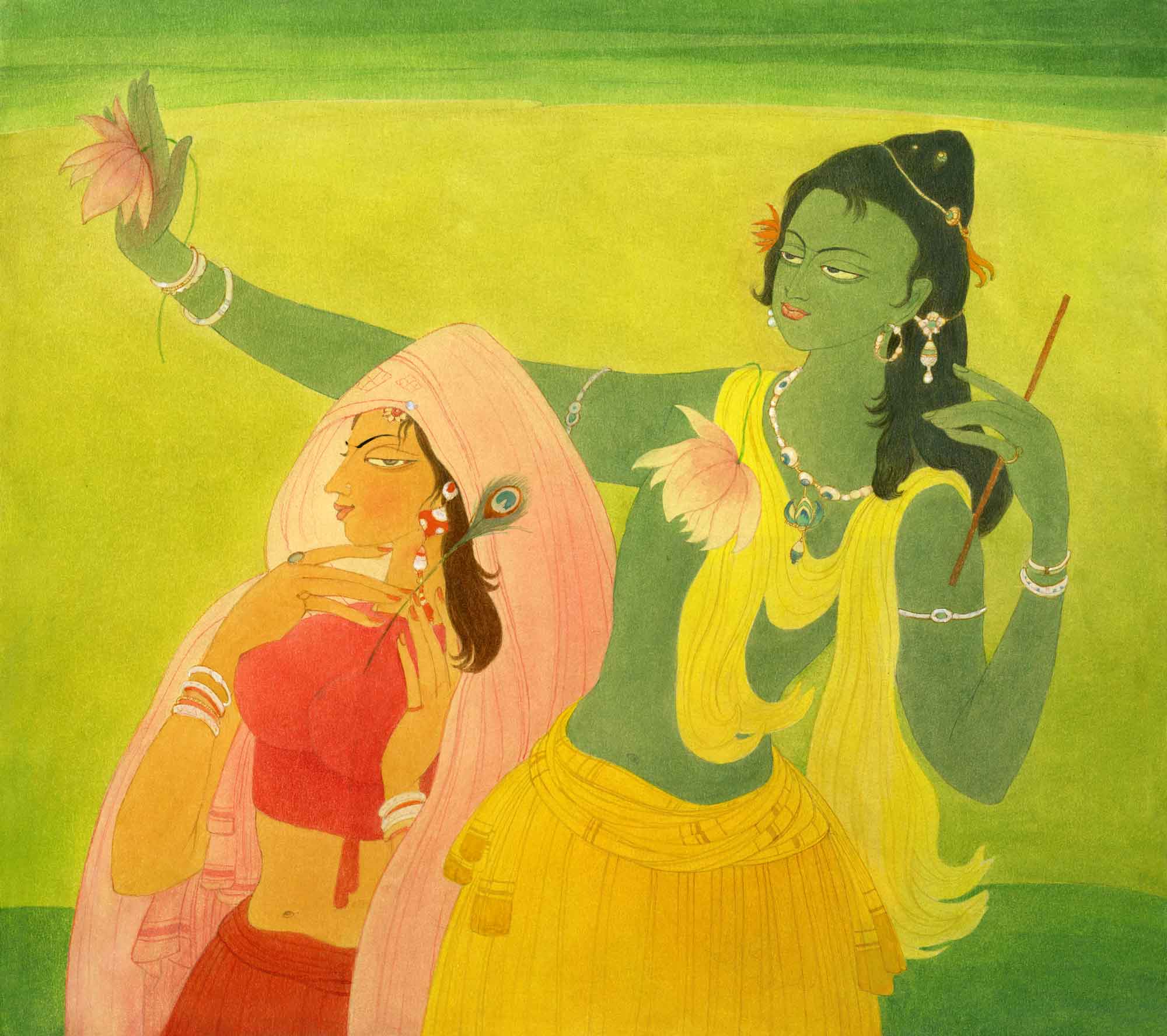
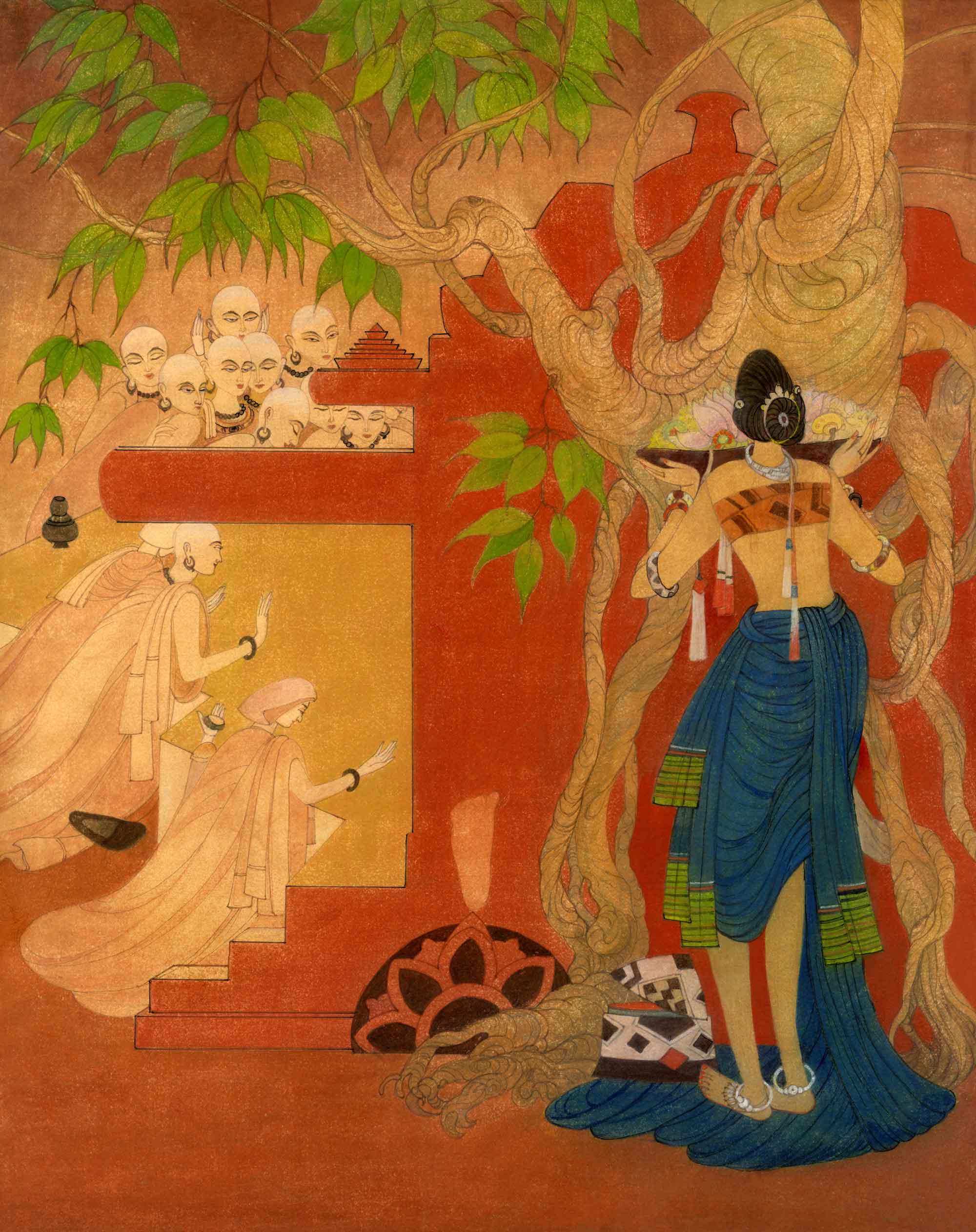
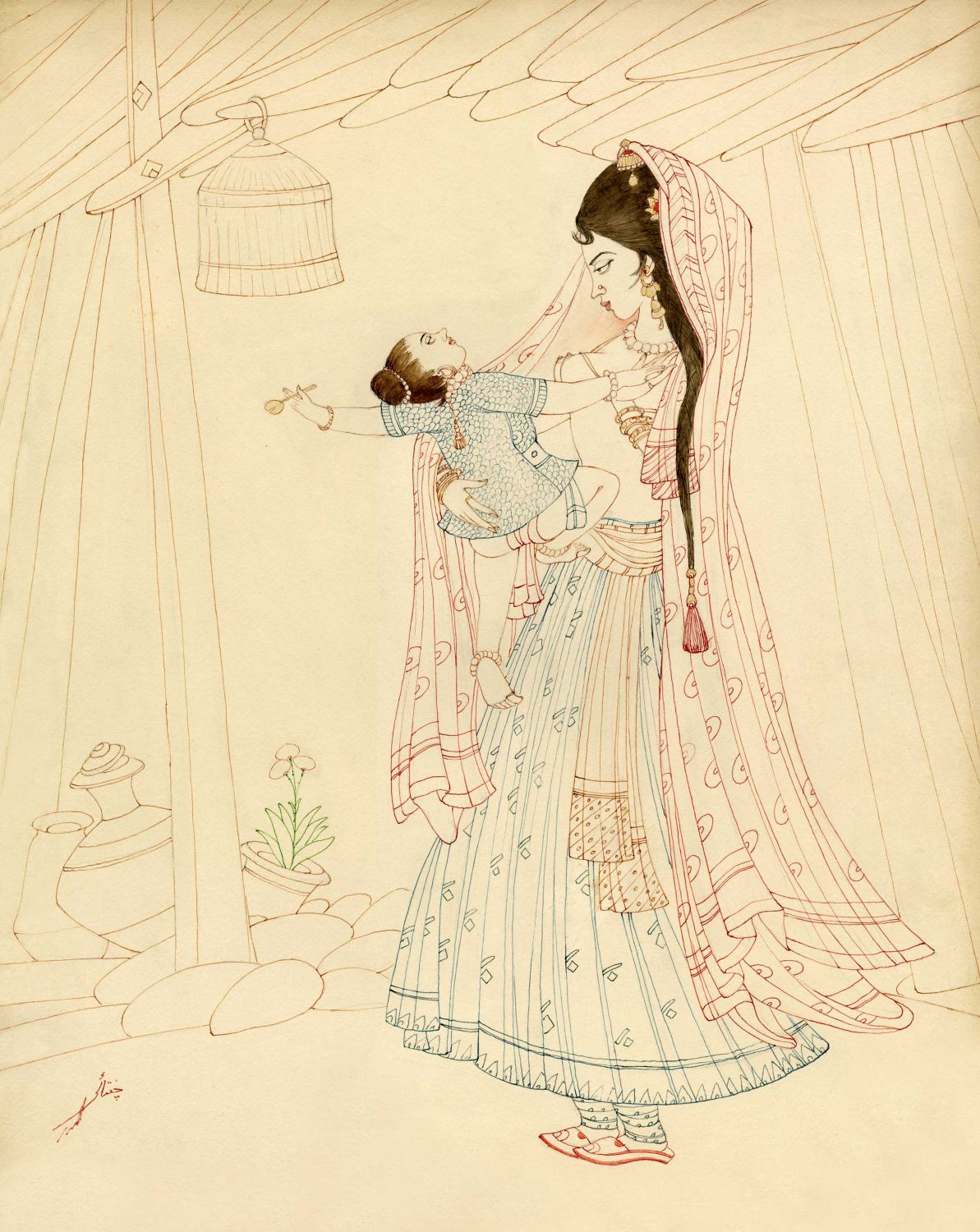
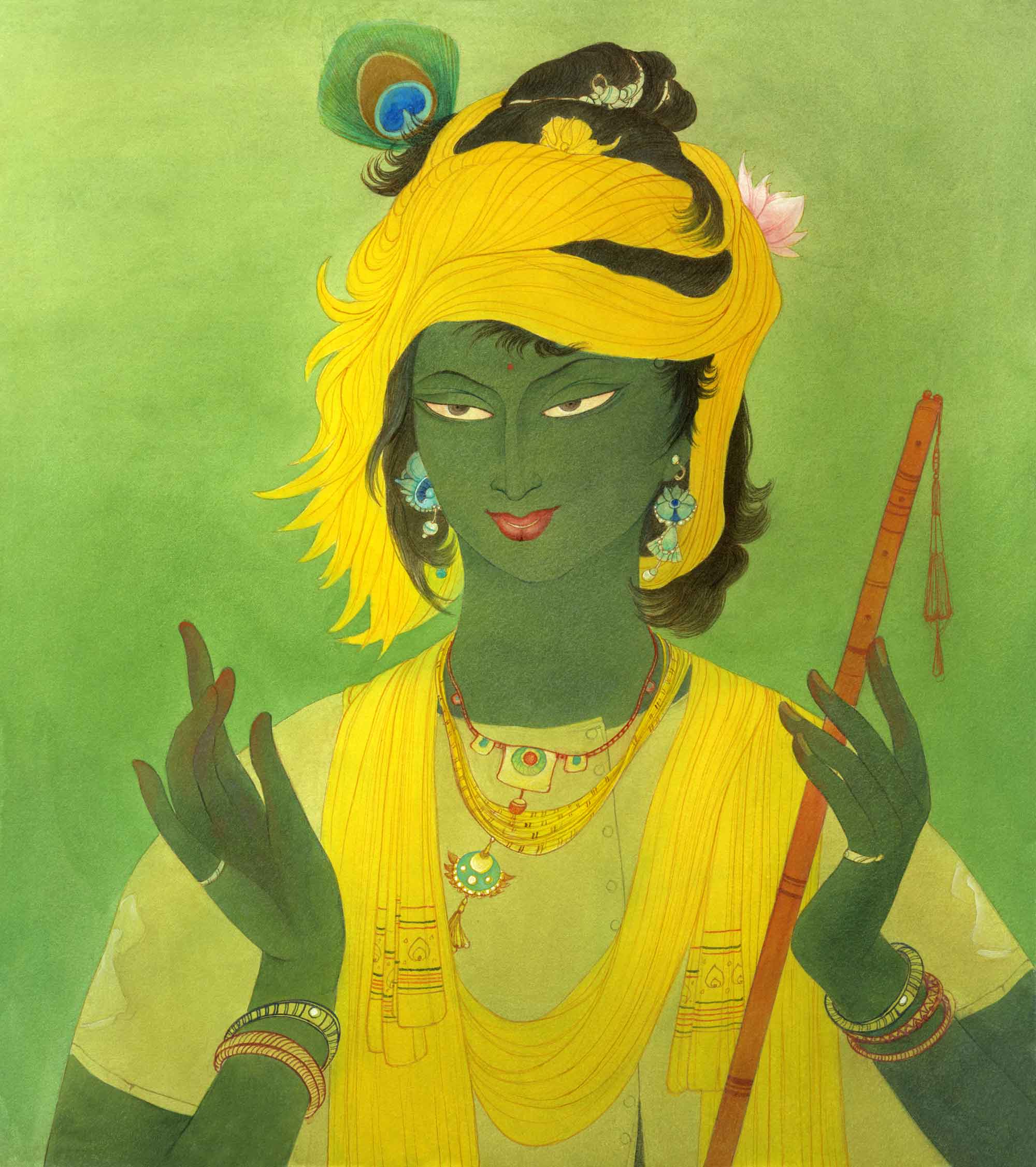
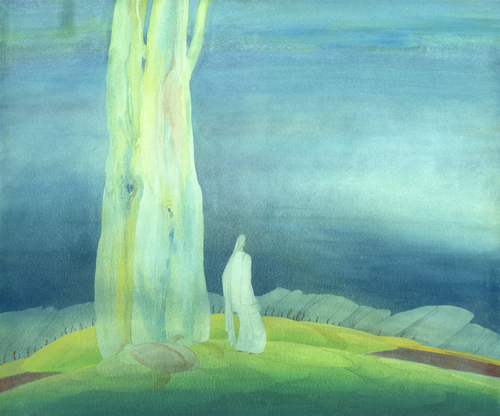
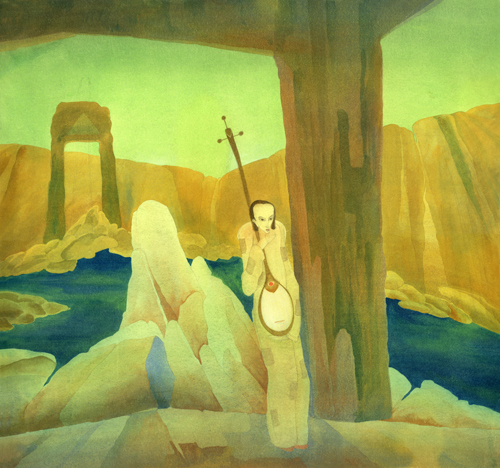
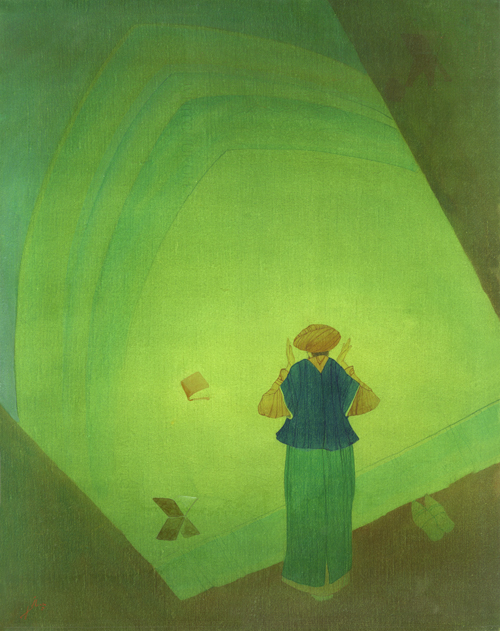
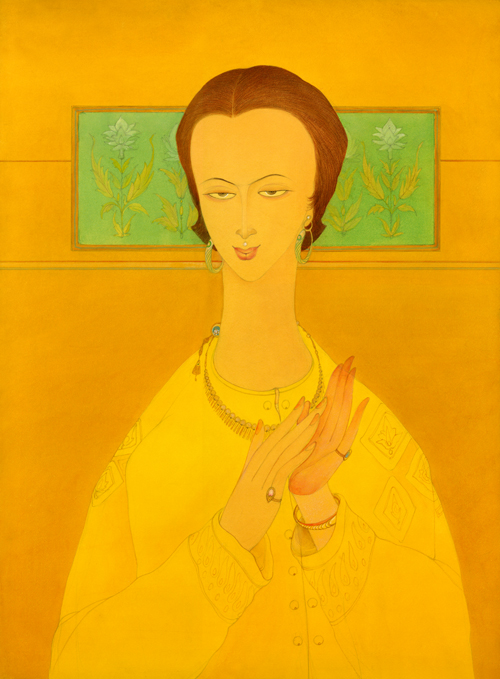
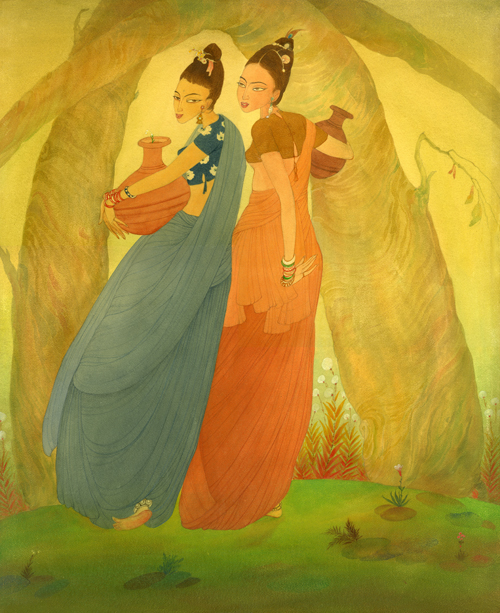
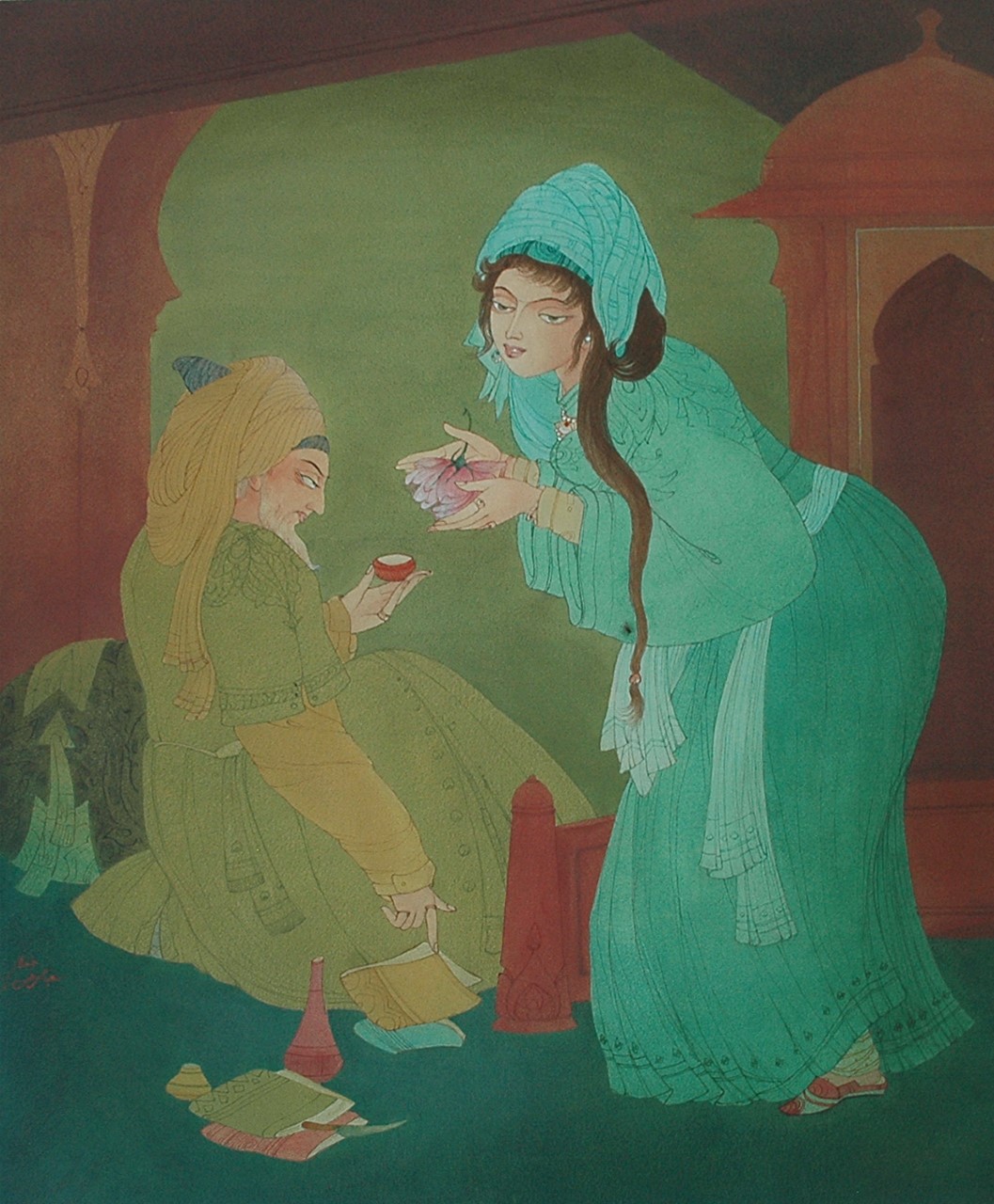
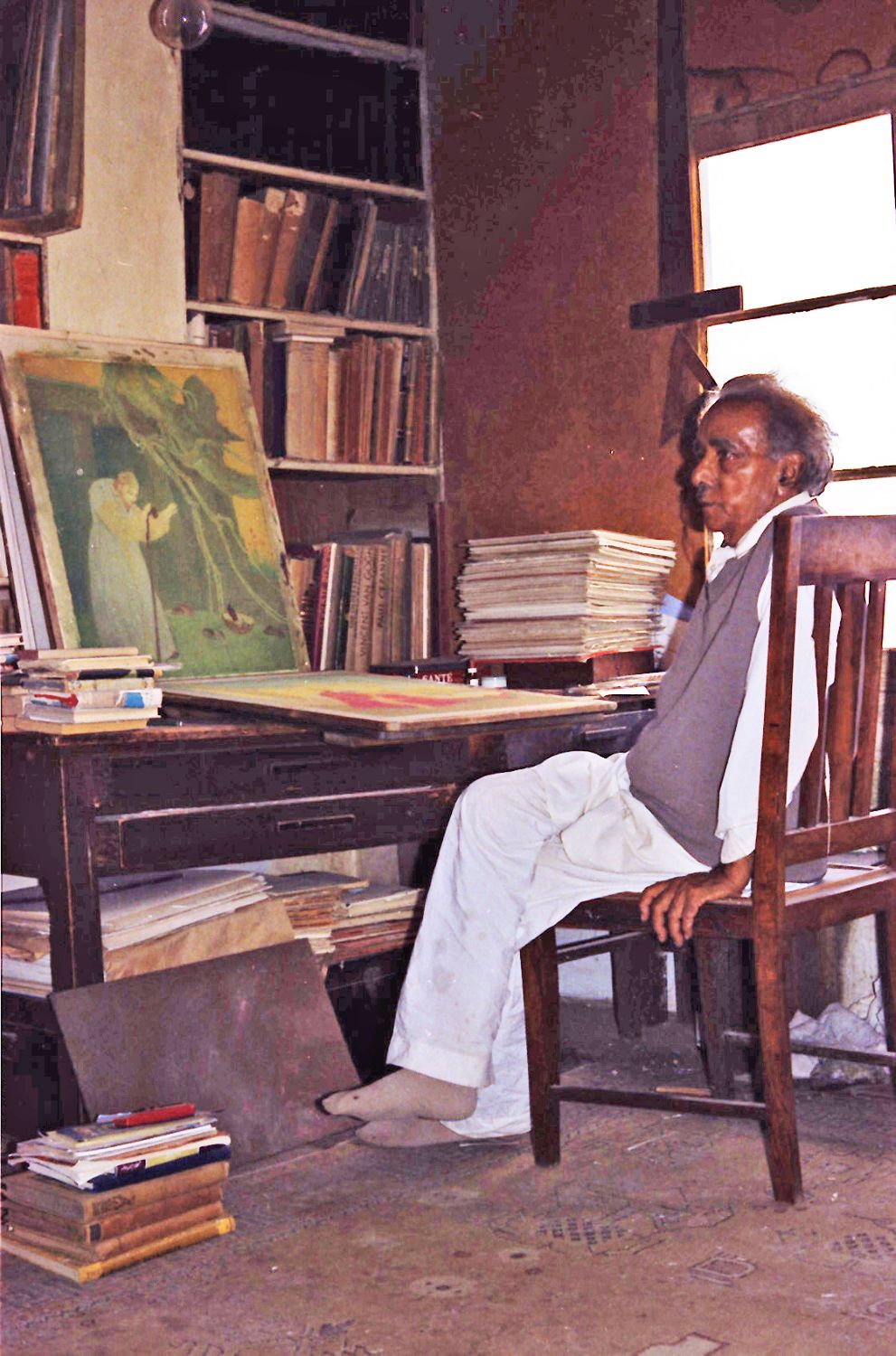
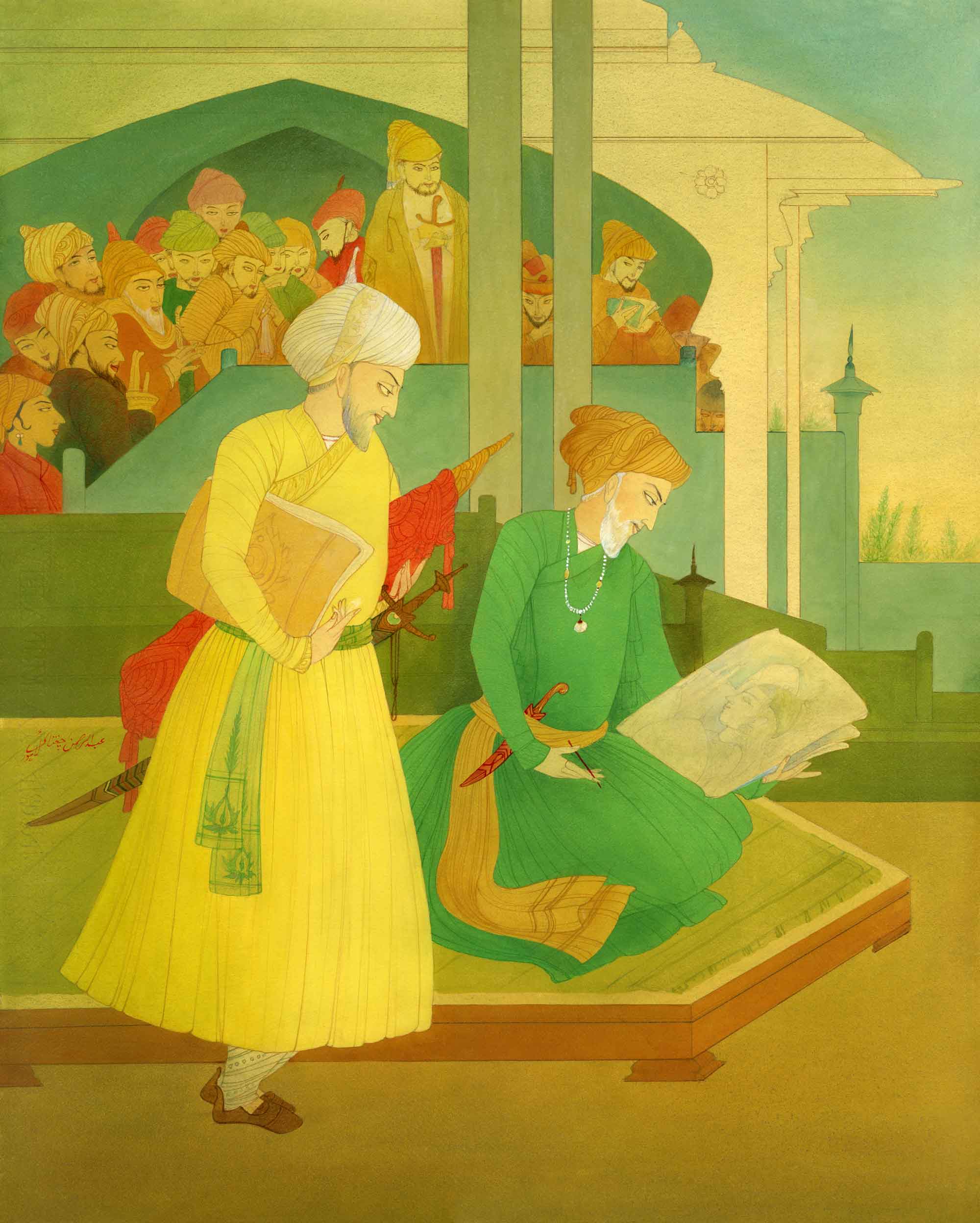
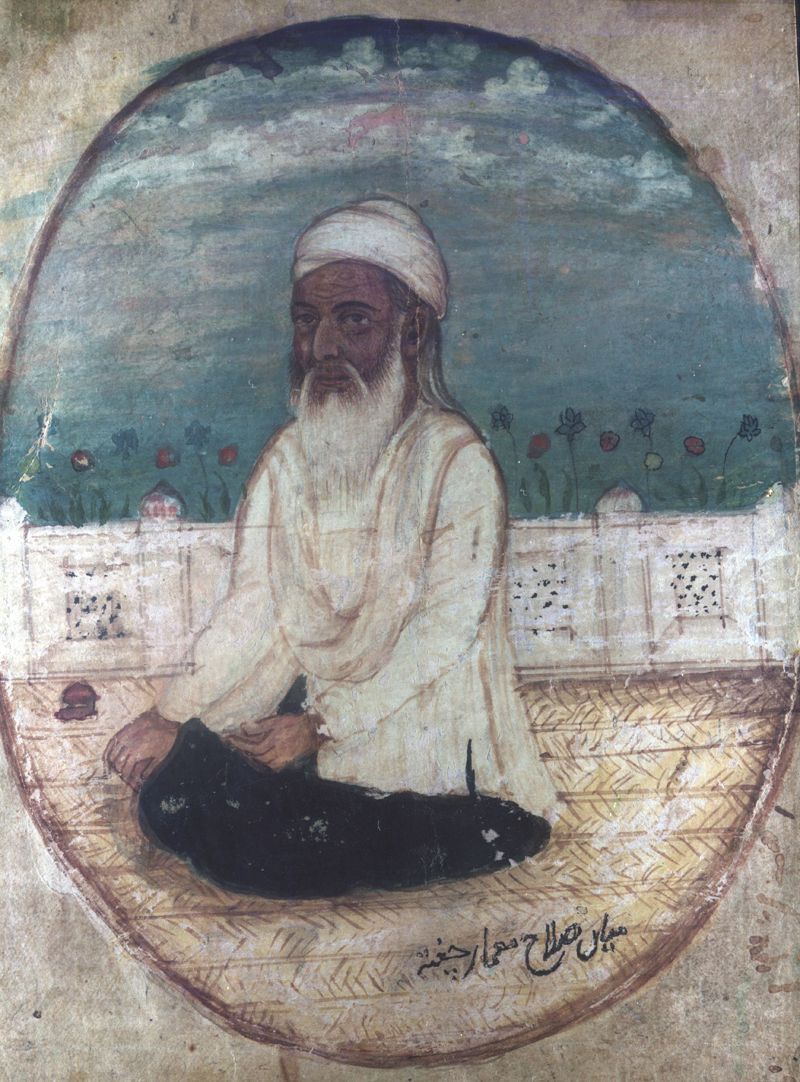
Abdur Rahman Chughtai did not leave the subject unchecked. He wrote a three part chain of articles on Ustad Ahmad Mimar and it was published in the governmental magazine of Art and Culture, the MAH-NAU in Lahore. The artist Chughtai Sahib contributed one more thing. He obtained a miniature of Ustad Ahmad Mimar and there is a history of its acquisition, which we will take up in some other blog. Suffice that few copies of the miniature exist, one of them was in Hyderabad Deccan, with a famous collector of art there. But not all are inscribed as such. The artist went further and made a number of paintings on the same subject.





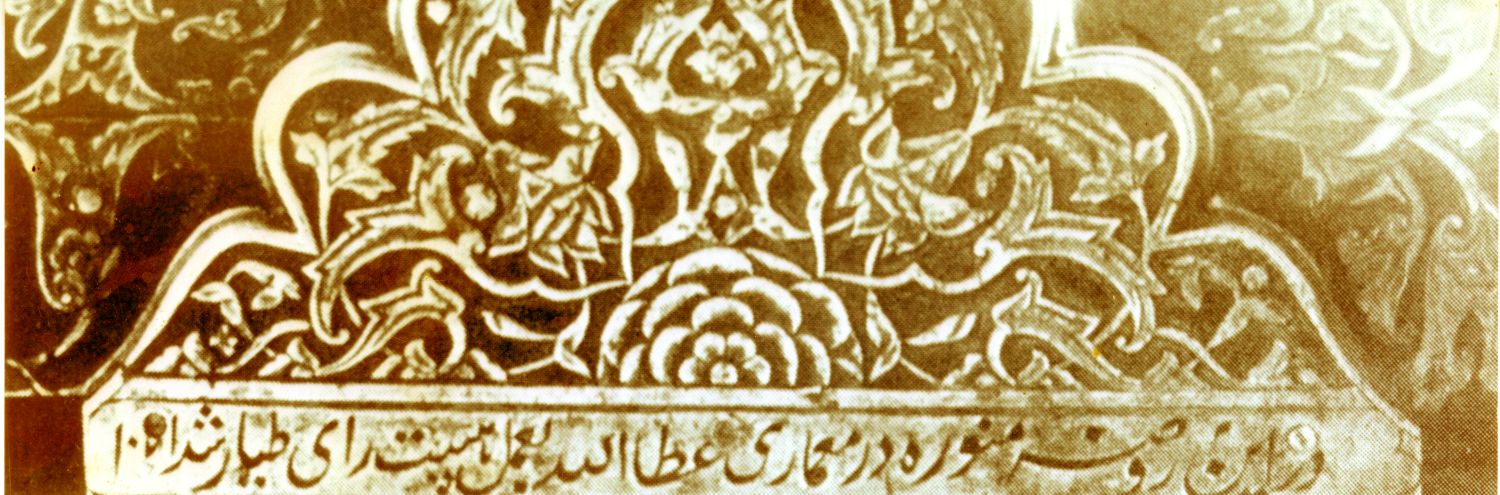

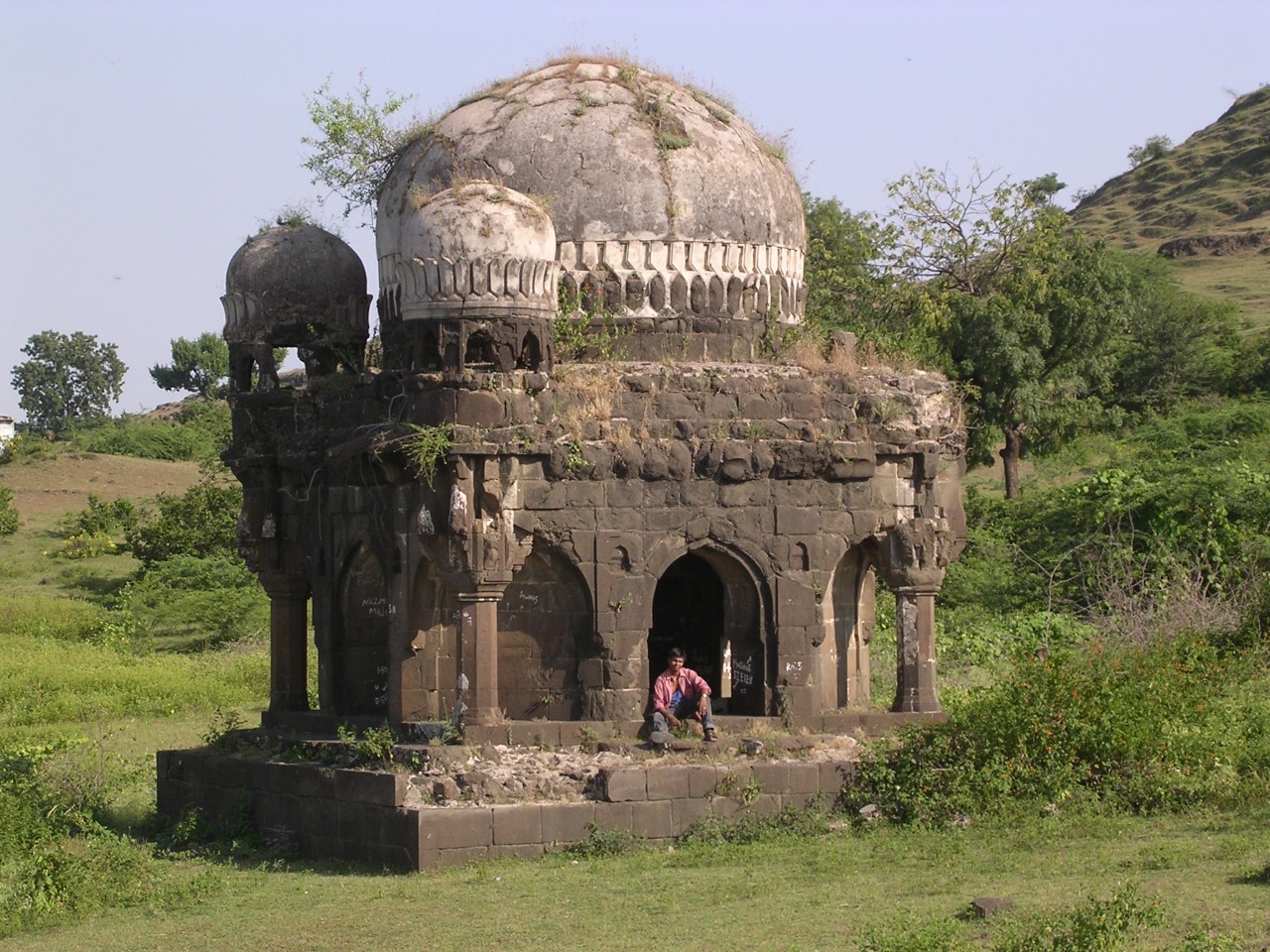
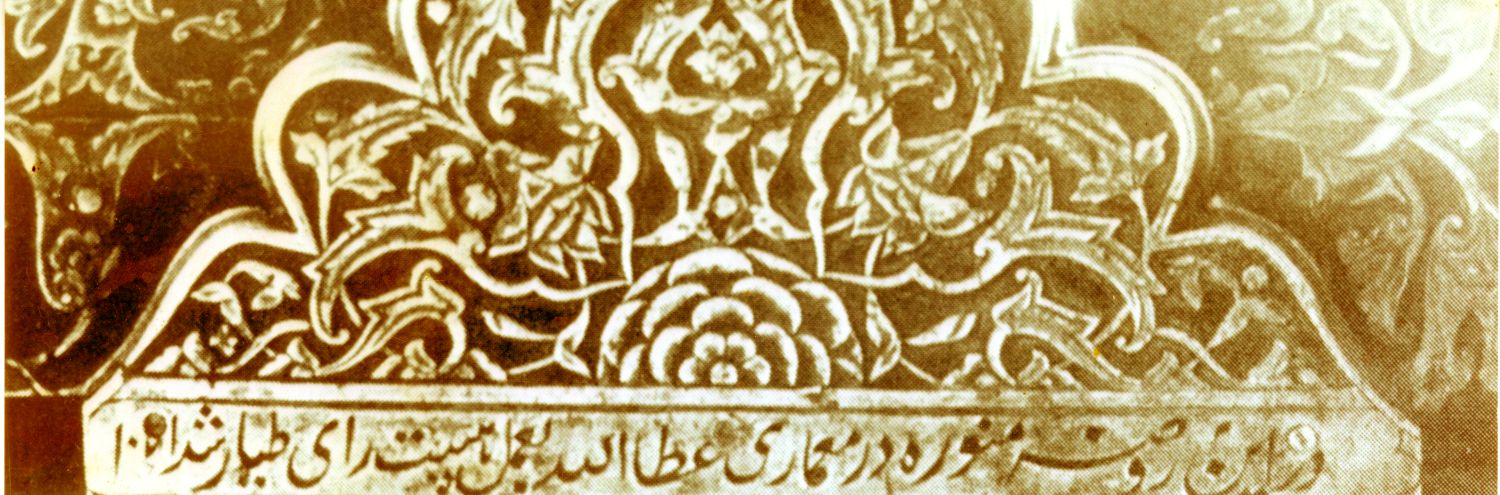
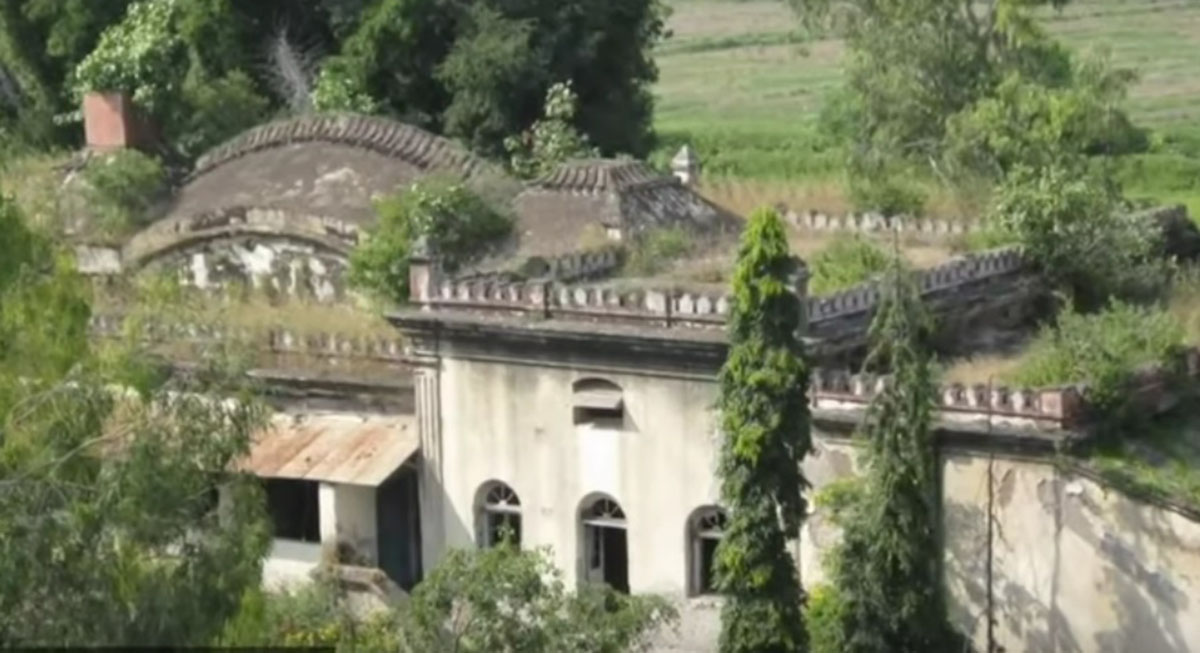
There is a Taj Mahal inspired Rauza Rabia Durrani in Aurangabad, who was the wife of Emperor Aurangzeb. On the gate of the mausoleum, on the door sill is engraved the complete details of construction of the Rauza, by Emperor Aurangzeb himself. It specified amongst others that the architect was Attaullah Rushdi, son of Ustad Ahmad Mimar. Can we suppose that in such a way it was also somewhere on the Taj Mahal itself, perhaps on the wooden sill of the gate. We know that Taj Mahal was about to be plundered by the British, and had planned to sell the marbles in Italy. But the remnants of the destroyed monuments in Agra and Delhi did not fetch the desired price, so the project was abandoned. Things were plundered by British soldiers and it was used as a honeymoon hotel. Perhaps in that process important inscriptions were removed from the mausoleum. We do know that the gold railings were stolen by the Mahrattas, but the Pinnacle of the Taj Mahal in gold was stolen by the British and replaced with a false one, and there is an inscription on the pinnacle placed, namely Joseph Taylor around 1810,there to ascertain its removal by the greedy British. Photographs have appeared on the internet of same.
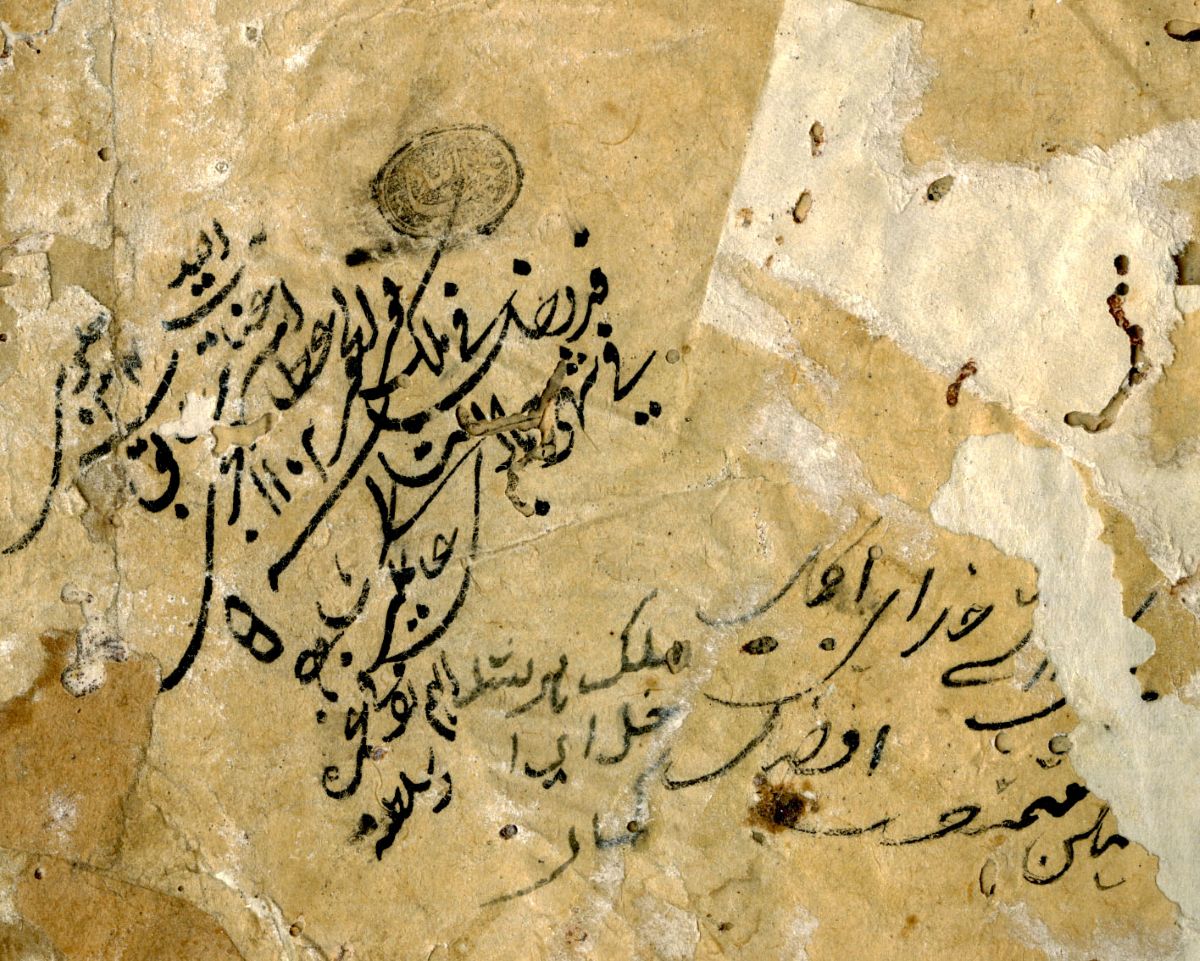
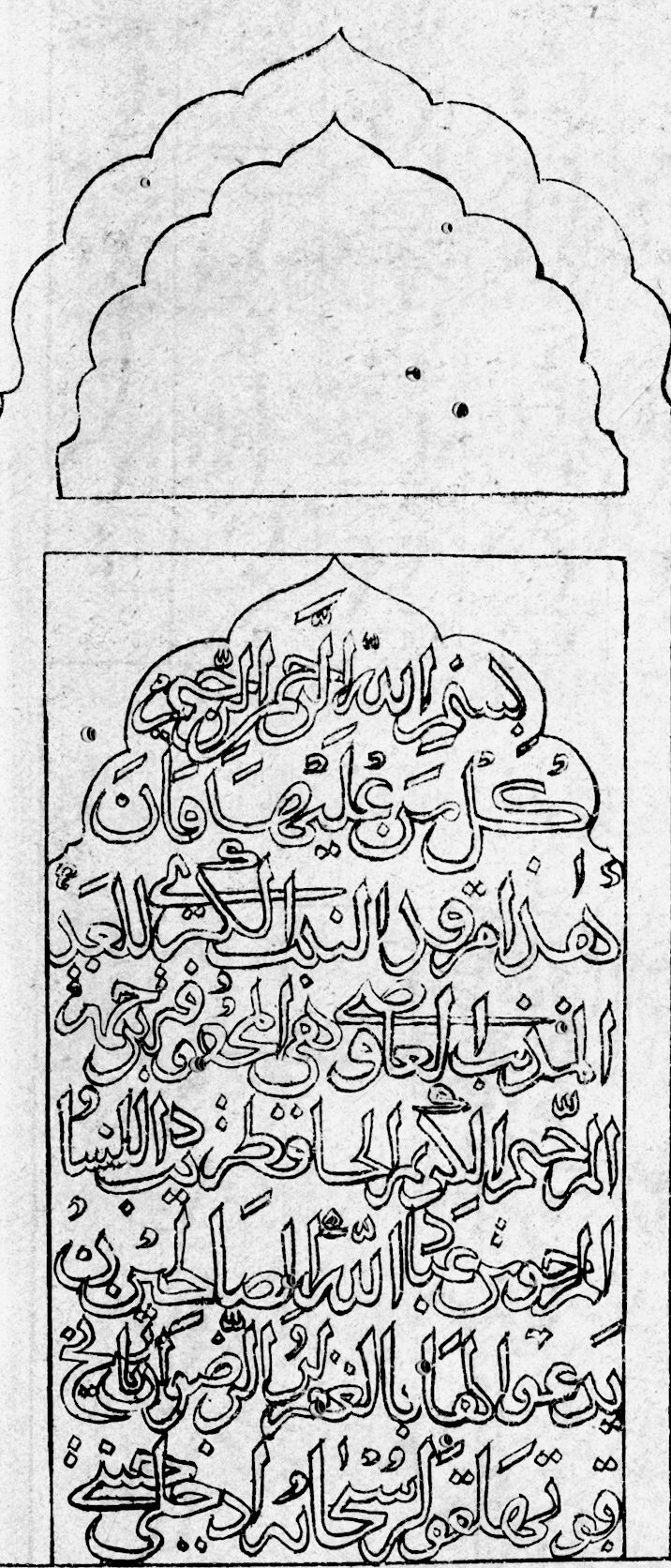
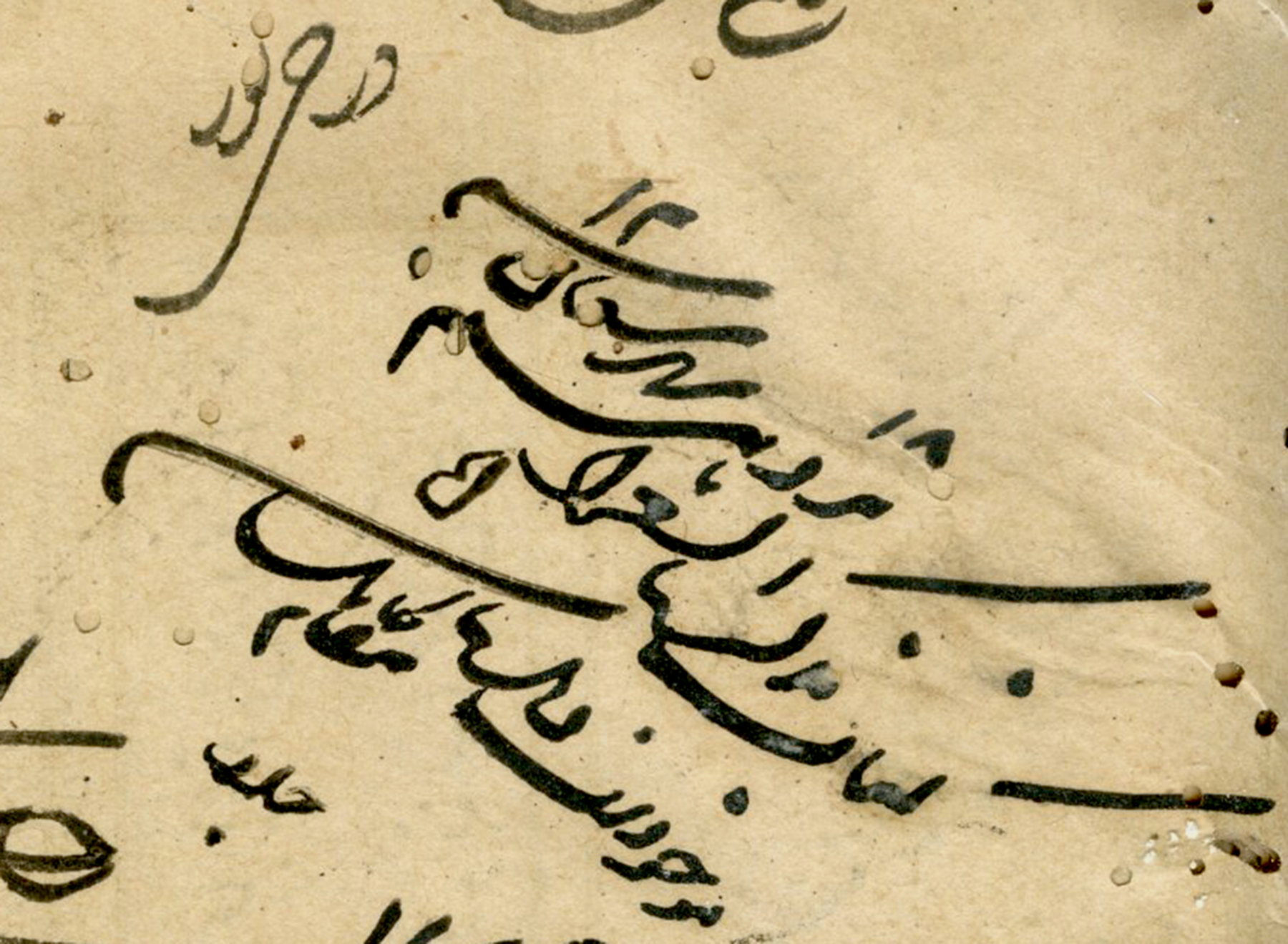
Research never stops. Truth always comes out. In 1946 M.S. Vats, Superintendent Archaeology Aurangabd, came across the grave of Ustad Ahmad Mimar in Khuldabad. He noted the inscription put there by his son Lutufullah Ahmad, while building a small mausoleum for him. There is a record of the architect being in Bijapur to advise Nawab Mustafa Khan as well as Malik Ambar, the African ruler of the area. The record goes:
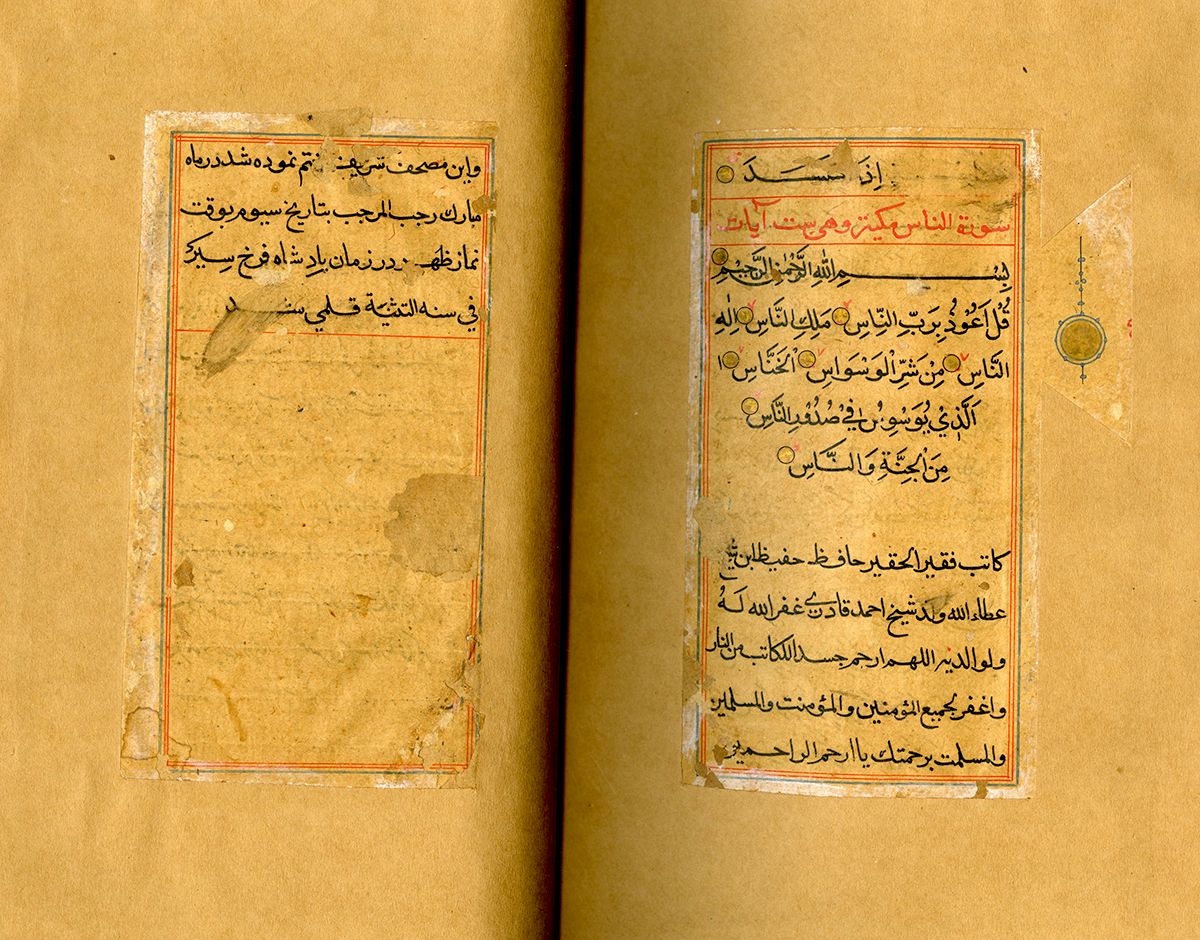
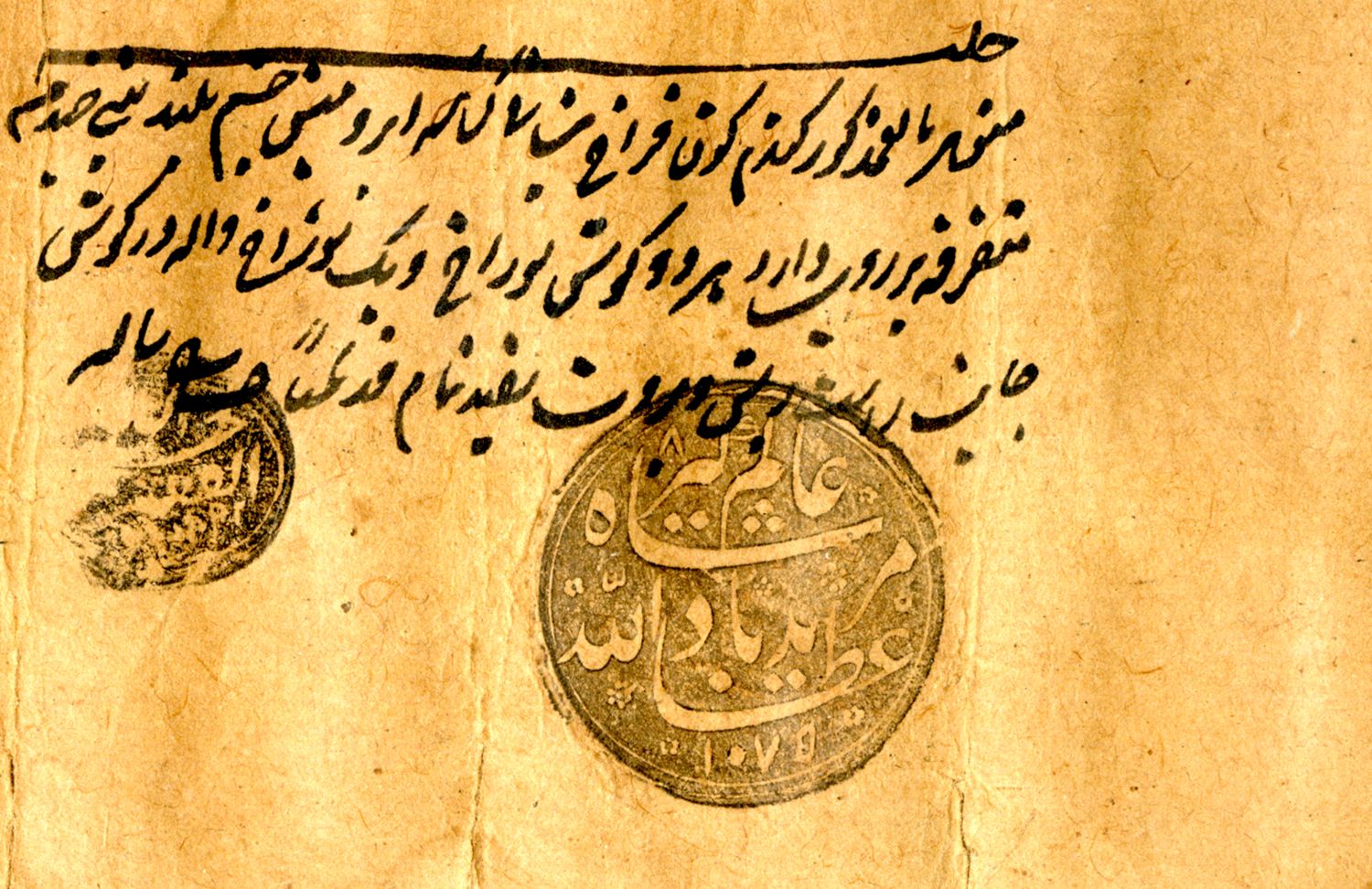
“It is interesting that there is a manuscript entitled ‘Five Qasidas’, and it has the notation of Emperor Muhammed Adil Shah of Bijapur, that it was written by calligrapher Ismael for him, in Badaun. It has a seal and a tughra of Muhammed Adil Shah on it. It also has a written reference that after the death of Nawab Mustafa Khan, it was deposited in the Kitab Khana Amra, by “Asama” Ahmad. The notation is dated 1059 A.H, or exactly near the time of death of Ustad Ahmad Mimar. The year was 1649 A.D. It is clearly suggesting that the architect was in Bijapur at that time. There is more evidence too. In a miniature of Muhammed Adil Shah, at the back is a calligraphy by Lutufullah, and the contents of it show the discontent of the Muhandis in that period.”
Our pleasure is to include most things and we have done so to our end. This is book matter and we carry it in a blog for the interest of all. Eventually it would be published in book form for its historical content. Till then enjoy what is there!