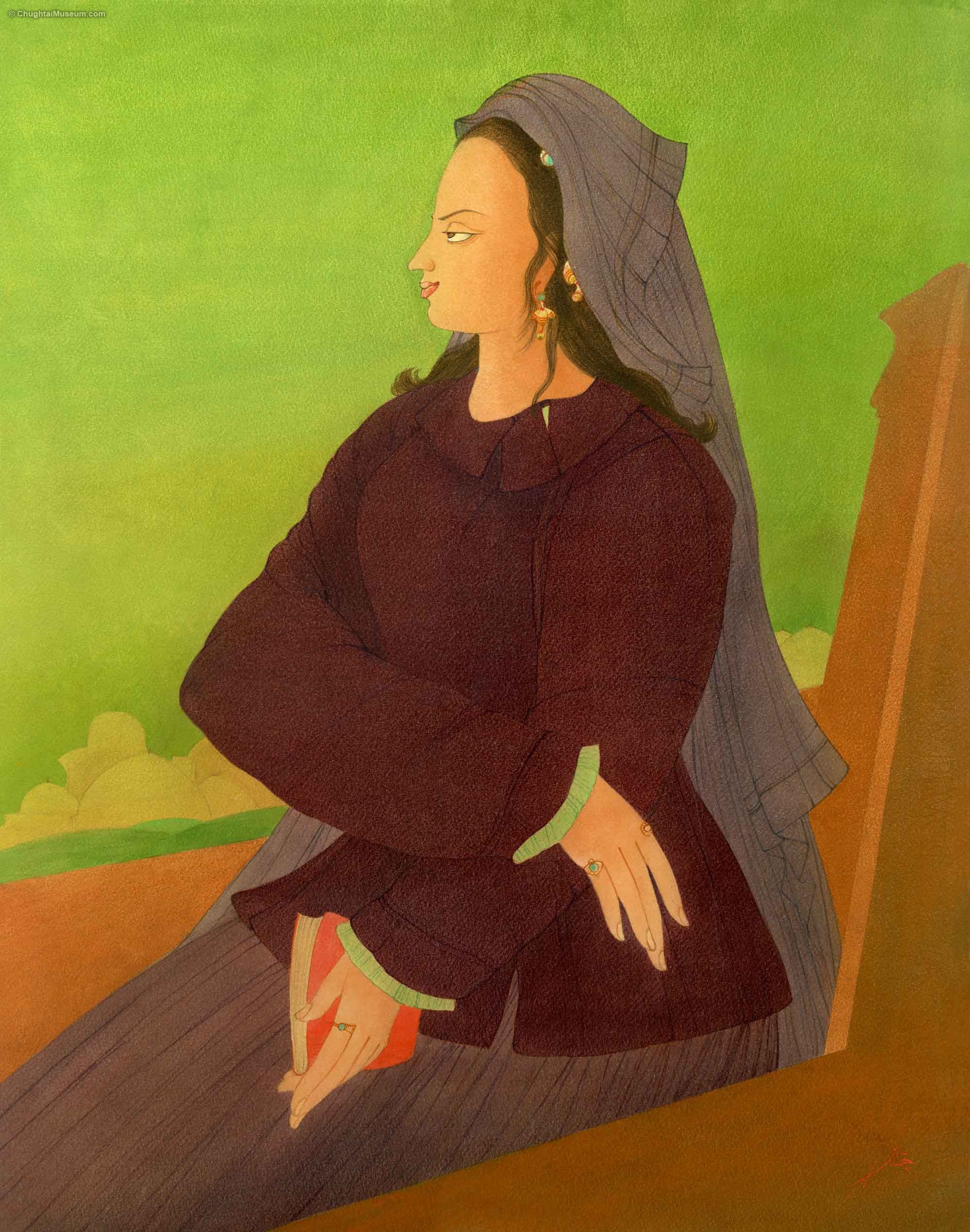
BIRTH OF PAKISTAN AND DAWN OF PAKISTAN ART; A TIMELESS HORIZON OF M.A. RAHMAN CHUGHTAI.

BIRTH OF PAKISTAN AND DAWN OF PAKISTAN ART;
A TIMELESS HORIZON OF M.A. RAHMAN CHUGHTAI.

Hilal Imtiaz MARC


In 1946 intellectuals connected with Art and Culture of country met at the house of Begum Shahnawaz to devise plans to enrich Pakistan with institutions to enhance the cultural legacy of the Islamic world and to give it new dimensions. This pre-planning resulted in the formation of Alhamra Art Council in Lahore.The foremost there was the artist M.A, Rahman Chughtai. Not only that all Arts Councils in Pakistan at that time like Karachi Arts Council, Peshawar Arts Council and Dacca Arts Council were inaugurated with Chughtai shows and all that is on record. President of Pakistan, General Ayub Khan inaugurated the Karachi Art Council with a huge show of Chughtai Art in 1959. Dacca Arts Council was inaugurated by Governor East Pakistan, General Azam Khan. 

It was a grand event in the cultural history of Pakistan. It was well advertised and well known to people in and outside the country. Delegations came from all over the world. Chancellors from American Universities. Ambassadors flew to Lahore from Karachi. The Governor General of Pakistan, Khawaja Nazimud din was to inaugurate the show. This was in conjunction with the inauguration of ALHAMRA ARTS COUNCIL. The idea discussed at the house of Begum Shahnawaz in 1946. An institution founded by M.A. Rahman Chughtai and he designed its first insignia, which is still valid to this day. He also gave it the name ALHAMRA. He set the whole tone for it. It was to reflect the kind of renaissance in culture which happened to Islamic Arts in Spain. Everything was forward looking.

The first foreign Head of State to visit Pakistan was the Shahinshah of Iran and he too visited the show along with the Prime Minister of Pakistan, Liaquat Ali Khan. It can be seen in the press photograph too. The place Alhamra was like a second home to us and we visited it often. M.A. Rahman Chughtai even planted many mango trees there, so that the rather barren land could become green. The object to bring Pakistan to the forefront of the Art world, and to save our aesthetics from the ruthlessness of the foreign art world.

The Government of Pakistan had already recognized the contributions of the artist M.A. Rahman Chughtai, with his role of aesthetics for Pakistan. It reflected in an Insignia for Pakistan, a letterhead design for the Government of Pakistan, first and later batch of Postal Stamps, and presentation of Chughtai originals to visiting Heads of State, as well as presentation from Pakistani Heads of State in visits abroad. This reflected in the title people gave him as Mussawar Mashriq (Artist of the East), as well as being officially called as the National Artist of Pakistan. Indeed Prime Minister Liaquat Al Khan would take him to airports with his cabinet in receiving visiting Head of State.

In those days at the height of his unquestioned power, President Ayub Khan gave the first Pride of Performance for Arts to M.A. Rahman Chughtai in 1958. In 1959 it became Hilal Imtiaz. President Ayub Khan did not stop at that. In 1959, he paid a state visit to the HOUSE OF THE ARTIST. It was unheard off and never heard again. A President visiting the house of an artist. The Press seized the opportunity and carried the news at times as headlines.

In recent times the Cultural Ministry proposed an award of NISHAN IMTIAZ for him and sent it to President Pervaiz Musharaf for approval. Interestingly it was rejected for unknown reasons, as a certain lobby resentment was evident. A letter of Mr Naeem, Taher, DG PNCA at tha times prove the nature of the same. Again a couple of times before that even the President of Pakistan, like Ghulam Ishaque Khan had proposed that idea and the Cultural Ministry under Ghulam Rasool rejected same. A very antagonistic letter of DG PNCA then is there on record. Even the President of Pakistan was set aback by the ruthlessness shown in same. Yes, the Governments are not run on any merit, but the short sightedness of people in power with no long range vision for Pakistan. 

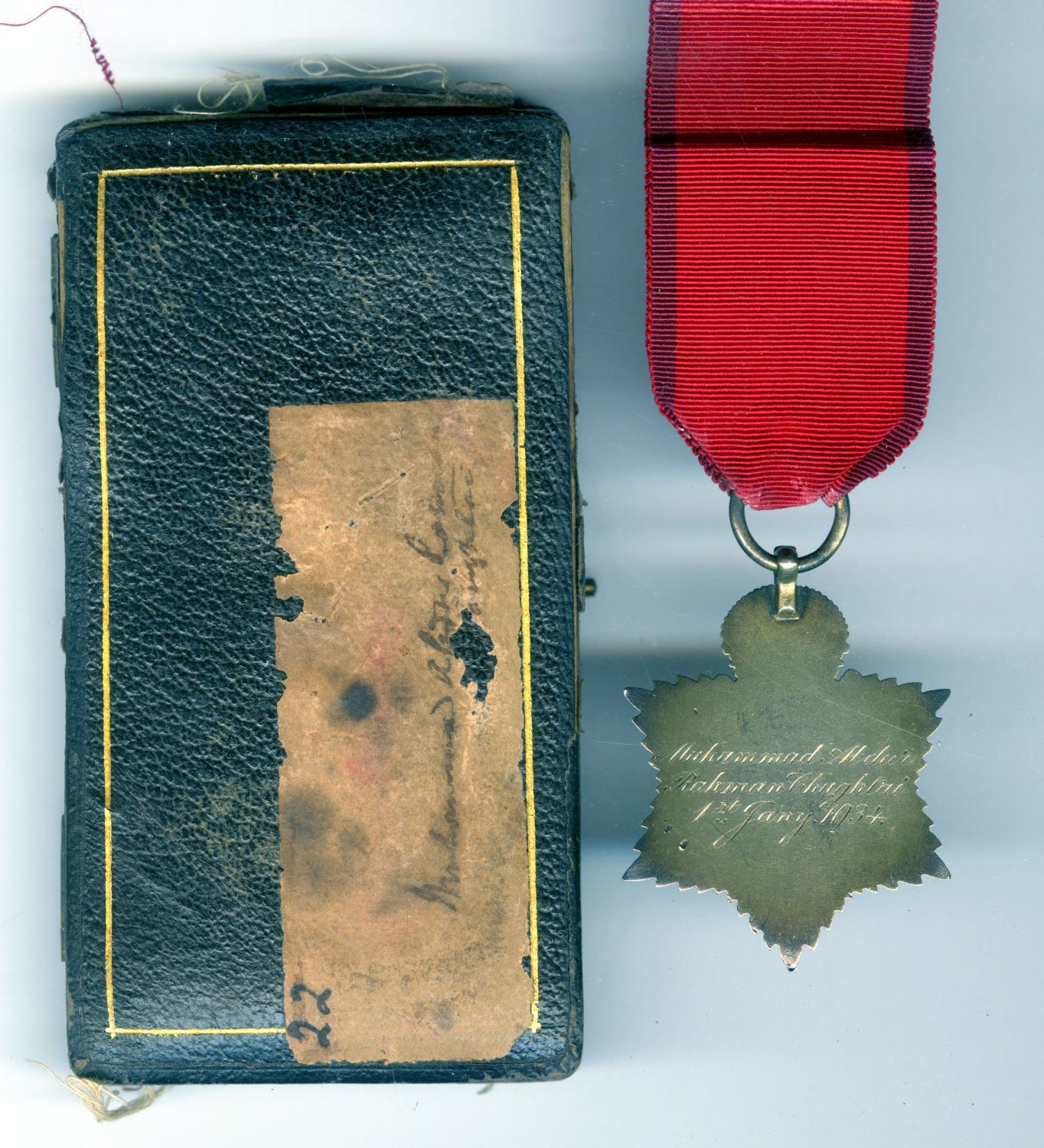
Images of Pride of Performance 1958, and Hilal Imtiaz 1959 are enclosed in this blog. Add these to many other awards received by the artist, including a Gold medal awarded by Heinrich Luebke President of West Germany to the artist. A gold coin received from the Shahbanou of Iran was also there. Couple it to the fact that four Chughtai works hang in the US State Department building itself, three were at UNO Headquarters in New York, and one at Peace Palace Hague, the seat of International Court of Justice, Netherlands. Praise letters received from art scholars, historians and VIPS from all over the world. Surely always an addition to the pride of the Pakistani world. Pakistan our pride, and Chughtai art part of our Ideology. Pakistan Forever!
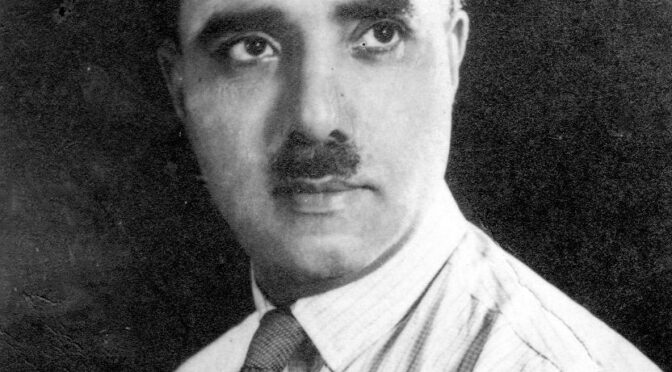
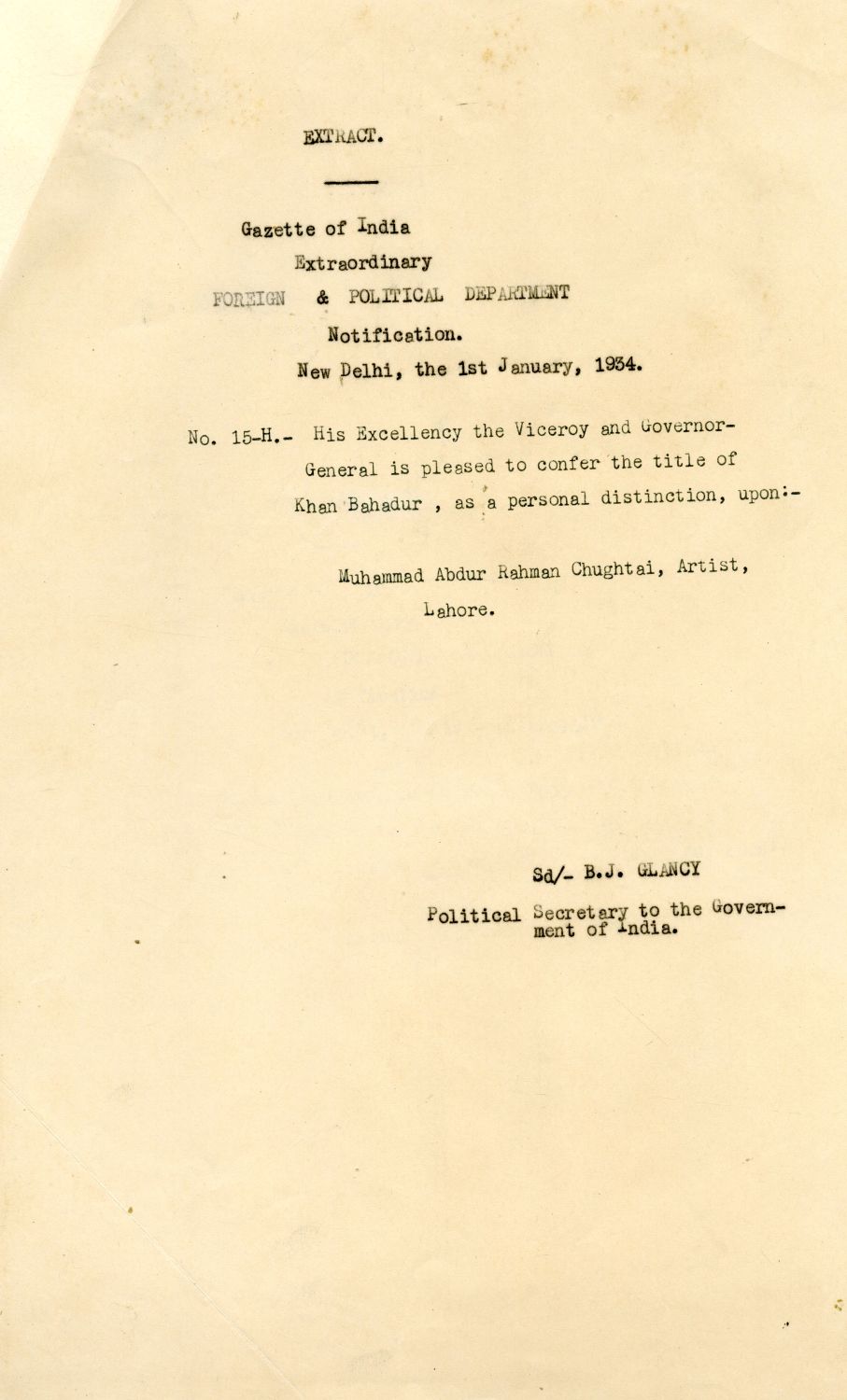
AFTER PROPOSAL FOR KNIGHTHOOD REJECTED BY INDIAN COMMITTEE; THE VICEROY OF INDIA LORD FREEMAN-THOMAS WILLINGDON APPROVED; TITLE KHAN BAHADUR FOR MUHAMMED ABDUR RAHMAN CHUGHTAI ARTIST.

AFTER PROPOSAL FOR KNIGHTHOOD REJECTED BY INDIAN COMMITTEE,
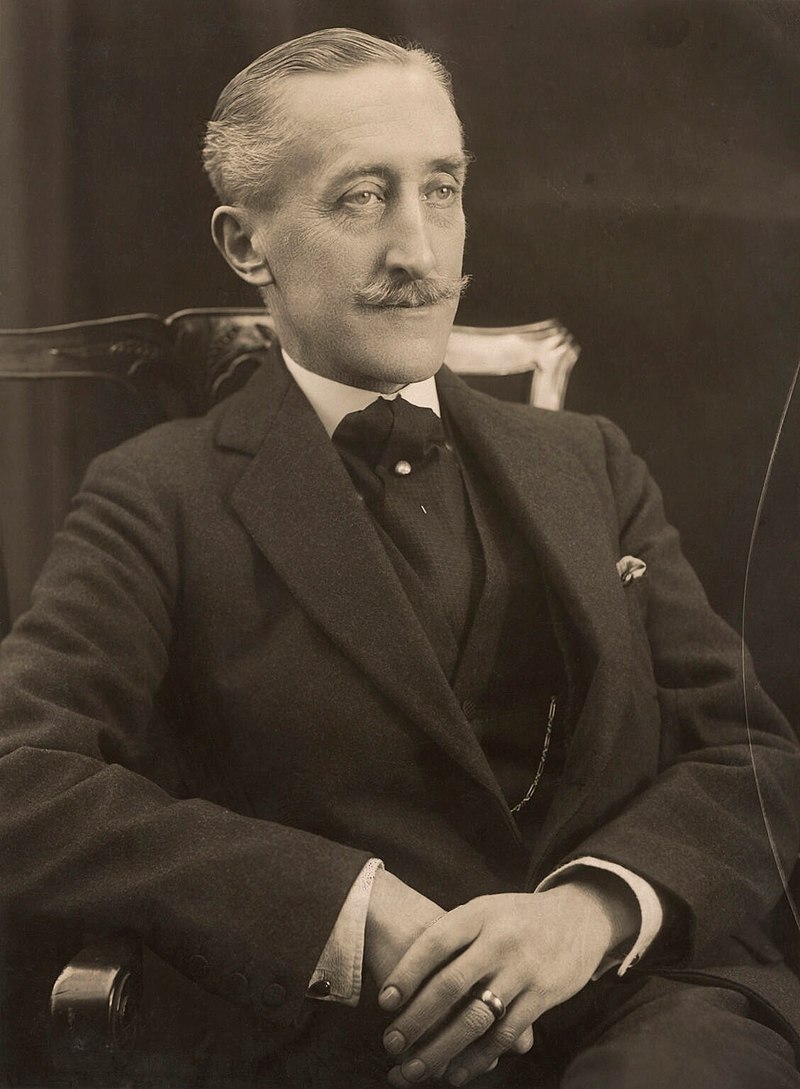
THE VICEROY OF INDIA LORD FREEMAN-THOMAS WILLINGDON APPROVED,
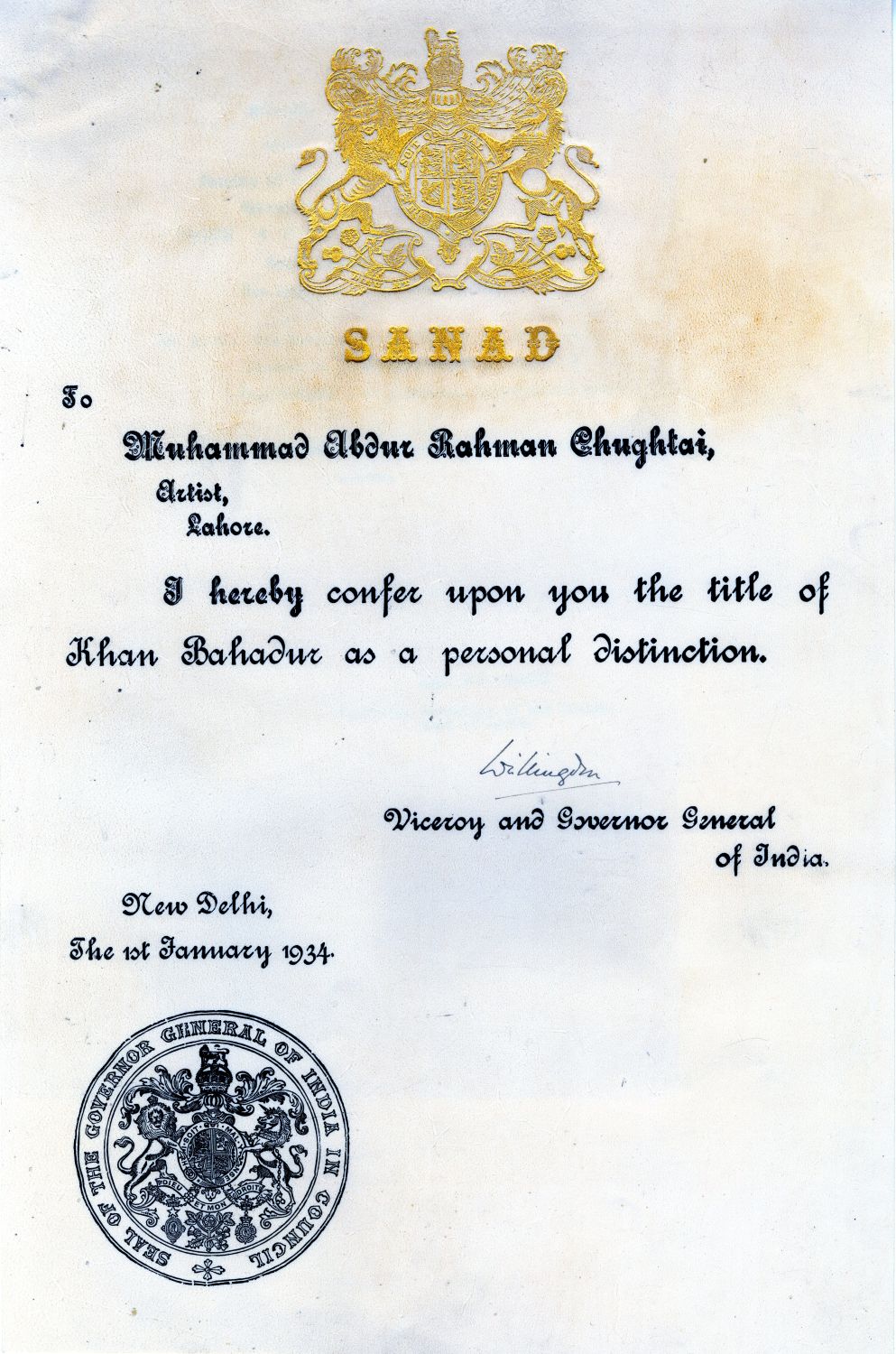
TITLE KHAN BAHADUR FOR MUHAMMED ABDUR RAHMAN CHUGHTAI ARTIST. 

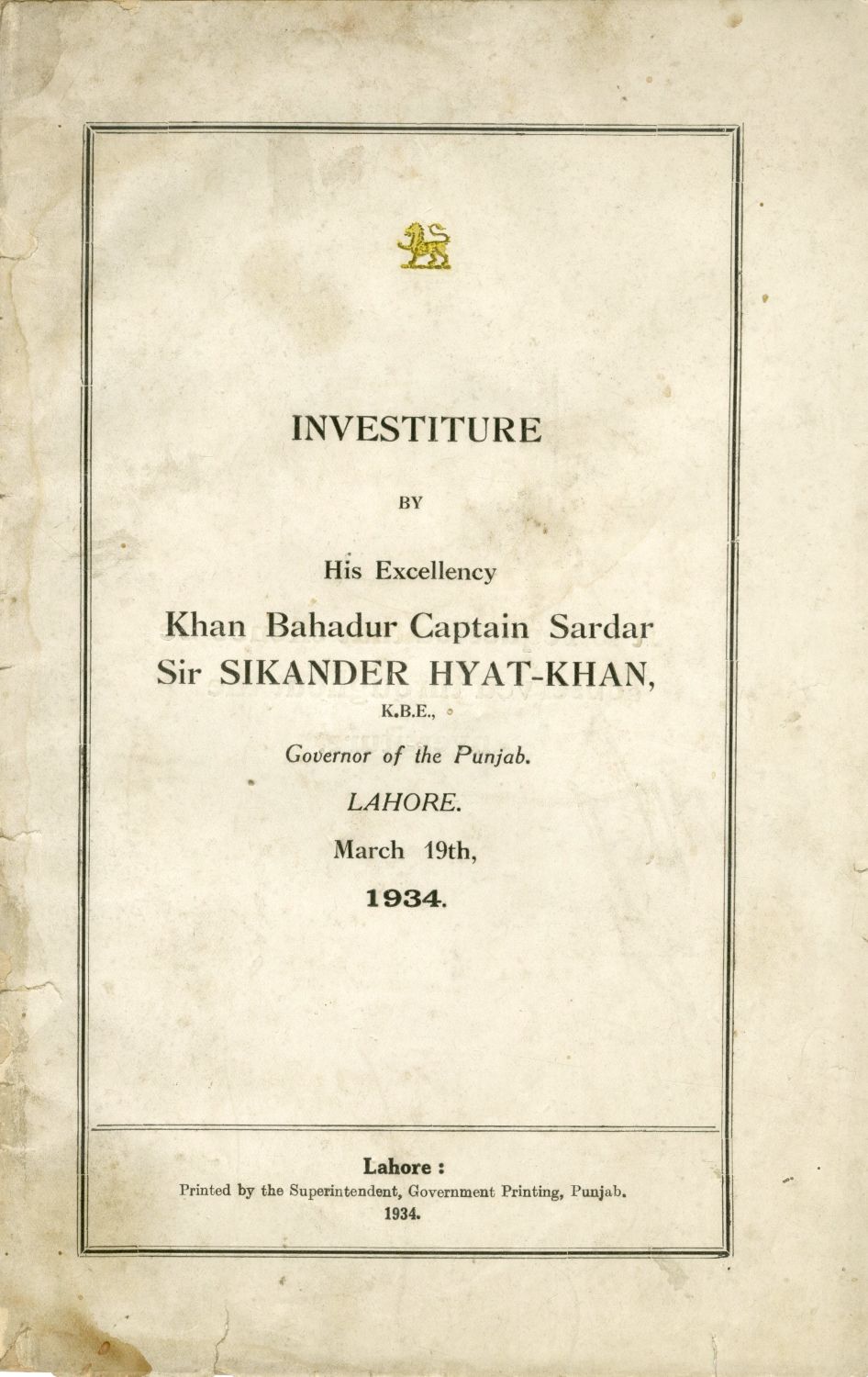
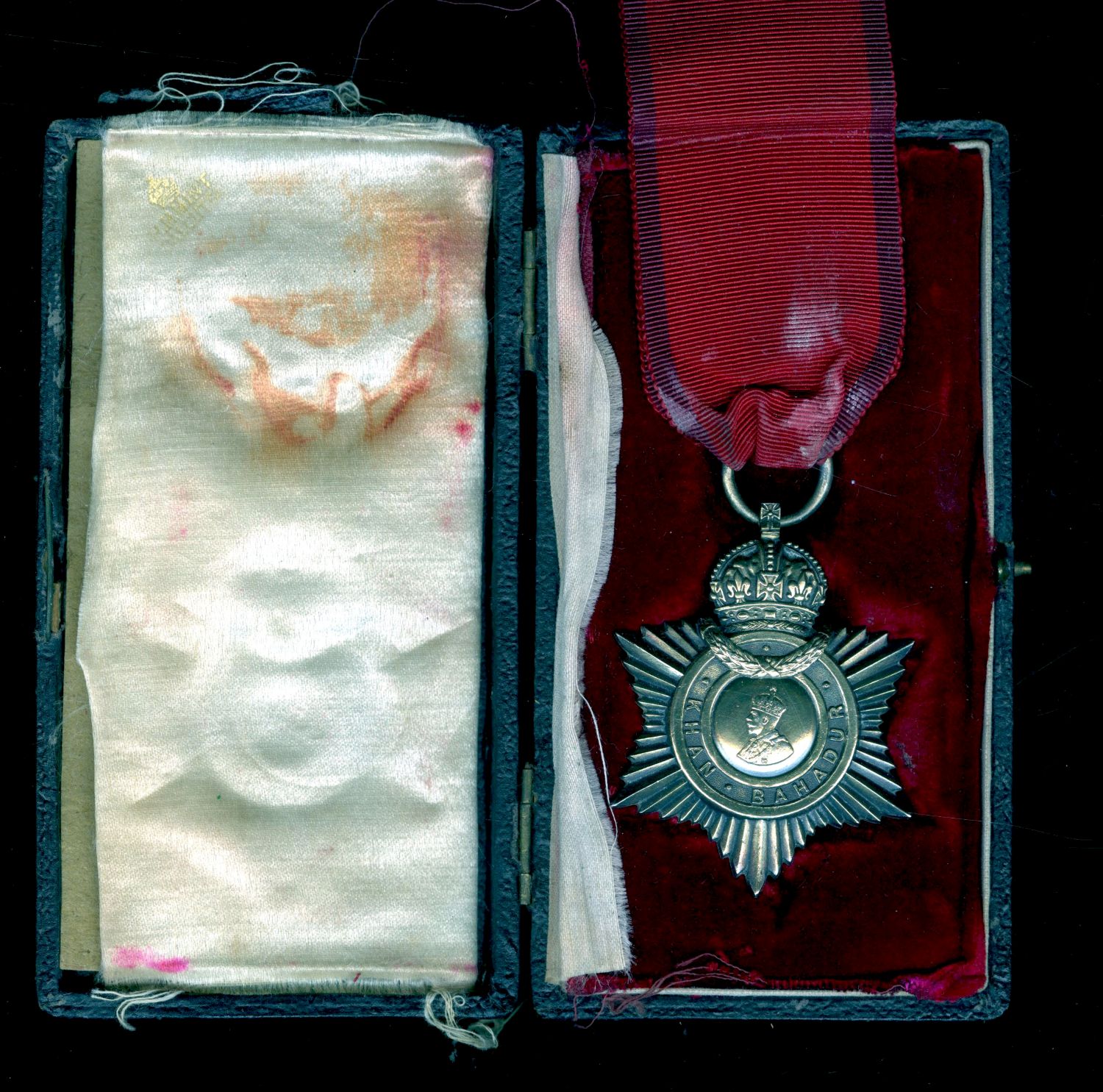
In undivided India the story of national recognition for M.A. Rahman Chughtai artist started much before 1934. People saw the titled file in the Civil Secretariat Lahore. A proposal for knighthood had been given, and it was rejected by the Hindu Member of nominating committee. with the remark that the title should not go to an artist who lives inside the walled city of Lahore, and is in poor circumstances. The man with great reputation of bigotry was none other than Sir Shadi Lal, the Chief Justice of Lahore High  Court. He was a member of the committee to approve these things.Three previous awards had gone to nominated Hindus for knighthood, like the Tagores, and the Administration desperately needed a Muslim artist to balance their decision.  Much debate took place, but the idea could not be rejected. The journalist Beverley Nichols mention of Chughtai as the greatest artist of India is recalled by all. British artists had already endorsed an award for the artist. A compromise was made with the highest national award substitute for knighthood. The result was that the Viceroy of India approved the award of Khan Bahadur, and it was only the FOURTH TITLE given to any artist in India. 

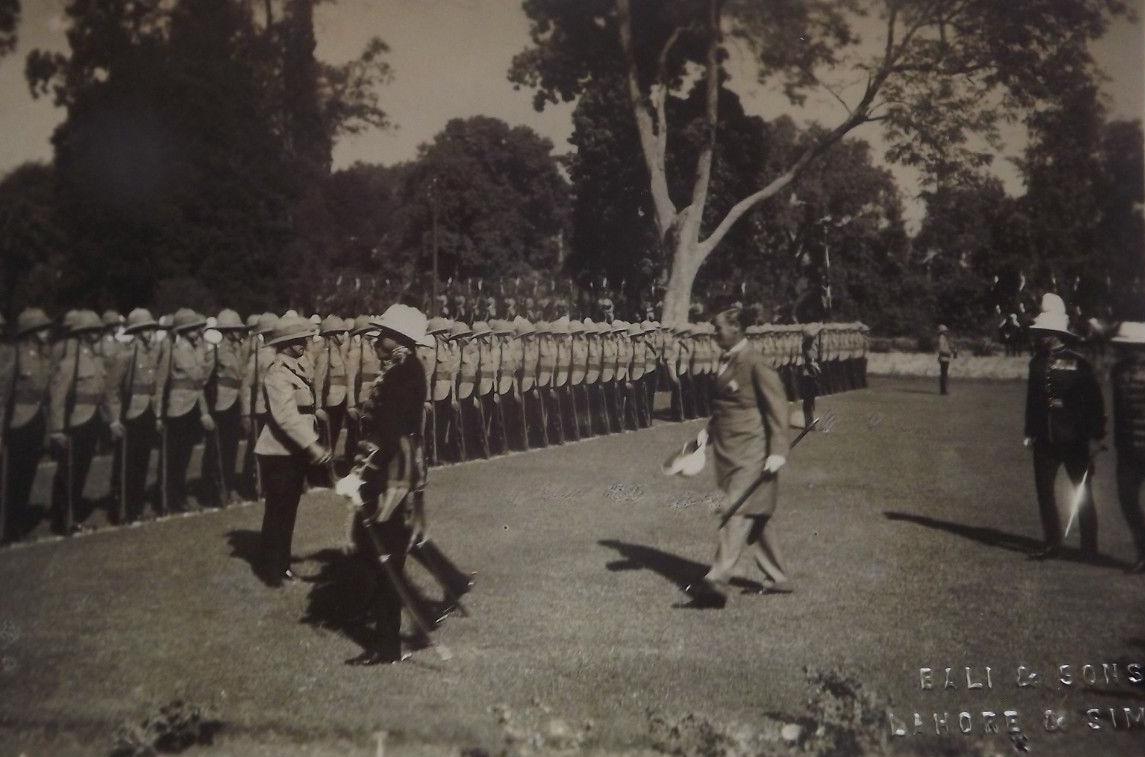
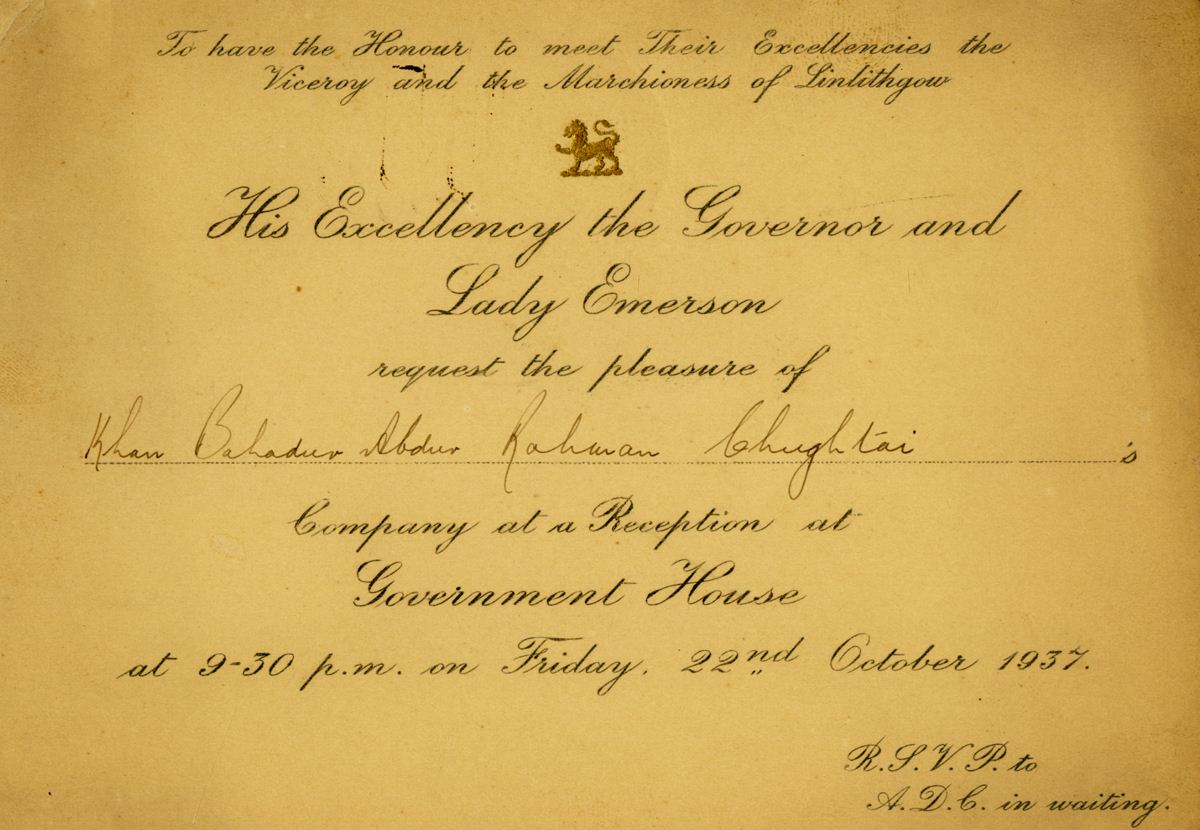
The ceremony at the Governor’s House Lahore was conducted by Sir Sikander Hyat Khan, then Governor of Punjab. He had also gone through the same process of Khan Bahadur and then knighthood. From then on the artist was considered an elite of Lahore and was invited to all major functions in the city. For example when the Viceroy of India came to Lahore, Lord Emerson invited M.A. Rahman Chughtai to the reception in Lahore. The artist was introduced to the Viceroy of India, Lord  Linlithgow. The VIP status of the artist was ensured for In all times.  Ahead was recognition in India at all levels. Even today the status of M.A. Rahman Chughtai is felt in Indian Art circles. The story of Pakistan is for another narration later on. 

THE FINAL RESTING (NOT) PLACE OF PRINCESS ZEBUNNISA; SO UPROOTED BY THE TYRANNICAL BRITISH ADMINISTRATION.

THE FINAL RESTING (NOT) PLACE OF PRINCESS ZEBUNNISA;
SO UPROOTED BY THE TYRANNICAL BRITISH ADMINISTRATION.

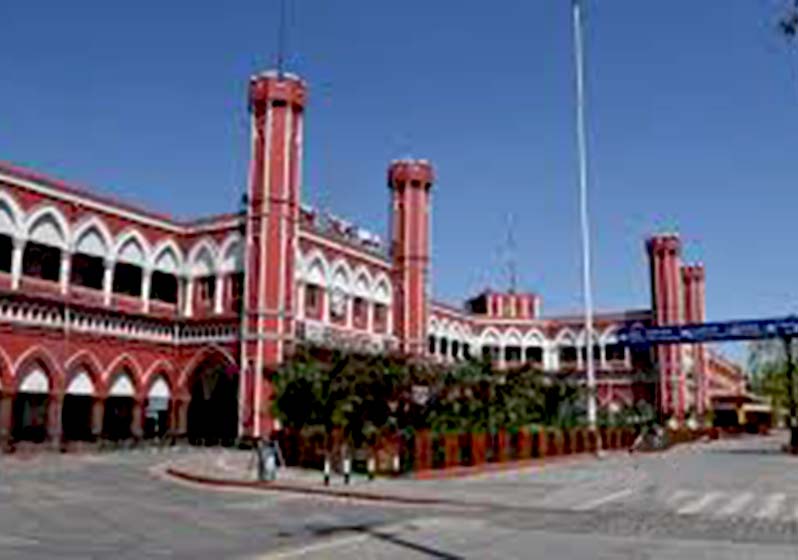
It was mid 1950s, the family landed at the Delhi Old Railway Station, and while luggage was being collected, I was running about the large main hall of the station. It was a huge railway station, painted in bold red, and with white arches all around. Little did I know that I was running on the lost grave of Princess Zebunnisa. It is a long time back, and the memory is still fresh in my mind. This ruthlessness was spread all over, till Lord Curzon rescued the monuments later on, and the British awakened to the concept of retaining past cultures.

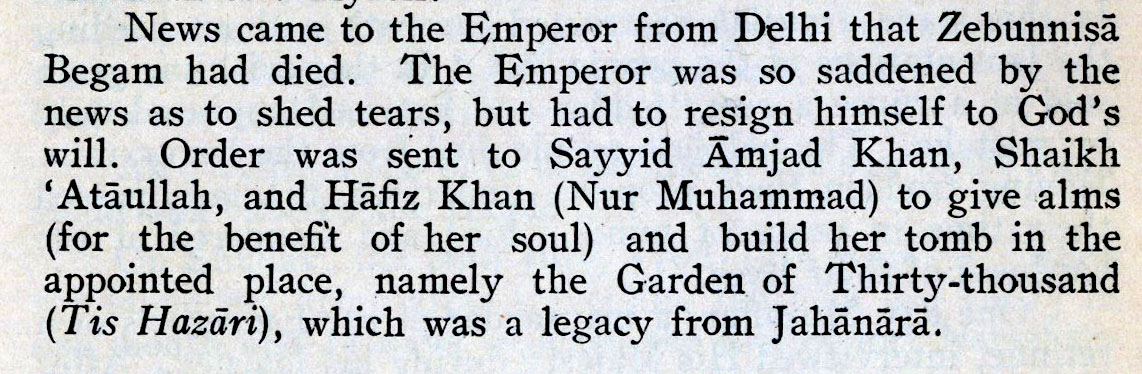
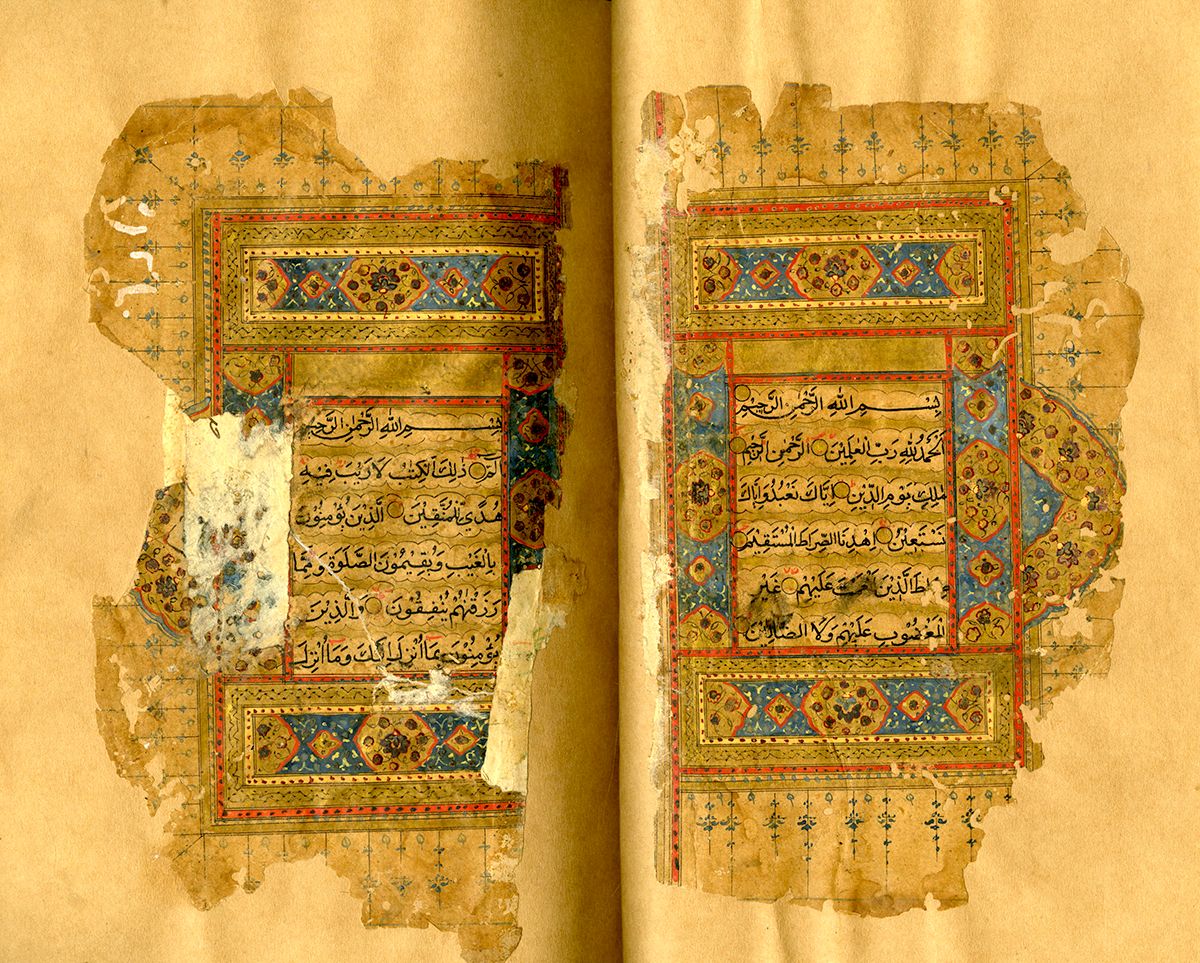
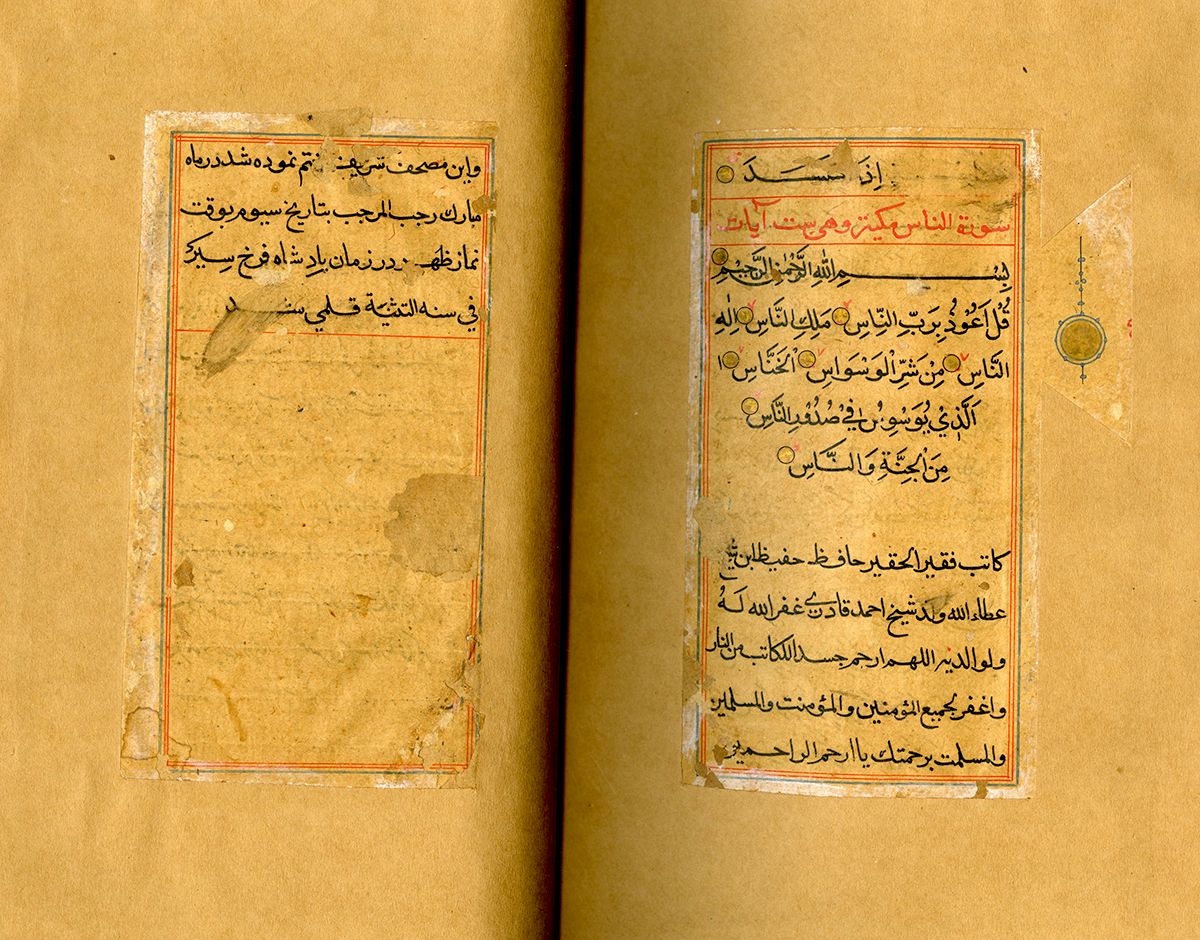
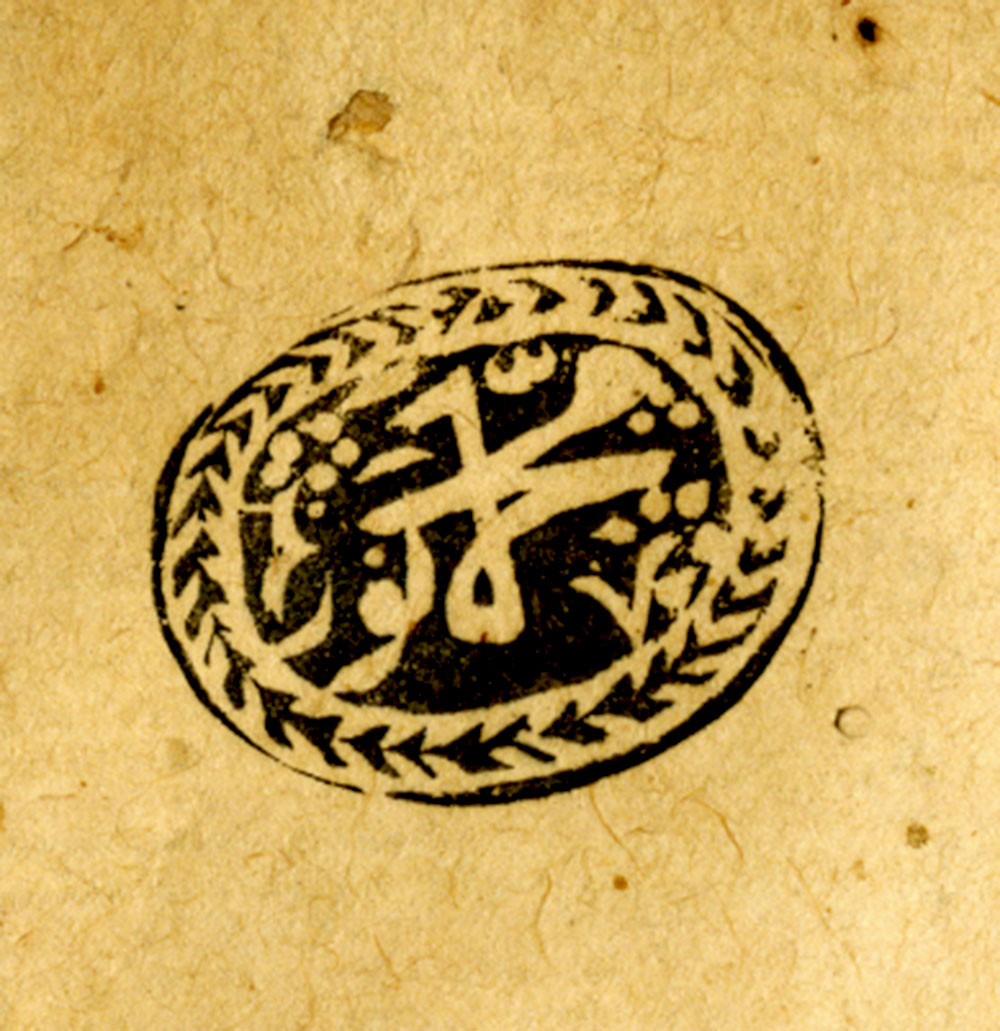
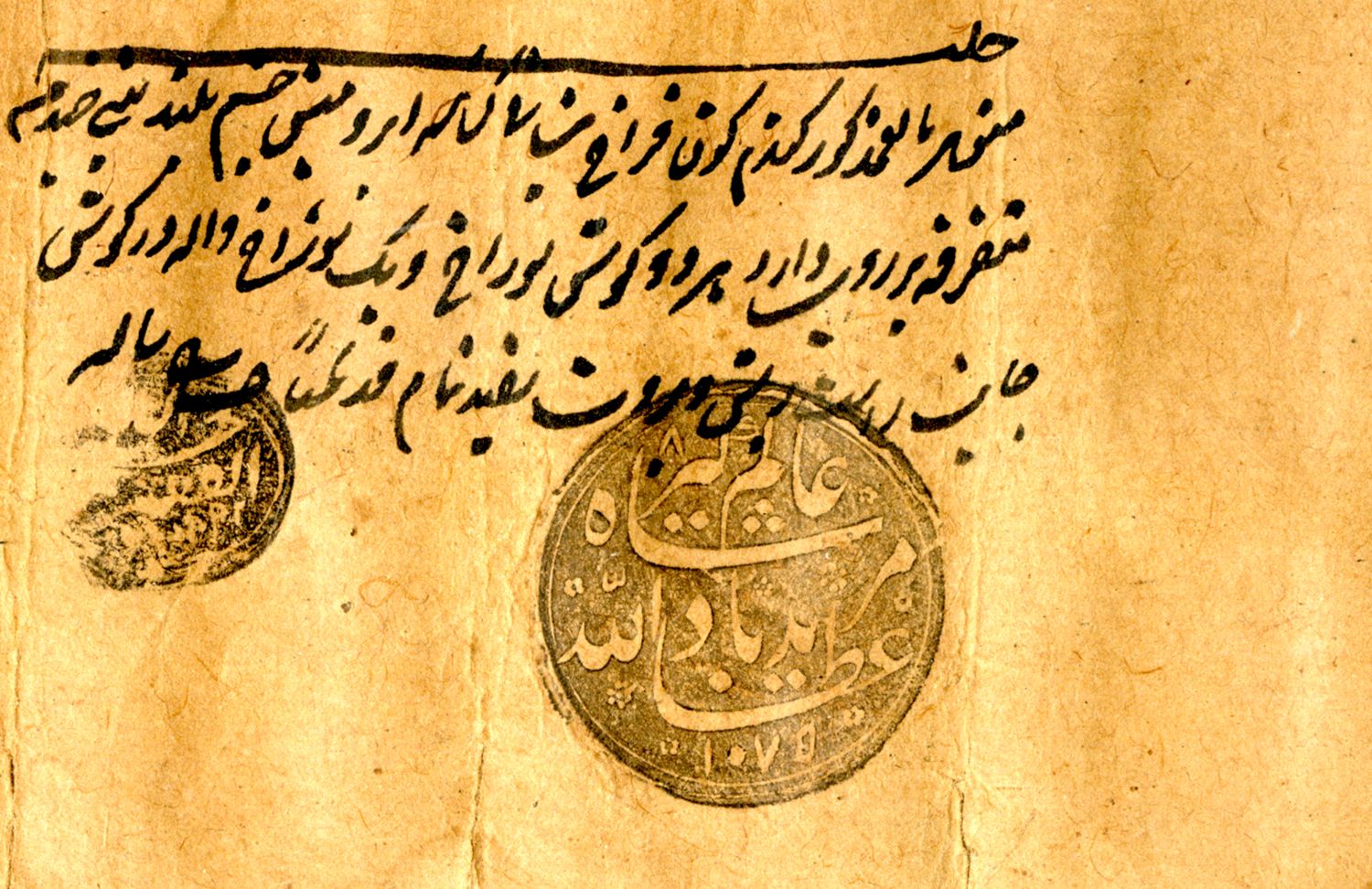
Princess Zebunnisa was the favourite daughter of Emperor Aurangzeb. When she completed the Holy Quran as Hafiz ul Quran, she was only seven years old. The Emperor had her weighed in gold. Relations were intact for years. Then the brother of Zebunnisa rebelled against his father, and she went on communicating with her beloved brother. Emperor Aurangzeb found out and had her freedom curtailed by assigning her in Salimgarh fort for a long time. Certainly it was not a prison but forced confinement, otherwise she was at liberty in doing most things. An intellectual Princess with books at her hand, what more she could ask. Till situation got better, and the rebellion of the son was crushed by the father. When the death of Princess Zebunnisa reached Aurangzeb, he literally wept, and ordered the building of her mausoleum in Tees Hazari garden in Delhi. Orders were given to three individuals, that meant Sayyid Amjad Khan, Attaullah Rushdi and his son Hafiz Hafeez, also known as Nur Muhammed Mimar. The official history Maaserai Alamgeeri records the order, and few historians have been able to decipher the order, for lack of identification of the three officials. The reason is simple: Attaullah son of Ustad Ahmad Mimar was a very old man by this time, and nobody knew who Hafiz Hafeez was in that context. The discovery of a Holy Quran written in the times of Emperor Farrukh Siyar cleared that. Double confirmation is that name and famous name, both are mentioned in official order, that is Hafiz Hafeez Urf Nur Muhammed.

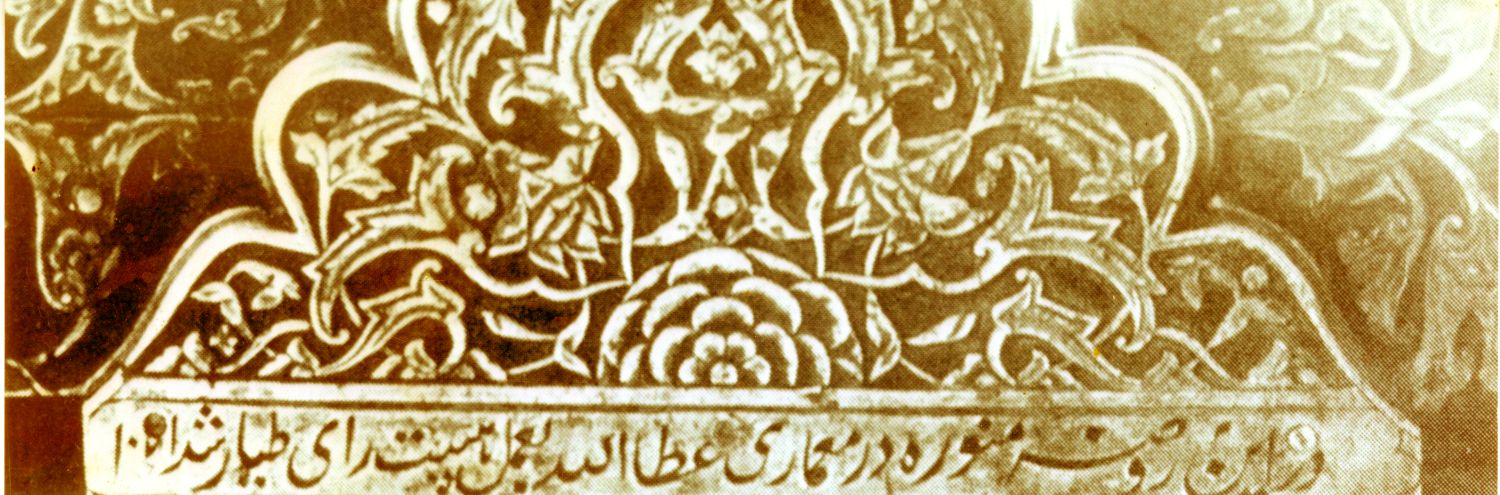
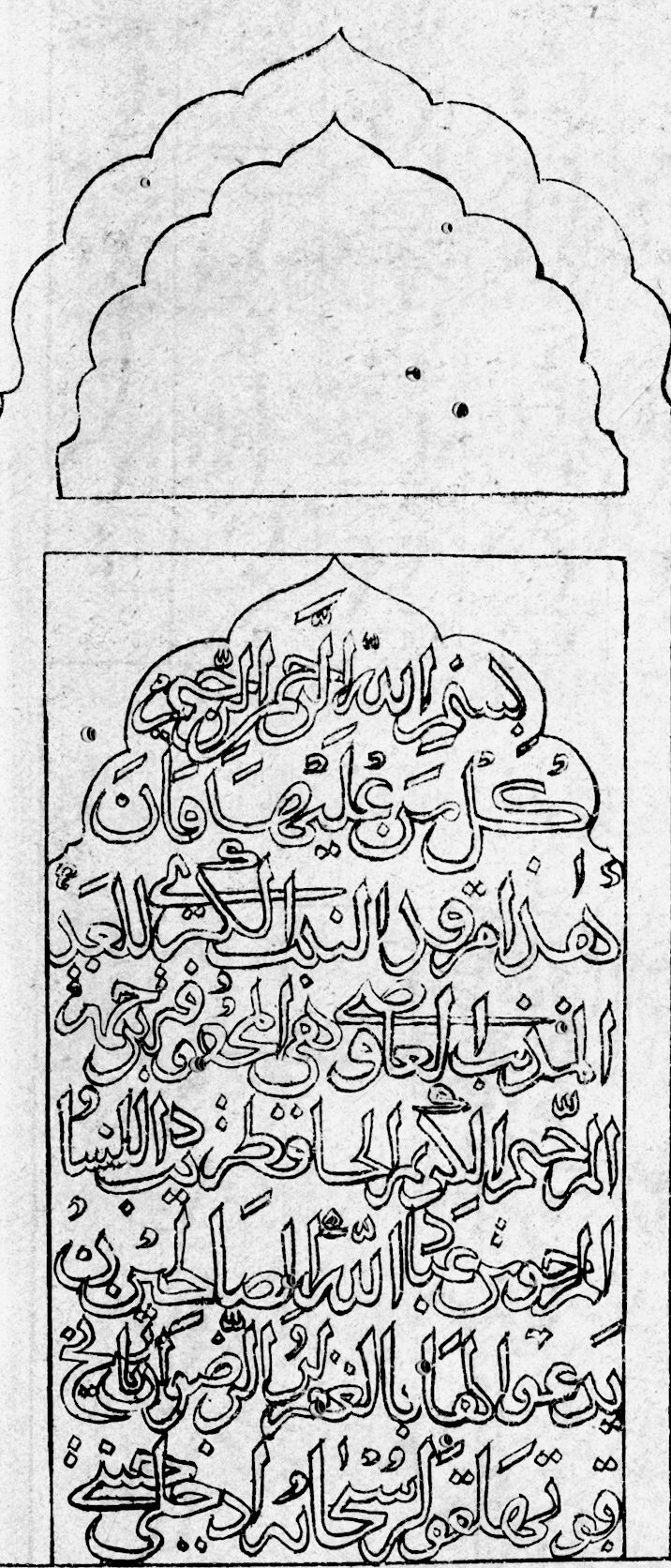
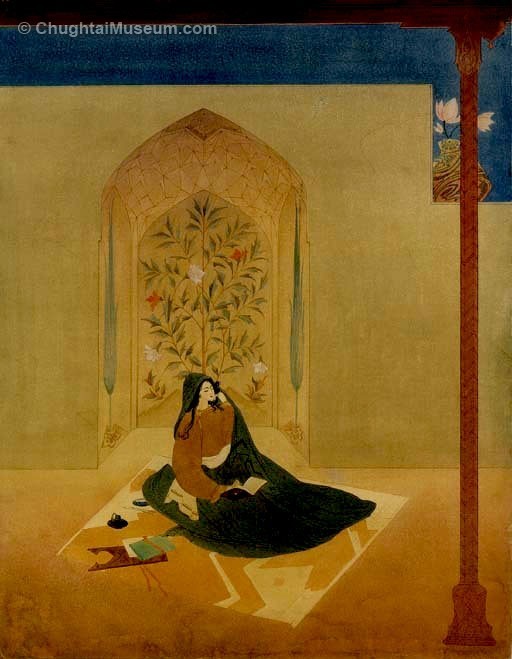
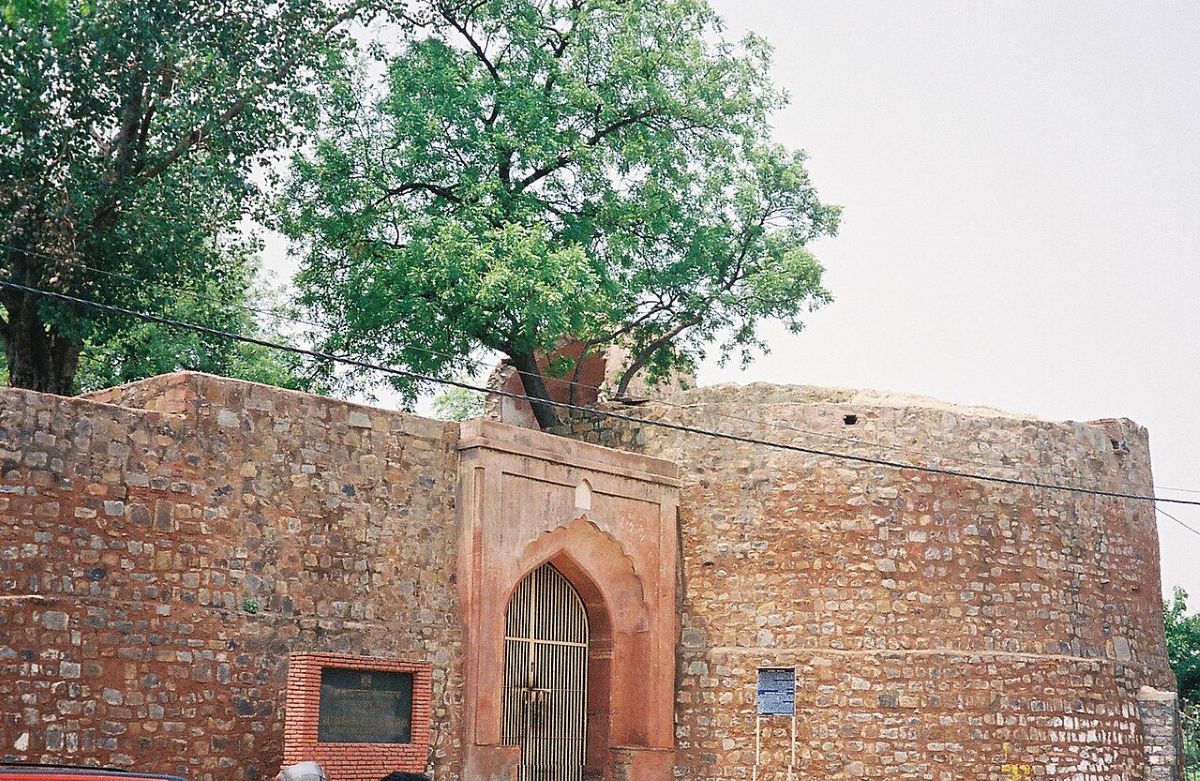
It must have been a beautiful monument in line with other monuments built by Attaullah Rushdi for Emperor Aurangzeb, like the Mausoleum of Rabia Durrani, wife of the Emperor, in the city of Aurangabad, where the name is mentioned on the gate sill of the monument itself. History records movement there of intellectuals and poets, who used to rest there for its peaceful environment. Everything was smooth till the British administration decided to build the Rajputana Railway Station of Delhi on the monument itself. This was done in 1867 and the beautiful monument was razed to the ground by bulldozers. Only the inscription of the grave was left and it is still housed there in the Fort Museum, Delhi. Sir Syed Ahmad Khan was the first to give an image of same. It is easy for us to include the same here, and no actual photograph is known to us.

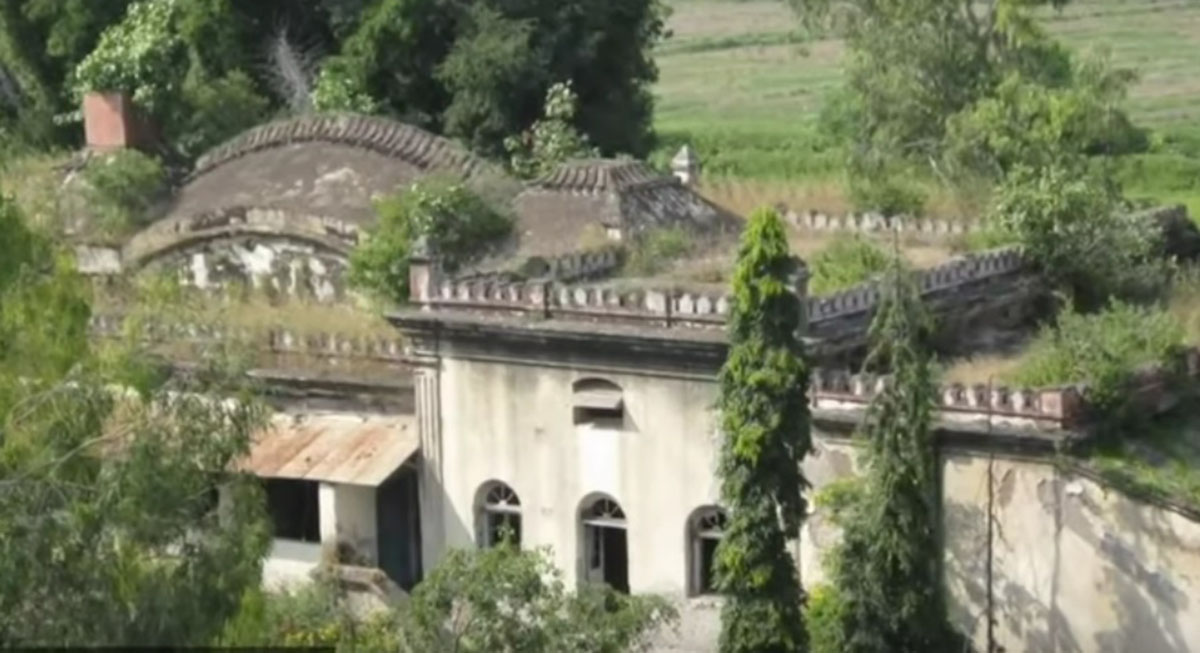
This should clear the fazed minds of the moronic writers who continue to stick to the fantasy of the Mausoleum of Princess Zebunnisa at Nawankot Lahore. Some stupid clerk made the mistake a long time back and the official circles are stuck with same, including writers like Muhammed Lateef.  The Mausoleum in Nawankot is not the resting place of any lady, it is the resting place of a man. Historians like Dr Abdullah Chaghatai have isolated the name of the person buried there as Haji Abdul Kareem son of Saint Abdullah Sultanpuri . Research is available in his book Imakan Lahore. But even otherwise the grandeur of the place raises speculation. Some truths are never uncovered or by some freak of a chance. Certainly the place has nothing to do with Princess Zebunnisa.

A number of references are known about this mausoleum. Mirza Sabukatageen in his Sehr Manazil clarifies same in clear cut way. The writer Beale says same again. Mentioned in Punjab notes and queries. But one interesting reference is Shamas Ulama Muhammmed Hussain Azad who mentions spending time in the mausoleum with his tutor Maulana Zauq and his own father. But one step further they even had a portion of BALA KHANA repaired at their expense, for it was so peaceful and serene there. Amazing reference of olden times. Maulana terms it as a beautiful structure. Now gone without trace.

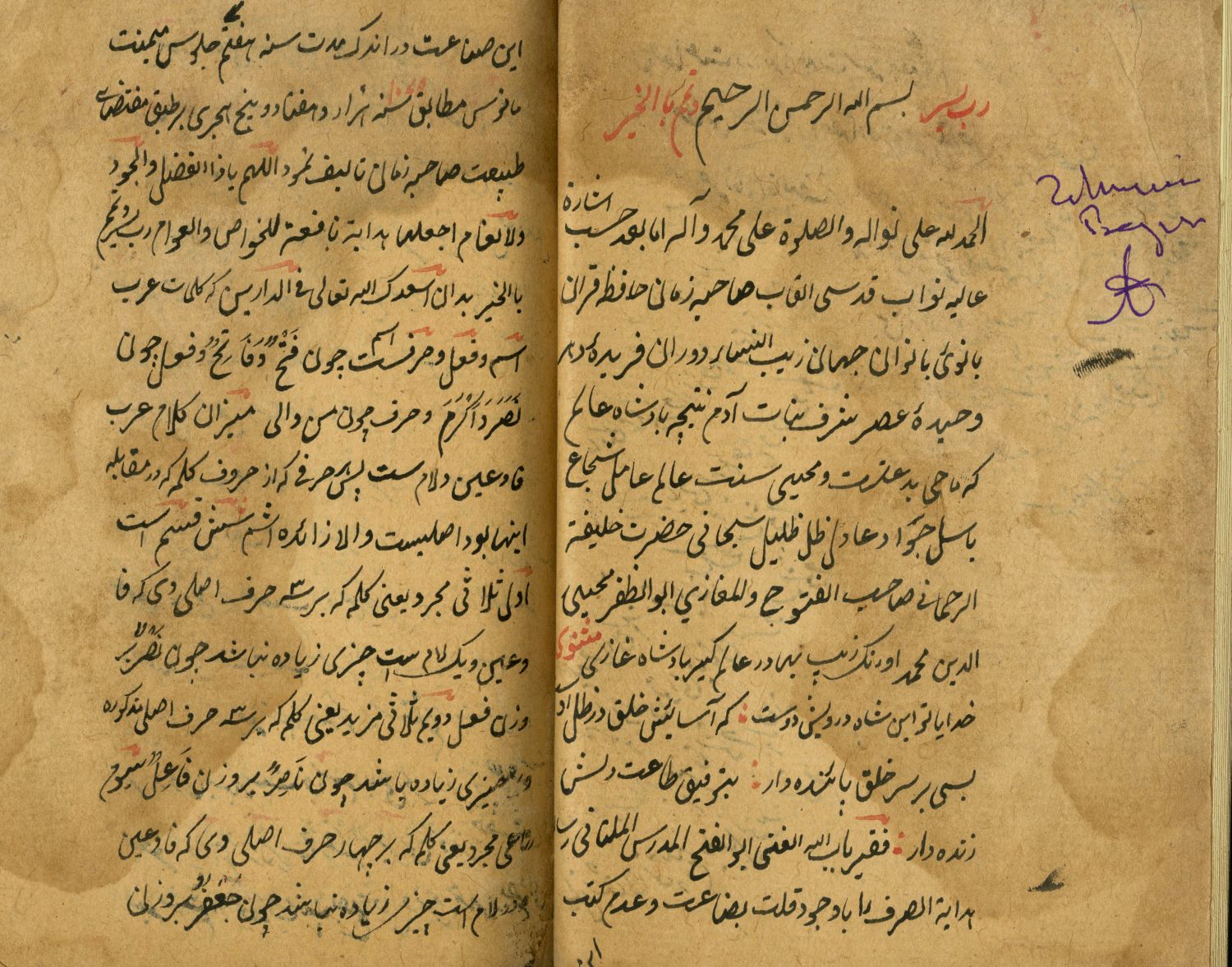
In Lahore we have a letter written by Zebunnisa in the Archives of Punjab Government. And various books in printed and manuscript form of scholars dedicating their literary efforts to Princess Zebunnisa. Abu Fatehs work image enclosed. And the remnants of her palace and garden at Aurangabad (known as Zenana Mahal), portion of which is now an Arts College these days. And ofcourse her hand written bayaz of poets with Chughtai Museum. But most of all her memory is ingrained in the hearts and souls of our people.

CONFUSION SURROUNDS PRINCESS ZEBUNNISA IN MOST WAYS; NEW DISCOVERY BECOMES PHENOMENAL BAYAZ OF ZEBUNNISA.

CONFUSION SURROUNDS PRINCESS ZEBUNNISA IN MOST WAYS;
NEW DISCOVERY BECOMES PHENOMENAL BAYAZ OF ZEBUNNISA.

It is strange that an iconic character like Princess Zebunisa, known to most people, should also include many references on which nothing can be said with full assertion. The so-called garden in Lahore is not hers, the Mausoleum in Lahore is not hers, the famous Diwan Makfi is also not hers. The doldrums of a segment of Indians to paint a nasty image of hers is absolutely wrong, as the accusations. We have already written a blog on her, which clarifies many things. It is time to talk of  phenomenal discovery of the centuries old lost Bayaz of Zebunnisa, which seems never got totally lost. History has to be retracted by now,

Legend and historical references assure us that Princess Zebunnisa was very fond of poetry and poets, and probably had one of the best libraries in the region. She was a woman of literary thoughts, and many men of letters dedicated their books in her name, and many of them still exist. For example her court supported Imamuddin Riazi, son of Lutufullah Ahmad Muhandis, and he was asked to write for her the ability to balance stanzas in poetry. That still exists in documentation form of manuscripts. A study of the Bayaz is required in depth.

The Bind
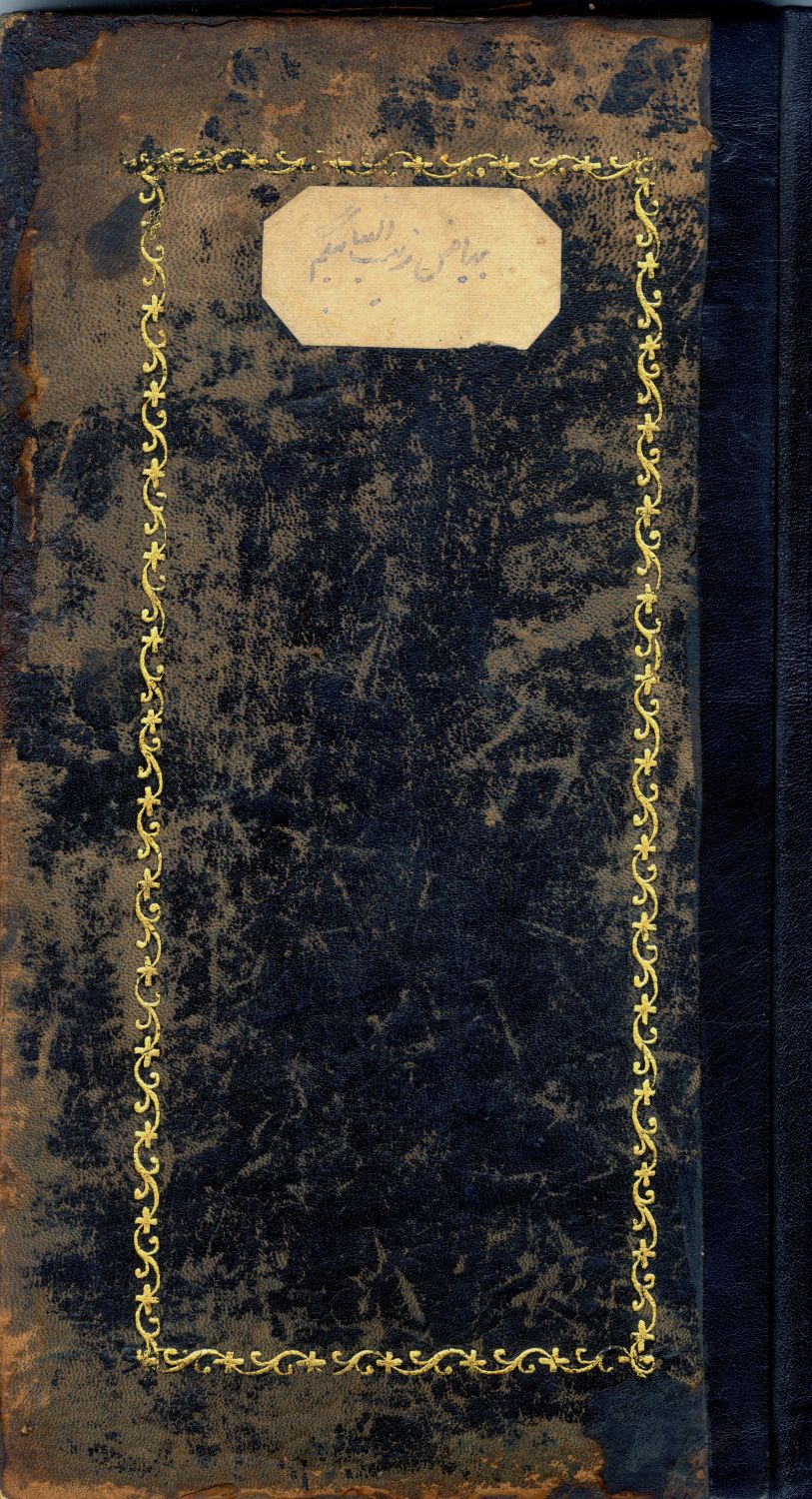
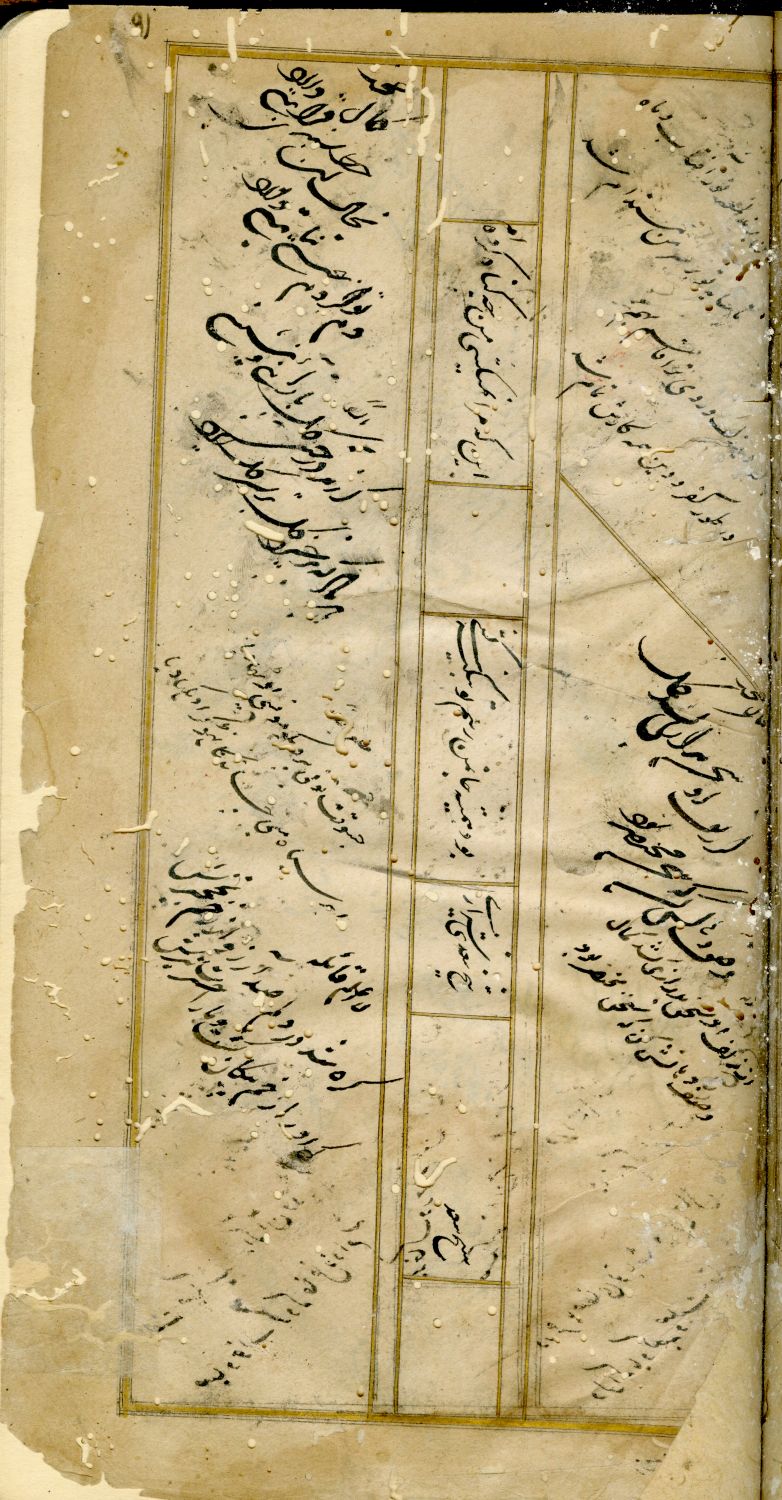
It is old but not of the time of Princess Zebunnisa. The Board inside the black leather is quite thick and hard, not the Mughal type. Gold bordered for importance. But bind made in relation to importance of manuscript.

The dates
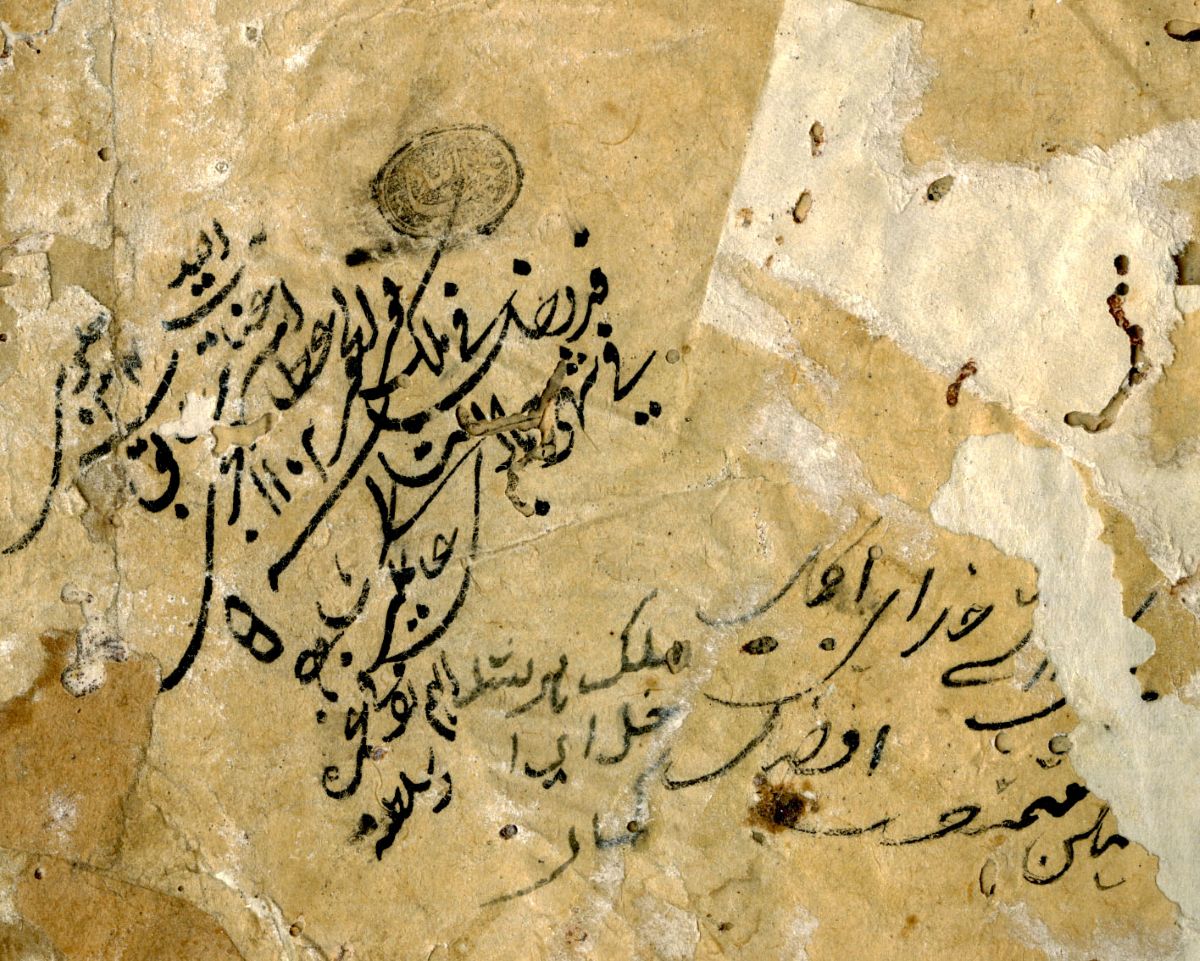
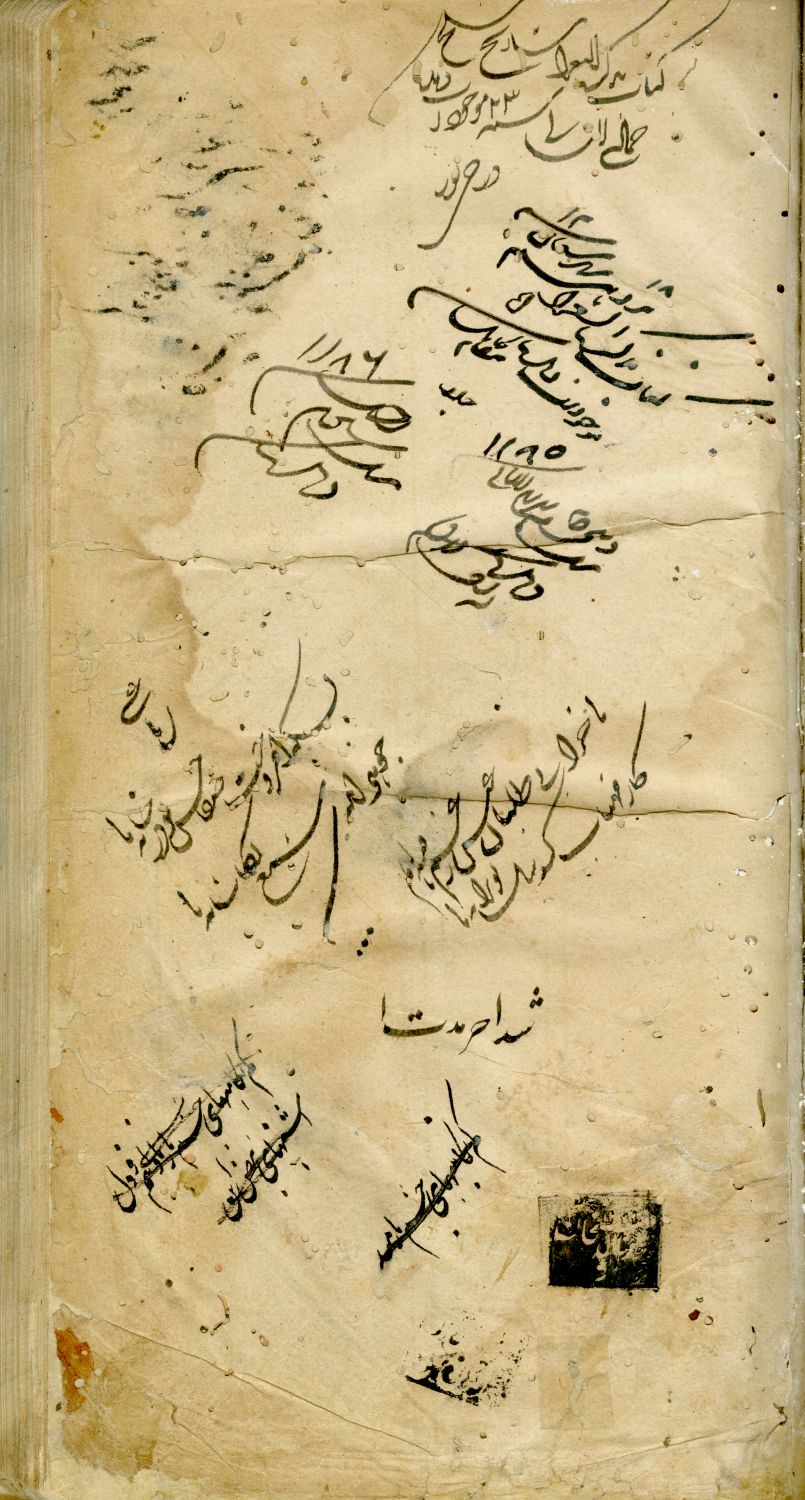
Many dates are on the front and last page. It starts from 1112 AH to 1123 AH to 1185 AH to 1186 AH.

The place
The location is shown as Kabul, very clearly.

The title
Shown as Kitab Tazkirah Shaura Zebunnisa.

The condition
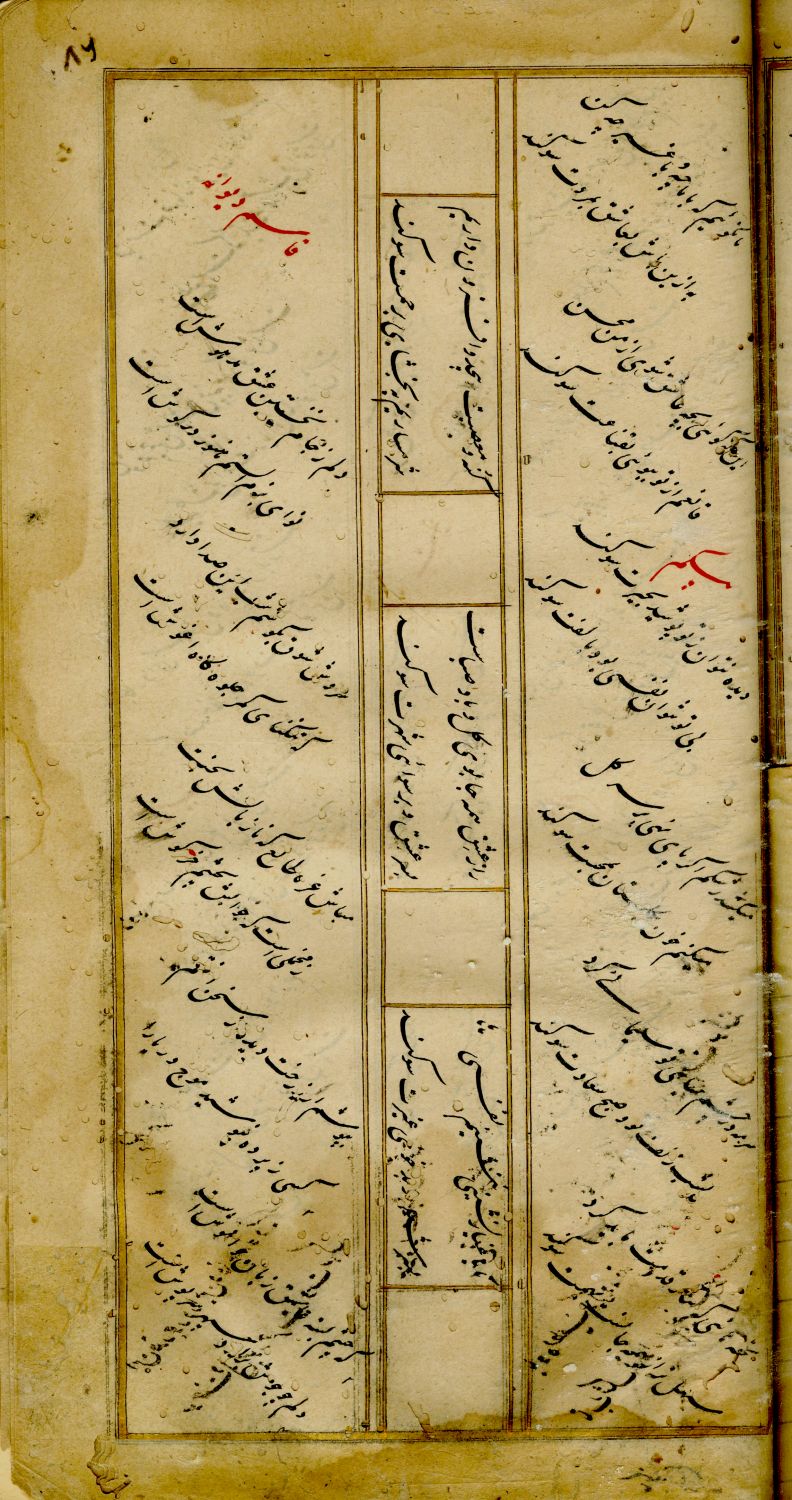
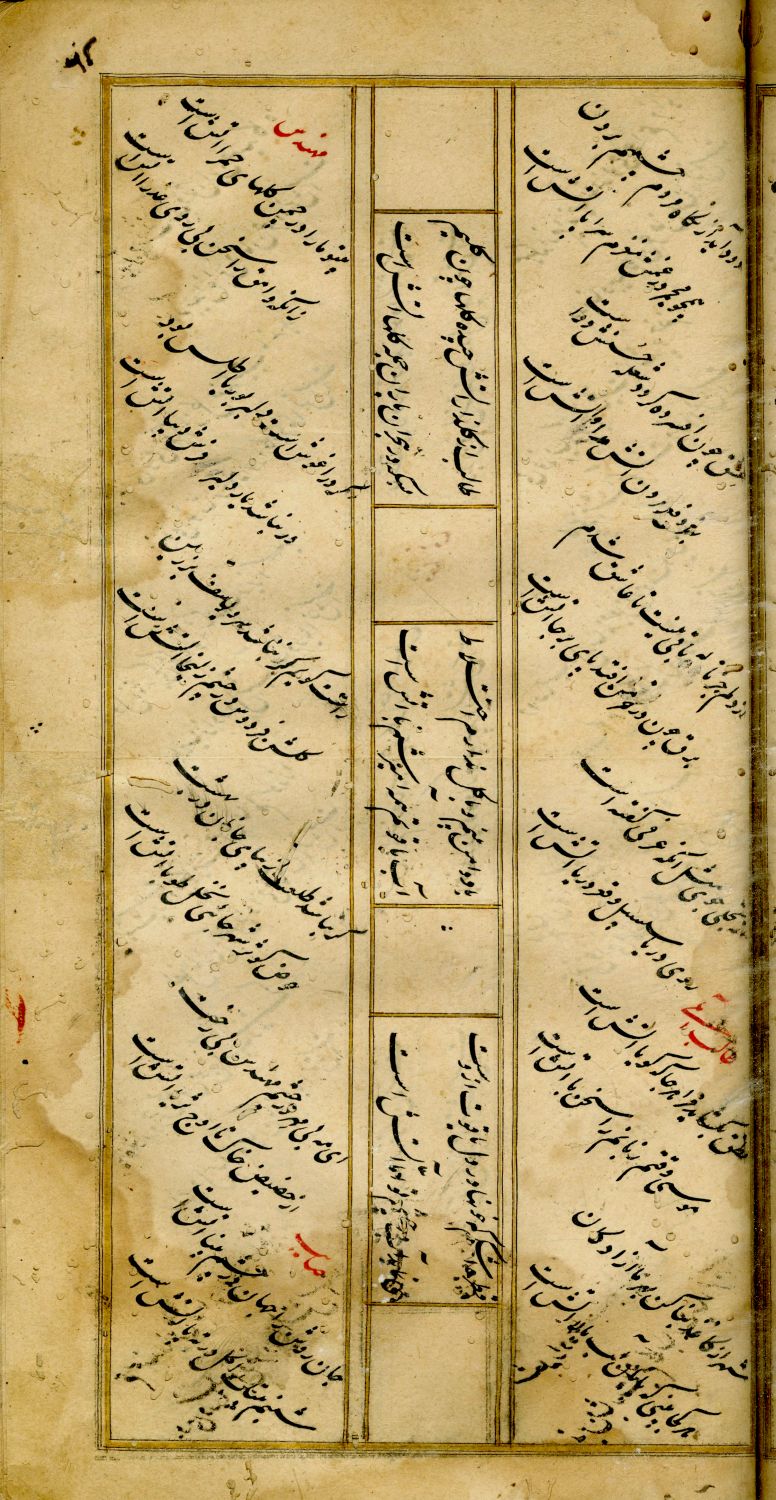
It is water drenched from all sides and full of small holes. But the holes are not of the type of termites. Very strange condition of manuscript. Ink spread at many places, more so of the red colour.

Contents
It has various verses totalling 500 with repetition of many poets. But still it is a long list.

Poets
Various poets of that period, including Begum, Tughra, Amir Khusro, Ghanimat, Sahib, Muhandis, Brahman, Faizi,Ghani Kashmeeri , Jalal Aseer, Shah Lutufullah, Ali Raza Tajali, Qasim Mashadi, Nasir Ali, Fani, Talib Qaleem, Hisari, Munir Lahori,. Khaki, Urfi, Baba Sinai, Mir Afzal Lahori, Nazeeri, and hundreds of others. 
However the list includes some of the rarest poets ever found in a Tazkirah of this kind. It is not the usual kind of compilation.

The Calligraphy
Most exquisite calligraphy with the hands of an accomplished calligrapher. In our view the calligrapher is Princess Zebunnisa herself.

The Inscriptions
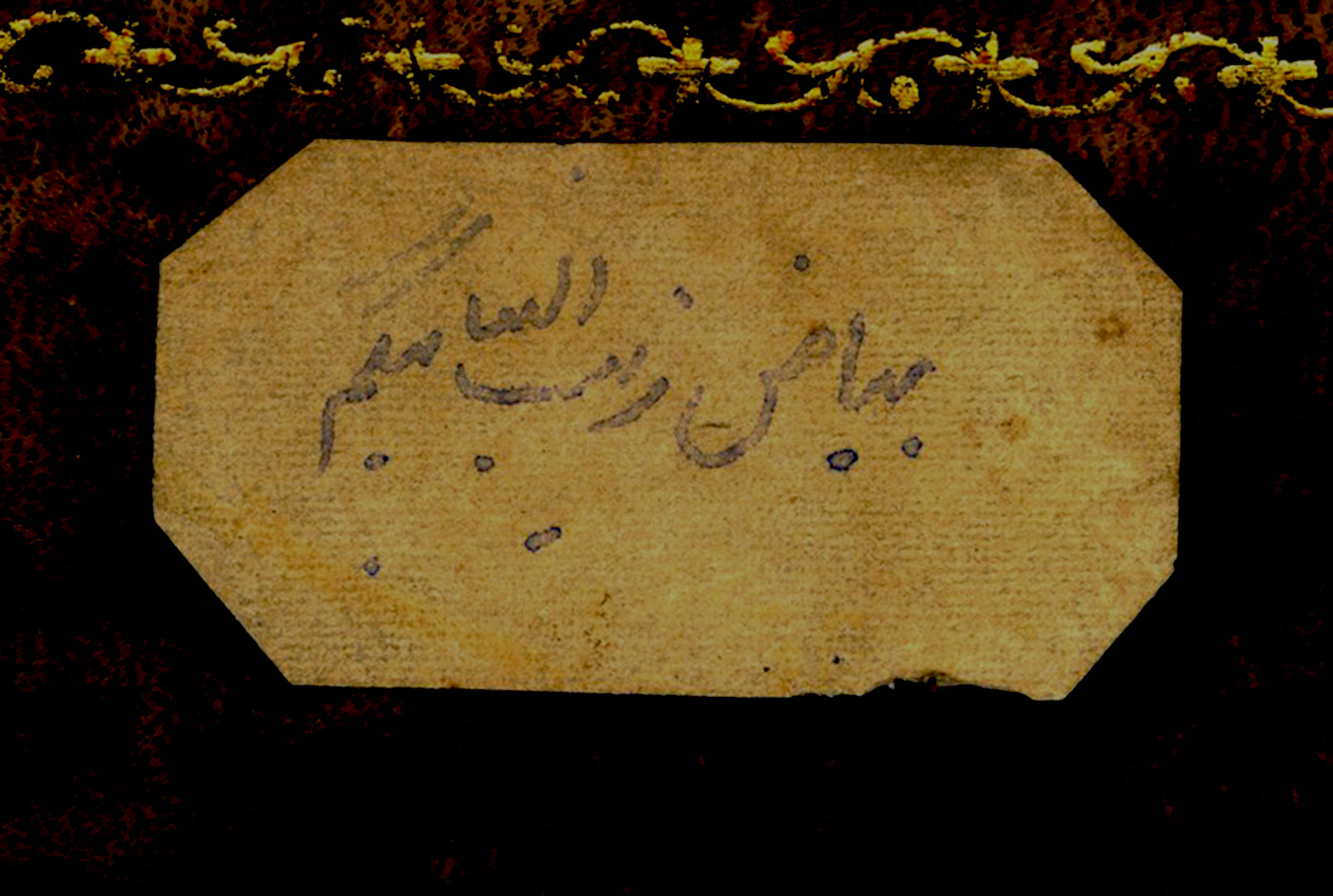
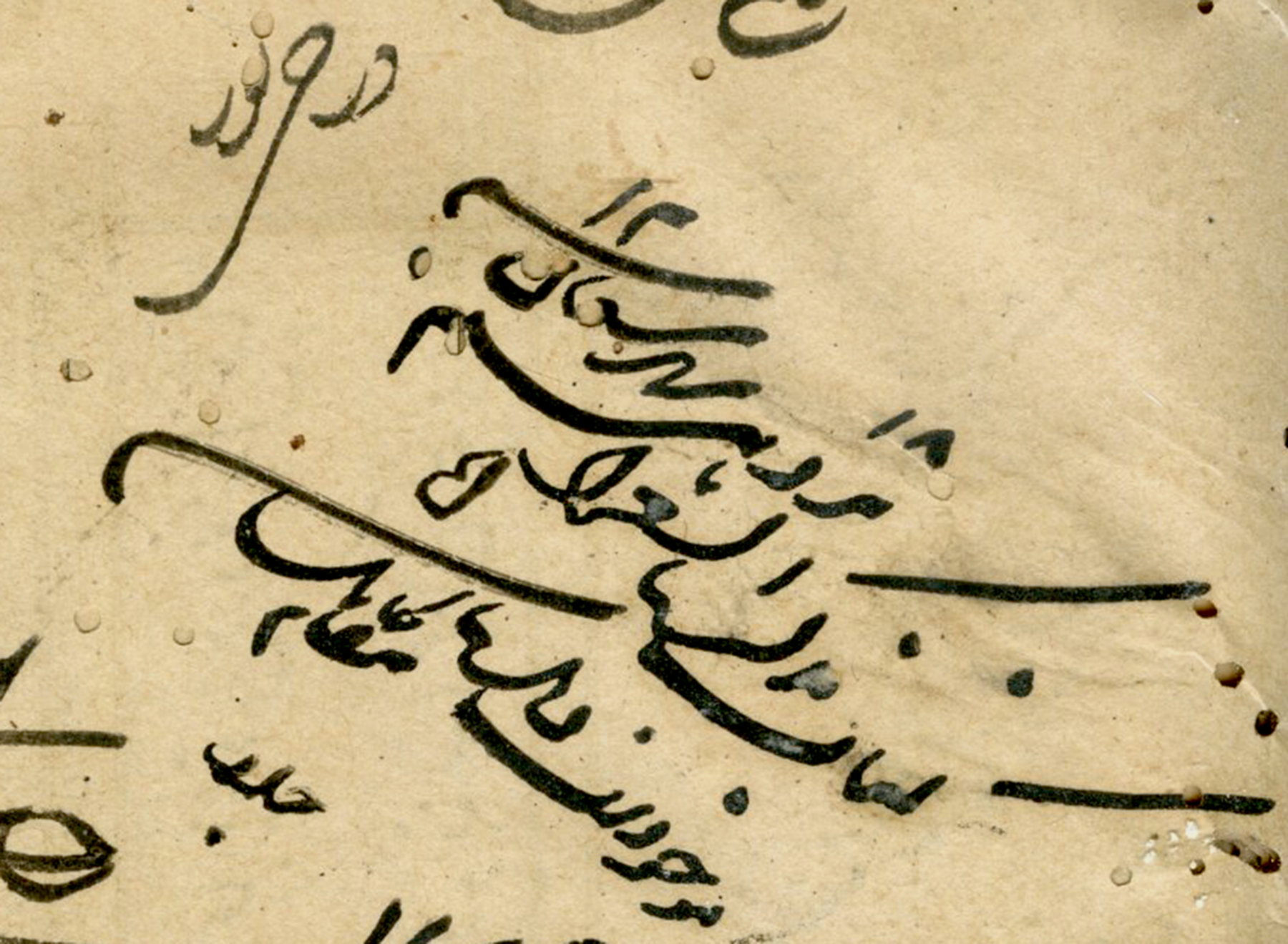
Obviously a small pasting on the bind says it is Bayaz Zebunnisa Begum, but is there proof inside too. The earliest inscription says:
KITAB TAZKIRAH SHAURA 18TH SHABAN, 1112 HIJRI, MOAKAR ZEBUNNISA MUKAM KABUL.

Translated as:
BOOK COMPENDIUM OF POETS 18TH SHABAN, 1112 HIJRI, OVERDUE ZEBUNNISA PLACE KABUL.

It must be kept in mind that Princess Zebunnisa died in Delhi in 1114 AH, and was buried in the Tees Hazar garden of Jahan Ara. Princess Zebunnisa was certainly alive in 1112 AH, and who brought the Manuscript to Kabul. She herself or someone else.

Kabul was an important gateway for the Mughals. Governors ruled the place on behalf of Emperor Aurangzeb. Governor Amir Khan ruled that place till 1698 AD. The manuscript’s earliest date is 1700 AD. Princess Zebunnisa was alive at that time. She died in 1702 AD. The passage, in Delhi of the Bayaz from Aurangabad to Delhi to Kabul can only be imagined so far. Aurangzeb died in 1120 Hijri, or six years after his daughter’s death.

Postscript 
At times things are amazing. Around 24th September, 2025, the amazing things happened.  I woke up half asleep or awoke, really could not judge. Near the window with a Bayaz in her hands, Princess Zebunnisa sat on a bed looking out of the window. Sideways to me. She wore a pajama type of Mughal dress with a waist coat in half. She was not very fair, more brownish but with her presence I shuddered and awed at her presence. Did my research and presence moved her out of her dimension? A Hafizul Qur’an at age of seven years and with a tafseer to credit. Inspired by her aunt Jahan Ara. A literary figure in many ways. As a student of the Quran, she talks even of astronomy and ALIENS (will write later). As a lover of aesthetics, poets praise the Aineh Mahal of her movable TENT. She is many times blessed. Bigoted Hindus painted a blasphemous image  of the purest soul of our history.