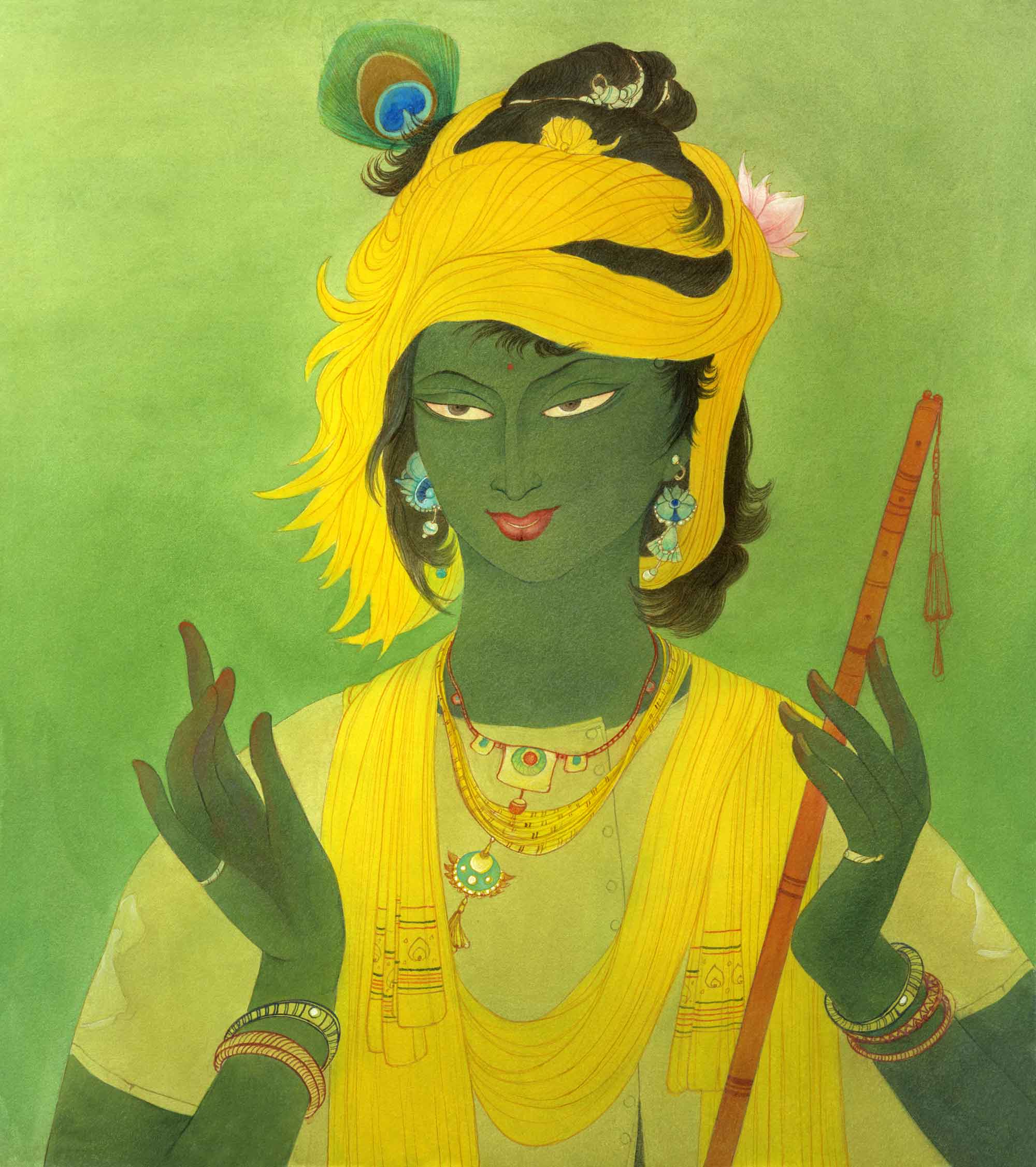
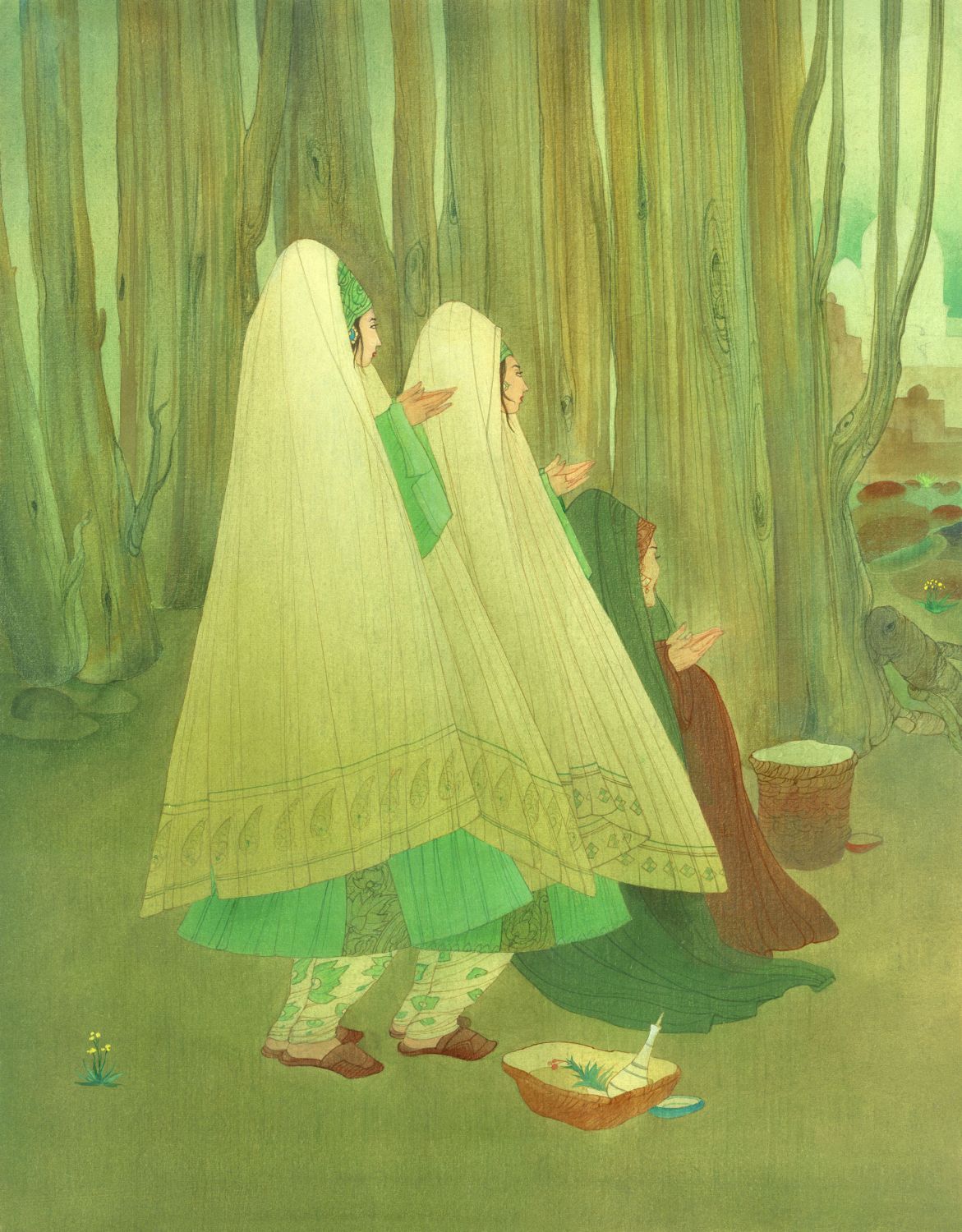
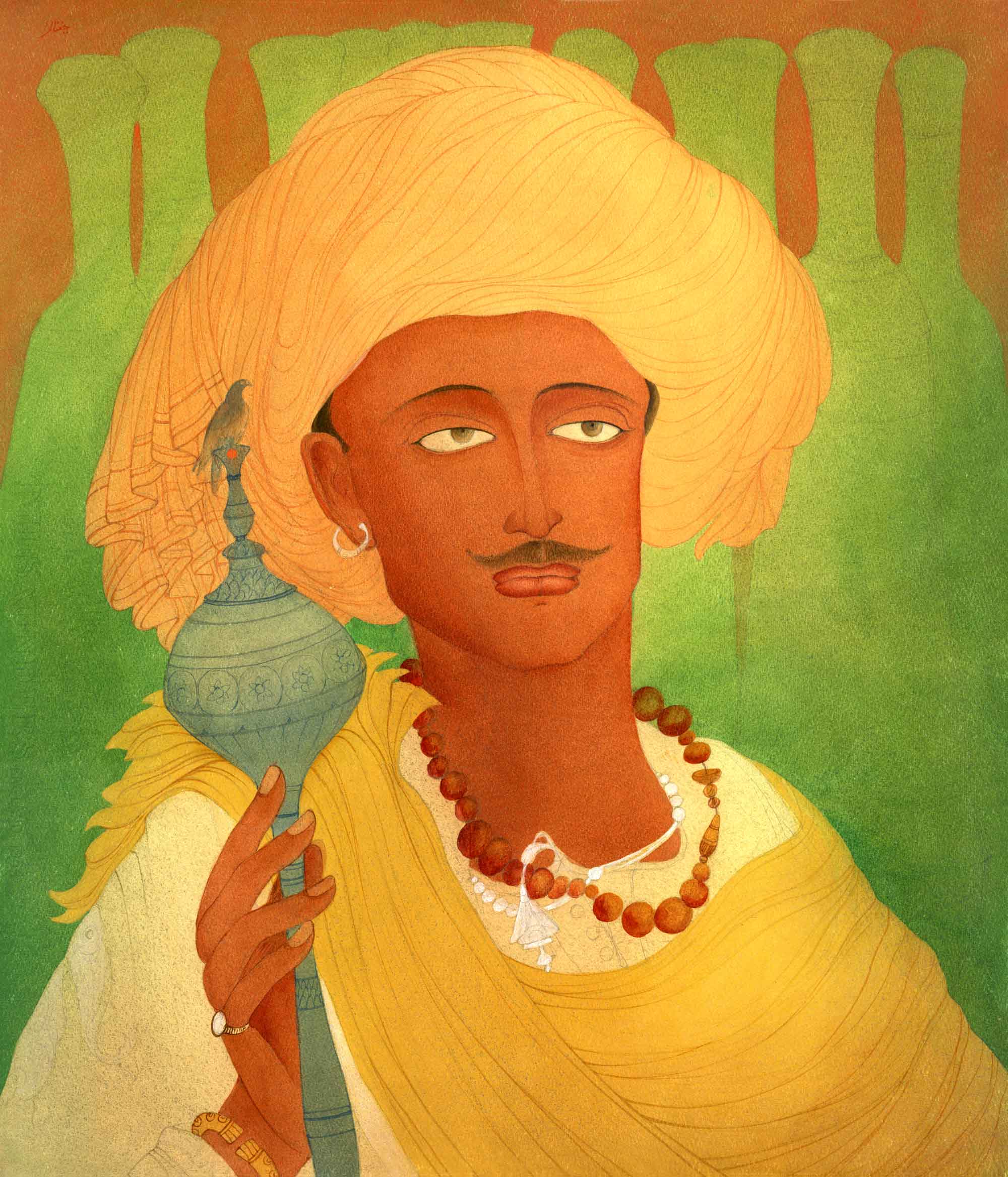
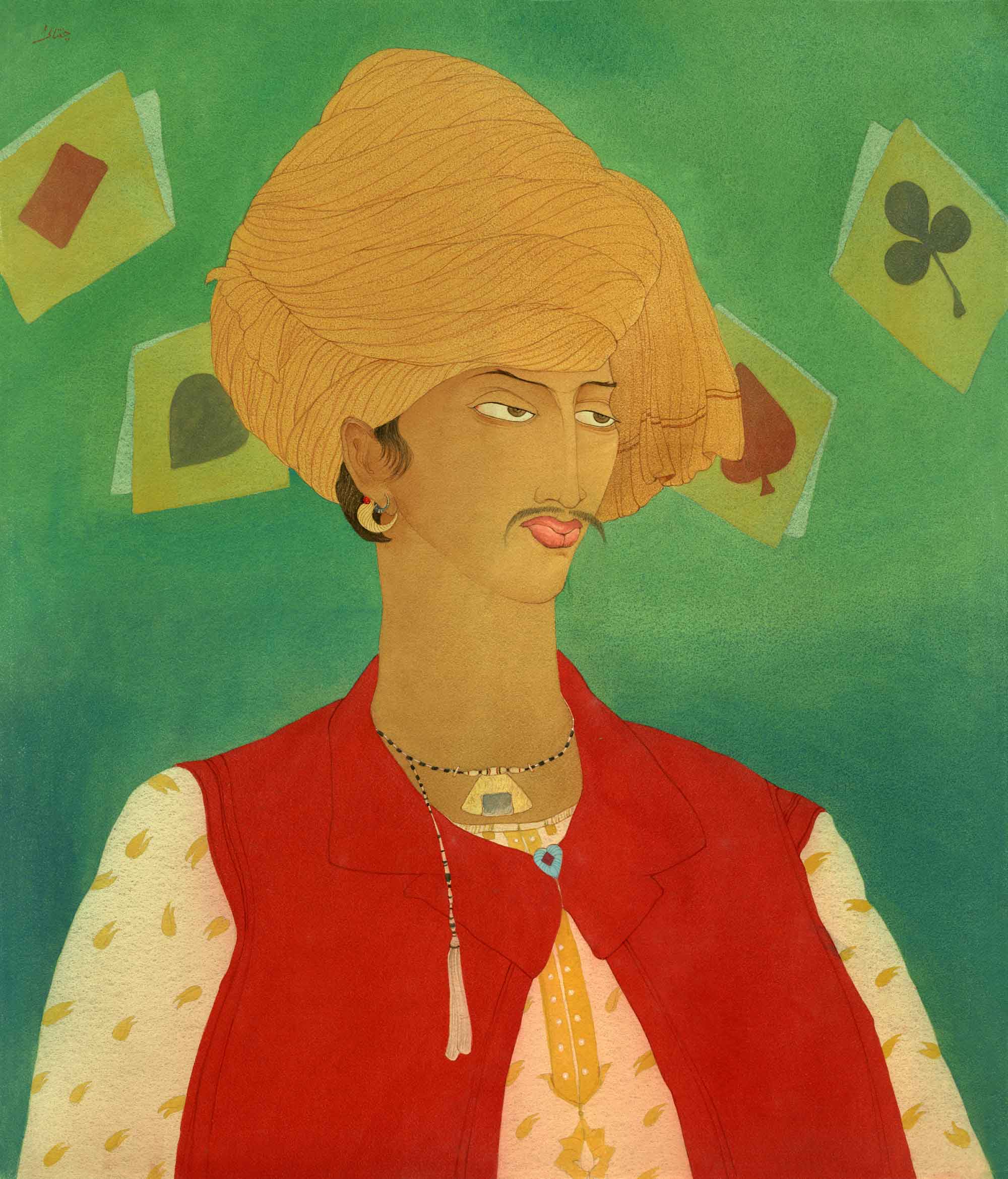
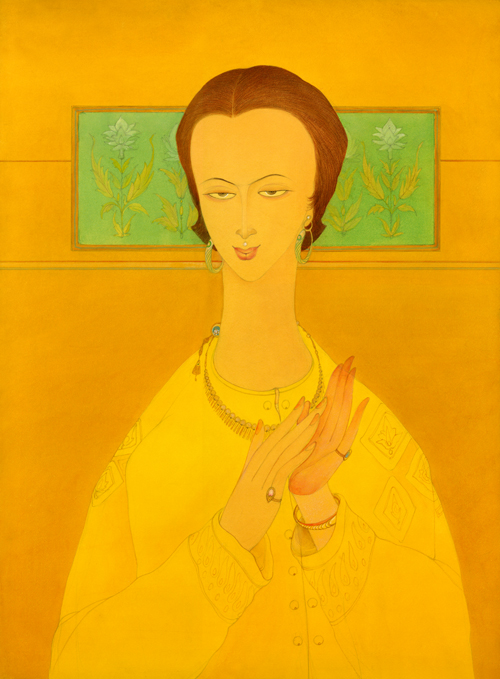
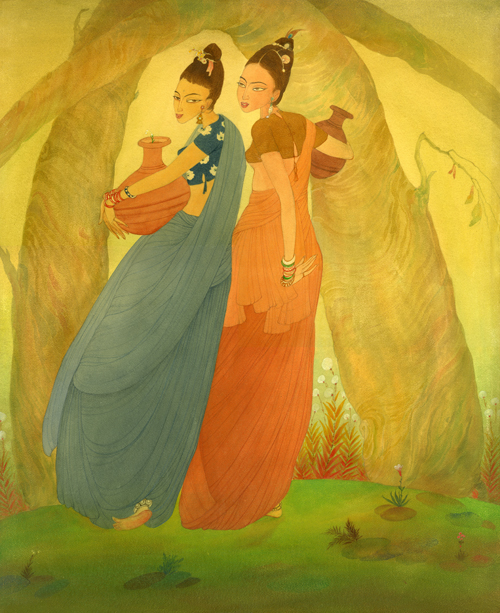
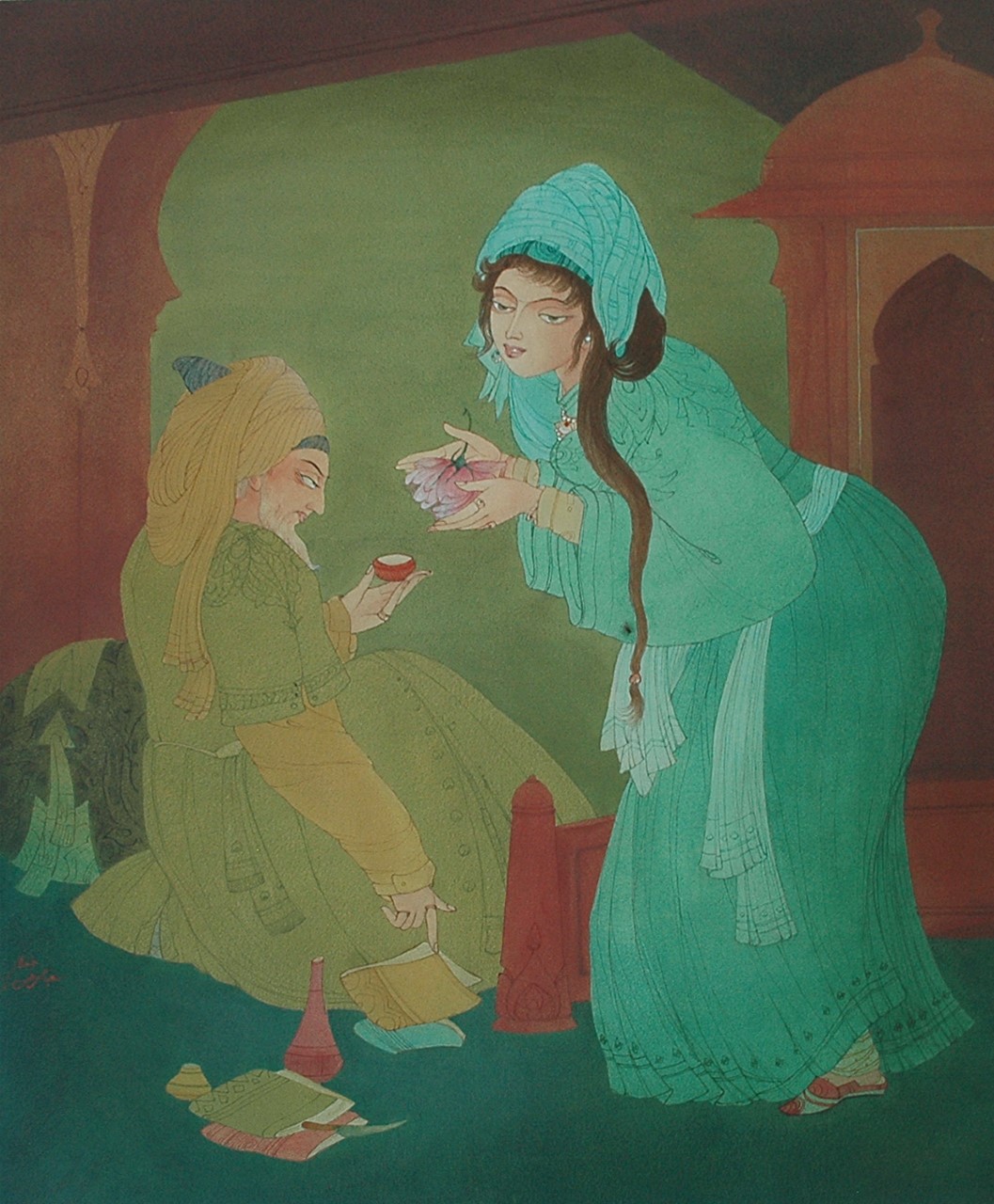
VISION OF M.A. RAHMAN CHUGHTAI ENRICHING PAKISTAN, WITH NEWER AESTHETICS TO ENLIGHTEN THE LOST FLAME – OF ISLAMIC AESTHETICS, THROUGH THE FORMATION OF – A MUSEUM IN LAHORE AS STEPPING STONE TOMORROW.

VISION OF M.A. RAHMAN CHUGHTAI ENRICHING PAKISTAN,
WITH NEWER AESTHETICS TO ENLIGHTEN THE LOST FLAME
OF ISLAMIC AESTHETICS, THROUGH THE FORMATION OF
A MUSEUM IN LAHORE AS STEPPING STONE TOMORROW.

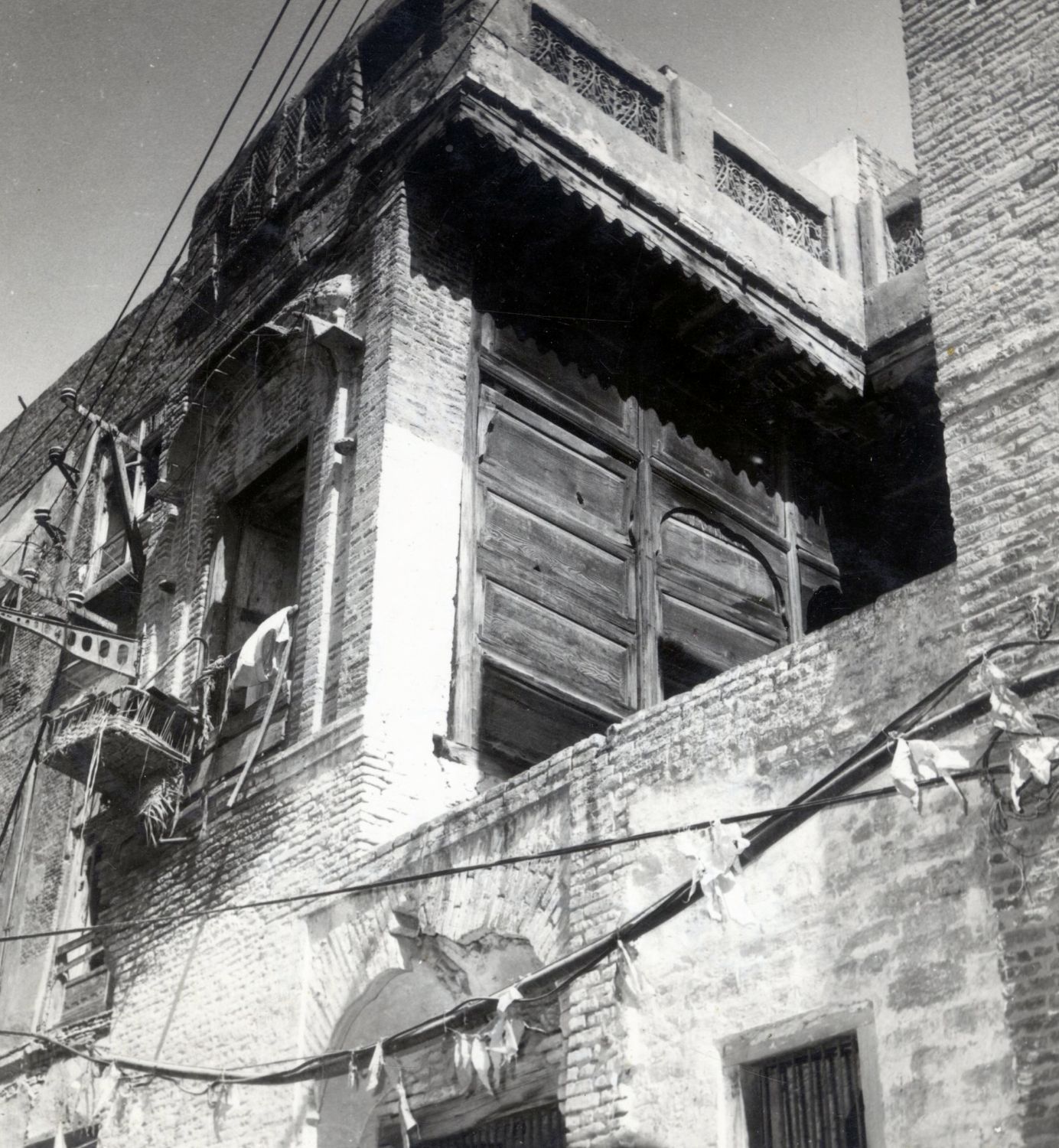
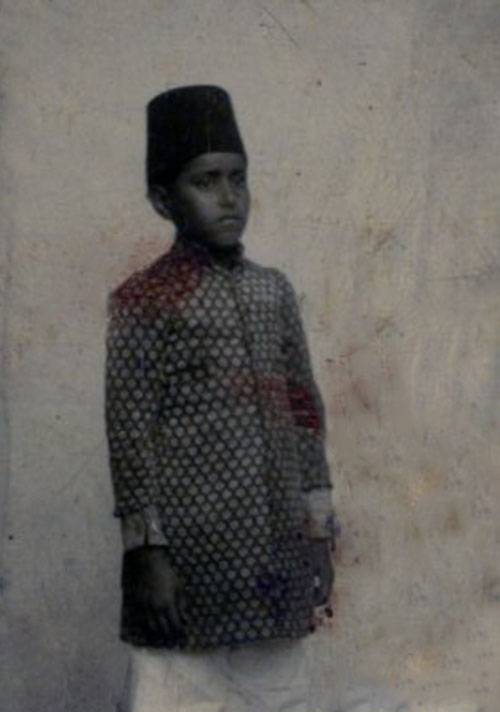
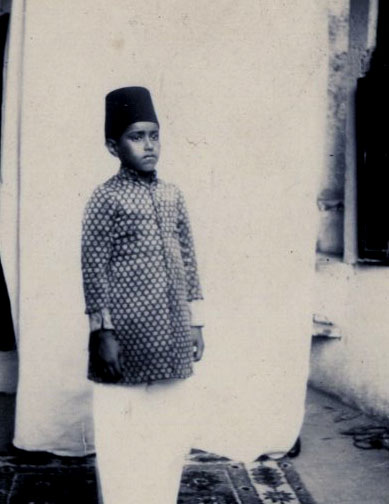
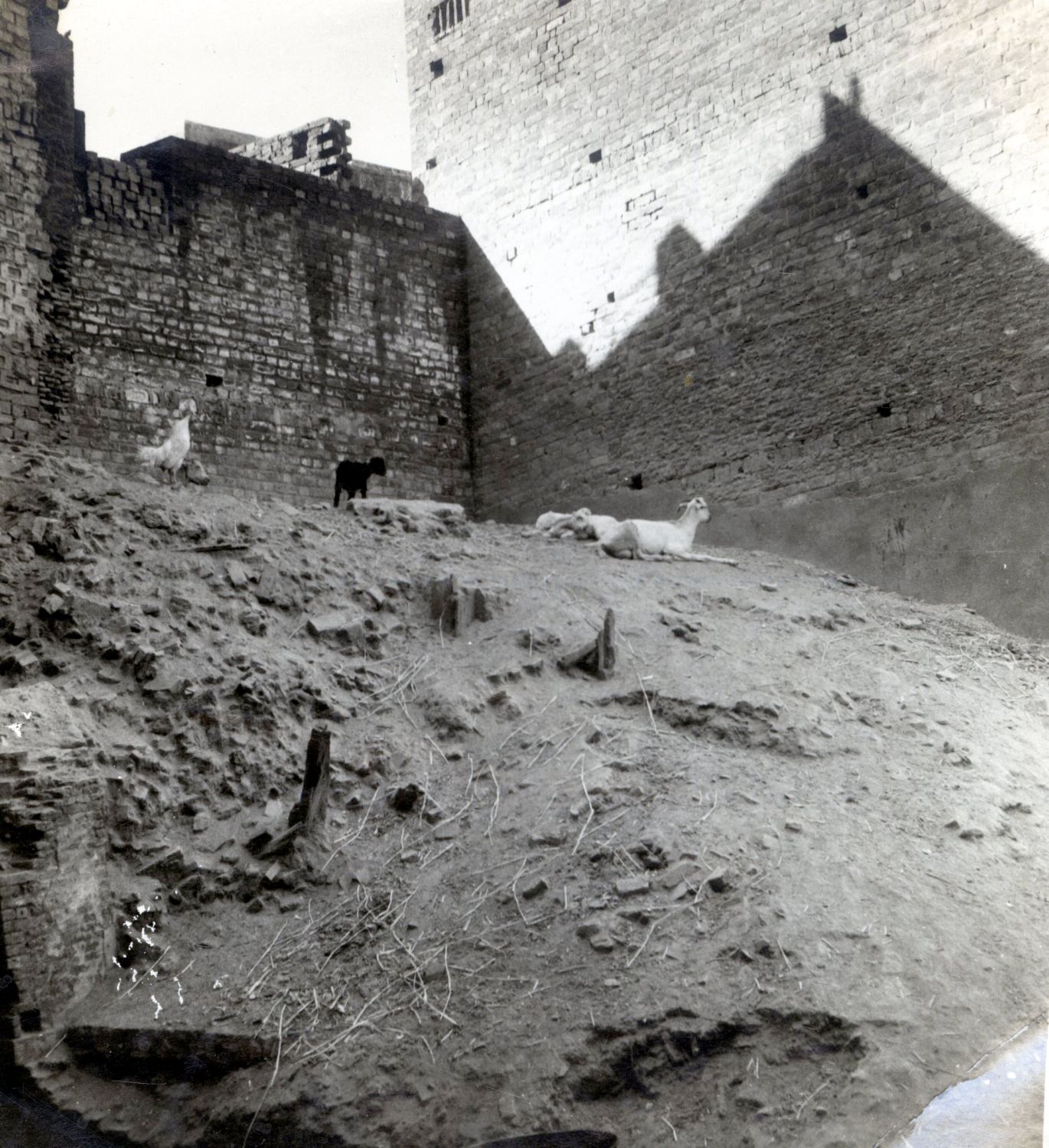
I traversed the fallen Chughtai house of Chabuk Sawaran through the labyrinth of small lanes, impossible for me to reach the site without uttering the agony of claustrophobic entrances. I could only wonder as to the charisma of that fallen angel on Earth, and the situation when in 1913 he lost his father Mian Kareem Baksh. People owed money to the dead father, but nobody came forward to help. The widow Chiragh Bibi rattled by the loss, and custody of three young sons, not one of them in any earning capacity. Mian Kareem Bakh had cleared the mortgage on the house a little time before, and was in possession of four houses he owned, as a reflection of the times. Savings went into purchasing houses and giving them on rent. And what kind of properties? One qatari full of rooms, rented out to Christian cleaner ladies (in fact three to four generations came from same place to our house), and the meager rents that possibility offered to the family. The eldest step brother had no room to be nice to them in any way. In fact, as told to me by my uncle, that man used to beat the younger  brothers with sticks. Muhammed Hussain was truly arrogant, as he possessed a Bachelor’s degree in those times, and was the Royal teacher for Princes of Afghanistan, through the British administration. For going to his tuition, the administration had given him a horse of his own. Truly he ruled the poor three kids with an iron rod. Now imagine what the three orphans could do?

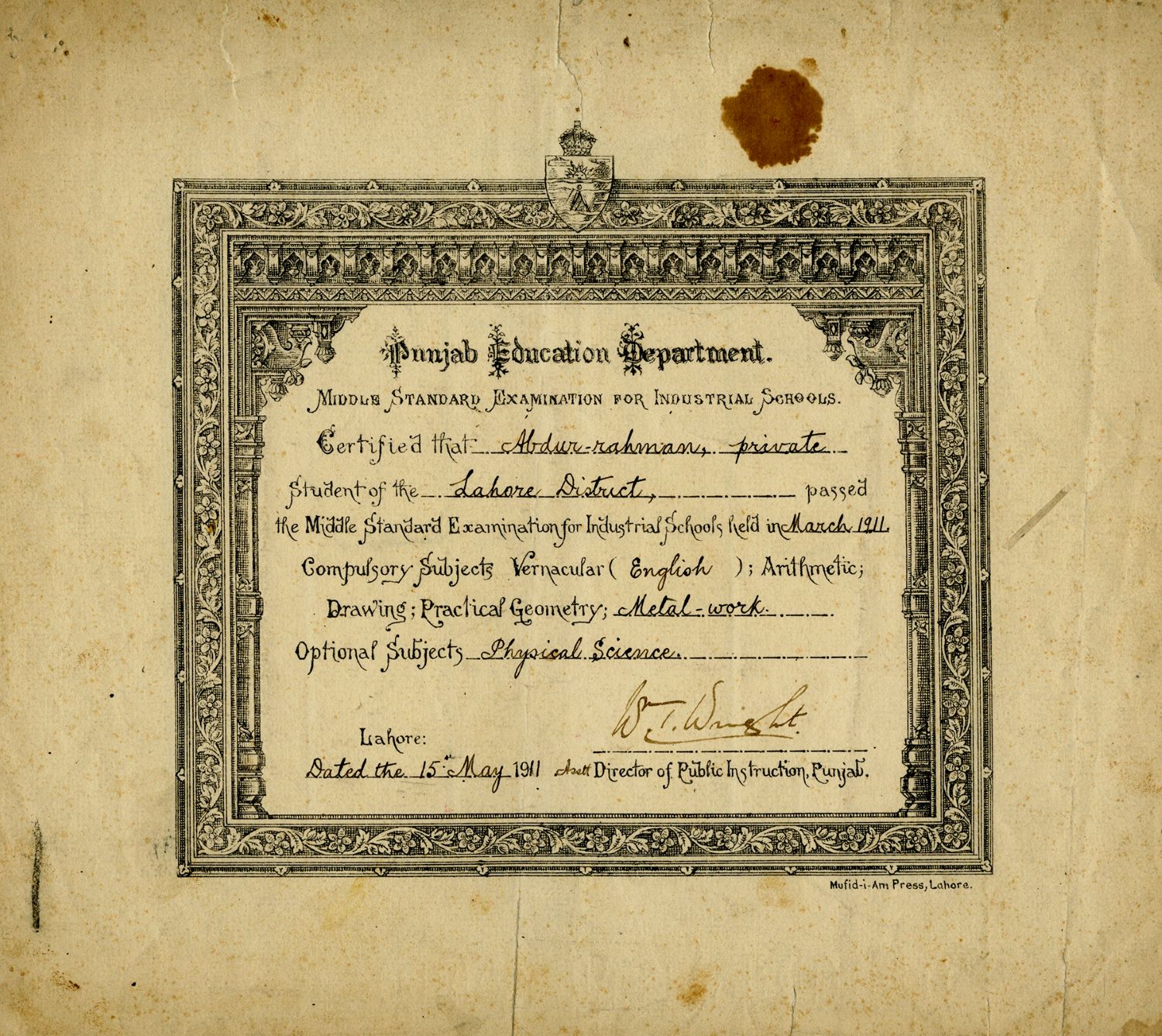
In 1911 Abdur Rahman Chughtai did his Eighth class at Railway Technical School, which was free for people attached to the Railways. His maternal uncle Elahi Baksh worked for the Railways and these boys got free education indeed. (It should be remembered that Chiragh Bibi was outside the Chughtai family, and children from that side are not even Chughtais, but out of fashion started carrying the nomenclature. A moronic descendent who is an illiterate waiter in Dubai seeks credentials to be a Chughtai.   But no more. Miran Baksh attached to the Mayo School of Arts donated Rs 5 for him to take the examination on a private level. There is a story of how Abdur Rahman  Chughtai ran away from home around 1909, and went to Karachi in search of writing drama plays or producing them. He was brought back by a relative Ziauddin Chughtai, along with another boy, who was a neighbour of their house, and later used to have a shop in Anarkali bazaar. So what now?

There was  property inside Yakki Darwaza which was opened by them, the three brothers started a firewood selling shop there. The younger two would sell the fire wood, while MARC at the back of shop would sit on a charpai and write dramas, his sole ambition as a young teenager. But this was cut short with expansion of lanes by the municipality, who dissected 10 feet of the shop for expansion of the lane. I was shown the place once upon a time by my uncle. It seems the curse of municipality would always be with him as the L.I.T did the same with his Garden Town property. Mindless bureaucracy with no knowledge of the passion of people. Legacy of British rule tyrannical regimes. What makes a man determined never to give up? Rising Angels!
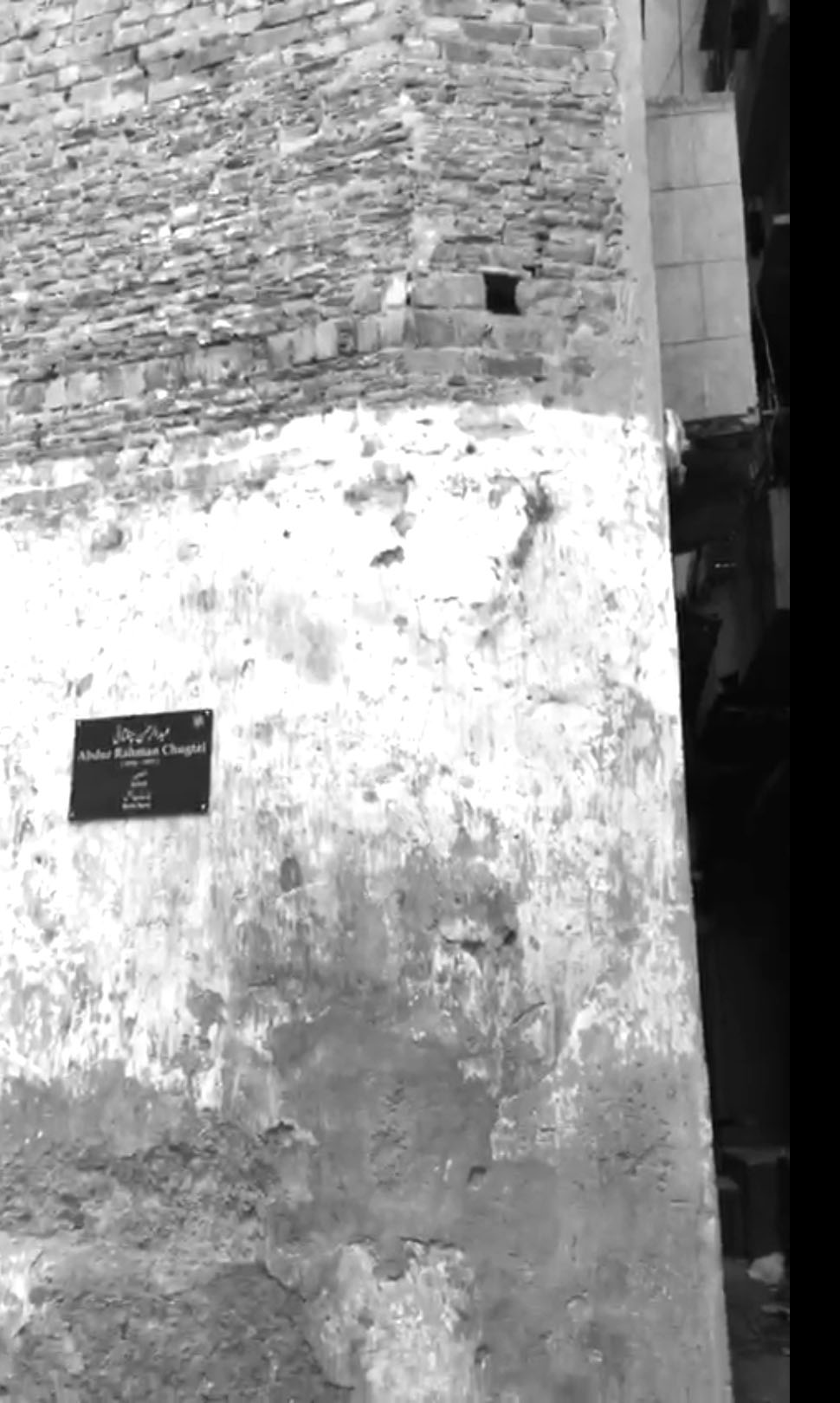
Around 1915 two brothers joined the Mayo School of Arts. Abdur Rahman Chughtai Photo-lithography, while Abdullah Joined the Carpentry classes. I think Bhai Ram Singh was still there at that time. If I remember correctly Mayo School of Arts was free for children of professional class. On completion Abdullah went as Head Master of Technical School Ludhiana, and was there for some time. Abdur Rahman Chughtai became a Photo lithographer at Mayo School of Arts. Abdur Raheem Chughtai became a typist at Typewriter Traders Lahore, an old firm, and owner related to his wife. Envy and racism persisted even now at the School. A group backed by Samerendranath Gupta hated his existence, and the other group like Abdur Rahman Ejaz vied for personal attention against him. A lot needs to be written on same. I think Gupta ensured that the Diploma would never reach Chughtai Sahib, by accusations pounced on him in a deliberate strategy of racism. Or even personal dislike. Abdullah claims that there was a Diploma, and the artist attained second position in the Punjab. Not known, no proof. If it was there, he never went to pick it up.  However, a certificate from Archaeological Survey of India was there in 1919. Chughtai Sahib is called officially as Mistri Abdur Rahman. He was also for some years Drawing master at Mission School, Gujranwala.

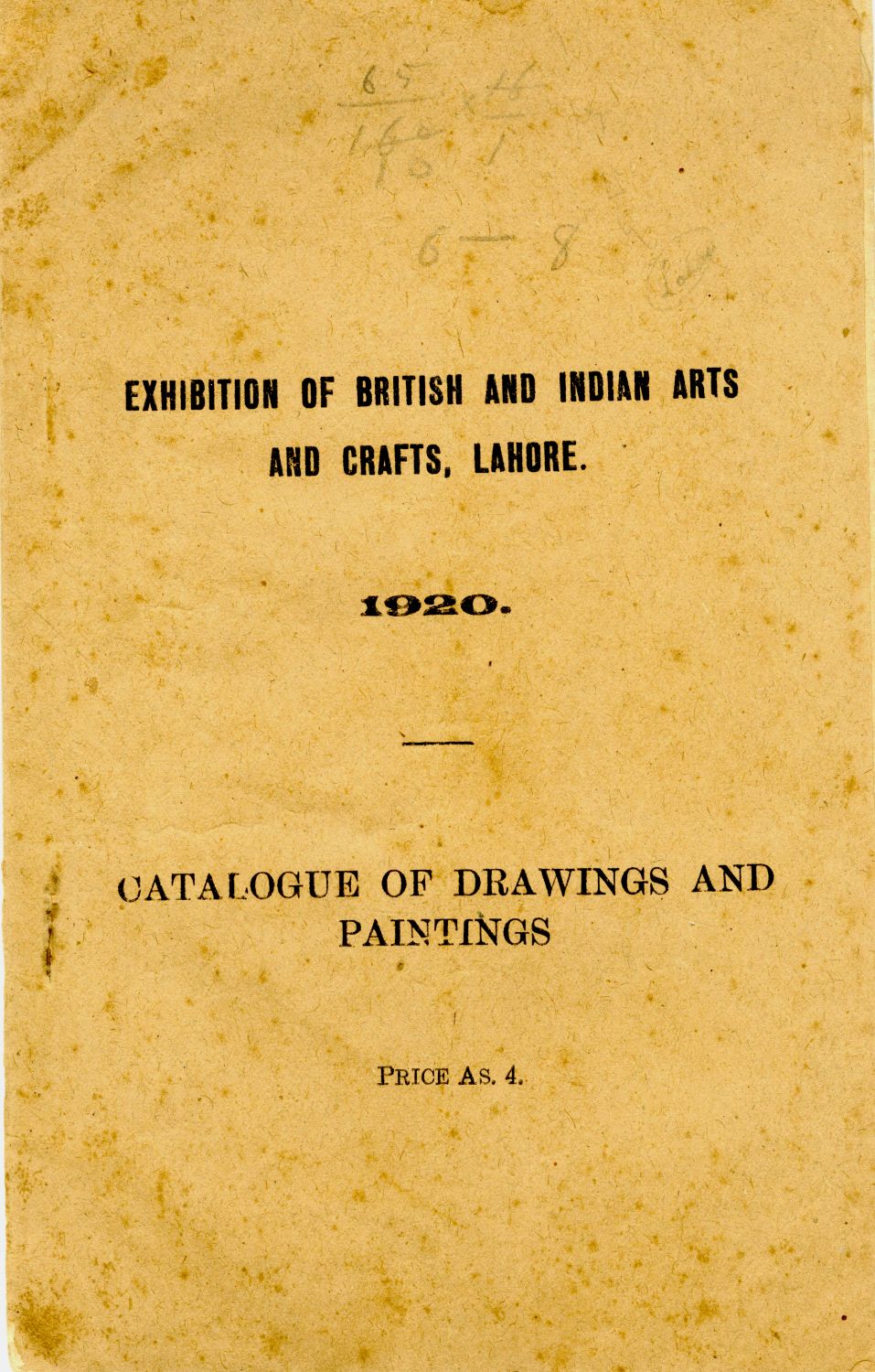
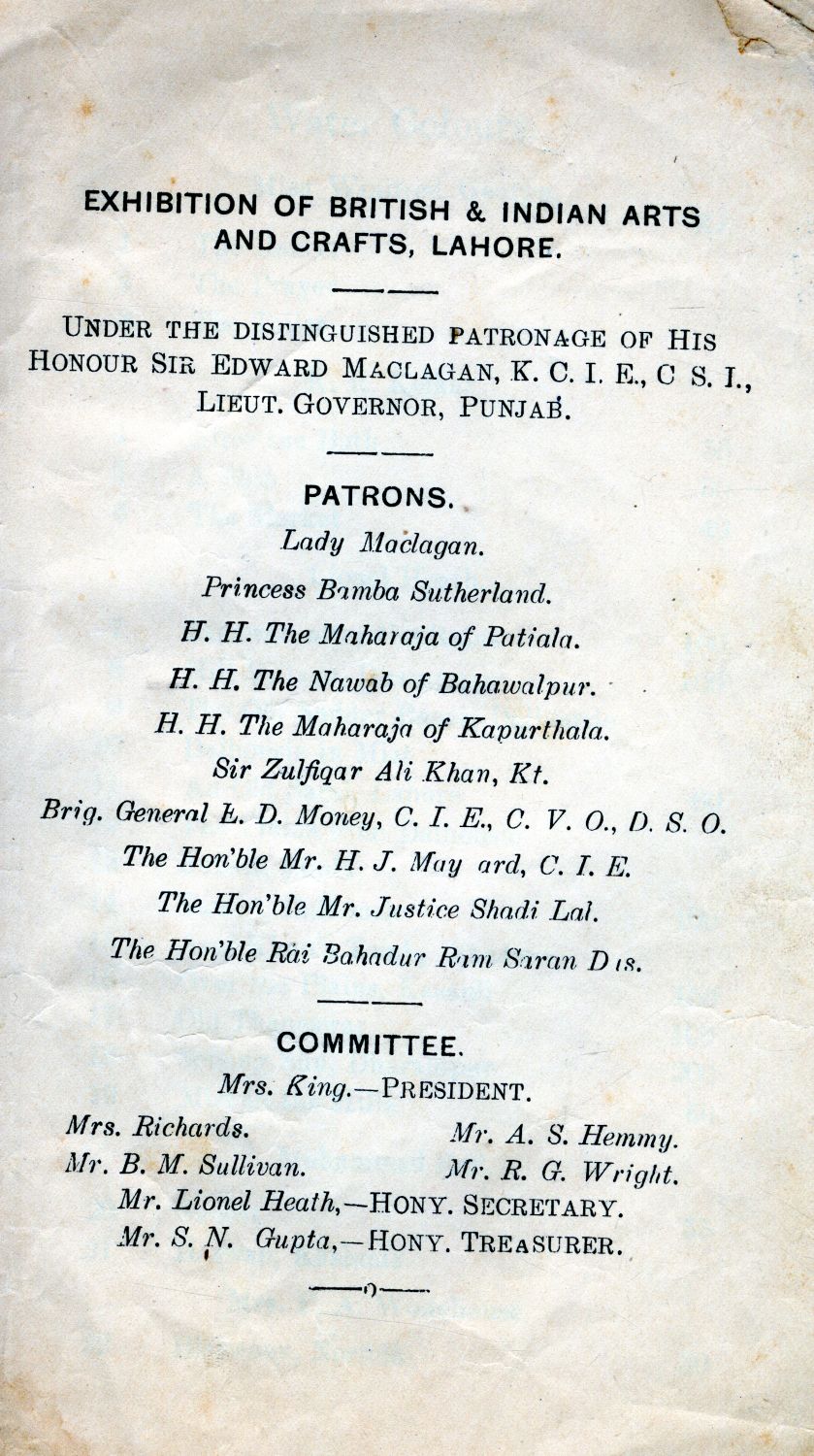
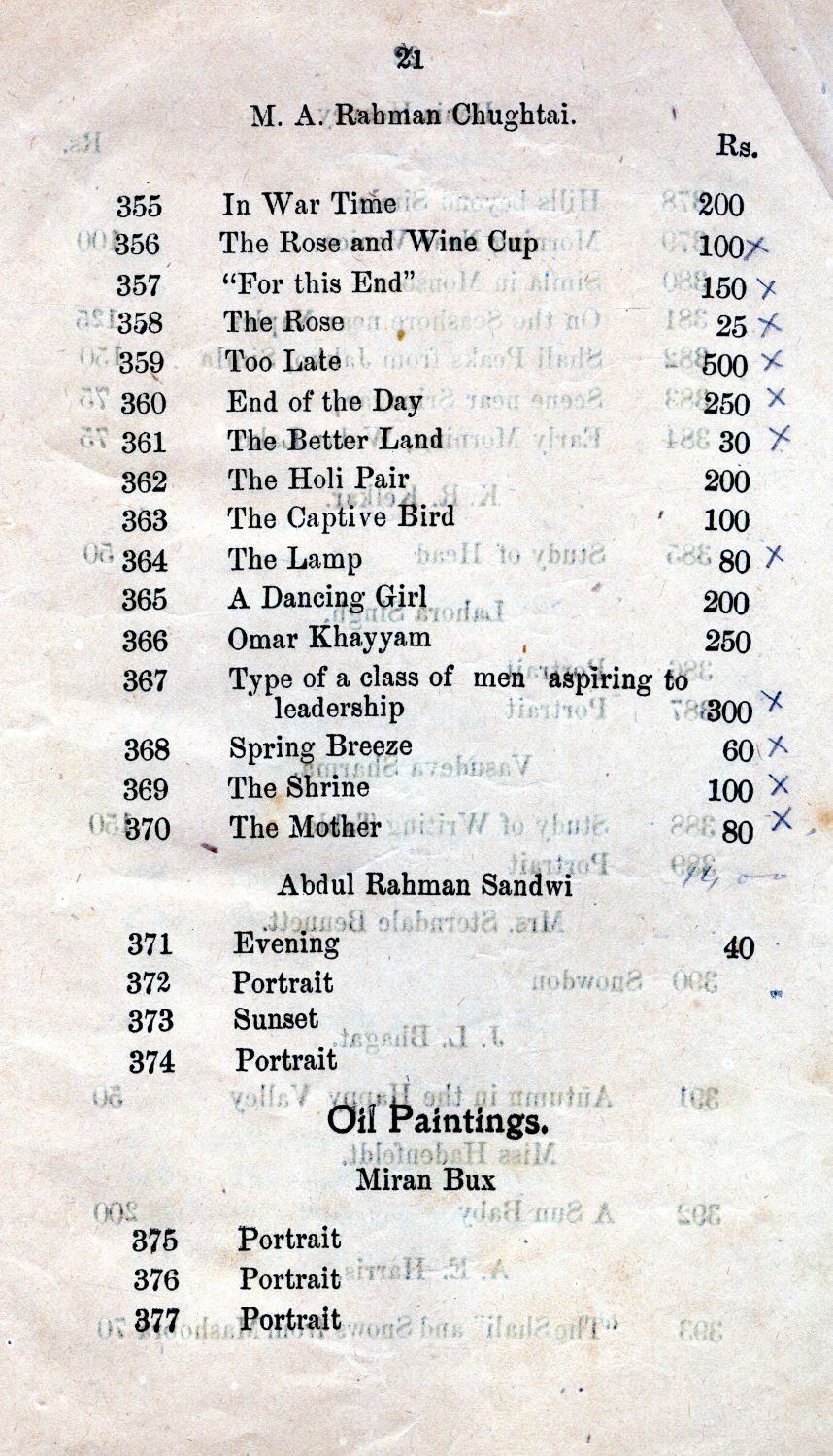
Finally Abdur Rahman Chughtai was receiving a pay of Rs 30 from the Mayo School of Arts, and a complaint was lodged against him. Very simply that he was on sick leave, but not being sick, he was watching a play on Mcleod road during the time of his sick leave. Lionel Heath Principal called him to lodge a complaint against him by a so called honourable man. Chughtai Sahib surprised the Principal with his answer, by saying that the complaint was by an honourable man, which suggested he was not honourable at all. Chughtais Sahib submitted his resignation there and then. Lionel Heath shocked and asked him not to do so, by hinting that one day he would become Principal of Mayo School of Arts. Chughtai Sahib cared little. In his life time he was offered Principalship of Mayo, later NCA three times. He never went back. Chiragh Bibi was shocked. An earning son had delivered a verdict of resignation, when family finances hardly allowed any such adventure. Chughtai Sahib told his mother, Fret not Baybay (mother), you will soon see your son marching into finances. The show at Lahore Museum in 1920, where all the paintings were sold and receipt was in excess of Rs 2625. A new day had begun! 

P.S.

Chughtai Museum offers documentation of everything. Ignorant writers always note our proofs. 
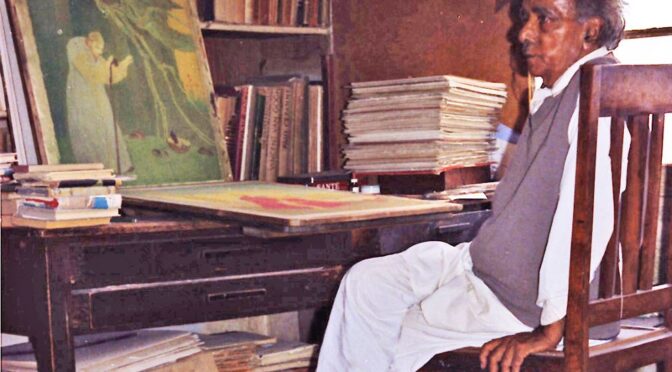
ANALYSIS BY  DIVISION OF CHUGHTAI ART INTO SIX DECADES; LAST PHASE SEVENTIES ALSO OF CHANGES AND INNOVATIONS.

ANALYSIS BY  DIVISION OF CHUGHTAI ART INTO SIX DECADES;
LAST PHASE SEVENTIES ALSO OF CHANGES AND INNOVATIONS.

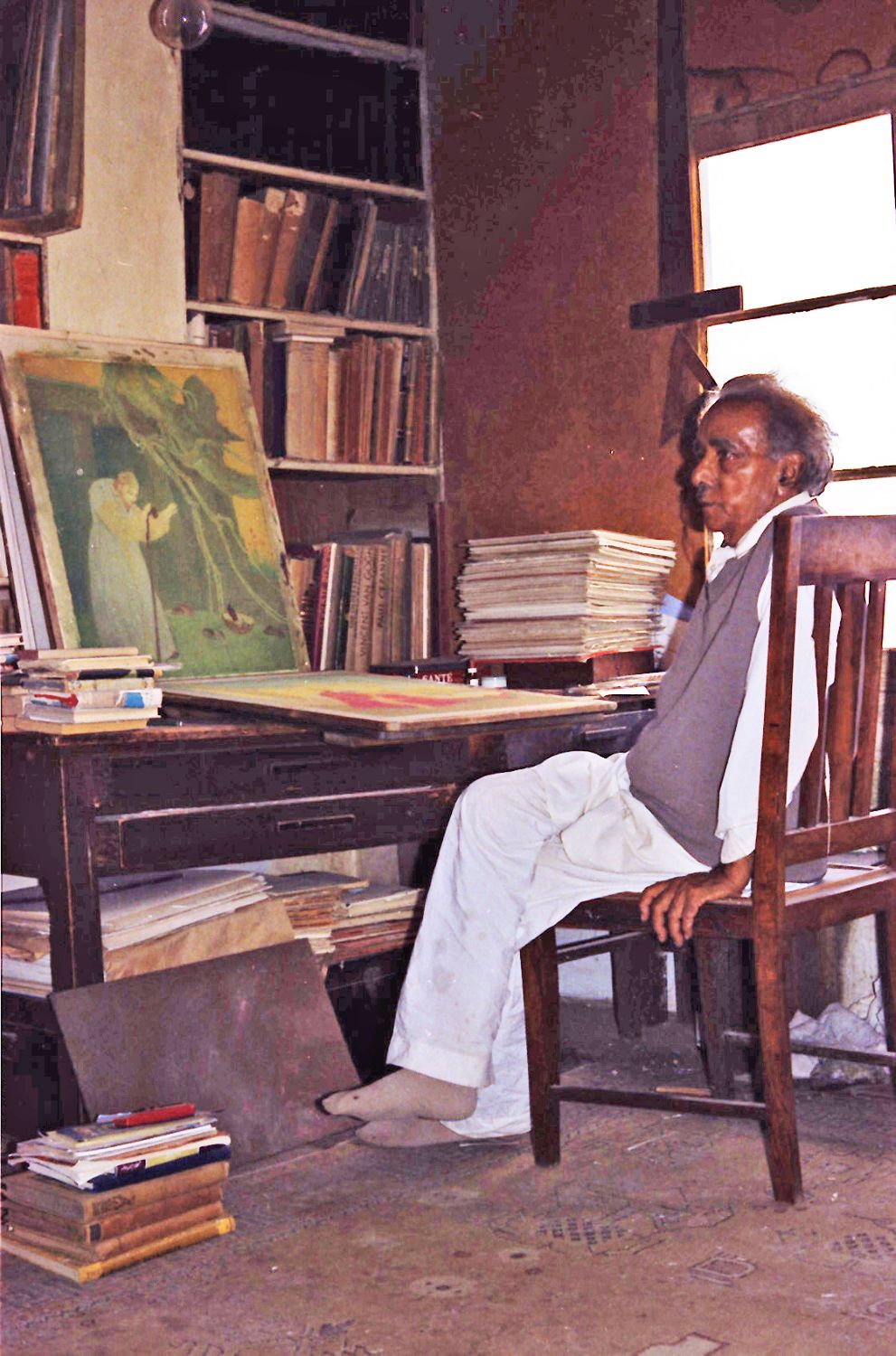
By 1970 the artist M.A., Rahman Chughtai was going through various turmoils. The separation of East Pakistan was a personal blow to him, as he was the forerunner of the Ideology and  Culture of Pakistan. In 1965 held a Press Conference in Dacca about the inseparable nature of East and West Pakistan. Things were not normal at home. The marriage of his daughter Ms Mussarat Chughtai had created issues which he could not sustain emotionally in any way. LDA was not inclined to clear the site of his proposed museum for his art and his collection. And he was not keeping good health. The children and grandchildren of his brother Abdur Raheem Chughtai were not inclined to look at his views of the world. In fact two daughters of his brother held a bizarre religious ritual, praying tht if he cannot be physically well, then Allah should take him away. Allah forbid such malignancy! The greed for capturing his legacy never went away. Material greed short sighted the nobility of creative vision, for their philistine generation. Pangs of artist unheard. For a start, a sleeping problem had occurred. Awoke at night, sleepy by day. Then a terrible shake in his hands, which would not permit the finest line he was used to for drawing. Pills abounded. Enemies gloated for his end. The miracle was that he went on working, but changed his drawing and coloring to suit the needs of his physical health.
Our scholars are truly morons and never take the opportunity to study the life of an artist. The life of any artist is reflected in his output of creativity. All that they can do is compare printed images of his art in books like Murraqqa and come up with conclusions. The most wonderful adventure is a study of the last phase of his life and his works. They speak for themselves. To combat his trembling hand at times, he had to make his line in art thicker so that the tremor effect could be minimized. He had to dispense with many washes and come up with solutions of lesser washes with same effect, and it is remarkable that he succeeded so well. His compositions changed too. He never gave up, and when at times that feeling came up, I was here to thump him on his back and encourage him to fight the impossible emotions. Long after his death my mother continued telling me that I was always under the impression that he was in the next room and would come in anytime. He never did of course like that, but his morale rubbed on to me. When I feared most was the same thing, I also wanted my back thumped in reality as an ideal. But when he held my hand on 17th January, 1975, in the morning, he would not let go. A reminder that Dr Allama Iqbal held his hand in same way, at the turning point of death. I understood!

So start enhancing your observation skills. Stop idle rant and bark of unknown art works. Charade! Buy one book on Western Art and like a coffee table book, flaunt it in front of others, without even knowing a thing. The West turned our Storytelling and Dramatic writings into zero by their anti-climax of things. A life without heros and heroines, where the villain wins in the end. The media rants about Pakistanis who hate Pakistan, and their message is to undo our country. Confusion in right and wrong abounds. Our culture of songs and music turned into rattle of obscene sounds. And for Art sake, I had to take a test. The one I took once from the top of my roof. A mela was going on with thousands if not millions of participants. I took a work of “Amal e Chughtai” in printed form and threw it into the crowd from far above their standing. As it floated down, I saw a mother with  her kid watching it come down. The small kid ran to pick it up and offered it to the gaze of his mother. The mother, a total illiterate and uneducated perhaps a villager, held it in her hand, and folded it and put it in her blouse across her chest. Mere hand would not do, close to heart. No capacity to throw it but to treasure it back home. Put an original Picasso on the road, and a homeless addict would probably burn it for warmth in winter. That is what we call INHERENT CULTURE. It is better to learn to respect it. It overtakes us all the time with its instincts for beauty. It is not going back. It is not the future. It is timeless without time itself. Our future heritage! To engender other things is filth for us.

The last phase is a lesson of indomitable courage of an artist to leave a legacy for his nation. All positive in nature, not contrived to please outside ears and vision. Pakistan lives in its own culture, not mere paindoo doings, but the culture of the best cultural protagonists of the country. M.A. Rahman Chughtai is our lesson for all times.

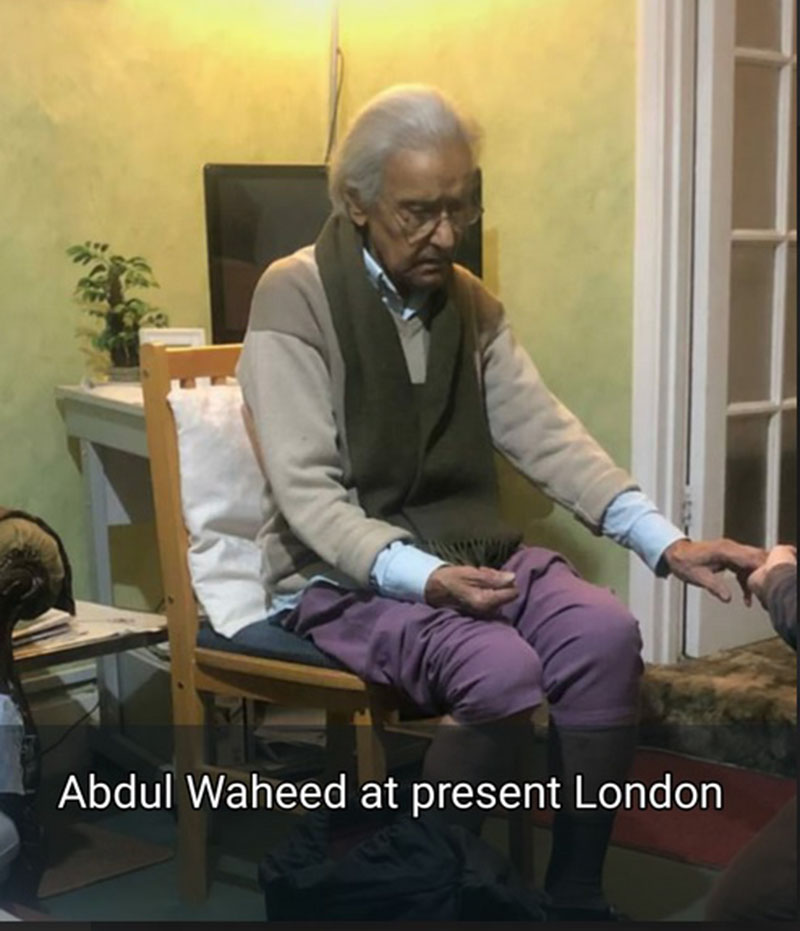
ABDUL WAHEED CHUGHTAI ALIAS VIDOO ALIAS “PA DODAY”; A NEPHEW OF M.A. RAHMAN CHUGHTAI, ARTIST IN LONDON. HAPPY BIRTHDAY 11TH SEPT, 2025, REACHING 92 YEARS AGE.

ABDUL WAHEED CHUGHTAI ALIAS VIDOO ALIAS “PA DODAY”;
A NEPHEW OF M.A. RAHMAN CHUGHTAI, ARTIST IN LONDON.
HAPPY BIRTHDAY 11TH SEPT, 2025, REACHING 92 YEARS AGE.

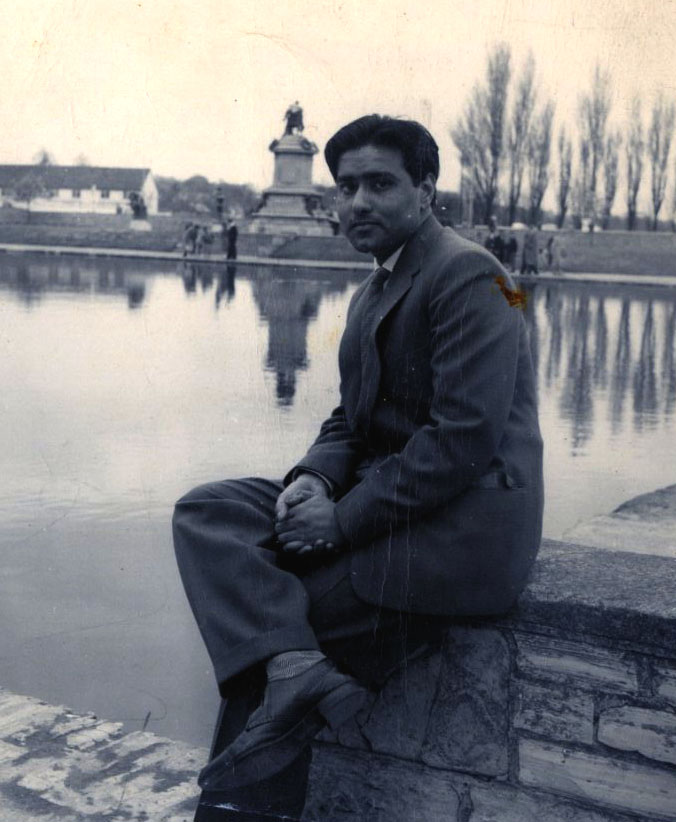
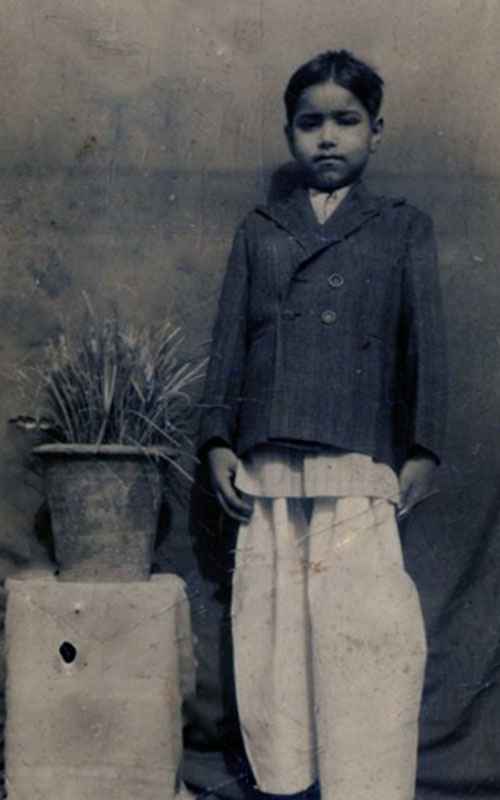
Four Chughtai brothers lived together in Mohalla Chabuk Sawaran Lahore. Muhammed Hussain occupied a full house, half of the residence. The other three lived in the rest of the place. Many stories high, each storey belonged to one brother. In one storey lived Abdur Raheem Chughtai, with his wife Mumtaz Begum, and children. Two sons Abdul Wahid Chughtai and younger son Abdul Waheed Chughtai. The girls were Askari Begum, Famida Begum and Sarwar Begum. This is a narration about Abdul Waheed Chughtai.

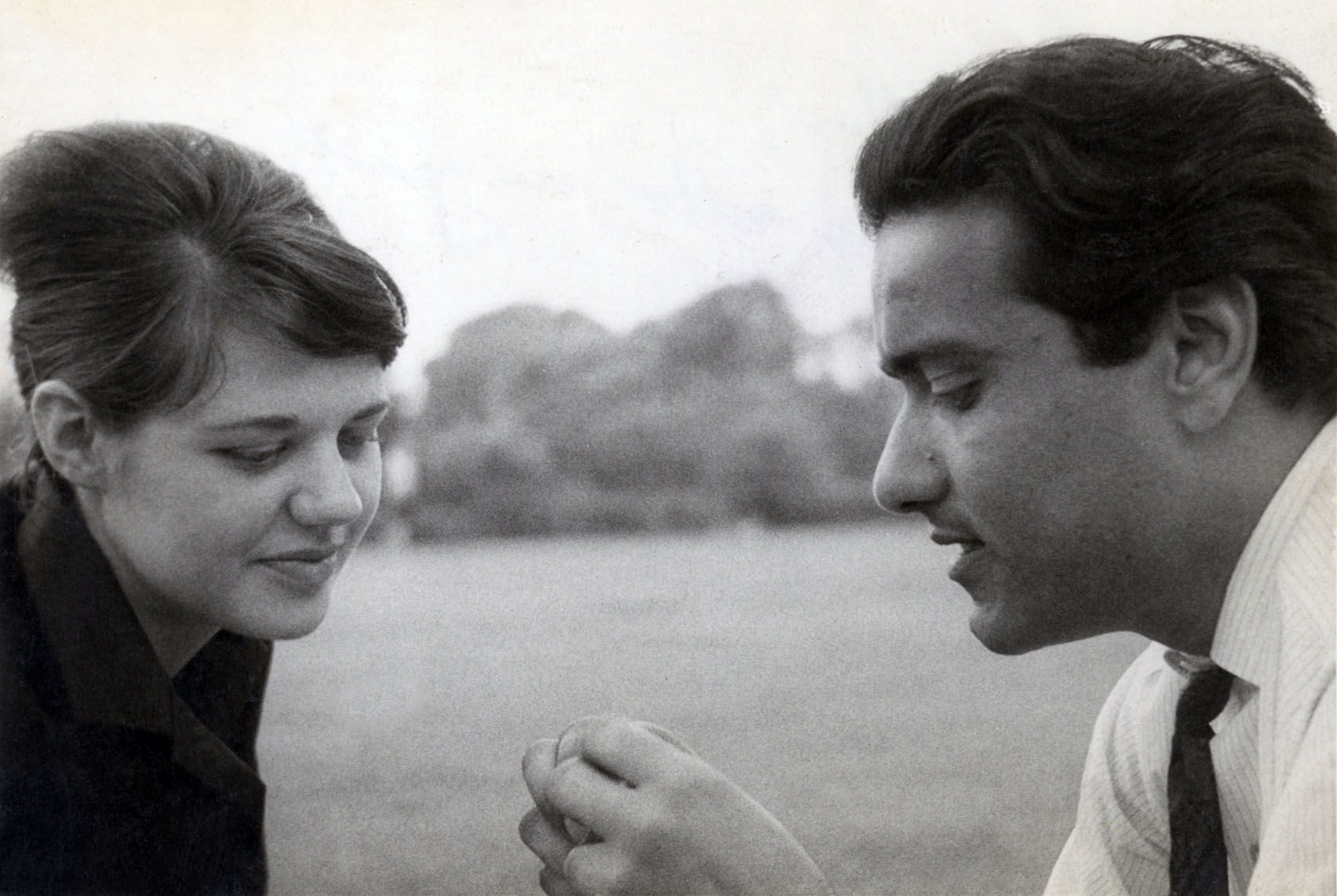
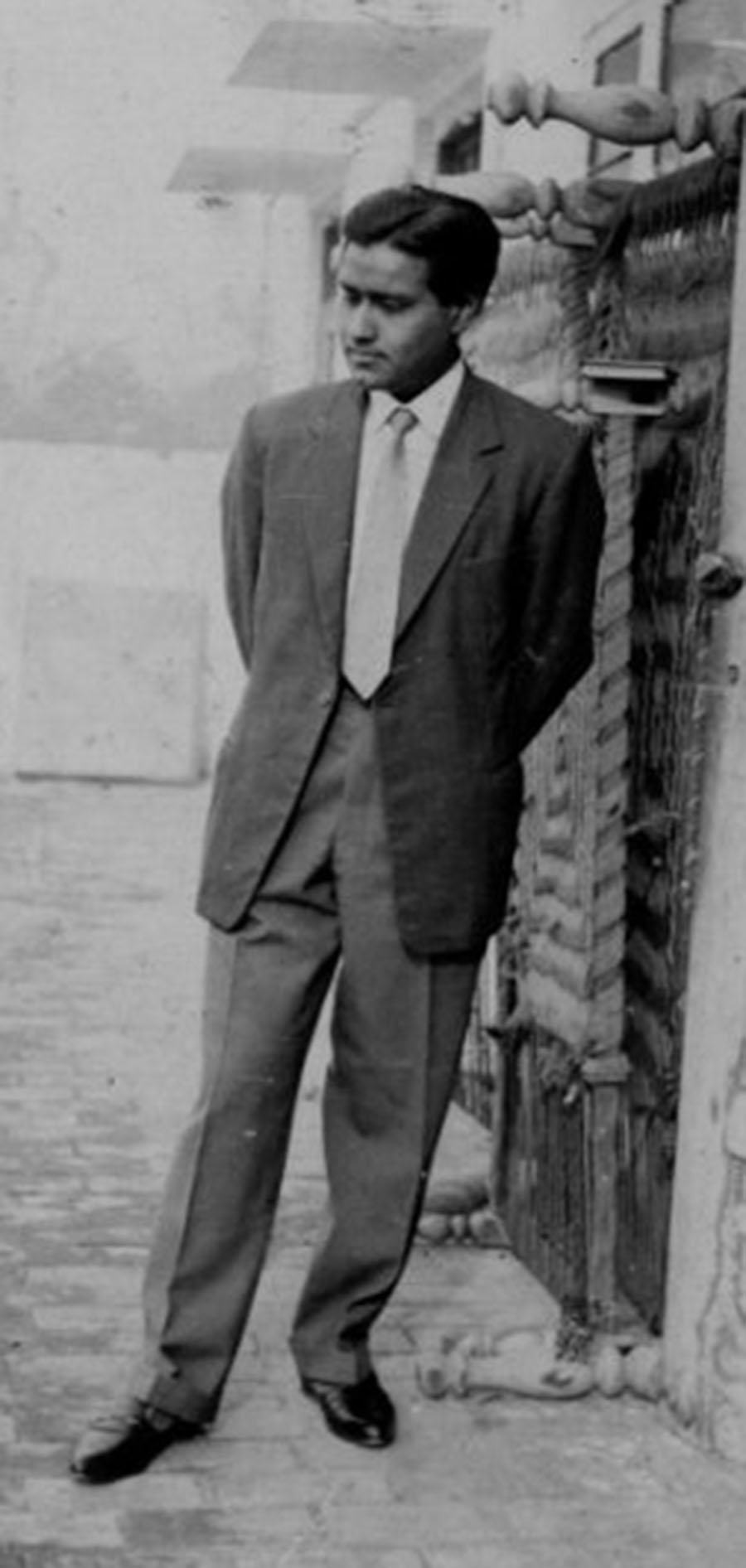
AWC in London

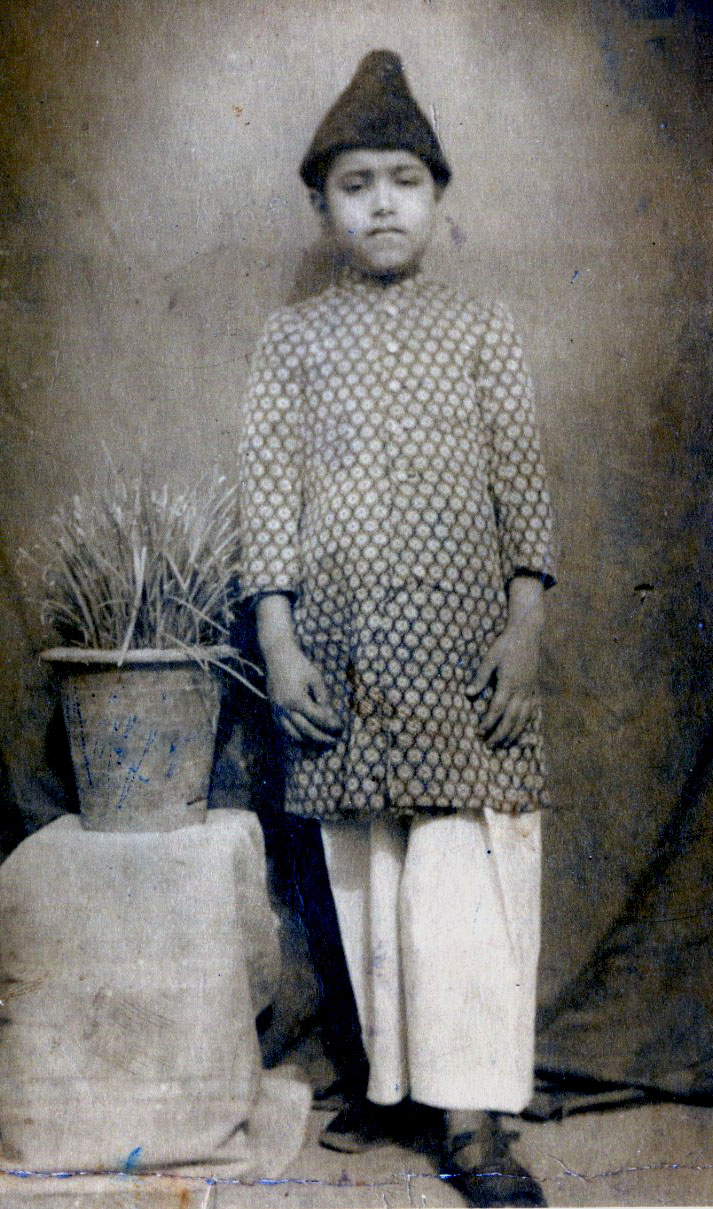
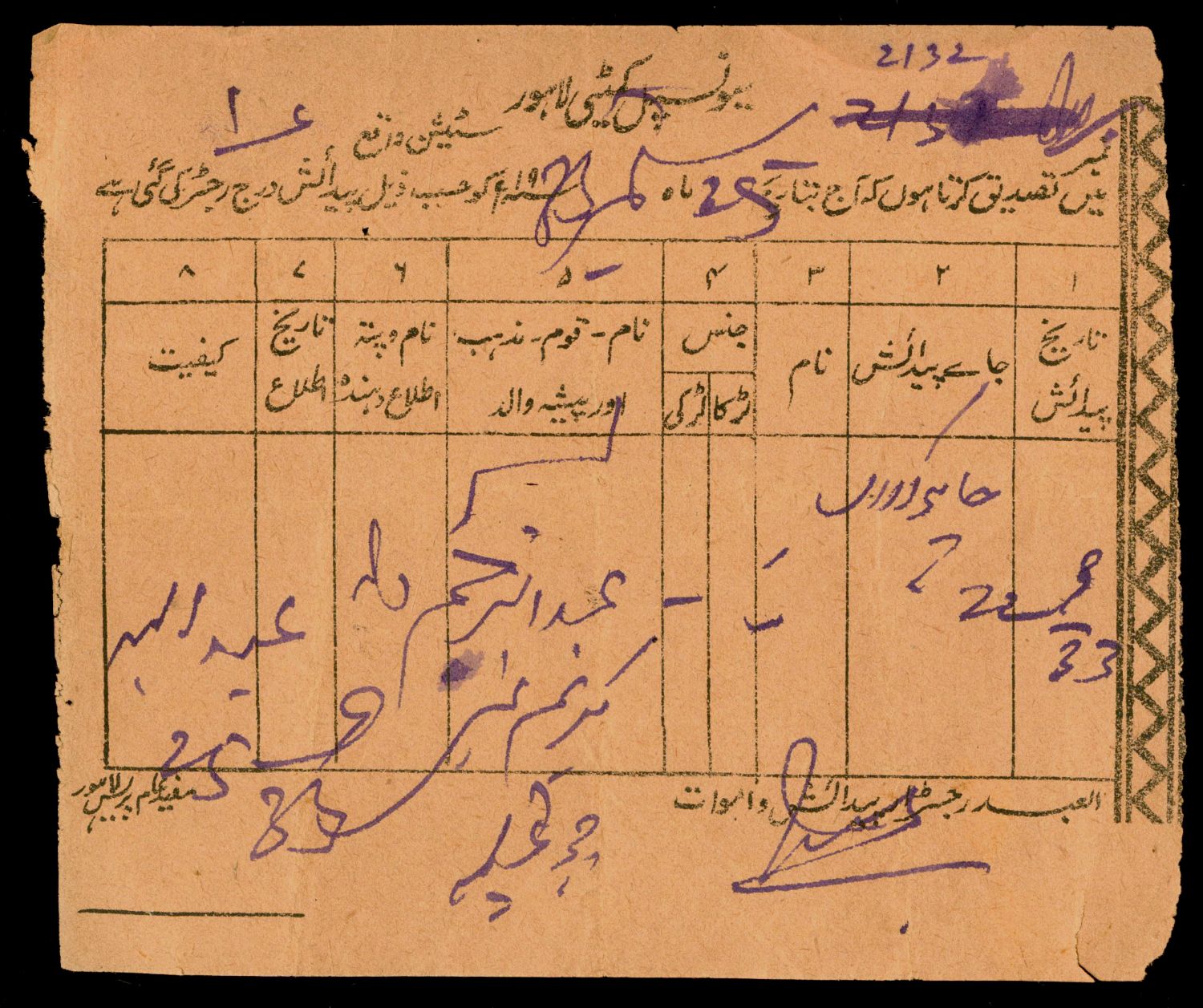
Abdul Waheed Chughtai was born on 11th September, 1933, but the birth certificate shows his birth registration on 22nnd September, 1933. Obviously some days later. For his education he was sent to Rang Mahal Mission High School, founded by Dr R.C. Forman, and Head master, the famous Rallia Ram. From there the movement was easier. It ended in a B.A. degree from Government College Lahore. One of his friends and classfellow was Mian Basheer, who later became Principal of Government College, Baghanpura. He had other friends, and all middle class families, moving about on their bicycles in the city.

Mind you simple cycles, there was no room for motorcycles at that time. Hardly anybody had a car. But one of his dear friends Farooq Billa went into various businesses and made it rich. Became owner of a Cinema, and a shop dealing with Arms and Ammunition. He would move around in his blue Toyota car OK 1 in great style. Others were not so lucky.

Obsession to move out was there, and after his graduation moved to London, with his parents unhappy about his decision. In his time the grand play was ability to migrate abroad. The desire of his family, father and uncle was set aside. Many friends went abroad for training in printing. Abdur Raheem Chughtai had made a Press namely Print Printo Press, and wanted his son to help him print Art books of Chughtai Sahib. His friend Nawazish Ali had come back and picked up the reins of Nisar Art Press, while others like Ifftikhar also joined Printing Industry. German machinery of Frontax printer LetterPress and German Klimsch camera, all were there. But no Abdul Waheed Chughtai. The result the press got sold, and machinery was bought by Nisar art Press. Success certain for others.

The desire of parents for his ability to develop his talents as an artist was in limbo. He did painting many times and even held exhibitions in Alhamra, as well as in Islamabad. But the phase fizzled out. Punjab Bank or so did take out a book on his illustrations of the verses of Mirza Ghalib, in footsteps of Chughtai Sahib himself. But he discarded the lengthy technique of his uncle, and opted for an easy technique. He signed his works as Vidoo.

Handsome Abdul Waheed Chughtai could charm lot of lady friends, mostly platonic. Ladies like Mercedes Cornet, Petra C. Kuess, and Tineke van Jaarsveld.

The father yearned for his son to get married and have children. His marriage life is one big secret. No one  really knows. But in the end he actually got married and lives in London, but without any children. In fact he  loved children and was very kind to all those who came in his life from other families. His cousin claimed that he had children. But it is an unknown chapter of his life. 

His uncle Abdur Rahman Chughtai was very fond of him and once when he got electrocuted , he risked his own life to save him. The results are even visible today on his burnt hands. But reflection of love that he got from his uncle. He too served the house on normal missions of grocery etc. Fond of bringing fruits and sweetmeats for the family. Specialized in searching the best eatables.

His cousin Mussarat Chughtai had given him the name of Friction. They are still on good terms.

Fond of kite flying like the rest. His hero was Rudolph Valentino and singers like K L Saigol. He was fond of school of painting like Impressionism.

Abdul Waheed Chughtai was always very fond of his hair and kept them in full health with regular care. That is why even today at 92 the same are as perfect as possible.

I pray for him to live a life of good and virtue and may the end be as pleasant as possible!. Prayers with him.

AWC 92

A MINIATURE FROM JAHANGEER ALBUM IN BASTAN MUSEUM; DIFFERENT PERCEPTIONS RUBY LAL AND CHUGHTAI MUSEUM.

A MINIATURE FROM JAHANGEER ALBUM IN BASTAN MUSEUM;
DIFFERENT PERCEPTIONS RUBY LAL AND CHUGHTAI MUSEUM.

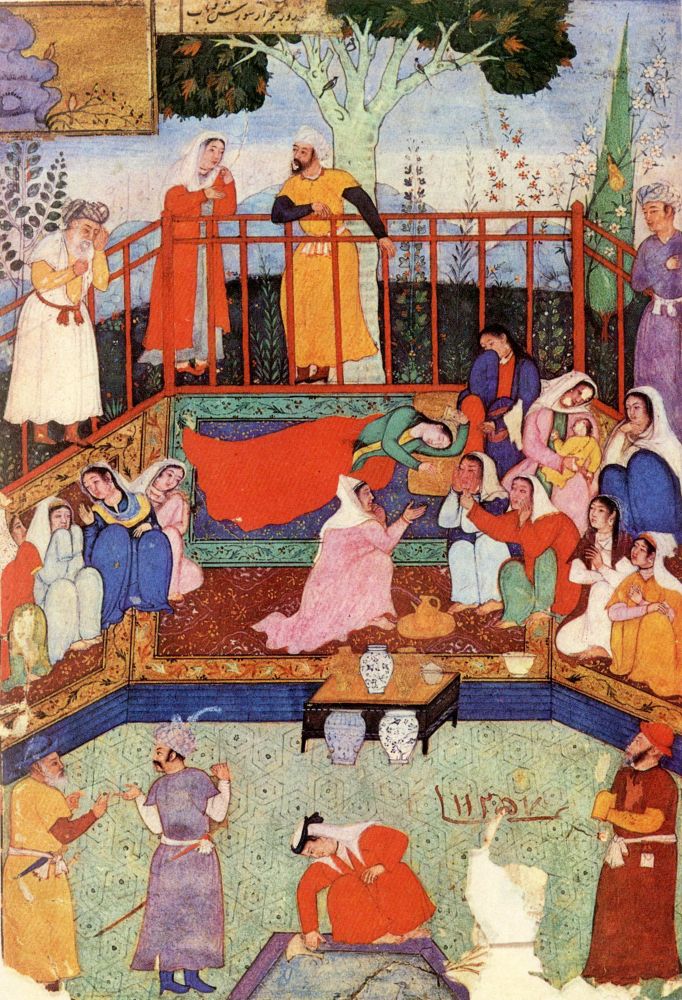
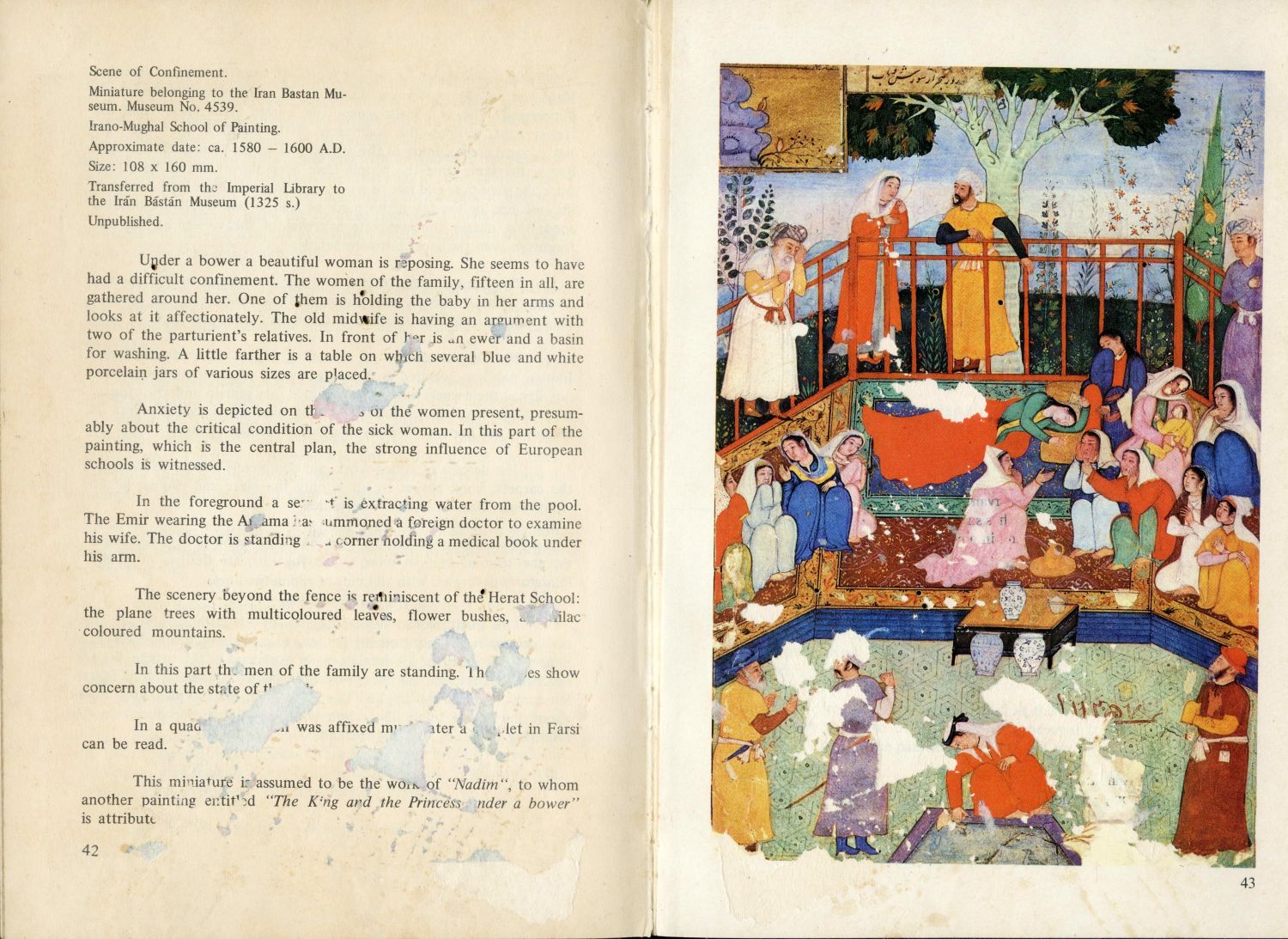
Truth and falsehood are different things, and so are perceptions. Here we talk about a miniature which remains unpublished, and was transferred from Iranian Imperial library to Bastan Museum in Tehran, during the tenure of the Shahenshah of Iran, commemoration of 2500 years of monarchy. It was printed in a souvenir of commemoration in a RCD publication. It is now not only rare but rarest and gone into oblivion. The actual miniature must be there intact, but out of reach of most.

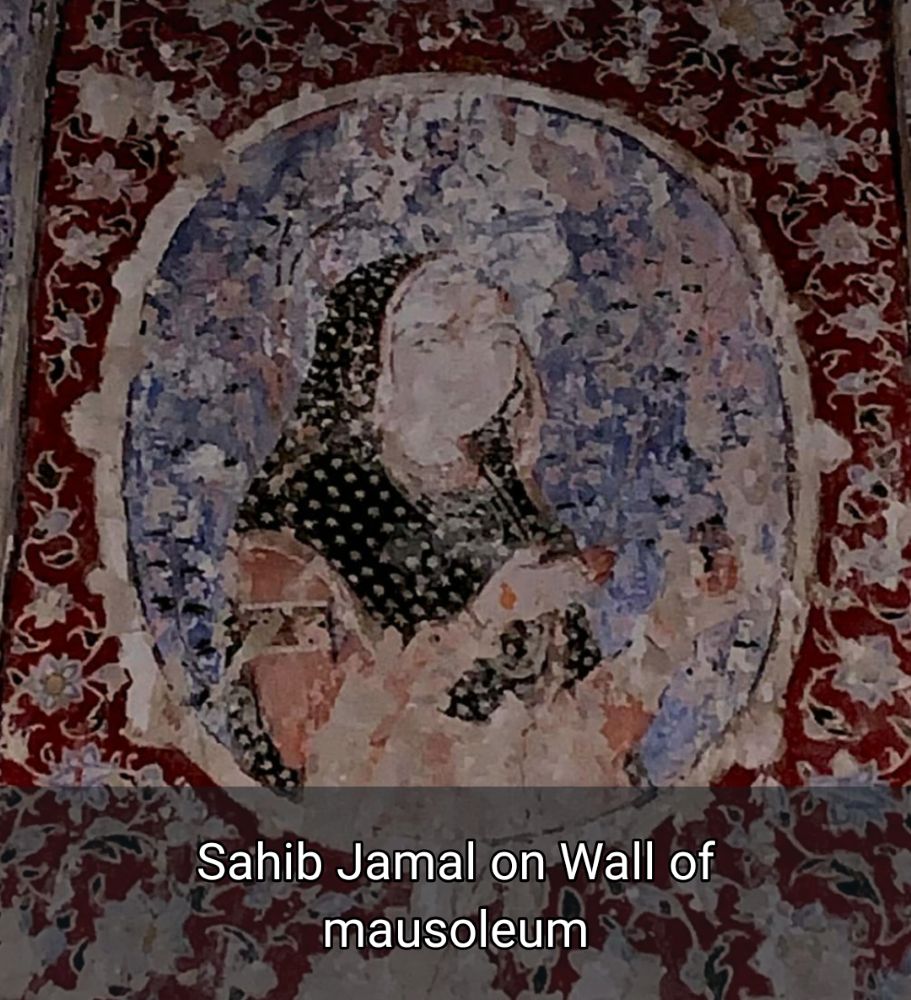
An analysis of the work is required. It is a rare work but workmanship isn’t of Akbari standards. The group of Akbar painters had already left Lahore with migration of the Emperor. It is less than a great work of any standard. All signs point to a hurried thing. It is even a torn painting. Areas missing in it. Not much attention paid to the subject as Saleem is only a Prince at that time but the plume on head dress gives his status. Sahib Jamal had given birth to Sultan Pervez in Kabul in 1589 or 999 hijri. Sahib Jamal was probably pregnant when she died in 1008 as history record loss of few children in that period. So everything fits including death in open sky in Bagh Anaran in Lahore. The scene records so many details including pomegranate tree where Great Mian Mir used to rest. More in blogs. And the interesting part is that it is a very small miniature in size, it can easily be said of size six inches by four inches. Hardly much for a Royal portrait. But the importance is no less.

A series of blogs on the Legend of Anarkali were made by us. A revelation of so many things hidden from Western eyes, and closed minds of others. Fascinating were miniatures of the Queen surrounding the mausoleum itself. A one of a kind burial with intense love of Prince Saleem for his wife Sahib Jamal, who died in Lahore. Sikh and Hindu lovers of Lahore will try their best to derail this, for they have one agenda. Everything is Sikh or Hindu. Embarrassment of anything Muslim. Total loss of confidence in one’s own culture. It makes me laugh at the obsession of these people loyal once to Angrez, now loyal to others. Lackeys of this kind are roaming Lahore all the time putting things in different perspectives. Rewriting history all the time. Our job is to reconcile scientific data with visual examination. This house has seen hundreds of paintings of all types and we know how to recognize subject and rendering. I therefore look at all these with observant eyes of my ancestors.

It was breathtaking to find this painting on the same subject done by an artist of Lahore, namely Nadeem Lahori. The miniature would be dated 1595, or just before the death of the Princess. The Princess is not inside a Mahal, but in the inside of a garden. The garden is styled as a Bagh Anaran or Garden of Pomegranates. The whole retinue of ladies are surrounding the sick Princess. Bastan Museum gives the date to be from 1580 to 1600. The museum also has another Nadeem Lahori, which is entitled Sultan with Princess. Must be worth seeing but I have no access to same.

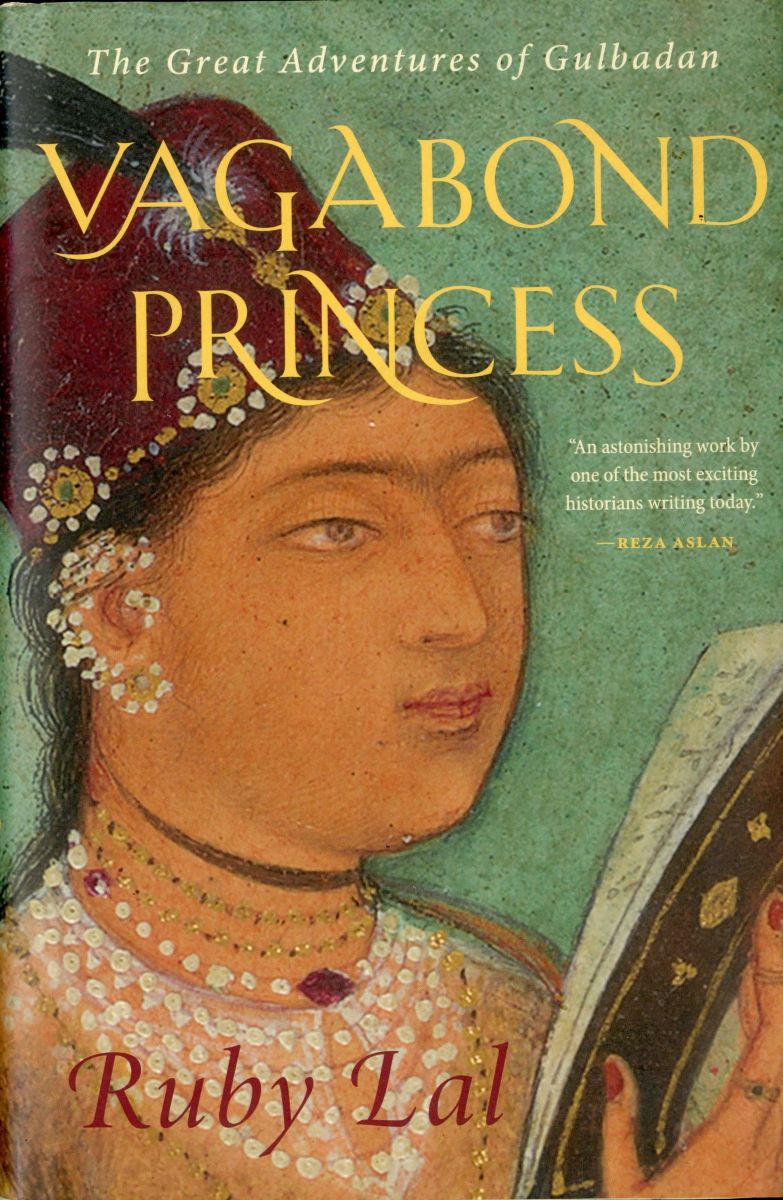
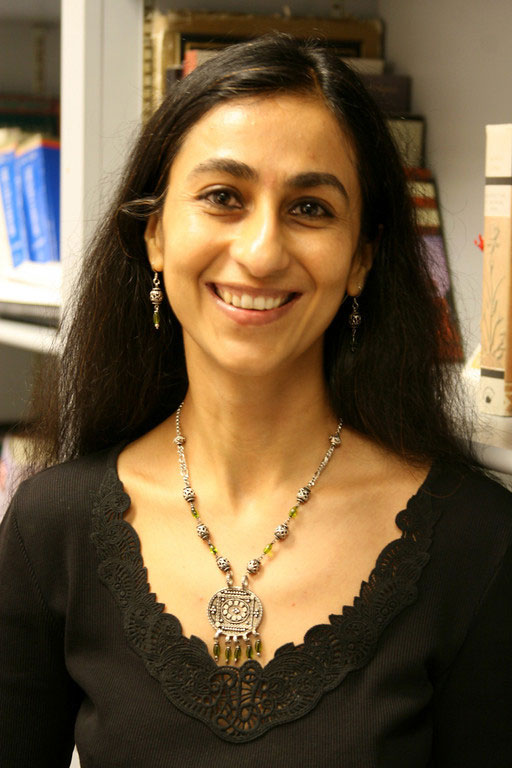
Princess Gulbadan died in 1603. The sweet, smiling and hard working writer Ruby Lal thinks that the lady standing on the railing is Princess Gulbadan herself. It could be, as her face resembles that of the image used by the writer on her research on Gulbadan Begum styled wrongly as the Vagabond Princess. However amazing that image is merely of a Mughal Princess and does not specify title of same. Another painting in the British Library claims that in the celebration of Akbar’s circumcision, Gulbadan is certainly sitting in the group viewing the dance. But again merely attribution. Nothing solid. The claim that Gulbadan is standing outside the railing is mere speculation. One point to note is that if it is Gulbadan, she cannot be shown so young here, and without proper adornments. Yes, age differs. Princess should be much older in the miniature. Ruby Lal thinks that the classification is wrong and the miniature reflects another period that of Gulbadan. And she talks of the death of another Princess, the family  of Gulbadan. But if it was Gulbadan would be sitting next to the sick Princess. So the result? Attribution, speculation, not solid identification.

No one can prove this way or that. If there was a description by name the matter would be solved easily. But here there are perceptions. MINE IT IS SAHIB JAMAL, RUBY LAL it is not. Perhaps may be added to it! Who is right? Maybe time will tell more. I boldly stick to my perception based on study of so many details. Ruby Lal is welcome to hers! I told her she can write her perception anytime but in description she must give mine too. All sides represented the best solution. And fair to all. Desire in research pushes us in one direction. A clash of head and heart. Our love to all, our sincere gratitude to Ruby Lal to invite us to this attention.