STEREOTYPES AND CLICHES MARK REFERENCES ABOUT LAHORE – YES, TWISTING THE CITY’S HISTORY IN MORE WAYS THAN ONE: – NO SOURCE BEING LEFT FOR TRUTH BY SPREADING MISTRUTHS.
STEREOTYPES AND CLICHES MARK REFERENCES ABOUT LAHORE – YES, TWISTING THE CITY’S HISTORY IN MORE WAYS THAN ONE: – NO SOURCE BEING LEFT FOR TRUTH BY SPREADING MISTRUTHS.

GANJ SHAHEEDAIN OF LAHORE

Foreign money flows in our historical narratives and it flow distorts all that is known about this city. It is our city. Our family has lived in it for more than four centuries, perhaps even more. Flow of Sikh money makes it a Sikh city, flow of Hindu money makes it a Hindu city, and flow of Western money, responsible for confusion all around. All the vendor things sold in the city is touted as unusual, a request should be made to those who project same to try same on their own. Probably full of bacteria and viruses, all those silly things can cause many loose stomachs. In addition, blood pressure as well as gastritis all around. Painting old wooden structures with layers of cheap paint, and hanging plants in lanes has nothing to do with the history of Lahore. May we even know the history of the persons to whom the lanes are credited with, nobody really knows.  We do not want to be specific but a number of questions do come in mind.

Tania Qureshi writes:

Gali of Surjan Singh and the Gali Gubarchian, located in Lahore Pakistan, are interlinked and the complex is known as Koocha Charakh Garan. These are typical of the remaining historical fabric of the walled city. Gali of Surjan Singh and Gali Gubarchian have almost 23 buildings which represent the transformations in technology and architectural expressions that were affecting Lahore during the colonial period.

It is sweet and honest of Tania Qureshi that she asserts the area as of colonial period. Does it clearly show something? Not a single house of historical or aesthetic importance. A period of decadence. And hardly anyone knows the Hakeem Surjan Singh? Not even his house is there. Kanaya Lall the historian of Lahore mentions a number of Hakeems of the city, both Hindu and Muslims, but Surjan Singh does not appear in his historical account. Hype is for what? Lack luster plain houses, and unknown hakeem? I recall the chowk near the Pani wala talab, and Rang Mahal, is known as Chowk of Surjan Singh. I do not know why? But I was born in a house in the chowk of Surjan Singh and I know that well. There were beautiful houses nearby with exquisite wood carving (Swans and peacocks), as having belonged to famous prostitutes of Mughal period. Kanjri Mor-wali was not Mai Moran of Ranjit Singh’s fame, famous for her peacock dance. My negotiation did not work out and the exquisite wood carving was used as fire-wood.
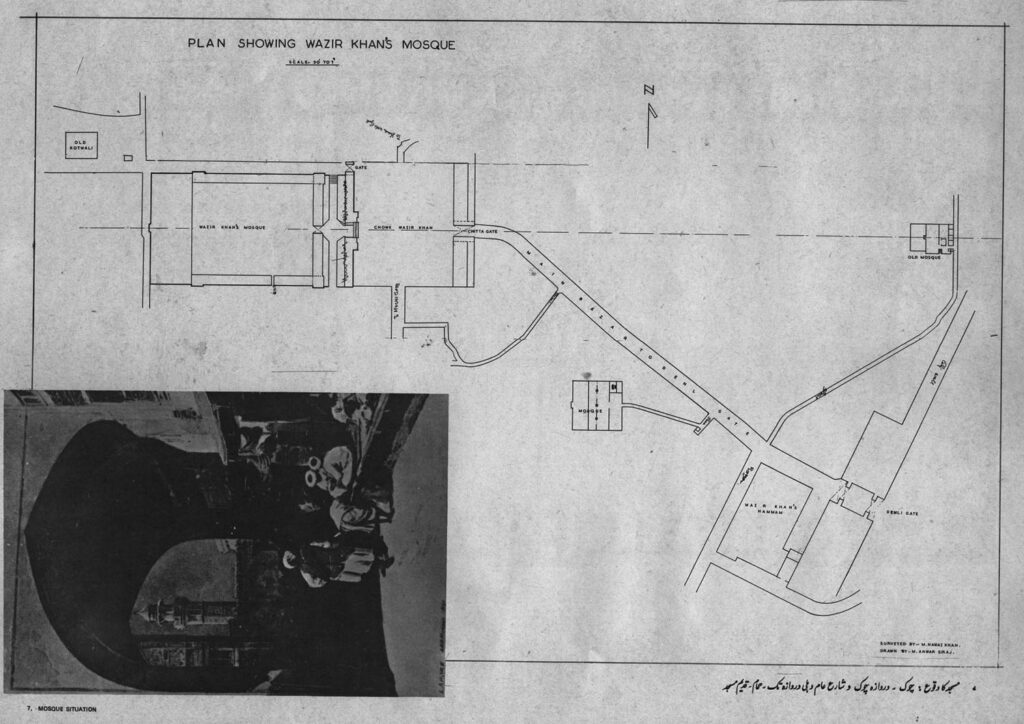
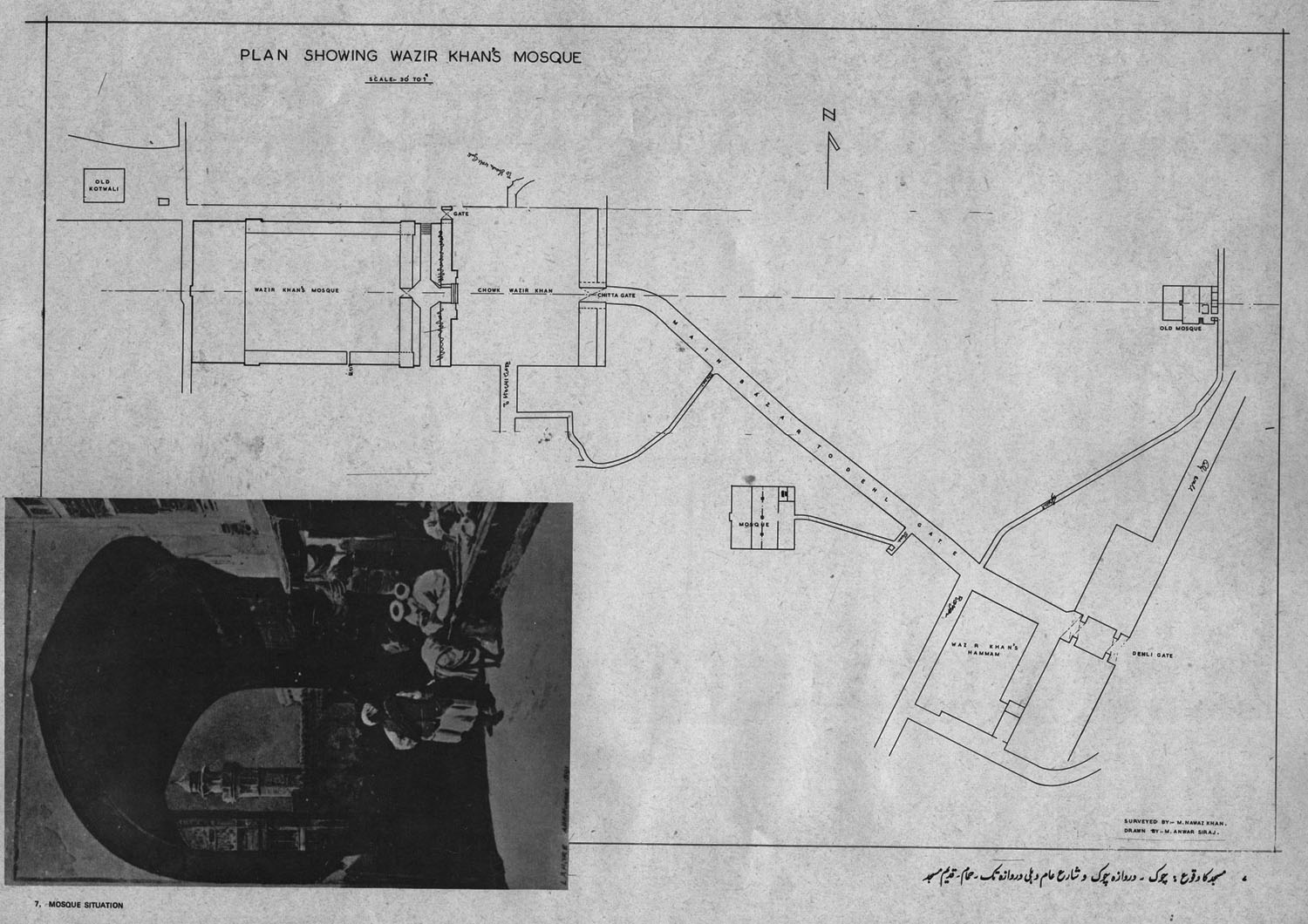
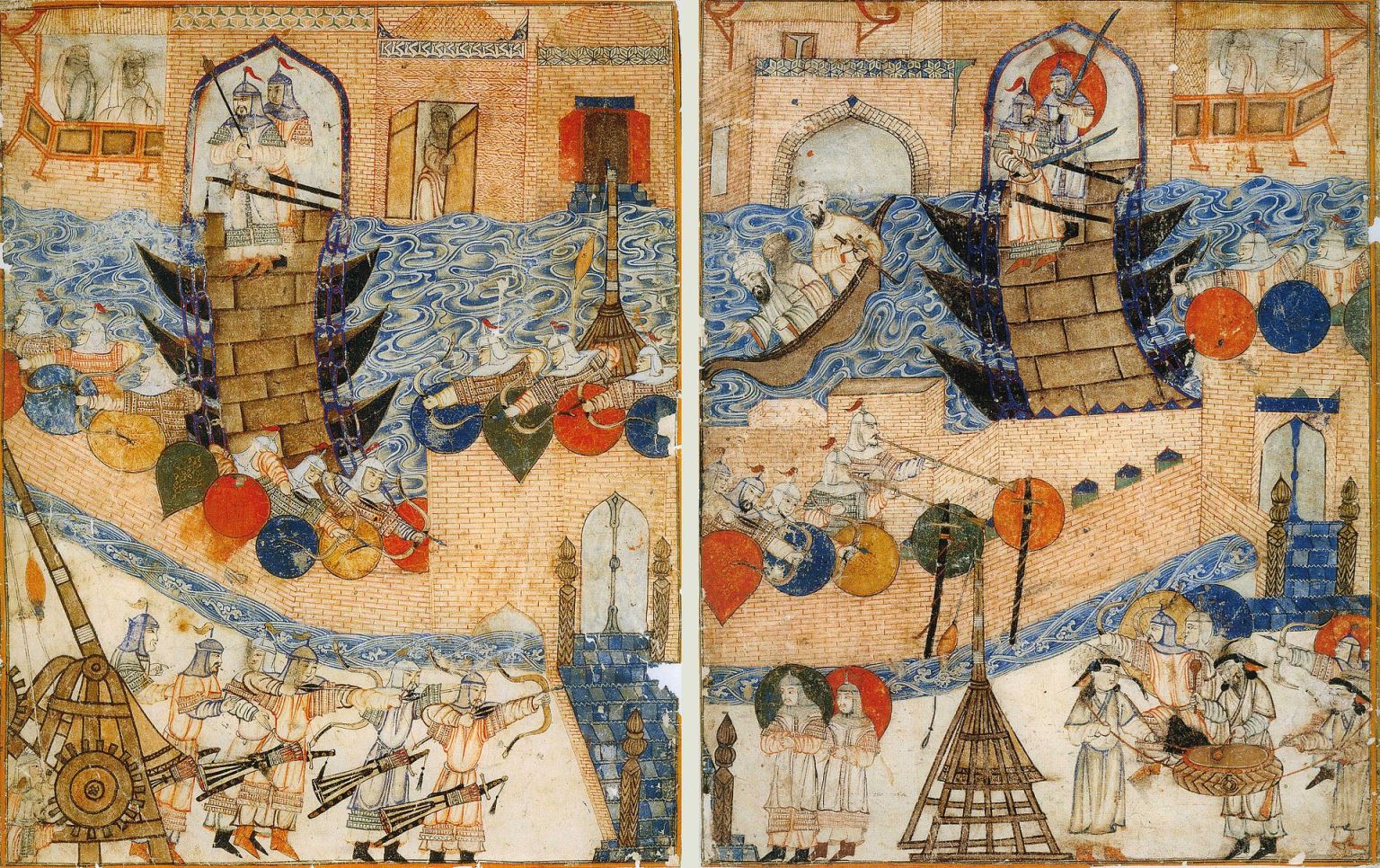
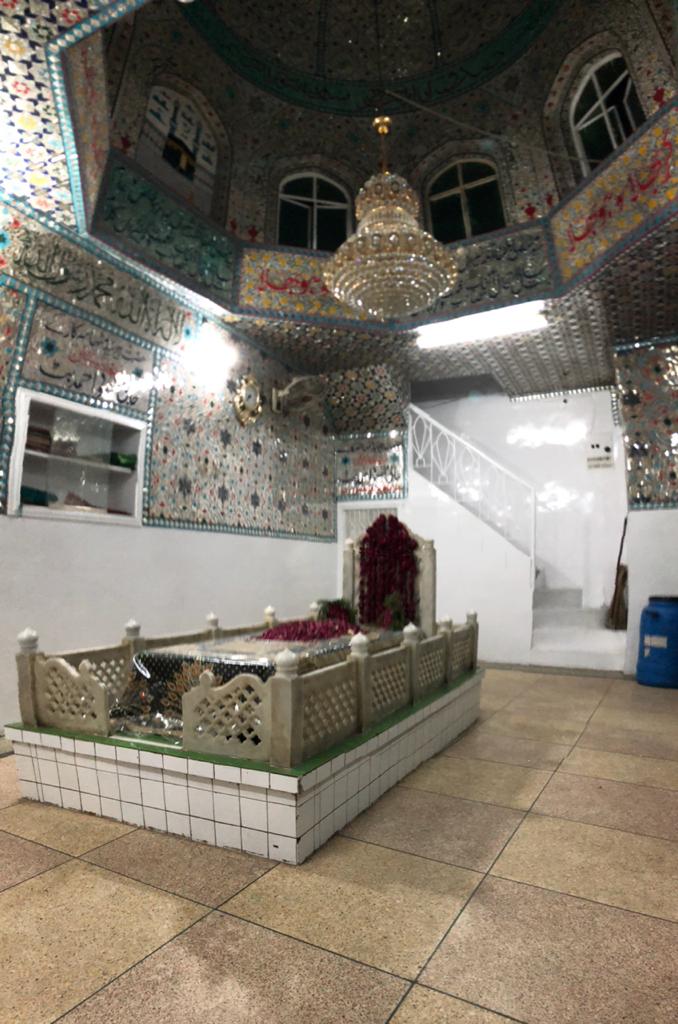
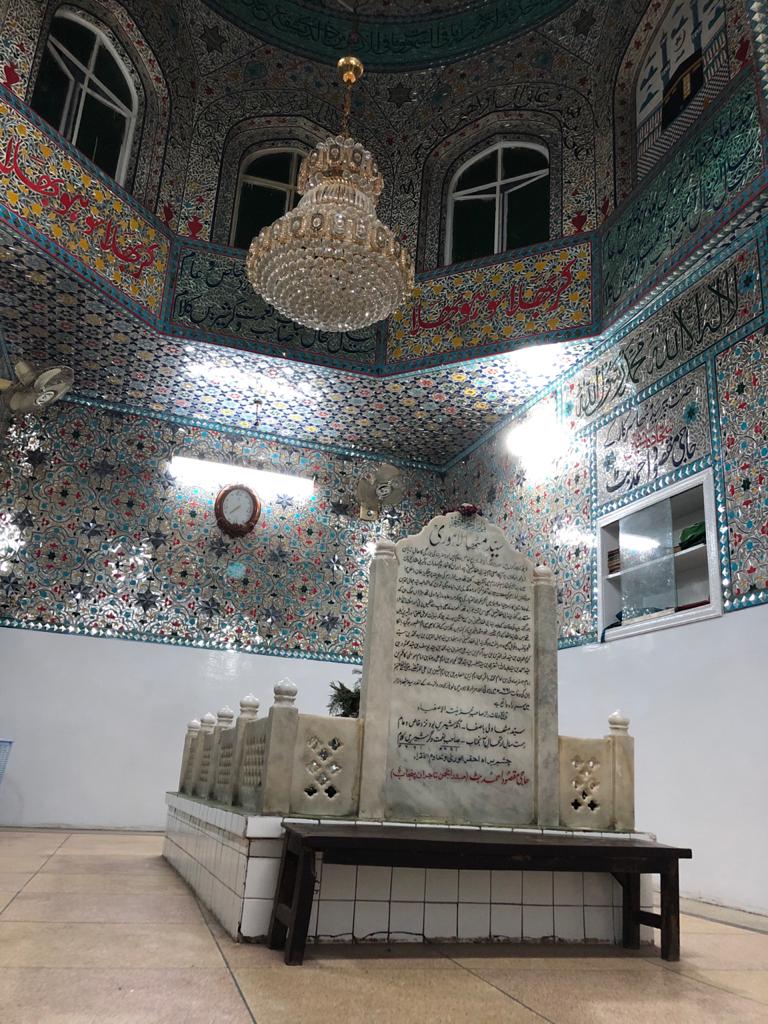
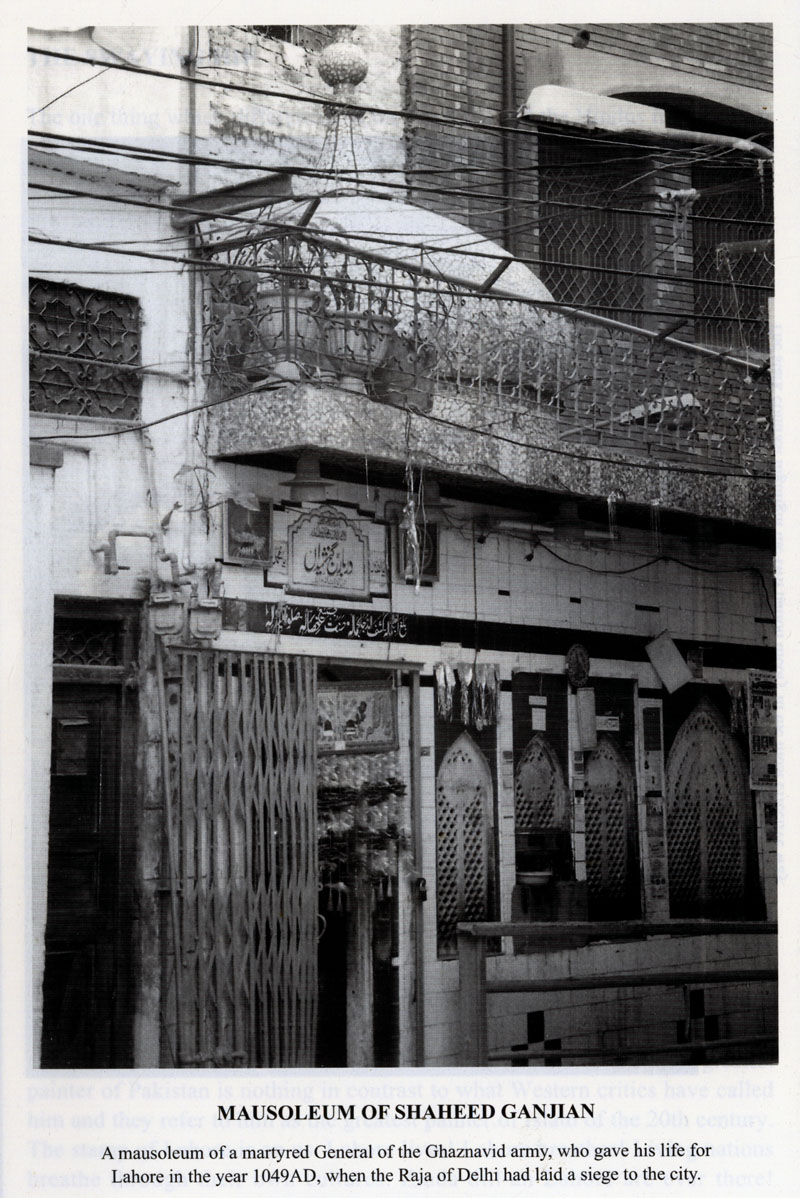
Security of the city over times. A number of questions come to mind about the security apparatus of the city. The first misadventure happened around 1049 AH, when under threat, the Hindu Rajas, came together and invaded Lahore. We have detailed it in one of our research books. Various areas of Lahore faced massacre under the onslaught of the Hindu armies. Only few signs are left. One is the Ganj Shaheedain area near Kocha Chabuk Sawaran. Then there is the Mongol invasion in which Hassan Balki died defending Lahore. He is buried in Kashmeeri Bazaar. Said Mitha and his father escaped the wrath of the Mongols in Lahore. So much ruin that in era of Mubarak Shahi, there was not even one resident in Lahore. We hear of various tussles in Sultanate era, as well as Mughal period. The invasion of Nadir Shah and Ahmad Shah Abdali had the greatest effect, and the security of Lahore was at stake. But Lahoris were quick in adjustment. They always negotiated the safety of the city by offering endowments. The anarchy brought by the three Sikh rulers who captured Lahore and played havoc with people. Gujar Singh (son Sahib Singh), Lehna Singh (later son Chet Singh) and Sobha Singh were the curse on Lahore. Tired of their misadventures, a group of Lahore citizens invited the dacoit of Gujranwala, Ranjit Singh to get control over Lahore. As promised the Lawari gate was opened at night for his entrance of army stationed at the Baradari of Wazeer Khan. The second attempt succeeded in capture of Lahore, but not the Lahore Fort. Cannons were mounted on the top of the minarets of Badshahi masjid by removing the cupolas and cannon fire inside Lahore fort. Finally, the three Sikhs Sardars gave up and ran away, never to appear again. Although their remanent like Qilla Gujar Singh is still there.  This was a brief survey and what was the security apparatus of the times.
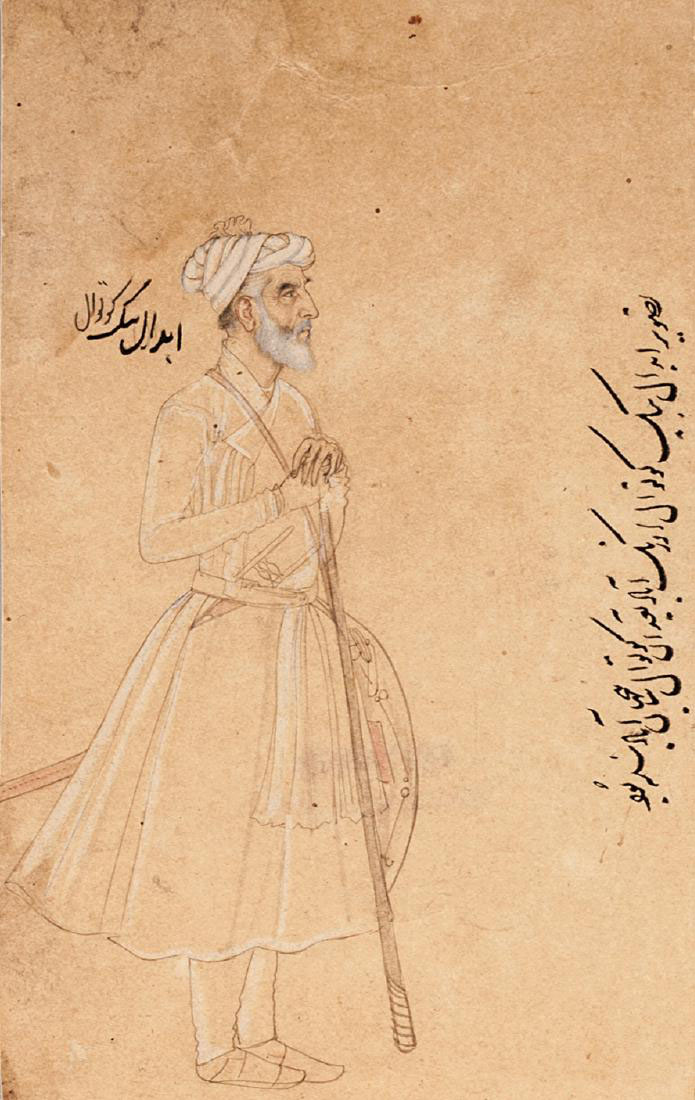
Kotwal Ibdal Baig Lahori

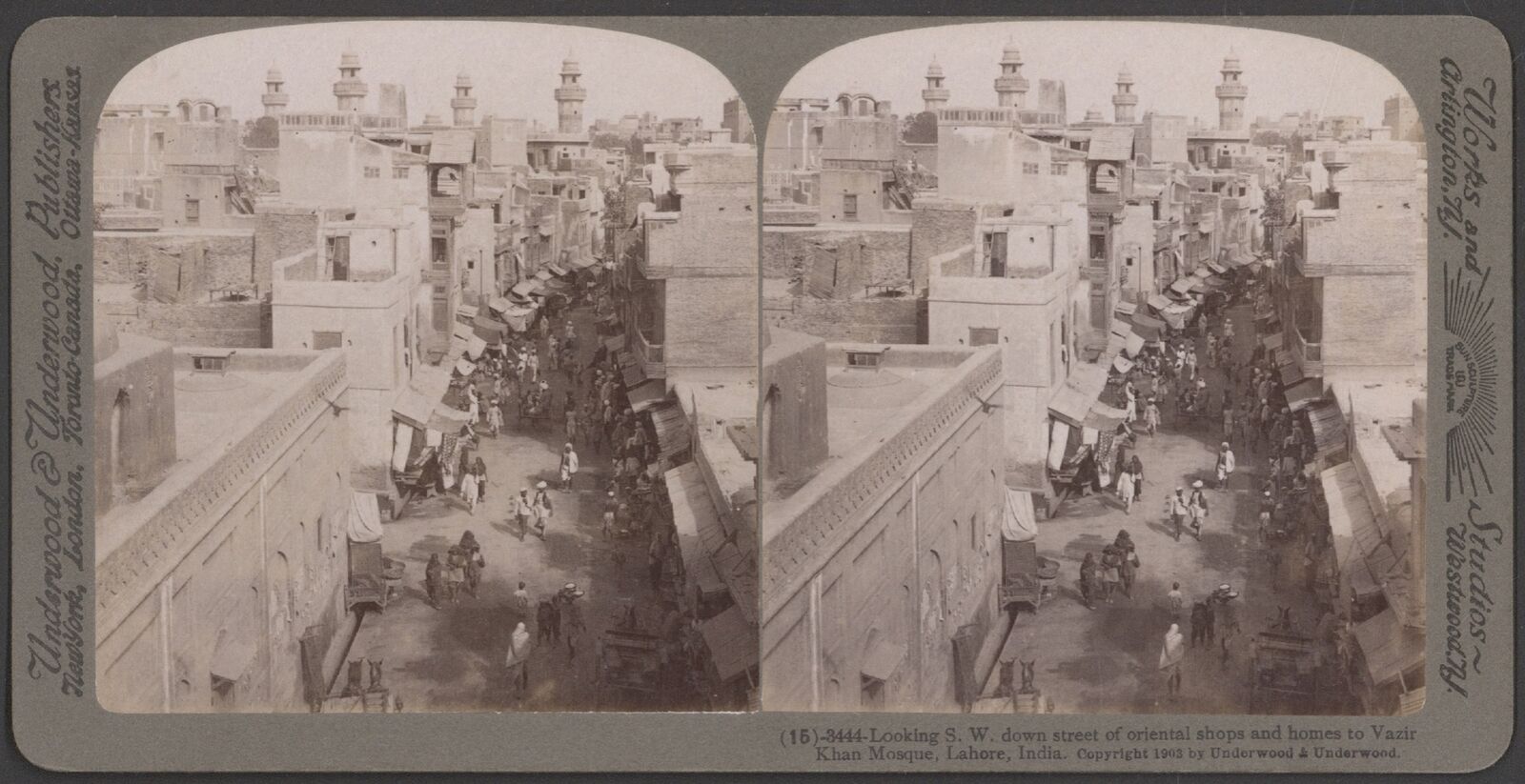
People wonder why the lanes are so narrow in Lahore. Simply so that no group of armed riders could get inside the city and ruin the life of the people. A second precaution was that the roofs of the houses were joined together so that if residents got surrounded in one house, they could jump to other houses and escape the capture of the invaders. And most of all hidden rooms at water level in the water wells of the house, where women and children were lodged, with supply of basic flour and water to last the onslaught as well as daggers, not to fight the enemy but to kill themselves if caught for fear of being tortured and raped by hostile group of people. How many can explain this to you? A well in most houses was the security need of those times.

Lahore egalitarianism can be proven by the fact that upper class or lower-class people all lived in same area. The rich and powerful had no qualms over having poor people in their area. Racial distinction was brought in by the British when on documentations people were forced to write their castes instead of professions. Different areas were made for different classes of people. This continues to this day everywhere.
The story behind all stories is fund raising and use of funds. And the pay master is always right. He funds to get his version of truth across the board. Simple equation. May we say more?

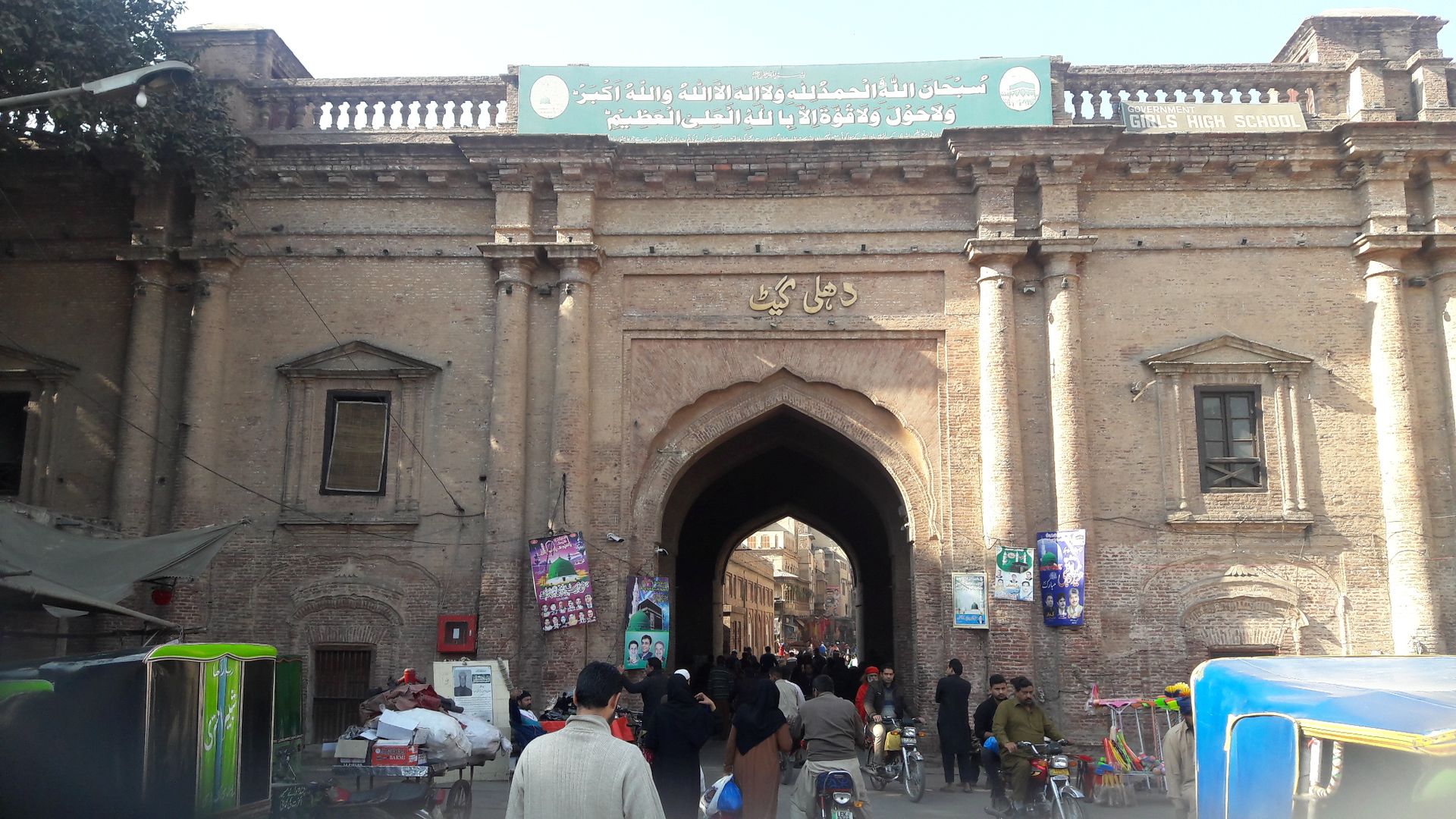
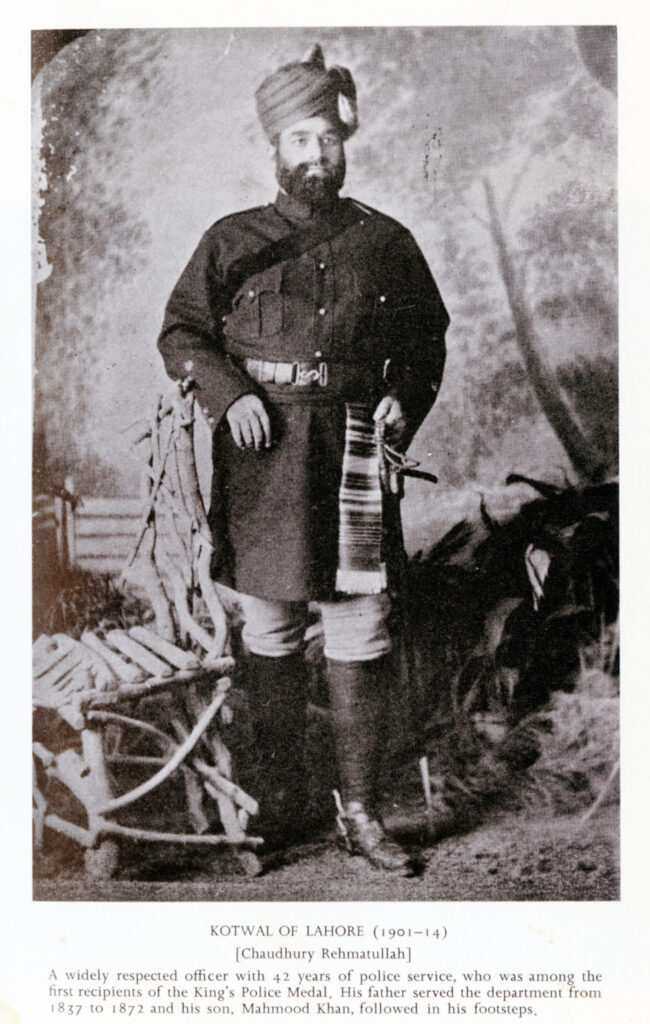
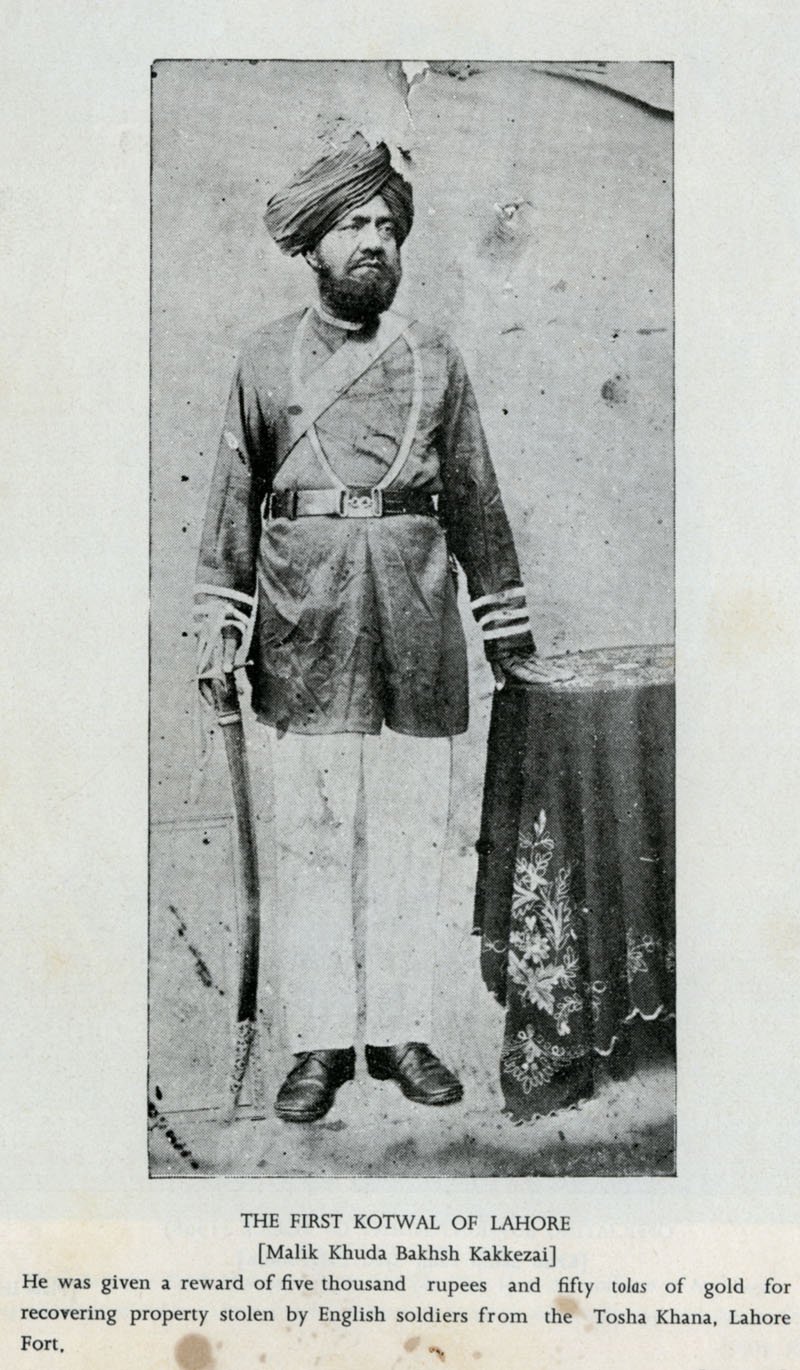
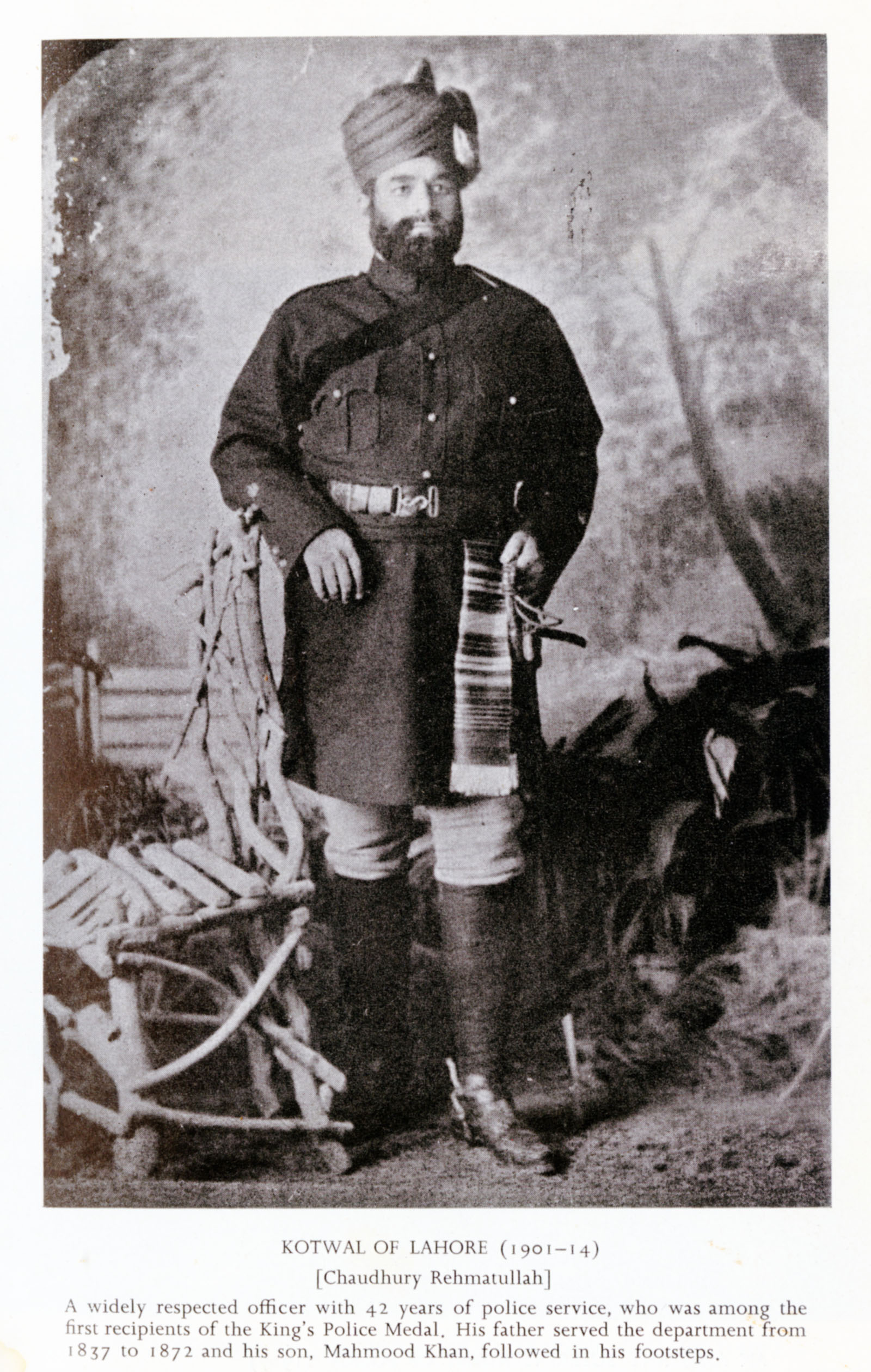
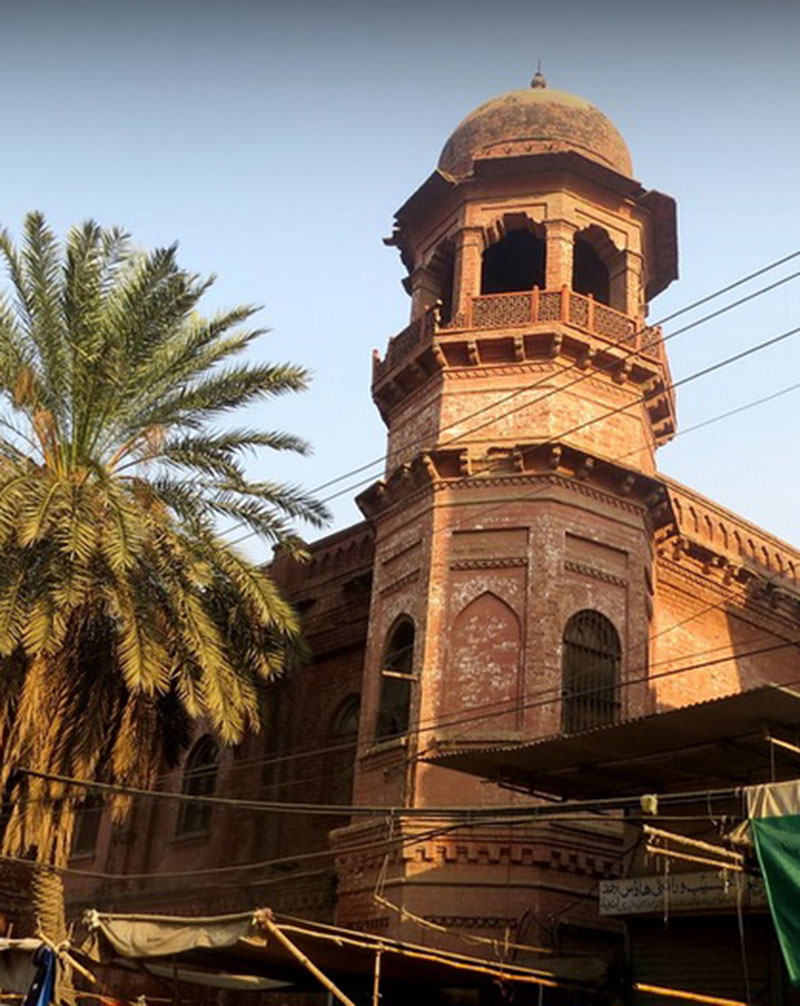
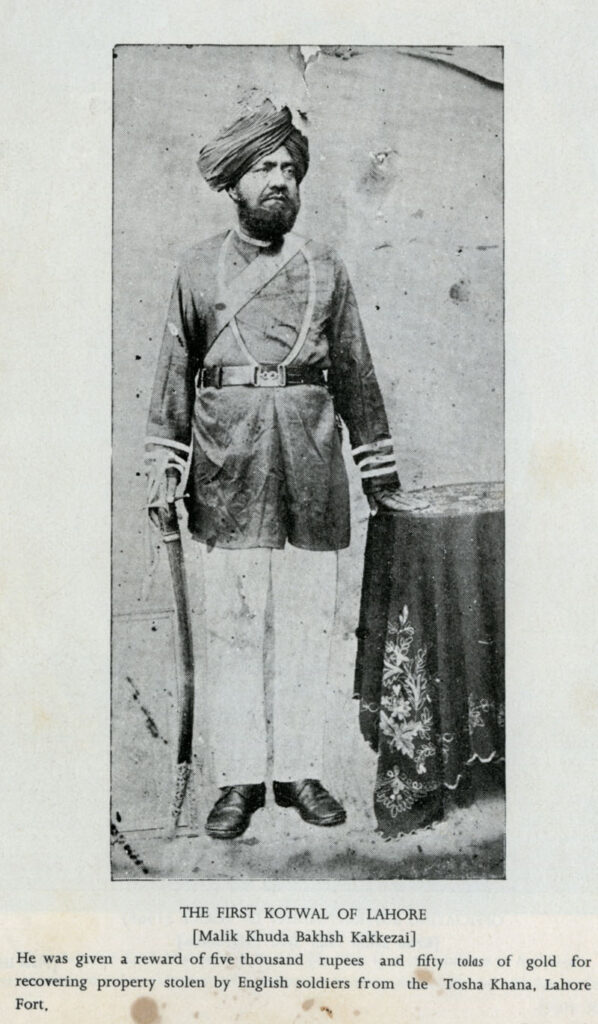
British adjust the security of Lahore. First most of the gates were demolished in Lahore. Lanes were carved and broadened out, so that horses as well as elephants could easily enter Lahore. The Kotwali inside the city was demolished and same shifted outside in form of a new building, with newer kotwals for the city. The history of these British period Kotwals is basically boot licking and nothing more. And yet Muslim officers were preferred over other ones. There was a famous Kotwal of Lahore when Ranjit Singh entered Lahore, and he used to roam the street, with an ever-famous actual donkey as an escort. Our mission is to present the truth as we know it. It should not surprise people addicted to lobbies spready disinformation about Lahore.
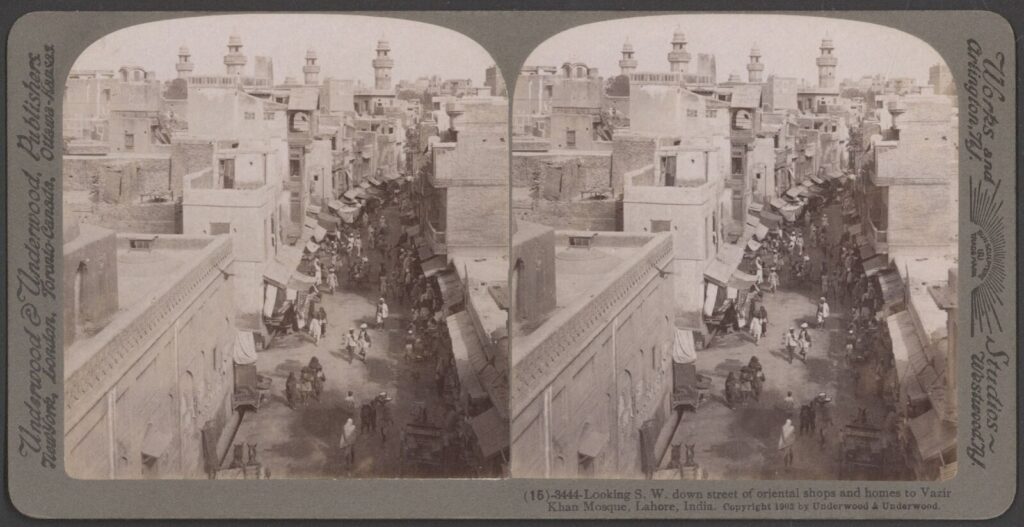
P.S. A katra of famous Hakeem Buzurg Shah near the Wazeer Khan mosque would have been an ideal place to restore, with even the mausoleum of Hakeem Inayat Shah (writer of books) there. A family which consolidated the return of the Badshahi mosque Lahore to the citizens of Lahore.
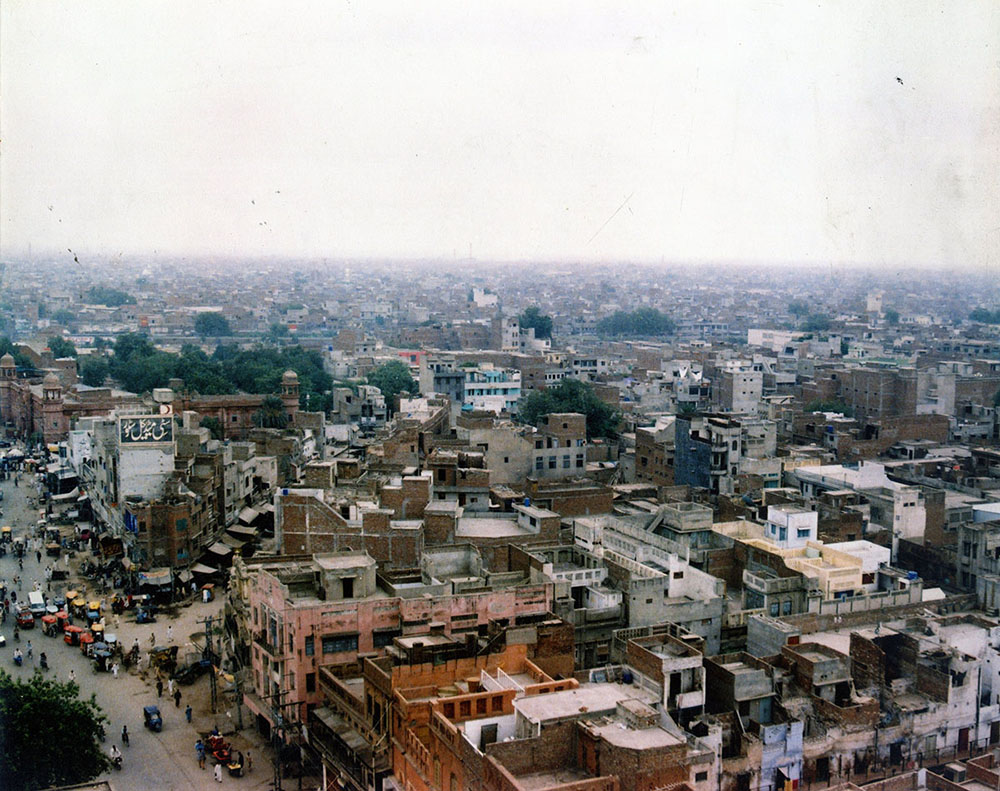
New Kotwalli and joined houses

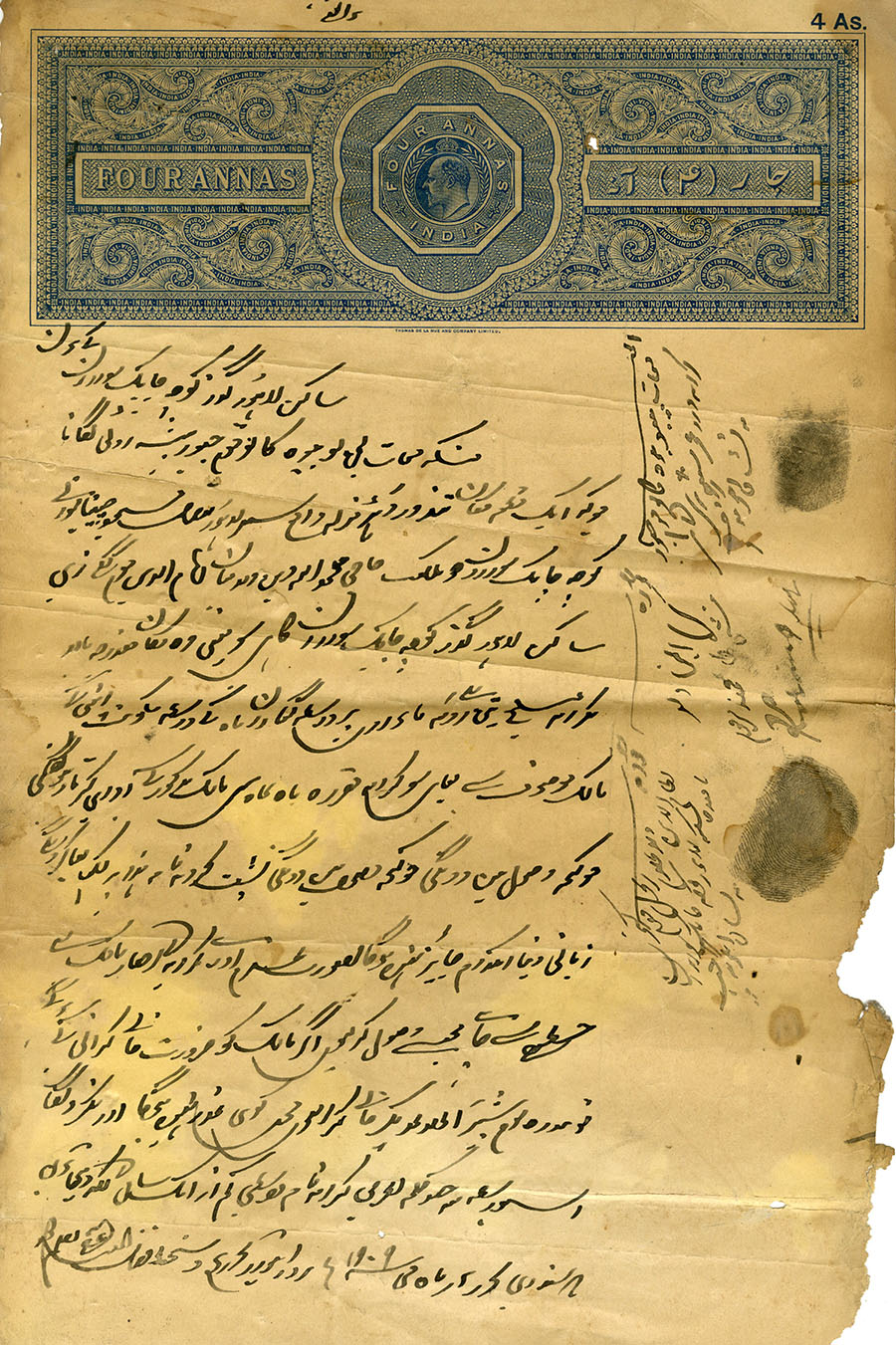
A MOST UNUSUAL DOCUMENT OF MOHALLA CHABUK SAWARAN – RENT AGREEMENT WITH A WOMAN ROTI MAKER AND TANDOOR.

A MOST UNUSUAL DOCUMENT OF MOHALLA CHABUK SAWARAN – RENT AGREEMENT WITH A WOMAN ROTI MAKER AND TANDOOR.

Roti wali Tandoor Chabuk Sawaran

The year is 1909, and it is the Mohalla of Chabuk Sawaran. It is probably the house of Mian Kareem Baksh (perhaps portion not bought at that time), but his name is missing, as well as names of other persons of family. The year 1909 means that all the Chughtai brothers were mere children and had nothing to do with this agreement. Some of the names on it are Karam Din, son of Munshi Dil Muhammed (but the year means that it is not Mian Salah’s father), and strangely Karam Din signs his name in English. The other lady Roti maker PEEPO WIDOW OF KALA JEWOR has a thumb impression, as well as Nizam ud din son of Ghulam Rasool. The terms include tenancy of the tandoor, as well as conditions of eviction, when necessary. There are certain points that need to be clarified after study of same. It is an agreement between Peepo, widow of Kala Jewor, and Haji Allah Din, son of Nizamuddin Kake Zai.

The lady asserts that the decided Rs 3 per month rent will be achieved by her with great difficulty, and if the need arises, she will pay instead of cash, by offering rotis from her tandoor to the landlord. We do not think we have ever seen such an agreement before in our study. But those were difficult times and we should realize that. The agreement in our family means that this portion of the complex must have been bought later by Mian Kareem Baksh, as we understand it. Or definition lies elsewhere.

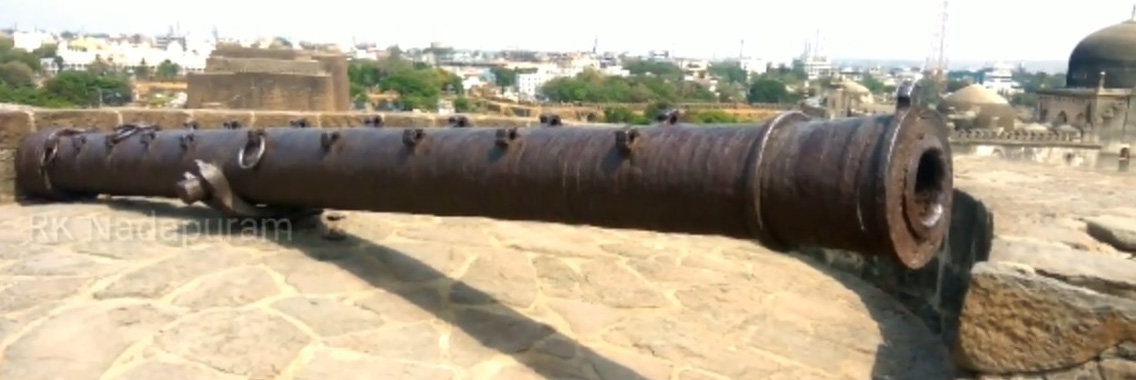
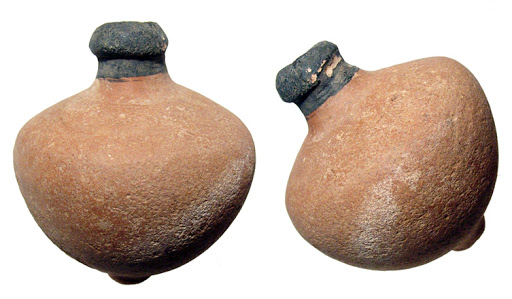
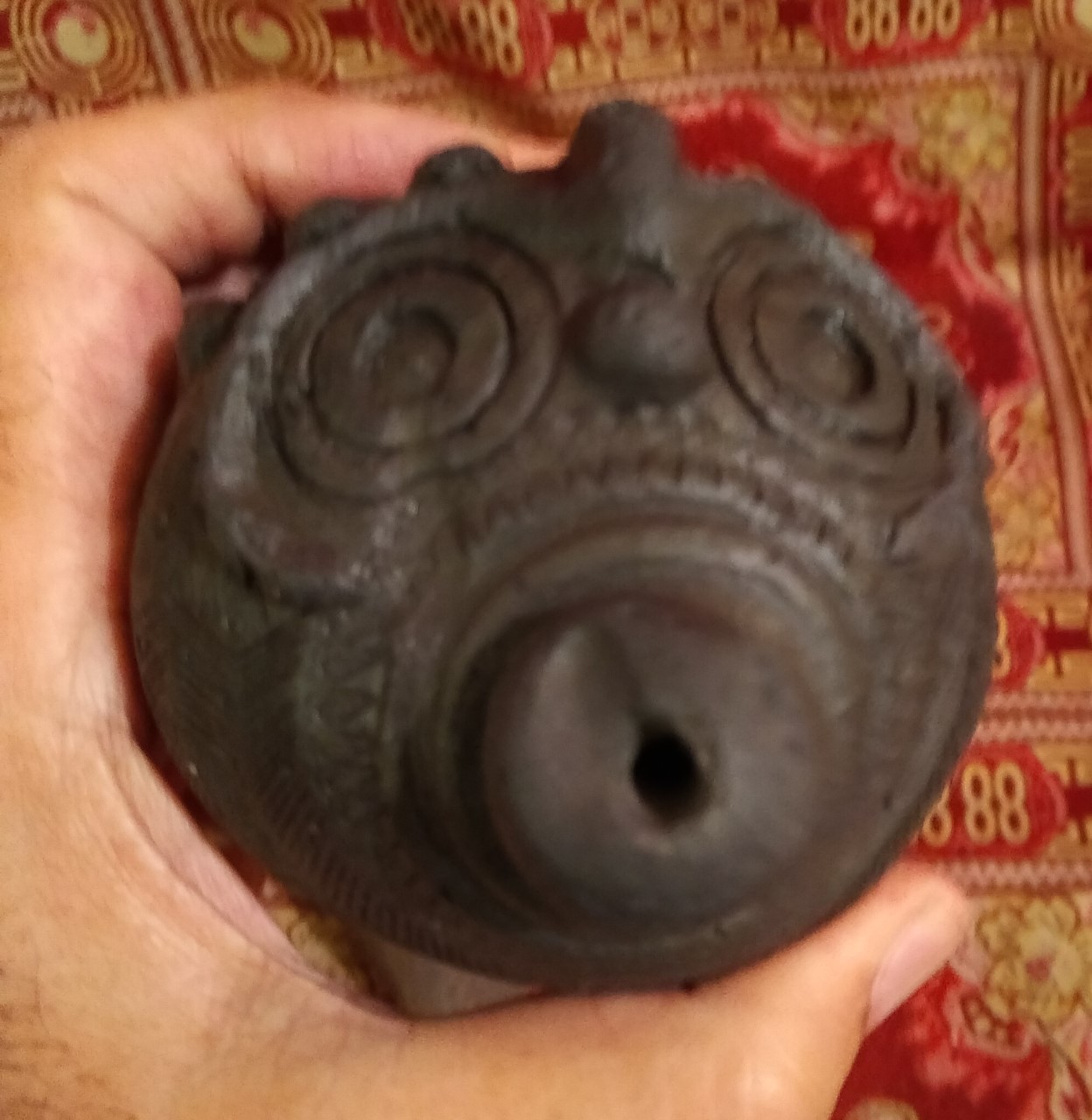
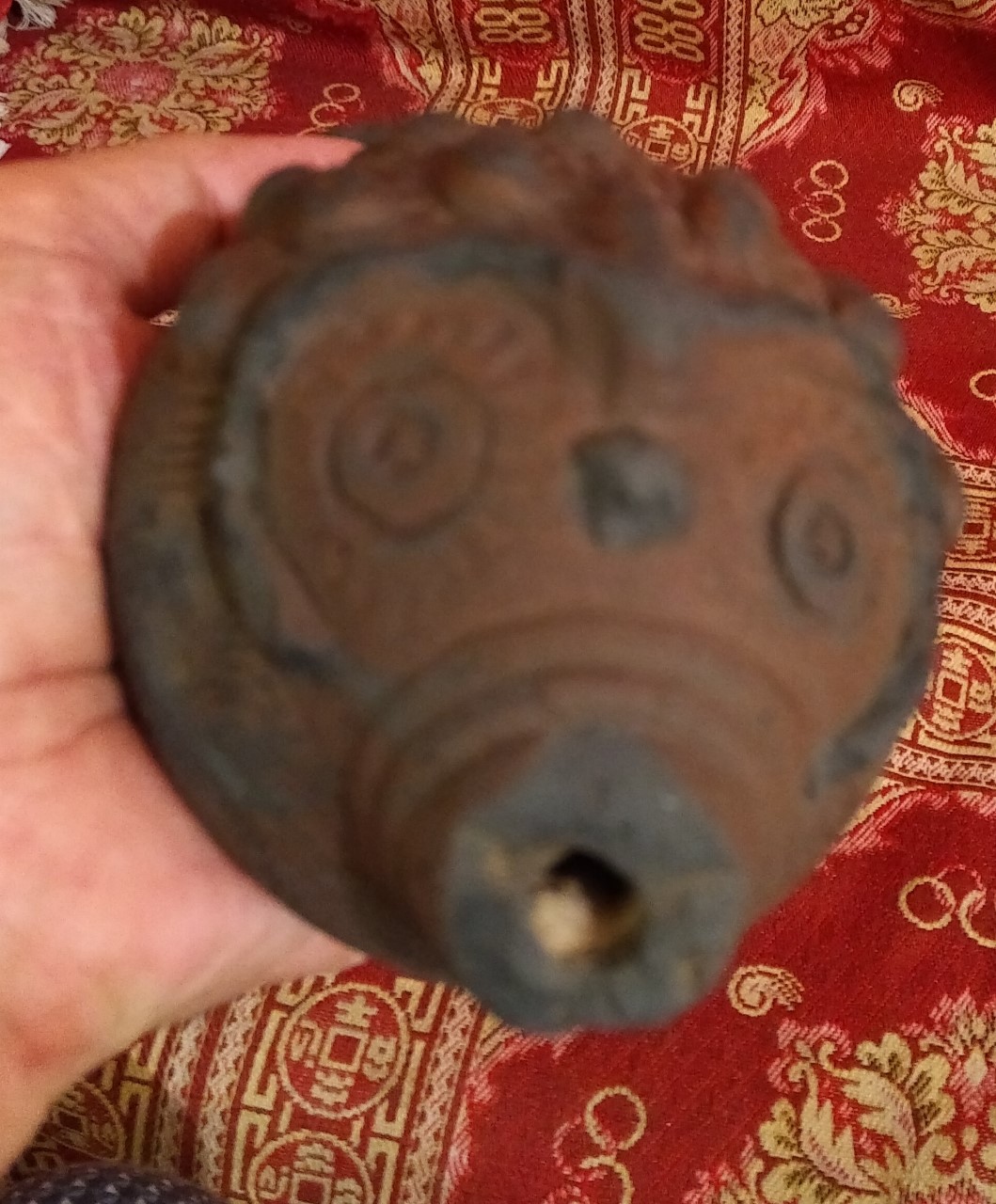
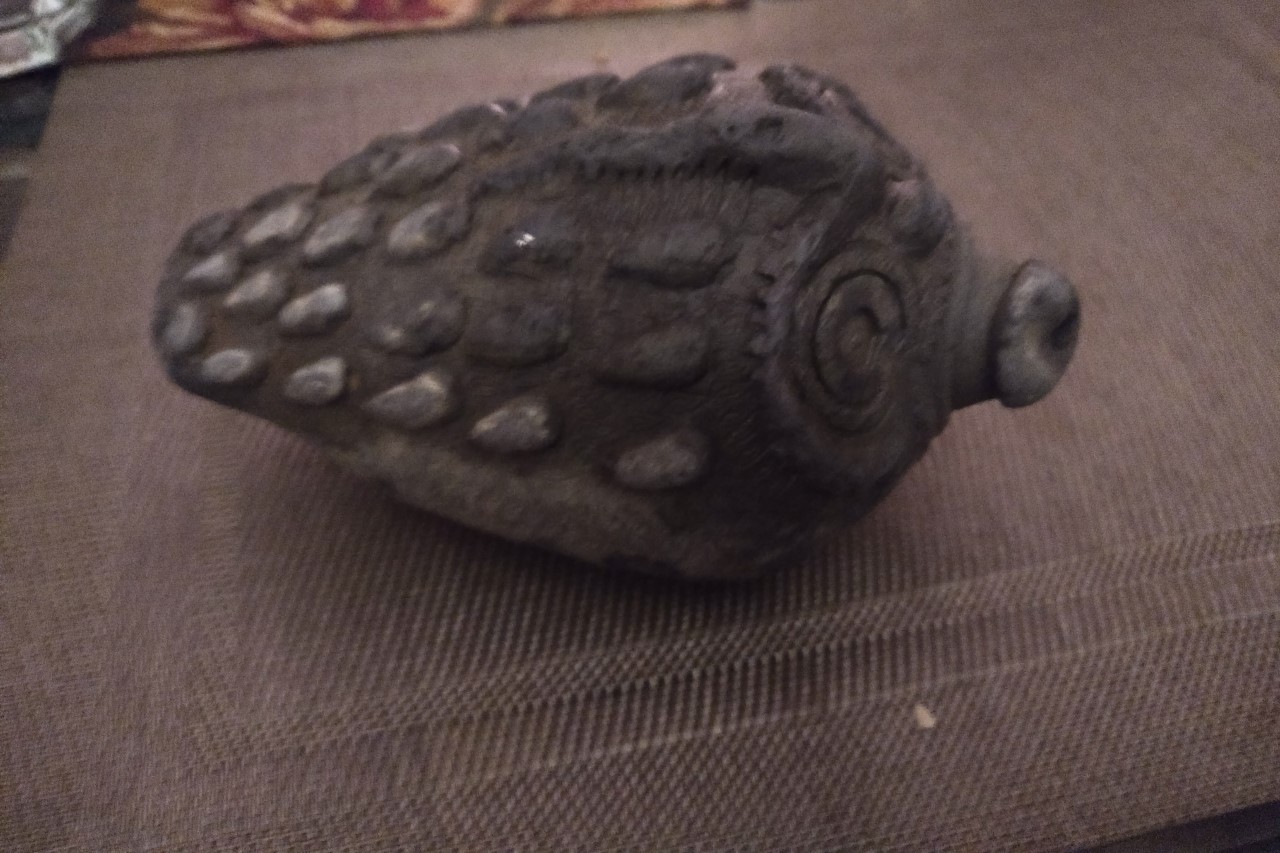
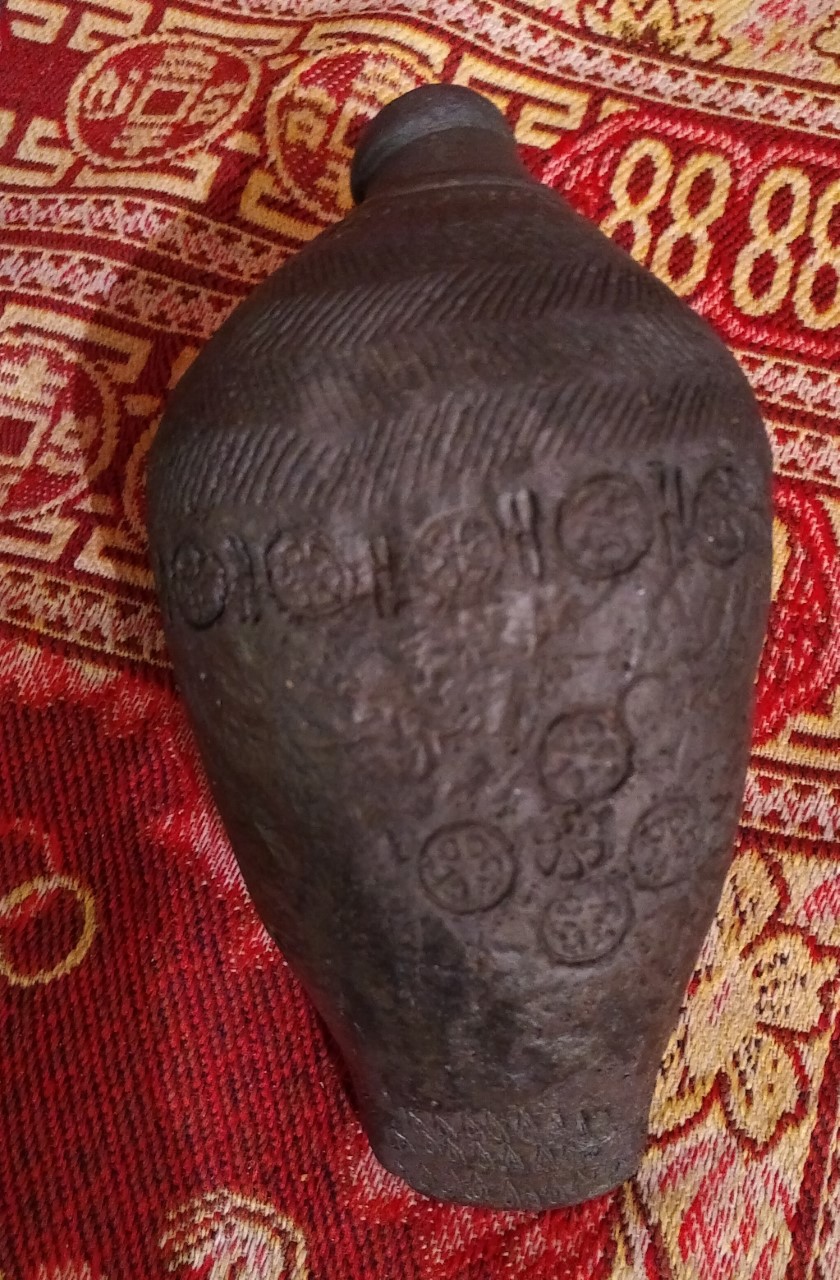
HAND GRENADES TO QUELL OPPOSITION, BY DIRECT CHARGE – AS WELL AS THROWING SAME FROM TOP OF FORT RAMPANTS.

HAND GRENADES TO QUELL OPPOSITION, BY DIRECT CHARGE – AS WELL AS THROWING SAME FROM TOP OF FORT RAMPANTS.

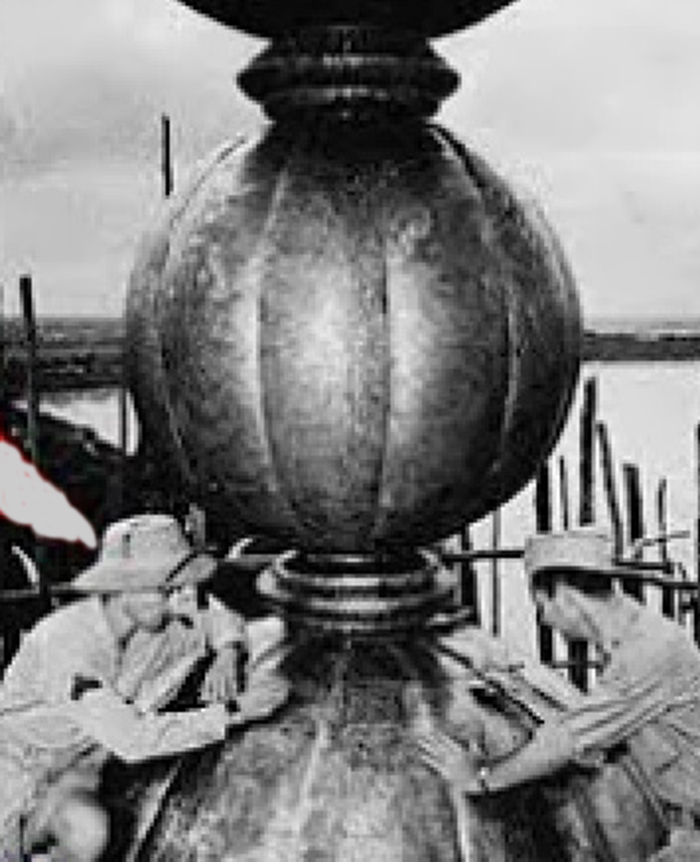
Gun powder starts from China itself, but it spread all over the civilized world as soon as was possible at that time. Cannons of course did their job. Biggest cannons were made, as well as the famous Zamzama of Lahore. But cannons were not mobile. To charge a fort, or to quell army rising above the fort walls, hand grenades requirement was there. Atish hukas came into play. Afghanistan is full of Atish hukas of the past. But they are found in the Punjab too. Lahore has its own version of same. Many shapes and sizes. But the most bizarre is Atish hukas shape like a fish. Muslims were obsessed with aesthetics. Who could have thought that Lahoris would design their grenades in form of fishes? Yes, various designs occur in Islamic world, but fish shaped things are related to Lahore only. These are of Sultanate period and not Mughal in their nature. Probably Ghoris. Most of them are full of carvings of flames but some of them have monograms. A segment of the charging army may be represented in this way. Very little research on the subject. One book in Pakistan, by late Dr Syed Zafar Haider, but a number of books in the Western world. None has the fish Atish huka in any way. Unique, enjoy!
THE CALLIGRAPHER ABDUL BAQI HADAD OF IRAN – FATHER-IN-LAW OF USTAD AHMAD MIMAR LAHORI.

THE CALLIGRAPHER ABDUL BAQI HADAD OF IRAN – FATHER-IN-LAW OF USTAD AHMAD MIMAR LAHORI.

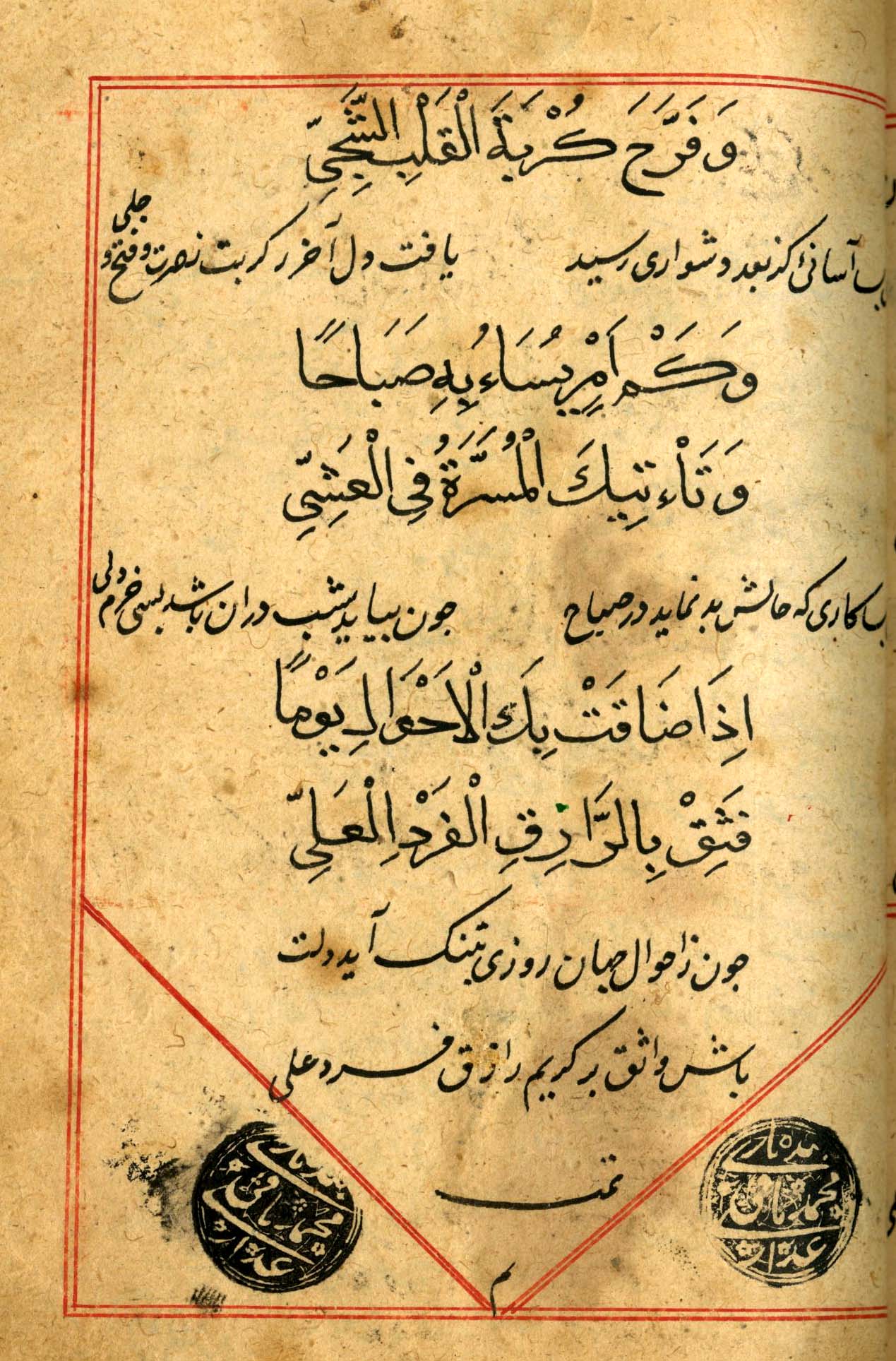
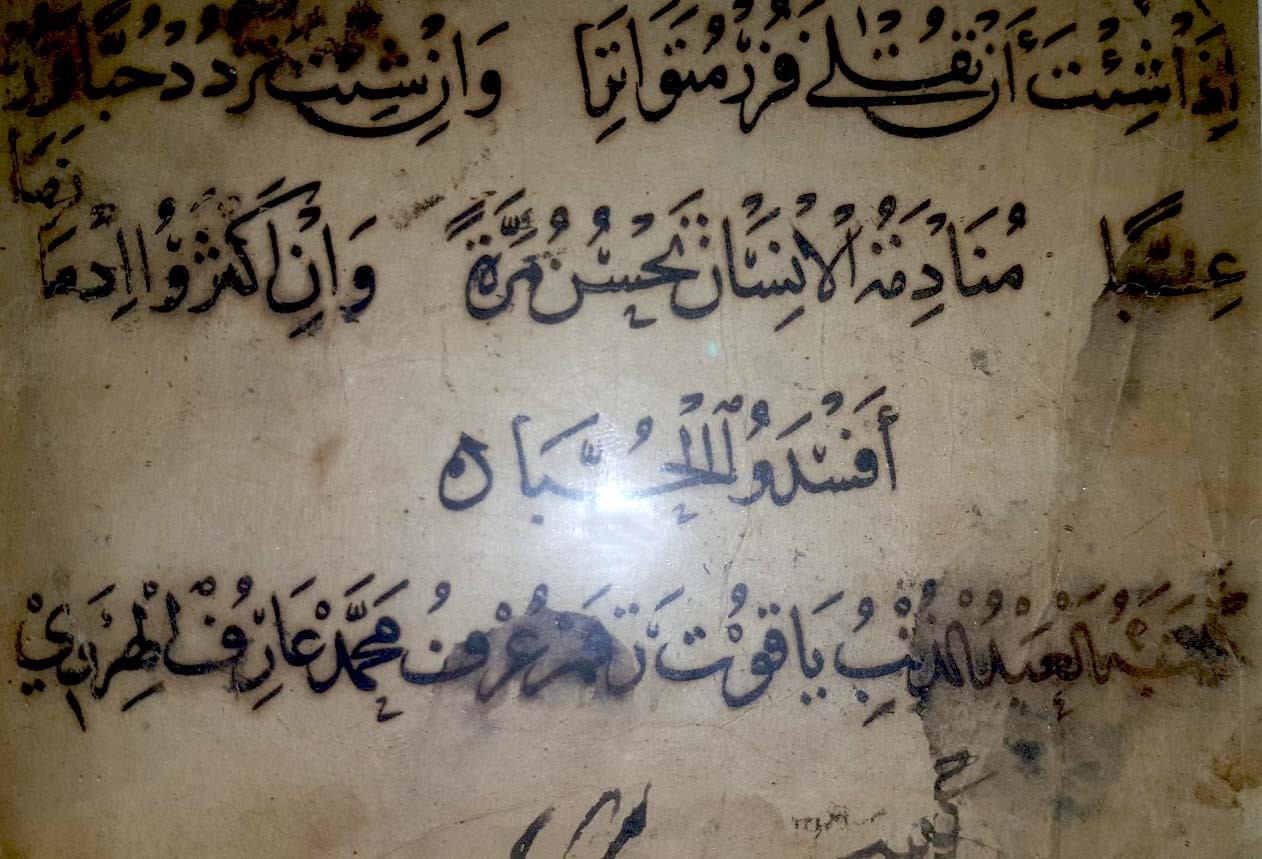
It is said of Abdullah urf Abdul Baqi Hadad (at times called Muhammed Baqi) that he had

“in recent times he had borne off the polo ball of precedence”,

among the writers of Naskh and

“had made Naskh the bride of calligraphy by embellishing and adorning it in a new manner”.

He came from Iran, had lot of students here and then went back to Iran. A famous student is Muhammed Arif who is called  Yaqut Raqam a title given to Abdul Baqi Hadad by Emperor Shah Jahan. Honoured in same way by Emperor Aurangzeb. Another very important student is Nur ullah Ahmad, who in a copy of Dalail ul Khairat calls himself as Nabeera (grandson) of Hazrat Abdul Baqi. Interesting! More later.

EMPEROR JAHANGEER HAD ONE TILE MOSAIC DESIGNED ON LAHORE FORT – BHANDAR AND BAQRI TAMASHA: FOUR HUNDRED YEARS STILL SAME TODAY.

EMPEROR JAHANGEER HAD ONE TILE MOSAIC DESIGNED ON LAHORE FORT –
BHANDAR AND BAQRI TAMASHA: FOUR HUNDRED YEARS STILL SAME TODAY.

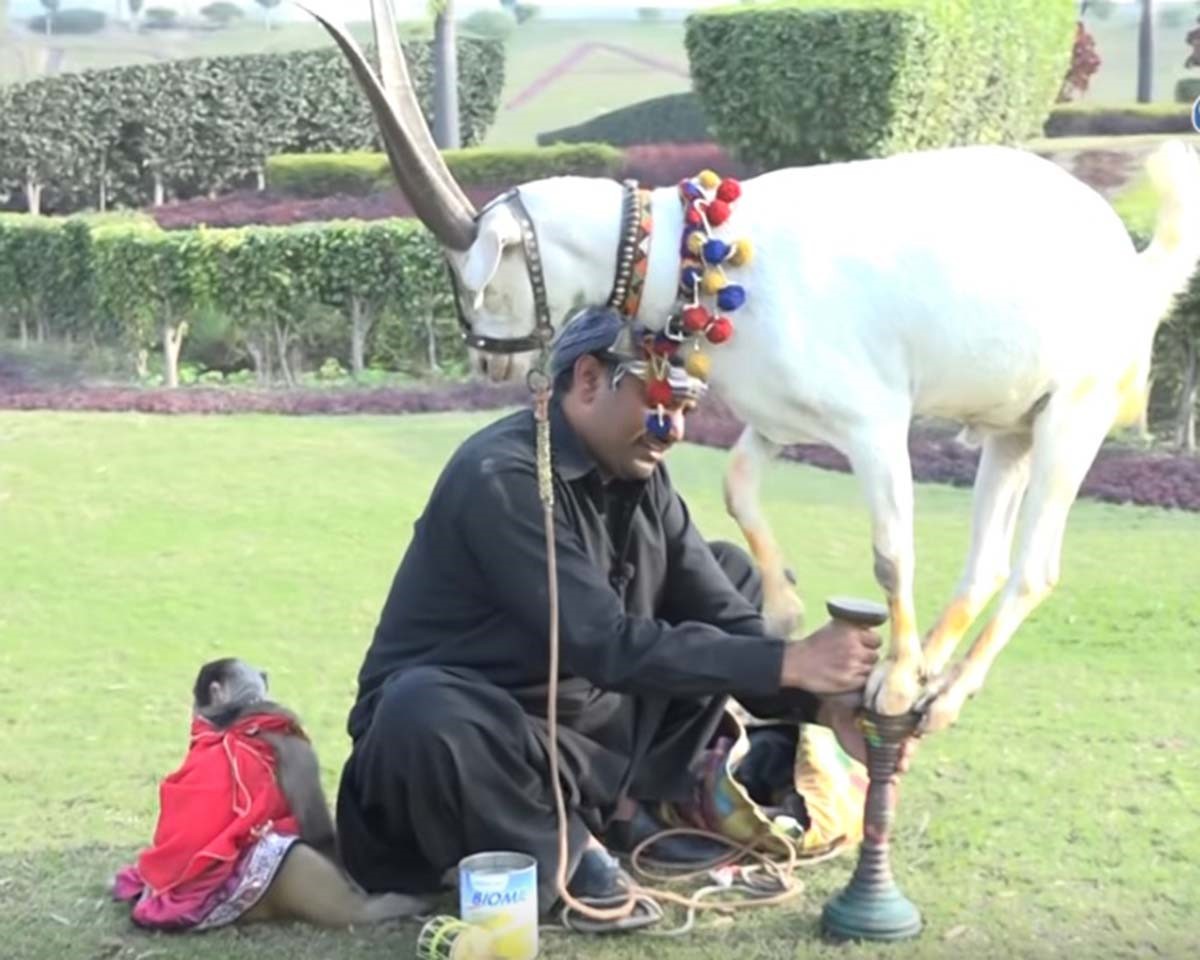
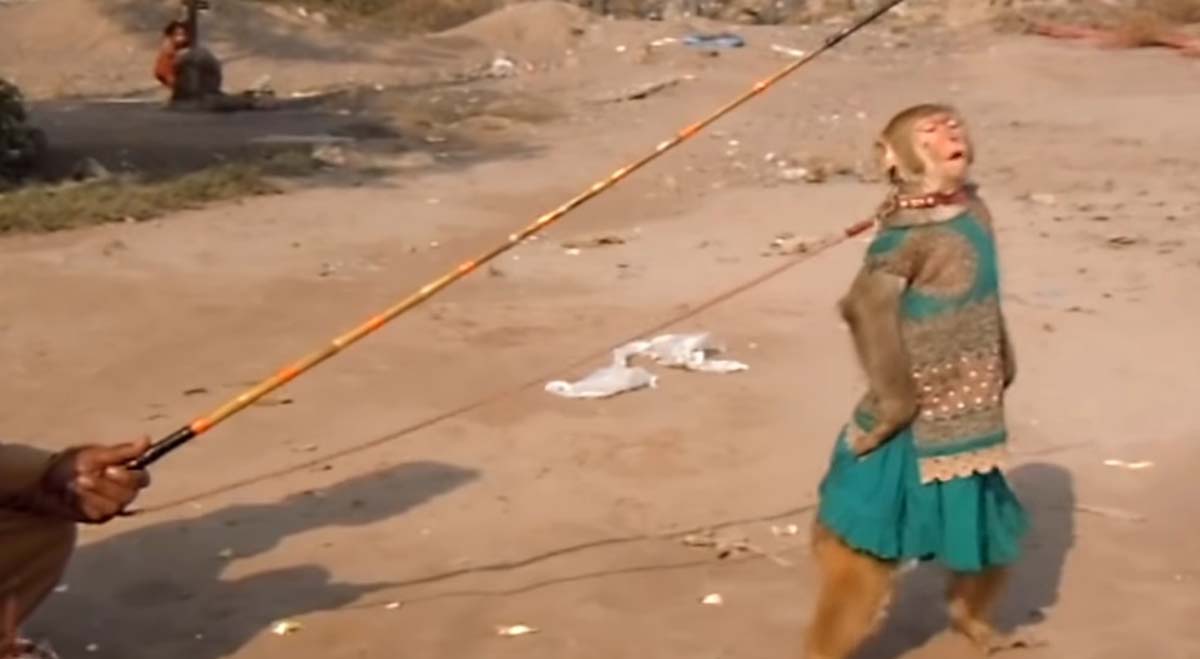
The region of Hindustan is famous for economical ways of entertaining people. Different sort of baazi-gars, performers of unusual antics flocked villages as well as cities. The walk on a tight rope, the snake charmers rope trick and others were all there. One thing which abounded then and very rare today was performances by dancing monkeys and balancing goats. It is certain that people remember the excitement of same even today, as it used to thrill children. And not a fee was asked from everyone, except those willing to throw some coins to the person. The invitation was called through a dug-dugi. The man played the dug-dugi as well as a flute to lure children out of their houses, or to watch same from the safety of their balconies in the house.

The Jahangeeri bandar tamasha is only different in his personal dress, it is same after centuries. Passed on from generation to generation in name of cheap entertainment. Perhaps Prince and Princesses got entertained in the same way in the past. 

MOST UNIQUE CALLIGRAPHIC MANUAL OF THEM ALL – PRINCIPLES OF NASTALIQ BY ABDUR RASHEED DAILMI – THE CHIEF CALLIGRAPHER OF EMPEROR SHAH JAHAN.

MOST UNIQUE CALLIGRAPHIC MANUAL OF THEM ALL – PRINCIPLES OF NASTALIQ BY ABDUR RASHEED DAILMI – THE CHIEF CALLIGRAPHER OF EMPEROR SHAH JAHAN.

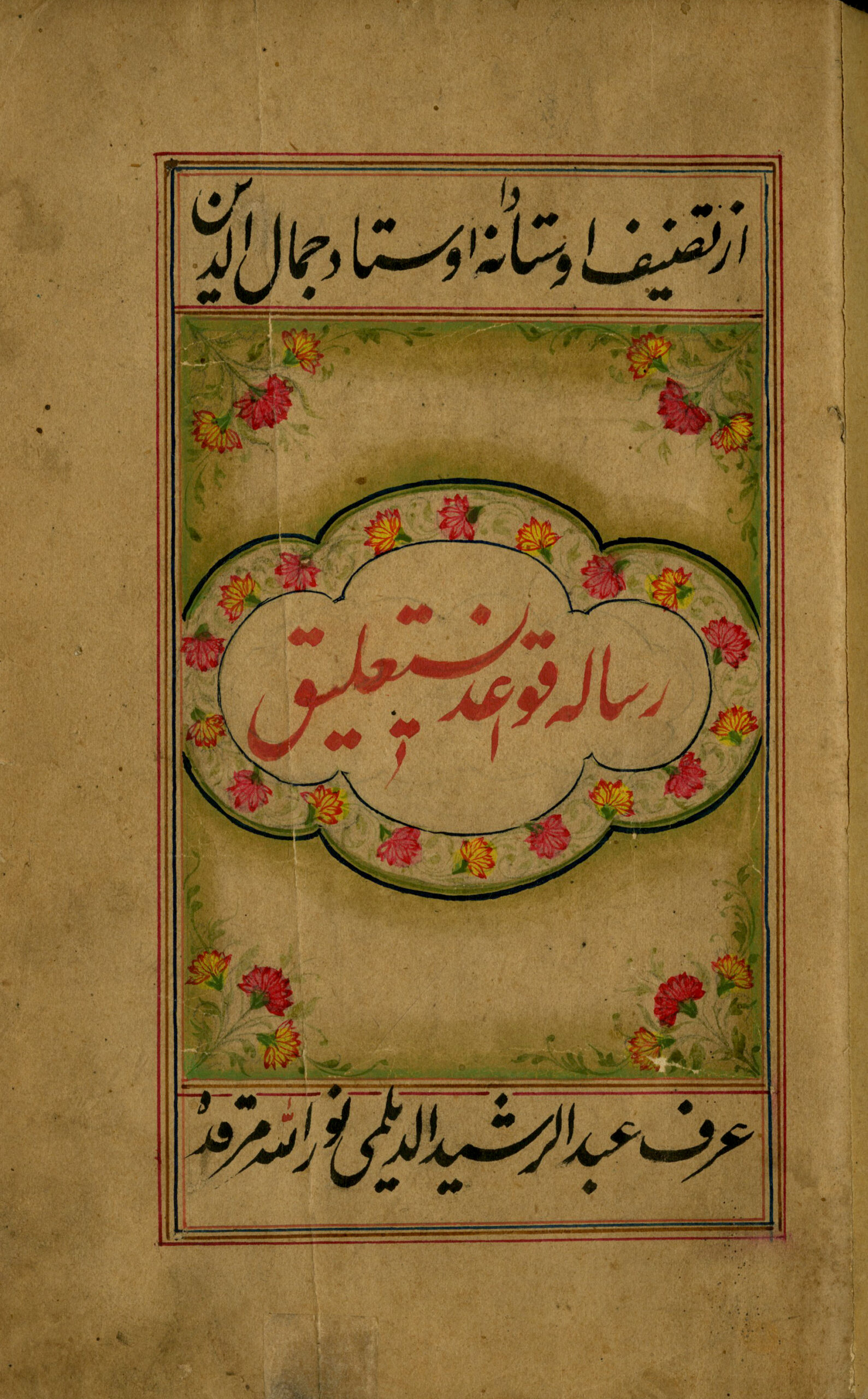
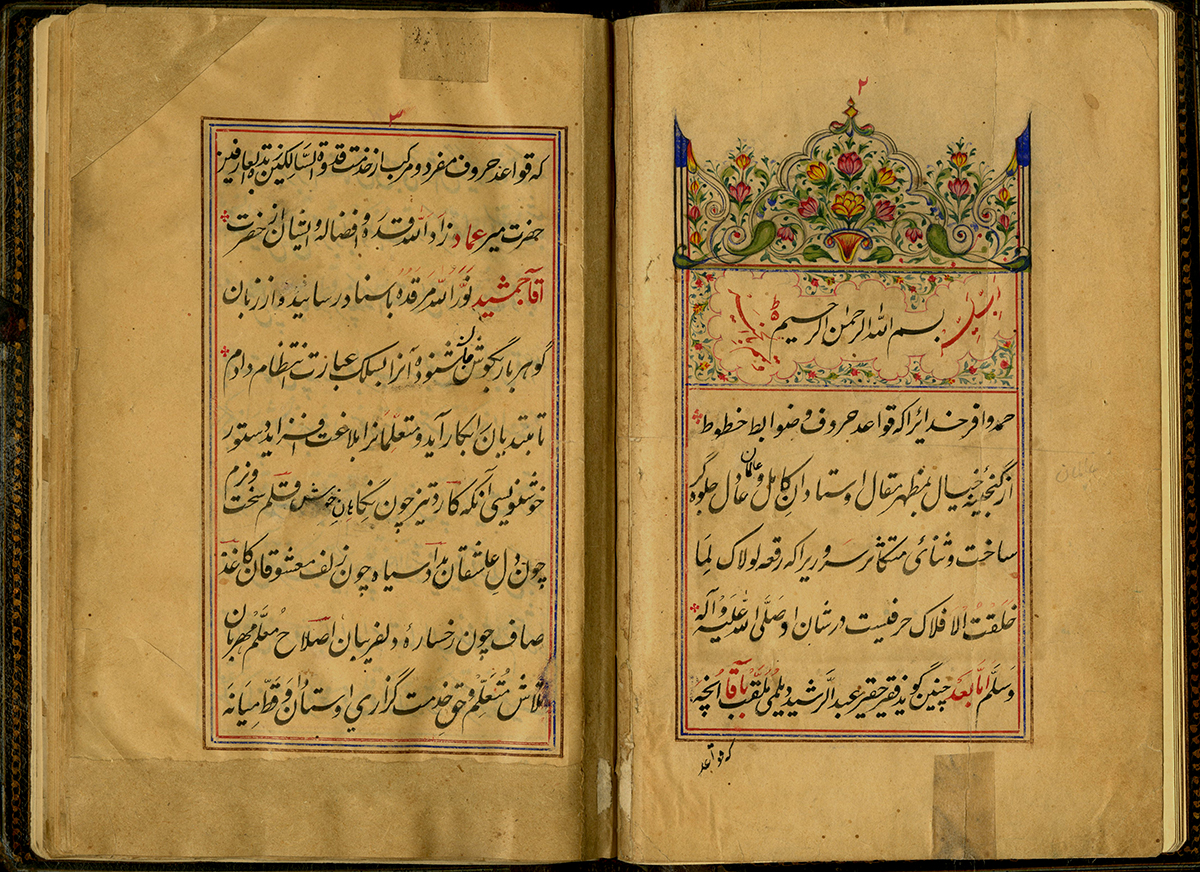
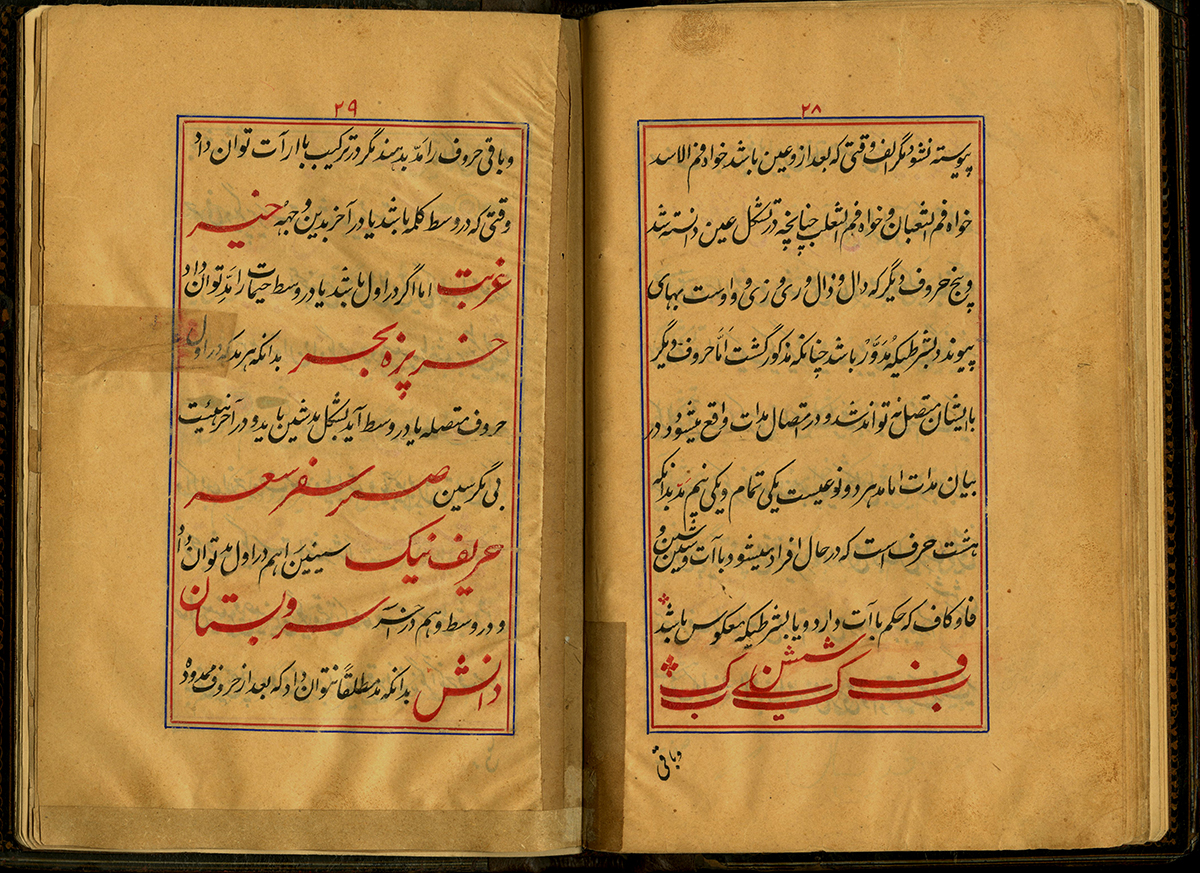
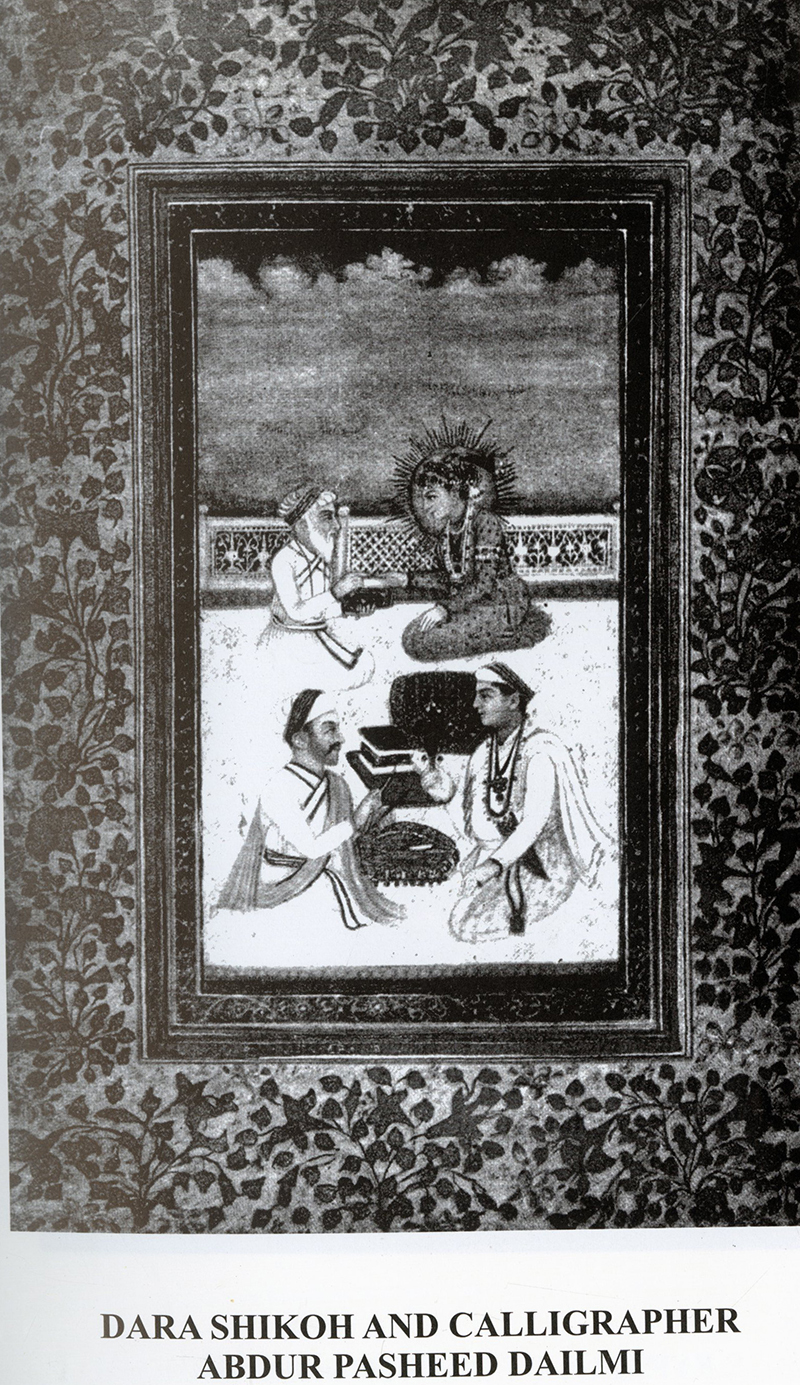
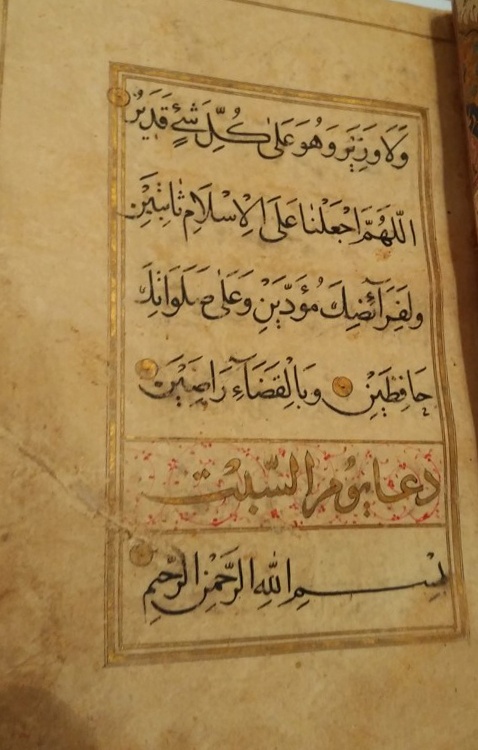
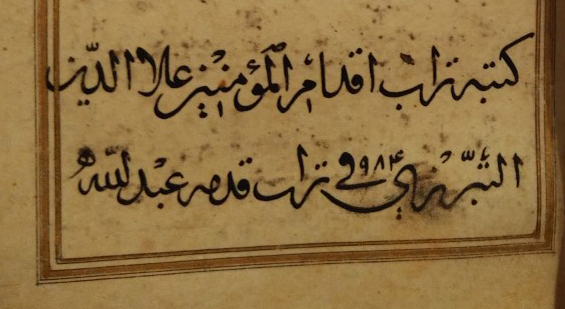
The great calligrapher of Iran, Mir Imad was pushed out for his religious beliefs. With him came his nephew Abdur Rasheed, and they both headed towards the Mughal kingdom. Mir Imad did not make it perhaps, Abdur Rasheed Dailmi settled in Lahore and appealed to Emperor Shah Jahan for help and job. The calligrapher was given a havelli in Lahore and was asked to give tuition to both Dara Shikoh and Jahan Ara in calligraphy. The rest is history.Abdur Rasheed Dailmi had written a manual on his specialized Nastaliq,  but it seems to have got lost with time. A famous calligrapher family of Delhi not only saved the manual but made copies of it in their own style. A manual written in 1087 AH was finally saved for posteriority. All calligraphers should benefit from it. Students and scholars should study it.

FORTY-FIVE GENERATIONS COUNTED BY A 17TH CENTURY SCHOLAR – MUHAMMED AMAN RELATIVE OF NURULLAH AHMAD SON OF AHMAD.

FORTY-FIVE GENERATIONS COUNTED BY A 17TH CENTURY SCHOLAR – MUHAMMED AMAN RELATIVE OF NURULLAH AHMAD SON OF AHMAD.

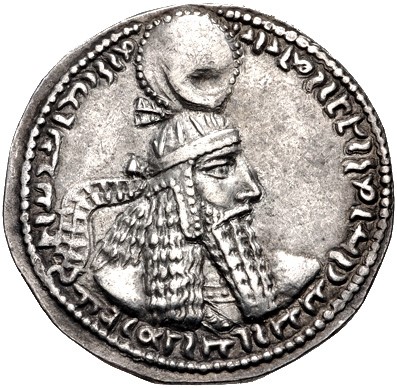
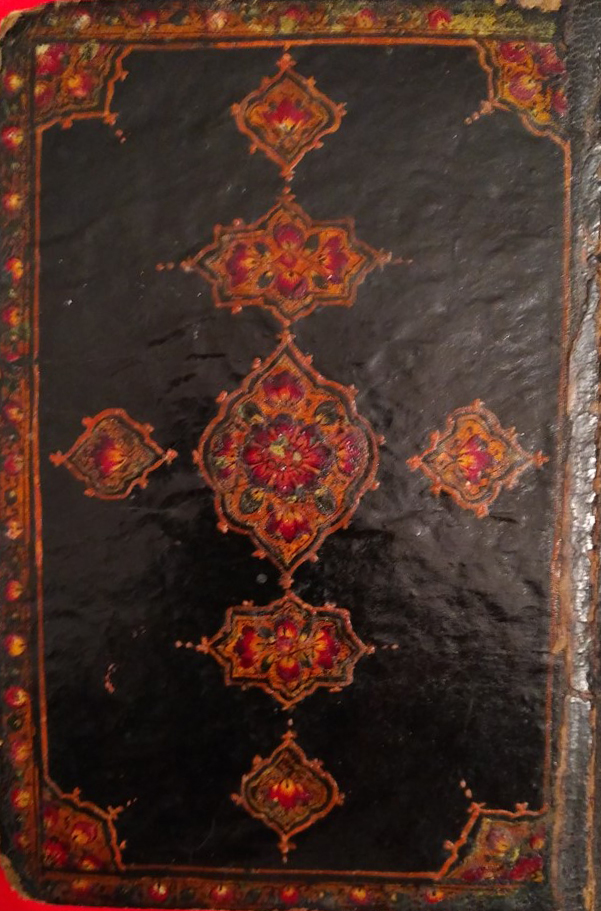
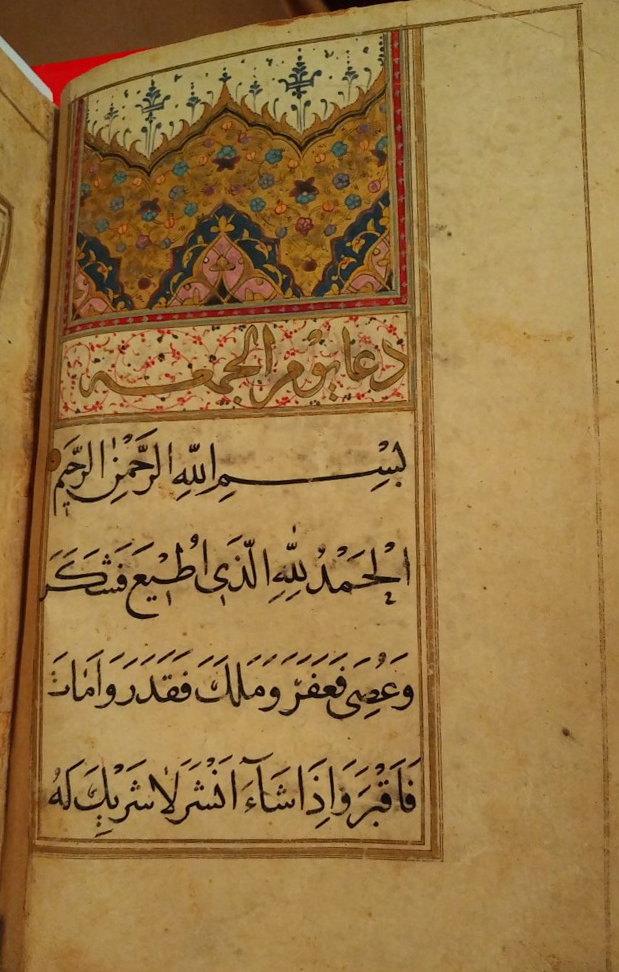
This copy of the Quran has fantastic history attached to it. We will discuss it in detail. But for the present we talk of the 45 generations of Muhammed Aman, who wrote this in 1107 AH, and traces his family tree right to the Shahenshah’s of the Sassanid empire. Some mistakes in copying perhaps occur in our reading. The generations are:

Muhammed Aman, al-Mashoor Mirza Muhammed Baig, son of Muhammed Yusuf, son of Muhammed Raheem, son of Khuda Parvee, son of Allah Yar, son of Allah Parvee, son of Mirza Jan, son of Sulaiman, son of Ahmad, son of Yaqub, son of Ibraheem, son of Mirza Shah, son of Mirza Ahsan Naishapuri, son of Daud Taghani, son of Abdullah Muhammed, son of Shah Mahmood, son of Qutbul Al-Khattab, Abu Ali hamd rooh bari, son of Muhammed, son of Qasim Nasrabadi, son of Mansoor, son of Sulaiman, son of Mirza Baan Yazjer, son of Shehryar, son of Pervaiz, son of Hormuz, son of Nasharwan, Malik ul Adil Al-Qasri, son of Qabad, son of Feroze, son of Yazjer, son of Bahram Core, son of Yazjer, son of Bahram, son of Shahpur, son of Shahpur Akbar, Abu Haar Hormuz, son of Purshi, son of Bahram, son of Bahram Saani, son of Bahram, son of Hormuz, son of Shahpur, son of Ardeshwar, son of Babak, son of Sassan Al-Asghar, son of Sassan Al-Akbar.

We have a stone relief of Ardeshir receiving kingship from Ahura Mazda, religious god of Zoroastrians.

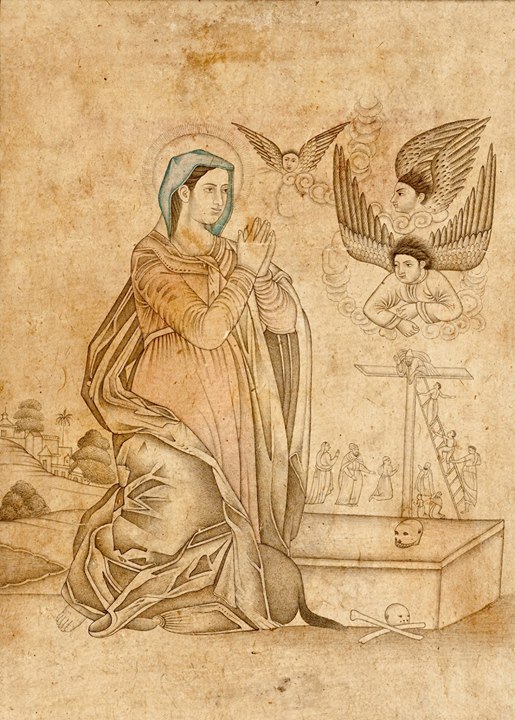
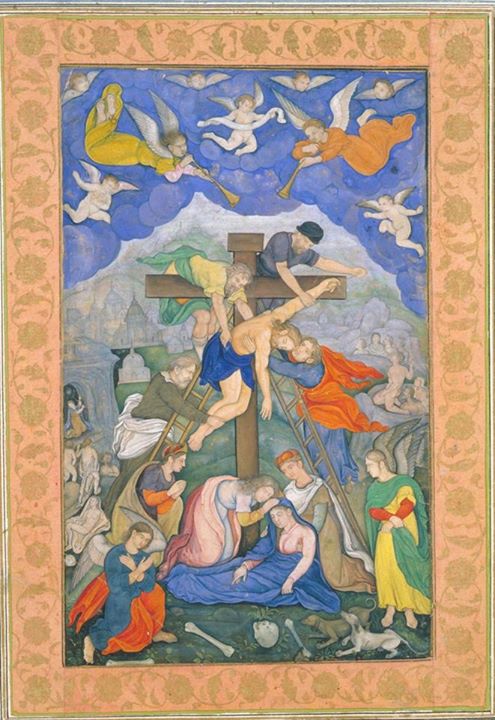
WEST OBSESSION WITH BABY ANGELIC CHERUBS DOES NOT FIT OUR CULTURE – ALL ORIGINAL MINIATURES CARRY ANGELS AS FULLY GROWN MEN, WOMEN.

WEST OBSESSION WITH BABY ANGELIC CHERUBS DOES NOT FIT OUR CULTURE
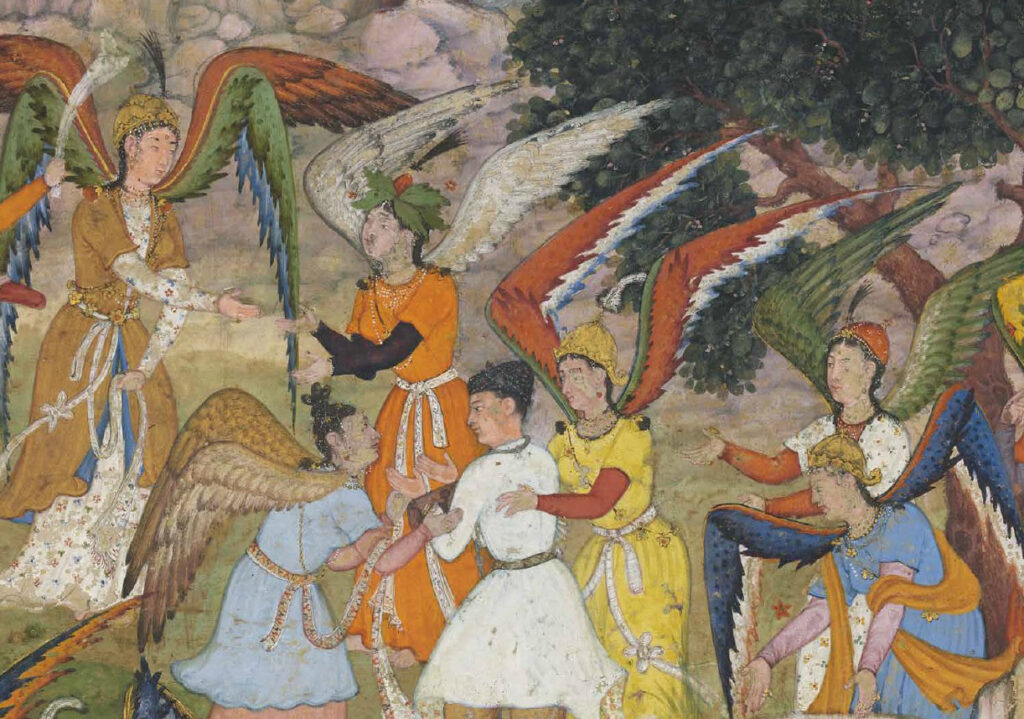
ALL ORIGINAL MINIATURES CARRY ANGELS AS FULLY GROWN MEN, WOMEN.

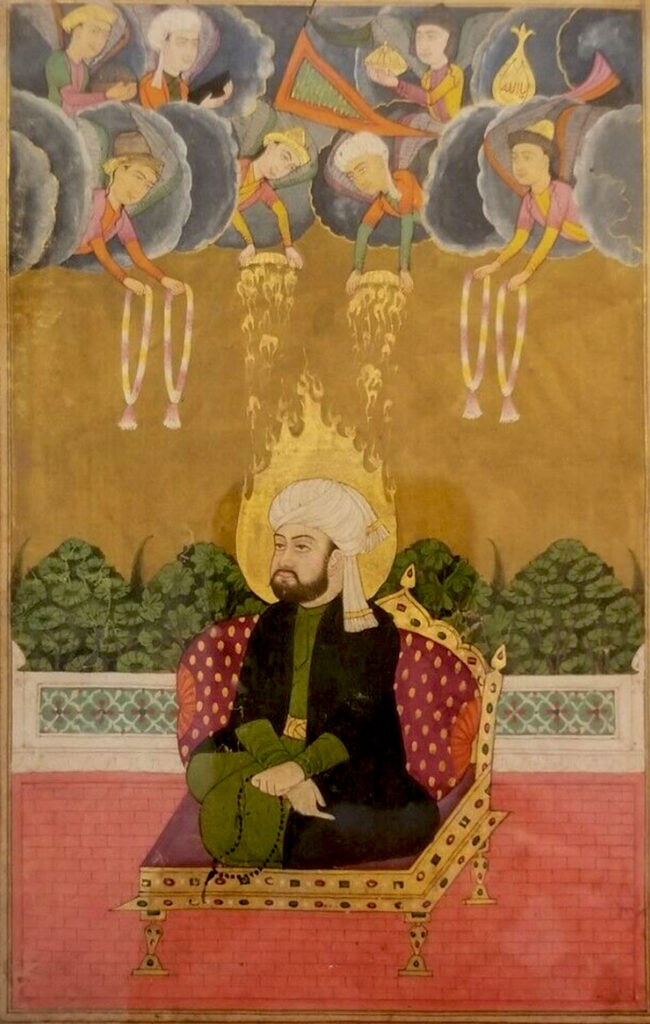
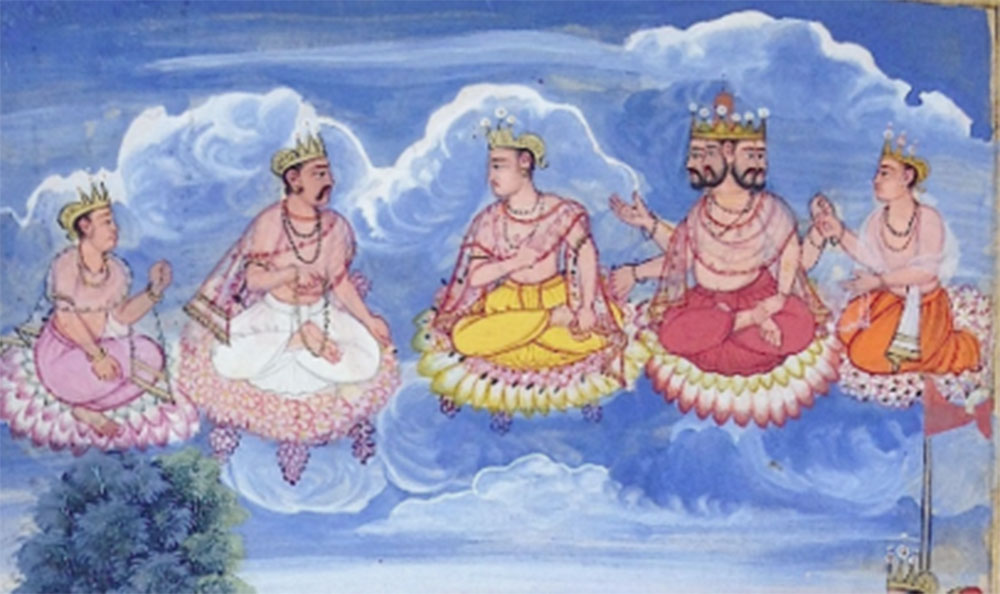
The West is so fond of belittling our traditions and making reckless claims of our painters being inspired by influx of western paintings in the region. Calculate the number of miniatures found here and calculate the number of foreign paintings discovered here, and factually it is a very small percentage. And many of these paintings are fake made by British bureaucrats or even dealers trying to impress foreigners in purchasing things. Here no one has the nerve to check compositions or even pigments, which they routinely check otherwise. A deep sense of inferiority complex prevailed with the western visitors here, when shown unbounded creativity here. We write about it all the time. Our students depending on scholarships abroad get carried away by the propaganda all the time.

Even original miniatures are distorted by inclusion of these naughty cherubs with no link to our culture. One can plainly see the unwanted hand adding these useless images to a fine painting. Distorting our history had led to massive distortion of our visual history. A bureaucracy which could steal the gold pinnacles of the Taj Mahal, and replace it with metal, could also imagine bringing down the Taj Mahal itself to sell its marble in auction in Italy. All this greed is on record. Replacing our architecture with their grotesque architecture to hide the identity of excellence. Monument after monument they brought to the ground to spite our traditions. In Lahore thousands of monuments were erased. And the injustice of separating the mausoleum of Nur Jahan and Jahangeer for a railway line. In Delhi the destruction of the mausoleum of Zebunnisa for the new Railway Station. They could have avoided but their hearts were full of rage. In quest of their three-piece suit, they relegated the Mughal dress to the peons at hotels, as we see even today. They called the lowest rank in the army as Lance-naik, simply for Tipu Sultan belonged to the Naik tribe. We have hundreds of these examples and it is better we remember them. Twisting history, values, and our imagery as routine jugglery for them. Embarrassing our rulers all the time and finding faults with them, forgetting that not getting a divorce, Henry the eighth could have Ann Boleyn beheaded to marry again. And then took the control of the Church himself. Pity the nation which takes the imagined past of others as their heroic background!

REMEMBERING ALA BEG TABREZI THE GREAT CALLIGRAPHER FROM TABREZ – AN UNKNOWN MANUSCRIPT IN THE LIBRARY ARCHIVES OF CHUGHTAI MUSEUM.

REMEMBERING ALA BEG TABREZI THE GREAT CALLIGRAPHER FROM TABREZ – AN UNKNOWN MANUSCRIPT IN THE LIBRARY ARCHIVES OF CHUGHTAI MUSEUM.

The researcher Daniel Zakrzewski writes about the famous calligrapher ALI BEG TABREZI and talks of a new source of information on calligraphers of Tabrez:

Concerned with the Sufi milieus of his native city, new source in question is a pilgrimage guide to the cemeteries of Tabriz and surrounding villages written by a local Sufi known as Ibn Karbalāʾī and completed in 975/1567.

However, the actual line of calligraphers did not continue through the son but through another student and relative of Shams al-Dīn Muḥammad Khaṭṭāṭ. This man was knowns as ʿAlī Beg Tabrīzī, a maternal grandson of his teacher and like his grandfather and several other preceding masters of the pen in Tabriz he maintained intimate ties to eminent local Sufis.

It is with none other than ʿAlī Beg that Ibn Karbalāʾī studied writing a little thereby linking himself to this great chain of calligraphers of Tabriz. The author of the local pilgrimage guide informs us that ʿAlī Beg died in 957/1550 and that he was buried in the tomb complex of his paternal grandfather. Unlike Shams al-Dīn Muḥammad Khaṭṭāṭ, this grandfather of ʿAlī Beg had no reputation for calligraphy and was more exclusively concerned with religious matters like Sufism. But the great chain of local calligraphers also went on through ʿAlī Beg Tabrīzī who did not only teach Ibn Karbalāʾī. A far more famous student of ʿAlī Beg was his maternal nephew ʿAlāʾ al-Dīn Muḥammad known as ʿAlāʾ Beg Tabrīzī who is introduced by Ibn Karbalāʾī as the leader of calligraphers of his time.

Allauddin Muhammed alias Ali Beg Tabrizi was a Master calligrapher and many mosques and buildings in Tabriz carry inscriptions written by him. But actual calligraphic pieces on paper or in book form are rare indeed. We present a book from our archives written by him, and it shows his mastery over his subject. It is reputed that people met the calligrapher during a visit to the city in 988/1580–81 when ʿAlāʾ Beg had probably already reached an advanced age.

THE STORY OF JALAL UD DIN KHAWARAZM SHAHI AND SAID MITHA – A LAHORI CHAPTER 1219-1221 TO 1262 A.D ALIVE TO THIS DAY WELL

THE STORY OF JALAL UD DIN KHAWARAZM SHAHI AND SAID MITHA – A LAHORI CHAPTER 1219-1221 TO 1262 A.D ALIVE TO THIS DAY WELL

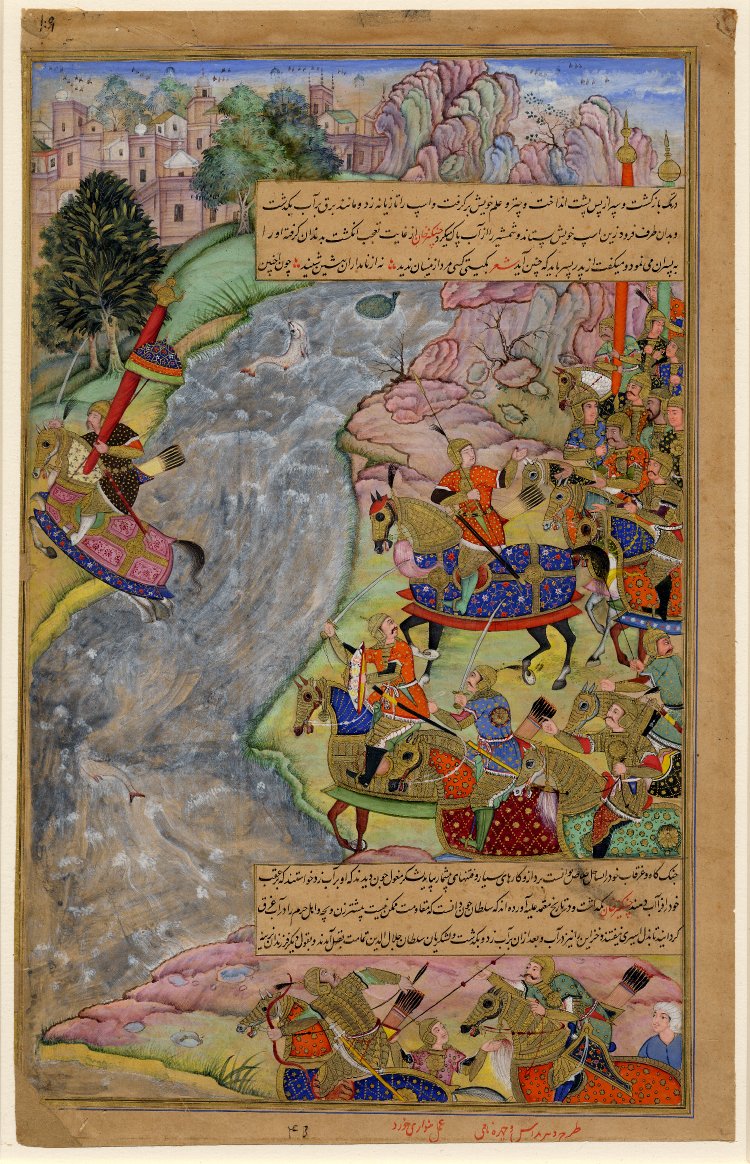
Jalaluddin Mingburnu

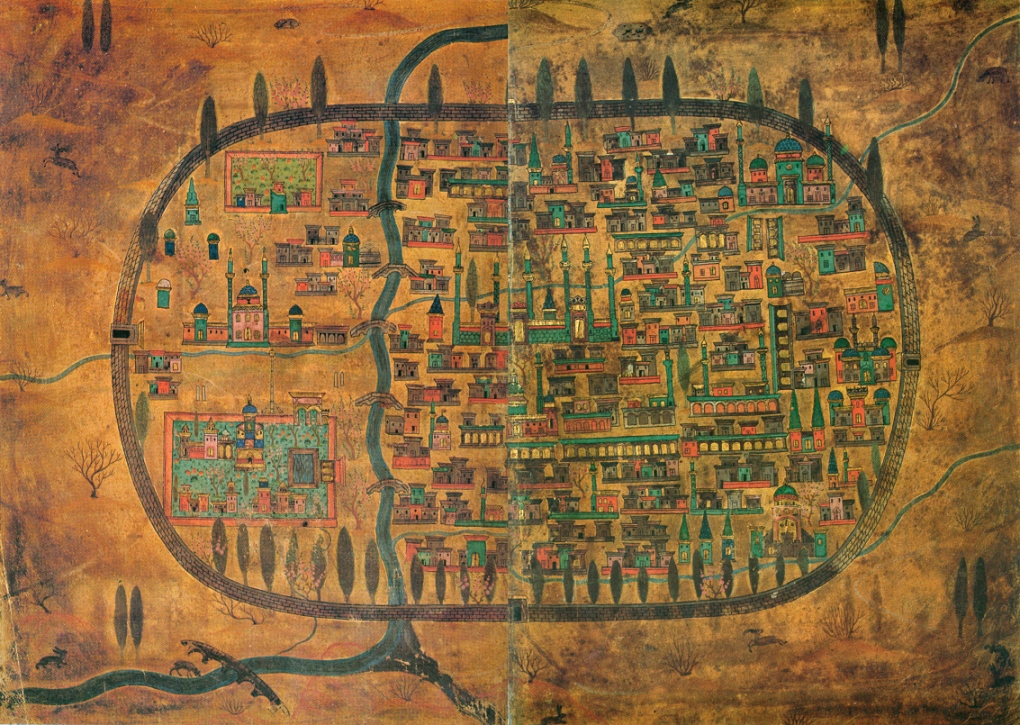
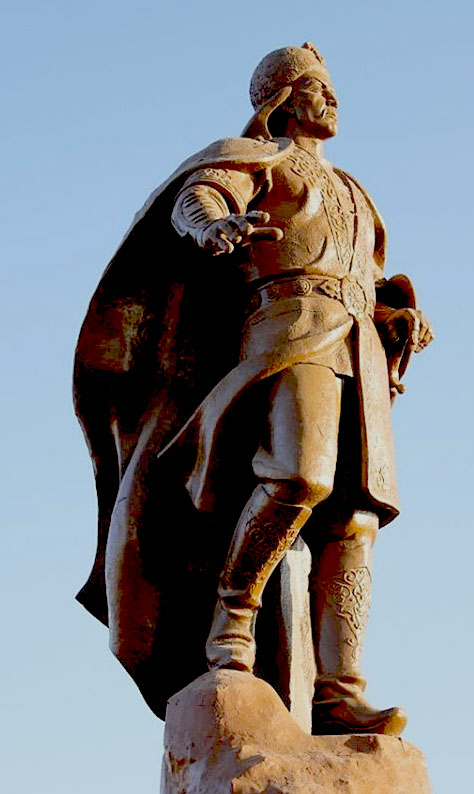
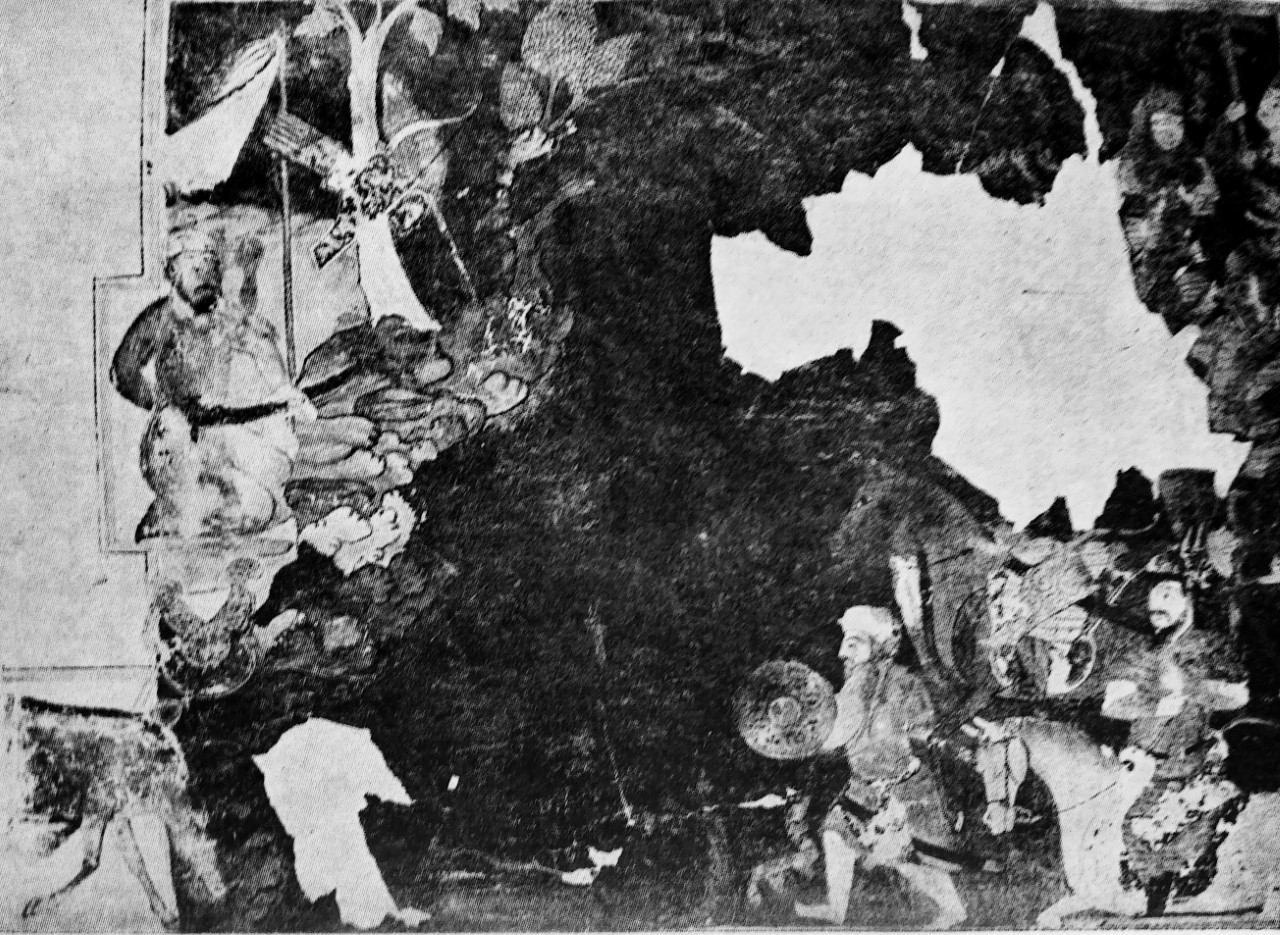
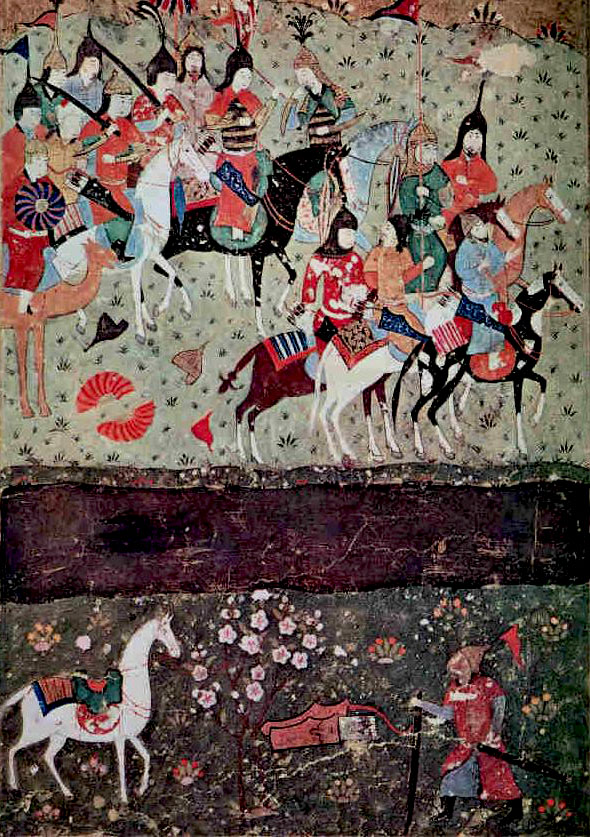
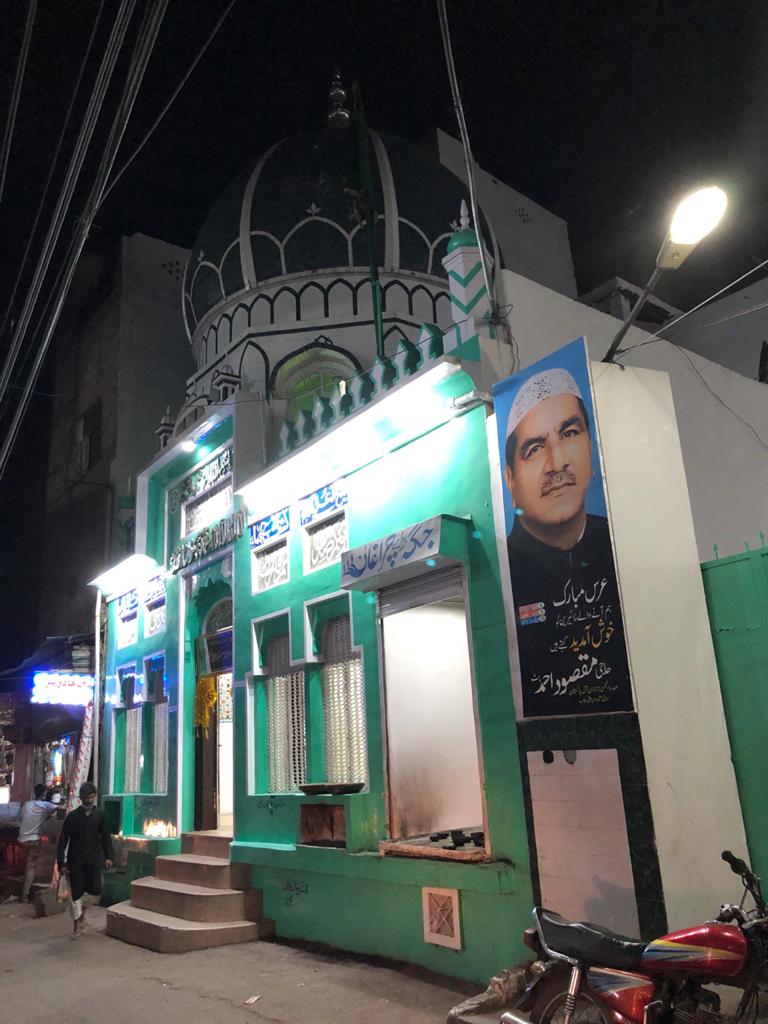
In 1206 Chengez Khan united the Mongols as one fighting force. Then there was no stopping them, as area by area fell under their might and spell. Khwarazm was no exception. The might of that empire crumpled. Sultan Muhammed with all his resources fled as refuge from his territory. His mother Terken Khatun was taken as a prisoner by Chengez Khan. His many sons too could not bear the brunt of the attack. Only one son Jalaluddin Khwarizmi stood against the might of the Mongols, but he too fled towards Hindustan. With him fled a Wali of Ghazni, namely Syed Jamaluddin Hussaini, and his young son Syed Moeenuddin Hussaini (Said Mitha). According to Mufti Ghulam Sarwar, Jalal uddin along with Wali Jamal uddin first came to Lahore, and then went to Delhi.  Then Jalaluddin took the route towards Sind through river Indus. Jamaluddin with his son remained in Lahore. I think one hardly knows that the great hero Jalal uddin was in Lahore once upon a time. An area in Lahore contains the Mohalla of Said Mitha, his mazar, and at this time even a hospital named after him.

Said Mitha died in 661 A.H, that is 1262 AD. By Hijri standards it is almost 800 years, and by Christian year it is 759 years. If Said Mitha came here even as a teenager in 1219-1221, it is many centuries here. If he was twenty at that time, he would be around eighty at the time of his death. His ancestral tree is given by Mufti Ghulam Sarwar as, Said Mitha, son of Syed Jamal uddin, son of Syed Muhammed, son of Syed Kareem uddin, son of Syed Nur uddin, son of Syed Adam, son of Syed Ali Jaffer, son of Syed Muhammed, son of Syed Yusuf, son of Syed Mahmood, son of Syed Ahmad, son of Syed Abdullah Ashfaree, son of Jaffer, son of Syed Muhammed Al-Jawad, son of Imam Ali Raza, son of Imam Musa Kazim, son of Imam Jaffer Sadiq, son of Imam Muhammed Baqir, son of Imam Zainul Abedeen, son of Imam Hussain, son of Ali Murtaza. And the good people of Lahore remain under his spell centuries later, for his piety, message and the sweetness of his attitude towards people. Today sweets are distributed at his Mazar. People are crazy enough to believe anything.

Around 1977 we visited the Mohalla of Said Mitha, in searching of ancient markers. The Mazar was in a room of a small lane, locked from outside, and we really could not judge its construction. In a lane nearby, we saw ancient wood work of Sultanate period, which were bought by Ahmad, an antique dealer of Lahore. We also saw ancient balconies, with parrots carved on them in the bazaar. Or perhaps peacocks. The politicians took over the Mazar later, and had it totally reconstructed on modern lines. But the structure still speaks of ancient construction. More probably Mughal times, but could be earlier. No photograph seems to be available, not even the Mazar in its present condition. We had it photographed for the internet. But certainly, eventually we may be able to trace its original condition. Our people love fantasy, not history. And spinning tales about Mazars, Sufis and Sarkars is national hobby. Some of these places in Lahore are really old, like Mazar of Ahmad Tokhta Tirmizi, Mazar of Salahuddin Hussain Balkhi in Kashmeeri Bazaar, and Ganj Shaheedah etc. Most with Mongol memories attached to them. Vague memories are replaced by fresh ideas of charlatans. And ends with financial exploitation of the innocent and naive citizens. No one advises the people to go back to the Quran, and do not seek solace in contrived ideas, of no historical worth. All Sufis are dead, only the Quran is the living thing. Rejoice in the Quran!