ATTAULLAH RUSHDI ELDEST SON OF USTAD AHMAD MIMAR; ACTUAL DECCAN MANUSCRIPT RECORDS AND SEALS PROVE, HIS ROLE AS CHIEF ARCHITECT OF AURANGZEB ALAMGEER.

ATTAULLAH RUSHDI ELDEST SON OF USTAD AHMAD MIMAR;
ACTUAL DECCAN MANUSCRIPT RECORDS AND SEALS PROVE,
HIS ROLE AS CHIEF ARCHITECT OF AURANGZEB ALAMGEER.

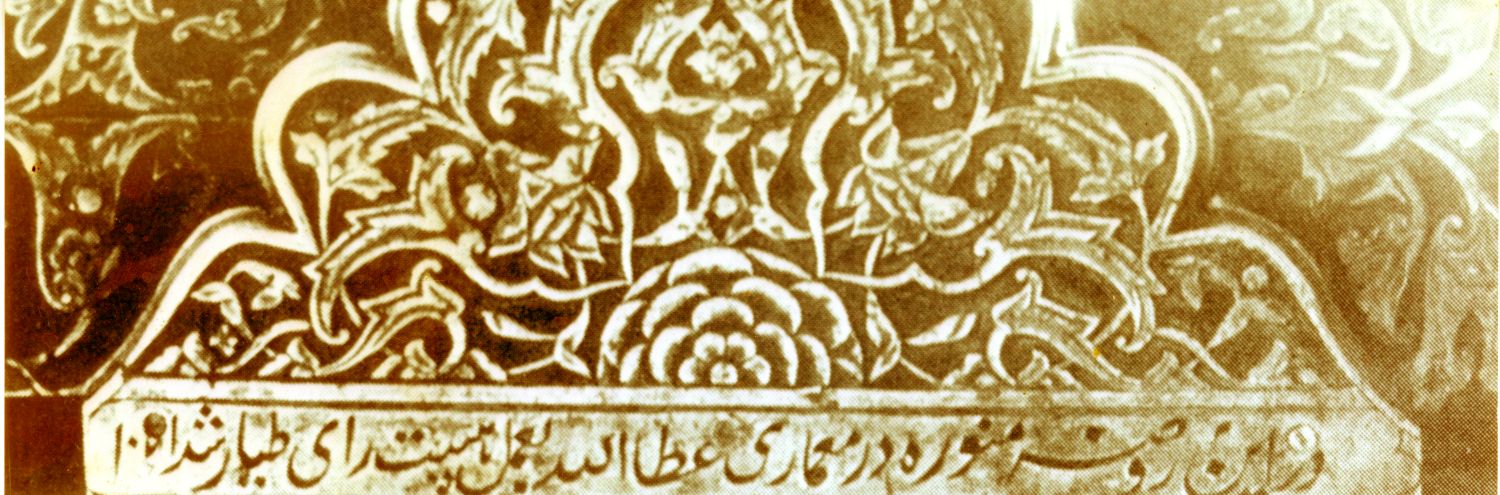
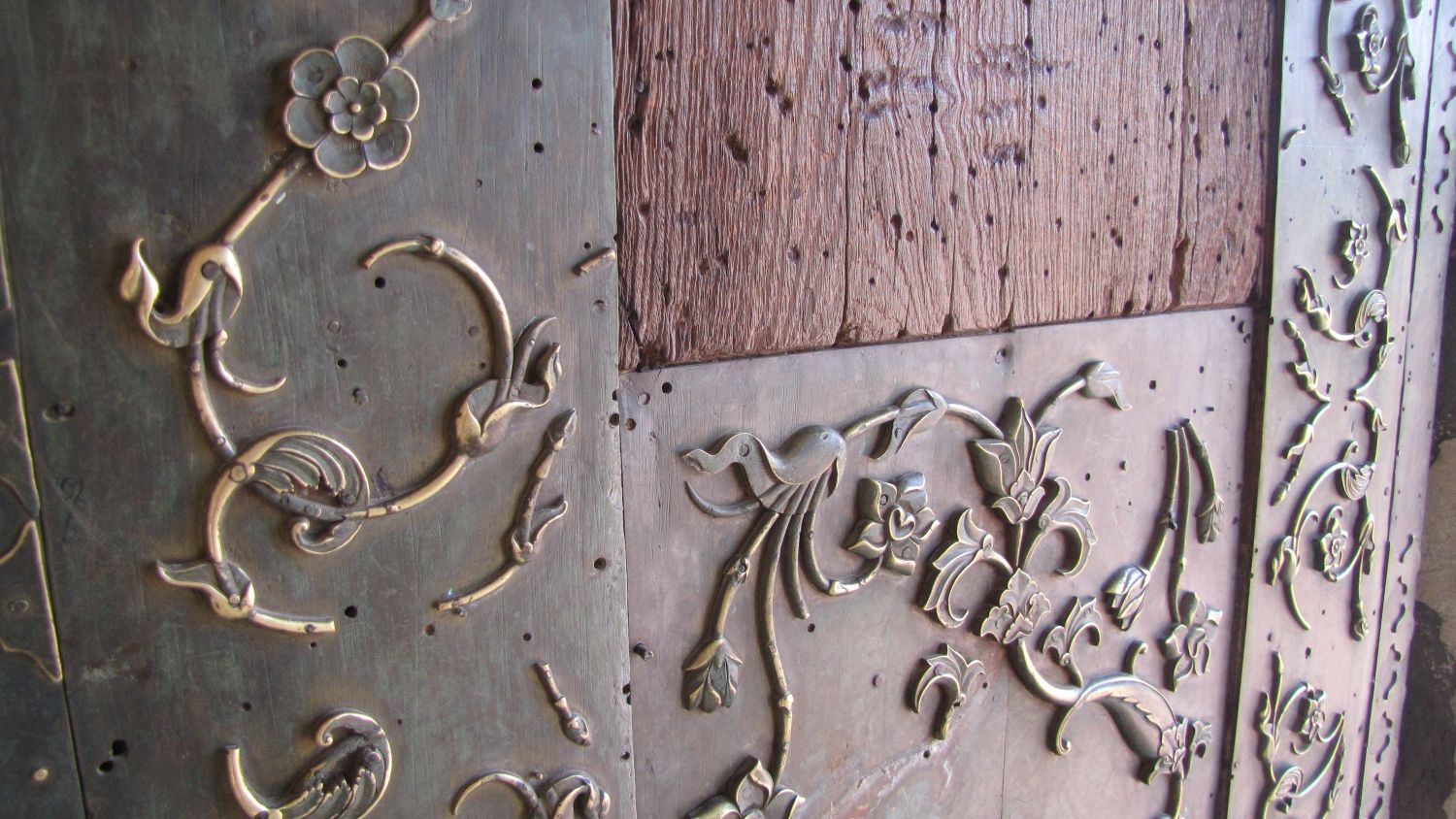
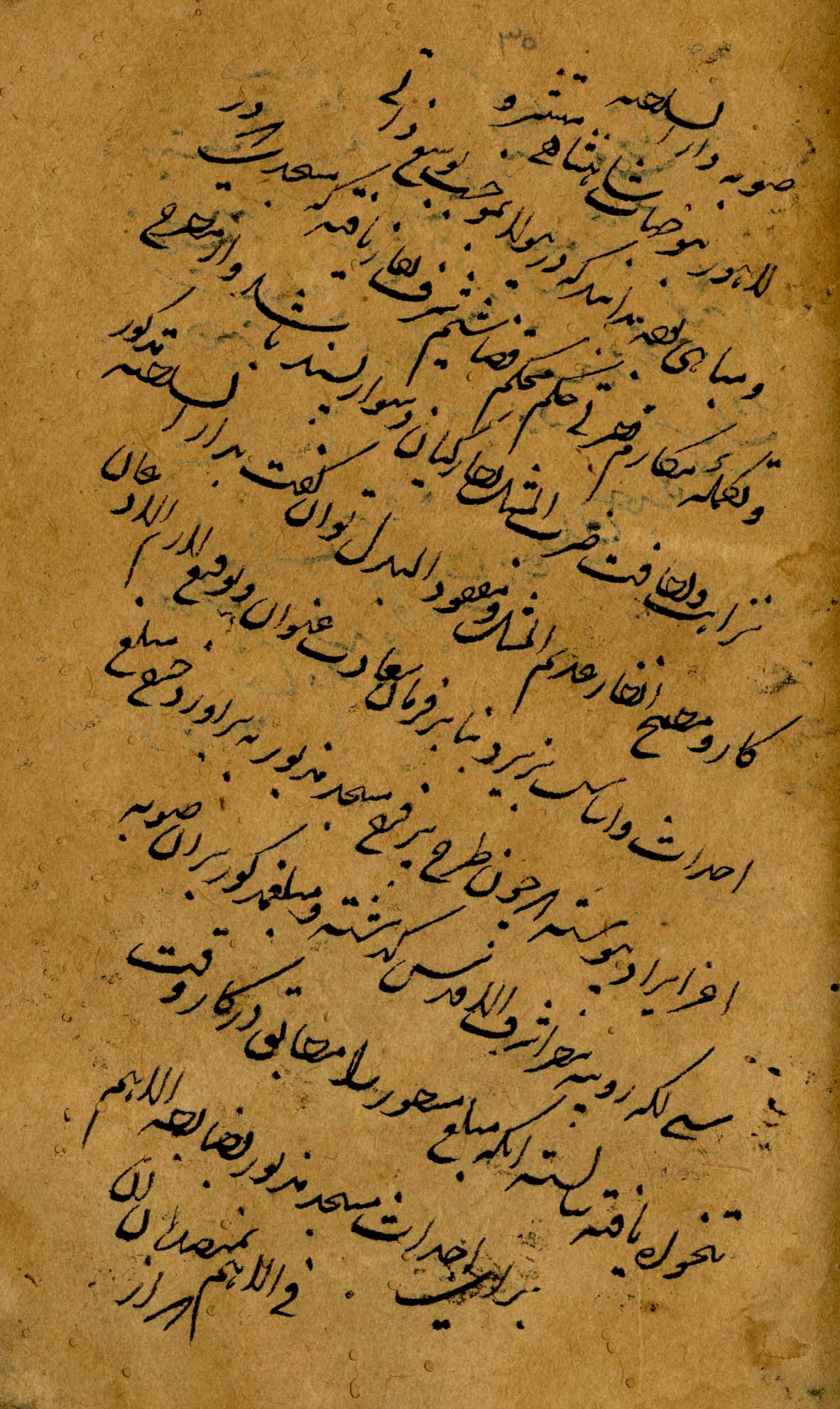
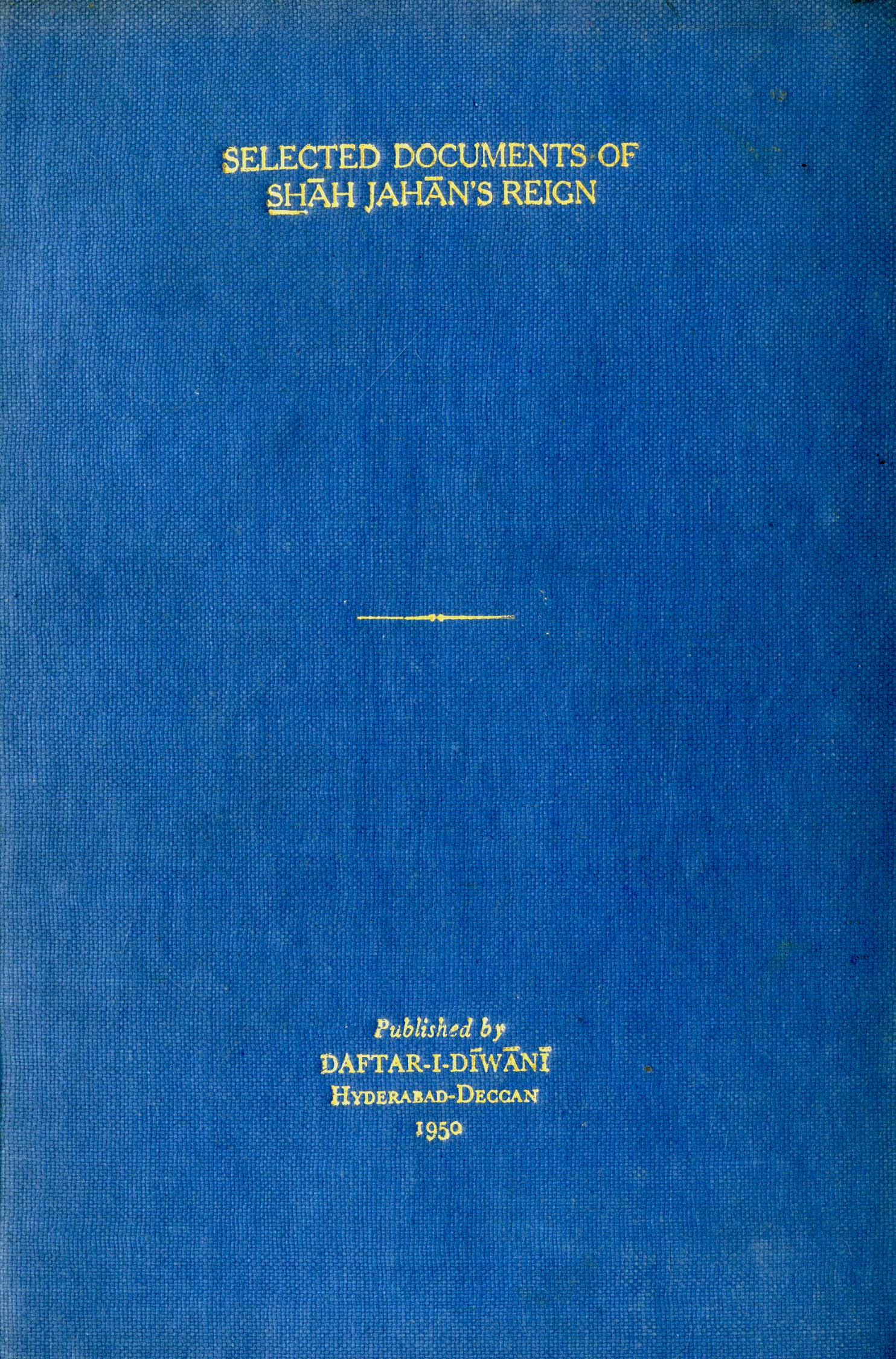
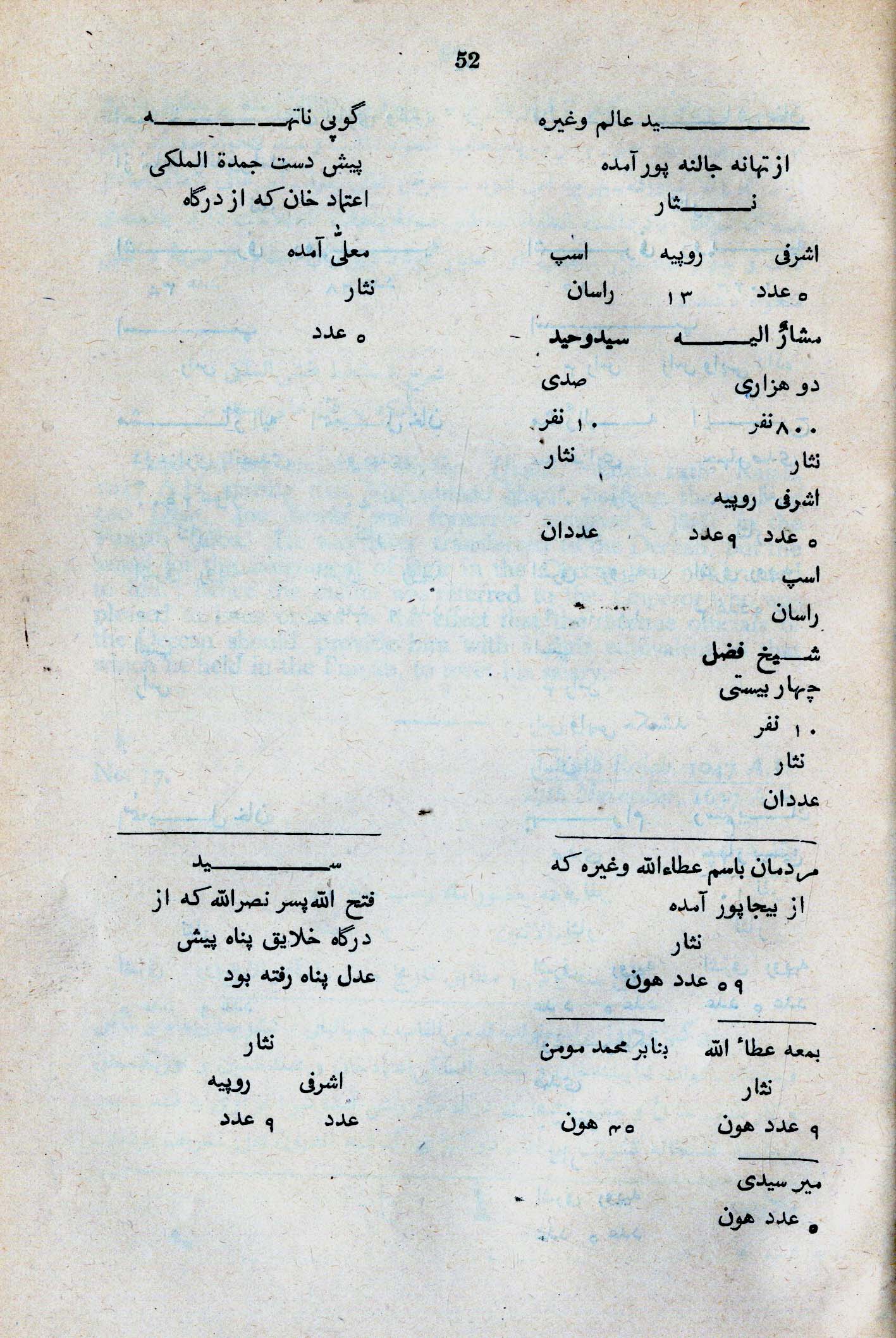
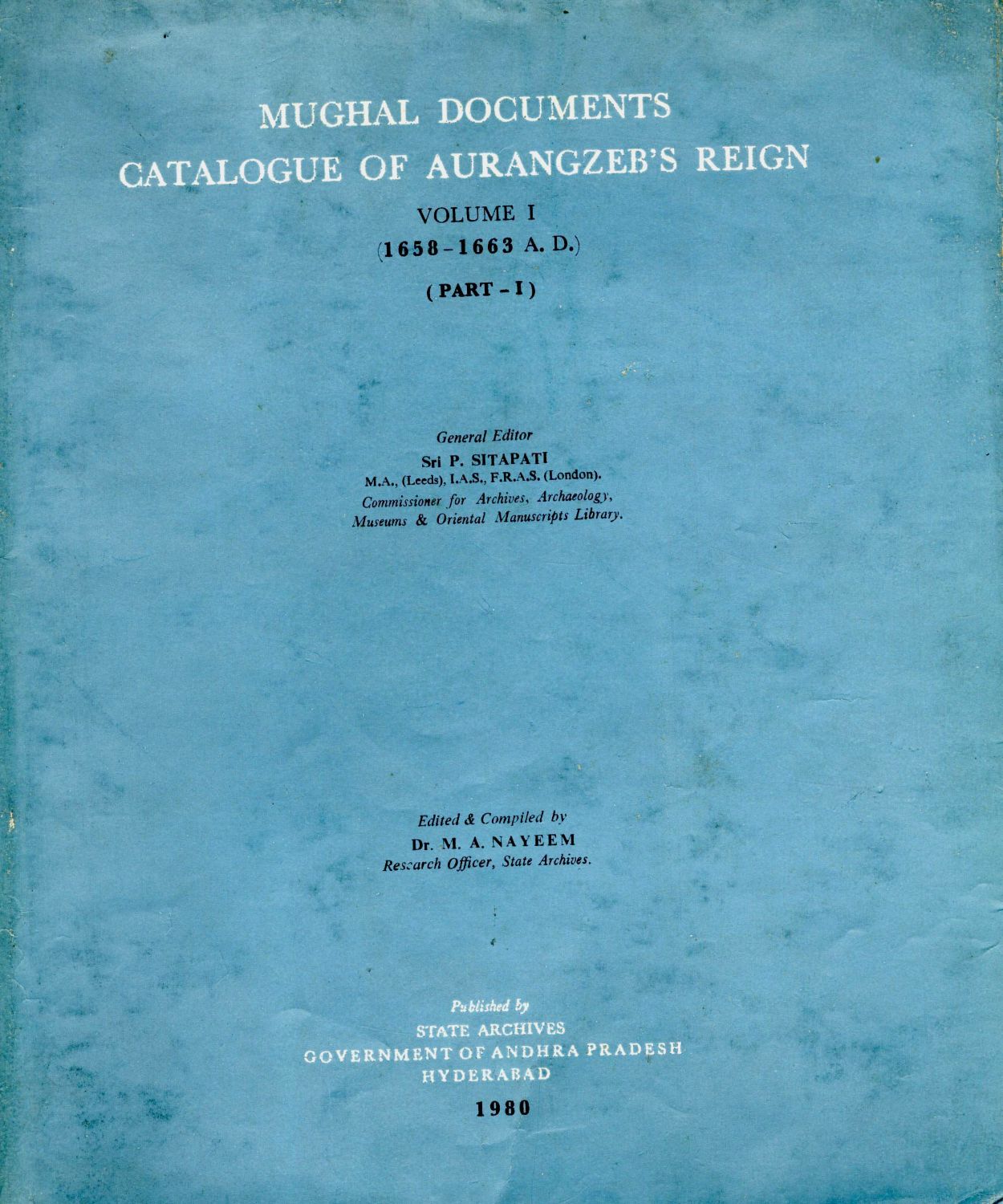
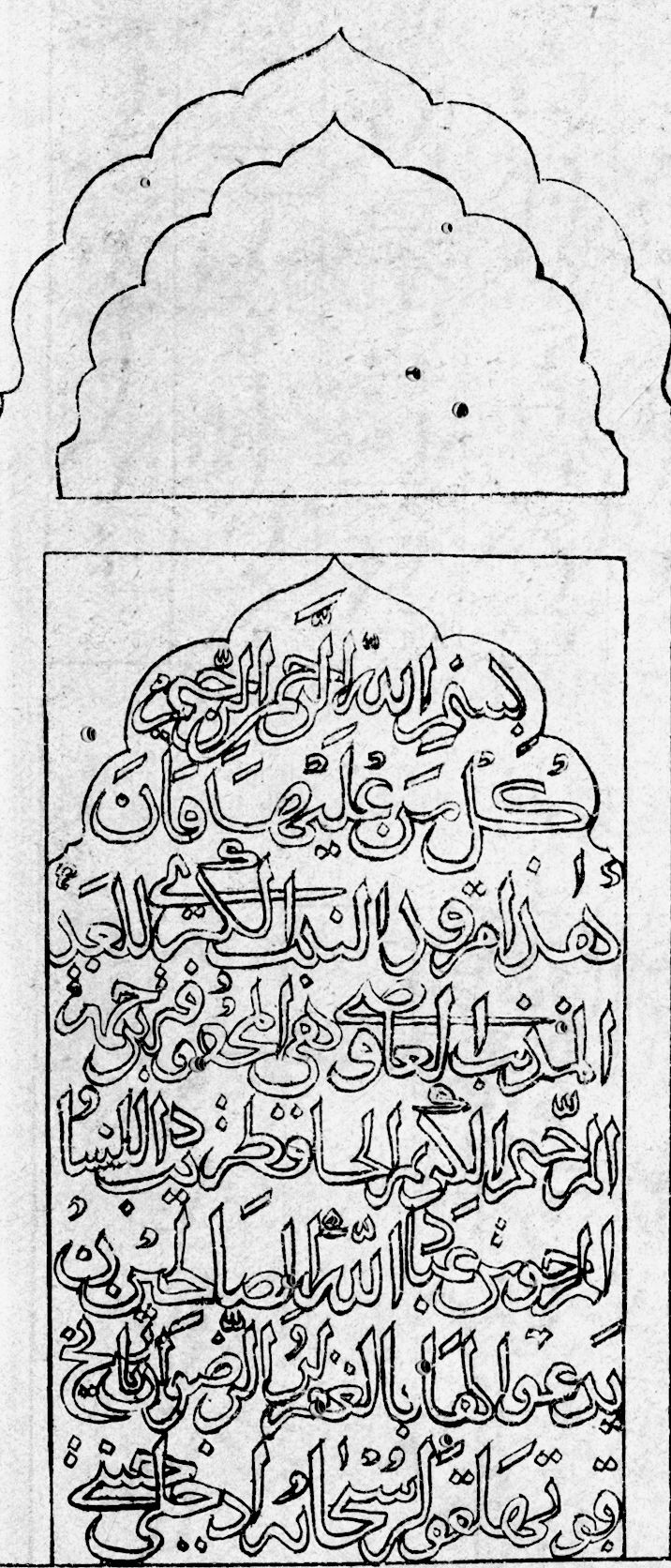
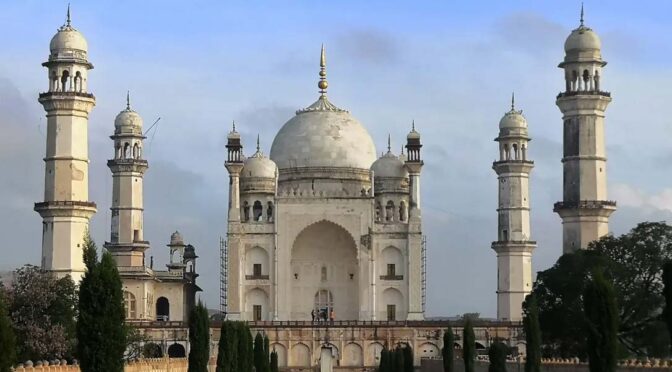
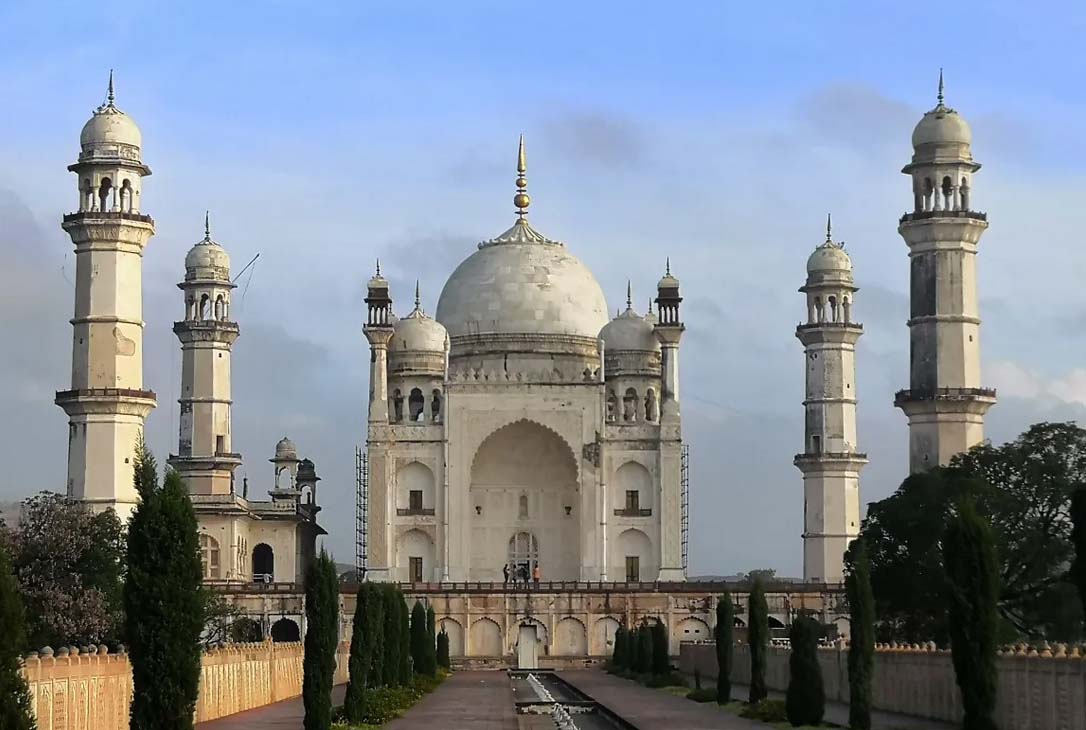
It is amazing that when you search for unknown things, you come across an abundance of records. Records people have neglected or were too difficult to pursue. In the Deccan state archives the first reference we come across is a reference to Attaullah in document 17 dated 19th Rajab, 1047 AH or 27th November, 1637. Attaullah arrives from Bijapur and presents his credentials He was presented to Prince Aurangzeb in the Times of Emperor Shah Jahan. He made an offering of 59 Huns to the Prince. The Prince bestowed Robe of Honour to Attaullah for his exceptional services. At the same time orders were issued for repair of apartments of Sultan Murad and petty repairs to the Royal palace.This copy was published in 1959, but later on more and more volumes were printed by the Deccani government. I got some volumes but later on the exchange became difficult.  We have a few volumes of Aurangzeb period, and Attaullah is mentioned in many of them related to the construction of Mausoleum of Rabia Dirrani, wife of Emperor Aurangzeb, also known as Bibi ka Maqbra. But what cannot be forgotten is that the name of Attaullah as Mimar is on the gateway to the mausoleum on the brass sill of the main gate. The tourist booth gives the same information too, and visitors to Aurangabad cannot put two and two together. The Bibi ka Maqbara is considered a copy of the Taj Mahal (not a copy different development under different patronage),but forgotten that work of father and son. Professor Dr Shaikh Ramazan the complete historian of Aurangabad is so much afraid of extremist Hindus, that even in his thesis he avoids these references. Life becomes more important than research matters. And the amazing part is that during Aurangzeb’s tenure, the mAusoleum of Rabia Durrani was protected on site by various Hindu officials of Aurangzeb’s court, and their names are on record too. In fact some died while on duty there. Aga Beg son of Abdul Mahdi was the Darogha of the tomb.

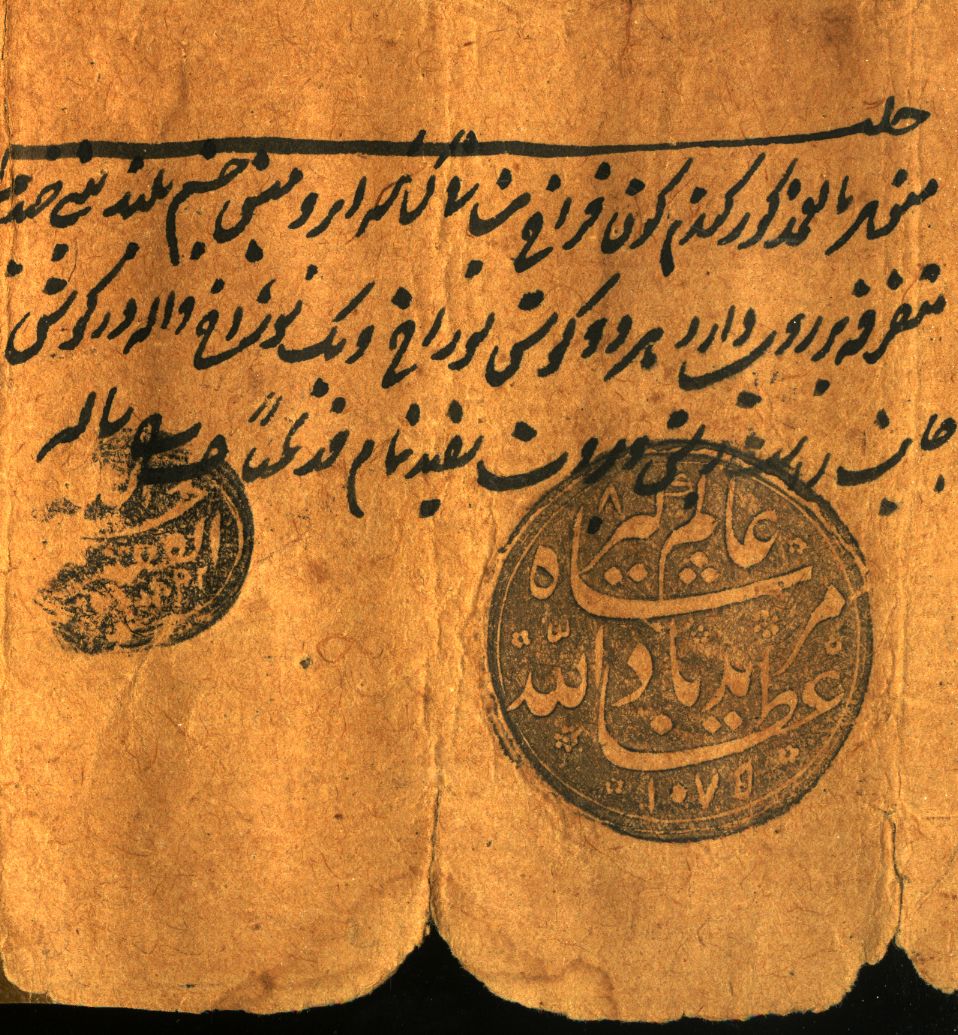
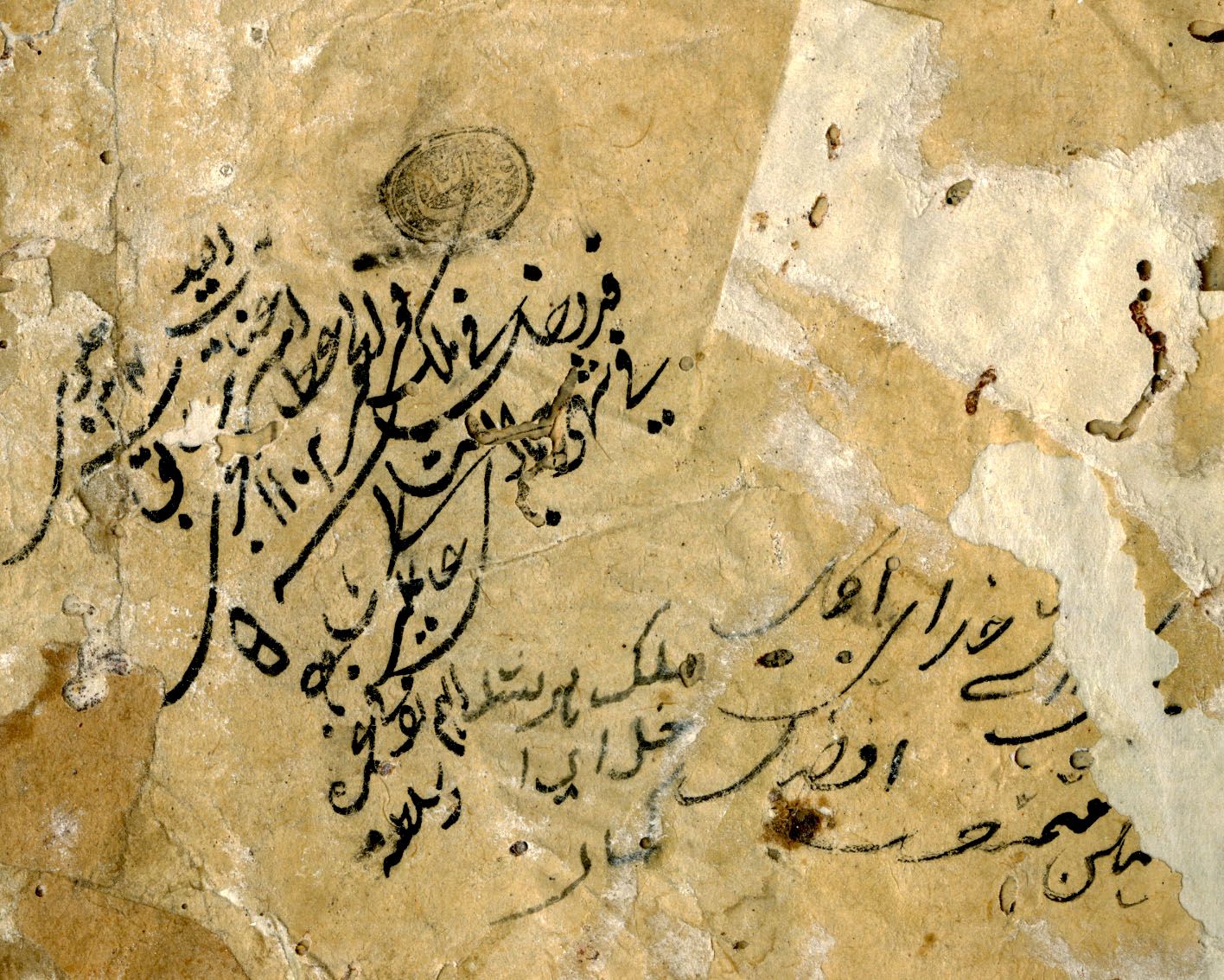
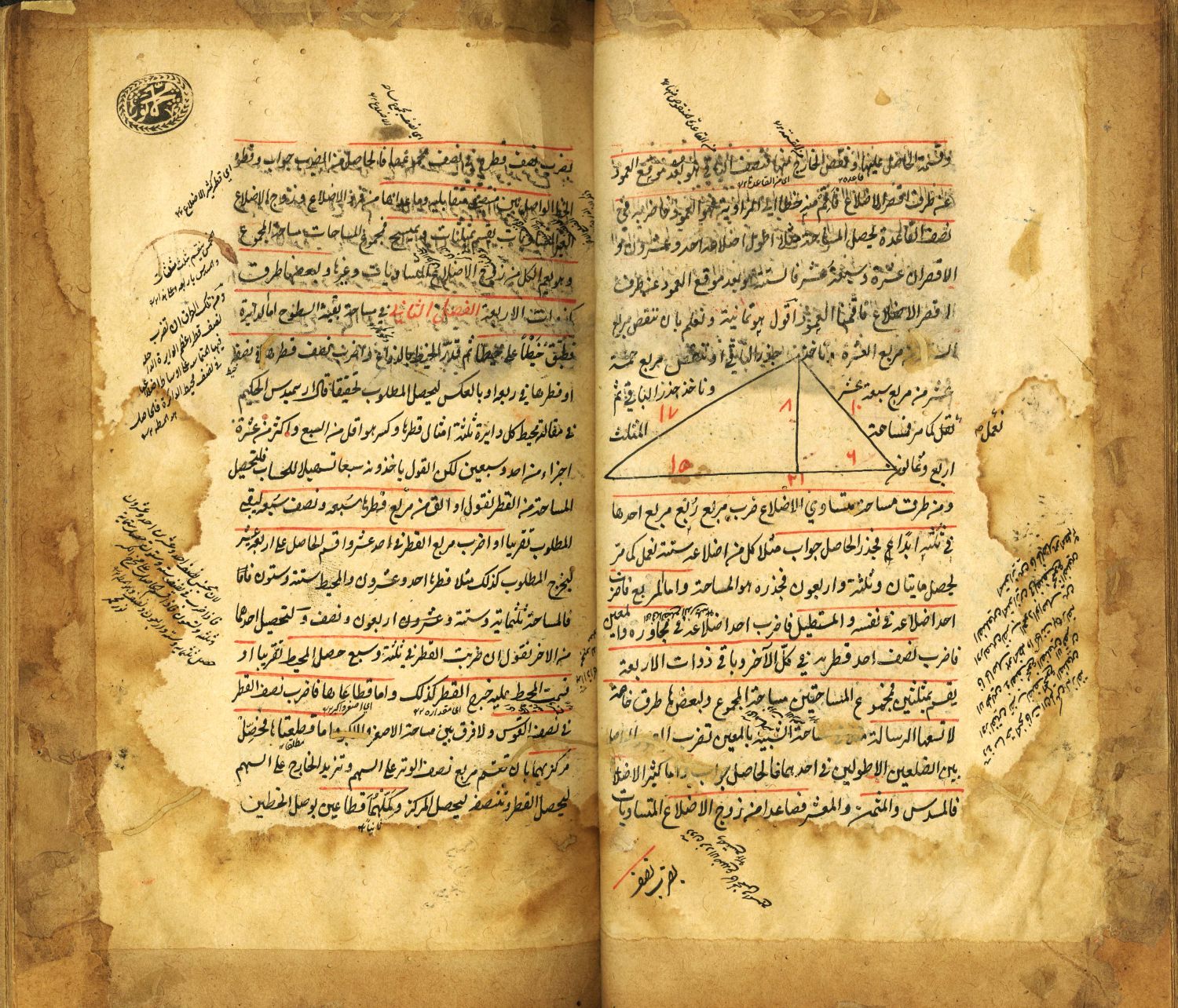
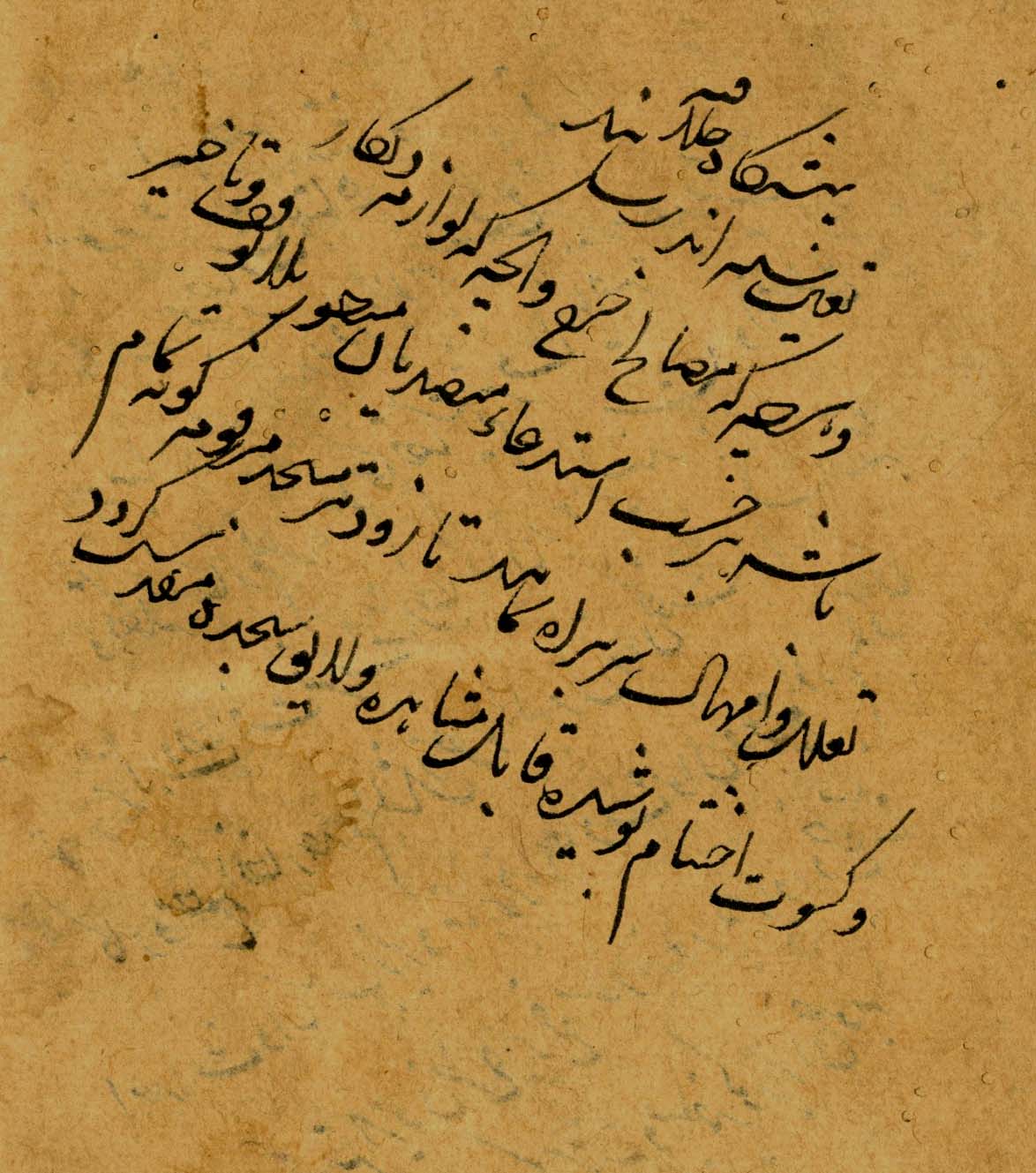
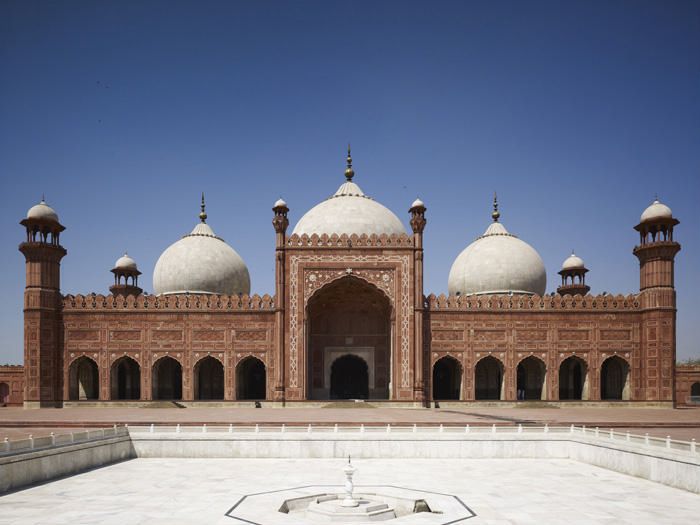
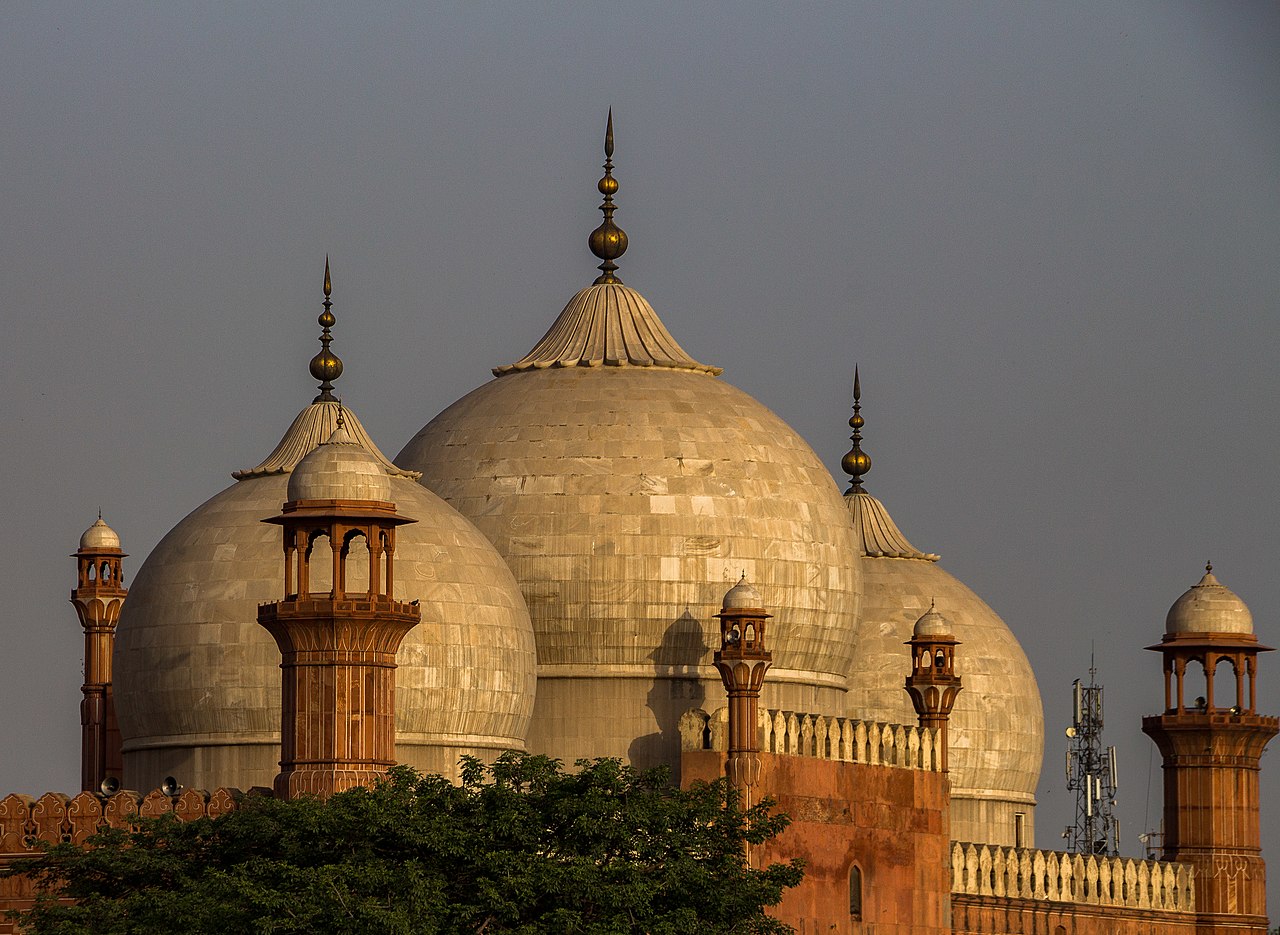
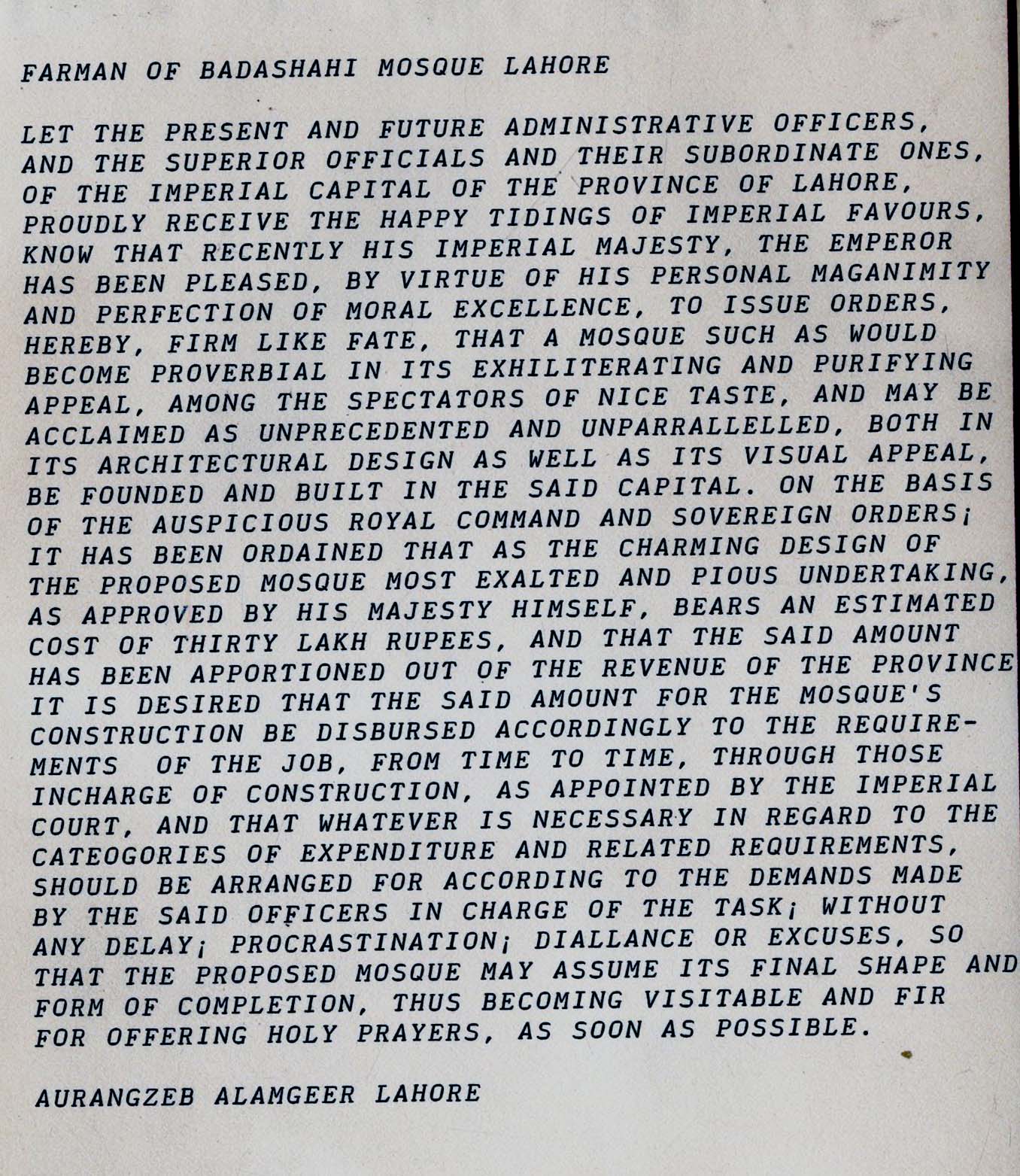
Besides the State archives next to Attaullah Rushdi, another name of a mimar comes up that is Shukrullah Mimar, but that is again a reference to repairs to the Mausoleum of Rabia Durrani. That name comes up in “Ruqat Alamgeeri”. In a personal manuscript of Hadees, there is a seal of Attaullah on it. He calls” himself as “Ash of the Grave”, or “Qabar Khaq”. It looks like he is 99 years old at that time. But on a property document, we find two seals of Attaullah. One when he was in the services of Aurangzeb Alamgeer and the other smaller one after that. Dates are 1078 AH and 1082 AH. Clear cur association with the Emperor, large seal denotes his important rank there. And this is around the same year when the Badshahi masjid Lahore was made in 1082 AH and completed in 1084 AH.  Attaullah Mureed Badashah Aurangzeb Alamgeer.
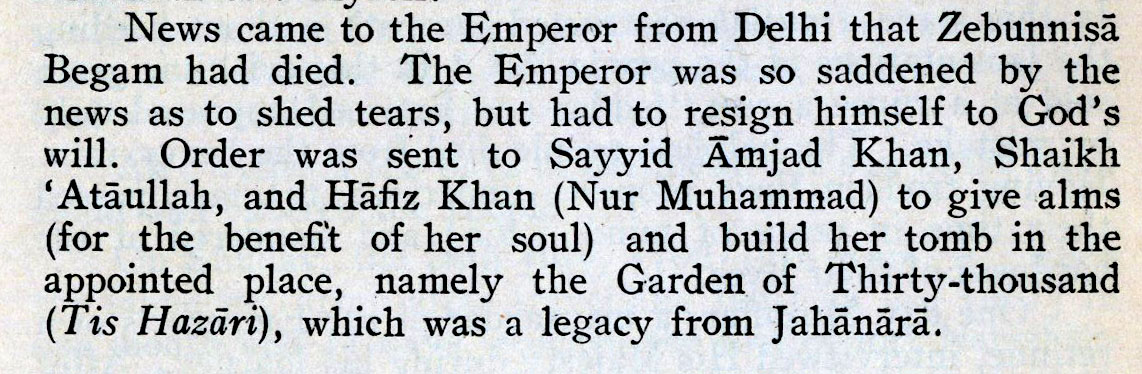
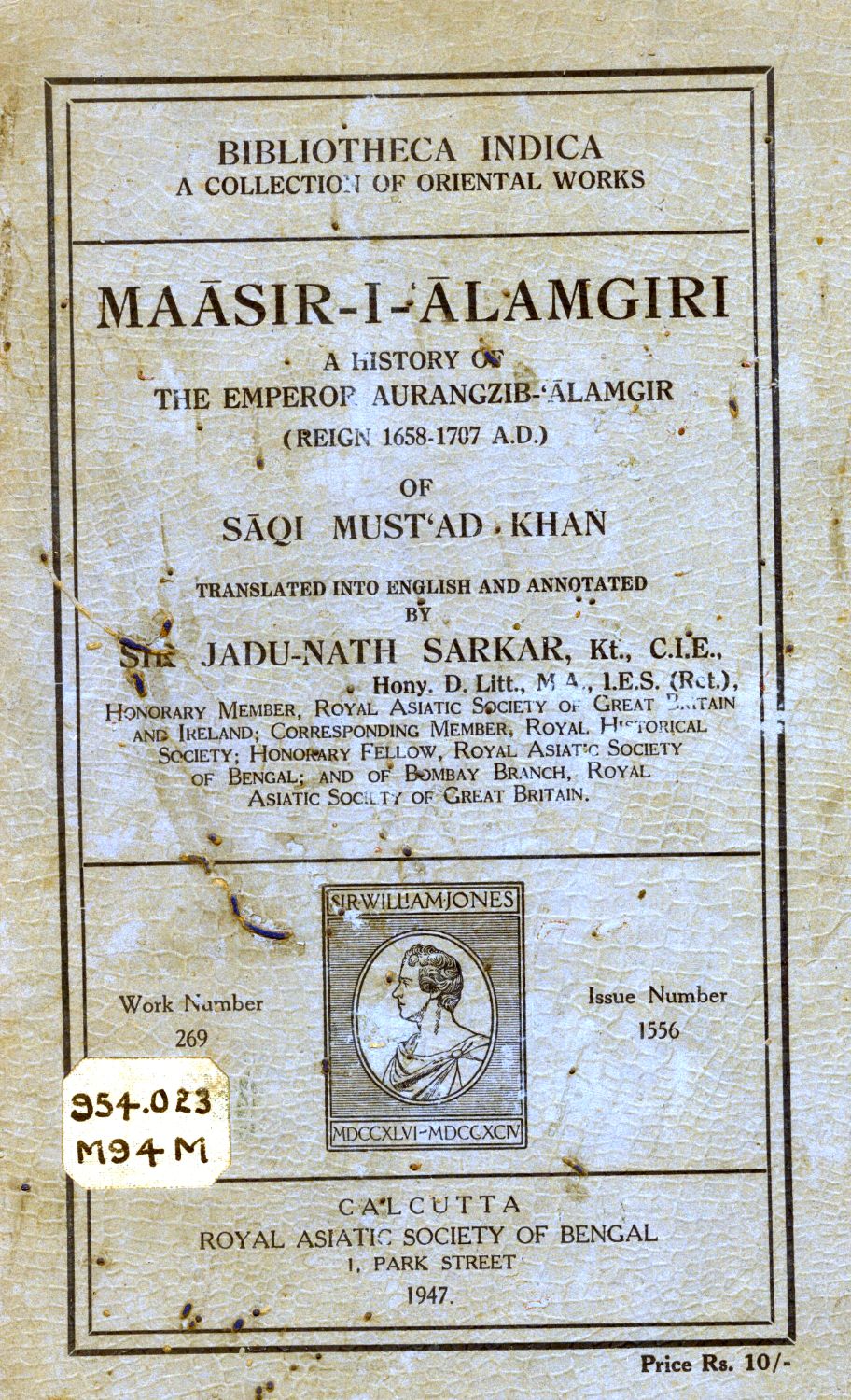
In the book Maasir i Alamgiri the ereference is more astounding. The Emperor calls three persons to build the Mausoleum of Princess Zebunnisa

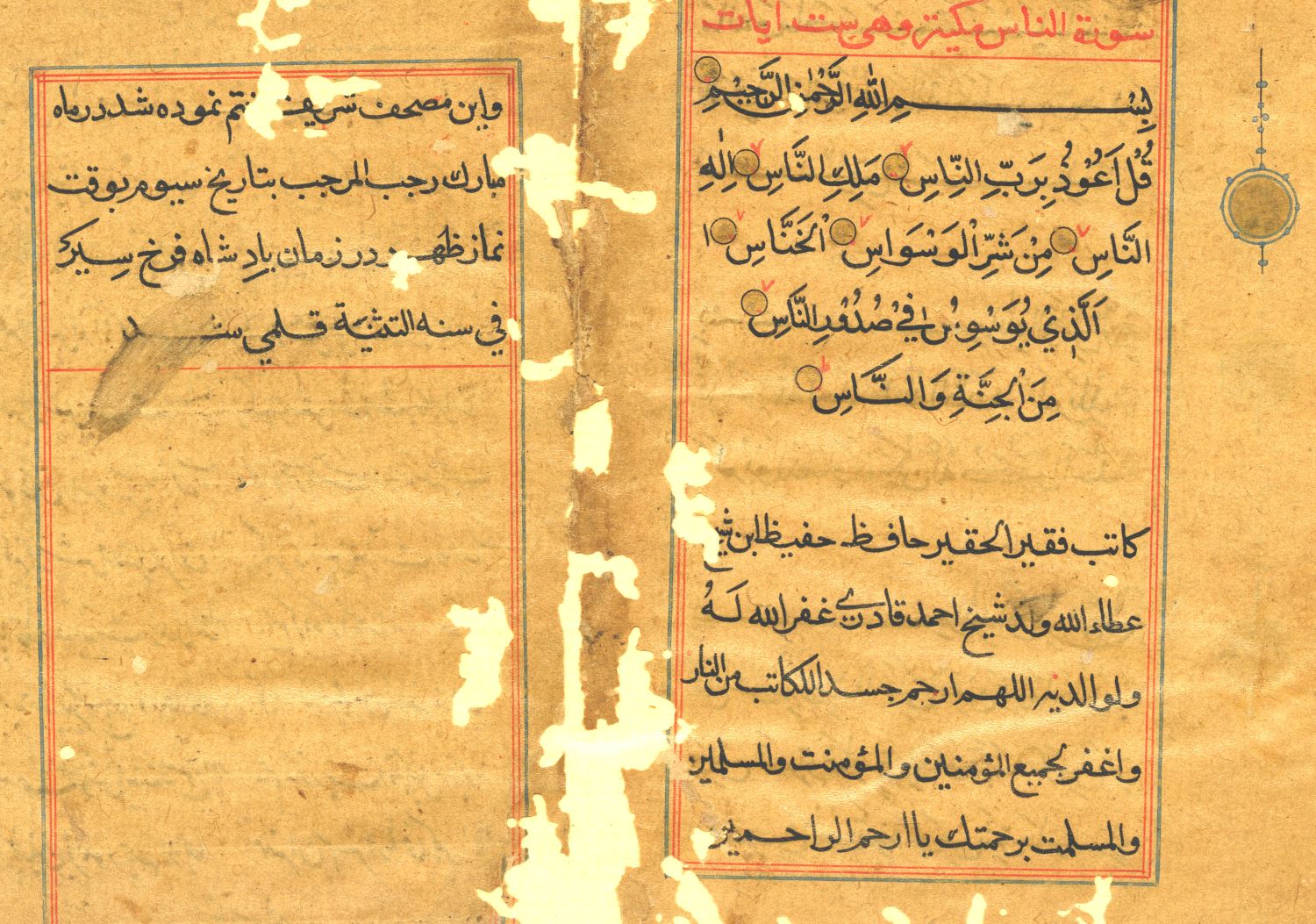
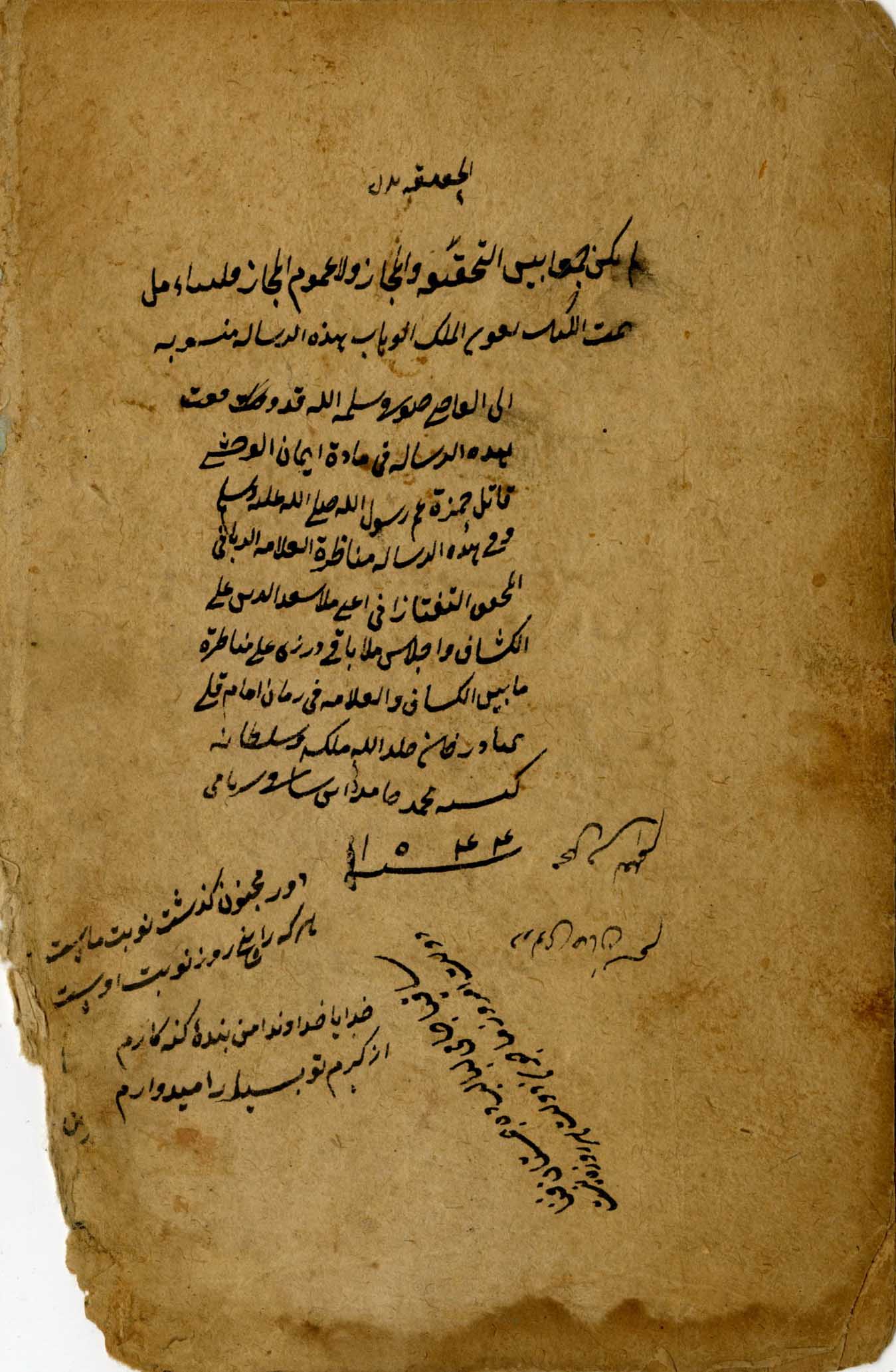
Two mentioned directly are Attaullah and his son Hafiz Hafeez (Nur Muhammed). Attaullah is an old man by now or Ash of Grave as he calls himself. But his son Hafiz Hafeez *Nur Muhammed is a working architect, fully versed in his fathers knowledge. Documents prove the relation, including a hand written Quran in Jahandar Shah period. What more proof one can require?

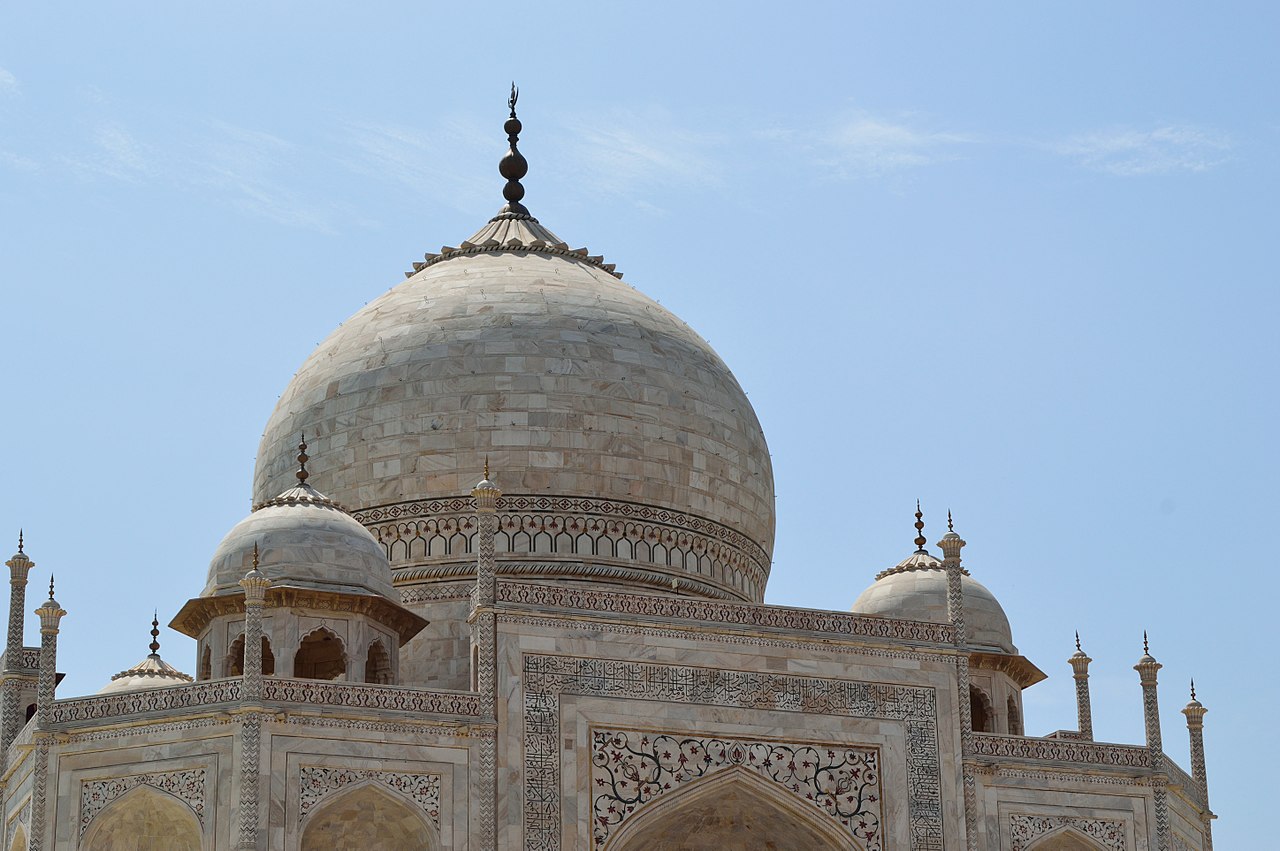
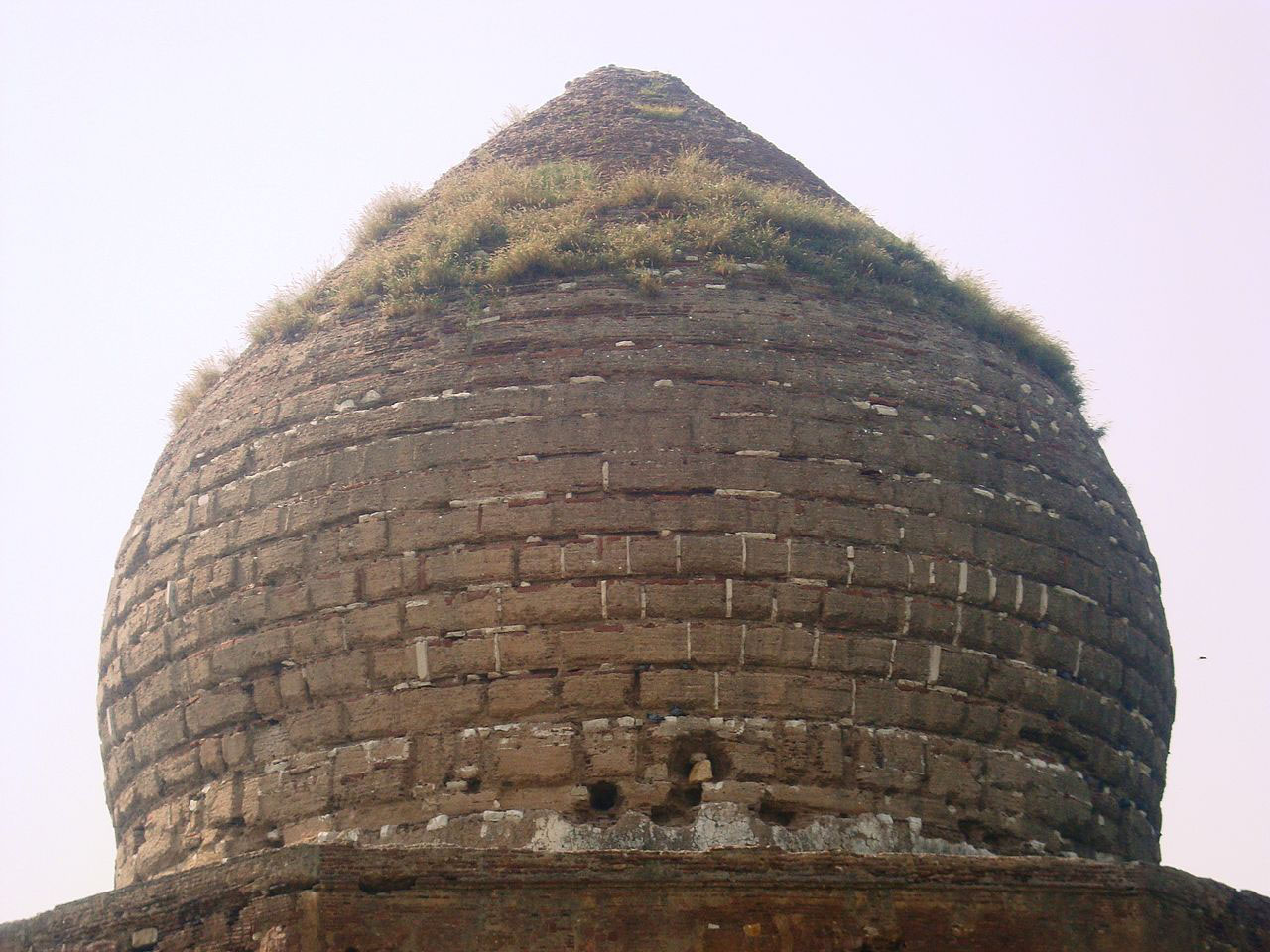
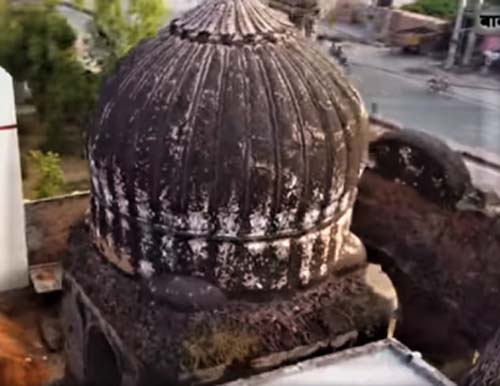
Documents and seals prove the personal association of Attaullah Rushdi with Emperor Aurangzeb, even as a Prince and later as emperor. But there is more. If we see and compare the domes of some buildings associated with family, we see the bulbous dome on the Taj Mahal, Bibi ka Maqbara, Mausoleum Asif Khan and even the Pirzada Masjid in Haryana (Yusuf Mimar) , we see the similarity in proportions of same. The same Euclid principles manifested in design. Research clears everything in history. In fact this research deserves a book of its own.

P.S,

Barkat Ali Khan hall Mochi Gate MANGA MIMAR in 1888 restoring Badshahi masjid.
SECRET EXPERIMENTATIONS M.A. RAHMAN CHUGHTAI; NOBODY REALLY KNOWS, YES PUBLIC FOR FIRST TIME. THE HIDDEN CHUGHTAI ART NOBODY WILL EVER KNOW.

SECRET EXPERIMENTATIONS M.A. RAHMAN CHUGHTAI;
NOBODY REALLY KNOWS, YES PUBLIC FOR FIRST TIME.
THE HIDDEN CHUGHTAI ART NOBODY WILL EVER KNOW.

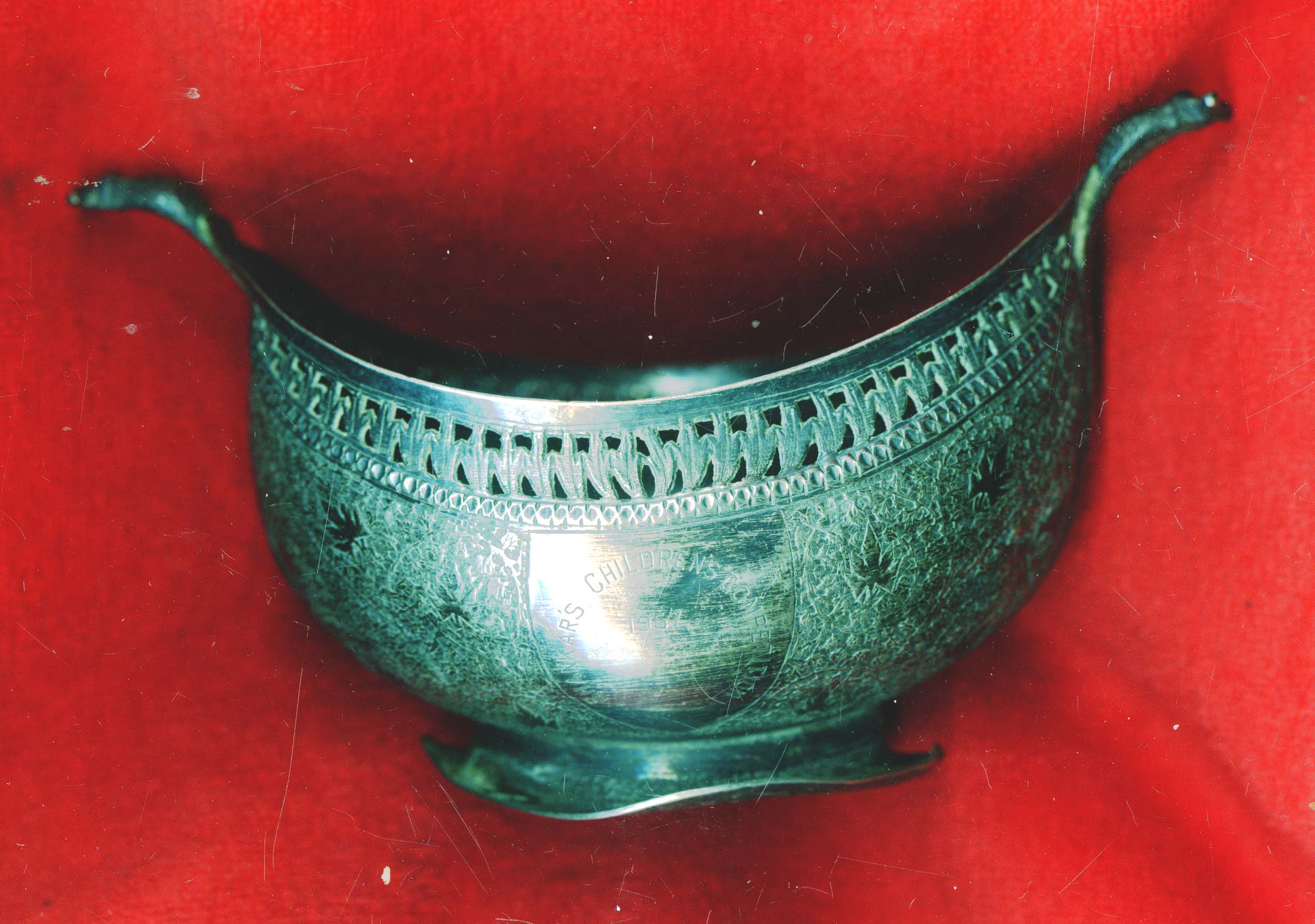
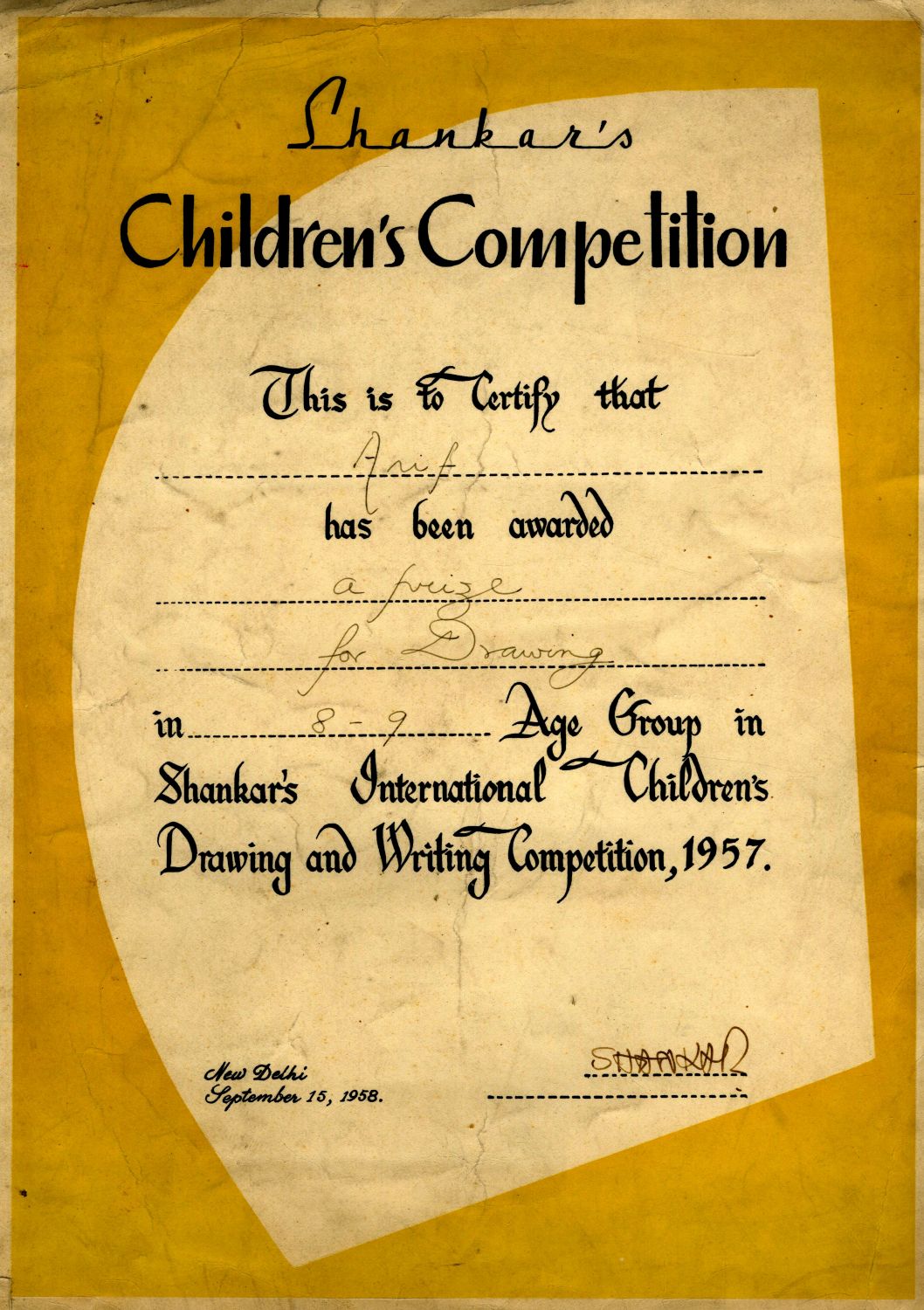
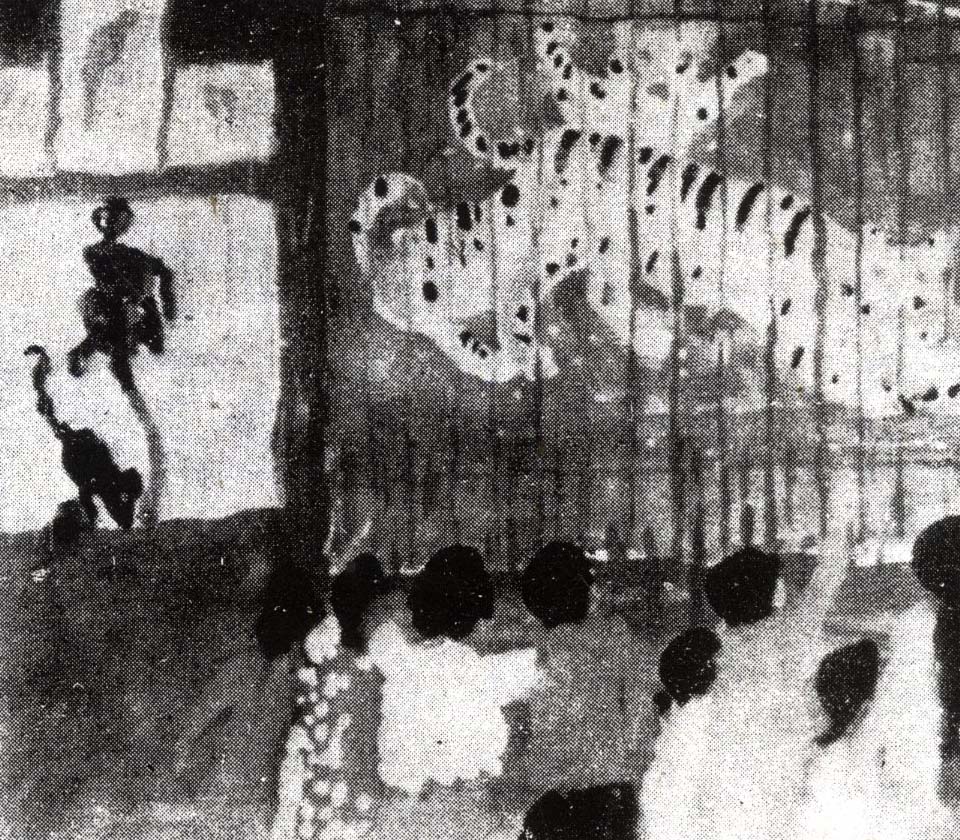
It was 1957, I was studying in 2B Saint Anthony’s High School, and a call came from the Principal’s office. Brother Henderson communicated that a Silver Cup had been received from India as an award for Arif Chughtai, for his work exhibited at the Shankar Children Competition in Delhi, India. And the Principal would come to the class of Madame Cooper to present it to me. I was not only frightened but also embarrassed, for I had done nothing like that at all. The secret was that my father had made a small children painting of a zoo, with a tiger and animals in it and some children watching the tiger from outside the cage. Totally childlike, and yet with exceptional talent. I had not done it. But the Indian judges in Delhi recognized it as an exceptional work of a 7 years old child. It was printed in colour in Shankar’s Annual but we miss it now. However the cup is still with me. And the load of its memory makes me uncomfortable even now.
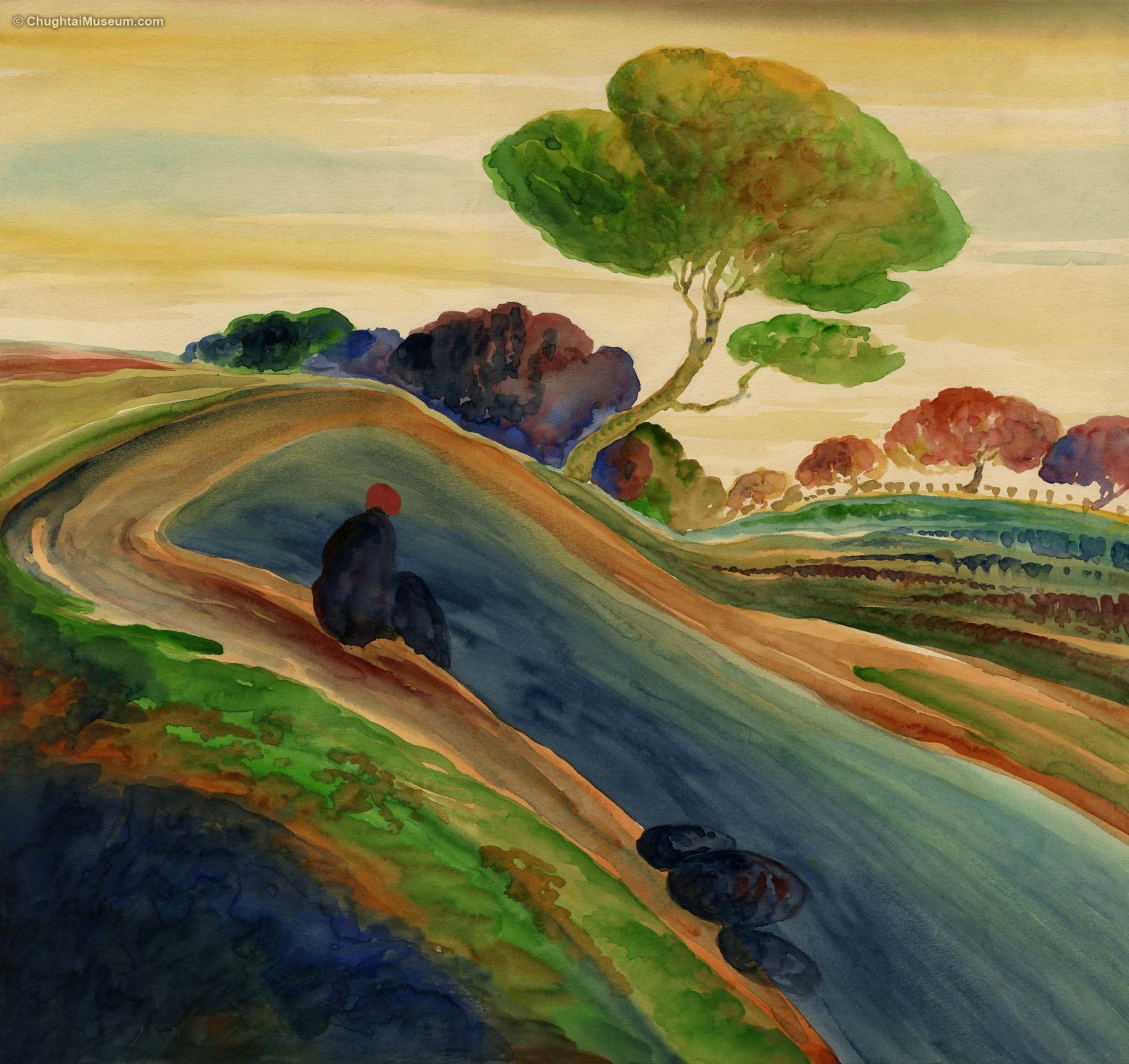
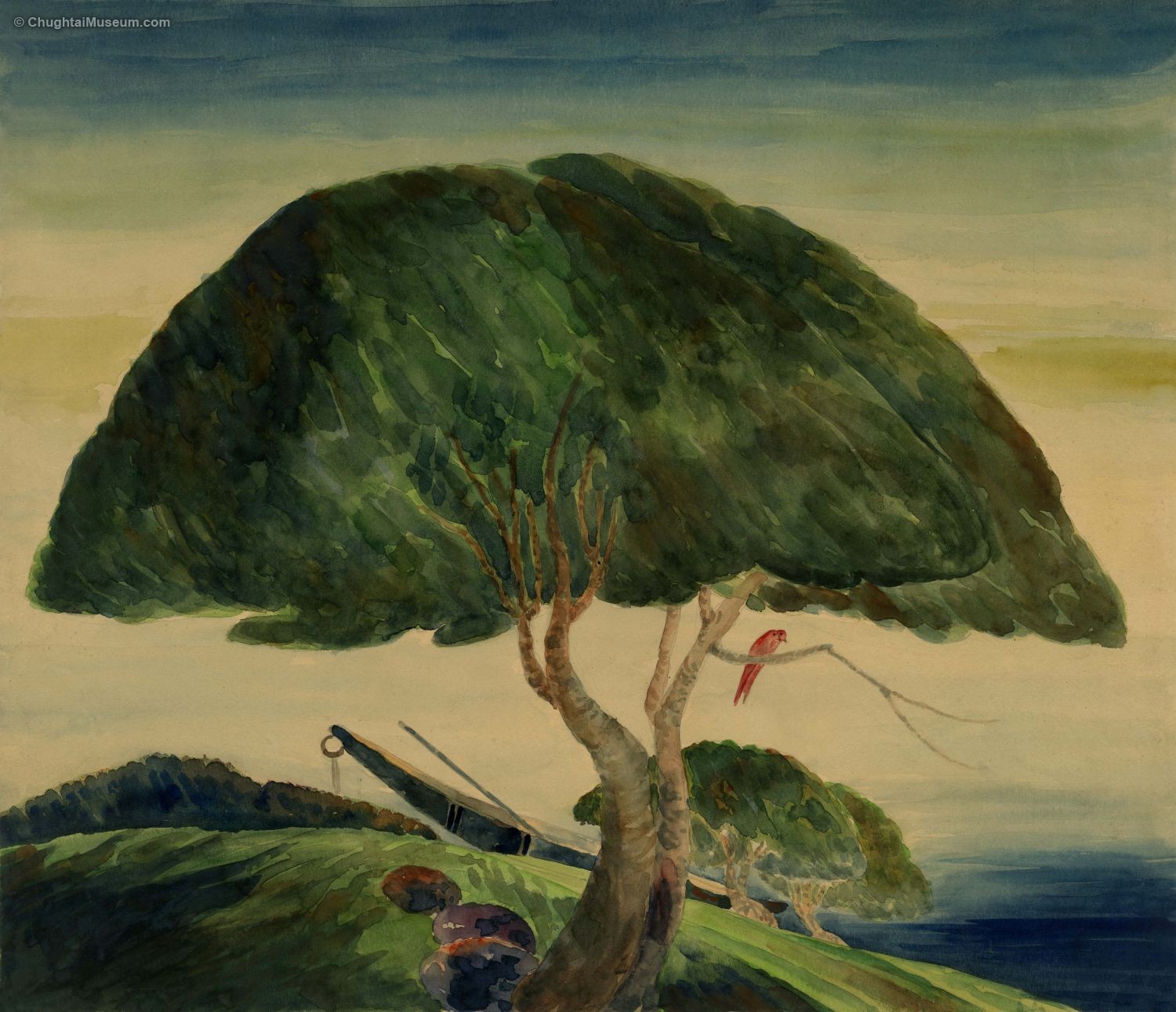
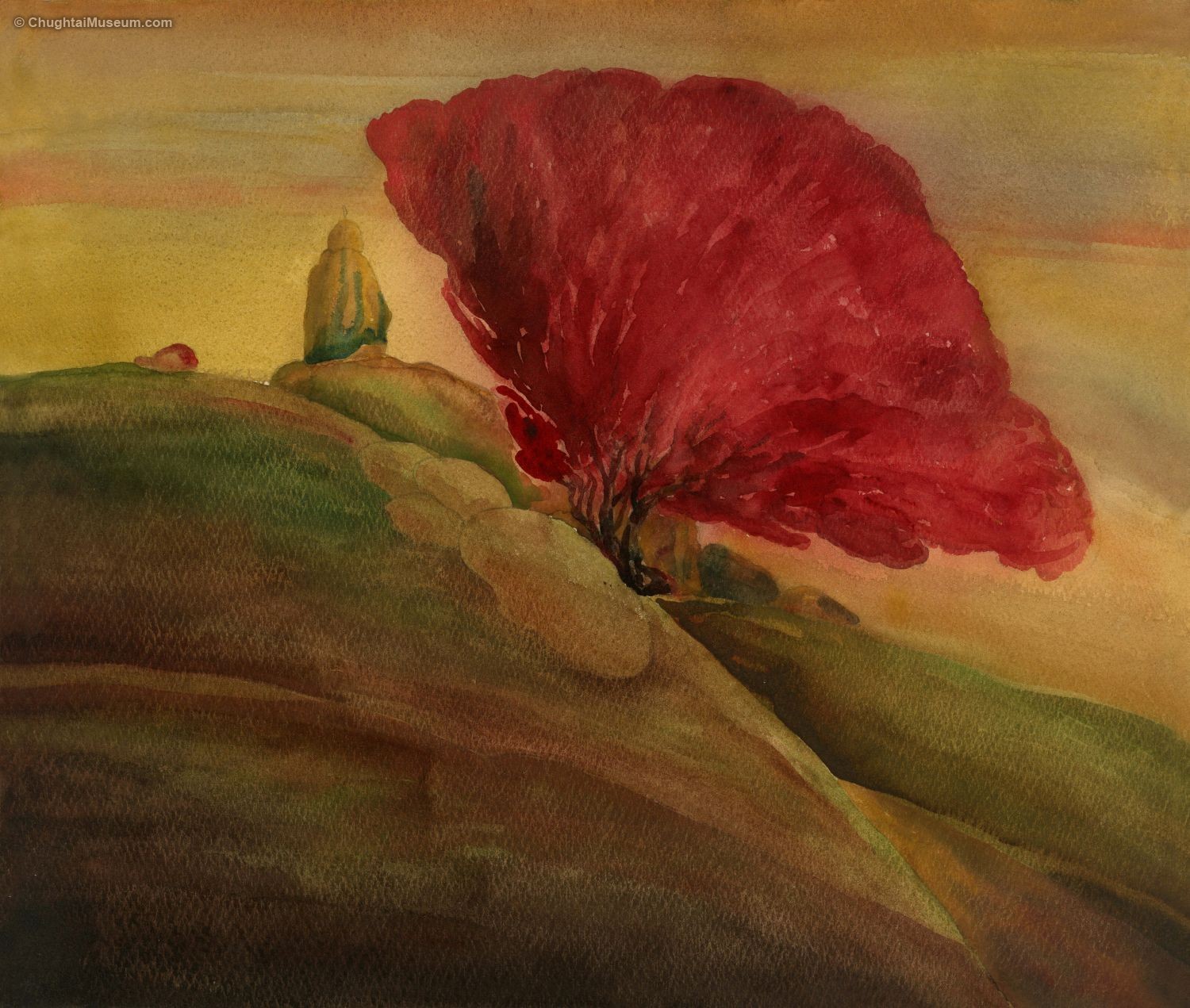
My father Abdur Rahman Chughtai liked to experiment things. Not only that he used to secretly make some Western type paintings and he exhibited them in name of his guide and German lady friend Elza Huiffner. These works were exhibited at various shows in 1930s, 1940s and 1950s, and received accord for their aesthetics. A different technique and media tested by M.A. Rahman Chughtai in secret  experimentations.

Not only that, at times letters written in pseudonym names to express opinions about things they did not want to be referred to in their own names. The dialogue with Dr Munhsmmed Din Taseer is famous for such communication, as Taseer himself used a pseudonym. These are hidden aspects which with time no one will really know. It is best to write all things as a historical record for the future. But it does show the exceptional talent the artist Abdur Rahman Chughtai had. I have myself seen him correcting the composition of his friend Ustad Allah Baksh, not with malignancy but as an act of advice of loyalty. The artist actually posed for his portrait done by Ustad Aziz, adopted son of Ustad Allah Baksh, and not only that he corrected features of his own portrait. Certainly years of training and learning, but in all ways,  an inherited DNA programmed to aesthetics. People writing about him in the past knew little, but at present literally nothing. It needs a certain exceptional framework of mind to indulge in studies about Chughtai Art.

IN SEARCH OF ANY POETIC CREATION LEFT BY, USTAD AHMAD MIMAR LAHORI, TERMED AS NADIR: NADIR NAMAH LOVE OF SULTAN MAHMOOD AND AYAZ. FROM SADI TO JAMI TO FAMOUS EPIC POEM OF ZULALI.

IN SEARCH OF ANY POETIC CREATION LEFT BY,
USTAD AHMAD MIMAR LAHORI, TERMED AS NADIR:
NADIR NAMAH LOVE OF SULTAN MAHMOOD AND AYAZ.
FROM SADI TO JAMI TO FAMOUS EPIC POEM OF ZULALI.


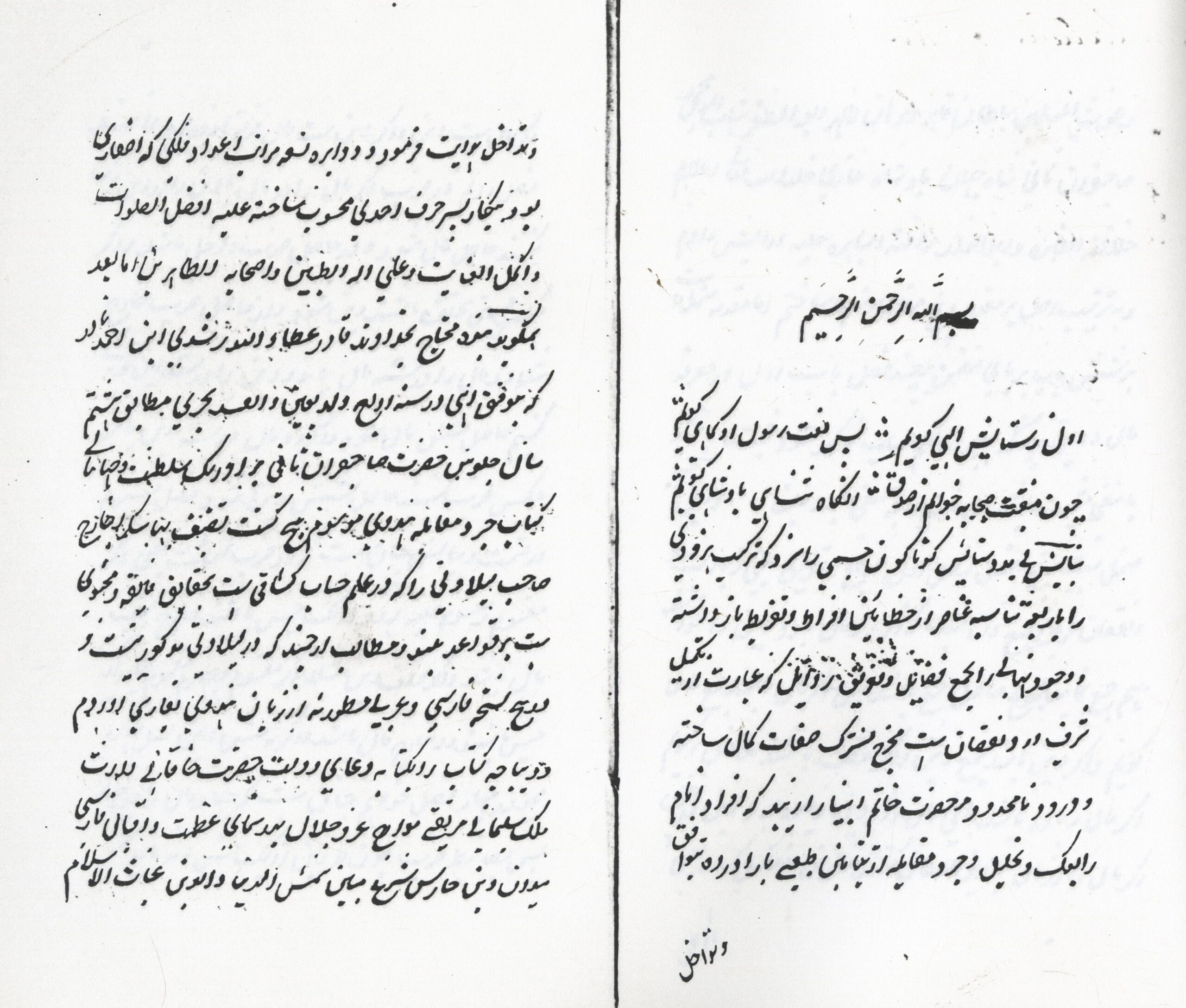
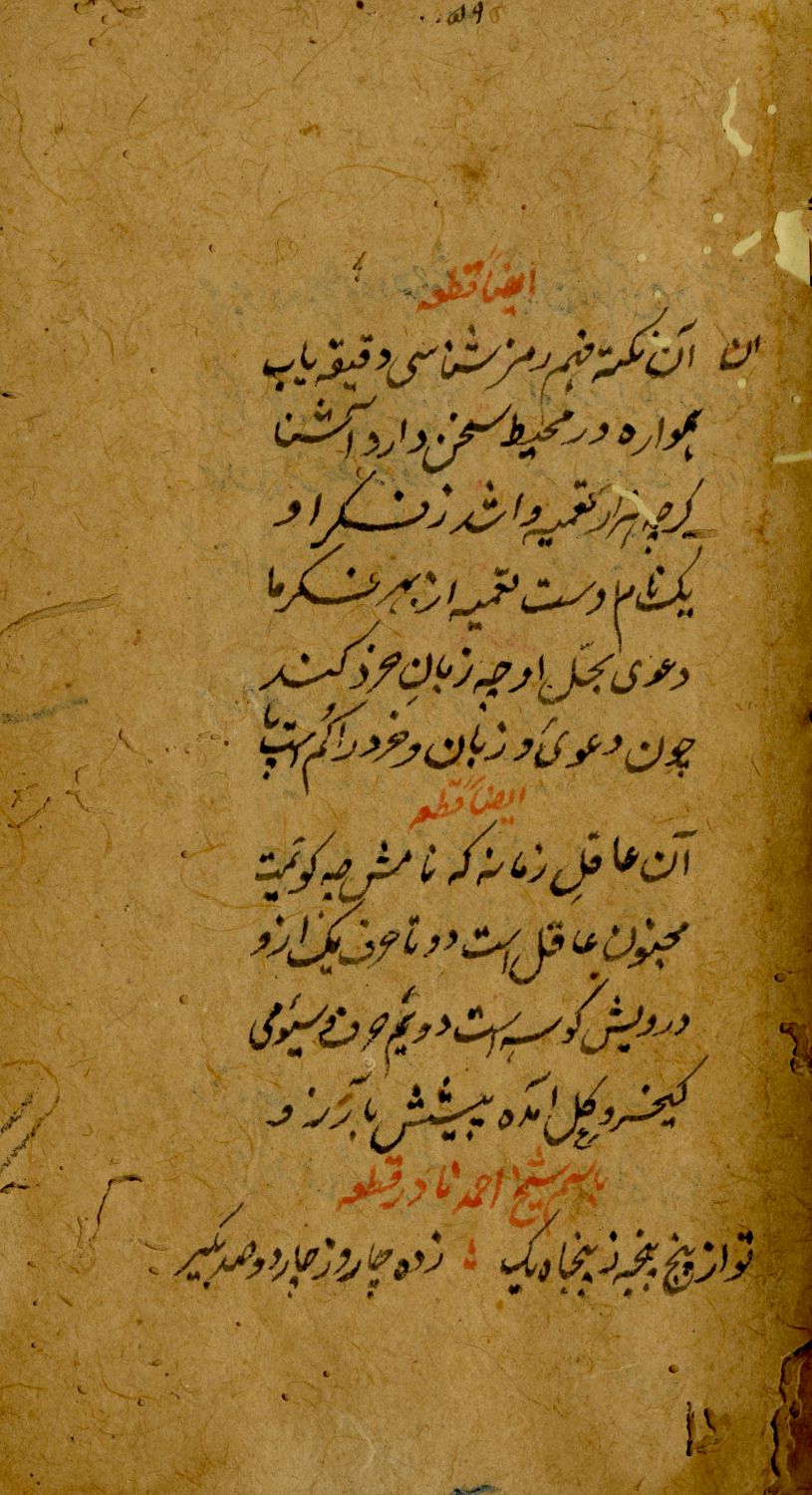
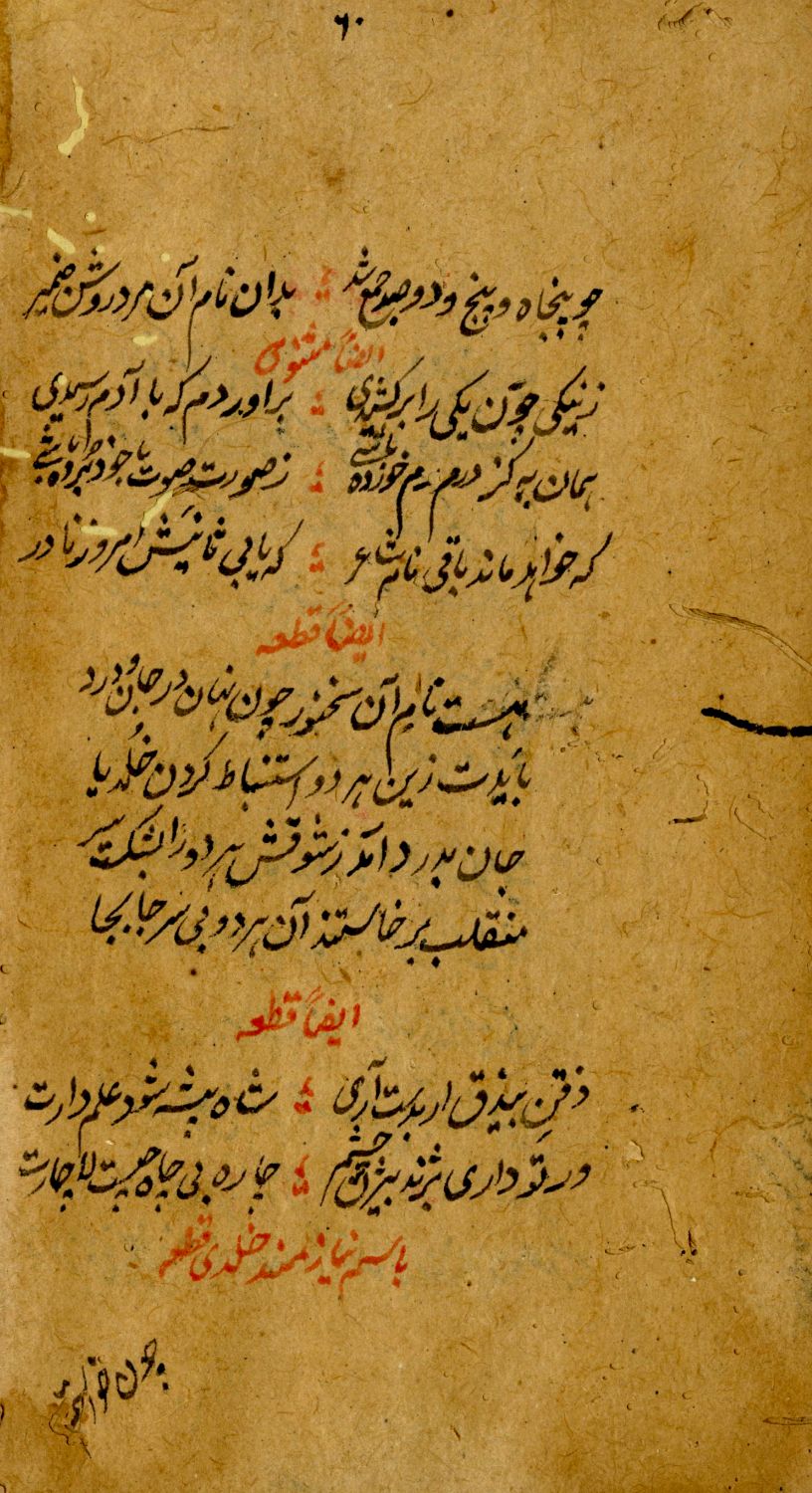
Many years back a manuscript reached me, and it was not a very old one, but dated around 1273 AH, the scribe was Jalaluddin son of Mian Raheem Baksh Rajpoot of Mitranwali, and the poetry was of Abdur Rahman takahallus khuldi, resident of Heranwal. It was titled as Nushka Maumma, the art of sealing the name of a person in form of guess work. In our terms naming a person like a puzzle or paheli. It had four maummas of the name of Ahmad Nadir. It also listed othes. The reference was that of Sheikh Ahmad with takahallus Nadir, not much more. The poet Khuldi did not even know the burial place of Ahmad Nadir. He did make a conjecture of his mausoleum, but in a maumma he referred to him as having Royal Profession. That was the only reference in my decades of research on this name.


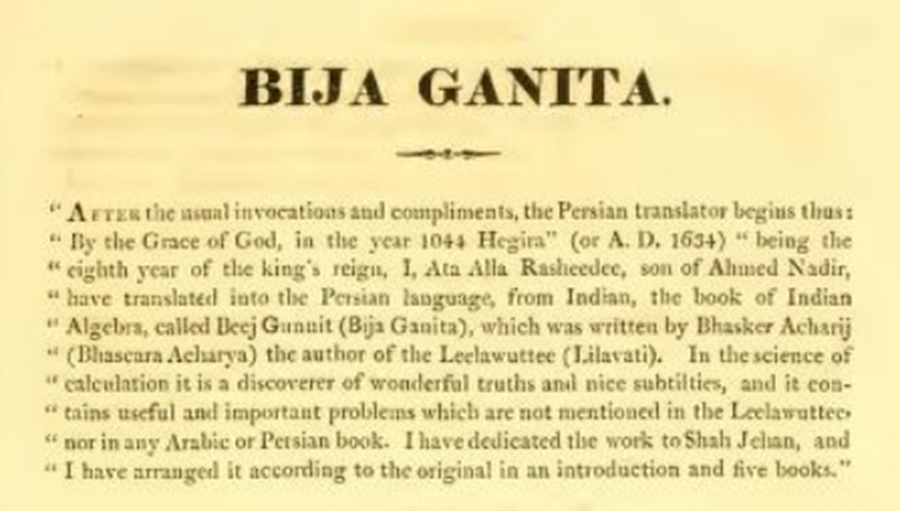
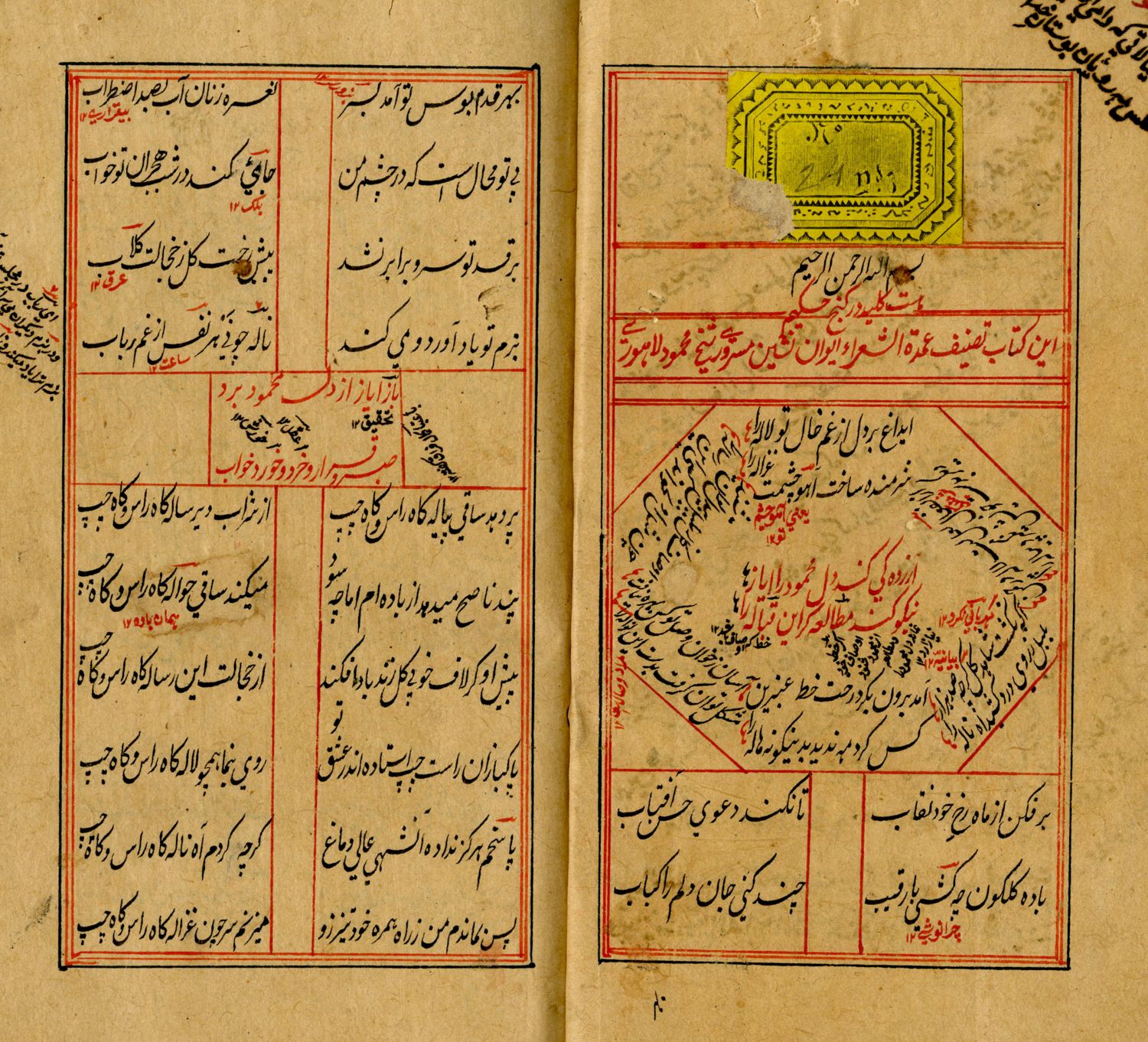
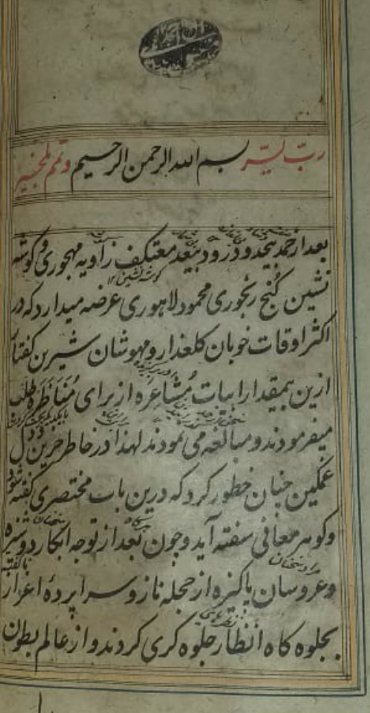
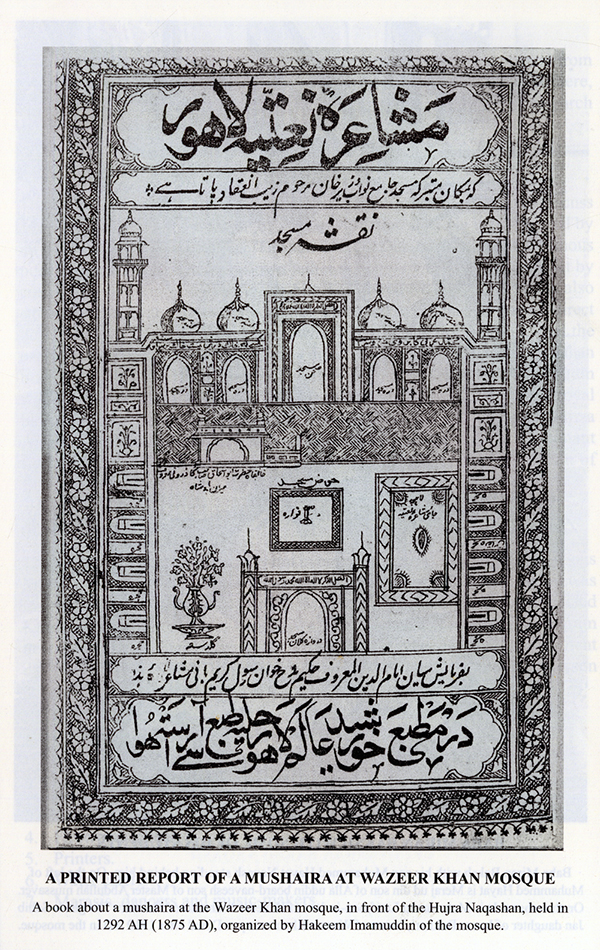
Let us go back a little. Researchers have pointed out that Ustad Ahmad Mimar Lahori was also a poet and wrote in the name of Nadir. In fact his son Attaullah Rushdi specifically mentions the title of Nadir attached to his father and perhaps comes from the fact that he had the title of Nadir Ul Asar from the Emperor himself.  Yes, so much excitement and no concrete results. A Baloch researcher gave me a catalogue of the manuscripts in the National Museum Karachi and strangely there was a collection of poetic sections of three poets, one was Abdur Rahman namely Khuldi. The other two were simply given. One Mahmood of Lahore of the 17th century, I had seen manuscripts of this poet and he was at a mushairra in Lahore in 1044 AH, the inauguration of Masjid Wazeer Khan. I had seen a volume of his poetry from the 17th century. The other was Ahmad Nadir. Khuldi had a section dated as Nushka Ajeeb, and the other two were Nadir namah and Mahmood namah. All three were of the love of Sultan Mahmood and the slave Ayaz, who by becoming the Governor of Lahore, put Lahore on the cultural map of the world, But obtaining a copy from here was utterly difficult. A student Amar Malik of Berkeley volunteered to help and sent me a copy of that manuscript. 


In a flurry of excitement, analysis of that manuscript was handed over to a professional who knows these things well. I asked him to seek name references in the Nadir namah. He told me there was no specific reference, but as far as metaphors were concerned, there was an illusion of three names. The metaphors related to Princess Gulbadan, Emperor Jahangeer and Emperor Babur. This very clearly pointed out that the poet belonged to the early 17th century. Then I asked him on what level did he cover the love of Sultan Mahmood and slave Ayaz, Governor of Lahore. The answer was simple, the story spun in Persian circles of a homosexual relation was not treated by these poets in that way. My research in the life of Sultan Mahmood is very clear. Sultan Mahmood himself had a slavish background and came across a sick child in an auction house in Ghazni. He felt very tender with the plight of the boy and bought him. He sent him for the best education and training and ultimately he became the Governor of Lahore. A fact which hardly any one knows that Sultan was in love with the sister of Ayaz and wanted to marry her, but the courtiers advised him against proceeding with the marriage. My research is written in my book the MUSLIM FIGURINES OF LAHORE. So my question was simply Ahmad Nadir deals with that love on which plain of thought. I was told that no mention of any immoral relation but the spirituality of that love and affection. It was very satisfying for me. 


The three metaphors were translated and I translated them in English. I was told that the Persisn language used was not that of some ordinary poet but spoke well of the excellence of poetry in Nadir namah.The three are: 

Metaphor of Gulbadan:
My body is in such a way full of injuries and spots like the tears in the eyes of the nightingale and I am in search of a shawl covered bridal Gulbadan beloved with a flowery body whose sharp sword can be drenched with blood when the blood of my body has already gone dry. 

Metaphor of Jahangeer:
Jahangeer obsession means that love or frame of mind which takes into possession the whole world and the drum beats it’s fame and wisdom leaves and the empire of heart takes over. Mind kneels before this love and the beloved beauty gaze through thee splendour of her fallen hair not unlike the darkness of Shab meraj when the light of spirituality of Laila tul qadr

Shines out.

Metaphor of Babur:
When the beloved opened the lut of her hair, the onlookers got sad because in front of her beauty even the stars wandered out  like Babur who in the night lost his way 

Between two eyebrows the distance met with an object unlike a man had completed the level of his constructed house.

Centuries gave us nothing of Ahmad Nadir. Can there be more? Who knows?  People spent their lives on this research. I have done the same. Eventually something more will be discovered. We wait for that day! There are people who buried him in the past. There are those who broke his sarcophagus in Khuldabad. But Allah’s Law of Makafat overrides these people. aUstad Ahmad Mimsr Lahori shines as much as Rauza Muqarrana or the Taj Mahal. The Blessings of Allah are on him. !