THE MISSING LINK IN DISCUSSION ON THE FIVE ASTRONOMICAL OBSERVATORIES,
OF RAJA JAI SINGH: KHAIRULLAH KHAN MUHANDIS SON OF LUTUFULLAH AHMAD
Raja Jai Singh
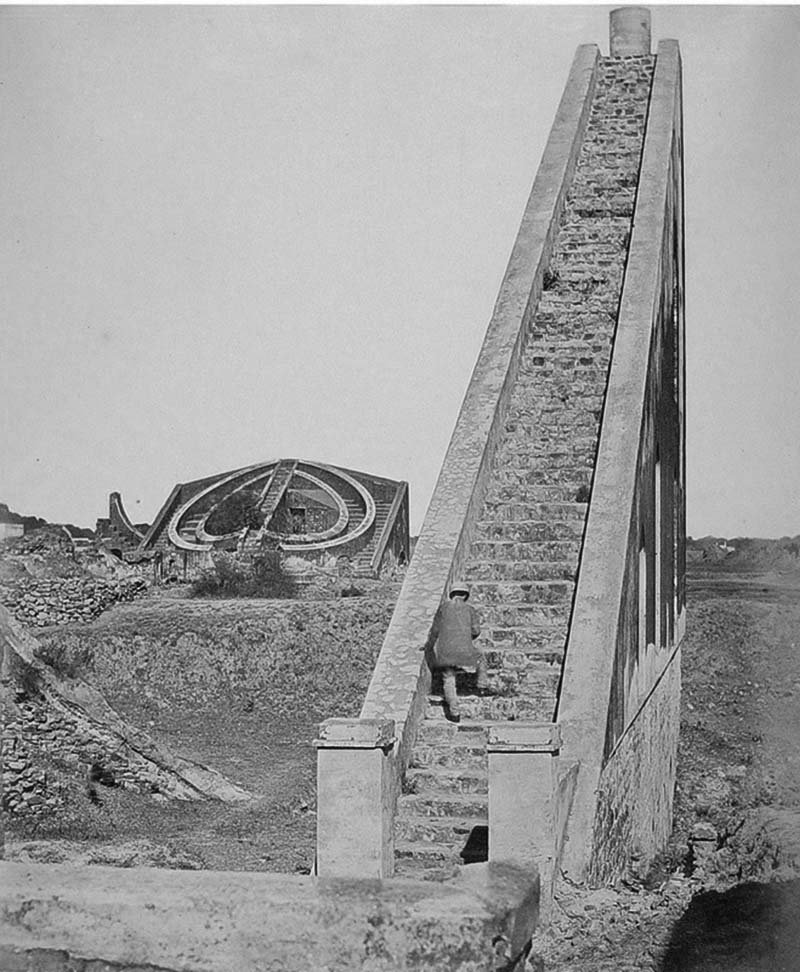
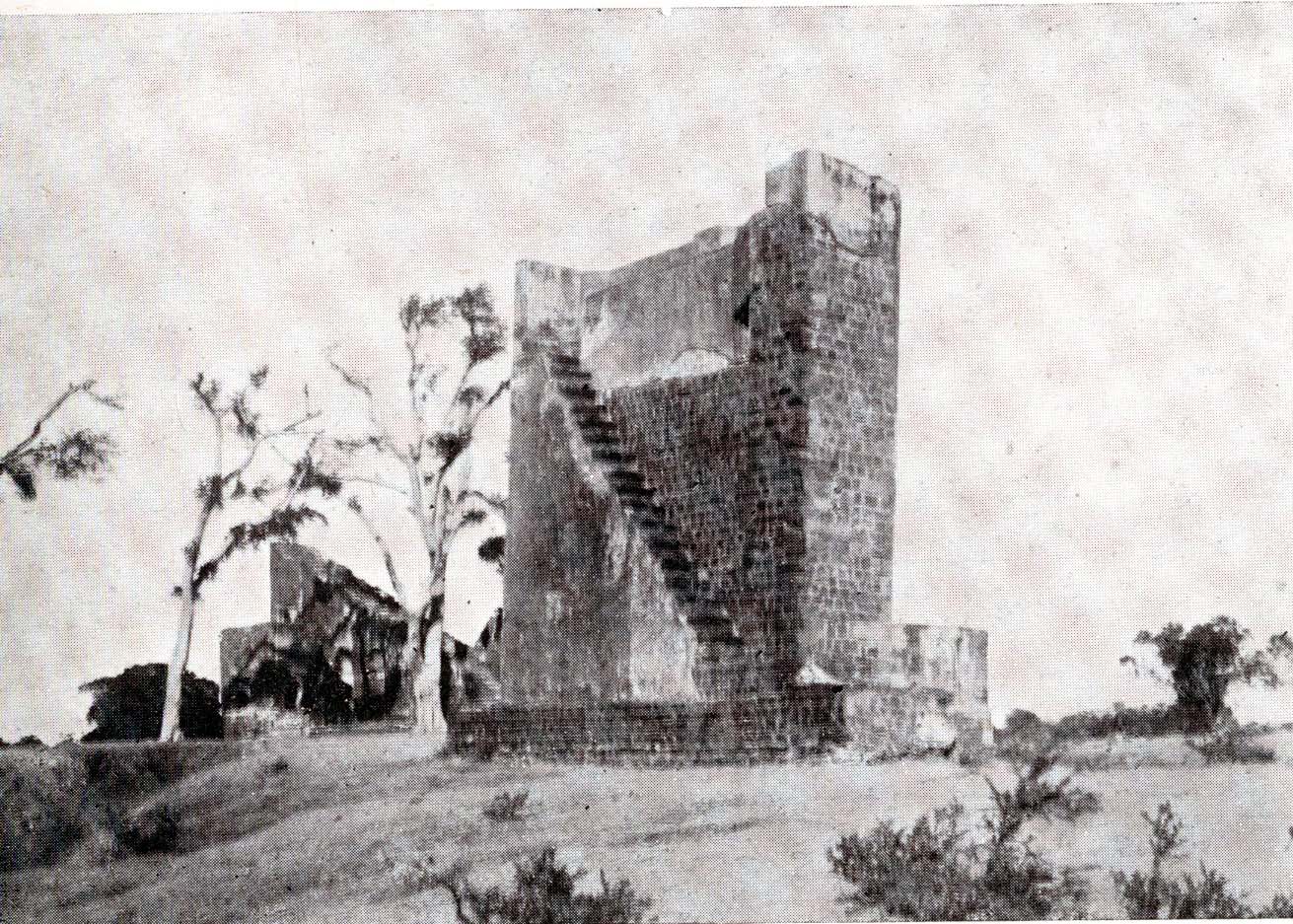
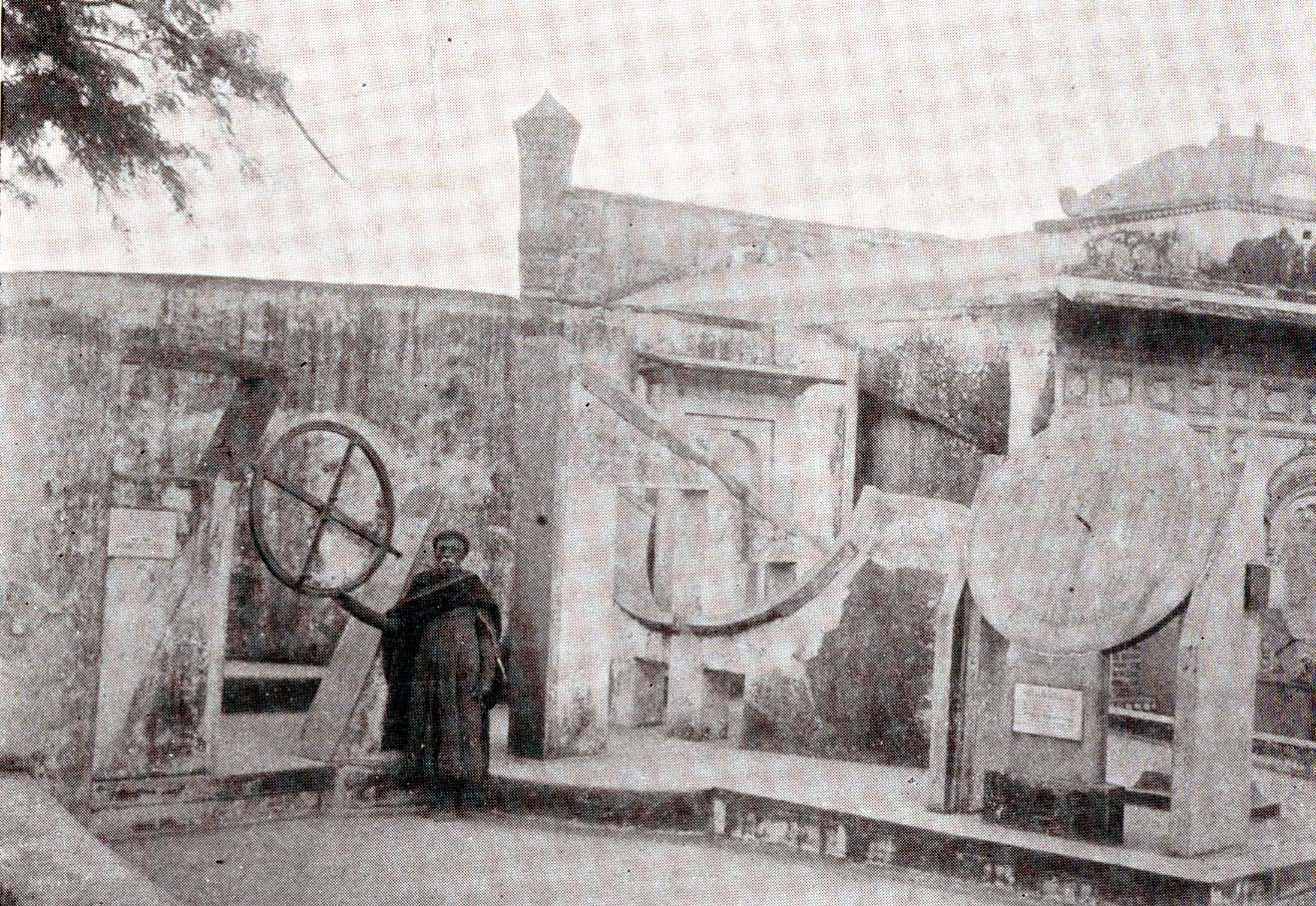
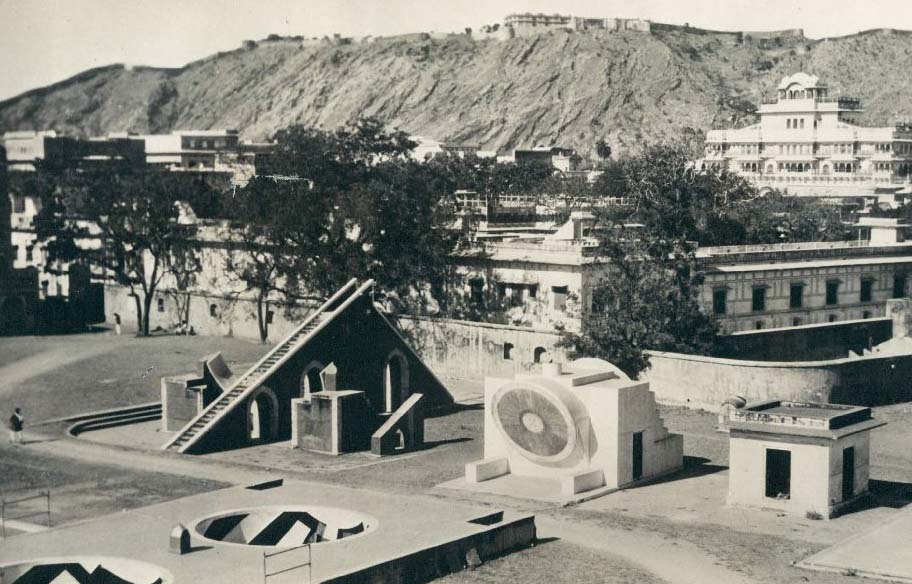
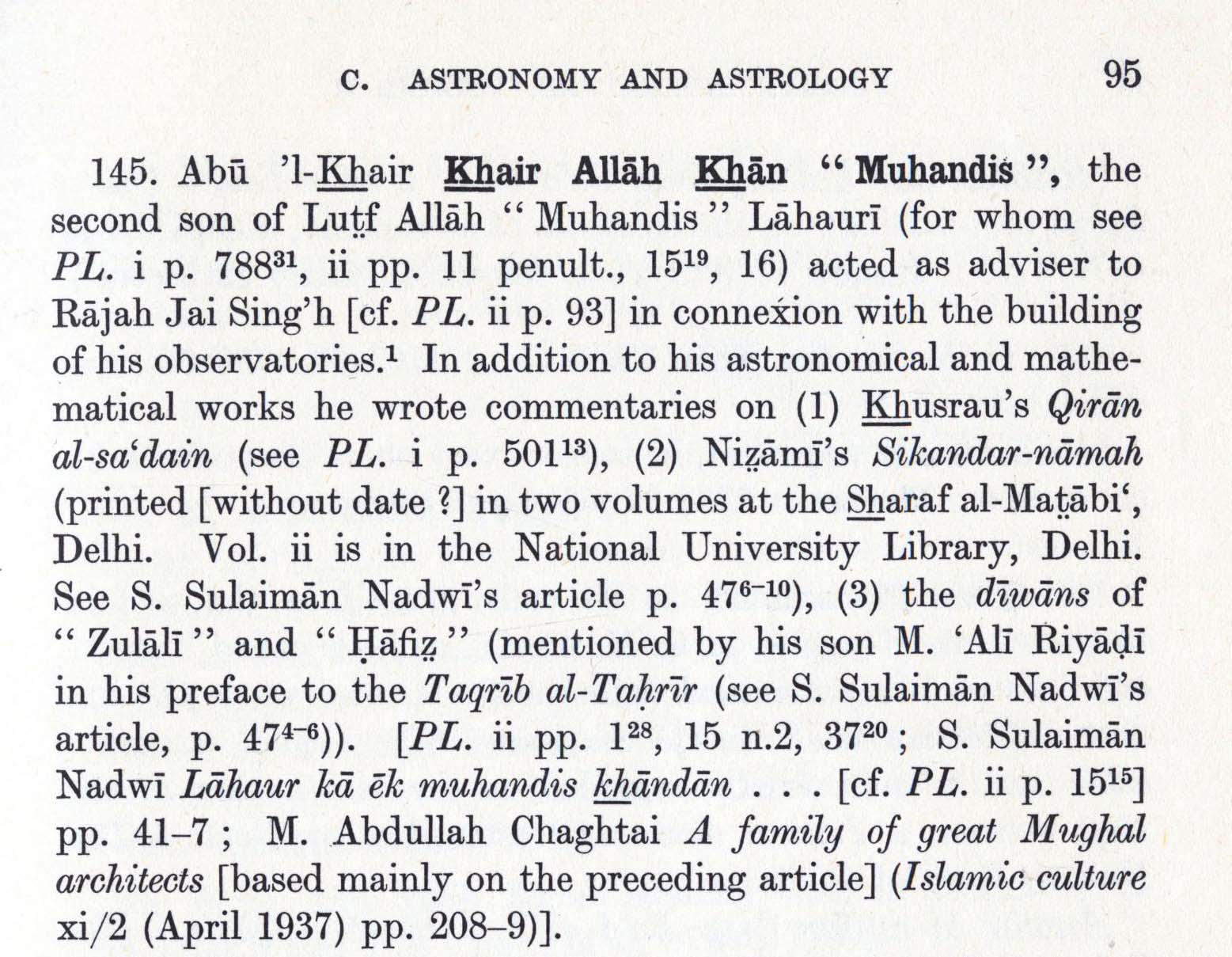
The objectivity of present western research (forget about the Indian) is questionable. So much is written about the five observatories of Raja Jai Singh and plentiful images of same, but one most important name stands missing in most research, and that is Mirza Khairullah, known also as Abu Khair, and carrying with his name, the addition of Muhandis as well as Khan, which denotes a title from the Royal Court of Emperor Muhammed Shah.
Delhi ObservatoryUjjain Observatory
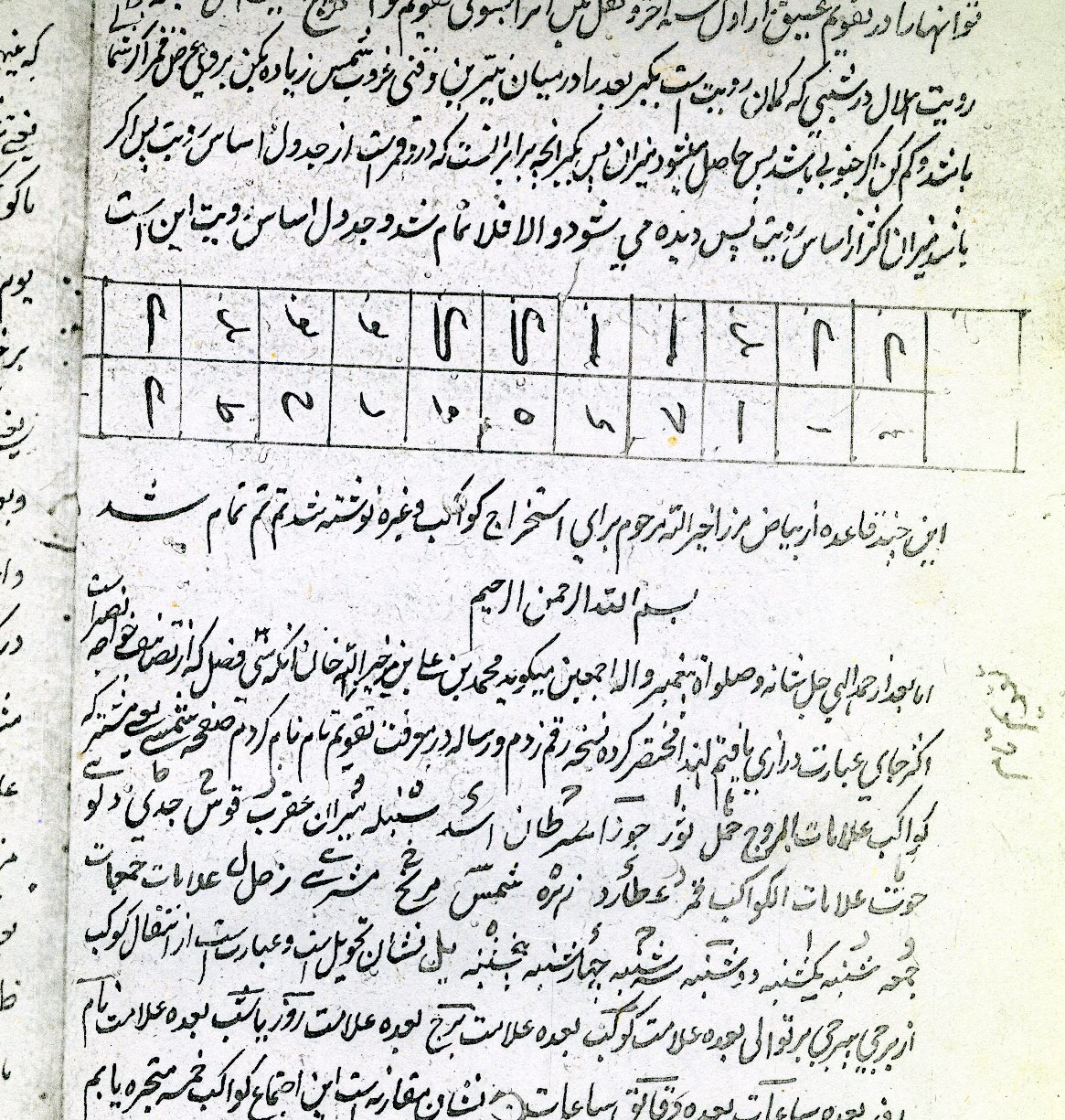
The first credit goes to Emperor Muhammed Shah, who conceived the idea of laying the basis of modern astronomical tables, based on actual readings from observatories. Order was passed on to Raja Jai Singh for same and Raja Jai Singh was given the courtier Khairullah Khan Muhandis as adviser. Not only Khairullah Khan helped in the actual construction of the five observatories around 1724 AD, but was also part of the collection of the tables for same. Whereas ZIJ MUHAMMED SHAHI is famous as the tables of same, there is a SHARH written on same by Khairullah Khan. This Sharh is mentioned by various scholars,particularly Muhammed Hussain Jaunpuri in his JAMI BAHADUR KHANEE tables. The manuscripts of these researches are present in various libraries of the world. Pakistan also has a rich treasure of same as well as the archives of Chughtai Museum. As this is an exposition article, we need not go into the details here, but we will give some details of the various ZIJS later in another blog.
Benaras Observatory
The interesting part is written by analyst Jayant V Narlikar, when he says:
“Jai Singh’s edifice of science did not survive for long. In 1764, the observatory was severely vandalised when Jawahar Singh, son of Suraj Mal, the Jat Raja of Bharatpur, plundered Delhi. Perhaps the most telling commentary on Jai Singh’s dedicated but largely irrelevant scientific enterprise comes from the rather disconcerting fact that his grandson converted the Jaipur Observatory into a gun factory and used his ancestral 400 kg brass astrolabe for target practice.”
Jaipur Observatory
By observation only, in his commentary on Zij Muhammed Shahi, Khairullah asserts:
“We have found the orbits of the Sun as well as those of all deferents, of elliptical form. Our argument is that whenever ewe calculate the different positions of the Sun and other planets in accordance with equations of the circle, they do not conform with the actual observed ones. On the contrary, when the equations are derived taking the orbits elliptical and calculating the positions, they generally conform with observations. Hence the orbits must be elliptical.”
D N MARSHAL REFERENCE
By observation only Khairullah without ant knowledge of Keplers theory, is proving same with his intellectual prowess, in his commentary on Zij-e-Muhammed Shahi.
C A STOREY REFERENCE
Khairullah was student of his elder brother Imamuddin Riazi, another Master scholar of his age, whose many books were text books in various madrassahs to this date. His many books are there in manuscript form in major libraries of the world. His father Lutufullah Ahmad Muhandis another marvel of his time. A gifted Lahori family in all ways.
IN SEARCH OF ACTUAL VISUAL IDENTITY OF MIAN MUHAMMED SULTAN TEKHAYDAR
CONFUSION WITH INTRODUCTION OF A PHOTOGRAPH FROM AHMADIYA ARCHIVES
Mian Sultan
The link of Mian Muhammed Sultan is enormous to Lahore and its monuments. Whereas he demolished some of the priceless Mughal monuments of Lahore, he also made so many new monuments in the public interest. It is difficult to classify him but those were those times. It is not possible to assess them now in an objective way. You do not judge history like this. Mian Muhammed Sultan had no children and he died in 1876. A normal Muslim like most others in Lahore. It was in 1899 that some of his family members embraced Ahmadiya religion. Mian Sultan belongs to us all.
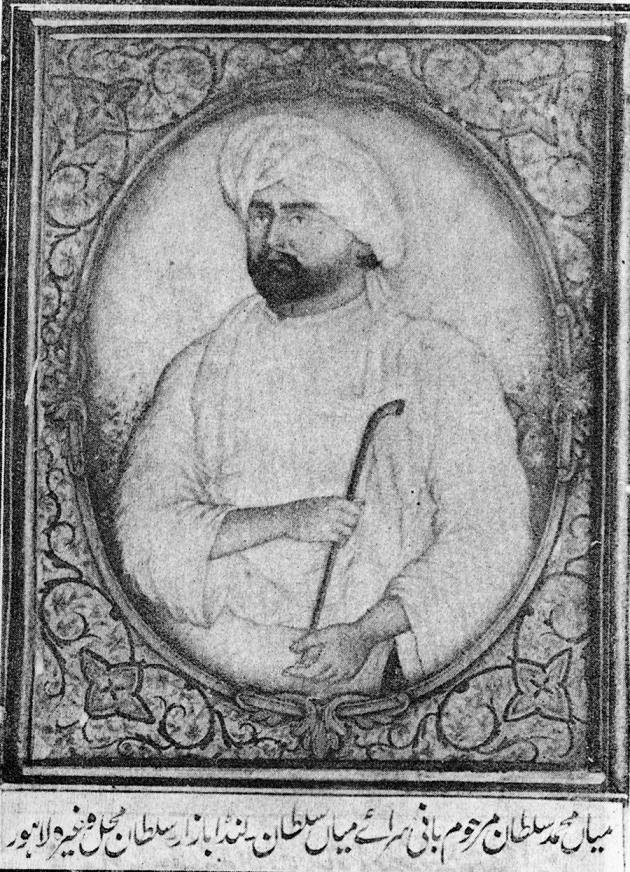
Mian Muhammed Sultan
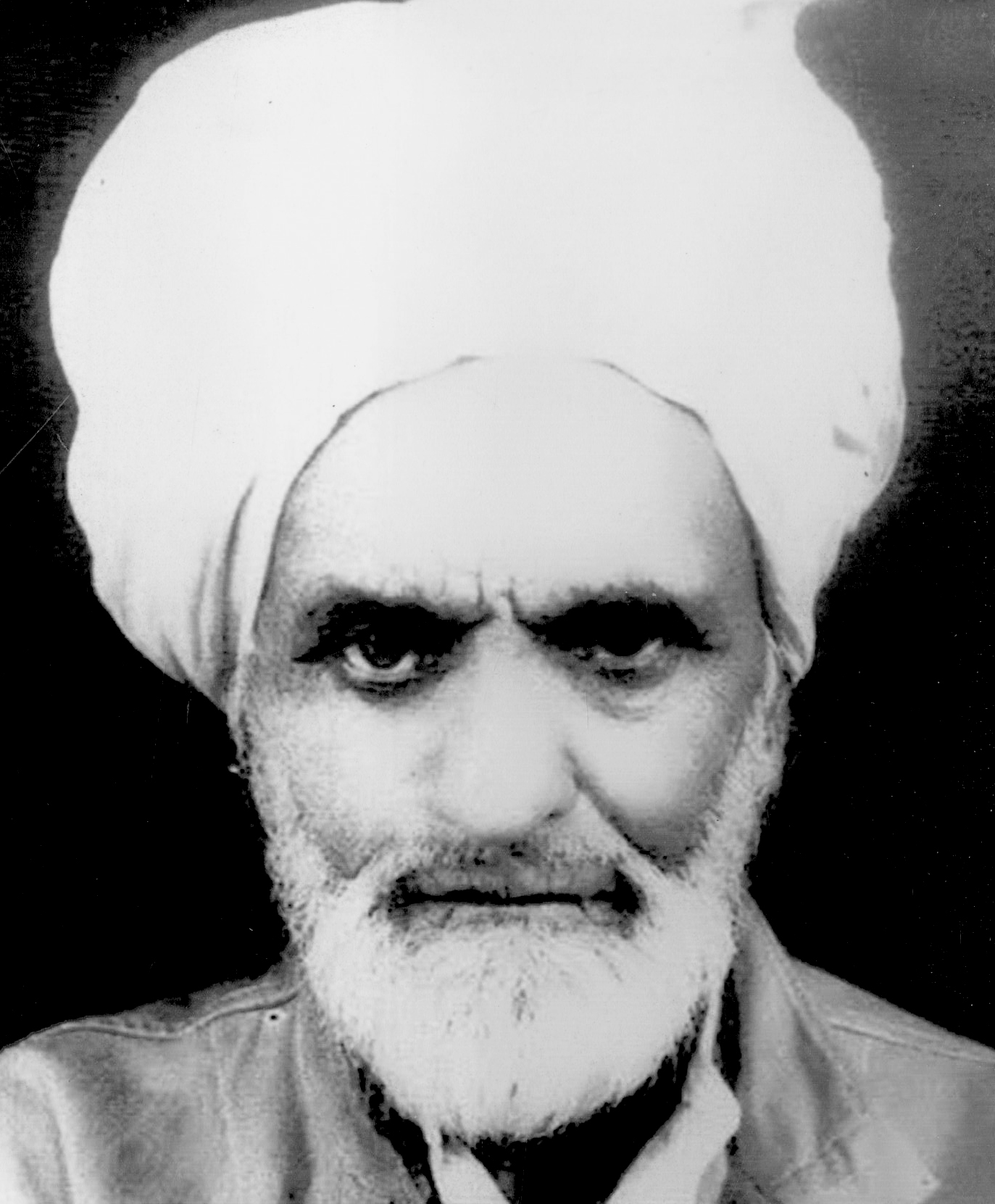
We approached Yahya Chughtai, a drawing draftsman of King Edward Medical College in around 1977. We were searching for records of Lahore. He told us that he had a photograph of Mian Sultan but it was lost in the floods of early 1950s. We continued our search. We found a published book with a miniature of Mian Sultan done in his lifetime and published in a book on Kashmeeri people by historian Muhammed Din Fauq in the early 1900s. Published 120 years ago somewhat. We reproduced it a few times. Recently we were given a supposed photograph of Mian Sultan from a devoted Aneeq Chughtai, part of the family of Mian Sultan, which came from Ahmadiya archives. There is vast difference between the two photographs. To us the most reliable is the miniature in Fauq’s book. Others may swear to the other version. We do not know. Our guess is that somebody introduced this photo as an after thought. Till we know more, the matter rests in abeyance.
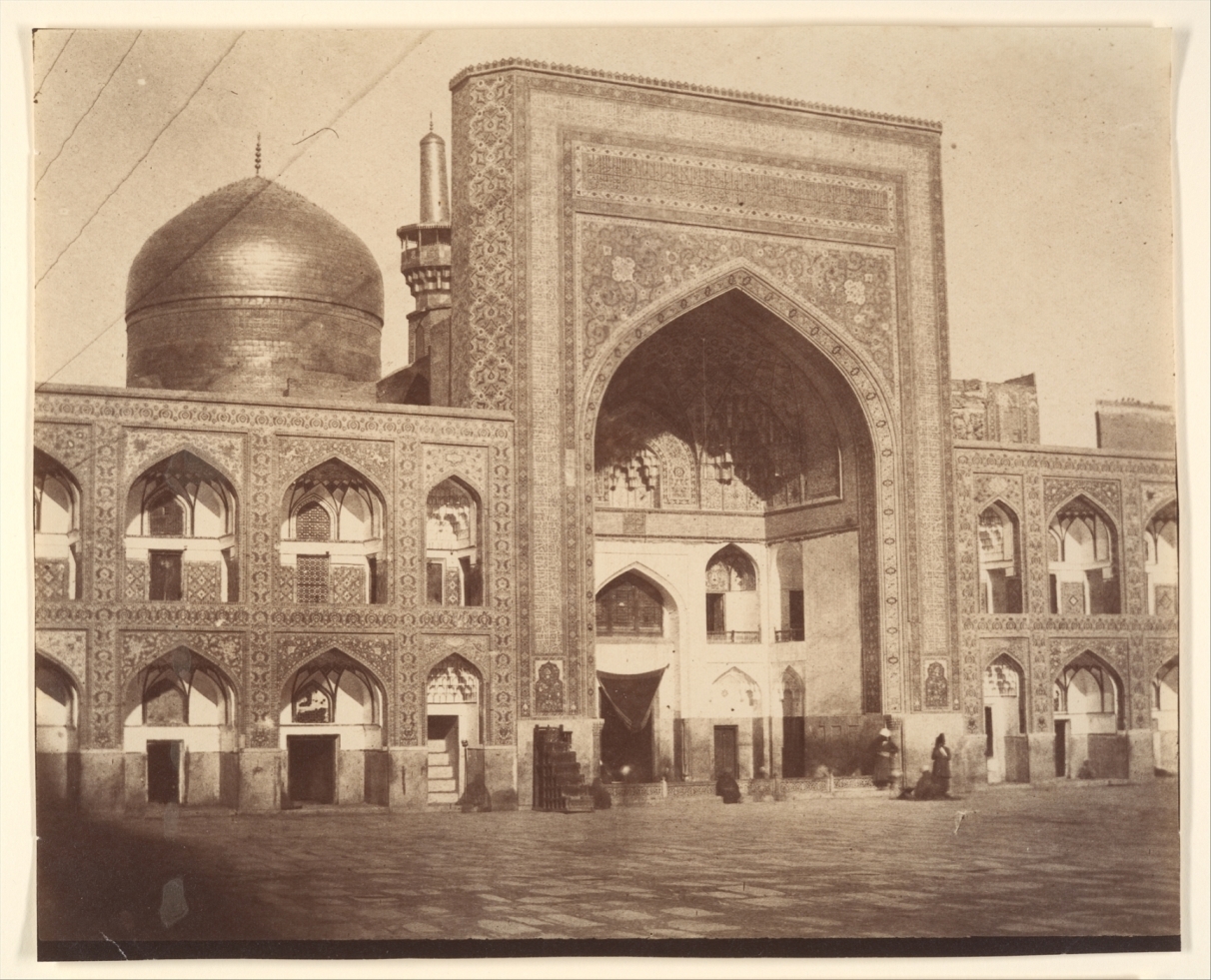
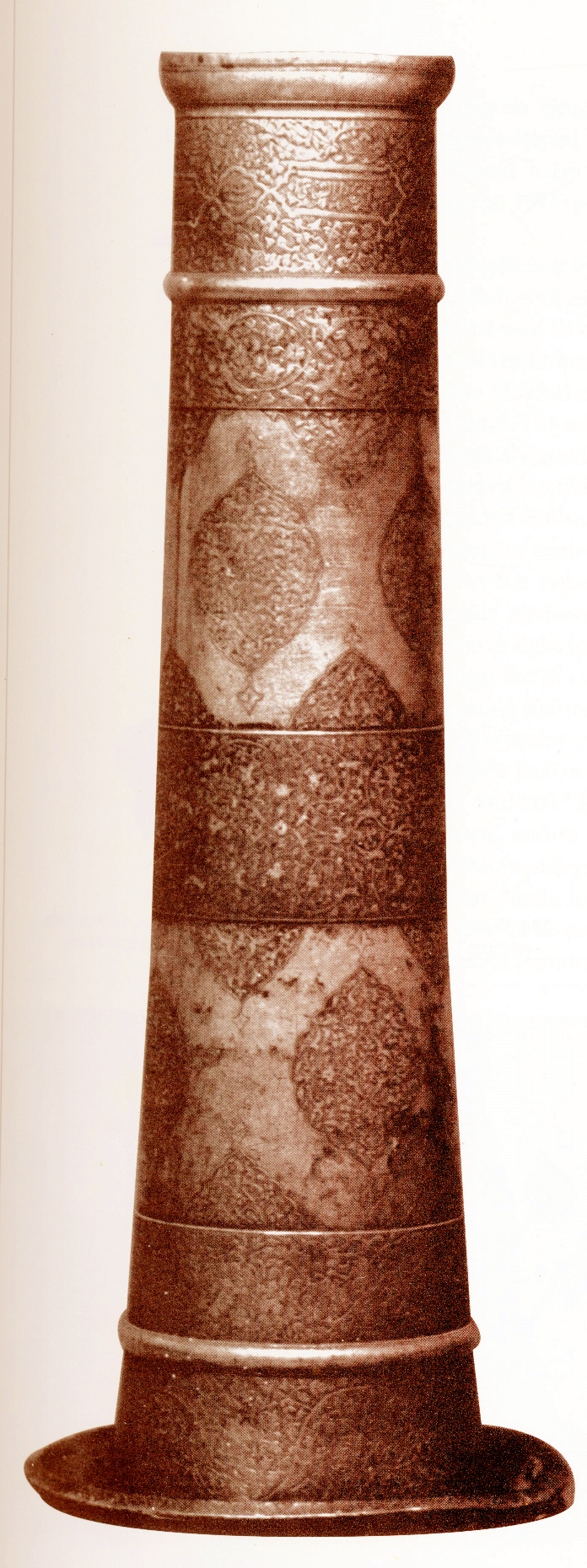
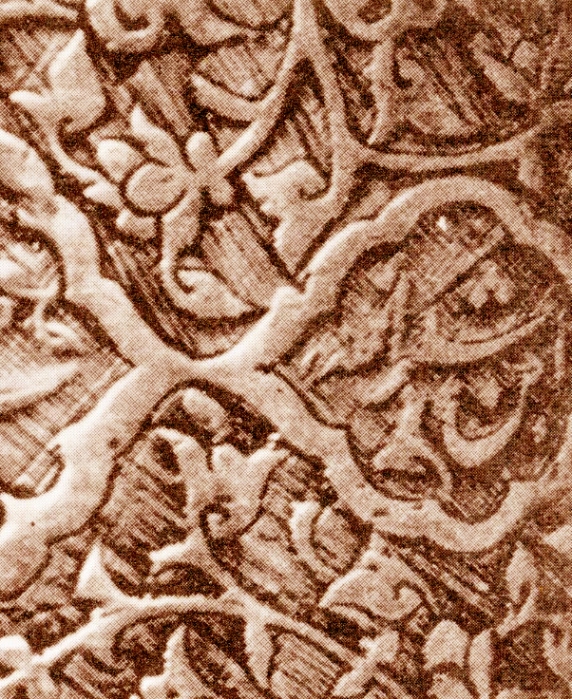
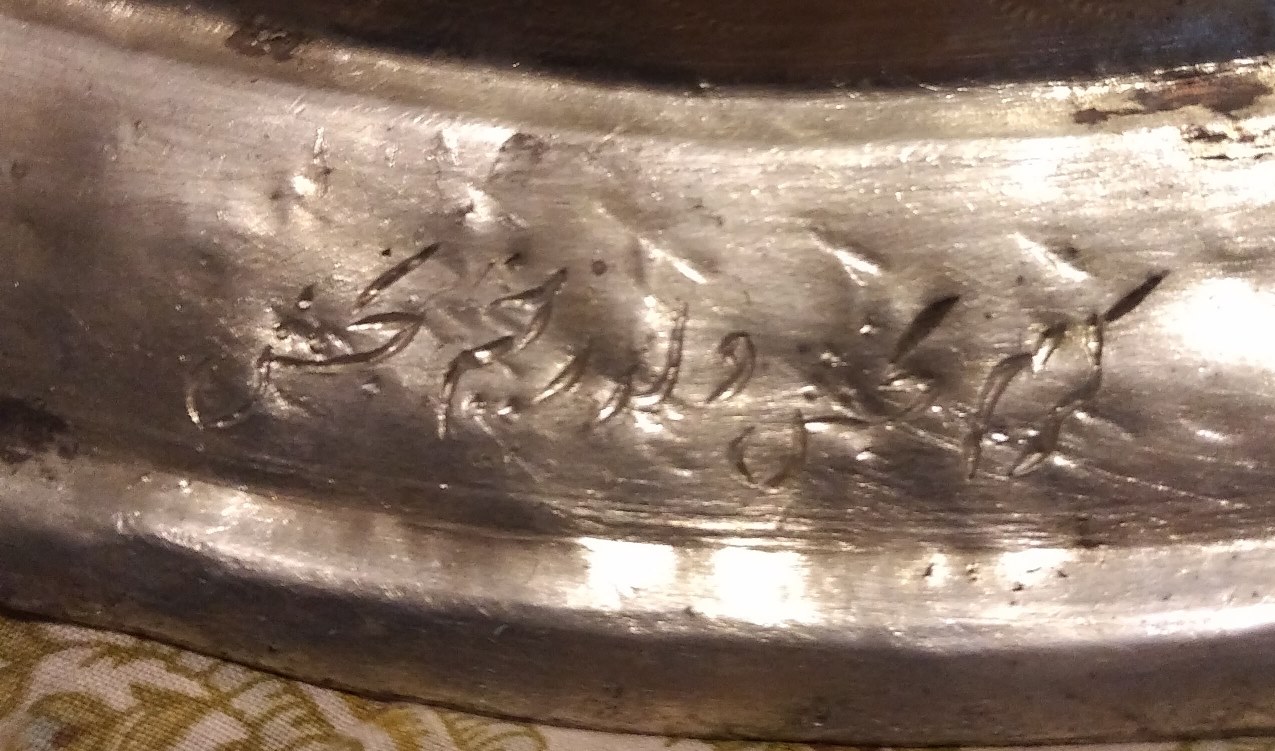
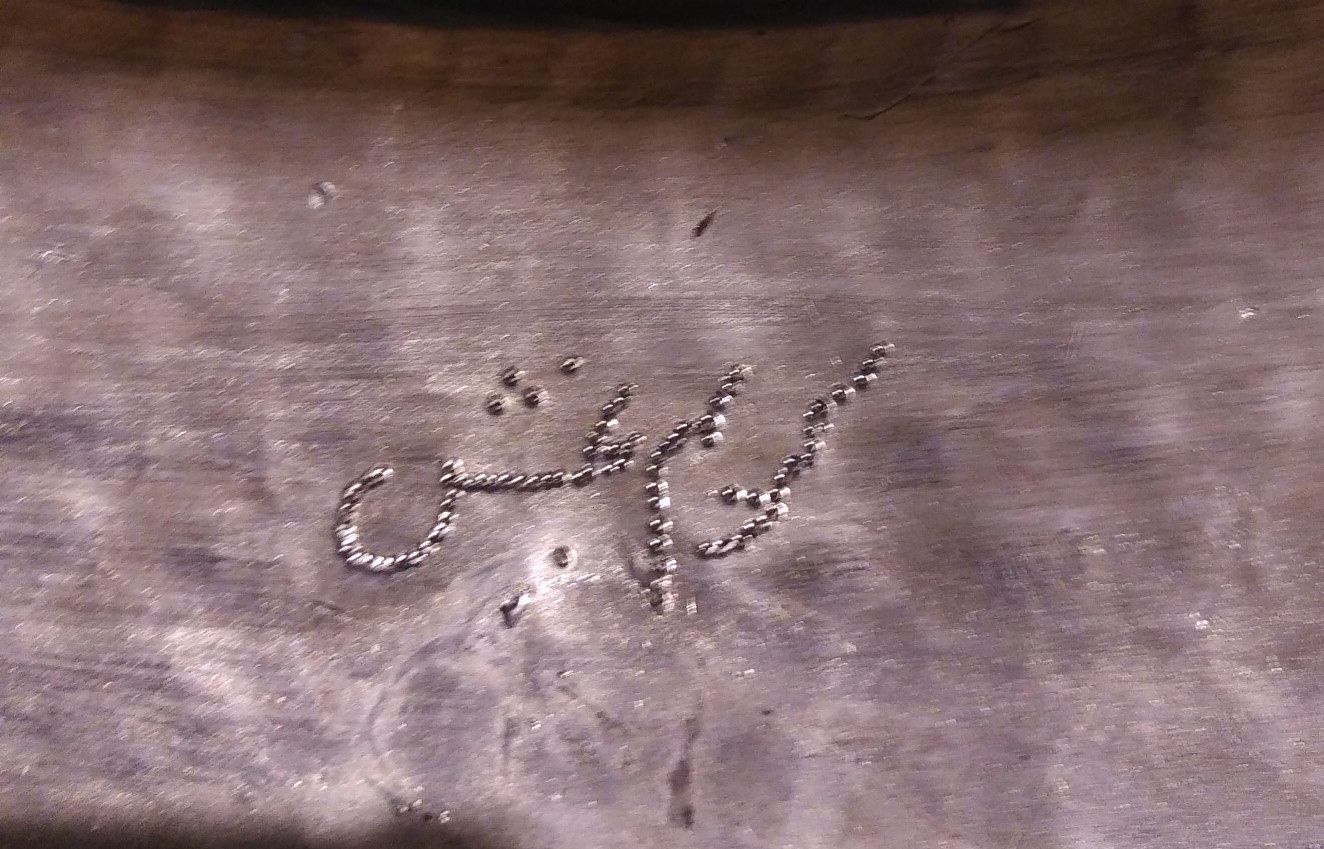
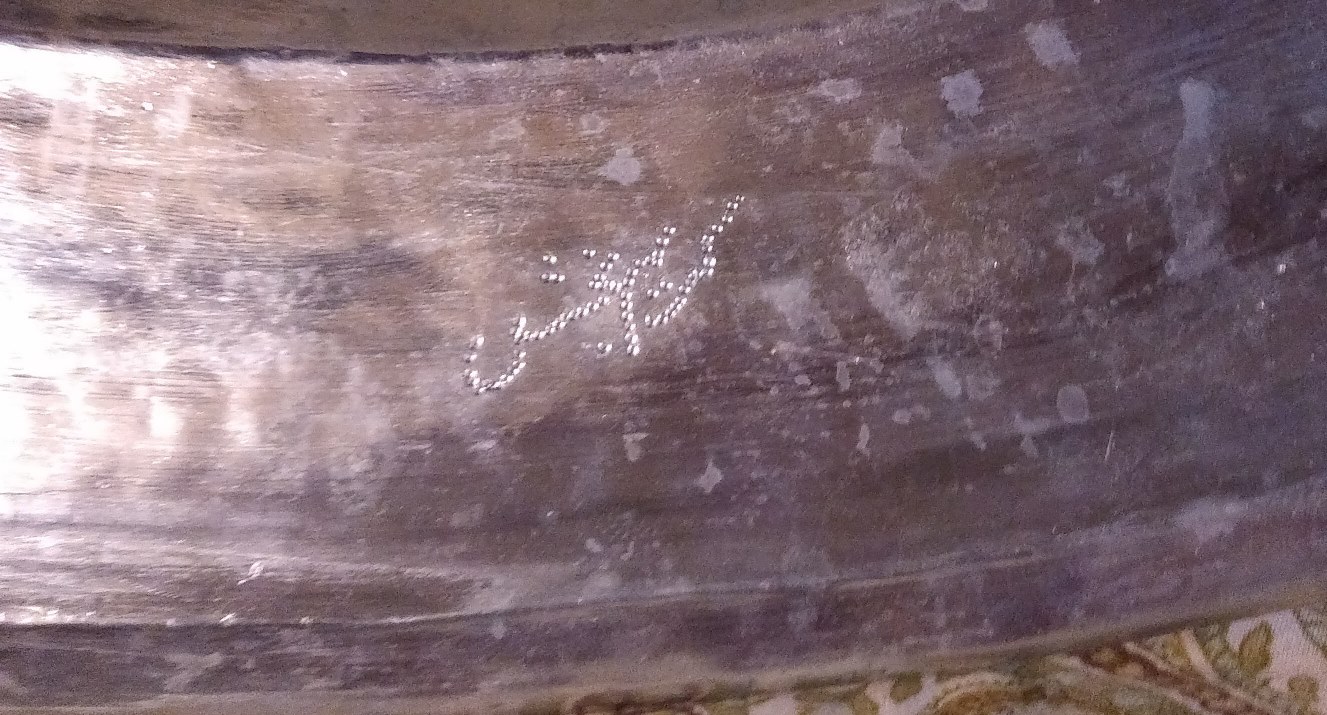
One cannot even imagine the relics left in the world and their origin. A lamp presented to the Imam Reza Shrine in Mashad by Emperor Humayoun has a strange history. The date of manufacture is 14th October, 1539 AD. It was made in Lahore and is the earliest design of its type in existence. It is 90 cm high and it was designed by Iskander son of Shukrullah in Lahore, and made by Daud, the Ustad from the Utensils market (pandaian wala bazaar) in Lahore. Strangely this bazaar is even now in existence in Lahore inside Rang Mahal, Lahore. This is very near the Chabuk Sawaran mohalla, where the house of artist M.A. Rahman Chughtai was in existence. Most of the utensils of our house came from the same place and we still have many of them. Very few utensils of that period are left. One other surviving example is an urn gifted to Ali Mardan Khan by Emperor Shah Jahan. We will talk about it too.
An old photo of Imam Reza ShrineHumayoun in IranBrass Mashal made in LahoreDesigner Ibn Shukrullah Lahori
HAJI MUHAMMED SAEED LAHORI BURIED IN MOHALLA DULLA WARI,
SHARH OF DALAIL UL KHAIRAT WRITTEN BY HIS DISCIPLE OBAIDULLAH
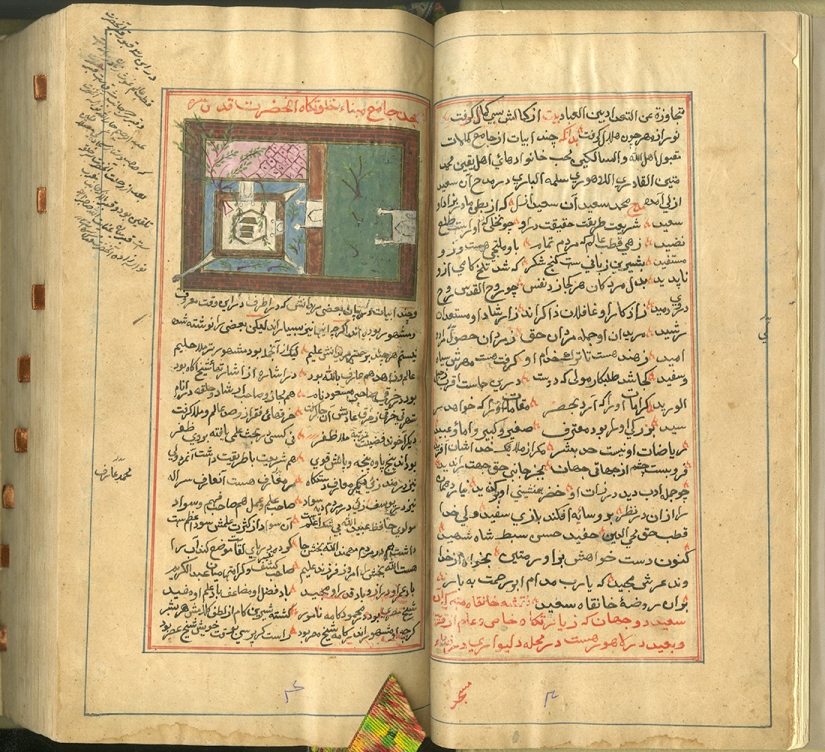
Sharh Dalail illustrations full
Haji Saeed Lahori was a great name in Lahore. He and his khanqah were situated in Mohalla Dulla Wari Lahore. The chambers of Shah Chiragh where there is Auqaff department at present was close to the khanqah. He gained prominence when in the attack of Ahmad Shah Abdalli, he saved the people of his mohalla and Luky mohalla from the wrath of the Afghans, as Abdalli accepted the saint prominence. He died on 5th Rabi ul Awal, 1181 AH, and was buried there. Amongst others, lies buried his disciple Obaidullah.
18th century view of Khanqah Lahore
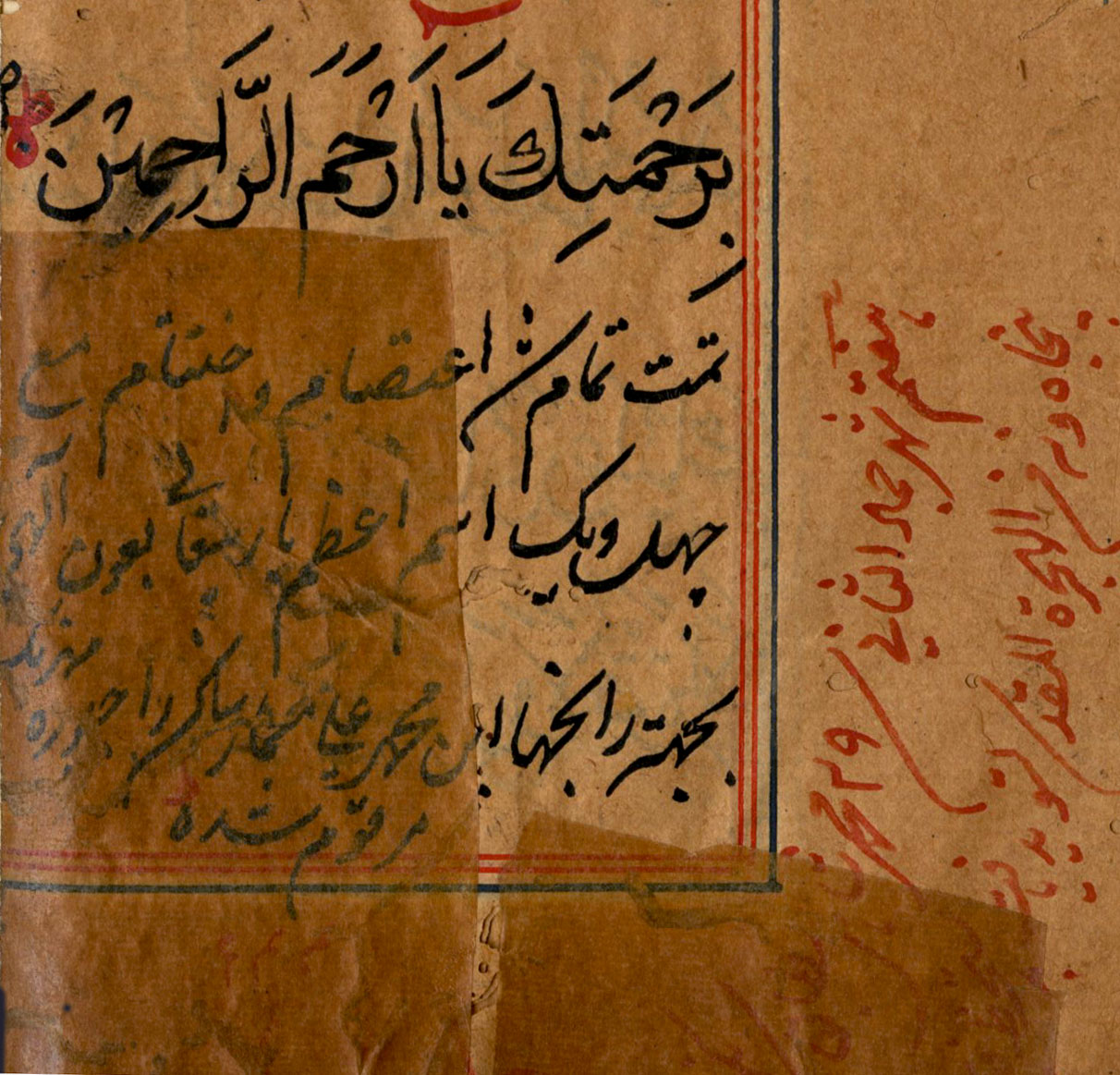
There is a unique manuscript of Dalail ul Khairat in our archives, which is a Sharh as well as translation of the world famous text, with full illustrations done in Lahore, and as Haji Saeed Lahori was dead by 1181 H, so it means that this book was written before that in the life time of the saint. The quality of the illustrations are reflected of that period, not perfect, but agreeable in all ways. And to be able to describe the sacred journey of Haj as well as religious monuments can only be done, as both were Hajis themselves. In fact it is more strange that Obaidullah claims to be a direct descendant of the original writer of Dalail ul Khairat Sulaiman Al-Jazuli, done centuries ago, surely the writing before 1465 AD. . The manuscript is unique that it illustrates a khanqah of Lahore of that time. Rare pictorial representation of any facet of Lahore.
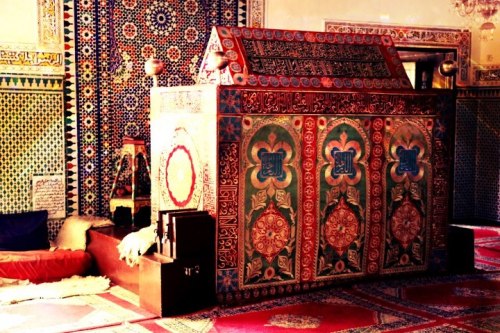
Maqbara of Sulaiman al-Jazuli
Dala’il al-Khayrat (دلائل الخیرات) or Dalaail u’l Khayraat Wa Shawaariq u’l Anwaar Fee Zikri’s Salaat Alan Nabiyyi’l Mukhtaar(meaning the Waymarks of Benefits and the Brilliant Burst of Lights in the Remembrance of Blessings on the Chosen Prophet) is a famous collection of prayers for the Islamic prophetMuhammad, which was written by the Moroccan Shadhili Sufi and Islamic scholar Muhammad Sulaiman al-Jazuli ash Shadhili (died 1465)
The Dala’il al-Khayrat is the first major book in Islamic history which compiled litanies of peace and blessings upon Muhammad. It is also the most popular and most universally acclaimed collection of litanies asking God to bless him. Among some Sunni religious orders, most notably the Shadhili-Jazuli order, its recitation is a daily practice. In others however, its recitation is a purely voluntary daily practice. The work begins with the ninety nine names of God, and then the a collection of over one hundred names of Muhammad.
We are Lahoris and our specialty is collecting material on Lahore. We have hundreds of printed books (on Lahore), hundreds of manuscripts related to Lahore, documents of various period including Mughal one, artifacts and clay work, etc. A catalogue and list will eventually be produced but we cannot hurry that up right now. Enjoy!
Sharing three colophons of Lahore in a difficult period:
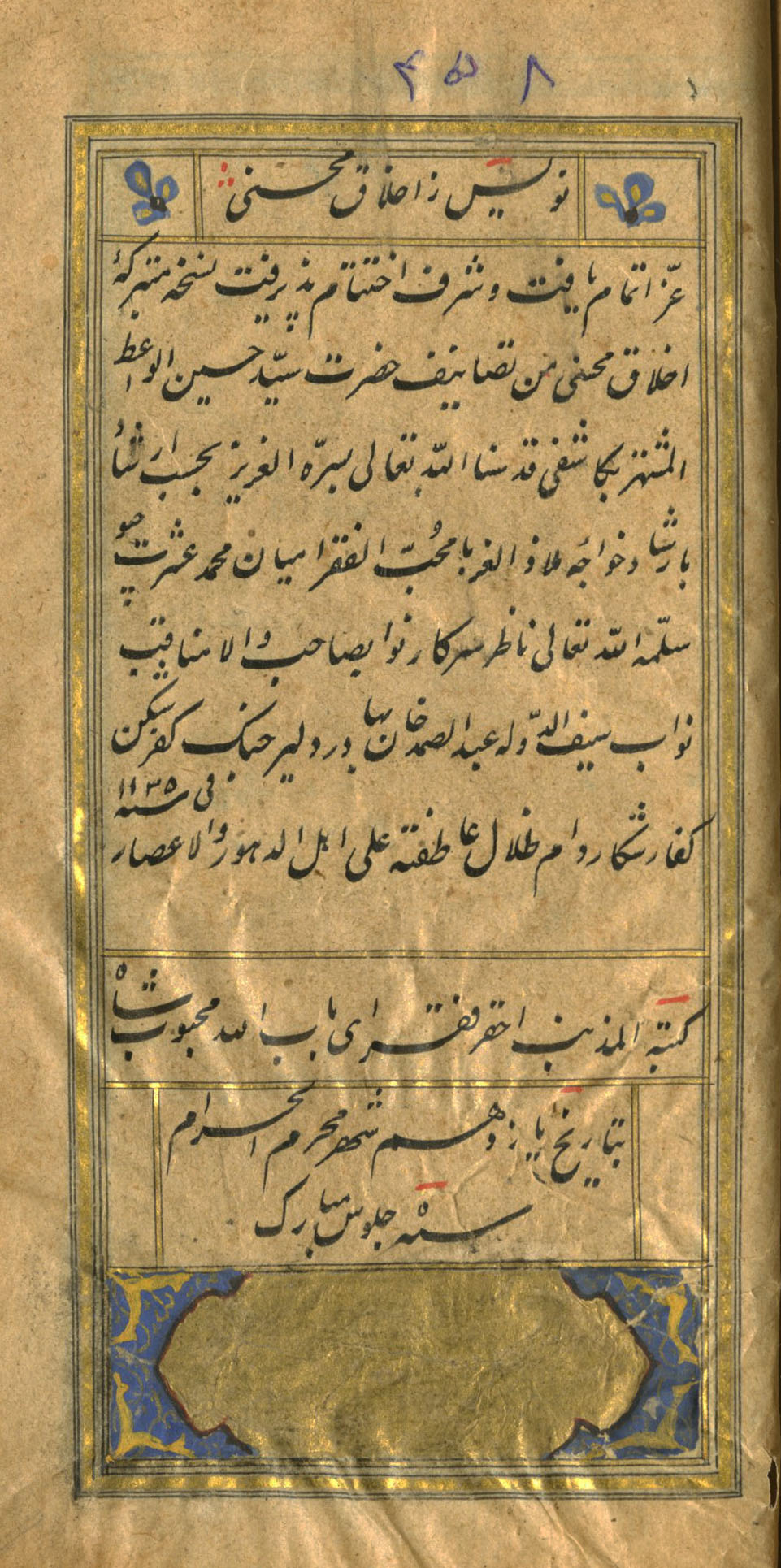
1 – RISALAH written by Mahbub Shah for Muhammed Ishrat, Minister of Saifullah son of Abdul Samad Khan, 1135 AH.
Mahbub Shah Lahore 1135 AH
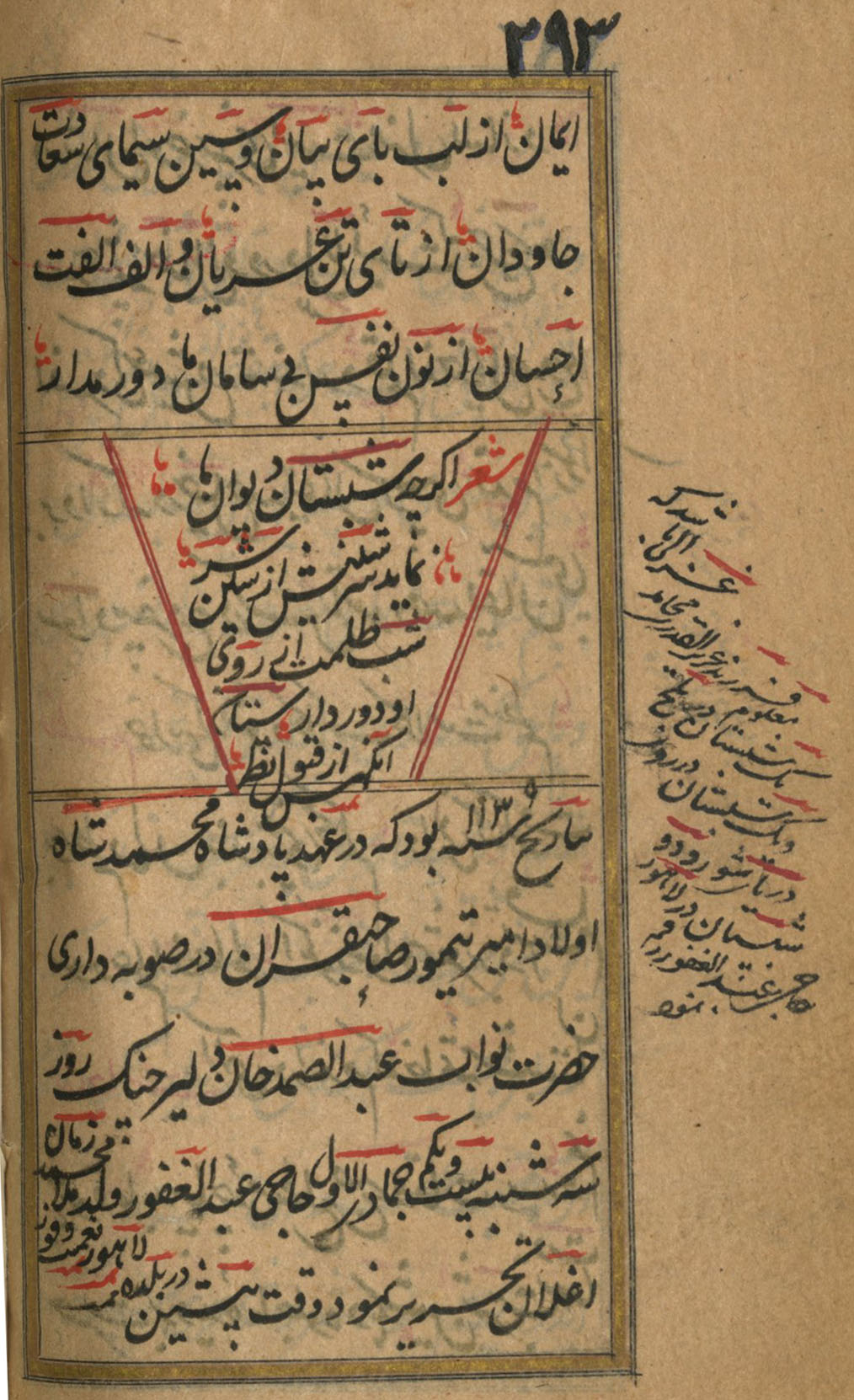
2 – SHABISTAN NIKAT written by Haji Abdul Ghafoor, son of Mulla Zaman, in times of Governor Abdul Samad Khan, 1139 AH.
Haji Abdul Ghafoor Lahore 1139 AH
3 – MISC PRAYERS, written by Ranjha, son of Muhammed Ali Mimsr, Rajohri Mozang, Lahore, 1140 AH, plus other dates.
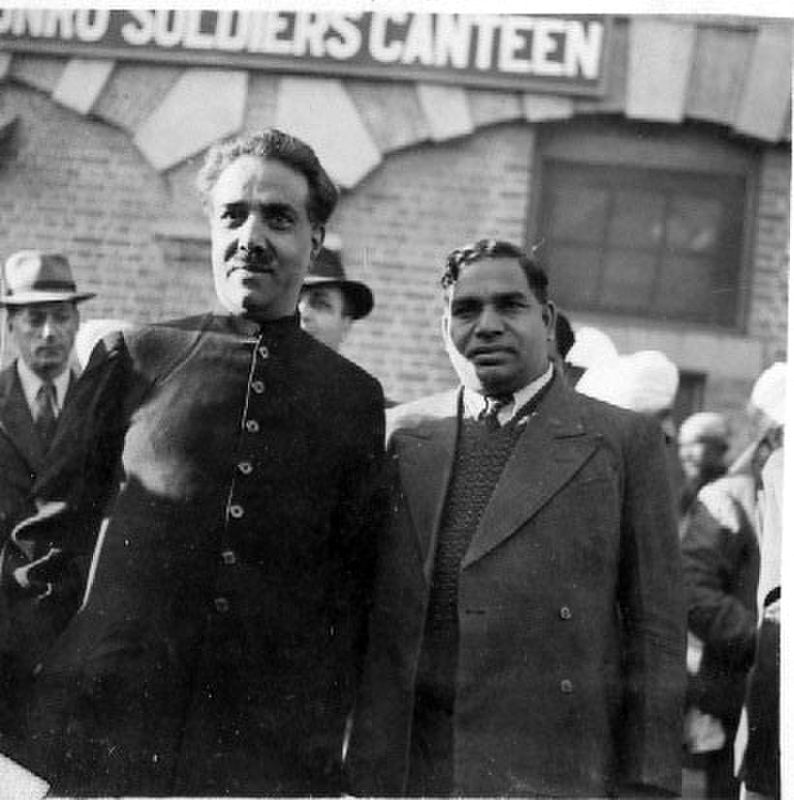
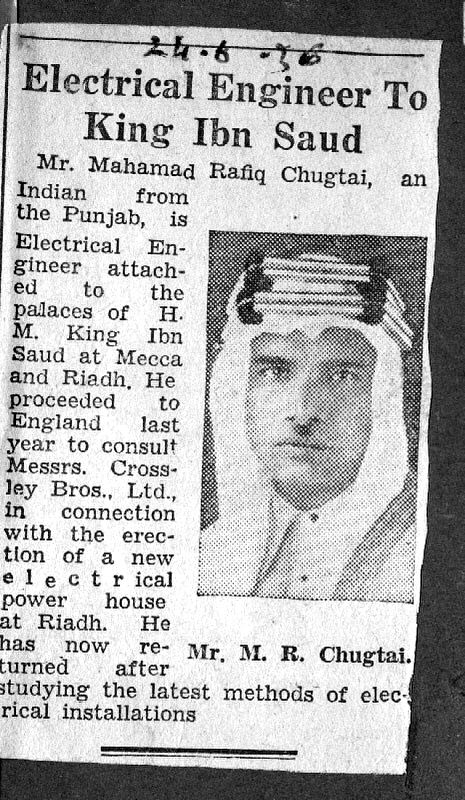
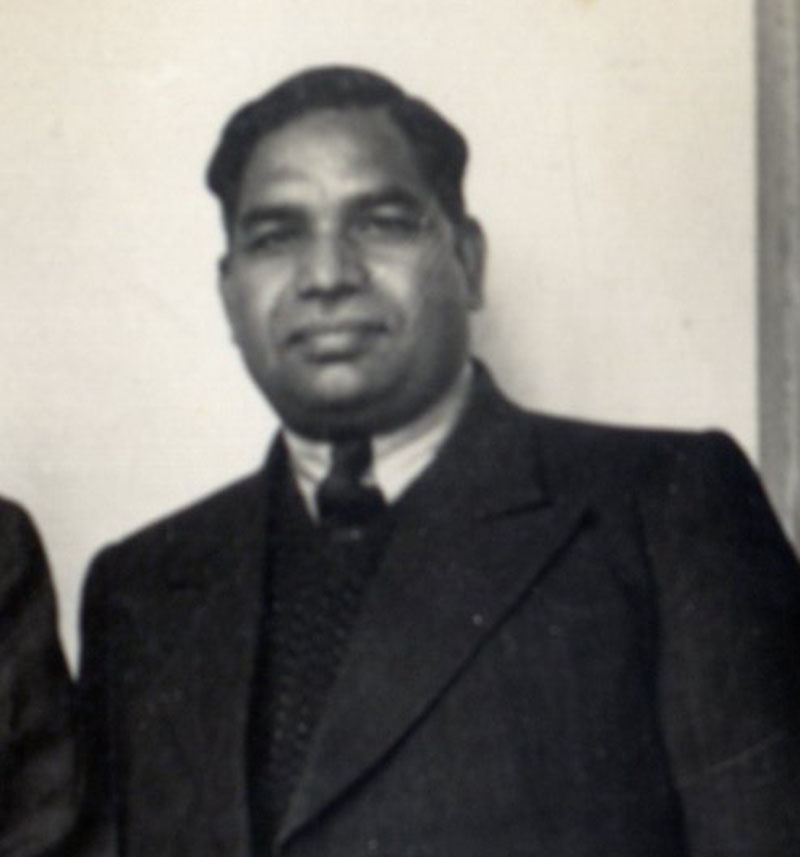
As requested fresh information sent to us by direct nephew of Mohammed Rafique. One a photo with artist M.A. Rahman Chughtai and another news clipping. Adds to our information. We will add more.
A LOST COUSIN OF M.A. RAHMAN CHUGHTAI, MUHAMMED RAFI ENGINEER
ADVISER, AND MINISTER OF SHAH SAUD AND CUSTODIAN OF HIS NINE SONS
Cousin Rafi
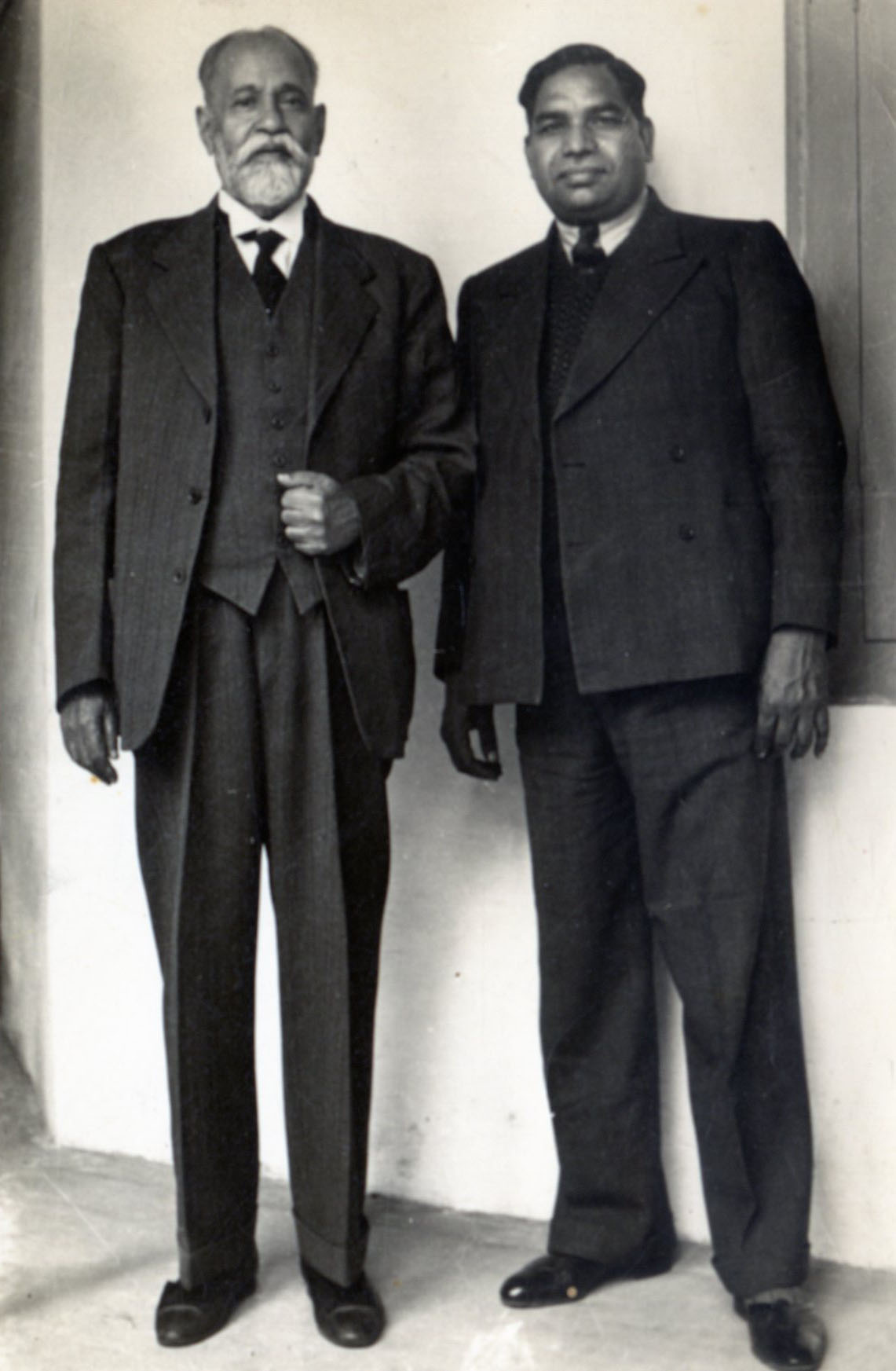
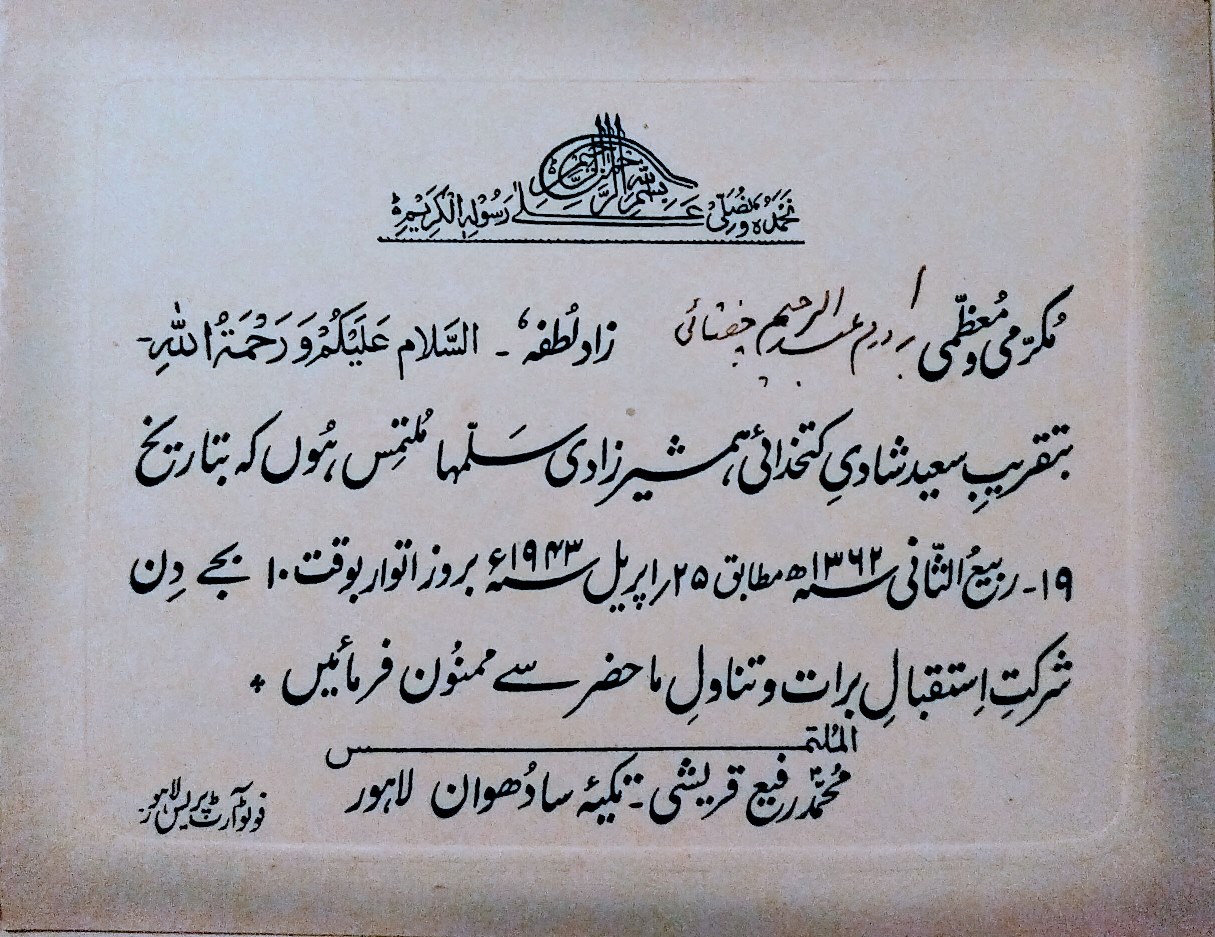
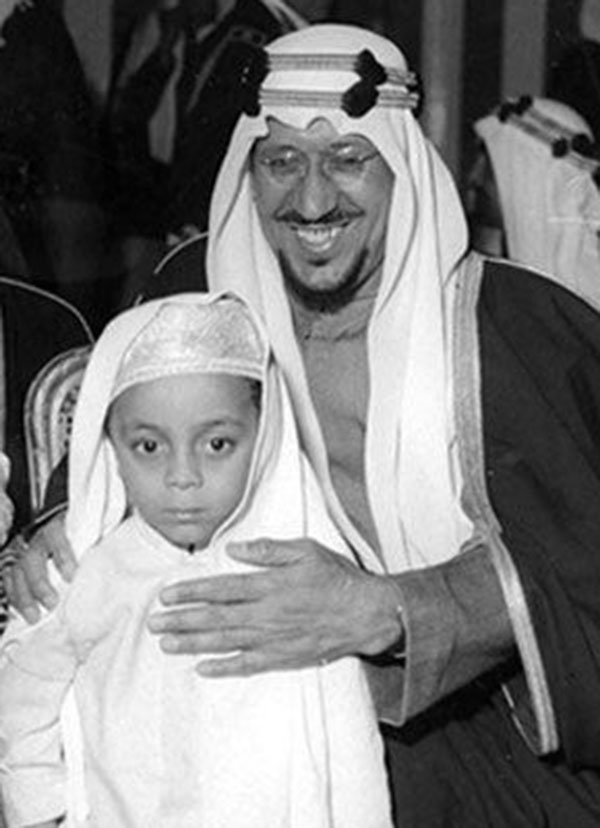
The brothers of Chiragh Bibi were all talented people and worked in the Indian Railways. They were involved in various engineering feats, and their talent was used in the coronation darbar of King George in Delhi in 1911. Elahi Baksh was the most talented brother of them all. The children of these brothers were talented too, but none rose to the prominence of Muhammed Rafi. His talent was brought to the notice of the Saudi King, and on Royal command, Muhammed Rafi electrified Mecca and Madina, and even was responsible for an initial rail track on same. Shah Saud trusted him deeply and at time, Muhammed Rafi had the custody of his many sons. Relatives remember how once Muhammed Rafi brought the Saudi Princes to Lahore and they lived in the house of Gulzar Chughtai, another person related to M.A, Rahman Chughtai.
Muhammed Rafi and Sir Abdul QadirAn invitation card
Muhammed Rafi had a house in Crown Bus Stand Lahore, and it was maintained for many years. The paintings presented by M.A. Rahman Chughtai were either stolen or distributed to family, who had no rapport with same. He was also involved with the Pakistani movement and was friendly to Sir Abdul Qadir, editor of Makhzan magazine. Sir Abdul Qadir was father of foreign minister Manzoor Qadir.
Shah Saud with son
The services of Muhammed Rafi were recognized by the Saudi Government and he was blessed with favours many times. Once a Rolls Royce was presented to Muhammed Rafi as a gift, but as he had no money to pay the Customs duty, it went back. He was married a few times and some of his wives and children were on a Royal pension all the time. He also married a Turkish girl and had children from the same wife. Many of their close relatives read this blog and can update details of the family which we may not know. All obsessed with westernization have lost their roots to Pakistan.
CHIRAGH BIBI MOTHER OF M.A. RAHMAN CHUGHTAI ARTIST
SOME EXCEPTIONAL EPISODES IN LIFE OF MOTHER AND SON
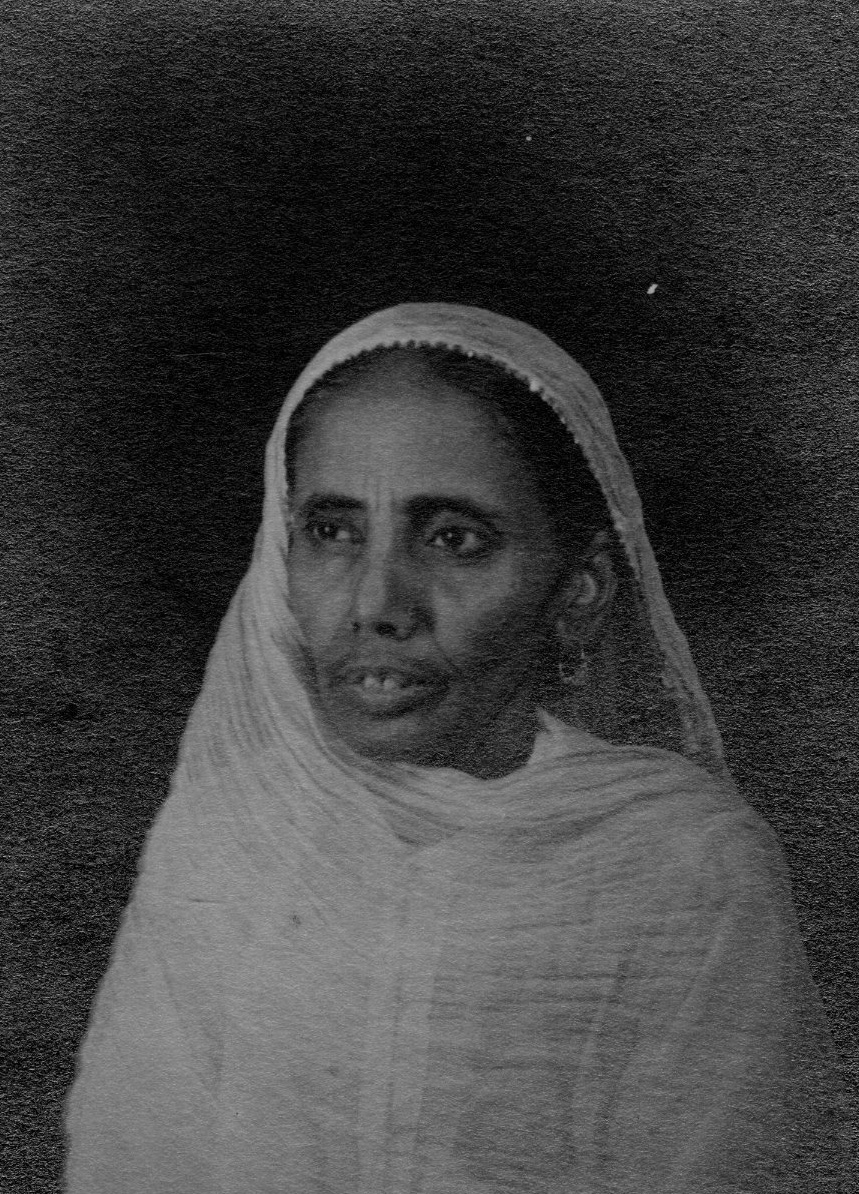
Chiragh Bibi look alike niece
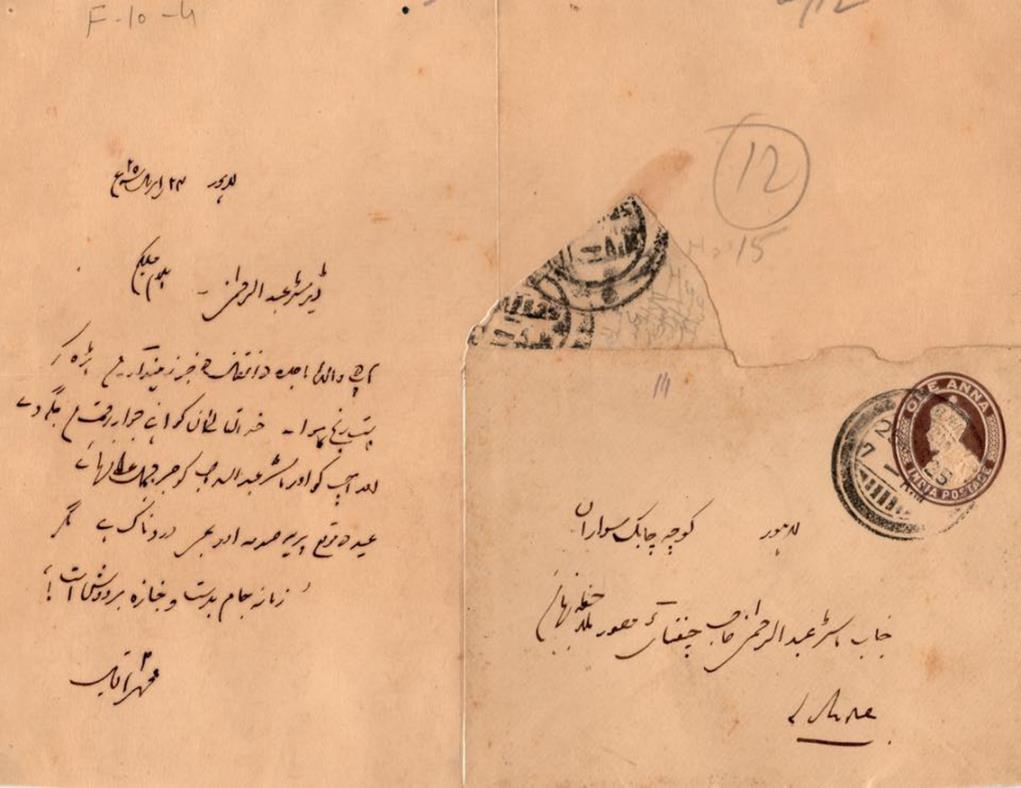
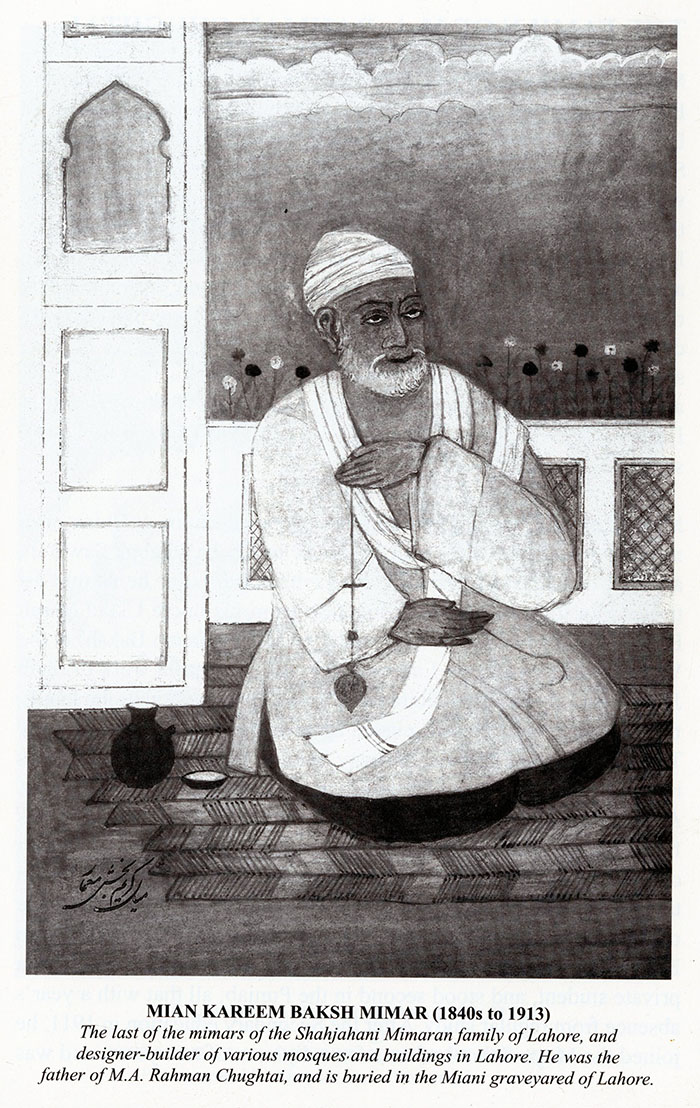
Mian Kareem Baksh Mimar father of M.A. Rahman Chughtai died in 1913 in Lahore and was buried in Miani Qabarastan Lahore. Chiragh Bibi, his second wife, died in 1925, on the 27th of Ramazan. The widow was left with three sons to rear and with no resources at their disposal. The estimated age of the sons at the time of death of their father was around 16, 13 and 10 years. The eldest Muhammed Hussain was on his own from the start. People owed Kareem Baksh money but no one came forward to give same. Gradually the property owned by them started getting sold as was expected in that times.
Condolence Dr Allama IqbalMian Kareem Baksh
The rebellion of M.A. Rahman Chughtai was not a rebellion but an assertion of his personality. The parents remember that as a young child , the family was going to a wedding and put on some clothes for the son. The son refused to wear those clothes and when forced to do so, was not willing to go to the marriage. The young son was left crying at the stairs for he was aghast at the clothes chosen for him.
Utensils of Chiragh Bibi 1890 1900
M.A. Rahman Chughtai was as such not adjusted in his teens. His creativity was bouncing out of him and in his seventh class, he ran away from home with some other boys of the mohalla Chabuk Sawaran. The destination Karachi to be part of some theatrical company. It was in those times that Chiragh Bibi made a strange analysis of him. She would utter out loud that instead of him, Allah should have blessed her with a CHATOO WATA (Mortar and pestle), for then at least he could have been of some use. She could never realize at that time what kind of a son she was nurturing, who would rock the world of art in no time.
Kareem Baksh son of Raheem Baksh owner
Chiragh Bibi was so happy when her son became an instructor in Photo-lithography at Mayo School of Arts for Rs 30 per month. But her contentment was for a short period. Irritated with the manipulation of Samarendranath Gupta, Lionel Heath questioned his integrity at matter of a school leave. At the questioning of his integrity, Chughtai resigned from Mayo School of Art and said goodbye to the salary of Rs 30 per month, which was phenomenal for those times. This was the second shock that the son gave to his impoverished mother. There was no other support for the family. But the son boldly said to his mother, not to worry at all. The sun will shine all new in the future.
Kareem Baksh owner
And it did indeed. A the very first exhibition of M.A. Rahman Chughtai in 1920 at the Lahore Museum, all the works got sold and he was able to raise 2625 Rs. He brought all to his mother and she could not believe as to what had happened to their luck. Indeed Chughtai took care of her mother like a devoted son. Once she was sick and he was by her bed side all night, with a glass of water, she wanted to drink but fell asleep before that. Her eldest son had proved to her the mettle of an artist. Chiragh Bibi was so proud of him and never uttered words against him. In fact it was on her mouth now that with the turban on his head, as he would walk the mohalla, the ladies would swoon at the handsome young man. Strange words for an elderly woman.
Chiragh Bibis husband Kareem Baksh
A piece of art advice was given by the mother to the son. She said the water you use for painting is often muddled with colour. Always use fresh clean water for your work, and there would no no parallel to your creative output. Well said!
The Wembley show in 1924 brought more finances to the house. But the mother died in 1925. It was his first wife Wazeer un nisa who managed the house now, with two other brothers, their wives and children. A couple Ama Tabi and her husband, Kashmeeri muhajirs also lived with them. According to her wishes she was buried with her husband Mian Kareem Baksh as well as the first wife of Mian Kareem Baksh. In Miani graveyard today the graves are of Mian Kareem Baksh, his two wives and the eldest son Muhammned Hussain. We try to maintain the graves for posterity. We also maintain old utensils used by Chiragh Bibi in her kitchen and even today the atta dough is kneaded in the copper thal (vessel) she left behind. A number of other thals, parats, are there too. Blessings of Allah be upon her who gave the world an exceptional Artist and a very honest person, forward thinking in all ways. An Iqballian to the core of his heart.
AN INTERESTING RECORD IN AMERICAN NARRATIVE OF QUESTIONING MINDS
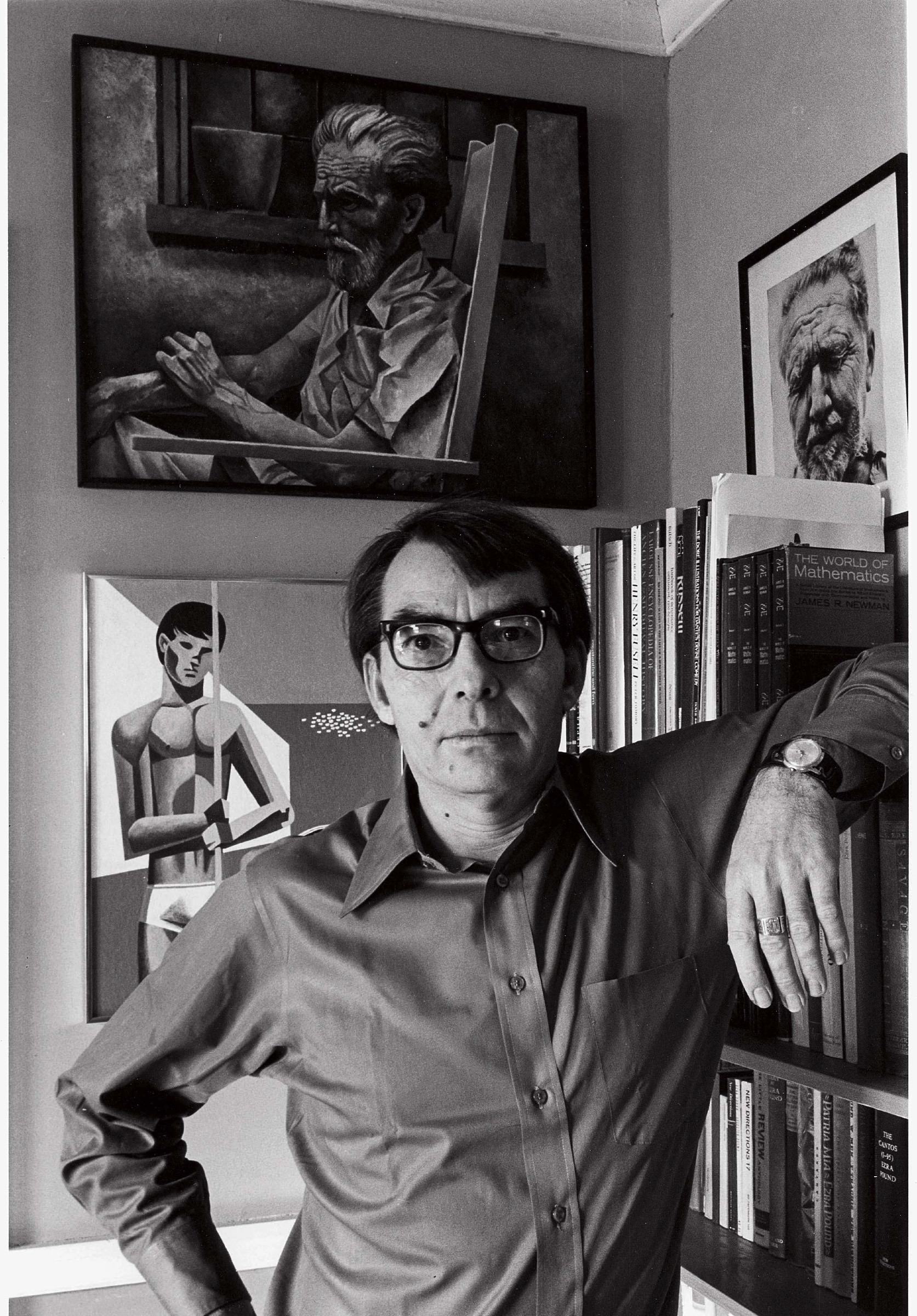
GUY DAVENPORT, HUGH KENNER AND PAKISTANI ARIF RAHMAN CHUGHTAI
Guy Davenport
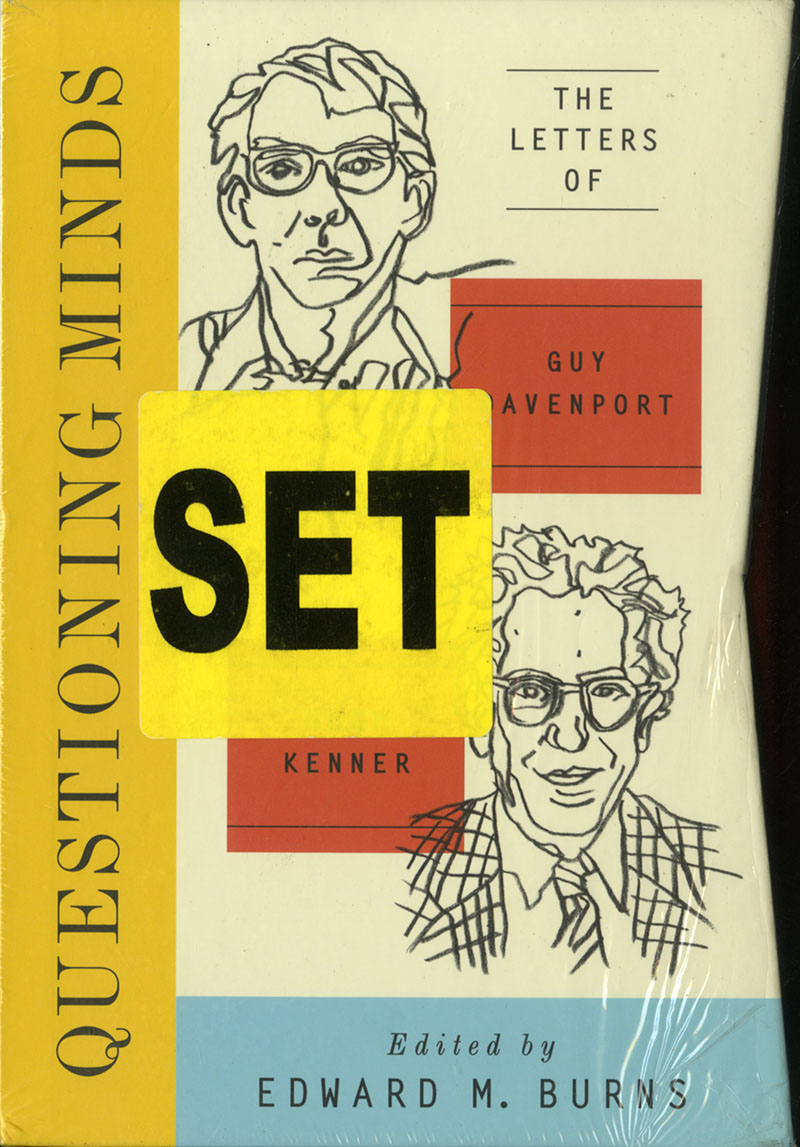
Questioning Minds
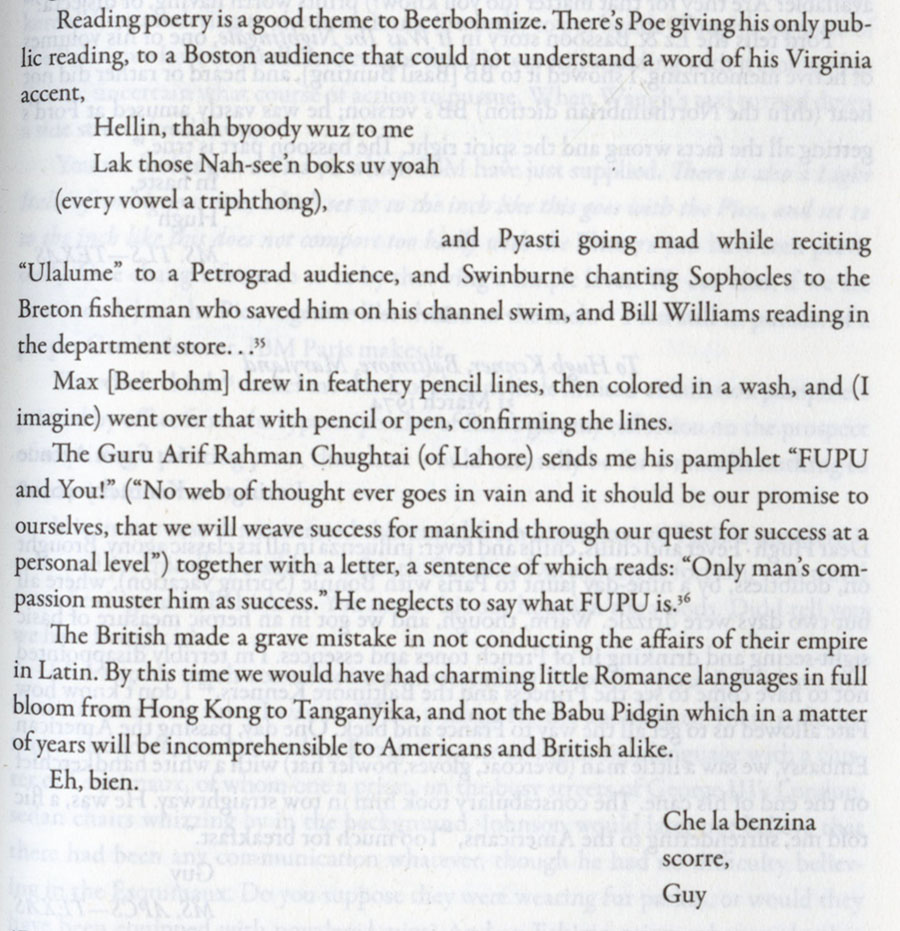
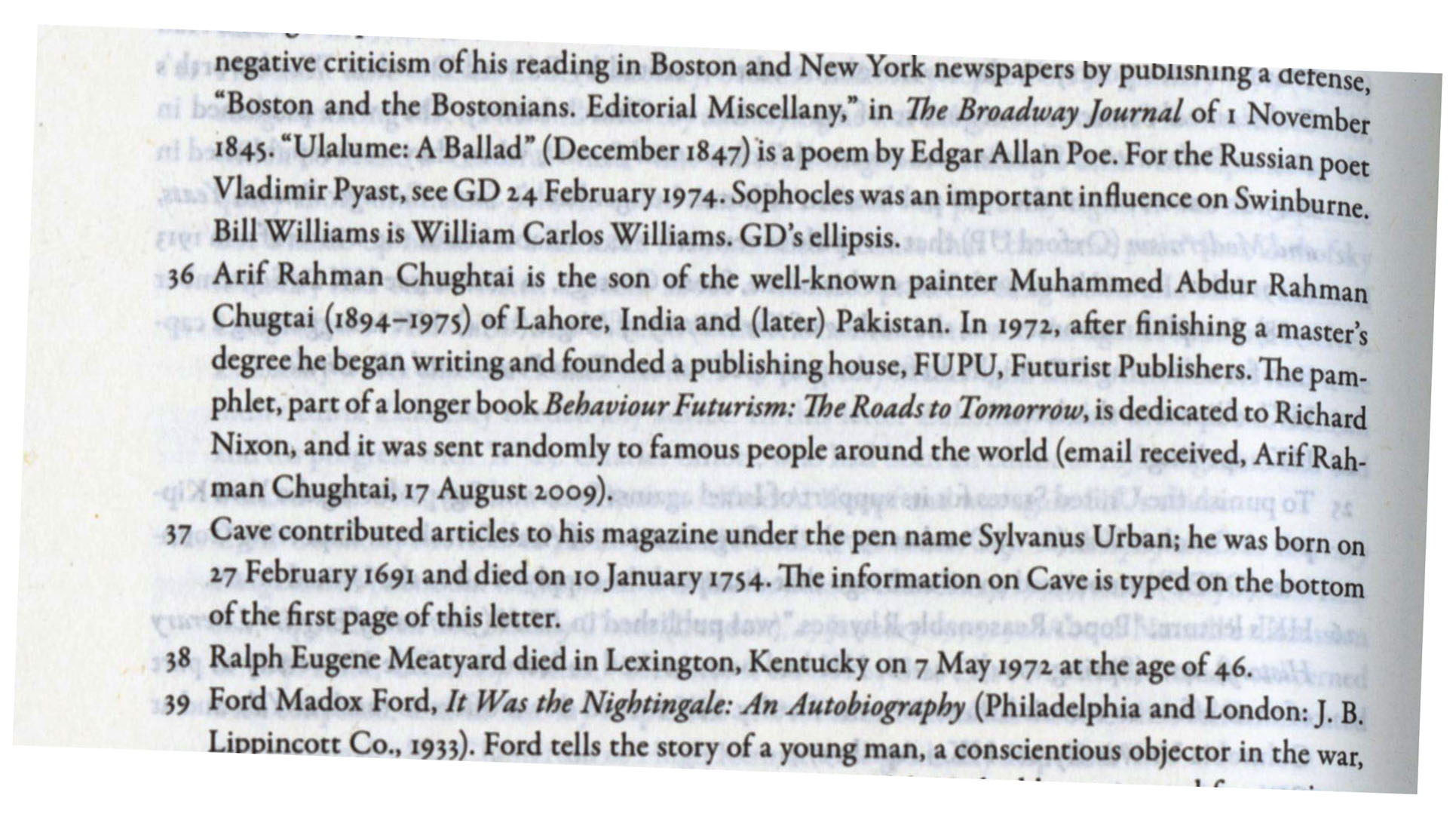
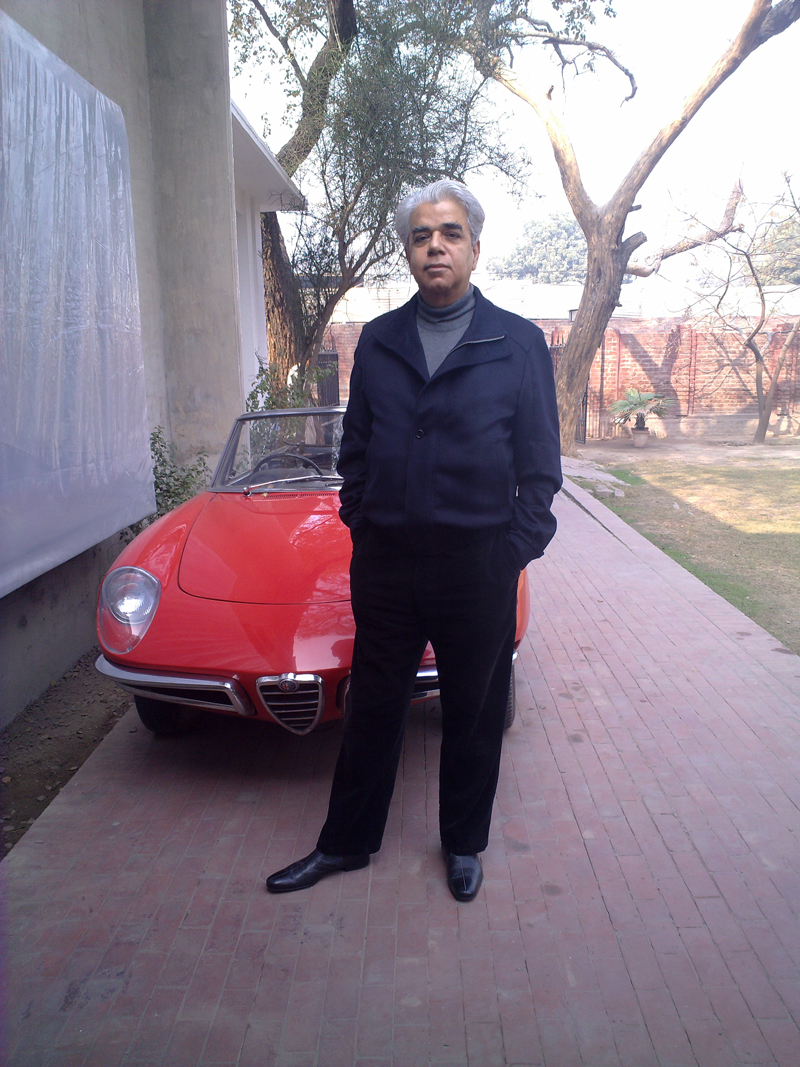
Flashback of the past. A narrative of Questioning minds with reference to Arif Rahman Chughtai, as the Guru of Lahore. Letters of Davenport and Kenner. American iconic philosophers refer to Pakistani questioning mind. And this was in 1974, in the life time of M.A. Rahman Chughtai. A writing career of the person, and an attempt in sharing thoughts with international icons. Well done Pakistan!
ARC part of Questioning mindsGuru of Lahore ARCNote by Edward M Burns
Books, research books, poetry books, more than 500 blog articles, and extensive analysis of Pakistan’s history and Art. That is Arif Rahman Chughtai today. There are numerous references of other intellectuals of the world. Sharing them in future.
A WAVE OF PAKISTANI PAINTERS WHO JUMPED ON TO THE BAND WAGON OF THE WEST FOR REASONS
CAN SUCH IMITATION EVER PRODUCE GREAT ART? OR SET NEW TRENDS IN INNOVATION-AL TRADITIONS
ONLY TIME TOLD AND ONLY TIME WILL TELL THE HISTORICAL GAFFE IN ART OF PAKISTAN, WE DO KNOW
ART IN PAKISTAN AND PAKISTANI ART ARE REALLY TWO DIFFERENT THINGS AND IT IS UNDERSTOOD BY ALL
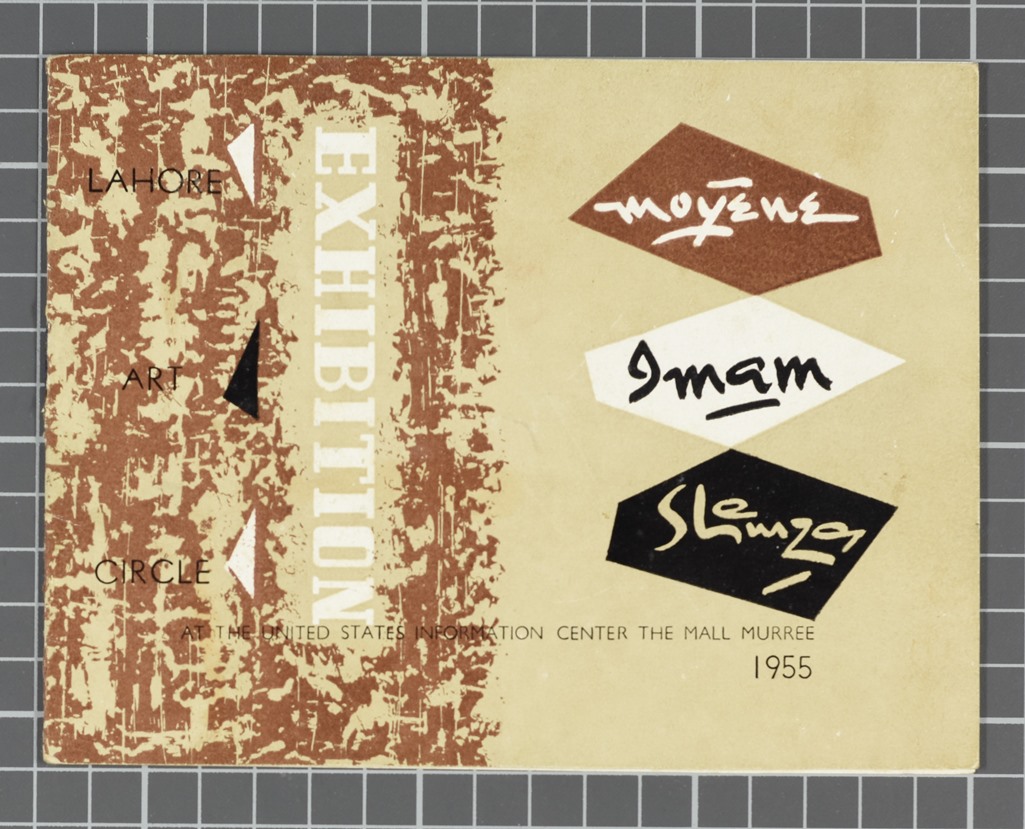
Three painters United States Information Center
The direction of the Ideology of Pakistan was as clear as crystal. International lobbies understood this well. There was need to displace everything that had ideological mooring. Art was under direct scrutiny. A group of young artists were engendered, imported and forced onto the audience. Their claim was very wide. Western art was to be forced onto Pakistan by imitating it in one way or the other. Even their costumes reflected same in shape of jeans, french beards and smoking pipes. Natural preferences unaccounted. Modern artists wished to give modern images of themselves. Another great change was the shift of water colour painting to oil based works in Pakistan. Various artists handled it in their way, but certainly they were being patronized to upset the existing reality. The 1949 grand show of Chughtai artist upset-ed Shemza. Anwar Jalal Shemza boldly said at Alhamra that he was there to uproot Chughtai artist, and he was heard not by few, but even by my cousin, who tells me the same all the time. Although Chughtai does not take the name, an attendant (guess whom?) of a lecture, he gave at Alhamra, heckled him about his art being Indian and not Pakistani. The reply of the artist was simple, “It was Chughtai Art then, it is Chughtai Art now!”. Did they achieve their goal? They tried their best, now lobbies are trying their best for them.
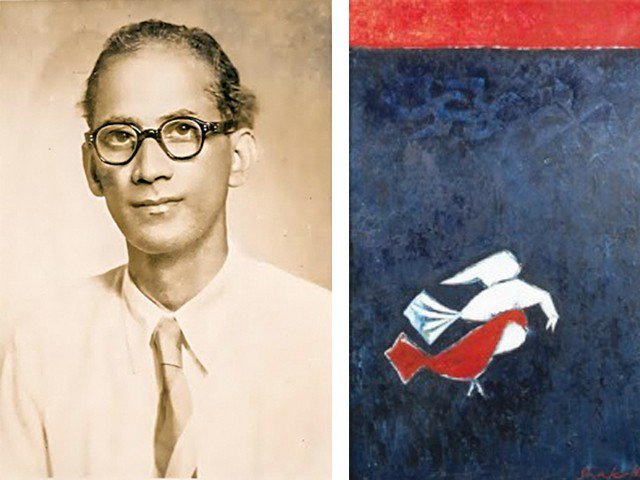
Shakir AliShemza
In Giza Egypt various mummies of Pharaohs are studied every day. Newer and newer research is done. But the mummies are dead. Their art keeps interest in them alive. The Pharaohs left plenty art for study. Pakistani artists of that period left little at all. In recent years western scholarship is working on the remnants of art left by the modern movement in Pakistan. Very little indeed. Interesting I had an opportunity to talk with some of those who are trying to revitalize the mummies of that period of art. One is certainly Ms Simone Wille with her book on Modern Art in Pakistan. She does mention the stereotype of Chughtai’s connection with Calcutta (hundred percent false) but had to mention the concept of Punjab School and Lahore too. I sent her relevant things but she did not avail them at all, for her own reasons. However she did assert Chughtai as ” the first artist to anticipate a Muslim cultural position”, absolutely correct. Gemma Sharpe, a very interesting English girl working in New York is working on modern art, including Shemza, and others. Working on the miraculous power of the kind of Jesus Christ, she wants to blow life in the left overs of that period. Best of luck to her! Shakir Ali the doyen of them all had a heart attack at YMCA on 18th January, 1975, while addressing a condolence seminar on Chughtai artist. He did not recover from that attack, but did utter the words, “If this was done to Chughtai, what would they do to me?” Moyene Najmi too ran a gallery for some time. His able and beloved wife Atiya carried him through various storms. Indeed Moyene Najmi was a gentleman and I met him various times at the Punjab Council of Arts. Ali Imam’s art gallery collapsed, and he made his living selling art of others. But he freaked out many times in his analysis of Chughtai art (the ridiculous conclusion about the bangles on a lady’s arm), and I discussed it with him in Karachi in Indus Gallery, and this was told to me by owner of Dawn, who visited us once here with another lady. In fact he was trying to buy a Chughtai painting from a collector which was a family heirloom in Hyderabad Deccan, as told to me by Nusrat ullah Shah, also originally from same place.
Moyene Najmi
We used to hear all the time a saying of our culture and that was “Dhobi ka kuta na ghar ka na ghat ka”, and we tried to understand the implicit message. There was confusion in many people, their direction was not clear. They were stupefied by environmental pressure. True Masters do not get swayed by circumstances. They stick to their guns (brushes) all the time. The clarity of vision is always there. You can never be a Van Gogh just by calling yourself Van Gogh. Pablo Picasso was an exceptional draftsman, and he mocked people all the time. No relation to any local rebel in art.
Ali Imam
Is M.A. Rahman Chughtai no more? Certainly his art is living as he himself would want it. Going forward with time. Dr Iqbal’s Reconstruction of religious thought in Islam is evident in the paintings of M.A. Rahman Chughtai. Evolution of Islamic art through innovation. Cubism, Vorticism, Picasso and what not, were in no way Pakistan. Nor is Post-modernism. Nor any fad that West may impose on us. The list is numerous, the results are zero for ourselves. Our naqashi patterns can make fun of Suprematism any time. Neo-colonialism does not work at all. We went to our roots and evolved with time in newer and newer grafts on the evergreen plant of our art. Imitation can actually never be great art. From Mani to Behzad to Mansoor to Chughtai, we have it all. Blowing horns of other civilizations is a joke on our society.
Dr Allama Iqbal in a comment on Art, simply said:
“O Wise ones! It is well to have a thirst for knowledge,
But what is in art that faileth to grasp the reality of things.
The object of all art is to attain the warmth of life immortal.
What availeth a spasm or two that vanish like a spark!
Without a miracle nations cannot rise-
What is art without the striking power of the Moses staff!”