THE THIRD PUBLICATION OF M.A. RAHMAN CHUGHTAI – VARIOUS EDITIONS OF CHUGHTAI’S PAINTINGS

THE THIRD PUBLICATION OF M.A. RAHMAN CHUGHTAI
VARIOUS EDITIONS OF CHUGHTAI’S PAINTINGS

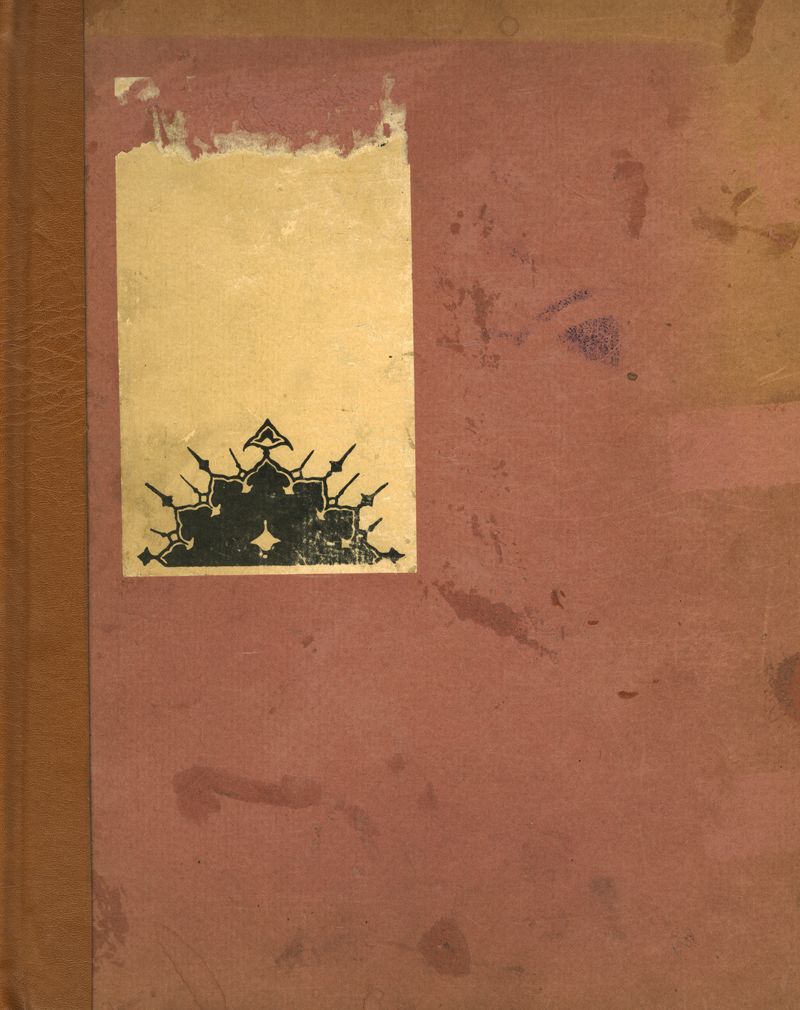
CHUGHTAIS PAINTINGS FINAL EDITION

MOST OF THEM OUT OF PRINT FROM A LONG TIME

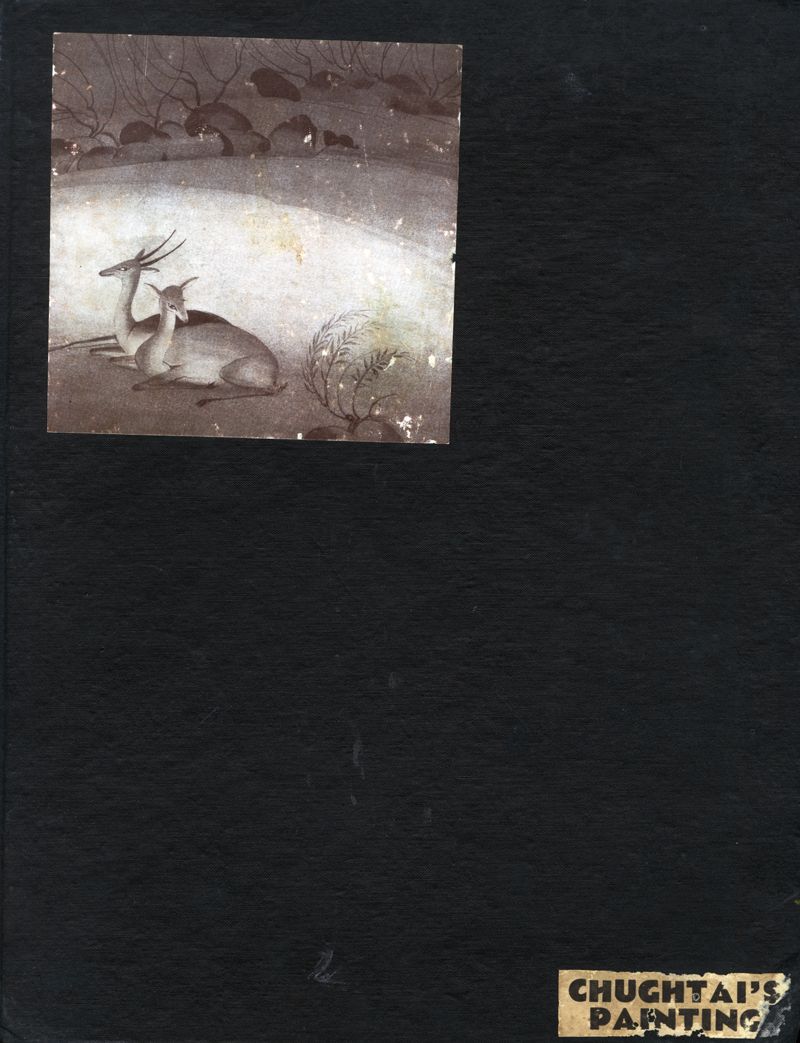
CHUGHTAIS PAINTINGS FIRST EDITION

The two publications, Murraqqa e Chughtai in 1928 and Naqash e Chughtai in 1935, brought a lot of fame for the artist M.A. Rahman Chughtai, both on National as well as International level. But both the first books had their origin in the Urdu language and there was required an English version for the world. After his tour of Europe in 1938, the artist came back with ideas to print a fresh book on his paintings, and it was done around 1939-40. The exact year possible cannot be determined for it is not printed on the book. The World war upset this publication and it is so rare, that hardly any one even knows about it. Even the Museum copy was obtained after a search of 37 years and it was found in the private library of a scholar of Peshawer.

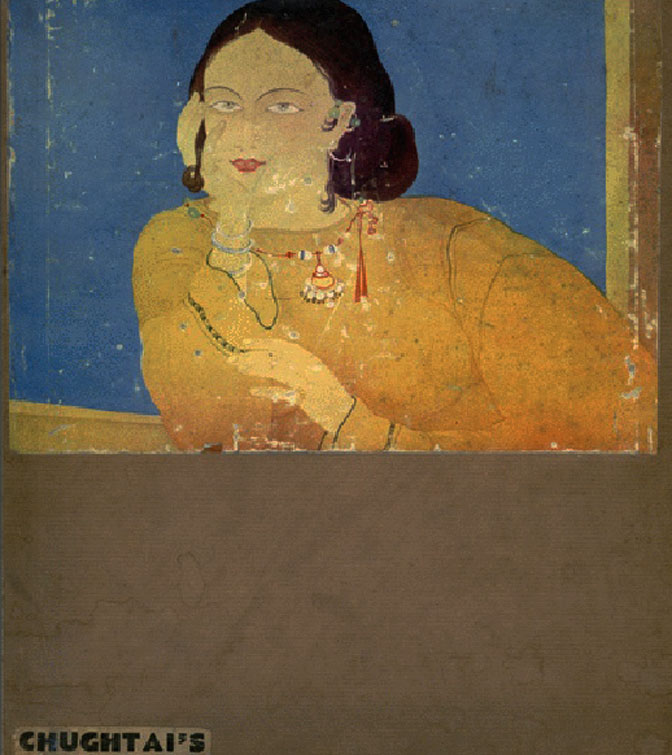
CHUGHTAIS PAINTINGS SECOND EDITION 1942

The second edition was more widely distributed and can be found in old homes and old libraries but often not complete, with pictures torn by people over the times. The third edition was printed at the Print Printo Press (owned by the artist) in 1960 and went around, and sometimes copies do turn up, here and there. The final edition was printed later and is more found in the world.

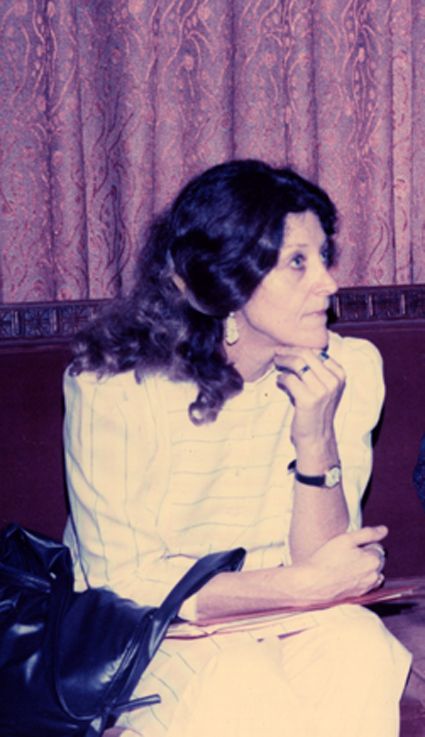
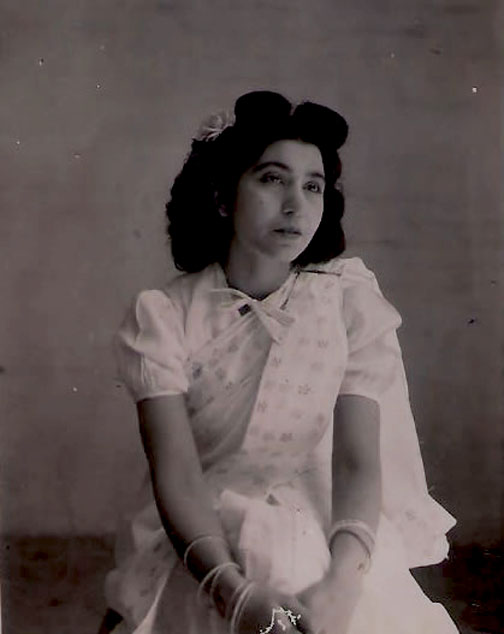
Razia Sirajuddin
Razia Sirajuddin

All editions are different in some ways. Paintings got replaced with time, for the ownership changed in due course of the years. It is one book with a variety of printed works. But most of them are still same, with an Introduction by the lady of substance, Ms Razia Sirajuddin, wife of the famous Professor Sirajuddin, a friend of the artist. Dr James Cousen’s essay is in all editions.

Dr-James-Cousen
Dr-James-Cousen

Our effort is to acquaint people with the books of M.A. Rahman Chughtai. If you own one, do let us know. Some people talk about bringing new editions of Chughtai’s works. When the Government of Pakistan as well as the Provinces are zero interested in such projects, other publications get printed for political reasons and foreign funding to undo the Ideology of Pakistan. The books printed by M.A. Rahman Chughtai before partition were financial successes, but books printed after the birth of Pakistan, suffered financial losses for a variety of reasons. The cheating of publishing houses was also one of the main reasons. Book trade is a simple KICK BACKS trade like any other. No honest person can continue to indulge in it without suffering colossal losses. We pray for a corruption free Pakistan to usher in honest trading and living in the country.

Chughtais-Paintings-Second-Edition
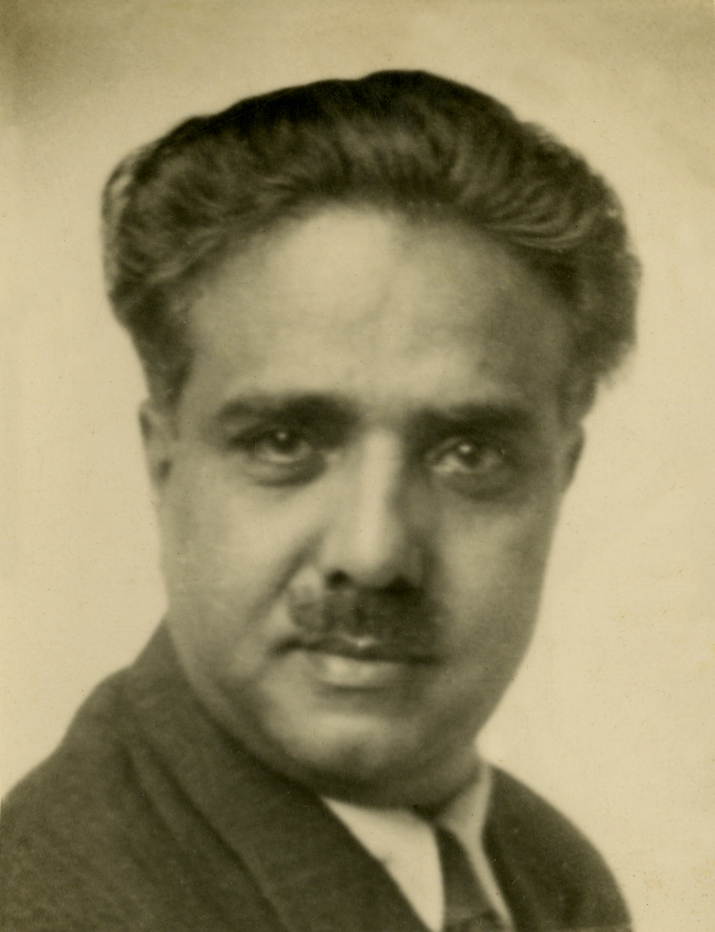
M.A. Rahman Chughtai

THE BIGOTRY OF ORDHENDRA COOMAR GANGOLY ART CRITIC – DEBUNKED M.A. RAHMAN CHUGHTAI IN ALL WAYS AS THREAT

THE BIGOTRY OF ORDHENDRA COOMAR GANGOLY ART CRITIC
DEBUNKED M.A. RAHMAN CHUGHTAI IN ALL WAYS AS THREAT

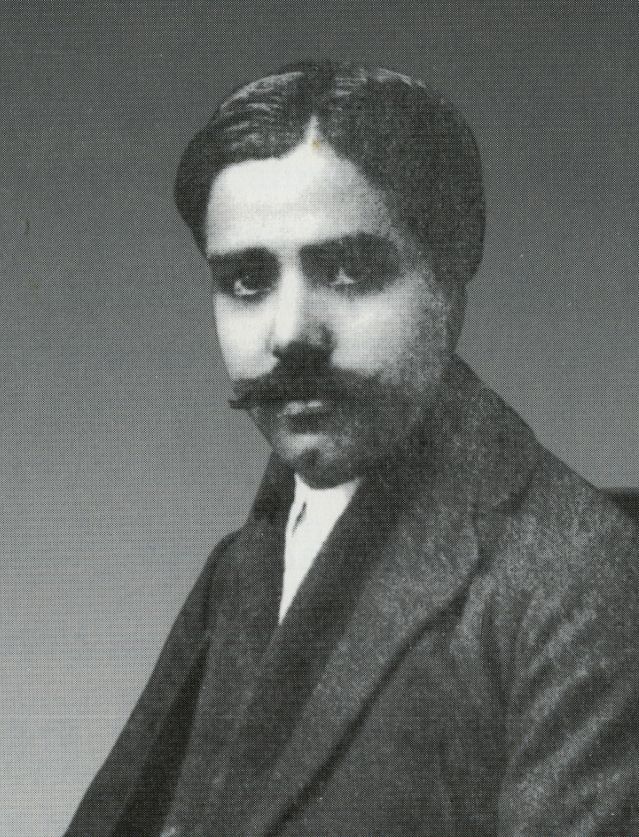
O C GANGOLY
O C GANGOLY

A SINGLE NIGHTINGALE DOES NOT HERALD SPRING

First-published-work-1917

The ingenuity of the Indian mind is beyond comprehension. When things go right, they take credit. When things go wrong they taker credit of be fooling everybody with fancy innovated reasons for the unknown. But documents remain. In fit of rage, they leave clues behind, which take over them, as truth bursts with full vigour.

Calcutta show 1921
Calcutta show 1921

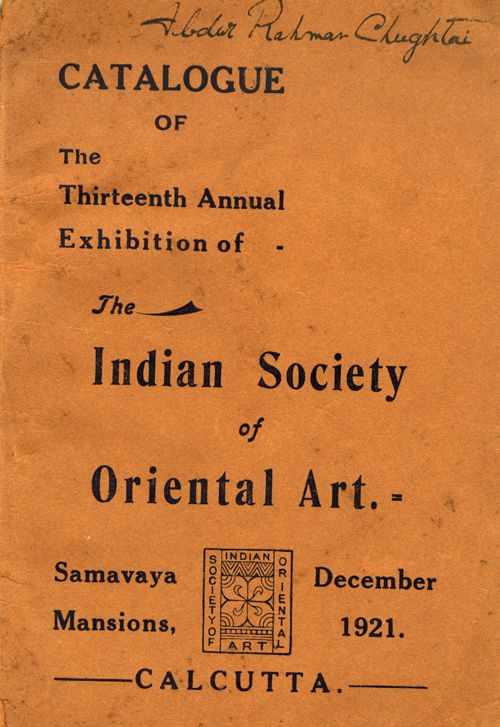
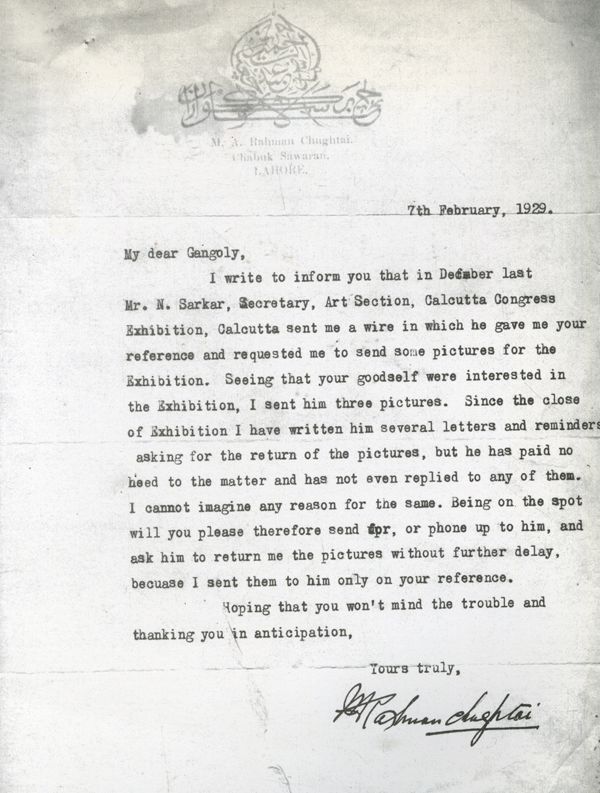
O.C. Gangoly is a Bengali legend of Calcutta. In the stream of Art in Calcutta, his tentacles spread all over India, and he pioneered societies and magazines. The monumental work RUPAM edited by him for decades is a testimony of his contribution to the Bengali School of Art. A Christian Principal of Gujaranwala Mission High School, got intimate with drawing Master, Abdur Rahman Chughtai, and looking at his creations of 1916, volunteered to have them printed and published in Modern Review Calcutta. The first and second work of M.A. Rahman Chughtai got printed in January and February issues of Modern Review in 1917. It alerted the Bengal School and it riled up O.C. Gangoly. The first Exhibition held in Calcutta with Chughtai in it was in December 1921 and amongst the 71 contestants, and a total of 359 paintings, there were only two Muslim artists. One was Sami us Zama from Lucknow with one work, and the other was Abdur Rahman Chughtai with six works. The works of Chughtai were well received in Calcutta and it provoked the Bengal School in their own homes., A full fledged activation started to debunk Chughtai artist. When works used to be sent to Calcutta for the shows, the works got lost, were displaced or even exhibited (LACK OF SPACE IT WAS SAID) in the toilet rooms of the Exhibition Centers, where no one could see them.

Chughtais letter
Chughtais letter

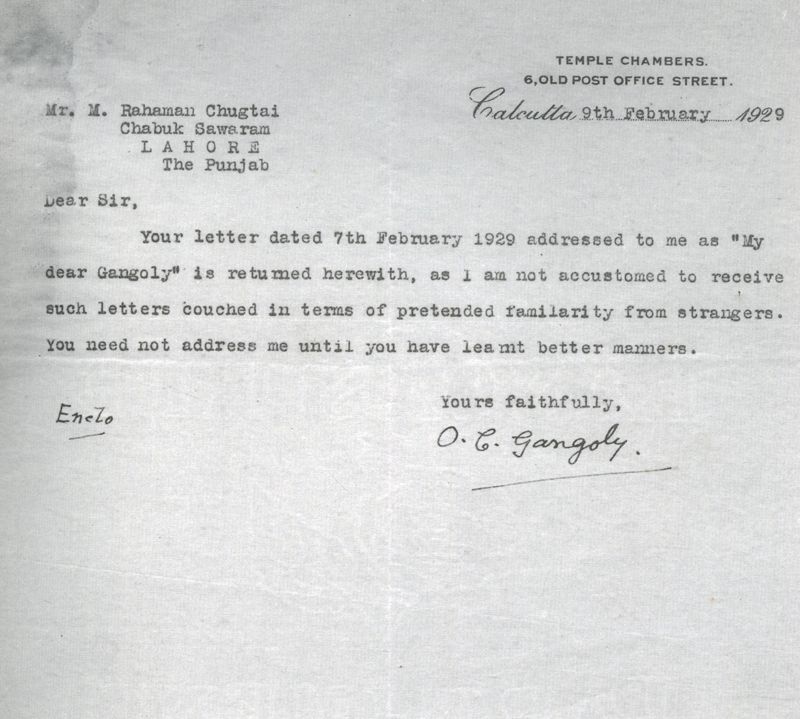
O.C. Gangoly was competing as a painter too and went on record in saying that A SINGLE NIGHTINGALE DOES NOT HERALD SPRING. Simply for he hated Muslims, as well as anything associated with Punjab. Punjabis were in front of his eyes DANGARS (animals) and not fit for the civilized world. It provoked Chughtai Artist in saying that THIS SINGLE NIGHTINGALE WILL BRING SPRING INTO THE MUSLIM WORLD. At every turn Gangoly tried his best to bring down Chughtai. In decades of publication RUPAM could print the name of CHUGHTAI only once when LIONEL HEATH wrote about the Wembley show in 1924. He allowed reference to Chughtai no where else.

Gangolys venomous reply

Figment of our imagination. sorry! Gangoly made the mistake of putting his venom down on paper and in sending it to Chughtai. That letter is a record of how the Bengal School treated Chughtai and our ART MORONS (under Indian hands) in Pakistan debunk Chughtai as a Student of Bengal School. Such statements are not only wrong, they are shameless in nature. For the Bengal School itself never claimed such a thing. Nor it ever could. For those interested in knowing more could request our book THE CHALLENGE OF M.A. RAHMAN CHUGHTAI TO THE BENGAL SCHOOL OF ART.

MARC around 1920
MARC around 1920

A MEETING OF PROGRESSIVE INTELLECTUALS IN IQBALS LIFETIME – INTER COLLEGIATE MUSLIM BROTHERHOOD AND PERVAIZ SAHIB

A MEETING OF PROGRESSIVE INTELLECTUALS IN IQBALS LIFETIME
INTER COLLEGIATE MUSLIM BROTHERHOOD AND PERVAIZ SAHIB

Islamic Brotherhood January

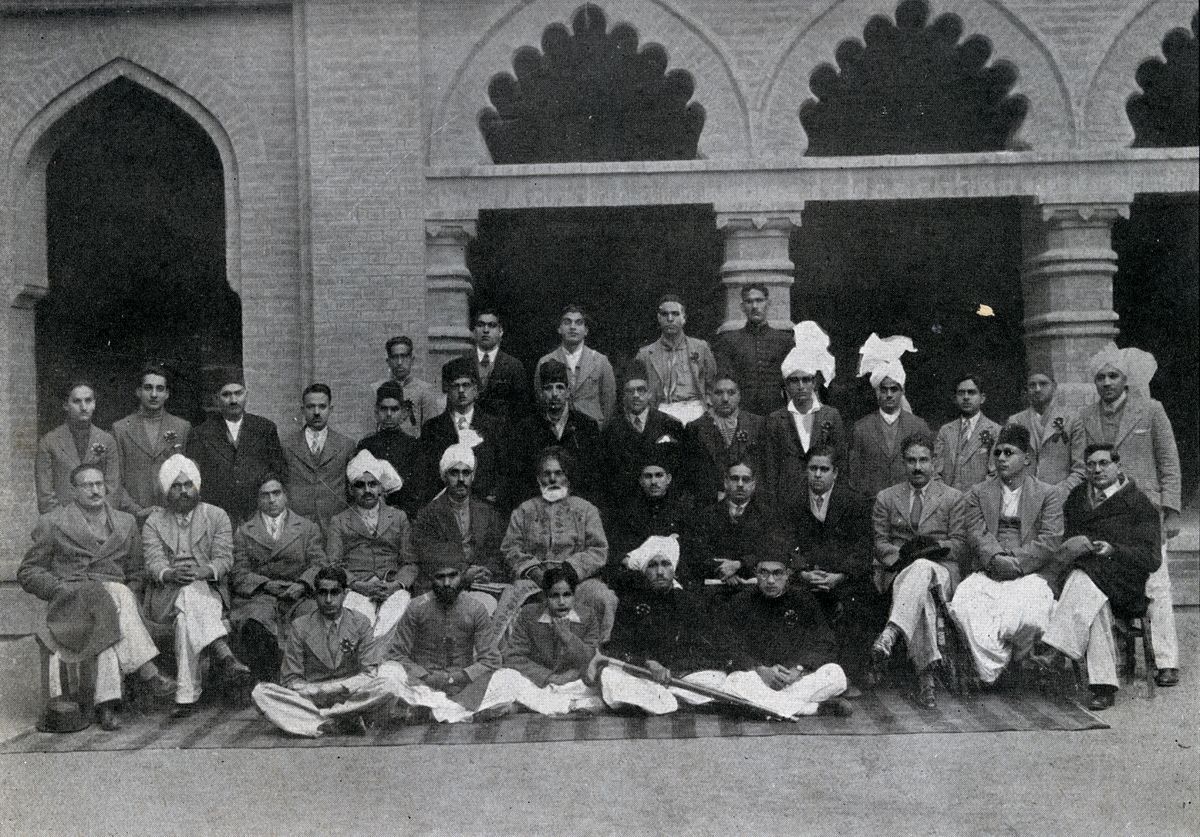
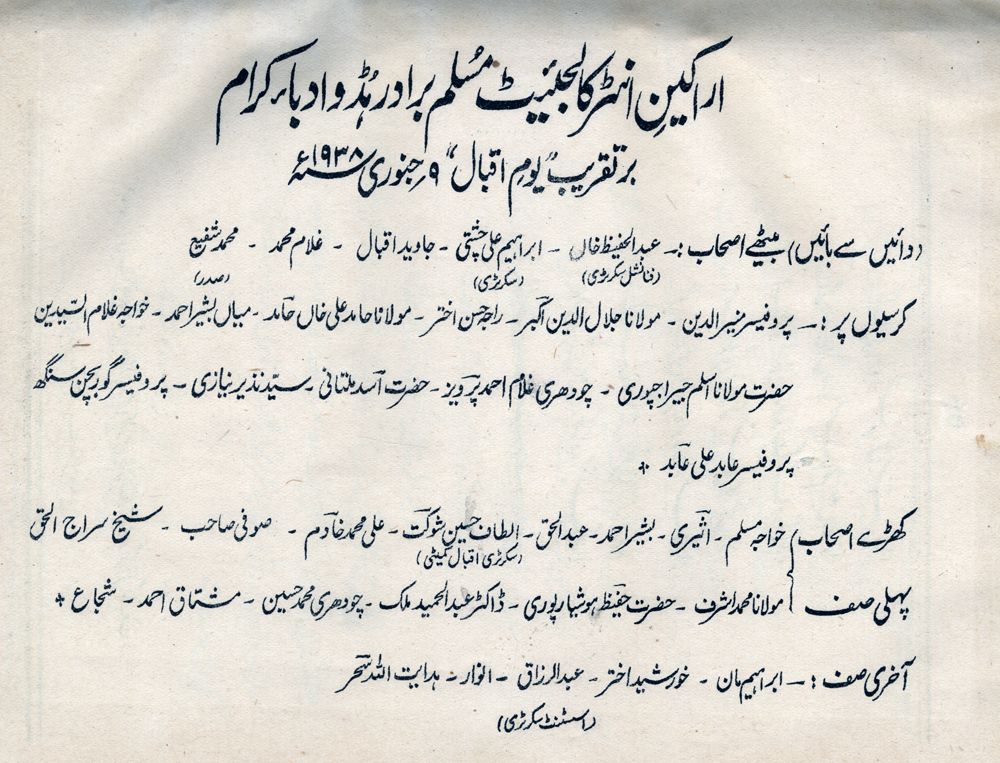
WITHIN THE LIFETIME OF DR ALLAMA IQBAL JANUARY 1938

Inter collegiate Muslim Brotherhood 1938

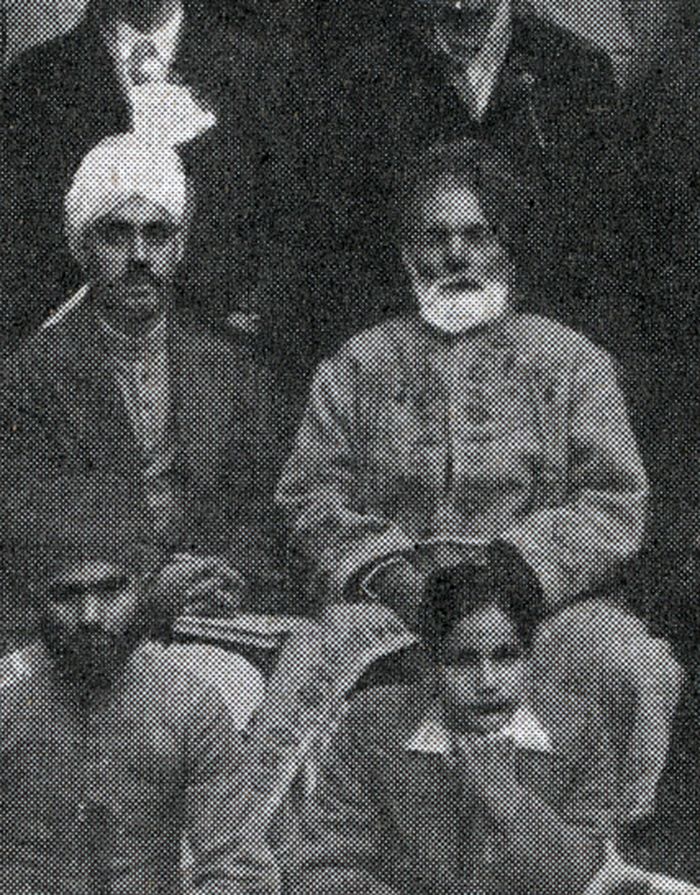
The Iconic Dr Allama Iqbal like a shining star attracted the best of intellectuals in the region. Open minds worked on Iqballian themes and as Allama Iqbal himself, repulsed the reactionary forces of the Mullah syndrome. Today the Mullah is forced to talk to an extent in Iqballian terms but only as a form of hypocrisy. Iqballian ideas repulse the Mullah as well as the so called Seculars, both two sides of the same coin. In the lifetime of Dr Allama Iqbal an Inter collegiate Muslim Brotherhood was formed and each member did his dues in light of Iqballian ideas. One such person was Chaudary Ghulam Ahmad Pervaiz, the bane of most Mullahs of the region.

Ghulam Ahmad Pervaiz Javad Iqbal and others

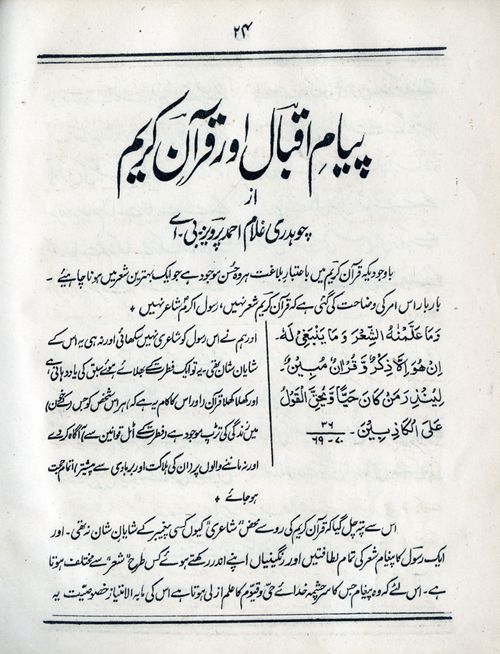
According to Pervaiz Sahib himself, he was instructed by Dr Allama Iqbal himself, to carry out research on progressive Islamic ideas in the spirit of Ijtehad of the times. Pervaiz Sahib started contributing to Tolu Islam, which was started by Syed Nazeer Niazi in 1935. Later he himself took over Tolou Islam in 1938 and it is published to this day. An Inter collegiate Muslim brotherhood was formed in the life time of Dr Allama Iqbal and we present a photograph of its assembly on 9th January, 1938. Javad Iqbal is in it but the iconic Dr Iqbal himself cannot be seen, due to his illness. Missing persons like Dr Abdullah Chaghatai and Abdur Rahman Chughtai artist are not there, for both of them, were in Europe at that time.

A brilliant discourse

I think such visual imagery is deliberately missing in the media to curb the renaissance spirit of Islam and to engender extremist views of the Seculars and the Mullahs, both two sides of the same coin.

Government College University

First Government College

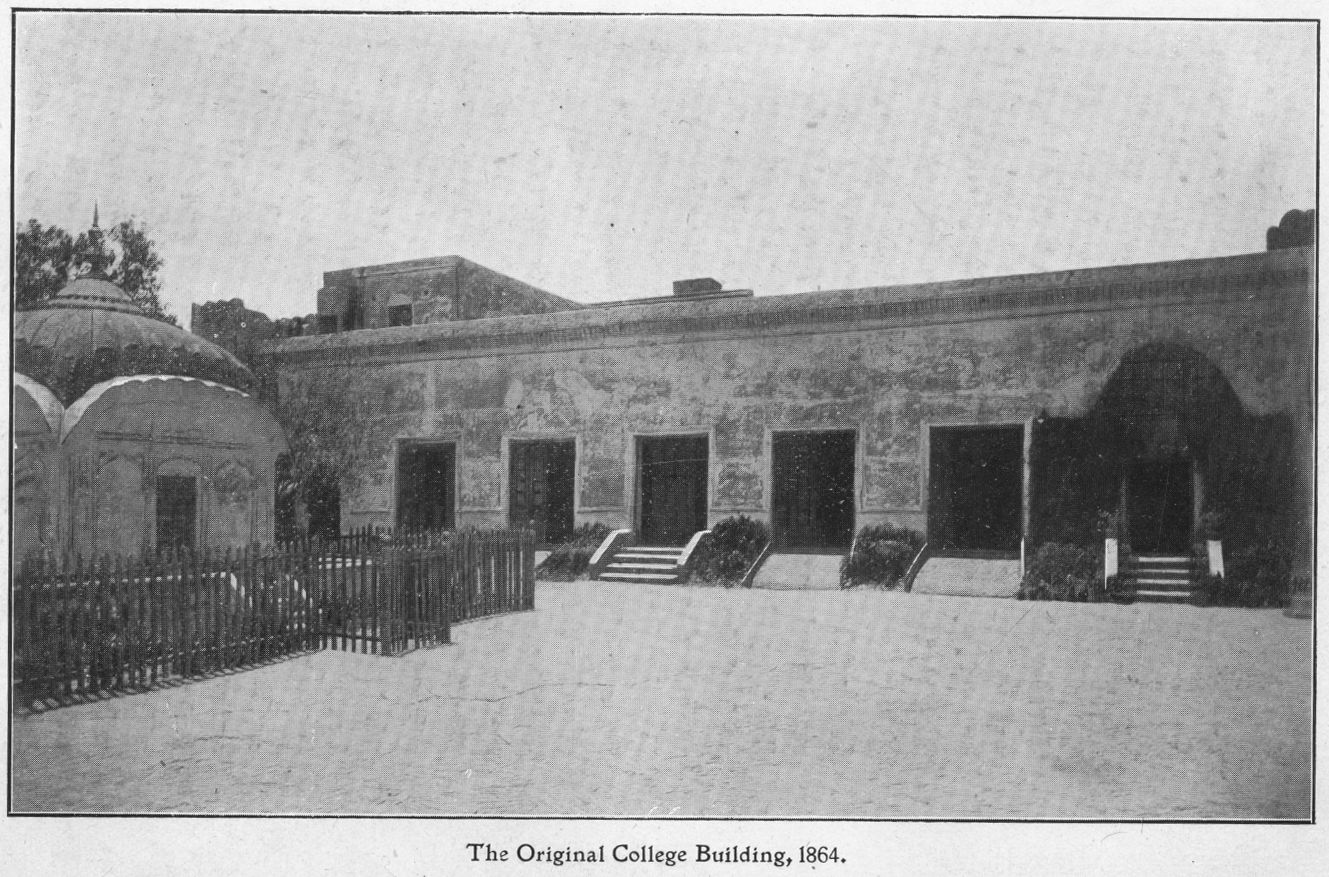
Today as G.C.U, Government College is a phenomenal institution of Lahore. But like other things, it has increased at some levels, and gone down at other levels. The intellectual charisma it once generated is perhaps no more. Today we are familiar with its buildings like anything else, but few of us remember that it was once started from the Havelli of Raja Dhian Singh. We attach a photograph of it as it was in 1864.

Dr G W Leitner Principal GC

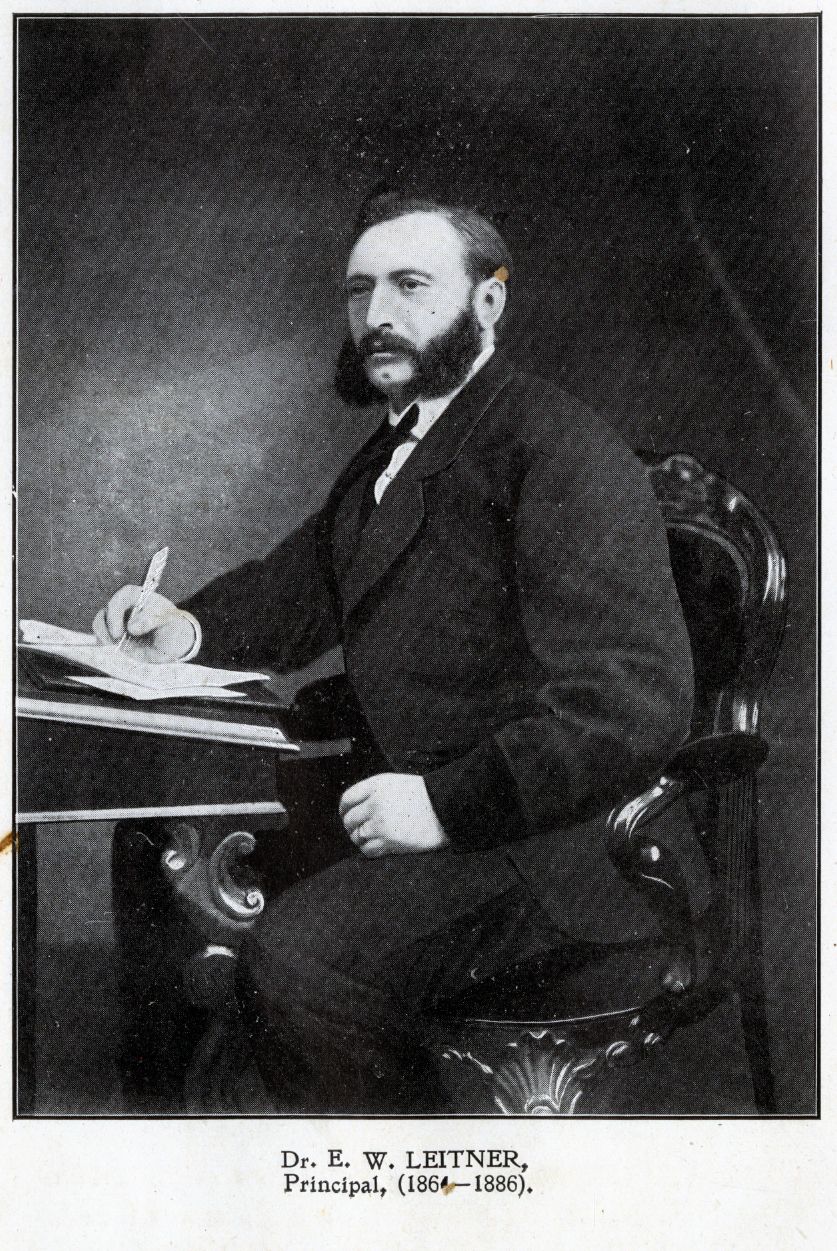
Everybody has heard of Dr G.W. Leitner of Freiburg University, who was a professor pf Arabic and Mohammedan Law at Kings college, London. He was posted at this college as Principal, but for months could not come here. His big whiskers commanded respect like any other Nawab of that time.. Interestingly it was started with only 9 students as well as teachers who were perhaps around six in number. Many students even left afterwards not satisfied with the place, as the college followed the Calcutta Syllabi. The hostels were in the upper storey. Oriental College was in the vicinity too. The grave of the NAUGUZZA watched over these activities with a giant twinkle in his eyes. Knowledge was everything.

THE BEST BOOKS ON LAHORE ARE GETTING UNKNOWN – BEING REPLACED BY SHAM BOOKS ON ITS HISTORY

THE BEST BOOKS ON LAHORE ARE GETTING UNKNOWN
BEING REPLACED BY SHAM BOOKS ON ITS HISTORY

 1927 Unknown publication
1927 Unknown publication

Going back to the roots

Lahore Sikhoan kay ahad main

It takes us great pleasure to list some of the best books on Lahore. You will find truth as well as Ideology in it. False Hindu writers are twisting stories about Lahore. We will seek to correct their falsehood with time. And we will talk more about these books in the future. Remember our museum has the best Archives on Lahore, not only printed books, but documents as well as Manuscripts.

Tarikh Imakan Lahore

TARIKH LAHORE: Mufti Tajuddin. Maulana Shafi Collection.

TAQIQAT E CHISTI: Nur Ahmad Chisti Original edition 1867 Reprinted many times.

LAHORE: T.H. Thornton (1860), printed 1868.

LAHORE: T.H. Thornton and Kipling 1885

Lahore kee Dabistan Musavari

LAHORE: Judge Muhammed Latif 1892. Reprinted many times.

TARIKH LAHORE: Kanaya Lal 1884. Reprinted many times.

LAHORE GUIDE: H.A. NEWELL, 1917.

LAHORE FORT, TILE MOSAICS OF: J.P. Vogel, 1920.

LAHORE SKETCHES: B. Blascheck.

LAHORE, OLD: Colonel Goulding 1924.

LAHORE: Private use, 1927.

Muslim Figurines of Lahore

LAHORE DURING MUGHAL TIMES: Muhammd Deen Fauq 1927.

TARIKH LAHORE: Colonel Bhola Nath 1933. Reprinted.

LAHORE PAST AND PRESENT: Dr Muhammed Baqar 1952. Reprinted.

LAHORE SIKHOAN AY AHAD MAIN: Dr Abdullah Chaghatai 1964.

LAHORE KEE MASAJID: Dr Abdullah Chaghatai 1976.

IMAKAN LAHORE: Dr Abdullah Chaghatai 1981

LAHORE KEE DABISTAN MUSAVARI: Abdur Rahman Chughtai 1976. Reprinted.

MUSLIM FIGURINES OF LAHORE: Arif Rahman Chughtai 2008.

MAKING THE WORLD PARANOID THROUGH THE MEDIA – DESTROYING FUNDAMENTAL VALUES OF TRUST AND BELIEVES

MAKING THE WORLD PARANOID THROUGH THE MEDIA
DESTROYING FUNDAMENTAL VALUES OF TRUST AND BELIEVES

Paranoid disturbances

CLASH OF HUMAN VALUES WITH SATANIC DESIGNS

Criminal Minds treatment of sensational murders

Allah sent Prophets with their wisdom to all societies of the world. Their work was to teach humankind basic values of existence. The finality of Prophet hood was a in the Prophet of Islam (Blessings of Allah be upon him). Love, trust, sharing, such values were common to spread in the world. Satan’s duty was reverse of that. To generate paranoia to the extent, that nobody should ever trust anybody else. I asked a friend of mine Terence McInerney in New York, as to why I did not hear sound of laughter on the streets, which was still common in our own country. I thought it missed his mark but he was very honest about it. He said on the streets, the man walking on the pavement, is worried about the man walking behind him, lest he should do him harm. He is also worried about the man walking in front of him lest he turn and does him harm. That is paranoia taken to the extreme and the media has generated it in all ways, with horrid stories . Seasons after seasons are made of the most GORY tales of Murder in the society. The tales are so numerous that they are responsible for creating Jungian Archetypes of being victims of a horror story or being the instrument of one.

Trust
Trust

I thought some bloody murders we could depict as reference. But even looking at some scenes, I could not imagine any role in spreading such filth in the world. So I present to you scenes of Paradise. Look at it. Make Paradise on Planet Earth!

Friends hugging in rural landscape
Spread peace
Spread peace

THE PRESENCE OF SIR AKBAR HYDARI IN LAHORE – A CAR LIFT BY DR ALLAMA IQBAL TO CHUGHTAI BROTHERS

THE PRESENCE OF SIR AKBAR HYDARI IN LAHORE
A CAR LIFT BY DR ALLAMA IQBAL TO CHUGHTAI BROTHERS

M A Rahman Chughtai
M A Rahman Chughtai

An event in Lahore of historical nature

Dr Allama Iqbal
Dr Allama Iqbal

The University of Punjab in 1926 invited Sir Akbar Hydari Prime Minister of Hyderabad Deccan to Lahore to preside over its annual convocation and distribute degrees to students. Dr Allama Iqbal expressed an interest to meet him and took both the Chughtai brothers with him in his motor car. Akbar Hydari was staying at the house of Sir Muhammed Shafi near Lahore High Court, They all went to meet him in the motor car of Dr Allama Iqbal. Sir Akbar Hydari was very much interested too hear the proposed publication of illustrating Mirza Ghalib by M.A. Rahman Chughtai.

Sir Akbar Hydari Prime Minister Deccan

Later Dr Iqbal took both the brothers with him in his car to Fane road to the house of a Parsee couple, Mr and Mrs Wasoghar to meet Italian scholar Dr Scharpa. The meeting was planned by Dr Iqbal well in advance, as the Italian scholar was working on the translation of Iqbal’s verses into Italian language. Both the Chughtai brothers were present with Dr Allama Iqbal at both events. Mrs Wasoghar was graduate of Oxford University and a Professor of English at D.A. V College Lahore. The whole set up was of ardent admirers of Dr Allama Iqbal. A new fan folloewing of M.A. Rahman Chughtai was there too

MEMORIES OF ANOTHER DAY IN QUTB COMPLEX DELHI – LEGACY OF SULTAN QUTB UD DIN AI-BEG LAHORI

MEMORIES OF ANOTHER DAY IN QUTB COMPLEX DELHI

LEGACY OF SULTAN QUTB UD DIN AI-BEG LAHORI

Qutb Complex
Qutb Complex

Boys jumping for coins for making a living

Jumping in Qutb Complex Delhi

As small children, our father took us to various Mughal Monuments in India. We were too young in age to remember anything significant. I remember the monkeys which used to come to our hotel room. Hiding in the toilet of the Railway Station due to tear gas shelling on the Station itself. Collecting match box covers on the pavements of Delhi. A book shop Dhoomi Mal Dharam Dass where we tried to buy fairy tale books. The steps of the Jamia Masjid, with its second hand book dealers on the floor. The climb to the top of the Qutb Minar, where I finally panicked on my own, and my mother carried me to the roof on her own. The reciting of a Nursery Rhyme in the Mausoleum of Itemad ud Daula, namely “A Bundle of Firewood”, with its echoes in the hall, mesmerizing me. There is even some dreadful memories of getting lost in the lanes of Delhi and with great difficulty in the way my mother finally found me out, due to a broken wall between two different lanes. Guess, I was lucky. And the eye infection I got which blinded me for some time, and I would cry my heart out.

Coin jumping
Coin jumping

One fascinating thing was the small boys who used to jump in the water complex near the Qutb Minar. We threw the coin and they would jump to get it out, for a reward. You threw a paisa, and perhaps gave two annas to the boy, even less. Jumping high jumps for one anna seems a myth these days.
I was not born in India. I was born in Lahore, in a free Pakistan. As I am a born Pakistani, love for my country energizes me all the time. And these paid rascals who demonizes my country, I hate to the core of my heart. Do not take our elected leaders as the bastion of our country. Foreign lobbies sending prepared texts to writers here to present same in their own names. Writers who have no capacity but to give their names for the SHAMEFUL ACT and deceit to their mother country. The resources of the institutions like the British Library are used for writing these things by writers huddled in three storey buildings. The archetypes of Jung are there in all our subconscious and we very well know the two nation theory. Yes Pakistan is there forever! No one can undo our country, for we paid for it with our blood and soul. PAKISTAN FOREVER!

Jumping for coins
Jumping for coins

SAMARENDRANATH GUPTA VERSUS M.A. RAHMAN CHUGHTAI – WHO WAS COPYING WHOM? HISTORY ENFOLDS ITSELF CLEARLY

SAMARENDRANATH GUPTA VERSUS M.A. RAHMAN CHUGHTAI
WHO WAS COPYING WHOM? HISTORY ENFOLDS ITSELF CLEARLY

Abdul Rehman Abdullah-and-Gupta

THE WORKING OF BENGAL SCHOOL AT MAYO SCHOOL OF ARTS

The Chughtais Version

The Senior Gupta was editor of the newspaper TRIBUNE in Lahore. Obviously such journalists had a lot of clout even in those days. He got his son appointed as the Assistant Vice Principal of Mayo School of Arts. To his various credentials were three piece suits as well as the knowledge of the French language. He had also written some articles in Modern Review Calcutta. A student of the Bengal School, he tried to initiate the Water Colour wash in his discipline. To the best of knowledge of people, he started Drawing classes at the Mayo School of Arts.

Gupta's version May 1917
Gupta’s version May 1917

Was Gupta serious in his teachings? Obviously not. Imparting techniques to the people of Punjab especially Muslims disgusted him. Abdur Rahman Chughtai had found out already that the Bengal School used RAGS in Water colour wash technique. A set of Japanese brushes came for sale at the School. Worth about Rs Two, those were beyond the reach of most. A young boy invested heavily in buying these very expensive brushes. Today the same brushes are no longer manufactured in Kyoto and the ones already there, are worth thousands of dollars each. Abdur Rahman Chughtai after getting his diploma from Mayo School of Arts in PHOTO-LITHOGRAPHY, was teaching on a Drawing Master post at Gujranwala, Mission High School. The Principal Mr Chatterjee was very friendly being a Christian and there were many famous scholars teaching there, including Muhamed Iqbal as well as Muhammed Nazim, writer of the famous book on Mahmud Ghaznavi. He suggested the artist to get his works published in Modern Review Calcutta as the Editor Ramananda Chatterjee (same family name) there was well known to him. The artist volunteered two paintings on Omar Khayyam. The first one was published in Modern Review Calcutta in January, 1917. The second one in February, 1917. This enraged Gupta to a great extent. To nullify the works of Abdur Rahman Chughtai, he made his own version of the work, which was published in Modern Review in May, 1917. Credit should be given to Gupta for getting his best talents out in making this version, but a Senior teacher was competing against a Young student teacher. There are vast differences between the two works and the same are as clear a TWO NATION theory as can be expressed in any terms. But that is a separate discussion. The real emphasis is who made the theme first and who did it afterwards, and the publication dates clarify that in a clear way.

Kyoto Royal Shop brushes

Wazeer un nisa as inspiration

Samarendra Gupta hated M.A. Rahman Chughtai by instinct and did everything possible to make life hell for him. The acrimony of the painting POISON CUP between Inayatullah and M.A. Rahman Chughtai was generated by him. The resignation from the Mayo School of Arts had him behind the campaign. He had reported Chughtai at a Drama show when he was supposed to be on sick leave. It was the kind of dislike which even comes out in photographs all the time. The reputation of Gupta is no more, while Abdur Rahman Chughtai shines in the world of International Art all the time. Who won, who lost? Prejudice gets you nowhere.

Ramananda Chatterjee

Second February 1917

THE SAMADH OF RANJIT SINGH IN LAHORE – ACTUAL EVIDENCE OF KHALSA DARBAR RECORDS

THE SAMADH OF RANJIT SINGH IN LAHORE
ACTUAL EVIDENCE OF KHALSA DARBAR RECORDS

Present Samadhi of Ranjit Sinh

REWRITING HISTORY BY OUR OWN HISTORIANS

ual record of Khalsa Darbar

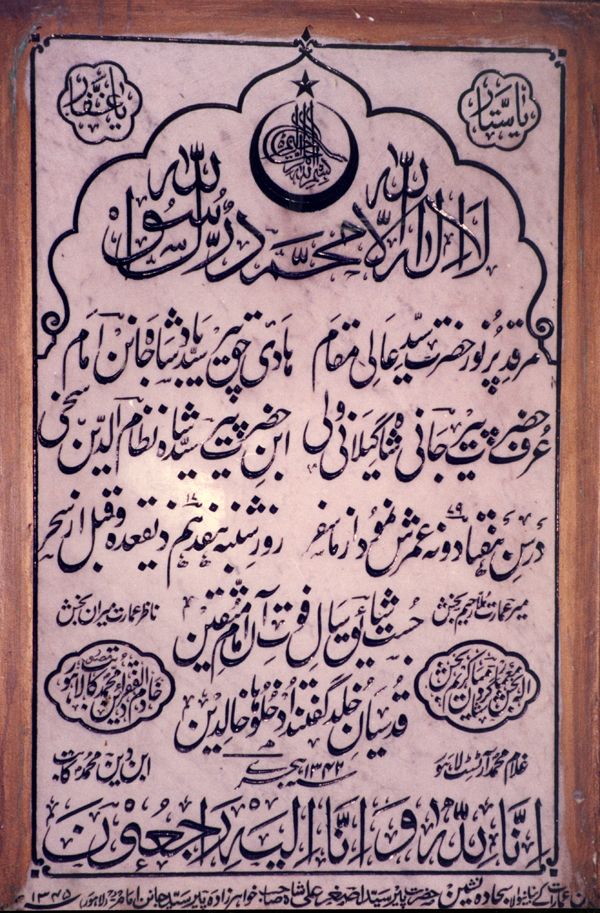
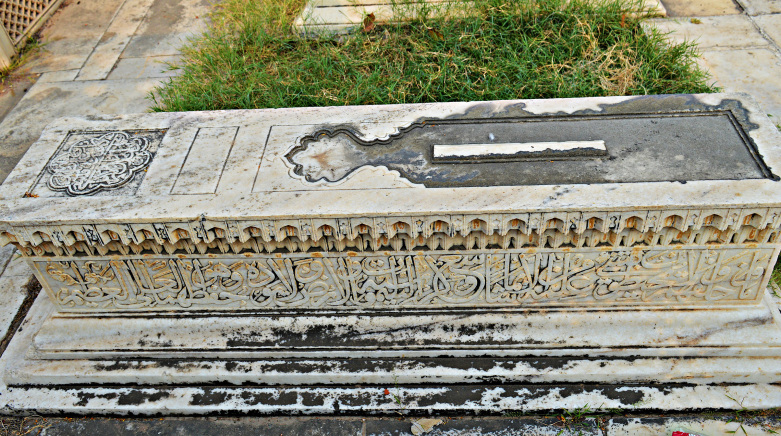
The Sikh Darbar in Lahore carried a lot of Muslim craftsmen with it. It is no longer fashionable to talk abut the Muslim artistic contribution to Sikh Monuments. But the evidence is too compelling to ignore. It is in the Catalogue of Khalsa Darbar Records that we find many names. in relation to the Mausoleum of Ranjit Singh in Lahore. Darbar Records add two names, one Mian Qadir Baksh as Darogha Imarat and the other Raheem Baksh Mimar as builder. Why is there reluctance to name the primary evidence in this record?

nuscripts by Qadir Baksh[1]

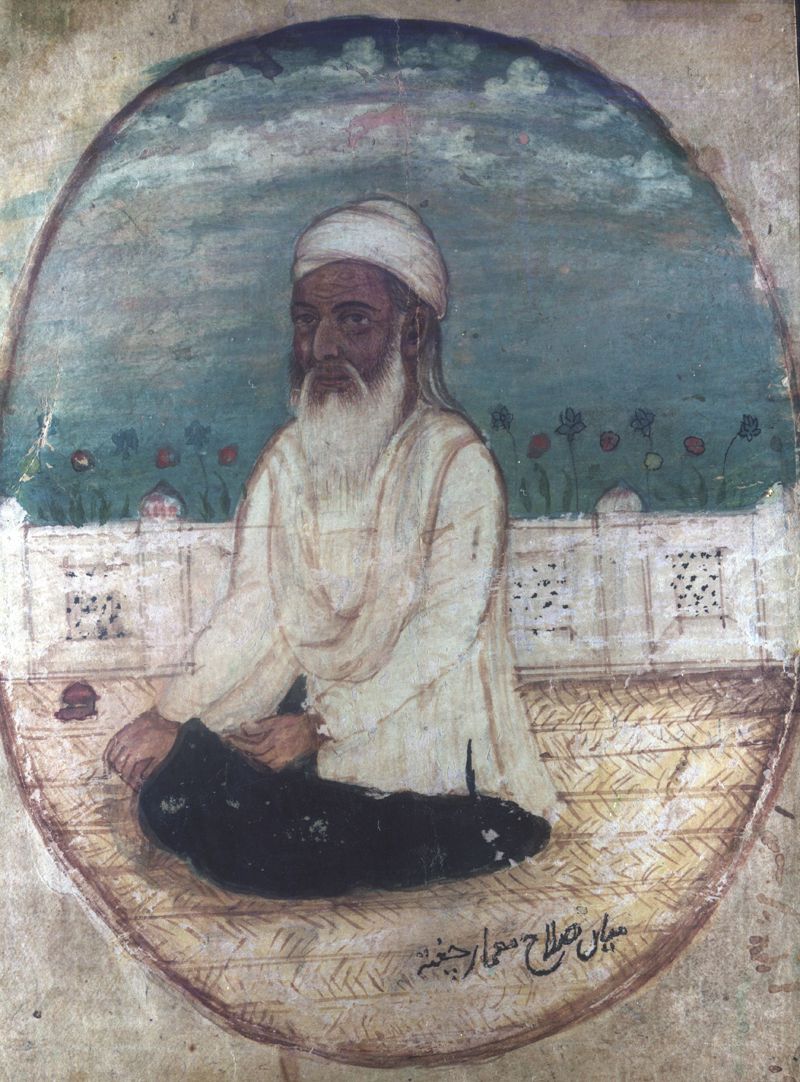
Obviously records are no secret. The same are there in original and even in English translation and widely printed and distributed by authorities. It is also well known that the Main Architect at Sikh Court previously was Mian Muhammed Salah Mimar, a scion of the famous Mimar family of Lahore. We write about them all the time. Lobbies have hired historian here at lucrative pay and compensation to rewrite our history, to supress the truth, to paint Muslims as Anti Culture. Sorry, it will not work. Interfaith harmony we believe in, but not interfaith degradation as civilized human beings. So go suck your thumbs. The nourishing milk is no more!

anuscripts by Qadir Baksh

anuscripts by Qadir Baksh

Raheem Baksh Mimar
Raheem Baksh Mimar