ART COUNCILS OF PAKISTAN
M.A. RAHMAN CHUGHTAI’S EFFORTS FOR PAKISTAN
Forgotten pages of history
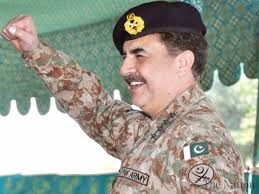
Governor General and MARC 1949
Prime Minister Liaquat Ali Khan and M.A. Rahman Chughtai were in communication with each other, even before Pakistan came into being. Later the Prime Minister recognized the role the artist could play in promoting the Ideology of Pakistan abroad. One decision made was the establishment of Art Councils all over Pakistan. And M.A. Rahman Chughtai was part of them all.
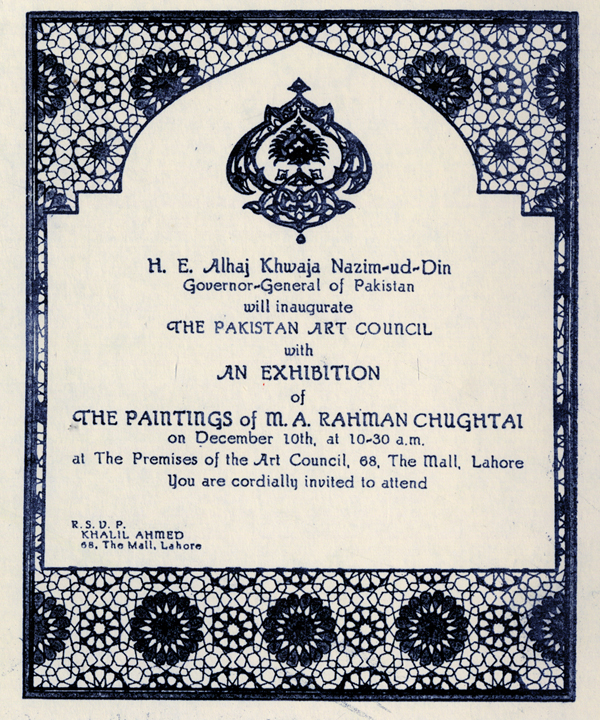
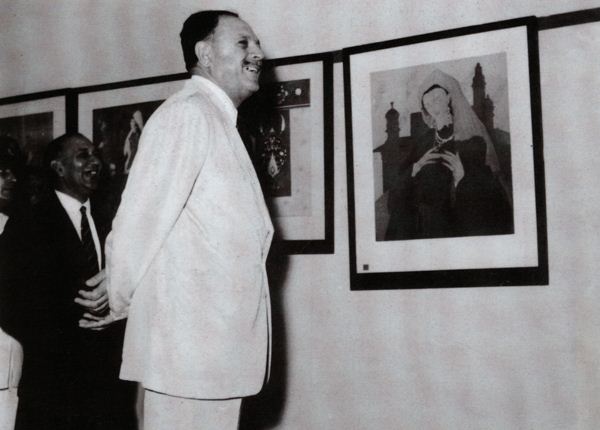
In 1949 Pakistan Arts Council Lahore, named as Alhamra, was inaugurated by Governor General Khawaja Nazimuddin, with a show of M.A. Rahman Chughtai. Prime Minister Liaquat Ali Khan also came to that show with the Shahinshah of Iran, on 5th March, 1950. It was the start of a bold cultural tradition in Pakistan.
Alhamra Inauguration day
On 31st March, 1952, an exhibition of Chughtai’s works was held at YMCA Hall in Karachi, and inaugurated by the Governor General Ghulam Muhammed. Again Karachi became the centre of the start of cultural traditions in Pakistan.
On 5th March, 1956, the Abbassin Arts Council in Peshawer was inaugurated with a show of Chughtai Artist at Peshawer. M.H. Zuberi Sahib was President of the Council and responsible for that show. Today one cannot even imagine what great response the Pathan brethren gave to that show in a literally cultural desolate city.
Alhamra insignia
On 3rd July 1954, the Arts Council at Dacca was inaugurated by Major General Iskander Mirza, the Governor of East Bengal Iskander Mirza requested the audience with two main statements:
“The artist should evolve a cultural tradition embracing the message of Iqbal and the warmth and fervour of the poetry of Nazrul Islam.”
And again he instructed:
“It would be a tradition which should embody the strength and purpose of the art of Zainul Abedeen and the colour rhythm and imagintion of Chughtai. ”
Iskander Mirza became the Chairman of the Council and N.M. Khan became the Chief Secretary of the Council.
On 14th August, 1959 the Karachi Art Council was inaugurated by General Muhammed Ayub Khan with a show of paintings of M.A. Rahman Chughtai. It was a grand show, attended by diplomats of many countries from abroad. It spoke of the tone of Pakistan culture.
The establishment of Art Councils was not in vain. It spread the message of peace, good will and advancement all over the world. But that was before they were taken up by moronic people in control of the affairs. With paid finances from foreign lobbies, they played havoc with the Ideology of Pakistan. But M.A. Rahman Chughtai tried his best for his country and his Art is playing its best in the world of today for Pakistan.
FASHION CONSCIOUS MUSLIM DANDIES
A DIFFERENT IMAGE FROM IMAGINED PLAIN FOLKS
Islamic consciousness of dress and design
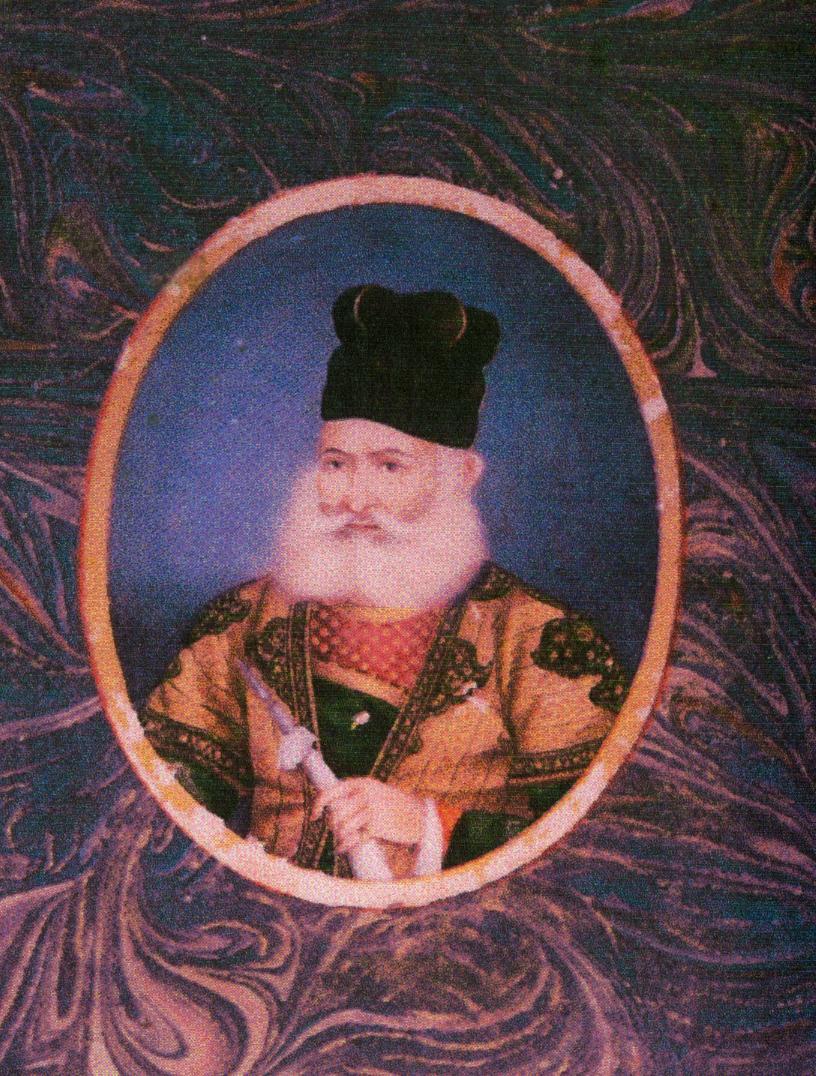
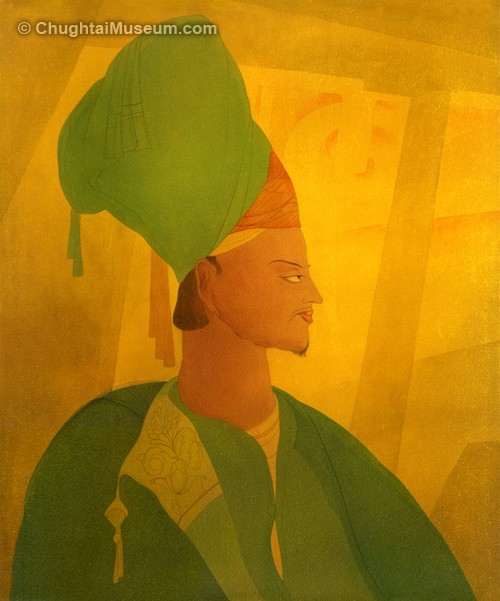
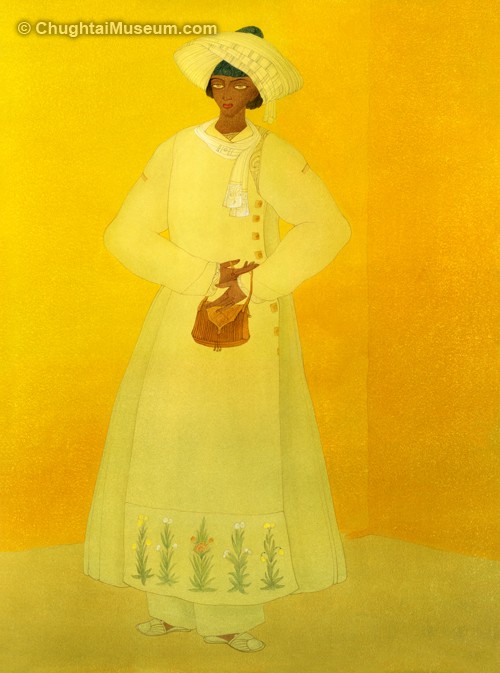
Hassan-BarmakiGolconda Gentleman
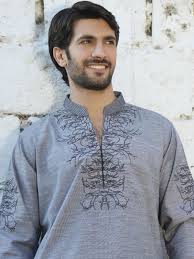
An image of Islamic past is given to us of bearded men with simple and torn clothes, longing for invisibility of existence. This stereotype imagery is not true in any way. We have imagery of men in Arabia before the incept of Islam, and although it was a fashionable society in all ways, yet the imagery is of full naked or semi naked men, moving around like barbarians. Of course due to its egalitarian nature, affluence did not catch up with the Muslims immediately but fashion conscious they were in all ways, and not only men in power at the top. But also people in general.
Naqashi there even nowMuslim dandy ever
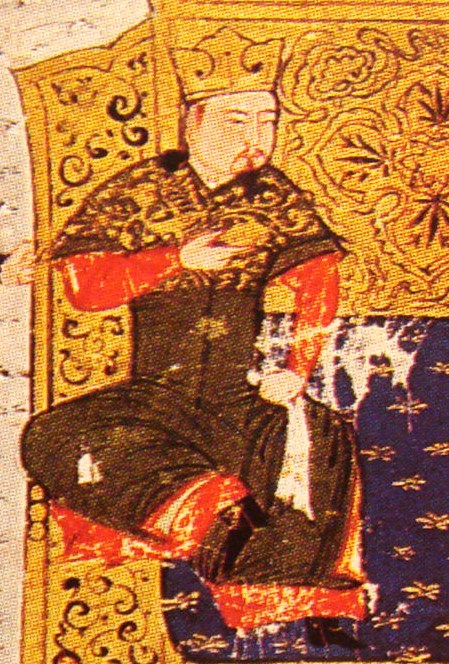
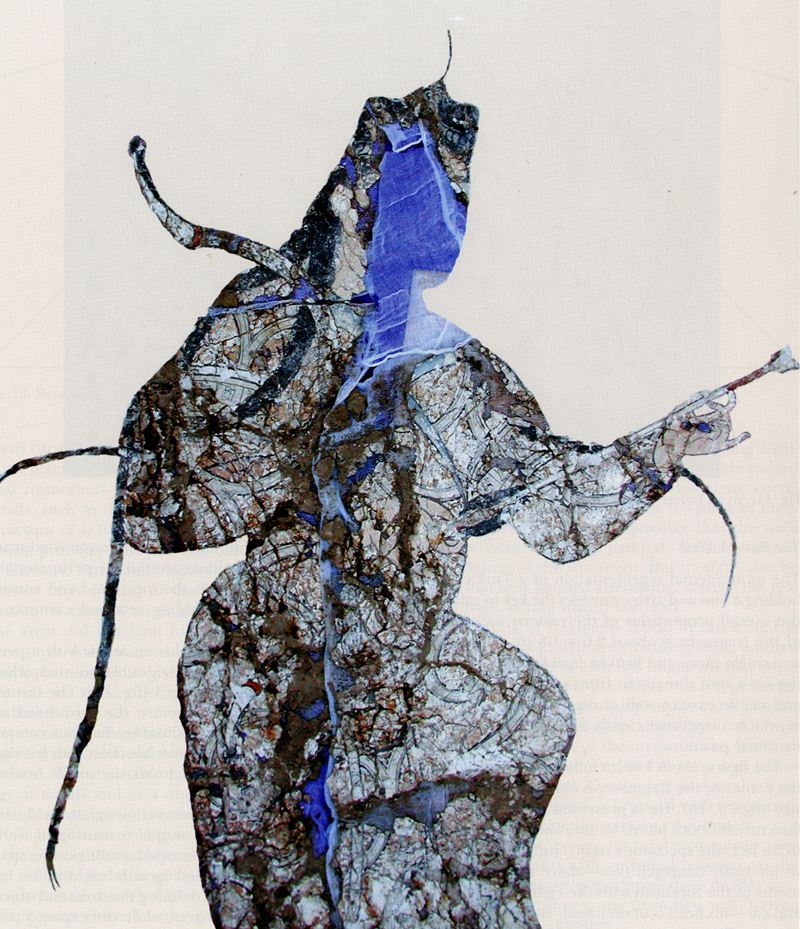
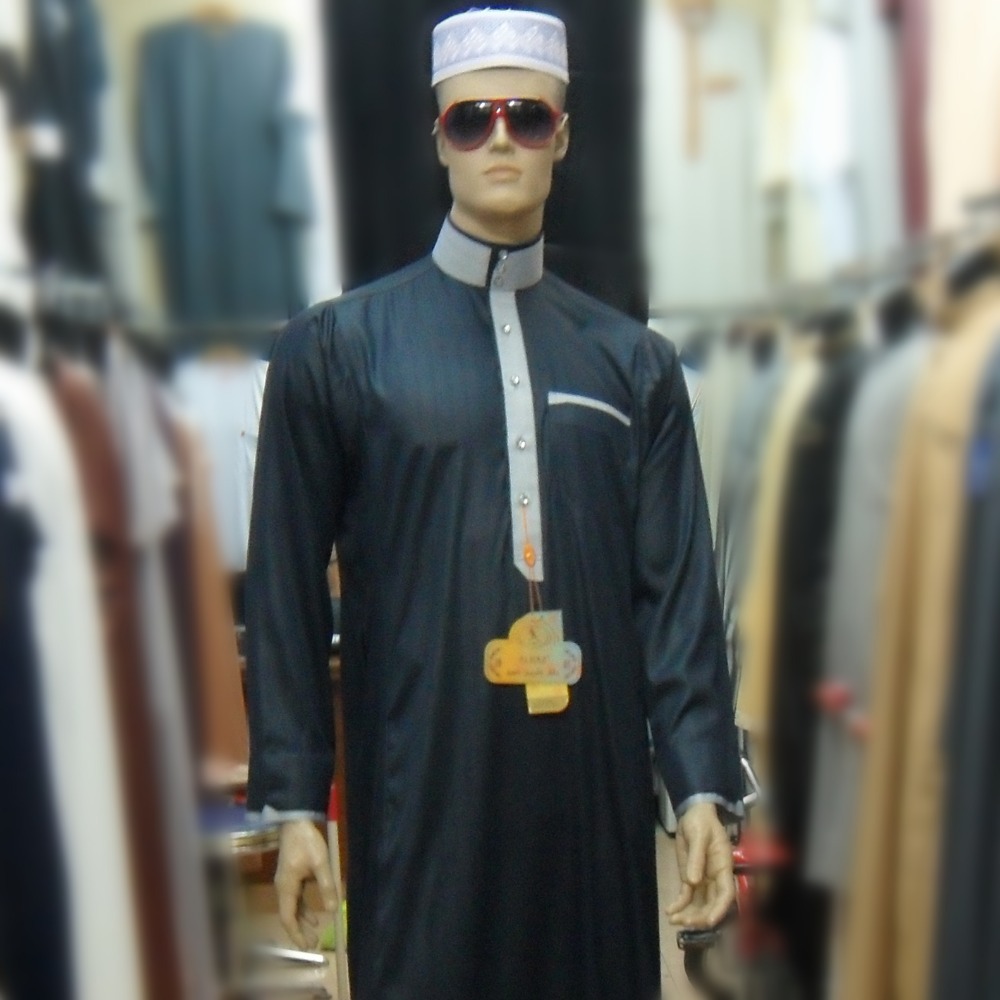
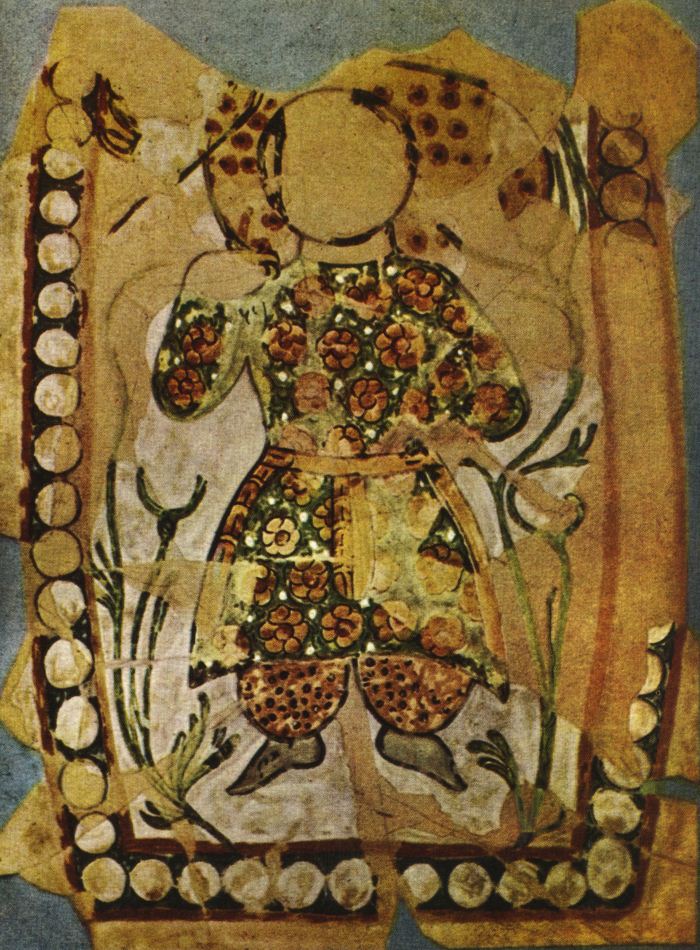
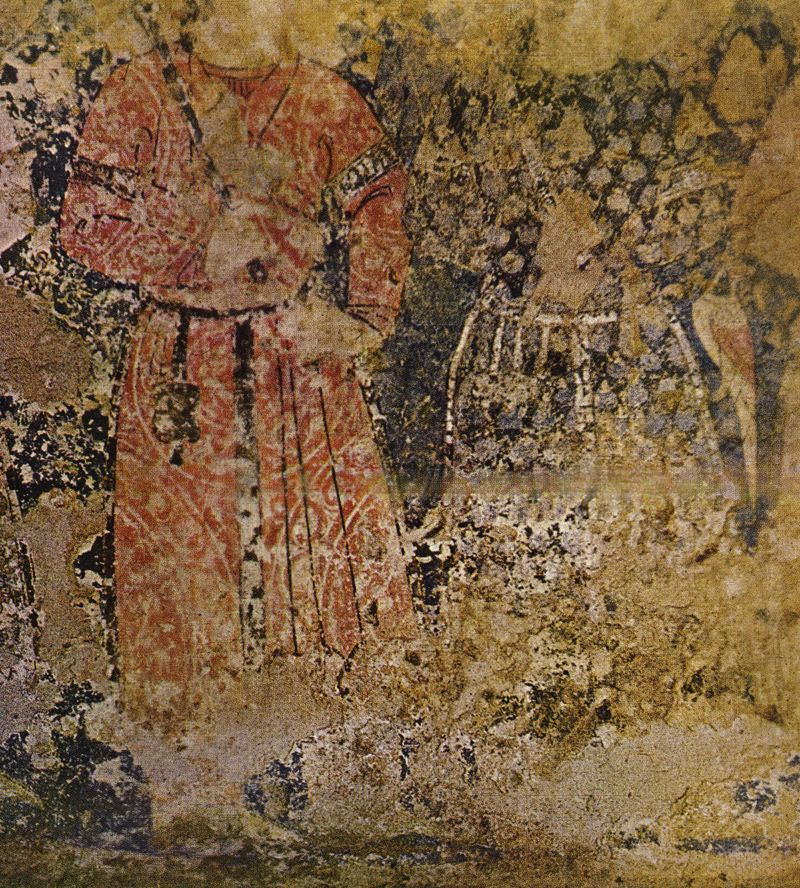
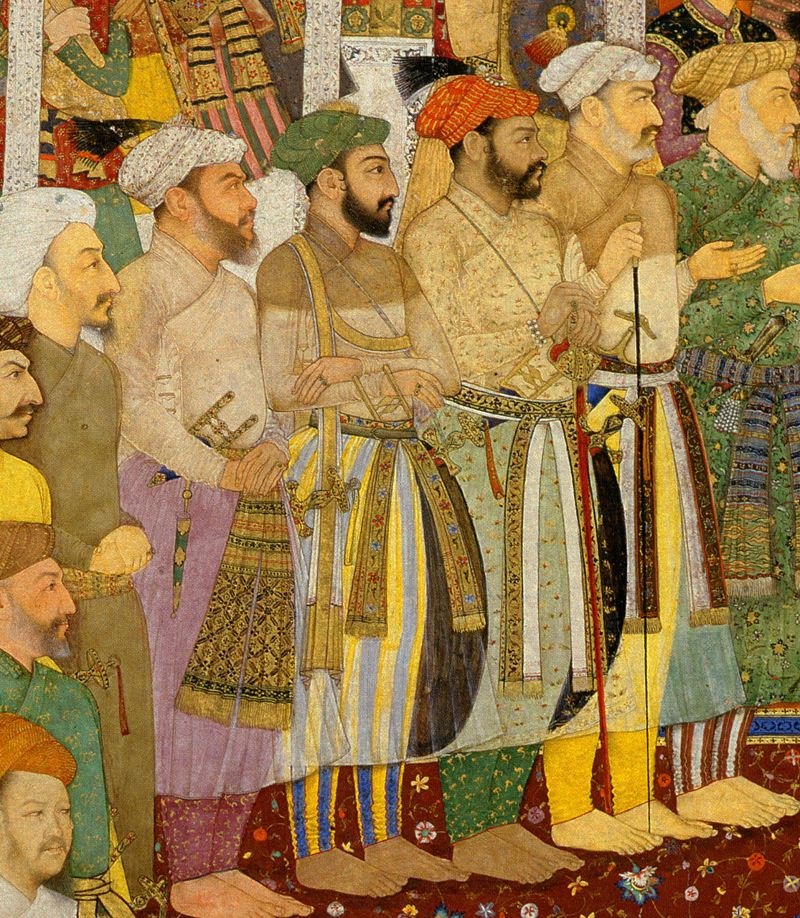
We have many initial images of Muslim men and their dress code. The earliest perhaps are from Samarra, Iraq itself and we find men dressed in exquisite suits, full of naqashi designs. A flowery dandy in all ways. Simlarly in Ghaznavi, in Lashkar Bazaar palace, we find imagery of the Ghaznavids on the walls in same intricately designed dresses, full of beauty and impetus. Look at the images of Mughals in court and you find the full splendour of Muslims in their dressing best. This continues in all times and we find a working dress code as well as a dressing code. We find affinity in often termed as the phrase wearing their SUNDAY BEST. Perhaps for us it was our FRIDAY BEST. Today we find in Arabian societies white dress code literally like coffins but that was never the case in the past.
Samarra Iraq 8th century
In our region too, fashion dandies were always there. Even old men are seen wearing their best and that is flowery in designs too. So remove the image of non aesthetic Muslim society. If we have become one now, it was never always the case. The local population could walk around semi dressed as the Rajahs, who delighted in having their upper portion without clothes and a dhoti thing around them. The Muslims wore full clothes but started using low density thin clothes, with pores in it, for summer wear. Know that? So when you see Muslim youths trying their best in different clothes of different origins, it is nothing new. Muslims were fond of dressing up in dresses of other regions. And if today’s youth, borrow from Western dress, it is all acceptable as part our culture. It is traditions like anything else.
RAZIA SIRAJUDDIN A WOMAN OF MANY DIMENSIONS
LOST IN THE HISTORY OF LAHORE
A FAITHLESS SOCIETY FORGET HEROS AND HEROINES
Abdullah Yusuf Ali
The name Razia Sirajuddin always intrigued me. All people related to my father, made me think of them again and again. Razia Sirajuddin wrote notes and one Introduction to the book CHUGHTAIS PAINTINGS in 1939. Pitras Bokhari had suggested to M.A. Rahman Chughtai her name for this venture, and although Razia Sirajuddin was reluctant to do so, she consented while on a holiday trip to Simla. Today these notes as well as the Introduction keeps her name floating in Art Circles.
Sirajuddin
After the death of M.A. Rahman Chughtai, we visited Professor Sirajuddin, the national genius of English literature. He welcomed us in his house and we talked about everything. He was talking about his son, the world famous violionist, Imdad (I think), as well as other memories. But he did not feel well. We had invited him to speak on the anniversary of the artist. He did have fond memories of the artist and spoke well of him. He was reluctant to speak about Razia, when the second wife was there. My uncle told me that he called the daughter of Professor Sondhi, as Razia too. Perhaps it was in memory of a figure, which achieved a cult status in her own life time.
Inspiration of Razia Sirajuddin
Razia was educated at Sacred Heart School , and later went to Queen Mary College. She also studied at the Royal Academy of Arts in London, under Sir William Rothenstein. She was at Oxford University for a long time. Razia was the favourite choice of M.A. Rahman Chughtai for the post of the Chairman and Head of Department of Fine Arts at University of Punjab in 1940-41. Strangely Razia refused that job.
Razia was a woman of many dimensions. A literary giant, she would give talks on Radio Station Lahore on various subjects. She would partcipate in dramas and literary activity and she would paint. She painted little and one favouite painting was the portrait of Abdullah Yusuf Ali, that she made here. She participated in various exhibition shows.
Her real strength was that she was a legendary figure from some English drama or Greek mythology. She had special way of wearing a saree and she would decorate her entire dress, face and head with fresh flowers. She looked unbelievable when she walked in any room or any function or any meeting. She looked empheral, too good to be true. A fairy descended from a midsummer nights dream in all ways.
Razia Sirajuddin also exhibited here
A Pakistani critic Azra Zaman wrote this about her:
“Razia Sirajuddin crowds her canvas with passion. Her earlier paintings showed some confusion caused by her persistent search for the relevant from out the traditional for compounding with the new. But like oil it did not mix with water and symbols of both techniques could be identified separately despite all her attempts. In her late canvasses, however, she has solved her mental problems and has confidently and successfully ‘opted’ for the present. And her paintings are live, the canvasses appeared seared with heart felt emotions. Possibly she may be described as the Emily Bronte of Pakistan painting.”
M.A. Rahman Chughtai considered only two artists worthy of his attention as a writer. One was Ustad Allah Baksh and the other was Razia Sirajuddin. It is sad that while Ustad Allah Baksh is still on the scene, the society has forgotten one of its greatest heroine and artists, Razia Sirajuddin.
KANGRIS AND EMPEROR AURANGZEB ALAMGEER
A PLAN TO ERADICATE PROSTITUTION FROM OUR REGION
The boldest attempt in history to undo “Arth Shaster” laws
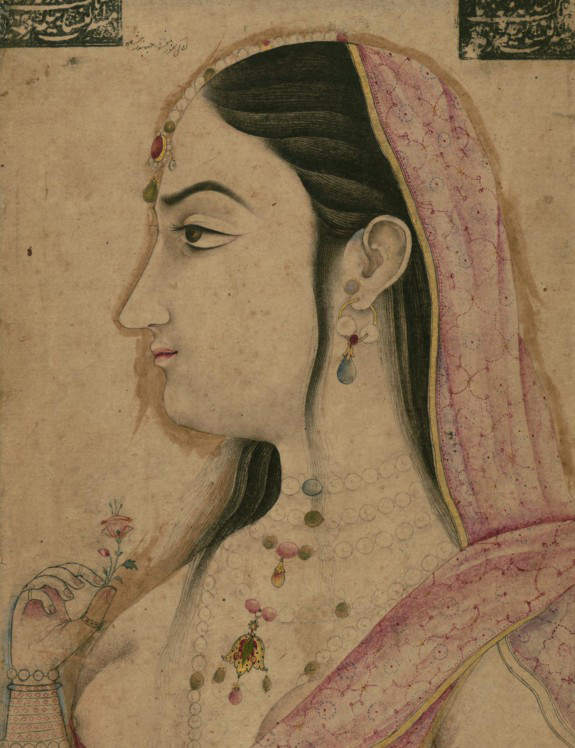
Lal Kunwar Kangri Delhi
There is romantic saying that prostitution is the oldest profession in human history. That is of course not the case. The primitive man was not fond of renting for his things. He knew how to take them or succumb trying, that is why it was an age of the SURVIVAL OF THE FITTEST. Then God in his infinite wisdom taught man things that ancient man never heard off, and that was Compassion for others. Islam stopped exploitation of man by man presumably forever, but human frailty as it is, would rebel again and again. That is what we called endless struggle.
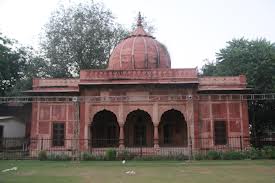
Tomb of Lal Kunwar
There is a manuscript in the Salar Jang Museum about the reign of Muhammed Shah and it lists many things. It also lists the names of the famous prostitutes of Delhi. A remarkable list in itself. The top 18 prostitutes of Muhammed Shah’s time are listed there, with their remarkable attributes. For instance mention is made of Mashooq Abdul Hassan, Nur Bai, Chimmni, Ada Begum, Banay Feal Sawar, Khushali Ram Rajni, Chak Muk Damni, Zeenat, Bhajbi, Gulab, Ramzani, Rahman Bai, Pana Begum, Kamal Bai, Uma Bai, Kunwar, Pana, and Tunoo. The free license of sexual depravity in those times can judged from instance with the presence of SEX TRAINING SCHOOLS of Azam Khan, Mirza Munoo, and Lateef Khan. At these sex universities everything was taught and practicised. Sex taken to new heights of permissiveness. More on that in another blog. Here we talk of the tempo of Aurangzeb Alamgeer to set things right in Indo Pakistani region.
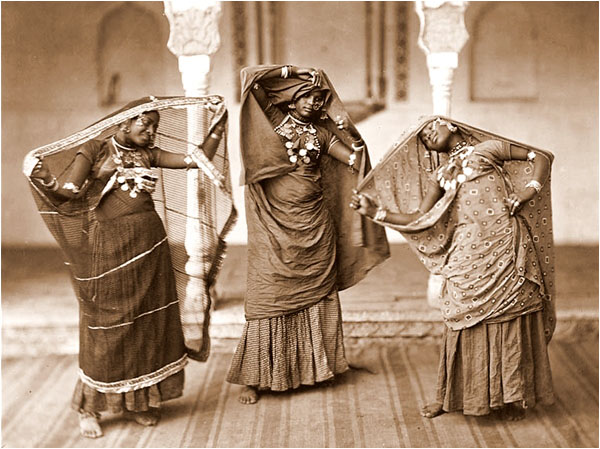
Dancing tunes
In 1688 an farman was issued by Aurangzeb Alamgeer that all prostitutes should renounce their way of depraved life marry someone of their own choice, or permit the State to find husbands for them. Orders were issued to subjects to marry such women and let them lead pious life. This was done for the majority of the Kanjris of Delhi and Lahore.
In Delhi an order was issued that women who would resist marriage to family houses, would be thrown in the river. One such woman who refused to marry called on the shrine of Qaleemullah son of Nurullah Mimar, and asked forgiveness from the saint as it was the last day of her life. Qaleemullah took reverence to the lady and asked her to collect all other such ladies and start reciting verse by HAFIZ SHERAZI loudly in front of the palace, so that the Emperor could hear them. The verse was:
“Dar Koay naik name mara guzar na da anand,
Gar to name pasandi taqheerki kaza rah.”(Persian)
Aurangzeb Alamgeer heard the verse and asked about the group of women who were singing it. He forgave this band of women for there was a lesson in it. This trial by the Emperor to set things right did undo the depravity for some time but after his death, it sprung back in force. Unless the society meets the challenge, Good and Evil will keep on clashing till the day of judgment itself.
If we ever list the basic conspiracies against Pakistan, we will start with:
1. Full attempt not to let Quaid e Azam finish the Constitution that he had started to write. By expediting his death with little or wrong treatment and utter neglect and then stealing the draft constitution which was by his bed side all the time.
2. By deliberate campaign to paint hundred percent Muslim leader as Secular Jinnah to instill wrong message in the youth of the country.
3. To engender language riots, campaign against the solidifying of URDU language and making ENGLISH as the fashionable affluent language of Pakistan.
4. To run asunder all that had the Pakistani Identity or could engender it including Art in Pakistan, with re-writing of syllabi of institutions in Western framework.
5. By terming study of our history and national heroes as retrogressive and not suitable for modern minds.
Enemies surrounded Pakistan
6. By withholding of economic benefits which were Pakistan’s right.
7. By dividing the country’s geography in such a way that various danger zones would be created, including Eastern Bengal, Kashmeer and other areas. By forcibly taking Hyderabad Deccan from accession to Pakistan.
8. By leaving Quaid e Azam position of non alignment by aligning with the Western bandwagon by going into Western treaties which were not suitable for Pakistan.
9. By buying out our elite and all others who thought well of Pakistan and wanted to do good things for it. By asserting patriotism as product of degenerated minds.
10. By even having the Crescent done wrongly on our National Flag so instead of RISING MOON to give the nation a descending MOON; declining Nation from day one. The National Anthem clearly talks of the Moon on the flag as being of HILAL.
A ROYAL MEETING AT GOVERNOR HOUSE LAHORE
VICEROY OF INDIA AND M.A. RAHMAN CHUGHTAI
1934 Khan Bahadur joins royalty festivities
Lord Linlithgow Viceroy of India with Lady Linlithgow
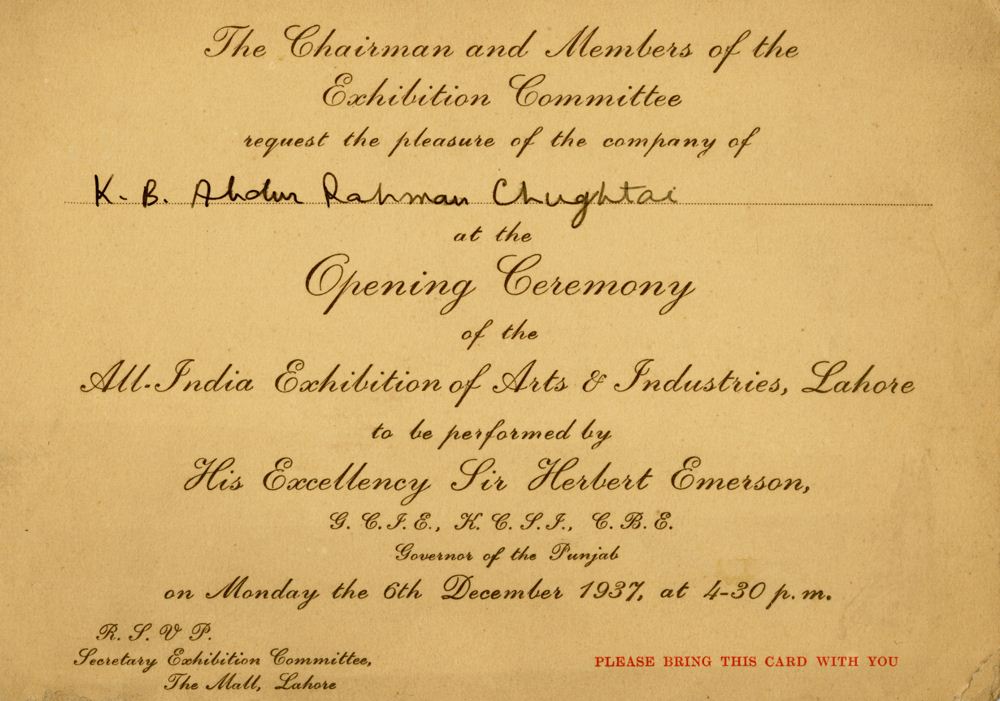
The British honoured M.A. Rahman Chughtai all the time. The display of his works at Wembley London in 1924 brought him much fame, and his two visits to Europe in 1932 and 1937, brought him closer to British Art Circles. With the award of the Khan Bahadur title in 1934, the artist was regularly invited to state functions at the Governor House Lahore. There are cards in our archives to various of these functions, and this continued even after partition. Every Head of State visiting Pakistan was introduced to our National Artist. That was before, instead of leaders, imbeciles became controllers of Pakistan.
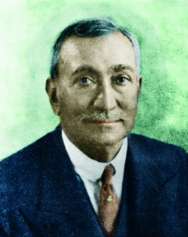
Sir Herbert (William) Emerson by Bassano
One such visit is that of Lord Linlithgow, Viceroy of India to Lahore. Accompanied by his wife, the Governor of Punjab, Sir Herbert William Emerson threw a party at Governor House Lahore (at that time called Government House). M.A. Rahman Chughtai was invited there and introduced to the Viceroy as an established artist of India. Both the Linlithgows were very fond of Art and were happy to meet the artist. It set the tradition for hanging paintings of the artist at Governors House, and with given time there were 13 works of his in that place. Most of them stolen by ruthless Governors or their chief staffs. I think one or two originals only remain in the House today.
M.A. Rahman Chughtai 1937
In any case knowledgeable leaders and politicians honoured their artists, and art and culture. Today there is not even a vague hope of same nor in the coming future.
THE SUICIDE RAJA OF LAHORE
FRUSTRATION MADE JAIPAL TAKE HIS OWN LIFE
The victory of Sultan Mahmud Ghaznavi
Raja Lakhana (udaya) ditya like Raja Jaipal
Lahore is a strange city. To this day its origin cannot be determined on any scientific basis. It is very clear that the present site is the site of MAHMUDABAD, the city founded by Sultan Mahmud Ghaznavi. The Hindu Lahore is undiscovered to this day. Some attributed the ICCHRA area to Hindu Lahore. Others think of it as being near Peshawer. The British divide and rule policy created the samadh of LOH, which strangely turned out to be constructed of British period bricks. Our research established it to be a corner point of the Mazar of Nau-guzza of Lahore (a separate story). Here the narration is different.
It may sound strange to those who do not read the fine line of history, that it was Raja Jaipal,who saw Sultan Sabuktageen as a threat, and decided to march on to Ghazni itself, in the year 986 AD. Yes, Jaipal picked up the fight with Sabuktageen himself, in his arrogance, that he could cut the enemy short. Sultan Sabuktageen met the invading army near Ghazak, which was a place between Ghazni and Lamaghan, and inflicted a severe defeat on the enemy. Raj Jaipal threatened suicide for himself and all his commanding Rajas, so Sabuktageen agreed on financial terms for treaty. Jaipal renegaded on the treaty as soon as he was out of sight of the danger. Jaipal marched on to Sabuktgeen and was defeated again. Two defeats scarred him forever.
Rajas pedigree
After the death of Sultan Sabuktageen, Sultan Mahmud, hardly a teenager, ascended the throne and marched to battle Raja Jaipal. Jaipal was defeated again by the son of his adversary. Again a treaty was signed for a third time and Jaipal renegaded on the same. But this time, something different happened. He came back, lit a pile of fire, threw oil on himself and jumped in the fire. His suicide was that he had been shamed by his adversary again and again.
Raja Jaipal was suicidal but he was not alone. His whole tribe had the suicidal urge in them. He proudly claimed that suicide was their forte. After fear of defeat, they would kill their own wives and children, pull out their own hair, and then indulge in ritual suicide. Suicide was like a ritual for them, and it seems that the Raja Jaipal was the epitome of the SUICIDE BOMBERS of those days. Today stupid local fanatics terming themselves as ardent Punjabis, recall Raja Jaipal with pride. A warrior who renegaded on treaties and was defeated again and again by his adversaries, need no commendation but shame, which according to Hindu beliefs would lower them with each regeneration of life in lower forms of existence. There is no grace in a ruler who breaks treaty, and no grace in a warrior who takes his own life. Raja Jaipal left a legacy, which in a few generations, was wiped from the face of Punjab.
THE AESTHETIC IMPULSE
THE CHILD M.A. RAHMAN CHUGHTAI
Things hardly known by anyone
School Days at Wazeer Khan Mosque
The first marriage of Mian Kareem Baksh Mimar was within the family. The wife begot him a son, and he named him Muhammed Hussain. The father even with his meager circumstances gave the best education possible to his son, who was a graduate of those times. Then his wife died, and father and son were left alone. Mian Kareem Baksh married for the second time, Chiragh Bibi, and Chiragh Bibi gave him three sons, Abdur Rahman, Abdullah and Abdur Raheem.
19th Jan 1903 MARC
The Quranist view of life was there in Chinay Wali Masjid, near Mohalla Chabuk Sawaran and there Abdur Rahman received his Quranic education.This was before the mosque was captured by the Al Hadees group in Lahore. There Abdur Rahman started the lessons to HIFAZ the Quran that his internal desire to become Hafiz ul Quran, just like his elder half-brother Muhamed Hussain. Soon after Baba Miran Baksh volunteered to Mian Kareem Baksh to start teaching naqashi to the three boys and all three enrolled in the Masjid Wazeer Khan hujra class of the Baba. Baba Miran Baksh was married to the sister of Kareem Baksh, that is Karam Nisa and they lived in Kocha Buzurg Shah. For few years these lessons were the first lessons that Abdur Rahman Chughtai learnt in the traditon of aesthetics. Later the brother of Chiragh Bibi, the Mama (uncle) Elahi Baksh enrolled him in the Railway Technical School, near Railway Station, which was in fact the site of the mosque of Qudsia Begum, wife of Prince Dara Shikoh. Creative impulse would not go away.
MARC about 15 years
One day Abdur Rahman was working on his home work for school, that a Crow came and sat on the minaret of the Mullah Ghaus mosque opposite their home. The crow intrigued Abdur Rahman as a subject and on a paper he drew a crow on the minaret of a mosque, and later had the courage to show his drawing to his father. Mian Kareem Baksh was a busy worker, and was absent from the house from Morning till late night. The boys used to play but as soon as the wooden kaaparas (shoes) of the father would sound in the galli, all three would jump n the bed. Mian Kareem Baksh had brought a Muhajir couple from Kashmeer, Ama Tabbi and her husband to the house to give them shelter. It was Ama Tabbi who was more of a mother and father to the kids. One day Abdur Rahman had caught a baitara (bird) on the roof and put it in the kameez of his father. When the father came home to put it on, he was shocked to see the Kameez jumping up and down. Abdur Rahman was obviously caught and reprimanded but things were smooth. In one incident a hundred rupee note got misplaced and the boys were blamed for putting it somewhere. It was later found by chance that a mouse had taken the note to his hole in the wall and it was discovered there, much to the relief of all, for 100 Rs at that time was in all terms a great sum for the family.The past times were enormous, as when there was nothing to do,the brothers with horde of girls and boy cousins, would go over on the roof in the Havelli of their Mama Elahi Baksh and used to bath in the rain and frolic with each other. There was no gender consciousness and at that time, the girl cousins used to jump in the rain, after removing their shirts. A proper romp, naughty but never amorous.
First published work 1917
A physically active child, Abdur Rahman Chughtai was fond of swimming in the river Ravi, in the canal Degh, visiting Mughal monuments, hunting, fishing, flying kites on his roof top, and even just playing cricket, outside the mosque of Maryiam Zamani, wife of Emperor Jahangeer. Picnics were often held at Jahangeer’s mausoleum. But these physical activities, never impaired his aesthetic impulse.
Abdur Rahman himself recalls that on his way back from School, he used to see a painter paint in the Gumti Bazaar and used to stop and watch the man paint at his shop. The Gumti Bazaar painters were a famous painting family which had migrated from Kabul a long time back and were called Moortian walay. A section was called Bindari-ghar, and the artist’s first wife was from that section of the family.
Second published work Feb 1917
The first aesthetic impulse for the child was that when the mother made him wear a RED JORA to attend a marriage and MARC refused to go out in that jora. He rejected its bold colour, as well as style. He thought it unsuitable for wearing. He was scolded, reprimanded but went on crying and would not budge an inch. So they left him on the stairs crying. When the parents came back from marriage, he was still on the steps, where he had cried for hours, just at the thought of an inappropriate dress for him. His aesthetics were showing their colour.
The death of his father in 1913 made the brothers do many things. One was the opening of a FIREWOOD SHOP in their owned shop inside Yakki Gate Lahore. The two brothers used to sell firewood while Abdur Rahman seated on a charpai at the back of shop used to write dramas, imaging himself to be a great playwright for dramas one of these days. Photography and photo-litho work became his obsession. And he used to paint them with his AEROGRAPH pen giving a coloured work to his clients for his bread earning.
Abdur Rahman, Abdullah and Gupta
At the Mayo School of Arts, he saw a show of National Paintings at Lahore Museum and felt the inadequacy of the works. He thought he could make better works than that. That led to a spurt of making paintings. The first work was NUR JAHAN MOURNING AT JAHANGEERS TOMB, which he tore after exhibiting in his Mohalla home to friends. Later on some paintings were made while he was in Gujranwalla and sent for publication in Modern Review Calcutta, courtesy of Chatterjee Sahib, the Principal of the Govt Mission School Gujranwalla. And orginally he found fame at the first show of his at Lahore Museum in 1920.
The question always remain. What made him stand outside the common environment? Was it genetic? Was it environmental? Was it a combination of both. Here in Lahore, it is simply said that it was a GIFT OF ALLAH.
WEST PAKISTAN WAS PERFECT AS ONE UNIT
NO NEED TO DEFANG THE SPIRIT OF PROVINCES
Smaller units a ruse to undo Pakistan
Towards Pakistan
I grew up in a United Pakistan. I know the wonders of Unity for our Quaid e Azam taught us Unity, Faith and Discipline. By deliberate contriving of outside powers, these three cardinal principles were alienated from us. A design to undo Pakistan. Now the favourite rap is to create administrative units in the country. A farce by any standards. Enough of divisions, it is time for consolidation.
Of course devolution is good for delivery of services to the masses (local bodies can do that job easily) but not for unity of the country. Five administrative units are playing havoc with people, then we will see a worst tyranny arise and 22 administrative units will play havoc with us and not a single unit would have the gall to challenge any power of any kind. All these self styled reformists will shed their snake skins and depart for outside world, while Pakistan will bleed till death.
The Leadership
In fact the constitutional amendments made by vested interests should be undone, once for all. The Centre should be consolidated again. Traitors brought to book once for all. Corrupt caught and punished in a fierce way. Who will bell the cat? India will, with the help of their new PM. The minute they attack Pakistan, rules of game will change. Traitors will be stark naked. Pakistan will rise as ONE NATION. Agents of foreign countries will flee for their homes broad.
Never, never under estimate the Spirit of Pakistan. Allah governs us! We love the Prophet (PBUH) with our hearts and souls, and fear of death will not undermine our struggle to bring back the Pakistan, that was the first step towards World Peace.
WAZEER UN NISA BEGUM (AMA DODEE),
THE FIRST WIFE OF M.A. RAHMAN CHUGHTAI
A Saint of a person under any terms
Newly wed bride photolitho by MARC
By tradition mothers insisted on getting their sons married at an early age. Those were those times an their lesson was that timely marriages prevented social wrongs of any kind. Young children would not at that time even know any aspect of marriage. It was really like a GUDDI GUDDA affair. Chiragh Bibi, mother of Abdur Rahman Chughtai, sought the hand of Wazeer un nisa, a relative from the Chughtai clan itself. Mian Kareem Baksh had a talk with Mian Ji, father of Wazeer un nisa. Chiragh Bibi went and met Babey Ji, mother of Wazeer un nisa. The whole function was arranged, but with a condition. All three sisters, Fazal un nisa, Wazeer un nisa, as well as Aziz un nisa would be married at an interval one week each. Three marriages took place and in 1911, the three Dullas arranged for a group photograph. The record is in front of us.
Three Dullas Three Sisters 1911
Months passed and miracles were expected, but the cousin of the artist found out, that both man and wife, had no concept of marriage at all. The couple hardly even talked to each other. Today’s common knowledge was scarce at that time. In any case development took place and years later, there was a pregnancy. A son was born to Abdur Rahman Chughtai, but some things had gone wrong. Cousins marriages led to genetic defects and the son carried some issues, unknown to us, and died some time later. A painting of M.A. Rahman Chughtai of that period depicts a strange topic that is entitled as HER BLIND SON. Speculation can be that son was blind too, but that is unknown. With the death, came another issue. Wazeer un nisa had developed womb cancer, and could never have a child again. A broken family was the result of this, but both man and wife held onto each other all their lives.
Mian Muhammed Chughtai father in law
Wazeer un nisa could do all things possible. Taking care of an entire family (three brothers family), cooking, washing, teaching, what not? The lady was famous for teaching the QURAN to all those who came to her, which include Mohalla girls as well as girls from far away. She performed Haj twice, and before her death, had gifted away all her belongings, and had even a coffin ready for her own death. She even had allocated money for the Quran to be read every thursday after her death, and money for the Chelum too. She was really thorough in her planning.
Her blind child around 1918
The Saintly person was the Judge of the family, far and wide. She would settle all disputes, arrange marriages, parties, what not? She remembered birthdays, wedding days, with appropriate gifts for everyone. And when nothing else was there, she flew kites with her husband and children (she was like a mother to many). She as a born story-teller and her favourite stories were from the Quran. I would sit in her lap and she would tell me one story after another. She gave me all the love in the world, but most important SHE GAVE ME IDEOLOGY. But that is another blog.