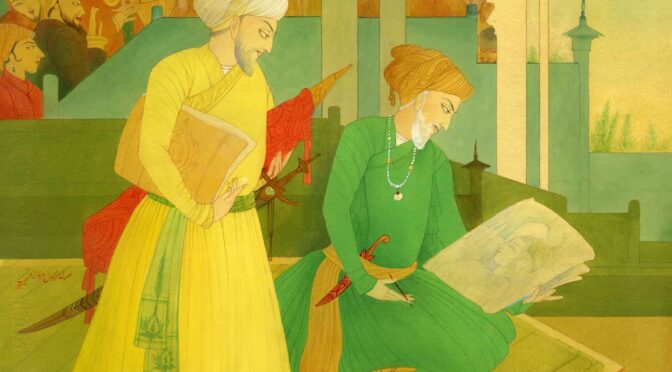
LIVING LEGEND OF USTAD AHMAD MIMAR LAHORI, THE CHIEF ARCHITECT OF EMPEROR SHAH JAHAN, OUR ROLE IN REVELATION; A PRIDE OF OUR FAMILY.

LIVING LEGEND OF USTAD AHMAD MIMAR LAHORI,
THE CHIEF ARCHITECT OF EMPEROR SHAH JAHAN,
OUR ROLE IN REVELATION; A PRIDE OF OUR FAMILY.

There was an old lady in our  Chughtai family. She lived to an age of. 120 years. She had seen the Sikh period too. She used to speak of some Lutufullah in our family. Not much else she knew but she was certain a number of very famous Mughal monuments were due to our family. And Lutufullah was part of same. Her son Kareem Baksh Mimar was qualified under British certified engineering department in 1853. Architecture was in our blood, as generations of architects came into our family. Eleven generations brought more architects than any other profession. But all related to creativity and aesthetics.

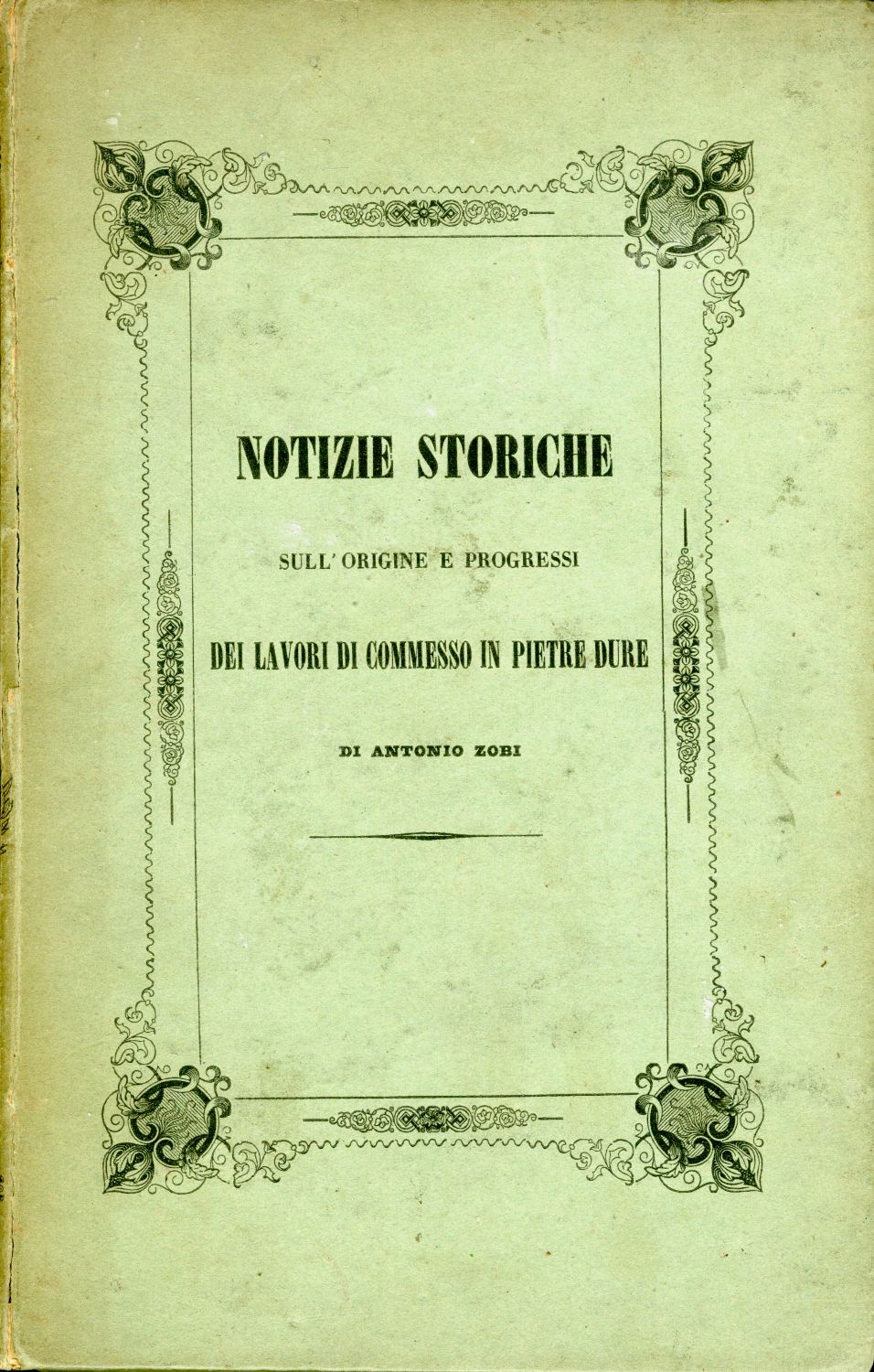
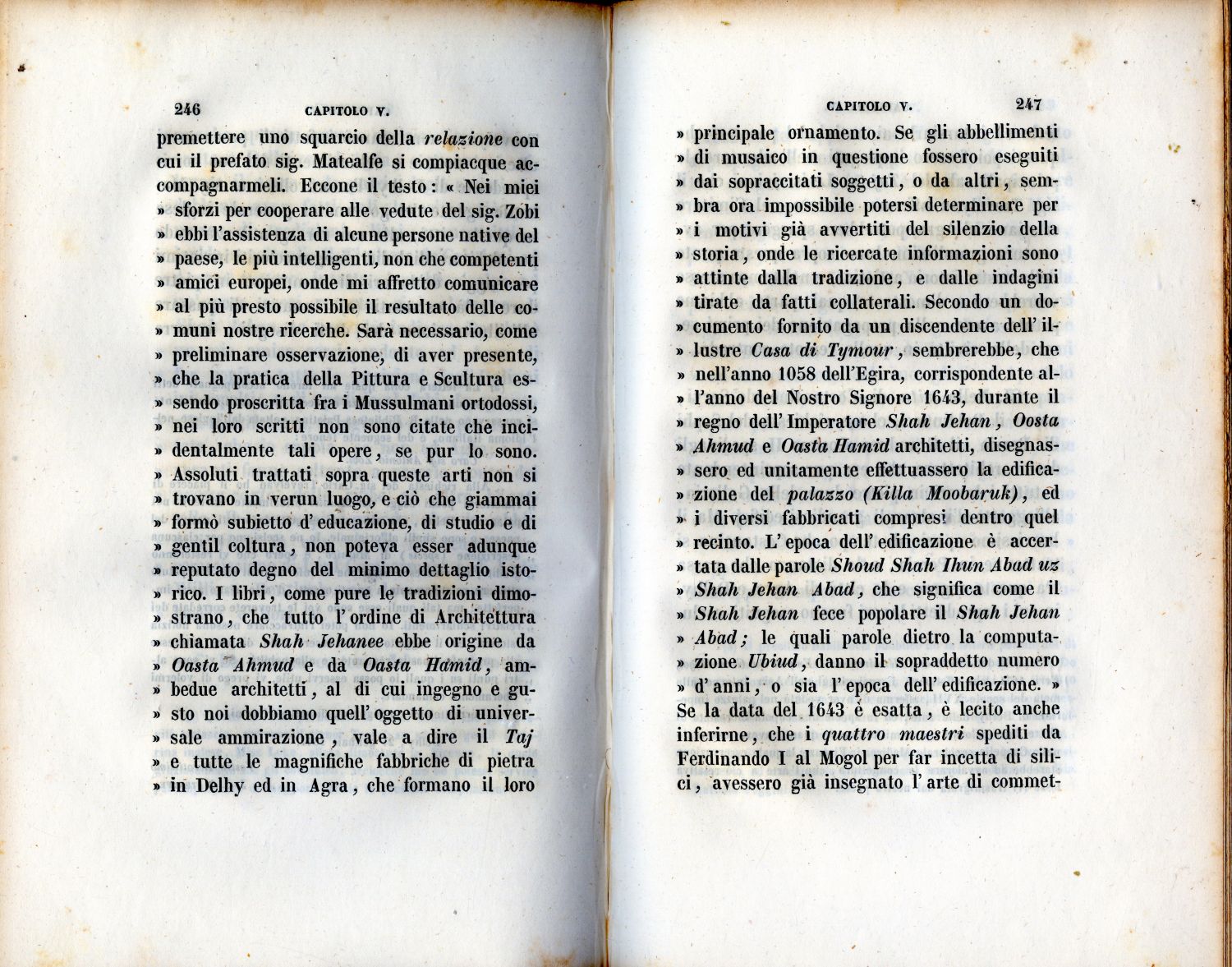
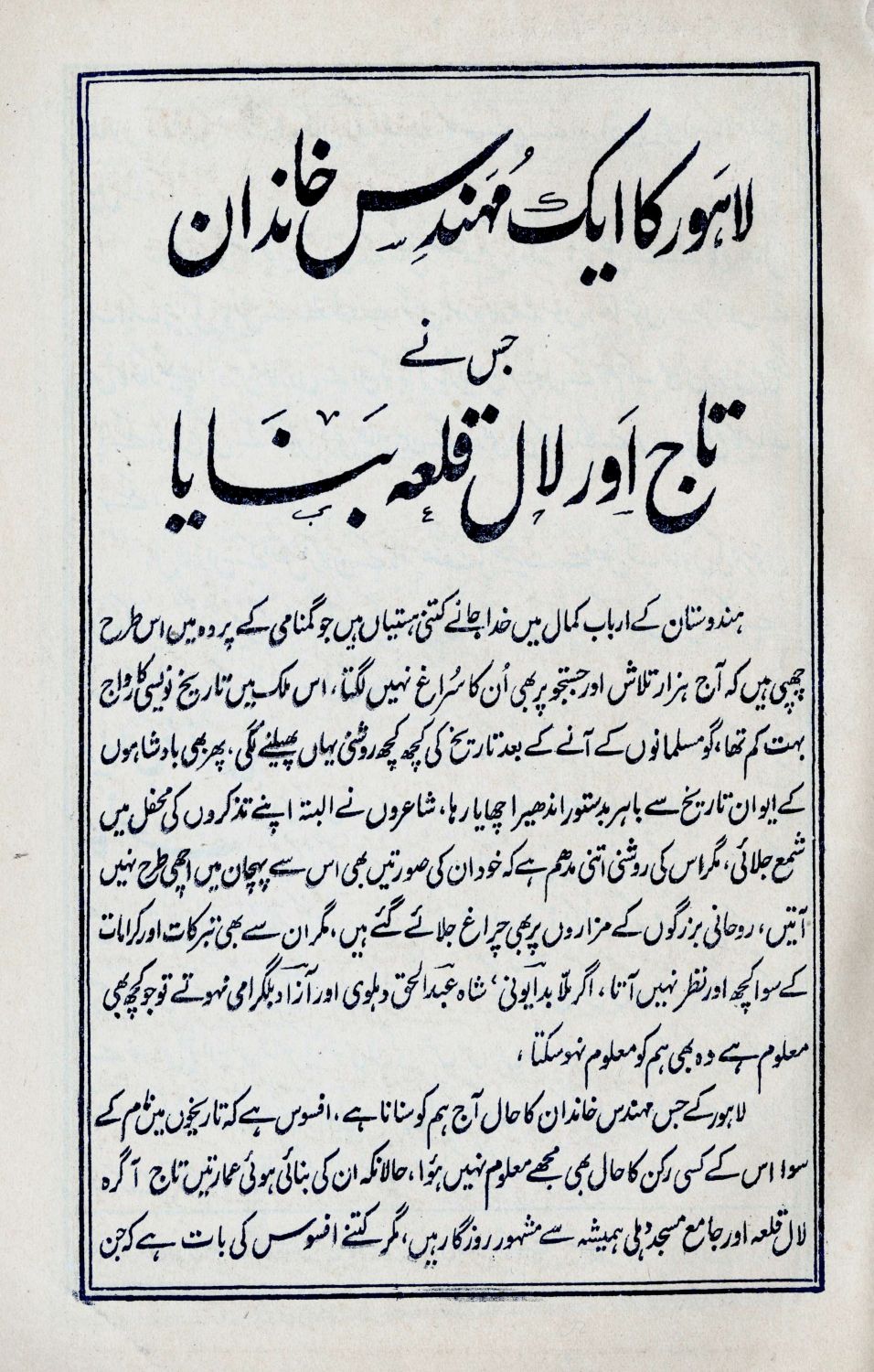
Obviously historians of Shah Jahan have mentioned Ustad Ahmad Mimar Lahori related to construction of the Red Fort Delhi as well as the city of Shahjahanabad. Another historian Shafqiue Nagoni has mentioned him in context of the Sheesh mahal haveli of Nawab Asif Khan in Lahore (demolished by British authorities to build the first European Cemetery in Lahore). But no reference was found of his relation to the architecture of Taj Mahal of Agra. Actually the reference was there but it was not known by most. The first clear cut reference was a response to the enquiry of Italian Petra Dura artist Antonio Zobi in 1844 to the Resident of Delhi C. Metcalfe. The book was in Italian and generally not available. Recent history reprints were made. The original nowhere. An Italian bibliophile died in Italy and his library was auctioned. I got my hands on it. It was a very expensive book, but I was dedicated. The photocopies from Victoria and Albert Museum London would not do. The original had to be in our library, and it is there now. I had it translated in a very difficult manner, today it is an easy thing to do. More about it later. Suffice to say that the Resident of Delhi researched and confirmed to Antonio Zobi that most Mughal monuments, in Delhi and Agra, and including the Taj Mahal were made by Ustad Ahmad and Ustad Hamid. Confirmation by the Delhi Resident Metcalfe after perusing documents, manuscripts and dialogue with people.

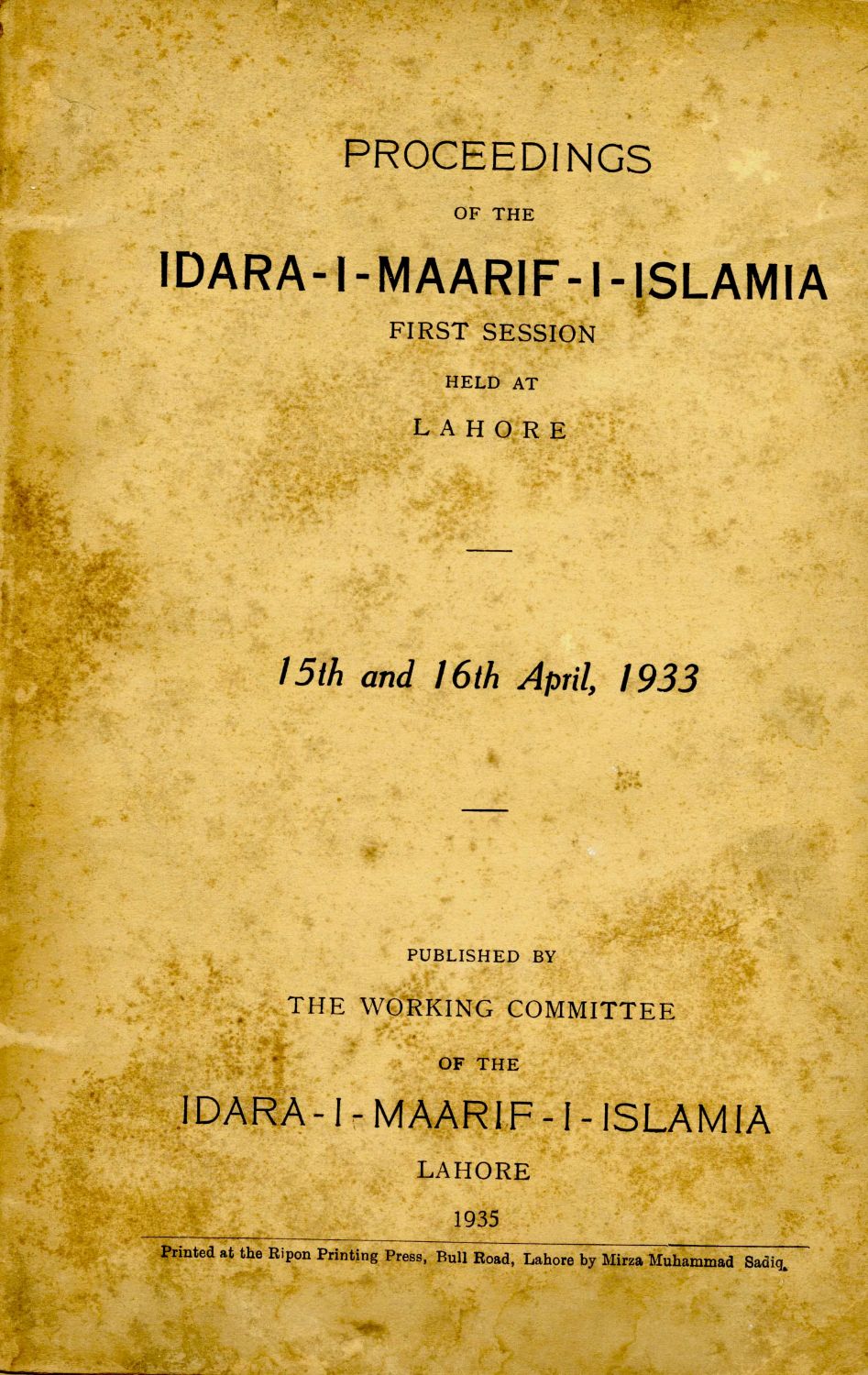
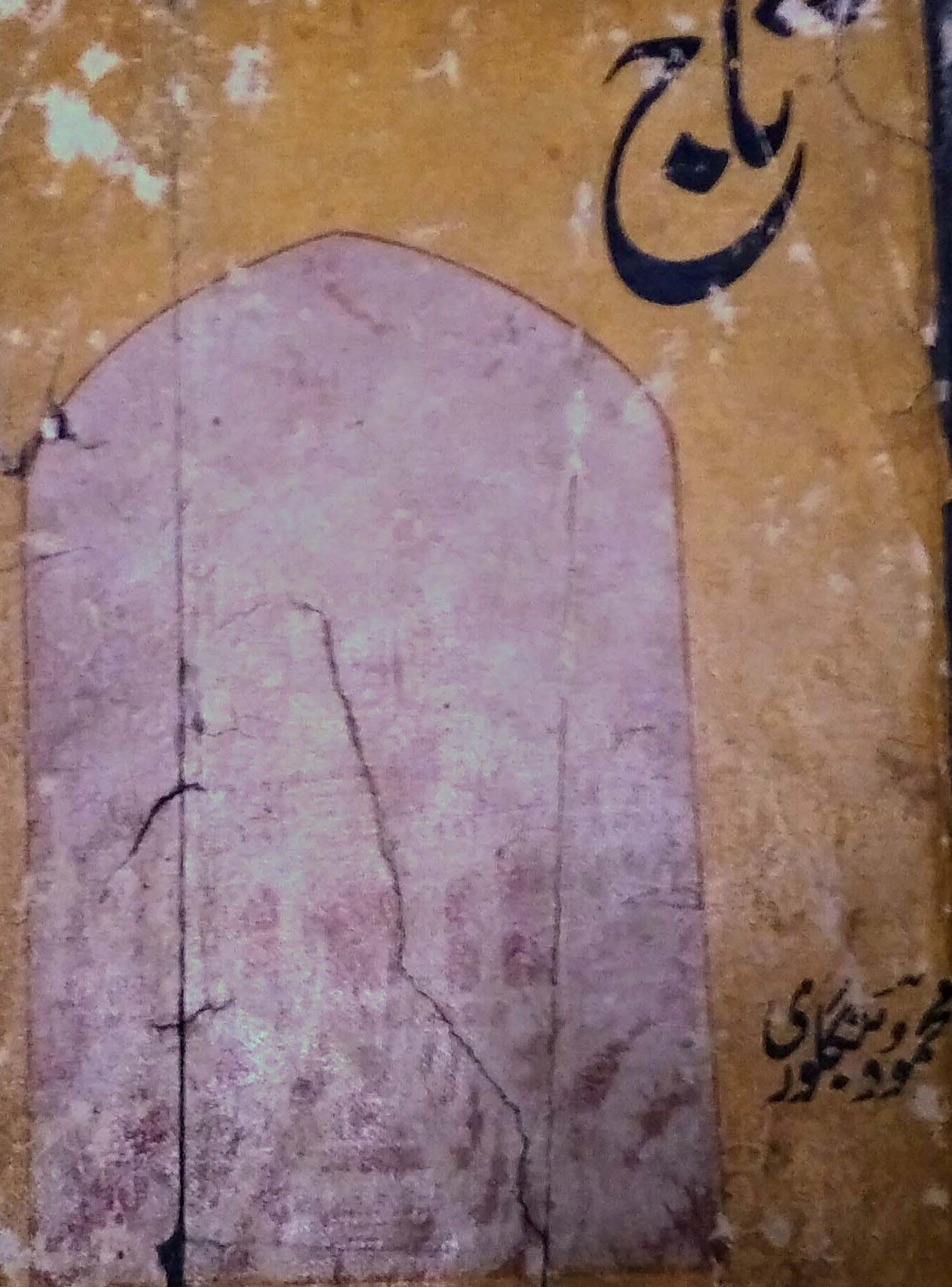
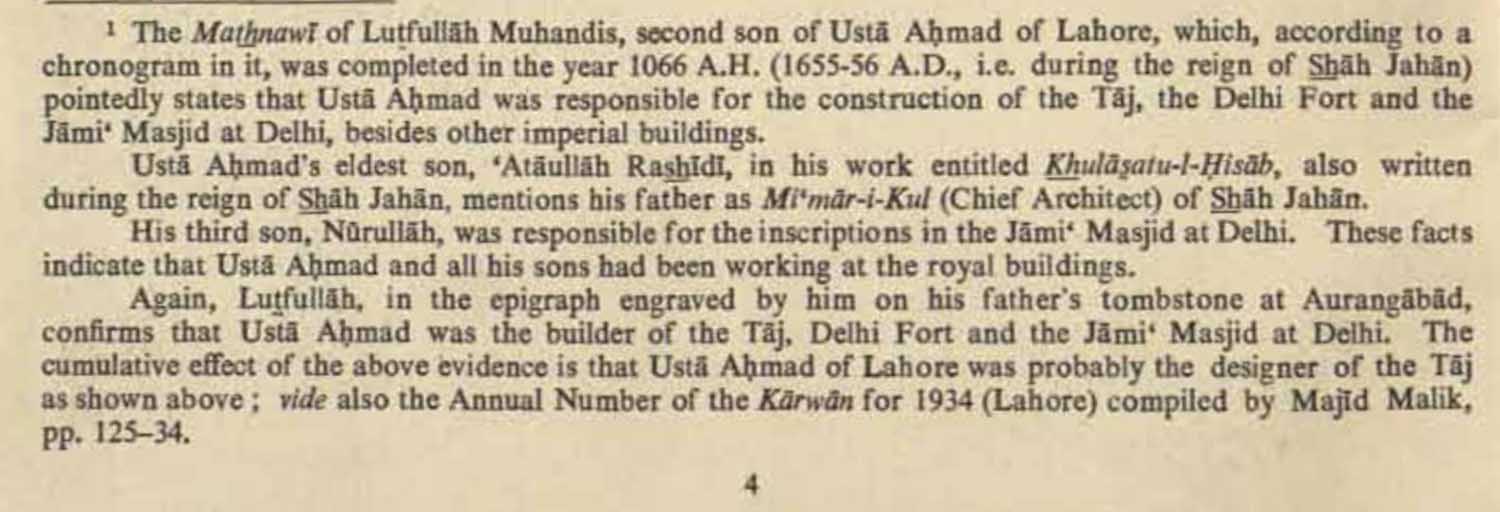
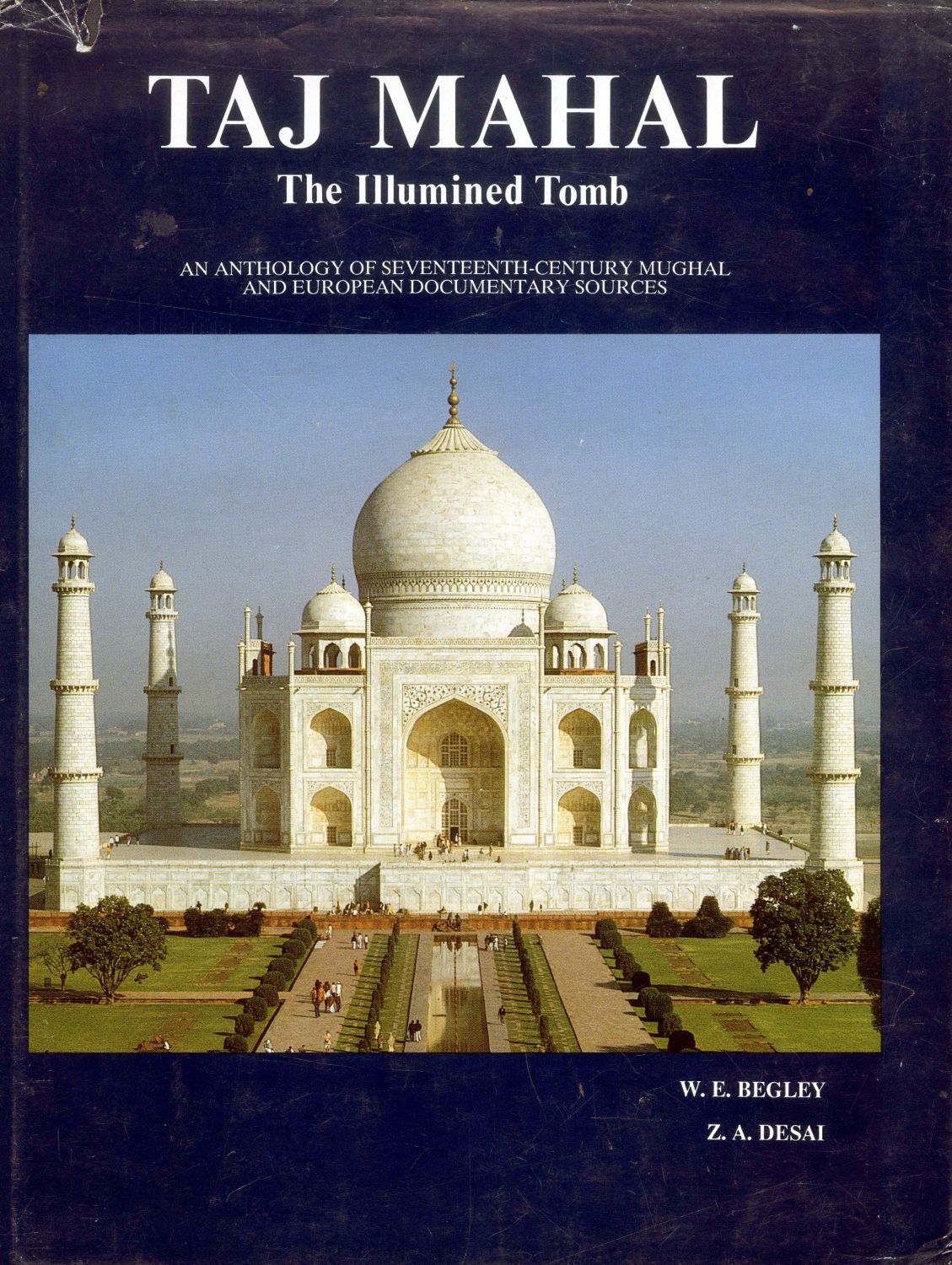
Miracles can happen. An author Mahmood Bangaloree was habitually ,looking for important books on the second hand book market on pavements on Sundays, and he came across a Persian Diwan, and its importance he recognized immediately. It was Diwan of Muhandis, or more particularly Lutufullah Ahmad Muhandis and the voice of a son spoke for a dead father. In clear terms Lutufullah Ahmad ascribed many Mughal monuments to his father, including the immortal Taj Mahal, or in particular Rauza Mumtaz Mahal, shortened by Britishers as Taj Mahal. The research die was caste, and he sent it to Maulana Sulaiman Nadwai, who after studying it, read it in Lahore, under the President ship of Dr Allama Iqbal, at Idara Maarif Islamia proceedings. The research burst out in the world, to disappointment of all those foreigners who made grand false stories of French and Italian architectural connection of Taj Mahal. Truth was like an explosion to many.

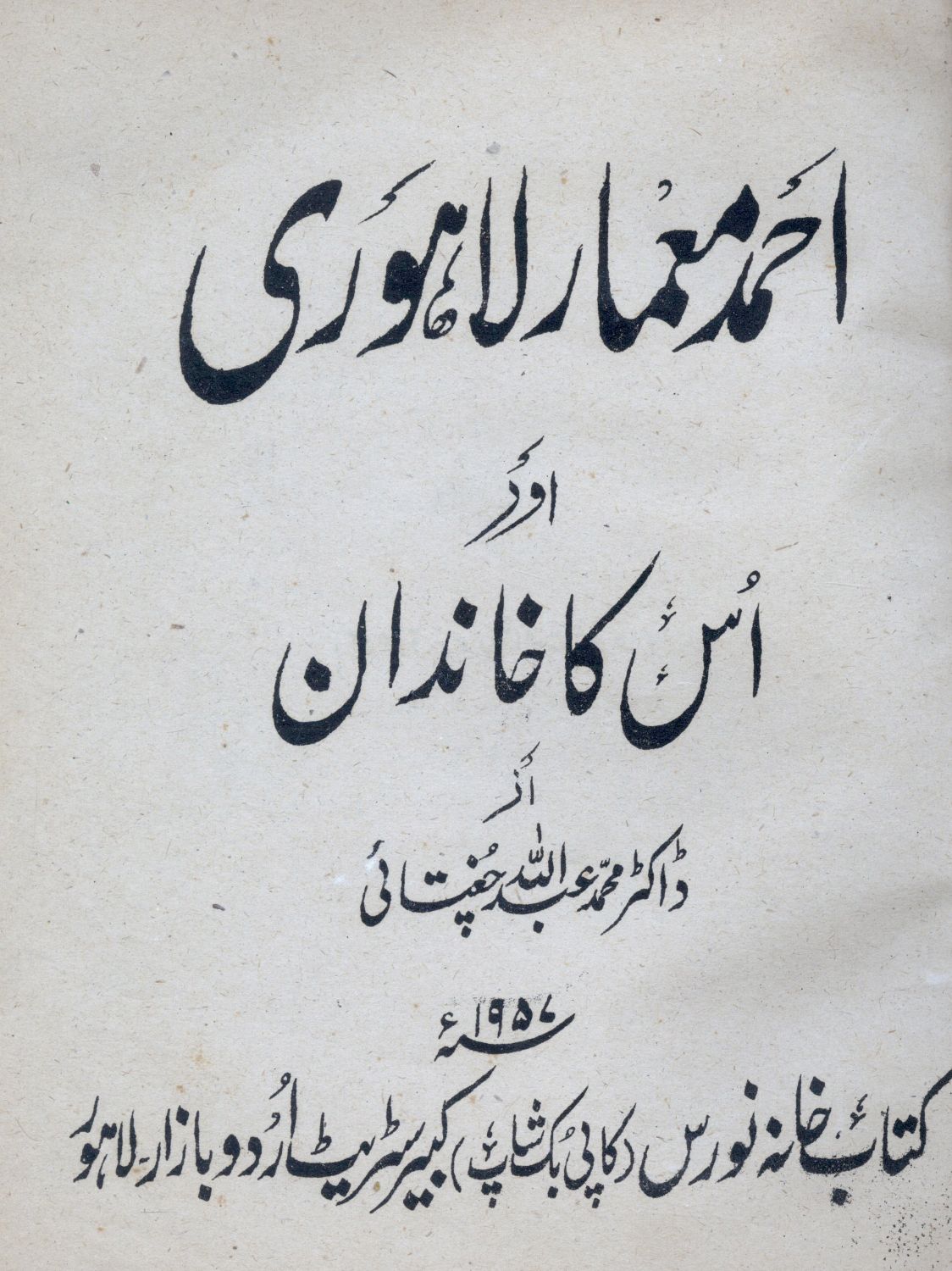
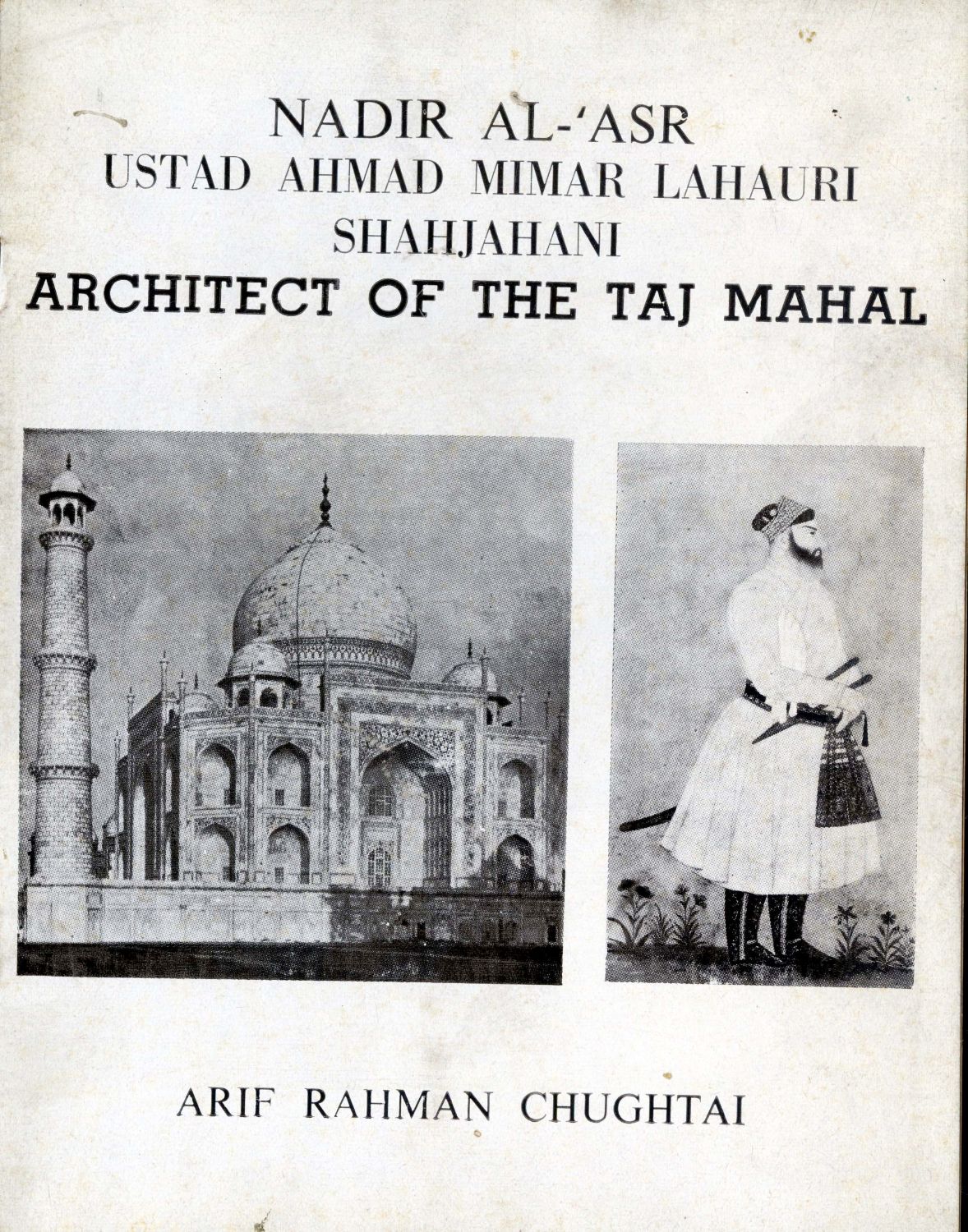
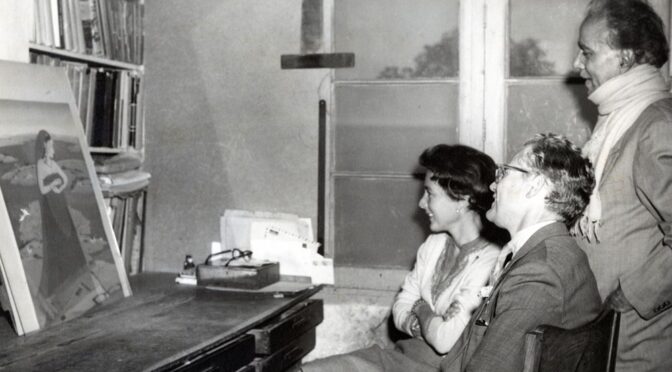
Dr Abdullah Chaghatai was there too, and read his own contributions to the subject (can be seen in the photograph). But Mahmood Bangaloree went one step forward, he printed an entire book on the subject. Diwan Muhandis came in printed form for all to read entitled TAJ. The story of Imam Bibi, our relative ancestor was coming all so true. It led to a small booklet on Ustad Ahmad Mimar by Dr Abdullah Chaghatai, which is now rare too.

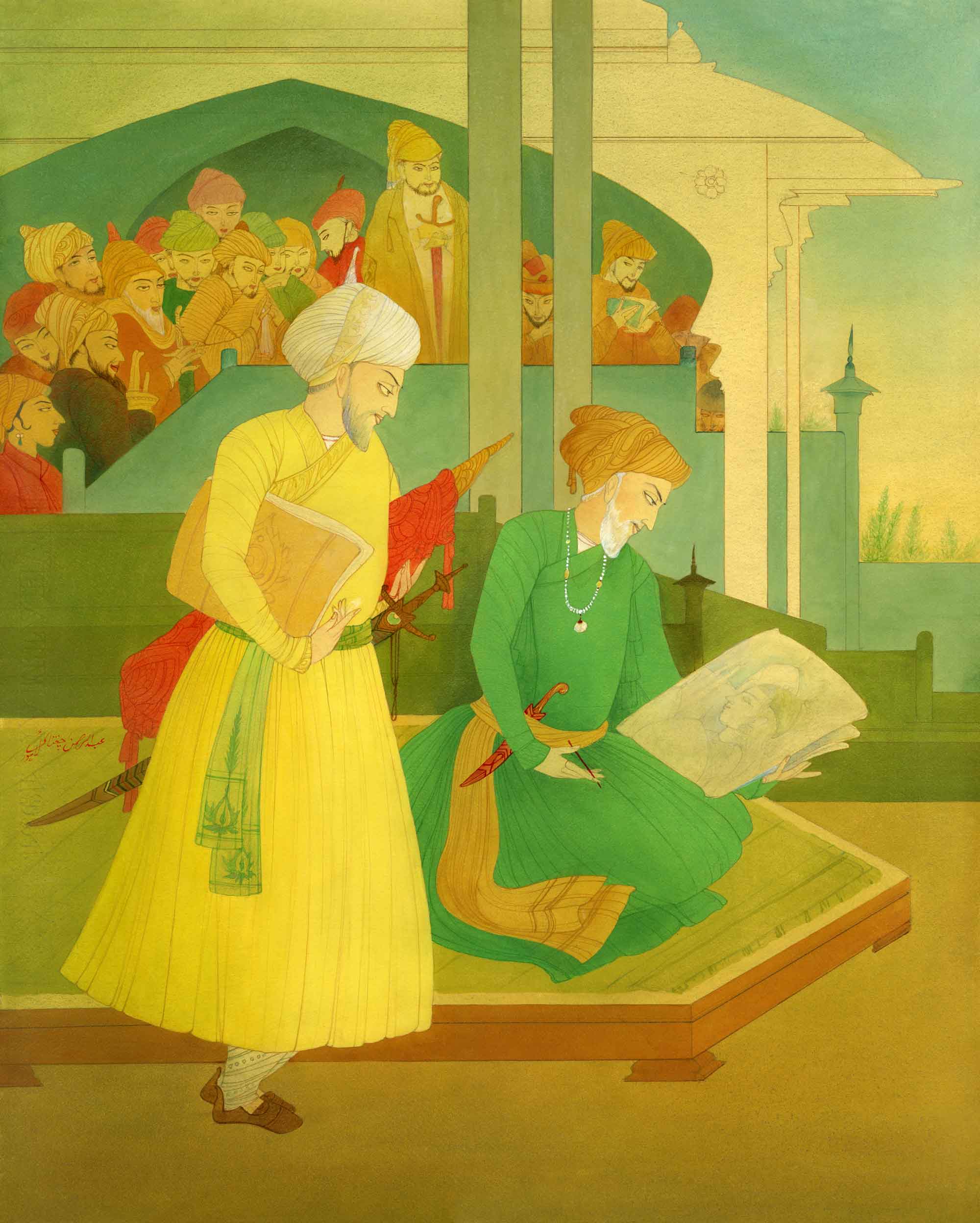
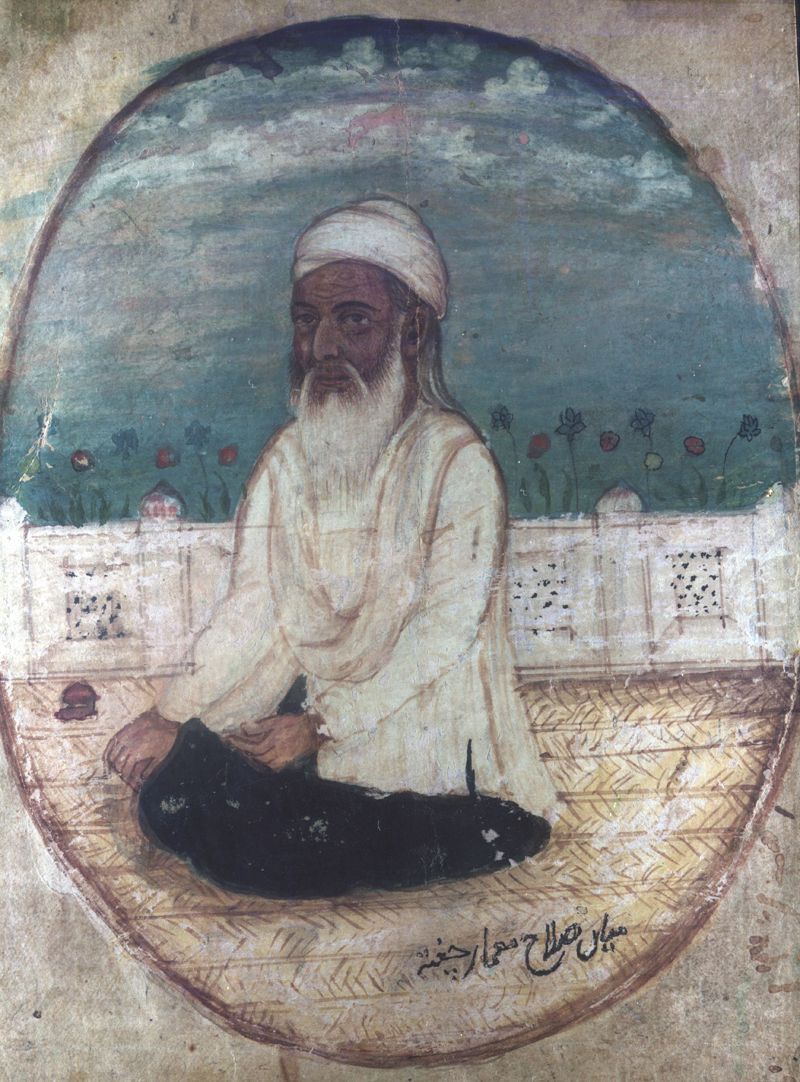
Abdur Rahman Chughtai did not leave the subject unchecked. He wrote a three part chain of articles on Ustad Ahmad Mimar and it was published in the governmental magazine of Art and Culture, the MAH-NAU in Lahore. The artist Chughtai Sahib contributed one more thing. He obtained a miniature of Ustad Ahmad Mimar and there is a history of its acquisition, which we will take up in some other blog. Suffice that few copies of the miniature exist, one of them was in Hyderabad Deccan, with a famous collector of art there. But not all are inscribed as such. The artist went further and made a number of paintings on the same subject. 

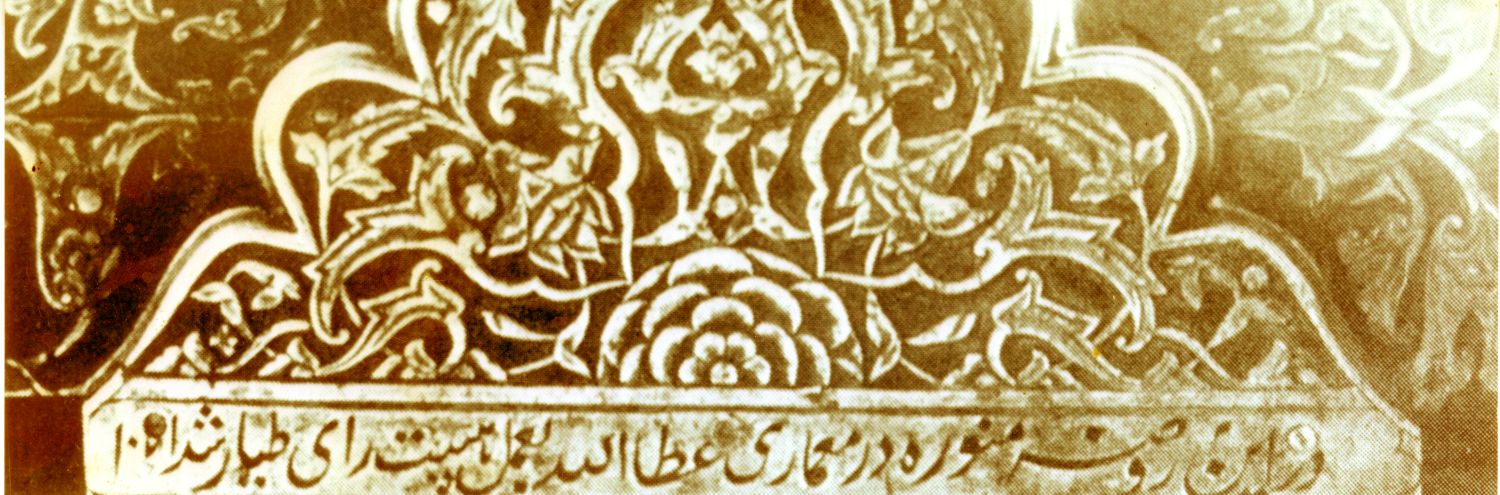
There is a Taj Mahal inspired Rauza Rabia Durrani in Aurangabad, who was the wife of Emperor Aurangzeb. On the gate of the mausoleum, on the door sill is engraved the complete details of construction of the Rauza, by Emperor Aurangzeb himself. It specified amongst others that the architect was Attaullah Rushdi, son of Ustad Ahmad Mimar. Can we suppose that in such a way it was also somewhere on the Taj Mahal itself, perhaps on the wooden sill of the gate. We know that Taj Mahal was about to be plundered by the British, and had planned to sell the marbles in Italy. But the remnants of the destroyed monuments in Agra and Delhi did not fetch the desired price, so the project was abandoned. Things were plundered by British soldiers and it was used as a honeymoon hotel. Perhaps in that process important inscriptions were removed from the mausoleum. We do know that the gold railings were stolen by the Mahrattas, but the Pinnacle of the Taj Mahal in gold was stolen by the British and replaced with a false one, and there is an inscription on the pinnacle placed, namely Joseph Taylor around 1810,there to ascertain its removal by the greedy British. Photographs have appeared on the internet of same.

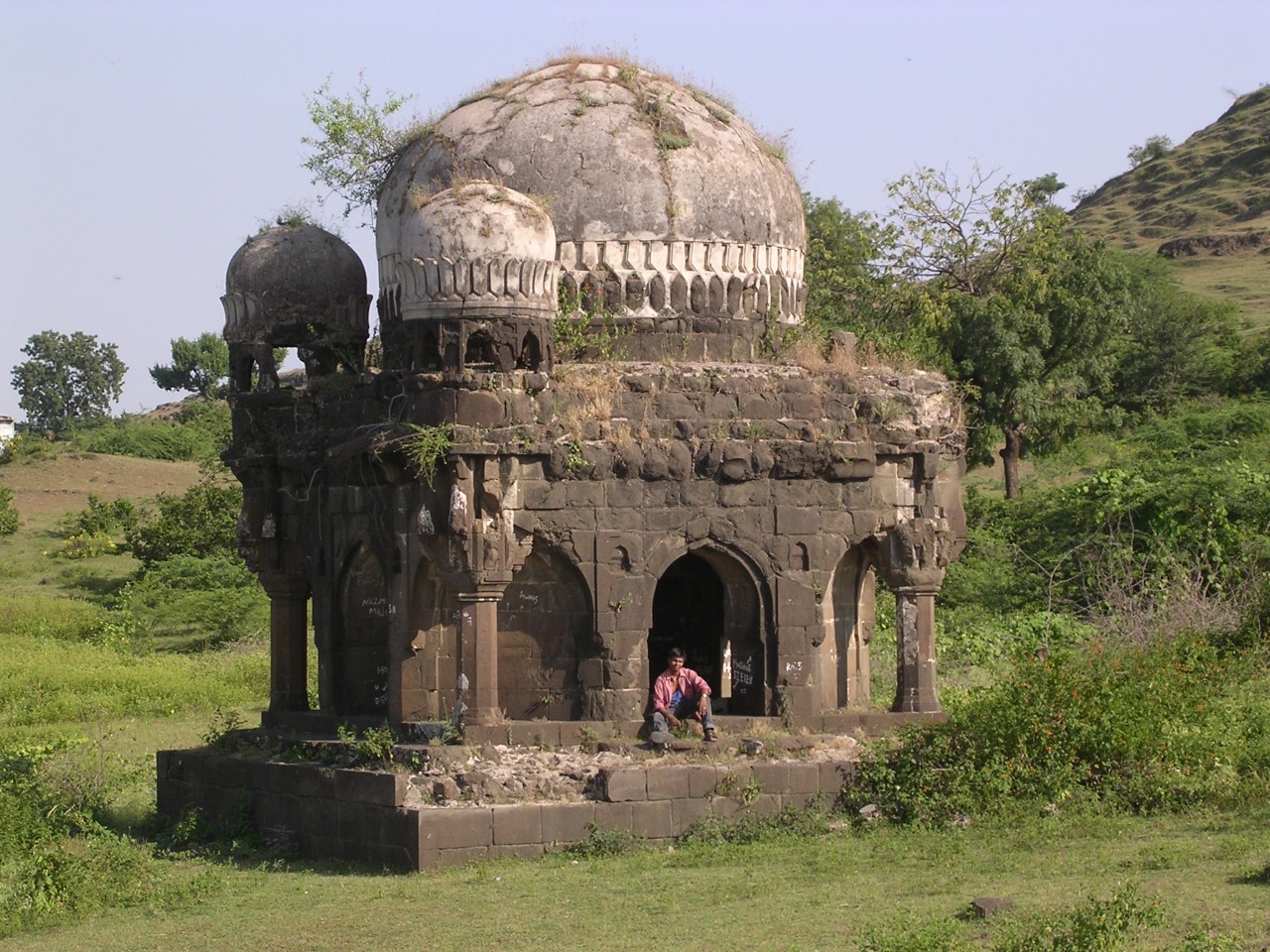
Research never stops. Truth always comes out. In 1946 M.S. Vats, Superintendent Archaeology Aurangabd, came across the grave of Ustad Ahmad Mimar in Khuldabad. He noted the inscription put there by his son Lutufullah Ahmad, while building a small mausoleum for him. There is a record of the architect being in Bijapur to advise Nawab Mustafa Khan as well as Malik Ambar, the African ruler of the area.  The record goes:

It is interesting that there is a manuscript entitled ‘Five Qasidas’, and it has the notation of Emperor Muhammed Adil Shah of Bijapur, that it was written by calligrapher Ismael for him, in Badaun. It has a seal and a tughra of Muhammed Adil Shah on it. It also has a written reference that after the death of Nawab Mustafa Khan, it was deposited in the Kitab Khana Amra, by “Asama” Ahmad. The notation is dated 1059 A.H, or exactly near the time of death of Ustad Ahmad Mimar. The year was 1649 A.D. It is clearly suggesting that the architect was in Bijapur at that time. There is more evidence too. In a miniature of Muhammed Adil Shah, at the back is a calligraphy by Lutufullah, and the contents of it show the discontent of the Muhandis in that period.”

Our pleasure is to include most things and we have done so to our end. This is book matter and we carry it in a blog for the interest of all. Eventually it would be published in book form for its historical content. Till then enjoy what is there!
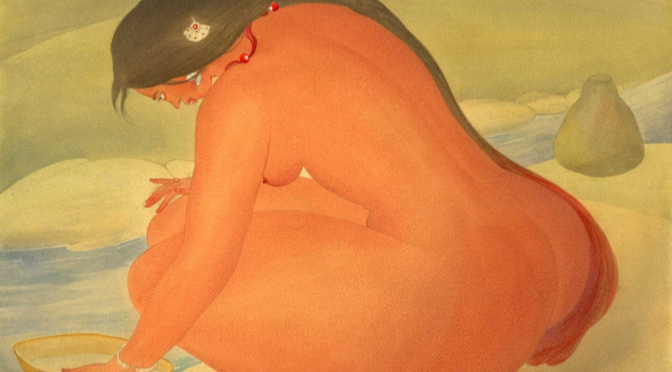
BEFORE PARTITION IT WAS THE INDIANS WHO WROTE AGAINST CHUGHTAI ART; AFTERWARDS A BATCH OF PAKISTANIS WHO FOR REASONS UNKNOWN DO SAME.

BEFORE PARTITION IT WAS THE INDIANS WHO WROTE AGAINST CHUGHTAI ART;
AFTERWARDS A BATCH OF PAKISTANIS WHO FOR REASONS UNKNOWN DO SAME.


The two nation theory never arose out of a vacuum. It was a fact which the Quran recognizes, as well as the writings of people like Sir Syed Ahmad Khan and Dr Allama Iqbal. Quaid-e-Azam through a political process put it into reality. Jealousy ran in the veins of some  bigoted Hindu writers and when we read their analysis of Art, one can only hope that some sanity could have prevailed in their analysis of things.

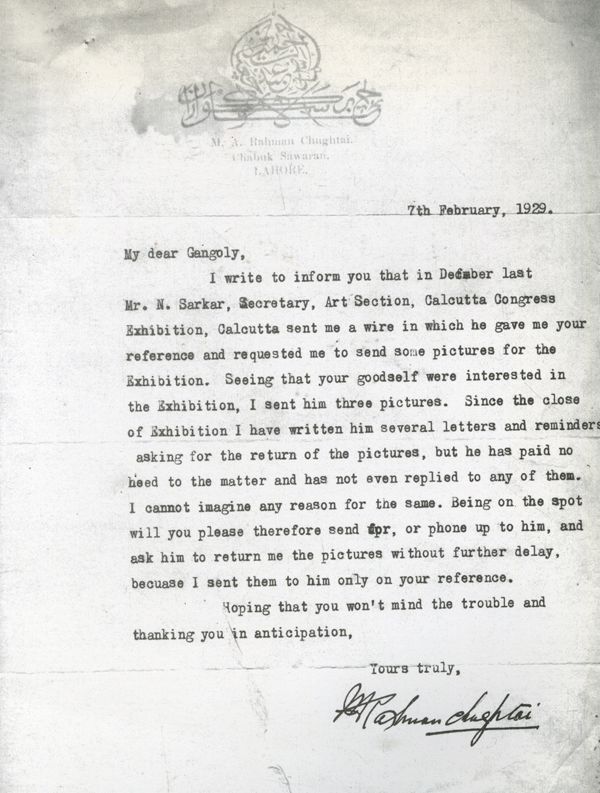
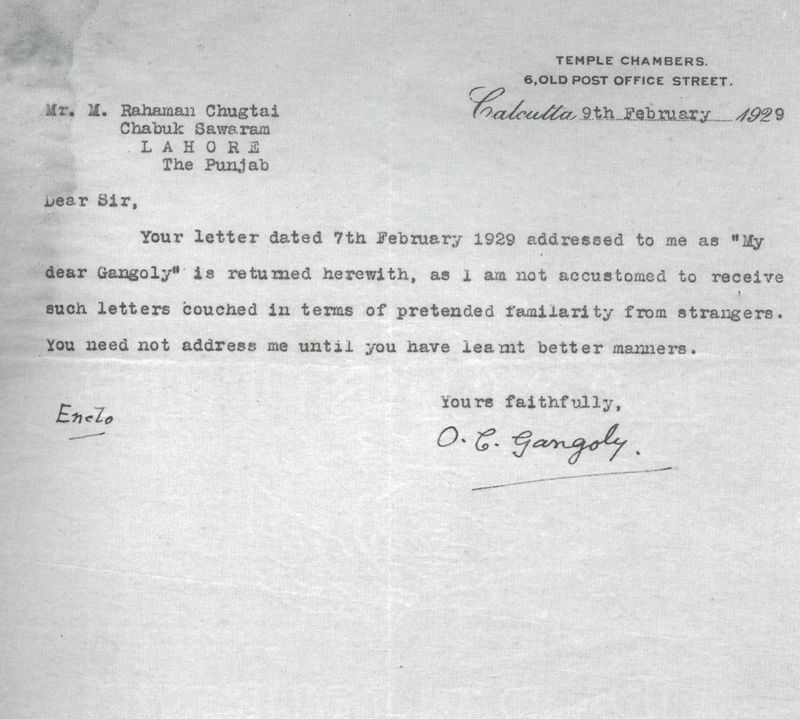
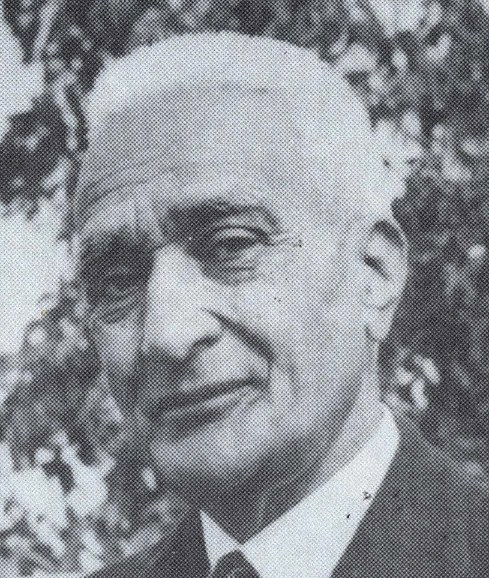
Take for instance the famous iconic Hindu writer O.C. Gangoly. We have written about him, but he left a record which will blacken his name forever. A request by Chughtai artist for return of his paintings sent to an exhibition show in Calcutta, evoked a sharp reply from him. We reproduce it for anyone to see. It clarifies what Chughtai wrote about all the time. Calcutta was allergic to Lahore and allergic to Muslims in total. A shame for those who associate Calcutta with Chughtai Art.

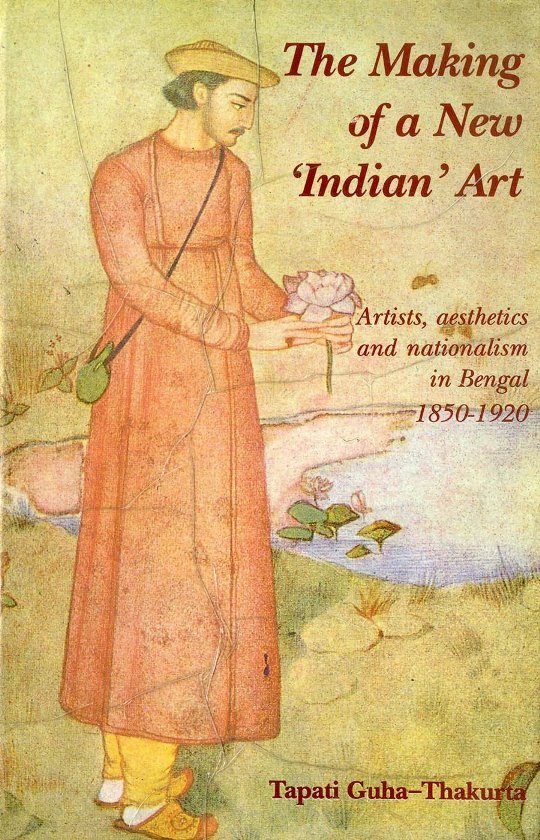
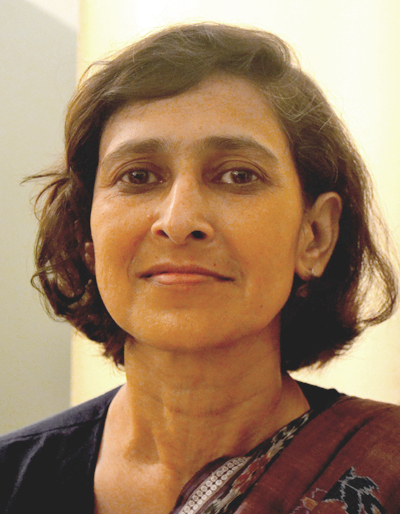
The writer Tapati Guha-Thakurta is an enigma all her own. Cambridge University Press considered her a professional on the subject but could not see the bigotry she carried on herself. Again Calcutta. In just one book “The making of a new Indian Art”, she felt reluctant to give an image (it would expose her thesis) of even one Chughtai’s work but she mentions him at least three times, in most derogatory manner. Her first remark about Chughtai is on page 291 of her book. She says:

Abdur Rahman Chughtai’s compositions of the first years, with their recurrent images of flickering lamps and swooning women, cannot rise above such CRASS MANNERISMS.”

Her venom cannot be put on rest. She repeats another blatant assertion:

“For example, couplets from the Rubaiyat of Omar Khayyam  conjured an atmosphere of Persian exoticism and mystique around Chughtai’s images of veiled women, fading lamps and scattered petals.  It is not clear whether the quotations from poems came from the artists themselves or whether they were later additions by critics and editors to help in the propagation of these paintings.”

And thirdly she makes fun of the painting FAME based on National leadership, as a  ‘symbol of the feebleness and self indulgence of India’s national leaders’. Based on a verse by Dr Allama Iqbal, she had no mood to accept that work. So what? It was Chughtai’s view, not hers. And for now, we finally come to the venom of Som Anand “Portrait of a lost city”. This man has in his total hatred, uttered such words that no sane publishers would have allowed the publication. And yet Pakistani third rate publishers did same. Som Anand talks about his visit to the studio of Chughtai. He makes fun of the Punjabi language, spoken by the artist. But of all things he terms Chughtai as:

The man was very shabbily dressed. His disheveled hair and unkempt clothes made him look like the domestic servant of a middle class family. An interesting thing about his clothes was that the many colors were splashed on his shirt sleeve. It seemed that he used to wipe his brush on the shirt while he was at work.”

To me the most striking thing in this assertion was that he blames Chughtai Sahib speech being in very simple Punjabi and his unsophisticated accent (His definition should be added). There is so much falsehood in his writing that Som Anand is not even ashamed of writing false things. The whole episode is made up of his own conjectures. A senior Professor of GCU, Mahmud Ahmad told me that no gentleman could talk like that. He said if you ever meet Som Anand, just slap him even before you talk to him. I said certainly I cannot do that, as I do not have the inferiority complex these kinds of Hindus carry in their hearts. It continues to pain them that Muslims ruled the region for more than 1200 years. They made a mess of their country in a few decades, and triggered, manipulated mess in ours. That complex does not go away. sounded almost like the speech of an unlettered villager. The funny part is that Som Anand’s books have been published by relevant Indian publishers and well wishers here, but his face cannot be found. In his book his father’s image is there, not his own. Given an image which may be him. He should have compared his own face to the face of Abdur Rahman Chughtai for judgement. And he does not stop there, he makes ridiculous assertions against Dr Allama Iqbal, which borders on so much vulgarity, that repeating it is actually shameful. Som Anand proves his bigotry clearly. Attacking our icons and our thinking.

And now comes the batch of Pakistani so called experts. Pakistan is composed of many areas. I have never seen anyone from East Pakistan, Sarhad, Sind, or Punjab writing venom against him. The bad things fall on Karachi alone.

Somehow or the other, Karachi gossip makers take the lead in this kind of game playing. In recent times the only sensible critic I found was Marjorie Hussain, who is retired now from a leading newspaper. But she came here, met me and was delighted to talk to me. Same here. Wonderful woman. The Liverpool expert Dr Akbar Naqvi, makes tall claims in his book, without authentication. In an article in a newspaper, he blatantly wrote against our presenting our prestigious book Amal-e-Chughtai, to well known personalities of Karachi. A request by the late artist himself. He wrote that the book has fallen so much in esteem, that it is now being presented free to people. He probably had no sense of the spirit of generosity of the artist, and desire to share with others, regardless of costing of same. And in his book assertions which have no documentation. I sent corrections with documentations to Ali Imam. Only in Pakistan can people do these things of false attributions. Outside world would make them penniless in days.

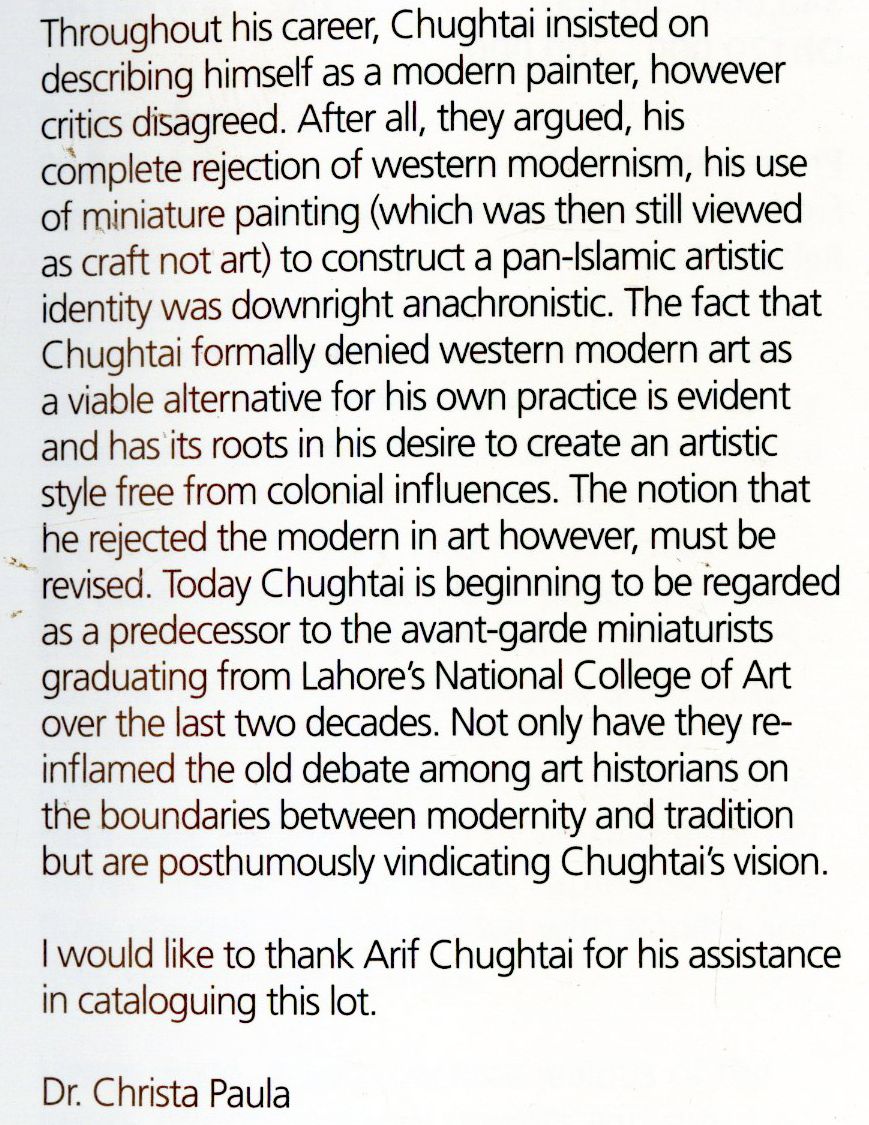
Paula Christa, then at Bonhams, a great and lovely Austrian friend, told me that there is a lobby operating in London, to instigate people against us. I could hardly believe her, but she did present proofs to me. Dr Shahid Khan, a medical doctor in London confronted similar response there. Even a French collector Jean Marc-Michaeli in USA told me similar things. The great chain of our worthy friends like Basil Gray, Ralph Pinder Wilson, Harry Norman Eccleston, Paul Drury, Stuart Cary Welch,  had died already. Susan Robertson, now retired too, hid the secrets but did say a few things, which were not pleasant. The other lobby does not know that they are being revealed eventually.

Is this the work of a religious lobby? Probably not, but an Anti-Pakistan tirade surely. Facts still need to be ascertained. Once the final proof is collected, we will take them to court. But why worry? The Art of M.A. Rahman Chughtai will outlast these petty people for centuries. As Dr James Dickie said in 1976, in an article in Times London, “In many ways he out class Kamaluddin Behzad, the Rembrandt of Islamic Art.” Empty criticism is like spitting on the moon, the spit falls on their own face.

ART OF M.A. RAHMAN CHUGHTAI BONDED RELATIONS; BETWEEN PAKISTAN AND UNITED STATES OF AMERICA.

ART OF M.A. RAHMAN CHUGHTAI BONDED RELATIONS,
BETWEEN PAKISTAN AND UNITED STATES OF AMERICA.

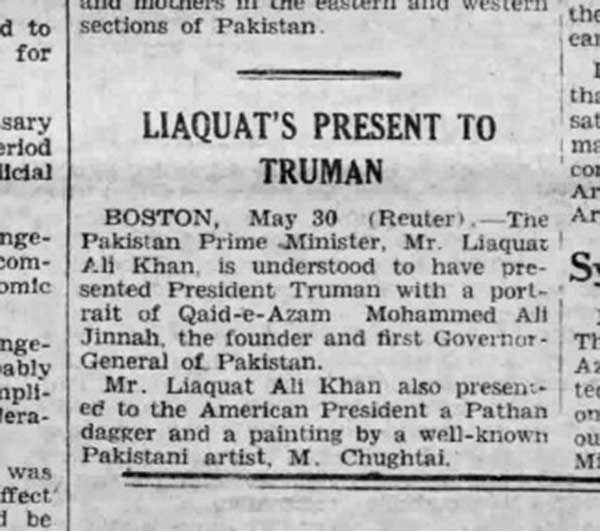
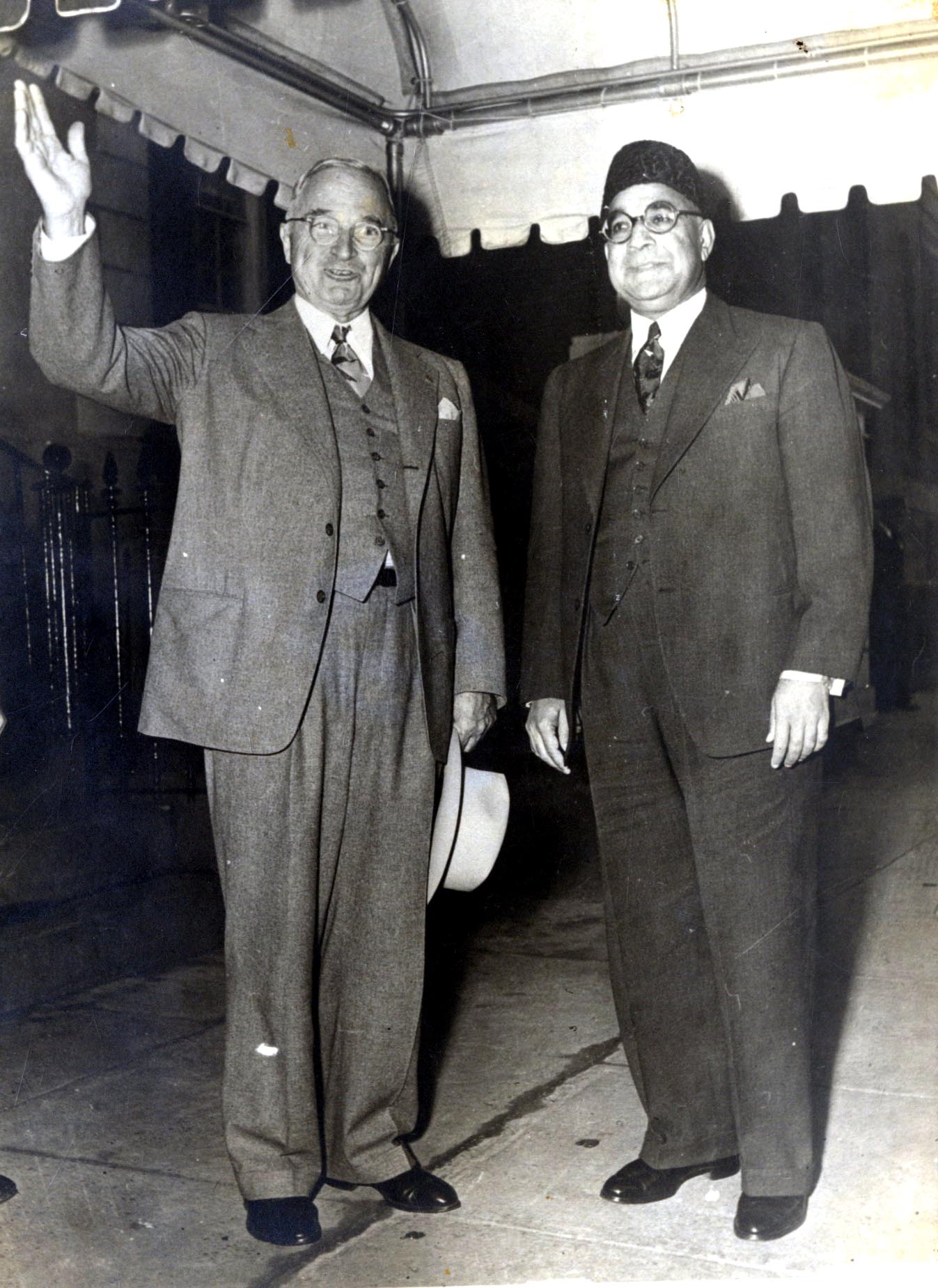
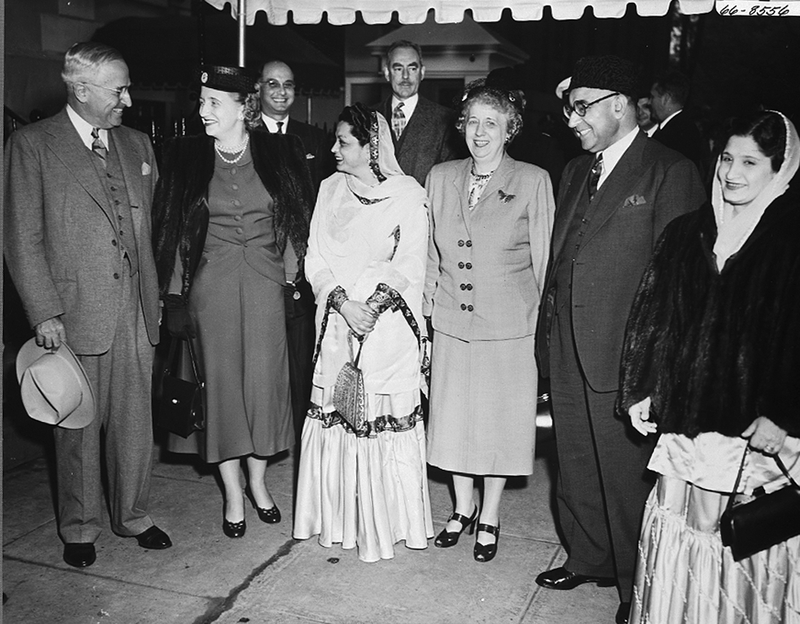
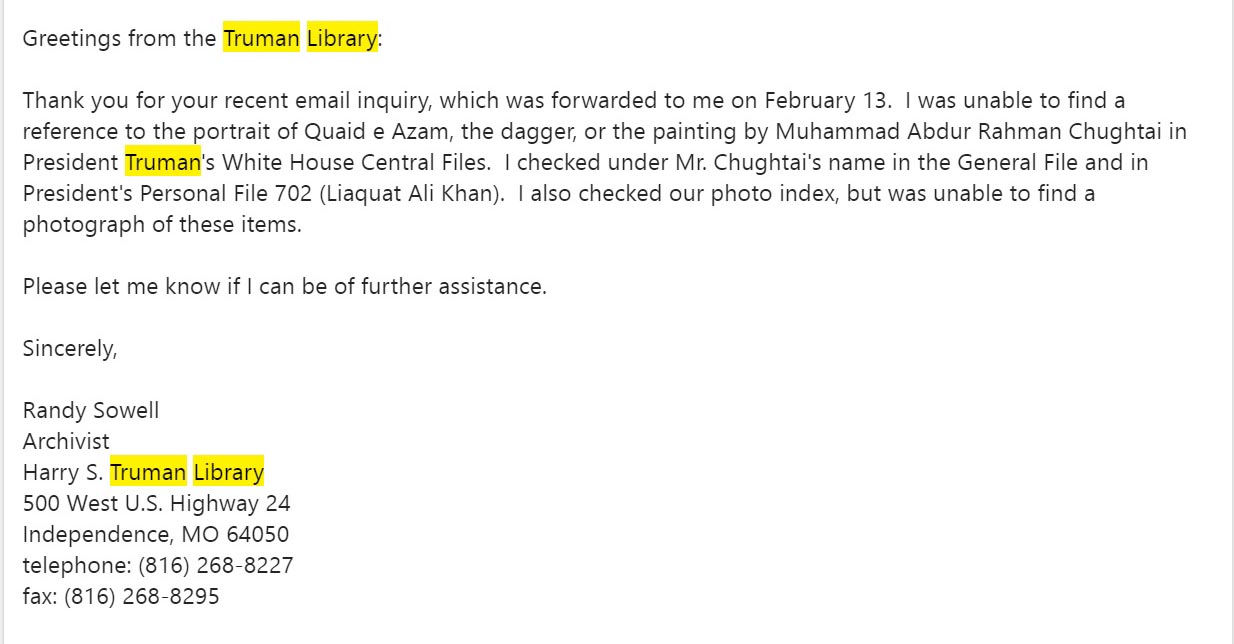
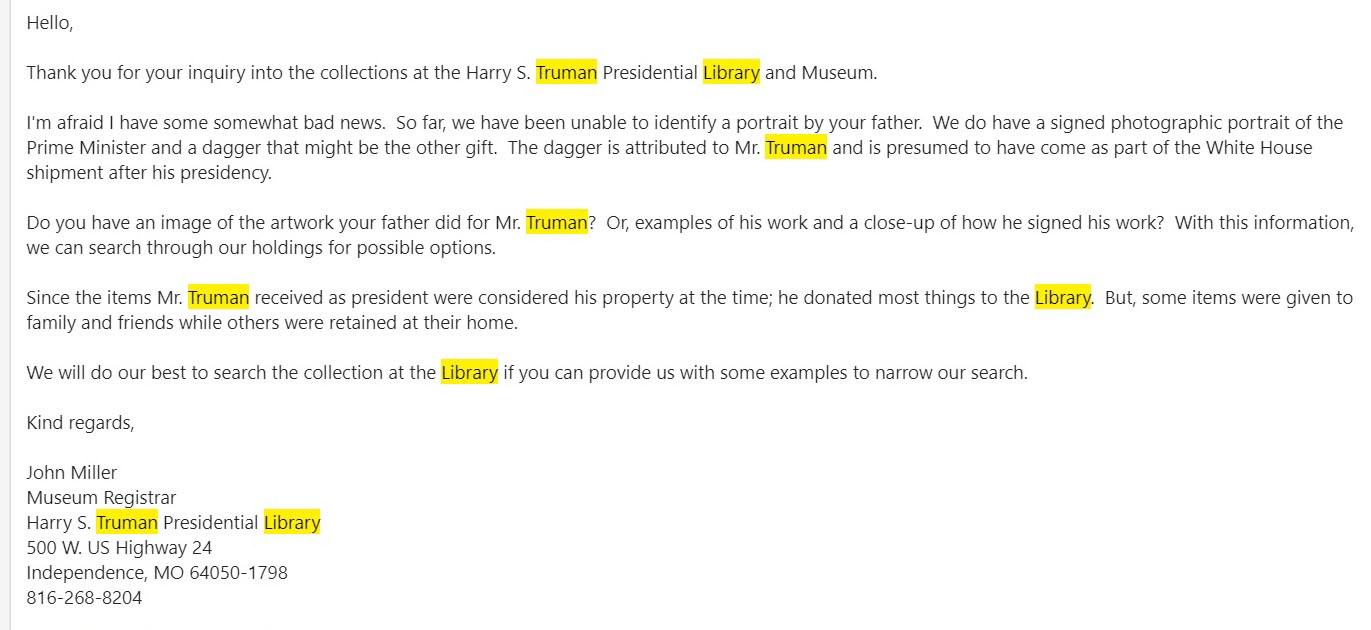
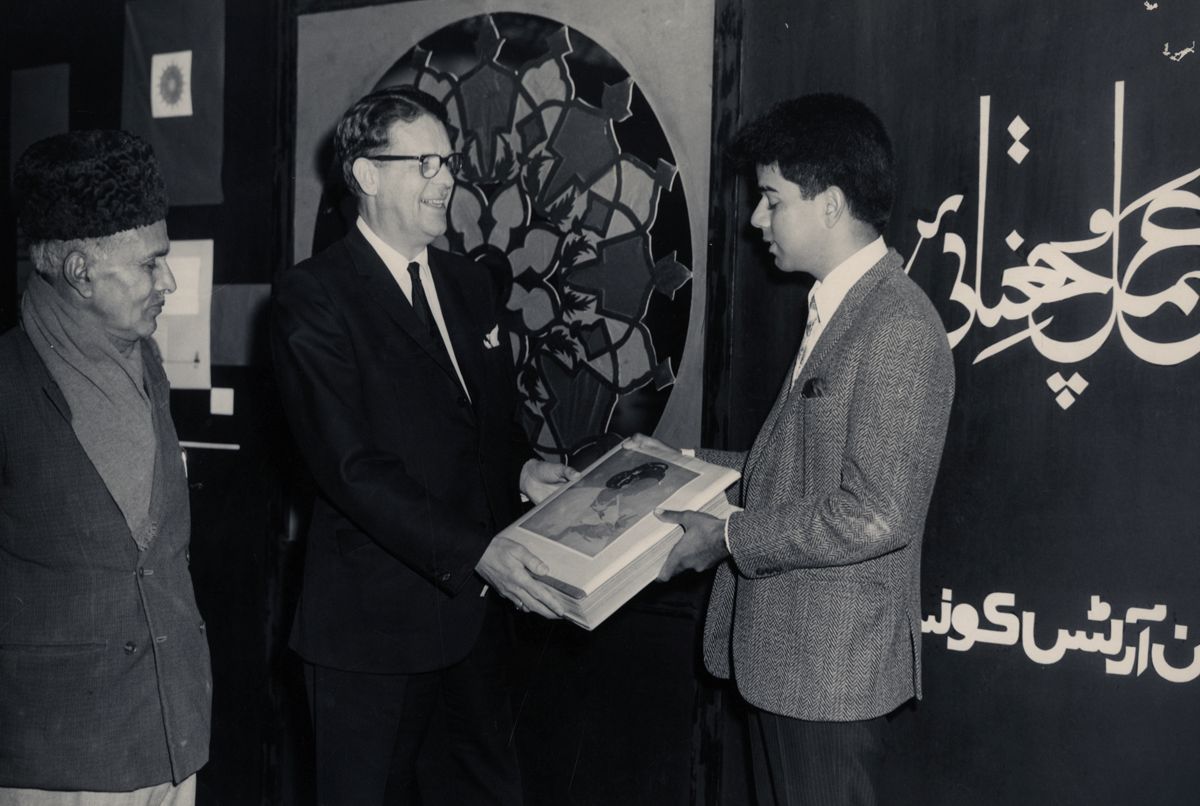
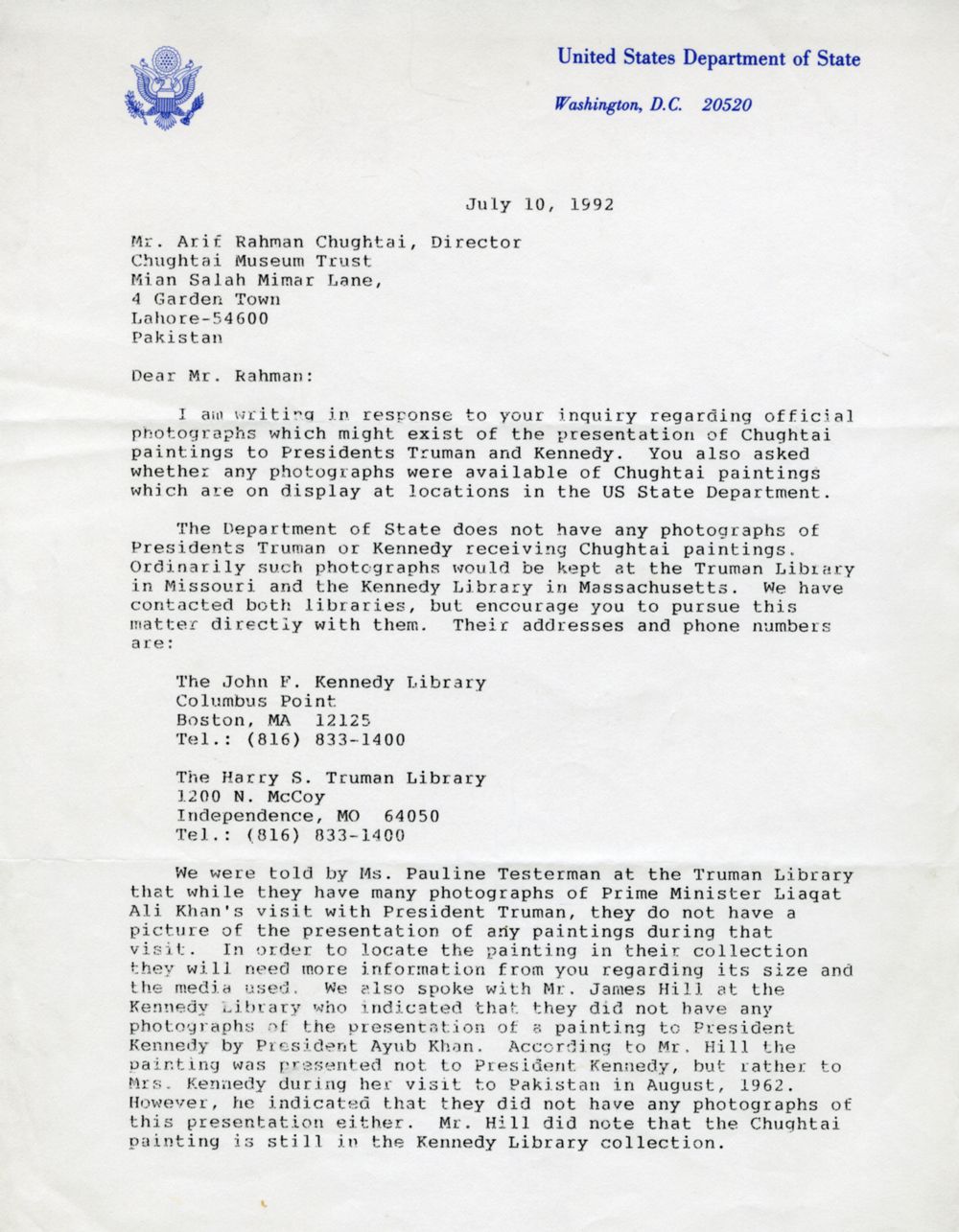
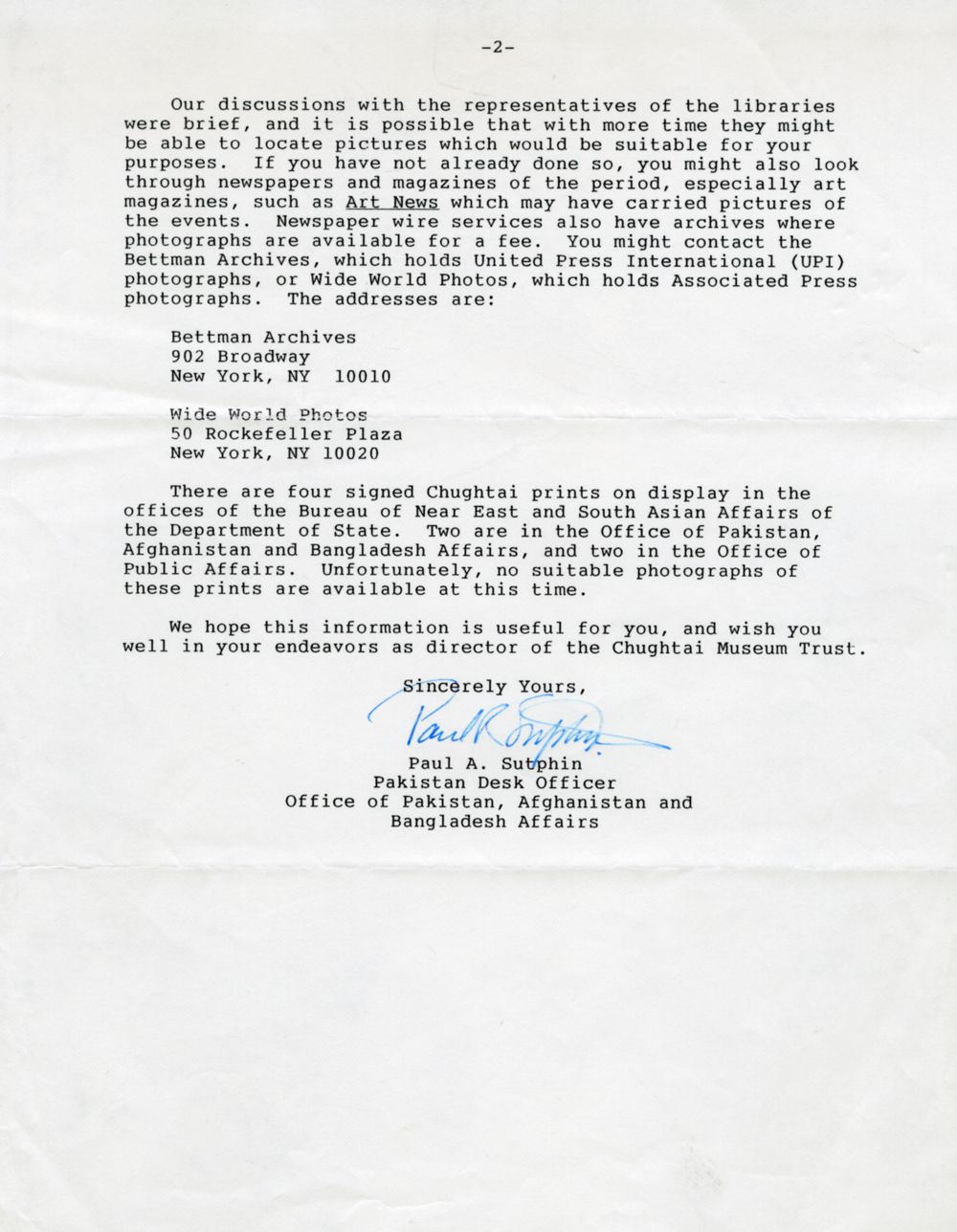
At one time everybody knew. At this time it may not be known to most. Pakistani Heads of State visiting the United States of America, presented Chughtai Art Works to American Presidents. It started from President Truman, when a painting was gifted by Prime Minister Liaquat Ali Khan to him. The presentation is on record at having been gifted at Blair House, as President Truman was residing there at that time. The work is no longer traceable by the TRUMAN LIBRARY as they inform us for at that time Presidents were free to accept gifts to the State and use them personally. However as there are four works in the US State Department, it could be one of them.

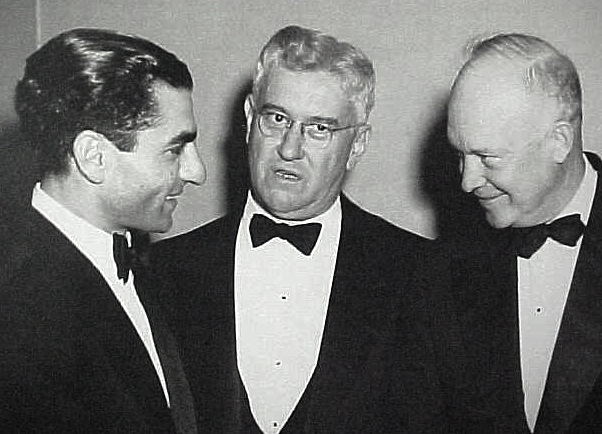
We do come across a photograph of President Eisenhower, Shahenshah of Iran and Professor Schuyler Wallace which shows a great lot. All three had been presented paintings of M.A. Rahman Chughtai by the Government of Pakistan, but that is a more difficult record to update at this time. We do have a record of some works owned by Professor Schuyler Wallace, some with his relatives, some given back to us. A matter of prestige. One work was inherited by Wallace’s family, who was a billionaire and owned major hotel chains in Honolulu Hawaii, USA.

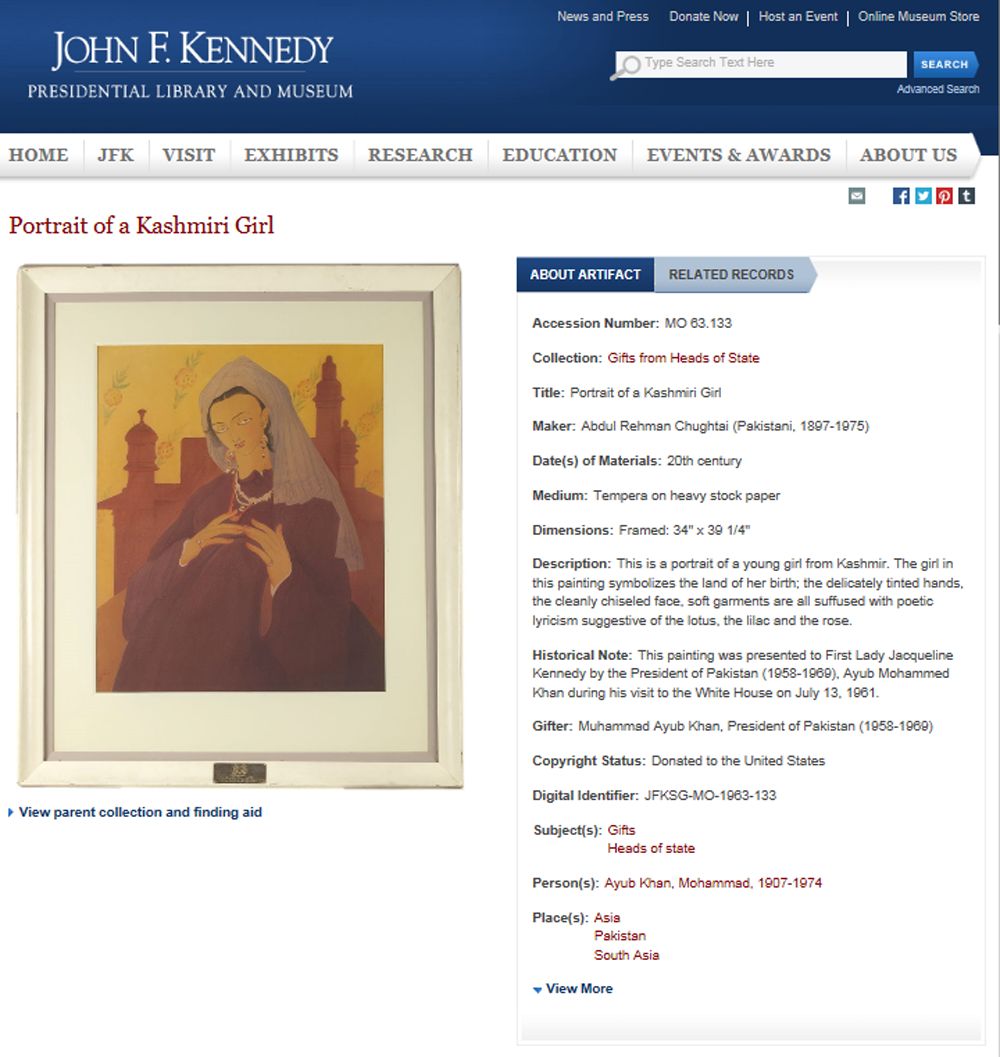
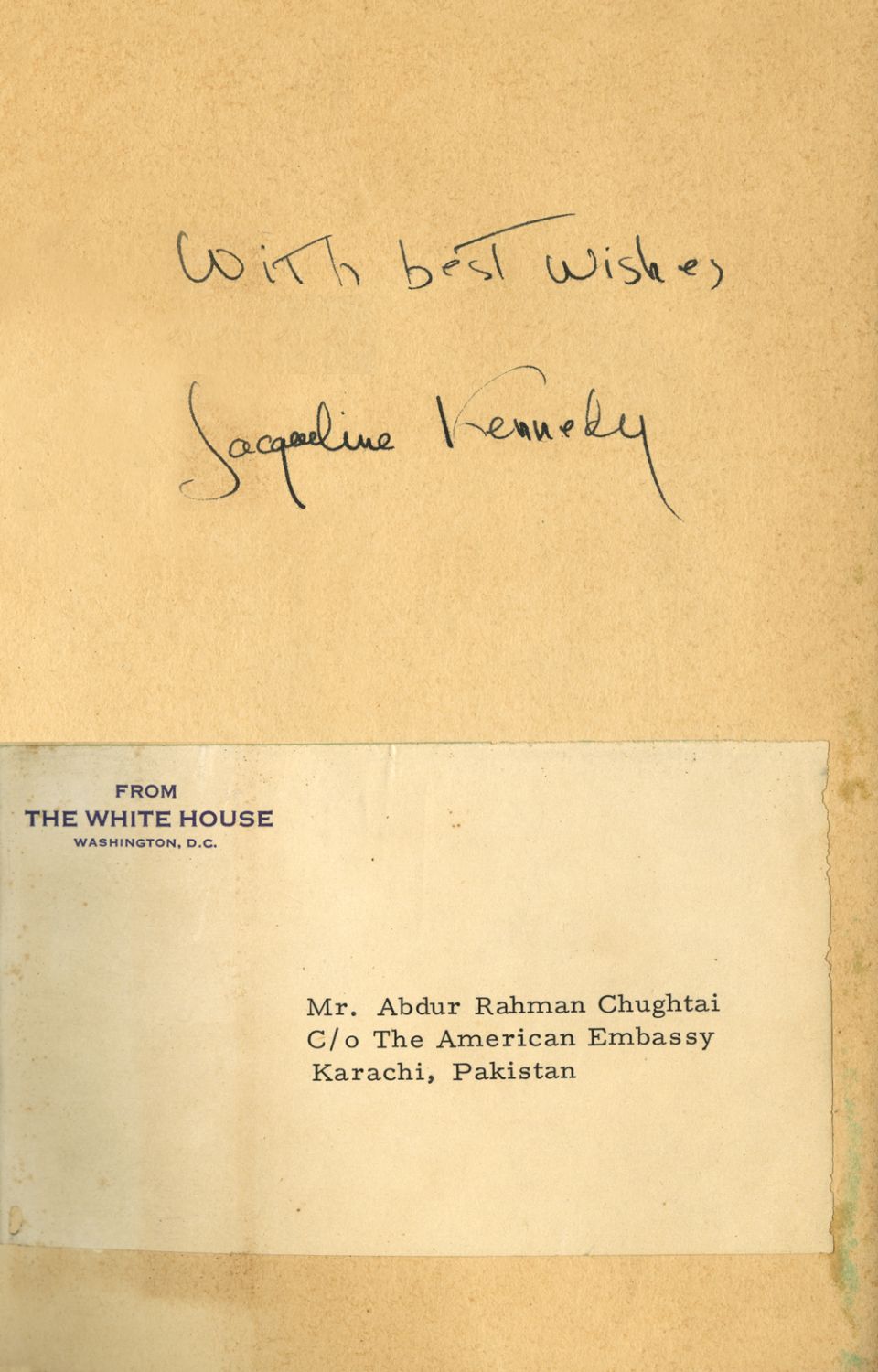
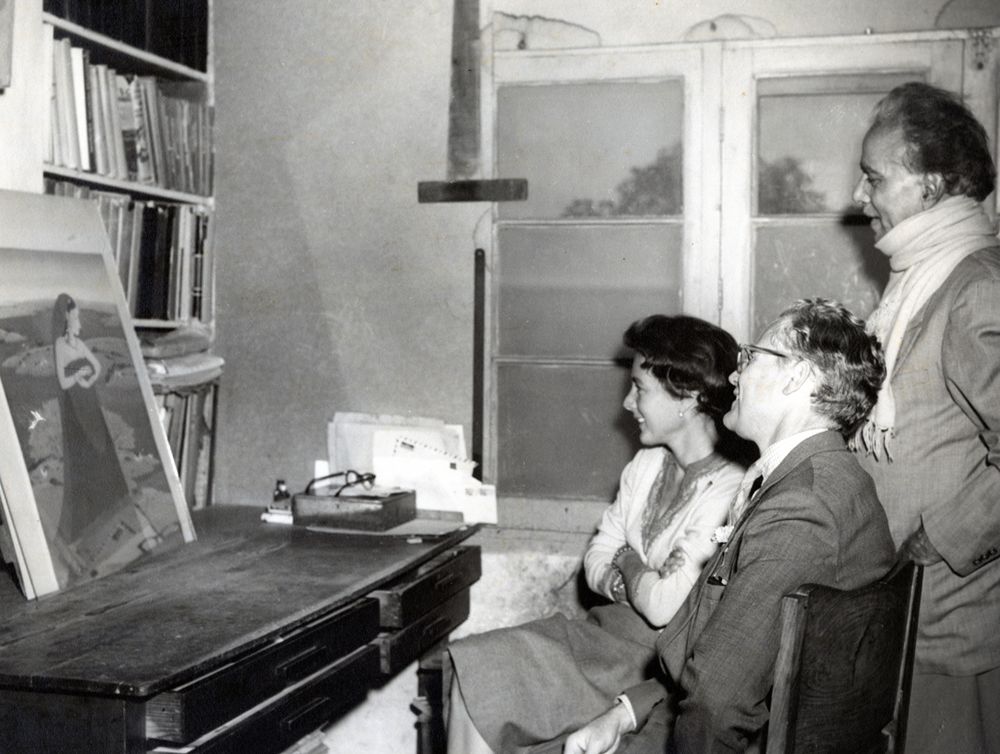
Some very important gifts were for American President John Kennedy, and his wife Jacqueline Kennedy. The painting presented at the White House is not traceable at present but the one presented to Jacqueline Kennedy here in Pakistan is at the Kennedy Library in Boston, Massachusetts, USA. We have an image of same. 

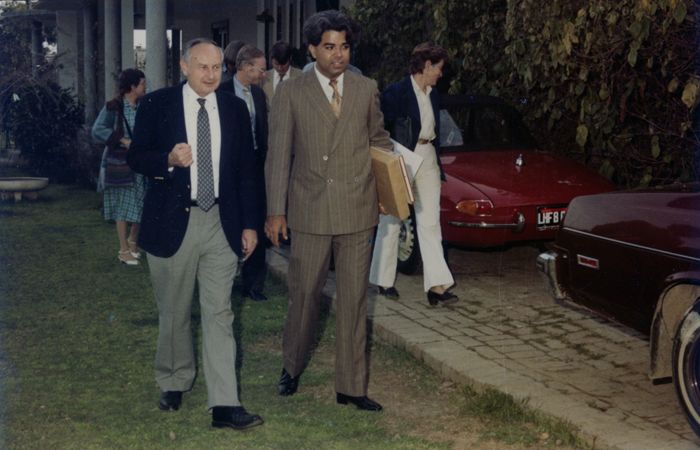
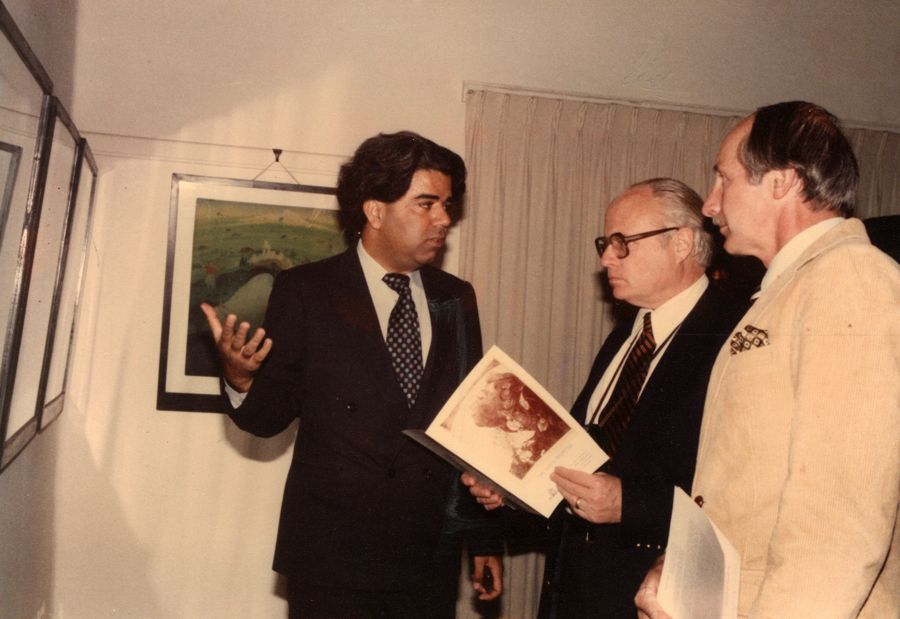
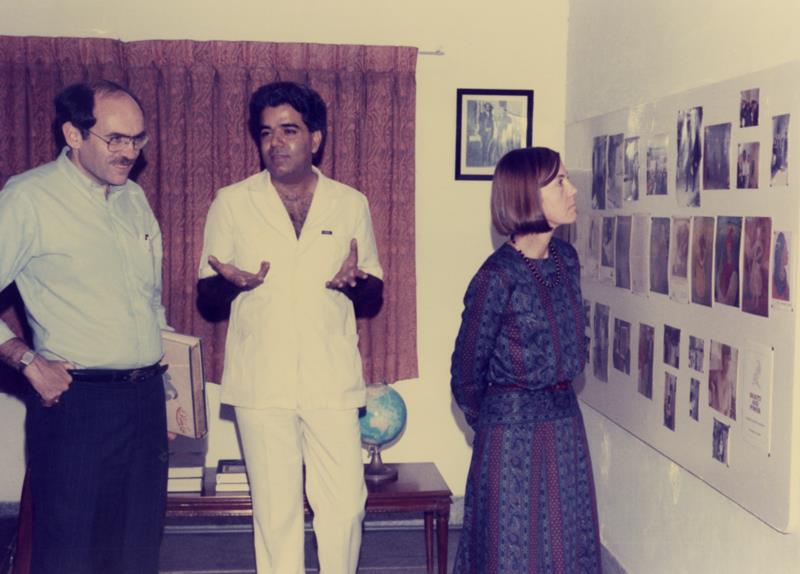
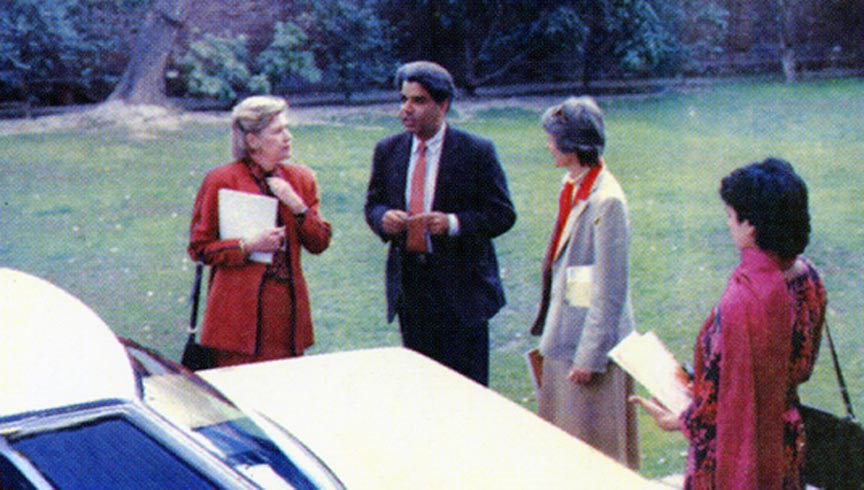
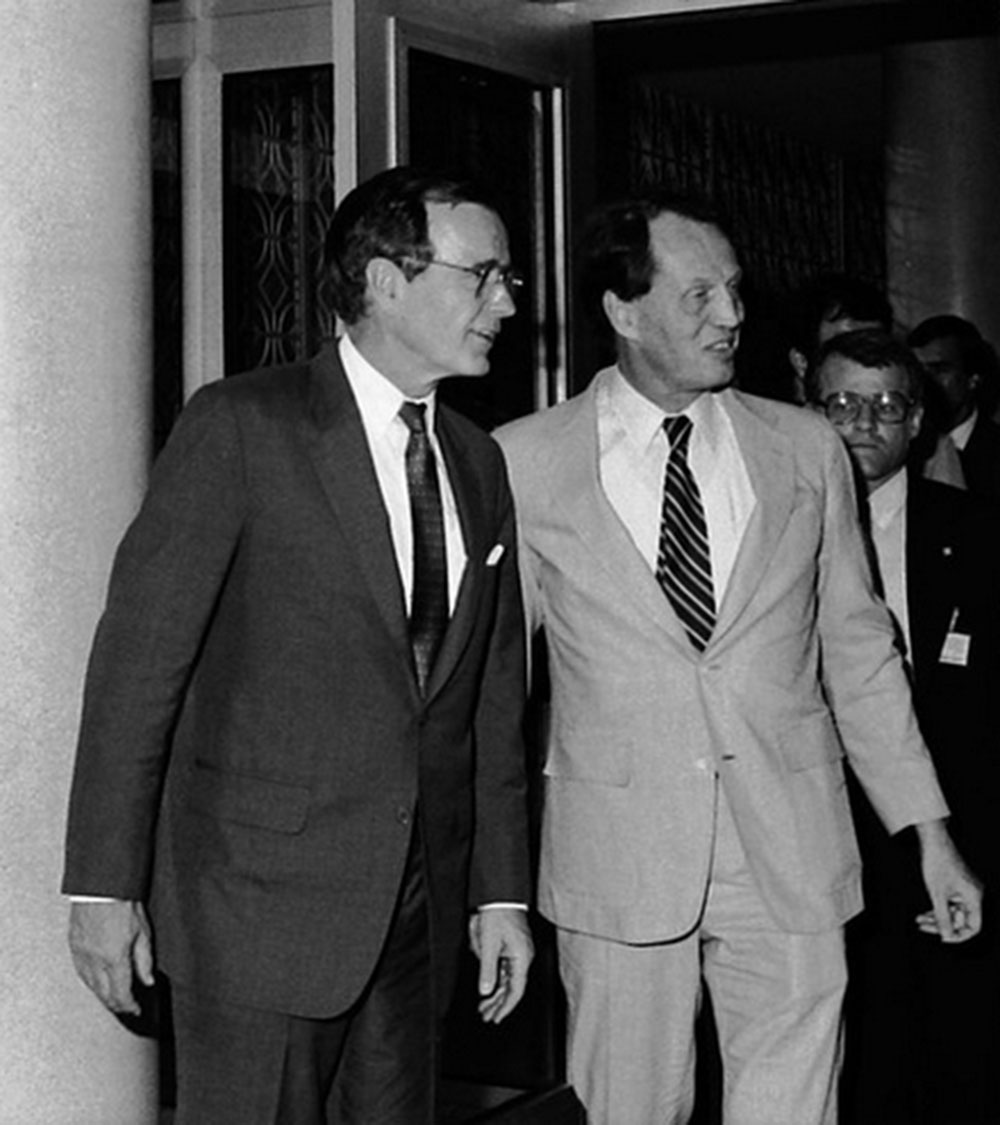
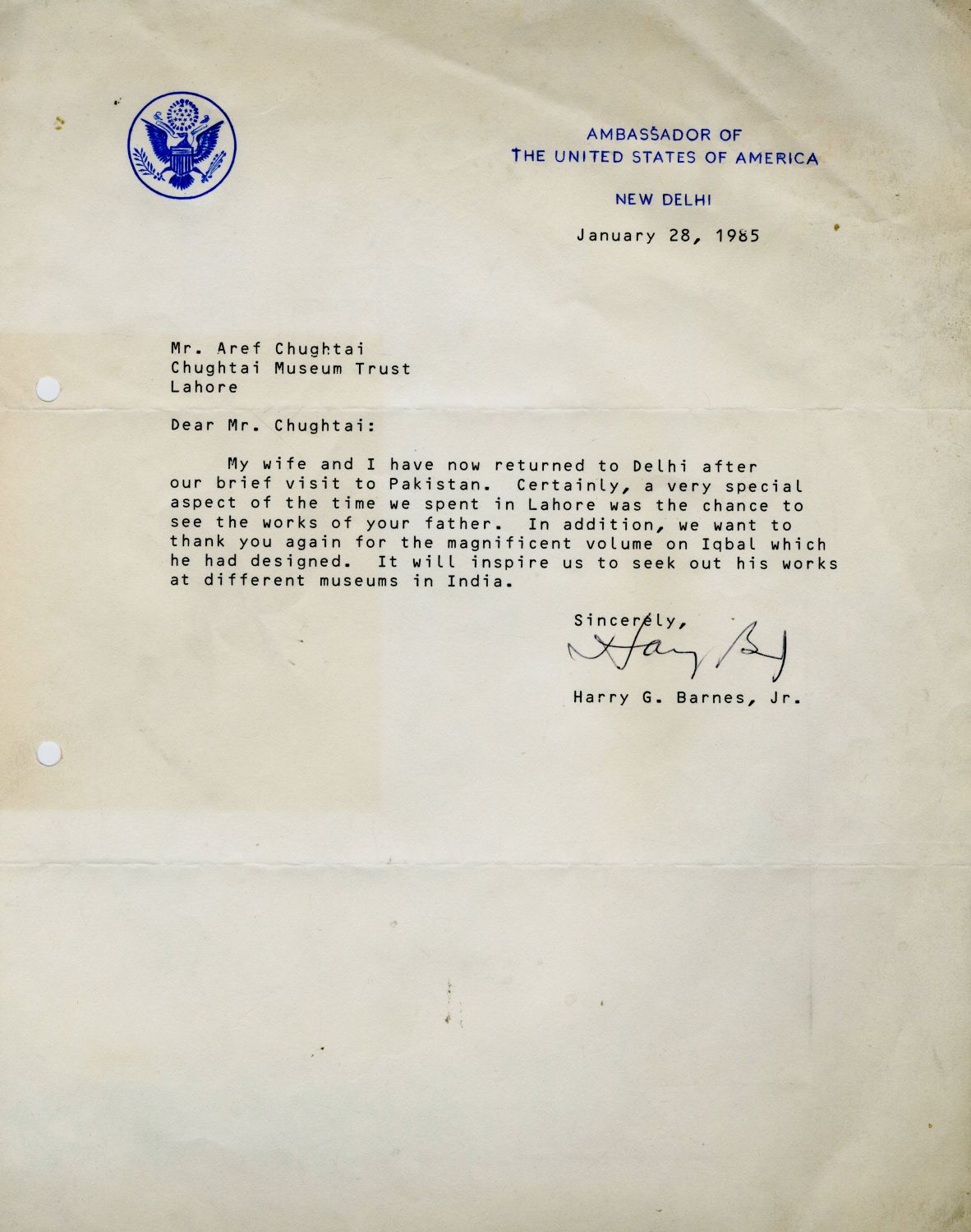
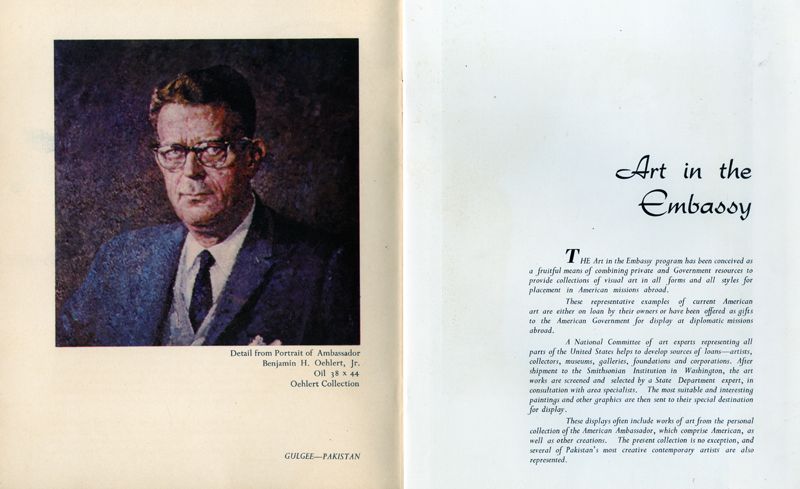
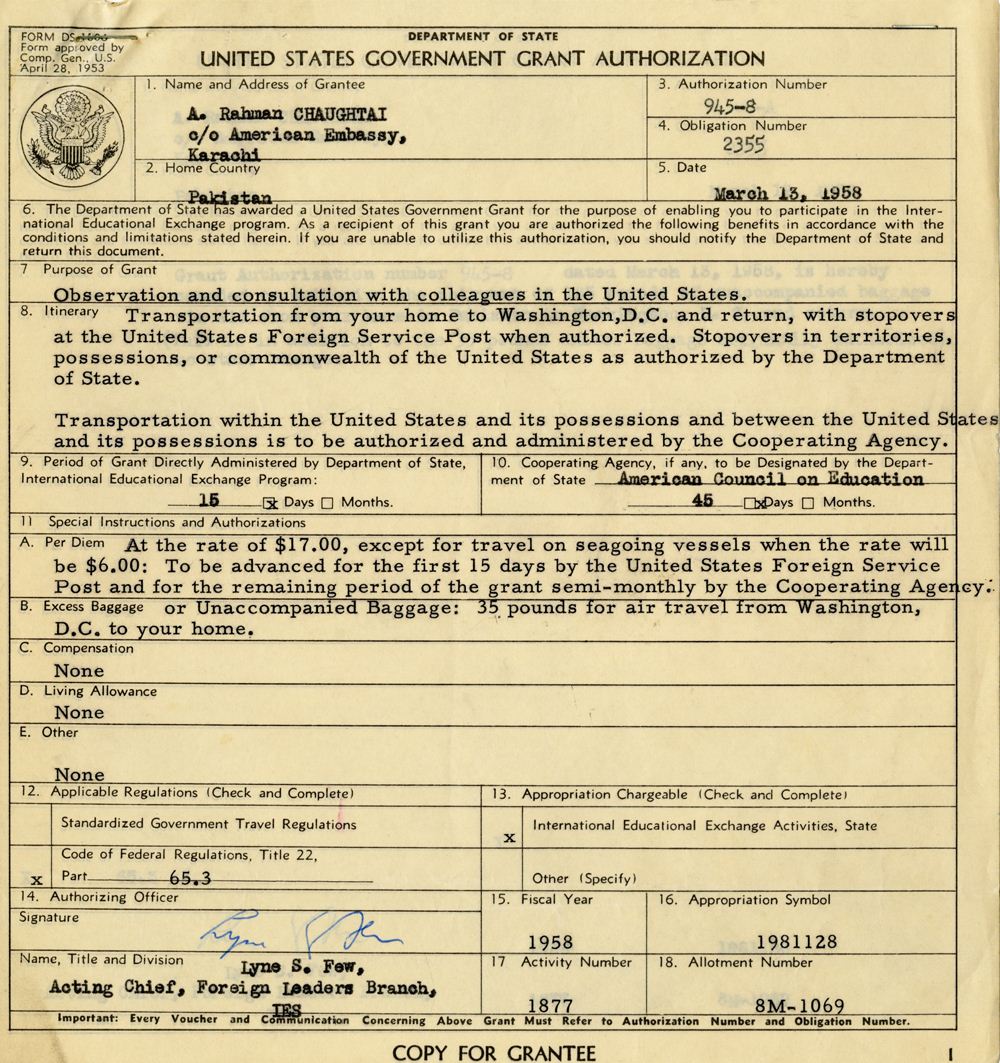
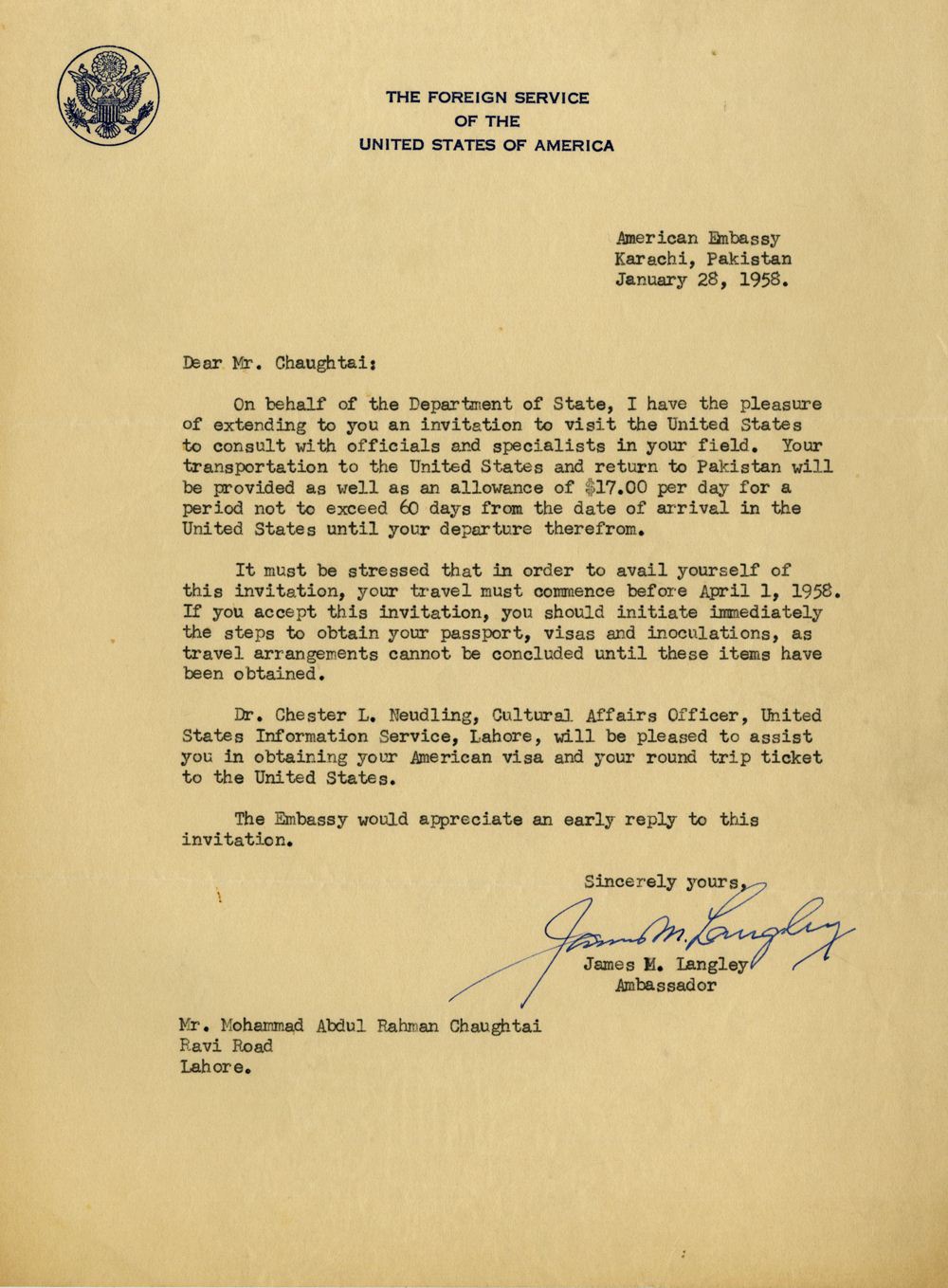
A number of American diplomats visited Chughtai Museum. I myself hosted at least seven American Ambassadors, and there is a record of them. In fact one of them a great friend that is Arnold Raphael, who actually died in Pakistan. But the first official contact was when the artist was officially invited to the United States, along with a lecture at Columbia University. It did not materialize but it was officially undertaken by both sides. A matter of record indeed. The invitation was sent by US State Department through Ambassador James Langley.

So much on record, some forgotten, and some ready for future review. The bond stuck Pakistan and United State of America through various periods, but the solid rock of Art of M.A. Rahman Chughtasi stood the test of time. It is our pleasure to share these past moments for future reference. Pakistan Forever!

ALL SHINE THROUGH ALL COMPETITIONS HERE AND ABROAD; PHD FOR MAH-AFROZE CHUGHTAI FROM UNIVERSITY MARYLAND.

ALL SHINE THROUGH ALL COMPETITIONS HERE AND ABROAD;
PHD FOR MAH-AFROZE CHUGHTAI FROM UNIVERSITY MARYLAND.

Pakistan is a land of intellectuals, artists and geniuses. It is sad that instead of the blessed, the control is taken over by the worst of society. Then the country can really never progress. Our nearest family member has achieved distinction in the USA and we are proud of her for all times.

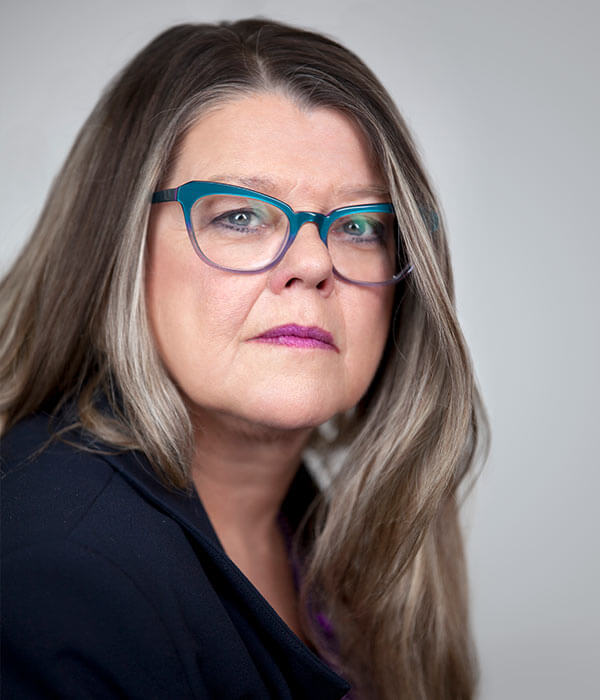
Congratulations to Chughtai family. Congratulations to friends and well wishers. And congratulations to father Arif Rahman Chughtai for the distinction awarded to his daughter from the University of Maryland. Our prayers to all who made this possible and prayers for those who strive for same. Allah bless Pakistan!