
THE FINAL RESTING (NOT) PLACE OF PRINCESS ZEBUNNISA;
SO UPROOTED BY THE TYRANNICAL BRITISH ADMINISTRATION.
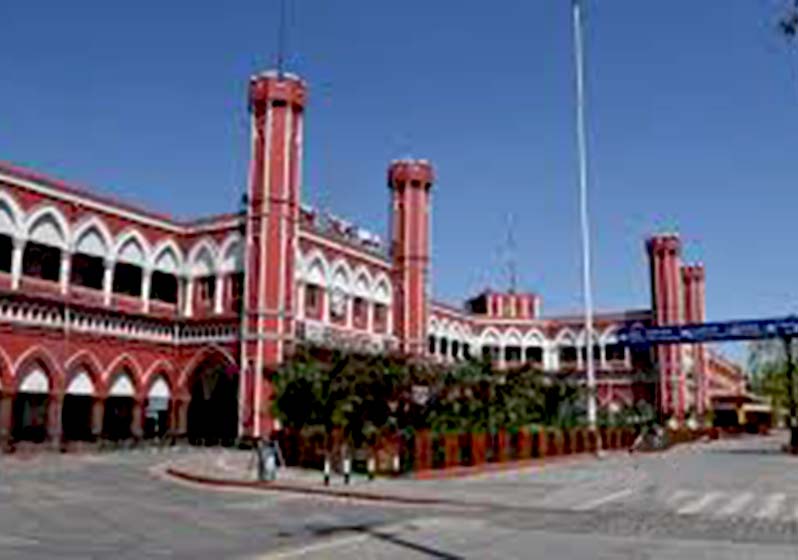
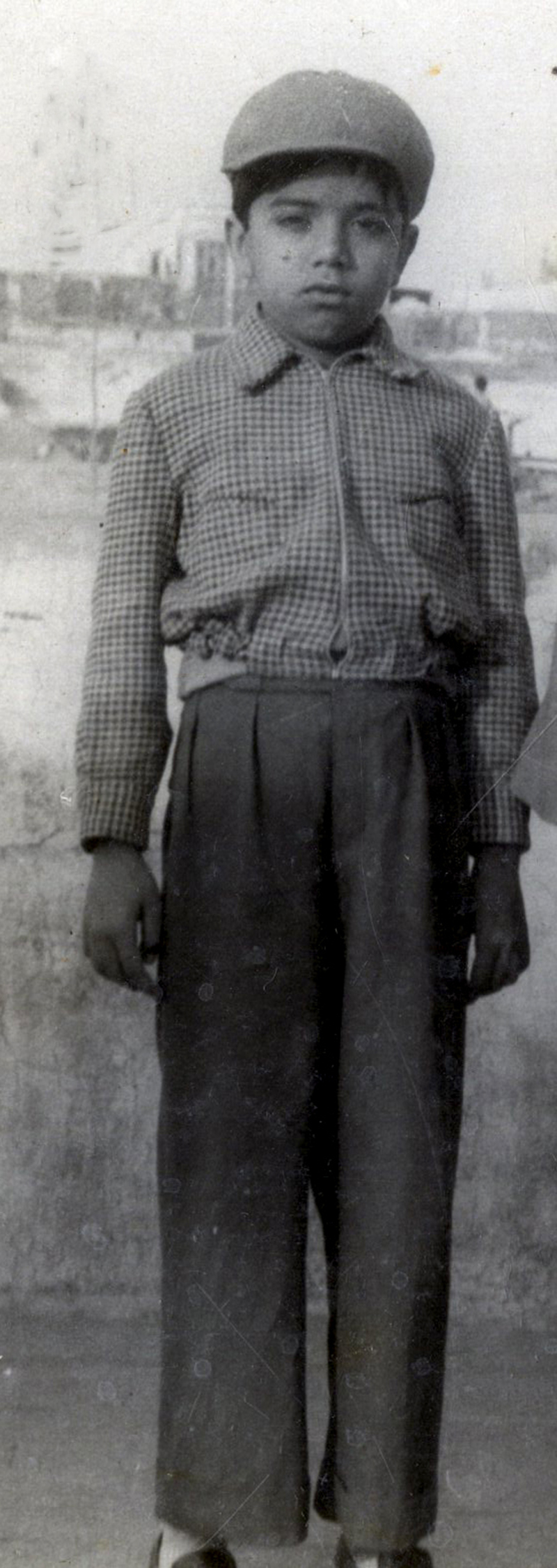
It was mid 1950s, the family landed at the Delhi Old Railway Station, and while luggage was being collected, I was running about the large main hall of the station. It was a huge railway station, painted in bold red, and with white arches all around. Little did I know that I was running on the lost grave of Princess Zebunnisa. It is a long time back, and the memory is still fresh in my mind. This ruthlessness was spread all over, till Lord Curzon rescued the monuments later on, and the British awakened to the concept of retaining past cultures.
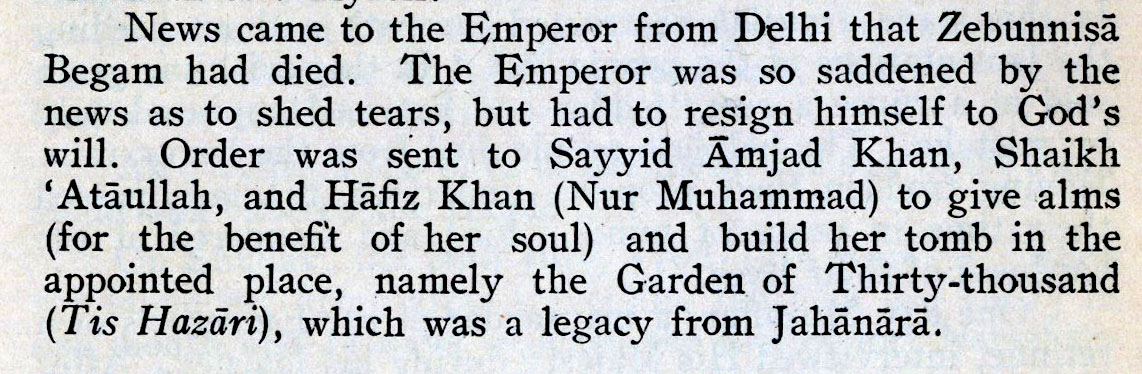
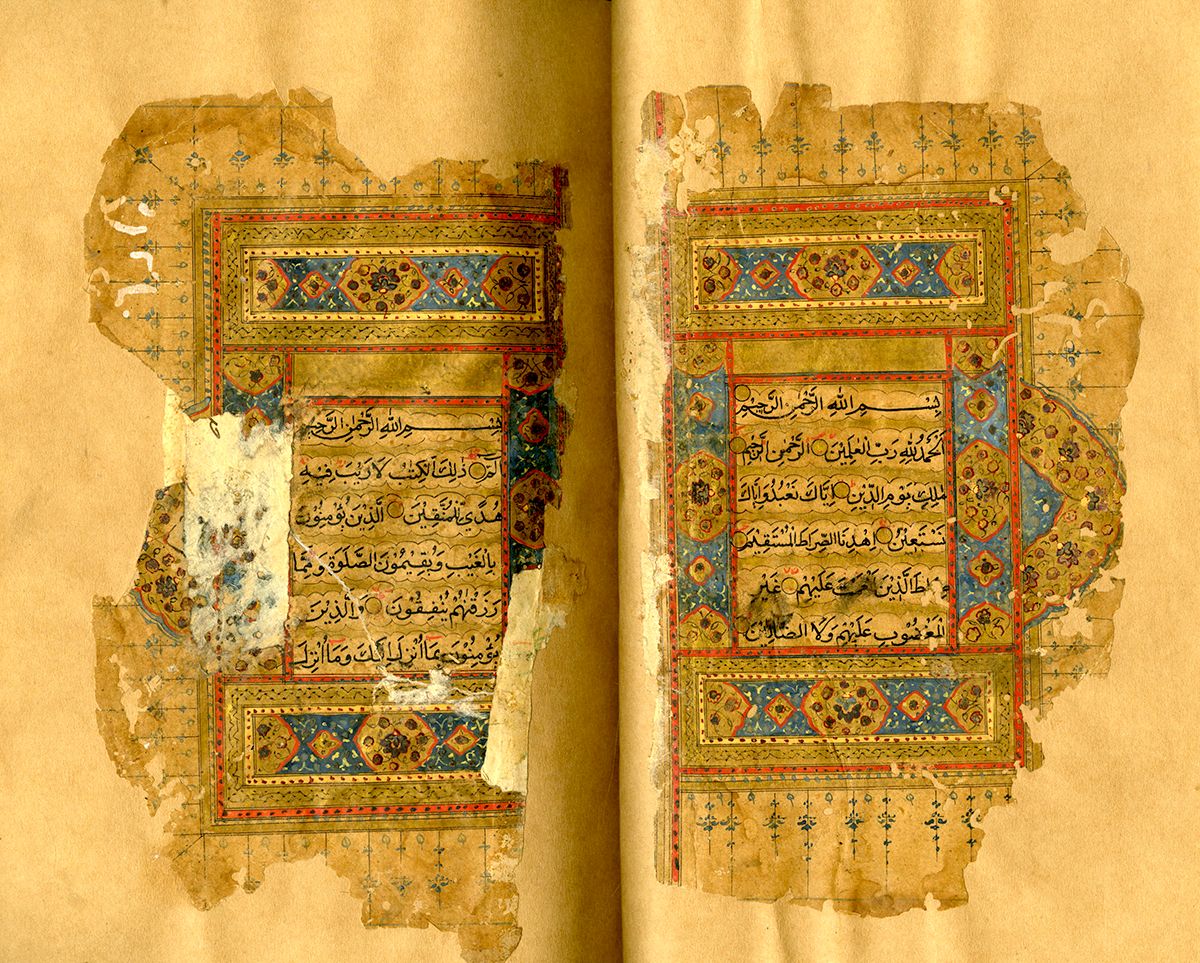
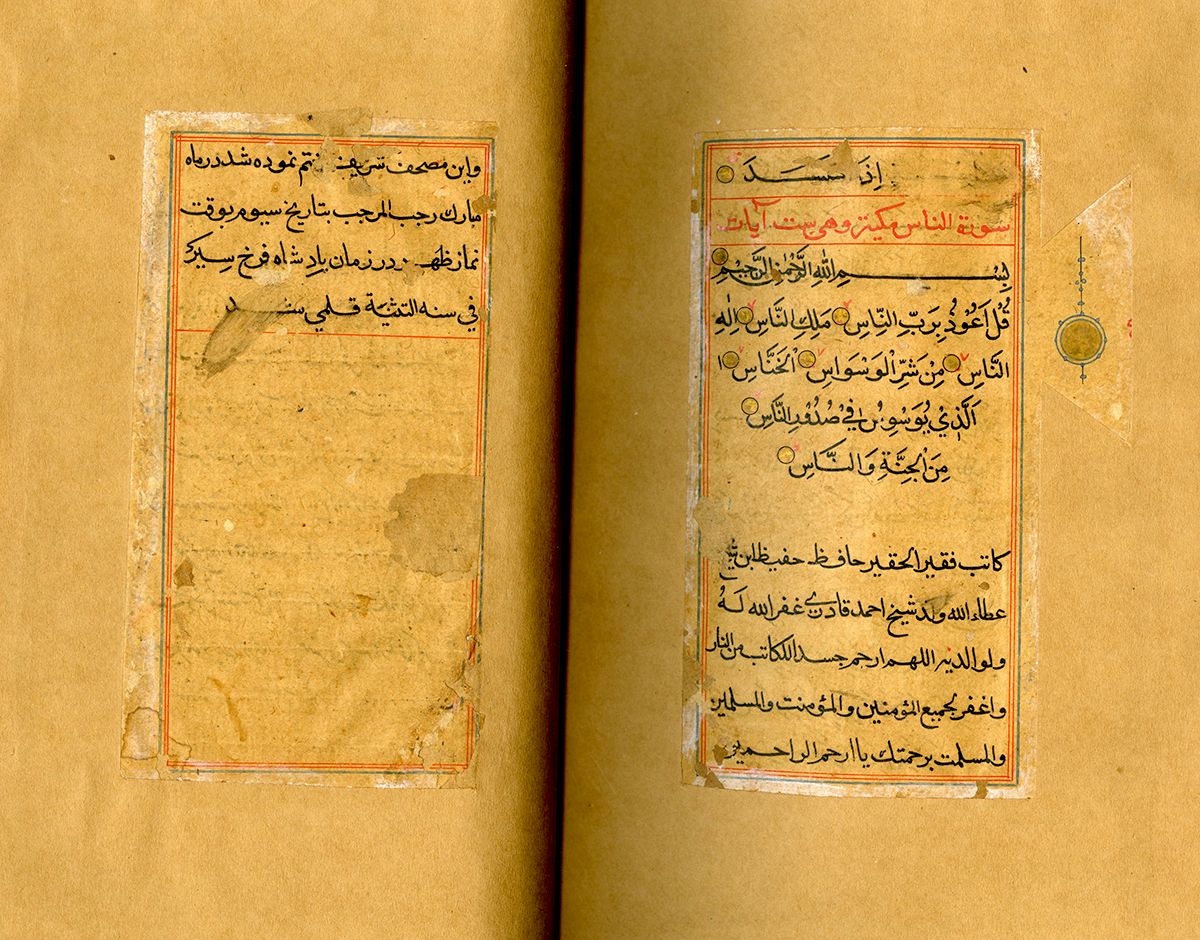
Princess Zebunnisa was the favourite daughter of Emperor Aurangzeb. When she completed the Holy Quran as Hafiz ul Quran, she was only seven years old. The Emperor had her weighed in gold. Relations were intact for years. Then the brother of Zebunnisa rebelled against his father, and she went on communicating with her beloved brother. Emperor Aurangzeb found out and had her freedom curtailed by assigning her in Salimgarh fort for a long time. Certainly it was not a prison but forced confinement, otherwise she was at liberty in doing most things. An intellectual Princess with books at her hand, what more she could ask. Till situation got better, and the rebellion of the son was crushed by the father. When the death of Princess Zebunnisa reached Aurangzeb, he literally wept, and ordered the building of her mausoleum in Tees Hazari garden in Delhi. Orders were given to three individuals, that meant Sayyid Amjad Khan, Attaullah Rushdi and his son Hafiz Hafeez, also known as Nur Muhammed Mimar. The official history Maaserai Alamgeeri records the order, and few historians have been able to decipher the order, for lack of identification of the three officials. The reason is simple: Attaullah son of Ustad Ahmad Mimar was a very old man by this time, and nobody knew who Hafiz Hafeez was in that context. The discovery of a Holy Quran written in the times of Emperor Farrukh Siyar cleared that. Double confirmation is that name and famous name, both are mentioned in official order, that is Hafiz Hafeez Urf Nur Muhammed.
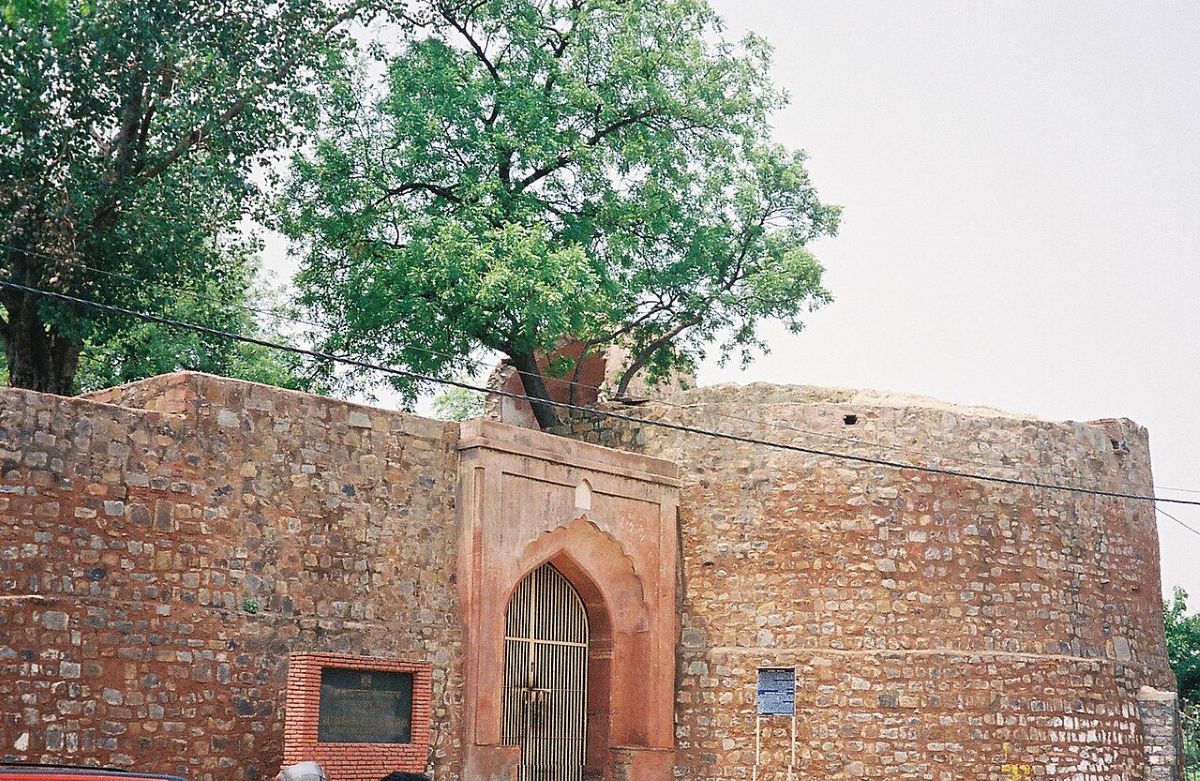
It must have been a beautiful monument in line with other monuments built by Attaullah Rushdi for Emperor Aurangzeb, like the Mausoleum of Rabia Durrani, wife of the Emperor, in the city of Aurangabad, where the name is mentioned on the gate sill of the monument itself. History records movement there of intellectuals and poets, who used to rest there for its peaceful environment. Everything was smooth till the British administration decided to build the Rajputana Railway Station of Delhi on the monument itself. This was done in 1867 and the beautiful monument was razed to the ground by bulldozers. Only the inscription of the grave was left and it is still housed there in the Fort Museum, Delhi. Sir Syed Ahmad Khan was the first to give an image of same. It is easy for us to include the same here, and no actual photograph is known to us.
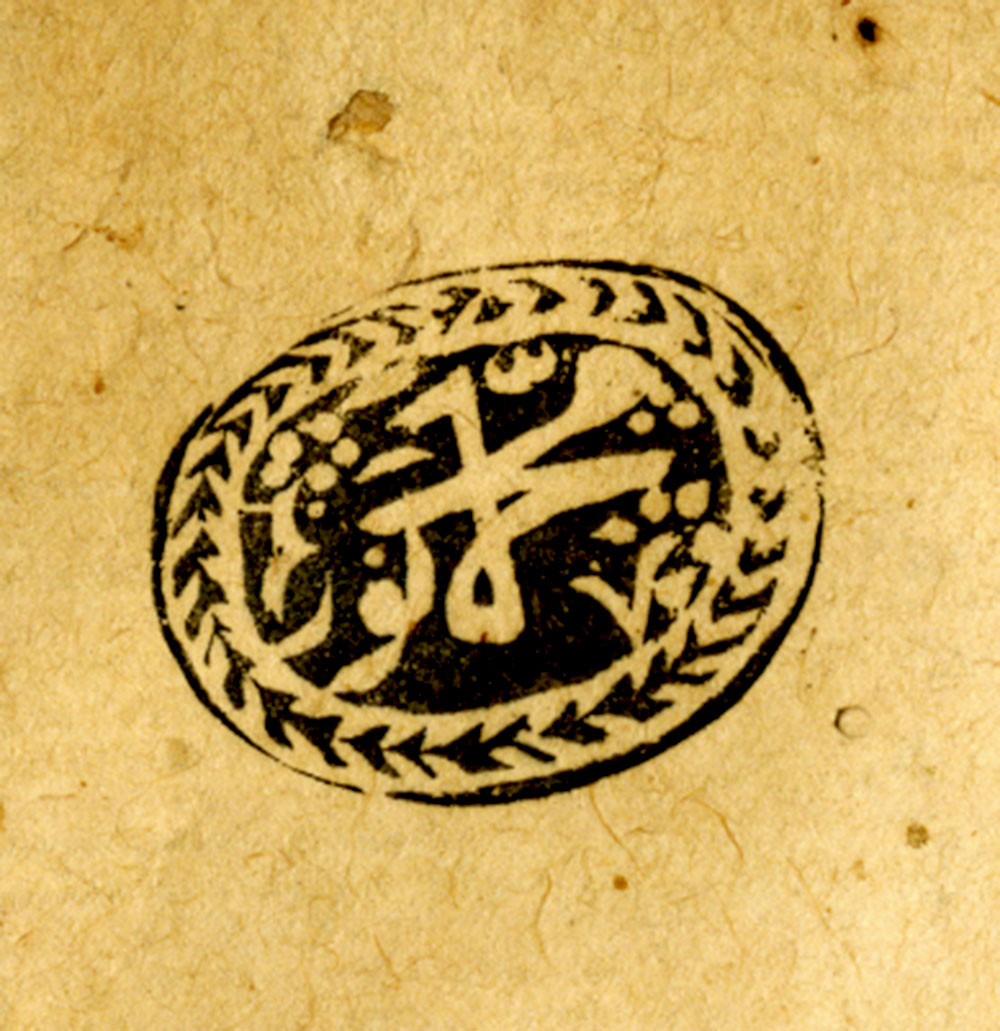
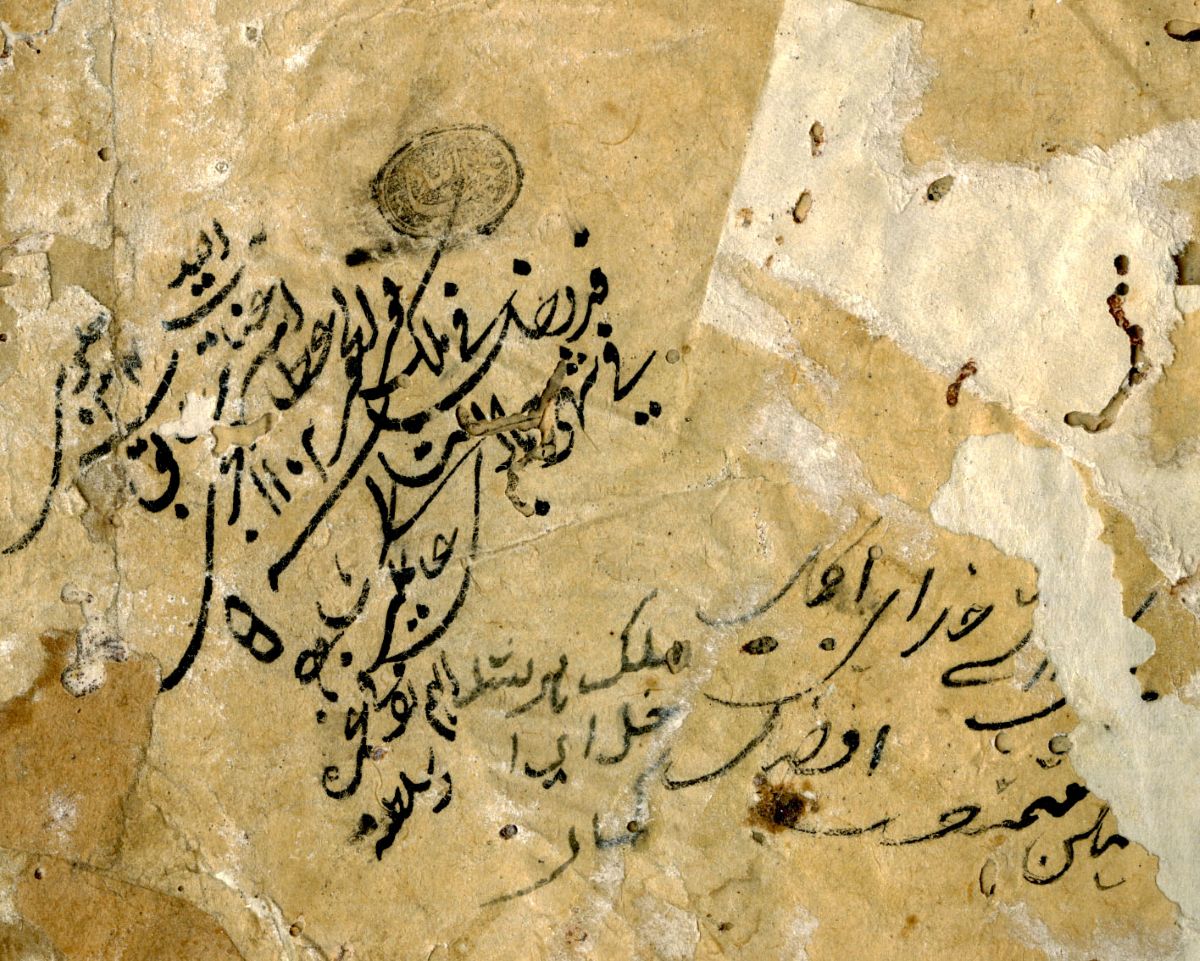
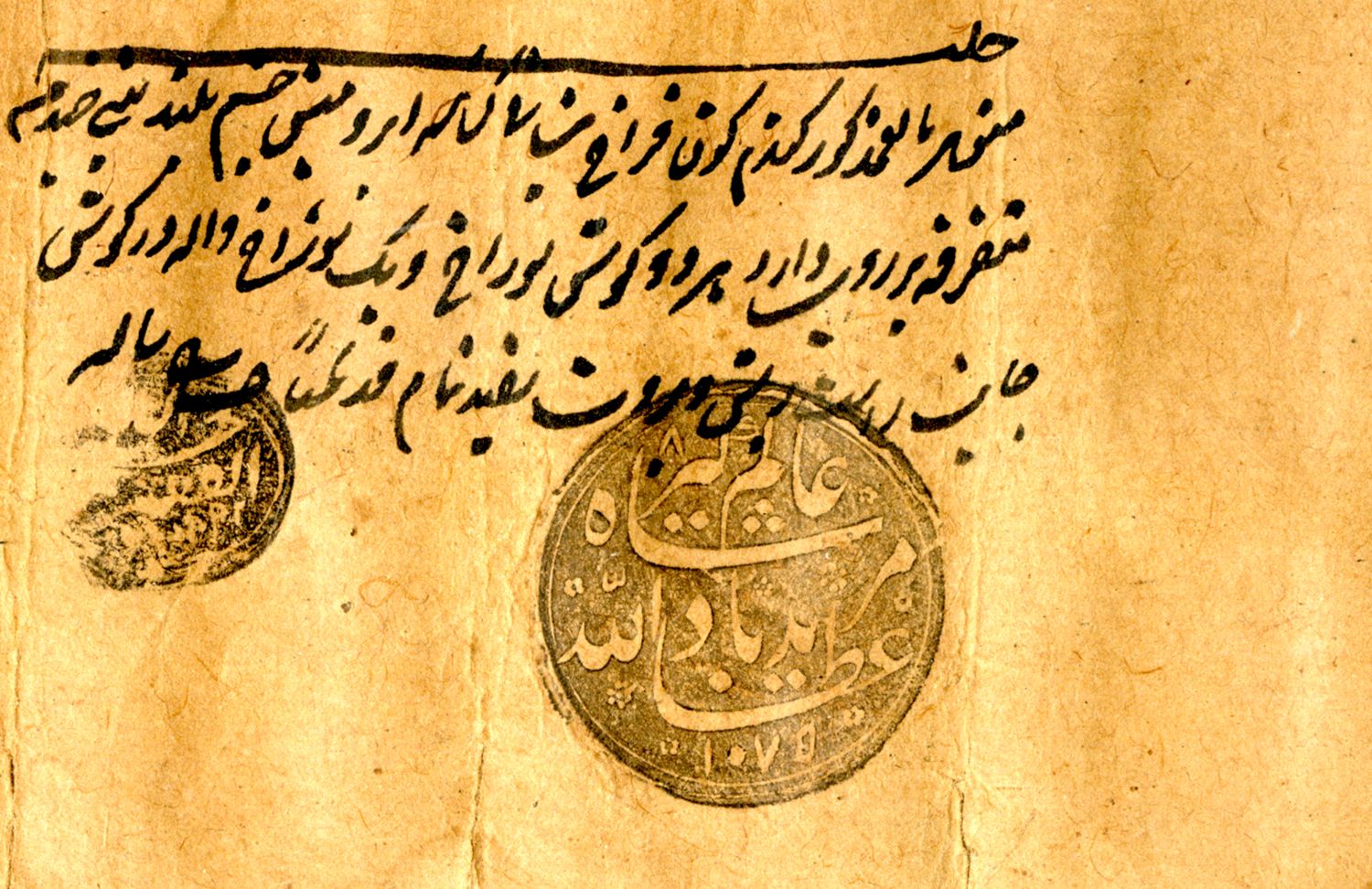
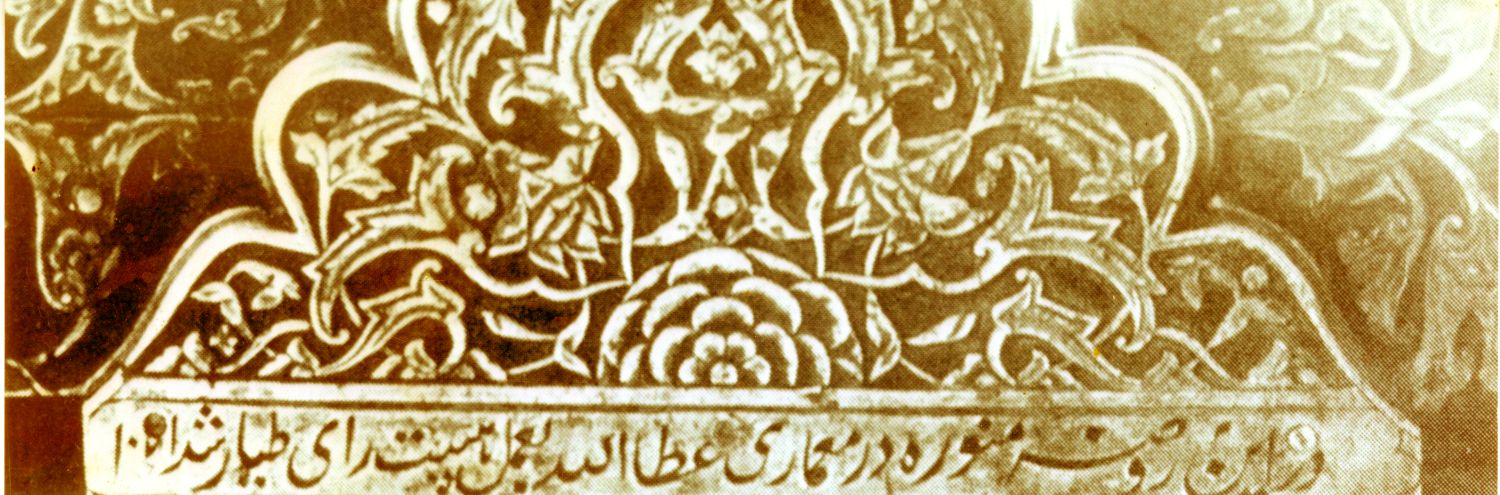
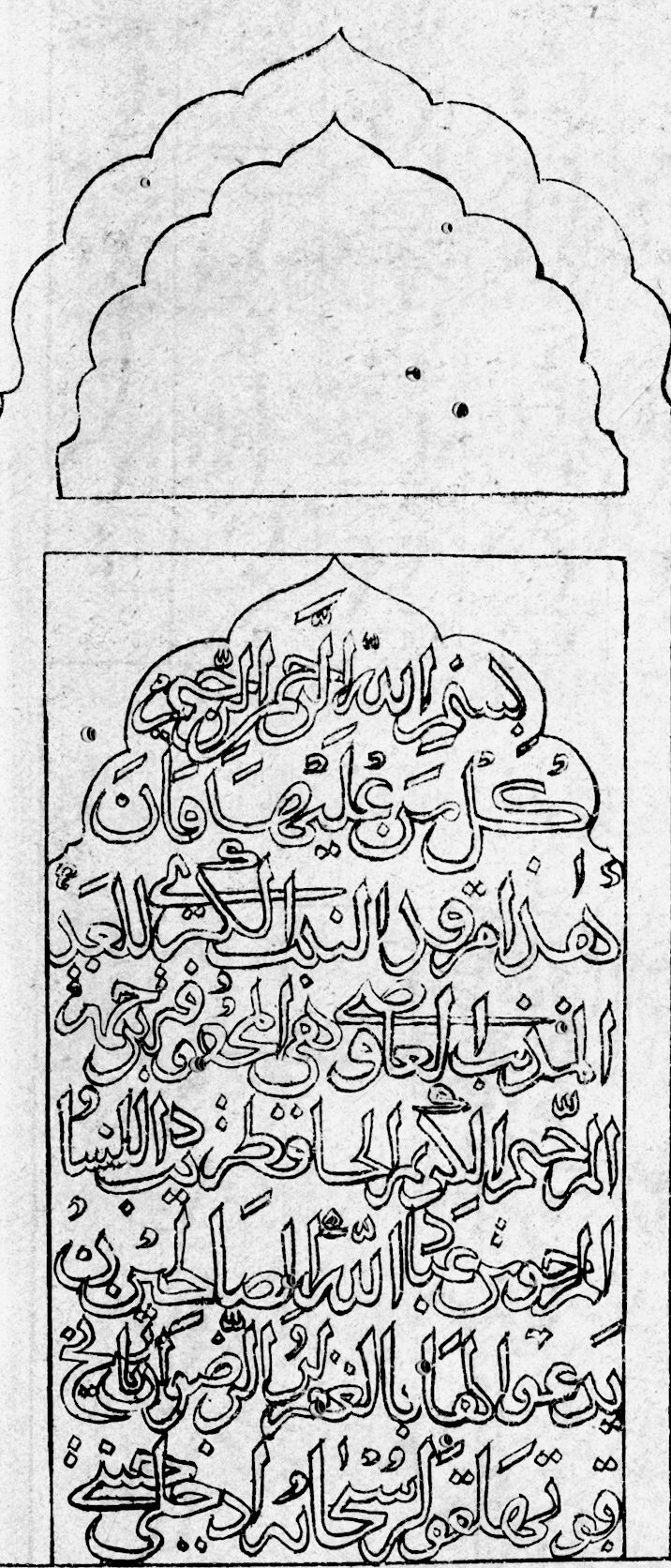
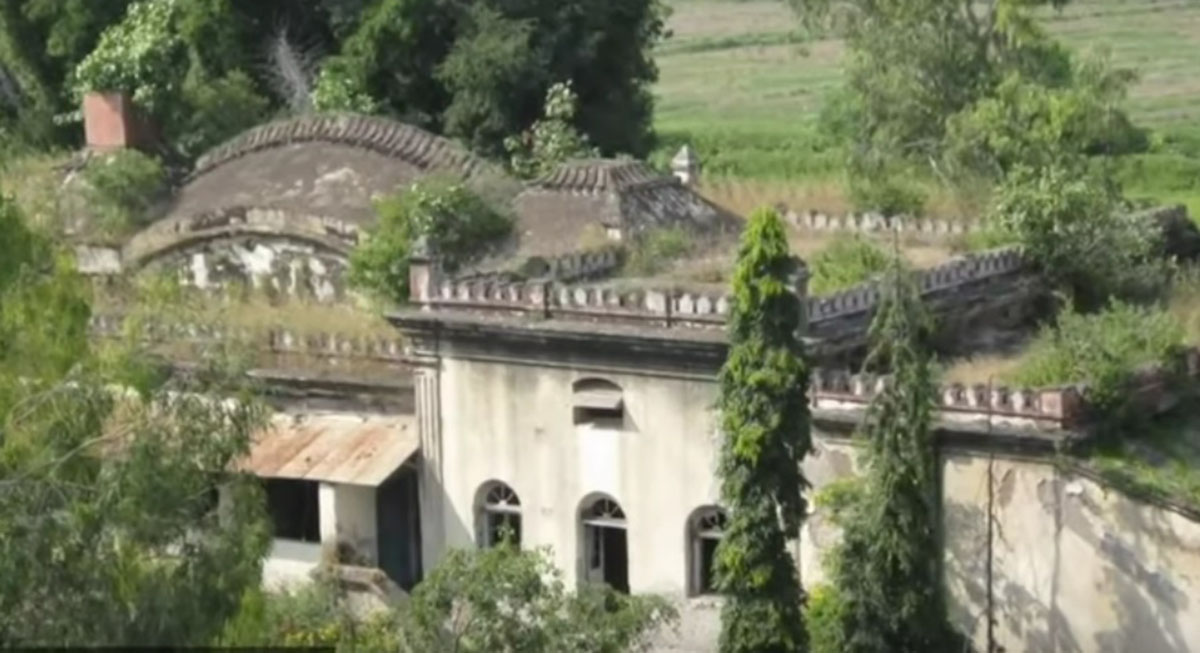
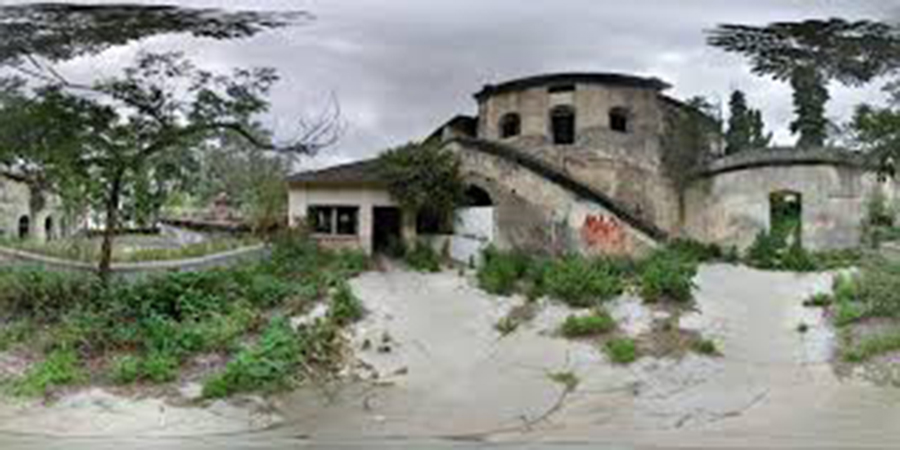
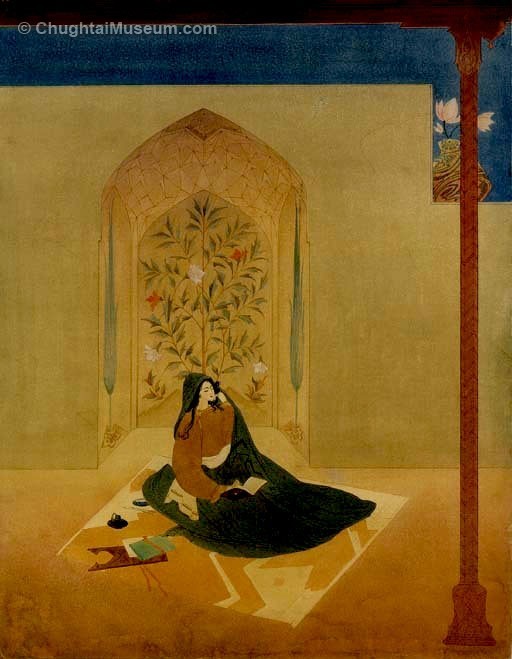
This should clear the fazed minds of the moronic writers who continue to stick to the fantasy of the Mausoleum of Princess Zebunnisa at Nawankot Lahore. Some stupid clerk made the mistake a long time back and the official circles are stuck with same, including writers like Muhammed Lateef. The Mausoleum in Nawankot is not the resting place of any lady, it is the resting place of a man. Historians like Dr Abdullah Chaghatai have isolated the name of the person buried there as Haji Abdul Kareem son of Saint Abdullah Sultanpuri . Research is available in his book Imakan Lahore. But even otherwise the grandeur of the place raises speculation. Some truths are never uncovered or by some freak of a chance. Certainly the place has nothing to do with Princess Zebunnisa.
A number of references are known about this mausoleum. Mirza Sabukatageen in his Sehr Manazil clarifies same in clear cut way. The writer Beale says same again. Mentioned in Punjab notes and queries. But one interesting reference is Shamas Ulama Muhammmed Hussain Azad who mentions spending time in the mausoleum with his tutor Maulana Zauq and his own father. But one step further they even had a portion of BALA KHANA repaired at their expense, for it was so peaceful and serene there. Amazing reference of olden times. Maulana terms it as a beautiful structure. Now gone without trace.
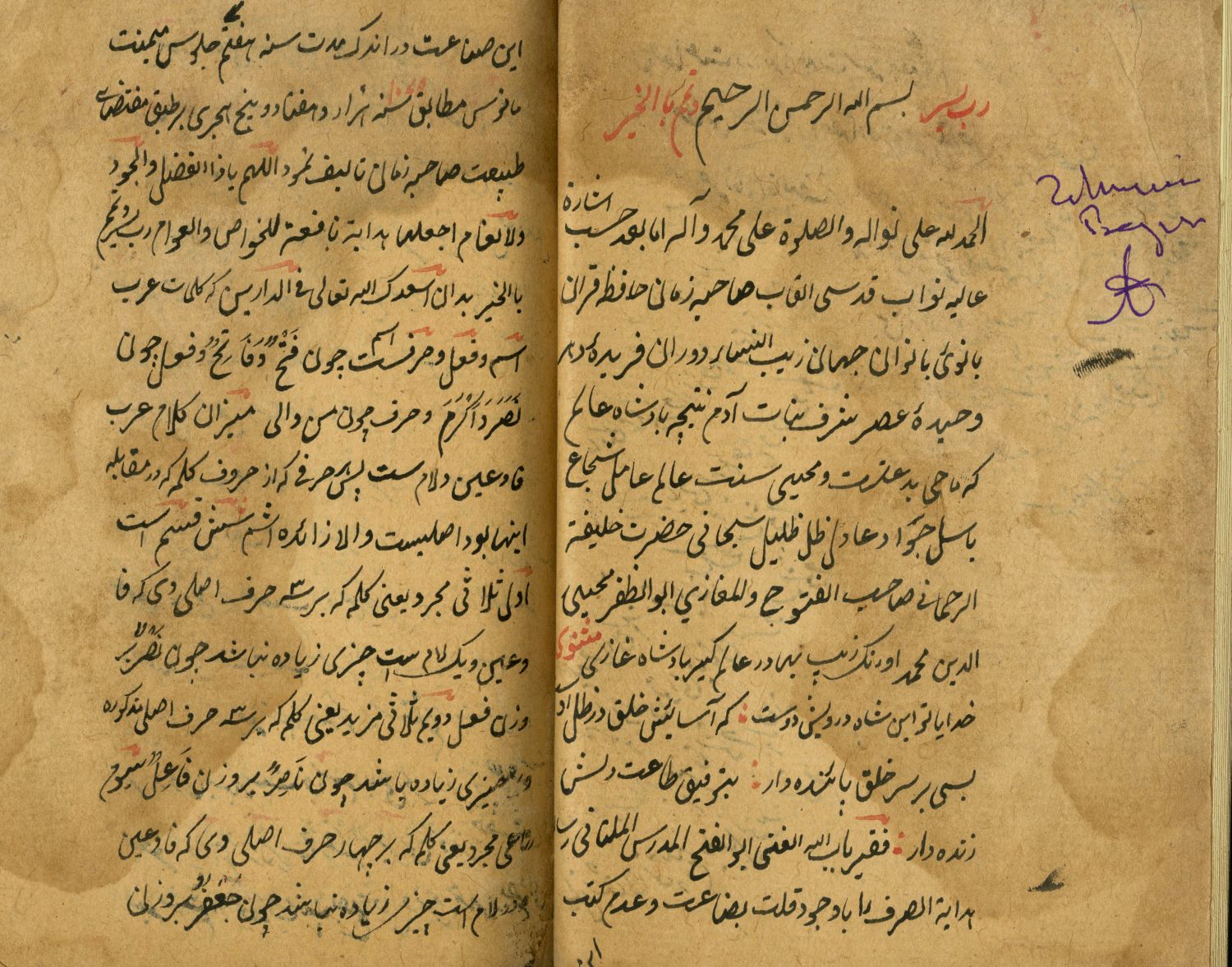
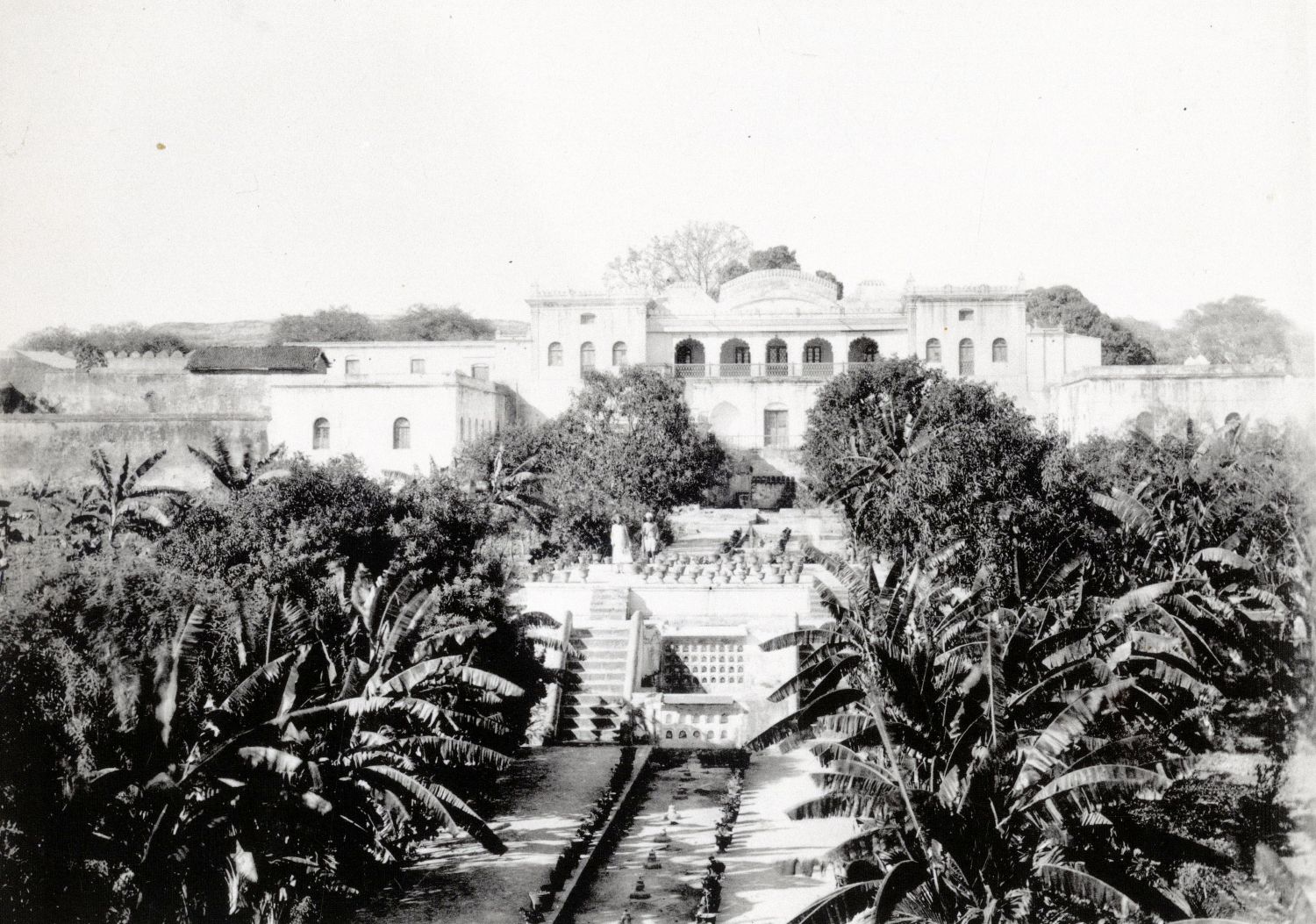
In Lahore we have a letter written by Zebunnisa in the Archives of Punjab Government. And various books in printed and manuscript form of scholars dedicating their literary efforts to Princess Zebunnisa. Abu Fatehs work image enclosed. And the remnants of her palace and garden at Aurangabad (known as Zenana Mahal), portion of which is now an Arts College these days. And ofcourse her hand written bayaz of poets with Chughtai Museum. But most of all her memory is ingrained in the hearts and souls of our people.
Principles live with us when we realize what keeps individuals and nations live. In all ways Zebunnisa a living example.
Historical narrative best o record for future reference.
Very well documented.
Never knew the real resting place is not in Lahore. Thank you for this enlightening article.
Refreshing feeling that documentation is given. Well done!
How sad how ruthless?