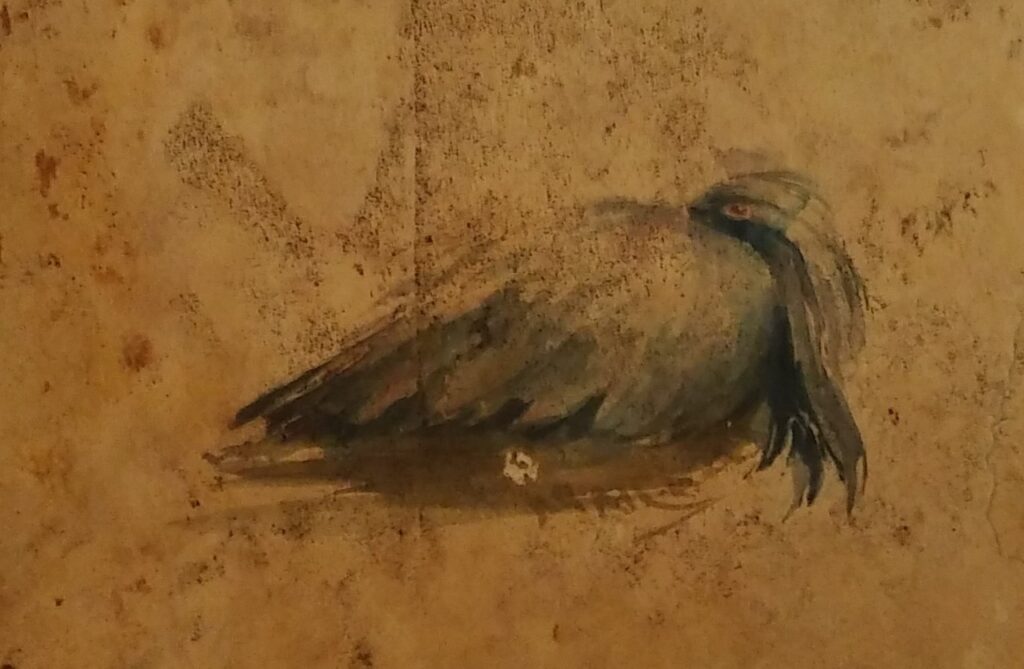
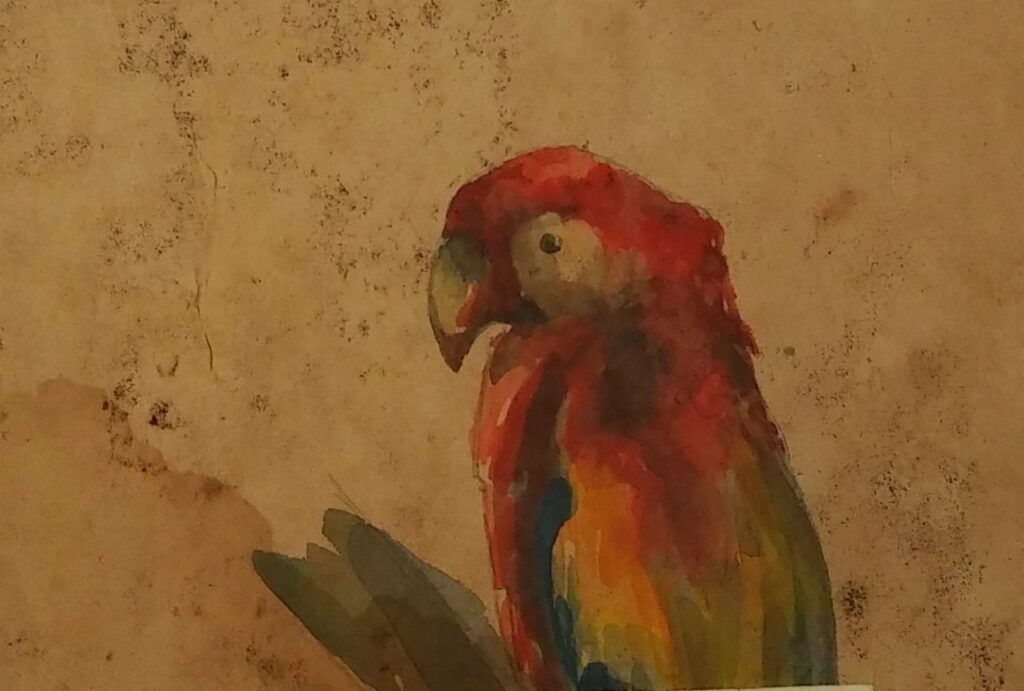
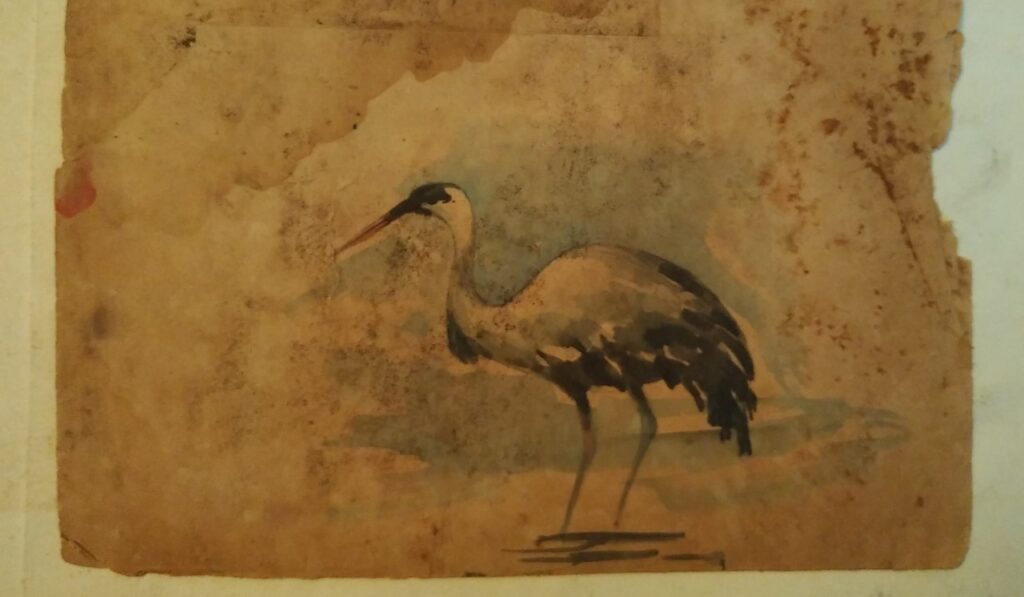
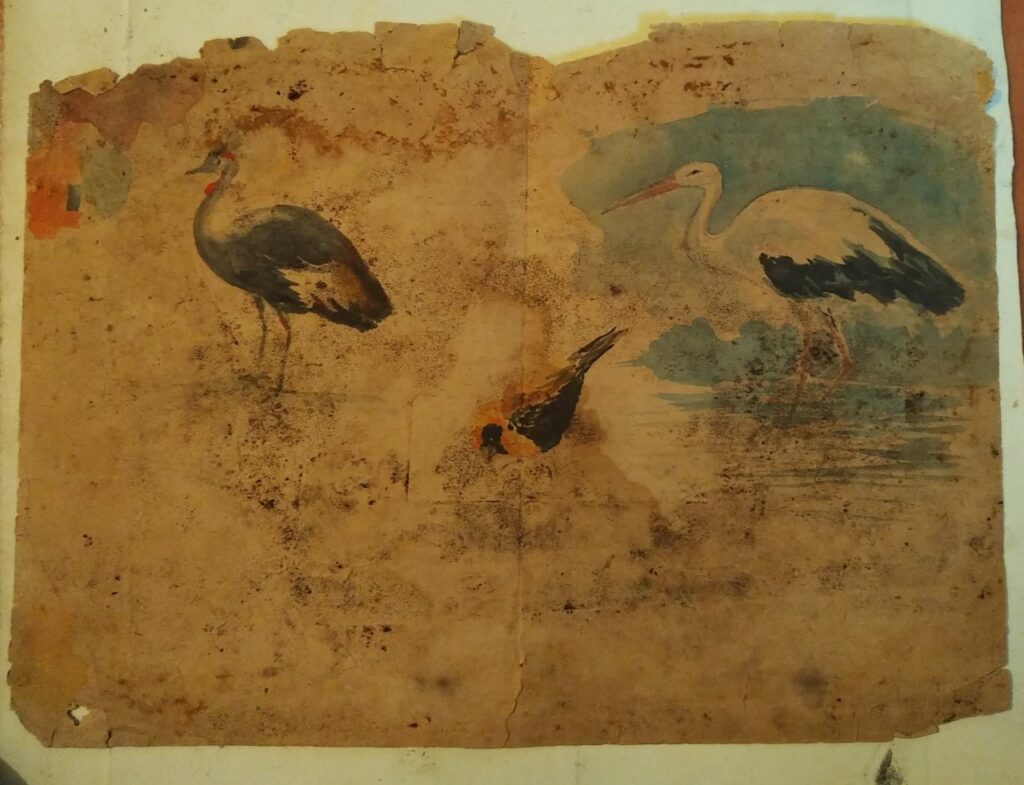
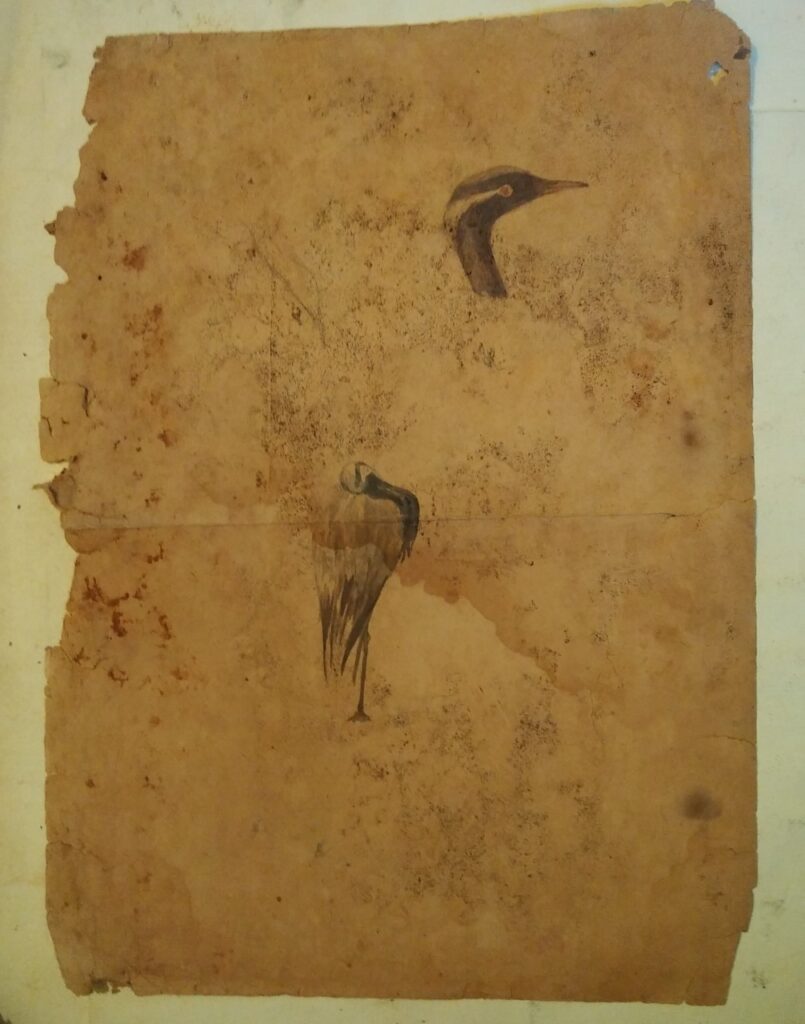
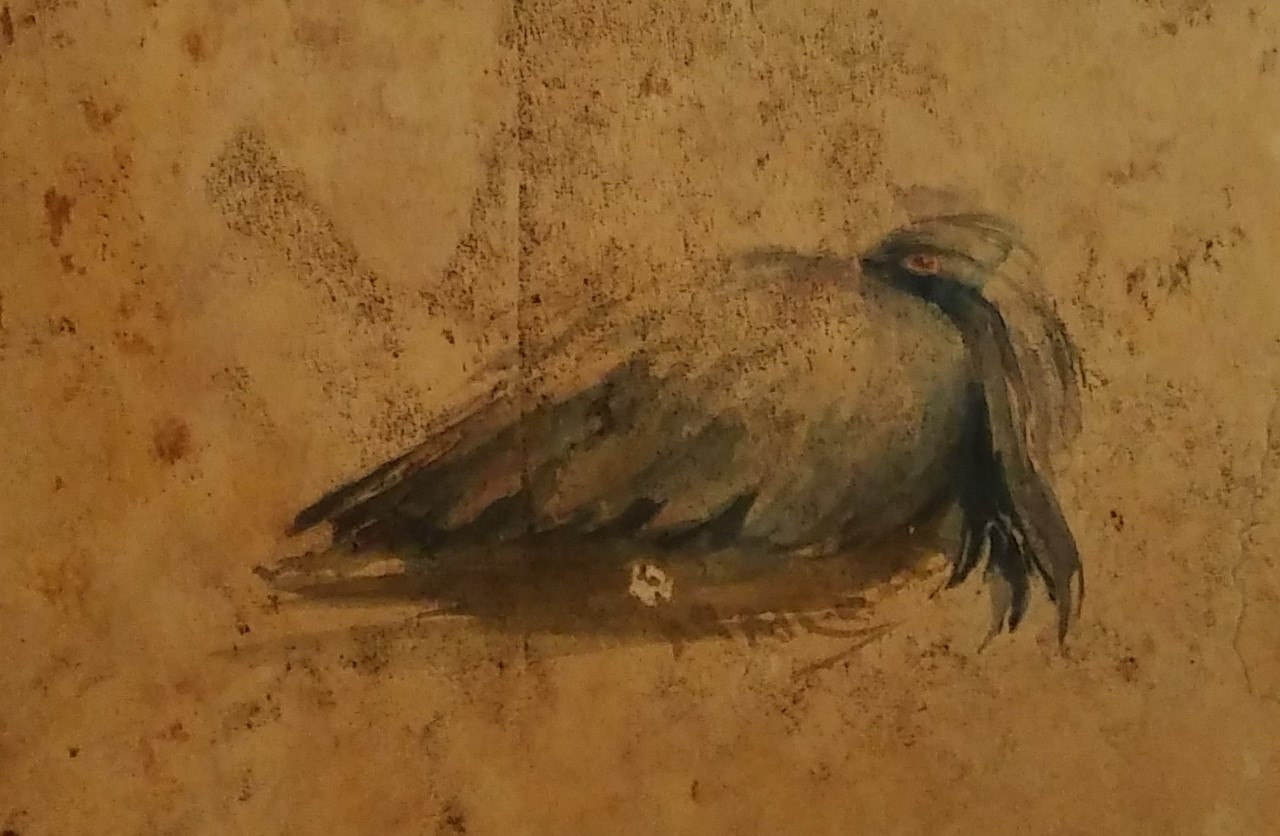
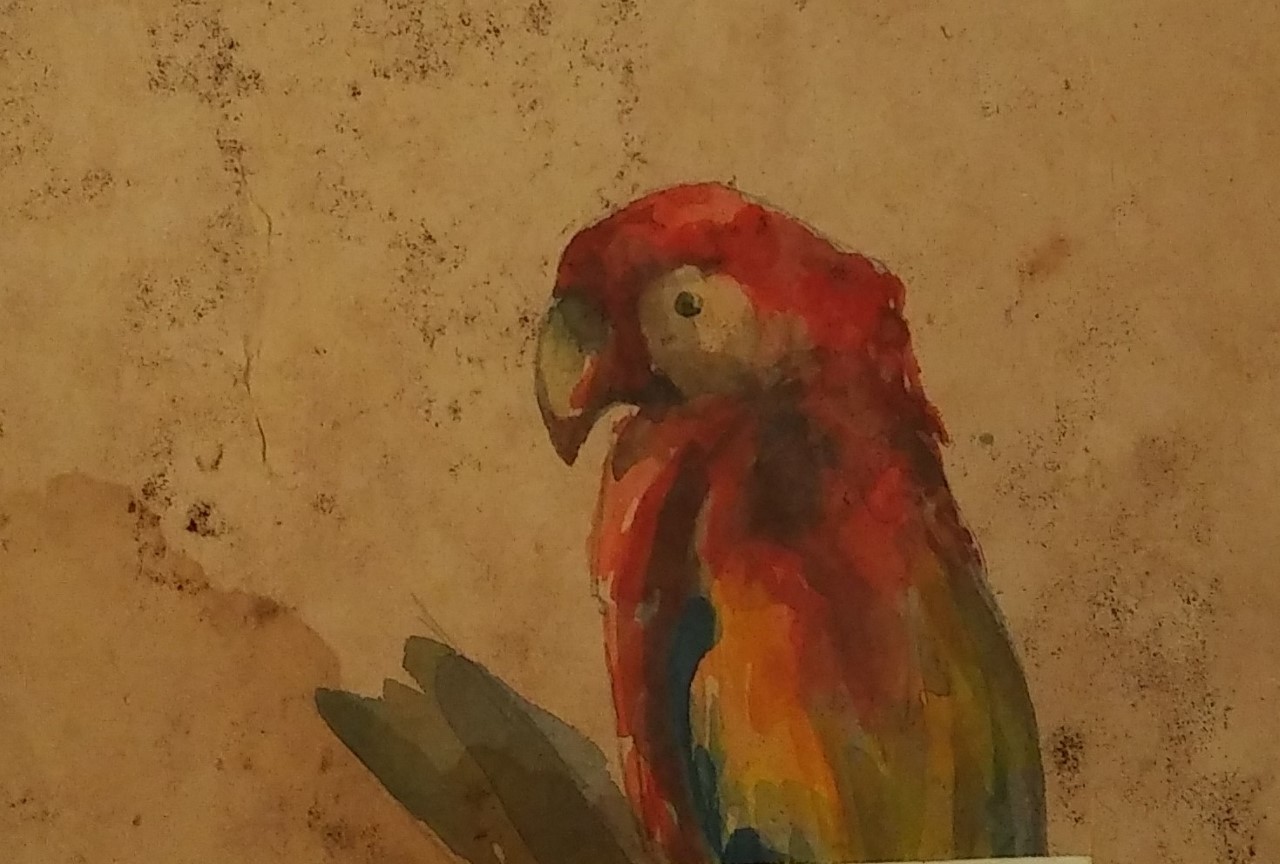
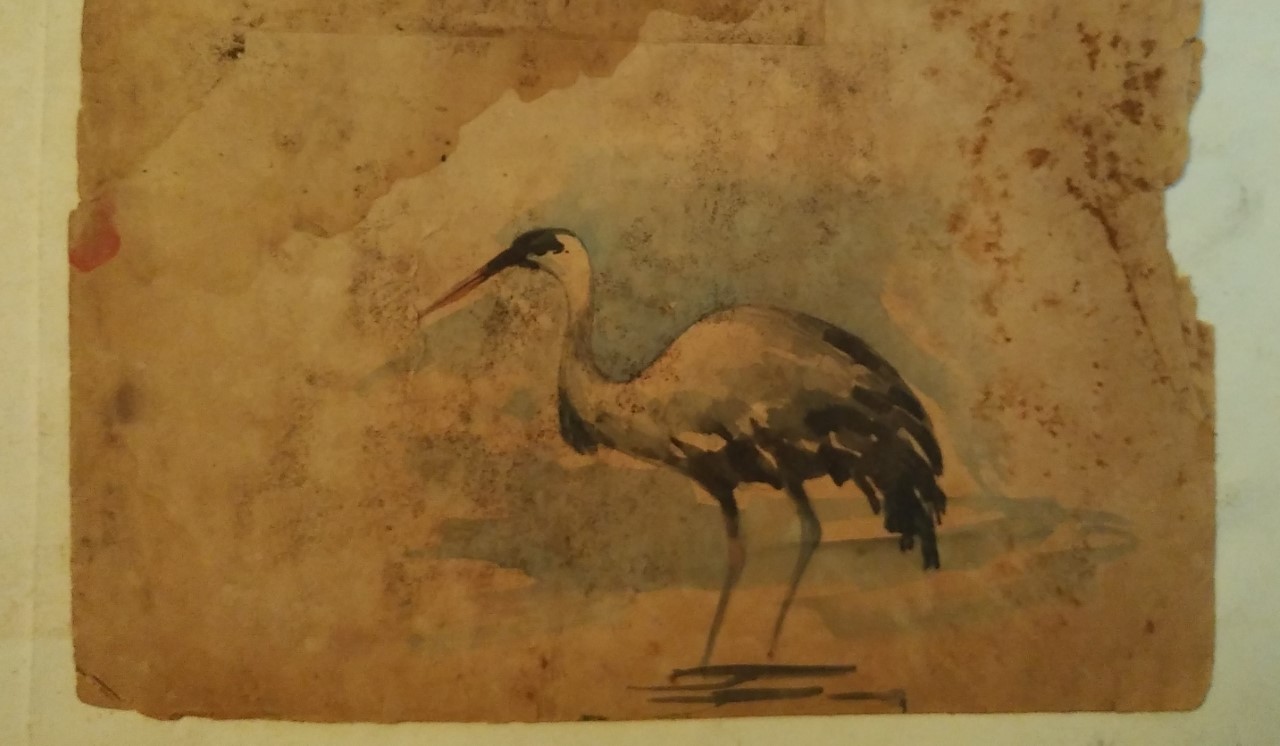
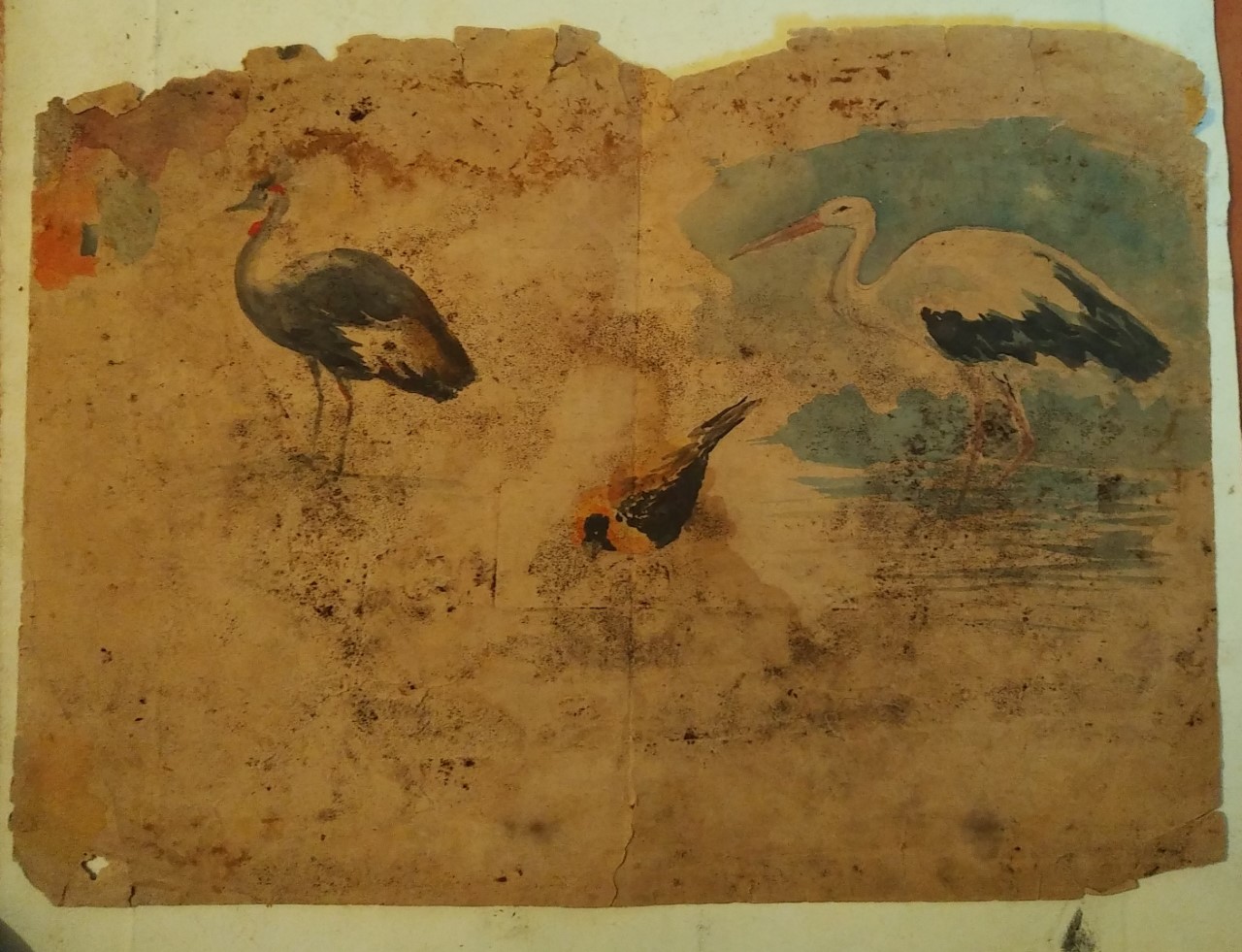
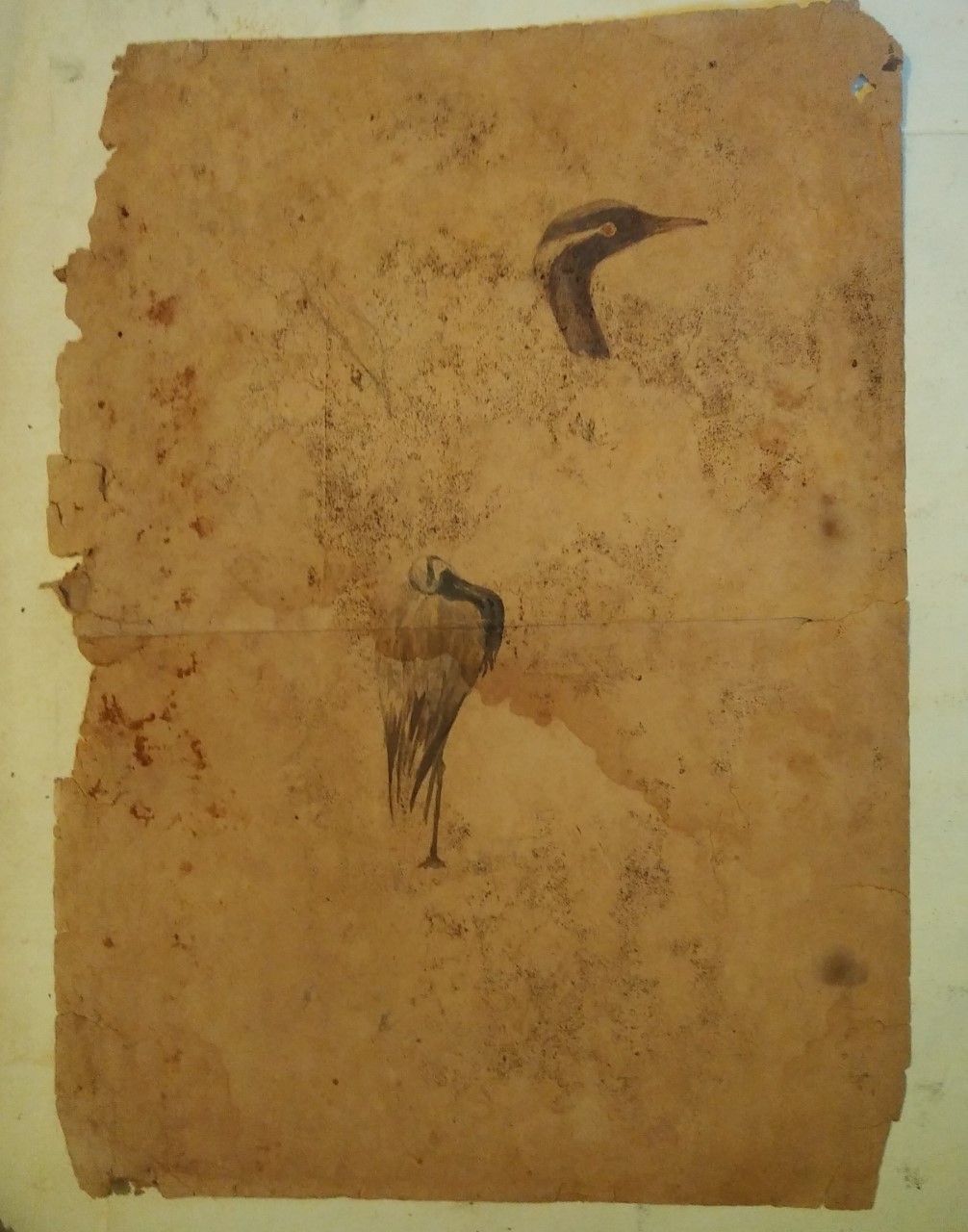
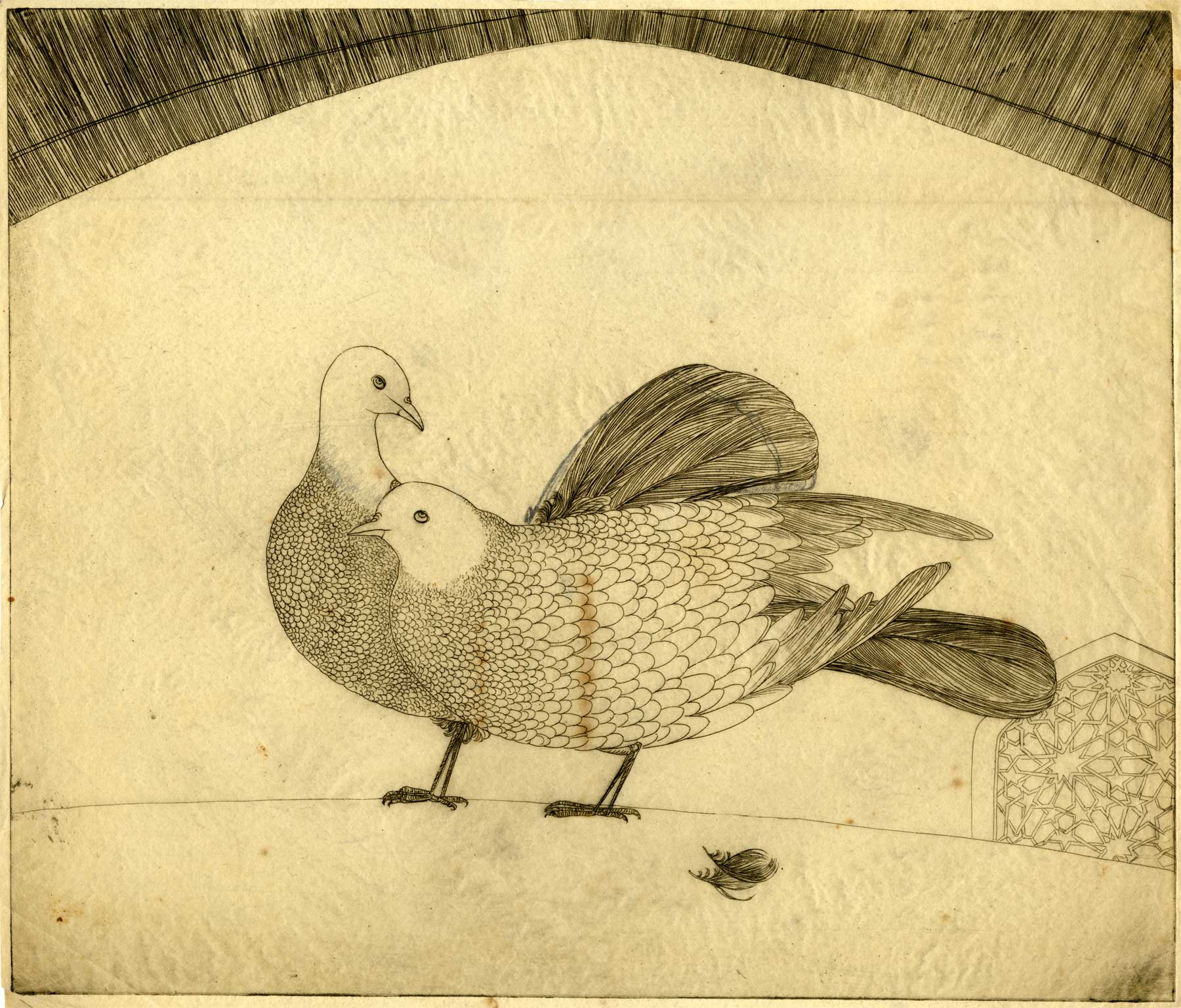
A FEW REMARKABLY PRESERVED PAGES FROM A SCHOOL DRAWING BOOK – PROBABLY AROUND 1908, EARLIEST FREE DRAWINGS M.A. RAHMAN CHUGHTAI
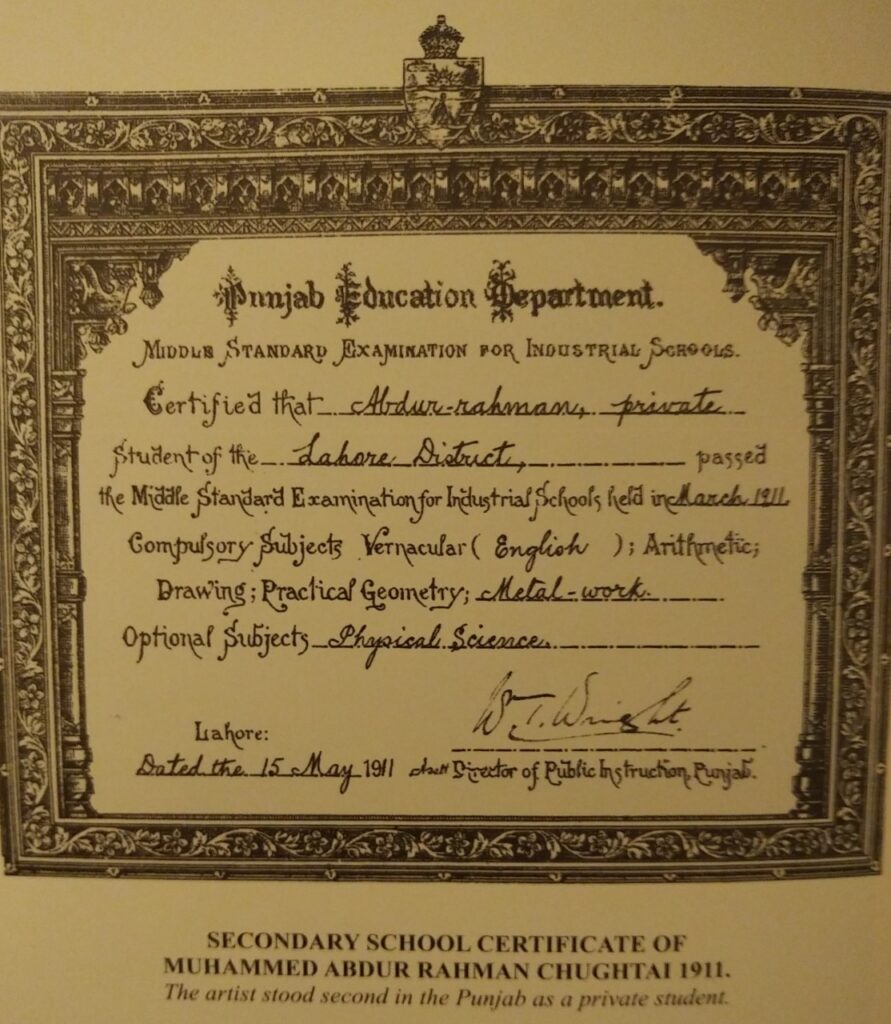
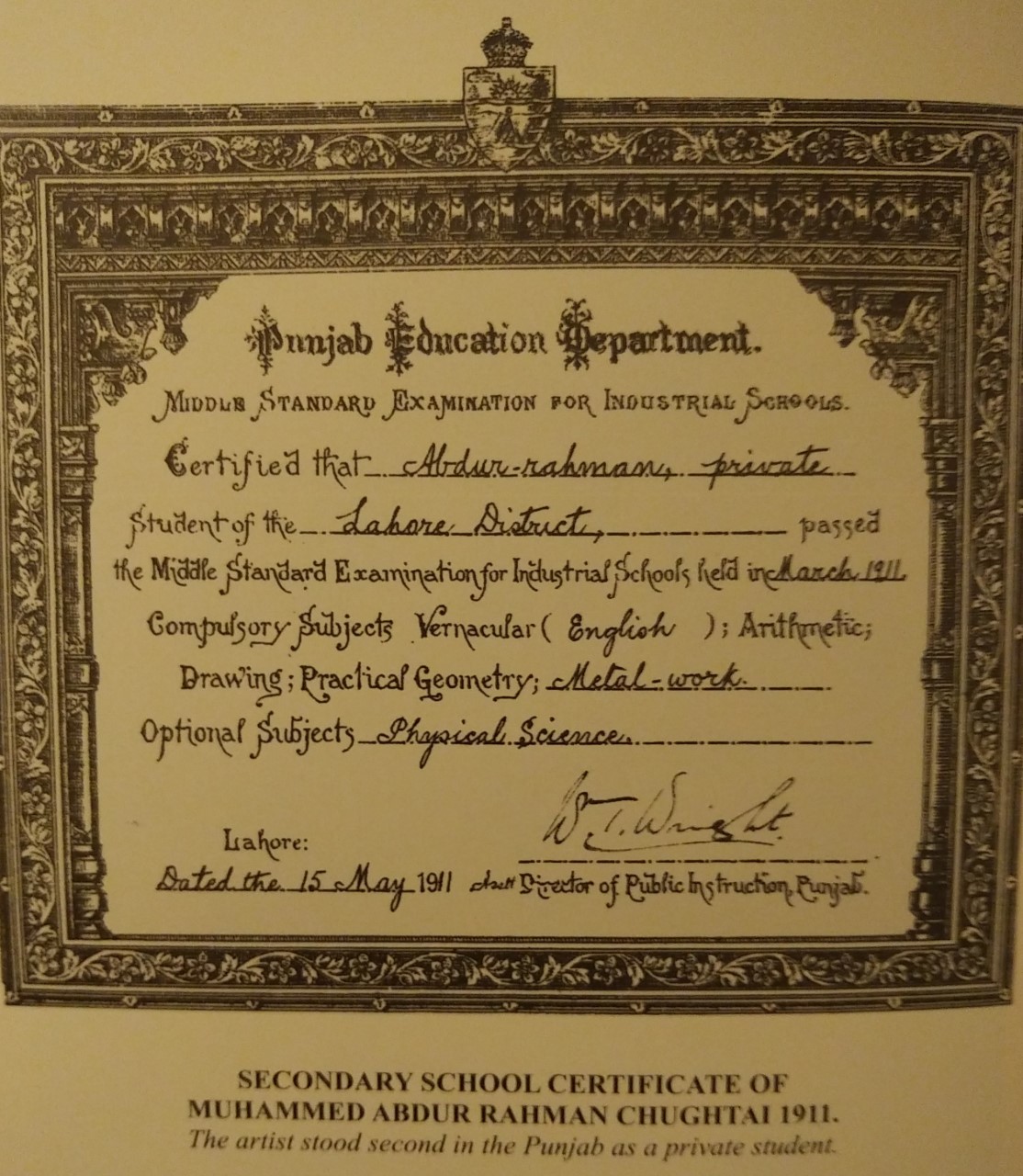
School Certificate
School Drawing 1
School Drawing 2
School Drawing 3
School Drawing 4
School Drawing 5
From the early naqashi classes of Baba Miran Baksh at Wazeer Khan’s mosque, the artist Chughtai moved to Railway Technical School, near Railway Station, Lahore. Children of the employees of Railway, received free education here. As a lot of Chughtai’s relatives from the mother side was in the Railways, it was natural for him to be there. His brilliance everybody could see, but his attitude was resented there. The Head Master used to thrash him literally with a stick, so much so that he ran away from School. (But that is another story) Suffice that some pages from a drawing book are still preserved with us. It was natural for him to come second in the Eighth Middle examination, with excellence in Technical and free drawing. Some pages saved from his drawing book, and as he passed his exam in 1911, so we can say these pages are from 1908 or so. Enjoy!
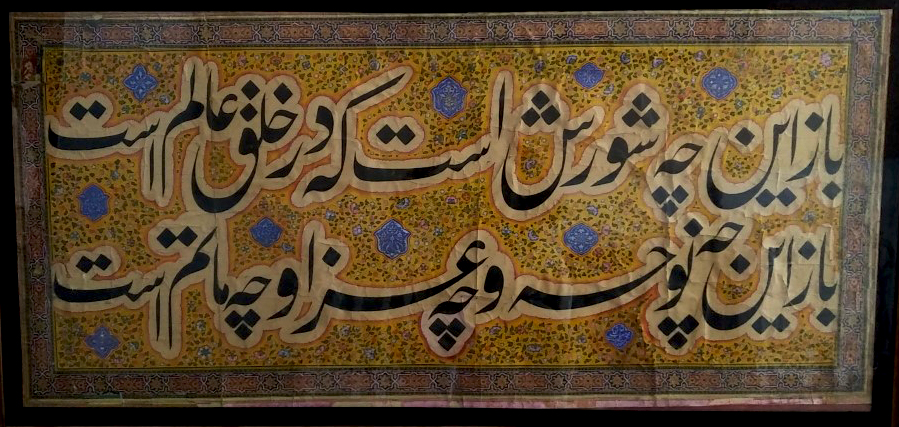
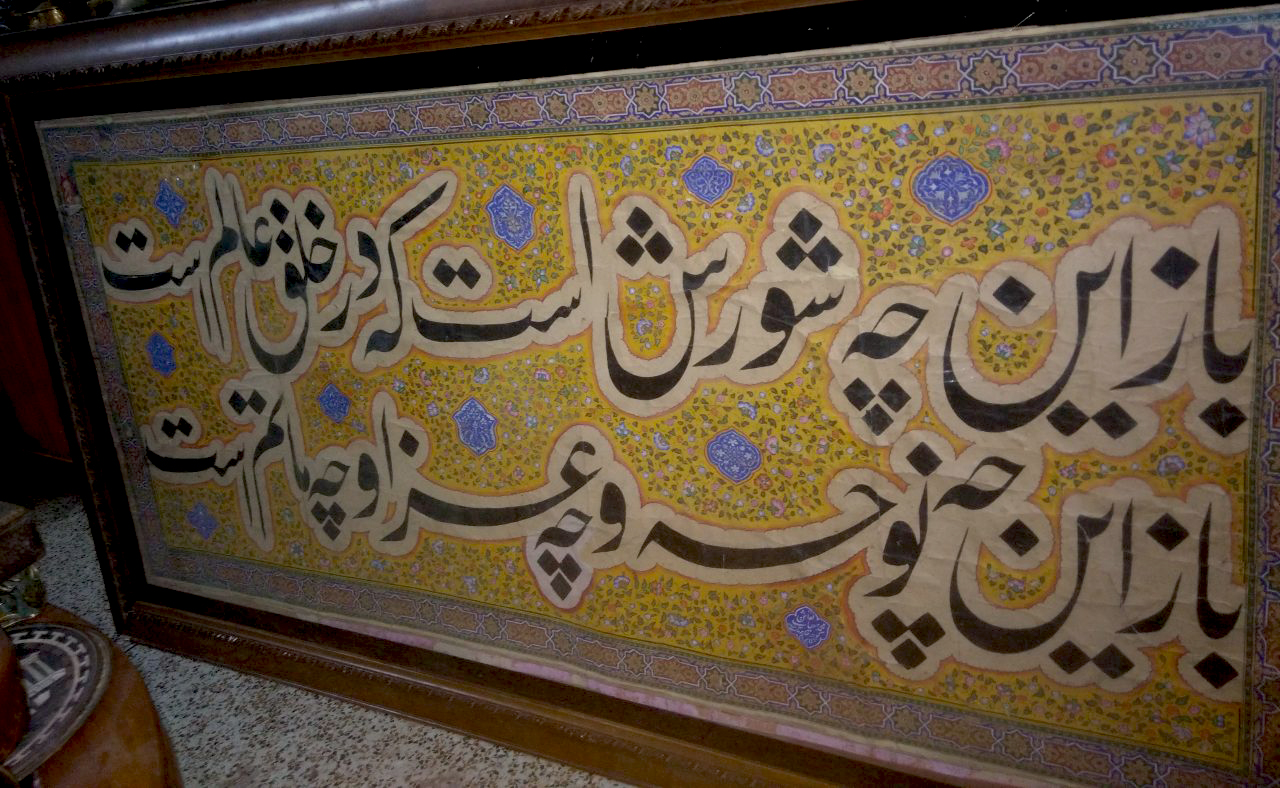
A KITA MASTERPIECE BY MIAN MUHAMED HAYAT NAQASH – LARGEST KITA SEEN BY US OF UNBELIEVABLE SIZE PATRON.
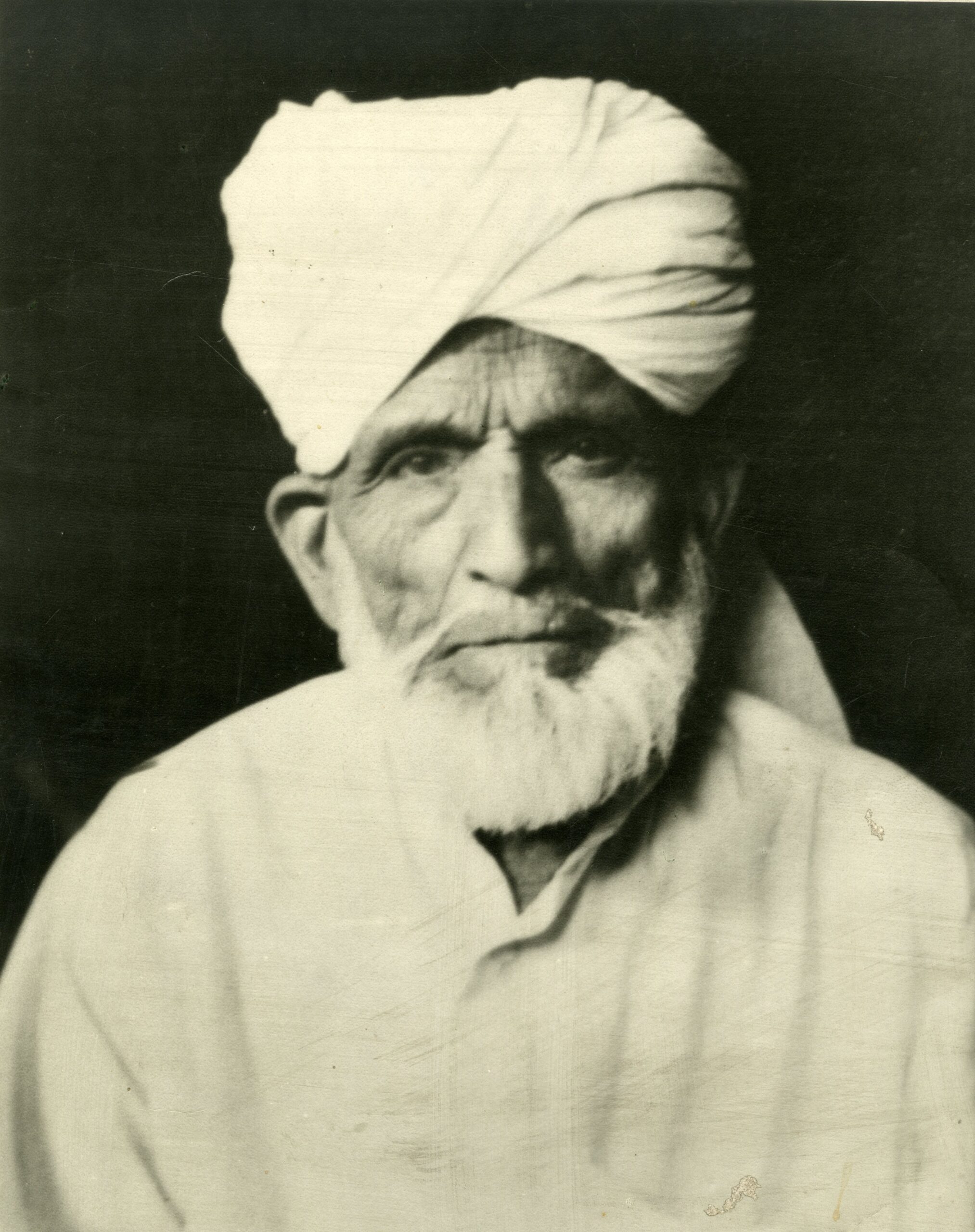
Mian Muhammed Hayat Naqash
We finally measured this large kita. It is 57 inches by 26 inches. I do not recall seeing or hearing of such large kita. Exceptional calligraphy as well as exceptional naqashi, in tradition of his father Baba Miran Baksh. Hayat Naqash was first cousin of artist M.A. Rahman Chughtai. Their ancestral domain was the first hujra on the right in the Wazeer Khan mosque. Umar Din Naqash, father of Baba Miran Baksh, also worked in the same hujra. It was with great effort that we managed all this. Enjoy!
IMPORTANT MANUSCRIPTS RELATED TO NAWAB WAZEER KHAN LAHORI – AND HIS SON MUHAMMED SALAH ALIAS ANWAR KHAN ALAMGEERI
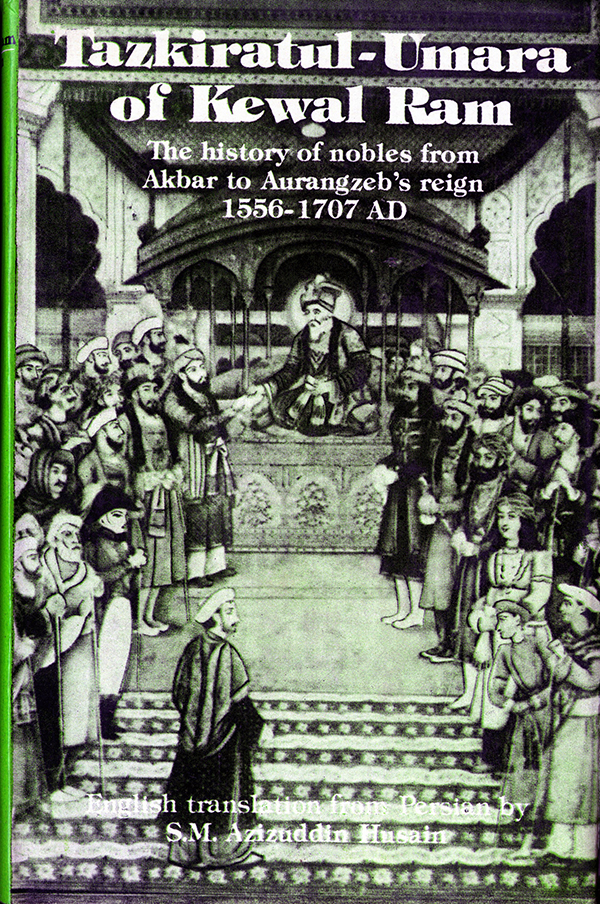
Tazkira Kewal Ram
Muhammed Salah Anwar Khan 1085 AH
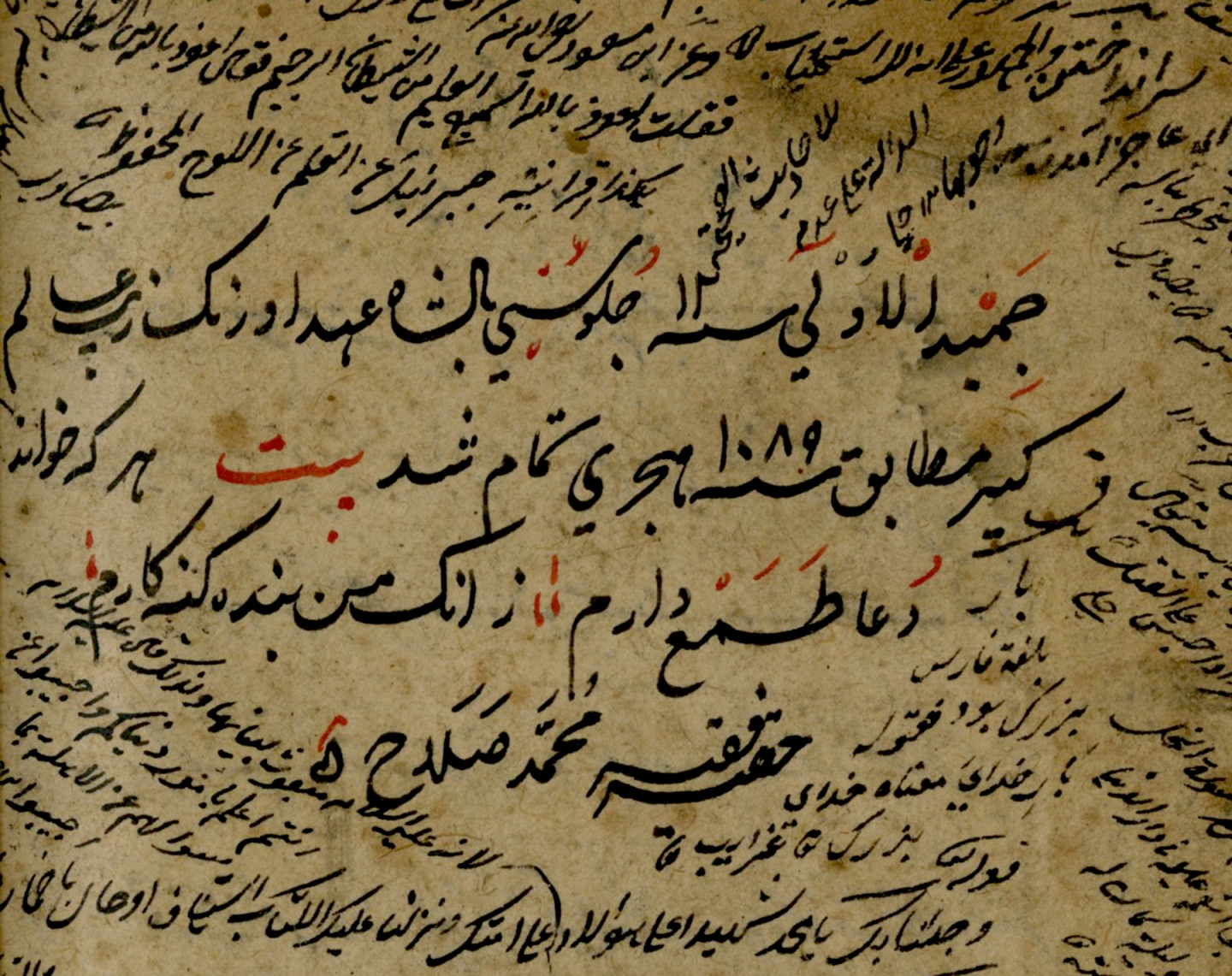
A wealth of information lies in the study of manuscripts. So much new is discovered every day. Reference is made to Anwar Khan as existing in the time of Shah Jahan, but that is not the case at all. Tazhkira Kewal Ram clears all that, by telling us that the name of Wazeer Khan’s son was Muhammed Salah. Later on, Aurangzeb rose his rank and gave him the title of Salah Khan. In 29th regnal year, he was given the title of Anwar Khan. So much so for the waqf nama touted as the legacy of Nawab Wazeer Khan.
Maktoob Muneeri by Salah 1089 AH
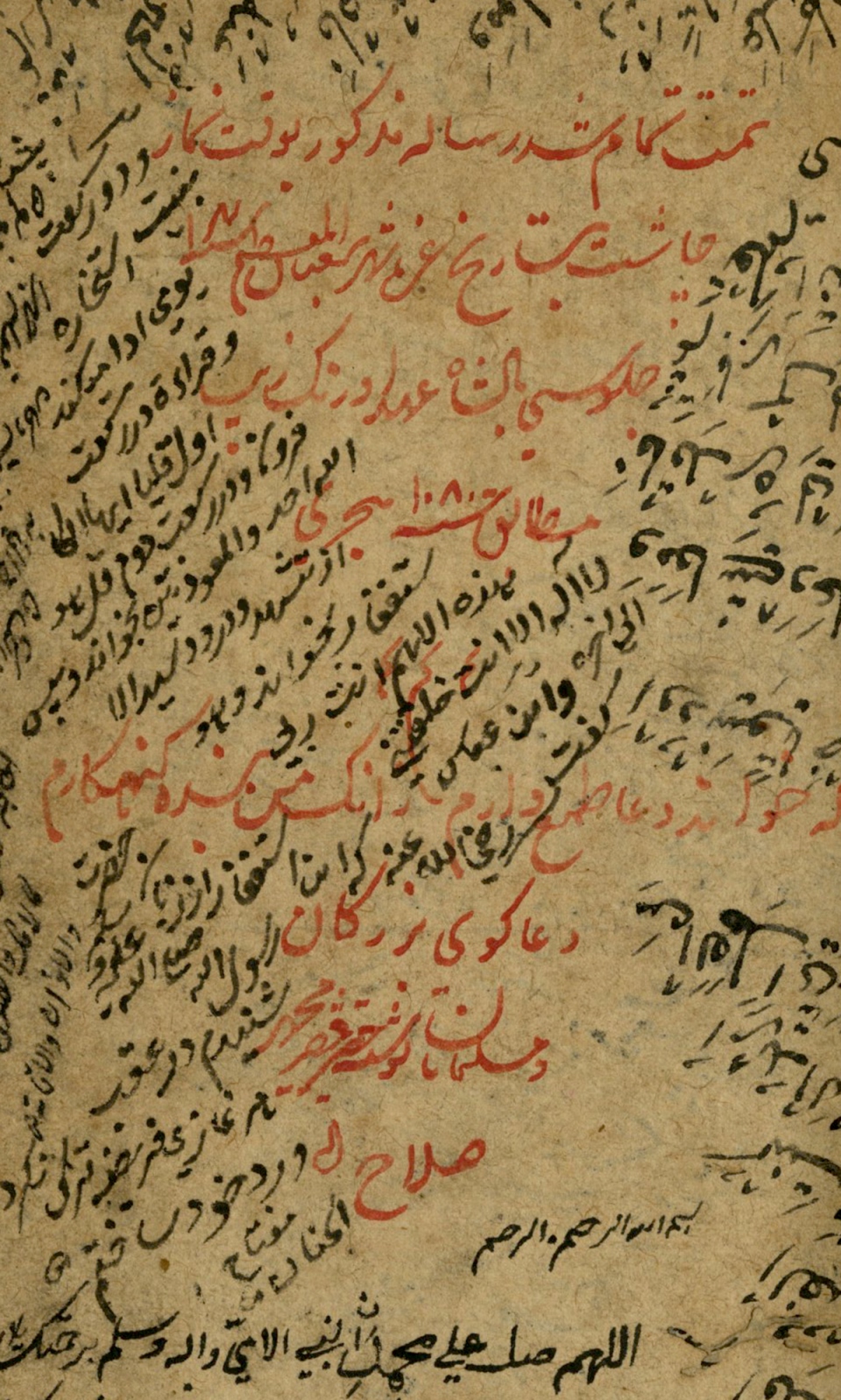
Muhammed Salah 1080 AH Risalah Arwah
Maktoob Muneeri
The discovery of a manuscript written by Muhammed Salah in 1080 A H as well as 1089 A H, clears all this very much. We reproduce some pages for the information of researchers. Worthy of further research. A notable addition to our research book, “The Legacy of Nawab Wazeer Khan”. Another important discovery is the DIWAN OF WAZEER KHAN, and we will talk about it in a separate blog. Wait!
DR ANJUM REHMANI VERSUS DR ABDULLAH CHAGHATAI – FIGHT OF SCHOLARS HAS BECOME ROUTINE IN OUR TIMES.
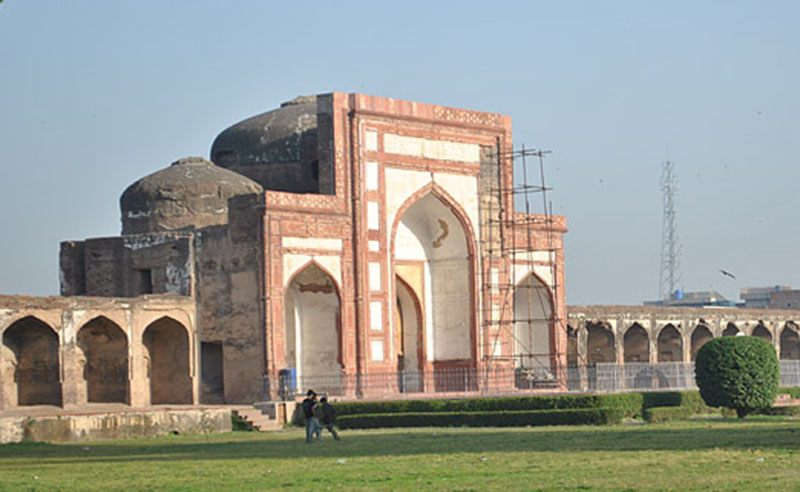
Masjid in Caravan Serai
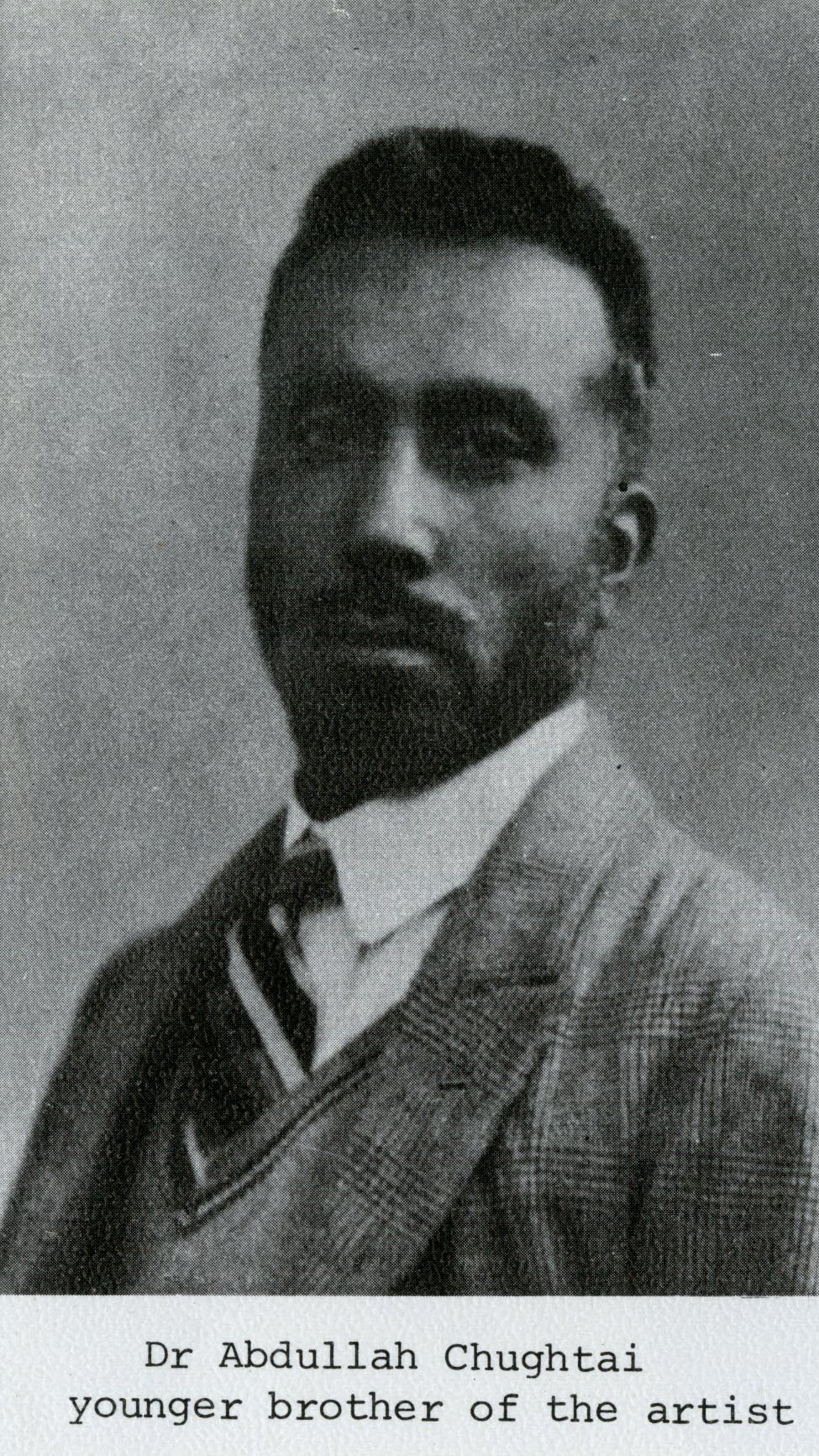
Dr Abdullah Chaghatai in his life time quoted an incident from a history book, that is “Tarikh Daudi”, about a wicked man living in a Serai in the city of Lahore, in the times of Sultan Islam Shah Suri, son of Sher Shah Suri. The wicked man used to lure rich men to his home, with a story of having a beautiful daughter, who he wishes to get married as an act of responsibility. Once at his home, he used to assassinate the person, and would take possession of his assets. The story is mentioned in reference to the old Sultani Serai in the mausoleum of Emperor Jahangeer.
Dr Anjum Rehmani considers it a confusion of Dr Abdullah Chaghatai, and quotes that the wicked man was living in a Serai in the confines of Lahore city, and that the reference to the Sultani Serai is a figment of his imagination. And that is quoted by him in very disparaging terms. Certainly not fit for scholars to stoop low in language.
I wanted to get my hands on a copy of the famous Tarikh Daudi, so I can actually refer to the actual paragraph. Finally, I was able to obtain a copy and I translate the actual paragraph to the best of my ability. It goes like this, on page 285 of this translation of the book. It says:
“Devil like old man. In Lahore City lived a certain kind of man, who lived in the mosque of CARAVAN SERAI. His home in same direction on bank of river Ravi in a village. Whenever a moneyed person came in the mosque, and inquired from old man, whether his home was in the Serai. Old man used to reply my home is nearby. I live in that village. A very important work is my responsibility. The traveler asked ‘what is this important work’ ? “
Dr Abdullah Chaghatai
The confusion is generated by use of the word Lahore City. If we just forgo that reference as vague, then Dr Abdullah Chagatai is certainly hundred percent right. For certainly the present walled city is a product of Emperor Akbar and a later reference. If we stick to the word as Lahore City, then the rest is confusing too. The reference that the man’s home was in same direction on bank of river Ravi in a village, means different interpretation. That he lived in a mosque of a Serai which was on the bank of river Ravi. Jahangeer’s mausoleum too was on the bank of river Ravi, as even shown in old maps, and the destruction caused by its overflow to the Serai itself. The word used for Serai is Caravan Serai, which certainly means a big serai, fit for a Caravan to camp in it. No big serais even in Lahore city at that time. So, the verdict will become ambiguous. It is just a poor use of words, and not even a clarification to the actual name of the Serai. The whole Tarikh Daudi is full of even greater mistakes, as well as even wrong references. So, we just give the two scholars to cool down. History itself makes many mistakes. One cannot refute another with choice of words alone. The mosque and the serai are still in front of us. Everyone can make their own judgement. But gentlemen, learn to be polite!
A DEPUTY COMMISSIONER OF LAHORE MAJOR JOHN CLARKE – AND MIAN RAHEEM BAKSH MIMAR, LINKS ALL NEW IN WORK – A STORY OF CHANGE AND THE COMING OF THE NEW AESTHETICS
1851 card Sheikhupura
1855 card Gujaranwala
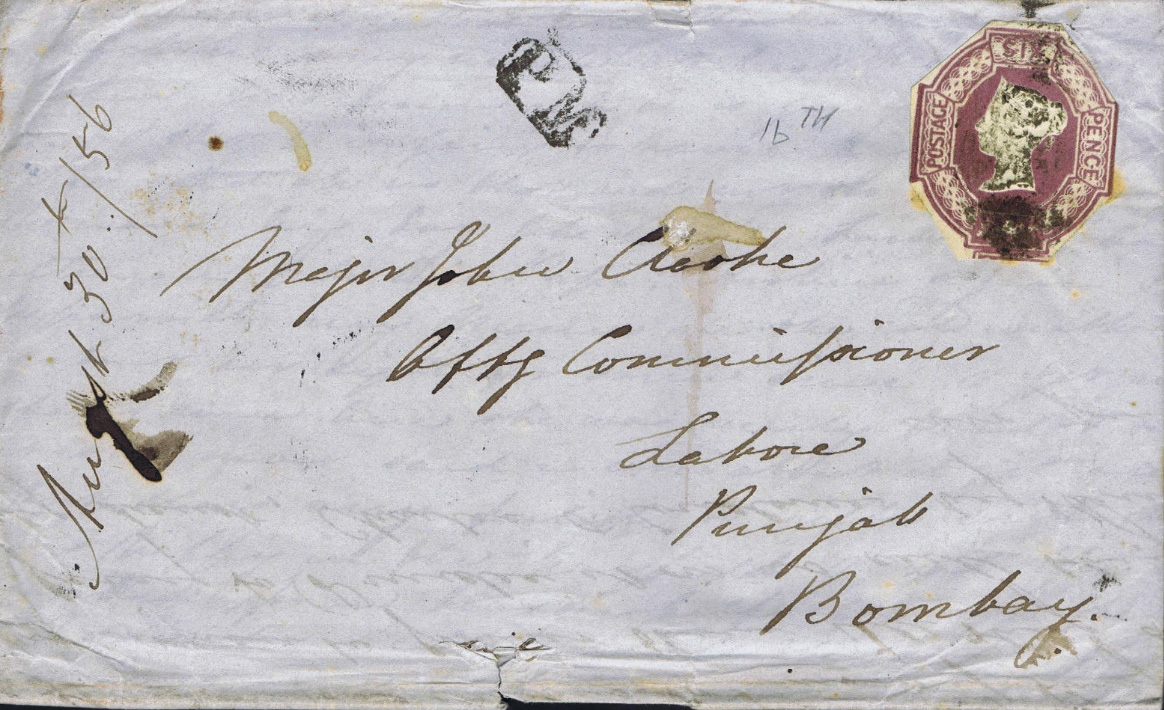
1856 card Lahore
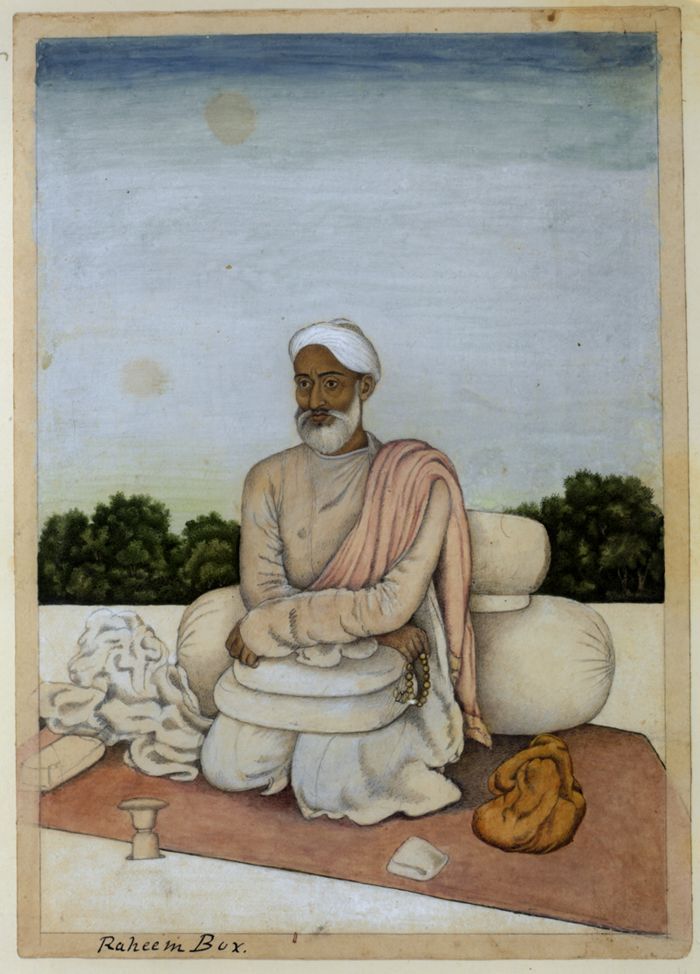
Somebody was in possession of three letters. Major John Clarke. Deputy Commissioner of Sheikhupura in 1851, Deputy Commissioner of Gujranwala in 1855, and DC of Lahore in 1856. And it goes further when n 1862, he is Engineer in Chief, of Lahore Railway Station Works. He is getting the Railway construction work done, and in that respect, he is giving a certificate to Mian Raheem Baksh Mimar, alias Haemoo, related to his supervision of construction of the Railway Station. He says:
“I have pleasure in testifying to the detailed knowledge possessed by Haemoo of Masonry and Bricklaying. He has acted as Foreman of Mistrees at the Lahore Passenger Station and other buildings, understand a Plan thoroughly and is a very valuable person to have about building operations.” Dated 1st November, 1862.
Lahore Railway Station
Mian Raheem Baksh Mimar
A chance reference revealing a valuable truth. All envelopes had the original letters in them but now in some worldly collection. The most interesting fact is that Punjab is under the Bombay residency, as the address clarifies in depth. A different era of Lahore.
A CONCEPT KNOWN AS IQBALLIAN KHUDI OFFERS OF DONATION FOR CHUGHTAI MUSEUM
Five offers in 46 years is a record in itself
The house of M.A. Rahman Chughtai was not an easy one to grow in any way, for Iqballian principles flowed in the house. The artist was a student of the Quran and the permanent values of the Quran he understood very well. For us in the house there were plenty of dos and don’ts, but we were never afraid of them. We followed them to the letter in full spirit. An artist who could mutter Iqbal’s verses many times in the day would certainly have people listening to him. He always lamented about TERAY SADA BANDAY QIDAR JAHAIN, YAHAN SULTANI BE AIYARI HAI AUR FAQEERI BE. After taking his bath, he would spend some time in reciting such verses. One thing we were told again and again is that US RIZK SAY HAI MOAT BAHTAR JIS SAY ATI HAI PARWAZ MAY KUTAI. Yes, we understood difference between money which can lower your head in shame. That was the reason that I never learnt to spread my hand in front of anyone. I could never ask my father for any money., Any need of mine I would tell my mother and she would get the money from my father (who also never carried money and would ask my uncle). That attitude continued in life. I could never raise my hand in front of anybody. I learnt to give and give and I gave whatever I could and thousands can bear testimony to this, who walked in our museum anytime in life.
Nusratullah Shah Hyderabadi
Record of past visits
I remember Imran Khan used to collect donations and did not account them in the initial years. People took him to court and I thought how embarrassing it was, for someone to be asked to explain his finances. Pakistanis are not easy on artists or museums. They are in the habit of TAKING EVERYTHING FREE without BUDGING AN EYE. LIFE!. I know that and I experience that. But five times in 46 years, we were offered donations. The first was from a British Couple who were interested in knowing where the DONATION BOX was and wanted to drop a Ten Rupee note in it. It was very embarrassing and I told them WE DO NOT TAKE DONATIONS. Utterly surprised at my saying this to them. Second was a Pakistani lawyer who wanted to donate 100 Rs for ten small cypress trees to be planted on the premises. I could only laugh at that. Museums abroad receive millions to give this service to anybody, so our guy here was not only clever but also a first-rate miser. Third was a DESI MAIM from England, who was forcibly trying to give me a thousand Rs. The thing went to actual harshness when after refusing her again and again, she insisted on same. So finally, I told her to give this to some beggar walking outside the museum, if she wants to satisfy herself. Otherwise, I will not accept same. The fourth was an American Airline pilot from Saudi Arabia who offered me TEN DOLLARS and when refused, he made it TWENTY DOLLARS. It also led to unpleasantness but I refused him again and again. He would not understand how people can refuse money.
The fifth one was very recent. A dear friend Nusratullah Shah walked in with a WAD of Rs 5000 currency notes with a letter from his son in law, as a donation gift to the Museum. It utterly surprised me but made me feel good and humble. I told him how can we take a thing for which there is no account. When I cannot account for it, how can I take it? As a gentleman, he understood me well. If irritated he did not show it.
Not a single paisa taken from anyone in 46 years, a record in itself. On our own, for even the Government, federal or provincial had never even offered a single paisa to us. Curse be on that money which hampers your flight! We want to be falcons not greedy politicians who we cite every day in our life. Yes, we have survived on our own, with our abilities. My father gave me HAQ HILAL to eat and I have given HAQ HILAL to my children to eat. There is nothing to equal that. I walk tall. I know what KHUDI is in all ways something to pursue in life. I am grateful to my father for his lessons of life.
A FAMOUS HAKEEM OF LAHORE FROM FAMOUS HAKEEMS FAMILY – SYED BUZURG SHAH, WITH A KOCHA IN LAHORE NAMED AFTER HIM.
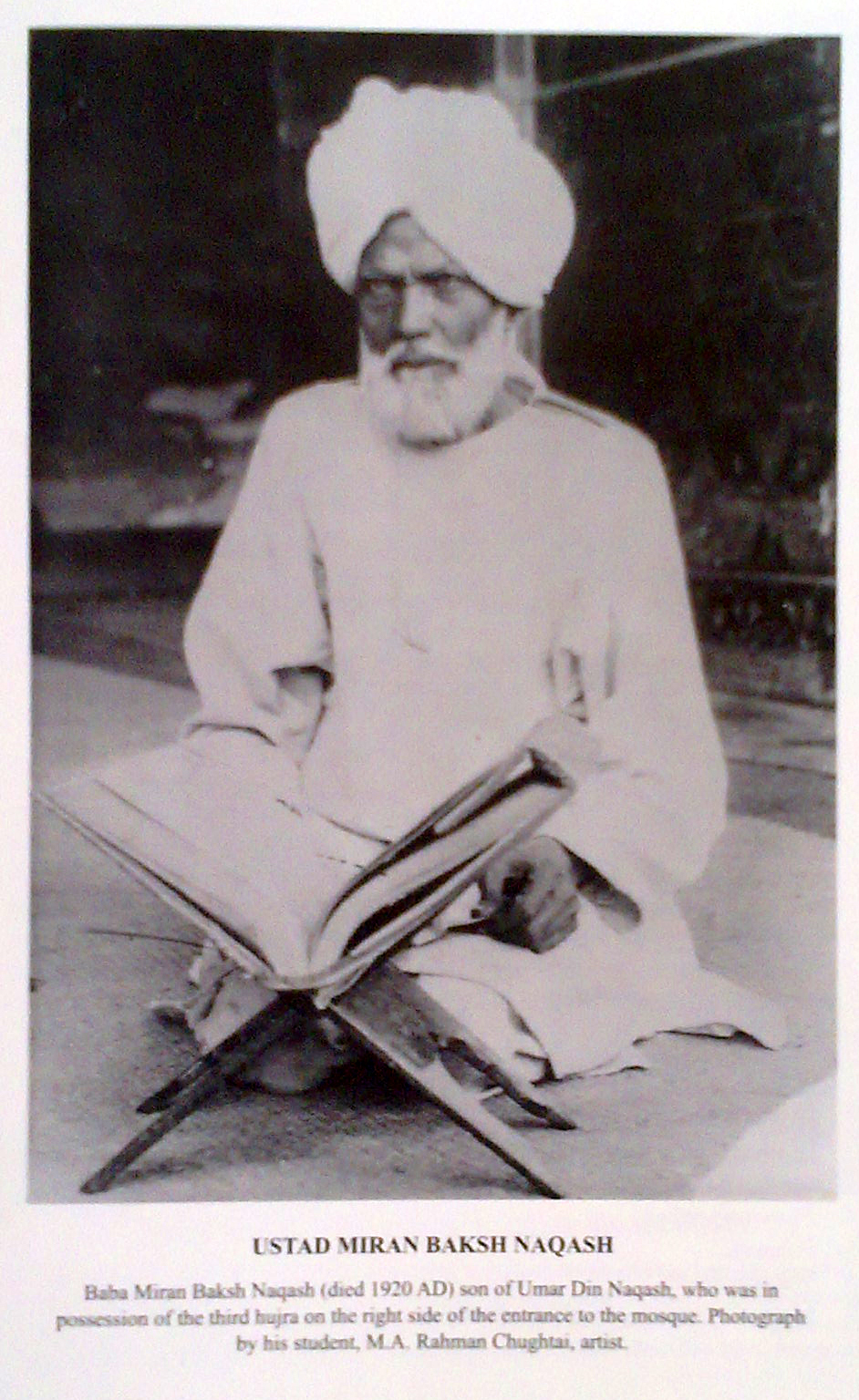
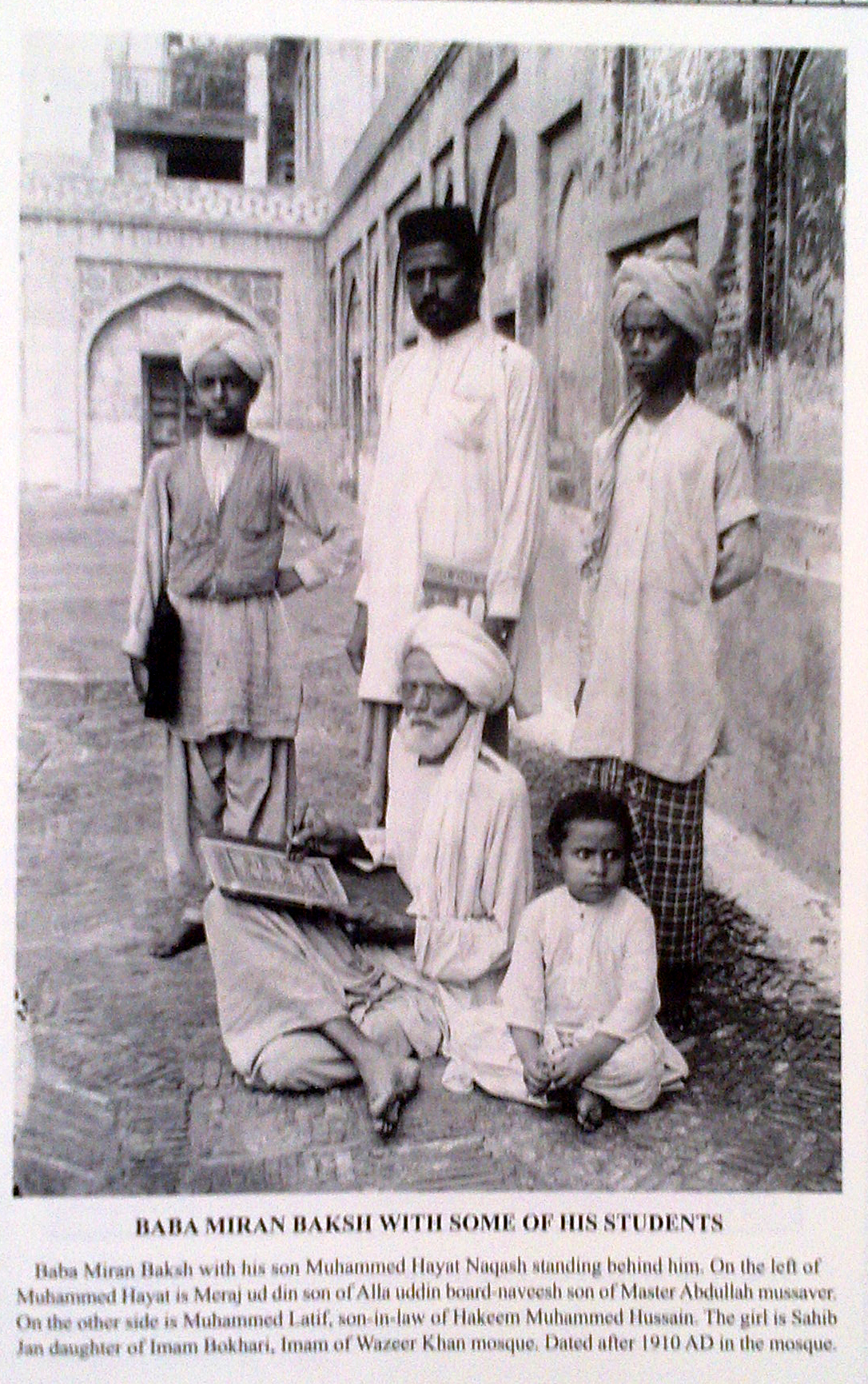
A certain part of the family of M.A. Rahman Chughtai lived in Kocha Buzurg Shah, just near the Chowk of Masjid Wazeer Khan. The closest was his phopha (father’s sister husband) Baba Miran Baksh, traditional naqash family of Lahore. Other relatives were also there.
Baba Miran Baksh
Baba Miran Baksh with students
Mian Muhammed Hayat Naqash
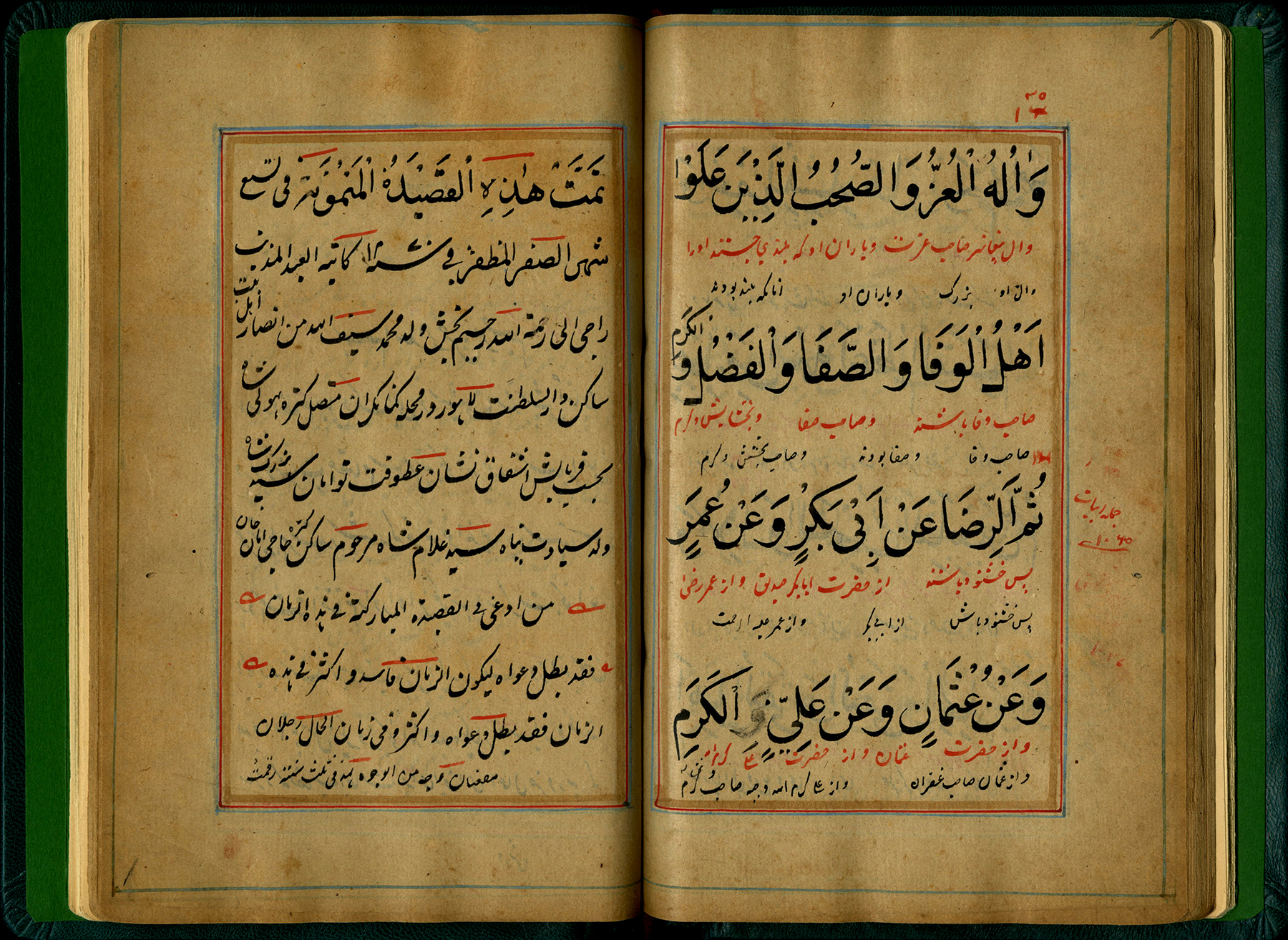
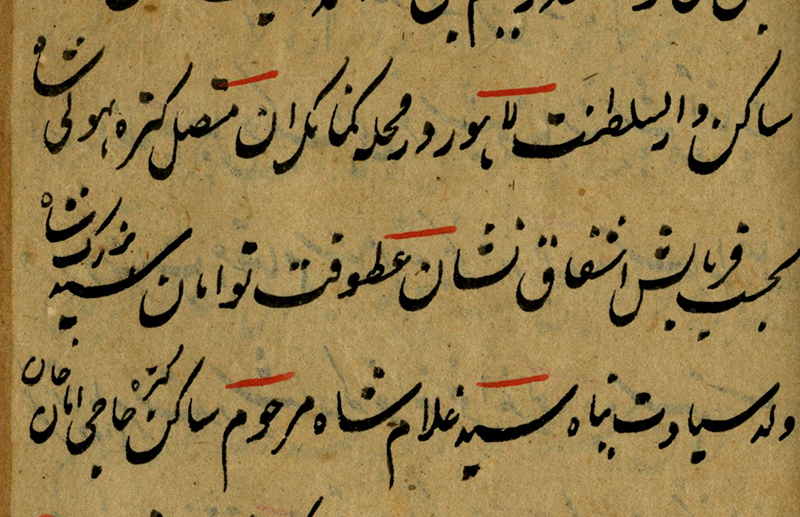
Historian of Lahore Kanaya Lal mentions two Buzurg Shahs in Lahore. One related to Hakeem Inayat Shah of Hakeem Nathu Shah. There were three sons of Inayat Shah’s sister, namely Muhammed Shah, Bahadur Shah and Buzurg Shah. On other hand there was Wali Shah, whose sister too had three sons Buzurg Shah, Ahmad Shah, and an unnamed third son. I think it is Buzurg Shah, related to Inayat Shah. An inscription on a manuscript of Qasida Burda shows Buzurg Shah, to be son of Syed Ghulam Shah. Both citizens of Lahore in same time period.
Lineage starts from Syed Amir Baksh Al Hasni Al Hussaini Al Makki al-mashoor Syed Nathu Shah, reference manuscript “Intikhab Lateef” written (or copied) in 1179 AH, so it goes to 18th century, from 19th century. From him comes Syed Inayat Shah, a maqbara still existing in Kocha Buzurg Shah (although the area is almost demolished by now), and then from his sister, three sons.
Signature Hayat Kocha Buzurg Shah
Hayat Naqash Kocha Buzurg Shah
Written for Syed Buzurg Shah 1270 AH
Reference Buzurg Shah
Kocha Hakeem Buzurg Shah
We will eventually try to load an image, as present condition does not allow the same. The interesting part is that this maqbara was made by Raheem Baksh, grandfather of Chughtai artist, and maintained till 1913 by Mian Kareem Baksh his son. In fact, there were two Multani naqashi plates on the entrance, put there by Mian Kareem Baksh, as well as known to everybody then. All these families were interconnected. A large selection of books was discovered there as well as antiquity pieces. There was even a calligraphic qita written by Muhammed Hussain, step brother of M.A. Rahman Chughtai, which we will put up eventually. So, in all ways there was deep relations between two families. The famous municipal engineer, Mian Badar-uddin also lived in same mohalla. Another interesting part was a perhaps ten (or more) stories single room house, which was unimaginable at that time. Those who lived in it one thing, even looking at it made you dizzy. Like the tower of Pizza, even tilted at places. How mimars of that period managed the request cannot be understood, but it was an engineering feat of that time? So many unknown dimensions of Lahore.
THE ARRIVAL OF SHAHINSHAH OF IRAN IN LAHORE 1950 – THE EXHIBITION AT ALHAMRA OF PAINTINGS OF M A R C.
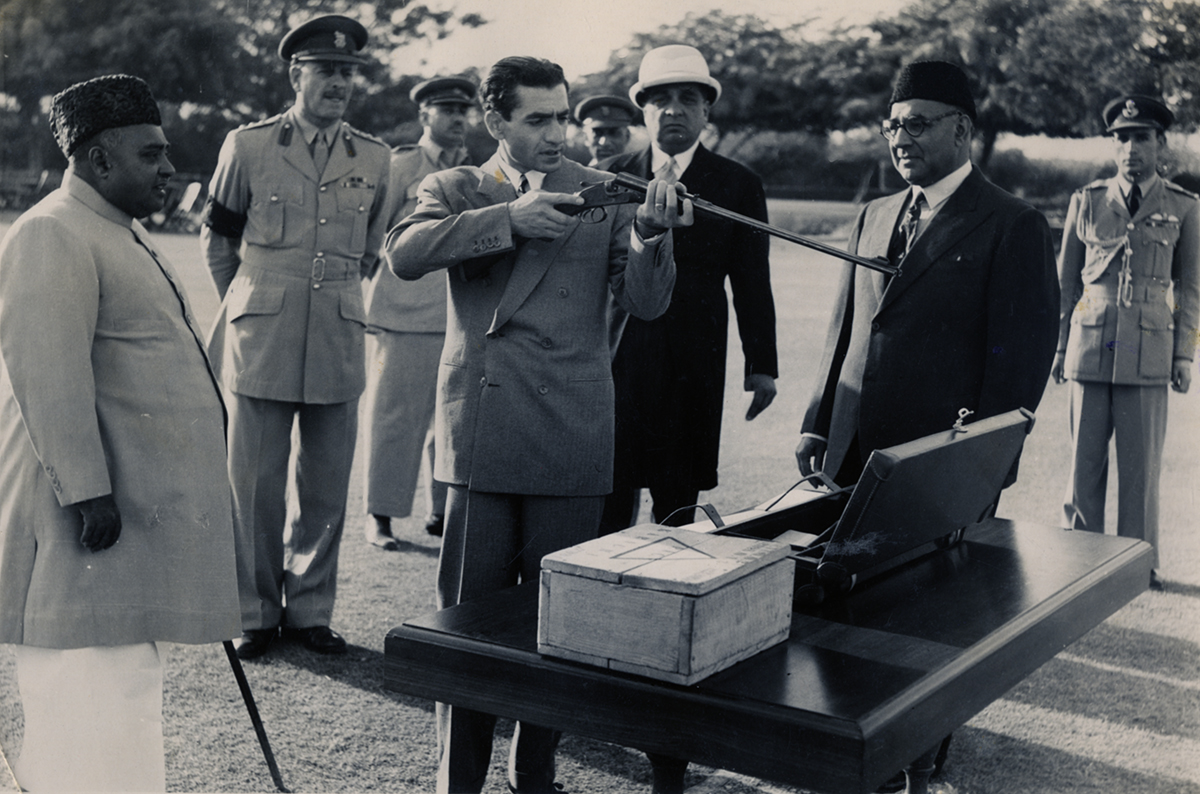
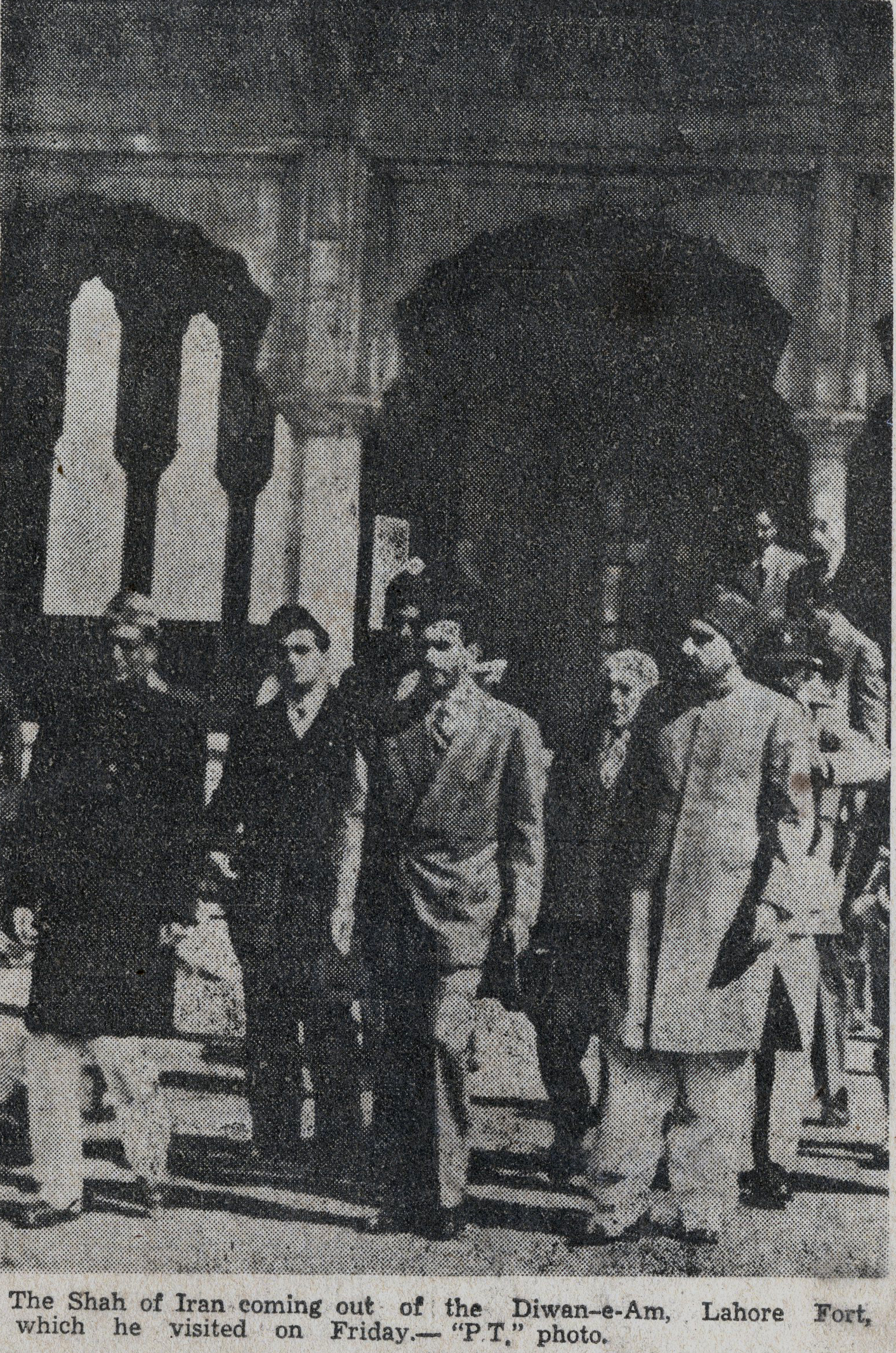
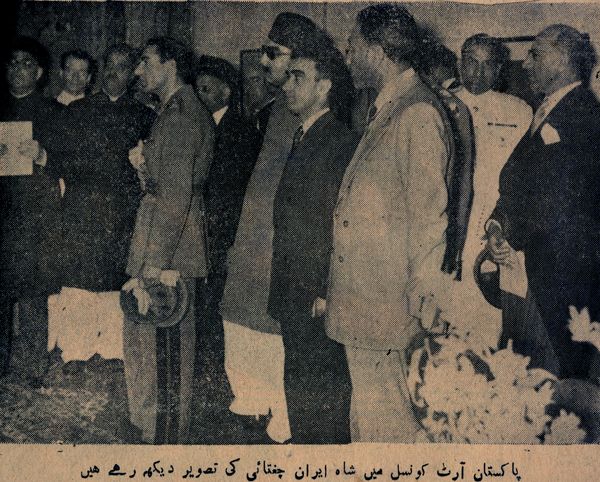
If I recall reading that the Shahinshah of Iran was the first foreign Head of State to visit Pakistan. Various press cuttings reveal his activities in Lahore. For example, on 5th March, 1950, he is practicing gun shooting at the Governors House Lahore, while being watched by Prime Minister Liaquat Ali Khan, and Governor General Khawaja Nazimuddin. A rare official photograph. There is a clipping related to his visit to the Lahore Fort. And then there was a visit to Alhamra Lahore, to see an exhibition of paintings of M.A. Rahman Chughtai.
Shahinshah in Lahore Fort
Shahinshah-Iran-with-MARC-1950
In the photograph one can see the Shah of Iran, Prime Minister Liaquat Ali Khan, Governor Abdur Rab Nishtar and others, as well as the artist M.A. Rahman Chughtai. A rare moment in history. A painting was presented to the Shah of Iran. Later a show was planned in Tehran under RCD but that never happened due to bureaucratic inner struggles. More on that later.
Shahinshah response 1960
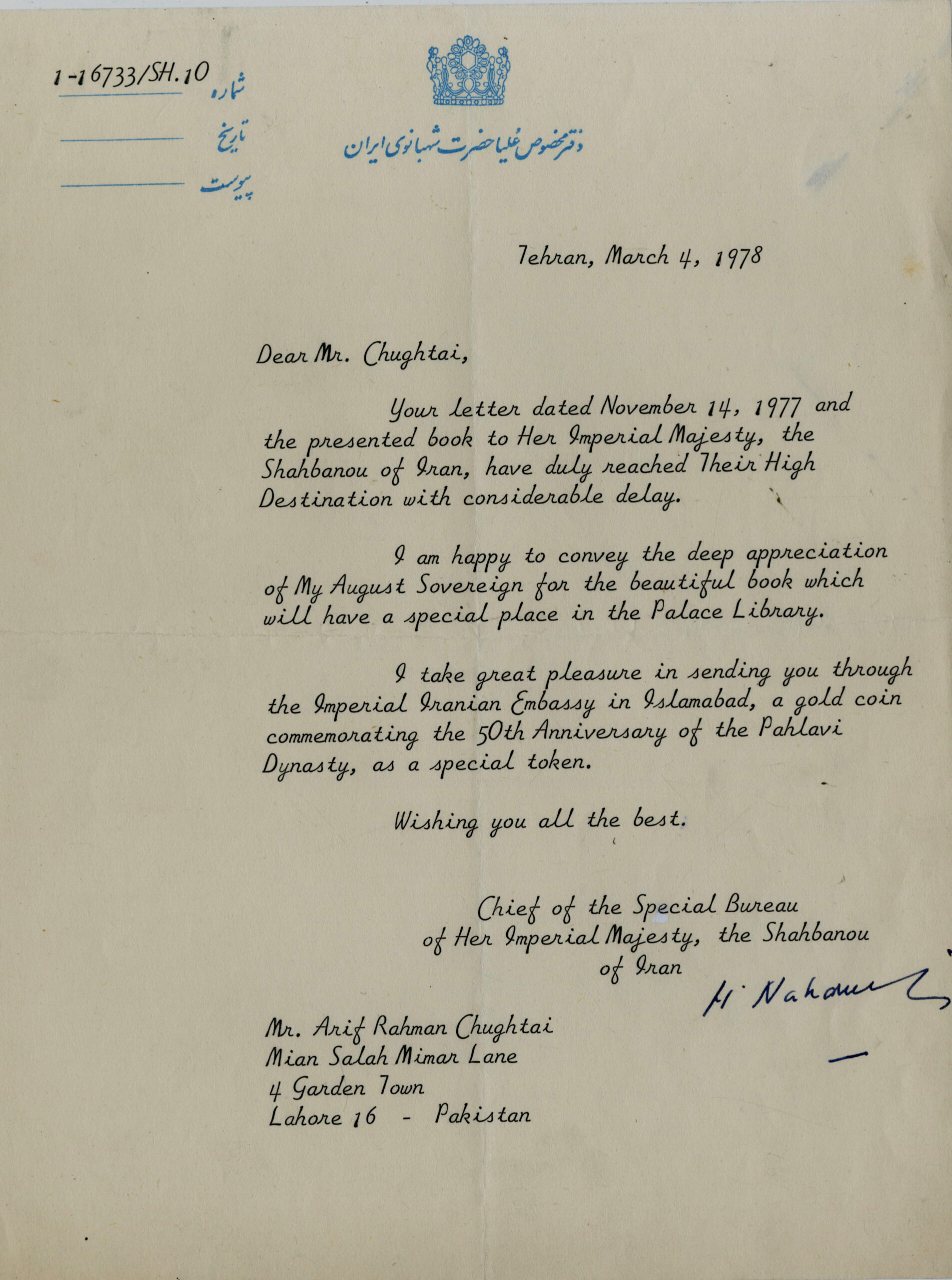
Shahbanou response 1978
The Shah of Iran carried love for Chughtai art, and it was passed on to his Queen Farah Deeba, who was willing to help Chughtai Museum through the Farah Deeba Foundation for the Arts. A royal invitation was extended to Chughtai Museum to participate in a show in Tehran, based on Chughtai’s work on Omar Khayyam. But due to political changes that never happened too. But certainly, the Iranians love of art was ever there, and love for Chughtai art more profound in same way.
DALU RAI, CHUTTA AMRANI; TWO BROTHERS DIFFERENT IN SPIRIT – STORY OF TWO WOMEN SUHAGHAN AND DUAGHAN IN AROR SINDH. – (BADI-U-JAMAL DAMSEL OF MERCHANT SAIF UL MALOOK)
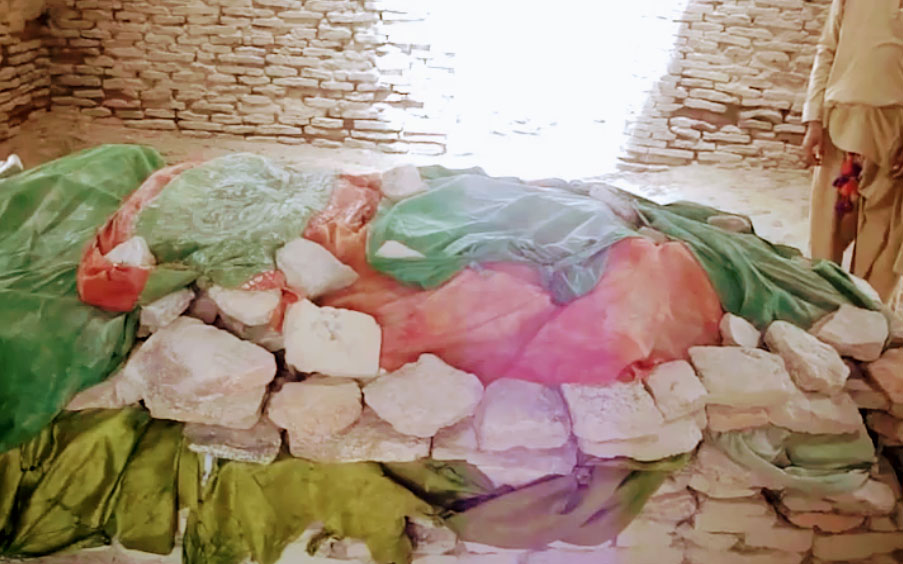
Mazar Chutta Amrani
Portion of Chutta Amrani mazar
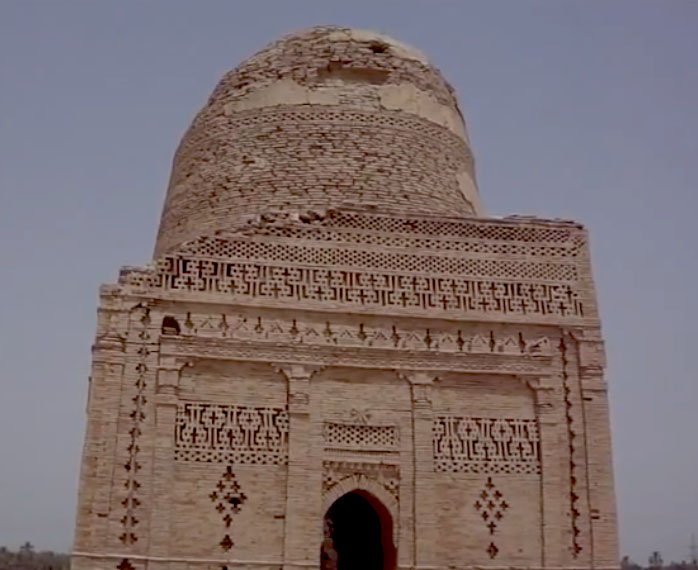
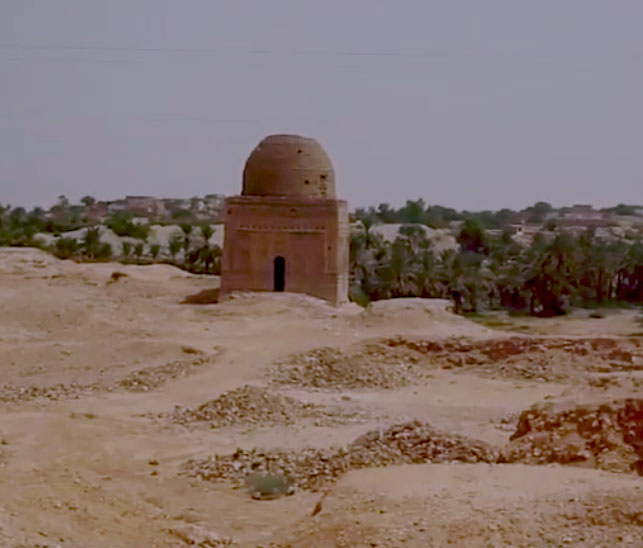
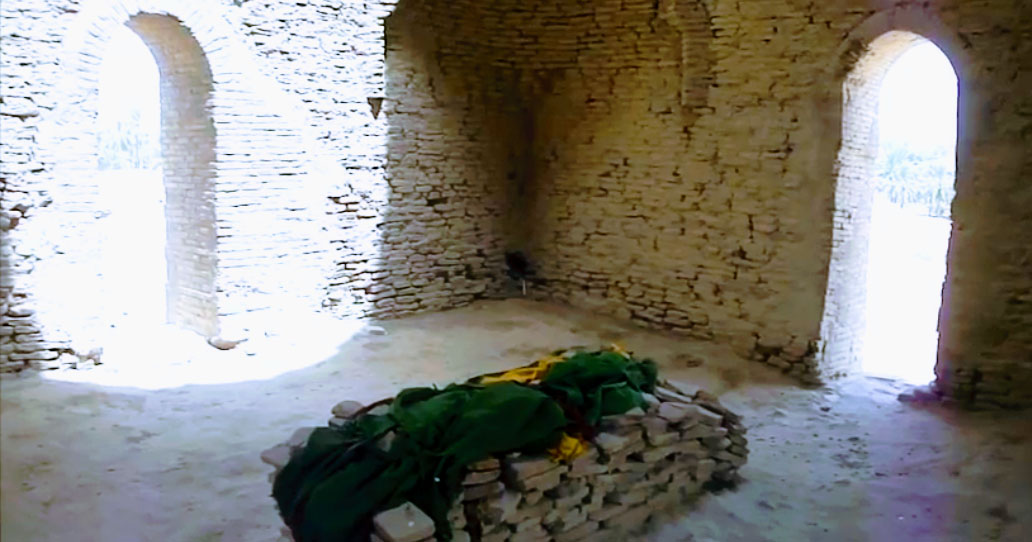
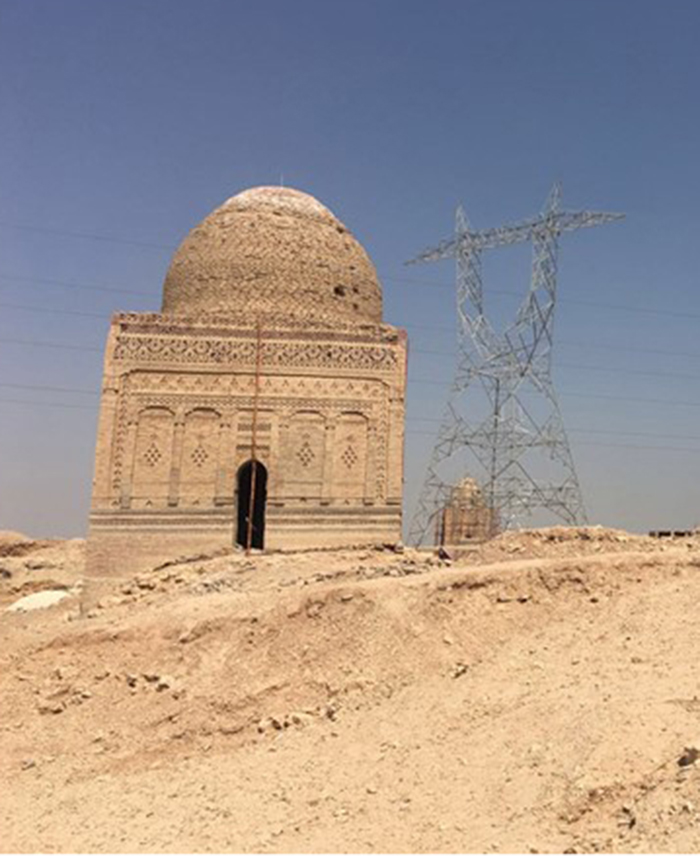
The legend is simple. Dalu Rai was King of Aror, Sind, and was fond of deflowering a virgin every night. His own brother Chutta Amrani did not like the habits of his brother. Chutta Amrani embraced Islam, married a Muslim girl Fatima and even went on Haj. The difference in Ideology is very apparent and the story is documented in historical accounts as well as known to people even today. But for historians who worship tyranny and twist such accounts, it is just another day in their lives. Historical narrative is augmented by the fact that the mazars of Chutta Amrani, Bibi Suhaghan, and Bibi Duaghan, exist to this day in Sind.
Mazar Duaghan
Mazar Suhagan
Grave Duaghan
Grave Suhagan
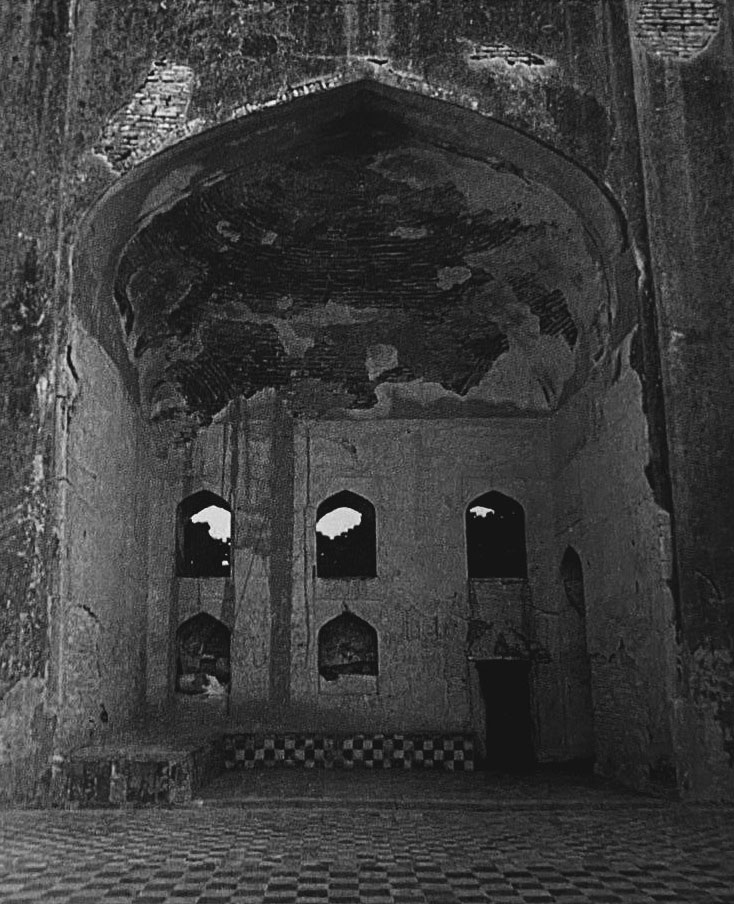
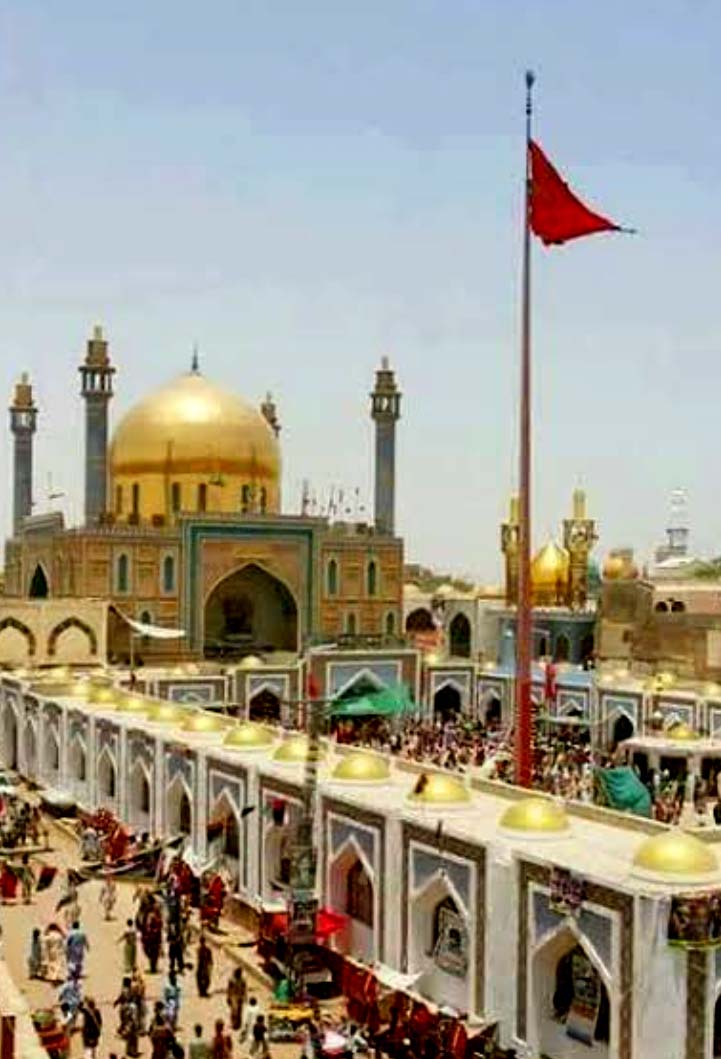
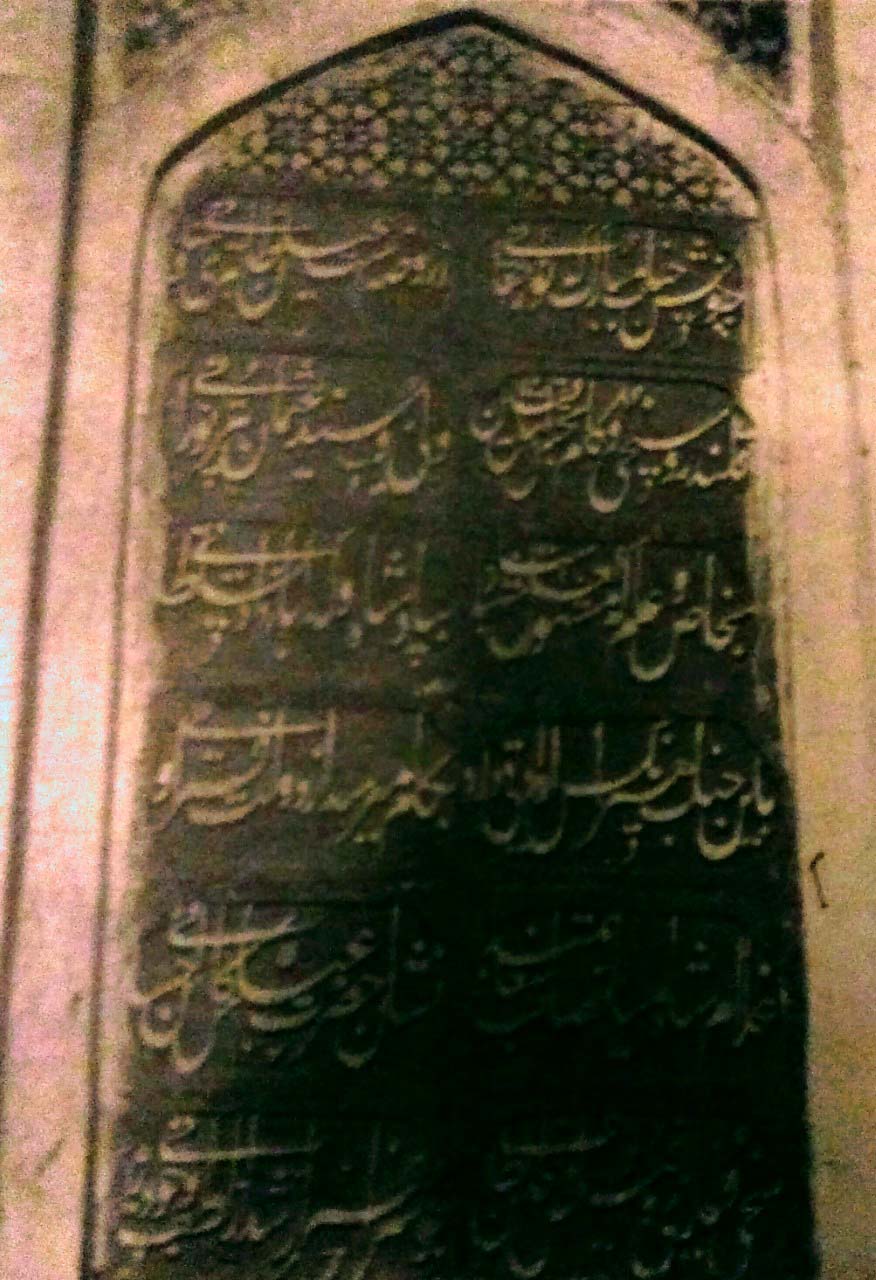
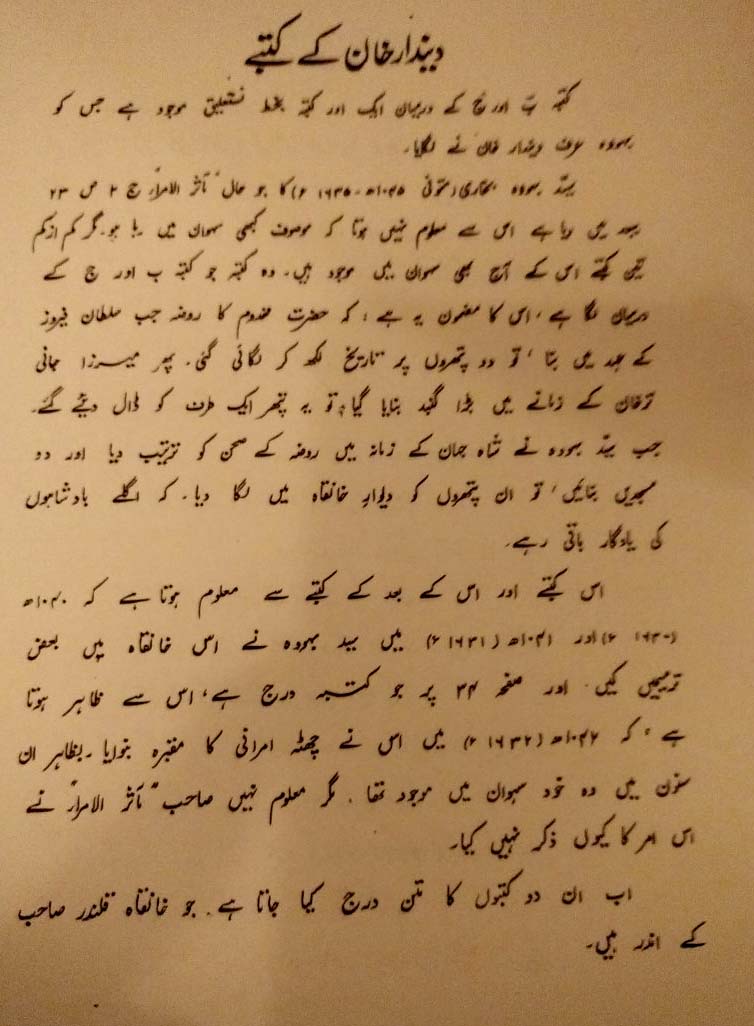
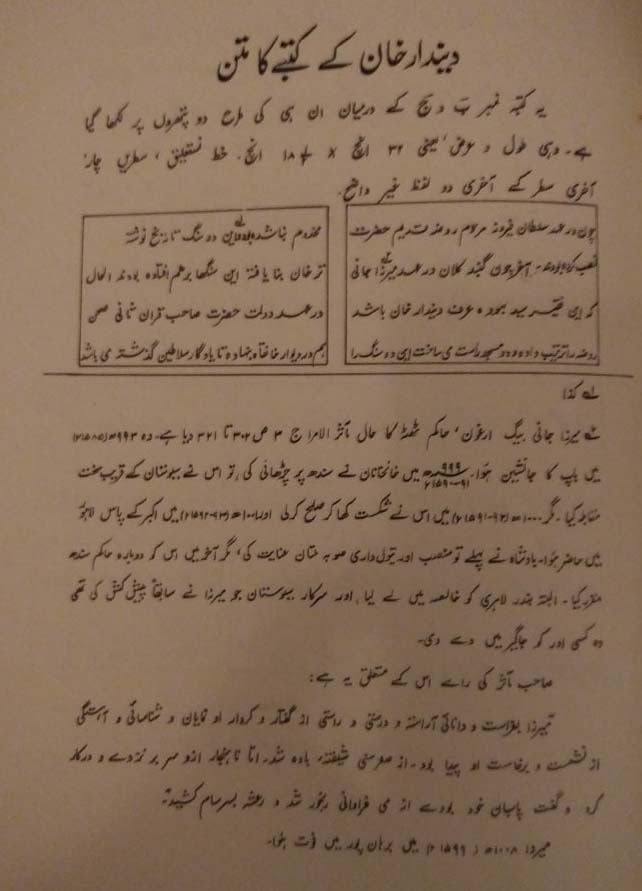
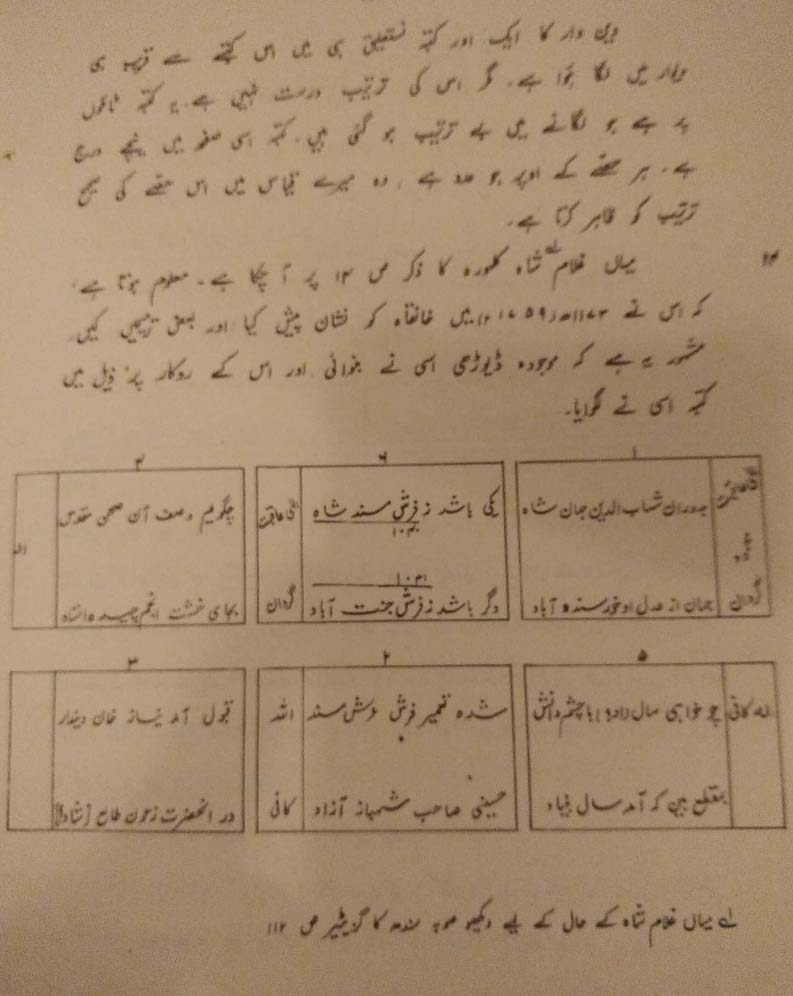
The Mazar of Lal Shahbaz Qalandar is perhaps the most famous place in Sehwan, Sind. And anybody buried at that place, or its vicinity, is held as very special and in all ways a person with determined Paradise in Sufi lore. Inscriptions in the Mazar prove to be of 754 AH, 757 AH, and 758 AH, and related to the constructions in time of Sultan Feroze Tughlaq. But some of these inscriptions are not original. The same were restored in times of Shah Jahan, Mughal Emperor. And there is proof of that. Syed Bowa alias Nawab Deendar Khan, local Governor of Sehwan, restored them in 1040-41 AH, and this inscription is still there. Not only did Nawab Deendar Khan restored these things, he also got constructed mosques and gateways there. One thing he as a lover of ideology, was to build a mausoleum for the Hindu convert, Chutta Amrani, and that mausoleum is there in Sehwan. Although Chutta Amrani belonged to Aror, Sind, his burial here, is proof that he was much loved and revered by the people. So much so that another inscription dated 1173 AH (1759 AD), tells us of the rebuilding and repair of the complex by Ghulam Shah Kalhora, another ruler of Sind. This inscription is in Sindi tiles, although wrongly placed in sequence. Love of Sindhi people for Chutta Amrani exists to this day.
Lal Shahbaz Qalendar mazar
An inscription of Lal Shahbaz Qalandar
Inscriptions Deendar Khan, alias Syed Bhowa 1
Inscriptions Deendar Khan 2
Inscriptions Deendar Khan 3
Both Mazars can be seen Aror Sind
Now about the two ladies Bibi Suhaghan and Bibi Duaghan, and their association with this legend. Obviously historical narrative is always not very precise but historical accounts, mention the arrival of a merchant Saif ul Malook and a maiden with him as Badi-u-Jamal. When Dalu Rai heard of the beauty of this woman, he requested that she be sent to him for his sexual exploits. The merchant delayed the event and this lady, perhaps with another companion, prayed to Allah to save their chastity. An earthquake came and Alor was destroyed in the process. Historical accounts also mention the destructive earthquake which saved these two ladies and the end of Alor as a major Sindh capital. The debauchery of the King ended his empire. The prayers of this pious woman as well as the other bride, ended in their supremacy, and mausoleum were built in their honour. And although in bad condition, they still stand today after centuries. The pseudo-Kufic calligraphy speaks of the age of these two monuments. A link to the past. The legend is even known today by the people of the area, and when legends are carried in books and memories of people, there can be no denying the fact that these narratives are true. The Blessings of Allah were upon these two damsels of the past, and Dalu Rai was accursed, and remembered for his debauchery in negative way.
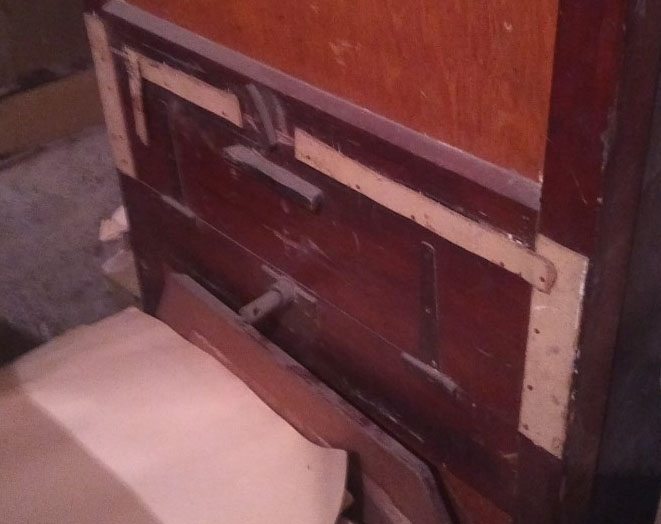
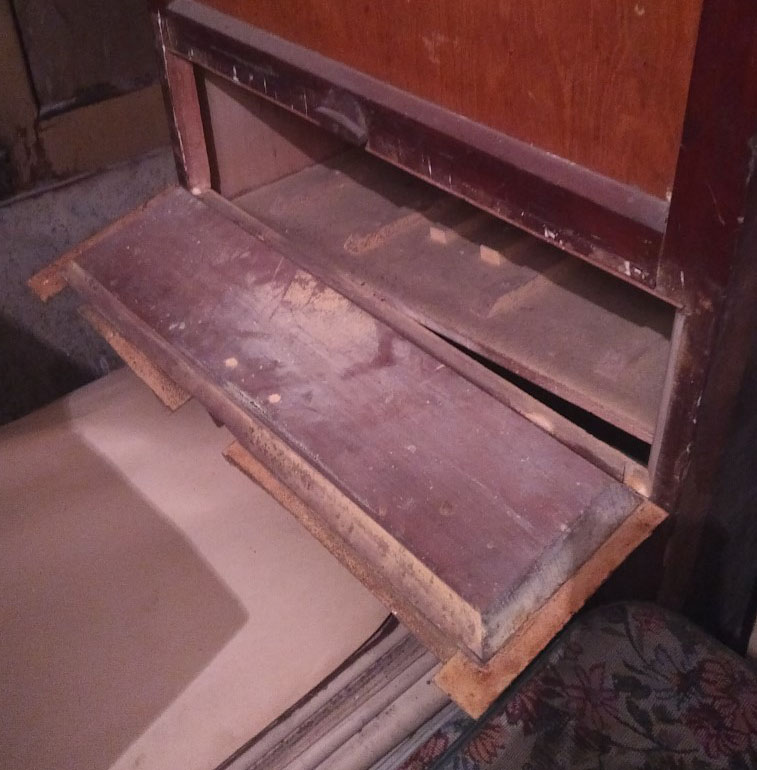
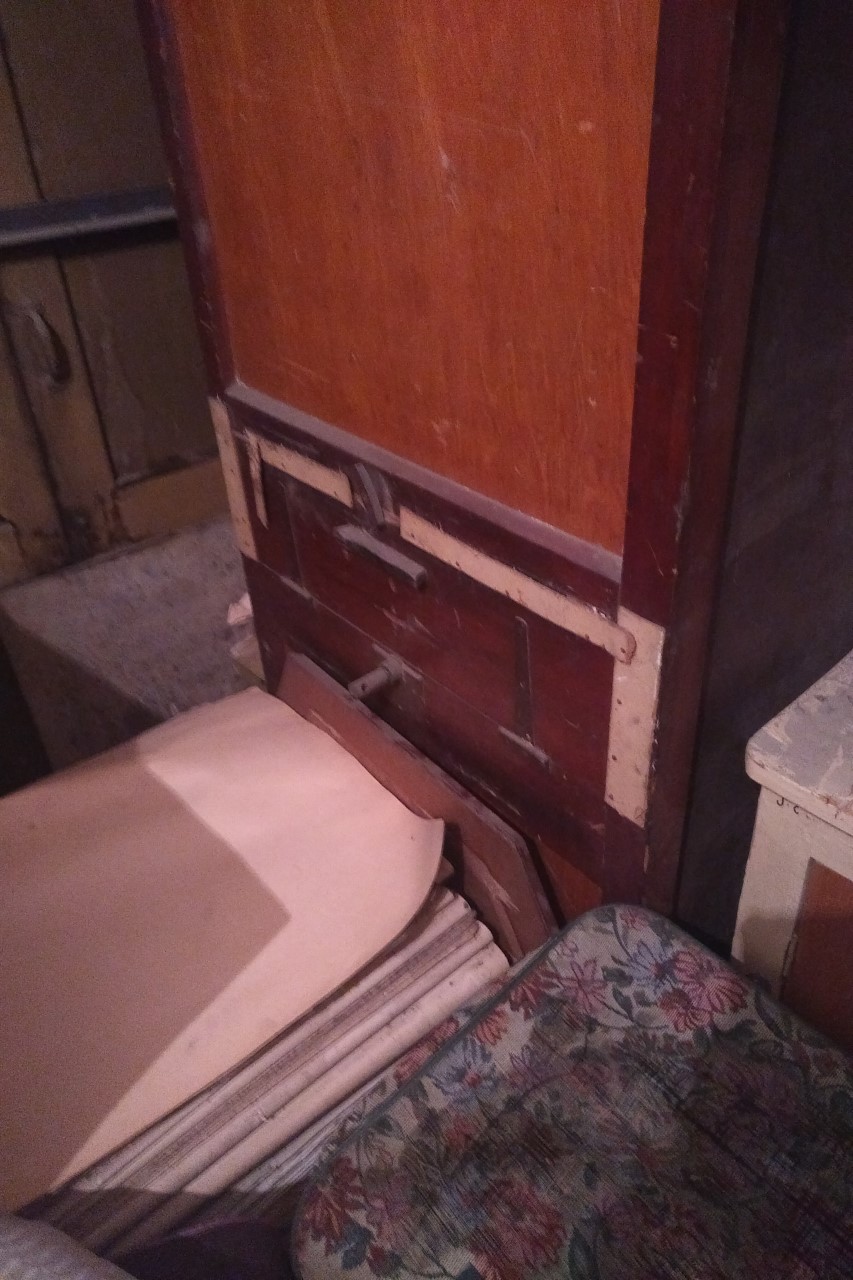
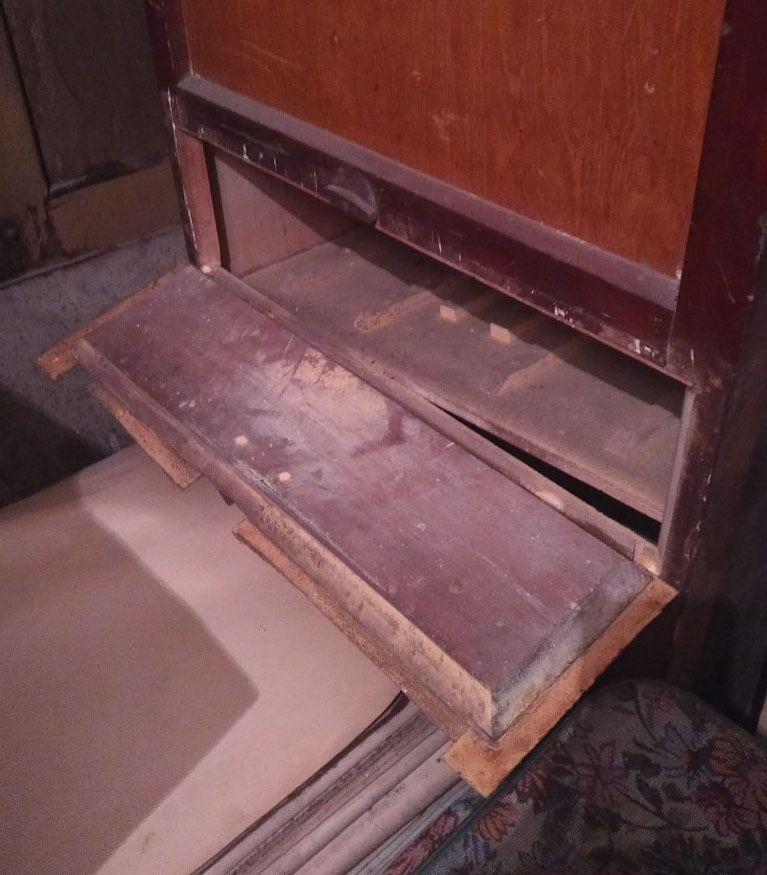
THE AQUATINT BOX IN THE GODOWN SPEAKS OF AQUATINTING TECHNIQUE, OF M.A. RAHMAN CHUGHTAI – FOOLISH EXPERTS DO NOT EVEN KNOW DIFFERENCE.
Aquatint box 1
Aquatint box 2
Aquatint box 3
Aquatint box 4
Aquatint box 5
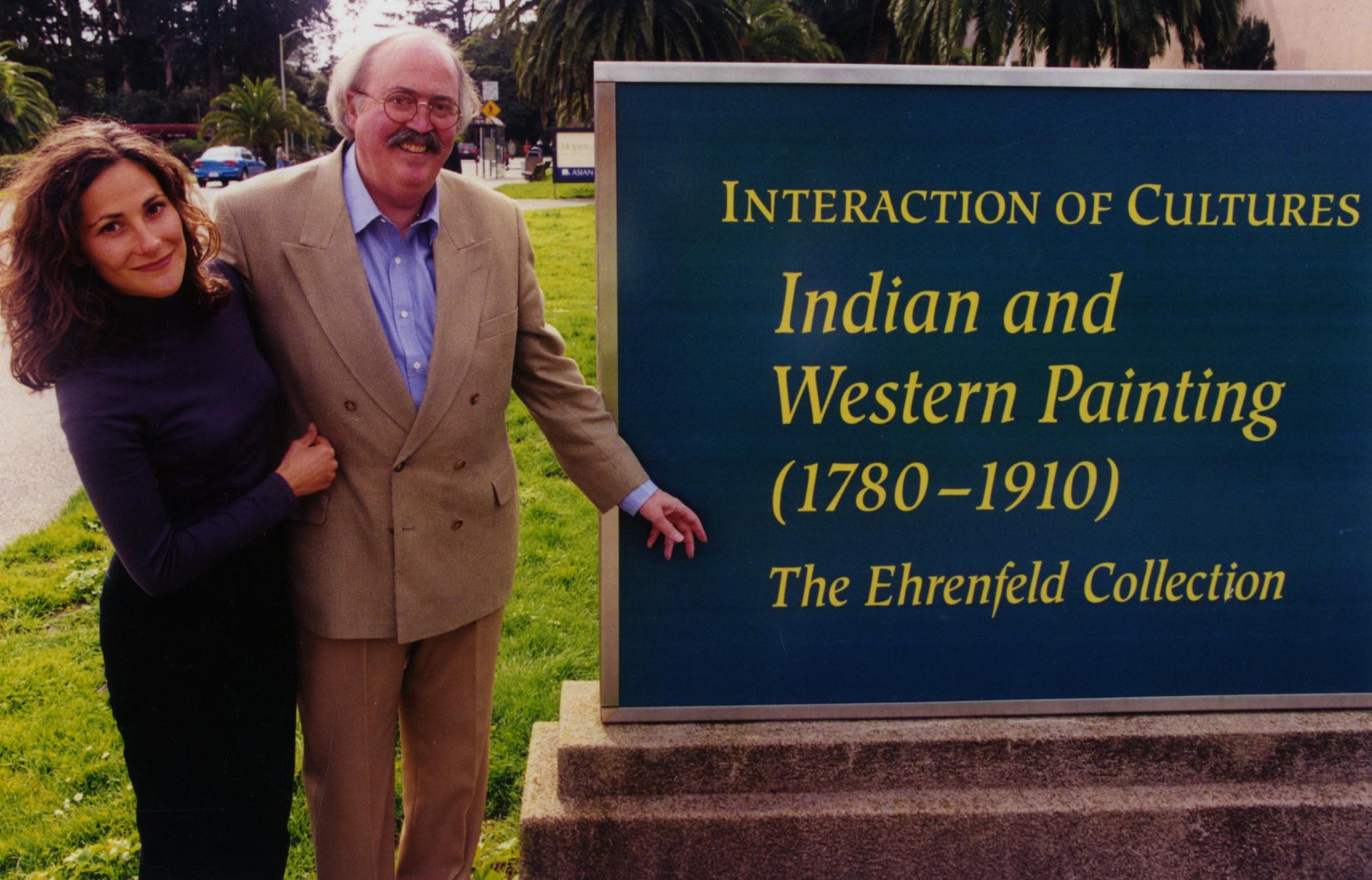
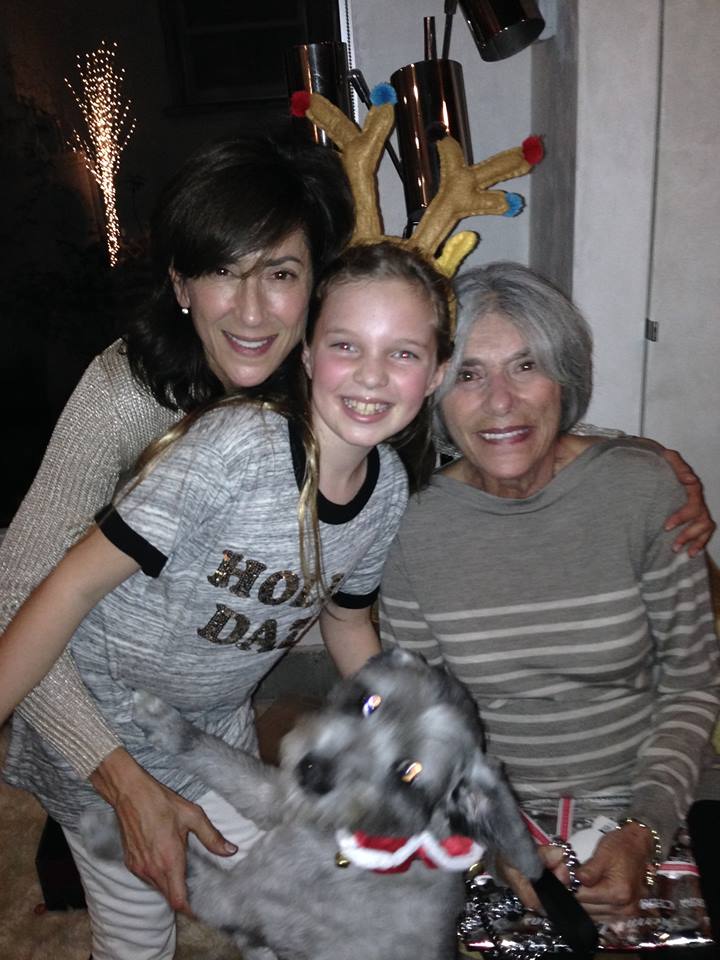
Dr William K Enhrenfeld was a good friend of mine. He had the notion of holding an exhibition of Engraving prints of M.A. Rahman Chughtai, in the Asian Art Museum of San Francisco. He hired a scholar from a University there, a lady who was to come here to Lahore, and write the catalogue on the ETCHINGS AND AQUATINTS OF M.A. RAHMAN CHUGHTAI. Everything was in place, and I endorsed his printing of the catalogue, without any royalties. And then unfortunately, he had a stroke, and the doctors gave him a short time to live. His wife Trudy Ehrenfeld nursed him till the last and his three daughters were with him. But that opportunity was gone. A tragedy in all ways, for the Ehrenfeld promise was that he would take Chughtai to heights never experienced before by us.
Black-Pigeons-(ver-2)
Black-Pigeons-(ver-3)
Champa
Even-Song-(ver-2)
Fragrance
Punjabi-Maiden-(ver-2)
Rainfalls-(ver-2)
The-Sunset
To-The-Pilgrimage
White-Pigeons
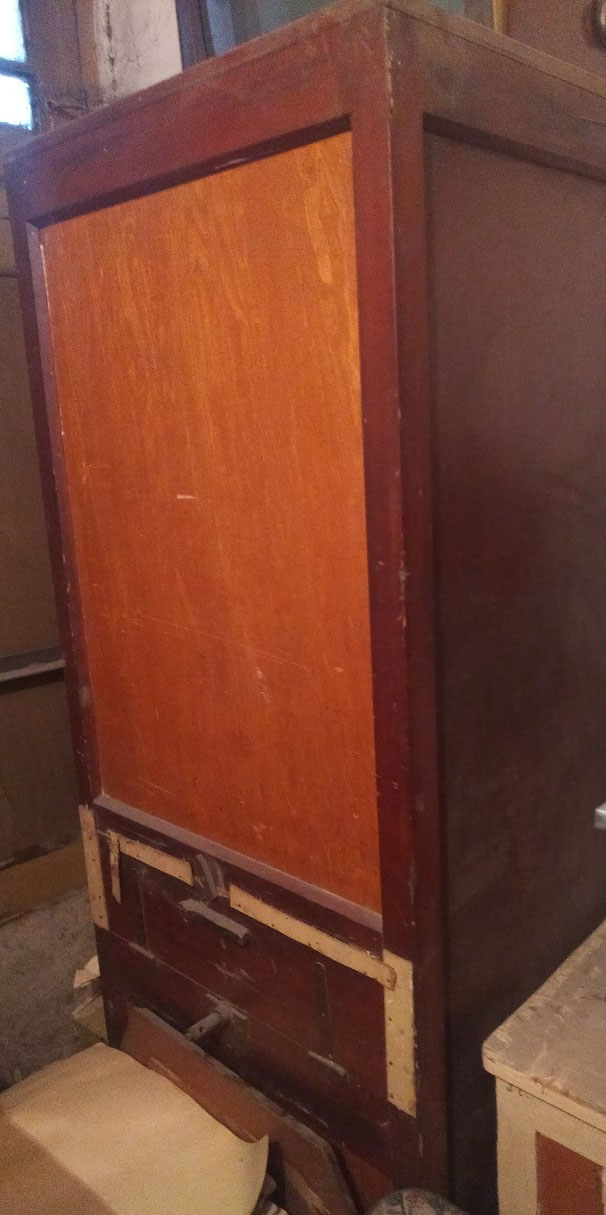
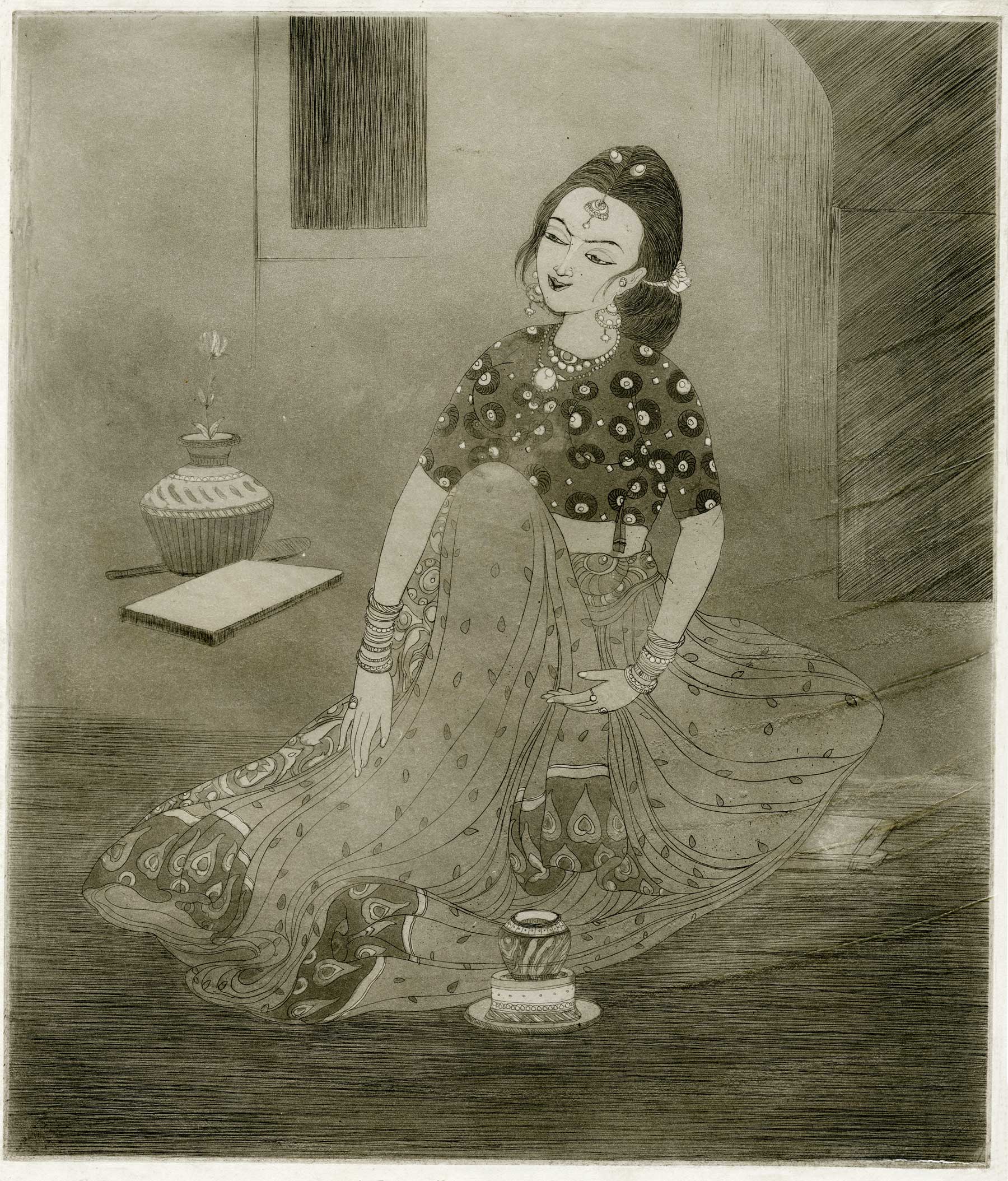
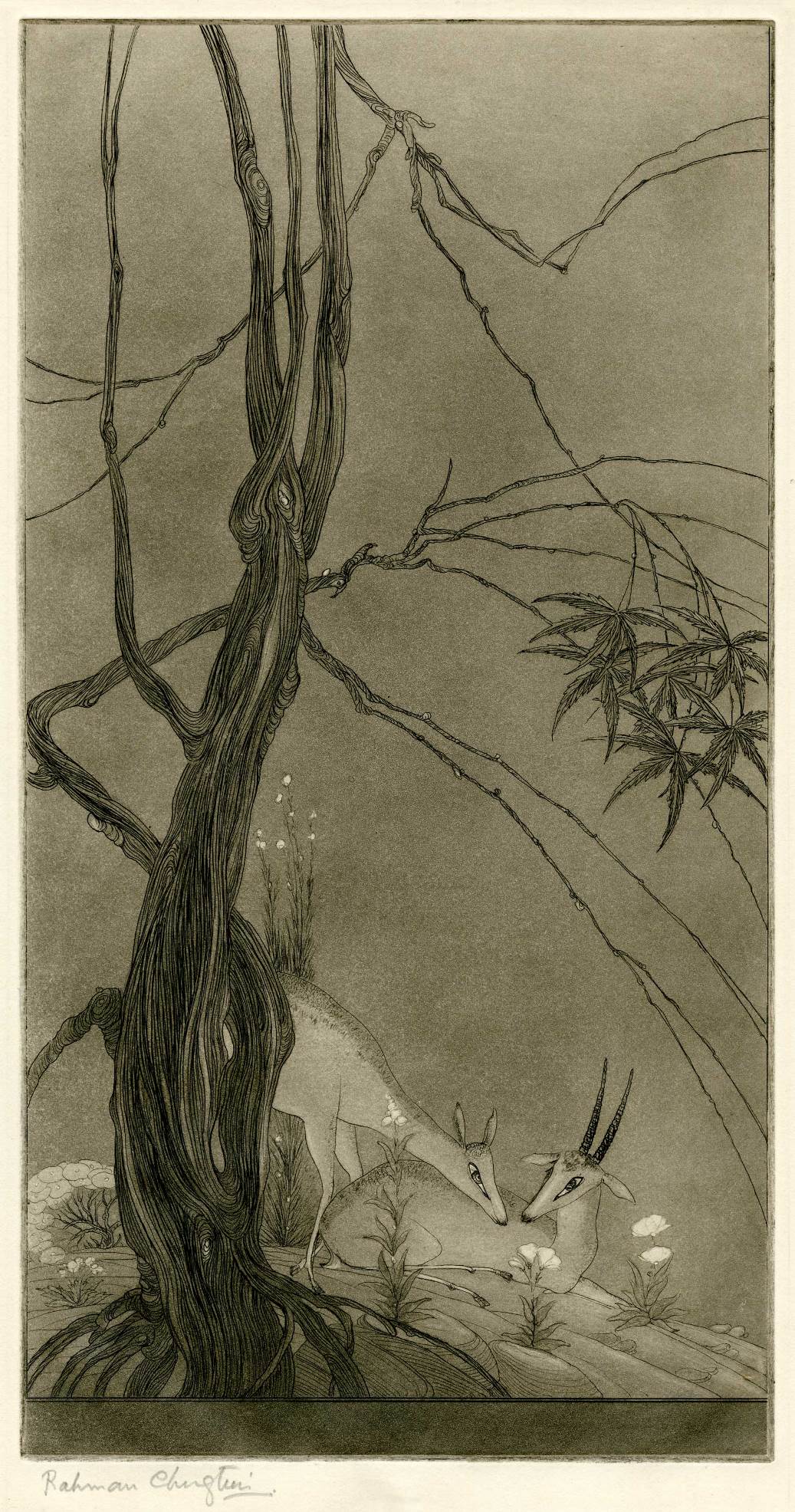
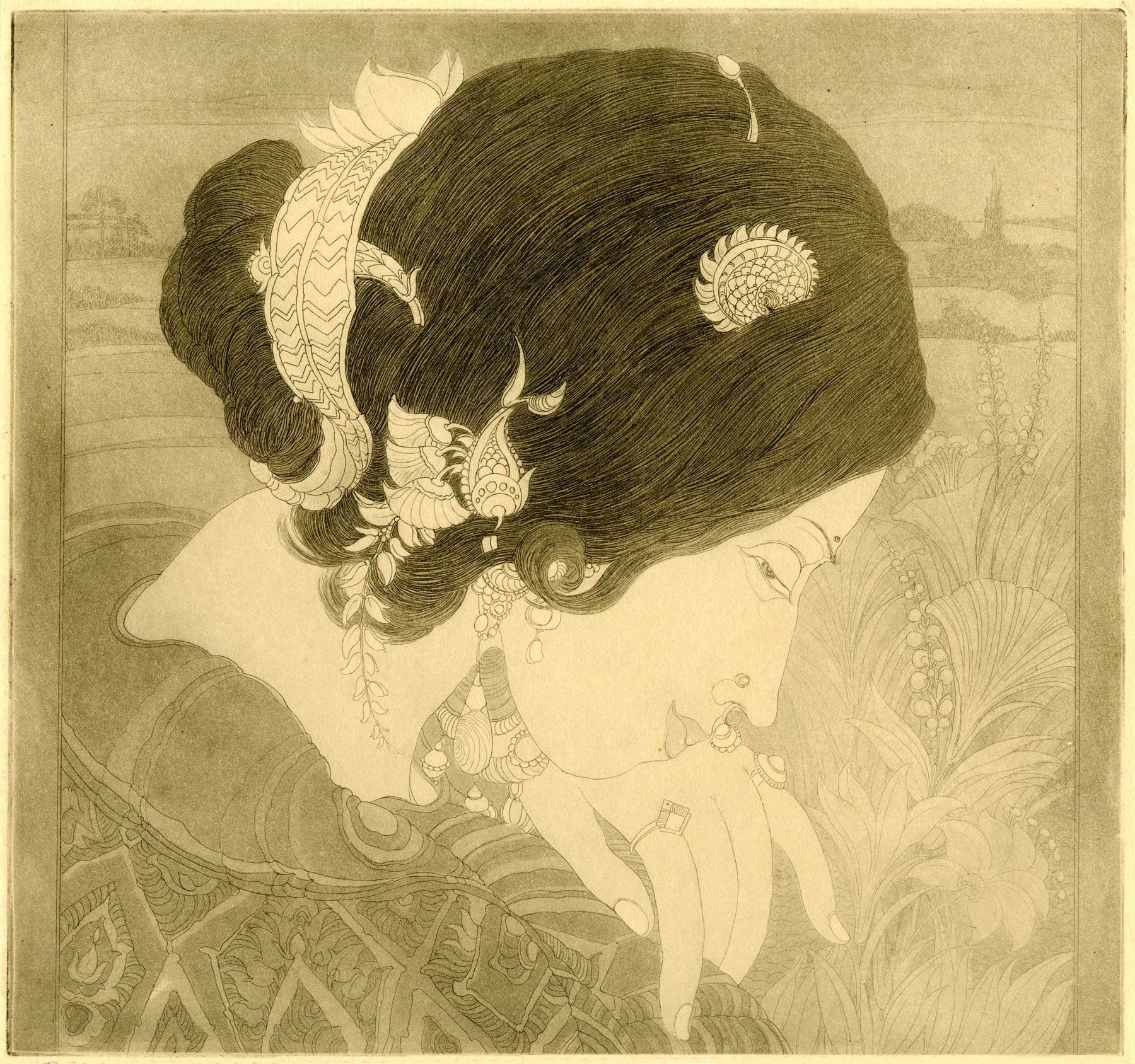
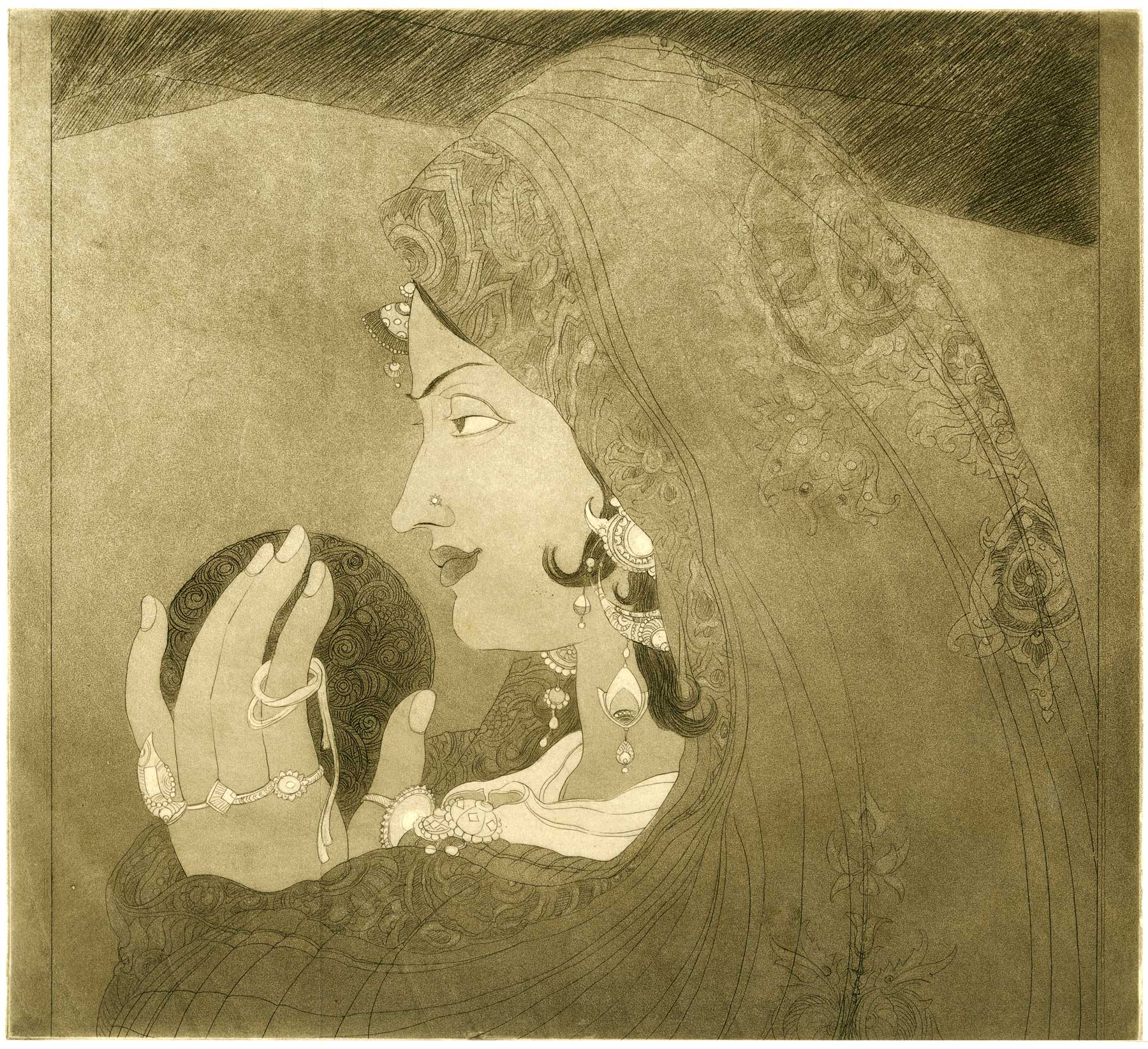
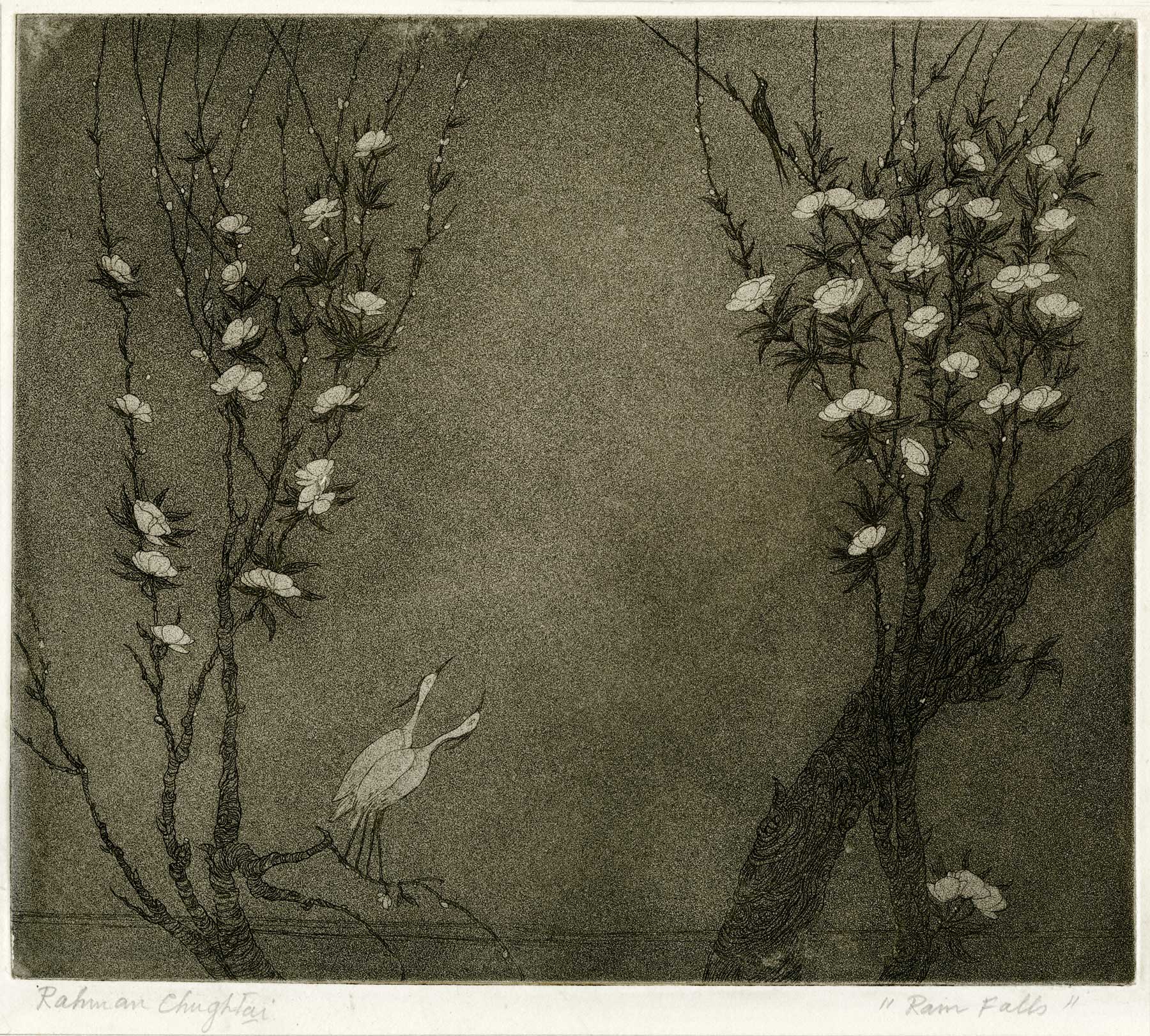
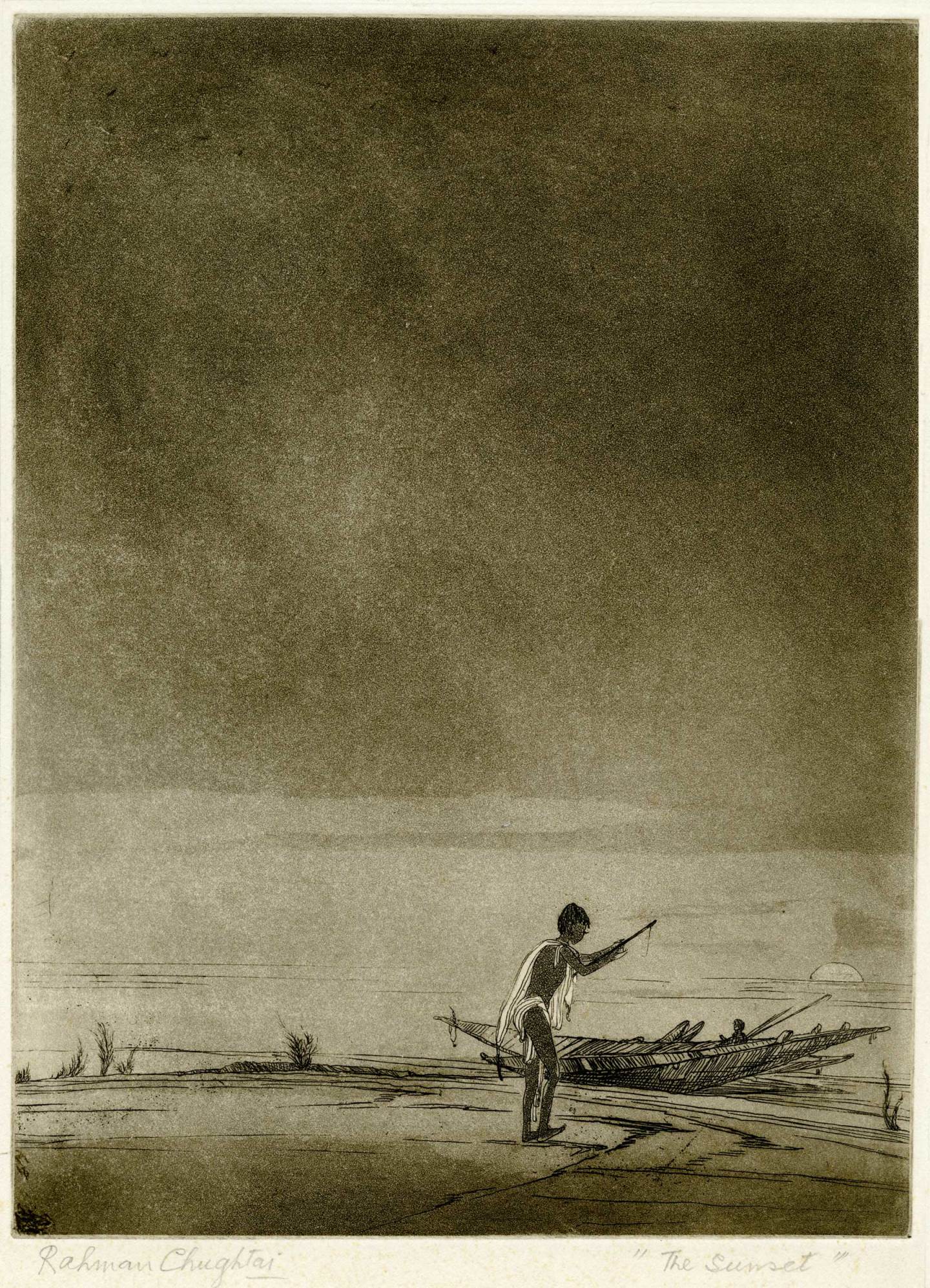
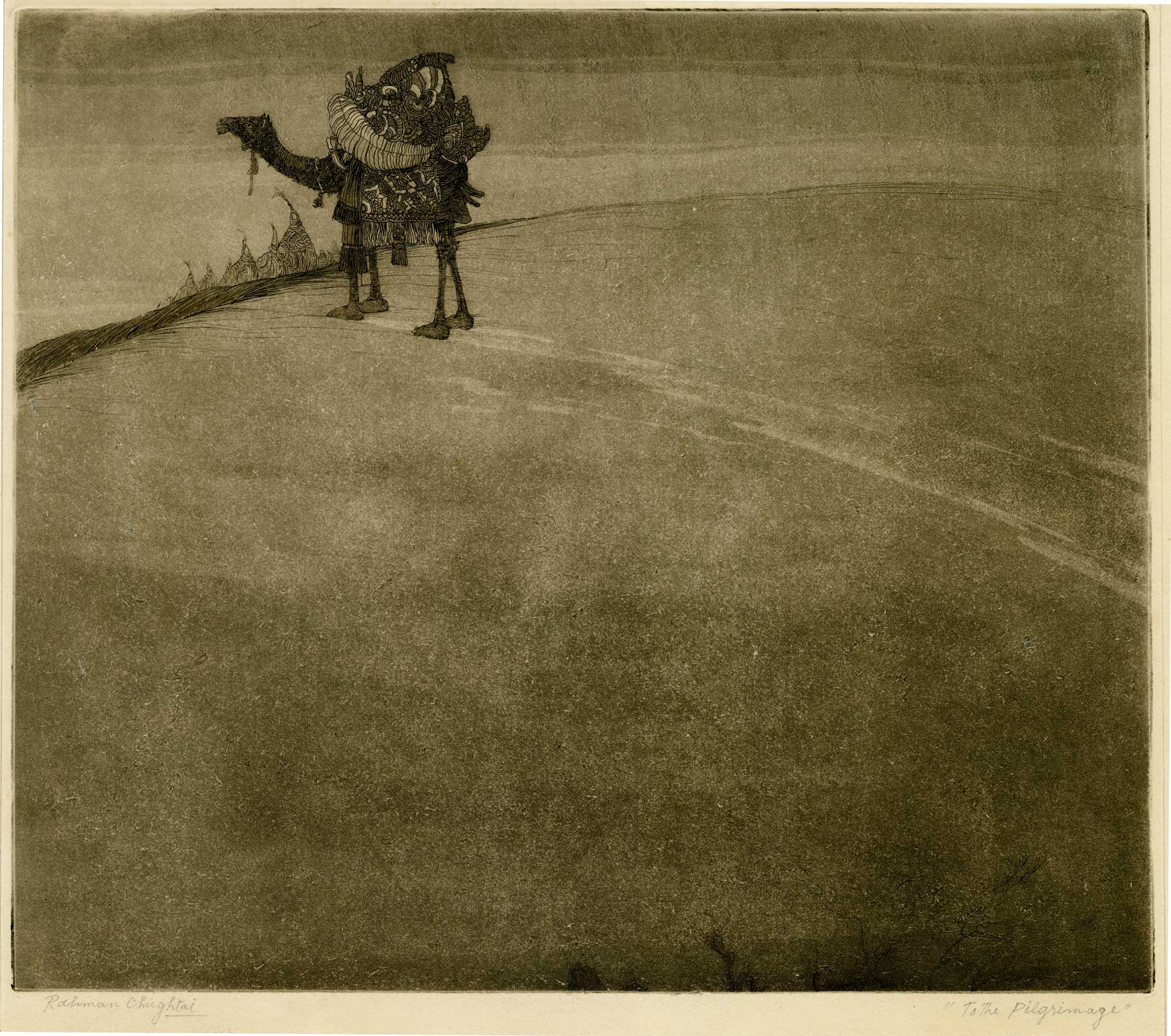
We discussed the nomenclature of Etchings and Aquatints, and he consulted the top scholars in the field. And he was amused when he said it seems I have to guide people all the time. An etching is a difficult project, but an aquatint is an even more difficult things to manage on own. I need not talk about etchings here, but once the etching is made, the plate is put through a hand held resin blast in an aquatint box. I introduce our aquatint box for people to see. It is not as easy as it looks, for you have to control the density of the resin, its size as well as its whirling velocity. This resin blast makes the entire plate surface open to printing and the dark ink immediately tells you that. Check the etching plate of Black Pigeons and the Aquatinted plate. One understands things.
Ehrenfeld show inauguration
Ehrenfeld family
Aquatint is an intaglioprintmaking technique, a variant of etching that produces areas of tone rather than lines. For this reason, it has mostly been used in conjunction with etching, to give both lines and shaded tone. The wear and tear of aquatinted plates is much more than etching plates. That is why not used much. Only the extraordinary craftsmanship of M.A. Rahman Chughtai could produce magic here as attested by some of his most famous aquatints. We attach some of them.