PRINCE OF WALES VISIT TO LAHORE 25TH FEBRUARY, 1922
POLITICAL UNREST AND RIOTS WERE EXPECTED IN LAHORE
prince-of-wales-visit-1922
PRESENTATION BY AHMADIYAH GROUP TO THE PRINCE
news-report-of-visit
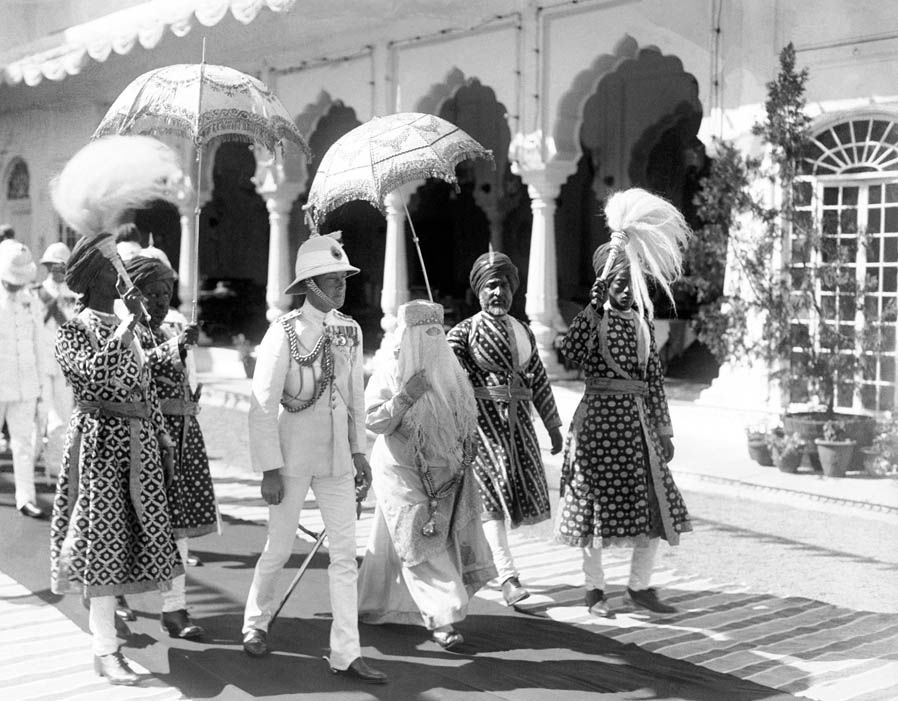
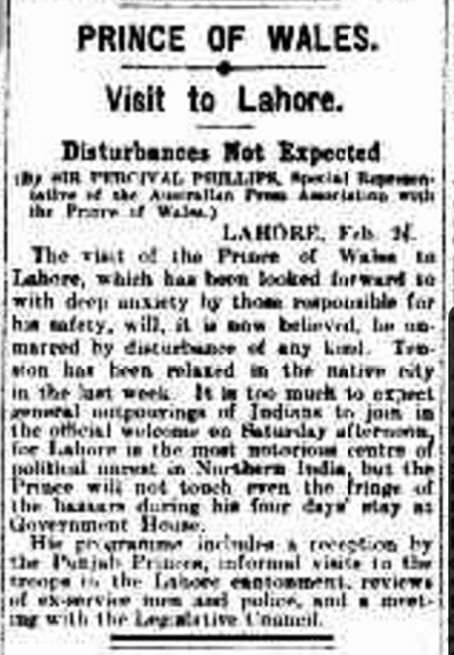
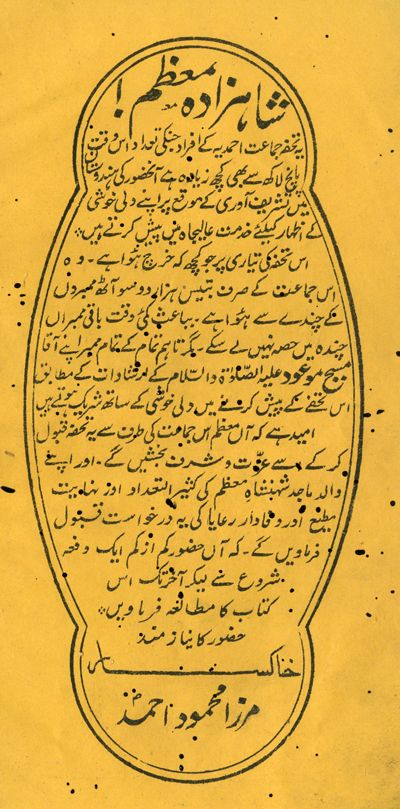
The Prince of Wales made a tour around the world. He came to India too, and also visited Lahore. That was on 25th February, 1922. Unrest was expected here as there was political instability. But tempers cooled down or were brought down by strategy. Various groups reacted in different way. The Ahmadiyah in Lahore collected one anna (16 annas to Rupee) each from the 500,000 members and made a presentation to the Prince. A reply was received from the Chief Secretary of the Prince of Wales. The Prince was asked to study Ahmadiyah literature. These are the kinds of events that developed in Lahore to make it a hotbed of politics.
gift-for-prince-by-ahmadiyah-group
The result Dr Allama Iqbal emerged on the scene and convinced Quaid e Azam Muhammd Ali Jinnah To wage a battle for Pakistan. The moderate elements of Islam won the game and Pakistan was created in letter and spirit. The Ideology of Pakistan finally gave a geography to practice the reconstruction of religion in Islam.
THE STRANGEST ROLE OF DANCING GIRLS AT MUGHAL HAREM
EMPERORS EVEN GAVE PRESENT OF DANCERS TO THEIR WIVES
A bizarre gift by any consideration
mughals-learnt-the-dance-too
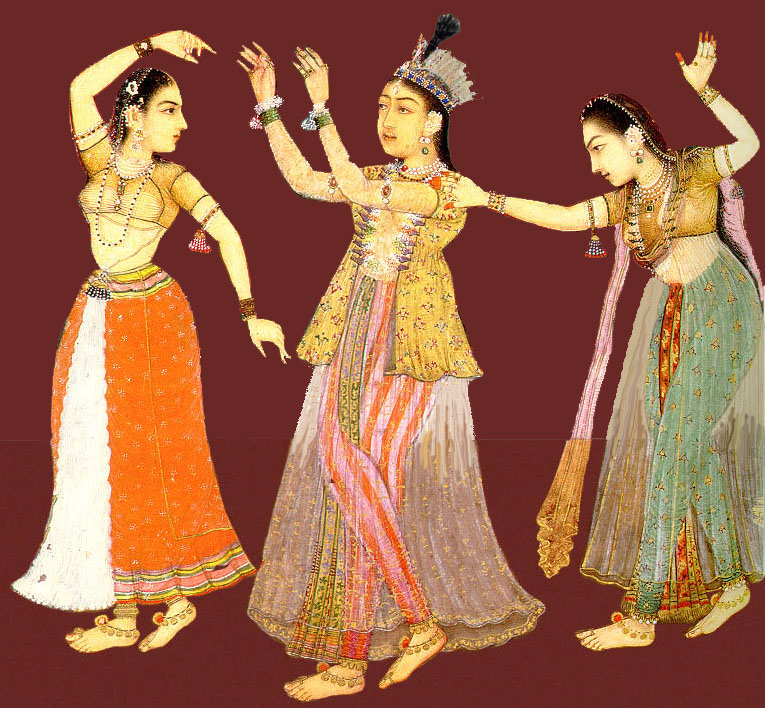
Emperor Babur entered Hindustan with his own ideas. Things were different here and it made differences to the life of the Mughals. The Mughal ladies were fascinated with Hindu dancing girls. The historian Rumer Godden writes about the impressions of Gulbadan, daughter of Emperor Babur:
umrao-jan-ada
“Undulating hips the Muslims were used to — belly dancing as it is called now was the mark of Muslim dancing girls — but they had never seen the subtle movement of neck and head and shoulders, the intoxicating movements of Hindu dance. Though used to music, the throbbing of the tabla drums was new and disturbing as were the tiny silver thumb and finger cymbals the girls used or percussion, and the tinkling of anklet bells a music made with heel and toe”.
nautch-girls-as-obsession
Emperor Babur was concerned about entertaining the ladies in his harem, which included aunts, cousins, wives, sisters, etc. He knew that happy ladies meant happy existence of husbands. The women were allowed to do many many things. Interest in literature, poetry on one hand, sports activity on the other. Archery. polo, sword fighting, what not? The ladies were given free hand to entertain themselves. But the most bizarre gift the Emperors gave were the dancing girls to keep their wives happy and in good mood. Unbelievable!
Various artists with varied imagery of same subject
fake-last-days-of-shah-jahan
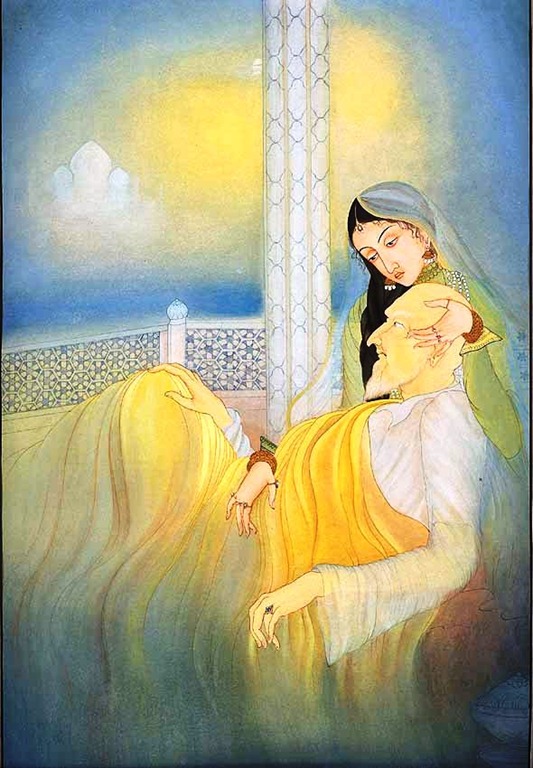
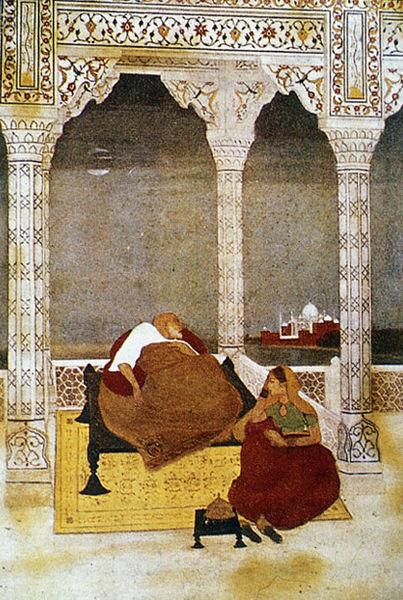
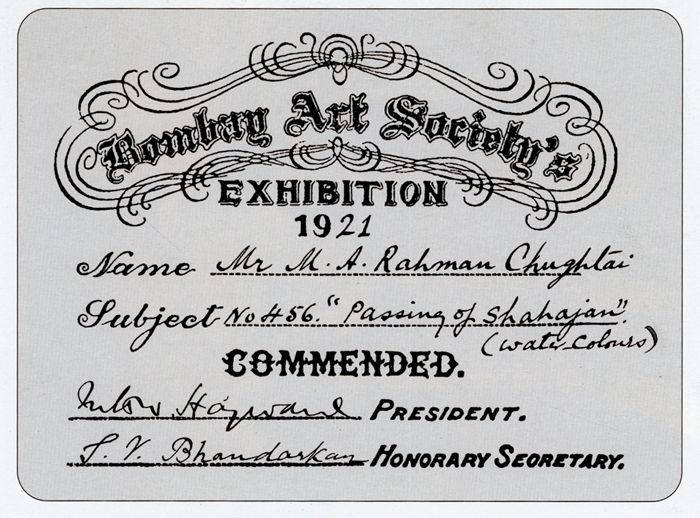
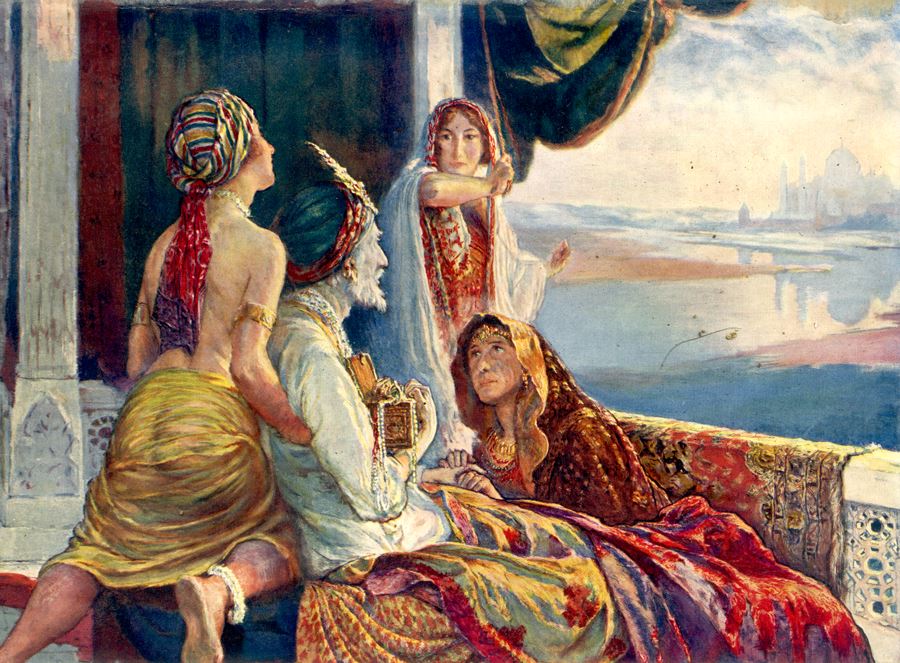
Abanindranath Tagore, the Bengalli Indian Master first worked on the subject in 1897. The original was on wood and later made on paper. M.A. Rahman Chughtai got repulsed with the imagery of the Indian Master and presented his own version of same in 1920. The work was exhibited in Bombay in 1921 and won a commendation there in an exhibition show. Another version attributed to Chughtai but not by Chughtai was made famous in the 1980s. A fake by any standards. No other version was known. We came across a printed version of a version of the LAST DAYS OF SHAH JAHAN in an album and the artist was Sir Cecil Burns.
passing-of-shah-jahan
Sir Cecil Burns was born in 1863 and died in 1929. He was Curator of Victoria and Albert museum in Bombay and Principal of the J. J School of Art (Jamsetjee Jeejebhoy) in Bombay for many many years. On his planned return to England, many of his works were destroyed in a fire on Bombay docks. An unfortunate incident but among the works set on fire was a version of the LAST DAYS OF SHAH JAHAN. We present here an image for the first time in the regional history.
the-last-days-of-shah-jahan-tagores-version
Different versions by artists of different cultures reflect the diversity in approach to art. Sir Cecil Burns version does not have the environment or persona of the great tragedy being illustrated by people. The Emperor does even look like a dying person and all three ladies are nor relevant to the scene. The first thing we observe is not the Taj Mahal but the rather erotic hips of the girl supporting the dying Emperor. That such a scene was possible that day is impossible and the lusty scene shows lack of consideration for the poignant subject. The other lady looks with annoying eyes at the other two and her face is full of malice too. But the daughter shown is the most absurd of them all. Holding the hands of her father, her face looks moronic like a servant. It is a scene in which Sir Cecil Burns exhibits his own hidden sexuality not the evident and not reflect the sorrow and tragedy of that moment. What more can we say? The costumes shown are all wrong in every way. The Emperor himself has no grace or edge of royalty about him. We can dissect it bit by bit, for the work annoys not soothes us in any way.
cecil-burns-saw-it-here-1921
Sir Cecil Burns saw the work of M.A. Rahman Chughtai at the show in Bombay in 1921 (part of the committee) and must have thought of making his own version. The version lost in history and an image remains of same. An addition to our knowledge of the important painting which made history in India by selling for the highest sum ever paid for a modern work. It was purchased by the Prime Minister of Nepal then. Now it is Art history and a reflection of the two nation theory of our region.
The background of the word Tar-Khan is not even clear to this day. Many believe that the word has its origin in a special tribe of the Mongols, meaning High Ranking Khans. Chengez Khan himself was an iron smith and that is why Lohars are famous in his legacy. These people were wonderful craftsmen for centuries.
punjabi-gadd
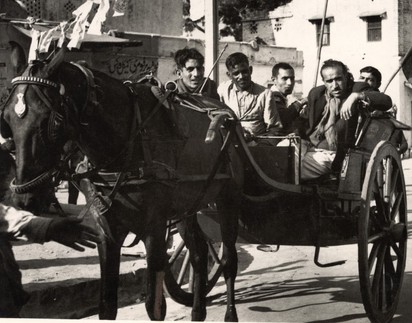
Tongas were very particular to Lahore. The new Tonga we used to see recently is not the Lahori Tonga. The Lahori Tonga was a deep well carriage, which in times of flood or river crossing would act like a boat itself. It was an all terrain vehicle. The buggy carriages made in England wee duplicated here, but the Lahori Tonga had its own merits. Tonga making was usually done in Sultan de Seran outside Delhi Gate and even today tonga materials are still to be found there. People from other cities come to Lahore to buy the Tonga accessories.
modern-gadd
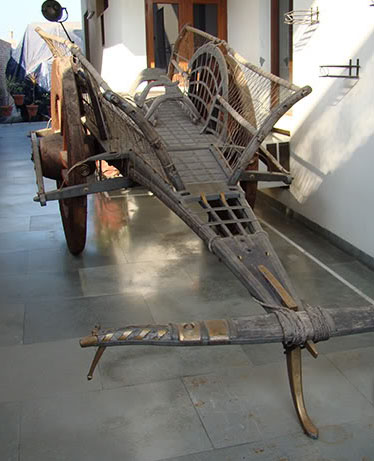
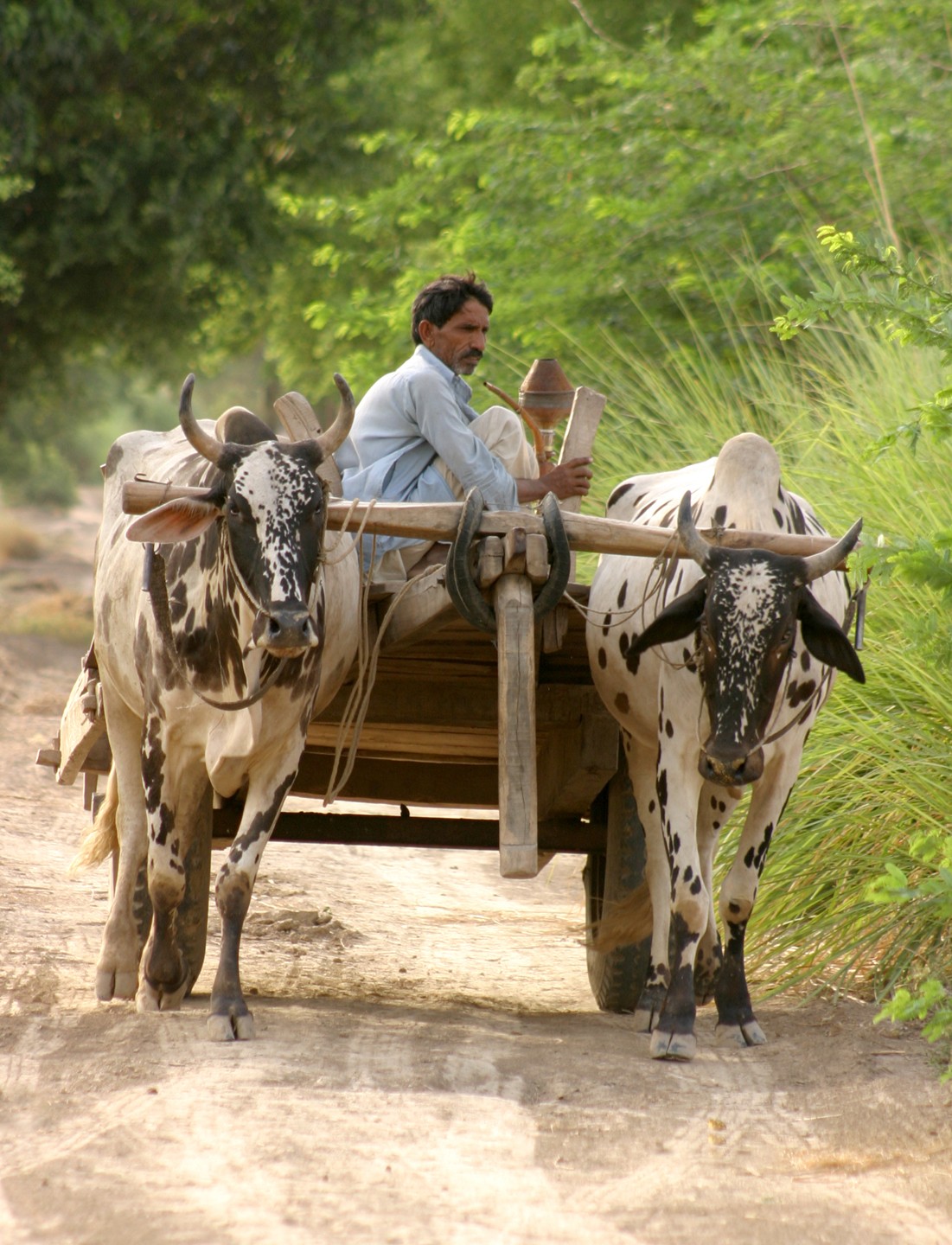
Very few people would know that GADD making was a speciality of Lahore too. To make a Gadd is not an easy task, and usually we have a two buffalos Gadd. But there was one buffalo Gadd too. The most difficult part was to select the proper wood, season it properly and make the wheels. The Komanis used to be of wood too, buffered by thick rubber. Later Kamanis of trucks were used to cushion impacts. These people were concentrated mostly in Mozang Lahore and there children have now new occupations. Master Khursheed was a Master Gadd maker of those days.
gadd-movement-towards-pakistan
Whole mohallas used to be transported by Gadds as the same were very reliable carriages. A Gadd would go on its own, unhindered by obstacles on the way, come what may. In fact the Gadd driver could be found sleeping on the Gadd while the buffalo knew the routes towards home or otherwise. In fact Gadds were used to transport lakhs of people from India to Pakistan at time of partition in 1947.
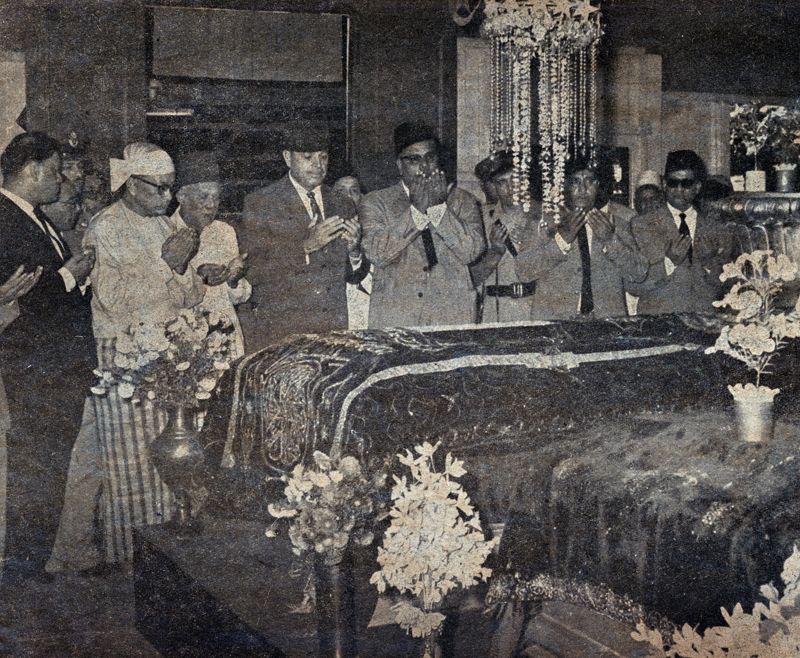
The tragedy of Bahadur Shah Zafar is decline of our Muslim history in the region. Indian Heads have visited the tomb of Bahadur Shah Zafar, but here, one hardly knows the President Ayub Khan did so in his period of time too. Enjoy the visual of President Ayub Khan’s visit to the tomb of the last Mughal Emperor. A legacy from which we can learn many things.
AN EROTIC ROOM OF PRINCE MASOOD GHAZNAVI AT LASHKARI BAZAAR
INSPIRATIONS CAME FROM LAHORE THE NEW CITY OF RICH CULTURE
Amazing pictorials lost in time
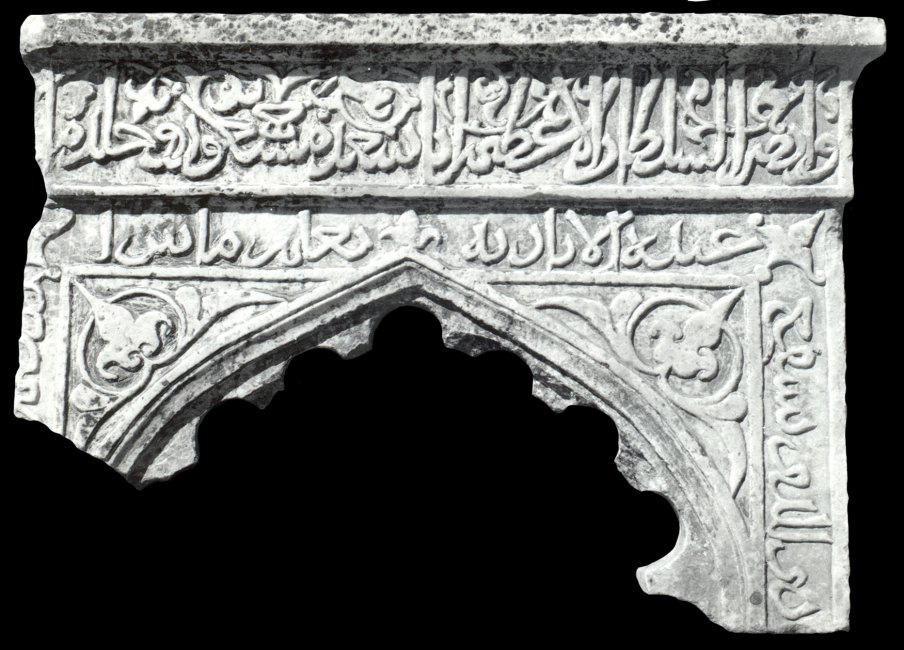
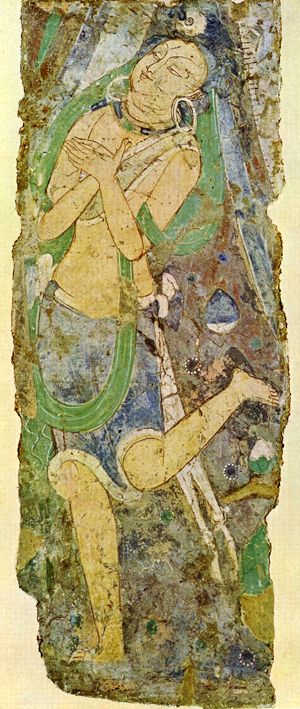
mehrab-of-sultan-masud-1112-adearly-painting
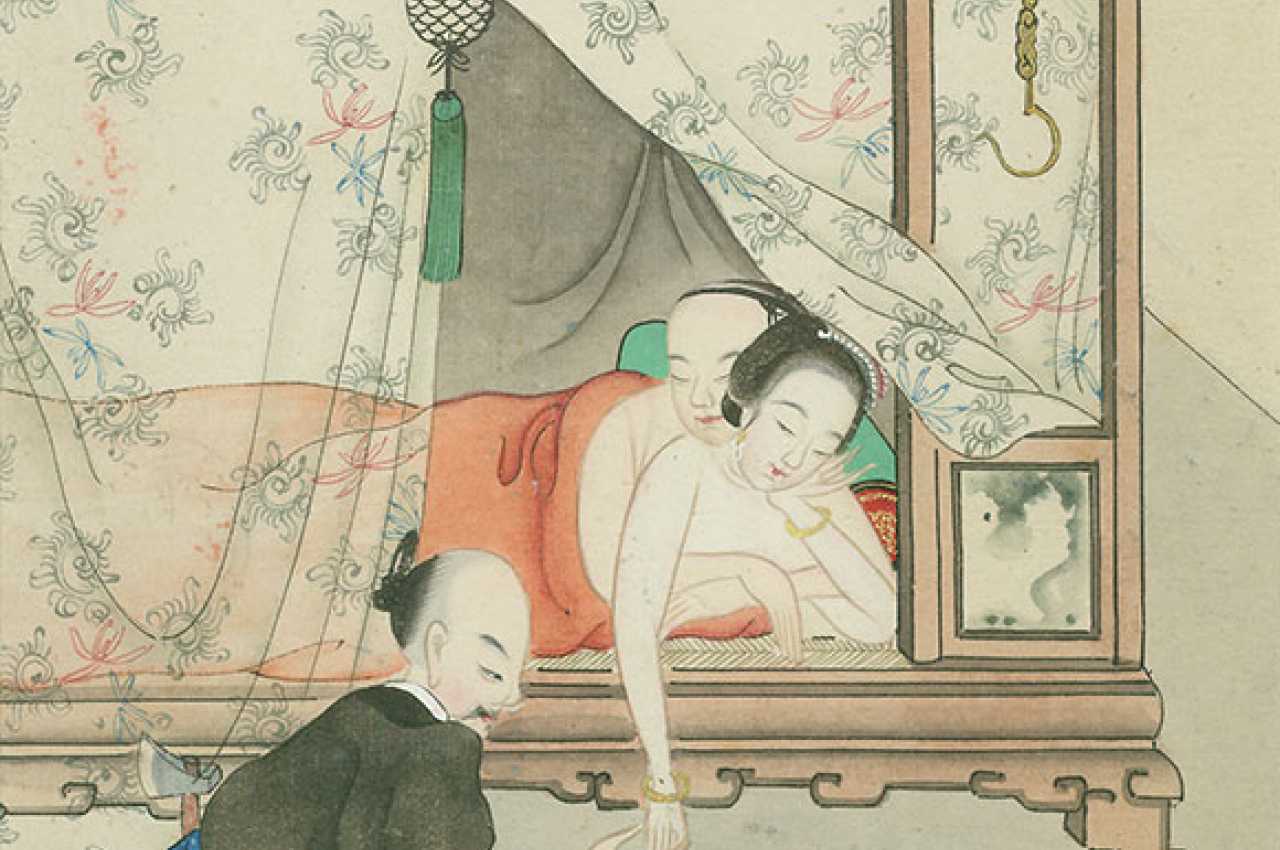
The historian Al-Baiqhi worked in the Court of Sultan Mahmud Ghaznavi and wrote a ten volume history of that reign. Only three volumes survive to his day and there is bizarre information in those volumes. One is about the SECRET ROOM of Prince Masud son of Mahmood Ghaznavi. In the construction of his palace at Lashkari Bazaar Afghanistan, he had made a secret room with EROTIC ILLUSTRATIONS. Literally a wall sexual manual of sexual positions.
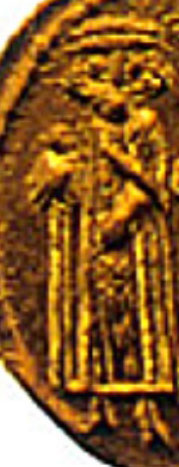
earliest-depiction-of-muslim-woman-693-ad
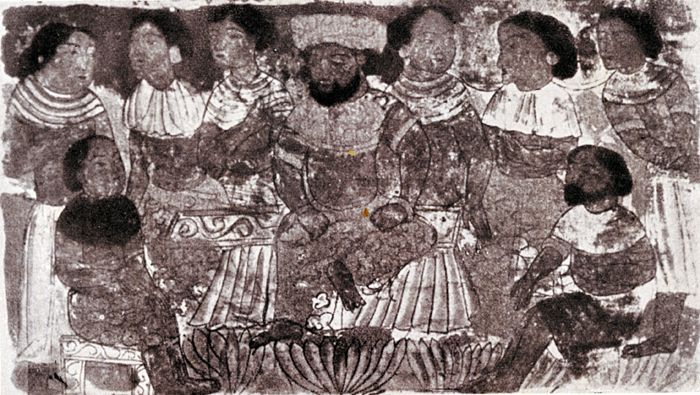
We know of Sex Manuals in Islamic history. The earliest known is of Ahmad Al-Tifashi who died in 1253 AD. The famous PERFUMED GARDEN of Sheikh Nefzawi, came from Tunisia and he died after 1324 AD. But from where came the inspiration for the paintings in the SECRET BEDROOM of Prince Masood. By this time they were in touch with cities of Hindustan and they had conquered Lahore, the city of Culture. One probability can be some painter of Lahore who had not only seen the Kajaro Caves but also read the Kama Sutra. In some respects it may be conjectured that the Lahore Painter was inspired by the Kama Sutra, the Hindu guide to love, with impossible acrobatics. But Lahore was in possession of the Muslims then, from a short period of a 100 years or so. the greater possibility is of the inspiration from CHINESE SEX MANUALS. We know that painting in that period was inspired by Chinese and Central Asian models. It is much more probable that the painter or painters were Chinese themselves or were students of Chinese painters. One of the earliest dated painting of Sultan Qutb ud din Aibak has strong Chinese influences. The Secret Room probably owed its inspiration to China. The Chinese Sex Manuals were based on the experience of Chinese Emperors and were written in the earliest period as 1500 BC. The same would be in common knowledge in the period of Prince Masood Ghaznavi.
utbuddin-aibeg-1236-lahoreearly-works
The room was cut short in its making. Sultan Mahmood Ghaznavi was informed of this and reprimanded his son in very strong way. Before the Sultan could visit and see the room for himself, it was white washed and the room cleared of all the profanity. But it is a unique reference in early history of Lahore and Ghazni and the inspirations that went into it. There is no reason to doubt that China as a civilization was influencing the world.
UMRO BIN MUHAMMED SON OF QASIM AND LADI
A FORGOTTEN AND LOST GOVERNOR OF SIND
THE LEGACY OF MUHAMMED BIN QASIM
fight-for-sindh
I do not think we hear much of Muhammed bin Qasim at all. We only hear of the tussle between Islam and Hinduism. The character and life of the man is left uncertain. The love of Qasim and Ladi actually speaks of the rebellion of the women hood in Sindh at that time. When warriors were ordered to assassinate all women folks on the brink of Dahir’s defeat, the warrior attached to Ladi, actually hesitated, and Ladi jumped to the ground from the camel she was riding. In this way she escaped her husband’s (actual brother) wrath, and certain death. When she was saved by the army folks attached to Qasim, it was her luck again. And then Qasim bought her from those who had captured her and certainly it seemed the prophesy had come true. The prophesy was that Ladi would marry a Ruler of Sind and will give birth to another. Not that we believe in any such prophesy as being the truth. It was the love radiation between the two characters.
qasims-time
We are told that Qasim was so much loved, that they put a life size statue of Qasim on the chowk of their main city. But we have forgotten one more thing. The product of the love of Qasim and Ladi, the son born to the living couple. They named him UMRO, and he was brought up in Sindh itself. When Qasim was removed, as the new Caliph did not approve of him (different versions of his death are there), the situation in Sindh had changed after all. Historians talk of a grave of Muhammed bin Qasim in Mosul, here he was tortured at the behest of the new Caliph. This is contrary to the story given in the Chach-nama, which is obviously the floated legend at that time.
In any case UMRO was reared up in Sindh, and must have become popular with the people, as he became eventually a Governor of Sindh. We have not come across more material on him, but we will search for same, as there is evidence here, that the DNA of Qasim is still in Sindh to this day. It reminds me of a 9000 year old skeleton they discovered in a mining cave in Scotland, and after research in the nearby village (the entire’s village DNA sample was taken), they found a match to the DNA. A living person descendant of a miner 9000 years old. What fun it would be to discover a descendant of Muhammed bin Qasim in Sindh?
108-muhammad-bin-qasim
There was another son of Muhammed bin Qasim and he was named simply as Qasim. He was Governor of Basra for 15 years, and also reached a certain kind of fame in his lifetime. So one leaves for Arabia, the other remains in Sindh. There must be more about them in some archives. Suffice that Qasim did not conquer Sindh in the battlefield alone, he conquered the hearts of Sindh and that is why Sindh never became a Hindu nation again. Three cheers for the icon of all times!
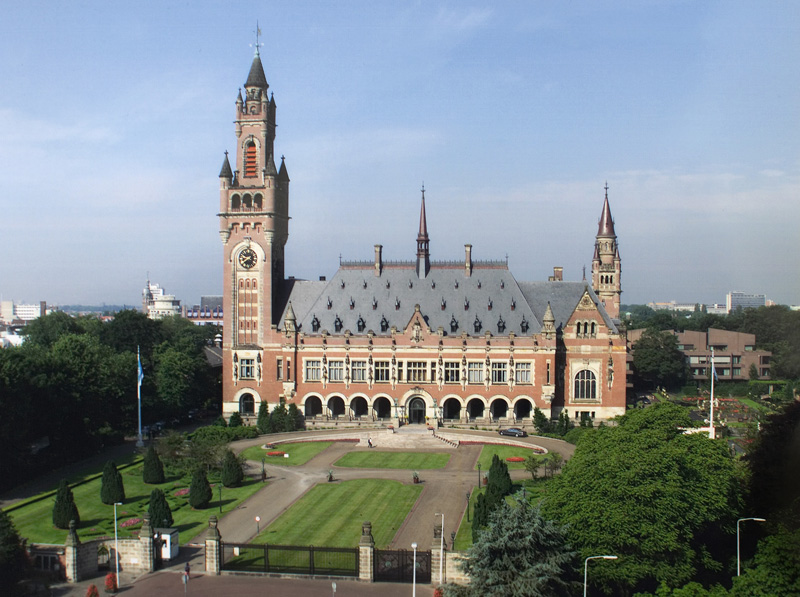
THE INTERNATIONAL COURT OF JUSTICE, BEING
PEACE PALACE HAGUE AND M.A. RAHMAN CHUGHTAI
Message of peace to the world
peace-palace-hague
A long time back the Governments in Pakistan were Pakistani friendly and promoted our interests all over the world. Today the morons can only think of making money for themselves and their cronies. Liaquat Ali Khan presented a painting of M.A. Rahman Chughtai to it at the residence of International Court of Justice at Hague, namely the Peace Palace, Hague. People from all over the world go there and are introduced to the artist from Pakistan represented there. Our relatives have enjoyed VIP treatment there by mentioning their links to the artist. We visited the place too, and received a grand reception from the Director of the place.
international_court_of_justice
When we picture jurists from all over the world assembled there, with Chughtai Art at their back, it sends a message of great contentment to us. There are other lobbies who are trying to sabotage such places where Pakistan is represented, and we all the bigotry of that lobby. There were various attempts to shelve the painting. Obviously by our neighbours. We do not know the latest for 2015. We will find out.
Legends abound of their extra-ordinary control over men
la-belle-dame-sans-merci
In a small area inside Mochi Gate, there in Gujjar Gali, are the houses of a Chaghatai family of Kabul. Their traditional occupation was that of PAINTING and they were artists over generations. But they were known as BINDI GHARS, that is that they were reputed for making the small jewelry which is hung over the ears of the women. Their women were of exceptional beauty, famous for their dazzling eyes, which could captivate passing men with one glance. No one could resist them.
The legend of Medusa from the Greek mythology comes to mind. For it is said:
Medusa was a beautiful and charming woman and many men were longing for her. Nevertheless, she was a priestess in the temple of Athena and like all priestesses so she was bound by an eternal oath of chastity. According to a Greek myth, the god Poseidon was captivated by her beauty and wanted to mate with her. He was transformed into a horse and joined with her into the sanctuary of Athena, an act of sacrilege, an abhorrent practice throughout the ancient world.
bindighar-document-1904
The goddess enraged by the fact, could not harm Poseidon and so she unleashed her rage on Medusa. Athena transformed her into a hateful monster, which had snakes instead of hair. The ugliness was such that anyone looking at her face immediately turned to stone. In this myth, Medusa was transformed into a kind of monster called Gorgon, a horrible monster. Gorgon was symbolizing the physical embodiment of death. Since then, Medusa is the Gorgon, the mythical figure of death.
If we compare our Mochi Daraza girls with Medusa, we would not be wrong, for not only did they could convert men into metaphorical stones, they also killed men.They had hold over men as nobody else could even imagine. They could make men feel like Kings or Slaves in a single stroke of womanly charm. A young man across their houses was in love with one of the girls, we call her here as just MISS M. She used to come to the roof of her house and he used to come to the roof of his house, and their glances were like magic. Miss M used to rush to her roof when the boy MR M.S, used to come back from college. The signal was a whistle they blew at each other. On her wedding day, MR M.S did whistle and she came to the roof in her bridal suit to wave at him. He still nurtures love for her after her marriage and migration to England from a long time.
But here we are not talking of small talk. We are talking of a Bindi Ghar woman, who got married at least three or four times, and the result was same. She chose men of distinction with a rich family background, and then after some time, she would slowly poison her husband to death. It could have been taken as a chance, but it is suspect when it does happen again and again, as the rich widow, accumulated houses and wealth on her own. I know details of her first marriage well. She got married to my own uncle Muhammd Hussain Chughtai.
I do not know how it all began, and yet I know that my uncle Muhammed Hussain (the eldest son of Mian Kareem Baksh from his first wife. The second wife Chiragh Bibi bore the three sons, Abdur Rahman, Abdullah and Abdur Raheem) was enamoured with the idea of this Bindi Ghar girl. My grandfather took the marriage procession to that house and was rebuked by the father of MISS S. Simple reason that the procession had not come with a musical band. My grandfather went back and brought the band to satisfy that family.Obviously as my grandfather was dead by 1913, this must have happened a few years before that. My uncle was obsessed with her and she made it a habit of picking up a fight and heading for home all the time. The poor uncle of mine was really nuts for her, in times, when men could dominate women easily. He would stalk her wearing a burqa, and the people of Lahore, remembered the dreadful and embarrassing scene on the stairs of the Badshahi mosque Lahore, when she tore his burqa away. My uncle thought of ways of winning her back. She planned his death.
MISS S now Mrs Muhammed Hussain came back home after being cajoled by my uncle. He did not know what he was heading towards in his own house. She slowly started feeding him poison and he became bed ridden and was unable to speak at all. When visited by my father, he looked helplessly at him, not being able to say anything at all. He died a few days later, without any children. As the Chabuk Sawaran house was divided into two portions for living; one for Muhammed Hussain, the other portion for the other family (mother and three sons) , she got hold of that whole house, family library of books and manuscripts, as well as the gold coins in the house. She sold the house in a hurry and left a legacy of the Bindi Ghar girls to be remembered for all times.
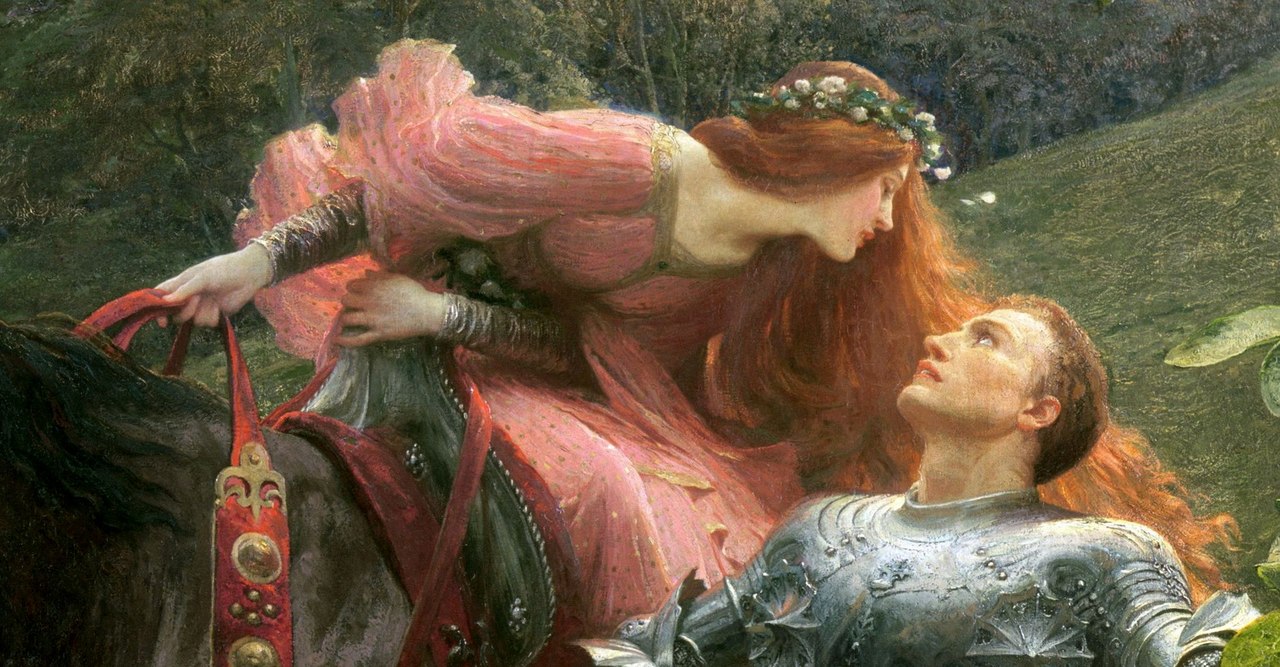
Enamoured by her success, she repeated this poison thing again and again, and she completely got away with it. John Keats wrote: La Belle dame sans Merci, has thee in thrall. Certainly MISS S had my uncle in thrall as well as others. Such chapters of history of Lahore never recorded by anyone. We do that now!
QURANS OF INDO-PAKISTANI REGION WERE IMPORTED FROM OTHER REGIONS
BUT WE DO FIND QURANS WRITTEN IN OUR AREA, LIKE LAHORE AND DELHI
ghaznavid-quran-lahore
Very few with scribes known
Some of the famous scribes of the initial Islamic period in this region are Mahmood Waraq, Sultan Hameeduddin Masood Ibraheem, Jamaluddin Lahori, Najeebuddin Abu Bakr Tirmizi, and many others. There is even a book dated 1044 AD in the Punjab University library written by Abu Hamid, a distinguished calligrapher of those times. It is written that Sultan Ibraheem placed a Quran written in his own hands at the Mazar of Ali Hujveri Data Darbar, which was there till the Sikh times.
ghaznavid-quran-lahore-reverse
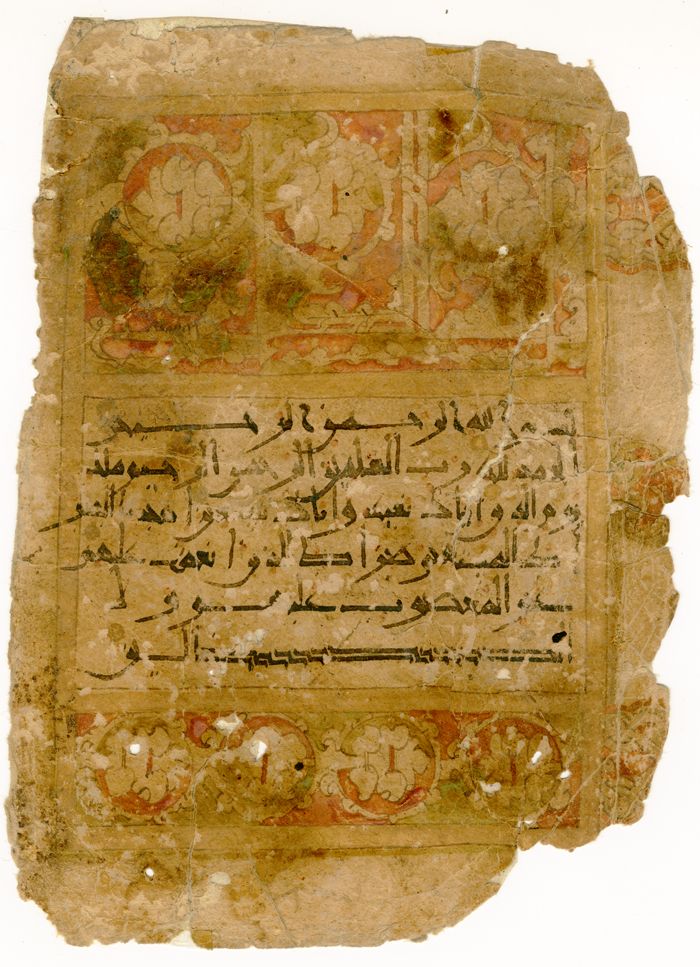
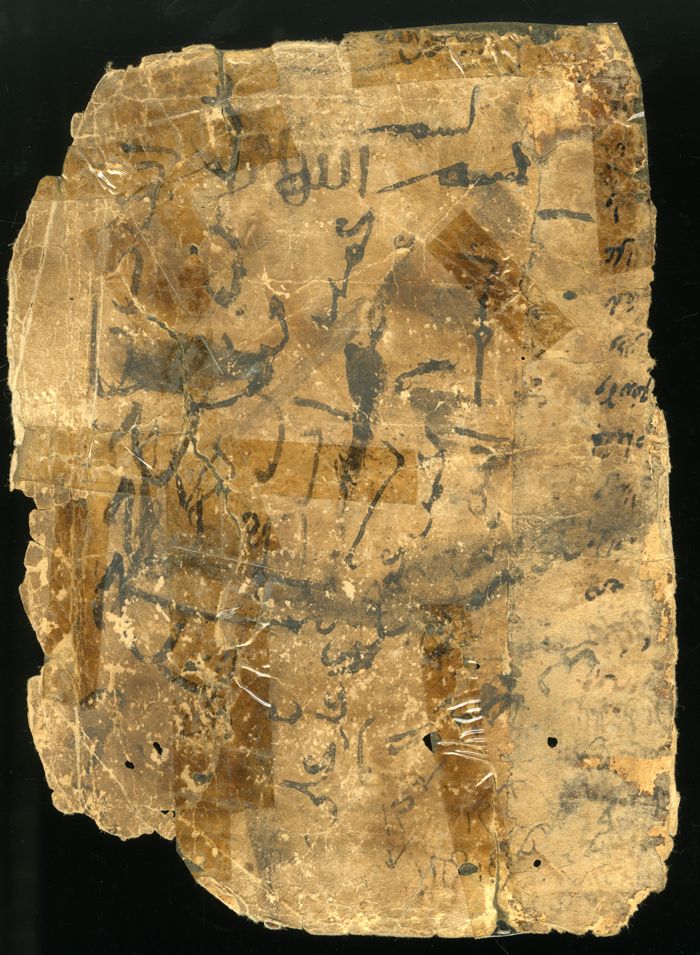
A Quranic page of Ghaznavid era is with us and it was discovered saved in an ancient Quran in the Niwin Masjid Lahore. The naqashi indeed very historical as coming from a Lahore long forgotten. It is our pleasure to share this parchment with others.
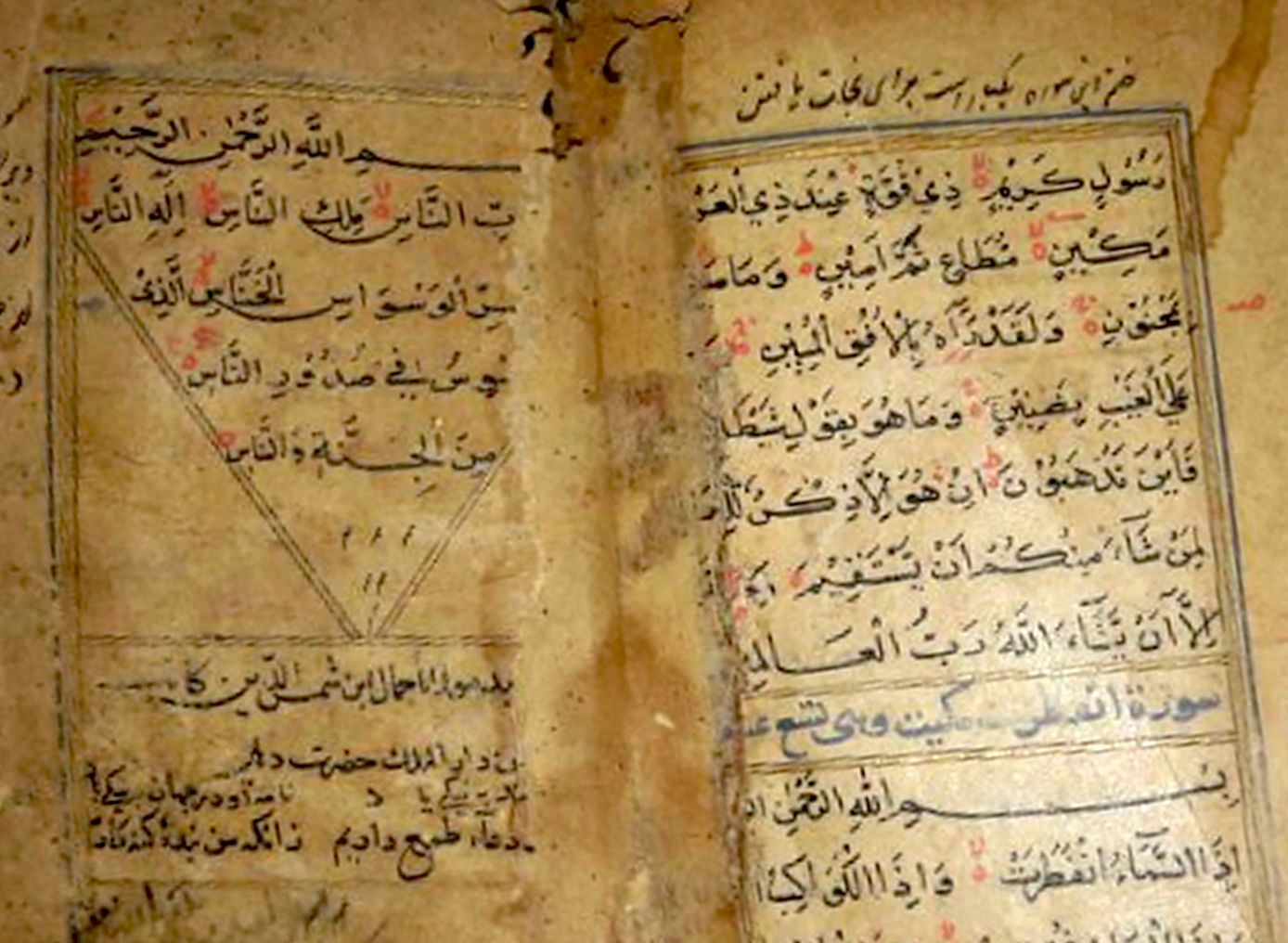
The Indian region was known as MARKAZ-I- ISLAM-I- HIND after the Muslim rule, but in 1211 Sultan Iltutmish gave it a new title that of DARUL MULK HINDUSTAN and the capital Delhi as Darul Mulk Hazrat Delhi. For a long time it remained as such and we have coins of Emperor Humayoun dated around 1530, when it is still known by the same name. Darul Mulk Hazrat Delhi seems to have been adopted for use from 1211 to 1530. And within Humayoun’s own reign in the same year it became Darul khilafat Agra. So when we discovered a small size incomplete Quran written elegantly by scribe MAULANA JAMAL SON OF SHAMAS-UDDIN KATIB, we are sure that the scribe belongs to either the Lodhis or Babar’s period of reign. It is indeed a very early Quran in the history of regional Qurans. But this Maulana Jamal may be an earlier person, and we have the identity of Ustad Jamal uddin Lahori with us too.
darul-mulk-hazrat-delhi
Our archives are full of wonderful materials for the researcher and we love to share our possessions with worthy people.