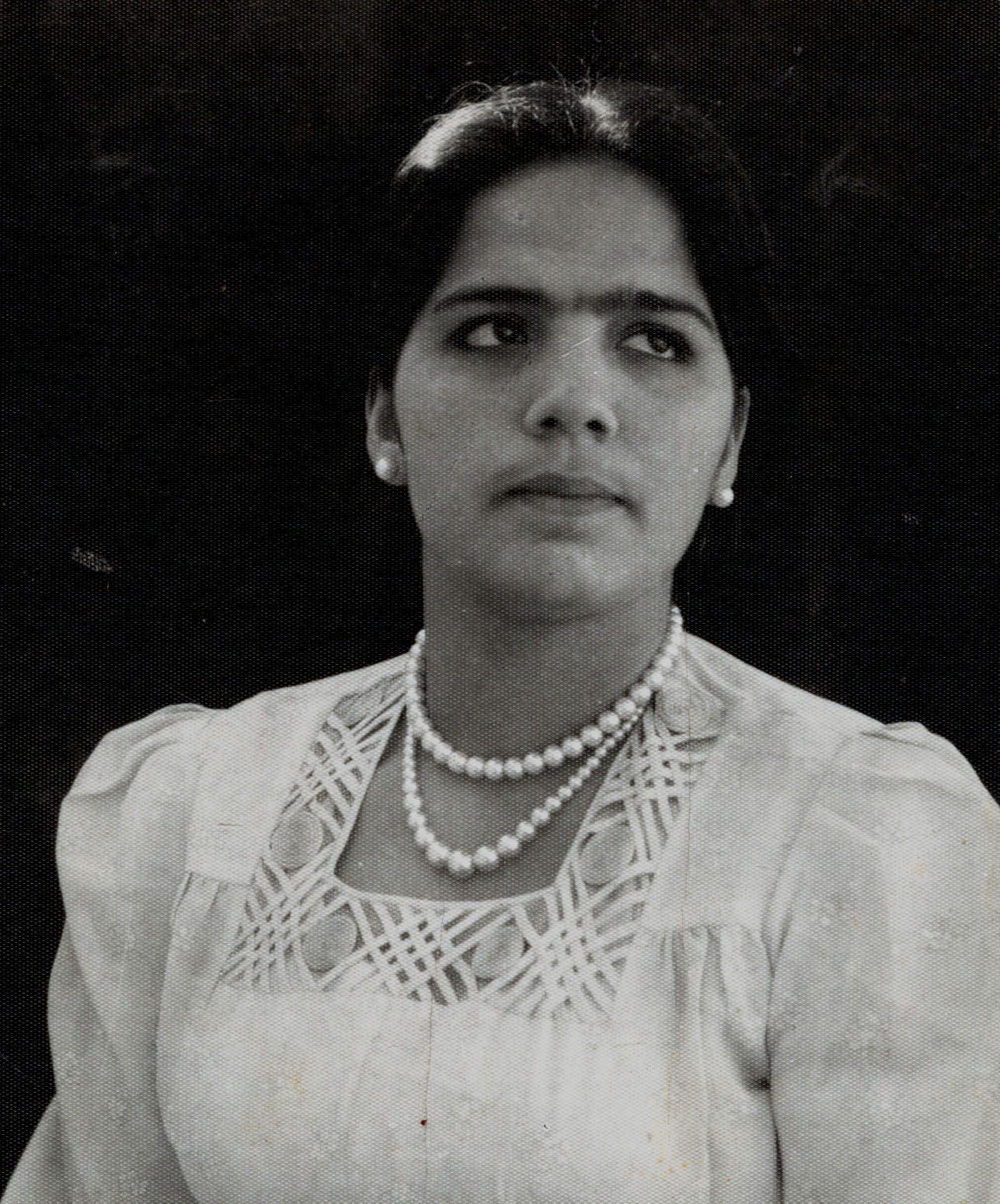
NIECE OF JAWAHAR LAL NEHRU AND COUSIN OF INDIRA GANDHI – MRS JANAKI KUMARI ZUTSHKI, LIVED AND DIED IN LAHORE IN 1997.
NIECE OF JAWAHAR LAL NEHRU AND COUSIN OF INDIRA GANDHI – MRS JANAKI KUMARI ZUTSHKI, LIVED AND DIED IN LAHORE IN 1997.

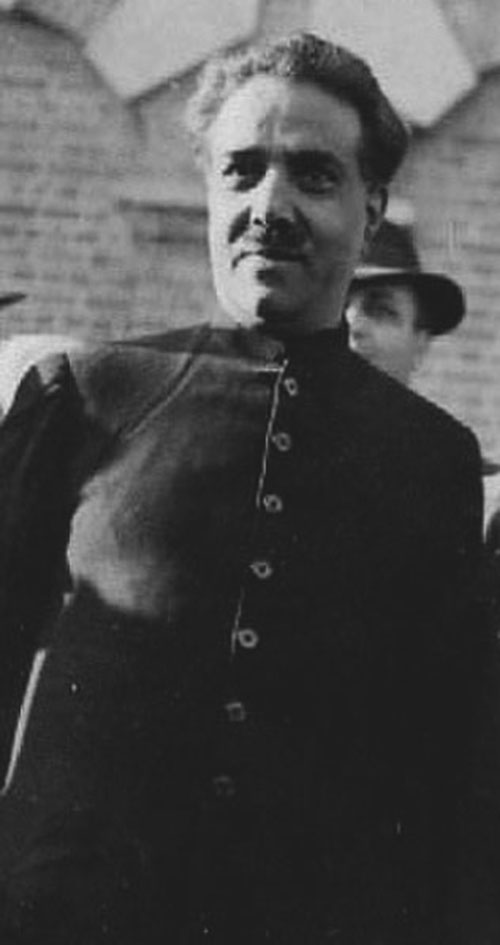
The father Ladli Prasad Zutshi

My uncle used to speak of the Zutshki sisters, and their glamorous stay in Lahore, as well as attachment to artist M.A. Rahman Chughtai. But I had no pictorial image of them. Then I came across a scrap book of an Air Commodore, who used to be a student of Government College, Lahore, and in 2015, I wrote two blogs on them. Obviously, knowledge of past is revealed by chance or through memories of old citizens.  I will give a link to the first blog at the end of this blog itself. But here we traverse new material.
Goulding road in Lahore, is a small road, looking like a lane itself. It is probably named after Colonel H.R. Goulding, who wrote a book on Lahore itself. At one end is the religious center of the Bhai faith, of which few hundred Bhais actually live in Lahore even today. Of Iranian origin, they worship their prophet Bahaullah of Persia. People used to visit our museum from Goulding road itself, and some of them, even gave me a booklet of the Bhai faith, as I recall today. The house of ICS officer, Dr Jalil Asghar was in this lane, and he fell in love with Janaki Kumari and she fell in love with him. The other Zutshki sisters left Lahore long ago, and got married in India. However, Janaki Kumari married a Muslim boy and moved to Pakistan in 1952. Some say it was a happy married life based on love, others say there was friction between the two people. Families of both were unhappy with the choices made by their children. But Jalil Asghar left his property in the name of his wife, as they had no children. After the death of Jalil Asghar, the lady was in financial trouble and had to sell her house. But she was allowed to retain two rooms in the house without any charges. Last reports tell us that there were two old ladies in those rooms, Janaki and her trusted maid. It is also reported that the iconic banker Agha Hassan Abidi supported the lady financially. Not much is known, but there are at least two interviews of the lady published in press. One in the 1980s in Urdu newspaper, Pakistan. In the other, she herself recalls:

In an interview a few months before her death, a bed ridden Janaki recalled: “My grandmother and Moti Lal Nehru were siblings. Indira was my cousin. I lost touch with her after my marriage. Her behaviour was different then the rest of the family. She genuinely welcomed me and was extremely happy to see me when I went to attend her son’s wedding.”
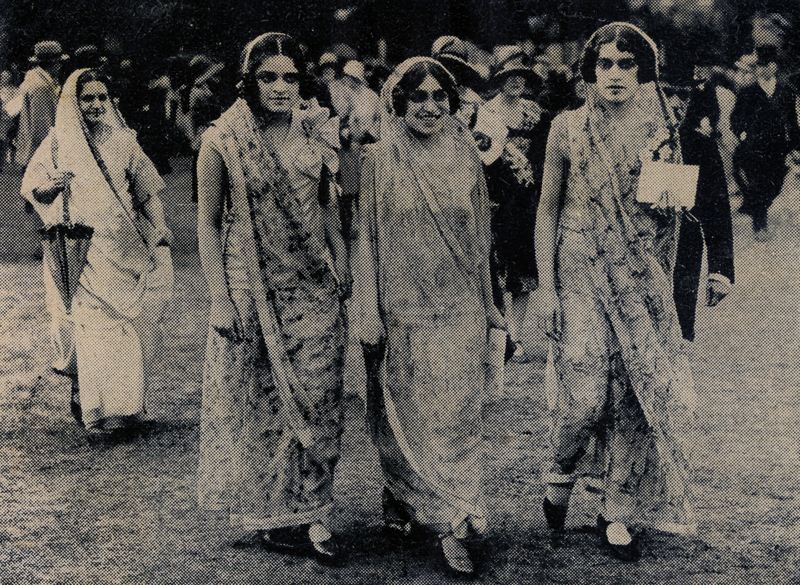
The lady was involved in a lot of social work, and her services were recognized by those in power. President Ayub Khan decorated her with an award of Sitara-e- Khidmat. Today leaders do not have even time to listen to the laments of the past, when they cannot handle laments of today.
http://blog.chughtaimuseum.com/?p=1965
QUAID E AZAM’S COMMITMENT TO THE PALESTINE CAUSE – BATTALION ARMY, 250,000 GUNS and DIPLOMATIC BACK-UP

QUAID E AZAM’S COMMITMENT TO THE PALESTINE CAUSE – BATTALION ARMY, 250,000 GUNS and DIPLOMATIC BACK-UP

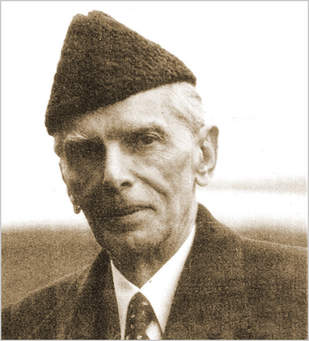
Quaid e Azam Muhammed Ali Jinnah

A veteran journalist Tariq Ismael Sagar (full respects to him) in an internet broadcast, mentioned the role of Quaid e Azam in helping the Palestine cause. Obviously, it required research, and our dear lady, Ms. Saleena Karim offered to do so. That will take time. Till then the news is like this.

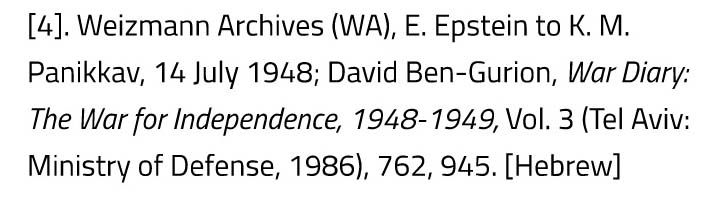
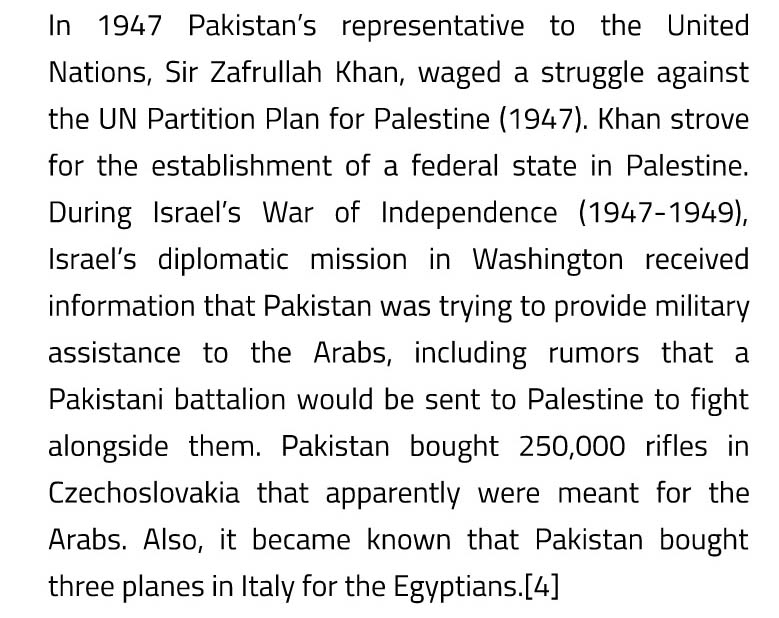
E. Epstein a leading Israeli personality and diplomat in Russia corresponded with another diplomat, Editor of the Hindustan Times, namely K.M. Panikkav, in 1948, and it is also in the personal diaries of the Prime Minister of Israel, David Ben-Gurion. It is suggested that these documents are also in the Government of Pakistan records but perhaps suppressed by those in power. The facts mentioned are the offer of a Battalion of Army to the Palestinians, guns 250,000 bought from Czechoslovakia, and three fighter planes to Egypt. Help was not mere words. It was an actual help. Why do we not hear more about it? Is the present set of leaders afraid of the past, and the solid commitment of our initial leaders to the Islamic cause and Identity? If Israel can document same, why cannot we? Till then, feel proud of those who made Pakistan. Is it not time to make Pakistan, Pakistan again!  And get rid of these moronic, self-serving politicians, who have made mockery of our national life. Pakistan Forever!

David Ben Gurion

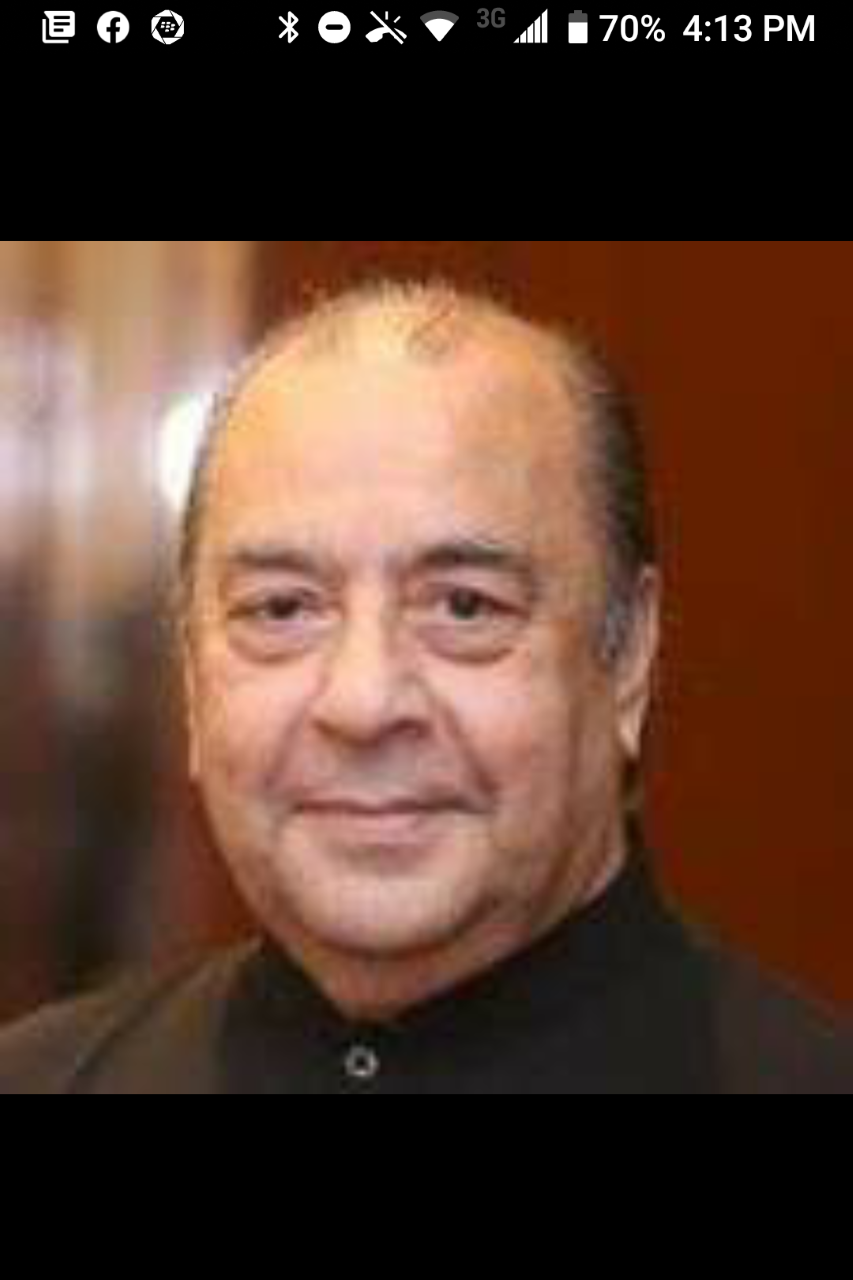
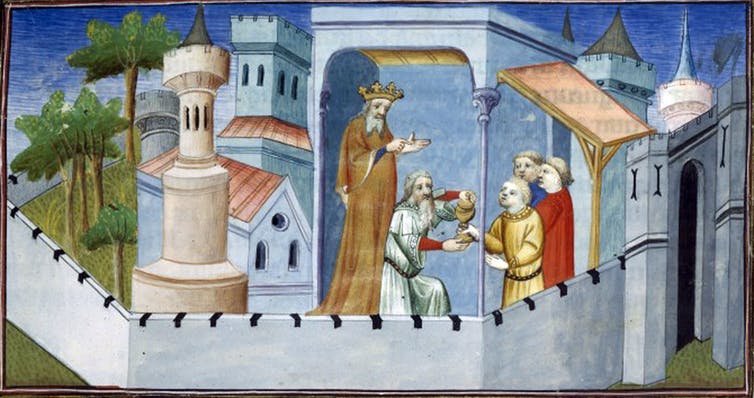
UNKNOWN DASTUR KAIKOBAD MAHYAR AN INHERITED PARSEE PRIEST – SO PRESENT AT COURTS OF AKBAR, JAHANGEER AND PRINCE KHURRAM.

UNKNOWN DASTUR KAIKOBAD MAHYAR AN INHERITED PARSEE PRIEST – SO PRESENT AT COURTS OF AKBAR, JAHANGEER AND PRINCE KHURRAM.

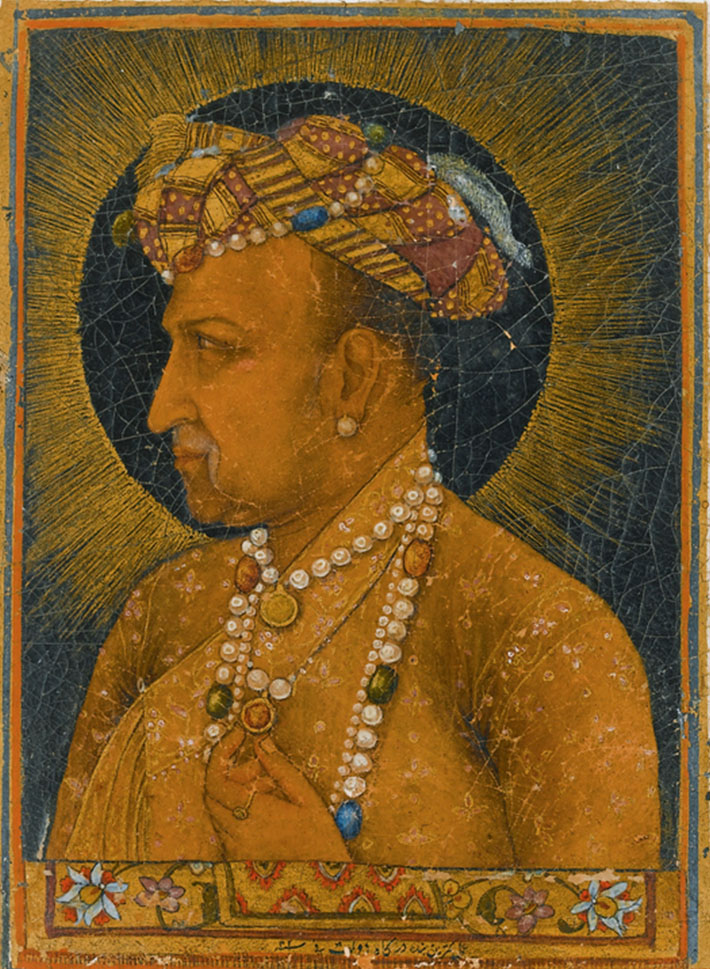
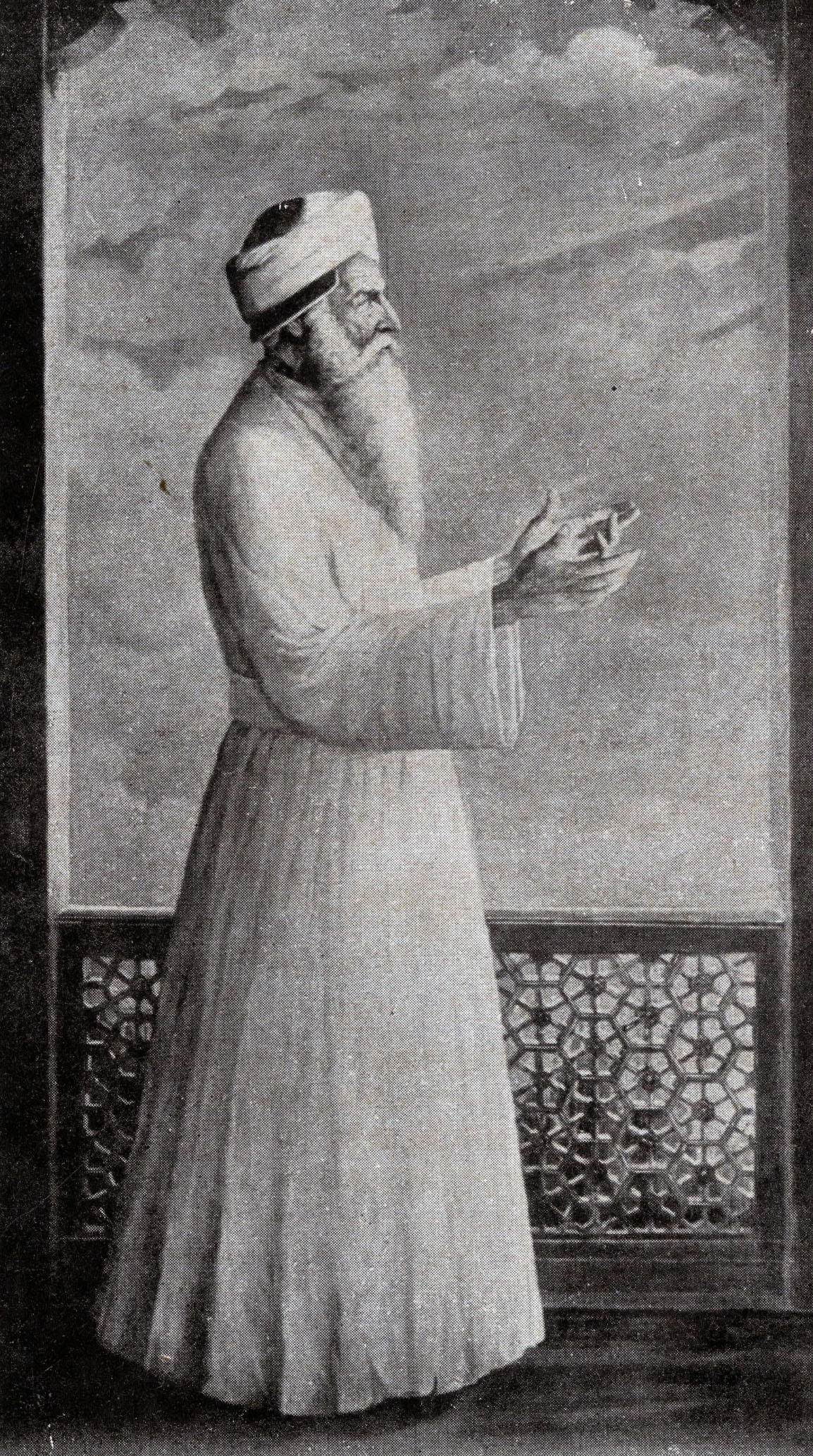
Emperor Jahangeer

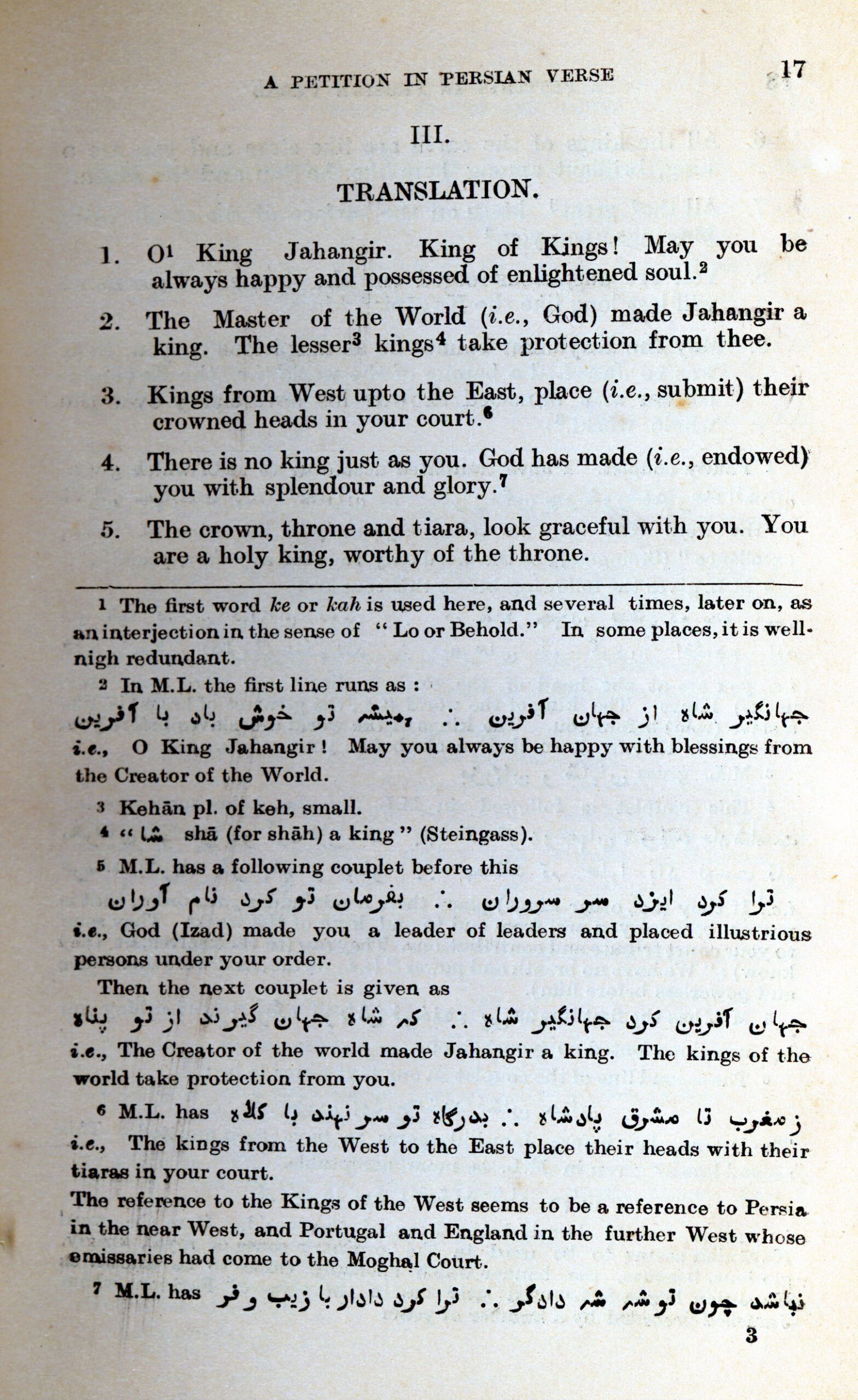
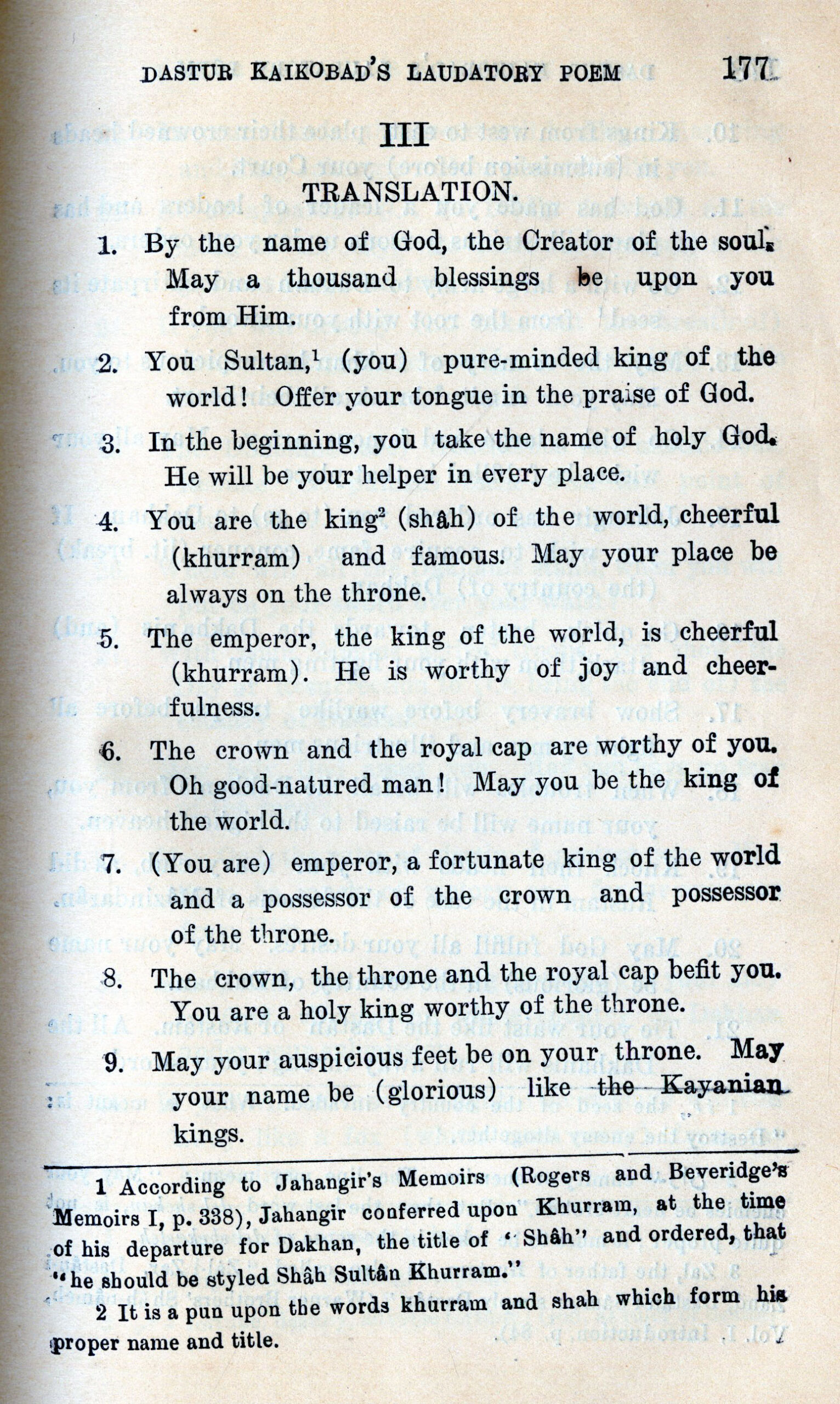
Some things are saved by chance. We hear of Zoroastrians contact with Mughal Court but there is little that is specific. By chance two poems in verse, one a petition to Emperor Jahangeer, and the other in praise of Prince Khurram, later Shah Jahan, survived the ages. Mostly in Parsee private records, the Persian texts were translated into English, and published as a book,  by another Parsee gentleman, namely Dr Jivanji Jamshedji Modi, in 1930.

Parsee Dastur Kaikobad Mahyar

It looks that Dastur Kaikobad owed money to the Mughal court and was imprisoned. Because of his ailing health, he wrote verses one as a petition, and the other as a laudatory poem. This is around 1617 AD. It is a soul wrenching appeal to save his nephew, who went into prison in his alternative imprisonment. Wrapped in elegant language, the appeal made sense. And it seems that Dastur Kaikobad was released by the Emperor. For he was a free man, when he died a year or two afterwards. It is a rare mention from a rare book itself, and it is to put this on record for research purposes. The original is in the archives of the museum.

The Parsees are sweet people and as proclaimed by the first Parsee in this region, that they would be like sugar in a cup of milk. They will not take space but they will add sweetness to the region. And they did. We have known many Parsees in our life, and we dedicate this extract to Lady Parveen Yara, who was a senior, at our school in Lahore.

So much is lost in history and often cannot be regained. But at times some things survive and with help of learned scholars come to light. And then are lost again. Such is the personality of a Parsee priest, namely Dastur Kaikobad Mahyar, who was present at the courts of Emperor Akbar and Emperor Jahangeer. Not much is known about him but part of his writing around 1617 is preserved in some rare manuscripts and Parsee sources.

THE LITTLE-KNOWN MAUSOLEUM OF AMANAT KHAN SHERAZI – JUST SOUTH OF SERAI AMANAT KHAN TARN TARAN AMRITSAR

THE LITTLE-KNOWN MAUSOLEUM OF AMANAT KHAN SHERAZI – JUST SOUTH OF SERAI AMANAT KHAN TARN TARAN AMRITSAR

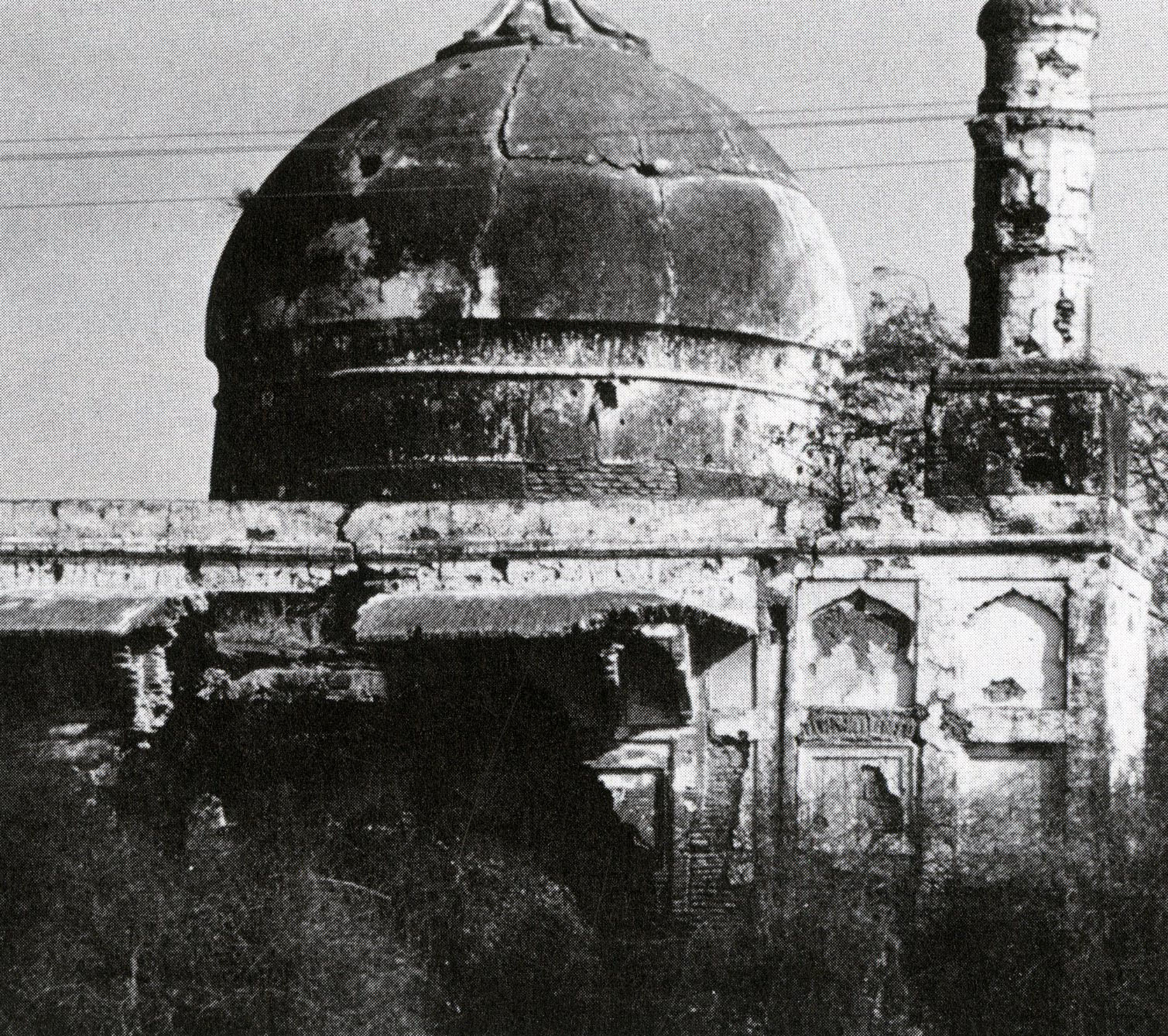
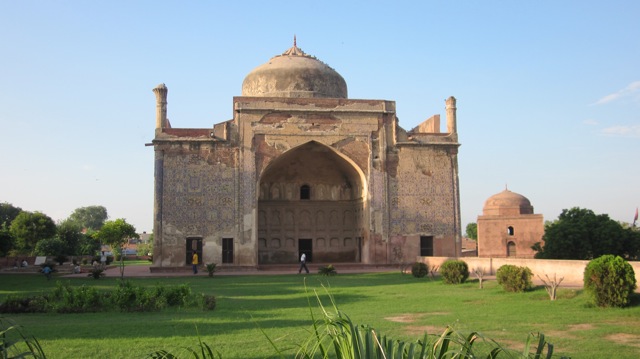
Mausoleum Amanat Khan old view

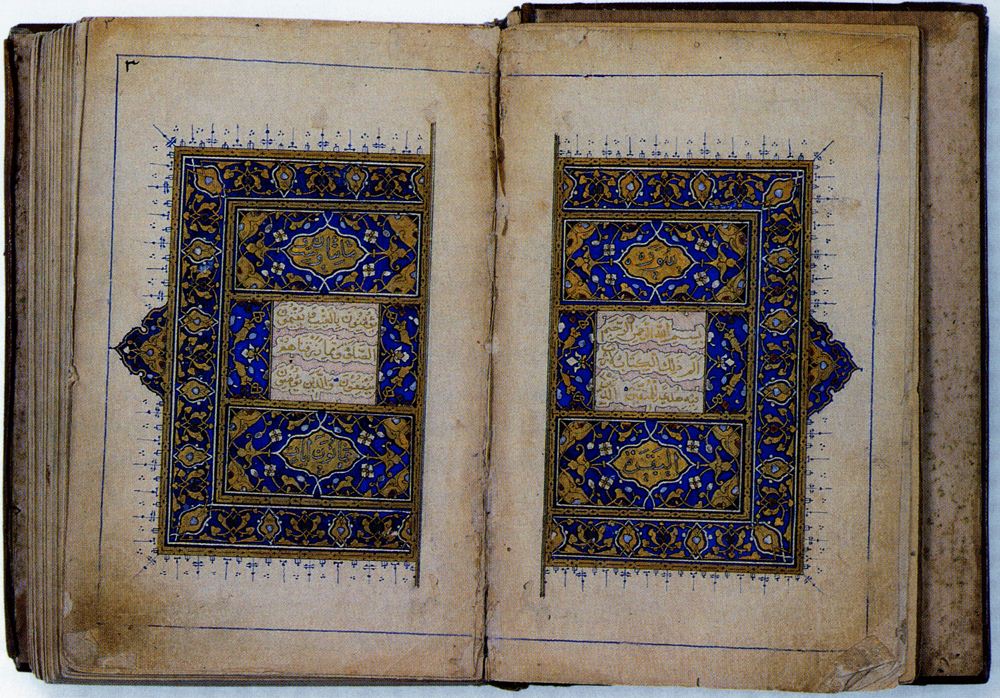
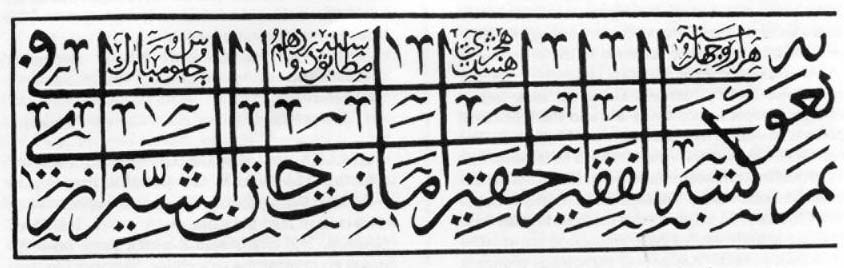
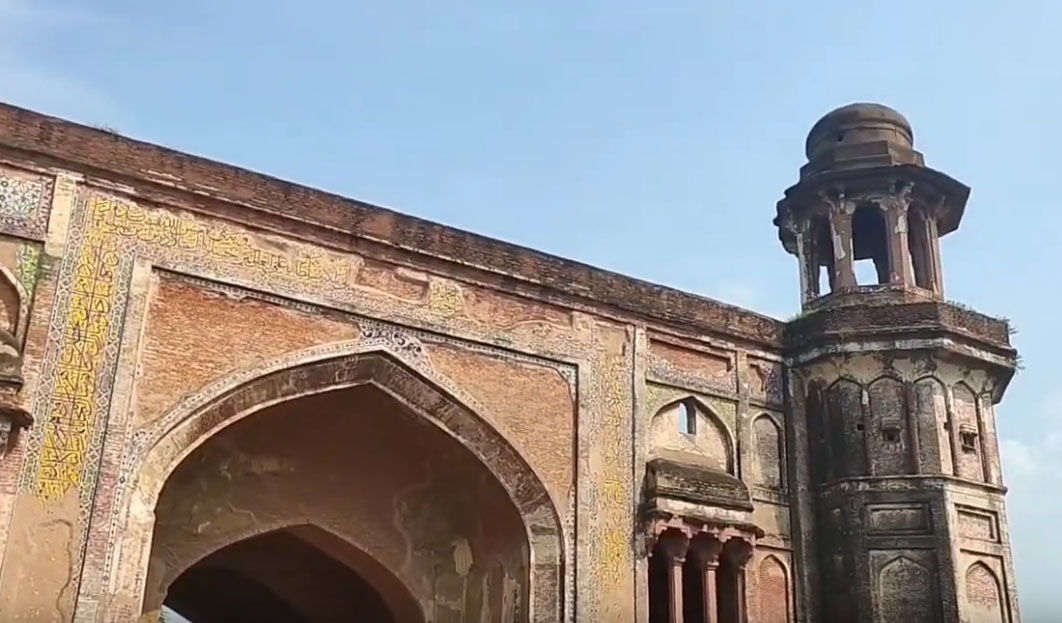
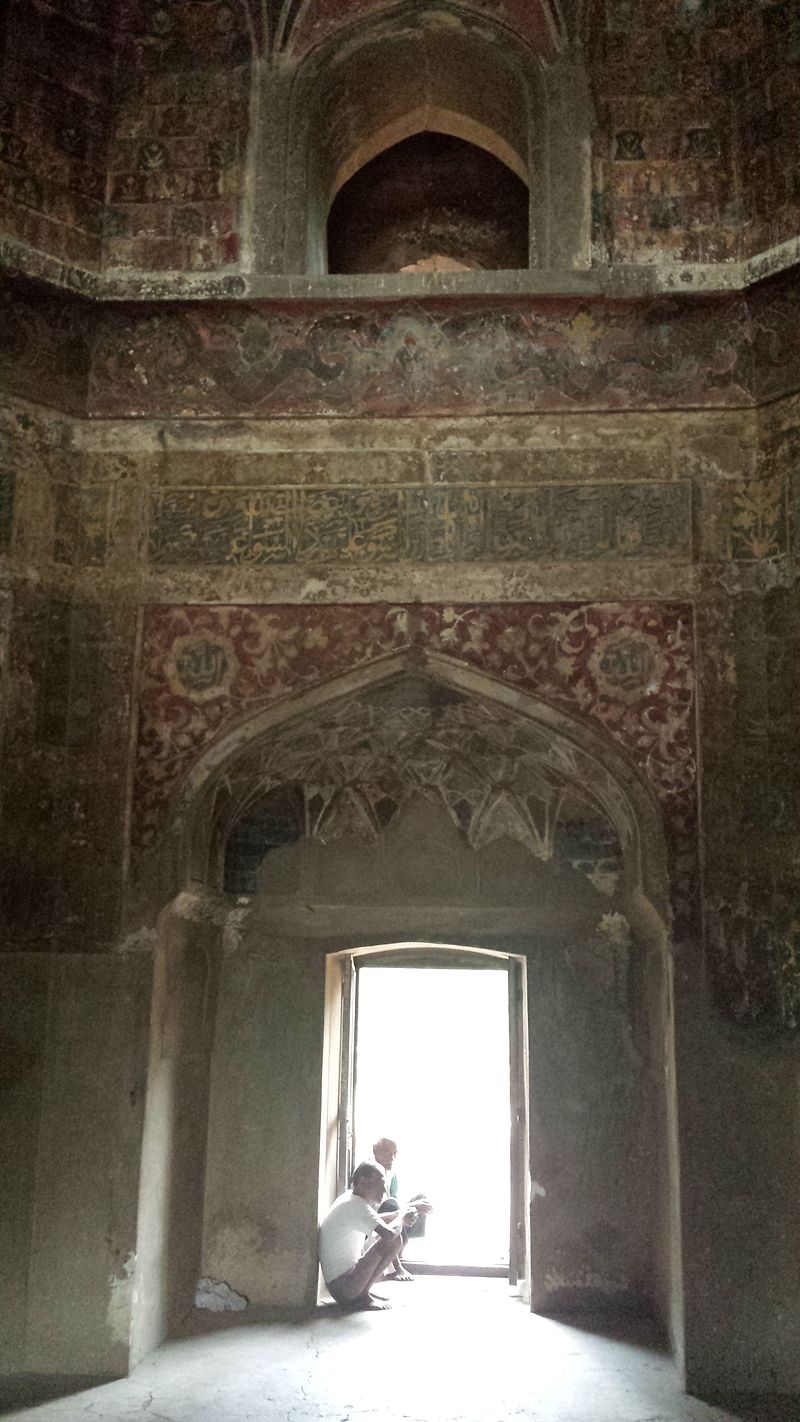
Two brothers who came from Sheraz, both of different faiths. Brother Shukr ullah (title Afzal Khan) was of Shia faith, and Abdul Haque (Title Amanat Khan given by Shah Jahan) of Sunni faith, and both brothers attained the highest position at the court of Emperor Shah Jahan. One became the Prime Minister, and the other the Chief Calligrapher of the Mughal Court, writer of the calligraphy of the Taj Mahal, Agra. One died in Lahore, and the other died near the border on Tarn Taran road, near Amritsar. One buried in Agra in Chini da Roza, and the other next to the Serai he had built for travelers on road from Lahore to Delhi. In fact, both mausoleums are in ruin.

Interesting the village Serai Amanat Khan is inhabited by perhaps 2500 Sikhs and they took the mausoleum seriously as that of a great man, and from their own expenses, repaired it, in their own halfhearted way. The neglect of monuments both in Pakistan and India is phenomenal. No one really cares about heritage. Not even for simple repairs to keep the monuments standing. The friendship of these two brothers with Ustad Ahmad Mimar, architect of the Taj Mahal, is well known. Professional discussions used to take place amongst the three scholars of their fields, particularly Astronomy. The mausoleum of Ustad Ahmad Mimar in Khuldabad, Aurangabad is still missing, after M.S. Vatts Superintendent Archaeology found it and wrote about it. The importance is of political might as long as they live. Then nothing!

THE SECOND MARRIAGE OF M.A. RAHMAN CHUGHTAI; 13TH DECEMBER 1944 KISHWAR IQBAL BANO IN AMRITSAR

THE SECOND MARRIAGE OF M.A. RAHMAN CHUGHTAI;
13TH DECEMBER 1944 KISHWAR IQBAL BANO IN AMRITSAR

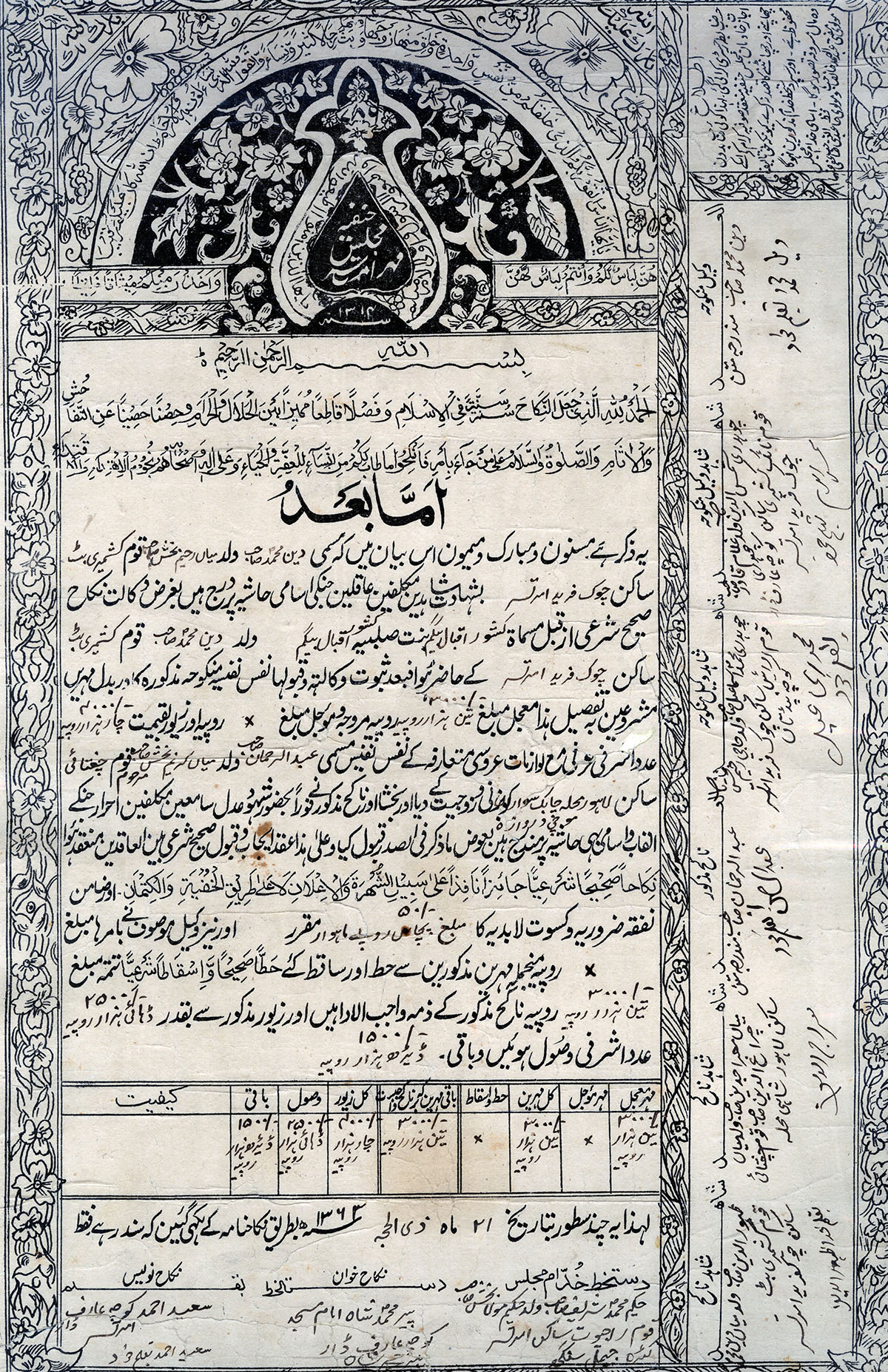
Nikah nama Abdur Rahman Chughtai

Life is a series of coincidences. The maternal (from his mother’s side) cousin of Abdur Rahman Chughtai, mainly Meraj ud din, was very concerned about his beloved cousin and friend. The marriage in 1911 with Wazeer un nisa had borne a son, who died at birth. The lady was never again in a position to conceive. Even she was lonely without children in the house and also imposed on her husband, to seek another marriage for children. Paa Maja (Meraj ud din) along with his wife were trying their best for same. A marriage proposal of a would-be bride in Amritsar, whose name was Kishwar, was under consideration. A party went to the house of this lady Kishwar, whose father used to work in the Railways. The proposal did not work out. At that reception was also present Bhou Din Muhammed, also a Railway Goods Clerk, who liked the presence of Chughtai Sahib. He asked them to pay a visit to their house, for a possible marriage, with his daughter. The visit materialized, and the wife of Bhou Din Muhammed, namely Ayesha Bibi, also liked the prospective groom, and accepted the proposal of marriage. The daughter was Kishwar Iqbal Bano, destined to be the wife of the artist, by a mere coincidence.

The marriage took place on 13TH DECEMBER, 1944. The wedding party came back to Lahore, and Meraj ud din hosted them at his house in Shahi Mohalla.  The first wife insisted that the newly wed wife be brought to the house and arrangements were made for her. From the house of Meraj ud din, Kishwar Iqbal Bano, shifted to the Chabuk Sawaran house in Lahore. Soon after the shifting was done to the newer house. A new era in the life of the artist had begun. But many were unhappy with this development, as they eyed the wealth of the artist for personal gain. And this marriage proved a threat to their ideas. But that is a separate tragic story. This marriage had brought the legacy of M.A. Rahman Chughtai to a new footing. Kishwar Iqbal Bano brought not only happiness in the life of the artist, but enhanced the legacy of the family with a next generation. Blessings of Allah be upon all who made this possible!

THE TRADITION OF CLOTH PUNKAS IN LAHORE – HUMAN LABOUR IN MOVING SAME FOR HOURS

THE TRADITION OF CLOTH PUNKAS IN LAHORE – HUMAN LABOUR IN MOVING SAME FOR HOURS

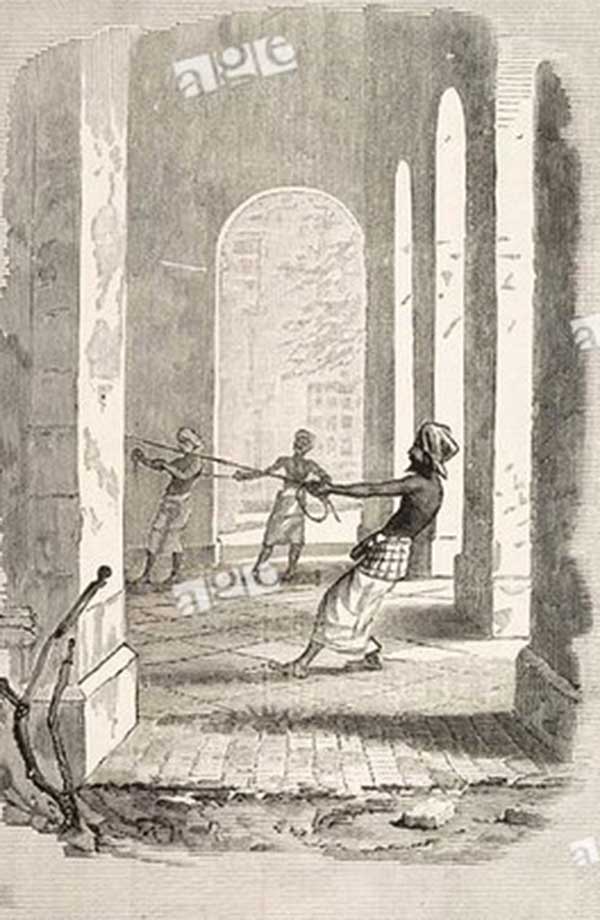
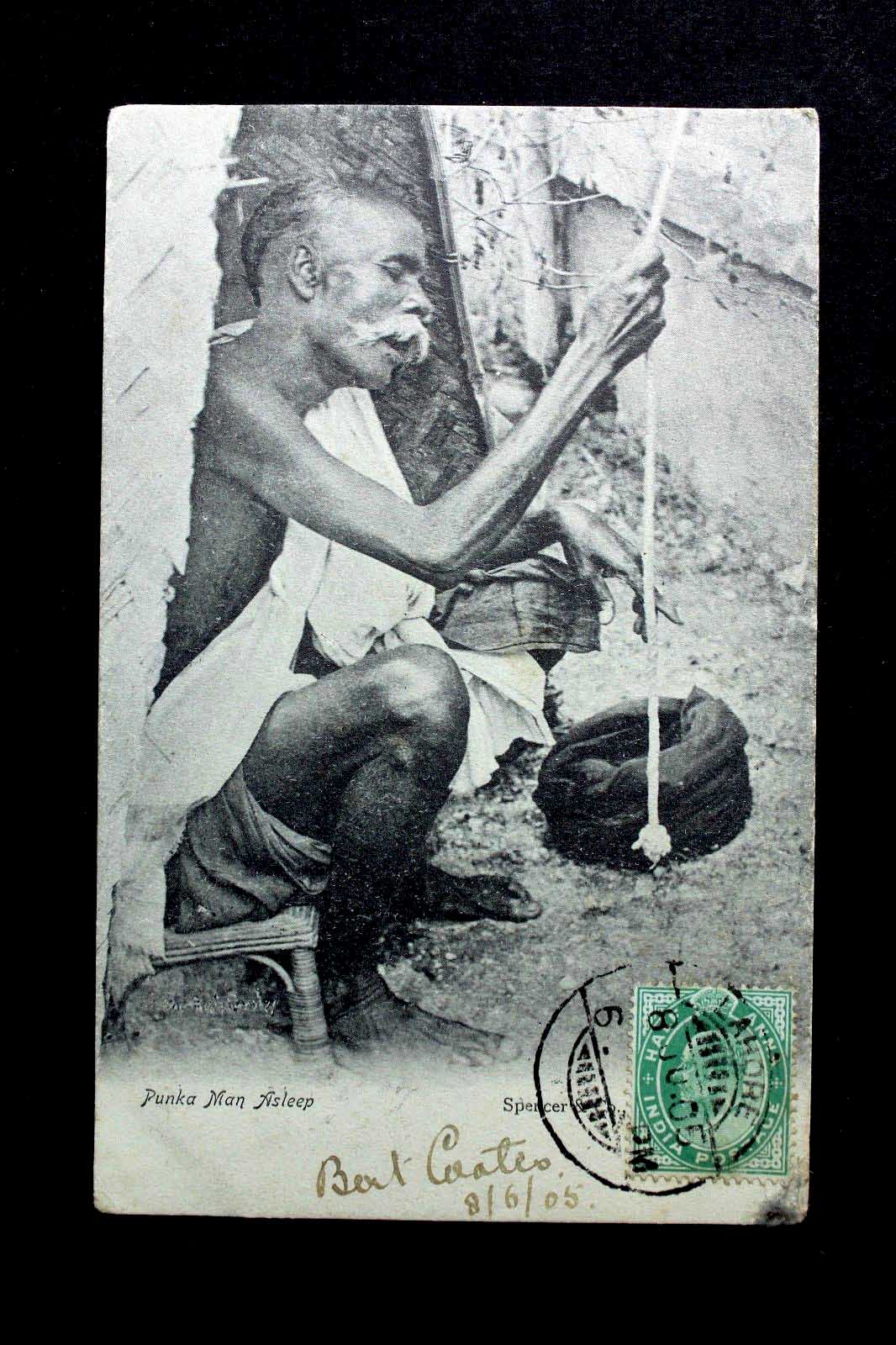
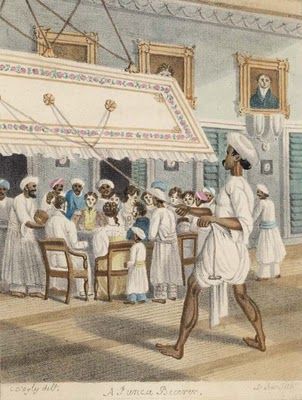
As time rolls, we completely forget the previous circumstances of life. Today for comfort we have so many facilities.  Air-conditioned rooms for summers, as well as heaters for winters. Obviously change of weather affected all of us. To find a solution for it different systems were tried by people. I remember not long ago, in Lahore city, you could still see cloth fans fixed on ceilings and moved by the ladies as well by the children of the house. It used to amuse us with electric fans in our houses. But going back these were common in the region, but in aristocratic houses. We tried to trace some images, and even found one of an old man in Lahore, who used to pull these fans. Sharing them is real fun in our times, when the amount of labour required to move them was phenomenal. 
Surely such kind of hard work cannot even be imagined in our times. So share the fun of another time in our times of affluence.

A VERY SAD DEATH OF AYMANN AL-TAHER IN JORDAN 15TH NOVEMBER 2020 – SON IN LAW OF M.A. RAHMAN CHUGHTAI, EX-HUSBAND MUSSARAT CHUGHTAI

A VERY SAD DEATH OF AYMANN AL-TAHER IN JORDAN 15TH NOVEMBER 2020 – SON IN LAW OF M.A. RAHMAN CHUGHTAI, EX-HUSBAND MUSSARAT CHUGHTAI

Aymann al-Taher

An emergency death of the son in law of M.A. Rahman Chughtai, and husband of his daughter, Mussarat Chughtai. A true son in soil of Pakistan, and in tradition of support of Quaid e Azam for the state of Palestine, M.A. Rahman Chughtai allowed this marriage, with the late Aymann, who was a Palestinian driven from his home in Nablus by occupation. He was the father of Saffi al-Taher and Osama al-Taher. It is easy to talk about ideals, and difficult to implement them in real life.
May the soul of Aymann rest in peace! The Blessings of Allah be upon him!

ALLAMA IQBAL’S FIRST FAMILY MISSED BY OUR JOURNALISTS – FOR REASONS UNKNOWN. AFTAB IQBAL INTELLECTUAL SON.

ALLAMA IQBAL’S FIRST FAMILY MISSED BY OUR JOURNALISTS – FOR REASONS UNKNOWN. AFTAB IQBAL INTELLECTUAL SON.

Aftab Iqbal and wife Rashida Begum

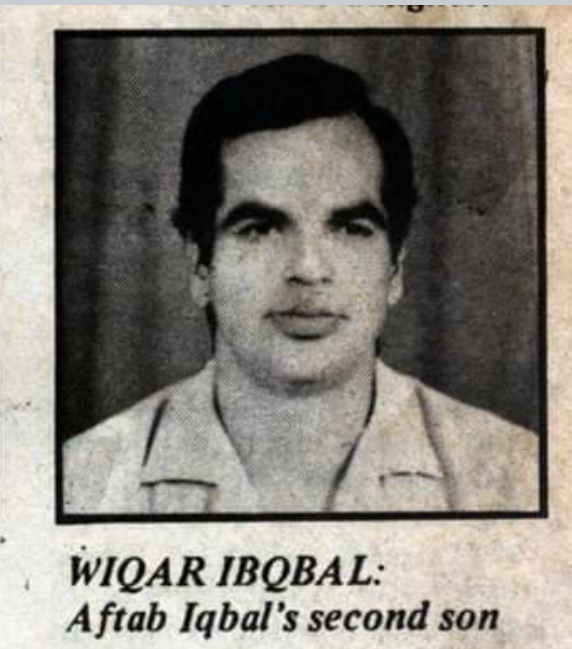
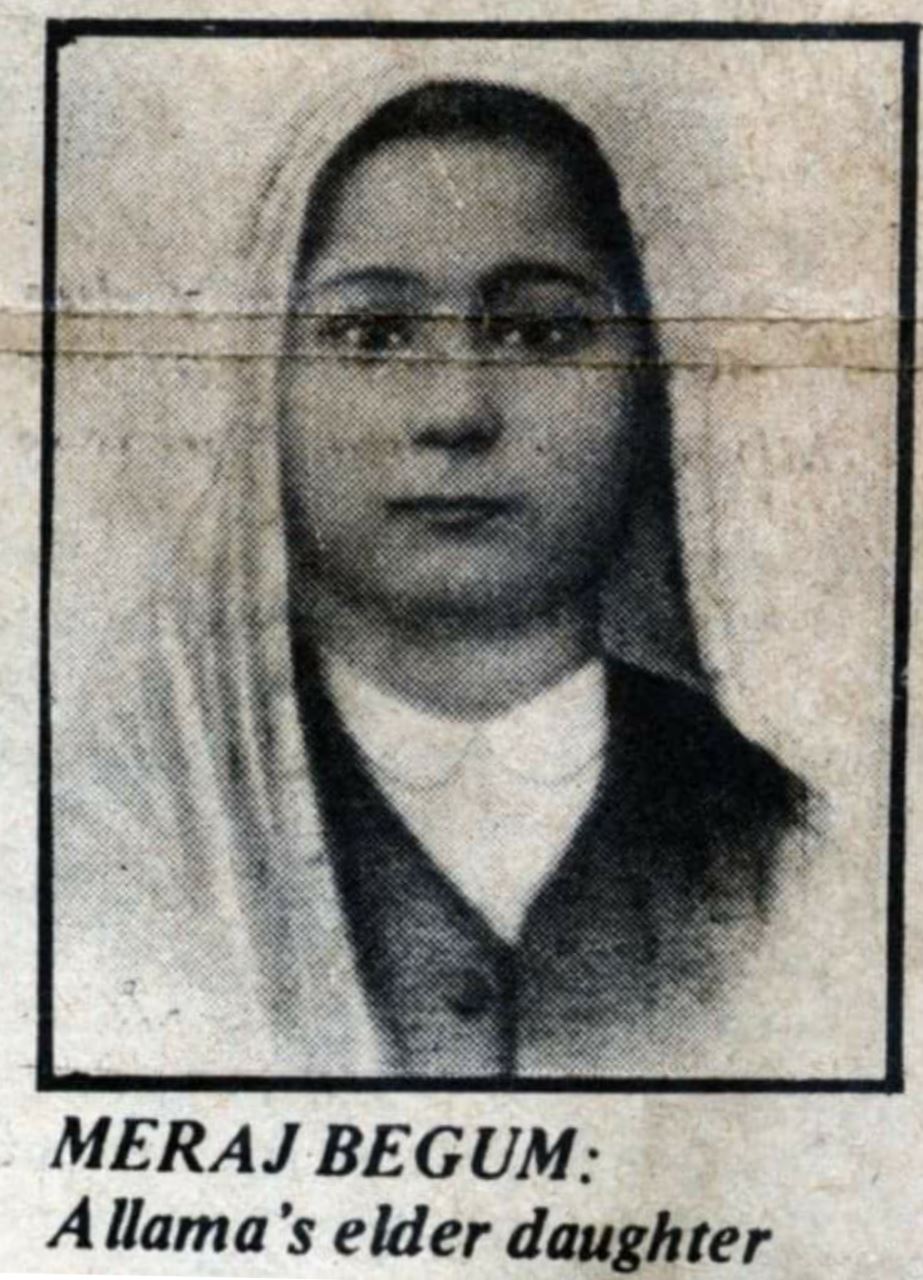
A couple of days back, an unknown Sabahat Khan asked me for identifying the photograph of Aftab Iqbal. I had written about this family back in 2006 on Facebook, instead of my usual blog. So, I thought the best thing would be to clarify things again. Obviously, there are many family members, but they miss the media hype generated by others in same family. M.A. Rahman Chughtai had great respect for Aftab Iqbal and shared with him his publication, Amal e Chughtai. It is a decent family and deserves love and respect of the people. There was tension between Allama Iqbal and his son Aftab Iqbal, and Aftab Iqbal with great love for his mother Kareem Bibi, protested the next marriage of Allama Iqbal. But that does not mean anything more than a personal family issue. Marriages were a routine in those times. No harm was done anywhere. In their own way, both father and son, were right.

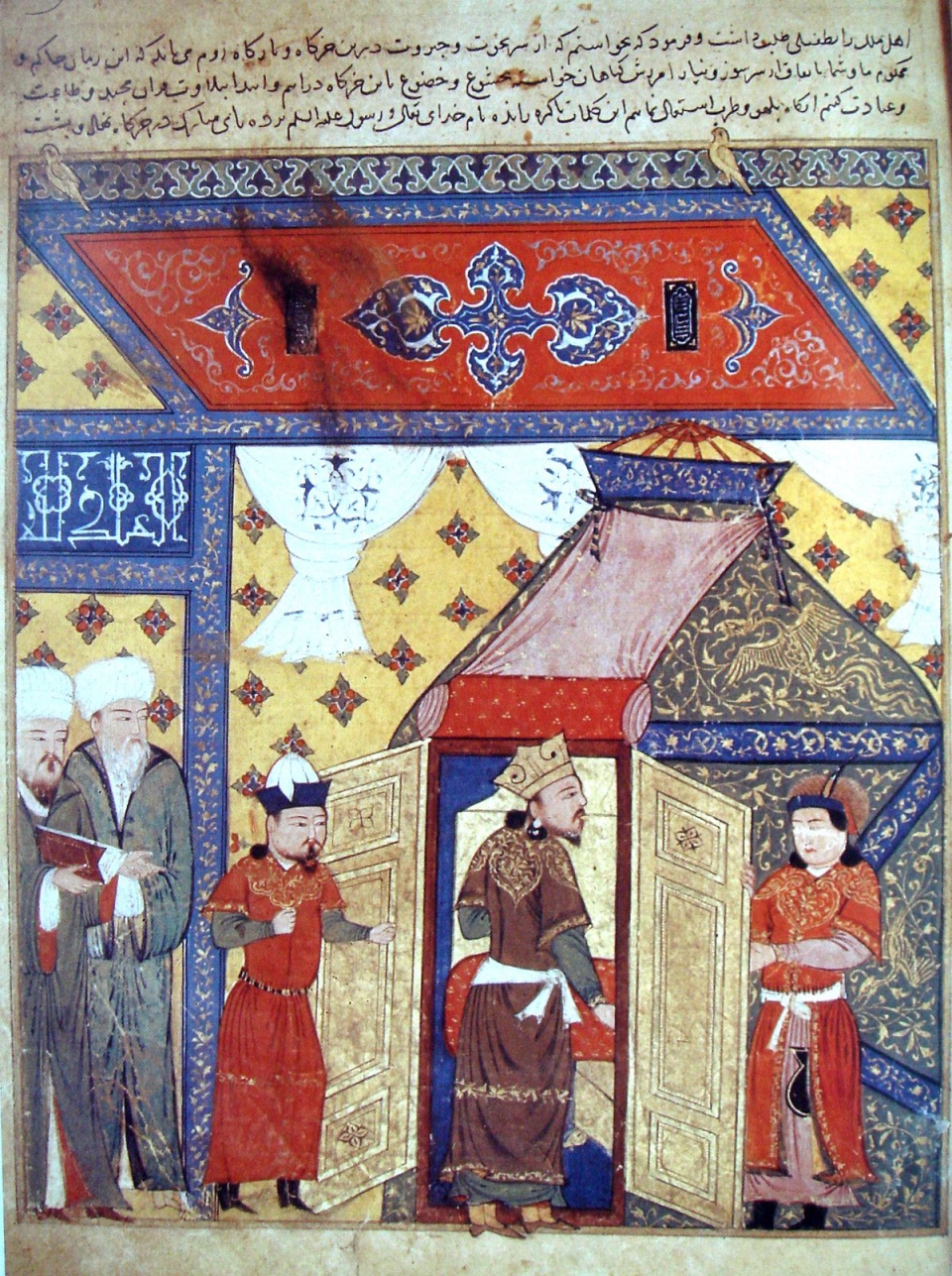
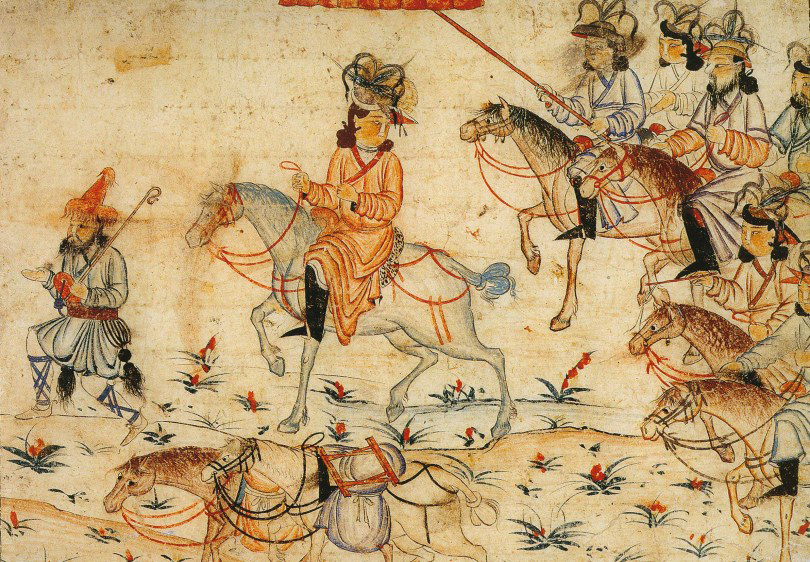
YES, HALAKU KHAN INDEED DECIMATED A PUTRID STATE OF ISLAM – AND HOW PURE ISLAM CONQUERED SAME FAMILY OF MONGOLS: CONQUESTS AND CONVERSIONS THE NEW DIALOGUE OF HISTORY

YES, HALAKU KHAN INDEED DECIMATED A PUTRID STATE OF ISLAM – AND HOW PURE ISLAM CONQUERED SAME FAMILY OF MONGOLS: CONQUESTS AND CONVERSIONS THE NEW DIALOGUE OF HISTORY

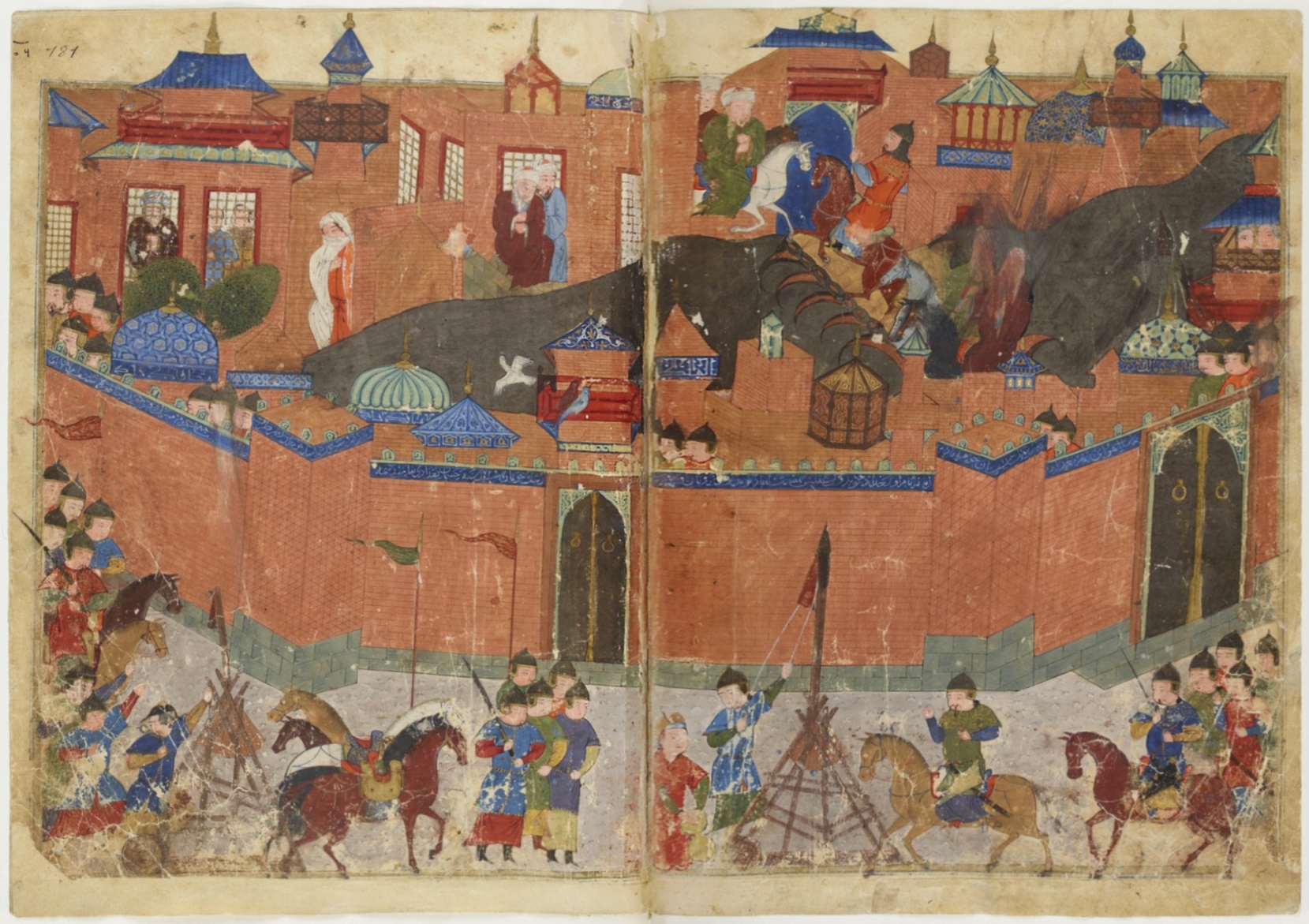
Battle of Baghdad

Islamic history is full of contradictions. It is clear from this that history of Islamic civilization is distorted in many ways. Various historians at work so that the truth never comes to light. The main reason was that the last days of the city of Baghdad tells us clearly that the wholeness of Islam was put to test by rancid sectarianism. It is clear from the famous legend that when Halaku Khan with his army was outside the city of Baghdad, there was heated discussion going on in mosques by the Maulvis of that time, whether the word Ameen should be uttered in loud manner or in a slow whisper. Understand the confusion in the minds of that putrid state of Islamic capital. The Caliph was encroached in administration by sects not happy with an important factual record.

The whole record of the Government in previous hands, from the Prophet (PBUH) himself, to the first and later Caliphs was there in black and white. Literally miles of record keeping under sacred hands and clearly going contra to the various Hadees manufactured otherwise. Halaku Kham would not have even an idea of this but the ministers of the Caliph, as well as the advisers of Halaku Khan were in cahoots with each other. To retard Islam’s progress, there was a need to put this record on fire. And it was done most ruthlessly. It was not the library which was the target, for there is record of manuscripts discovered, which were there in the library itself. Even some manuscripts were discovered floating in water. The famous astronomer Nasiruddin Tusi was part of the set-up. People still hesitate talking of this important aspect.
It is proverbial how the Caliph was wrapped in a carpet and crushed under the hoof of the horses of the Mongols. But then the strangest thing happened. The ferocious Mongols soon saw the spirituality of Islam and within a few decades many of them had embraced Islam. One civilization crushed under hoofs, and another civilization born, to spread Islam all over the world. But that is another story.

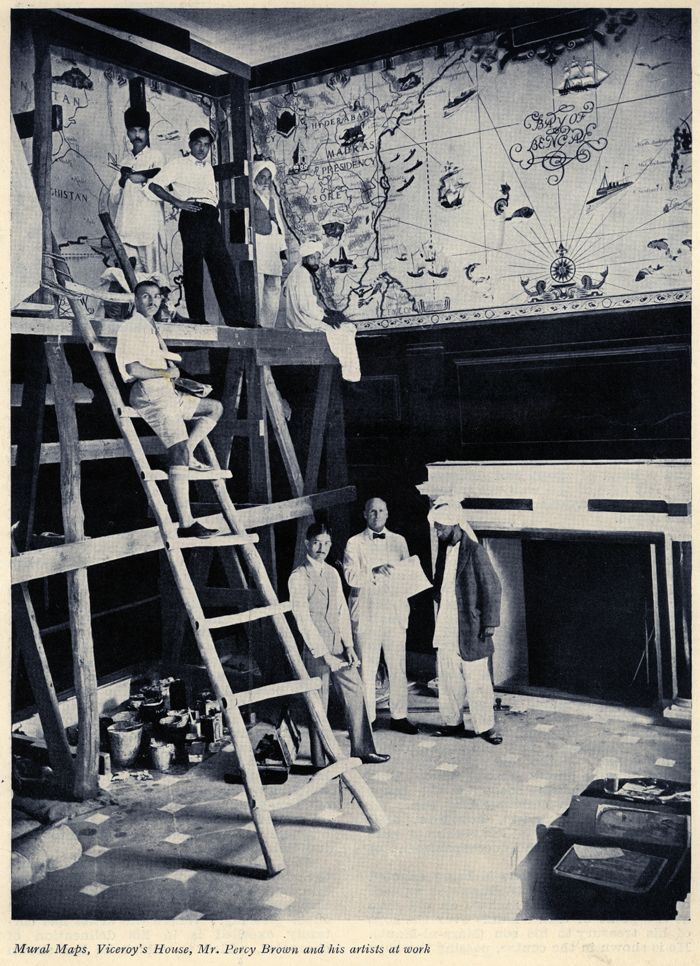
A FOREIGNER GERTRUDE BELL’S TRAVEL DIARIES IN LAHORE 1905 – PASSING REFERENCE TO PERCY BROWN OF MAYO SCHOOL OF ARTS
A FOREIGNER GERTRUDE BELL’S TRAVEL DIARIES IN LAHORE 1905 – PASSING REFERENCE TO PERCY BROWN OF MAYO SCHOOL OF ARTS

Dr Percy Brown

A reference dated 28th January, 1903, of Gertrude Bell, with reference to Percy Brown, of Lahore. First read the original note, near Wazeerabad.

Diary dated 28th January, 1903.
Wed 28. [28 January 1903] We were separated, I in a carriage to myself. Chota Hazri at Wazirabad where I fed the crows and kites on my toast. H [Hugo]’s travelling companion was Percy Brown of Lahore. He fished me out at 9 to come and talk to him. A keen intelligent young man with no hs. He has been away for a year travelling over India for the Durbar Exhibits. He says the Burman is the finest artist, but like an artist he works when he pleases. The Sikh is a good man but a bit thick headed. The best they get in the N is the Muhammadan like Sher Muhammad. He seems most anxious to follow in L. Kipling’s steps and his object is to turn out men like his. They get more boys now, he doesn’t pay much attention to the lowest class, but when they get into the second he begins to keep his eye on them. He discourages non attendance and turns out all but the regular boys.

Percy-Brown-and-his-artists

A first-hand report by a travelling lady in a carriage near Wazeerabad, where she met Percy Brown of Lahore, and heard his comments about the famous Master Sher Muhammed of Mayo School of Arts, who later became the Vice Principal of the school. This kind of first hand reports are rare in art literature. This report is rare too: