THE STRANGE COINCIDENCE OF ASIAN ART AND ARTISTS ON SIMILAR TRAIL
M.A. RAHMAN CHUGHTAI AND MAI TRUNG VISIT TO FRANCE IN 1937-1938
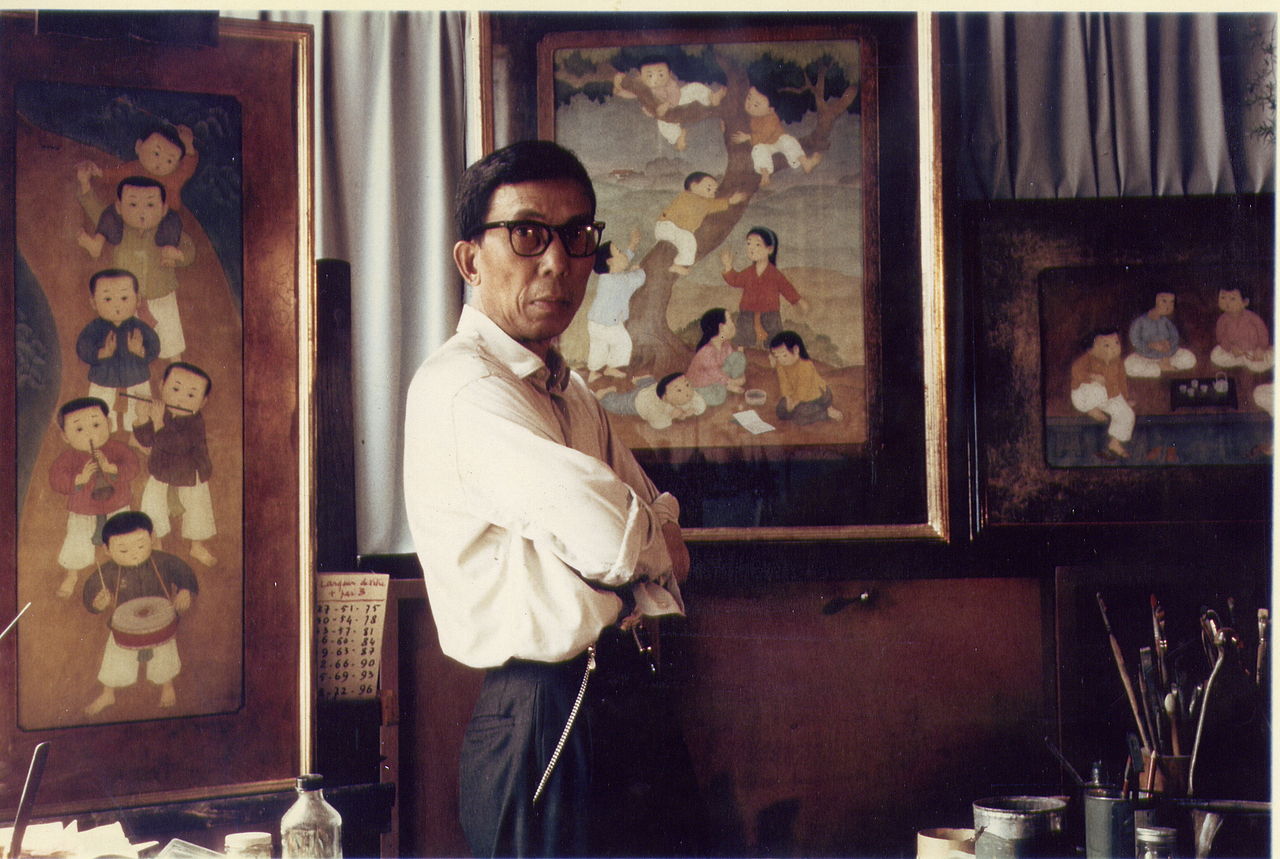
Mai Trung Vietnamese Artist 1964
Mai Trung an artist from Vietnam visited France in 1937 and stayed there till the end of his life. M.A. Rahman Chughtai an artist from Lahore visited Paris in same year. It is reputed that Chughtai met a lot of artists in Paris, and discussion about art took place there. Unfortunately this time Elza Huiffner was not there with him. He was all alone this time. His Dutch friend Rose Cera had also opted for Paris on her own, and even she was not there with him. He bade her good-bye in London itself. This we do know that he was short of money and conspired with his brother in law, Gulzar Chughtai to sell some of his pencil sketches on the bank of the river Sienne. This was to be a secret sale so that nobody would know that the artist was making these works. Probably he was making Western responsive things for the French market. Gulzar Chughtai told us how he was able to sell all of them on condition of the artists name. M.A. Rahman Chughtai resented that Gulzar Chughtai had divulged his name in Paris.
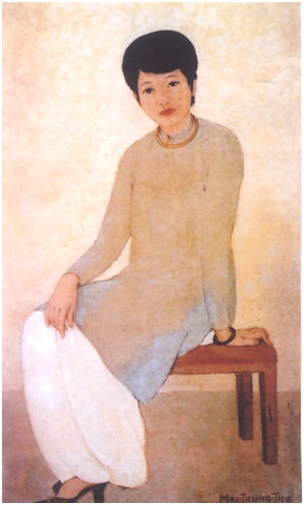
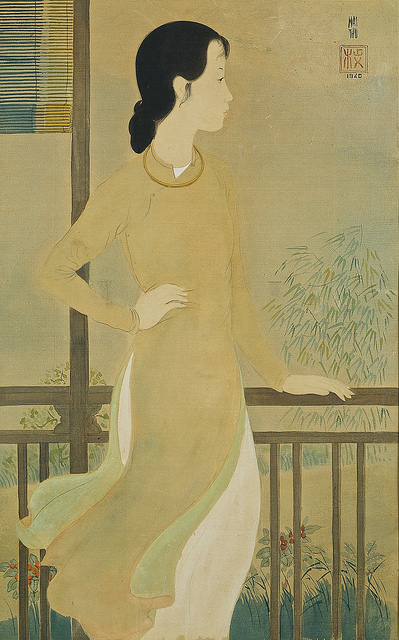
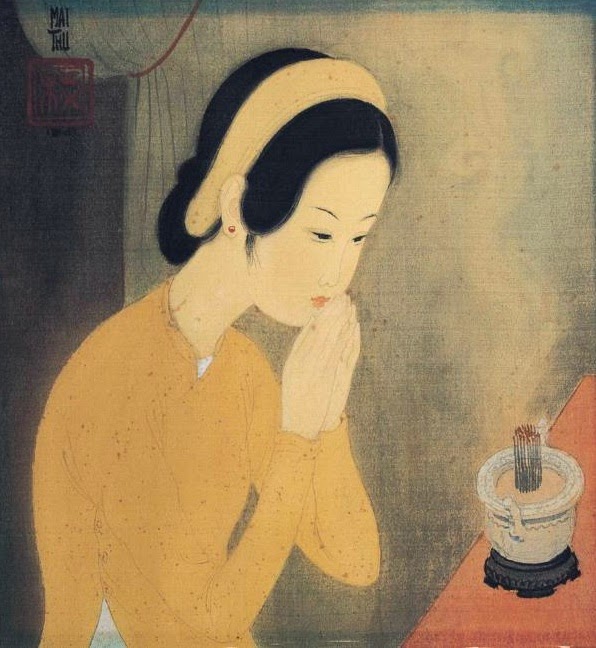
Mai Trung Thuy Miss Teen 1930Mai Trung 1904 1980 Vietnamese Artist
Dr Abdullah Chaghatai, his brother, was also in Paris the same year, for his doctrate on the Taj Mahal of Agra. Abdullah had gone and met Pablo Picasso on his own and presented him with a copy of the book Murraqqa e Chughtai, the drafting of which Pablo Picasso liked very much. Paris was a hot bed of art and artists, and there is a chance that these two artists met each other. But there is no record of the name of artists he met there. In any case both would recognize each other and see that they were meeting in the cross roads of Asian Art in a foreign land. Maybe more comes out later.
In any case M.A. Rahman Chughtai died in 1975, and Mai Trung in 1980. It looks like they were both blessed in same time frame of life.
WHEN NATIONS START BELITTLING CULTURAL EFFORTS OF OTHER NATION
THE HIDDEN STORY OF THE SHAH JAHAN PAVILION IN THE RED FORT DELHI
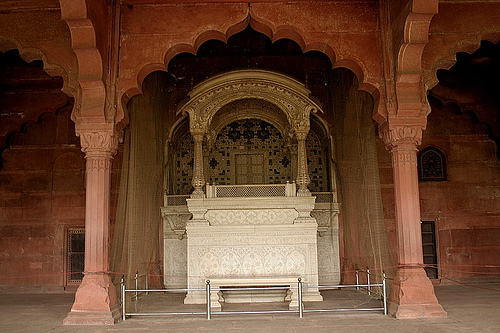
Shah Jahan pavilion
At one time or the other, it was decided by the Government of British India to survey the vast Architectural resources in the country. One of the major persons involved in this survey was Henry Hardy Cole, and he gave reports to the authorities about the state of preservation of architectural monuments in the region. In 1882, Cole reports about the Hall of Public Audience in the Red Fort and says:
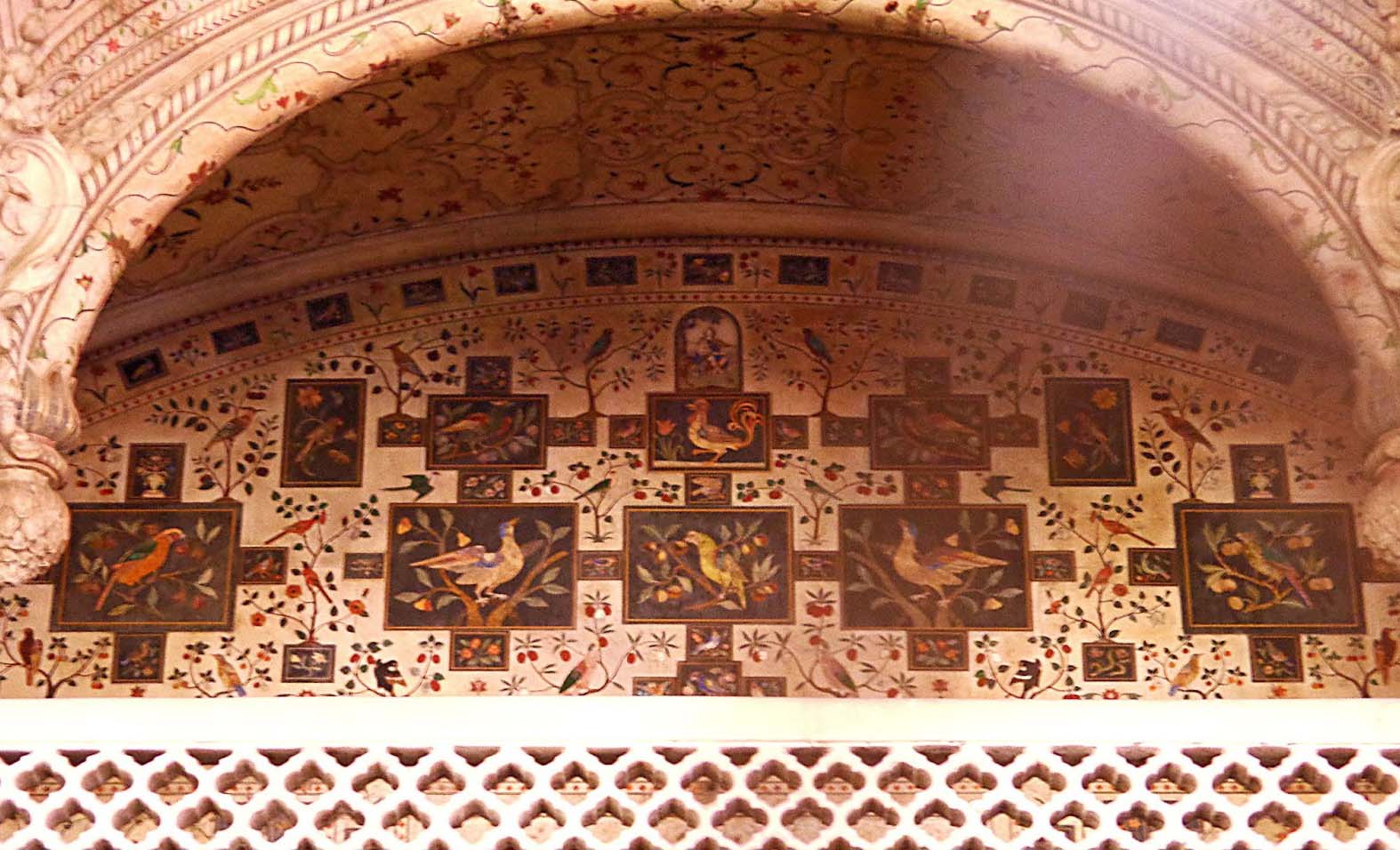
“The great pillared DIWAN-I-AM, with its fine marble mosaic canopy and throne, is used as a canteen, and on the right of the throne is a bar for serving out liquor! To the left of the throne is an enclosure of bamboo screen-work in which Nubbi Bux keeps a soldier’s coffee-shop! Above and at the back of the throne is a small open apartment, the walls of which are faced with the celebrated black marble mosaic work; but this work, as well as the inlaid patterns on the throne, have been villainously repaired in coloured plaster, and the arrangement of the panels is not as formerly. Some of these panels were removed by Sir John Jones at the time of the Mutiny, and are at the India Office Museum in London. They might be brought to this country and placed in their original position. “
Orpheus in the design at the top
At the orders of Lord Curzon, the missing panels were brought back and restored in the apartment in 1903. However Henry Hardy Cole issued a complete drawing of same in 1882, and one can only wonder with what conjectures did he complete the same, particularly when panels were missing from site, and even wrongly placed on wall. Perhaps he put two and two together on his own. Nobody questions the obvious!
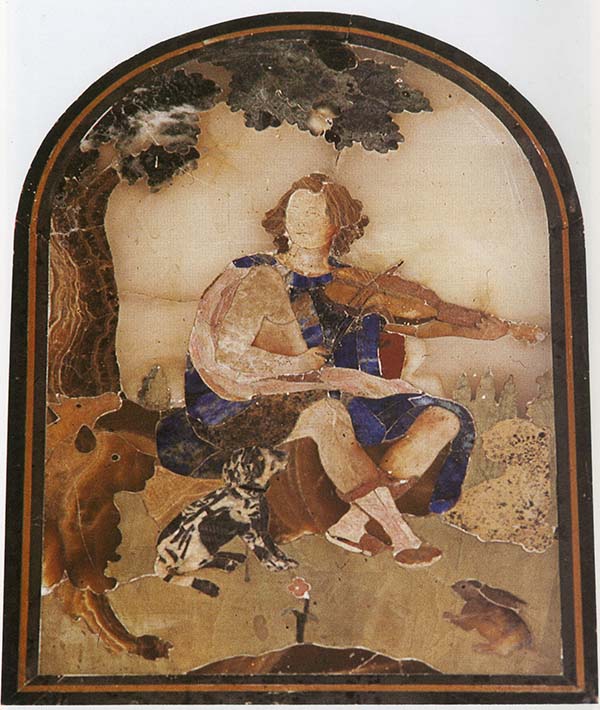
Orpheus in the Shah Jahani pavilion
In 1841 when Antonio Zobi of Florence and a specialist of Pietra-Dura, enquired, about the same from the Resident of Delhi, Charles Metcalfe issued an inquiry into the whole Pietra-Dura work in the Mughal buildings. A 100 years old Mughal Prince, namely Dilawar Mirza Shah (Mirza Jugroo), who was an actual nephew of Emperor Muhammed Shah, informed Charles Metcalfe that this apartment was commissioned by Bhao Biswap Rao, a Maharatta Chief, who had seized the Royal Palace in 1760. A clear cut assertion and present as documentary evidence.
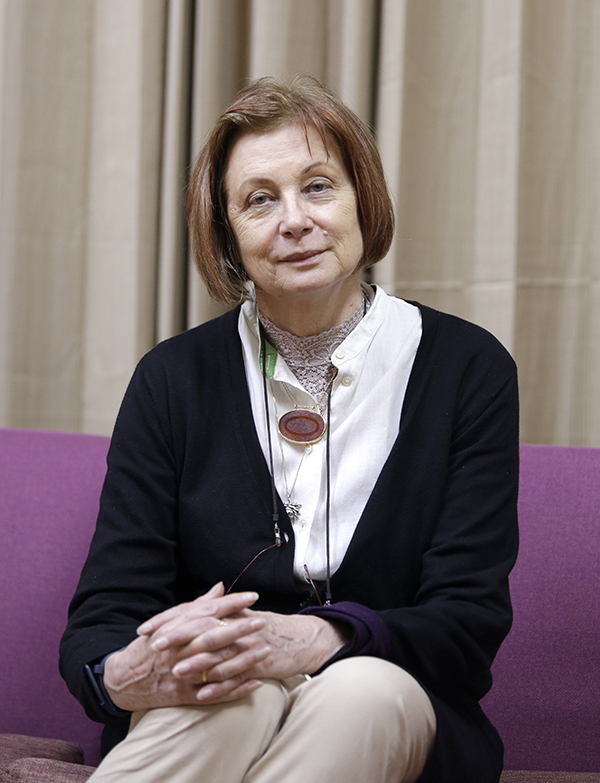
Ebba Koch is a great scholar and indeed a lovely person. But love of country clouds the eye to many things. The burden on many Westerners is there to prove that the Mughals did not know many things and the Europeans taught them the finer things of life. That is a plain statement. We need not refine it but it can be refined with hundreds of examples how westerners tried to lower the evaluation of our monumental works. W. Sleeman a bureaucrat is just one example. Ebba Koch is obsessed in proving that the Mughals knew nothing about Pietra Dura and the Masters of Florence taught them many things. A survey of past is helpful to us.
Eba Koch
Some authorities claim that Stone inlay work had origins in the land of Pharaohs in Egypt. But it is a known fact that this kind of work was known as PERCHEEN-KARI in the Muslim world. Although similar inlay work with glass was known in the Arab world as Al-Fusai Fasa. The famous writer, poet and traveler, Nasir Khusrau (died in 1088 AD), refers to use of Percheen-kari in the Muslim world, in the course of his travels across such countries. The origin of Pietra Dura starts from the East, and brought from Phoenicia to Greece, and thence to Rome, which were the ancient provinces of Byzantine Empire. From Rome it came to Florence and was known as Pietra Dura. The most famous stone layer family was the Cosmati family who started same in 16th century. In Florence the Master Stone layers were in the ateliers of Saracchi, Annibale Fontana and Miseroni, all around 1580 AD. Very simple the origin of Percheen-Kari in this region comes from our Turkish sources. Ancient inlay work of stones has been found in buildings pre-dating the Mughals by a long period of time.
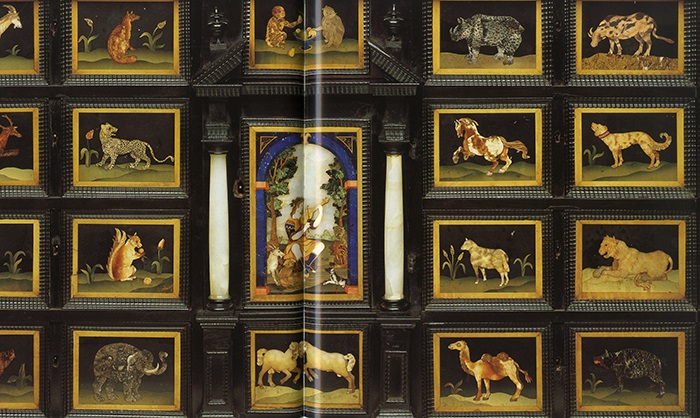
Orpheus with animals even dog and pig
The Hall of Public Audience in the Red Fort was commissioned by Emperor Shah Jahan and it took ten years to build. It was completed in 1648, and the architects and planners included Ustad Ahmad Mimar and Ustad Hamid Mimar, according to official histories of the period. Later histories include the name of Lutufullah Ahmad Muhandis, son of Ustad Ahmad Mimar. All known facts. The canopy in the Hall of Public Audience is a seat for the throne of Emperor Shah Jahan. And we can believe that birds could be adorned in the background, and even human figures (no issues) if we choose to believe same. But Orpheus with a DOG near his legs is IMPOSSIBLE for us to believe. No Mughal Emperor would like the back of his throne adorned with a picture of a dog. Honestly, who believes it otherwise? Dogs are absent from the Mughal point of view. And the placement of the panels are in no Euclid mode.
Florentine Cabinets sale in Agra
So what actually happened? We know from old histories that MUMTAZABAD was a market for all kind of goods, coming from all over the world. Mosaic from all over the world as well as Central Asia used to be sold there. Indeed western merchants must have brought cabinets from Florence to sell there. They must have caught the imagination of the Maharrata Bhao Biswap Rao and he ordered a couple of Florentine cabinets dismantled and put as panels on a small apartment to reflect his own taste. Certainly dogs were liked by the Maharratas and we have seen dogs in their court drawn miniatures. Is that so hard to believe? The esteemed Ebba Koch herself says that she tried her best to find out the Orpheus reference in Mughal histories but was not able to find any clue to same. Imperial Ideology she understands yes, but she should also find out about the Mughal tastes on a natural level. The Maharrata miniatures include representation of boars (pigs). Orpheus also played to pigs. Would the discovery of a pig mosaic lead us to believe that pigs were patronised by the Mughals? Certainly not.
Florence was a great cultural country and we have written books on the influence of Islamic art on Florence itself. More on that later!
TRACING WHEREABOUTS OF UNKNOWN DARWAZA OF LAHORE
PERHAPS THE CLUE LIES IN THE ROSHANI DARWAZA OF LAHORE
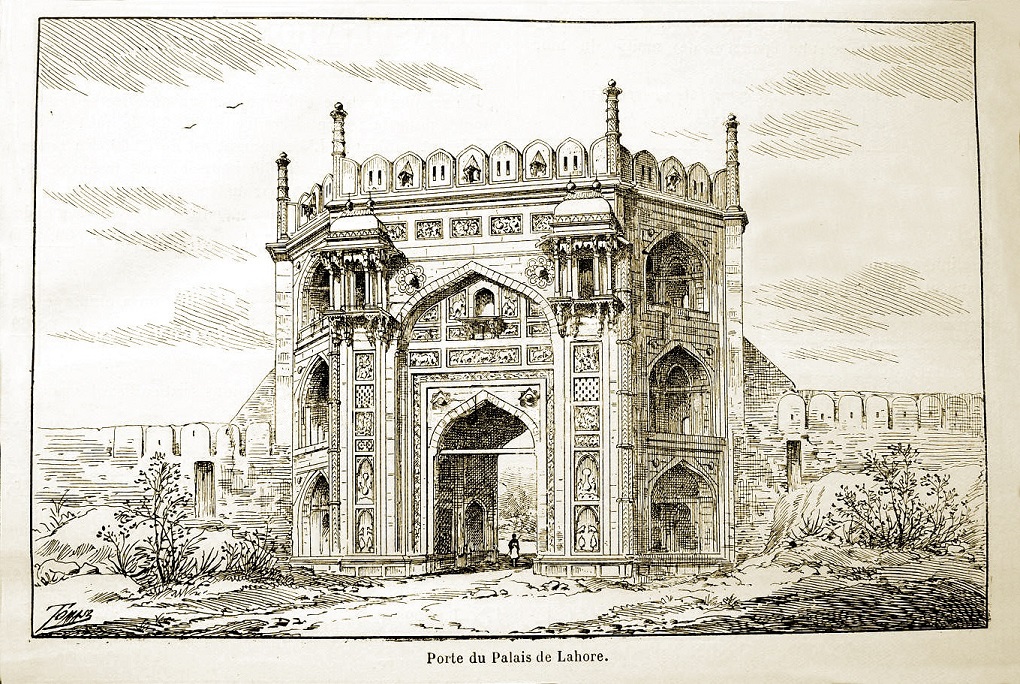
Porte de Palace in Lahore city
The Professional writers of Lahore are all dead. From about 1850 to 1950 a wave started about writing about the city of Lahore. No doubt a number of books on Lahore were turned out in last few decades, but mostly borrowed stuff from older sources. No original research. It is always our effort to fill in the blanks. Whether there is any appreciation or not, we follow the foot steps of our ancestors. Write what you know. History will take care of itself.
We came across an image in a French publication of MODERN CONSTRUCTION dated 1898, and the publication in gravure includes a gate of Lahore. Obviously we know that most of the gates of Lahore were demolished by the British for their security reasons in the 1860s, against repeat of the War of Independence. The Sikhs destroyed 2000 Muslim buildings in Lahore, and the British cared little less for them. They were unwanted reminders of the past to them. In 1849 Sohan Lal Suri reports that the British Army entered Lahore Fort and took residence in the Hazuri Bagh Baradari. A complete wall of the Lahore Fort was demolished and new buildings and bunkers were constructed for the Army. Rooms in the wall were made as well as bunkers. The Roshnai Darwaza wall was completely dismantled. On the other side the wall was eliminated in total. An interesting read is that the name of Emperor Shah Jahan was on one of the gates of the enclosure. It is now up to us to unravel the missing gate of Lahore.
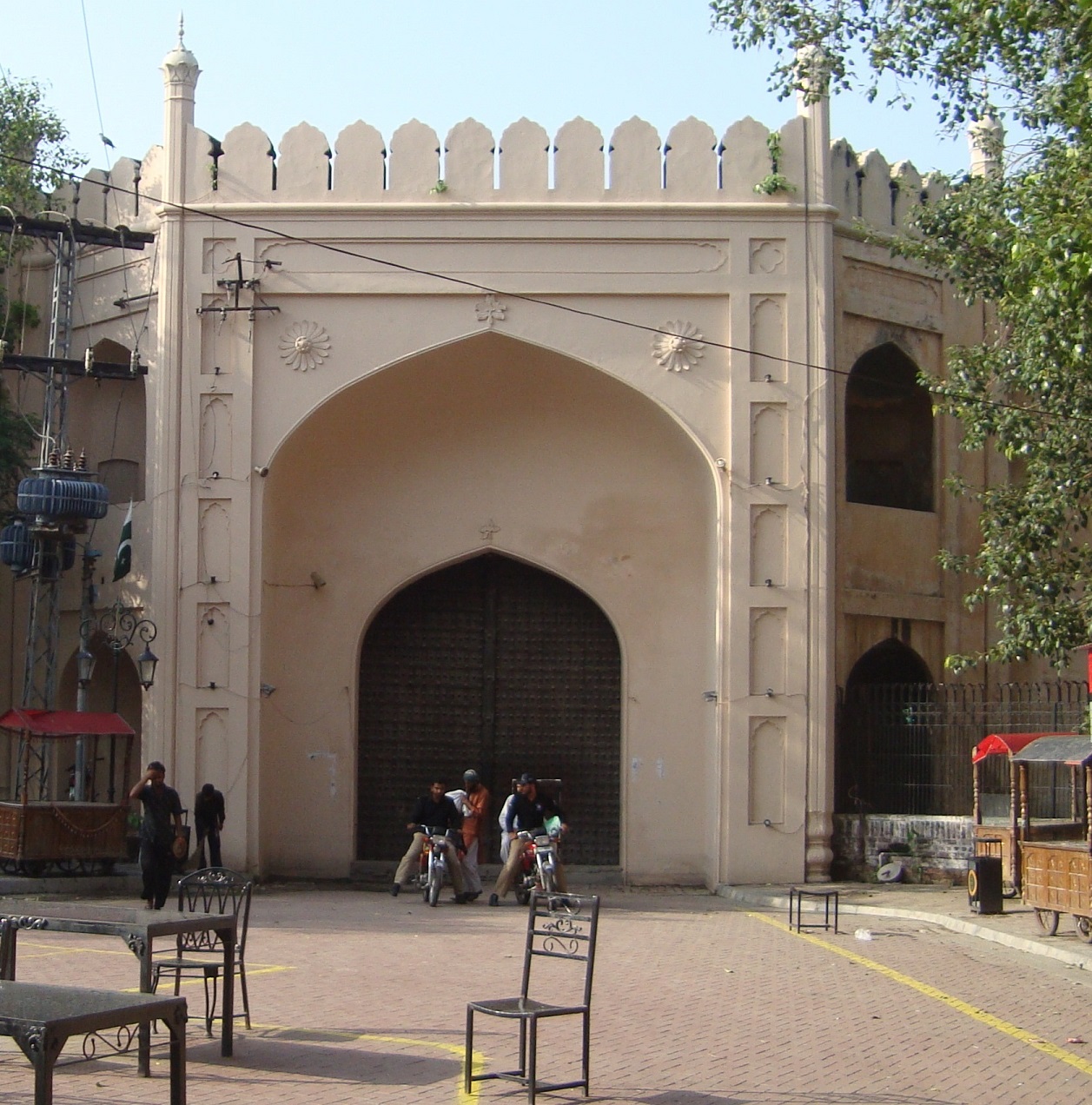
Roshnai Darwaza today
We have some imagery of some of the gates, but here the picture shows a guard on the gate itself, and foliage in the enclosure. The level of inside space is at par with the gate. Most of the Fort gates are made in a certain way to withstand attack from outside. The Roshnai Gate is not like that for it linked the inner city to the Fort. No attack perceived from there. Whereas it has similarity to our picture, yet it is quite different. The date of publication is 1898. And here we ave an event in 1899 and 1900, which was the visit of Lord Curzon to the city of Lahore. A lamp post was presented for the Badshahi Mosque Lahore by Lord Curzon. Speeches were made. But before he came the space was remodeled, walls came down or were rebuilt as well as attention was paid to the Gates. Because Roshnai Darwaza and our missing Gate have similarities, there are two possibilities here. Either the Roshnai Gate was lowered for security reasons (perhaps not possible for that time), or there was another gate on opposite side and it was dismantled. That is food for researchers to explore in the long run.
Our guess is that this was directly opposite the present Roshnai Darwaza, and because the two structures of Samadh of Ranjit Singh as well as that of Guru Arjun Dev were in way, the visit of Lord Curzon prompted the authorities to dismantle this original Shah Jahani Gate, and made an indirect entrance to this enclosure from the side. Record proves that this indirect entrance was made in 1899 and our theory rests as facts. It is this diverted entrance which is used to this day.
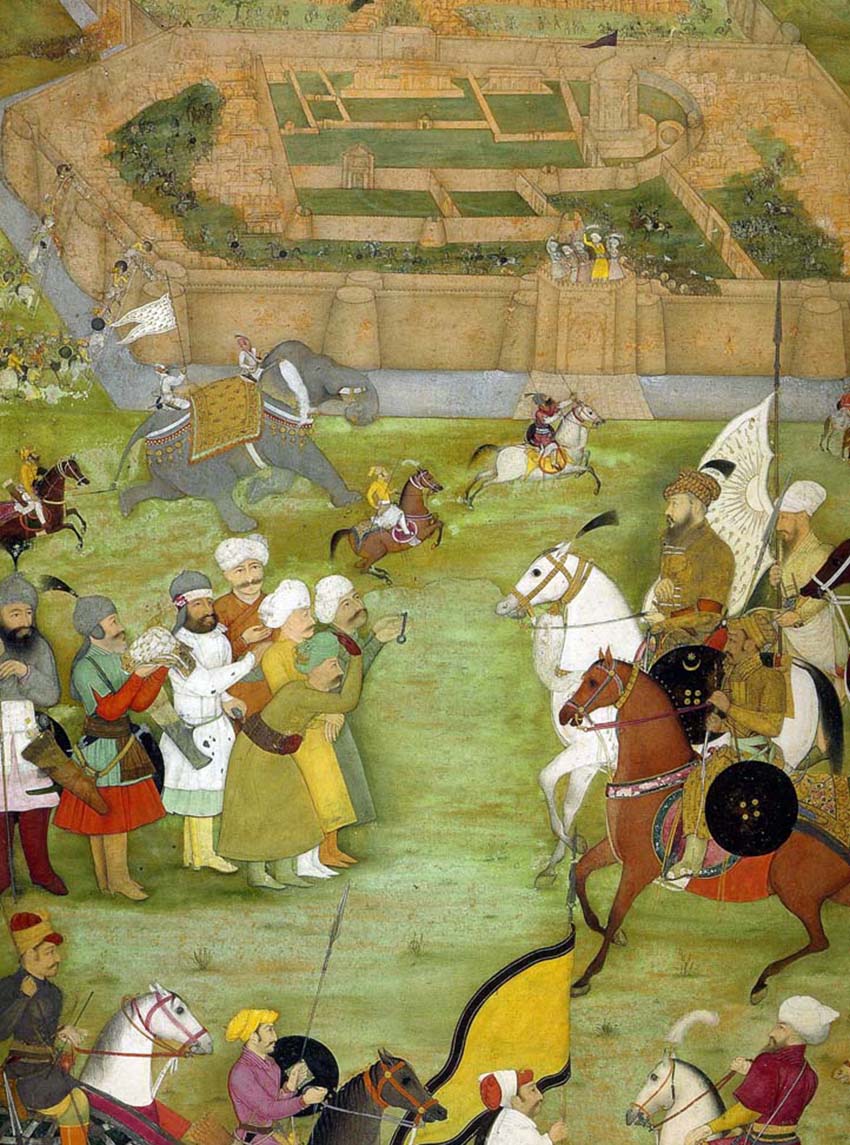
Emperor Shah Jahan outside a fort
The two balconies in the missing Gate are very much like the main gate of Wazeer Khan Mosque, so certainly the Gate is of period of Emperor Shah Jahan. No doubt about that. It is either one storey up of the Roshnai Gate, or of some other location. Most of the Fort Gates were closed by the British with walls, and the Gate used was the one opened after centuries, that is the Hathi pur Gate leading to the inside of the Lahore Fort. It remains open to this day. The Aurangzebi Gate was opened after partition for use, that is after 1947. If our Gate was not here, then it was somewhere else, perhaps even outside the enclosure. Anyway enjoy the majesty of this Shah Jahani Darwaza in full!
THIS IS ISLAMIC REPUBLIC OF PAKISTAN, NOT A THEOCRATIC STATE
YES, ISLAM AS A DEEN HAS GOT NOTHING TO DO WITH THEOCRACY
A HARSH REMINDER TO PSEUDO INTELLECTUAL PROSTITUTES
Deen
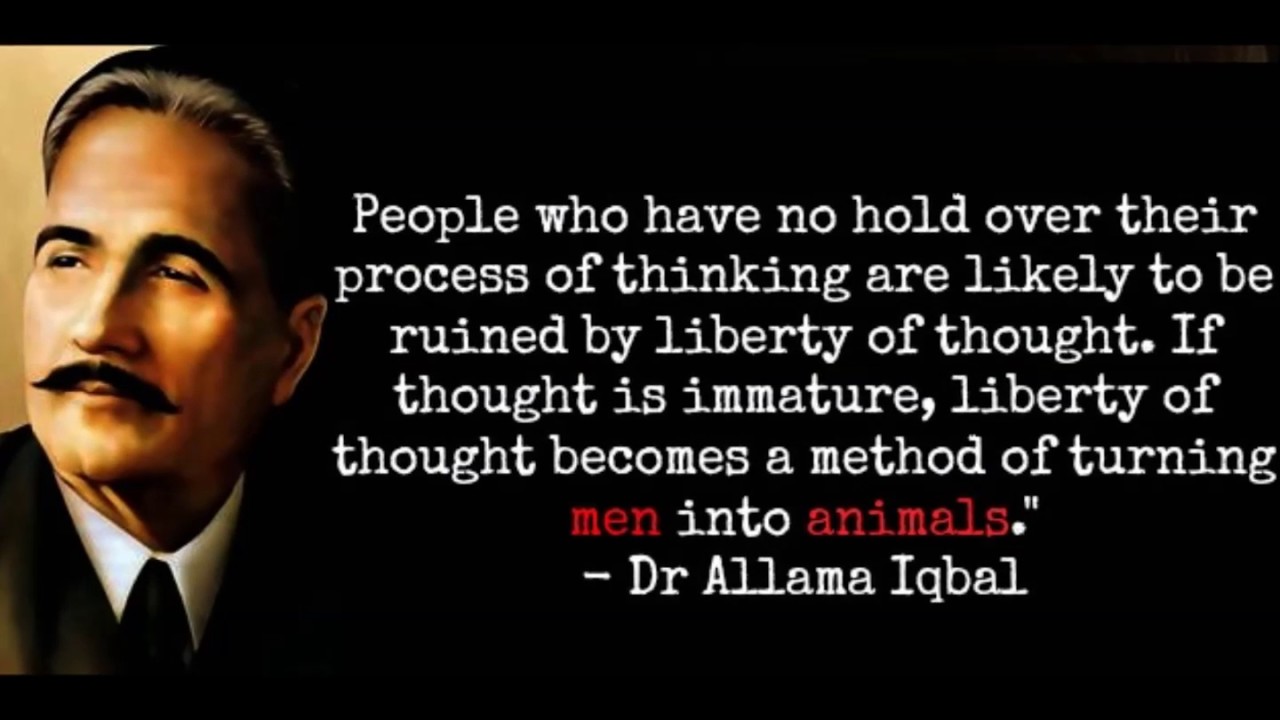
The people of this region thrived for an Islamic State, not a theocratic one based on the wisdom of medieval Mullahs. The fountain of this belief was the Holy Quran itself and the wisdom given to us by none other than Dr Allama Iqbal himself. The shameless intellectual prostitutes keep on spinning conspiracy after another, trying to dull our senses to the exuberance and vibration of the Kalma which made it all happen. Pakistan ke matlab keya, La illaha ill lillah. These wimps taking courage from alcohol provided by foreign lobbies to dull their sense of right and wrong. All morality and ethics forsaken by the accursed (khawarij) of Allah.
Advise to pseudo intellectuals
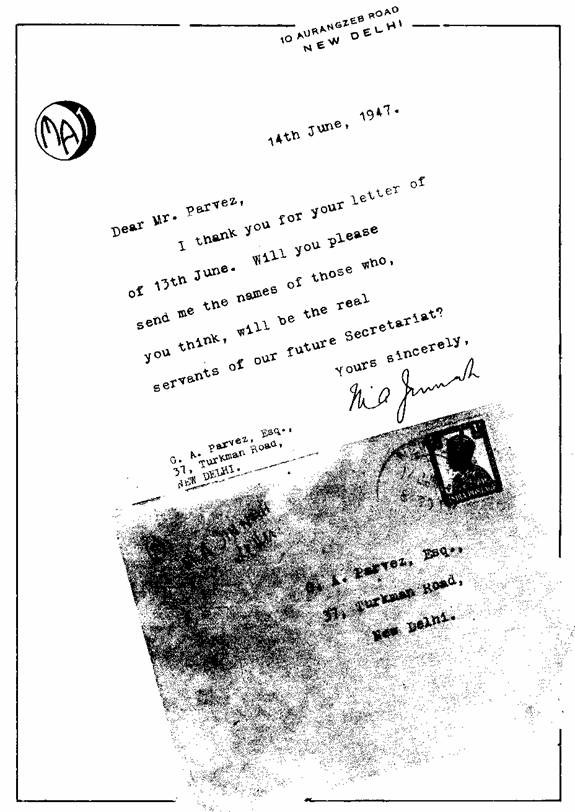
Why does Ideology pain some so much? Is it because they are valueless creeps, for whom nothing matters, except payment for services rendered, even sex workers are better than them as spin makers! Spinning wrong is the work of Satan and certainly those have satanic urges in them. They cannot get over the fact that Dr Allama Iqbal dreamt about Pakistan, and Quaid e Azam made it a reality. G.A. Pervaiz got rid of Mullahs from us for some time. Such names render you impotent. Ideas are the highest form of human kind. Selling such anti-ideas crusade is a curse on such people.
M A Jinnahs letter to Pervaiz Sahib
The advent of Islamic thinking corrupted by these two tiers of people. The Adviser on Islamic affairs to the Quaid e Azam can be seen and proven by the fact that Quaid e Azam included G.A. Pervaiz in his cabinet as an Assistant Secretary and sought his advice on Islamic thoughts all the time. In a letter he even asks Pervaiz Sahib to suggest suitable names for the establishment division. More on that later. Reflect!
IN TRADITION OF SIBERIAN OLDEST CARPETS
17TH CENTURY CARPETS MADE IN LAHORE
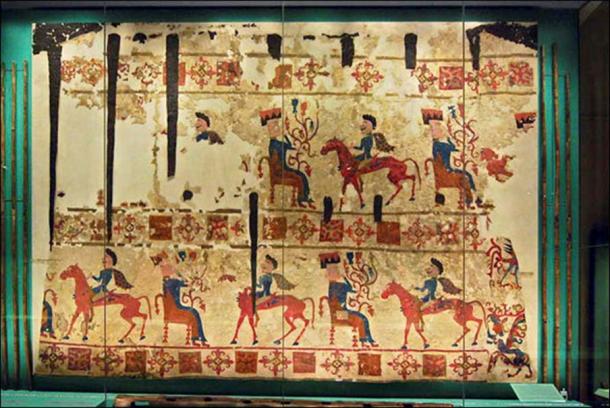
Worlds oldest carpet
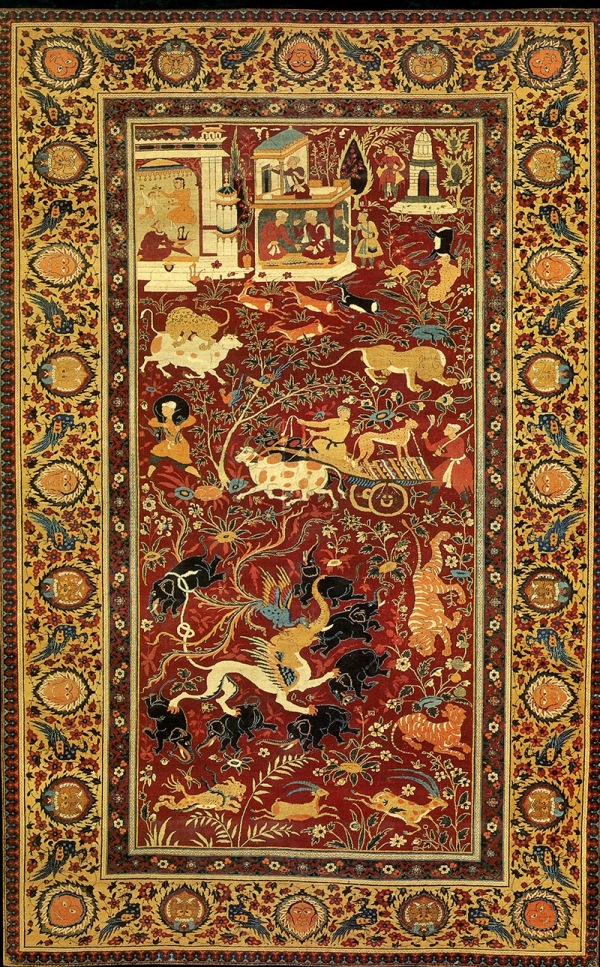
A tomb discovered in Siberia unraveled carpets made about 2200 years ago. The oldest carpets in the world. Car[pets were made all over but Mughals were famous for their creations. In some ways different from Persian carpets, in the same was as the miniatures are different between the two areas. Enjoy some of the carpets made in Lahore. It seems Lahore could create delicate carpets in the same spirit as miniatures made in Lahore.
Another oldest carpetLahore Carpet 1590 to 1600
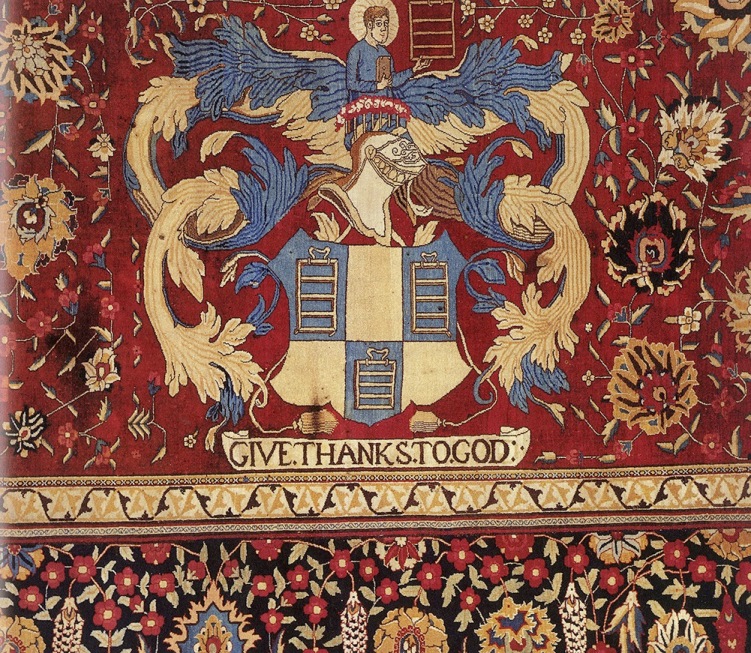
The Girdler Carpet made in Lahore at request of a society in London is an out standing surviving carpet. More can be said about it, and we will do that in another blog. A certified carpet of Lahore made in 1630 to 1632. Amazing!
Lahore Carpet 1610 to 1620Lahori Girdlers Carpet London 1630 to 1632
MOST UNIQUE FIGURINE IN THE WORLD ADDS NEW DIMENSION
NAGUZZA OF LAHORE SUPPORTS LONG PIGTAILS AND FULL ARMOUR
Chinese with pigtails
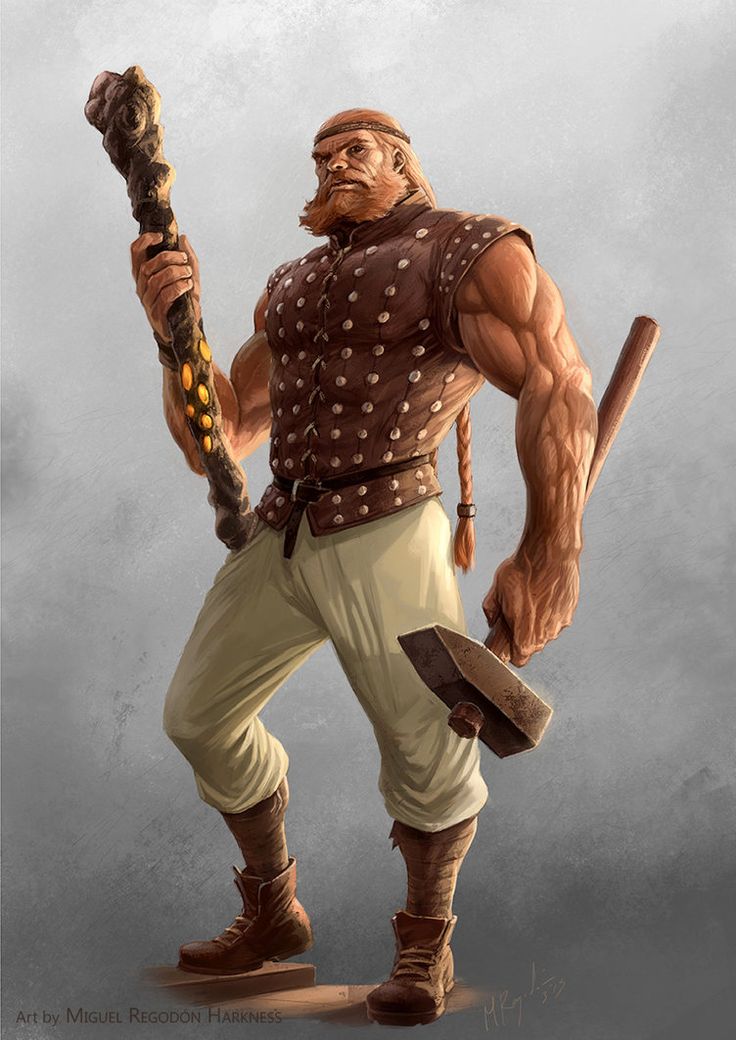
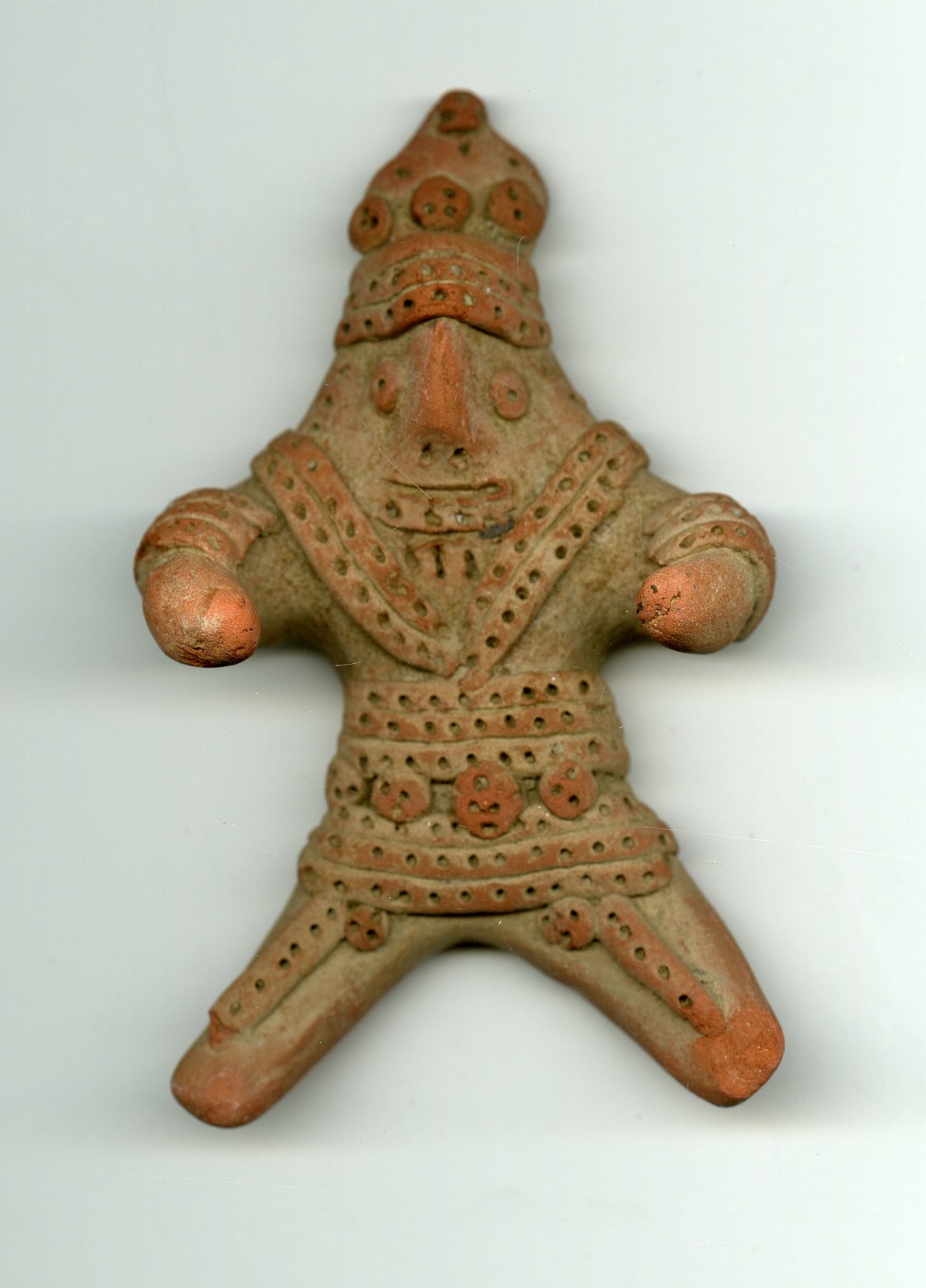
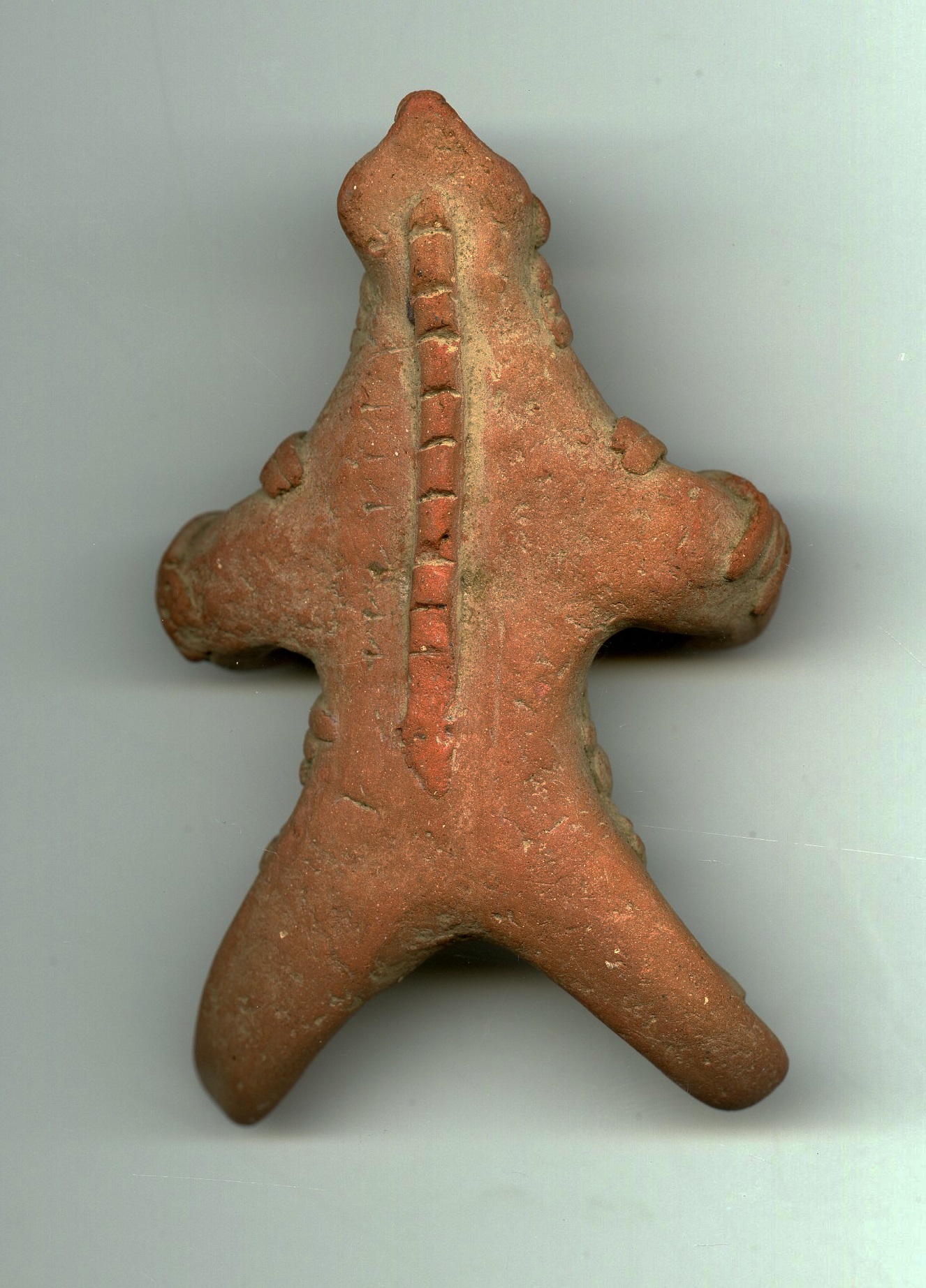
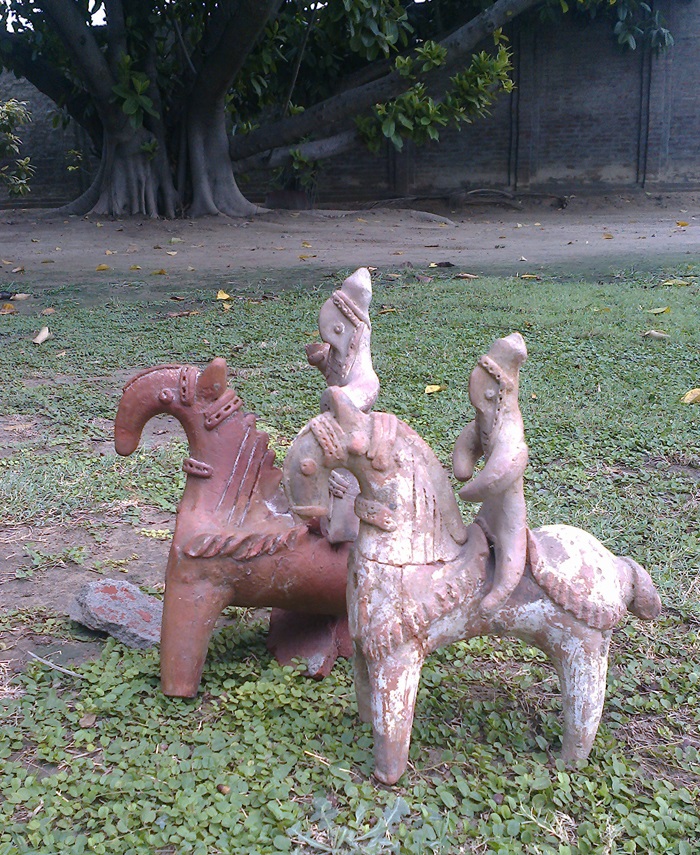
This figurine fascinated us from day one and it fascinates us even today. Found at depth of Lahore from 15 feet to 35 feet, it must have been in continuous production from about 500 to 1500 years. We have published a separate book on same. The shape of the figurine’s arms and legs, we have unraveled as the same were meant to be sitting on matching horses. We do have horses like that too. Obviously they represent Giants which must have been found in Lahore ages ago.
Chinese traditionsGiant with pigtailsPharaohs pigtails
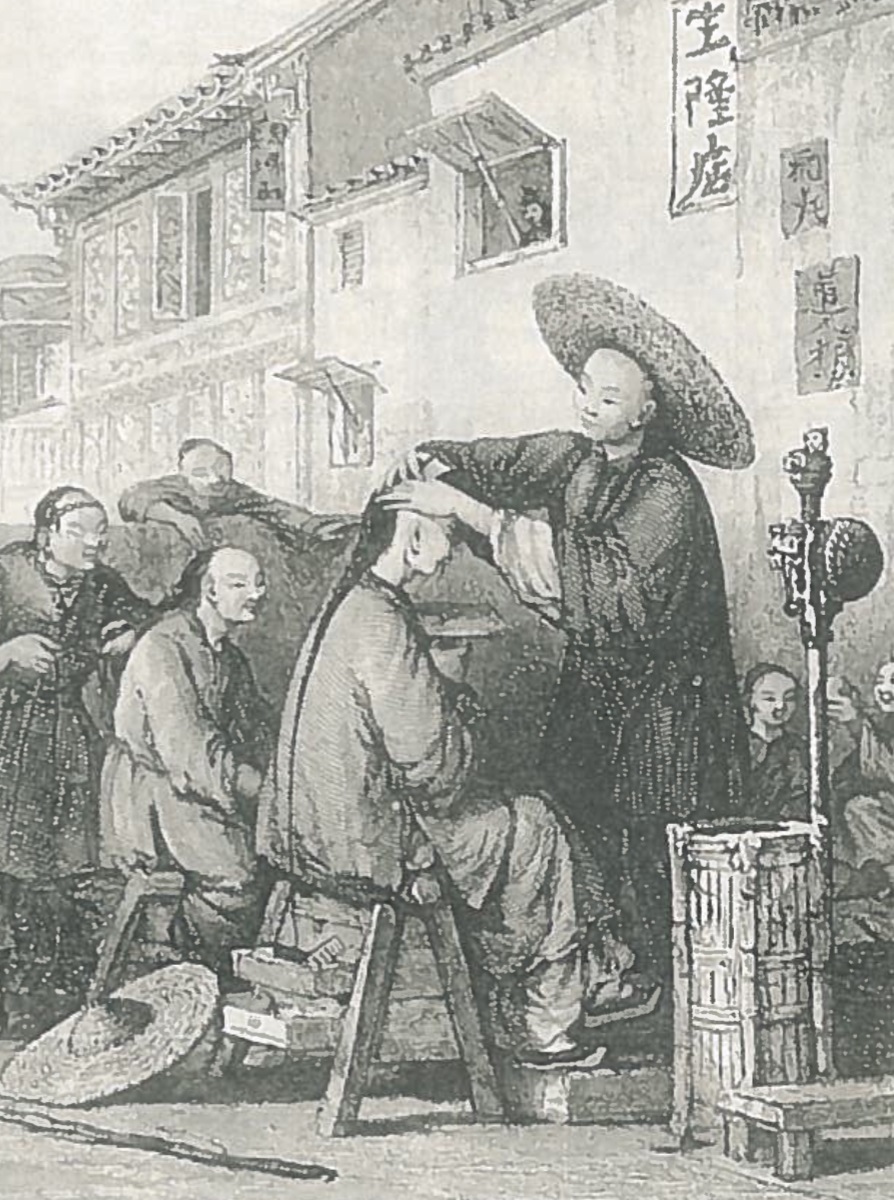
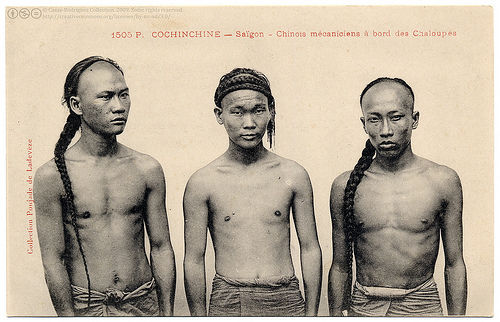
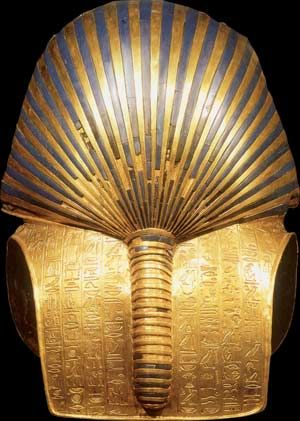
A new dimension we have studied that they are at times represented with long pigtails. The Chinese are famous for them as well as Mongols. But the Egyptians had them too. We feel these are the Giants mentioned in the New Testament, which were kicked out and fled for their lives. We have written about same, till then enjoy a Pig-tailed Naguzza of Lahore!
New Dimmensions of Lahori NaguzzaPigtails of Lahori NaguzzaNaguzzas on rampage
BARKAT ALI KHAN MUHAMMEDAN HALL MOCHI GATE LAHORE
MISTRI MANGA CONTRACTOR ARCHITECT BUILDING IN 1888 AD
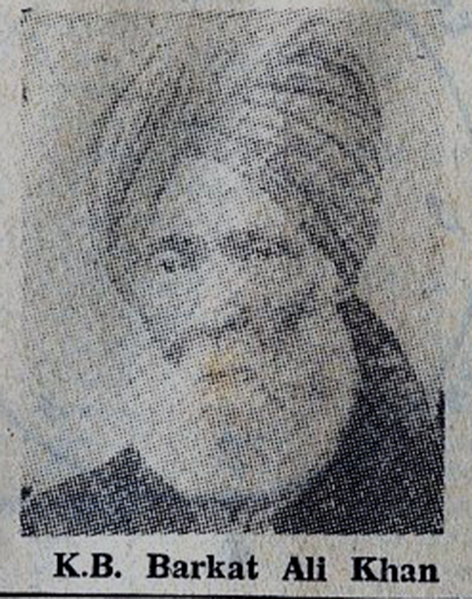
K B Barkat Ali Khan Lahore
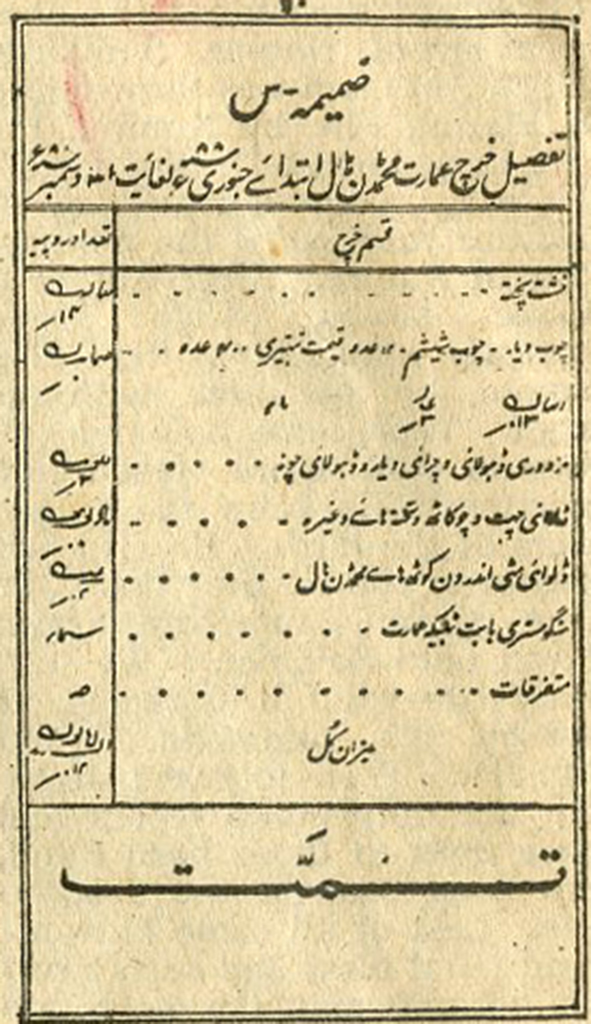
Khan Bahadur Barkat Ali Khan is a famous member of nobility of Lahore. As a tehsildar, he worked on restoring the Badshahi Mosque to its former glory. For the advancement of Muslim community, he offered his services and an Anjuman Islamia was made in Lahore for the said purpose, around 1868. It was in 1887 that Sir Syed Ahmad Khan paid a visit to Lahore and attended a conference at the Anjuman. There was felt a need to build a Hall in Lahore for the promotion of Islamic values. It was in 1888 that the Muhammedan Hall was constructed outside Mochi Darwaza Lahore. It was built for around 1800 Rs and there is a brochure published by the Anjuman highlighting same in 1888.
Manga Mistri Contractor Architect Lahore 1888
The contract for making and constructing same was given to MISTRI MANGA of Lahore. Manga belonged to a famous Mimar family of Lahore with his ancestors responsible for many Mughal buildings in Lahore and Delhi. He was ancestor of M.A. Rahman Chughtai, the artist, too. Obviously the most famous Manga was Mehr Manga of Lahore, who was Chief Gardener of Emperor Shah Jahan and custodian of the Shalimar Gardens Lahore., His descendants were there in the Wazeer Khan Mosque and Chishti records the presence of a certain Kareem Baksh, descendant of Mehr Manga. Mistri Manga was named after Mehr Manga of Lahore.
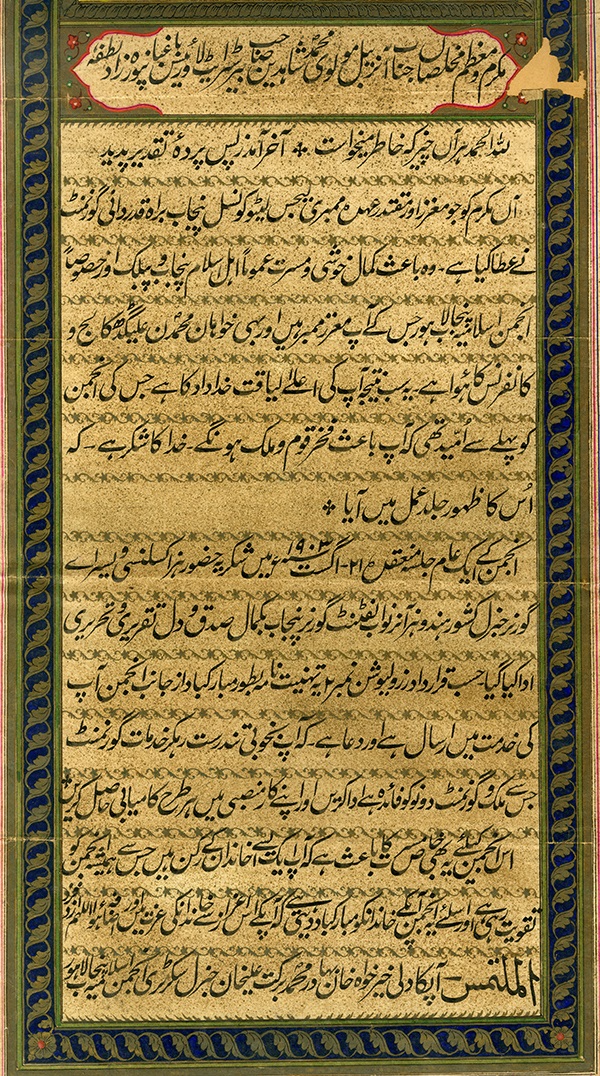
Letter Barkat Ali Khan 1903
Khan Bahadur Barkat Ali Khan died in 1905, and his funeral was attended by Chughtai family. Mian Kareem Baksh Mimar, father of M.A. Rahman Chughtai was at the Chaleeswan of Barkat Ali Khan. There was close relationship between the two families. Basheer Ali Khan was son of Barkat Ali Khan, and Saadat Ali Khan was grandson of Barkat Ali Khan. As Saadat Ali Khan was childless, the family ended with him. Their house Kothi Barkat Ali Khan remained famous in their life time. Now no one remembers their pivotal role for Islamic mission in Lahore.
Another missing chapter of Lahore which needed to be highlighted and we did that. Enjoy!
AN AMAZING REVELATION OF THE USE OF TERM QUAID-E-AZAM NEVER KNOWN
BEFORE MIAN FEROZUDDIN, K.A. HAMEED USED SAME FOR KAMAL ATTATURK PASHA
AND AMAZINGLY THIS WAS ALSO DONE IN LAHORE IN 1938/1939 IN THE SAME SPIRIT
Ghazi Mustafa Kamal Pasha
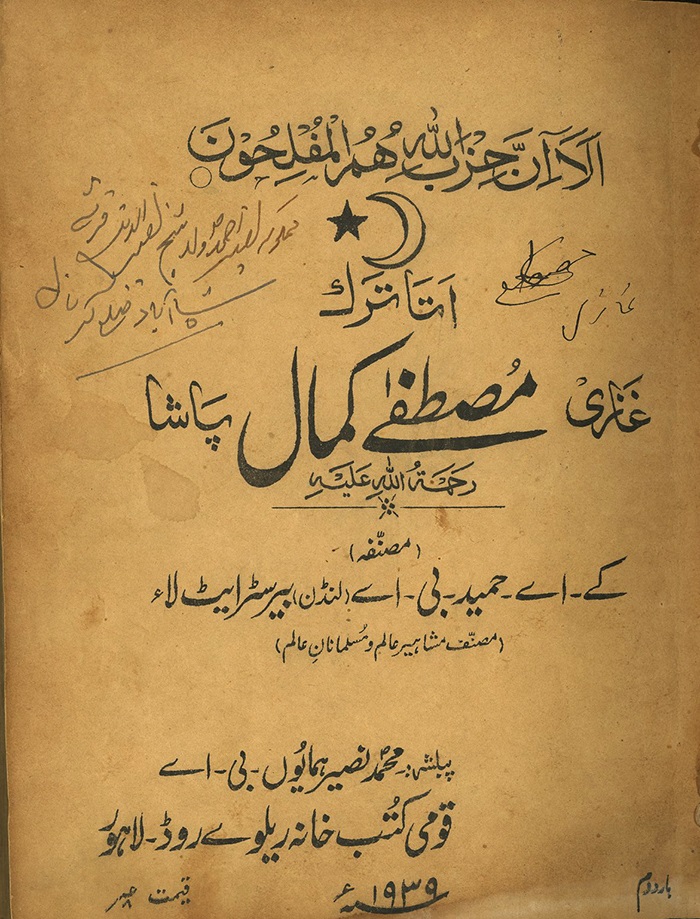
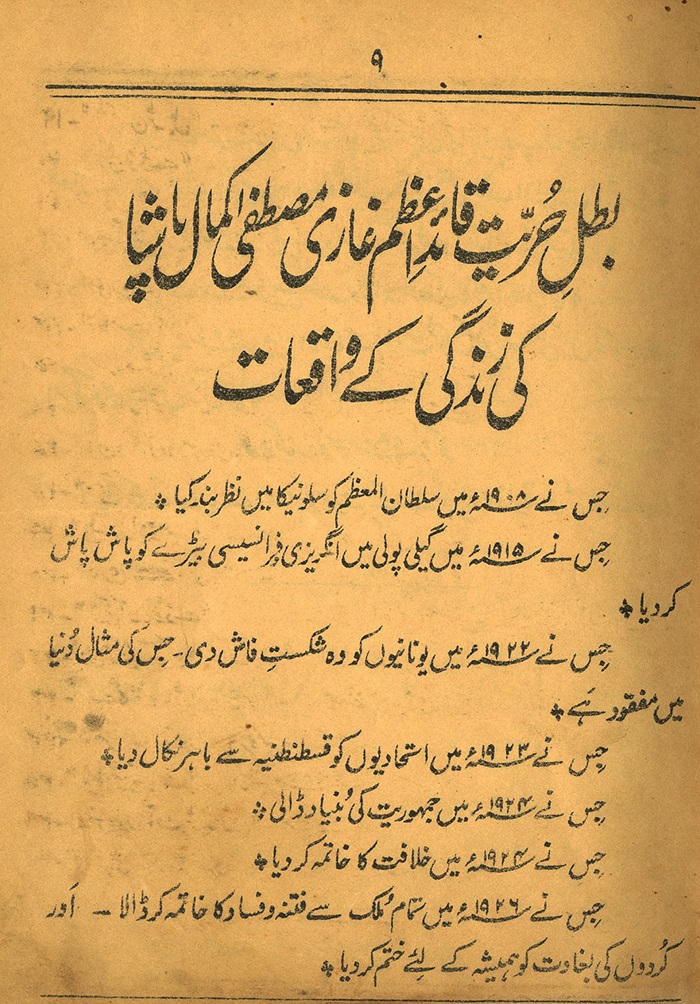
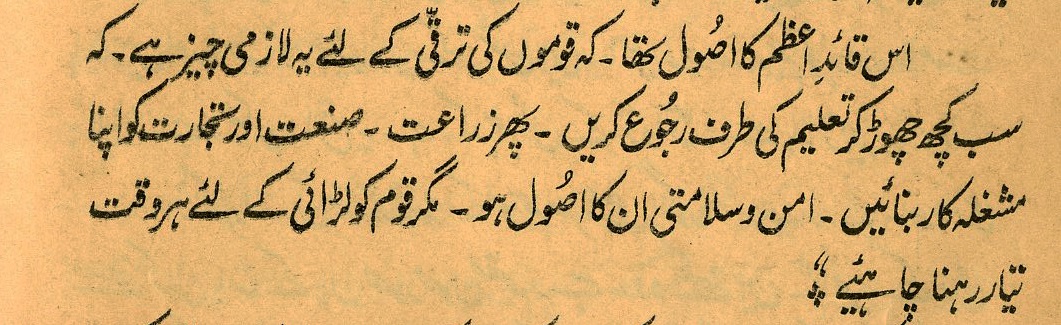
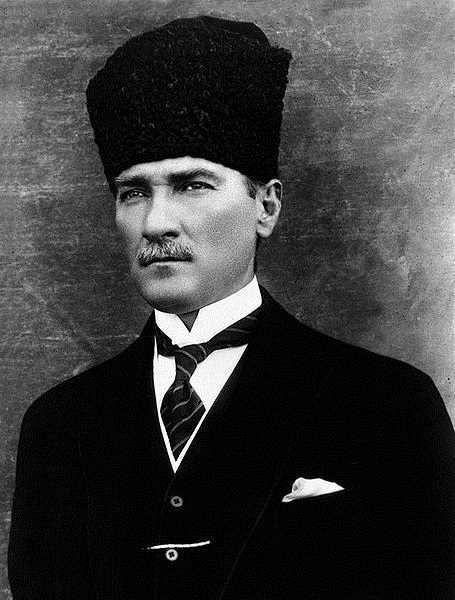
We come across old books all the time. Books inform as nobody else can. A publication in Urdu published in Lahore in 1939 on Kamal Attaturk Pasha (who was himself a hero for the region here), designates the Turk leader as QUAID-E-AZAM, and this designation is by the writer K.A. Hameed. We know of Abdul Hameed a fiction Urdu writer who was born in 1928, and as this book was published in 1939, it cannot be the same K.A. Hameed as mentioned earlier. In fact the author clarified himself as having a B.A from London as well as having a Barrister of Law degree. Well educated man. An author obsessed with Islamic values in progressive light. and looking forward to his icon in Attaturk.
Quaid e Azam Mustafa Kamal Pasha
K.A. Hameed dismisses many myths about Attaturk and writes in detail of him. Worthy of being analyzed in detail. As Attaturk died in 1938, this is a fresh reminder of those days. The New York Times had also written about the death of Attaturk. But K.A. Hameed reveals another clear detail about Attaturk. An assassination plot perfected in India by Mustafa Sagheer of Benaras (not Muradabad), on behalf of British Secret Service for 15 lakh rupees. The plot failed for USSR had warned the Turks about the plot and the man sitting in chair was not Attaturk as shots were fired on him. Mustafa Sagheer was arrested and later hanged on 24th May, 1921, in Ankara, Turkey. But that is another story for another blog. 007s were there all the time, even before Ian Fleming made the same famous in his books.
Quaid e Azam Mustafa Kamal belief
Our job is to explore and research. Only more research can bring out more facts and we will continue. Till then reflect on this new knowledge. Enjoy!
A MIGRATION FROM LAHORE AND OTHER PARTS OF INDIA TO AFGHANISTAN
THAT NO ONE EVEN REMEMBERS AND A BIGGEST FIASCO OF ITS OWN TIMES
Migrating compulsions
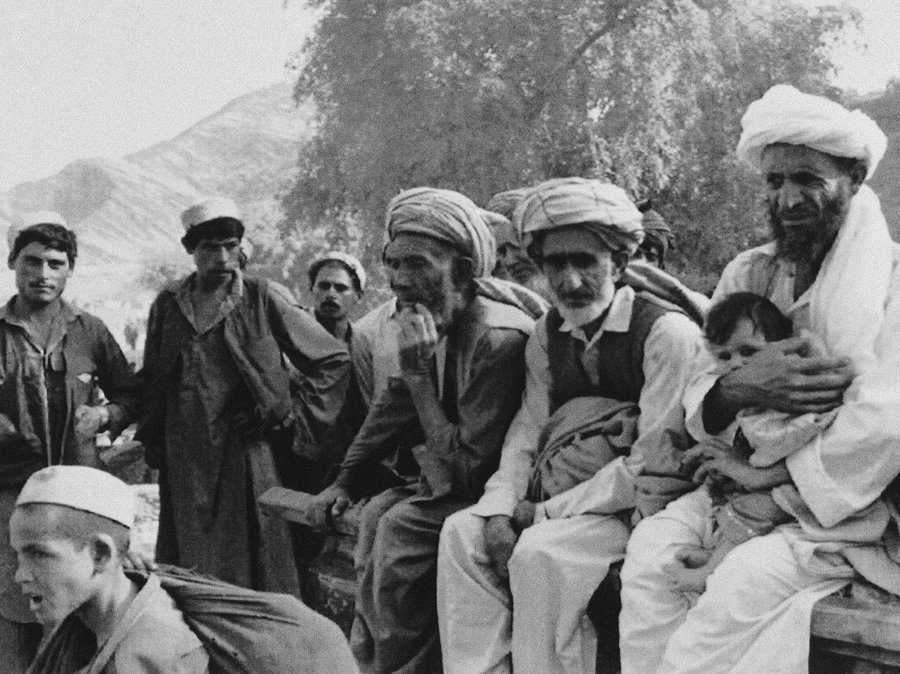
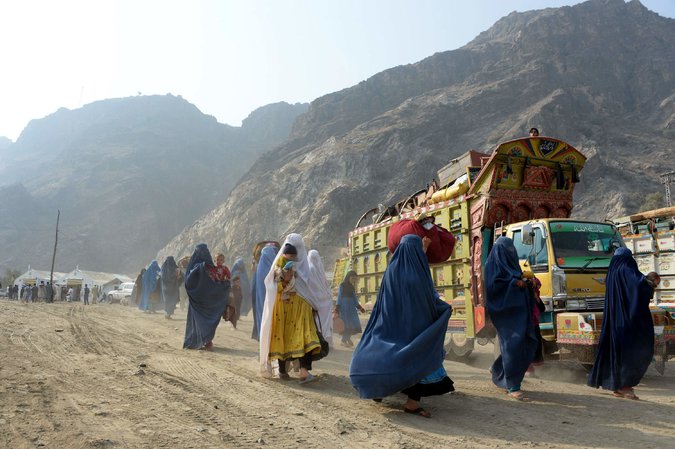
The Khilafat movement in British India had strange effect here. Disgusted with the British break up of the Ottoman Empire, the Muslims were afraid that the custody of the Khana Kaaba would fall in wrong hands. People with such bent of mind decided to leave India. A group of Thirty thousand people sold their properties in India and decided to migrate to Afghanistan. This important decision was made on the first of August, 1920.
Contrary to their expectations, they were not well received. And after much hassle, the border was closed and these thirty thousand people were forced to come back to India. A historian writes:
Migration routine between two countries
August 1, 1920. In addition to the Khilafat issue, Gandhi and Congress added reparations for the Punjab and the independence of India. That summer about 30,000 Muslims sold their property and emigrated to Afghanistan (Some also tried to go to Turkey). They were not well received, and the Afghanistan government closed the border. Most of the impoverished migrants went back to India.
Contrary to that, millions of Afghan emigrated to Pakistan on the Russian invasion of Afghanistan and they can be seen all over Pakistan. These migrants brought a lot of issues like guns and drugs to Pakistan, and an air of smuggling, but there were no regrets. Muslim brotherhood dominated ideas of welcome.
ZAKIA DIL MUHAMMED COMPLAINT ABOUT CALMNESS IN CHUGHTAI ART
AN ART DISCUSSION OF ART CIRCLE AT ALHAMRA JANUARY 14TH 1950
Zakia Dil Muhammed right
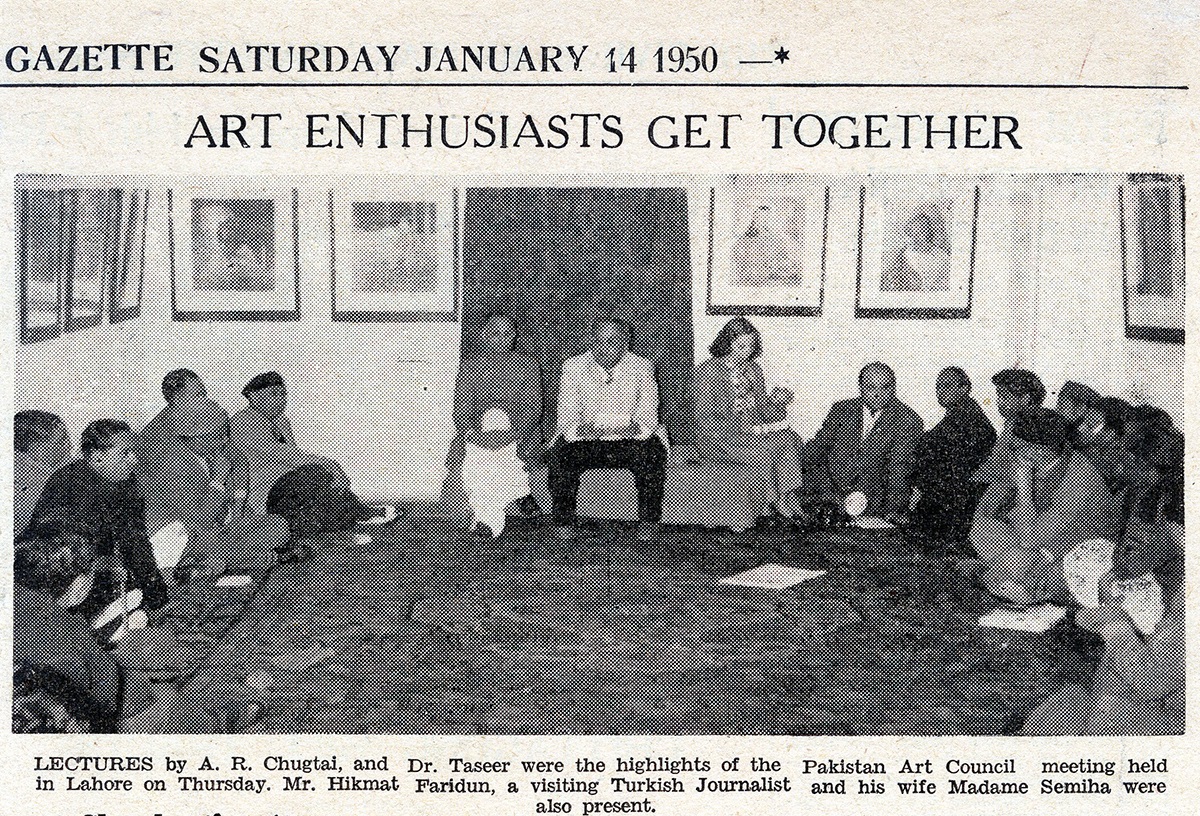
The Chughtai Arts Show at Alhamra on 12th December, 1949, generated a lot of discussion on Art. In a meeting at Alhamra of an Art Circle on 14th January, 1950, Zakia Dil Muhammed presented her point of view. The said lady was daughter of famous mathematician Dil Muhammed, whose text books on Mathematics are phenomenal to this day. Dil Muhammed was a friend of artist M.A. Rahman Chughtai, and part of the intellectual renaissance of that period. He had asked the advice of Chughtai artist on the joining of Art field by Ms Zakia. Chughtai heavily endorsed her as he used to endorse most people.
A lot of people were there, including a couple namely journalists from Turkey. Zakia Dil Muhammed enquired about the calmness in Chughtai Art, although the period of Pakistan was a turbulent one. Why no turbulence in Chughtai Art? Dr Muhammed Din Taseer could not provide a valid answer, as Chughtai himself sat in a corner watching all that was going on. To understand this one has to remember the essential motive of Islamic Art, to restore the unrest and anarchy of the times with fortitude and calmness by projecting hope in the future.
Civil and Military Gazette 1950
The artist Chughtai narrated an event to them. He said in the height of war in Germany, when there was anarchy all around, a German artist made a painting of a beautiful dancer. It won best prize in Germany and was heavily awarded. Why turbulence was not felt? The job of the artist is not to engender anarchy. It is to soothe life. When Sultan Muhammed conquered Constantinople, the first thing he did was to have a portrait made of himself. Instead of the turbulence of battles that had happened, he is shown smelling a rose in calm atmosphere.
I witnessed a music recital in Dacca in East Pakistan, done to honour M.A. Rahman Chughtai. Late after midnight the musicians and sitar were playing and literally most of the people were asleep. I asked the sponsors that was it not time to stop same! The host replied the purpose of the recital was just starting. It had calmed all the people and lulled them to sleep.
Western Art brought along with itself in its influx in Pakistan in its pseudo form the concept of agitation. Rebels rebellion without a cause. More on this in another blog.