THE COYOTES SURROUNDING THE LION M.A. RAHMAN CHUGHTAI;
SIBLING RIVALRIES ABDULLAH CHAGHATAI, ABDUR RAHEEM CHUGHTAI.
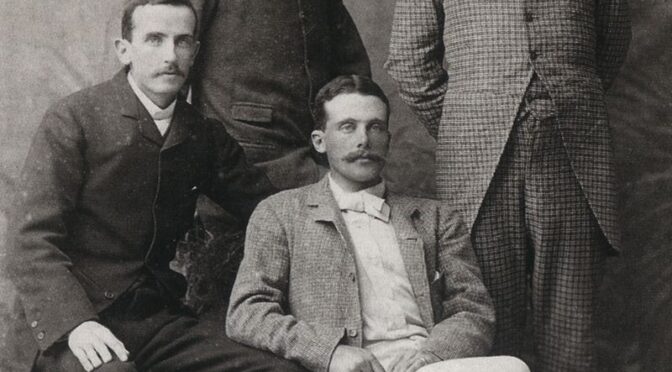
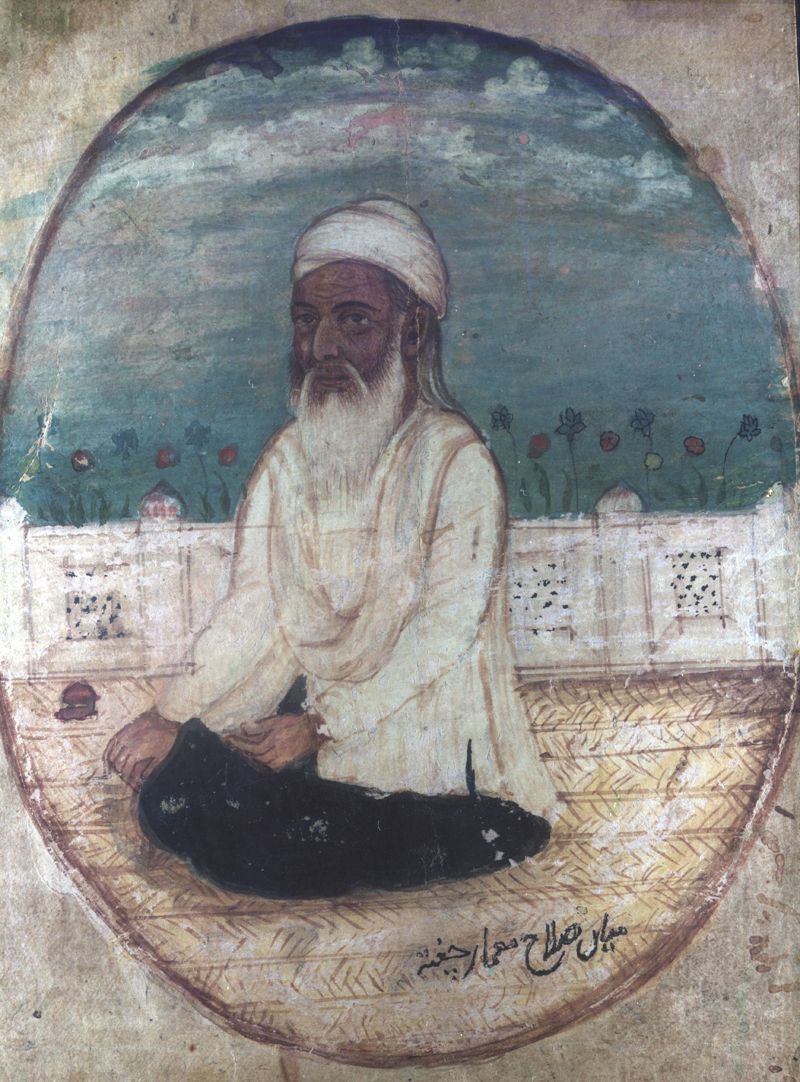
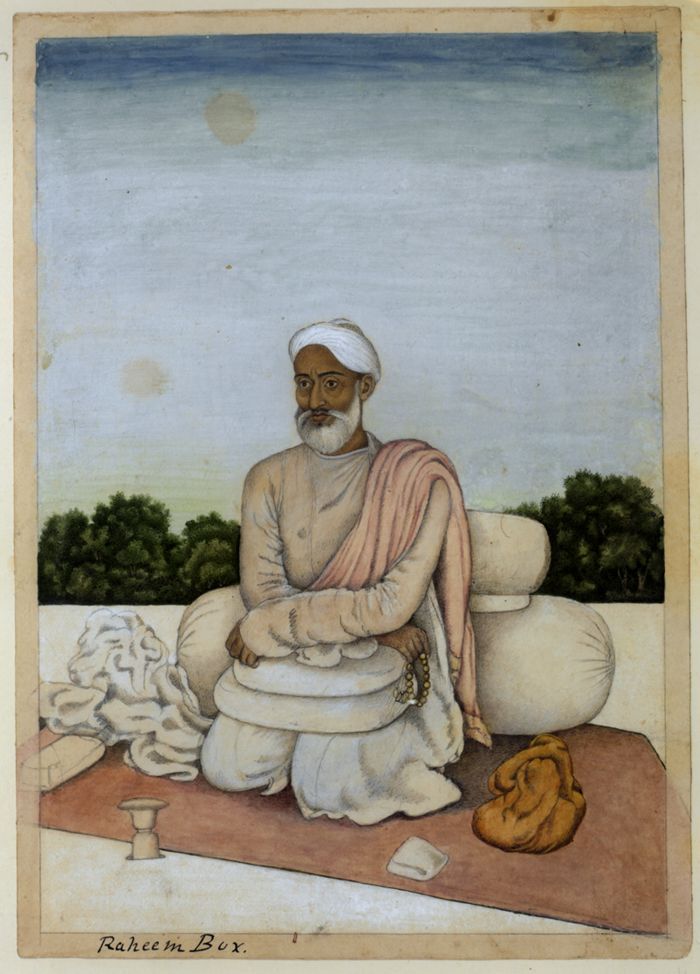
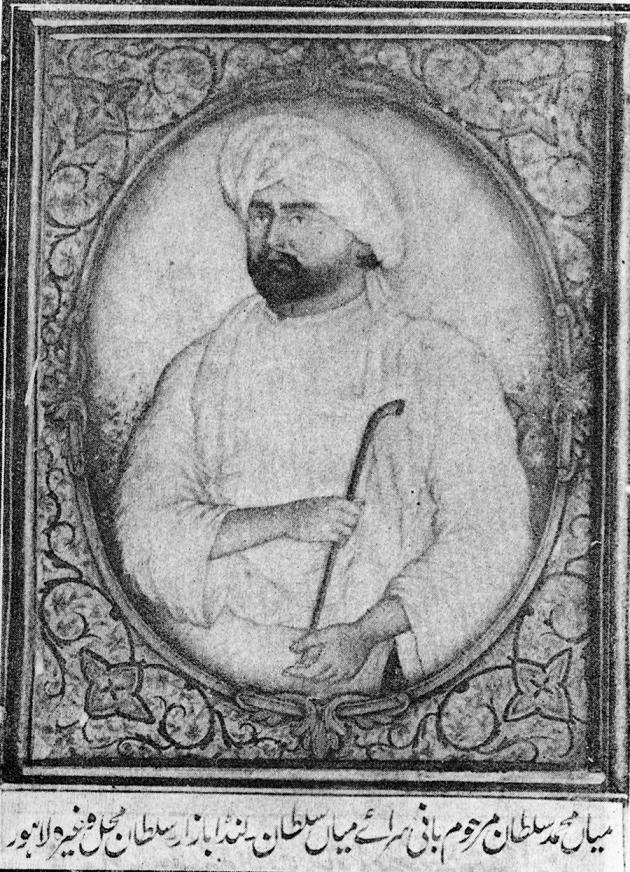
Mian Kareem Baksh had four sons, Muhammed Hussain from first wife, Abdur Rahman Chughtai, Abdullah and Abdur Raheem from second wife. The father died in 1913, and all four sons left on their own. The property was divided into two portions. Muhammed Hussain took fifty percent of the same, the other three took the rest. There were other properties, which were sold to keep themselves alive. To pull themselves out of the rut. It is a story of survival.
The first earning member became Master Abdullah, who got a job as a teacher, and his arrogance knew no limit, and he refused to share his pittance salary of Rs 15, with mother or his brothers. He left home, and got attached to his wife after marriage. Abdur Rahman Chughtai got married in 1911, when his father was alive. After his diploma, from Mayo, he was sent as a Drawing Master to Gujranwala Mission High School, probably at Rs 30 per month. The third brother Abdur Raheem Chughtai got a job as a typist at Rs 10 per month, from Typist Traders, related to his wife Mumtaz Begum. But he was in no position to share his salary. It was the salary of Abdur Rahman Chughtai, which was supporting the family. A generous spirit he supported every one. The generosity got on the head of others, and they started the clamour of trying to bulldoze possession of things actually belonging to the artist alone.
The first to burst the loving circle of the family was Abdullah Chaghatai. On the instigation of his wife, he demanded a share of everything, which did not even belong to him. As a result, he literally fought with the brother and went on his own. I can not say exactly but the fight lasted for more than thirty years or more, but in the process the brother Abdullah would try to undo everything related to his brother. Opposed him tooth and nail. The animosity passed on to his children and then grandchildren. Not one had the brains or the heart to understand the problem. What was the problem?
The exceptional talent not only brought fame to the artist but also enhanced his financial (in 1920 the artist sold about ten of his paintings for more than Rs 2500, a phenomenal sum for that time) and material wealth, and this brother wanted a part of something, which was not his or his making. Like an ailing child, he cribbed possesion of whatever which was not his and even sabotaged the financial deal of the first book Murraqa Chughtai in 1928. A present of Number one of the book which was to be given to the Nizam of Hyderabad at a state function was given when the Nizam came to say his prayers in the mosque. It was in total bad taste. Sir Akbar Hydari, the Prime Minister made Abdullah a persona na grata in the state of Hyderabad for his rude behaviour. The grant to be given to the artist was lost.
Now left was the younger brother Abdur Raheem Chughtai. He attached himself to the artist to malinger and destroy things from within. Resenting the second marriage of the artist, he tried his best to break the marriage, even leaving a pregnant wife at the railway station during communal riots. Thinking that she would never be able to come back. (But by the Grace of Allah she managed to come back with a daughter who was born in Amritsar for the same reason). But the idle chatter about the family of the wife, and the innuendoes to brainwash his brother on the character of the wife’s family, went on and on.
It is strange how the mind of Abdur Raheem Chughtai worked. He knew his brother was an artist who would not survive without help from mundane matters. So the brother made himself indispensable. He took responsibility for most things in the life of the artist but the most important involved property and financial matters. He took everything in his control and played havoc in the life of the artist. He was in the habit of renting out the artist’s property and then creating an issue with the tenant, and going on a legal course. His whole life was spent in the courts sorting out petty tenants. In the process he would fidget with property records all the time. With access to the artist in his control, as well as the property and finances, he was in a position to batter the personal life of the artist.
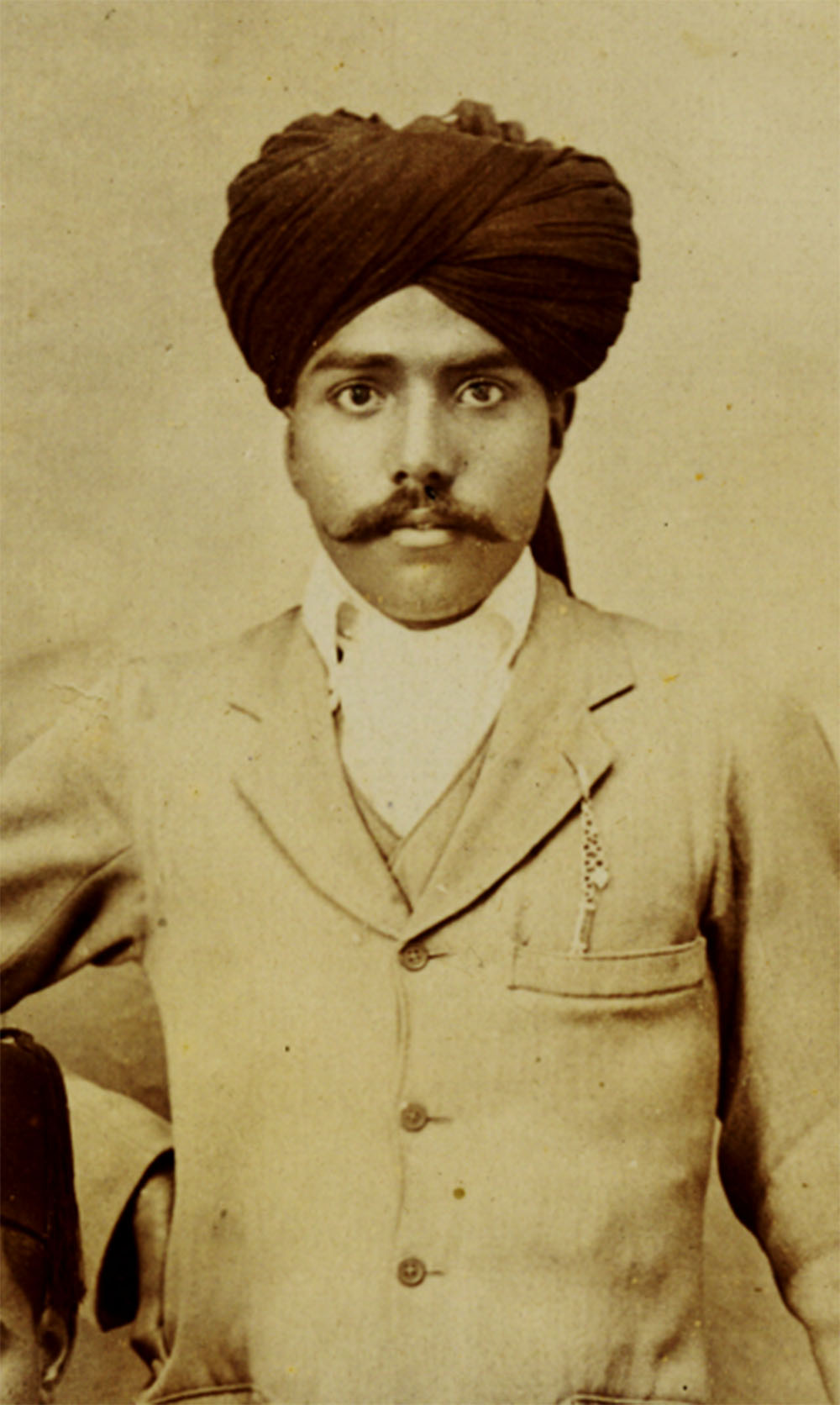
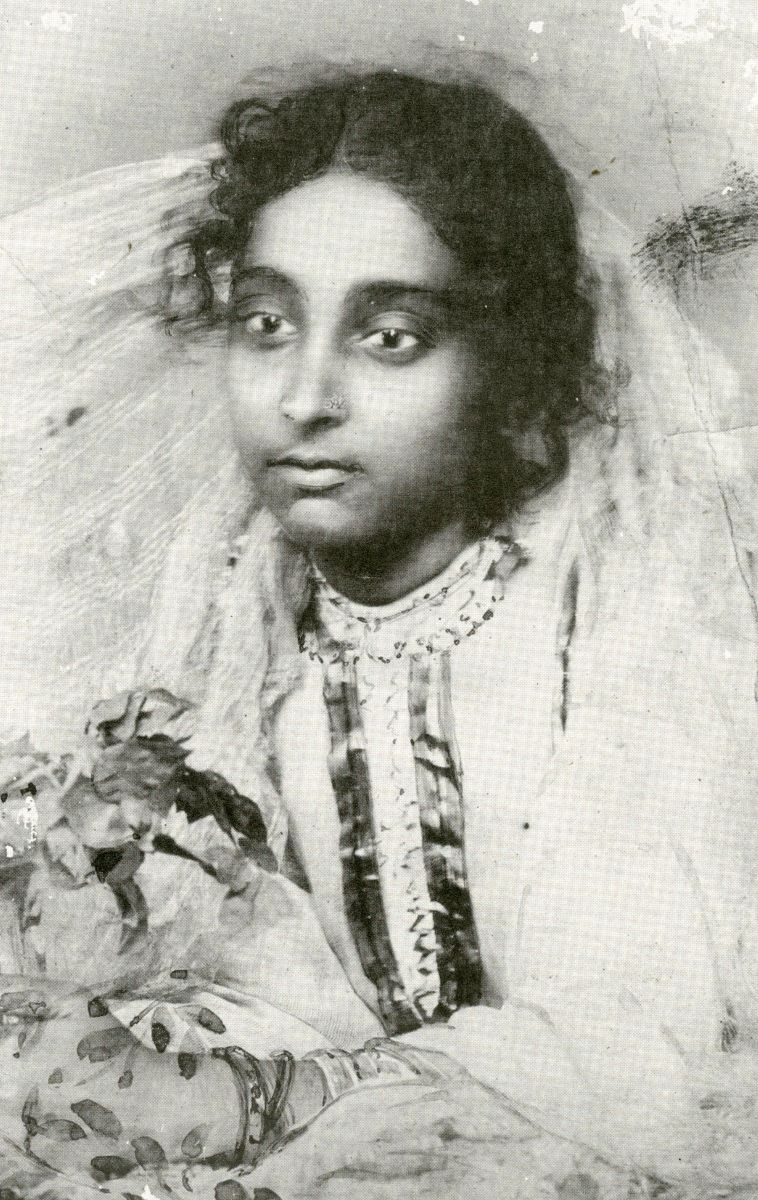
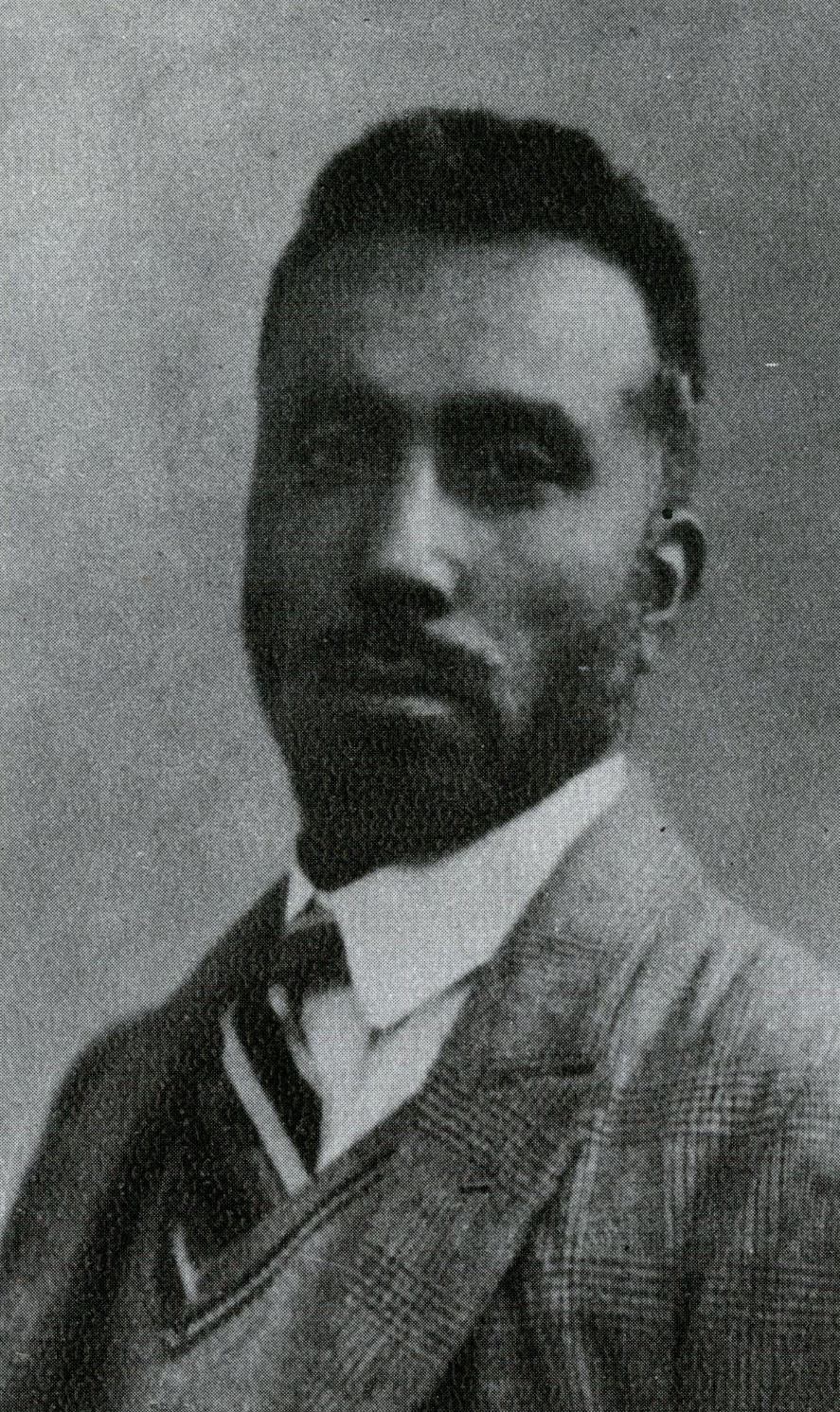
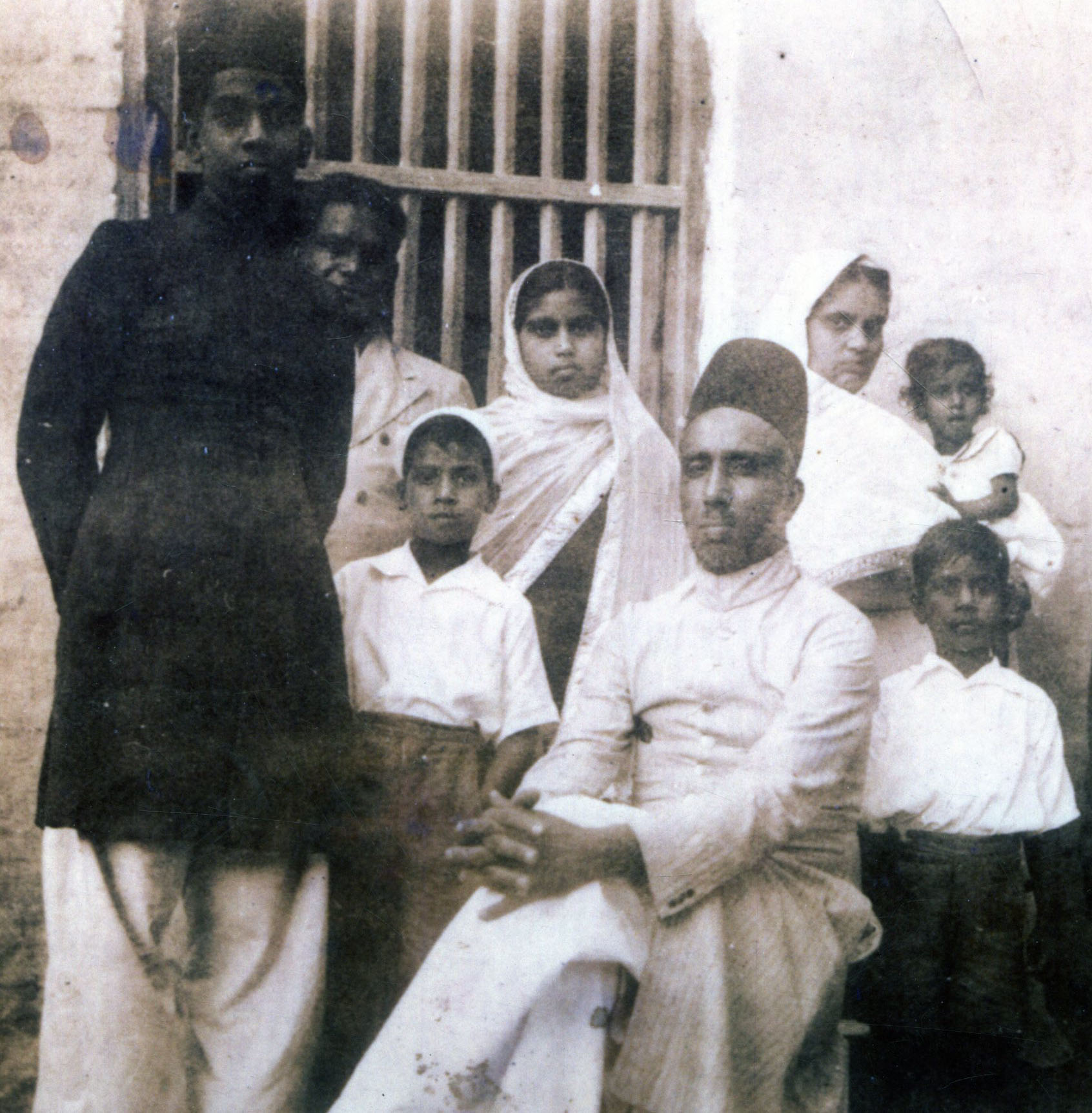
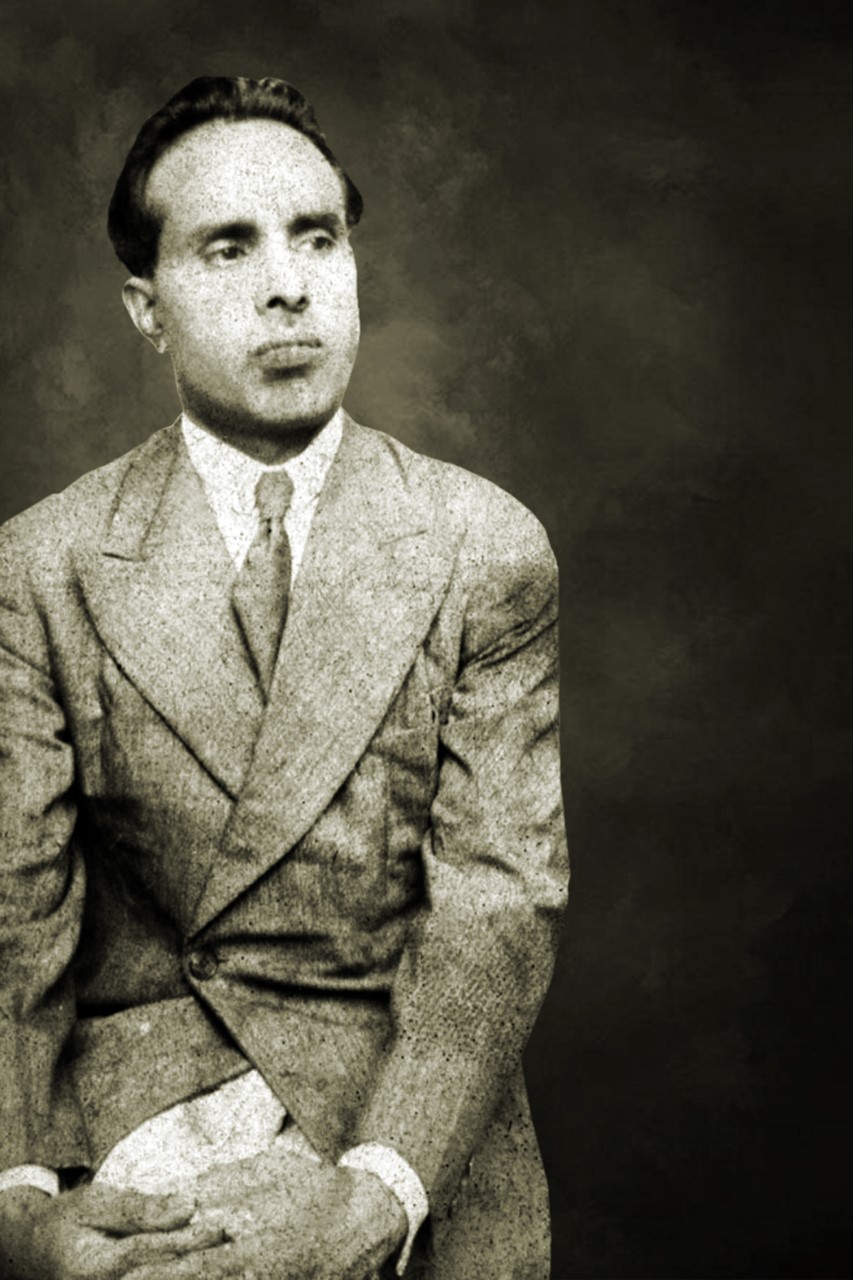
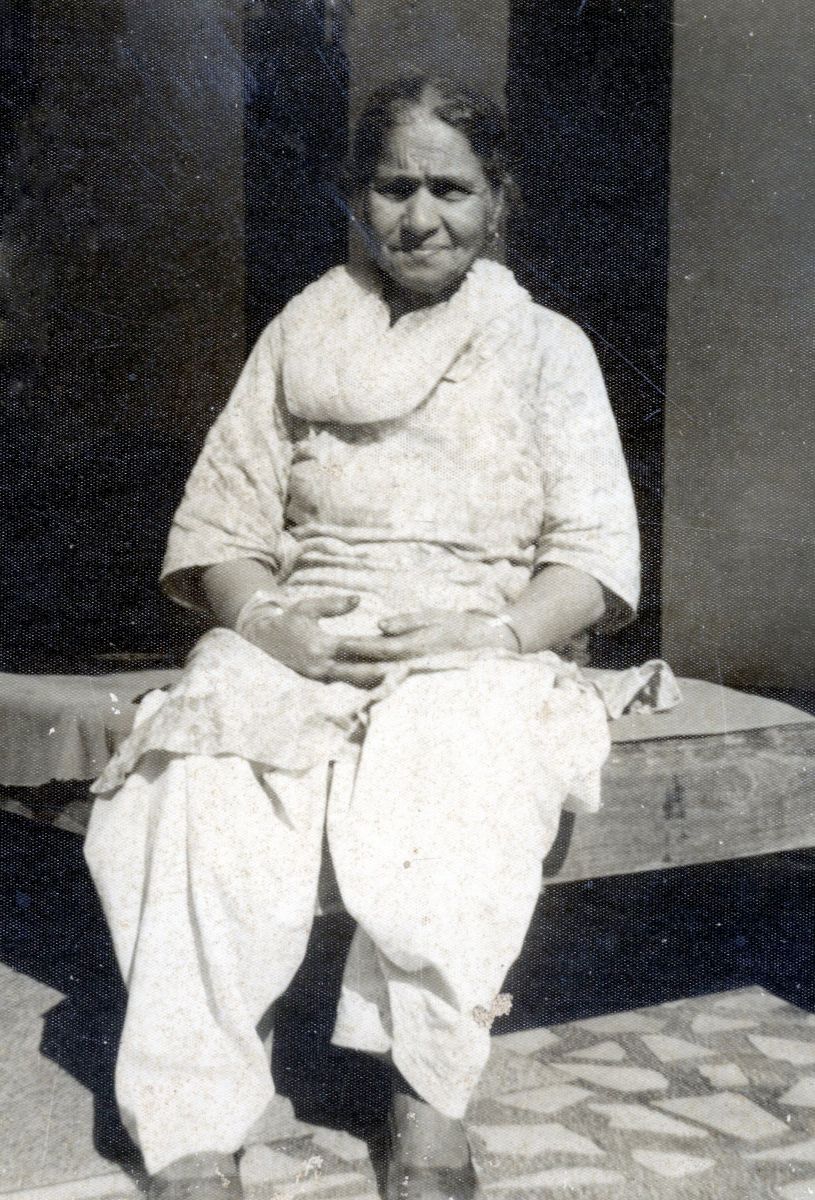
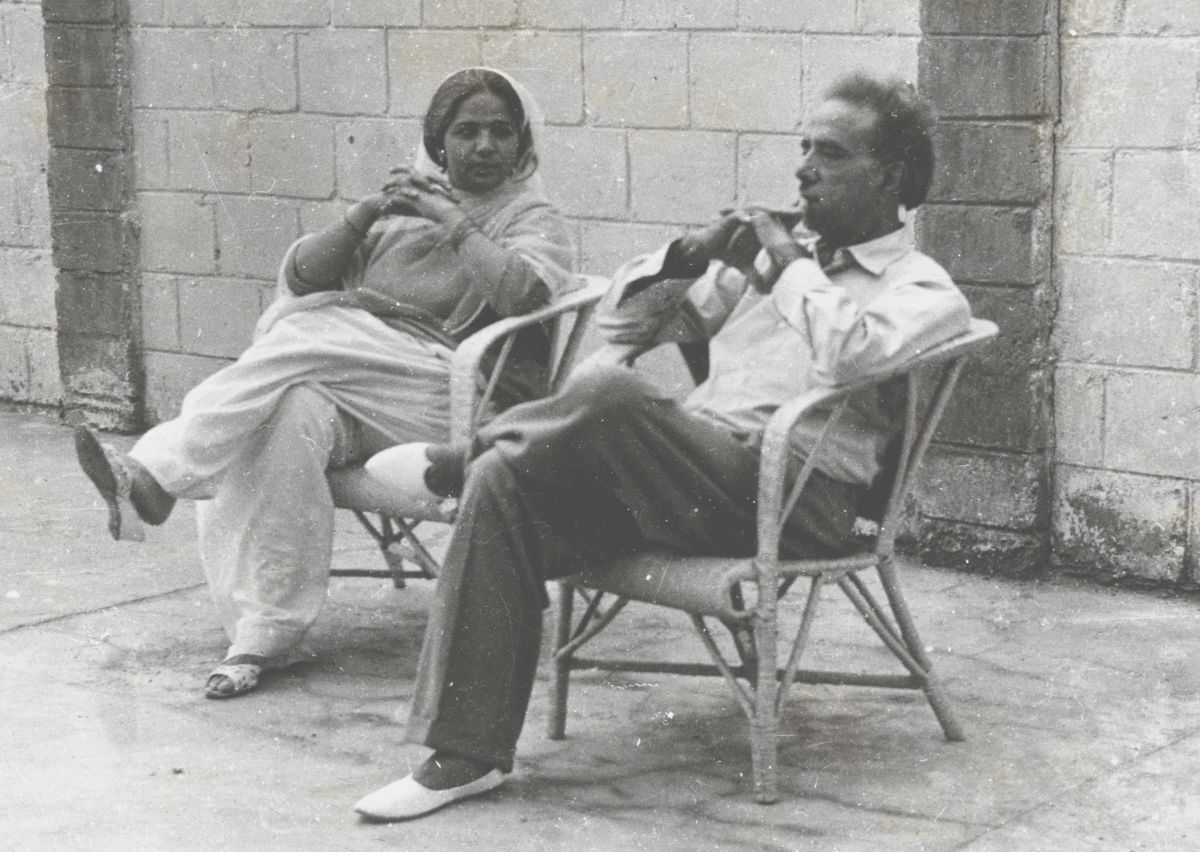
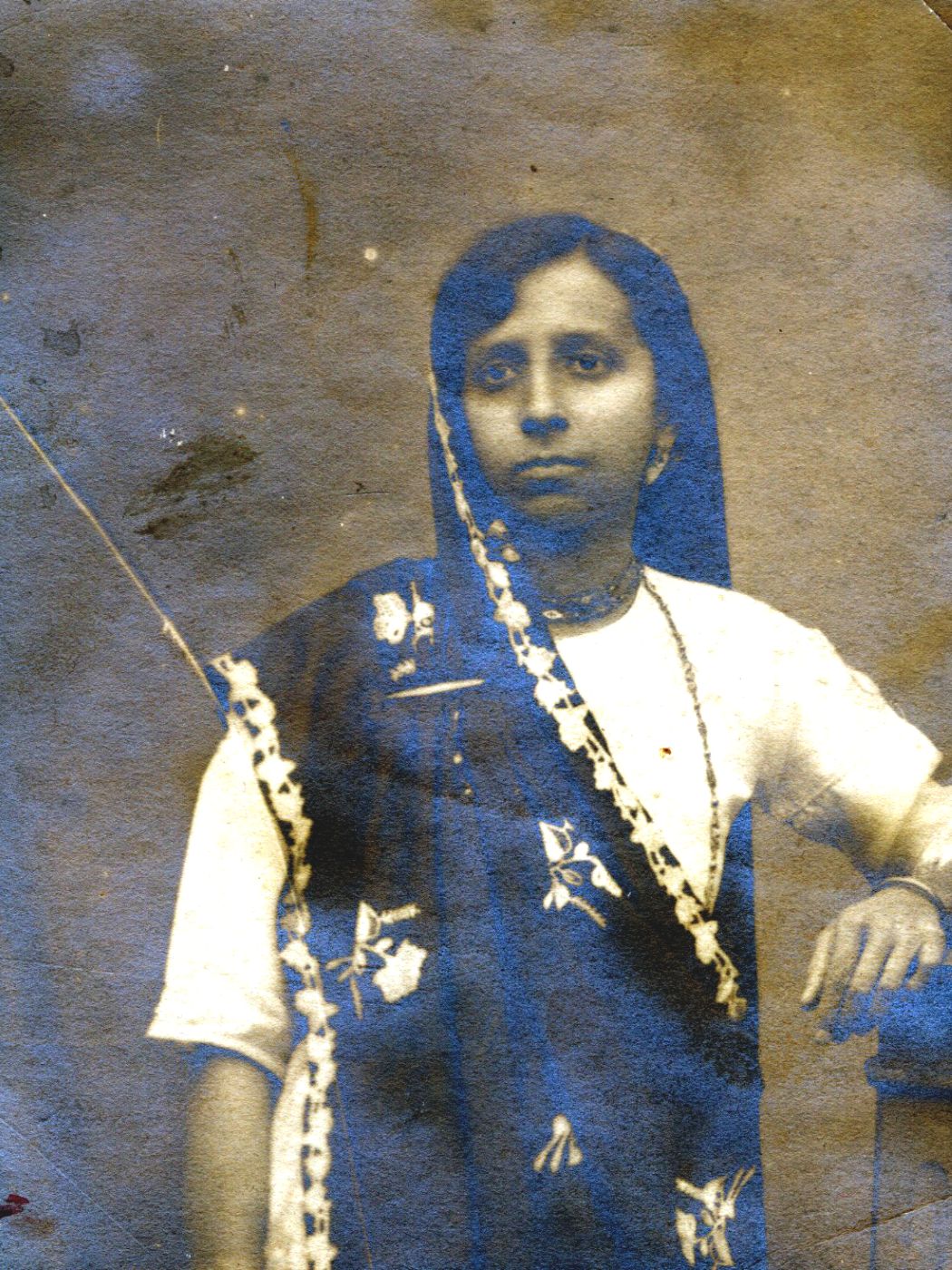
In the process his own personal life was ruined, as the wife was oriented towards grave worship of Sufis, and not caring for husband or his children. The elder Abdul Wahid Chughtai, who the father wanted to send to Aligarh, and to play in the National Cricket Team, absconded at all places, and let his father down. For the second son, he stepped up an exceptionally Printing Press, at a cost of Rs One and a half lakh (at that time phenomenal), and sent him to London to secure printing education. The son never went to the Printing School, and hardly came back, at least not for the press anyway. Eventually the FRONTAX machine and Kliminish camera was sold to Nisar Art Press Lahore. Another dream vanquished with time.
But that was not enough. Of all things M.A., Rahman Chughtai was blessed with a son in 1949. The object was to control the son, while the others in the family wanted to vanquish him from life itself. While on one hand he tirelessly fostered his grandchildren, with literal and financial help, he wanted to deprive the son from establishing himself in life. Hurdles were created against the education of the son. After matriculation, the stress was no more education. Same after Intermediate, actually maneuvering to fail the son. And after Bachelors, no more. The idea was floated to send me to Paris to learn about life. It was rumoured and put in the mind of the father that the son was a worthless student and had failed and was going to the university to fool everybody. Mind you I was striving for a gold medal with a first class first. Nobody understood the bullshit about this step. He left all of us penniless, even absconded with our Eid savings of many years. A car bought was immediately transferred to the name of his son Abdul Waheed Chughtai, with the Warris road address on it. He never wanted us to stand on our feet. And the moronic, low IQ grandchildren do not know these things to this day.
NO ON CARED FOR THE ARTISTS VISION OF HIS OWN MUSEUM
One thing is to be cleared right now. M.A. Rahman Chughtai preserved his works for his museum. Nobody understood the need for this at all. In fact in my view everybody was sabotaging the same. On the day the agreement for the Garden Block was being executed, the witness Dr M I D Chughtai told me that Abdur Raheem Chughtai was insisting that the agreement should go into his name. The artist refused same. So this youngest brother planned the destruction of the property by letting meaningless people to stay there, while loading the premises with his own worthless relatives. The son in law wrote a small note to me and slipped it under the door. Museums are made by Governments, not private people. If you have access to money, distribute it to your needy poor relatives like myself. A visionless low IQ response from an acutely greedy person.
I am Arif Rahman Chughtai. I am the son of the artist M.A. Rahman Chughtai. I have written a book FIFTY YEARS OF CHUGHTAI MUSEUM (NEST OF A PEACOCK). I have explained everything there. Here I can enumerate the attitude of the two brothers to myself, the direct descendant of the artist. After the death of my father, I visited the house of my uncle Dr Abdullah Chaghatai., His son literally turned me out of the house, with a statement do not come here again. After years of working on the Chughtai Museum project, in 1991, Abdur Raheem Chughtai wrote me a letter, disparaging my attempt and going to the idea, it is not for us to make the museum. His ambition now centered on his son Abdul Waheed Chughtai somehow the dream of him marrying Mussarat Chughtai, and moving himself into the Garden Town premises.
Let us get one thing straight. All the properties of Abdur Rahman Chughtai were made through the earnings of the artist, and the contribution of the two brothers is not literally but actually zero. Abdullah contributed nothing, not even his efforts. Abdur Raheem did contribute decades of work, but only to his advantage, and had control of all the finances of the artist. He lived in the best of times. He was also in the habit of forging documents as well as signatures. He even forged my own signature, to manufacture records. But to this day all the properties are clearly in the name of the artist, and inherited by his two children, Ms Mussarat Chughtai and Arif Rahman Chughtai. The documents are very clear on the owners. The unrest with the foolish grandchildren of the two brothers should subside by now. Nothing will prevail but the truth.OthersOthers are disturbed too. A waiter in Dubai, an Oxford student from UK, and an artist from Canada. Probably others too. They do not understand a simple fact that is PATERNAL not MATERNAL. Once we clear this hurdle, everything falls into place. More in future blogs. Till then this is protected land, stay away from it, and keep your dirty eyes elsewhere.
Awakening of consciousnessHe was unhappy with his children and his last hope his son let him down. Change of heart took place. He took me and my mother to various patawarisoffices and DC offices. Corrected things there on his own.And wheñ he had a heart attack he was shouting loud all day asking for our forgiveness.
I said do not worry we have forgiven you.
Our fight was not only external but internal too. External opposition remained all the time, but so did internal bickering, and saliva salivating with greed. Material gain blinded them to the grand legacy issue.
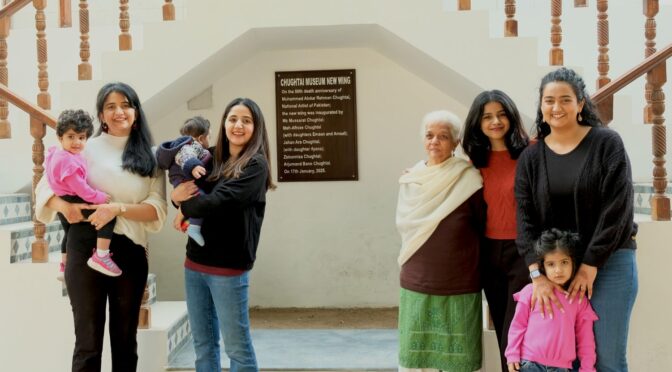
The museum was built and now it is for the next generation to take care of it. This includes Saffi Taher, son of Ms Mussarat Chughtai. And my four daughters, yes Mah Afroze Chughtai, Jahan Ara Chughtai, Zebunnisa Chughtai and Arjumand Bano Chughtai. The Property is heading towards a long term legal protection.
The idea of Pakistan is not a joke, the legacy of M.A, Rahman Chughtai is also not.Pakistan forever Chughtai museum forever.Efforts of Quaid Azan, Allama Iqbal and Abdur Rahman Chughtai will not go in vain.