
SHEIKH BASAWAN LAHORI AND HIS MOHALLA,
YES LAHORI PAINTERS SHINING ALL THE TIME
THE PEAK TIME UNDER AKBAR AND JAHANGEER,
BUT REVITALIZED BY ABDUR RAHMAN CHUGHTAI.
Allama Iqbal and Quaid e Azam were right all the time. This region emcompasses two nations, and unless both nations learn to live in peace, no progress in civilization can be made. There is no need for animosity. The Muslims have ruled Lahore for more than a thousand years, and engendered peaceful co existence. Only in case of revolt has things gone wrong. Then the enemy was crushed. The Sufis and saints brought equilibrium into society and millions were converted on their own.
We hear of the great musician Tan Sen and we know of his conversion and he lies buried in Gwalior to this day, and no one can prove otherwise. Similarly the great painter of Emperor Ustad Basawan had his mohalla in Lahore, where other painters flourished too. But he is remembered as Sheikh Basawan and that implication means that the great painter accepted conversion to Islam. The Mohalla of Sheikh Basawan exists to this day,adjacent to the lost Haveli of Raja Dina Nath, folklore remembers it as the Haveli of Ranjit Singh. And we the Chughtai family have a link to that too.
The birth of Abdur Rahman Chughtai in Lahore, signalled not only the birth of a great Muslim artist, but also engendered his love for making and affirming the aesthetic significance of the city, by revealing details of other artists and other works. For the first time he revealed to the world in his book on “Dabistan Lahore Musawari” that streets and Mohallas were named after artists. Yes other professions got their mohallas too, but Lahore stood acclaimed as a tradition of paintings throughout the years. In rapid succession a number of PHDs resulted on Lahore artists, credit goes to his insight. An English edition was planned and is on the anvil to this day. A student namely Mrs Kanwal Khalid got tremendous help from us in her research, and is coming here again for possible publication of her thesis. We cooperate all the time, but there are others who ask for help from us and then forget about the same. In any case all are on record. We did take out signed affidavits from them.
In that connection we published a book on the artist GAUR SUHAI, and told the world that the village of Nain Sukh near Shahdara is related to the artist Nainsukh. Many of the works of the artist have the seal of the first antique dealer of Lahore, Bahadur Shah of Mochi Gate. A long list of Muslim painters is there too. We will take out blogs on the ones which we have as represented in their works. We look forward to painters like Elia Naqash living adjacent to the Wazeer Khan Mosque in Lahore. So many works in the collection of world were made in Lahore and unrecognized as such. Our job to solidify Lahore for tomorrow.
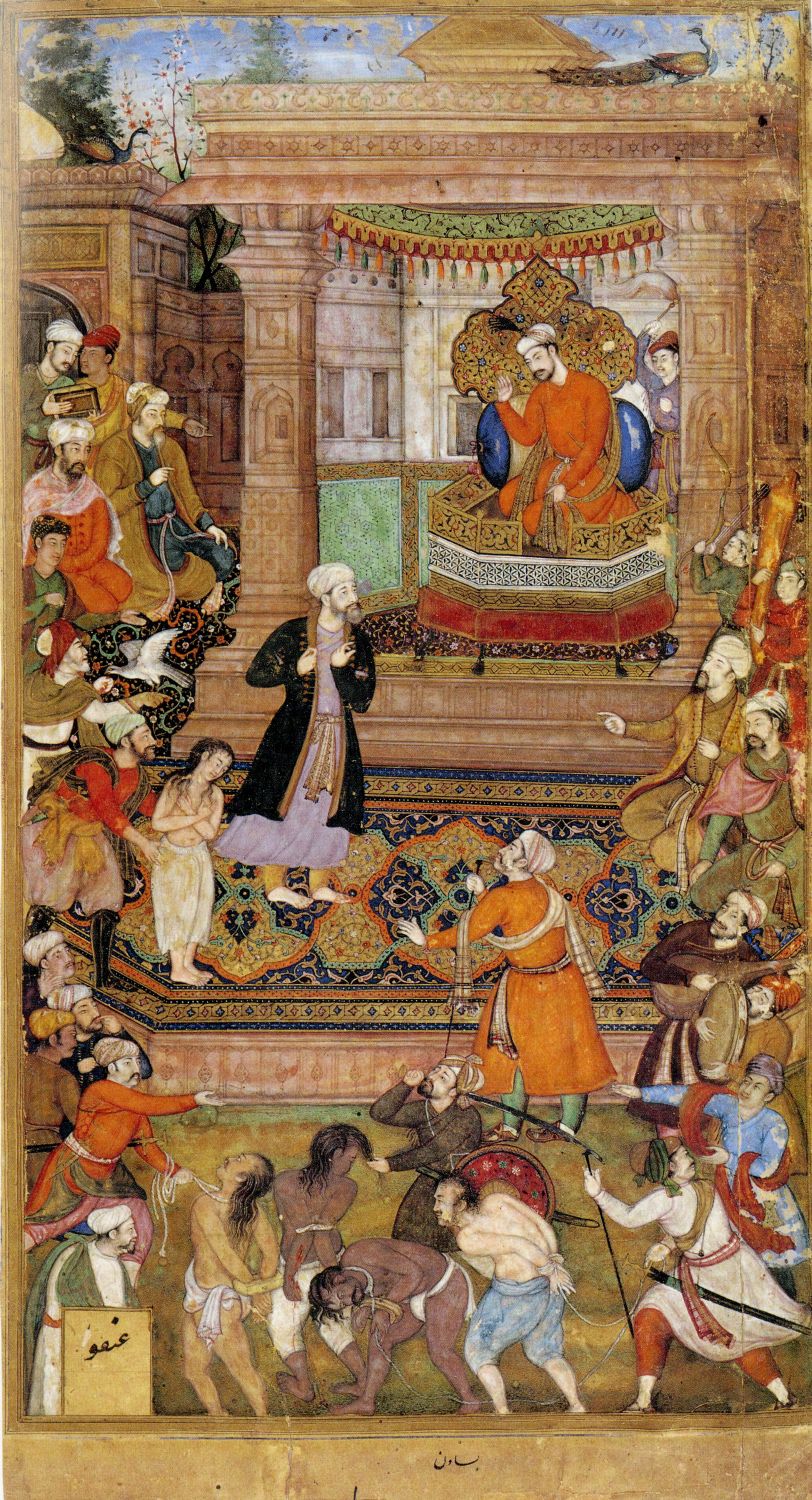
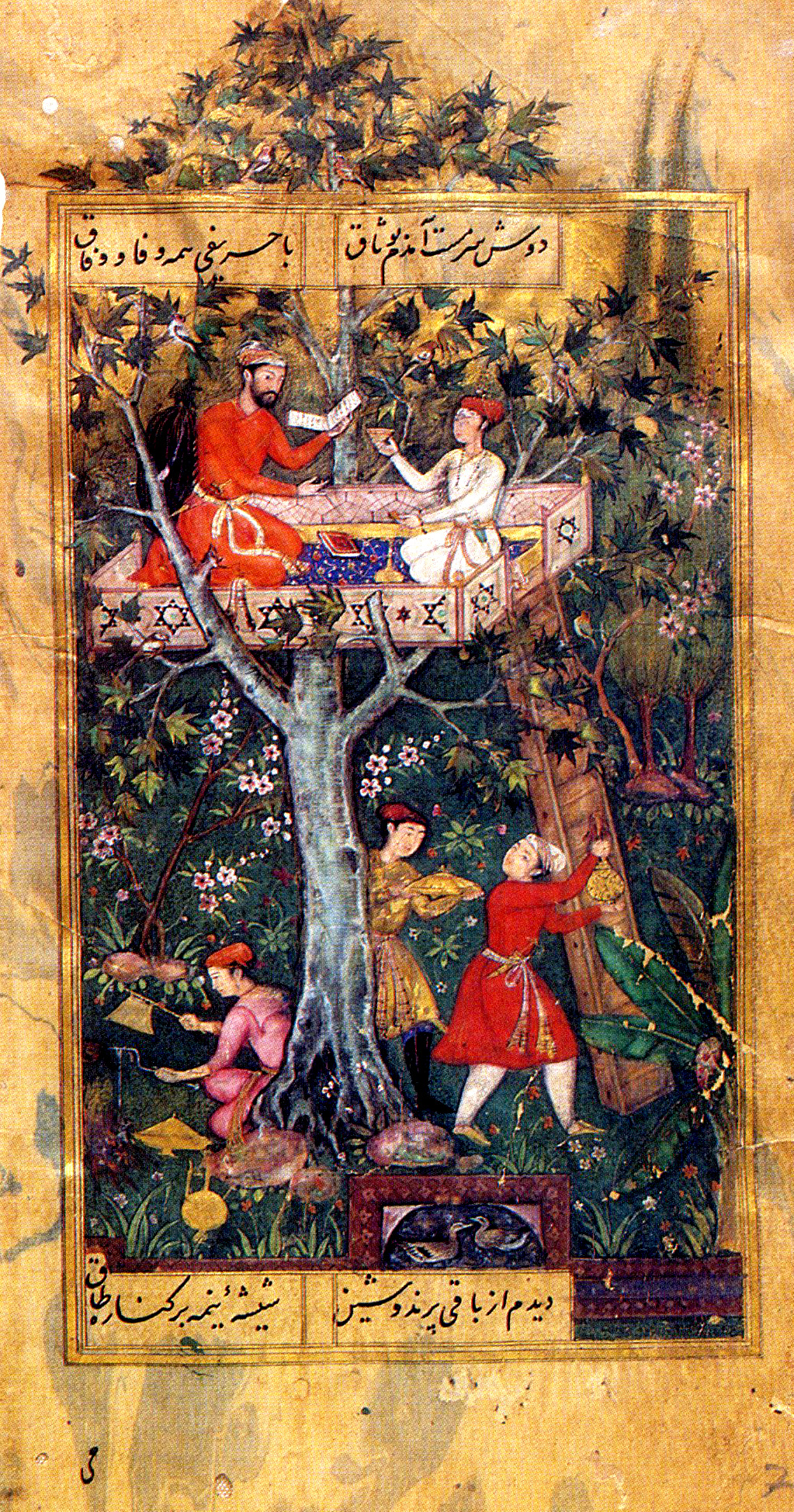
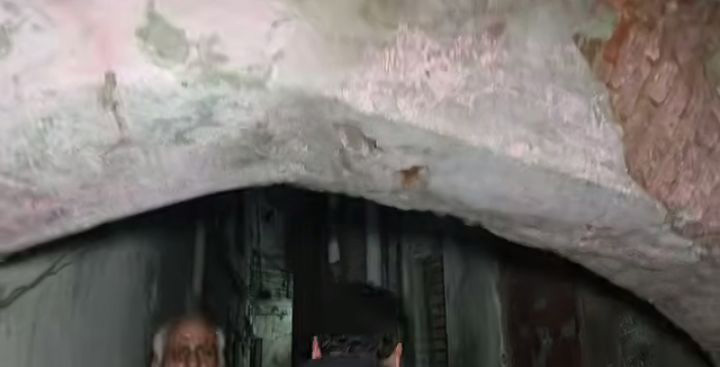
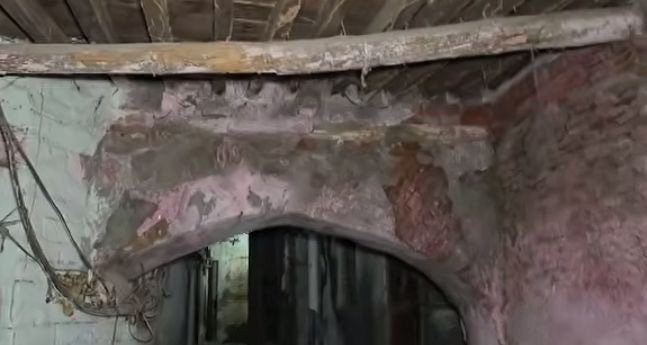
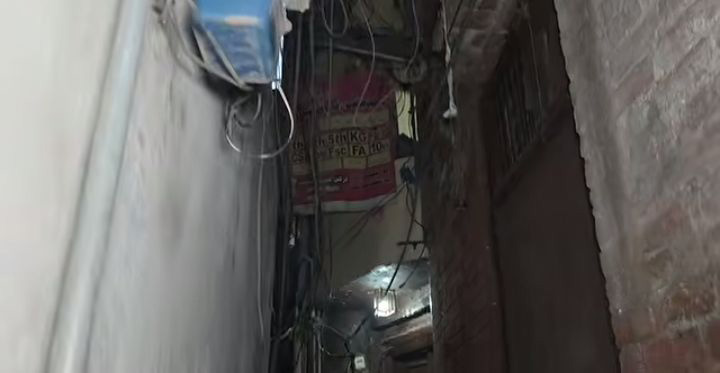
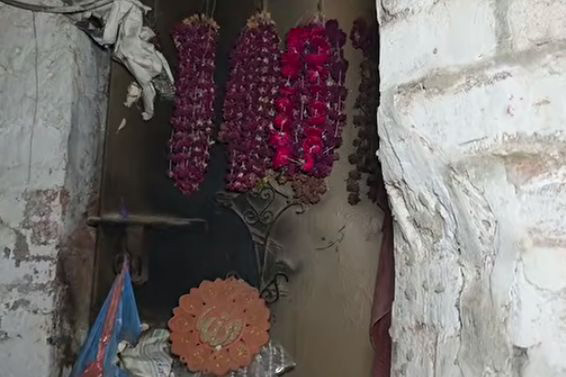
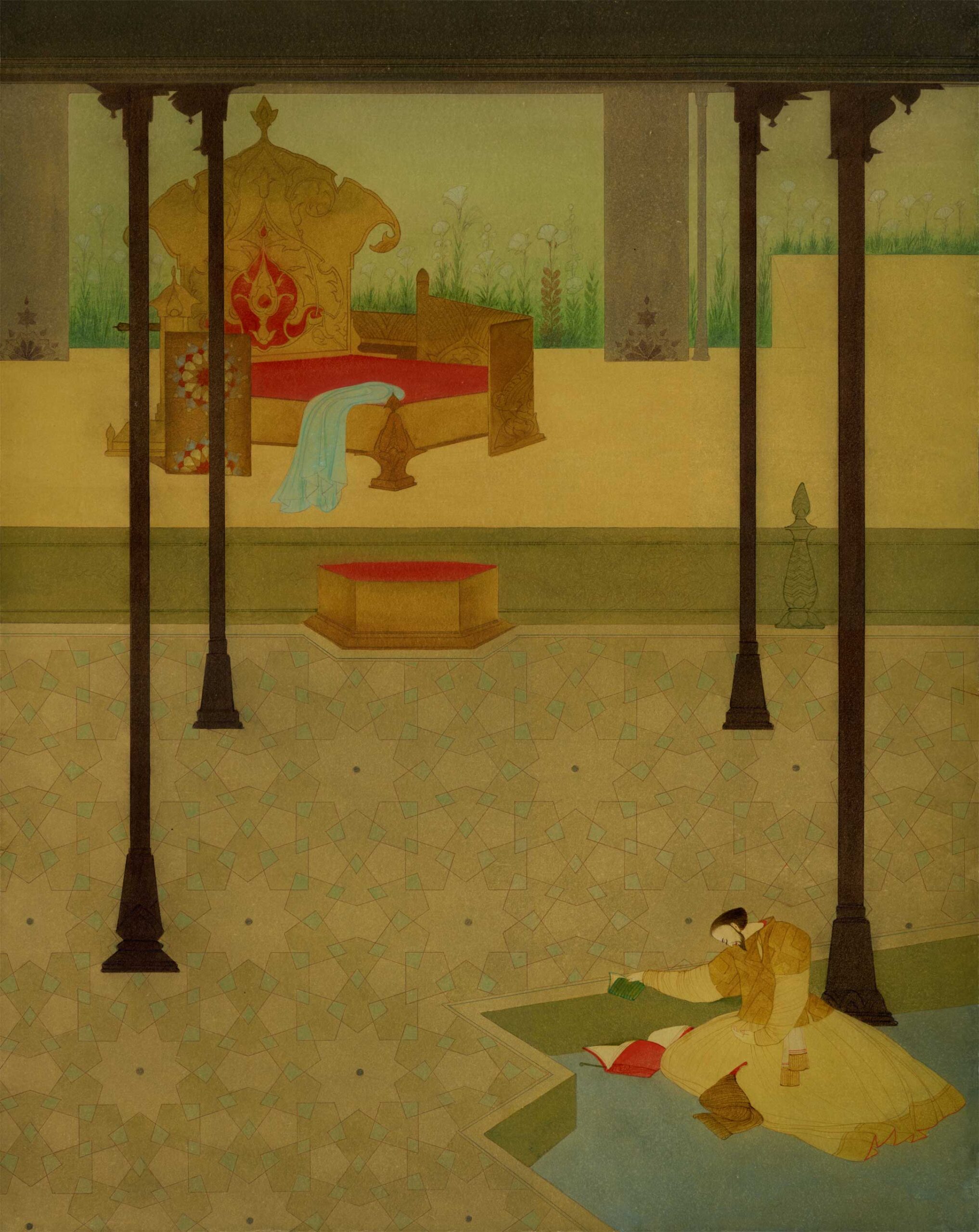
Here Abd al-Samad recruited painters of all types. It should not be forgotten that like other cities in the Indo region, Lahore already had a great tradition of painting and the Sultanate painting done here is a matter of record too. Here Khawaja Abd al-Samad recruited people like Basawan, who Abu Fazl praises to a great extent. Yes, Basawan was very much in Lahore and working here. The Historian Bayazid Biyat in his book ‘Mukhtasar’ mentions the presence of Khawaja Abd al-Samad in Lahore in 999 AH that is 1590 AD, although Akbar only left Lahore in 1598, 1599 AD. That means the Musavari khana continued to function in the city.
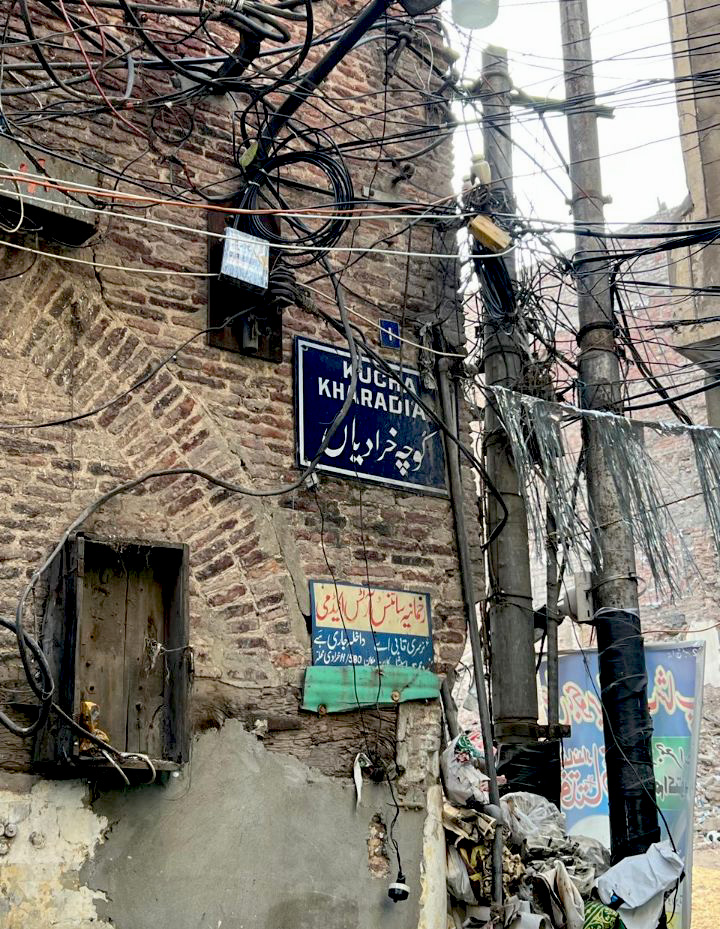
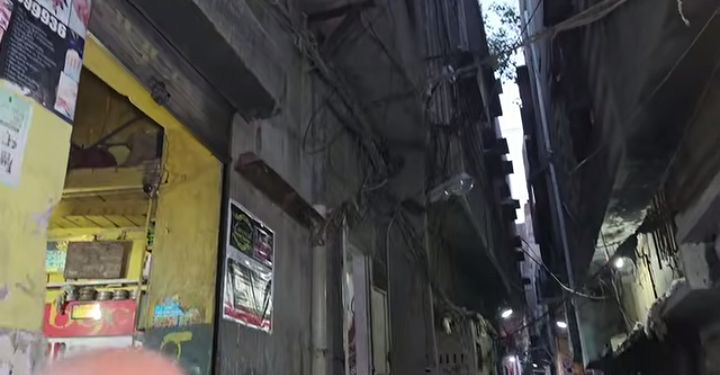
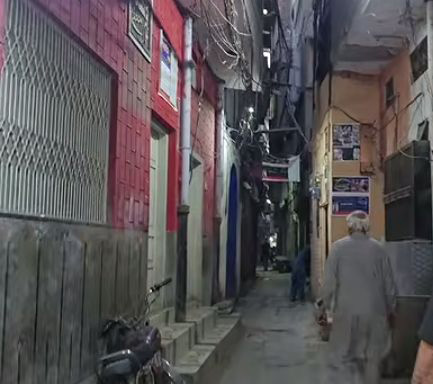
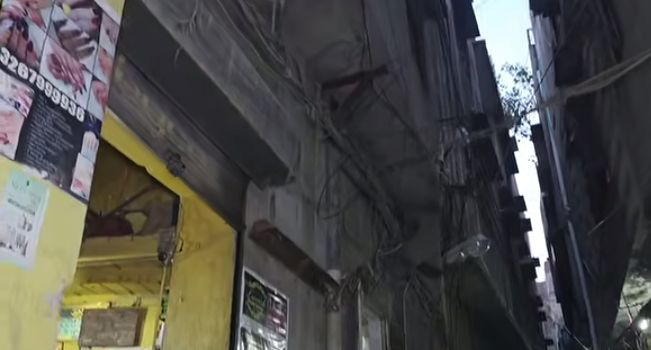
The artist Basawan was a gem of Lahore, and was active between 1560 A.D and 1600 A.D in Lahore. I used to see a blue sign board outside his lane, whenever we visited inside the city. That I think is no longer there. But his descendants still live there and I think they have no idea of the nature of Basawan. We do recall that his son Manohar committed suicide or something like that. Perhaps an issue of the conversion of his father. And a new mother in the house. It was high time to photograph the lane and put it on record. Enjoy a glimpse into the past of art activity in Lahore.
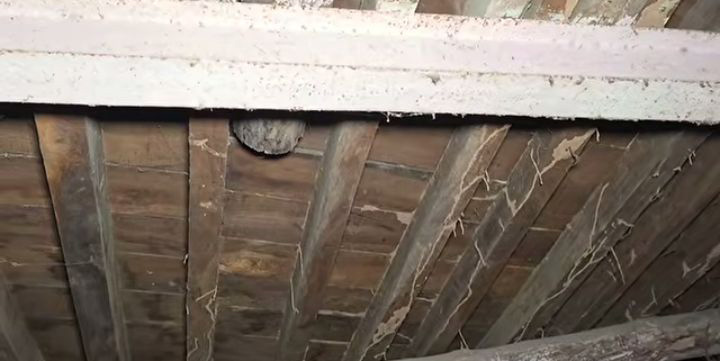
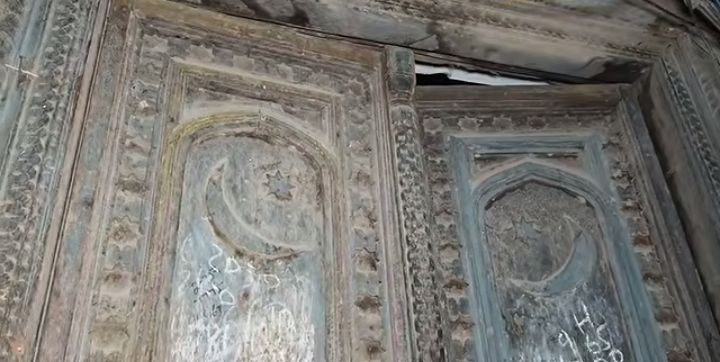
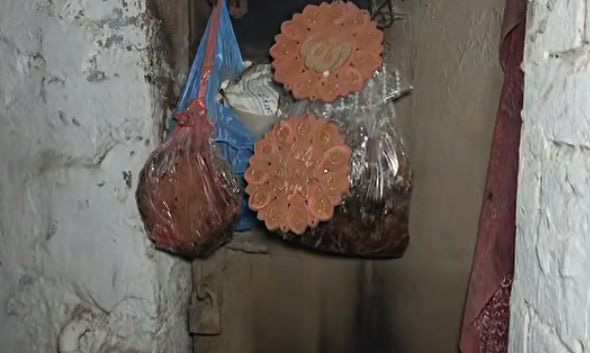
After the publication of “Dabistan” by ourselves, I visited Lahore to see various places of interest. I was not familiar so my guide was my uncle Abdur Raheem Chughtai. The Mohalla of Sheikh Basawan was still intact at that time. Now it is just ruins and starting with some shops. You obviously enter through Delhi Darwaza and head towards Kharadia Mohalla. That sign is still there. On the lanes left is the remains of Haveli of Raja Dina Nath, remembered today as the haveli of Ranjit Singh. Some shops at start and then darkness. Very slim lane, and at times covered with wooden roof. On the left an arch with a door can be seen. Then we pass through two arches. On the right is an old small well still functioning I think. Then the remains of a mosque possibly on the other side. The lane becomes tighter and tighter and the condition is frightening. Turn on the left is an old wooden door, but strangely in spite of old designs, it has a crescent and star on both panels. Possibly just 150 years old or something like that. The surroundings are sinister, more so for a claustrophobic person. One can only wonder about the time that Sheikh Basawan used to live here with other families or friends. Others in Lahore at that time were established as Nadeem Lahori, Ibraheem Kehar Lahori and Kalu Lahori., were new recruits. One can only wonder at the realm of time. Gumti Bazaar was full of painters. Kocha Naqashan in Lahori Mandi, and Mohalla Hafiz Rahmatullah in Chotta Mufti Baqir. Famous painter Imam Baksh, son of Pir Baksh was living in Kharadia Mohalla. Others working in Lahore Fort (the Gumti bazaar painters) used to return to their homes inside the city. History comes alive here. History of Lahore painters ever alive!