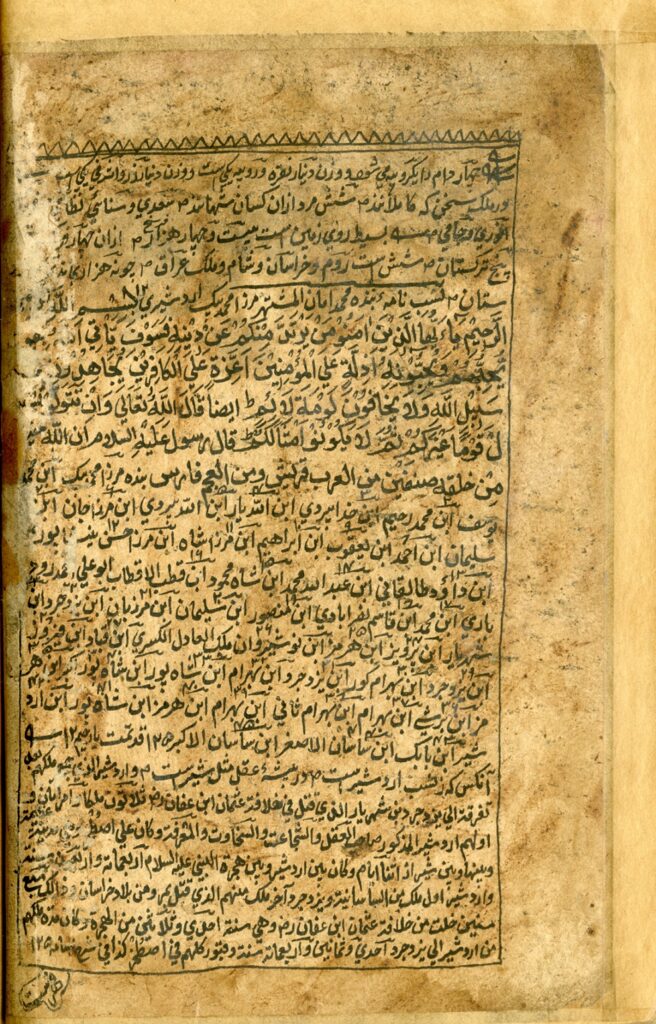
FORTY-FIVE GENERATIONS COUNTED BY A 17TH CENTURY SCHOLAR – MUHAMMED AMAN RELATIVE OF NURULLAH AHMAD SON OF AHMAD.
45 Generations
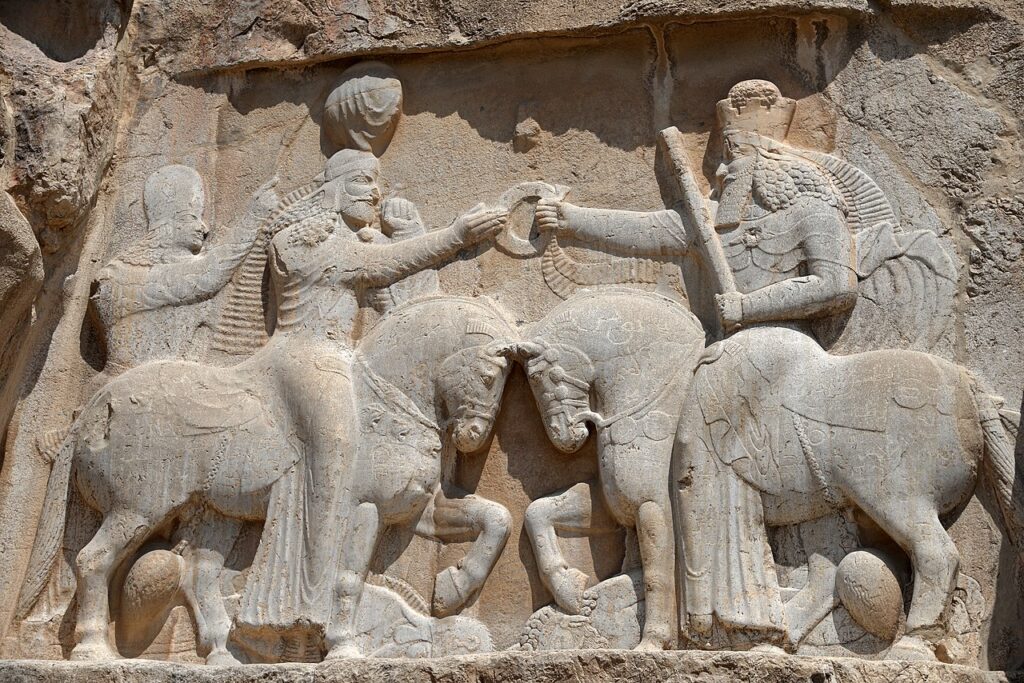
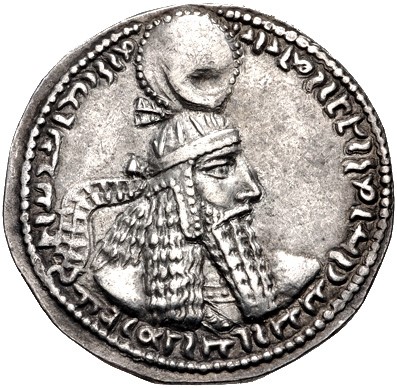
Ardashir King of Sassanids
Ardashir
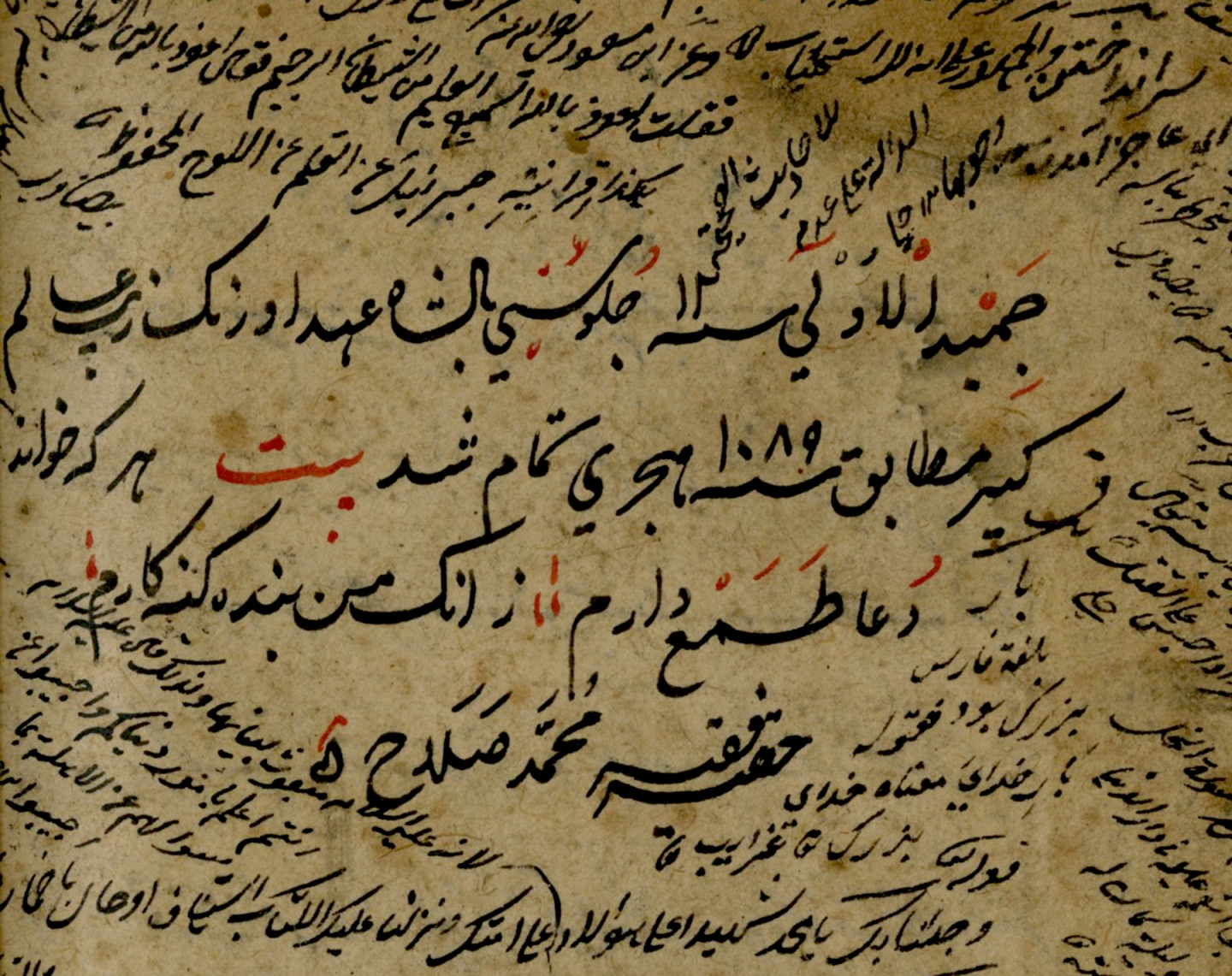
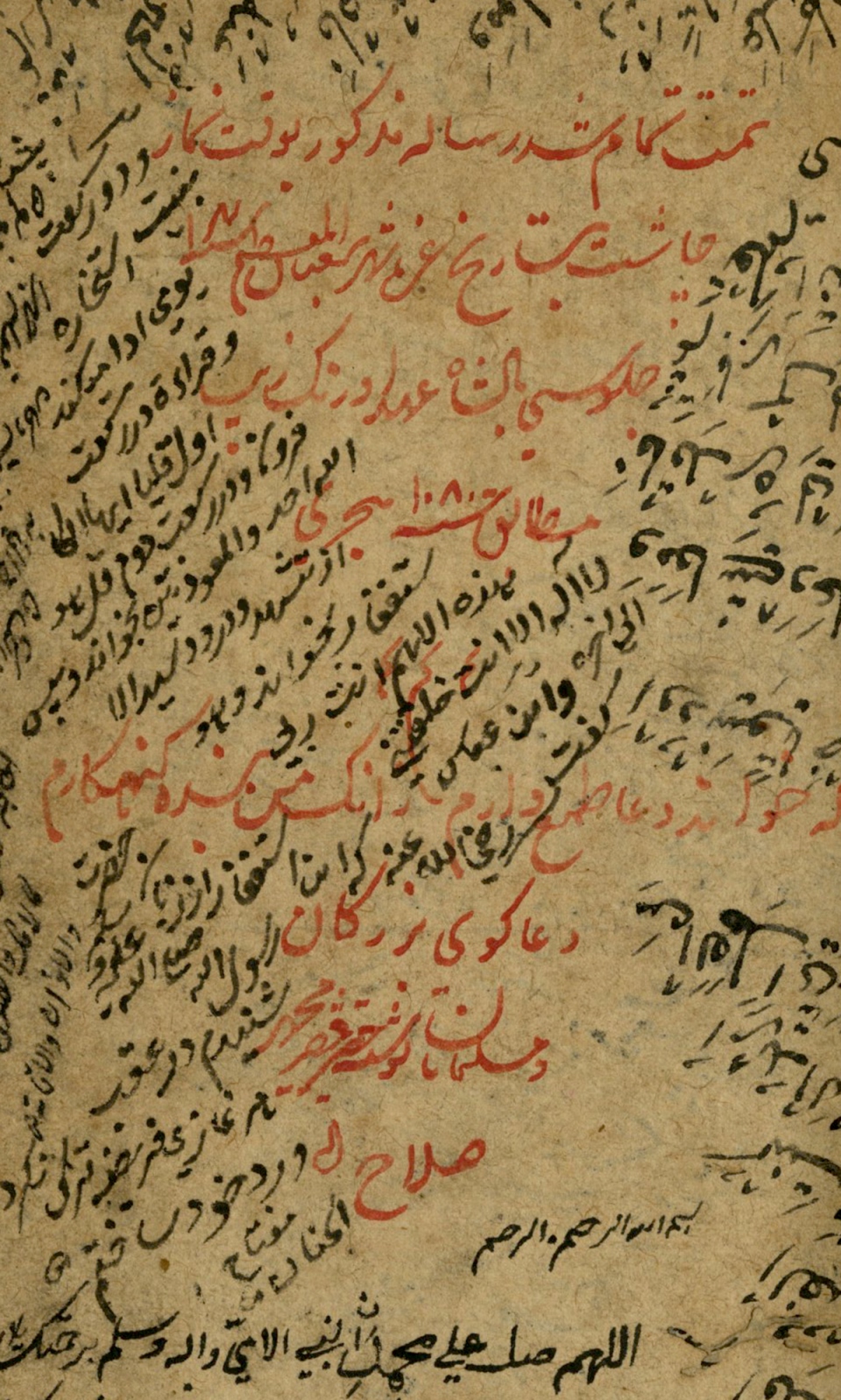
This copy of the Quran has fantastic history attached to it. We will discuss it in detail. But for the present we talk of the 45 generations of Muhammed Aman, who wrote this in 1107 AH, and traces his family tree right to the Shahenshah’s of the Sassanid empire. Some mistakes in copying perhaps occur in our reading. The generations are:
Muhammed Aman, al-Mashoor Mirza Muhammed Baig, son of Muhammed Yusuf, son of Muhammed Raheem, son of Khuda Parvee, son of Allah Yar, son of Allah Parvee, son of Mirza Jan, son of Sulaiman, son of Ahmad, son of Yaqub, son of Ibraheem, son of Mirza Shah, son of Mirza Ahsan Naishapuri, son of Daud Taghani, son of Abdullah Muhammed, son of Shah Mahmood, son of Qutbul Al-Khattab, Abu Ali hamd rooh bari, son of Muhammed, son of Qasim Nasrabadi, son of Mansoor, son of Sulaiman, son of Mirza Baan Yazjer, son of Shehryar, son of Pervaiz, son of Hormuz, son of Nasharwan, Malik ul Adil Al-Qasri, son of Qabad, son of Feroze, son of Yazjer, son of Bahram Core, son of Yazjer, son of Bahram, son of Shahpur, son of Shahpur Akbar, Abu Haar Hormuz, son of Purshi, son of Bahram, son of Bahram Saani, son of Bahram, son of Hormuz, son of Shahpur, son of Ardeshwar, son of Babak, son of Sassan Al-Asghar, son of Sassan Al-Akbar.
We have a stone relief of Ardeshir receiving kingship from Ahura Mazda, religious god of Zoroastrians.
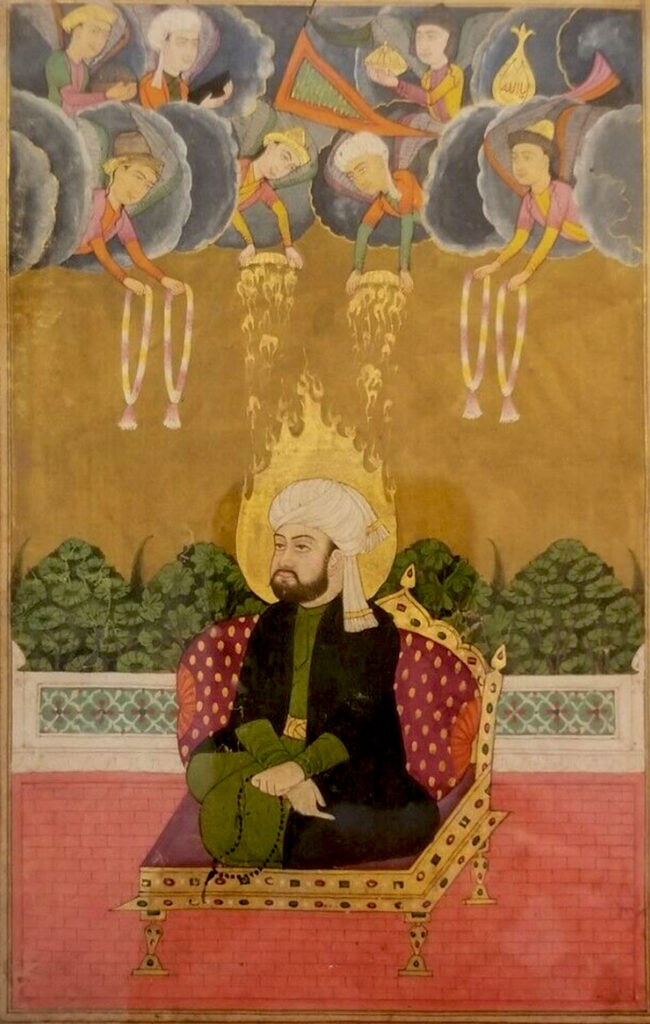
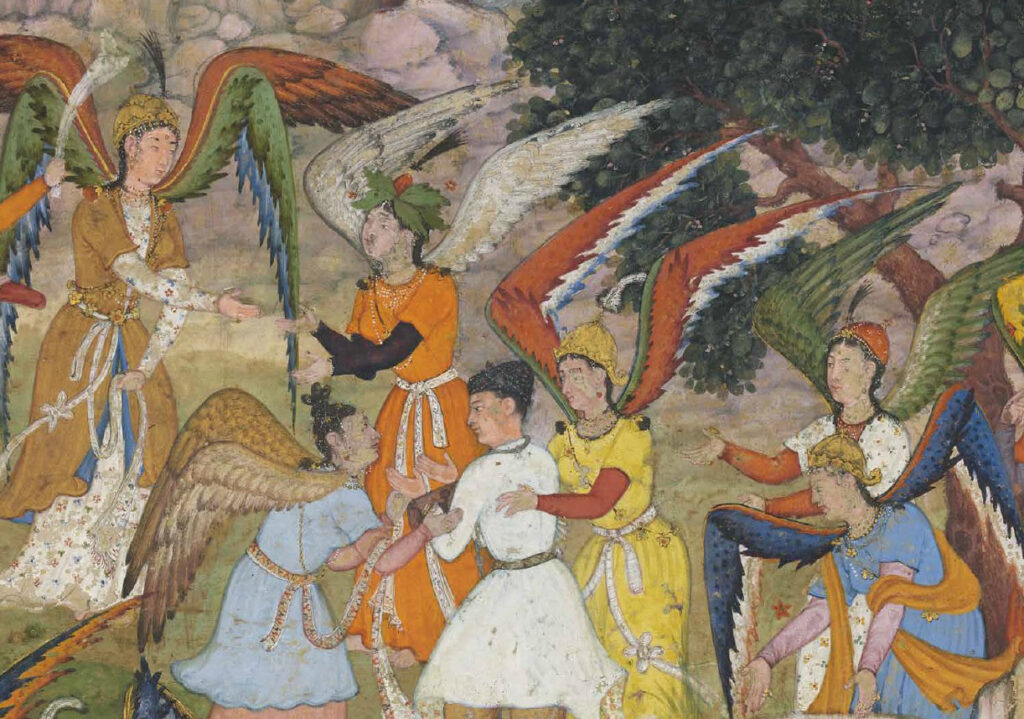
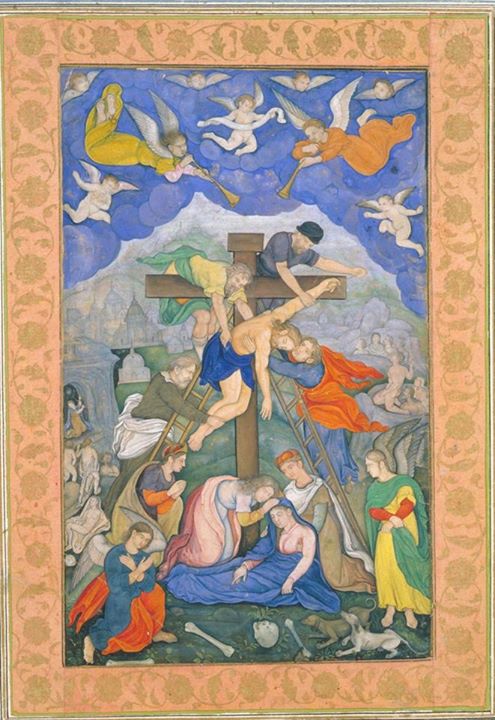
WEST OBSESSION WITH BABY ANGELIC CHERUBS DOES NOT FIT OUR CULTURE ALL ORIGINAL MINIATURES CARRY ANGELS AS FULLY GROWN MEN, WOMEN.
The West is so fond of belittling our traditions and making reckless claims of our painters being inspired by influx of western paintings in the region. Calculate the number of miniatures found here and calculate the number of foreign paintings discovered here, and factually it is a very small percentage. And many of these paintings are fake made by British bureaucrats or even dealers trying to impress foreigners in purchasing things. Here no one has the nerve to check compositions or even pigments, which they routinely check otherwise. A deep sense of inferiority complex prevailed with the western visitors here, when shown unbounded creativity here. We write about it all the time. Our students depending on scholarships abroad get carried away by the propaganda all the time.
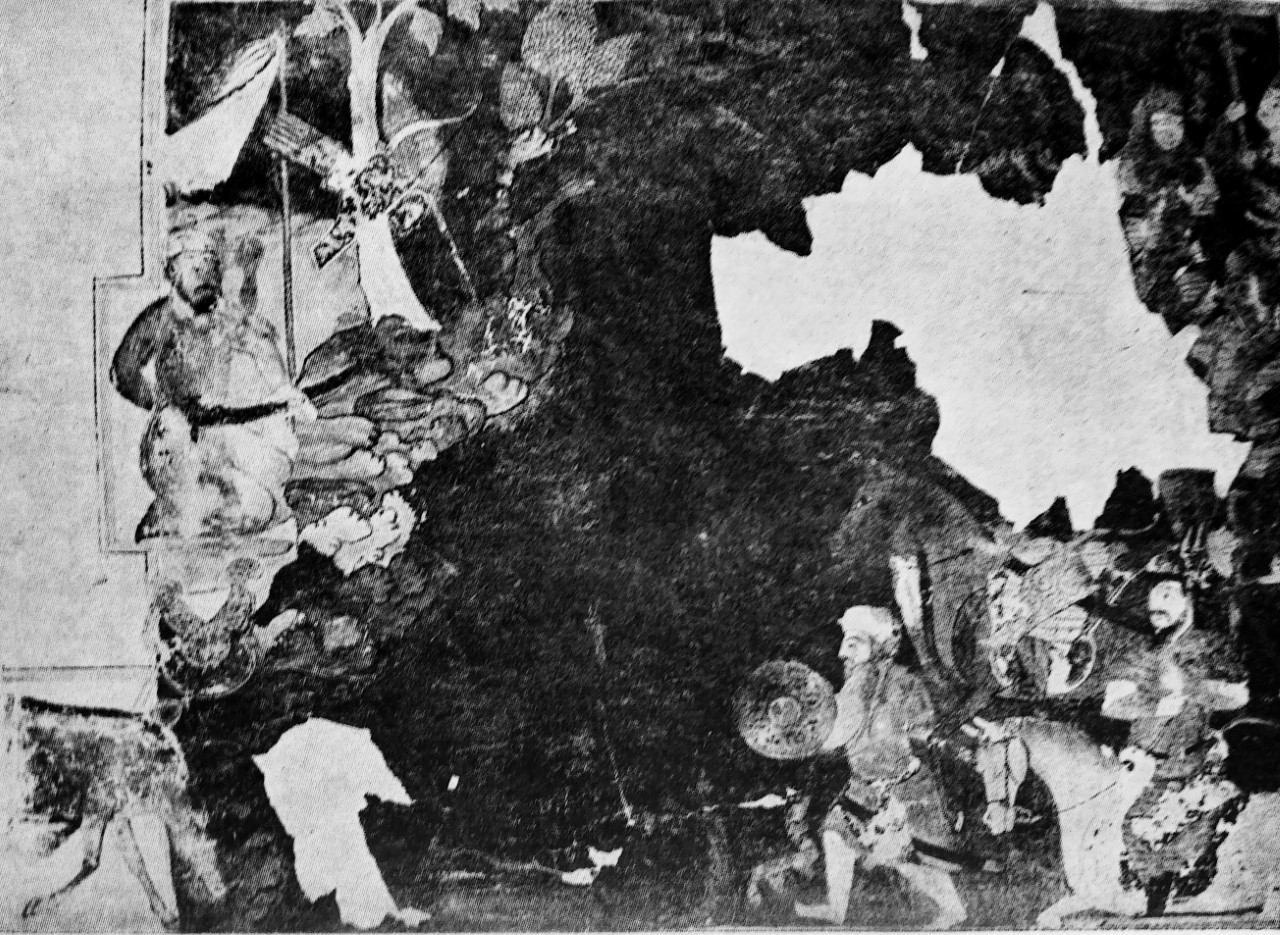
Holy figure with Angels in sky
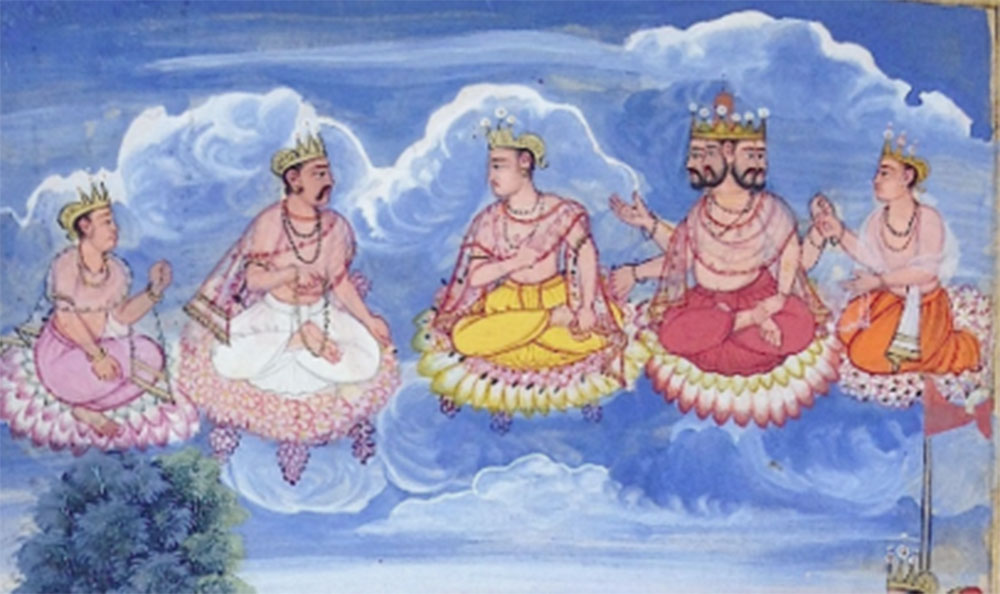
Hindu deities in clouds
Angels all around
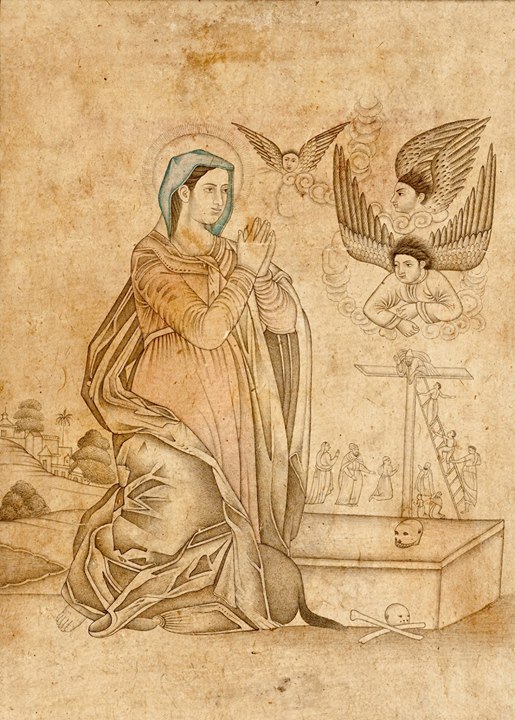
Rare depictions
Bijapur Angels
Gold Pinnacles stolen
Even original miniatures are distorted by inclusion of these naughty cherubs with no link to our culture. One can plainly see the unwanted hand adding these useless images to a fine painting. Distorting our history had led to massive distortion of our visual history. A bureaucracy which could steal the gold pinnacles of the Taj Mahal, and replace it with metal, could also imagine bringing down the Taj Mahal itself to sell its marble in auction in Italy. All this greed is on record. Replacing our architecture with their grotesque architecture to hide the identity of excellence. Monument after monument they brought to the ground to spite our traditions. In Lahore thousands of monuments were erased. And the injustice of separating the mausoleum of Nur Jahan and Jahangeer for a railway line. In Delhi the destruction of the mausoleum of Zebunnisa for the new Railway Station. They could have avoided but their hearts were full of rage. In quest of their three-piece suit, they relegated the Mughal dress to the peons at hotels, as we see even today. They called the lowest rank in the army as Lance-naik, simply for Tipu Sultan belonged to the Naik tribe. We have hundreds of these examples and it is better we remember them. Twisting history, values, and our imagery as routine jugglery for them. Embarrassing our rulers all the time and finding faults with them, forgetting that not getting a divorce, Henry the eighth could have Ann Boleyn beheaded to marry again. And then took the control of the Church himself. Pity the nation which takes the imagined past of others as their heroic background!
REMEMBERING ALA BEG TABREZI THE GREAT CALLIGRAPHER FROM TABREZ – AN UNKNOWN MANUSCRIPT IN THE LIBRARY ARCHIVES OF CHUGHTAI MUSEUM.
The researcher Daniel Zakrzewski writes about the famous calligrapher ALI BEG TABREZI and talks of a new source of information on calligraphers of Tabrez:
Concerned with the Sufi milieus of his native city, new source in question is a pilgrimage guide to the cemeteries of Tabriz and surrounding villages written by a local Sufi known as Ibn Karbalāʾī and completed in 975/1567.
However, the actual line of calligraphers did not continue through the son but through another student and relative of Shams al-Dīn Muḥammad Khaṭṭāṭ. This man was knowns as ʿAlī Beg Tabrīzī, a maternal grandson of his teacher and like his grandfather and several other preceding masters of the pen in Tabriz he maintained intimate ties to eminent local Sufis.
It is with none other than ʿAlī Beg that Ibn Karbalāʾī studied writing a little thereby linking himself to this great chain of calligraphers of Tabriz. The author of the local pilgrimage guide informs us that ʿAlī Beg died in 957/1550 and that he was buried in the tomb complex of his paternal grandfather. Unlike Shams al-Dīn Muḥammad Khaṭṭāṭ, this grandfather of ʿAlī Beg had no reputation for calligraphy and was more exclusively concerned with religious matters like Sufism. But the great chain of local calligraphers also went on through ʿAlī Beg Tabrīzī who did not only teach Ibn Karbalāʾī. A far more famous student of ʿAlī Beg was his maternal nephew ʿAlāʾ al-Dīn Muḥammad known as ʿAlāʾ Beg Tabrīzī who is introduced by Ibn Karbalāʾī as the leader of calligraphers of his time.
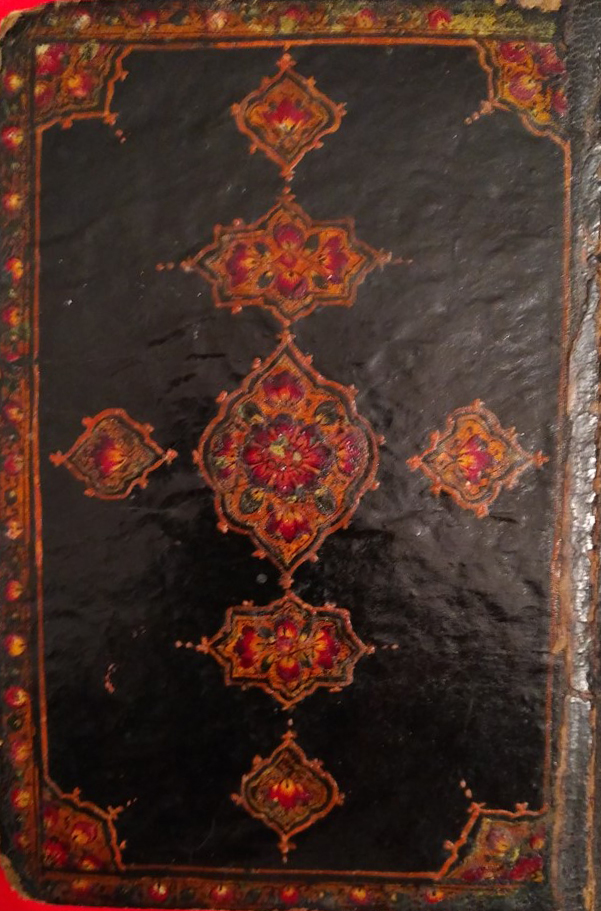
Binding
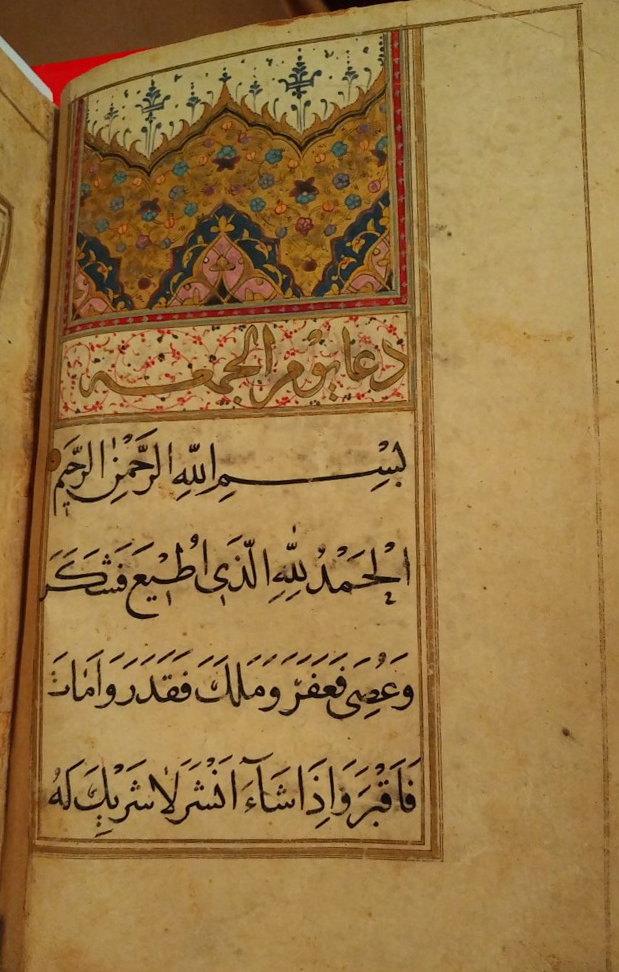
Page 1
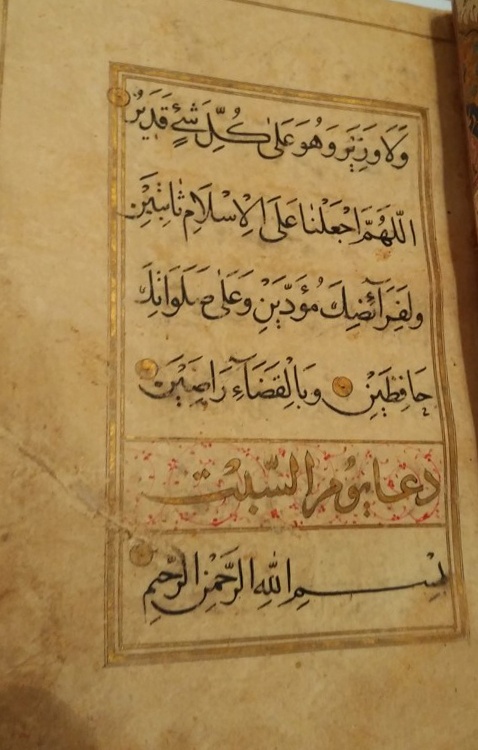
Page 2
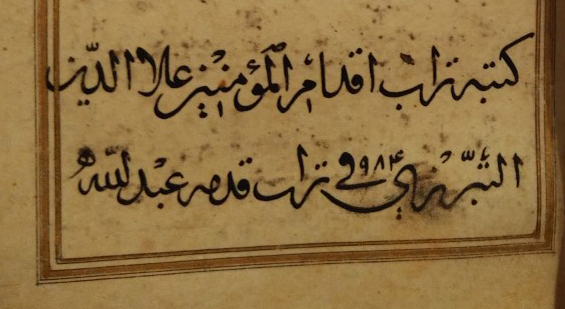
Autograph 984 AH
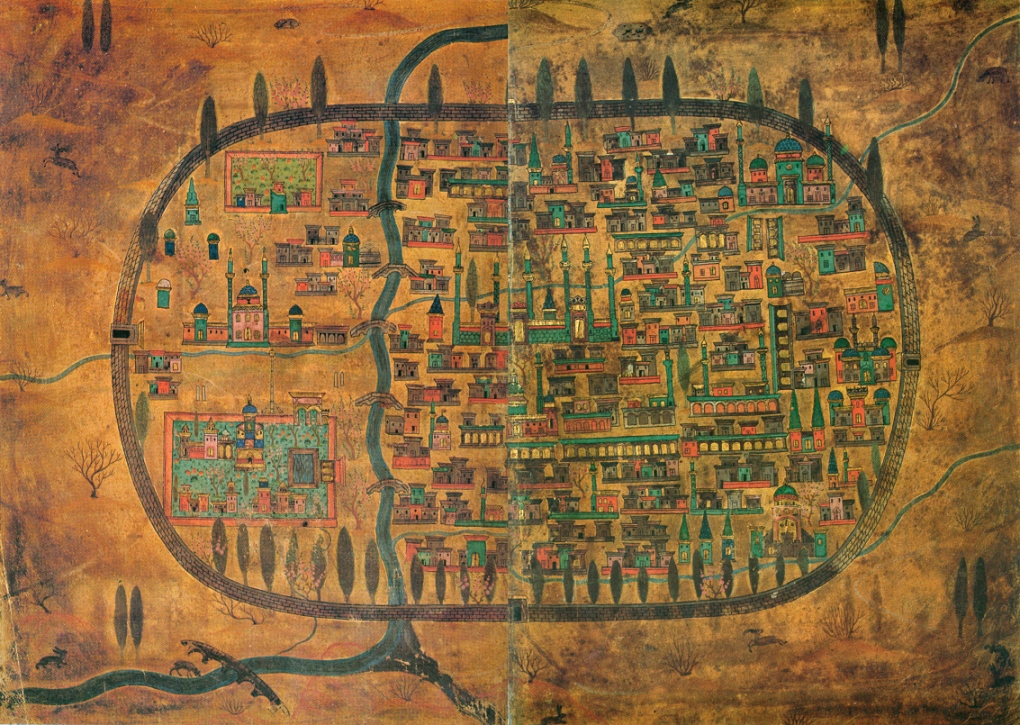
Tabrez map 16th century
Allauddin Muhammed alias Ali Beg Tabrizi was a Master calligrapher and many mosques and buildings in Tabriz carry inscriptions written by him. But actual calligraphic pieces on paper or in book form are rare indeed. We present a book from our archives written by him, and it shows his mastery over his subject. It is reputed that people met the calligrapher during a visit to the city in 988/1580–81 when ʿAlāʾ Beg had probably already reached an advanced age.
THE STORY OF JALAL UD DIN KHAWARAZM SHAHI AND SAID MITHA – A LAHORI CHAPTER 1219-1221 TO 1262 A.D ALIVE TO THIS DAY WELL
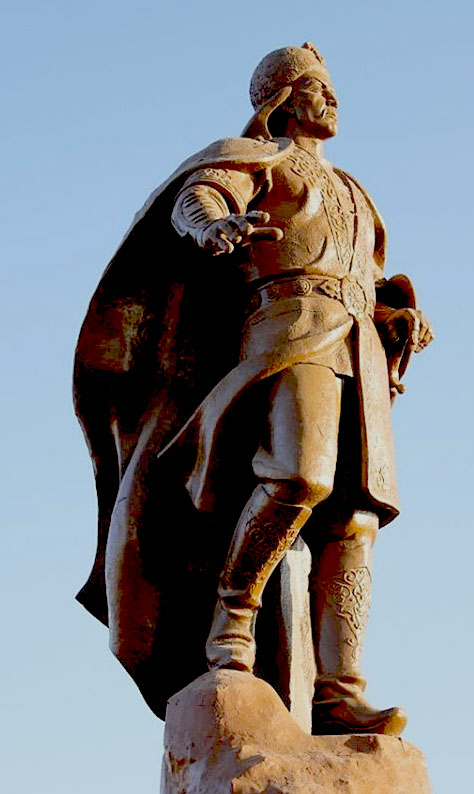
Jalaluddin Mingburnu
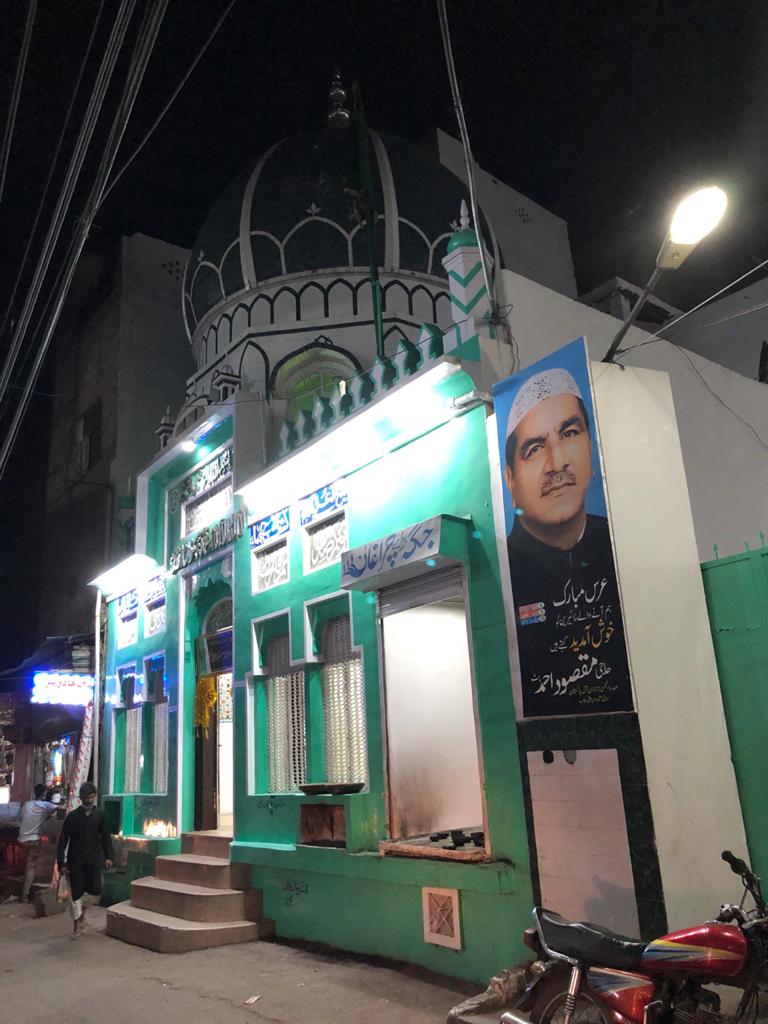
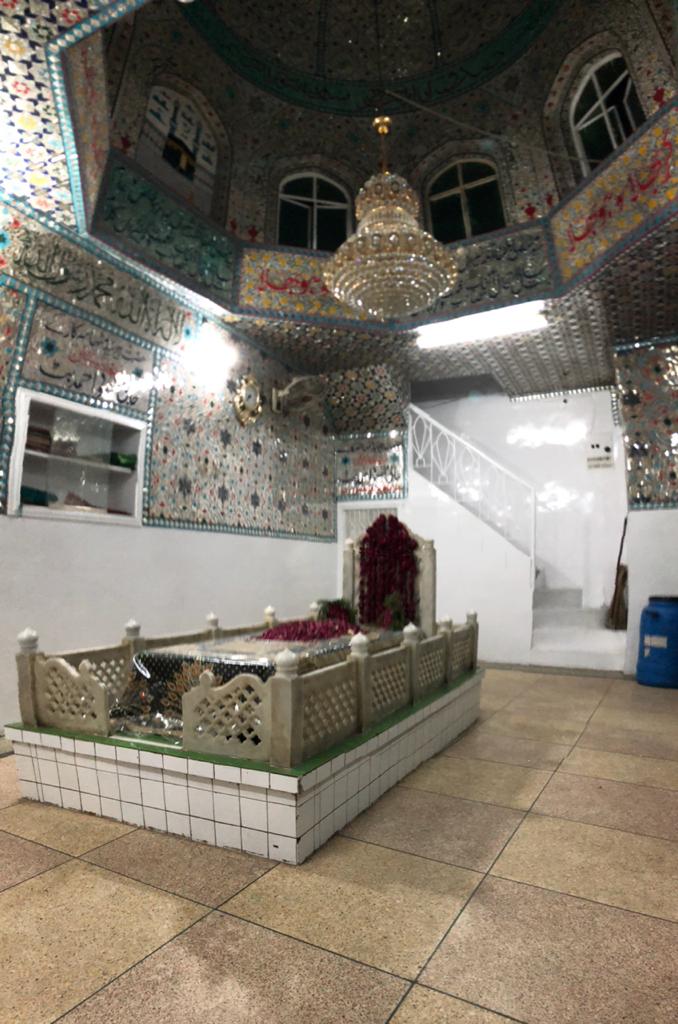
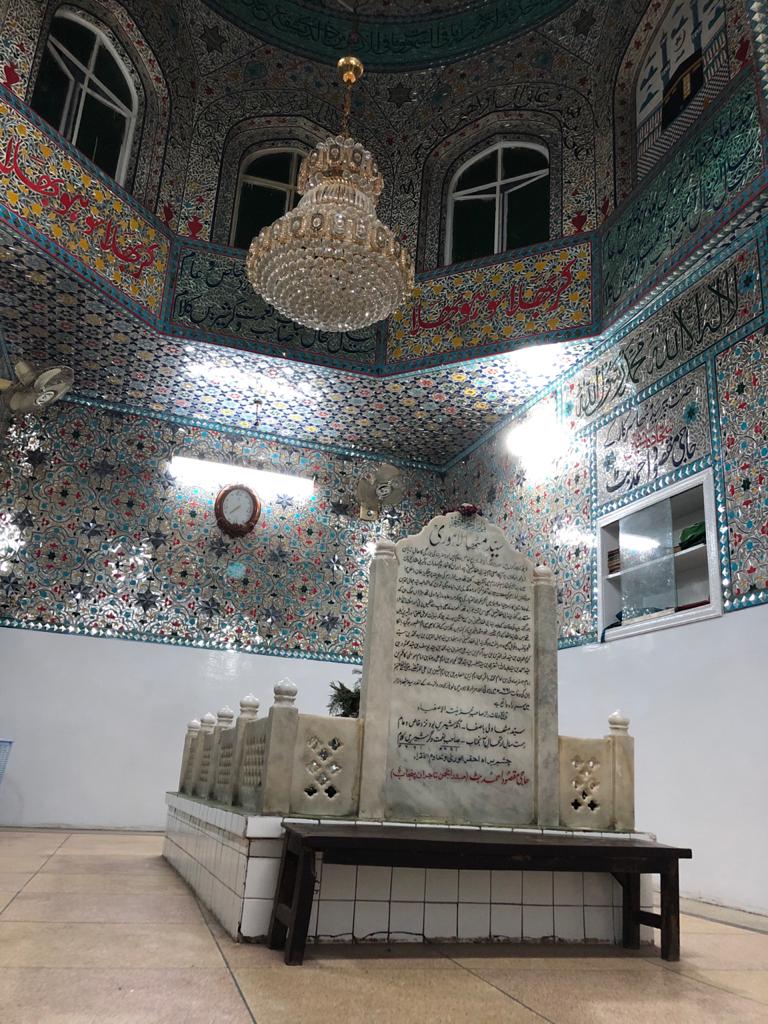
In 1206 Chengez Khan united the Mongols as one fighting force. Then there was no stopping them, as area by area fell under their might and spell. Khwarazm was no exception. The might of that empire crumpled. Sultan Muhammed with all his resources fled as refuge from his territory. His mother Terken Khatun was taken as a prisoner by Chengez Khan. His many sons too could not bear the brunt of the attack. Only one son Jalaluddin Khwarizmi stood against the might of the Mongols, but he too fled towards Hindustan. With him fled a Wali of Ghazni, namely Syed Jamaluddin Hussaini, and his young son Syed Moeenuddin Hussaini (Said Mitha). According to Mufti Ghulam Sarwar, Jalal uddin along with Wali Jamal uddin first came to Lahore, and then went to Delhi. Then Jalaluddin took the route towards Sind through river Indus. Jamaluddin with his son remained in Lahore. I think one hardly knows that the great hero Jalal uddin was in Lahore once upon a time. An area in Lahore contains the Mohalla of Said Mitha, his mazar, and at this time even a hospital named after him.
Said Mitha died in 661 A.H, that is 1262 AD. By Hijri standards it is almost 800 years, and by Christian year it is 759 years. If Said Mitha came here even as a teenager in 1219-1221, it is many centuries here. If he was twenty at that time, he would be around eighty at the time of his death. His ancestral tree is given by Mufti Ghulam Sarwar as, Said Mitha, son of Syed Jamal uddin, son of Syed Muhammed, son of Syed Kareem uddin, son of Syed Nur uddin, son of Syed Adam, son of Syed Ali Jaffer, son of Syed Muhammed, son of Syed Yusuf, son of Syed Mahmood, son of Syed Ahmad, son of Syed Abdullah Ashfaree, son of Jaffer, son of Syed Muhammed Al-Jawad, son of Imam Ali Raza, son of Imam Musa Kazim, son of Imam Jaffer Sadiq, son of Imam Muhammed Baqir, son of Imam Zainul Abedeen, son of Imam Hussain, son of Ali Murtaza. And the good people of Lahore remain under his spell centuries later, for his piety, message and the sweetness of his attitude towards people. Today sweets are distributed at his Mazar. People are crazy enough to believe anything.
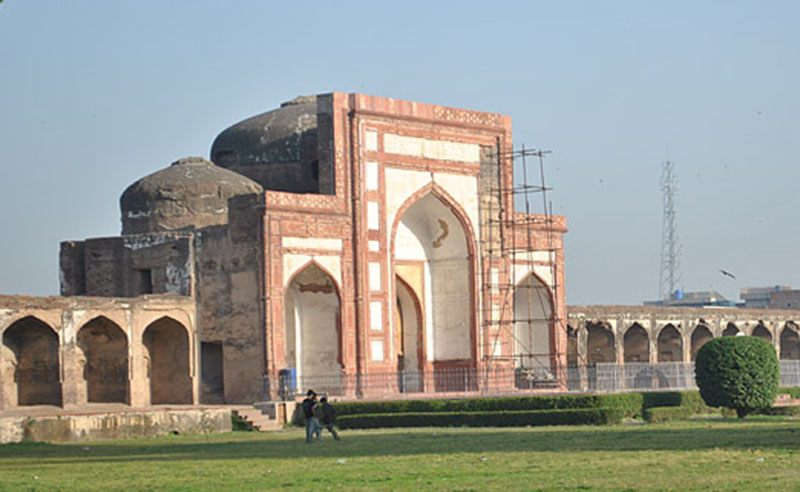
Outside view Said Mitha Maqbara
Said Mitha maqbara
Another view Said Mitha maqbara
Around 1977 we visited the Mohalla of Said Mitha, in searching of ancient markers. The Mazar was in a room of a small lane, locked from outside, and we really could not judge its construction. In a lane nearby, we saw ancient wood work of Sultanate period, which were bought by Ahmad, an antique dealer of Lahore. We also saw ancient balconies, with parrots carved on them in the bazaar. Or perhaps peacocks. The politicians took over the Mazar later, and had it totally reconstructed on modern lines. But the structure still speaks of ancient construction. More probably Mughal times, but could be earlier. No photograph seems to be available, not even the Mazar in its present condition. We had it photographed for the internet. But certainly, eventually we may be able to trace its original condition. Our people love fantasy, not history. And spinning tales about Mazars, Sufis and Sarkars is national hobby. Some of these places in Lahore are really old, like Mazar of Ahmad Tokhta Tirmizi, Mazar of Salahuddin Hussain Balkhi in Kashmeeri Bazaar, and Ganj Shaheedah etc. Most with Mongol memories attached to them. Vague memories are replaced by fresh ideas of charlatans. And ends with financial exploitation of the innocent and naive citizens. No one advises the people to go back to the Quran, and do not seek solace in contrived ideas, of no historical worth. All Sufis are dead, only the Quran is the living thing. Rejoice in the Quran!
MEMORIES OF SCHOOL DAYS AT RAILWAY TECHNICAL SCHOOL – PAGES FROM AUTOBIOGRAPHY OF M.A. RAHMAN CHUGHTAI
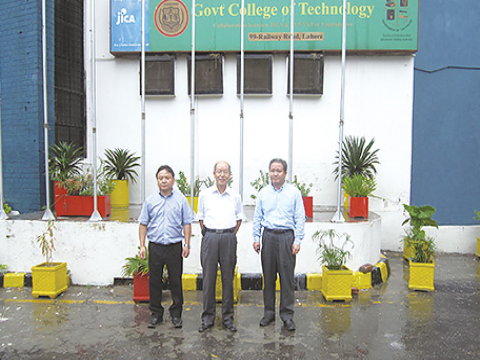
New situation Railway Technical School
Govt College Of Technology Railway Road Lahore
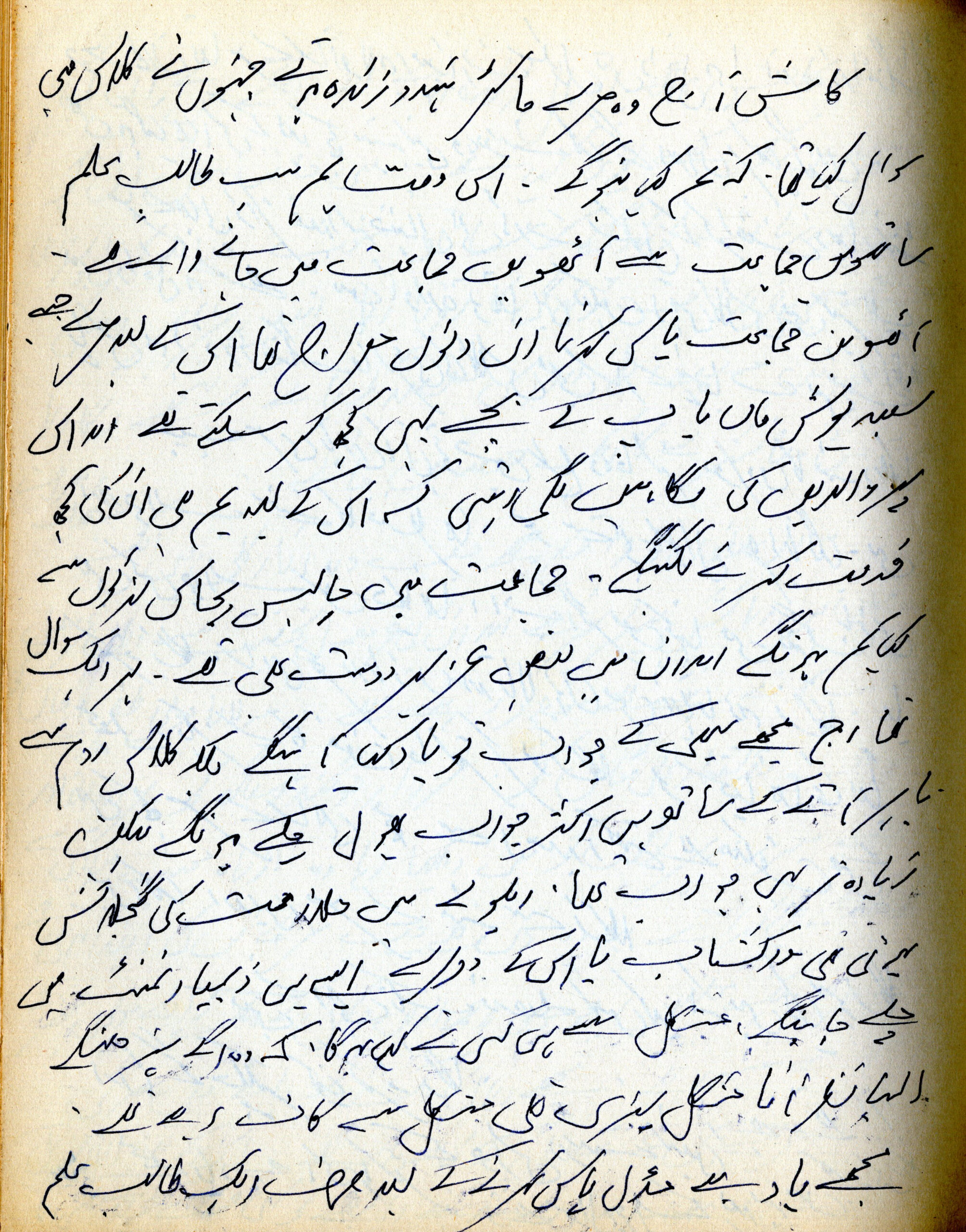
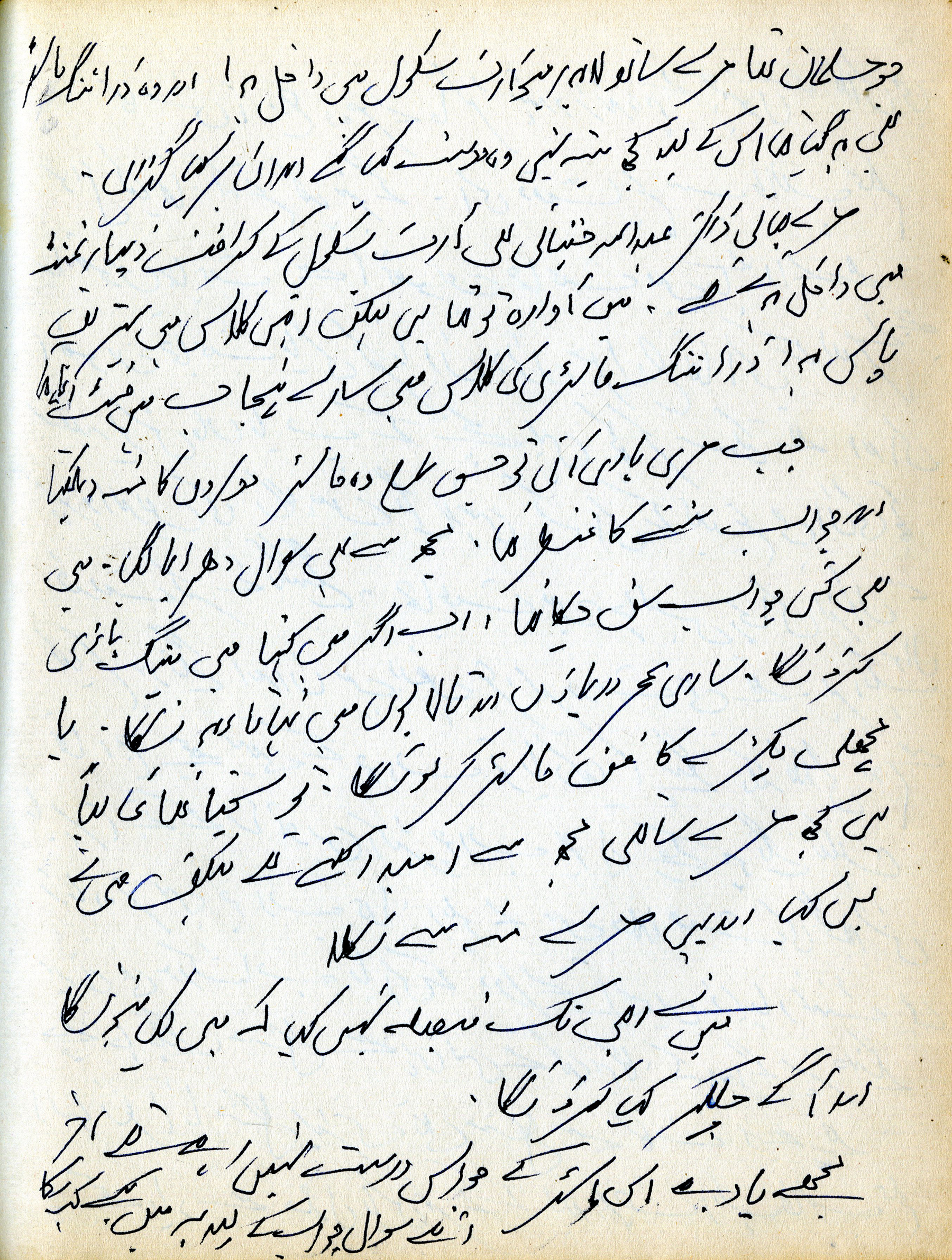
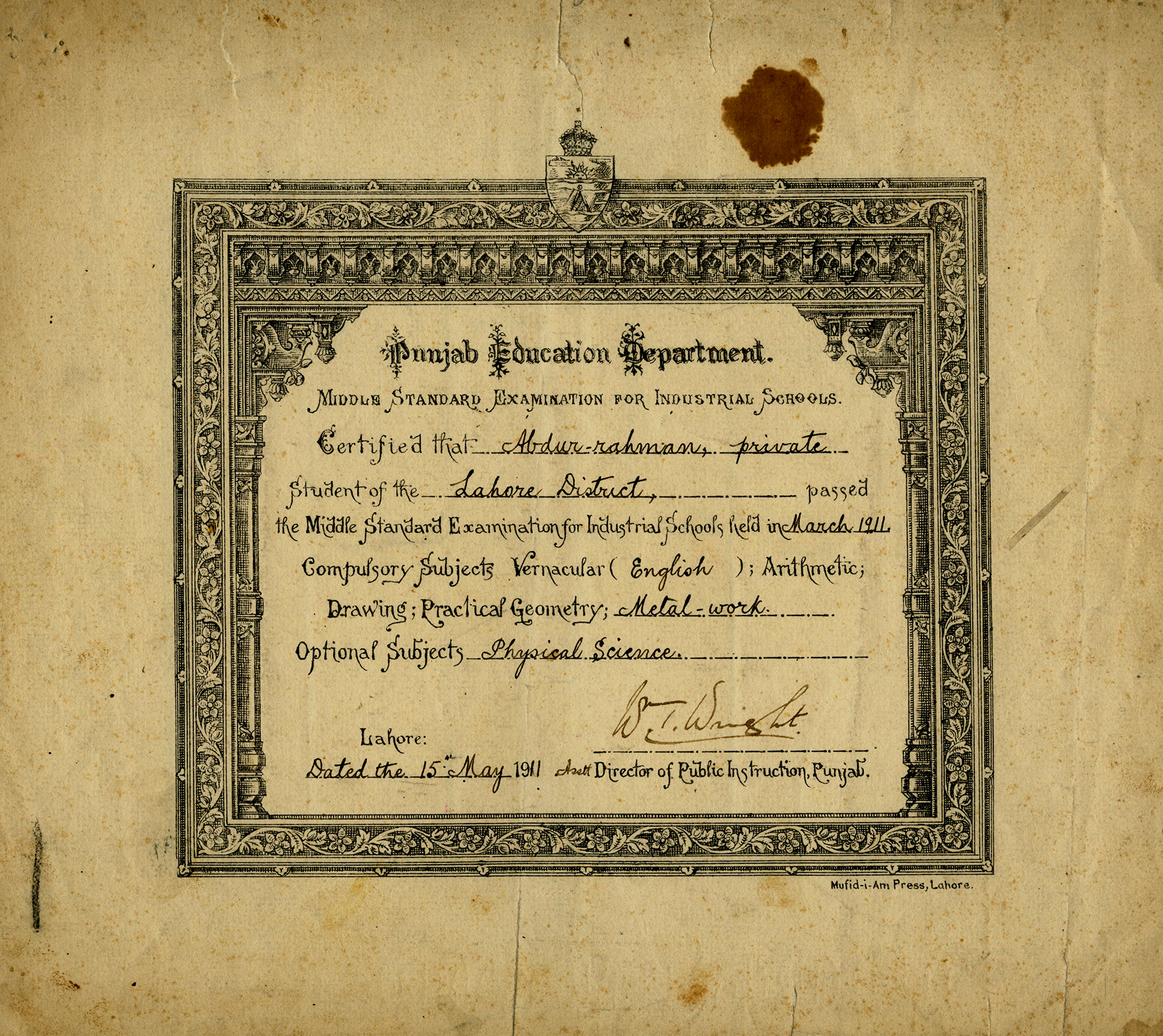
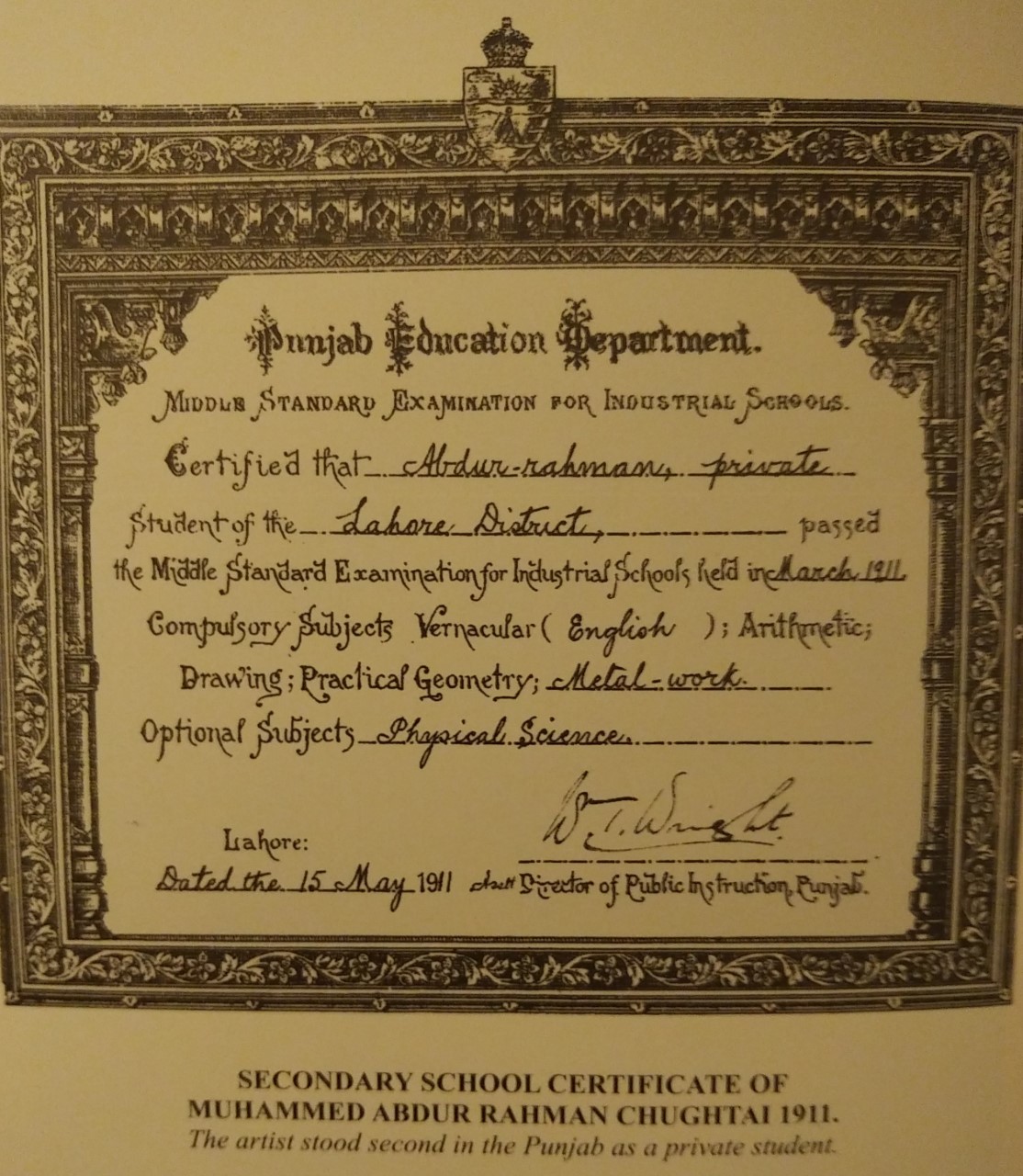
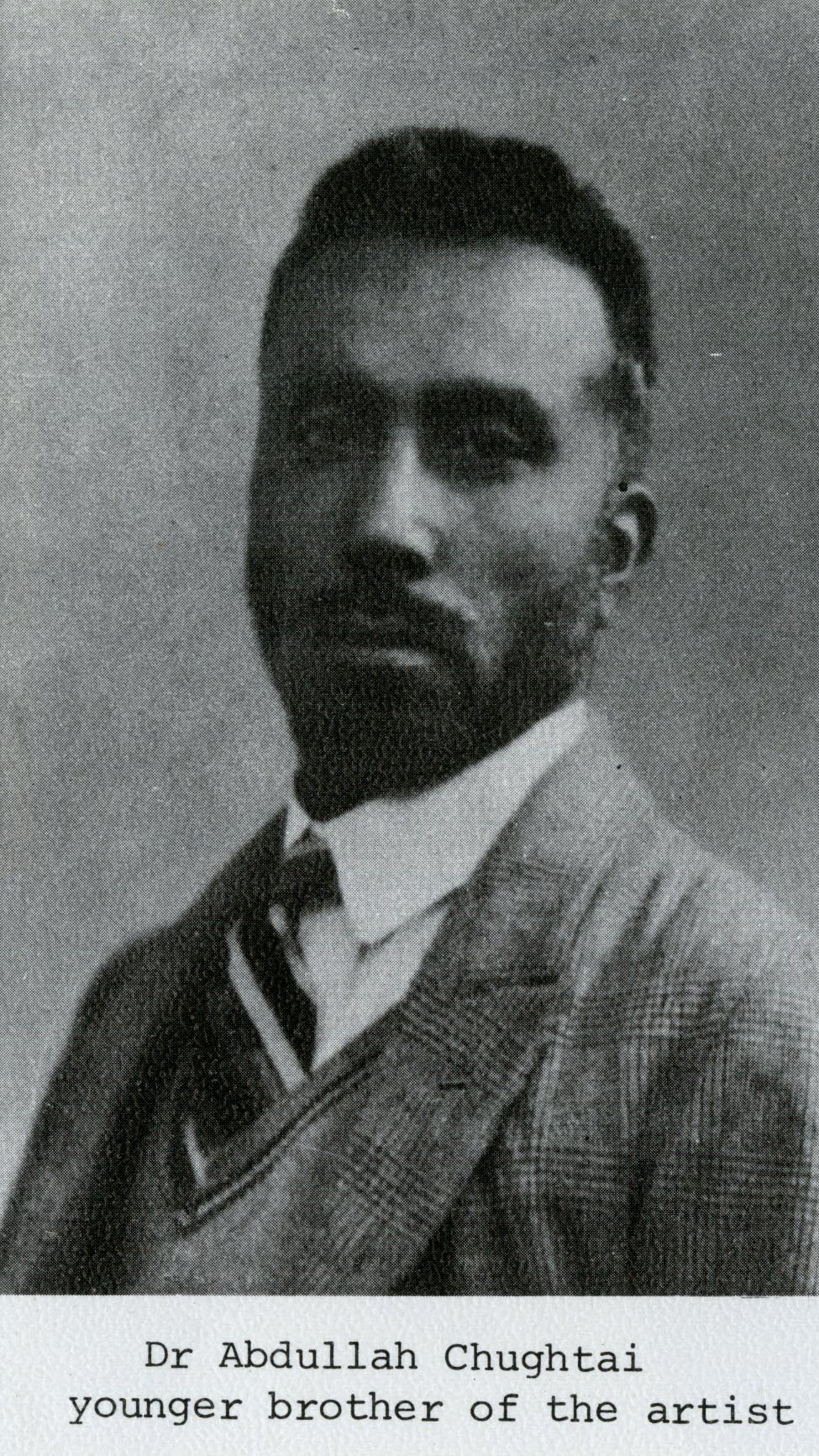
The Railway Technical School was established in 1889. In 1927 it was changed into a college and remains an Engineering college to this day. Portions of the old school survived till recent times and it was the site of the Mosque of Dara Shikoh’s wife. It was originally made for the children of the Railway employees to receive free education. Abdur Rahman Chughtai had many relatives in the Railway from his mother’s side. He got admission in it, along with his younger brother Abdullah Chaghatai. As Chughtai missed a year of education, both brothers appeared in the same examination in 1911. That is why confusion over their date of birth is generated for same reason. Abdullah appeared as regular student, while Abdur Rahman appeared as a private student. The irritation started when Abdur Rahman swept the examination by coming first in the Drawing class, and second, on the platform of Punjab itself. Before his death the artist had started an autobiography, and these are two pages from his school days, worthy of mention. We can attempt to picture this important memory.
School memories 1
School memories 2
The class was being promoted from 7th to 8th class. The Hindu Master wanted to know from the class of about 30/40 boys their plans for the future. Abdur Rahman was noting with dissatisfaction that no boys were interested in pursuing higher education, and their total interest was to find a job in the Railways like their father. Each boy was asked one by one. When Abdur Rahman’s turn came, his desire was to tell the Master that all he was interested was in flying kites, fishing in the river, as well as swimming in the river as well as ponds. But he knew he would get a thrashing, so he refrained from saying that. Instead, he said that he has not decided yet. Noted with regret that no boys had even an ambition of any kind. Only one other student accompanied him to Mayo School of Arts, but even then, the artist lost track of him. Of course, his brother Abdullah was interested in wood working and joined the Carpentry classes at Mayo School of arts. End of desire for all.
School Certificate 1911
The autobiography is full of episodes and perhaps can be published one day in consolidated form.
A FEW REMARKABLY PRESERVED PAGES FROM A SCHOOL DRAWING BOOK – PROBABLY AROUND 1908, EARLIEST FREE DRAWINGS M.A. RAHMAN CHUGHTAI
School Certificate
School Drawing 1
School Drawing 2
School Drawing 3
School Drawing 4
School Drawing 5
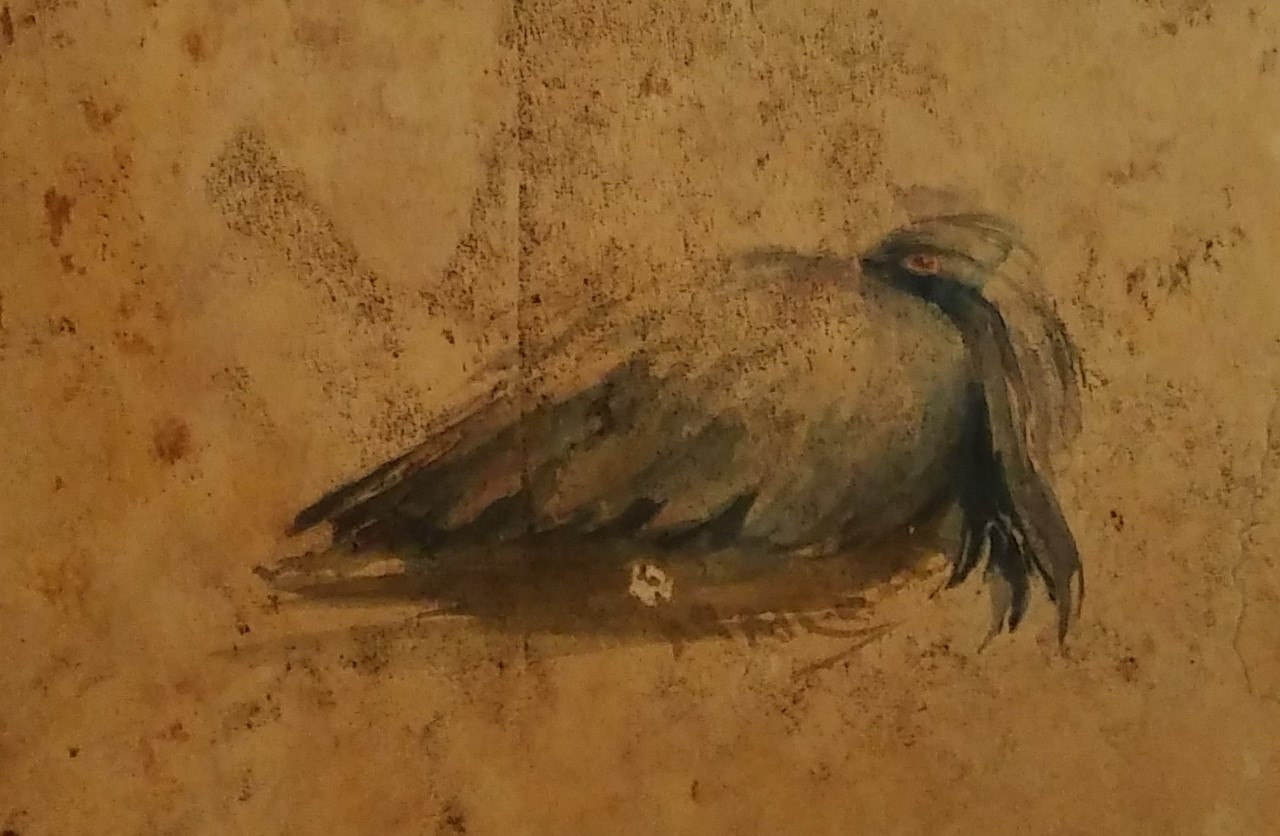
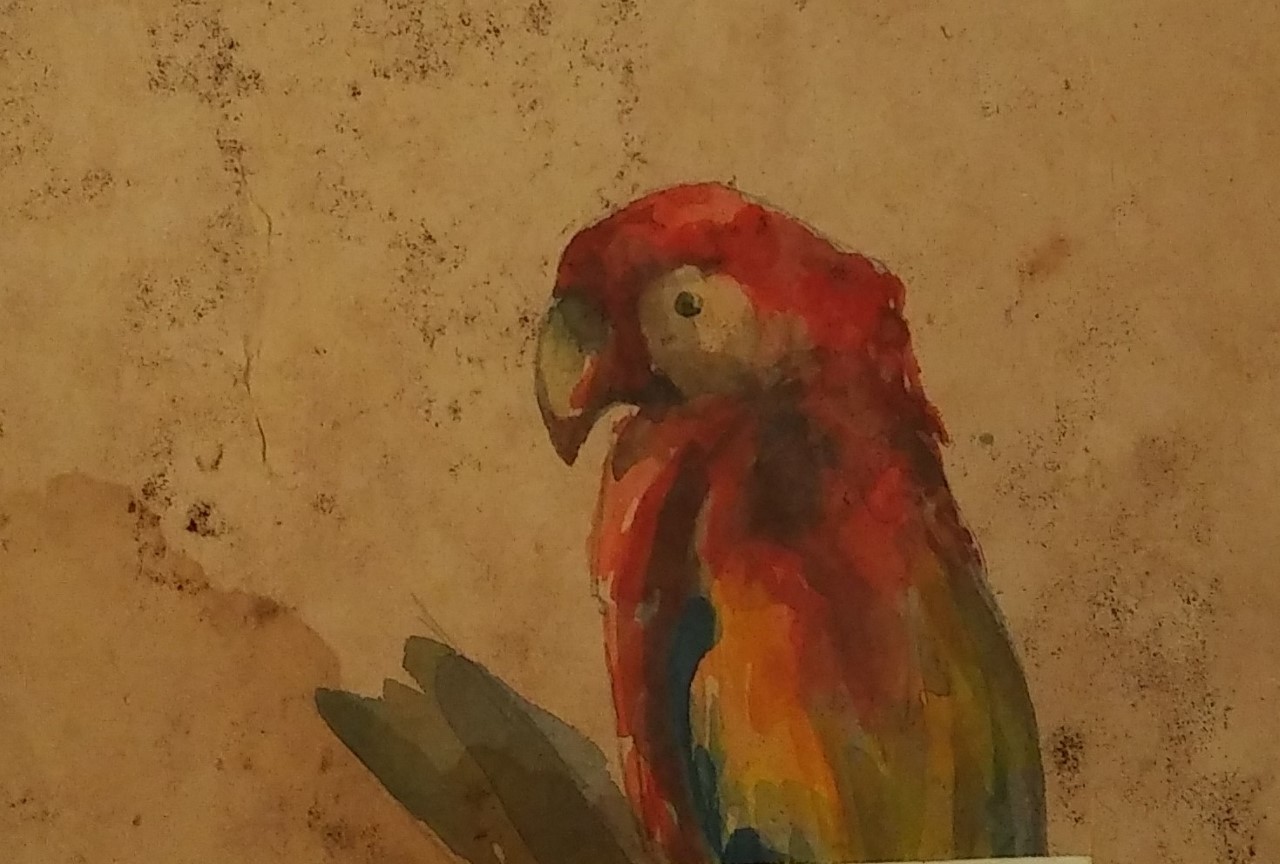
From the early naqashi classes of Baba Miran Baksh at Wazeer Khan’s mosque, the artist Chughtai moved to Railway Technical School, near Railway Station, Lahore. Children of the employees of Railway, received free education here. As a lot of Chughtai’s relatives from the mother side was in the Railways, it was natural for him to be there. His brilliance everybody could see, but his attitude was resented there. The Head Master used to thrash him literally with a stick, so much so that he ran away from School. (But that is another story) Suffice that some pages from a drawing book are still preserved with us. It was natural for him to come second in the Eighth Middle examination, with excellence in Technical and free drawing. Some pages saved from his drawing book, and as he passed his exam in 1911, so we can say these pages are from 1908 or so. Enjoy!
A KITA MASTERPIECE BY MIAN MUHAMED HAYAT NAQASH – LARGEST KITA SEEN BY US OF UNBELIEVABLE SIZE PATRON.
Mian Muhammed Hayat Naqash
We finally measured this large kita. It is 57 inches by 26 inches. I do not recall seeing or hearing of such large kita. Exceptional calligraphy as well as exceptional naqashi, in tradition of his father Baba Miran Baksh. Hayat Naqash was first cousin of artist M.A. Rahman Chughtai. Their ancestral domain was the first hujra on the right in the Wazeer Khan mosque. Umar Din Naqash, father of Baba Miran Baksh, also worked in the same hujra. It was with great effort that we managed all this. Enjoy!
IMPORTANT MANUSCRIPTS RELATED TO NAWAB WAZEER KHAN LAHORI – AND HIS SON MUHAMMED SALAH ALIAS ANWAR KHAN ALAMGEERI
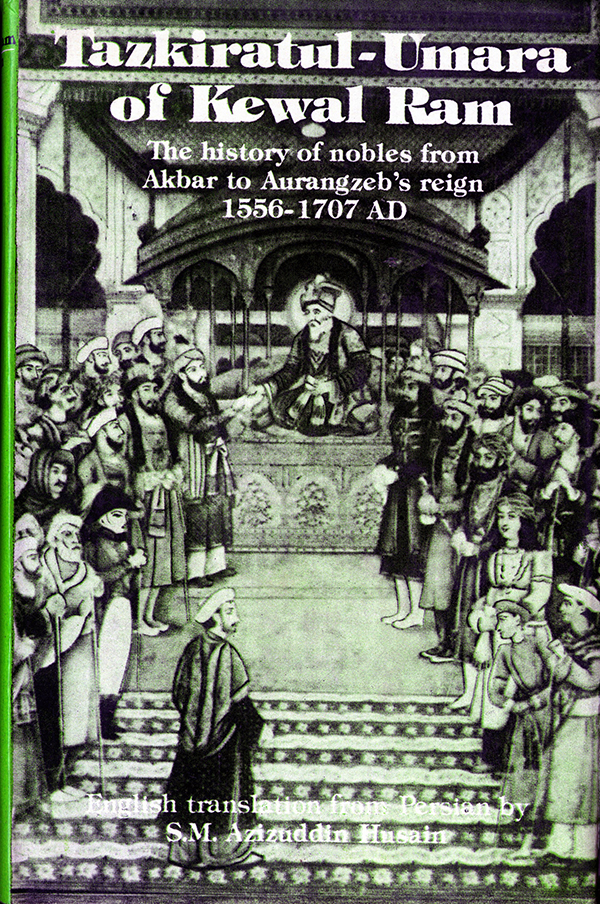
Tazkira Kewal Ram
Muhammed Salah Anwar Khan 1085 AH
A wealth of information lies in the study of manuscripts. So much new is discovered every day. Reference is made to Anwar Khan as existing in the time of Shah Jahan, but that is not the case at all. Tazhkira Kewal Ram clears all that, by telling us that the name of Wazeer Khan’s son was Muhammed Salah. Later on, Aurangzeb rose his rank and gave him the title of Salah Khan. In 29th regnal year, he was given the title of Anwar Khan. So much so for the waqf nama touted as the legacy of Nawab Wazeer Khan.
Maktoob Muneeri by Salah 1089 AH
Muhammed Salah 1080 AH Risalah Arwah
Maktoob Muneeri
The discovery of a manuscript written by Muhammed Salah in 1080 A H as well as 1089 A H, clears all this very much. We reproduce some pages for the information of researchers. Worthy of further research. A notable addition to our research book, “The Legacy of Nawab Wazeer Khan”. Another important discovery is the DIWAN OF WAZEER KHAN, and we will talk about it in a separate blog. Wait!
DR ANJUM REHMANI VERSUS DR ABDULLAH CHAGHATAI – FIGHT OF SCHOLARS HAS BECOME ROUTINE IN OUR TIMES.
Masjid in Caravan Serai
Dr Abdullah Chaghatai in his life time quoted an incident from a history book, that is “Tarikh Daudi”, about a wicked man living in a Serai in the city of Lahore, in the times of Sultan Islam Shah Suri, son of Sher Shah Suri. The wicked man used to lure rich men to his home, with a story of having a beautiful daughter, who he wishes to get married as an act of responsibility. Once at his home, he used to assassinate the person, and would take possession of his assets. The story is mentioned in reference to the old Sultani Serai in the mausoleum of Emperor Jahangeer.
Dr Anjum Rehmani considers it a confusion of Dr Abdullah Chaghatai, and quotes that the wicked man was living in a Serai in the confines of Lahore city, and that the reference to the Sultani Serai is a figment of his imagination. And that is quoted by him in very disparaging terms. Certainly not fit for scholars to stoop low in language.
I wanted to get my hands on a copy of the famous Tarikh Daudi, so I can actually refer to the actual paragraph. Finally, I was able to obtain a copy and I translate the actual paragraph to the best of my ability. It goes like this, on page 285 of this translation of the book. It says:
“Devil like old man. In Lahore City lived a certain kind of man, who lived in the mosque of CARAVAN SERAI. His home in same direction on bank of river Ravi in a village. Whenever a moneyed person came in the mosque, and inquired from old man, whether his home was in the Serai. Old man used to reply my home is nearby. I live in that village. A very important work is my responsibility. The traveler asked ‘what is this important work’ ? “
Dr Abdullah Chaghatai
The confusion is generated by use of the word Lahore City. If we just forgo that reference as vague, then Dr Abdullah Chagatai is certainly hundred percent right. For certainly the present walled city is a product of Emperor Akbar and a later reference. If we stick to the word as Lahore City, then the rest is confusing too. The reference that the man’s home was in same direction on bank of river Ravi in a village, means different interpretation. That he lived in a mosque of a Serai which was on the bank of river Ravi. Jahangeer’s mausoleum too was on the bank of river Ravi, as even shown in old maps, and the destruction caused by its overflow to the Serai itself. The word used for Serai is Caravan Serai, which certainly means a big serai, fit for a Caravan to camp in it. No big serais even in Lahore city at that time. So, the verdict will become ambiguous. It is just a poor use of words, and not even a clarification to the actual name of the Serai. The whole Tarikh Daudi is full of even greater mistakes, as well as even wrong references. So, we just give the two scholars to cool down. History itself makes many mistakes. One cannot refute another with choice of words alone. The mosque and the serai are still in front of us. Everyone can make their own judgement. But gentlemen, learn to be polite!
A DEPUTY COMMISSIONER OF LAHORE MAJOR JOHN CLARKE – AND MIAN RAHEEM BAKSH MIMAR, LINKS ALL NEW IN WORK – A STORY OF CHANGE AND THE COMING OF THE NEW AESTHETICS
1851 card Sheikhupura
1855 card Gujaranwala
1856 card Lahore
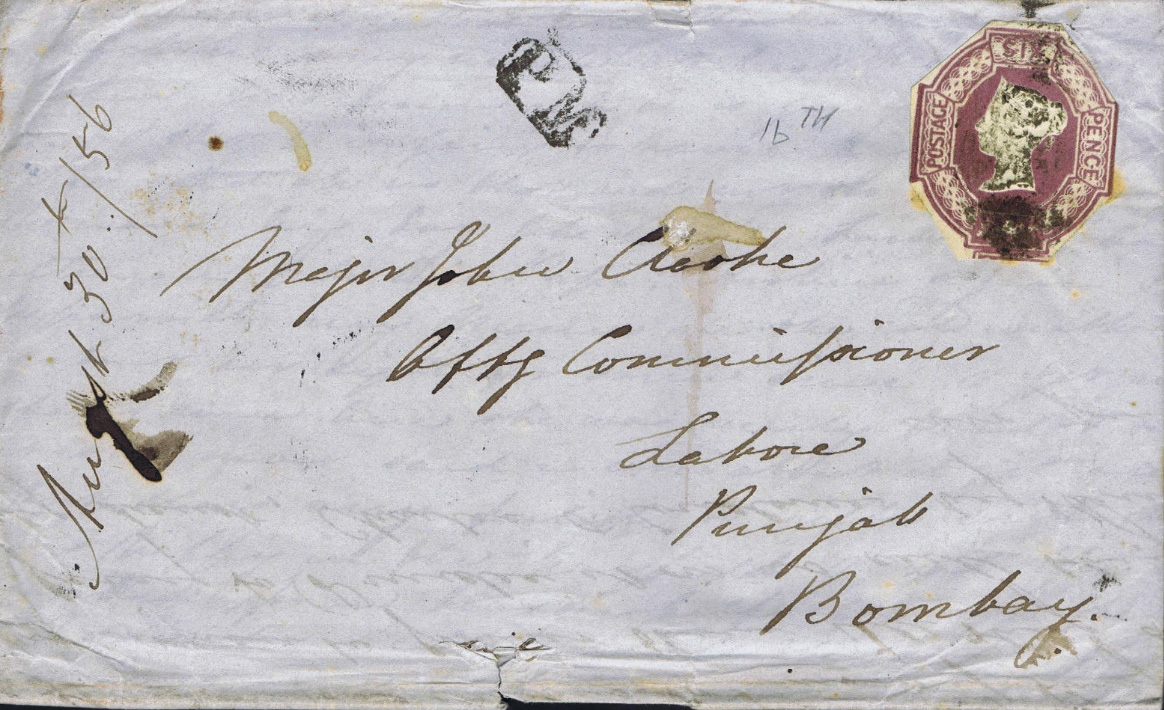
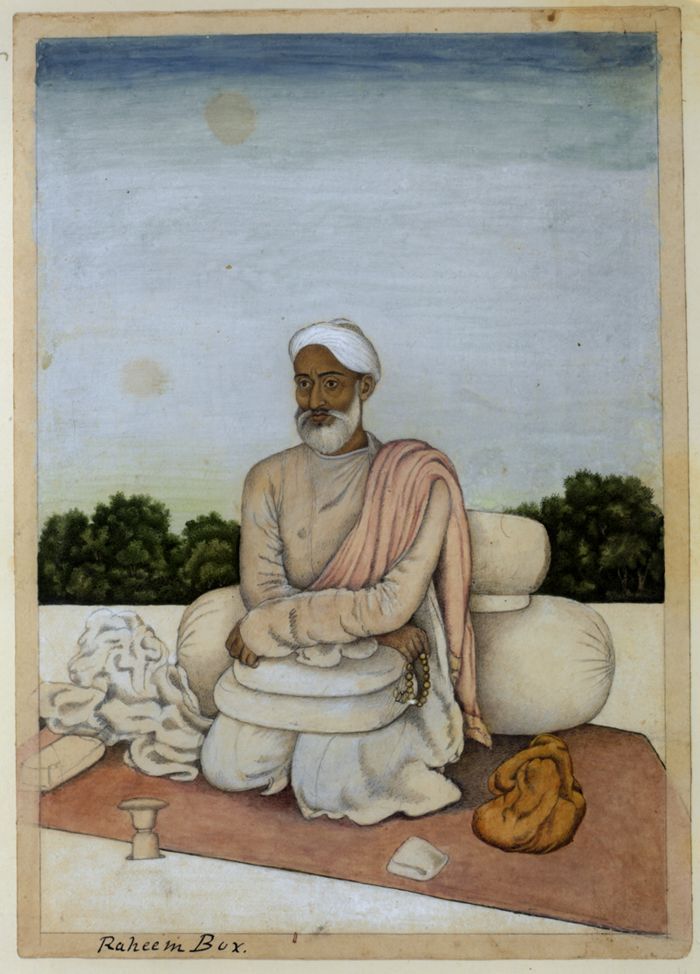
Somebody was in possession of three letters. Major John Clarke. Deputy Commissioner of Sheikhupura in 1851, Deputy Commissioner of Gujranwala in 1855, and DC of Lahore in 1856. And it goes further when n 1862, he is Engineer in Chief, of Lahore Railway Station Works. He is getting the Railway construction work done, and in that respect, he is giving a certificate to Mian Raheem Baksh Mimar, alias Haemoo, related to his supervision of construction of the Railway Station. He says:
“I have pleasure in testifying to the detailed knowledge possessed by Haemoo of Masonry and Bricklaying. He has acted as Foreman of Mistrees at the Lahore Passenger Station and other buildings, understand a Plan thoroughly and is a very valuable person to have about building operations.” Dated 1st November, 1862.
Lahore Railway Station
Mian Raheem Baksh Mimar
A chance reference revealing a valuable truth. All envelopes had the original letters in them but now in some worldly collection. The most interesting fact is that Punjab is under the Bombay residency, as the address clarifies in depth. A different era of Lahore.