ANTI AESTHETIC PRIESTS DESTROYING OUR CULTURE ONE BY ONE – SAD END OF AN ICONIC MOSQUE OF LAHORE, MASJID IFRAZ KHAN
Lost Chinay wali masjid
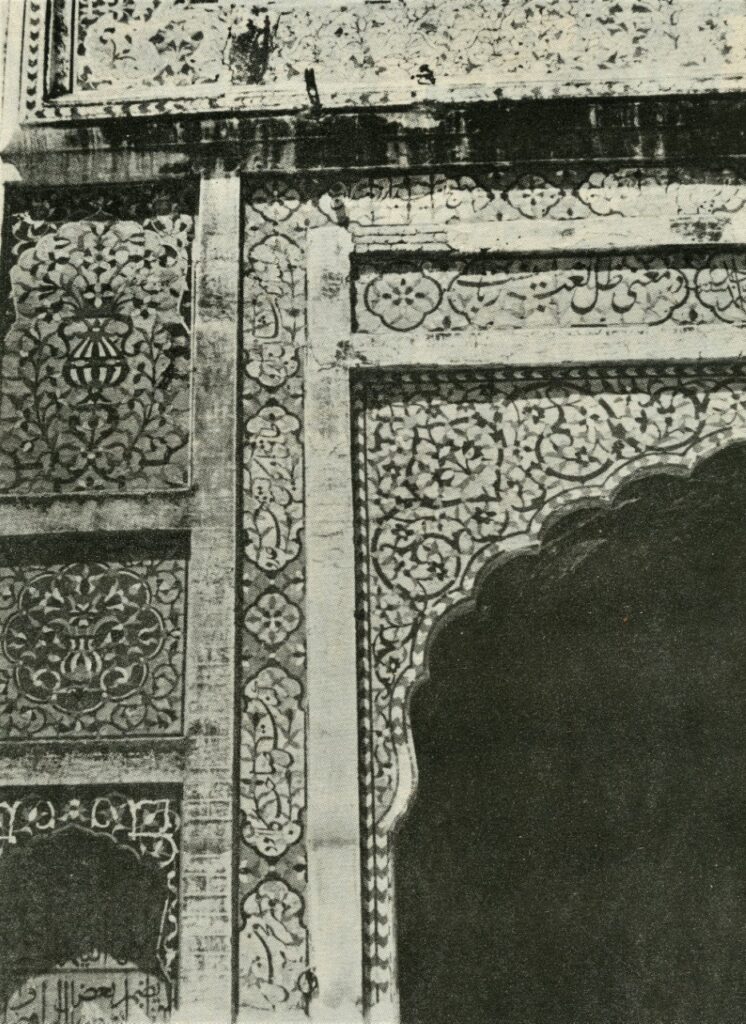
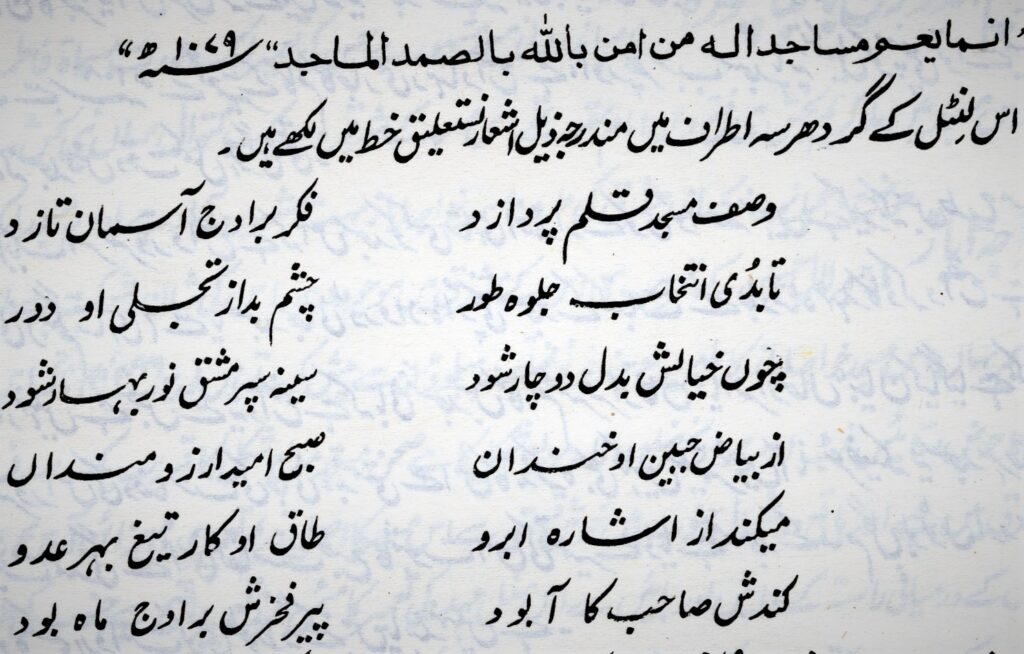
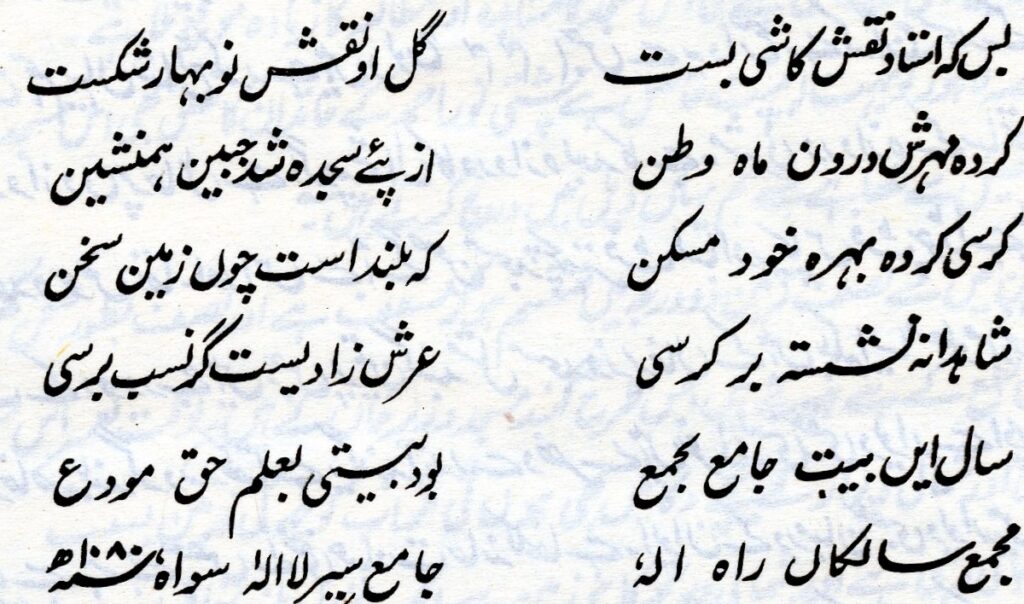
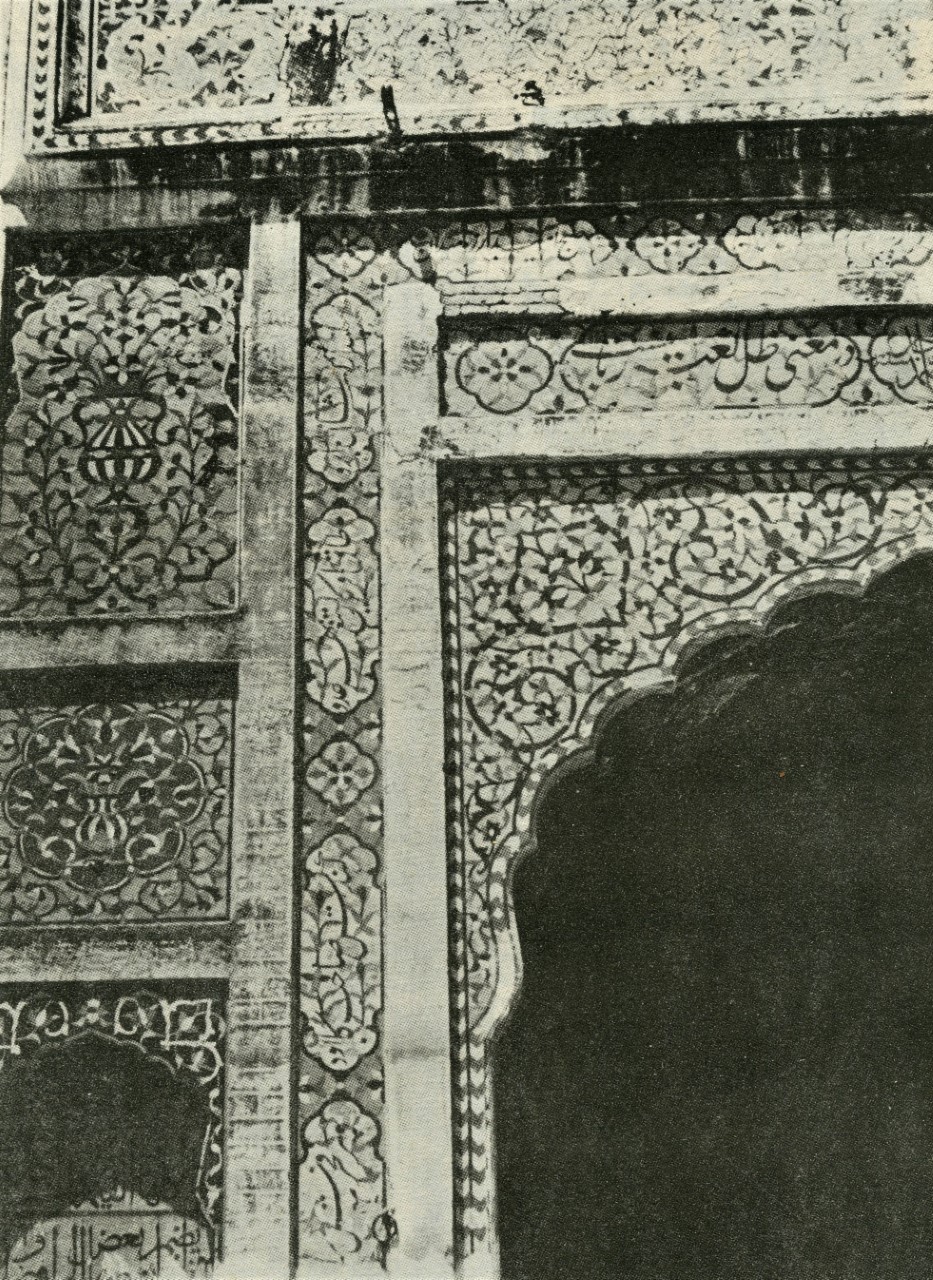
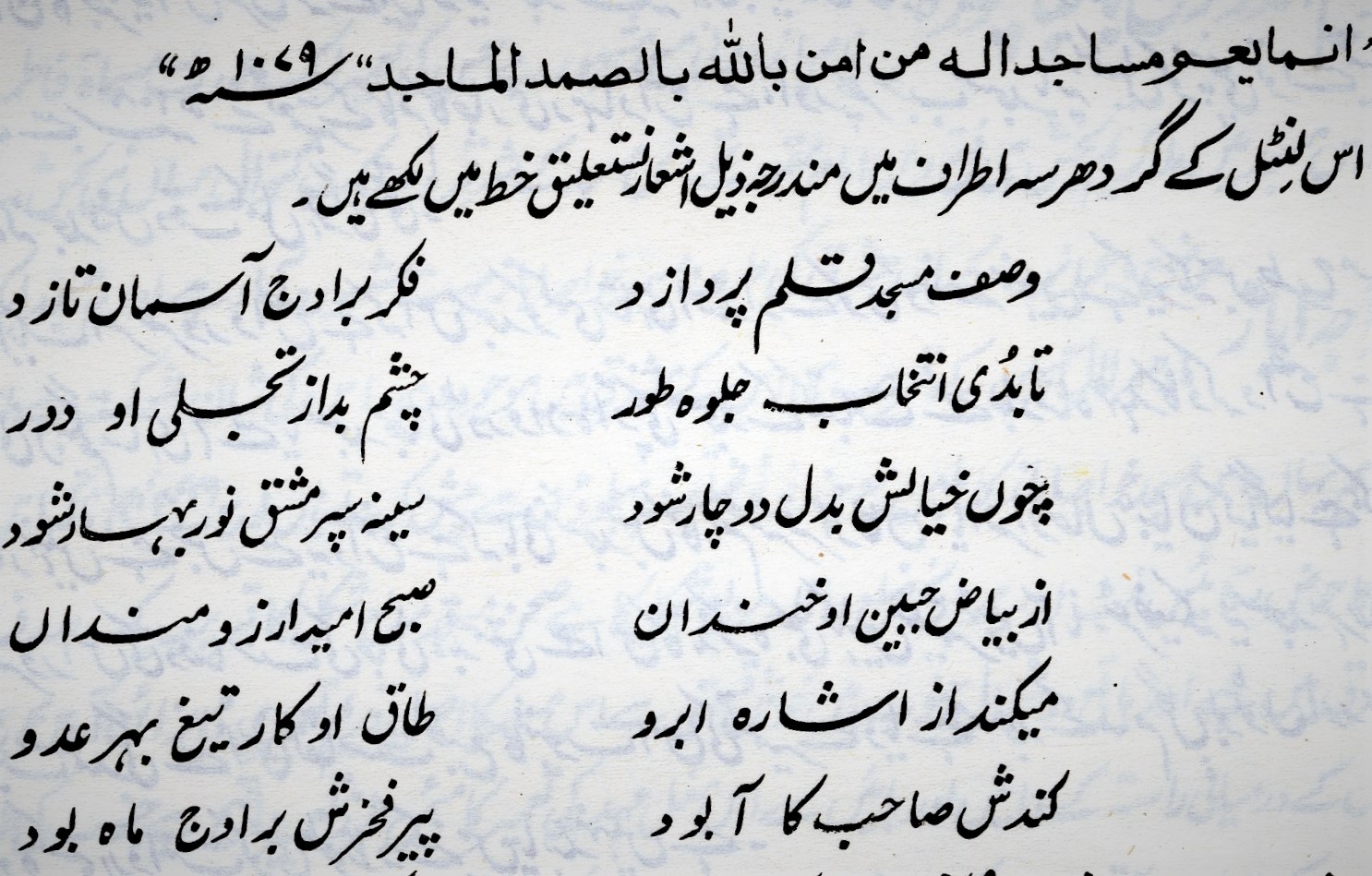
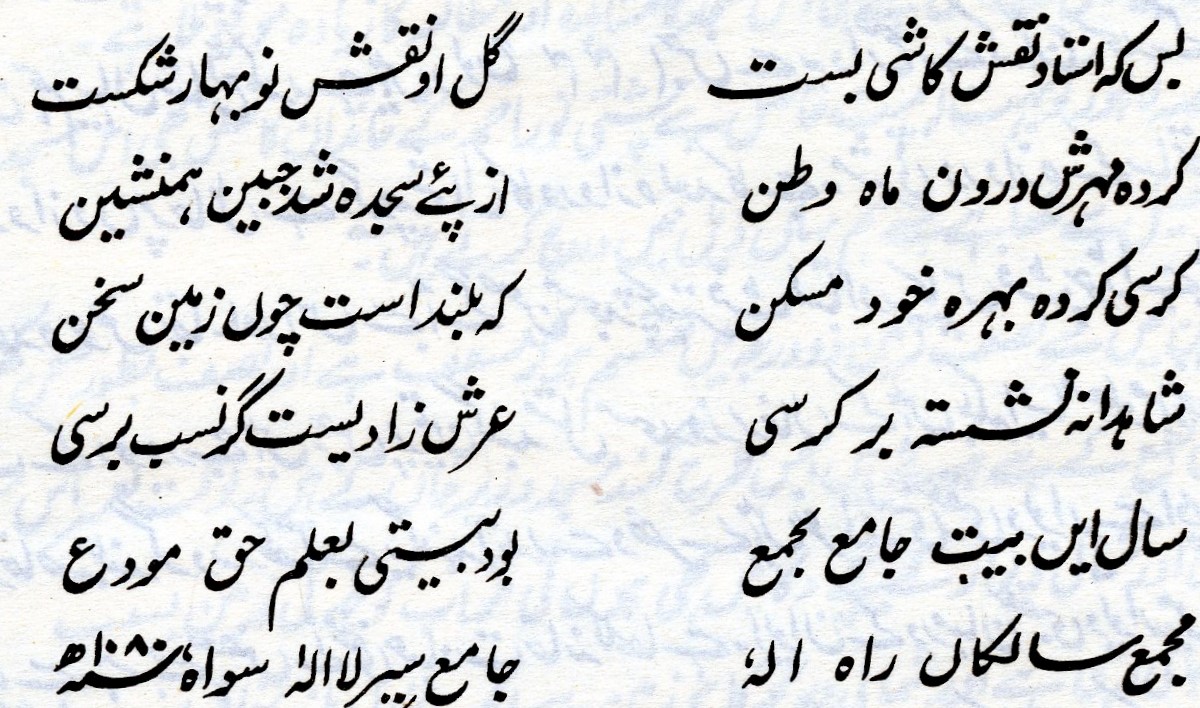
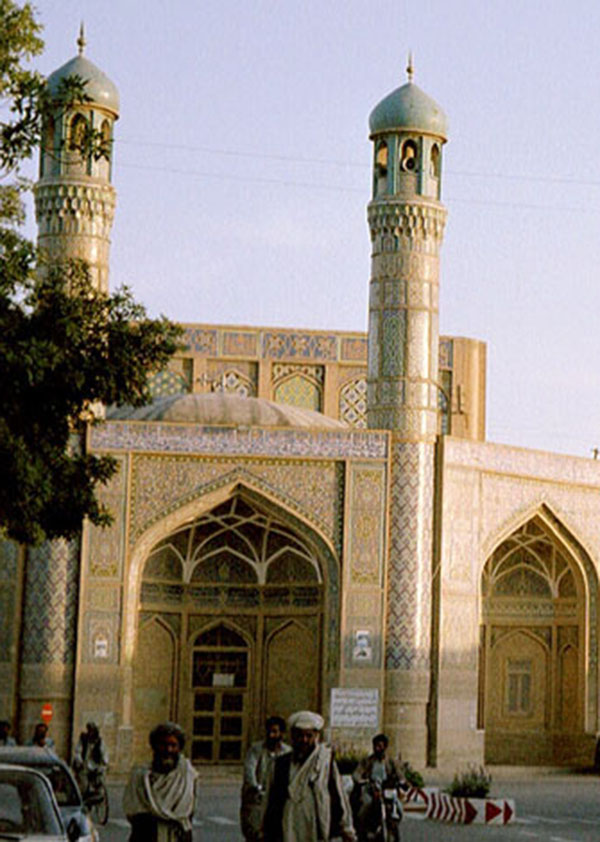
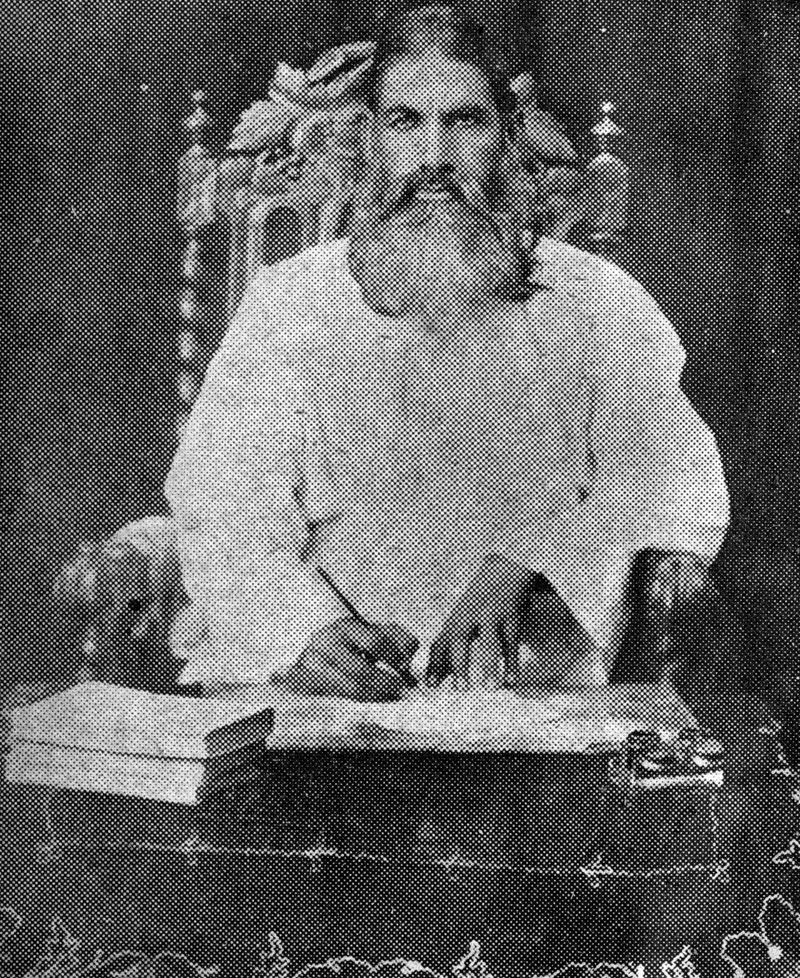
Kocha Chabuk Sawaran is our traditional mohalla in Lahore city. Documents in our possession prove that if nothing else, we were in our traditional house, at least from 1759 to 1938, if not more. Our stay in city as citizens of Lahore is something in excess of 450 years. We have documents to prove our point. This mosque was wall to wall with the famous Havelli Mian Khan, that is Havelli of Lutufullah Khan (often confused with Hafeezullah Khan) son of Saadullah Khan. But the many inscriptions on the mosque, point to the fact that IFRAZ KHAN was perhaps not in any way attached to the court, but was a private person of Lahore. Perhaps an architect himself, who made this mosque as a gift to Lahore. It is also possible that the mosque was made by the third son of Saadullah Khan, that is Inayatullah Khan, who had various titles in his life time. Possibly the title of Ifraz Khan not recorded in the official Maaseray Alamgeeri, although some other titles are recorded. We are checking them out. The mosque started in 1079 AH, got near completion in 1080 AH and was finally completed in 1082 AH. All three dates are confirmed by inscriptions on the mosque, destroyed by moronic priests. Look at our preserved record. Vow to our official hierarchy, who did nothing to stop the destruction of a mosque which was in aesthetic league with the Wazeer Khan mosque itself. In fact it had some points, which no other mosque has, and that is its plan of construction. Superior to all that was done before this construction. Laws are made and not implemented. Beautiful mosques even today are being destroyed to be replaced by monstrocities of concrete and steel. Allah saves us from uneducated morons of the world!
HISTORY OF LAHORE IS TALES OF WAR AND PEACE – AMAZING ATISH-HUKAS (GRENADES) OF LAHORE
Atish hukas of Lahore
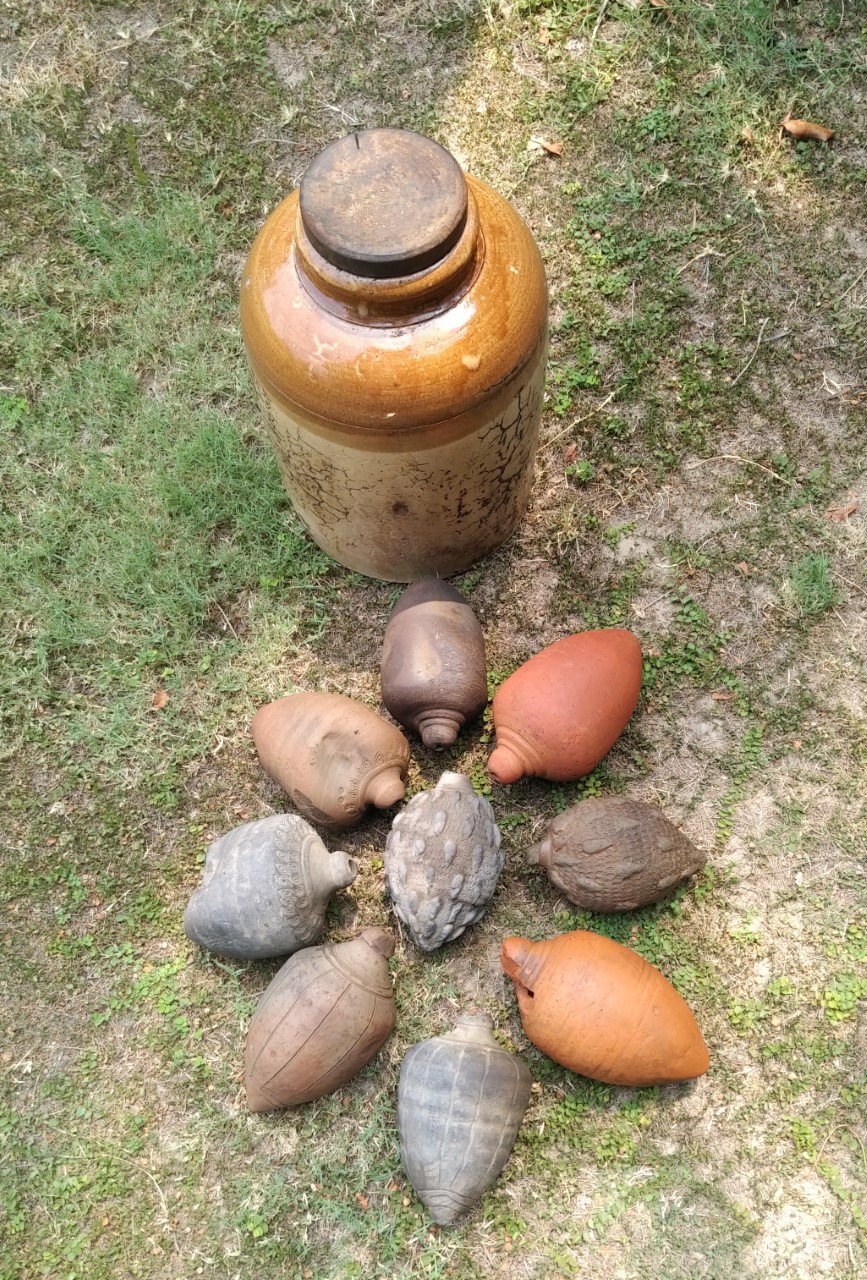
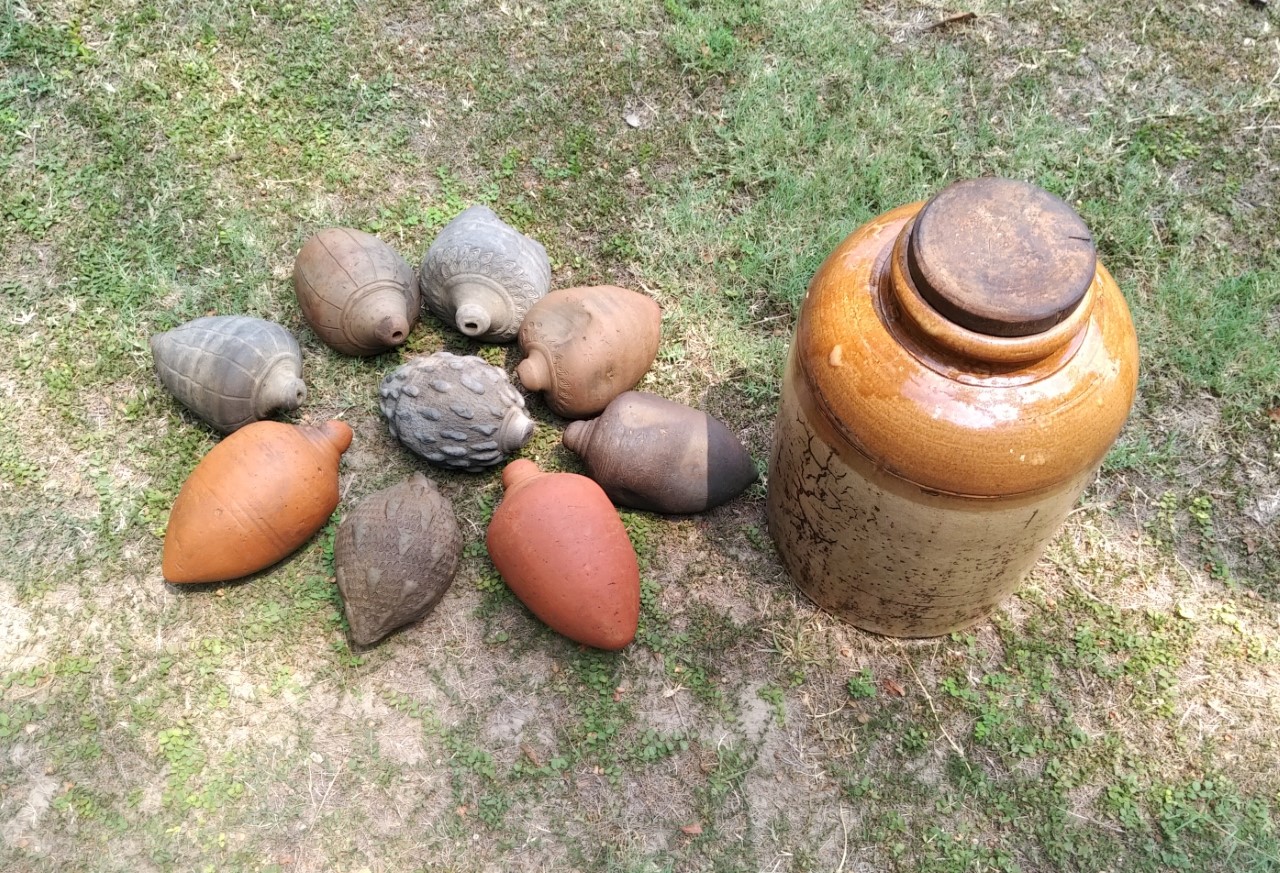
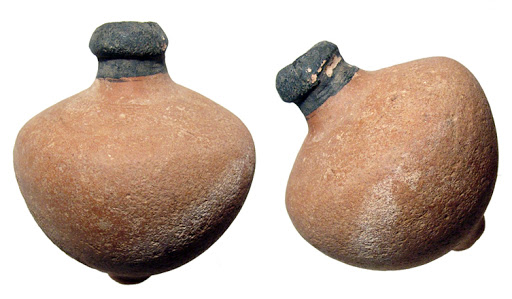
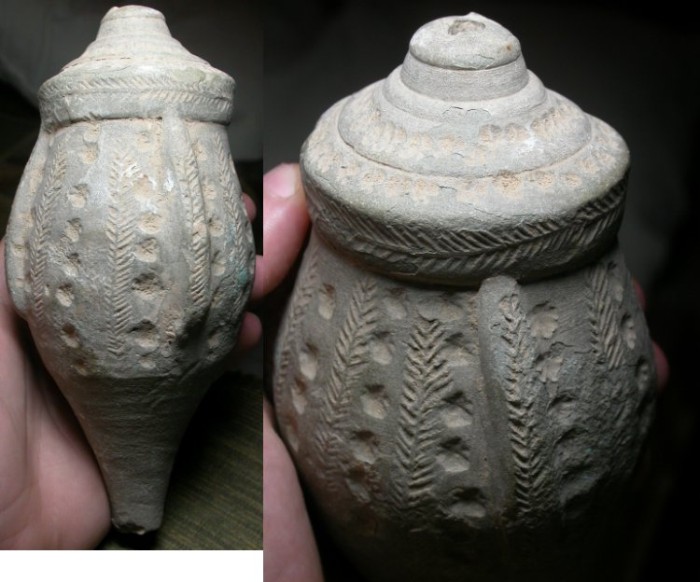
History has left us remnants of various times in Lahore. There are clear cut things and there are matters of speculation. We find objects related to war all the time. Broken swords, bows and arrows, personal armour, daggers, huge axes and fancy war things. The most unrecognized things are the concept of Atish hukas, or the grenades of Lahore. These are not just limited to Lahore, but we find such remnants in Rawalpindi and Peshawar areas. Not that these are also found in Afghanistan, which shows the origin of these Atish hukas. Probably Ghazni and Ghor are responsible for them. Their use obvious in battle.
Amazing Atish hukas different periods
Warriors of Lahore
Sultani Atish huka 1
Sultani Atish huka 2
Sultani Atish huka 3
Roman hand grenades
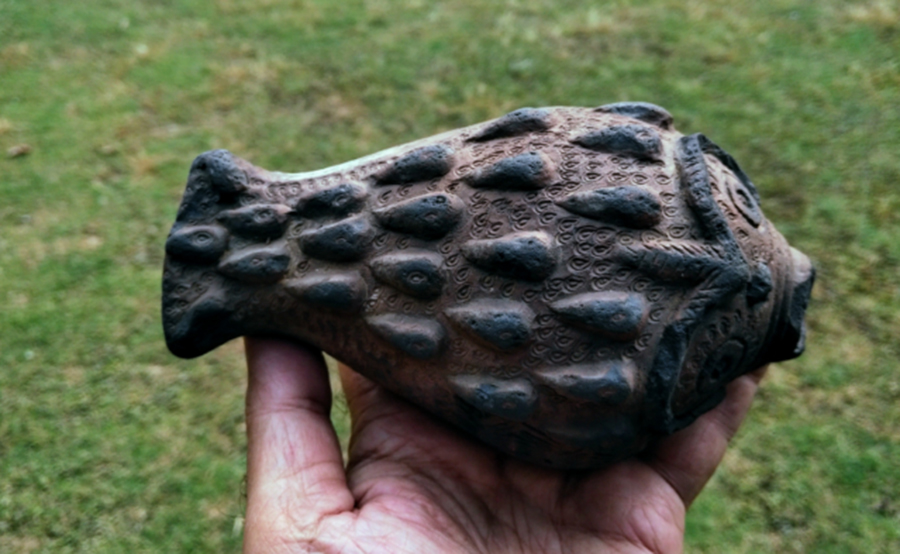
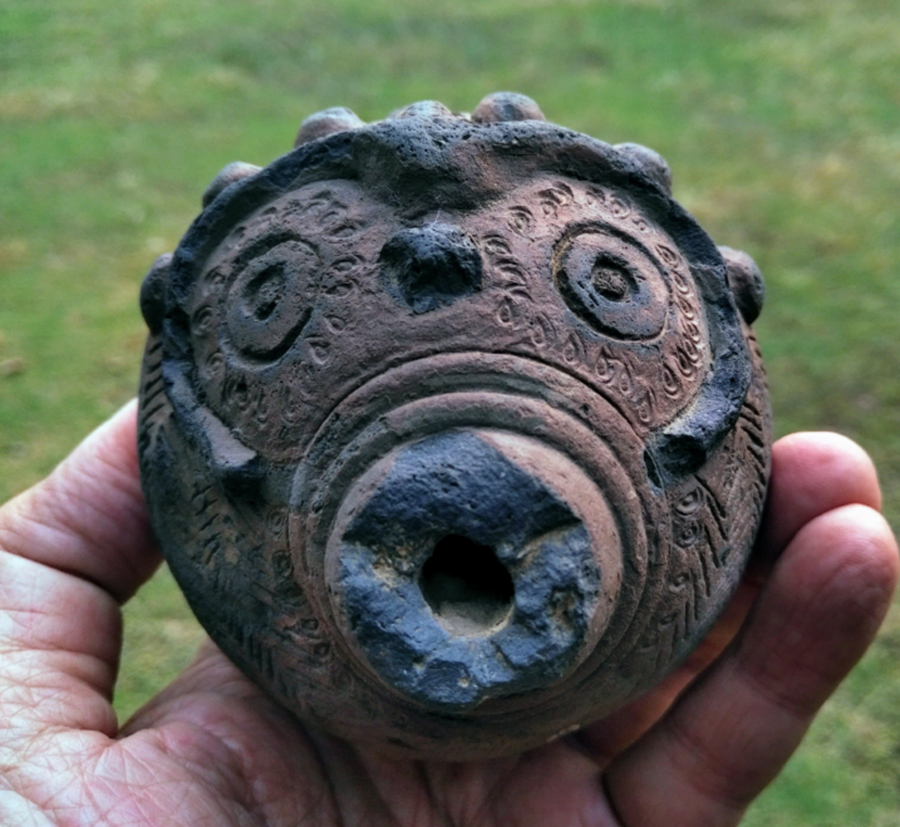
Top on the walls of the fort to discourage warriors trying to breach the fort. Outside warriors trying to breach the fort gates. Or even horse riders discouraging advancing troops. Symbols of it being dangerous there too, like an elliptical figure. All that is possible. It is basically a very thick-walled pottery piece, with scales on it so that it does not slip from the hands. A cotton wick dripped in oil is put in it and then it is filled with gun powder or even some flammable liquid. The wick is lighted manually and within a given discourse of time, the thing thrown at the enemy for results. At times it fires, at times it does not, and perhaps at times explode at the wrong time, injuring those not meant to be hurt. The usual material is black clay, so hardened by some process to be like iron in strength. But the amazing part is still there.
Islamic Hand grenade 13th century
]Atish hukas for common soldiers, and beautiful Atish hukas for those in power, like the Generals or the Kings themselves. We have a sample of one of these, shaped like a fish. It is a work of pure art. Various armies used these in ancient times, but none as pretty as the Sultani Atish huka of Lahore. Well done Lahore in aesthetics!
THE ROYAL CHAMAR SWEEPERS OF SHAHJAHANABAD RED FORT – REAL OWNERS OF PROPERTIES INTERMINGLING WITH MUGHALS – A SMALL STEP TOWARDS RACIAL INTEGRATION IN THE REGION.
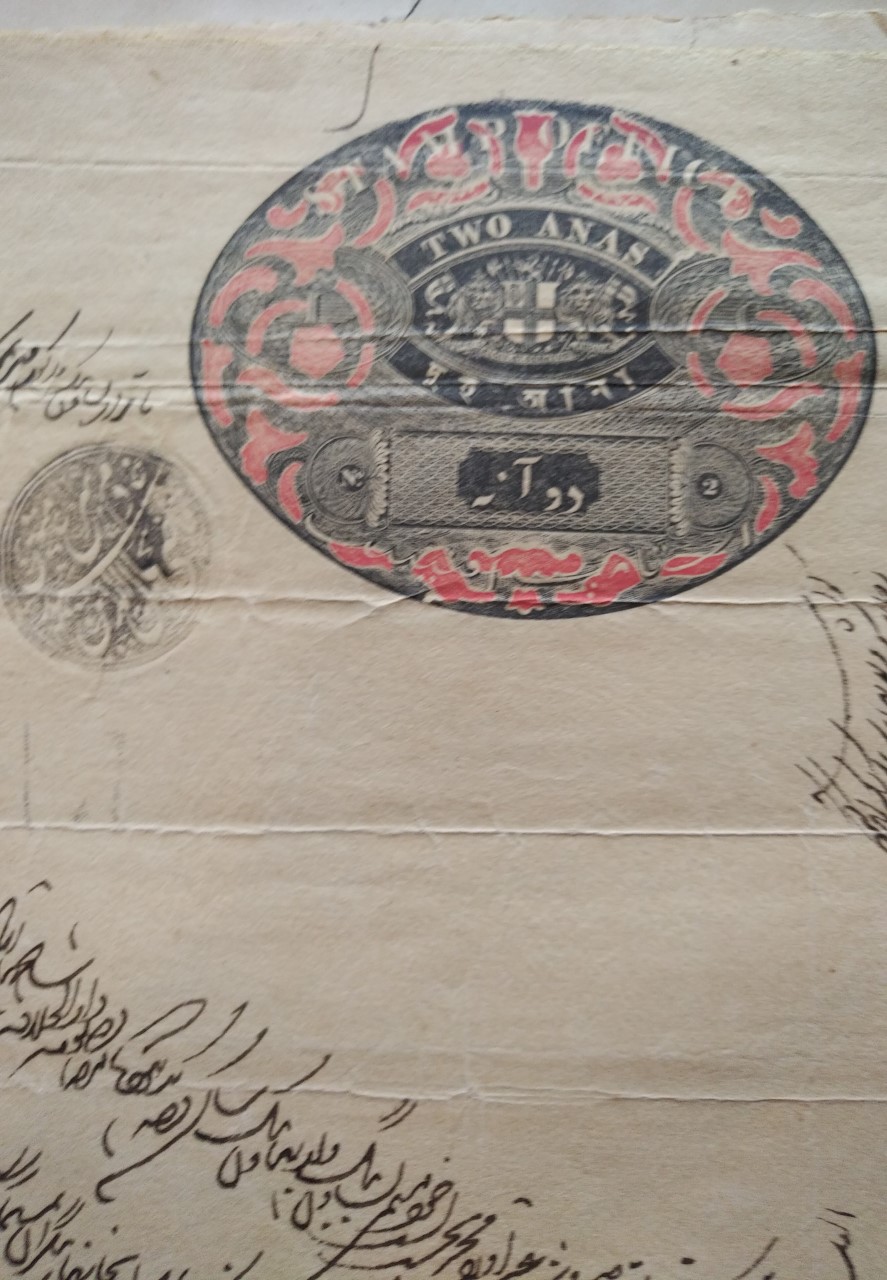
List of Royal Sweepers
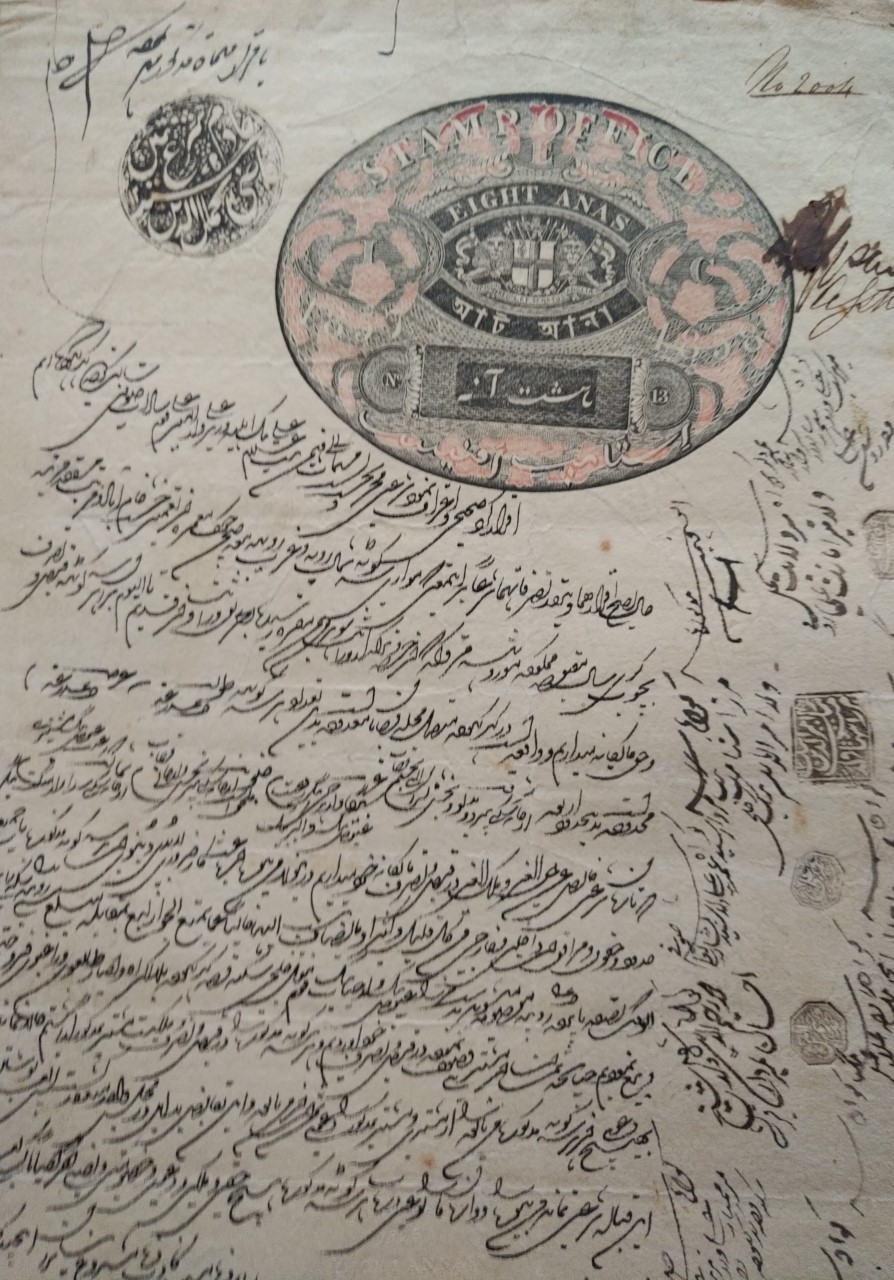
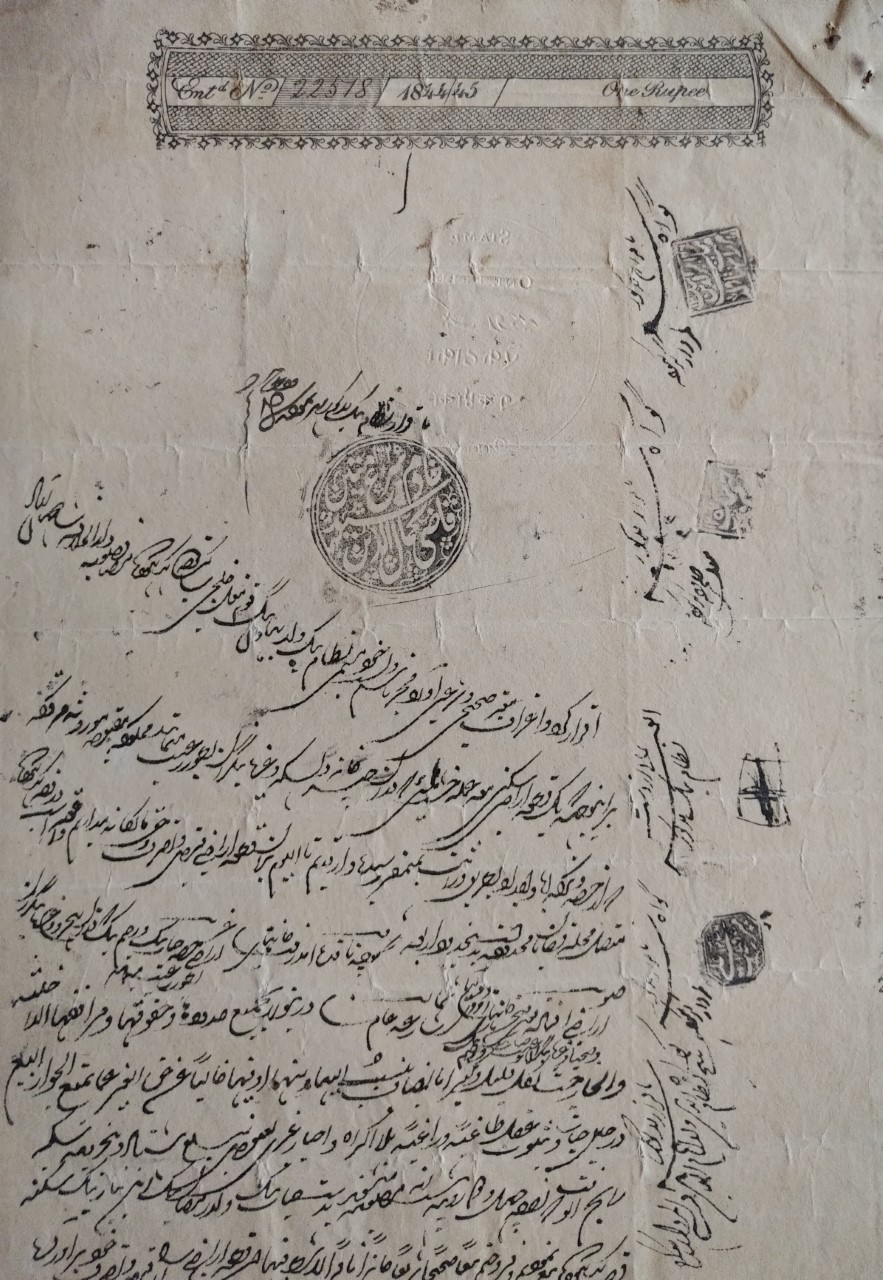
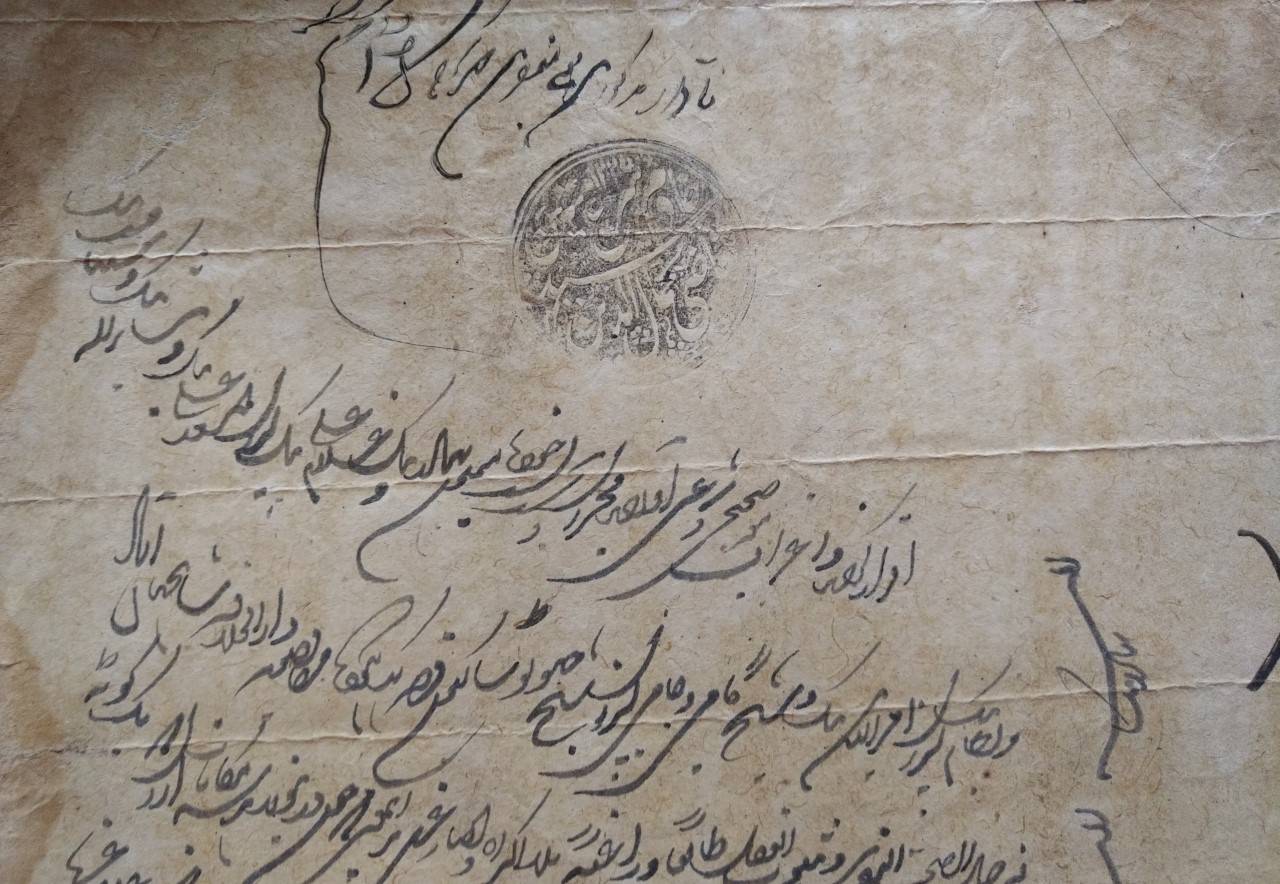
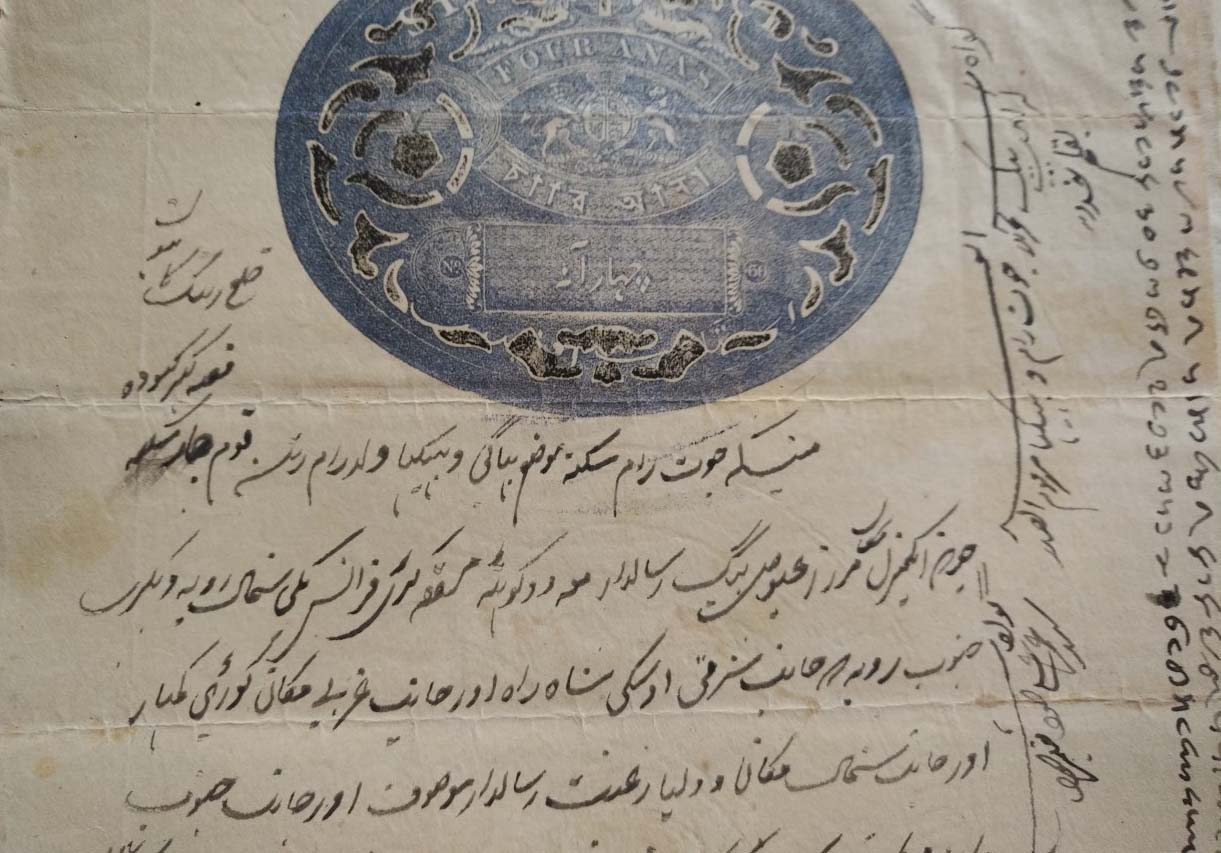
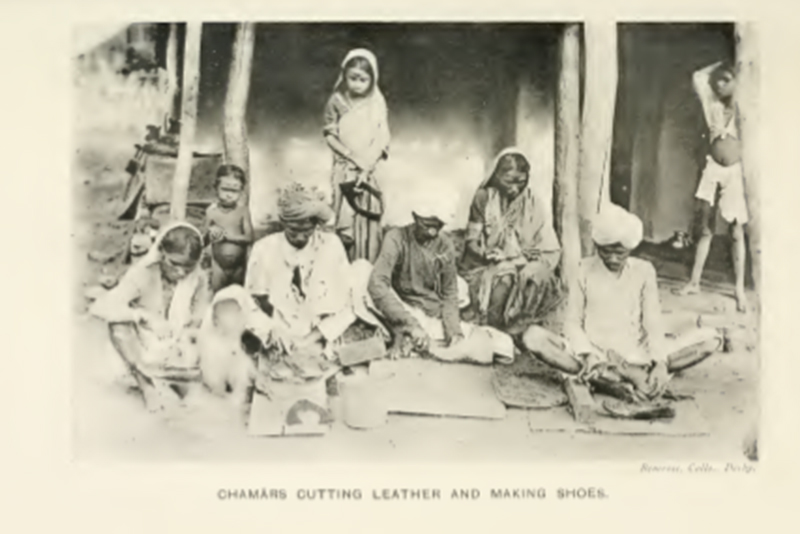
We normally talk of people with nobility background, and rarely see the big picture through the eyes of ordinary people. A stack of documents related to Shahjahanabad and dated variously, with an average of 1824, 1827, 1841, 1846, 1853, 1854, 1859, 1861, 1868, 1869, 1877, 1888, and 1898. The property ownership is basically with Mirza Awaiz Baig, Risaldar in Mughal regiment. Various people styled as Chamars and Changars are not only his tenants, but also owners of portions of the havellis mentioned in same. Documents exist under the seal of Mufti Kamal ud din of Shahjahanabad. The regiment is attached to some French army people. It may interest people to know that there was even a Chamar regiment made by the British in India.
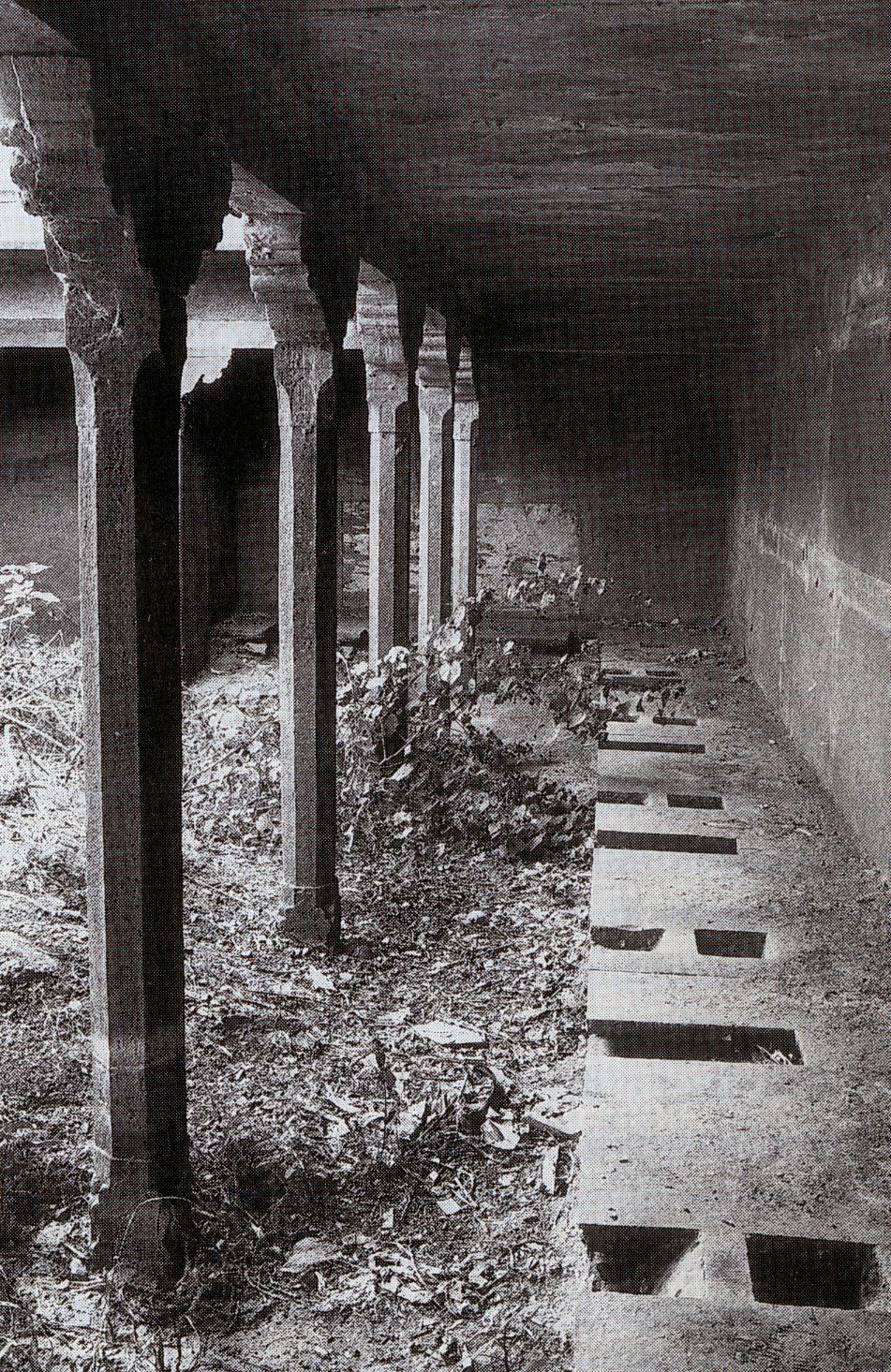
Toilets in Red Fort Delhi
There were large houses in Lahore which were occupied by the Sweepers of Lahore, but basically we hear about them in terms of being tenants to the house owners. Not much ownership here at all. Some of these houses were near the mosque of Mai Moran in Papar Mandi, Lahore. But being financially okay was not in the luck of Lahori sweepers. Then how did the Royal Sweepers of Shahjahanabad made it, where elsewhere it was not possible. The strangest thing was told to me by a resident of Shahjahanabad, who migrated to Karachi, after independence. His name Muhammed Yusuf. A very interesting and informed man, he was a very old man, when we communicated last. Not known if he is alive or not today. He told me that the Mughals in the Red Fort, regularly ate gold, with their meals. This was usually in the form of kushtas, as well as marabas. The marabas were eaten with hammer beaten gold as warqs on the same. This gold warq was used in manuscripts as well as miniatures, but here it was also food for the Mughals. The Sweepers knew this very well, and what they did was to collect the crap of the Mughals, pan it and took the gold out. This was easy as all the crap went through channels to singular places, here it was washed and gold separated from the rest. Even in today’s medicine world gold is recommended for many illness. It was fortunate that the attendants of Maharaja Ranjit Singh saved the Kohinoor from perishing, as Maharaja was advised by some hakeems to crush the Kohinoor (reputed largest diamond in the world) and as a remedy for his illness, for the Maharajah to eat the same. This is hundred percent fact, and not any illusion.
Chamars and Mughals 1
Chamars and Mughals 2
Chamars and Mughals 3
Chamars and Mughals 4
Chamars and Mughals 5
Chamars and Mughals 6
Chamars and Mughals 7
Reference France connection
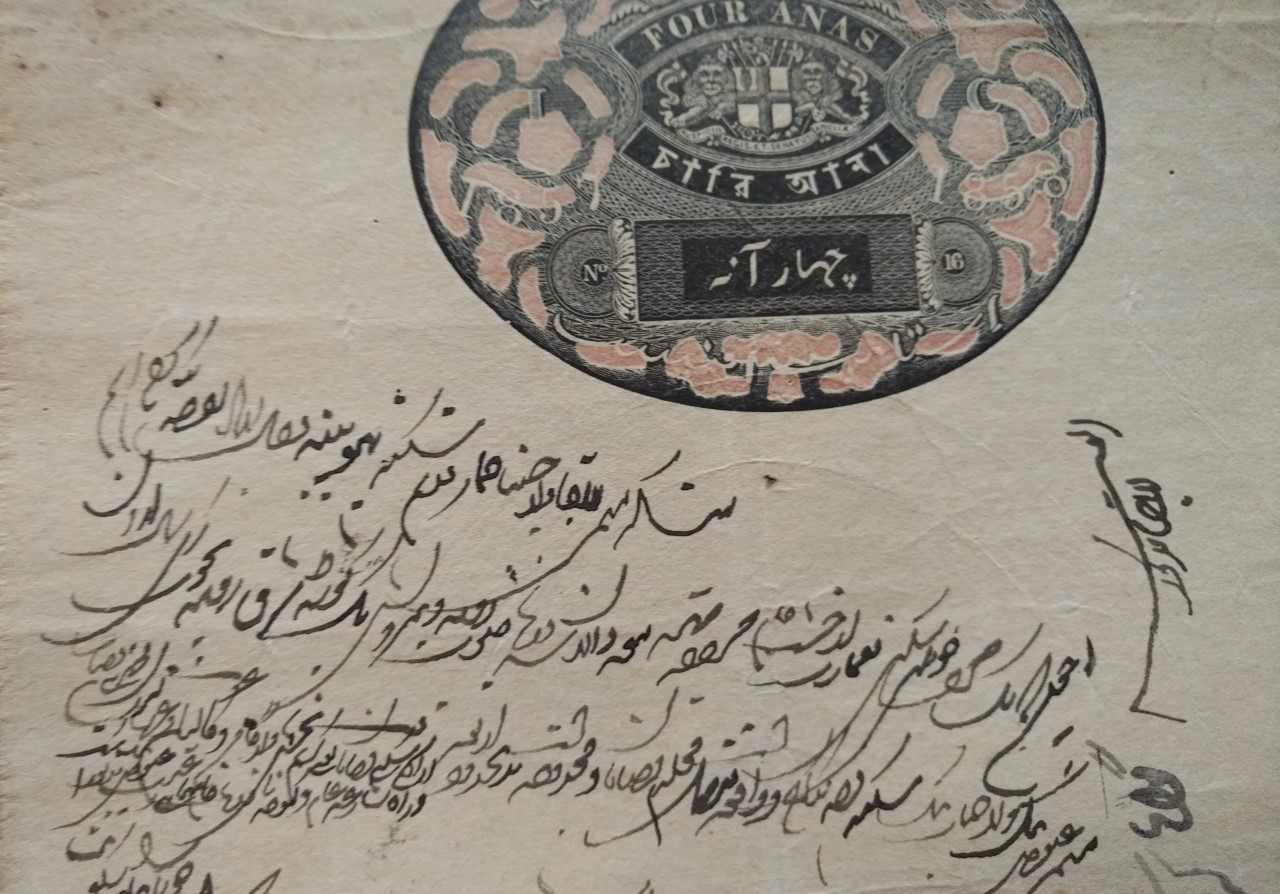
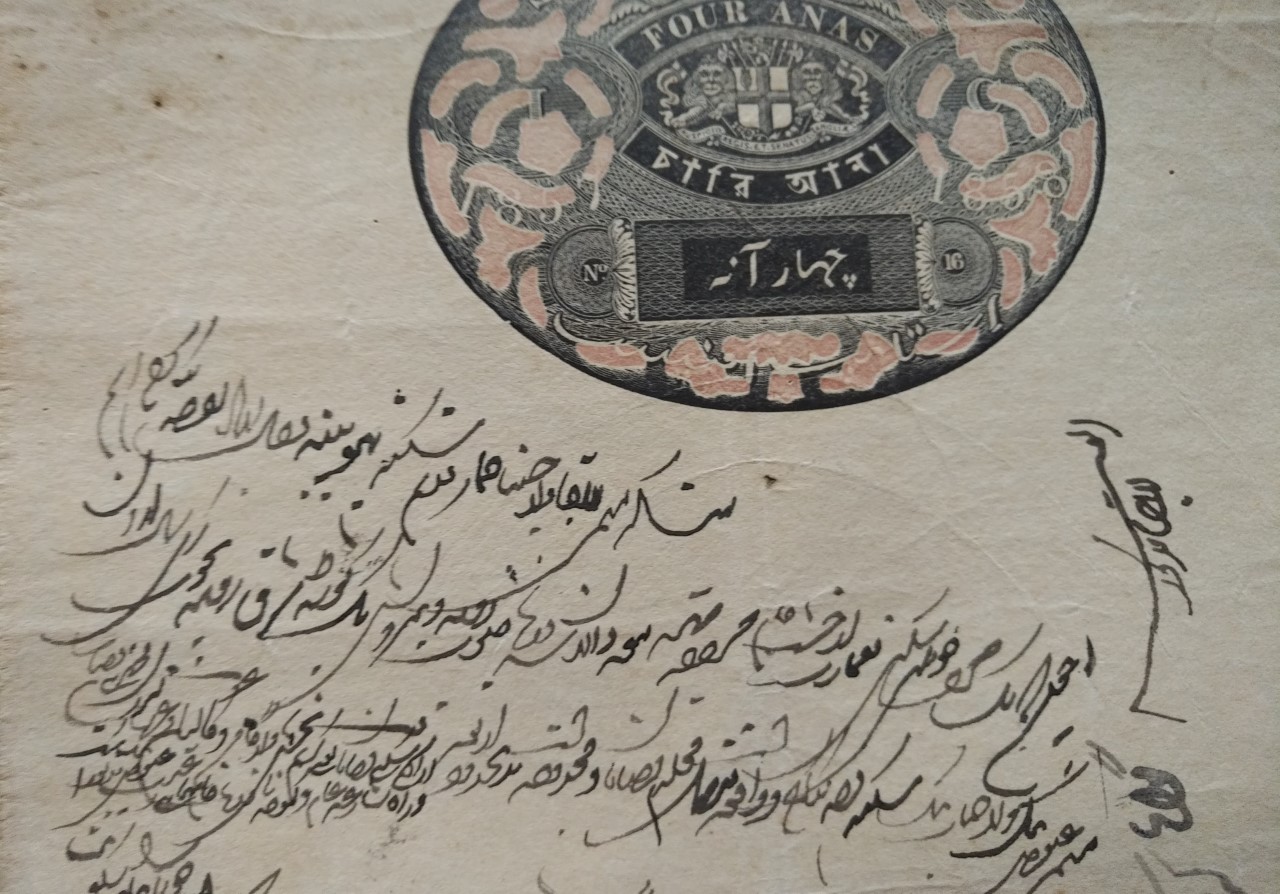
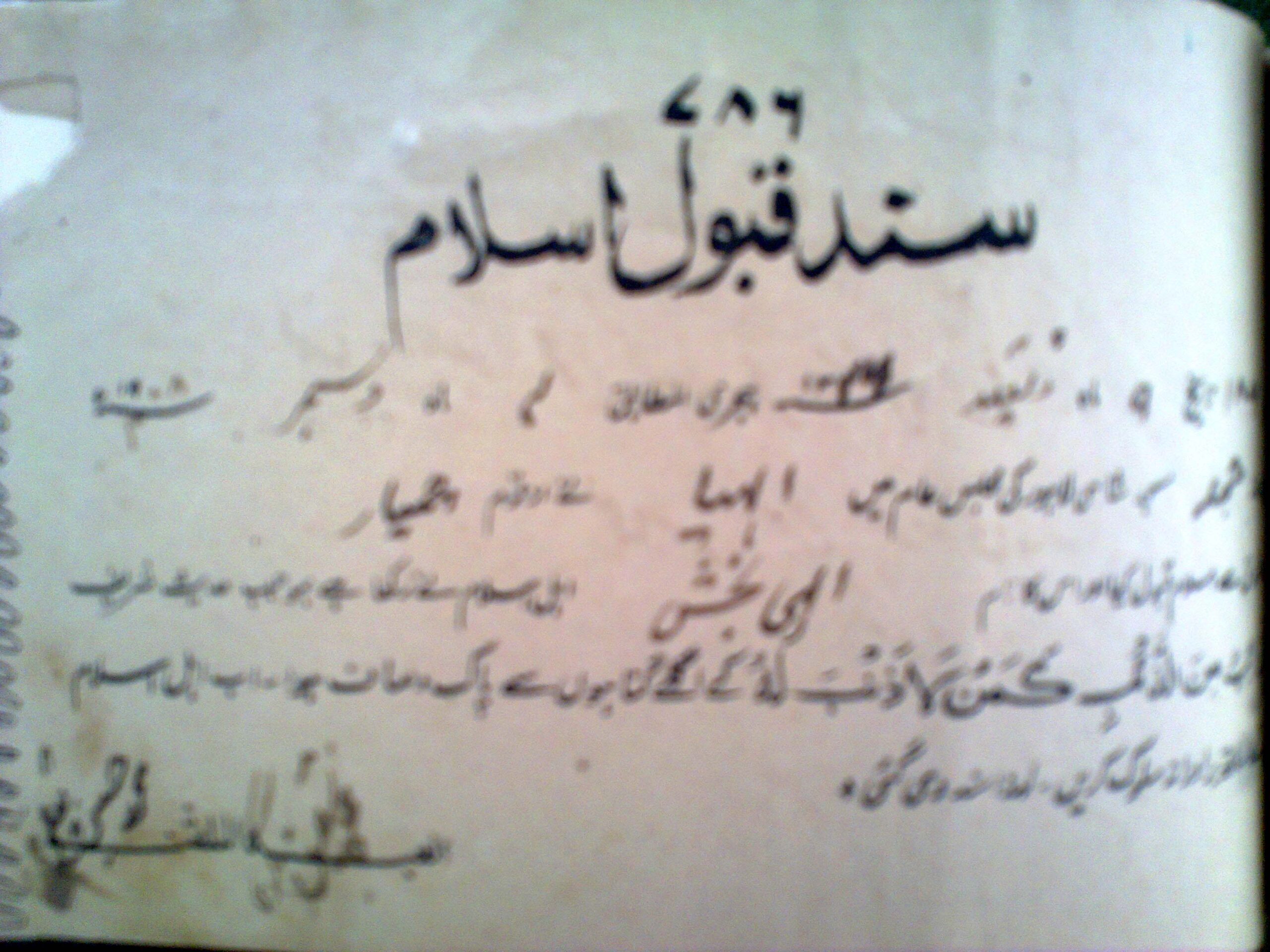
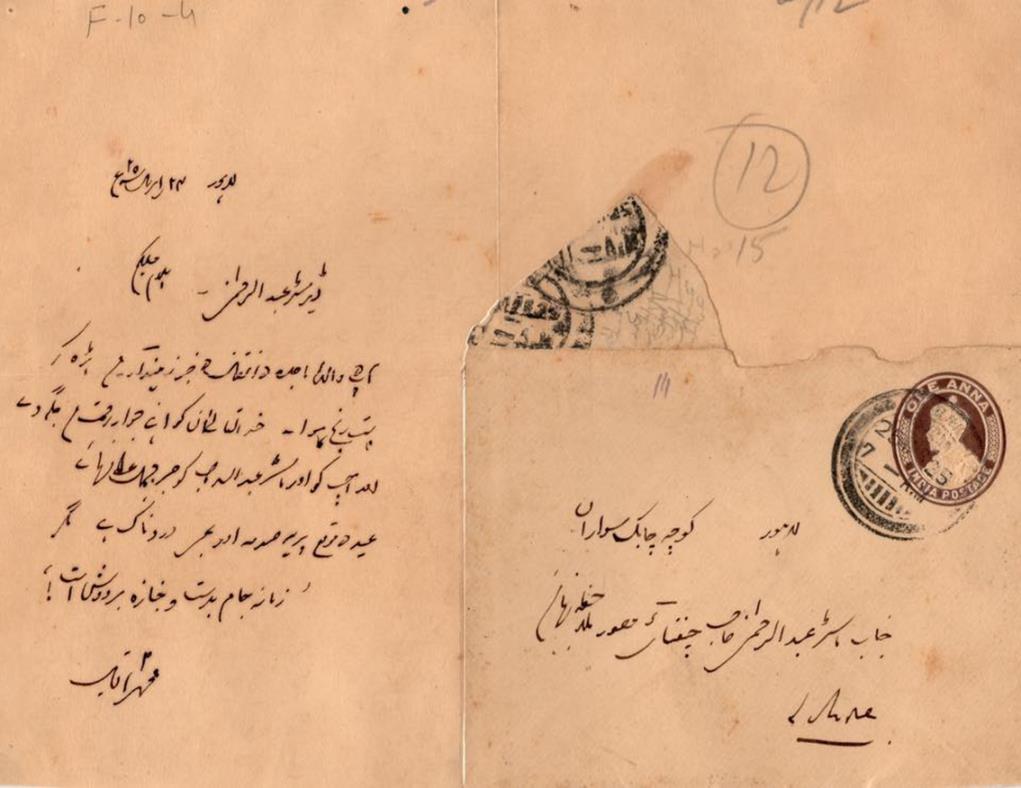
Men do the strangest things possible in times of crisis. Chamars were basically people who worked in the leather industry, and as their work was such, that the profession entailed lots of obnoxious smells. Chamar is from Chamara workers. The name was given to all racial groupings which entailed bad smells in their work, and the shit cleaners smelled the worst. In 5000 years of Indian history, the segment of society ostracized from the rest. Massive conversions took place with the Christian missionaries patronizing them. At the turn of century many such people also embraced Islam under the Imam of Badshahi Mosque Lahore and there are registers of such conversions. We also possess some registers like like that.There was a complete record of various conversions done by the Imam of the Badshahi Mosque Lahore. A regular record was created, in which a form of conversion was given to the converted person, with the record of his old name, as well as the new one. On the back of the duplicate receipt was either the signature of the converted, or the thumb impressions, as well as a certificate of the Imam himself. Of the various record lost, the record for the year 1908 is still preserved with us. A total of 187 conversions at least in that year, with full record of them. We publish an image of one of these conversions. We will do more in future. It is one of the strangest record of all times.
Conversion Chamar Elahi Baksh
Racial prejudice is all over the world. Islam came with the idea of total egalitarianism. But even the so called greatest democracies of the world have not honoured. The idea that BLACK LIVES MATTER is not enough. All lives matter. It is greed and capitalism which makes for distinction between races. With an economic programme to benefit all, racial prejudices will end too. That is the message of Allah! These are flesh and blood people, deserving love and respect. Let us give it to them.
A REPORT OF FOREIGN PRESS ON M.A. RAHMAN CHUGHTAI – THE LONDON TIMES 1976 WORLD OF ISLAM FESTIVAL ANALYSIS
Dr James Dickie 1976
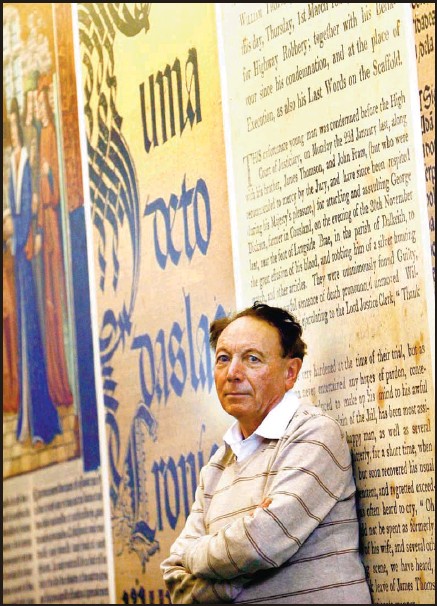
Real professional art critics write for leading newspapers, compared to Pakistan, where role of art critics is not based on any merit, but just influences of certain people over other. We call it here “Sifarishi tattus”. Here we give references to an article at the World of Islam Festival in London by Dr James Dickie in 1976, a graduate from universities in art criticism and Islamic history, and gave his professional opinion about the Pakistan artist Chughtai. Our pleasure to list him. Although present whereabouts of Dr James Dickie is not known.
Dr James Dickie
“Thethird response was the way of the Pakistan artist Chughtai, who experienced at first hand all the West had to offer and assimilated some of it. Chughtai career is proof of Islam’s continued vitality. In some respects he excels Bihzad, the Rembrandt of Islamic art. Before Chughtai, Islamic painting had never developed beyond the anecdotal and the episodic, whereas by Chughtai’s brush it became interpretative. Until the emergence of Chughtai, painting had occupied the status of a minor art in Islam….but now as an interpretative art it bid fair to challenge the Christian and the Buddhist civilization. “ (The Times, London 1976)
Dr James Dickie 2008
P.S. Dr Yaqub Zaki, also known as James Dickie, was born in Scotland and is a graduate of the Universities of Glasgow, Barcelona, and Granada. He has taught at the Universities of Manchester, Lancaster and Harvard.
M.A. RAHMAN CHUGHTAI’S DAILY COMPANIONS OF CHILDHOOD – PLAYING FRIENDS FROM MOTHERS SIDE, MERAJ UD DIN (PAA MAJA)
Unedited Photo Merajuddin 1930s
The Background:
When M.A. Rahman Chughtai died, I was not a relative-oriented person. Yes, we knew some, but we hardly knew others. One reason was that the relatives were mostly from the side of our mothers, and the relative associated with my father, were not from his paternal side at all. Our direct ancestors were small family people. Although we know of some ancestors here and there, the general trend was small families. Mian Salah had two sons, Elahi Baksh (Natha) and Raheem Baksh. Raheem Baksh had just one son and one daughter. Kareem Baksh and Karam Nisa. Karam Nisa was married to Baba Miran Baksh. Kareem Baksh had one son Muhammed Hussain from first wife and three sons from second wife, Chiragh Bibi. That is Abdur Rahman, Abdullah and Abdur Raheem.
Edited Merajuddin
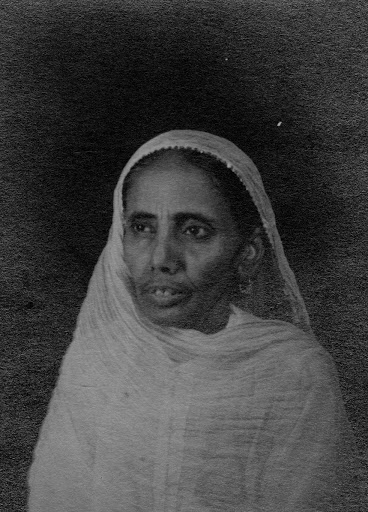
Around 1890s we see loss of Raheem Baksh as well as the wife of Kareem Baksh. Kareem Baksh with one son, was not in a position to cope with life alone. A search for a wife had started. The Mimar family was based on Mohalla Chabuk Sawaran. There was a Railway family stationed in their traditional havelli in Rara Tellian, Lahore. Who got the access to the Railway family? One does not know. There was no relation between the two families. Chiragh din was a craftsman in the Railways, as others in his family. He was approached for the second marriage of Mian Kareem Baksh Mimar, as his first wife had died, leaving behind a son, Muhammed Hussain. The marriage was arranged, and Mian Kareem Baksh was married to Chiragh Bibi. Two families which had no relation with each other, were joined together by this marriage. Even if you look at members of the two families, they look different from each other. A new era started from then on.
Look alike niece of Chiragh Bibi
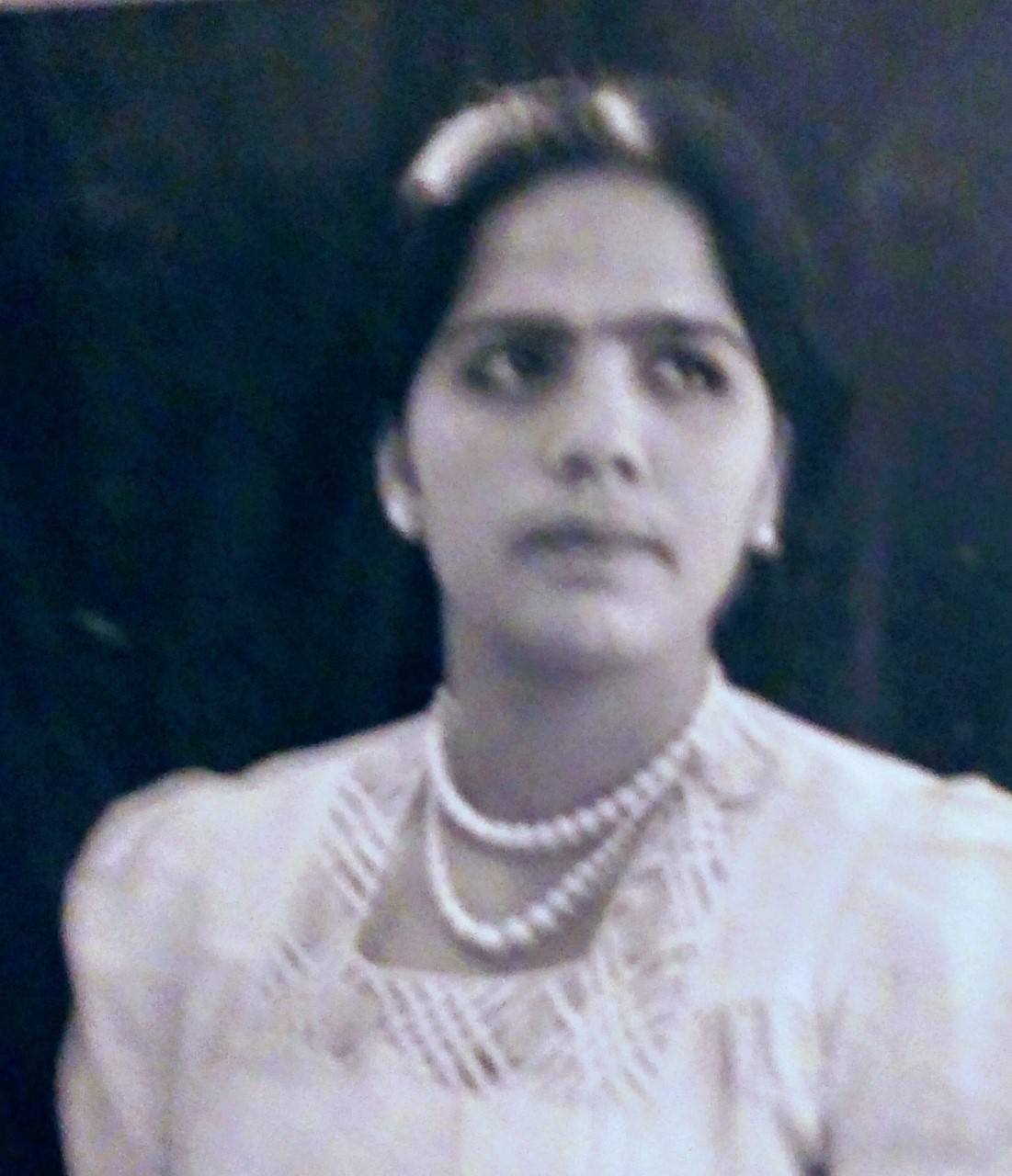
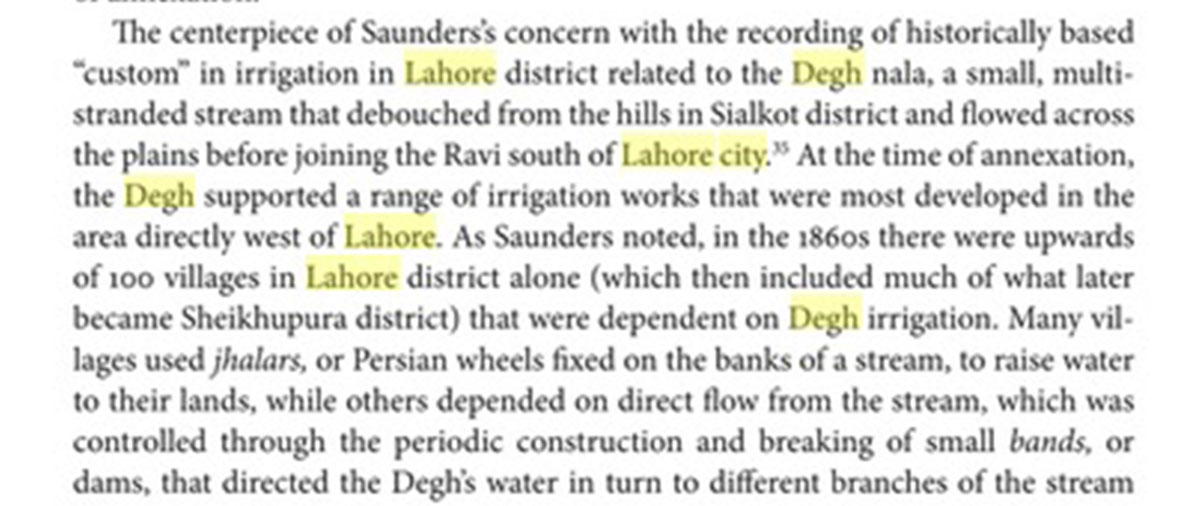
Meraj-ud-din urf Paa Maja: It was early in the morning, someone rang the bell, and told us that “Paa Maja” had died in his home. This was the time when he used to live in his house in ‘Shahi Mohalla’, and had a working ‘Kharad’ of his own in ‘Paisa Akbar mohalla’. I rushed to inform my father, and saw him stunned with the news. In no time, both the brothers were gone to the house of Paa Maja. And it left me, a young boy, to ponder about the loss of a man, who was even my personal friend. We could recall him on many points. He would be there one day before Basant, to repair our kites, put the ‘tarawan’ on our kites, even test same by partial flying, and instructions for us how to wage kite fights in ‘boo-kata’ matches. Then there were the mechanical problems. We were fanatics about our engineering toys, like the ‘Meccano’, for which clips were always missing. He would try to make new clips for us on his kharad himself. But that was a small part of him. He was literally a fun guy. On any pleasant day, with a blooming weather, he wold turn up and stop everybody from the routine work and proclaim that it was a picnic day. Picnic day meant a day at the canal DEGH, by taking plenty to eat with us, and getting hold of our fishing tackles, and at times even rifle guns for hunting ‘murgabis’. The hunt, whether the flying ducks or the fishes, were cooked there on the spot and eaten, with rotis and nans from nearby tandoors. And all this not in any cars, but just plain tongas to take us there and tongas to bring us back. The picnic was not merely a men gathering, women were included in it fully. It was a family affair.
Condolence Dr Iqbal Chiragh Bibi
Initially the fishing tackles were simple strings and hooks, but after his return from England, M.A. Rahman Chughtsi had brought imported tackles from there, and portions of same, we still have even today. We were very afraid of the hooks, and they were not only plenty, but pretty sharp. And we did not even know, how to take them out of the fishes mouth. So our best bet as children was to use empty jam bottles to trap small tadpoles in them.
Groom M A Rahman Chughtai
But the interaction of Meraj-ud-din and Chughtai Sahib was not limited to these encounters. They could play cricket together in Minto Park. They could see movies, dramas, or even dip in the Ravi, when it was not flooded at all. But this relation was a fun relation, and there was deep concern and love for each other. Meraj-ud-din was responsible for one important thing in the life of the artist. In his visit to Europe, M.A. Rahman Chughtai was lonely without end. A new cultural environment was being seen by him. His impressions of his surroundings, he would put in a letter, written to his beloved maternal cousin Meraj-ud-din. Sharing odds and ends literally every day. A bunch of his letters could have been lost, a bunch still with us. The artist had a plan to compile all this in a book form, entitled “Meraj kay nam London say khatoot”. A compilation was given to a local publisher, but the publisher had new political affiliations and never went ahead in printing same. This new group was allergic to Chughtai as well as Pakistan. History stops and starts with behaviour of people.
Bride Kishwar Iqbal Bano
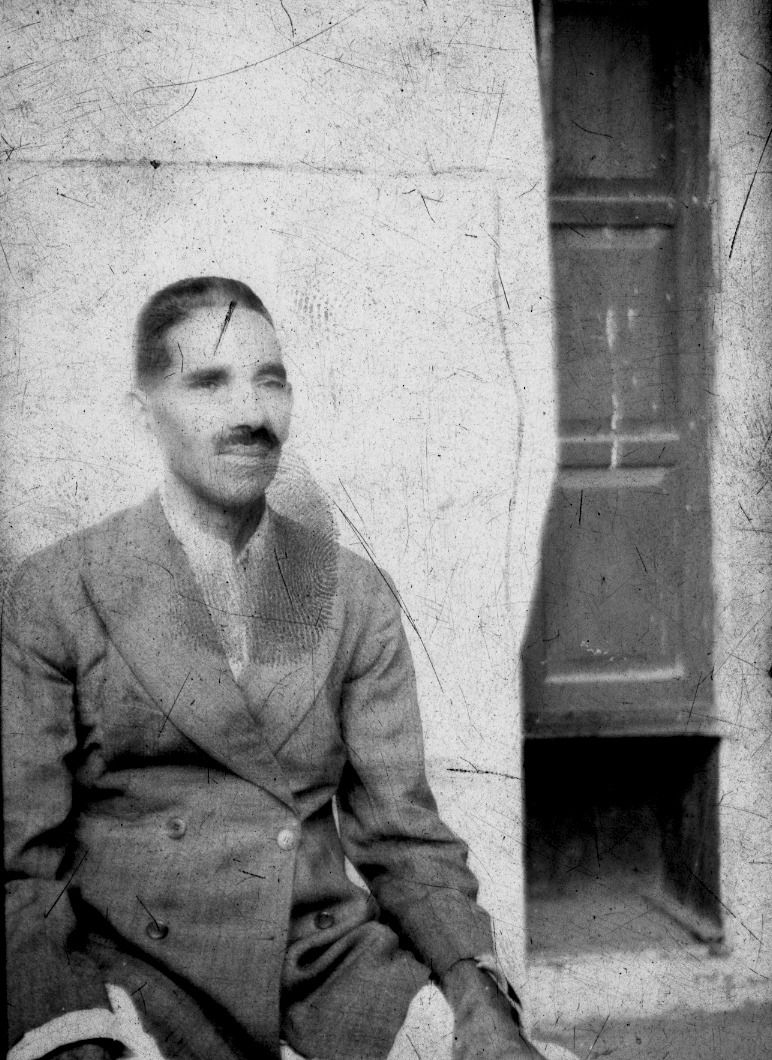
There was strong bonding between the two cousins. Chughtai Sahib was the maternal cousin of Meraj-ud-din, and no other relation, except love for each other. The first marriage of Chughtai Sahib resulted in the death of a son. The gracious lady had developed womb cancer and could never have a child again. Meraj-ud-din was worried about his maternal cousin. He convinced the artist to consider marriage again. To make this happen, he proposed the hands of a girl in Amritsar, from a Railway family, and a proposal party went there. But the parents refused the hands of the artist. Incidentally in the reception from the girls side was sitting Bhou Din Muhammed, a senior goods clerk in the Railways too. He took a fancy to the artist, and suggested the party to come to his house for other possibilities. The result just be sheer accident a proposal was accepted for Chughtai Sahib, in this new house, and the girl name was Iqbal Bano. But the artist was so attached to the name Kishwar by now, that he renamed his wife as Kishwar Iqbal Bano. The marriage took place, and that story deserves a blog on itself. These personal information are not recorded anywhere, and we do this for actual record for the future. P.S.We had a very nice photograph of Meraj-ud-din but it has been misplaced. So we hunted an old negative and it was full of erasures. Ejaz Sarwar volunteered to photo shop it and he did that. Thank you Ejaz Sarwar USA! Till a better result is obtained, this is the only visual image of Meraj-ud-din, the maternal cousin, available with us. Enjoy!
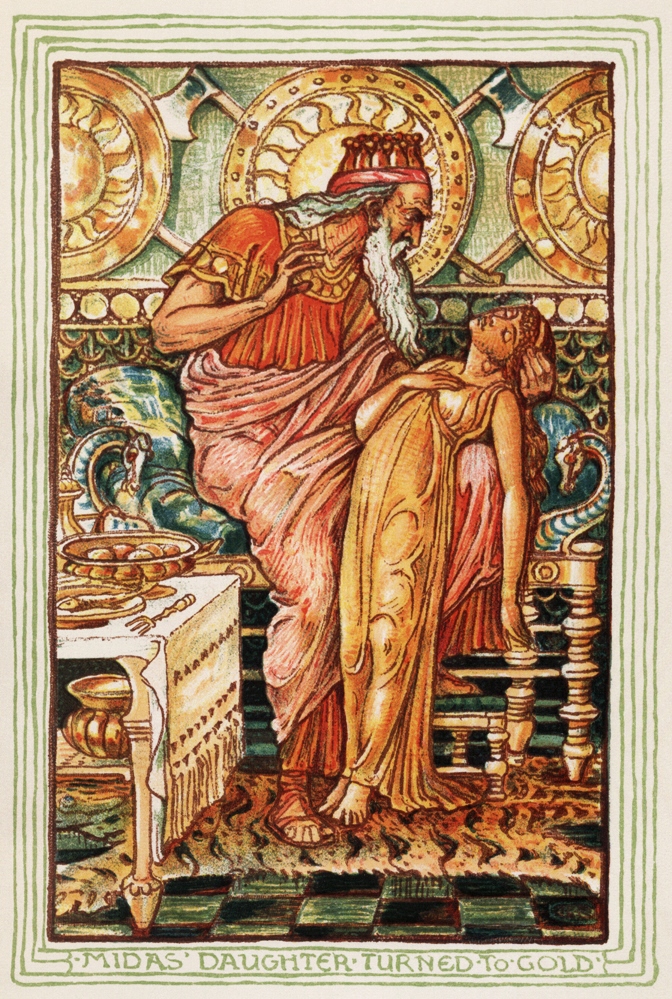
THE CONCEPT OF KARUNS OF THE WORLD AND OBSESSION WITH WEALTH – THE QURAN TEACHES US WHAT ACCUMULATION DOES TO MINDS OF PEOPLE Even as children we heard references about the despicable nature of Karun’s lust for money. Some people think of him as Hamman of the Pharaohsand others refer to him as the King of Lydia. A reference says:“The Last King of an Anatolian civilization Lydia, CROESUS (known as KARUN in Turkish) is known as the inventor of first user of “coin” and referred as the richest ever man on earth. As the richest mortal in the world, he was 35 years old in 566 BC when he became the King of Lydia.” The strange part is that a portion of his vast treasure was discovered and a bone of contention between the Turkish government and the Metropolitan Museum of arts. But that is not our issue here. Our issue is that when one man or a group of men accumulate the wealth of the world, what happens? In fact nothing good can come out of it, for the Laws of Allah talk about sharing things and distributing what in excess that you have. By taking things which are rightfully others, you commit the greatest sin according to divine laws. The shame of today’s rich people is enormous but as their eyes are blanketed with greed, they cannot perceive the folly themselves. Our own rich people tyrannized others to get to this point. So did the worlds richest people. This treasure will burn their hearts out. With what shame we hear that one percent of the world, owns ninety-nine percent of resources. All the intellectuals muse over it, but can do nothing. For powerful people have the capacity to buy others out. When the richest and powerful turns up into criminal minds, the wrong top the world is multiplied by millions.
Midas obsession like Karun
So much afraid of the Spirit of Islam, that pervert priests are hired by such lobbies to spread calumny about the way of life, which guarantees happiness and peace all over the world. Not one of these despicable priests talk of finer things of life, dealing with perverse meaningless issues, to confuse anyone’s interest in the Islamic way of life.
Allah tells is not to give up. The strong and mighty on wrong track will eventually fall into their own contrived destruction. Patience and have faith in the Laws of Allah. Forget about burning in hell, the will never see peace on Earth even!
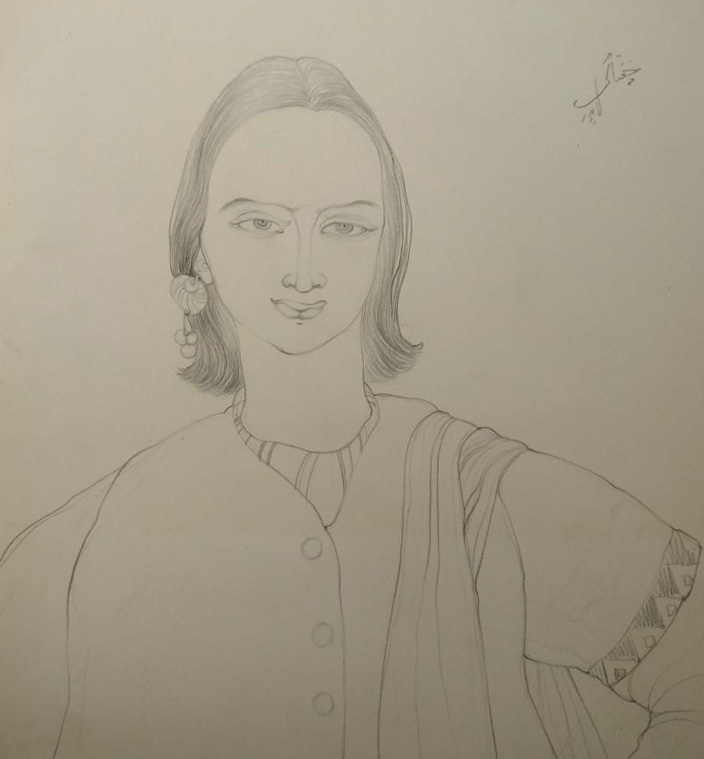
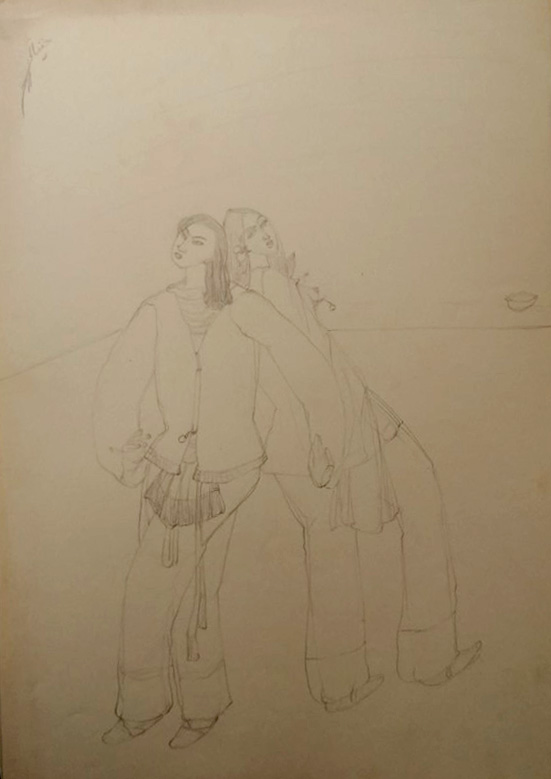
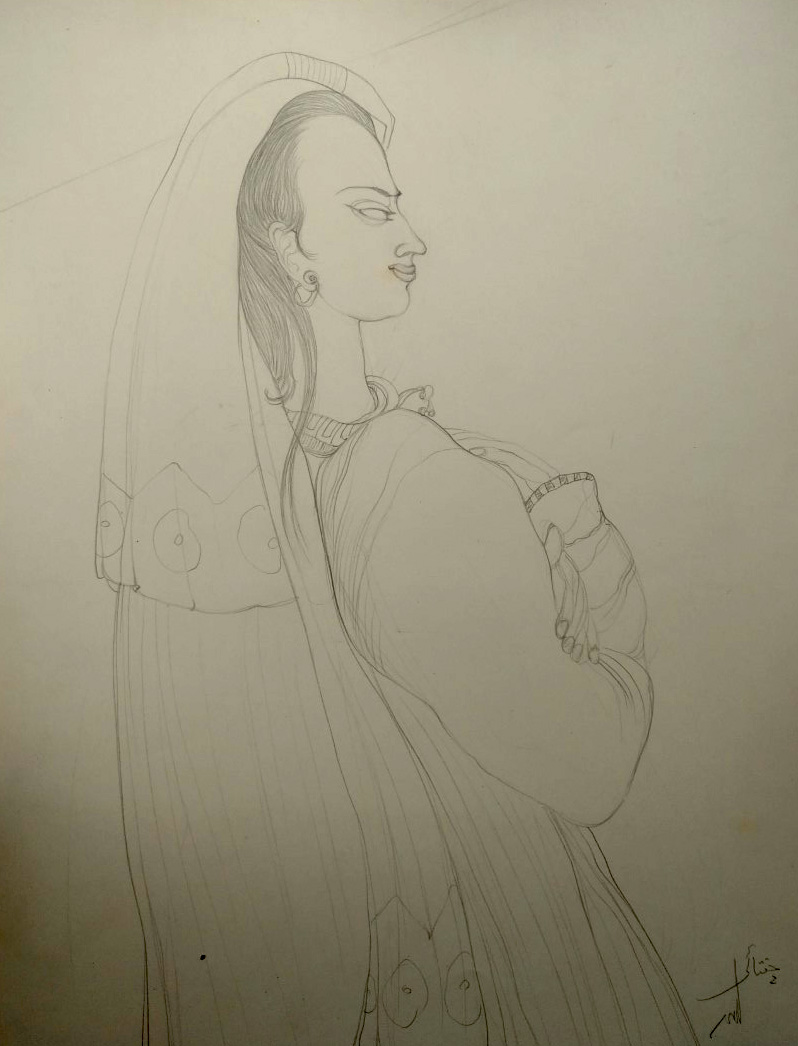
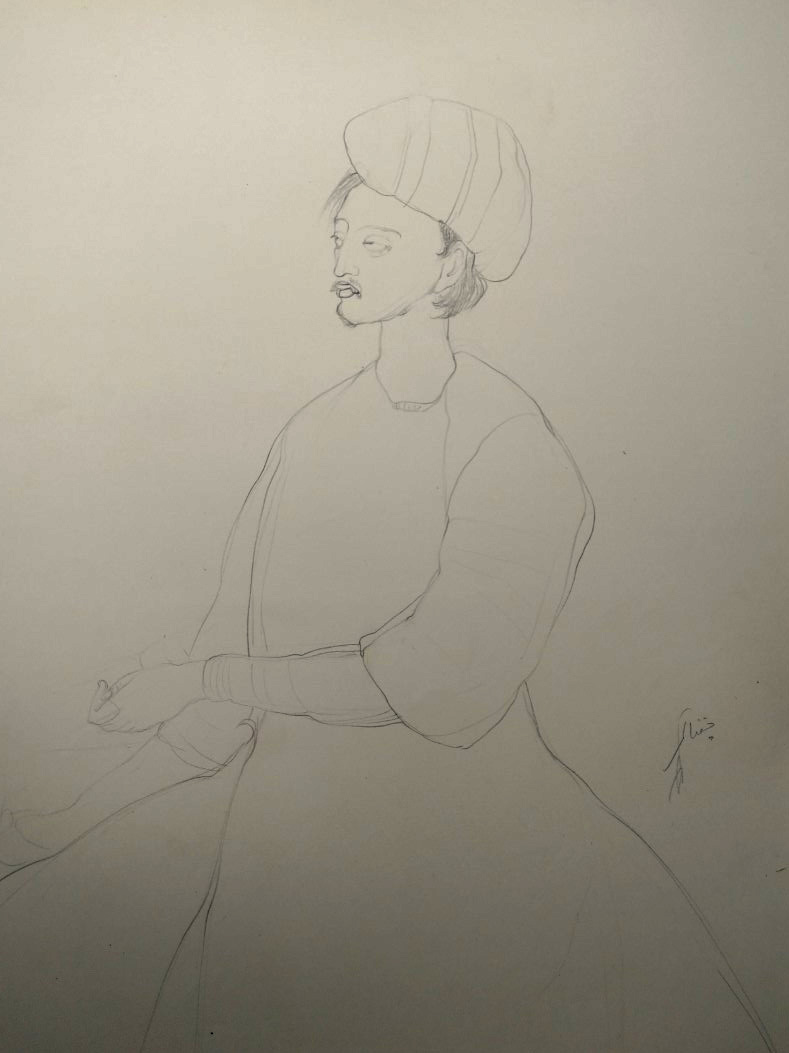
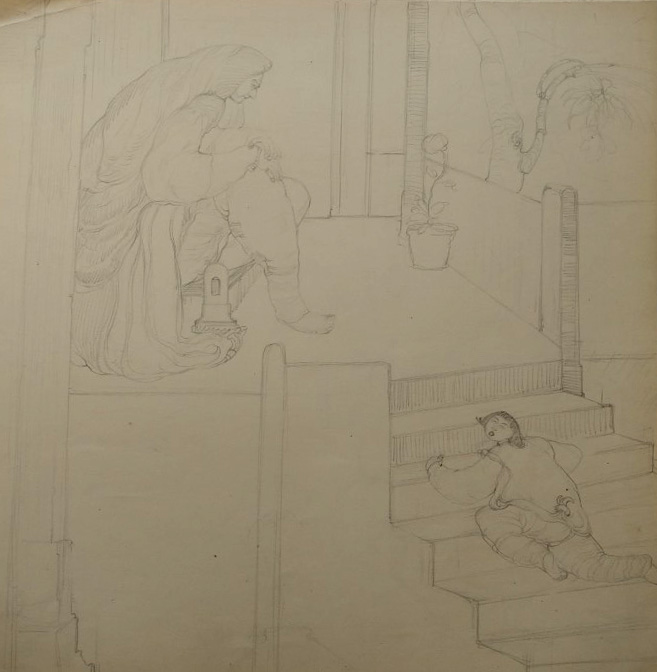
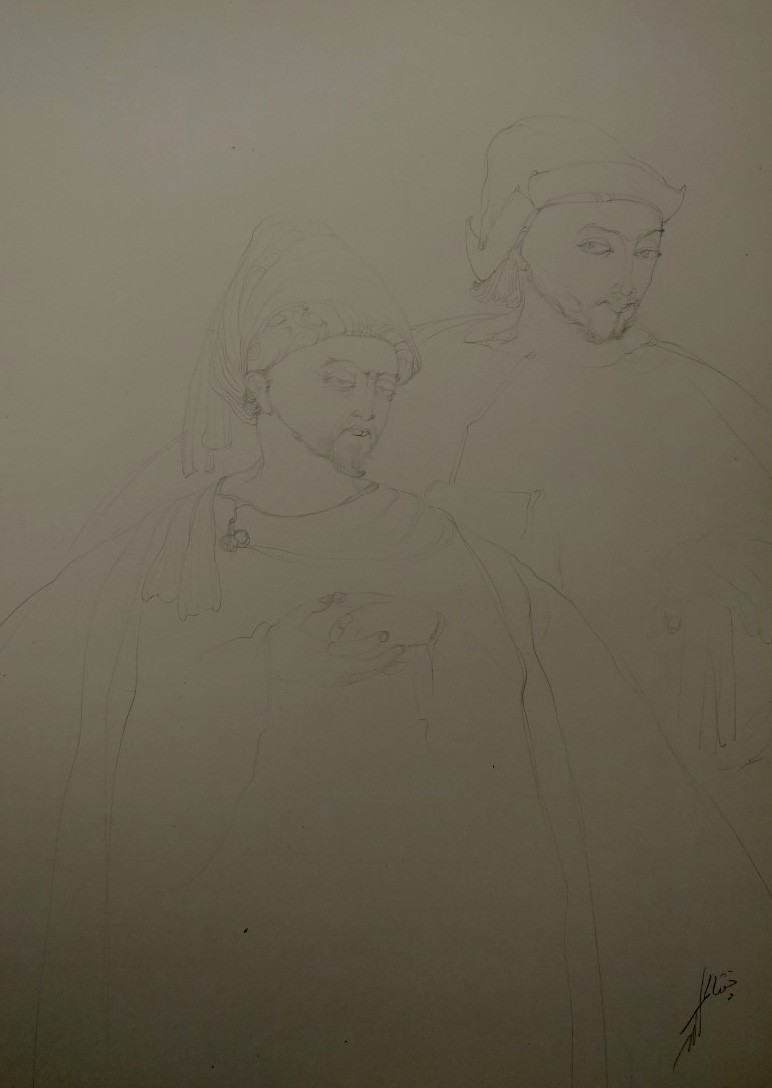
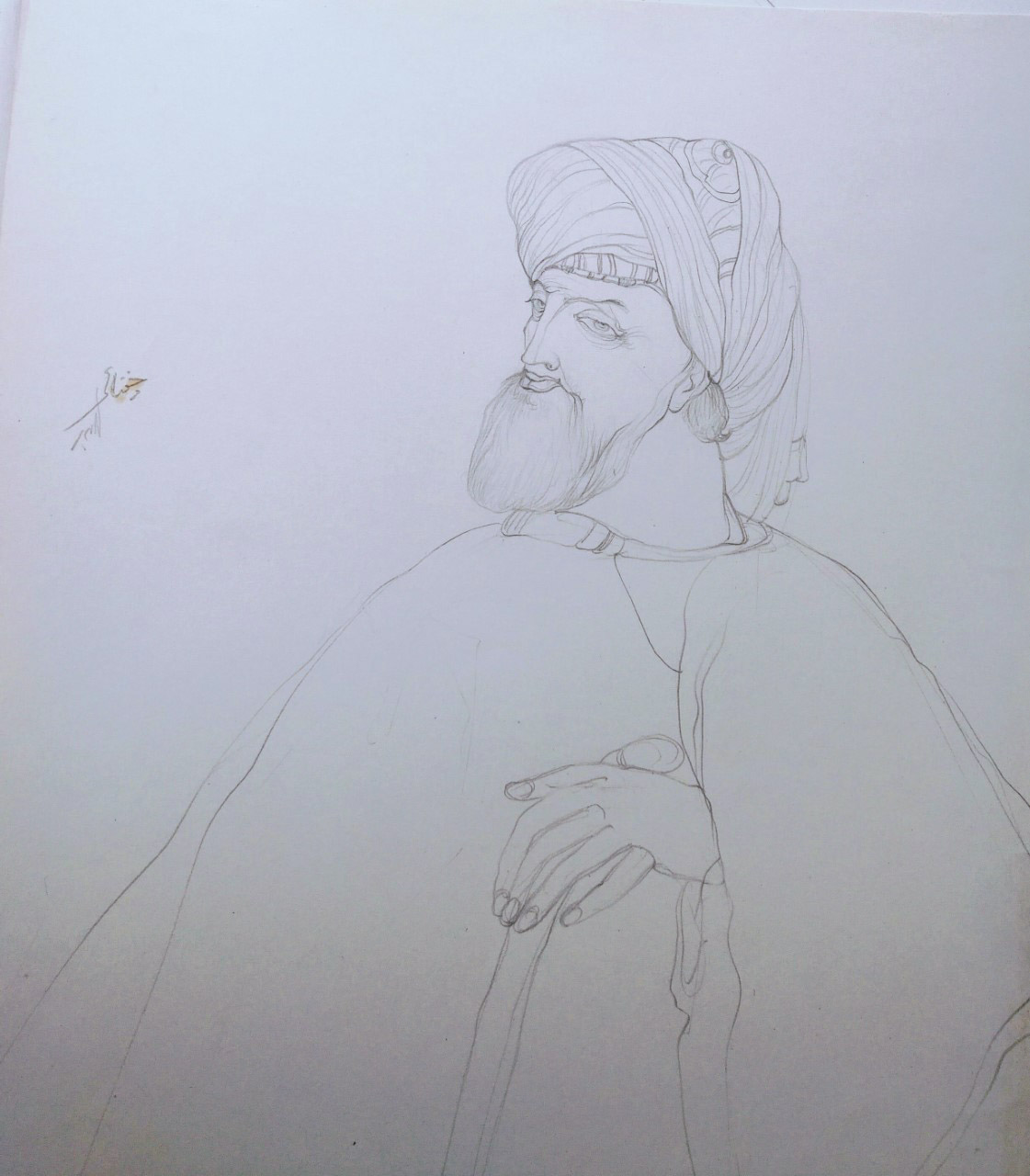
THE TREASURE OF PENCIL SKETCHES OF LEAD SWORD: “IF I LIVE TO EIGHTY YEARS – I CANNOT ACTUALLY COMPLETE MY STARTED WORKS FOR ANOTHER EIGHTY YEARS” Individuals and Societies are inter related to each other. All societies have same kind of people ratio. Intelligent people and totally moronic people. But higher civilizations grasp the compassion for saving their culture by taking care of the icons of people. This is deliberately cultivated among the people. In Western capitals, I have seen ques of people and the long lines perplex me, as to what motivates the people to come to exhibition shows in storm and rain and what so ever climate. You see not only old people, you see young children as well thirsting to catch a glimpse of their culture at first hand. Once upon a time people from villages used to visit Lahore and you would hear them say about Lahore Museum (Ajaib ghar, known as Ajaib Kar) as much as they said about Lahore Zoo (Chiria ghar, known as Chiria Kar). And without a word of knowledge they would look at their civilizations with awe. Today ask a rickshaw wala about Ajaib Ghar and they would not know where to go. Simple for no one has bothered to do any promotion about it. This tradition goes to the momentous Ajaib ul Makulaqat manuscript found in ancient time.
PS 2 Lady
PS 3 Modern Girls
PS 4 Maiden
PS 5 Farmer Boy
PS 6 One storey high
PS 7 Two brothers
PS 8 Mother and daughter
Lahore Chabuk Sawaran was a difficult place to reach, as to the house of M.A. Rahman Chughtai. But people from all over the world went there, and there were people who could quickly guide them to the house. In course of years we at Chughtai museum reached famous as well as unknown travel guides, and we are listed everywhere. It was there in Murray’s Handbooks of Travel, but I saw same in PAN AM travel guide in 1951. Today Lonely Planet, Etude Paris, International Directory of Arts Berlin, all list us.We used to see literally flock of tourists at our house. And we saw them at the museum too. But times are changing. At this time all museums in the world are closed and all are working at home and on line too.
PS 9 Dignity
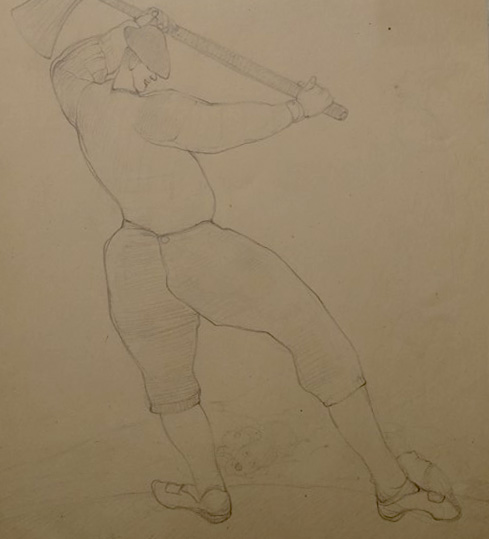
Exceptional people enrich culture with their extraordinary talents. But there has to be some one to take care of the legacy of the artist. In Pakistan the general run of the people are heartless about their culture and their cultural icons. We talk about that all the time, but proverbially “not even a lice scratch their head”. And these are the people who are destined to be zeros even in their life time but will not consider help of any kind to culture. In fact thy seek harm to those who think in those terms. Within our meager resources we do our best, but for how long? In the end the society has to take responsibility and if it does not, it is wiped out of cultural history within no time. We can only not hope but do our best in our life time. We take this opportunity to present you with a few selected pencil sketches of the artist. Obviously he did hundreds and we maintain them. We give an opportunity for visitors to see them but it is not always possible. Enjoy what Chughtai could do with his lead pencil, like a sword on paper. Delicate calligraphic unending line. And subjects a product of his unending creative imagination. The West was ready to kiss his toes, but the artist was not willing to leave his nation. Ideology is as important as life itself. Enjoy!
GHAZNI AND GHOR DIVERSE BUT BOTH ATTACHED TO LAHORE – SULTAN GHIYASUDDIN GHAURI AND SHAHABUDDIN GHAURI – CHANGED THE DESTINY OF ISLAM IN THE THEN HINDUSTAN.
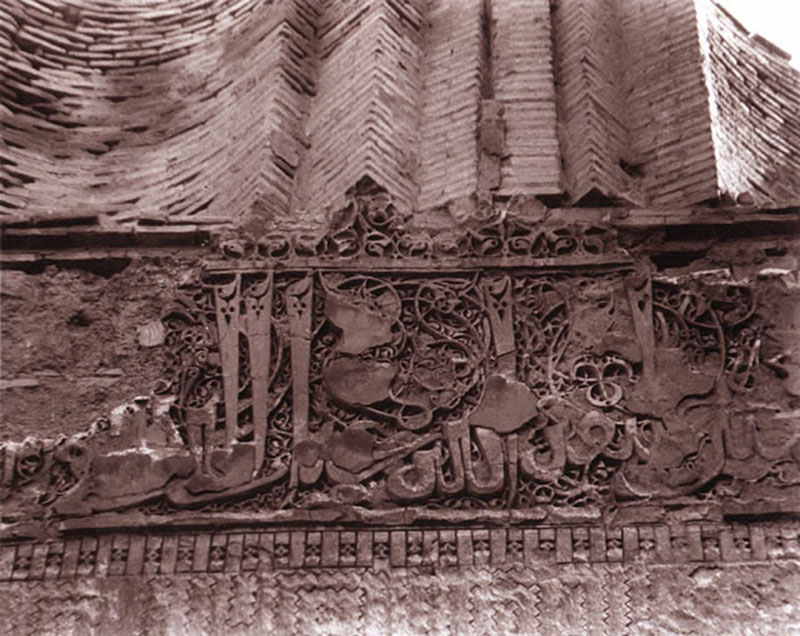
Portal of Ghiyasuddin tomb
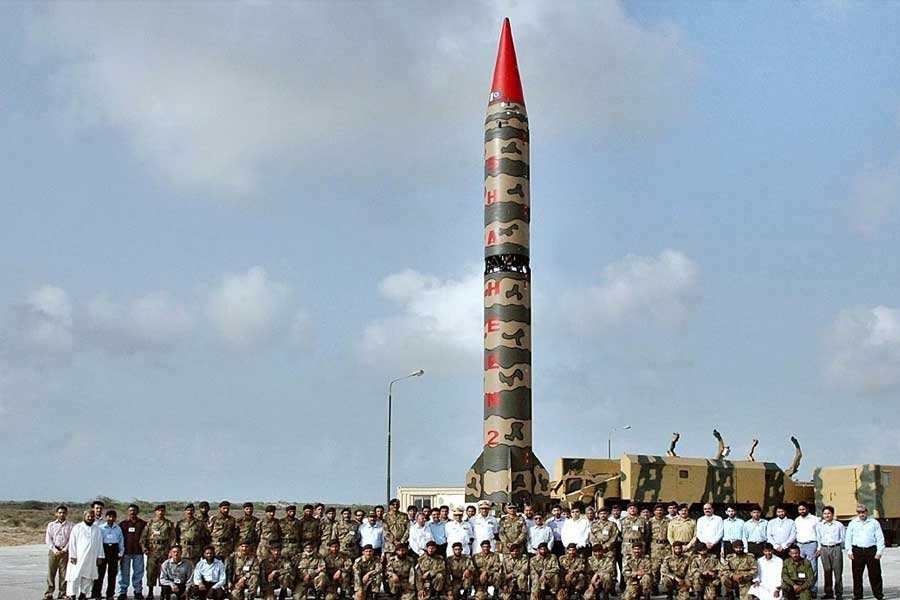
Sultan Mahmood Ghaznavi instrumental for the city of Lahore. The Ghauri brothers and the slave Qutubuddin Aibak changed Lahore forever. And not only Lahore but the whole region of India. They are the much hated figures across the divide but they are our heroes. Mind you our Missiles carry name of both persons. Certainly there is a reason for same. And our paid lobbies hate them as much as the enemy. Never read anything about them, only fictional accounts generated by distortion of our history. Certainly Ghazni and Ghor (Firuzkoh) are linked to us.
Grave Sultan Ghiyasuddin Herat
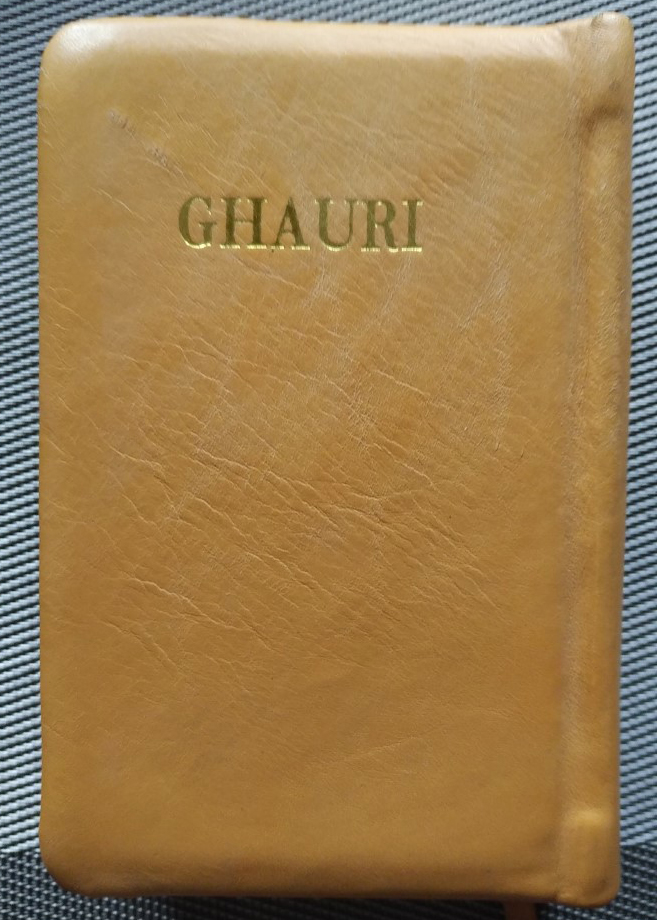
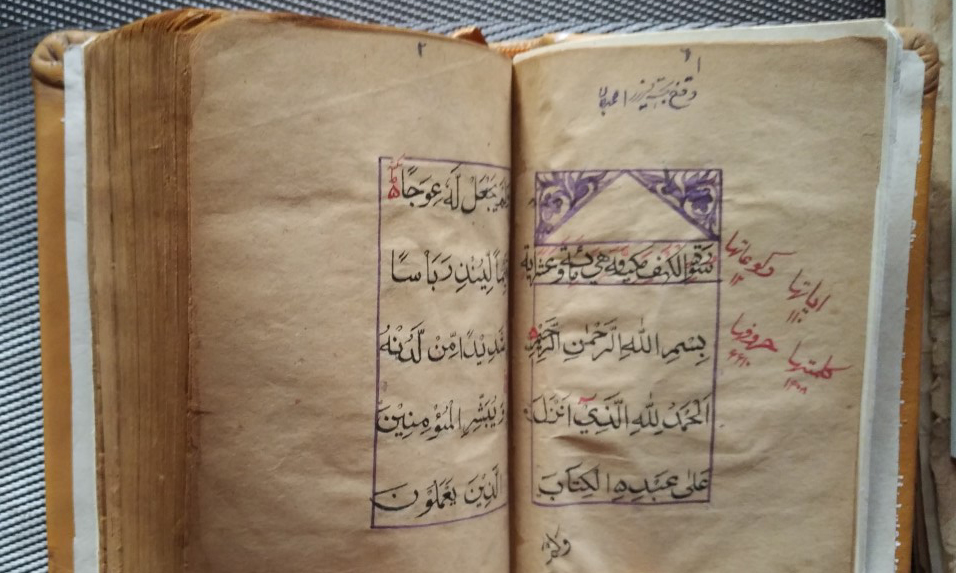
Ghauri manuscript
Ghauri descendant
12 generations of Ghauri
Epigraphy Ghiyasudddin Ghauri
Ghurid portal Jamia Masjid
We came across a manuscript written in the Jamia Masjid Herat in 1166 AH, and the writer is namely Mir Afzal Ahmad, and he writes the previous twelve generations of his direct attachment to Sultan Ghiyasuddin Ghauri, who is buried in the Jamia Masid Herat to this day. Jamia Masjid was made by the Sultan in Herat in 1200 AD, and he was buried there in 1203 AD. Times have come and gone and the mosque changed over time, but the respect for the Sultan stood its time and his grave was left intact by many rulers over the course of time.
The name spreads terror over our enemies, and the way Muslims are being treated today all over the world,requires the brave heart of a Ghauri to undo the wrong perpetuated over time. Allah may have mercy on us!
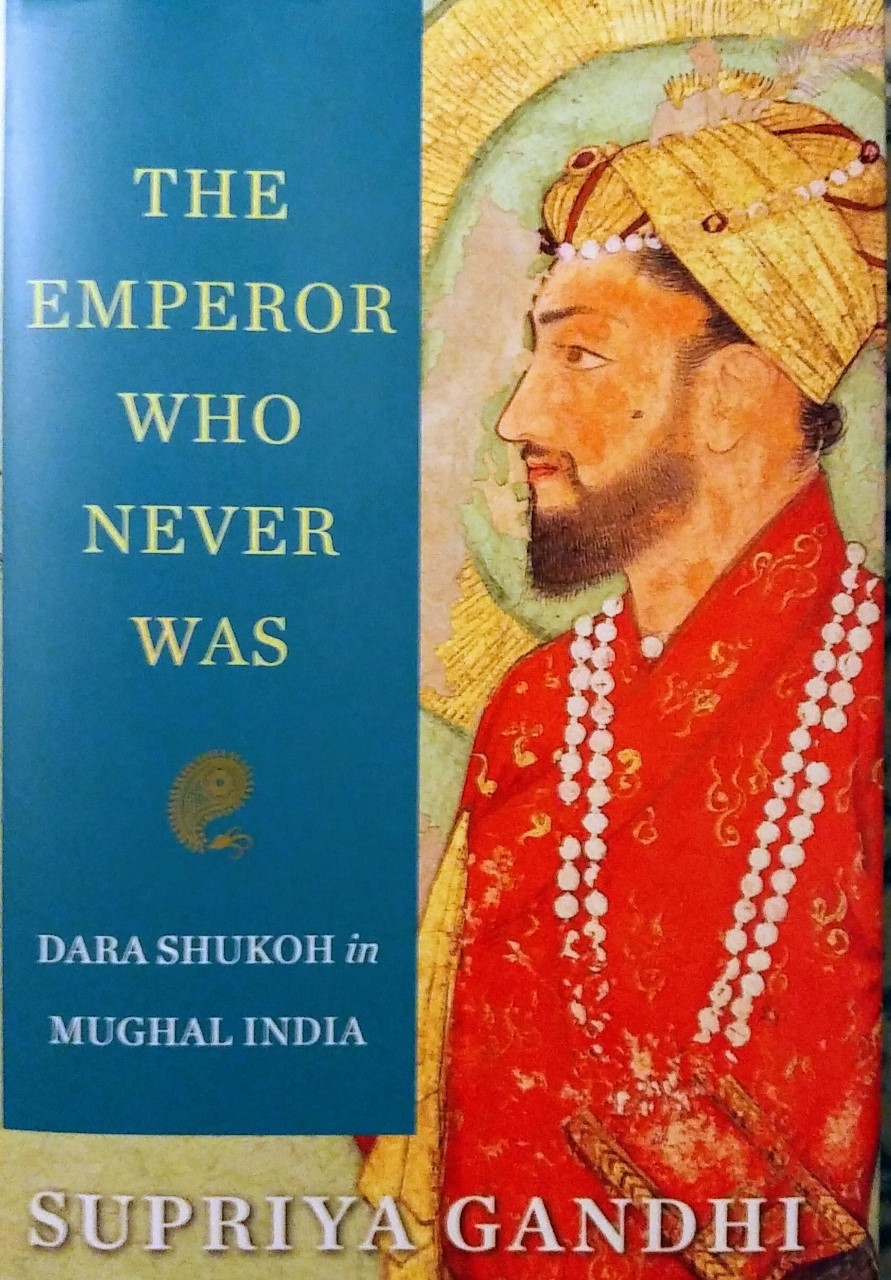
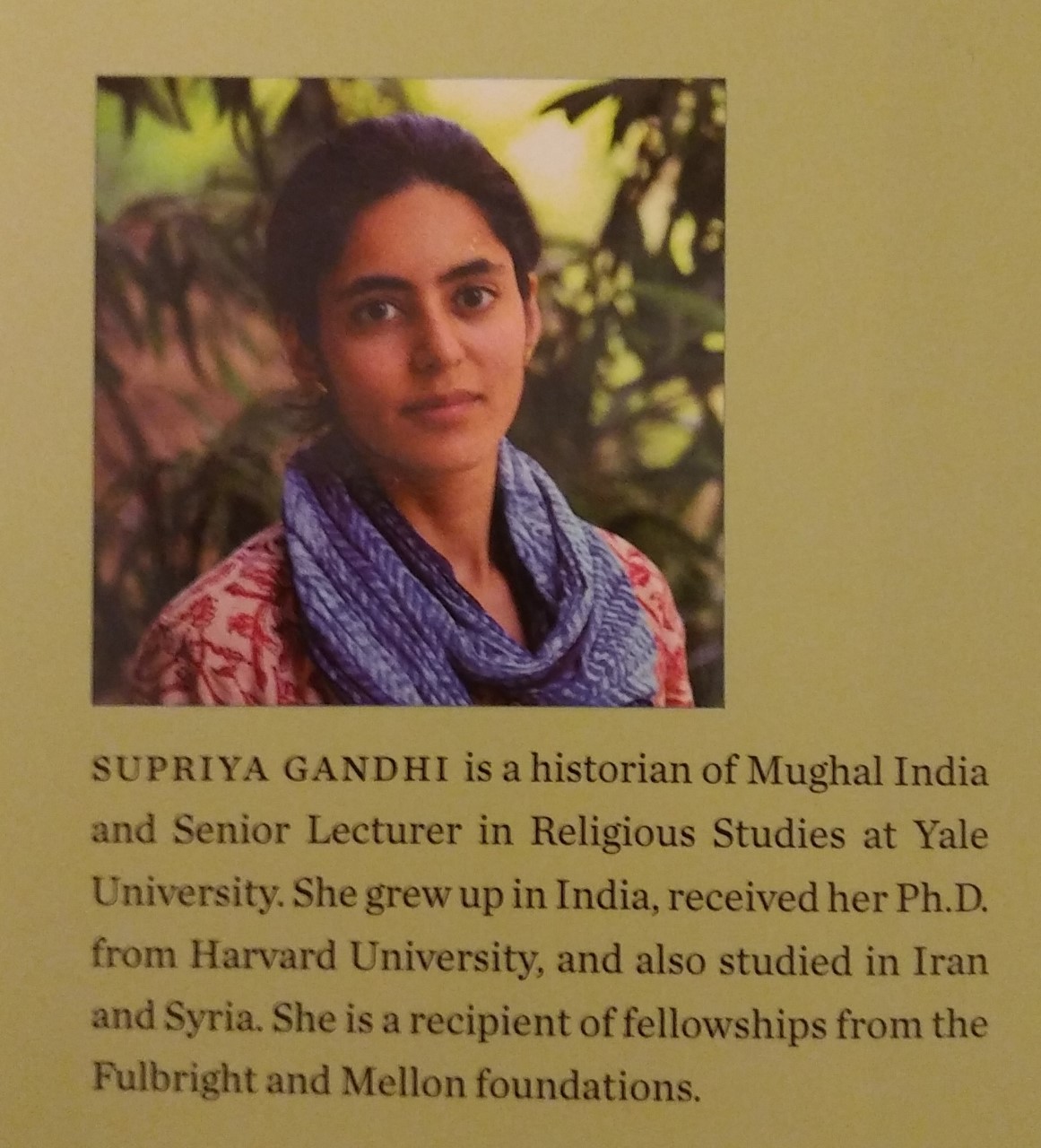
DIGGING UP THE PAST OF MUGHALS AND GETTING READY FOR SURPRISES – SUPRIYA GANDHI QUEST TO OPEN FESTERING WOUNDS OF DARA SHUKOH
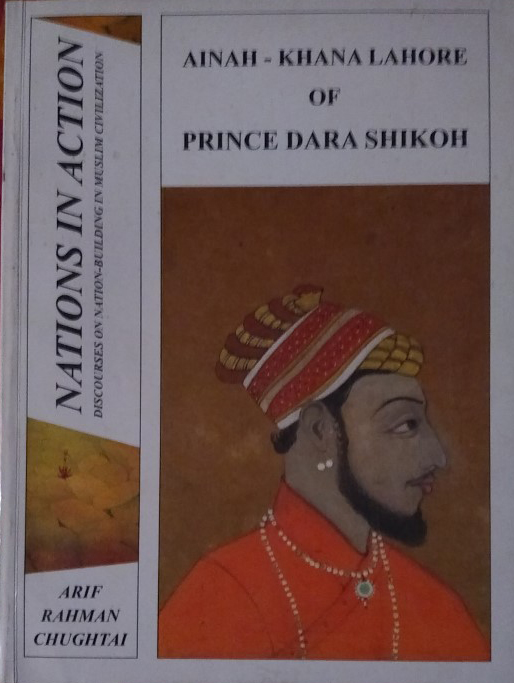
The new book on Dara Shukoh
My contact with Dara Shukoh goes back generations (my ancestors worked for him), and there is no doubt that as literally King of Lahore, he was responsible for much aesthetic developments. Being son of extremely conscious aesthetic parents, it was to be expected and he proves that with his choices. But research falls into favoured trap. Inevitably sitting outside in a world which dictates choices, you end up with one kind of view. We collected lots of resource materials on Dara Shukoh. And of course researchers like Supriya Gandhi have access to materials, we cannot even fathom with our meager resources. The money comes out of our own pocket. No institution waves off charges which researchers here cannot even afford. There are two famous published books on Dara Shukoh, but there have been publications in Pakistan too. Caravan Book House took out a book on Dara Shukoh in English. United Publishers took out an Urdu book on the fight between two ideologies. And then of course the Diwan was discovered here, published and made famous. But the most relevant book was the printing of the Jaipur newsletters, which were so important and published in Karachi in 1951 by Yusuf Ali Khan, former librarian of Jaipur Sate Records. We have a copy of the rare book and although it is supposed to be Aurangzeb’s life, it is full of references to Dara Shukoh. A blog is not meant to accommodate all information and we give two links below for anyone to read same from our own blog. The links are:
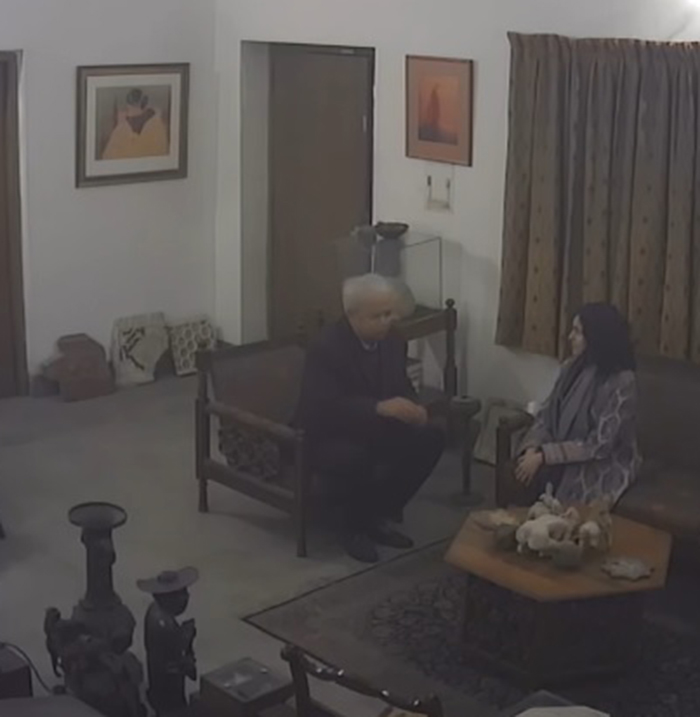
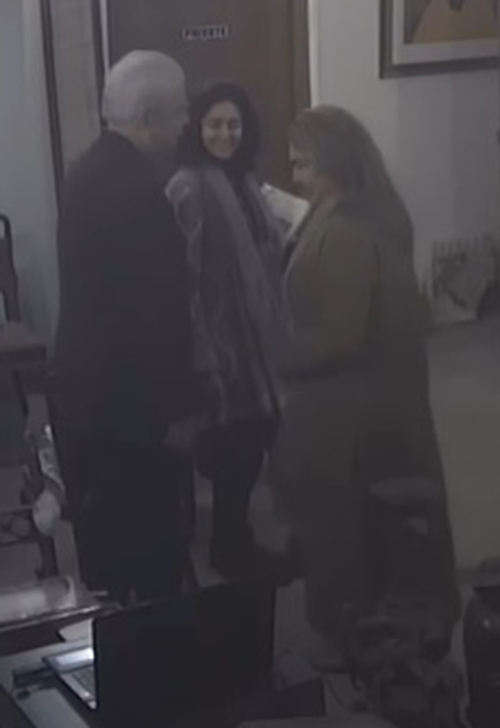
We took out a book on Dara Shukoh and we sent a copy to Supriya Gandhi by courier, well before her own publication. And when she called here with some friends, we gave them all additional copies of same. It has materials which are nowhere else. It was Supriya’s desire to see some of the research material in real terms. There is a Western disdain for independent research, and the easy ability to cast doubts on resource material they do not have with them. She was at first suspicious of our holdings. I received a reply from her from Delhi and it says:
“It does indeed look like Jahanara’s own handwriting at the end, compared with MSS I have seen in London of her Munis al-arwah and some of her writing held in Aligarh. It would be fascinating to compare this text of the Munis with the published version or the British Library copy to see if there are any differences. For a study, of course one would need a full set of images, and then I could do an article. A wonderful find! Thanks for passing this along. “
Obviously we are not milk suckling babies in this harsh world. Our blood and tears are there in our passion for research. My uncle Dr Abdullah Chaghatai did his PHD on Taj Mahal from Paris in 1938. Very few references are there for researchers for this epic work. Mika Natif has pointed out the difference between the Mughals and Occidental. We knew that all the time. Our own book on Dara Shukoh is worthy of being read, with so many things of original research. And yet western scholarship disregards it. A world famous art library refused to possess it, when a number of my books were already there in their holdings. .
Supriya Gandhi the author
Visitor Supriya Gandhi at Chughtai Museum
Supriya at Chughtai Museum
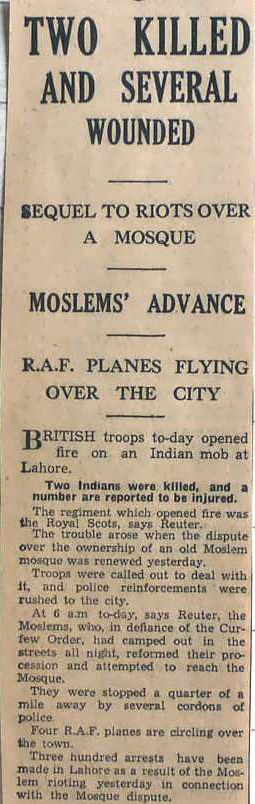
Dara Shikoh mosque riot
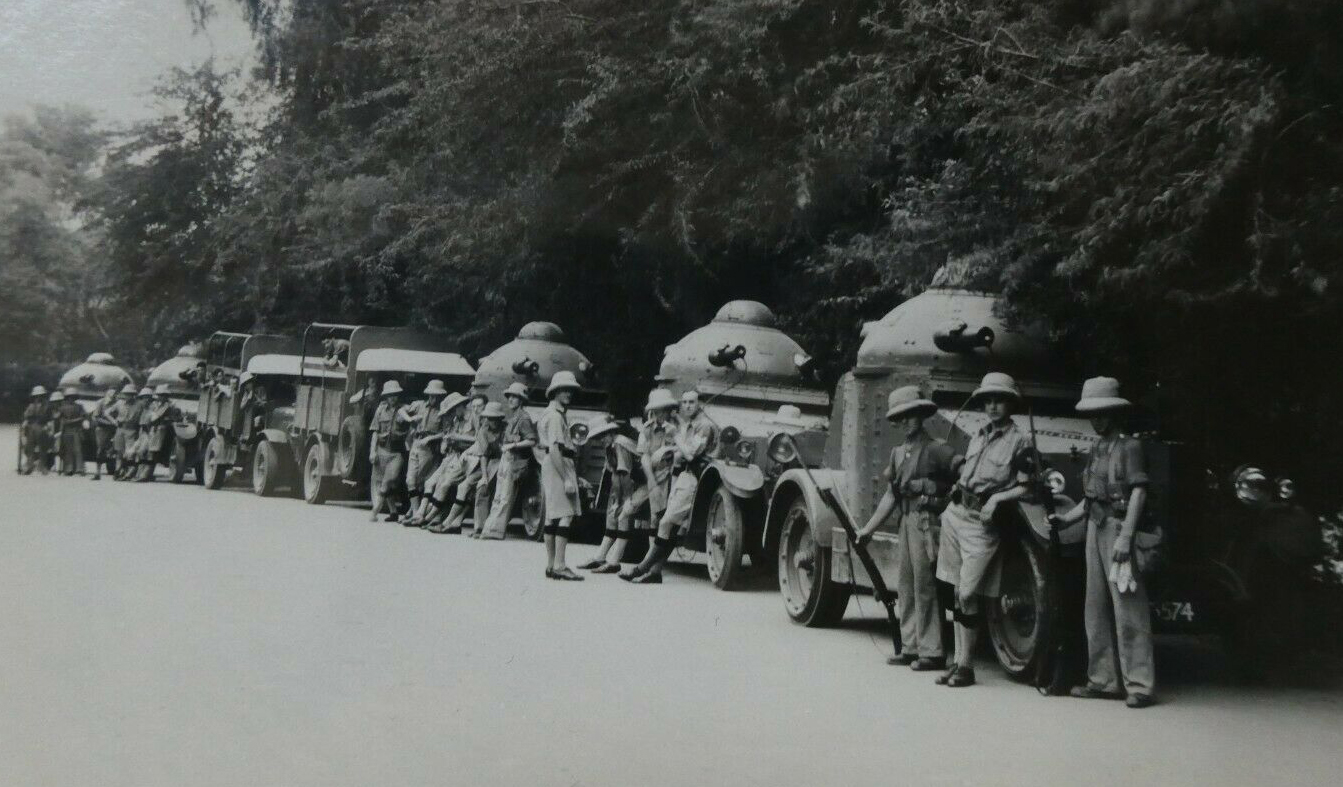
Lahore riots 1930s
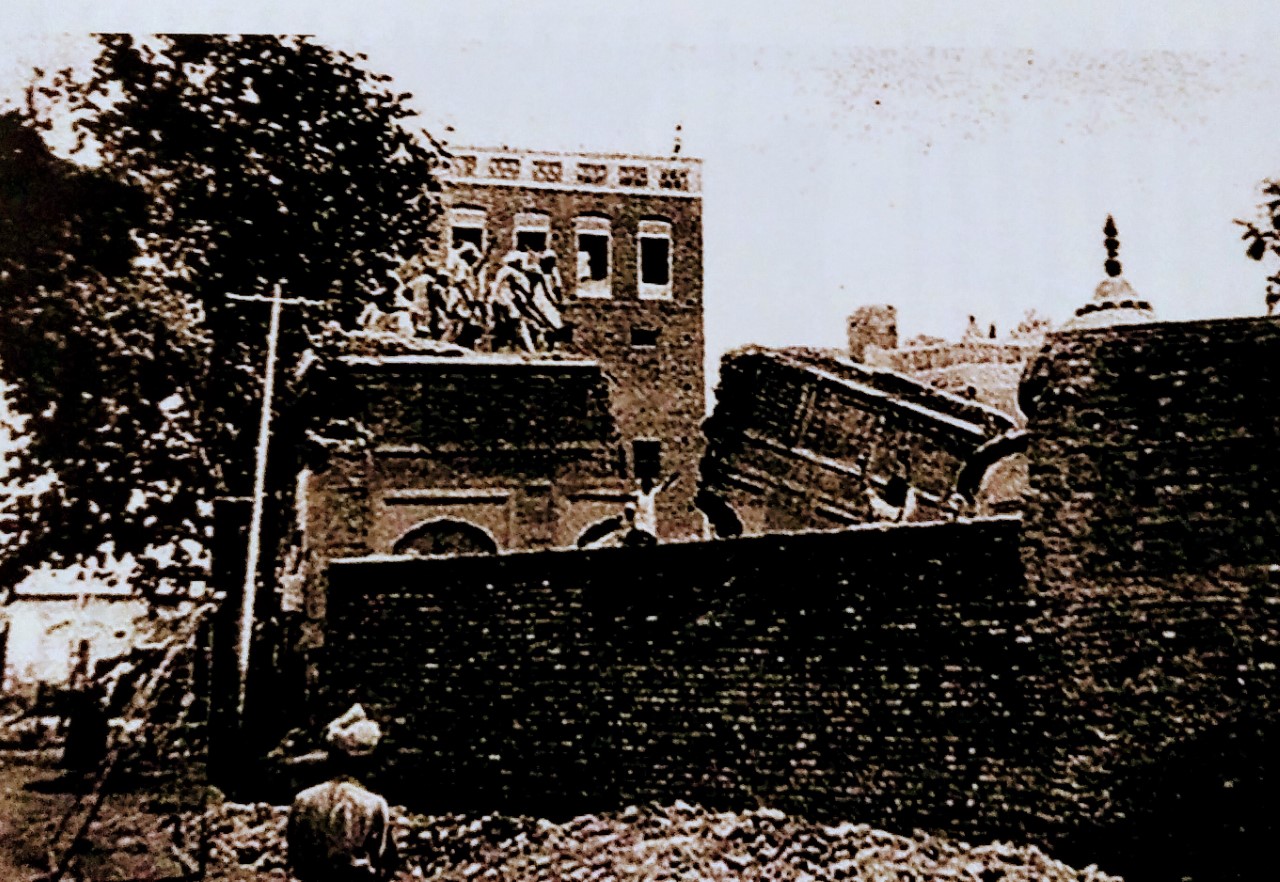
Sikhs breaking the mosque in Lahore
Our book on Dara Shikoh
Yusuf-Ali-Khan-Librarian-Jaipur
Thesis 1938 Dr Abdullah Chaghatai
Why Dara Shukoh never became an Emperor? Because he did not have the ability to do so. Constant failure of administrative perception, unbridled arrogance with others, and a brain incapable of planning and dealing with situations. He was not mixing Islam with Hinduism, he was mixing anti-Quranic thoughts with other codes of life. In fact he said that the Quran cannot be understood without reading the Hindu texts. To deal with such heresy, a person like Aurangzeb was not required, the people alone sufficed. Shah Jahan’s patronage was keeping Dara alive. Once removed he was not capable of anything. A so called emperor prospective, goes on a mission to capture Kandahar for his father, with a group of narcotic magicians. Casting spells was not the job of Muslim or Mughal Generals. Their job was valour and their job was harmony with their soldiers. In his typical arrogance Dara Shukoh put distances between himself and his army. The results were obvious. What kind of strategy and what kind of IQ sees cities fall through spells? One magician regularly required boys for intercourse to caste his spell. The magician wanted that ‘if this master could be provided with a homosexual boy, three year old wine and certain other requirements, he would summon genies for help by writing secret formulas with the blood of the boy mixed with wine’, how pathetic you can get? Good riddance, otherwise today’s world would be in even greater despair.
Suggested records
Lobbies promote heretics as we see all around the world. For monetary benefits, two timing so called scholars often sell their souls. We have seen how actually truth gets trampled. Dara Shukoh and Aurangzeb were not merely blood brothers but representative of two different ideologies. It demonstrates that the two nation theory is not based on blood relations but refers to matters related to belief actually. Supriya Gandhi has worked very hard to write this book on Dara Shukoh. We appreciate her work, and knows that she understands all this well. We wish her well too! There is even a world of difference between her direct ancestor and the moronic tea seller of India.
CAUGHT BETWEEN THE RACE FOR CULTURAL PROPAGATION OF PAKISTAN – USA AND USSR VYING FOR REAL ATTENTION OF PRESIDENT ZIA UL HAQUE
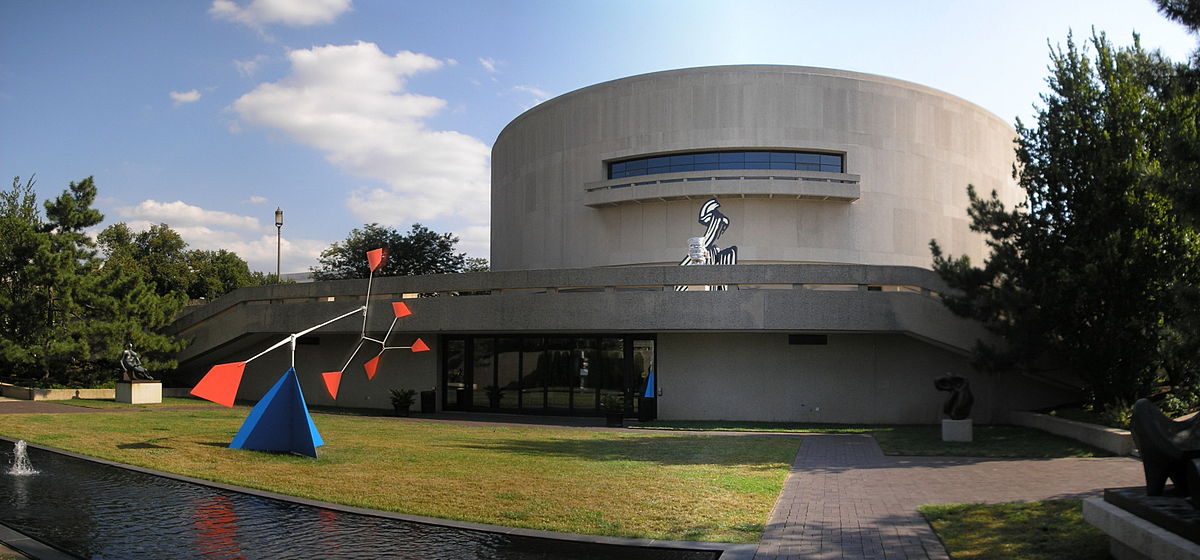
Hirshhorn Museum Washington DC
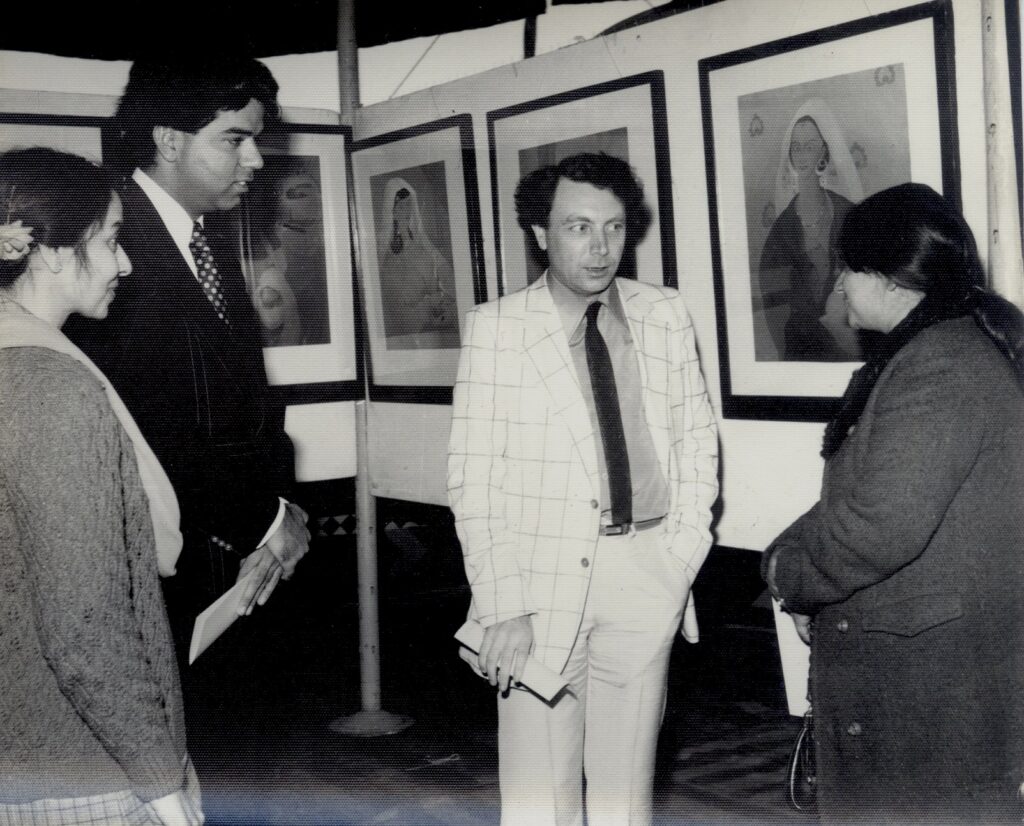
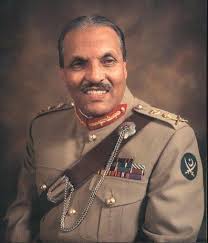
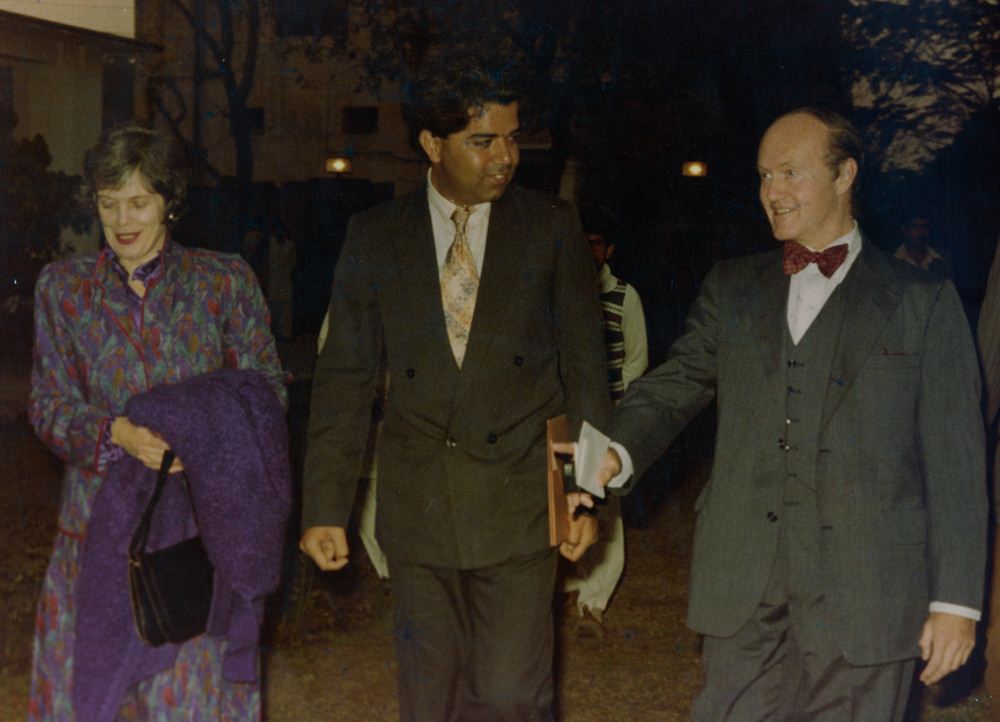
It is not often that phone calls from the President house are received, and the Military Secretary bent upon the idea of the President inaugurating a Chughtai’s anniversary show at Chughtai Museum and taking an exhibition of Chughtai to USA. The eagerness of President Zia ul Haque was so unsettling. He had visited the USA and made an offer to the Metropolitan Museum in New York for a room devoted to Pakistani Art. Stuart Cary Welch was in charge there (and our guest here the same year in 1981 at my personal invitation), and had his own plans. He plainly said that the museum is not a hotel where you can hire rooms, even when the offer of a million dollars was made by the Pakistani President. Amongst things he wanted was not new things. He had eyes for an inscription from the Maryiam Zamani mosque in Lahore, a pavilion from Shalimar Gardens and other exotic things. There was a meeting in Lahore at Hilton hotel, attended by B.A. Qureshi, and architect Ms Yasmeen Lari amongst others. I waited outside in the parking lot, and Stuart Cary Welch wasted no time with these committees. In moments he was outside and we went to the mausoleum of Emperor Jahangeer. In Islamabad President Zia ul Haque presented an expensive carpet to the American scholar, and his wife.
The Russian Ambassador V. Smirnov wanted a Chughtai’s show in Moscow. The Cultural Secretary Masood Nabi Noor asked me to say NO to him. USSR was not being favoured at that time. But I was in mood to take blame for something that was not even my idea. V. Smirnov was very persistent and was making offer of ‘wine and girls’ to all involved. I was stunned with his non-diplomatic moves. The Pakistani bureaucracy planned a show of Chughtai Art at Hirshhorn Museum in USA. I was asked for cooperation. But I gave my own terms. I did not trust the bureaucratic management and said that I will take the paintings myself to Washington (in biting snow cold city), and when the show was over, will bring them back myself. I was refused as no one was willing to guarantee me the safety of the works. Already a PNCA official had disappeared with probably 5000 US $ as well as collection of paintings of PNCA. So some works were collected for that show, the Pakistani Art show at Hirshhorn Museum. It had two very average Chughtais in it.
President Zia ul Haque
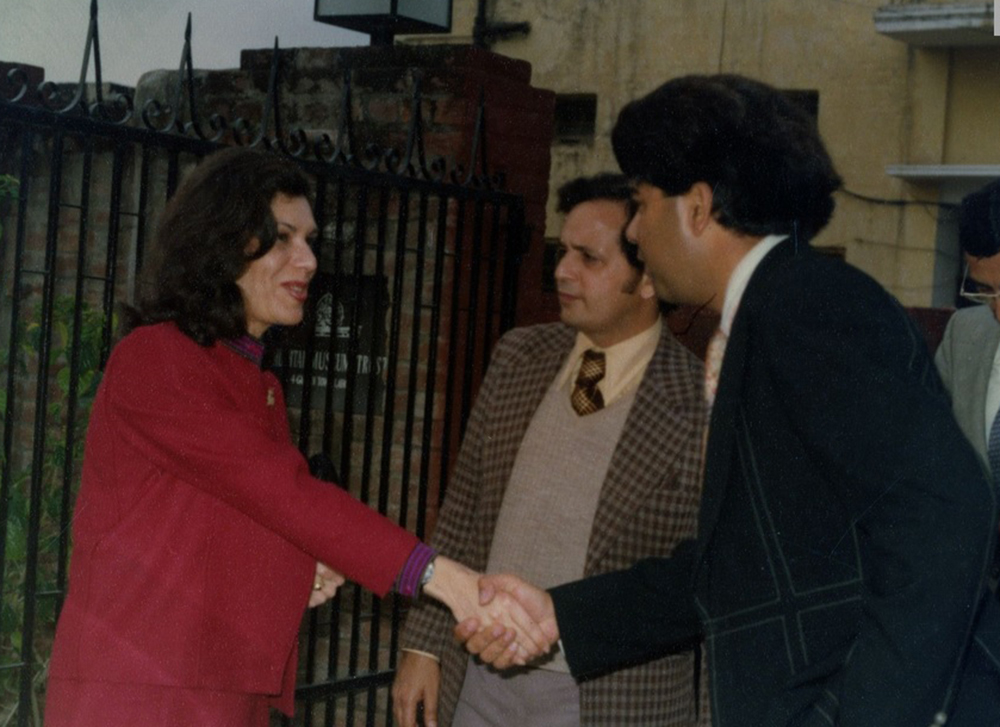
Dr Khalid Saeed Butt center
Stuart Cary Welch at Chughtai Museum 1981
The show was held and seen, and the art critic of Washington Times, with great artistic background, and love for art (she would get involved with art works), wrote on that exhibition. That is Ms Jane Addams. She wrote the following:
“All contemporary painters of Pakistan owe a debt to A.R. Chughtai and his two watercolours are the masterpieces of the exhibition. He is the Matisse of Pakistani art, an artist who stoutly maintained his links with the style and themes of Mughal Art, inspite of the British Imperial presence, but who used his knowledge of Degas and Manet to give a western compositional solidarity to his paintings. Unfortunately most of the other figurative artists of the show fall short of Chughtai’s genius.” (Washington Times report of the show at Hirshhorn, 1982)
Jane Addams Allen art critic
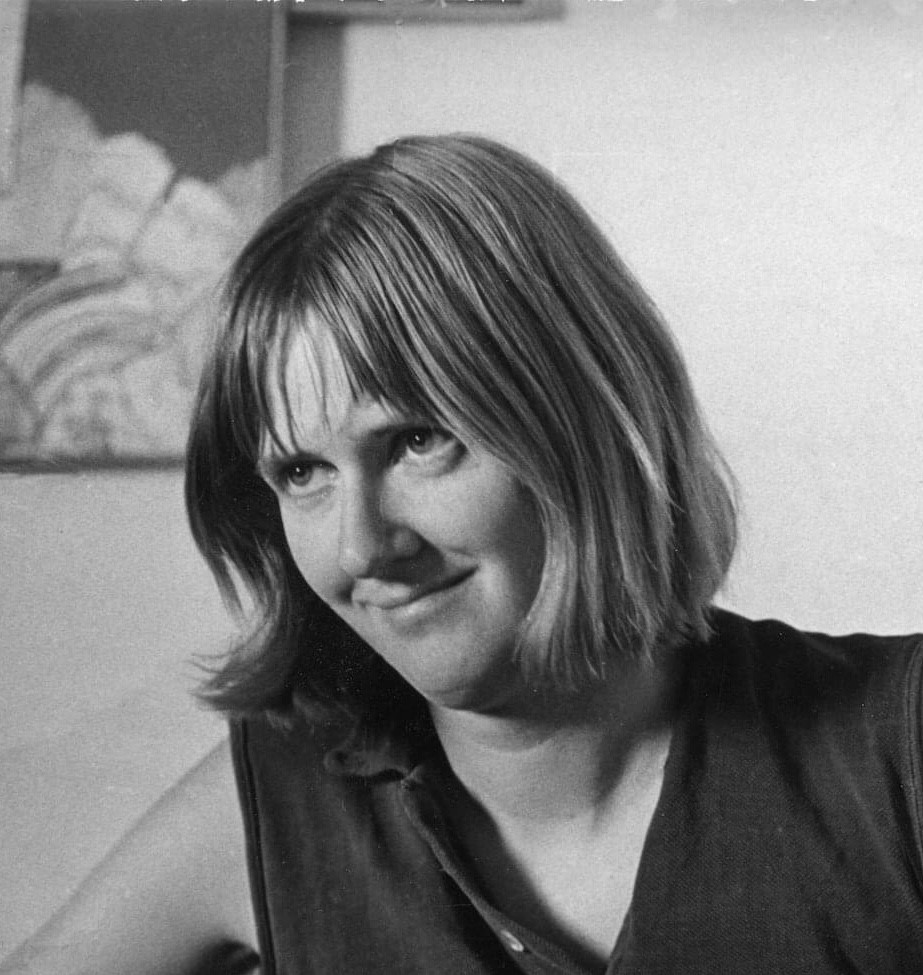
It was not a feather in their cap, it was assertion of our identity.Ms Jane Addams Allen was famous for her Chicago art scene, having engendered the magazine “The New Art Examiner” with her later husband Derek Guthrie, another important artist himself. The Washington Times wrote her obituary in this way:”Known for her graceful writing style, encyclopedic knowledge of art history and a gentle but firm approach to criticism, Miss Allen won numerous national journalism awards during her career. ““In the presence of art, Jane Addams Allen grows luminous,” wrote Sophy Burnham in a 1987 Museum & Arts Washington profile. “Her writing has a sweetness and clarity. She is in love with art.” Ms Jane Addams Allen had even lectured at some universities on art criticism. Her death on 31st January, 2004, left a void on the American art scene of able pioneers of art criticism. P.S.We are grateful to Ms Sarah McQuaid folk singer for providing us with a photograph of her mother. Thank you Sarah for your cooperation! You made this over due blog happen.