
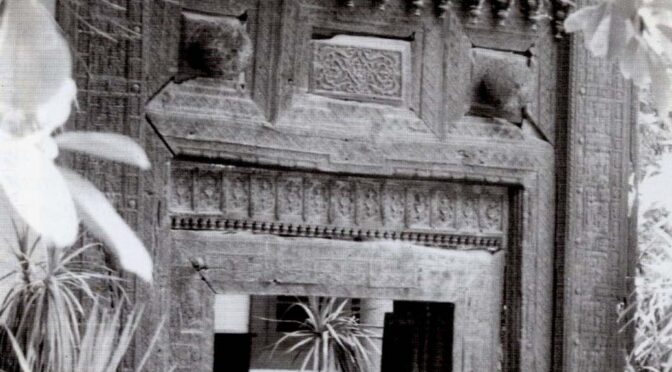
HIDDEN TRADITION OF EXQUISITE CARVED DOORS OF LAHORE;
DESIGN STUDIES NOT MERELY GHAZNAVID SELJUK BUT LAHORI.
Once upon a time wood carving was dominant in Lahore. Old photographs reveal intricate chabutras in almost every other house in the city. One can wonder what promoted such lavish display of resources and how was the same even afforded by the average citizens in Lahore. It perplexes even the most fertile imagination. And it was a reflection of the Muslim aspect and side of Lahore. One can imagine the 200 craftsmen brought by Governor Ayaz to make the city of Mahmudabad a living testimony of aesthetics.
The city was destroyed many times but when the Sayyid brothers repopulated Lahore, the name of Mubarakabad was coined. Invitations were extended to people everywhere and make Lahore a living city again. In those days, even bricked ones were plastered together with a special roghini mud, and it was so strong, remnants even survive today. Some doors of that period when removed, show bricks held tight by mere clay. So little remains of buildings of that period, except signs under buried grounds. Floods and rain hit Lahore all the time. In British times the administrators thought it fit to remove most of the darwazas of the ancient period, and send them for preservation and display in museums there. Not knowing if they exist or not, but no display information is available. One found its way for publication in Percy Brown’s book. But most of these were concentrated in one portion of Lahore. And the height of that level is almost 25 feet below present street level, so safely we can take a period of 800 years.
A design study of the darwazas is perplexing to us. As we have seen such doors of Amritsar, Multan and other areas of the region and they are all different. The ones in Lahore are unique in their design. Percy Brown proclaimed them as Ghazanavid Seljuk in outlook, but a look at doors of that era is a different perception. The father of these doors is the door of the Mausoleum of Sultan Mahmud Ghaznavi. Many years were confused as Gates of Somnath, when the foolish bigoted Lord Ellenborough was shown the door with recognition of the same as totally Islamic in nature. The Indian government did not have the decency of returning them to Afghanistan. Instead went on creating false stories of the Golden Sandalwood gates of Somnath. Now lying aimlessly in the Red Fort Delhi. No one is seeking inspiration.
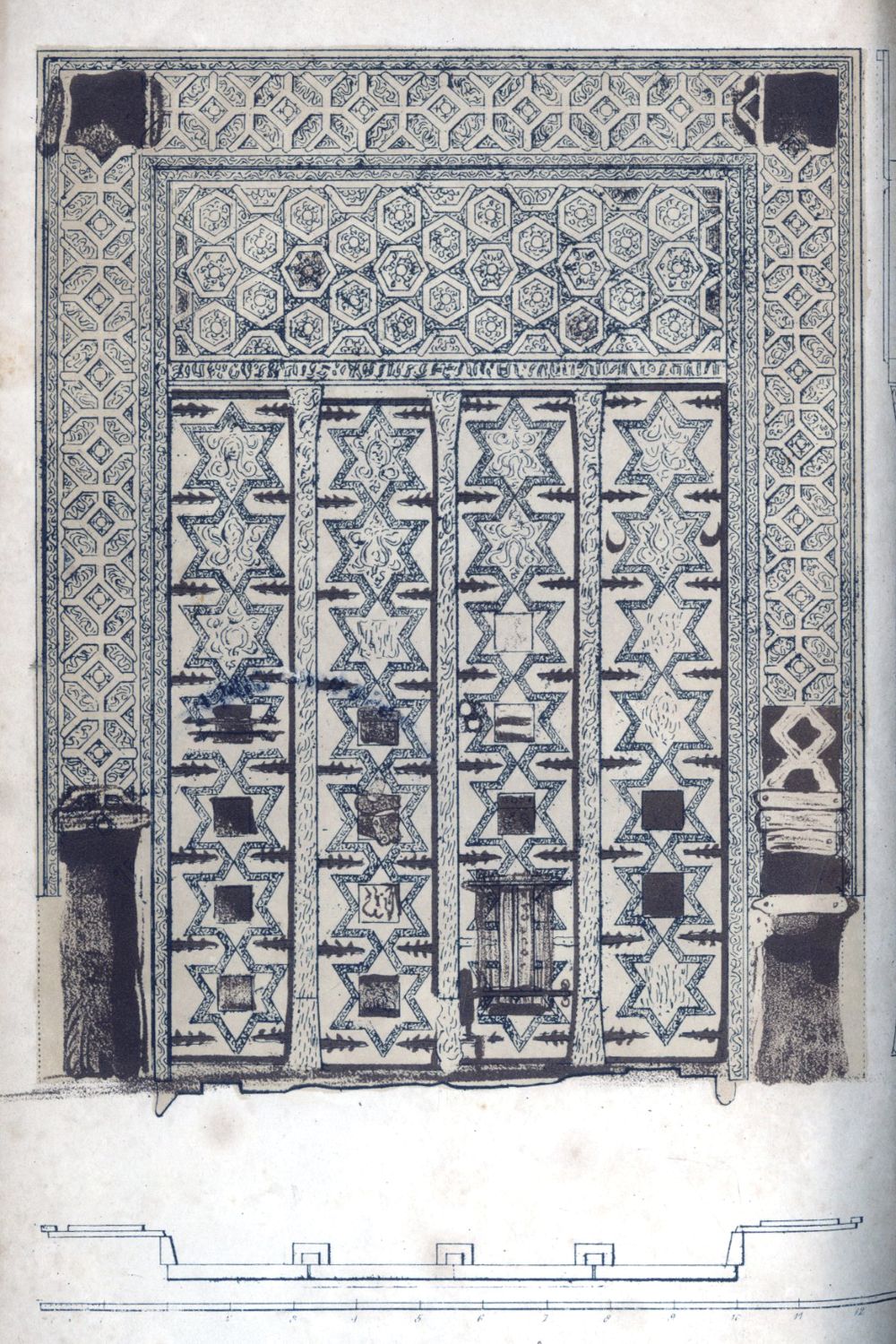
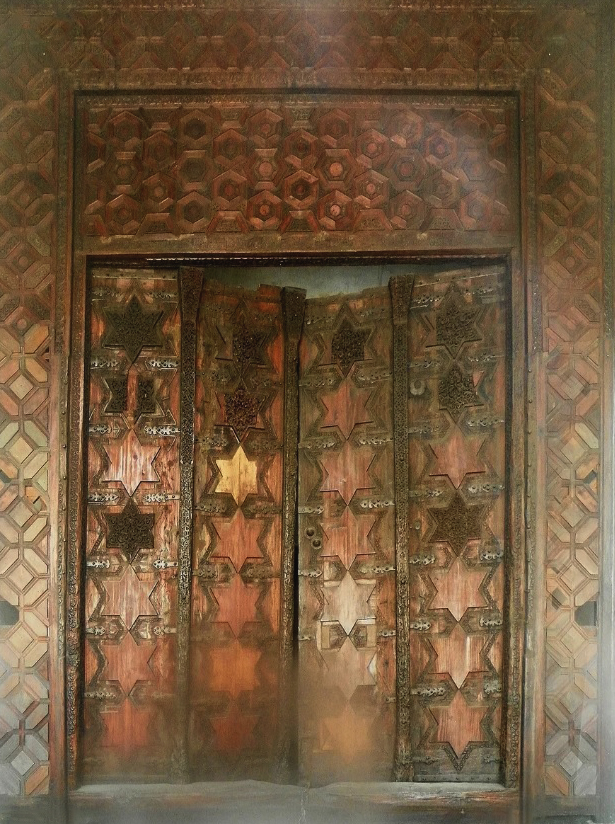
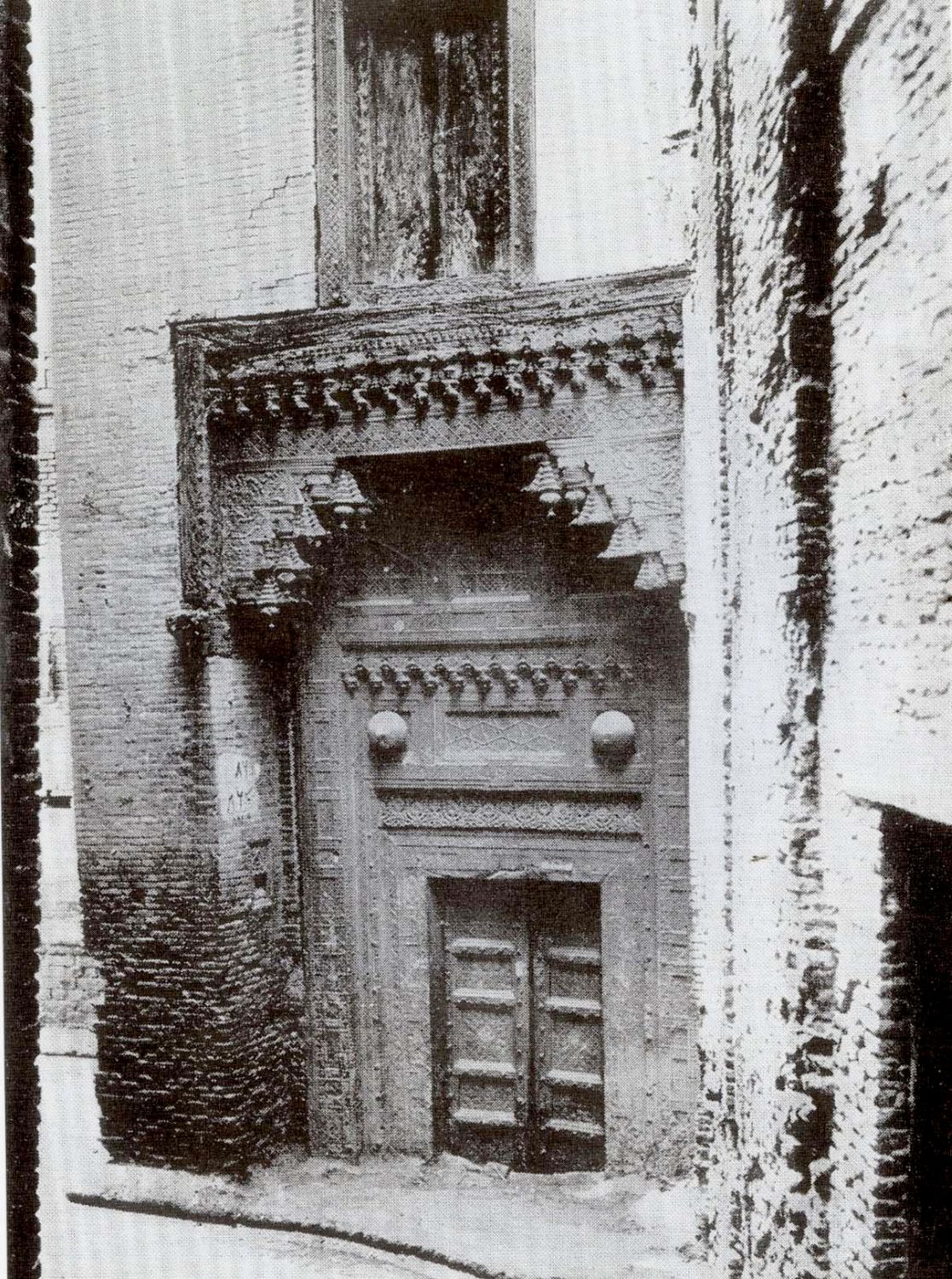
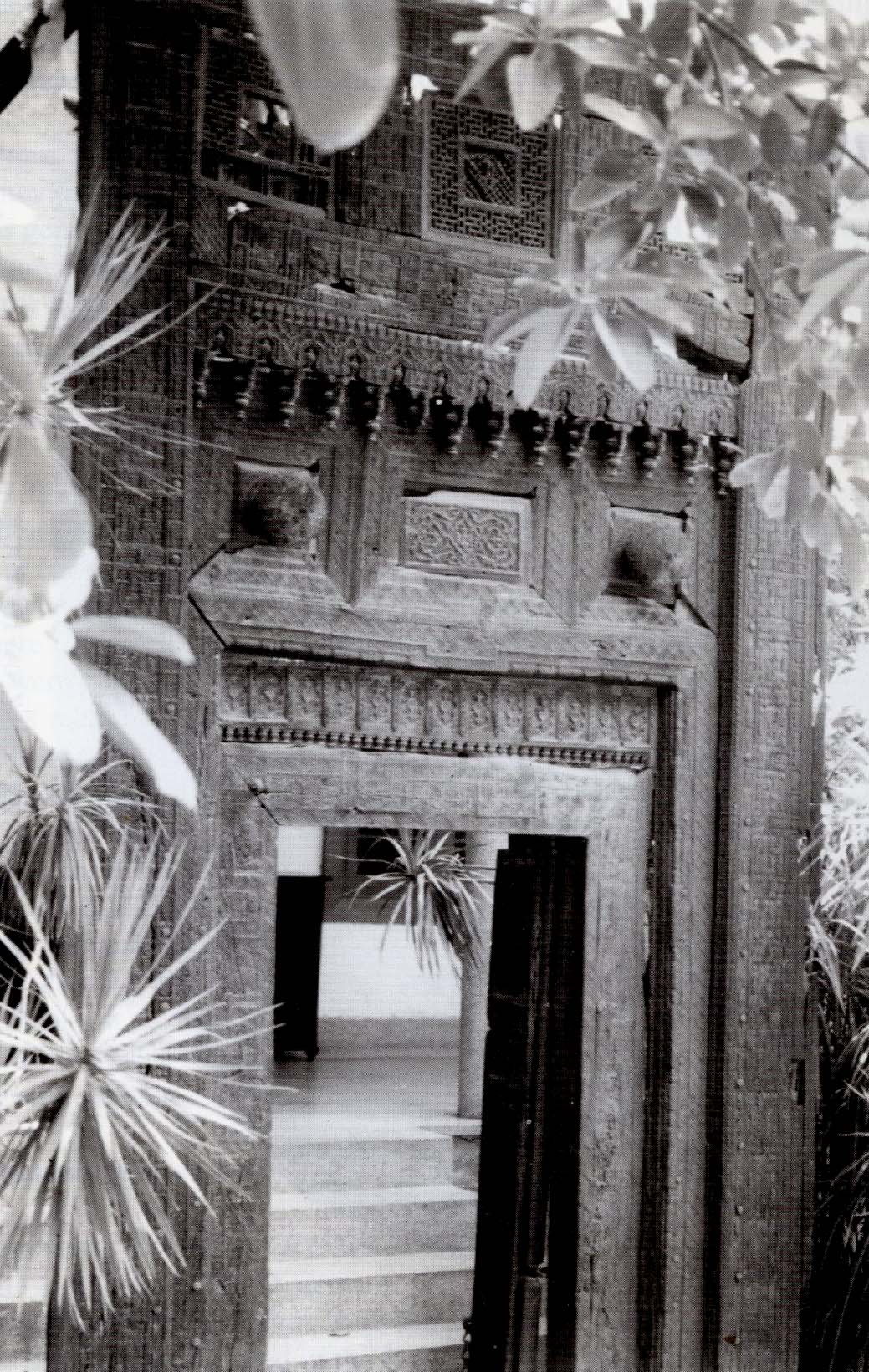
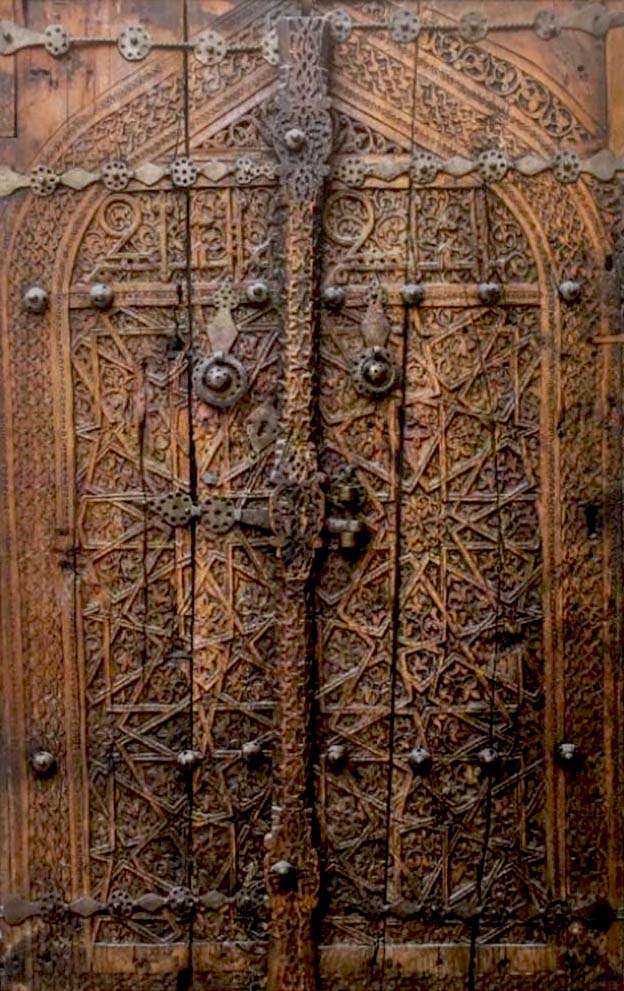
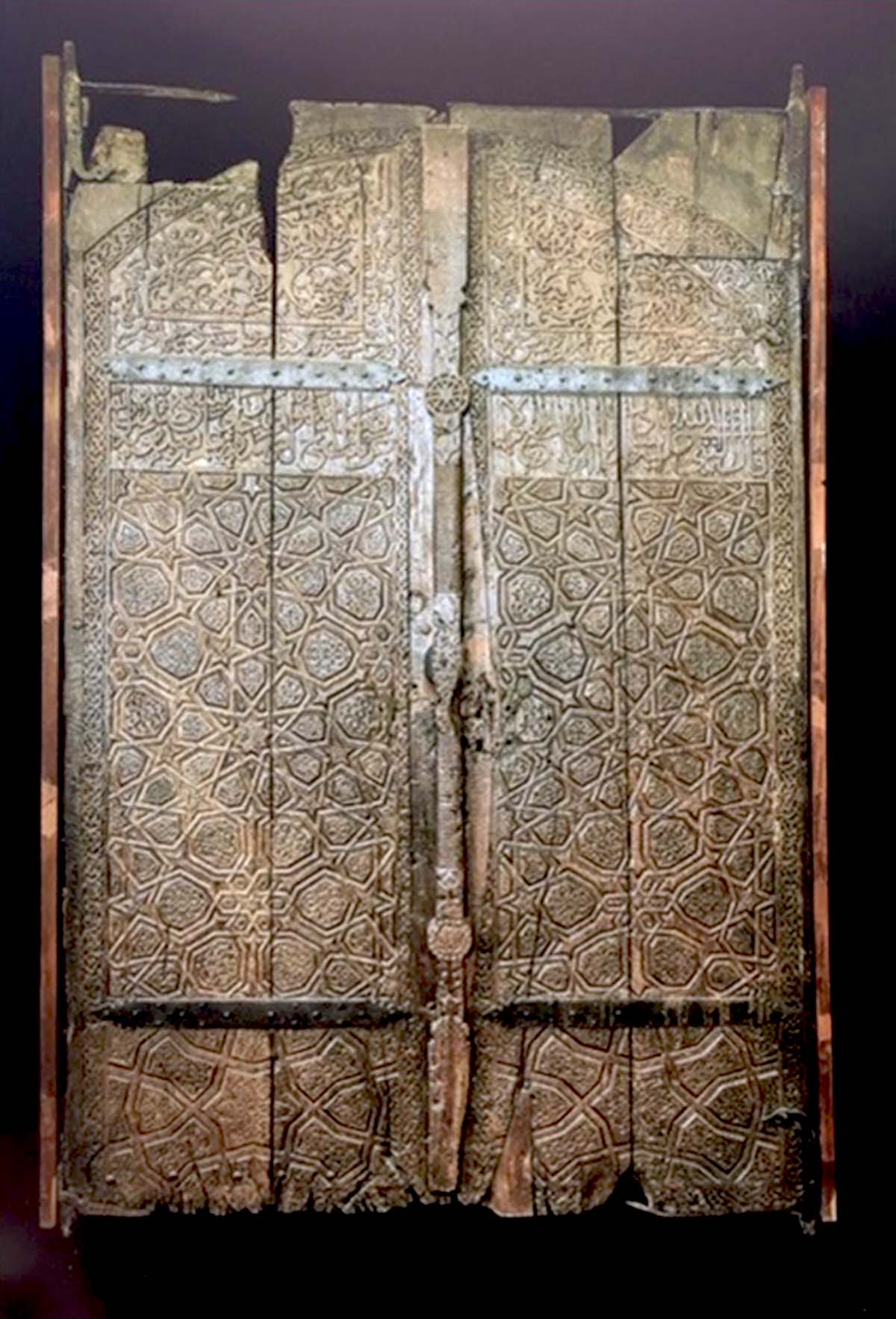
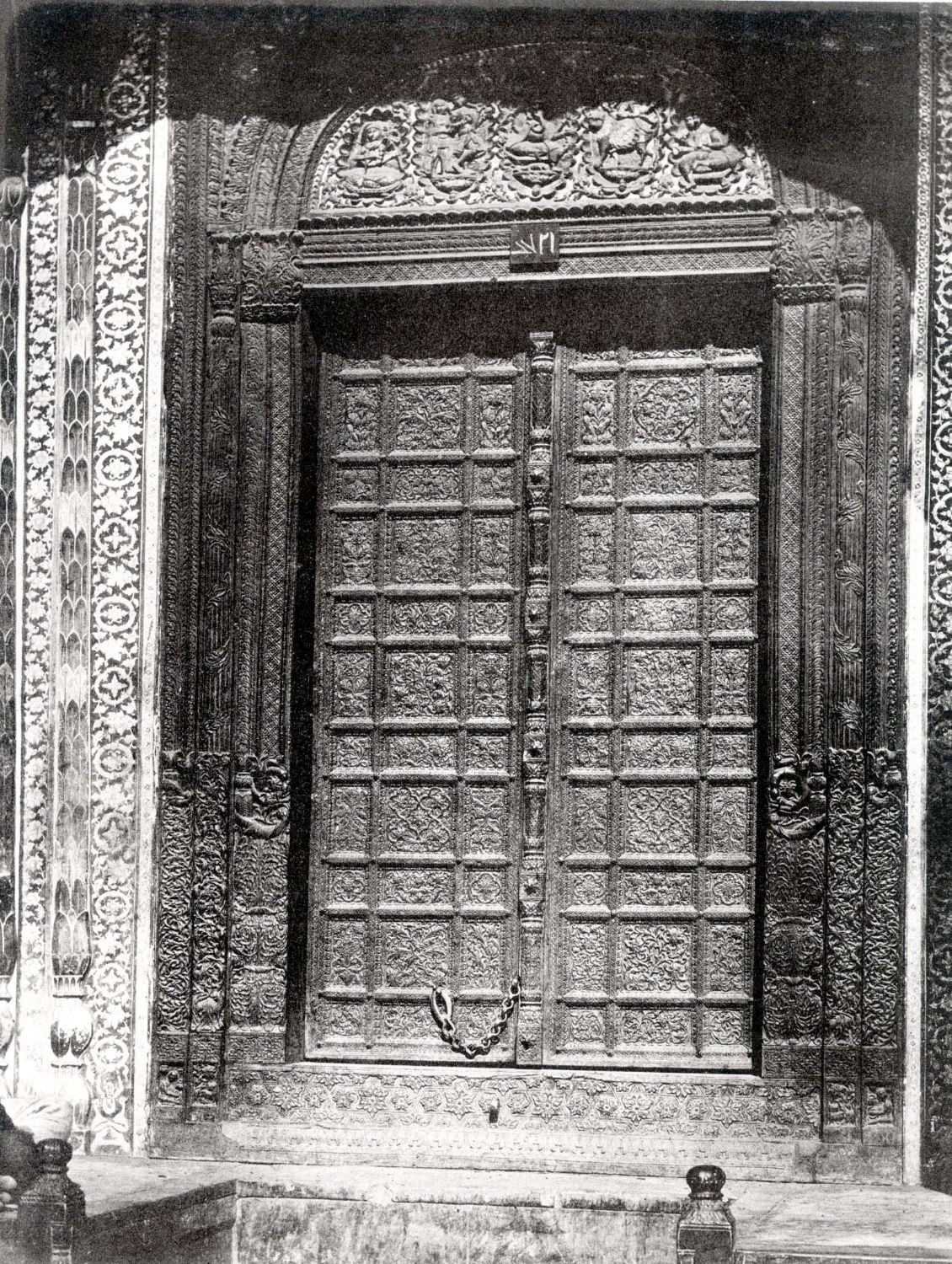
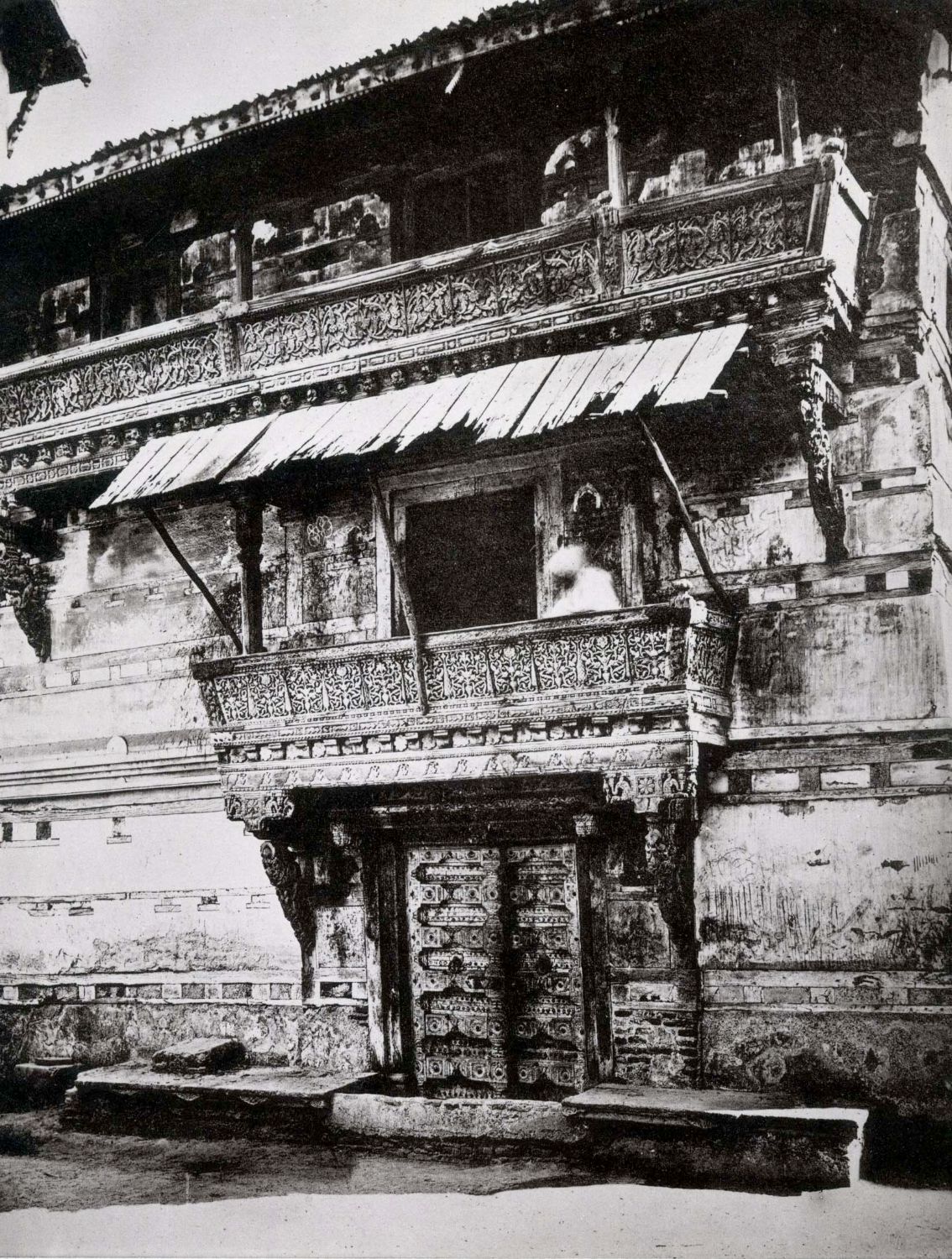
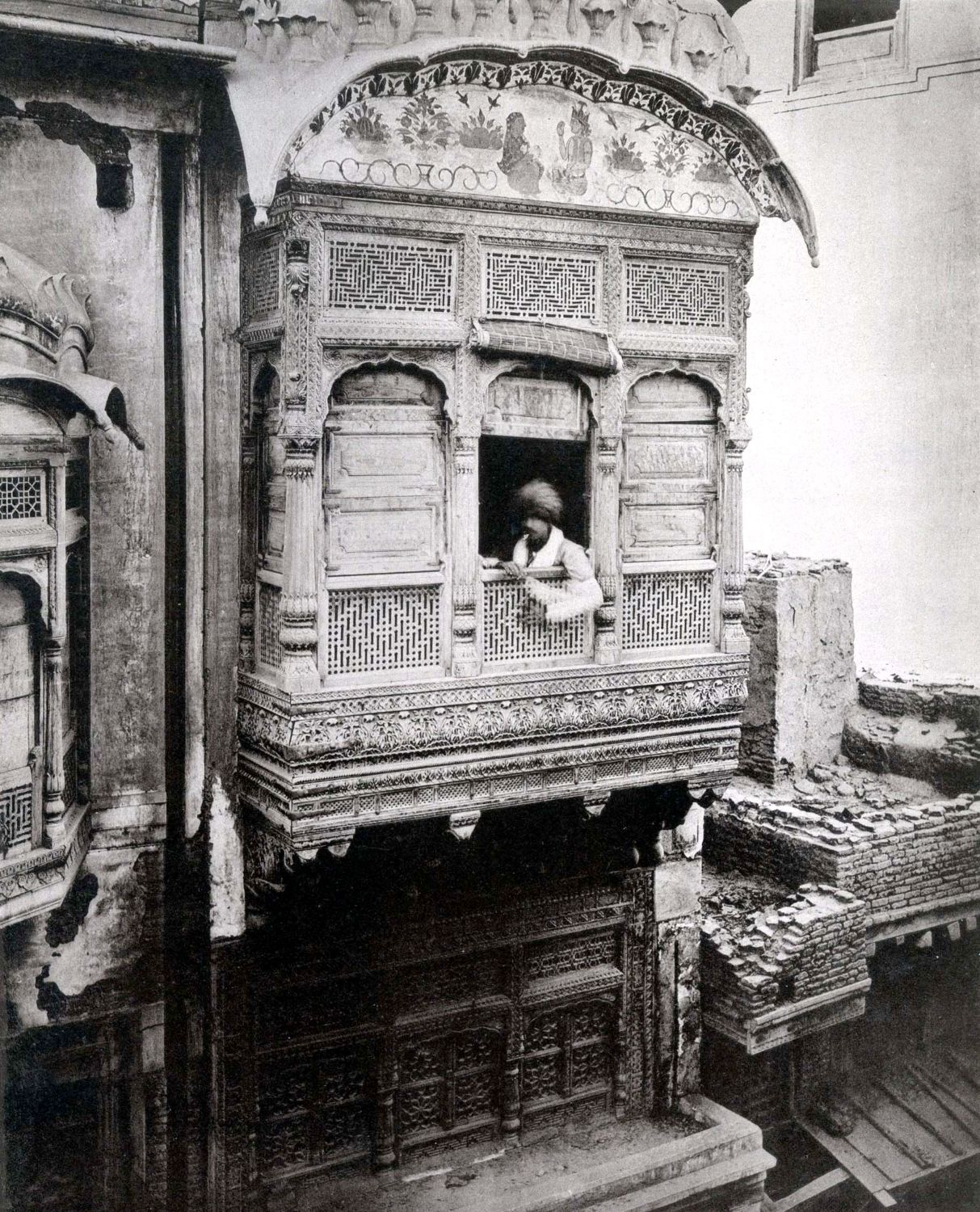
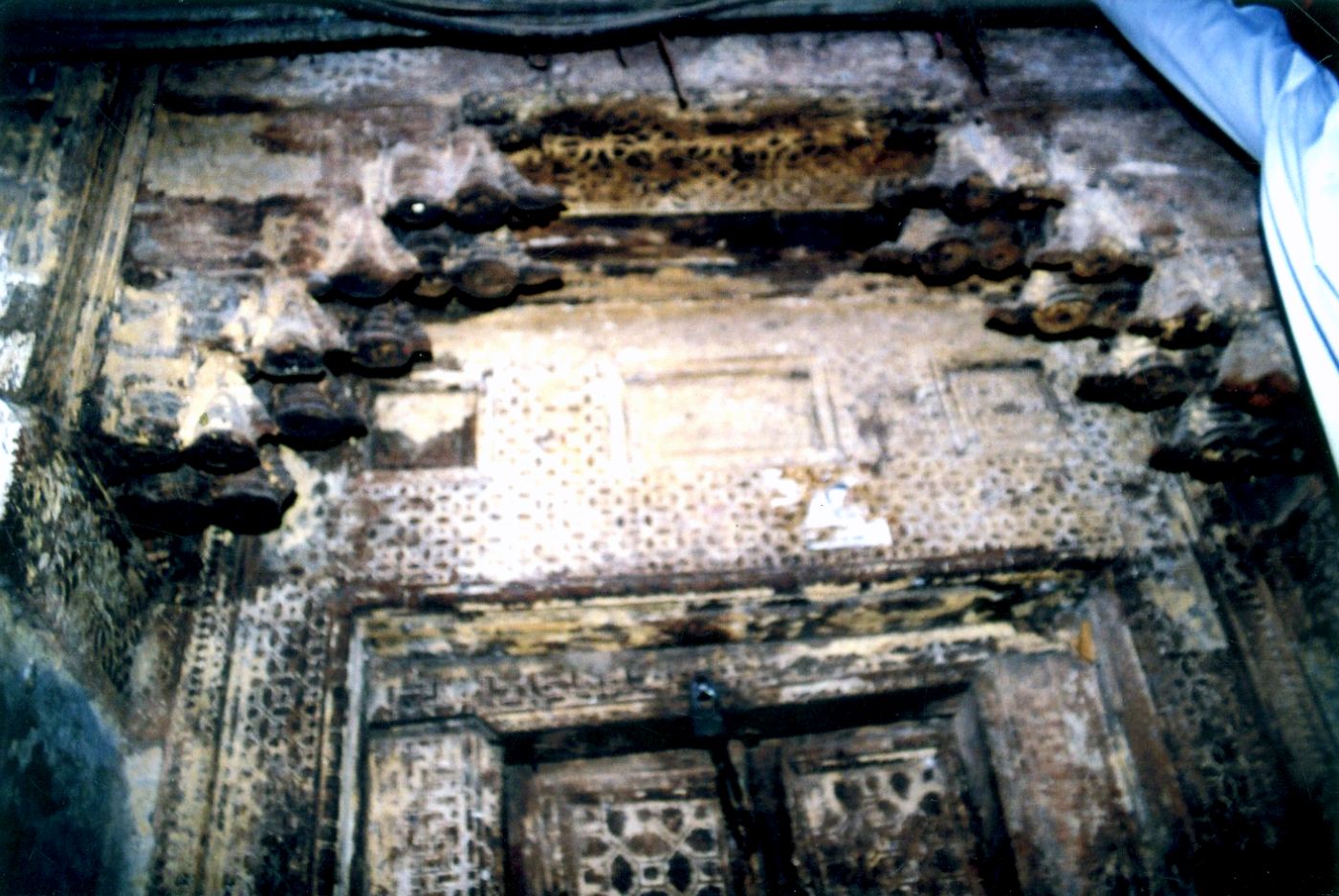
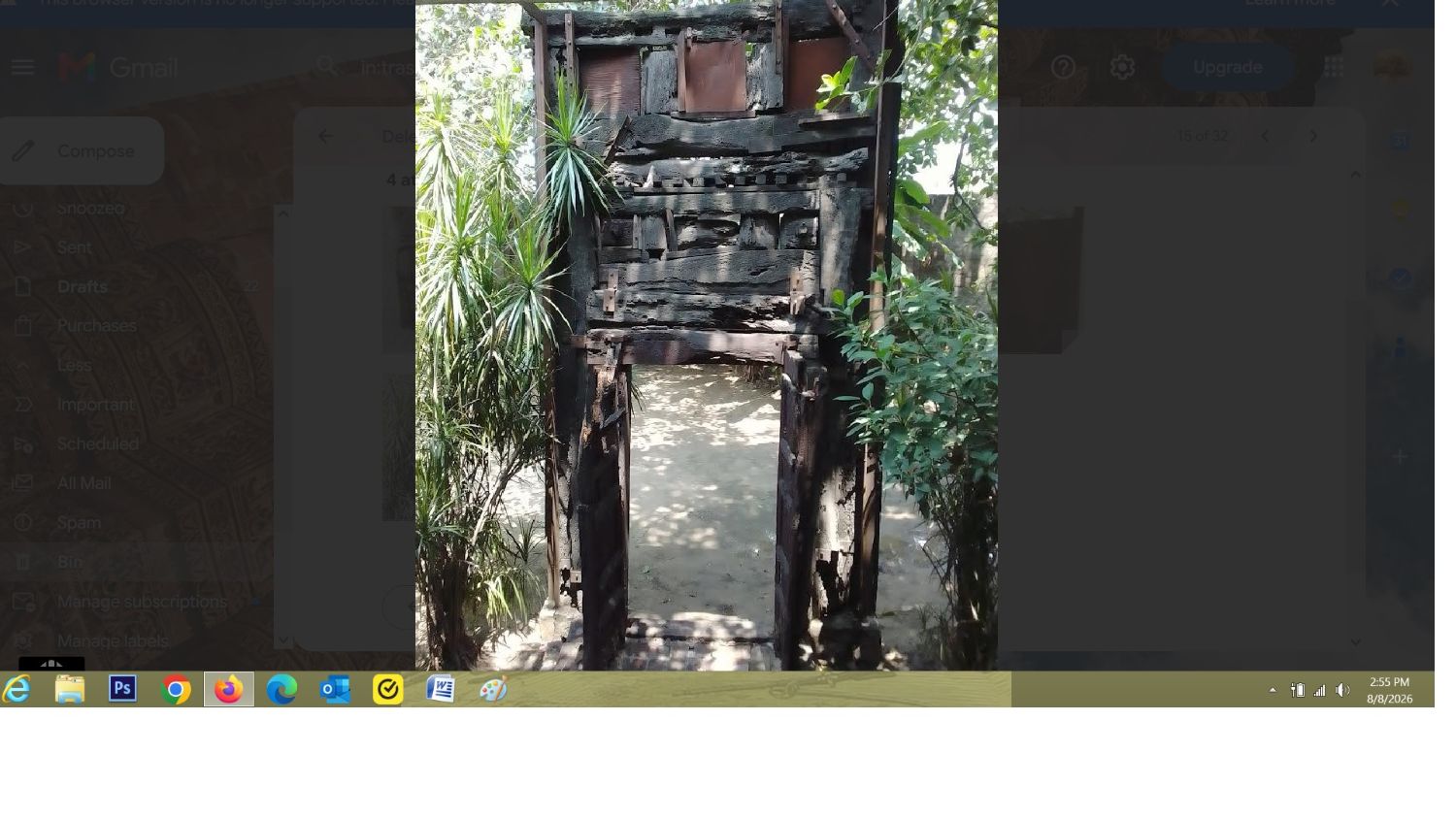
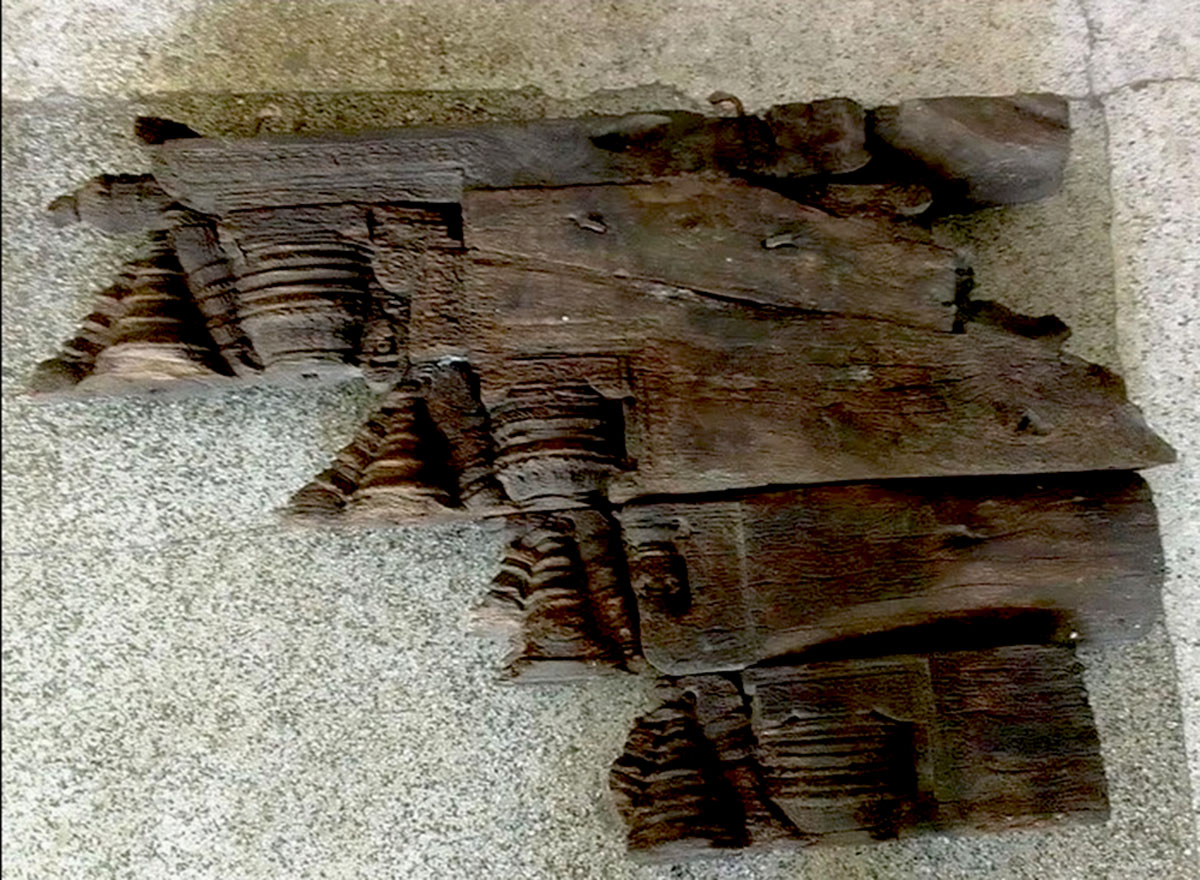
Scholars viewing them offer different clues. Percy Brown view them as reflecting tents of the Ghaznavid Sultans, with tassels and opening hangings. For some indication of bells in entrance and honey combs. Entrance to paradise.some even think of the two globules indicating presence of females in the same. Intricate geometric Islamic designs and some even have ivory inlay work. There is usually a small look out window at the top
. There are different layers of the doors and certainly they are huge, almost fourteen feet in height. It is said that tarkhans took years to complete even one and when completed, celebrations used to be held with a. Festival of food and prayers to Allah for the blessing. No greed was involved. Masud Saad Sulaiman the Lahori poet has given the existence of wonderful carpenters and naqashi carvers in Lahore. The illustration is self-evident. The wood used was of an extinct tree of BER present in Lahore, officially Zisiphus Jujuba in name.
The continuation of carving doors and balconies went on and on in Lahore, but nobody was able to recreate that golden period of the Wooden Darwazas of Lahore. A pure Lahori innovation to this day.
A virgiñ research requires a book of its own.
I have seen this myself. What a history?
I plan a visit next week. Please let me see it.
I have seen many wooden doors of Lahore but none like these one. New for me!
We have doors in Sind but not so intricate as these ones.
Past is another country. No one seen it. Provoking interest great job.
It is being noticed by many unknown quarters.
I saw one like this long ago in Chuna Mandi Lahore.
Never knew this nor the internet mentions same.
EXTREMELY WORRIED ABOUT MY BLOG AND WEBSITE AND FACEBOOK. Lots of false and hackers trying to undo my work. Please beware. If anything looks abnormal report me at Chughtaimuseumlahore@yahoo.co.uk
There is only one CHUGHTAI MUSEUMLAHORE and one ARIF RAHMAN CHUGHTAI. Anything else is nonsense. Some moron knowing nothing about our legacy trying to make us offer for our life and blood sites. In these times greed abounds no principles. Our faith is Pakistan and the Ideology of Islam.
If somebody tries to tamper with our domain we will consider it a criminal activity and report file same with national and international authorities.
If somebody tries to tamper with our domain we will consider it a criminal activity and report file same with national and international authorities.
Repeated warning