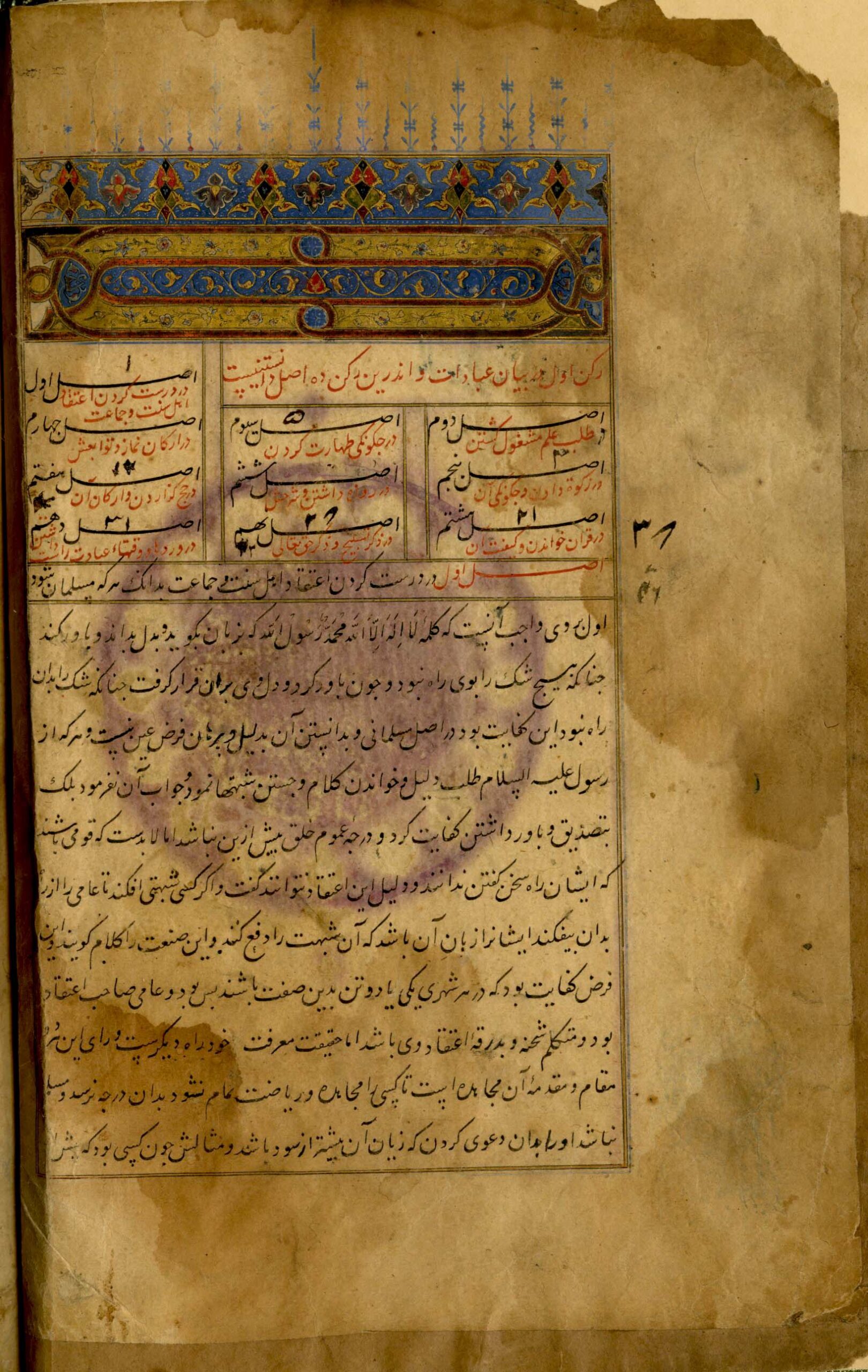
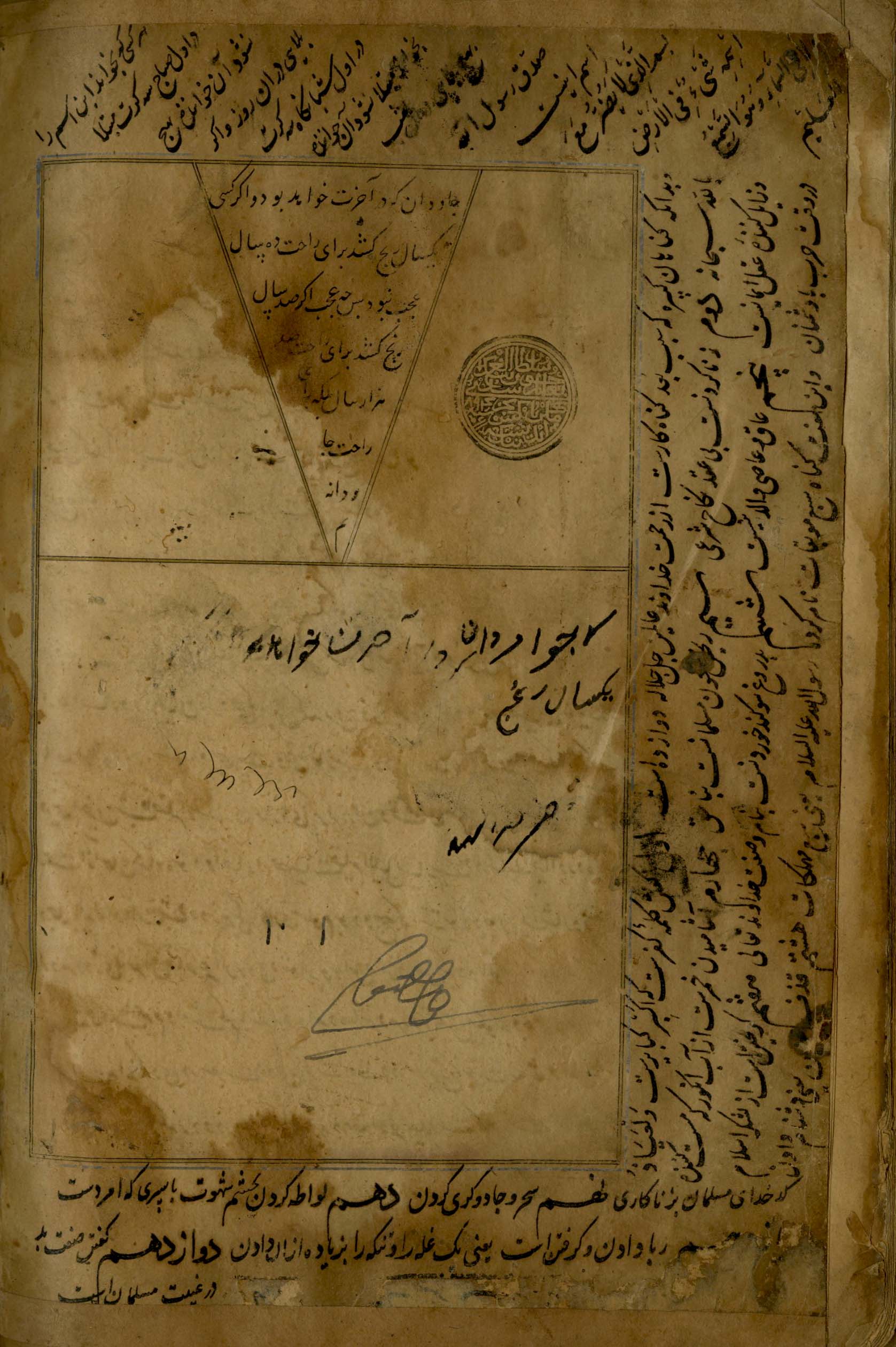
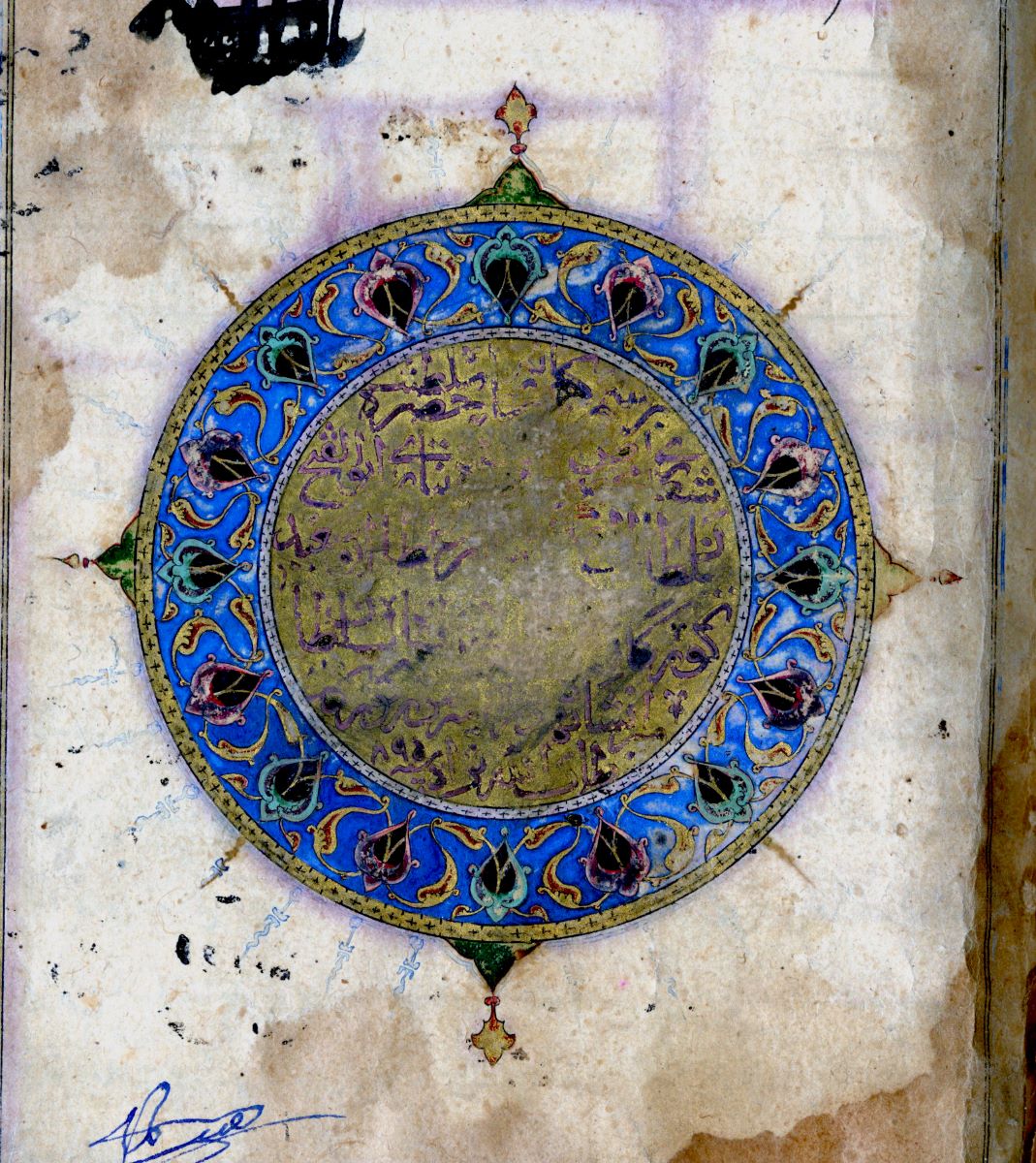
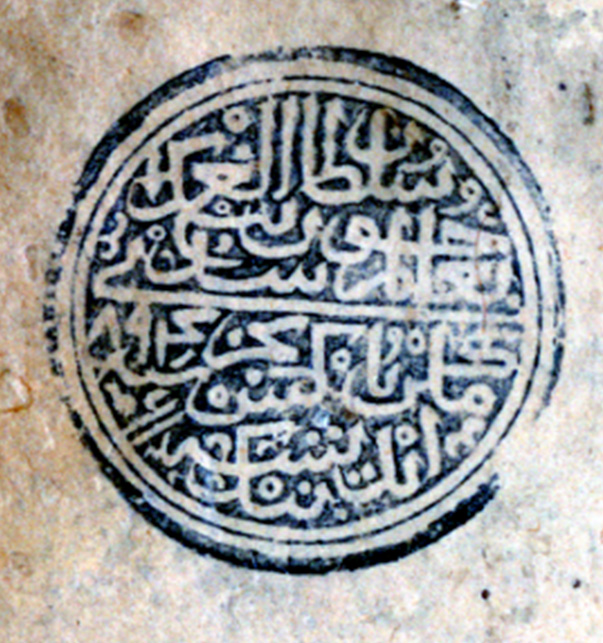
ALL POWERFUL SULTANS OBSESSED WITH SELF ENHANCEMENT OF ISLAM; A SULTANI BOOK OF SULTAN ULUGH BEG TWO WITH INSIGNIA AND SEAL.
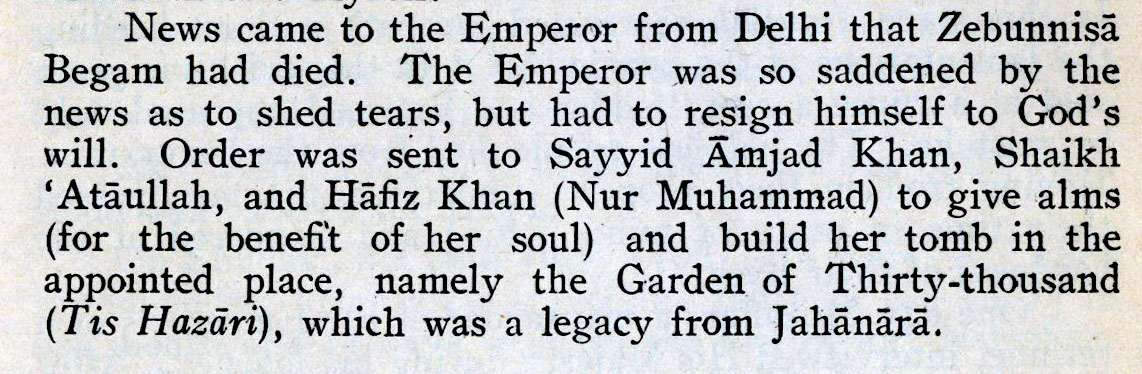
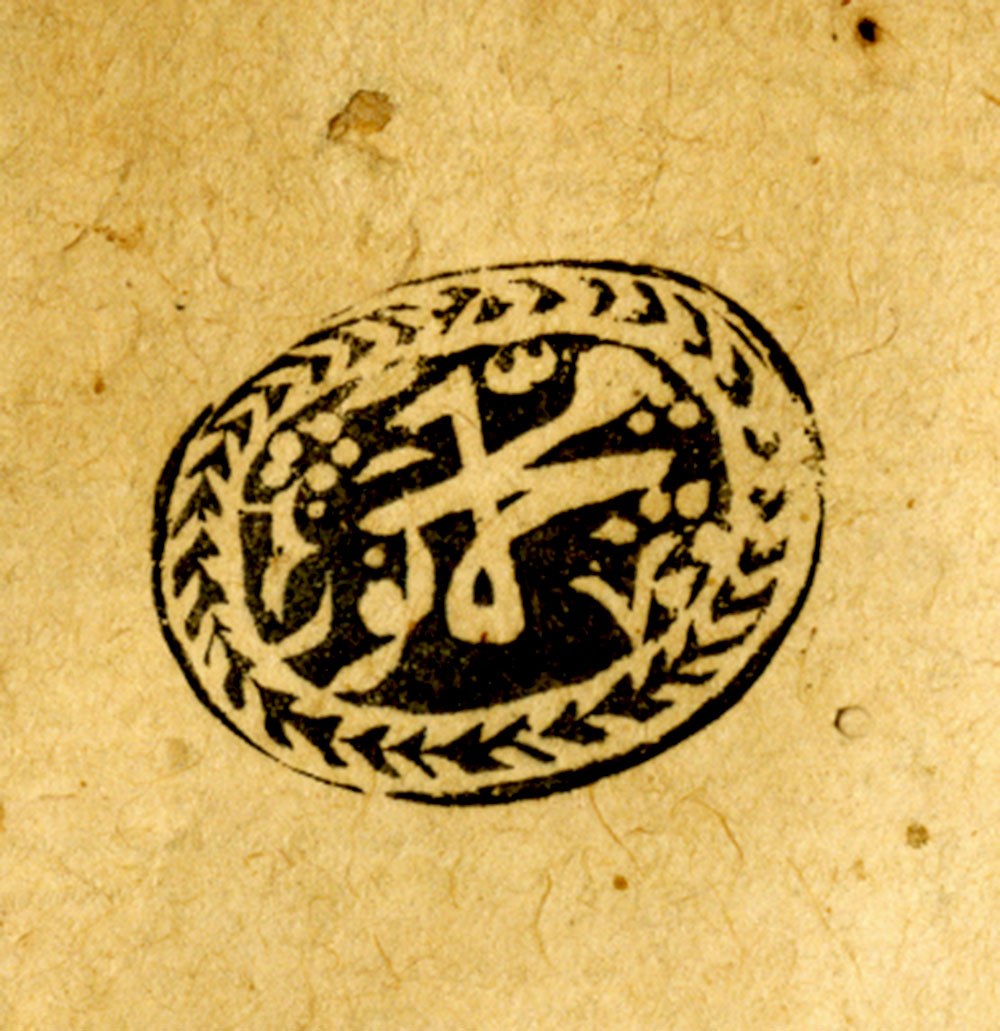
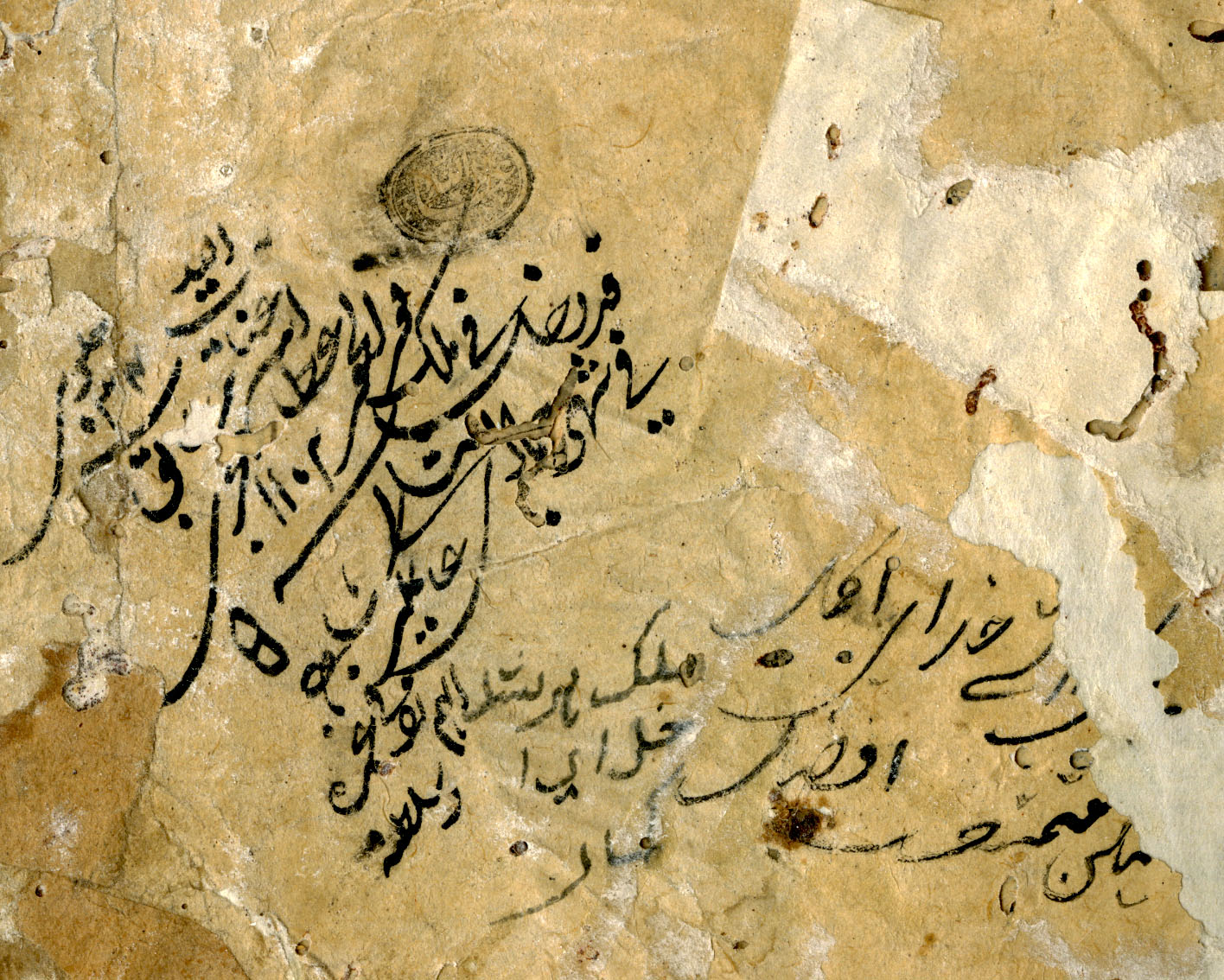
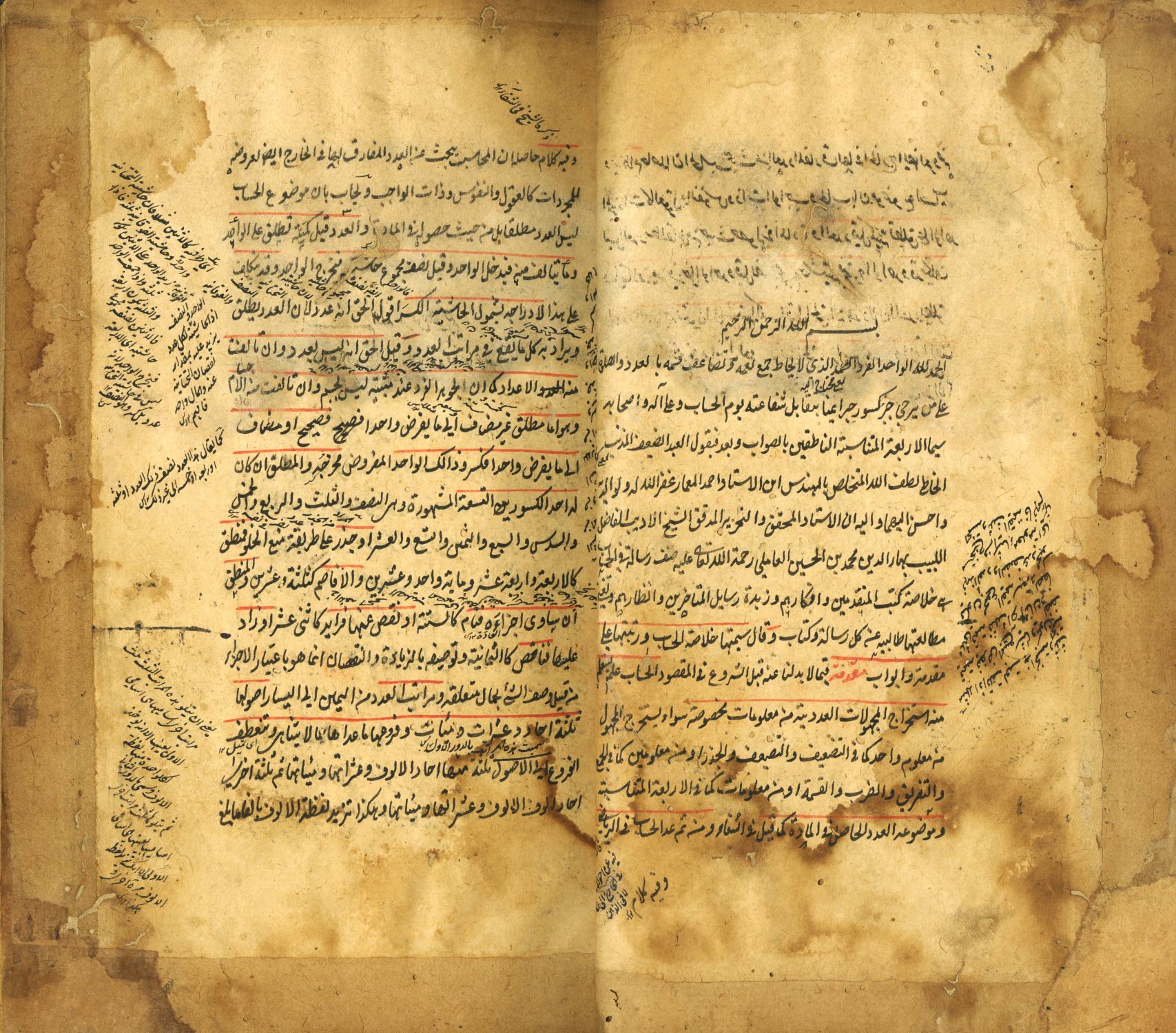
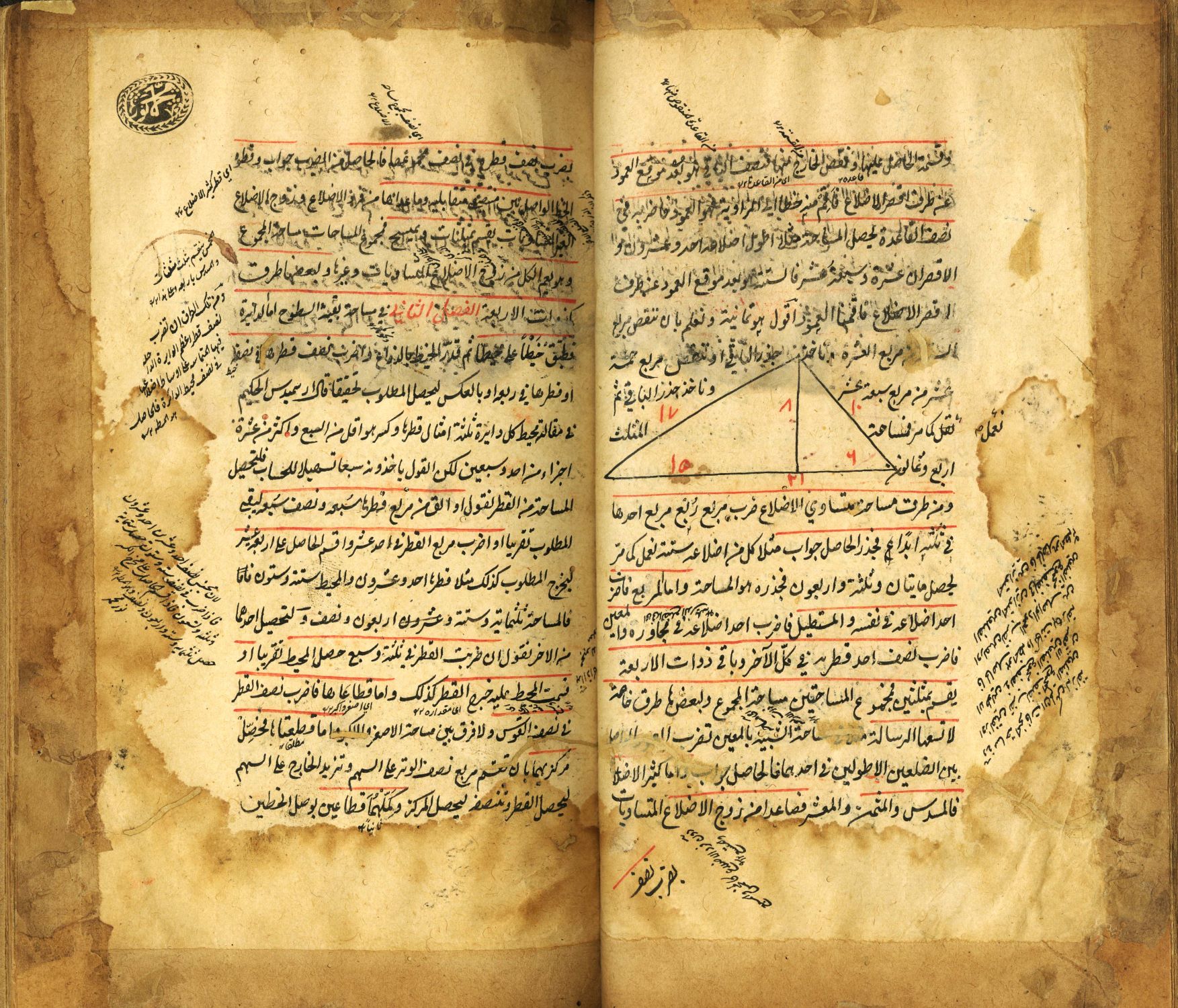
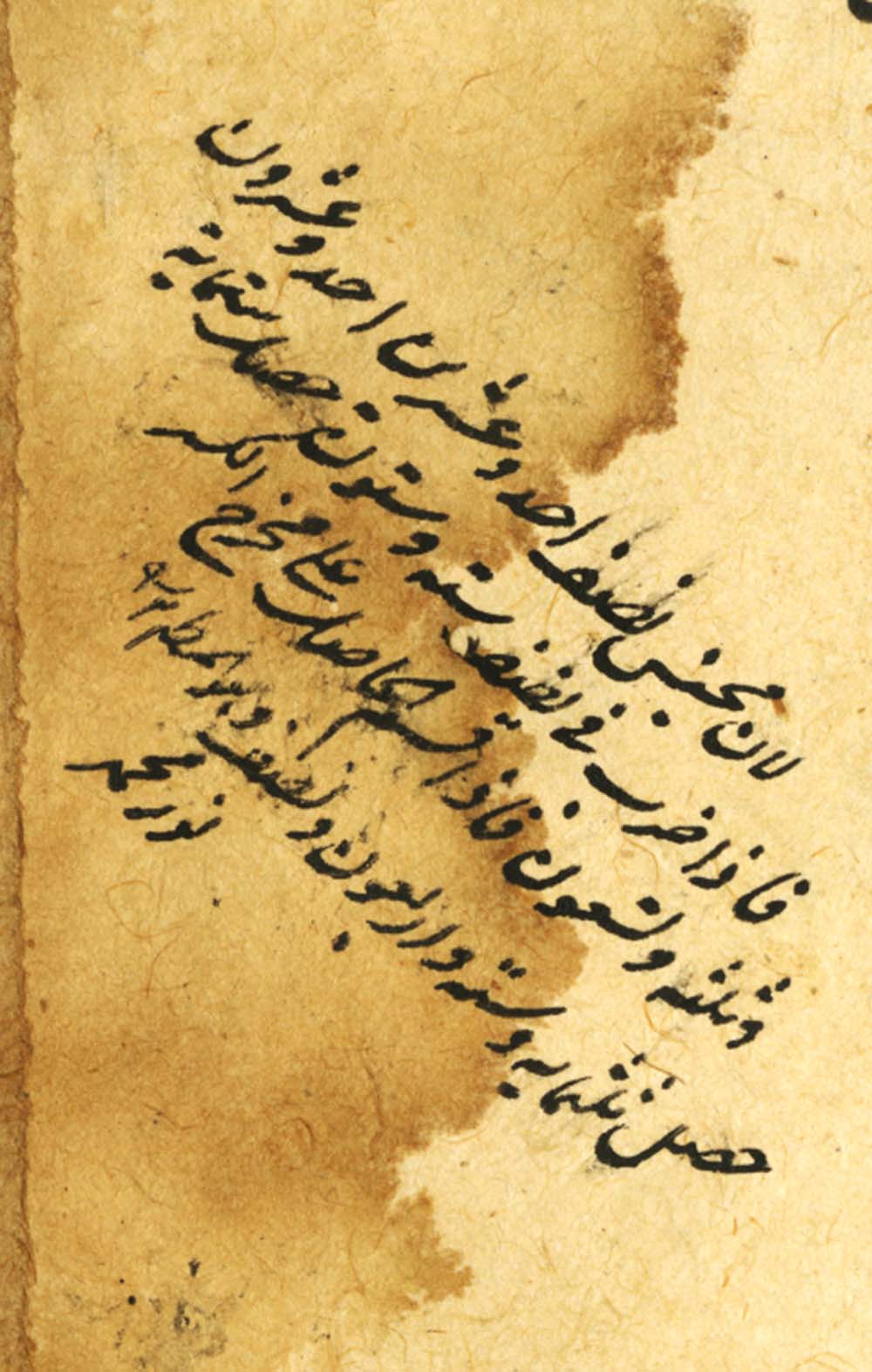
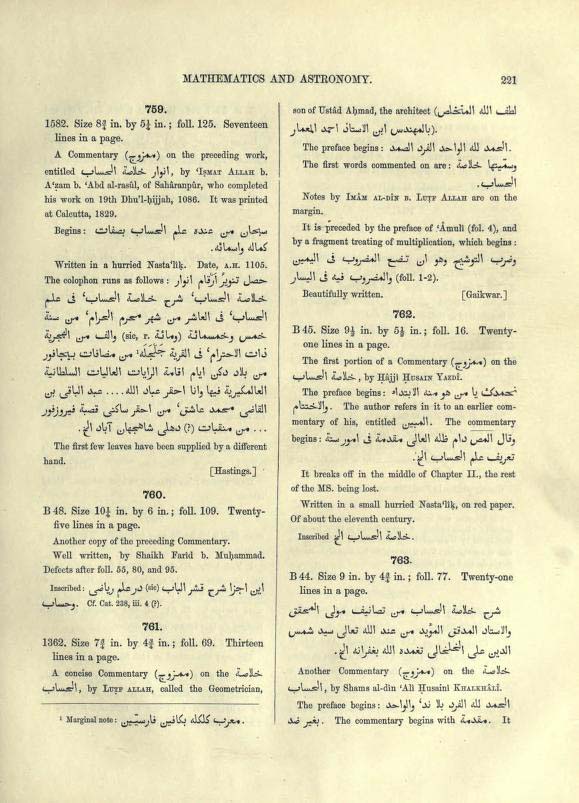
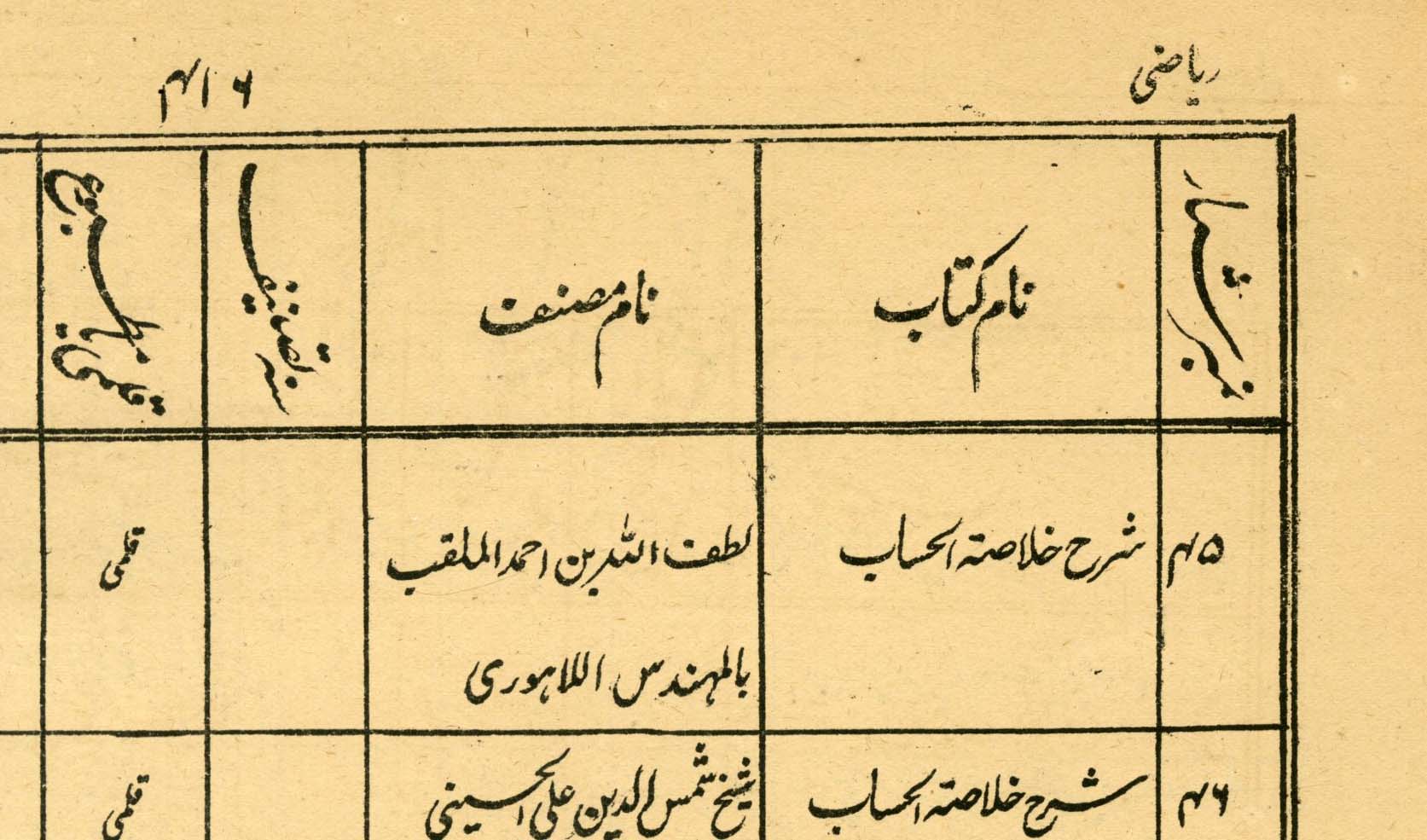
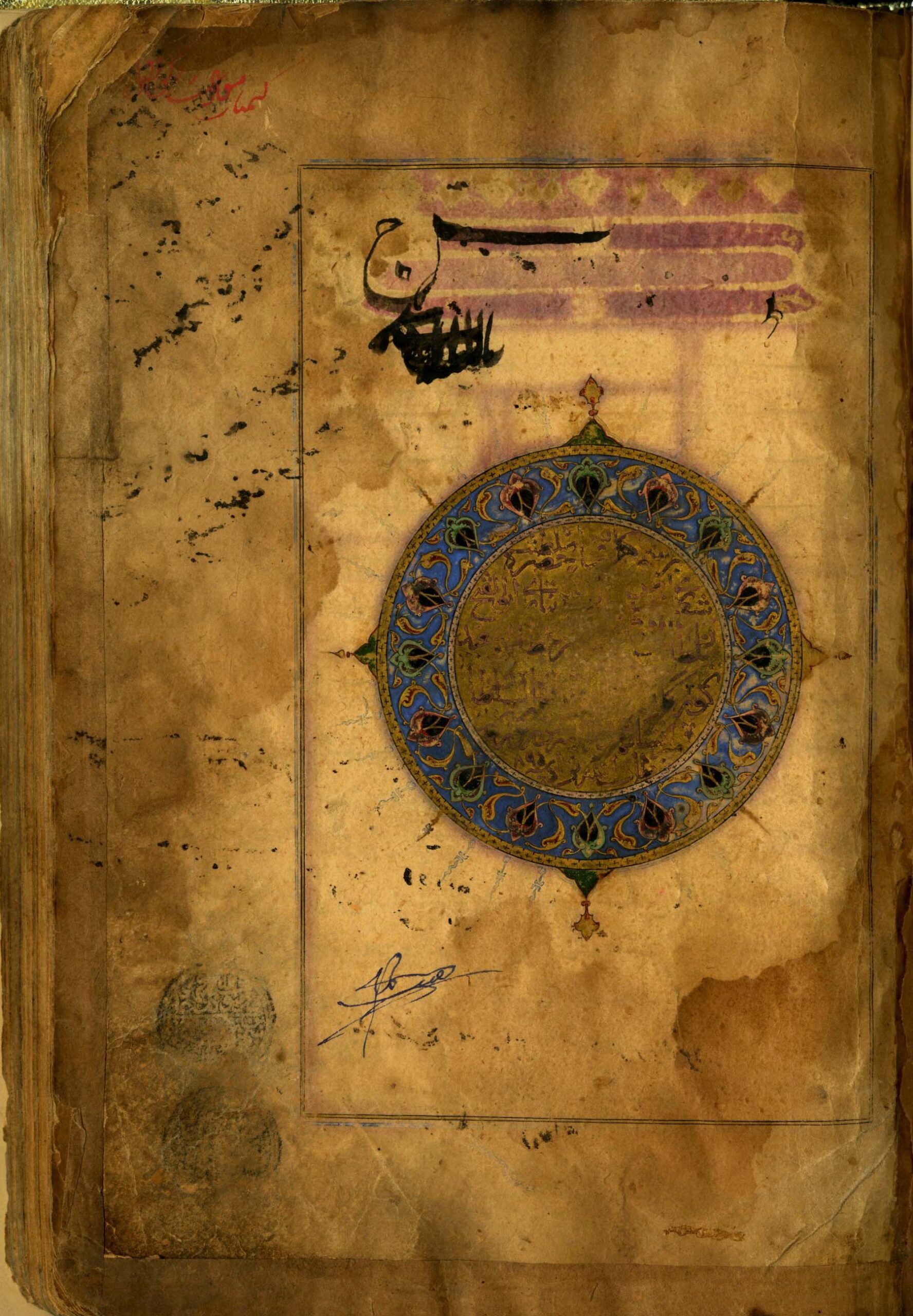
In the footsteps of Sultan Ulugh Beg, Ulugh Beg Kabuli two, uncle of Emperor Zaheeruddin Babar, was obsessed with knowledge as well as aesthetics. He too had a number of calligraphers and artists working for him. We show a Sultani book on Islam, which in many chapters, include everything one is likely to know about Islamic practices. It has the insignia of the Sultan along with his personal seal dated 894 A H. That means the date
Sultan Ulugh Beg 2 Insignia
Sultani Book on Islamic practices
Seal Ulugh Beg 894 AH
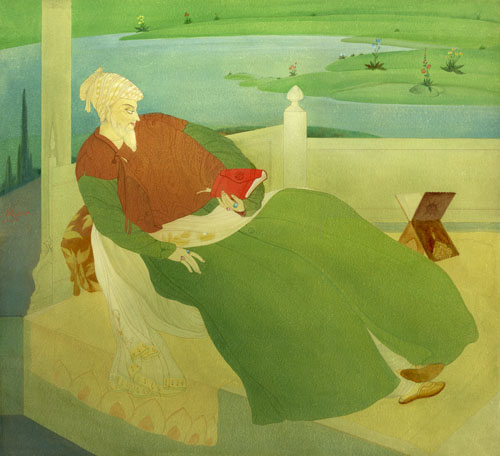
Ulugh Beg
Seal UB 894 AH
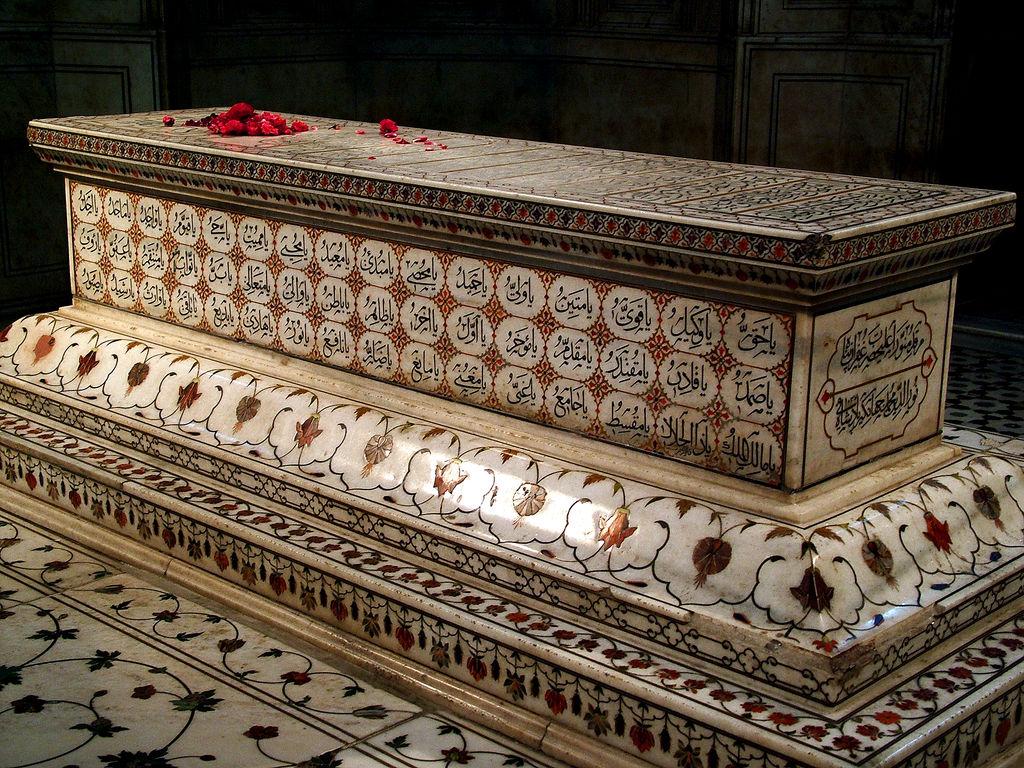
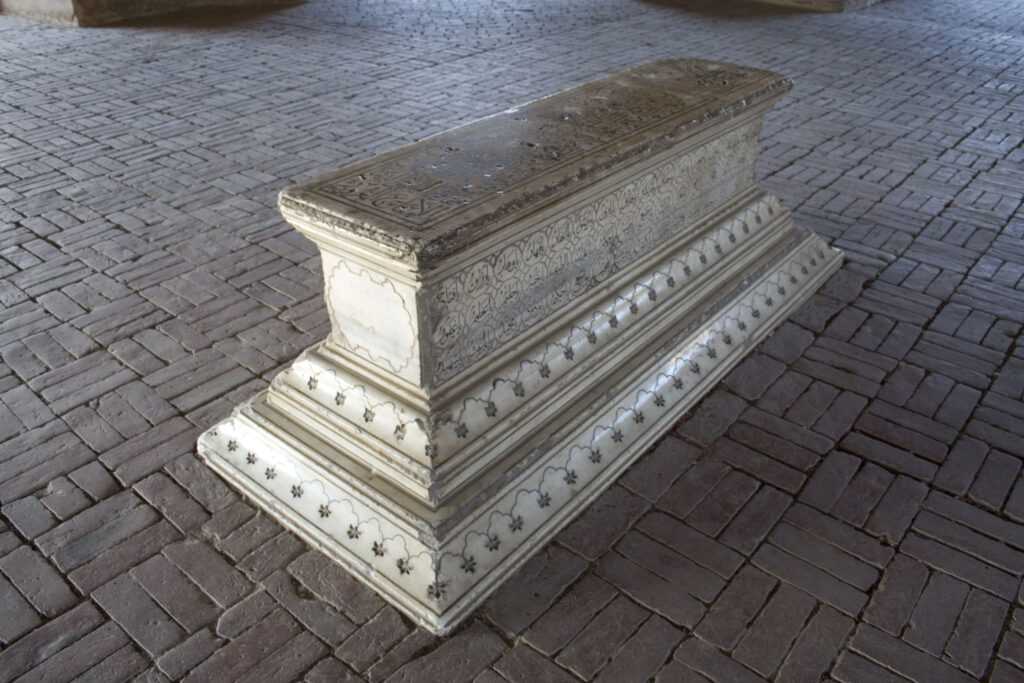
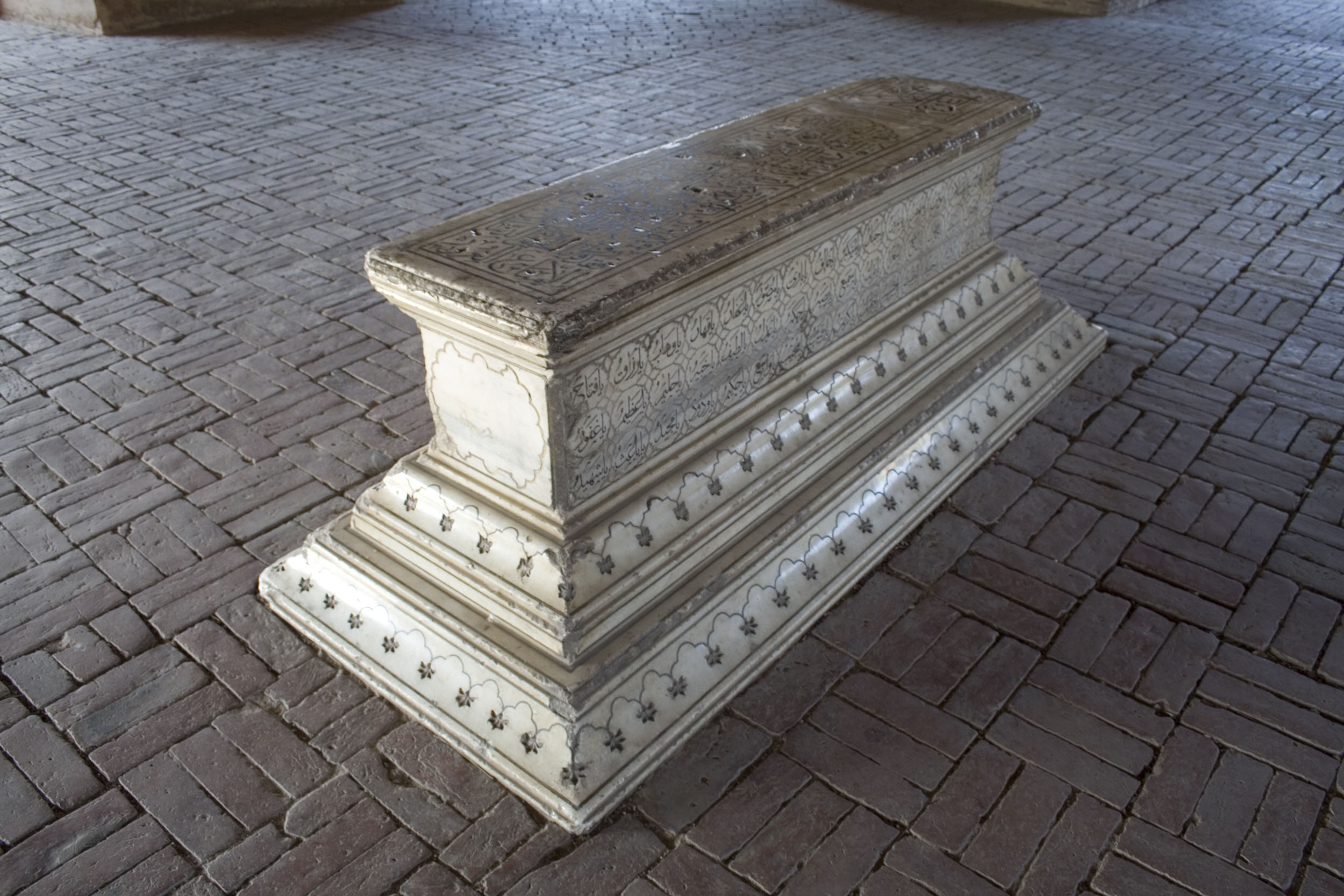
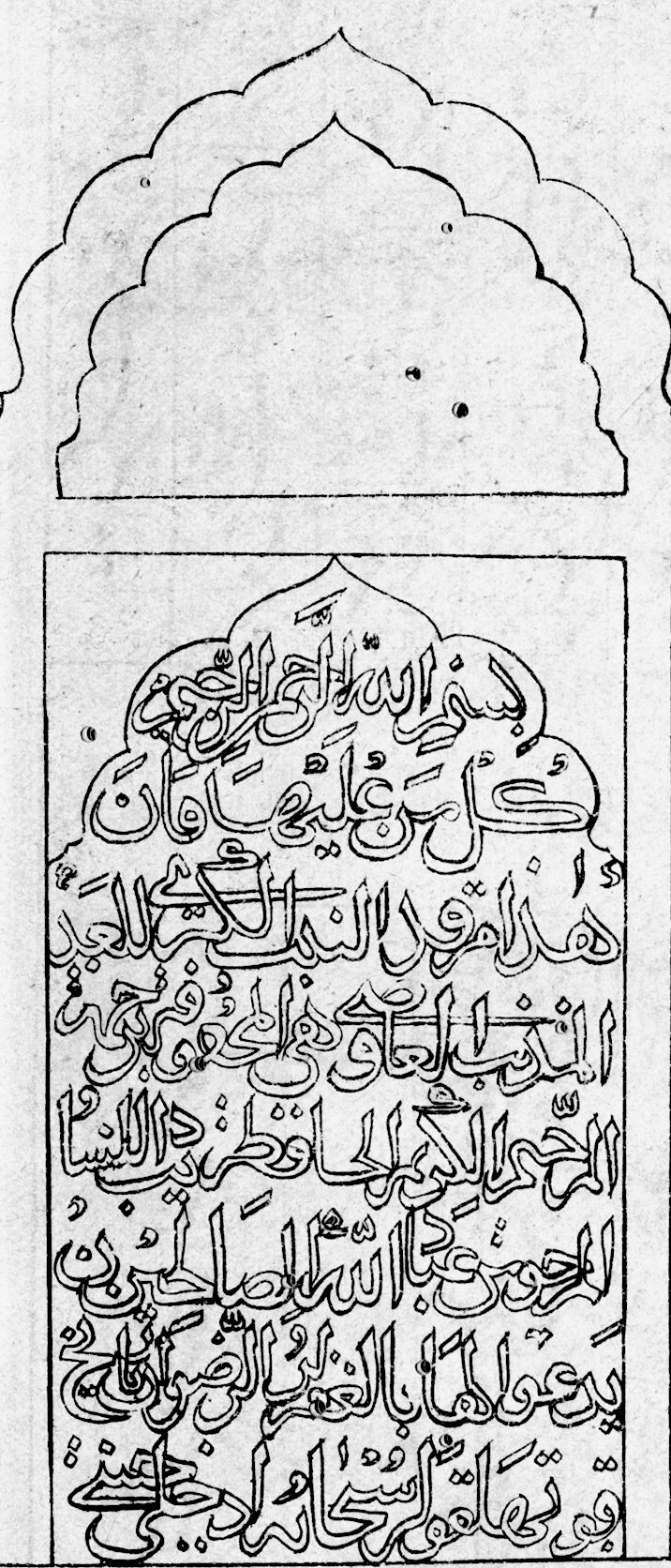
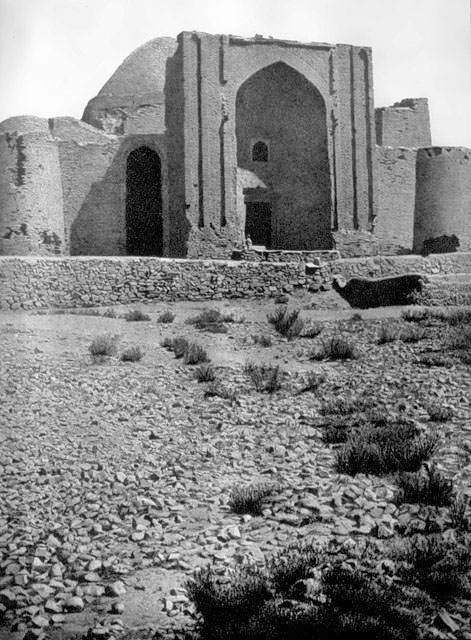
Mausoleum Ulugh Beg 2
Sultan Ulugh Beg reigned in Kabul and Ghazni from 1461 AD to 1502 AD. He was the fourth son of Timurid Sultan Abu said Mirza. He was also in love with making of Gardens and his nephew Babar inherited this love from him.
Ulugh Beg died in 1502 and was likely buried in the Abdur Razaq Mausoleum in Ghazni. Though the tomb is named for his son, Abdur Razaq’s short reign of only a year makes it unlikely that he had the opportunity to order its construction. It is instead more probable that the tomb was originally built by Ulugh Beg for his own use, with Abdur Razaq being interred in it later.
History becomes unveiled with legacy left behind the Sultans.
A CHURCH BUILT BY MUSLIMS IN SICILY FOR THEIR CHRISTIAN BRETHREN
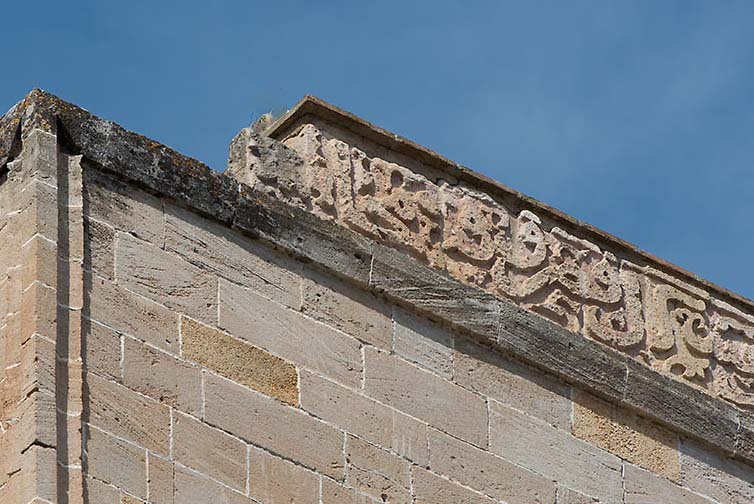
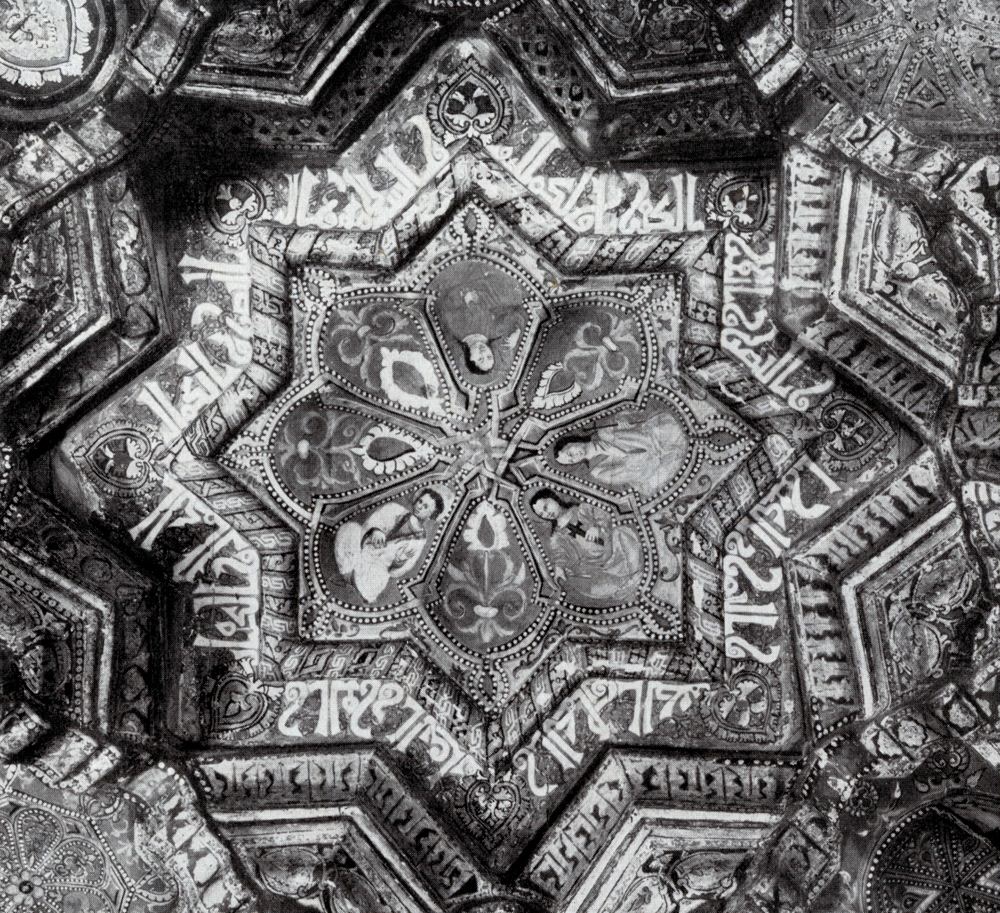
Allah’s name in the Arabic script
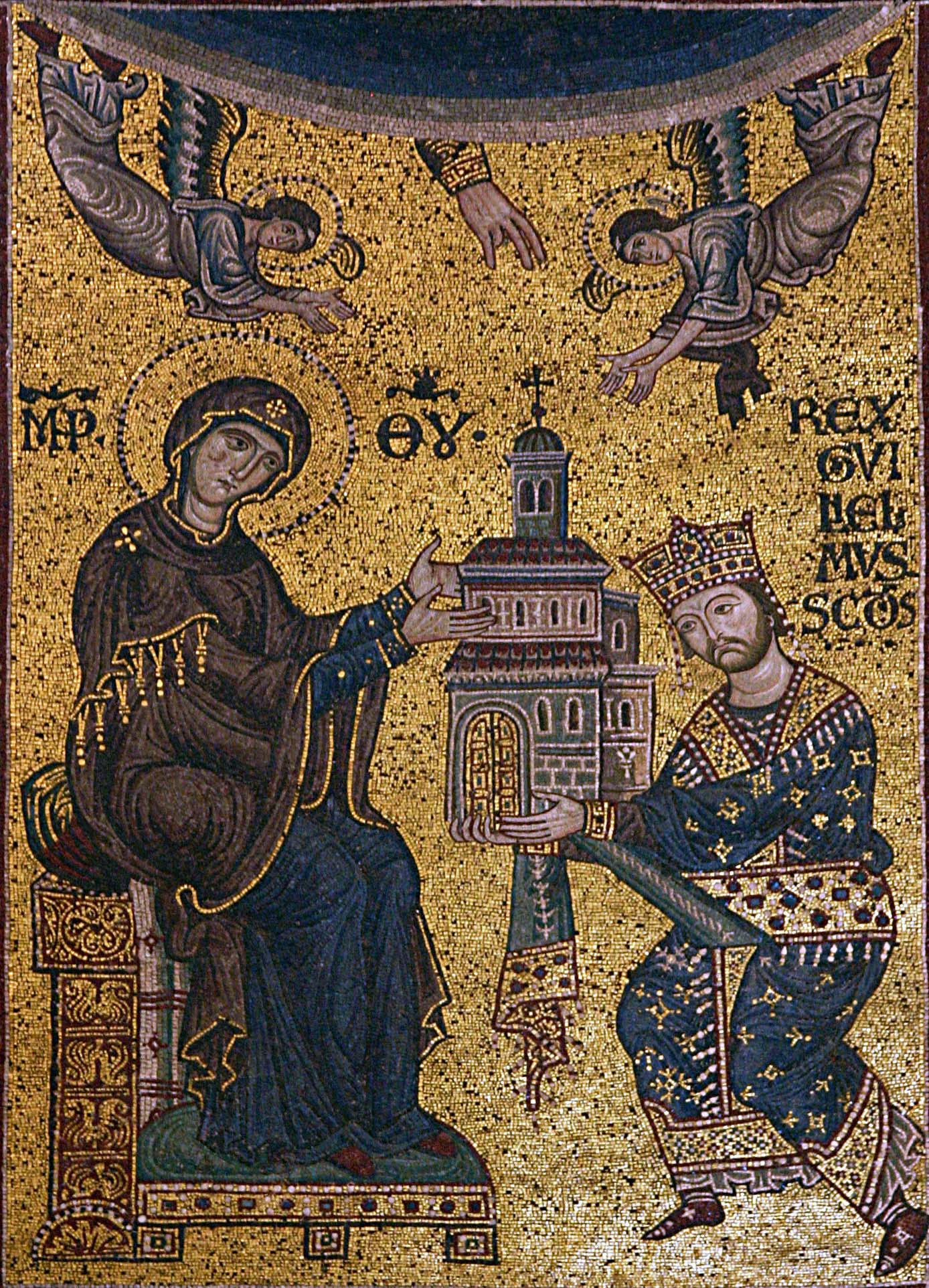
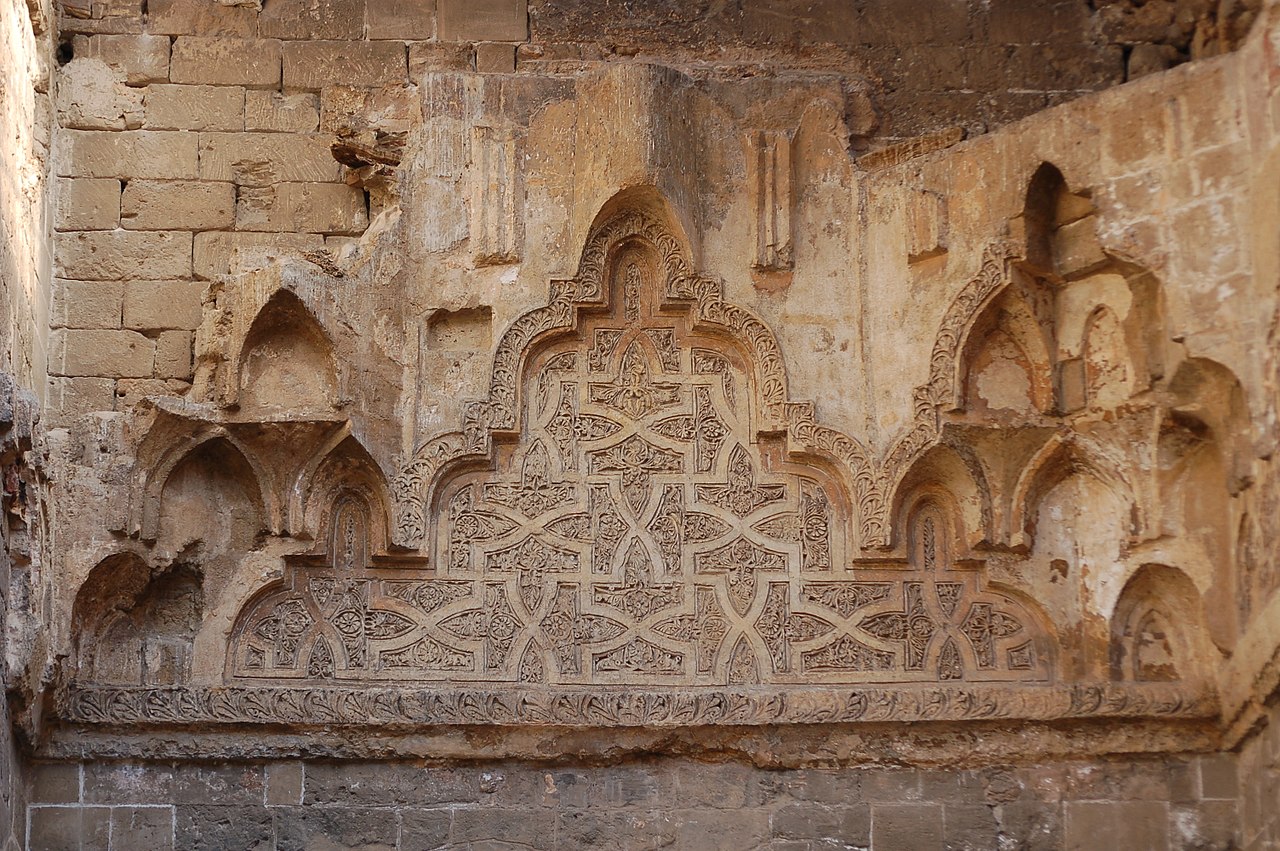
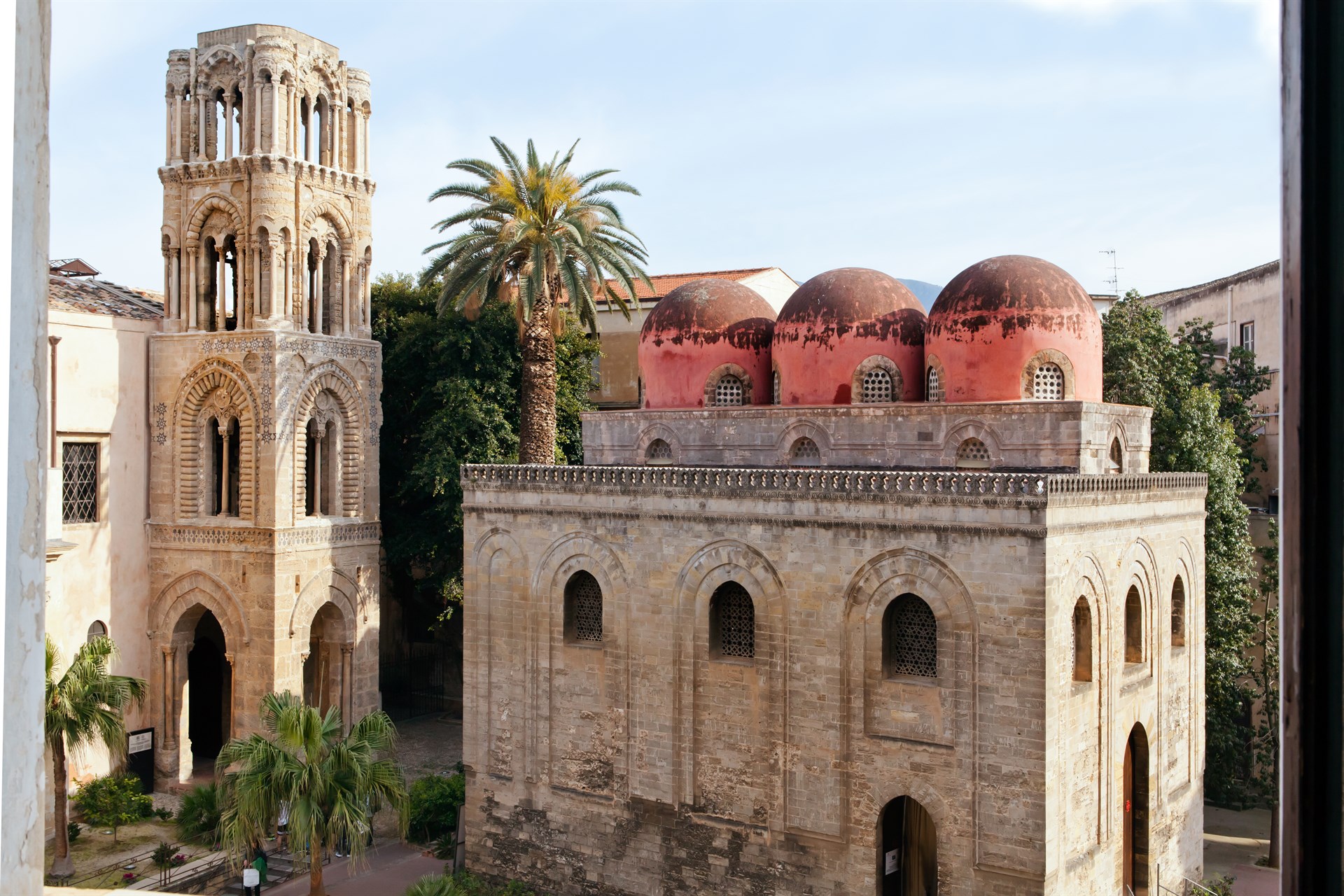
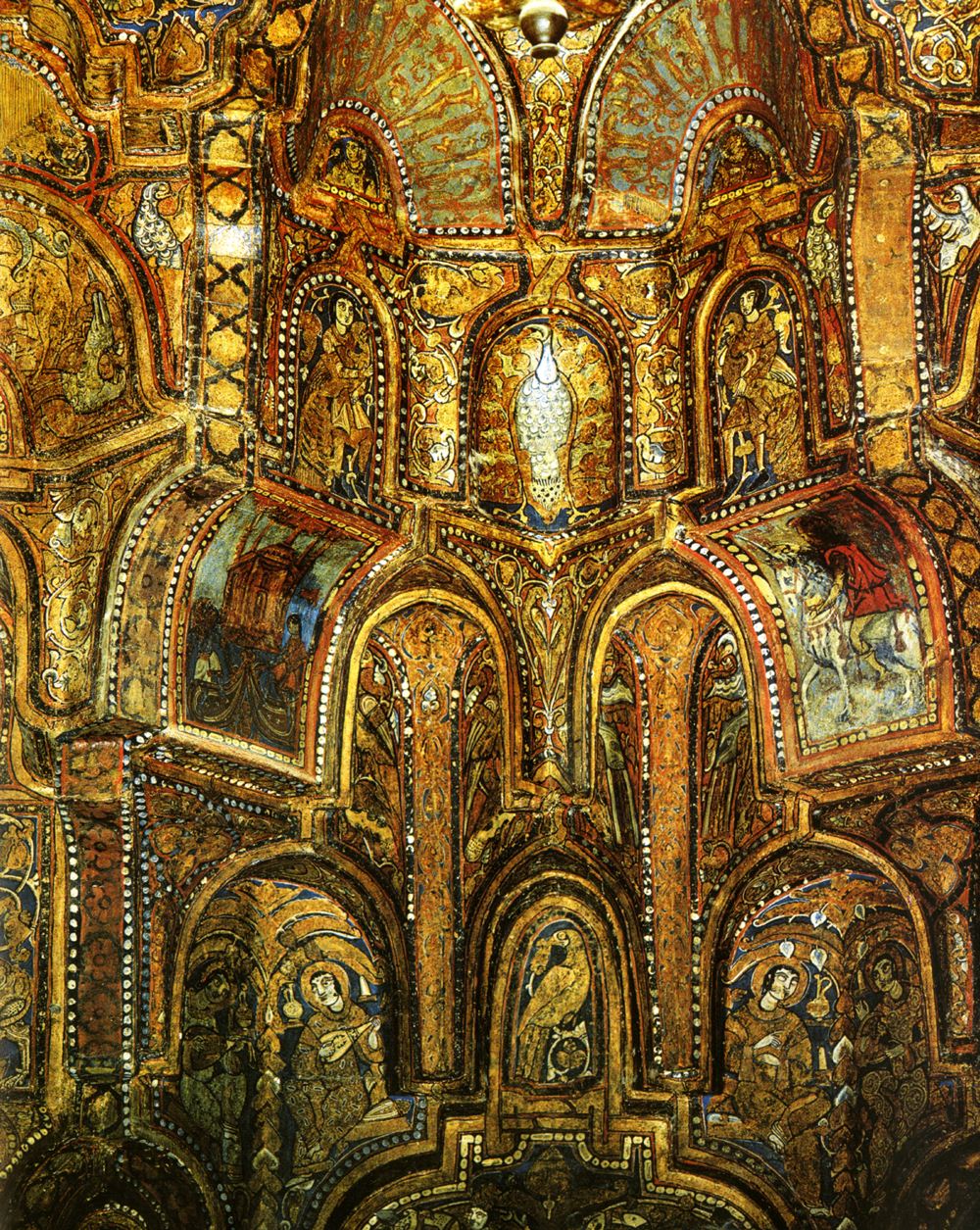
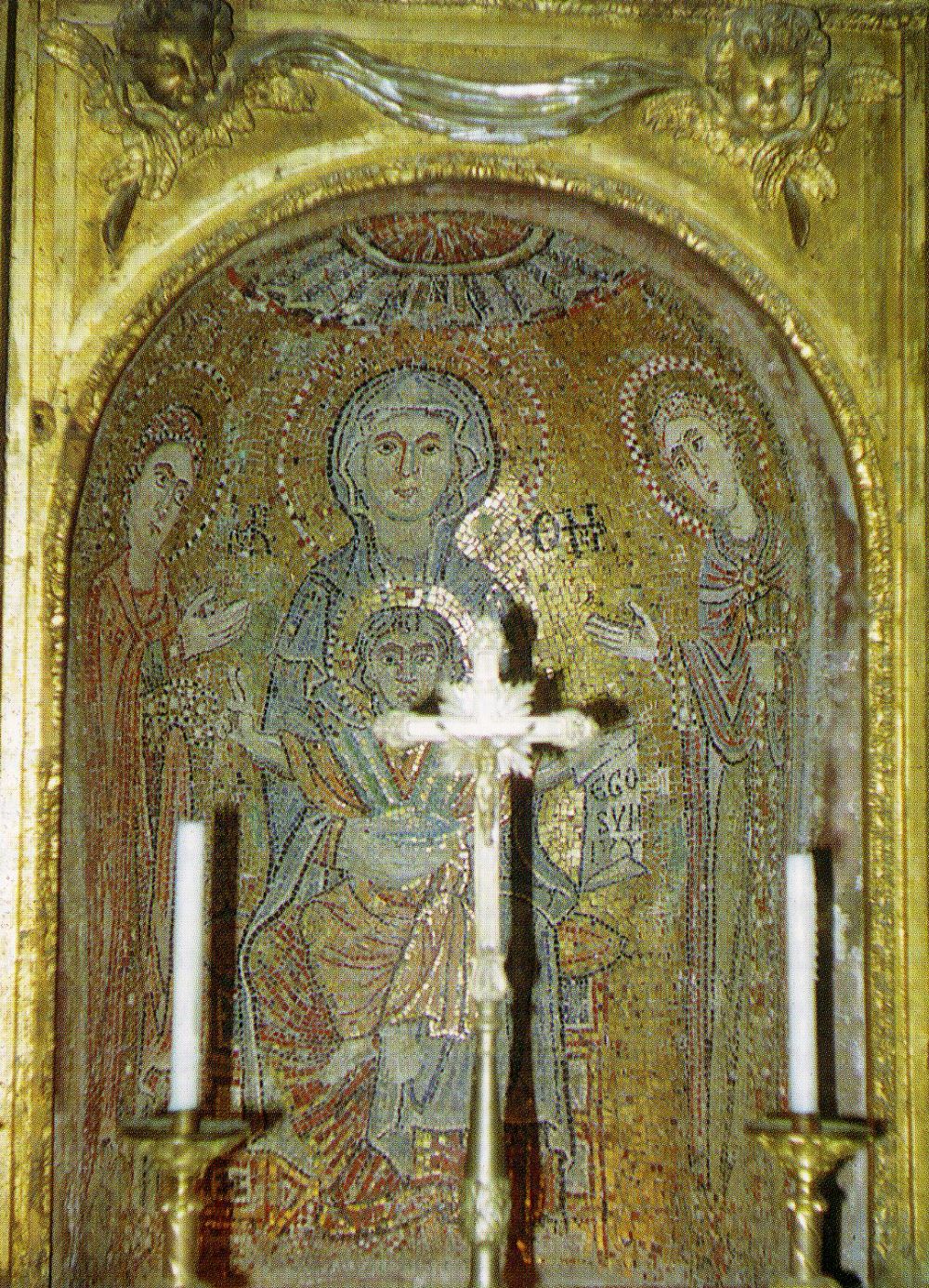
Muslim Church Capella Palatina Palermo Sicily
There are surprising things in the world. And often they go unnoticed. Muslims lived in harmony with other religions as commanded by Allah. The stupid and malignant people who destroy churches anywhere should understand that there was a time when Muslims built churches for their Christian brethren. There are examples in the world but the best example is in Sicily and it is called CAPELLA PALATINA PALERMO. A strange chapter in the history of mankind.
A blog is not a space for a detailed analysis of this church, and it is indeed worthy of seeing by all. There is a classic rare book published on the same with details of drawings and scripts. It even carries the Arabic script at places with names of both ALLAH as well as PROPHET MUHAMMED (PBUH). Historians wonder to this day the background in the making of this church.
Muslim Church
There are other amazing features. For those Mullahs who rail against Figurative Painting, the Church is full of sculpture and Iconic Christian imagery, surrounded by Arabic Kufic Script. MUSLIMS HAVE DRAWN JESUS CHRIST, LADY MARY AND ALL THE OTHER SAINTS IN THE CHURCH. If this is not broad mindedness, then what else is? This is tolerance reached to newer and newer levels. And it is to be appreciated by all.
The many Churches in Lahore were obviously designed by English Architects in their requirements, but many were later handed over to contractors like Muhammed Sultan and architects like Raheem Baksh Mimar and Kareem Baksh Mimar, and it is a matter of record too. A number of certificates are there to this effect. For instance Major D. Bennet, Member of the Church building at Meean Meer cantonment writes a certificate dated 20th December, 1856, that:
” Certfied that Emoo (Raheem Baksh), Raj Mistree, was for many years in the employment of the late MAJOR SHARP OF THE ENGINEERS,who I know had the highest opinion of him; he was the person most depended upon while building the splendid Church at Meean Meer, and he had instructed him in a Plan drawing , which he understands well. He deserves every encouragement being a most intelligent and active workman. I attach a note of Mr Sharp written about him.”
The mosque, the Mandir and the Gurdawara built at Aitchison College was also designed by a Chughtai family member, who was a Drawing Master at Aitchison College itself. Mian Kareem Baksh Mimar was also involved in its embellishment at that time. He was an expert in Chuna Kari of the type that is on Asif Khan’s mausoleum. The modern times have brought decay to the broadmindedness of the Muslims.
PLUS
COVENANTS OF PROPHET MUHAMMED (PBUH) BEING AGREEMENTS,AUTHORIZED WITH THE PEACEFUL CHRISTIAN WORLD IN HIS LIFE TIME.
A researcher John Andrew Morrow traced many agreements made by the Prophet of Islam with the Christian world, and obtained copies of the covenants, translated them and published them in book form. As obviously copyright must be reserved to most of these documents, and we are not using them. But a part of the translation can be referred as a source of information, that is:
“All pious believers shall deem it their bounden duty to defend believers, and to aid them wheresoever they may be, whether far or near, and throughout Christendom shall protect the places where they conduct worship, and those where their monks and priests’ dwell.” So, when the Prophet of Islam had the Quranic view to other faiths, it is so much possible that Muslims even built Churches for their Christian brethren as proven by the Capella in Palatina, Sicily. A phenomenal broad mindedness in life.
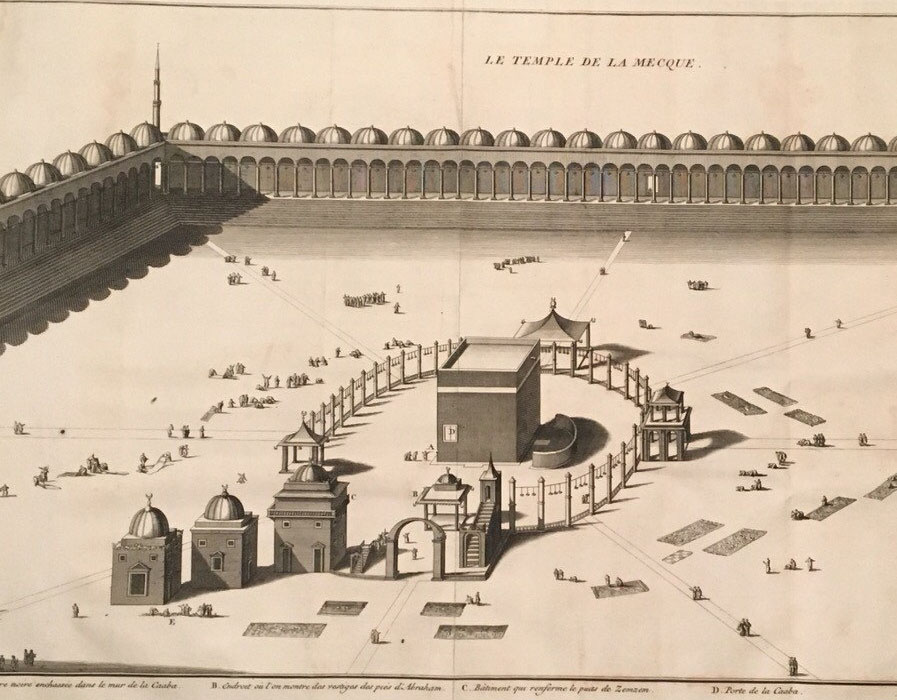
THE FIRST MUSEUM OF ISLAM FORMED BY THE PROPHET (PBUH) AND CALIPHS, OF ALL THE PLACES IN THE KHANA KAABA ITSELF, NOW WHO CAN BEAT THAT?
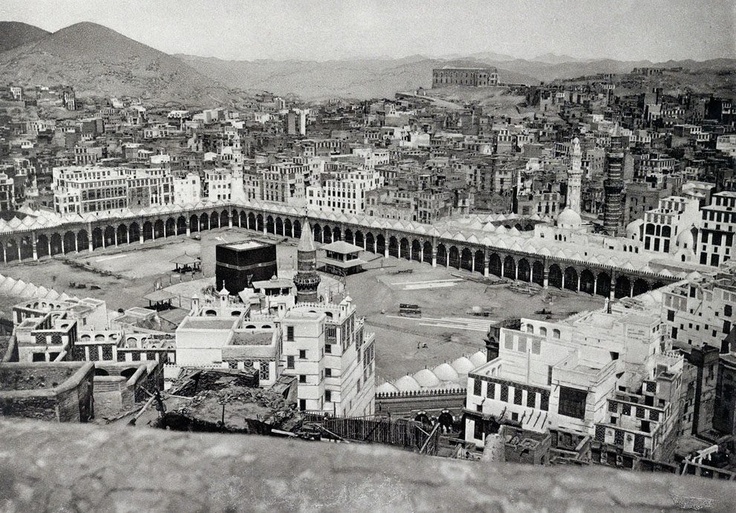
In 608 (or 605) AD, the Khana Kaaba was burnt to the ground by a fire. As the place was a religious center for travelers from everywhere, it had to be rebuilt by the Qurashs as soon as possible. The task was given to Baqum from Ethiopa, and the wood used was from a sunken Byzantine ship. A lot of details are surprisingly known. Not only was it rebuilt, but fresh statues of worship were made for it. In the 360 statues, there was a statue of Hubal, a moon-god of the Mecca people. There was a crescent on the statue itself. To satisfy the Christian travelers, there was also a painting of Bibi Mariam (Mary) in it. All these were made between 608 AD and 629 AD.
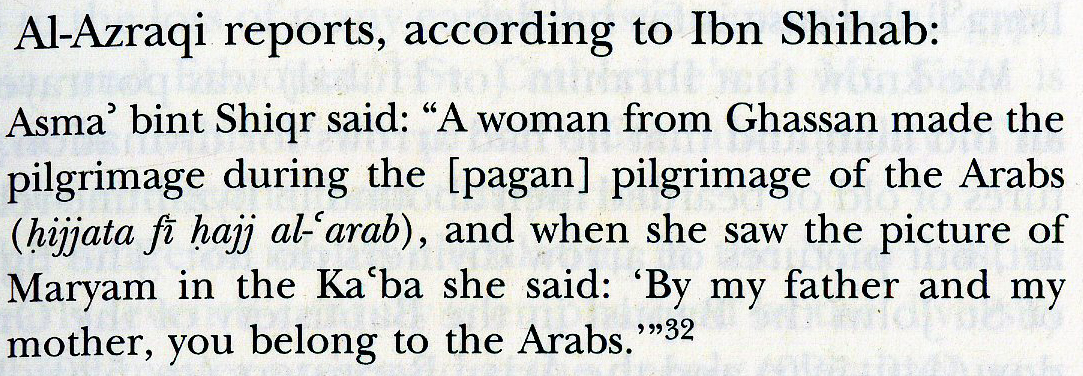
In 629 AD, Prophet Muhammed (Peace and blessings of Allah be upon him) and his followers conquered Mecca, and probably one of his foremost actions was to remove all the worshiped statues from the Holy Kaaba, and it is reputed that there were 360 of them. But a very interesting development took place. There was a painting of Bibi Mariam (Mary) and a fresco of Hazrat Ibraheem (Abraham), which he liked and ordered that they were not to be removed. Later the Prophet (PBUH) learnt that there were Divination arrows placed before the fresco of Hazrat Ibraheem and so that was erased too, for Islam forbade that kind of action. This is confirmed by writings of Ibn Ishaq and al-Azraqi, A modern reference affirms this:
Rogerson, Barnaby (2003). The Prophet Muhammad: A Biography. Paulist Press. p. 190. ISBN9781587680298. Muhammad raised his hand to protect an icon of the Virgin and Child and a painting of Abraham, but otherwise his companions cleared the interior of its clutter of votive treasures, cult implements, statuettes and hanging charms.
PLACE OF PILGRIMAGE AND THE FIRST MUSEUM
Antique engraving of Khana Kaaba
Old Manuscript illustration
Asma bint Shiqr as witness to Bibi Mariam painting
Eighth century Genre of Bibi Mariam painting
Hubal the Moon god of Mecca
One may look at this with different eyes, but in our view, as well as that of Islamic scholars like Oleg Grabbar, this was the first step towards the first museum of Islam. Various lists of the artifacts in Khana Kaaba have survived, which lists the number of items preserved in the Khana Kaaba. It is a long list, but all confirm, that various cultural artifacts from places conquered by Islamic forces, were brought here for the people to see, the culture of far off lands. These lists are narrated in manuscripts over times. Interestingly the list even contains artifacts from Afghanistan at that time. And the people were encouraged to come and view the artifacts on a regular basis. Amazing! When this need was felt by the Prophet (PBUH) and the Caliphs and their followers, when did this urge stop?
We here at Chughtai Museum are proud of this foremost tradition of Islam and keeping the fervour alive, by the heart beats of these new times. M.A. Rahman Chughtai understood this. Spreading peace with the international language of the Arts. We need to reach out to people, to convince them splitting into groups and section can only remind us of the Aesops fable, of the dying man, who gave one stick each to his sons. Break the stick, said he. And they broke it easily. But once all the sticks were tied, no one could break the bundle. Planet Earth unite for a better tomorrow and live your own way of life in peace!
TRUTH AND FALSEHOOD ARE IN CONSTANT FIGHT WITH EACH OTHER; BUT CAN FIFTH GENERATION BRAINWASHING ERASE LOVE OF PAKISTAN.
The concept of Pakistan struck at the heart of the many people of this region. An idea which is incorporated in the Quran itself as a Muslim Nation, was revitalized by intellectuals of this area. Obviously, Sir Syed Ahmad Khan started the parade, and Dr Allama Iqbal gave it intellectual insight. Dr Iqbal convinced Muhammed Ali Jinnah to take the reign and start the Pakistani campaign. Our beloved friends in Bengal, loved the idea and Nawab of Dacca Salim ullah pioneered the Muslim League. Everything went well, but the active resistance by Hindu and Sikh lobbies, led to the carnage in 1947. Millions of lives were sacrificed and the fertilizer of Pakistan was human sacrifice itself for a cause. Everybody understood the urge for a Muslim nation as first step towards a Muslim renaissance from the laws of Allah towards the statement of Rabi ul Alameen. A code of life for all humanity.
The animosity had already started even before partition. Master Tara Singh declared on the footsteps of the Punjab Assembly Lahore, with a sword in his hands.
“Kat ke deynge apni jaan, magar nahi deynge Pakistan.” We are prepared to give our lives, but not Pakistan. Legend has it that seventy-five years ago almost to the day Master Tara Singh, in hand, thundered these words from the footsteps of the Punjab Legislative Assembly in Lahore. Master Tara Singh who promised Nirvana to the Sikhs, now they face annihilation under the hands of an extremist Hindu nation. Now the realization is the dream of Khalistan. Certainly, the Muslims were not the enemies of the Sikh nation.
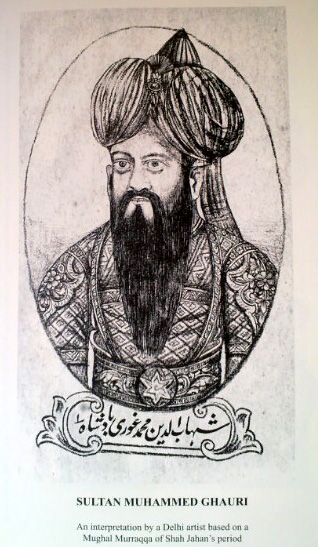
Sultan Ghauri
Nawab Salimullah
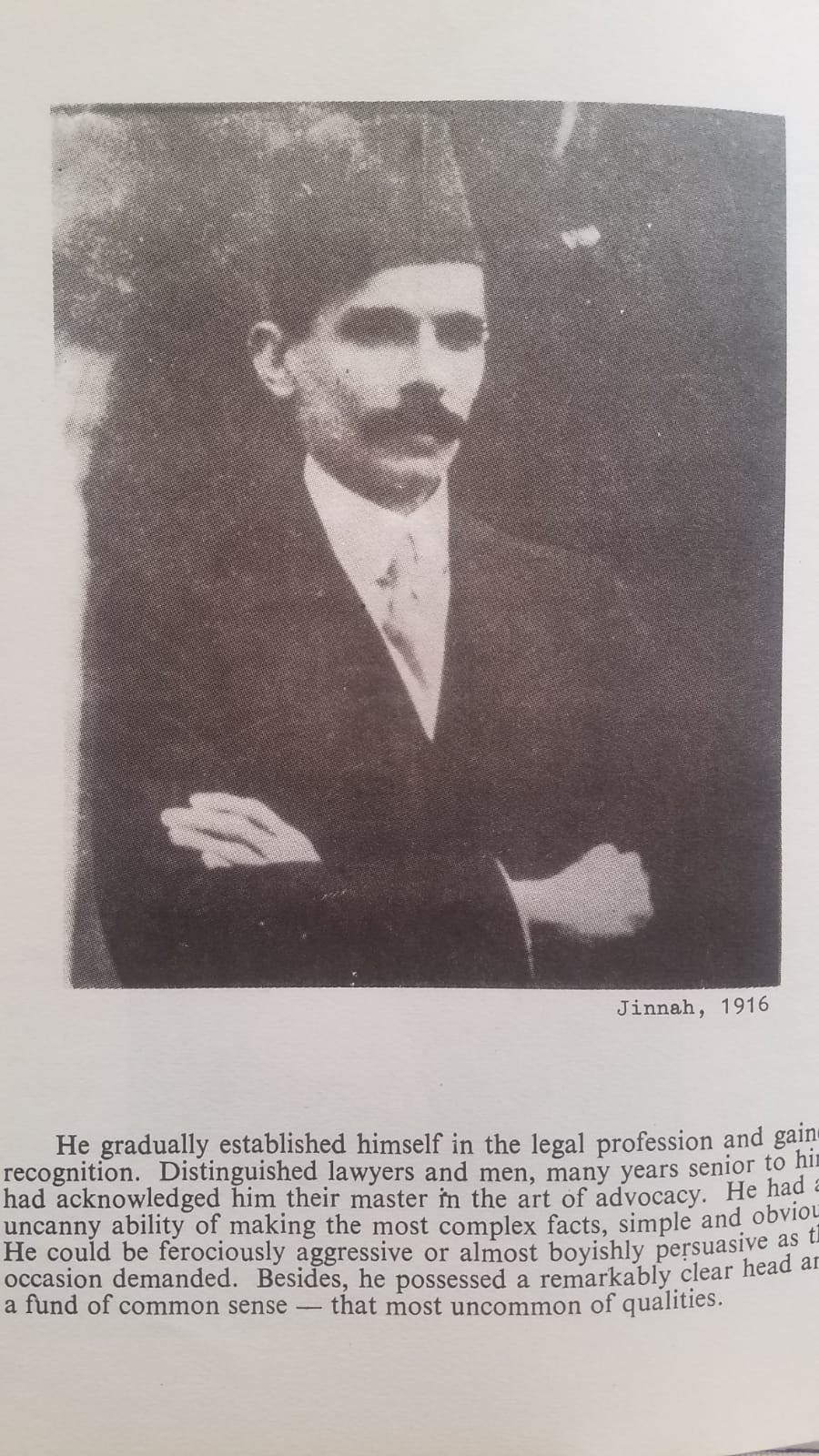
Jinnah in 1916
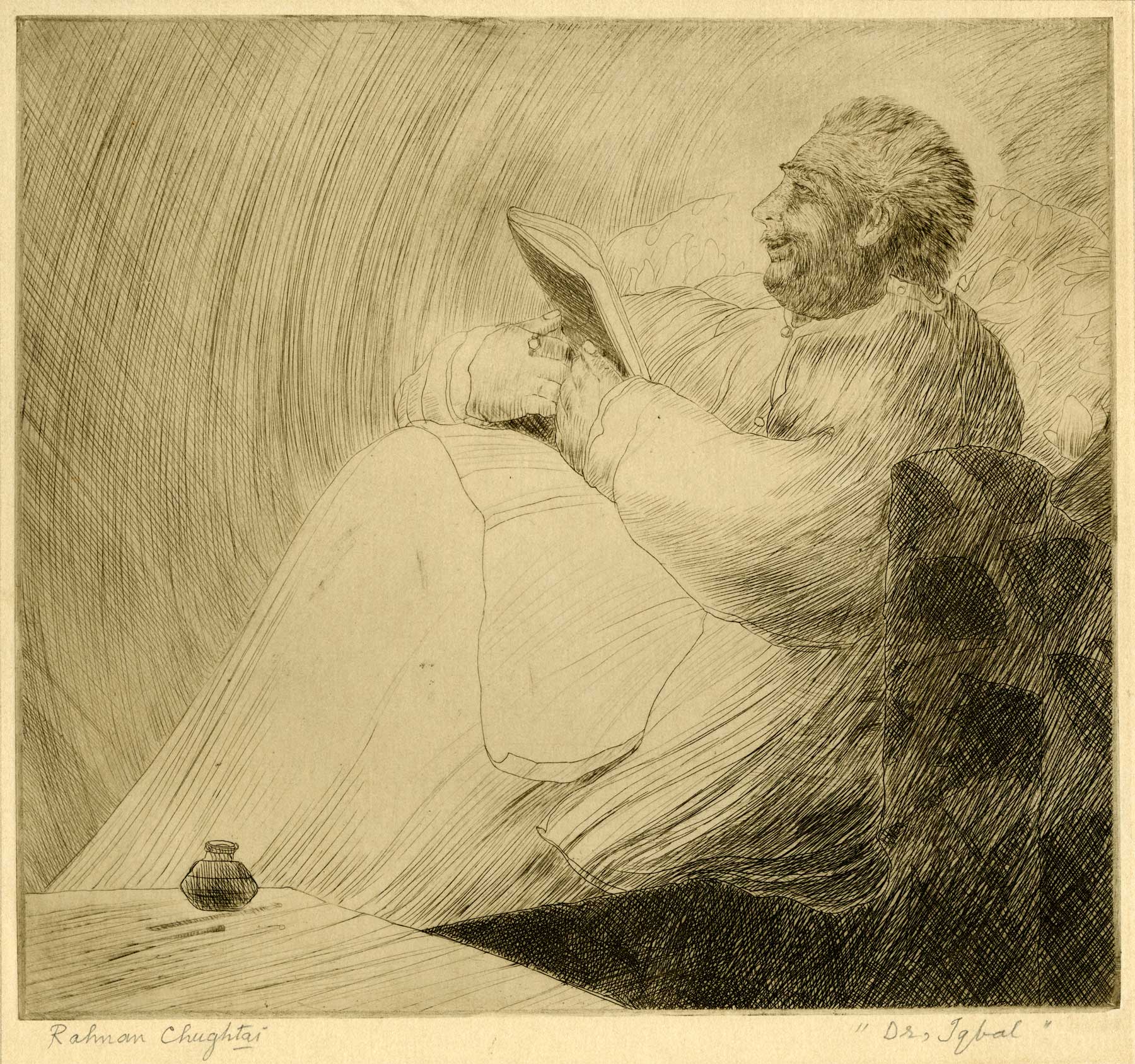
Dr.-Allama-Iqbal
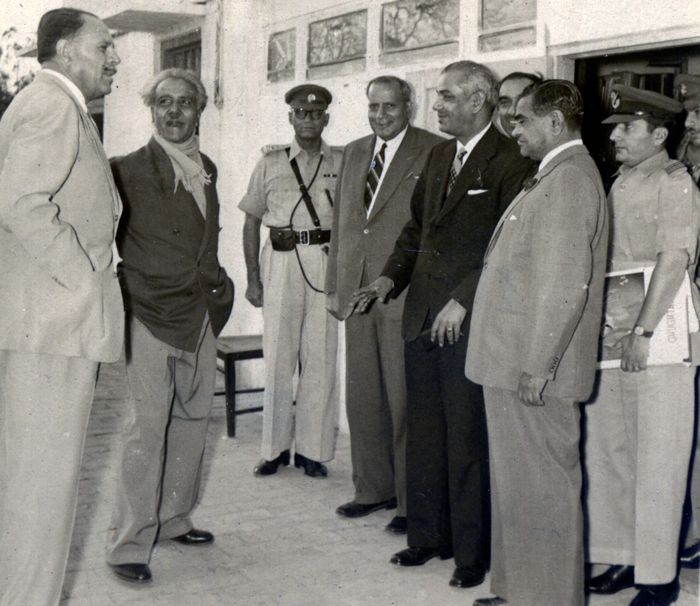
Muhammed Ali Jinnah and Ayub Khan
Love of Ayub Khan for MARC
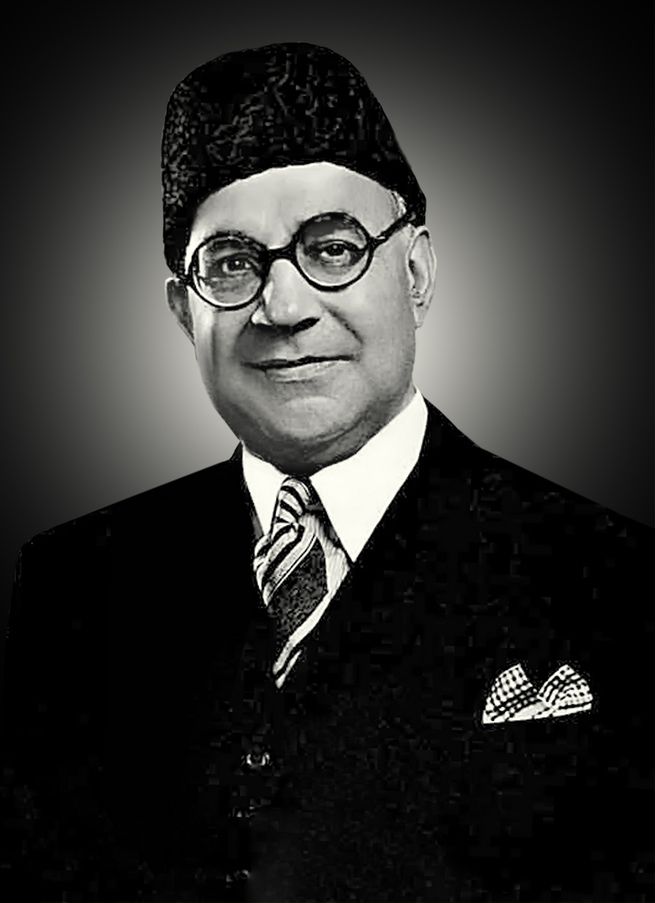
Liaquat Ali Khan the martyred PM
The Mullahs of Hindustan declared the concept of Pakistan allergic to them, and after partition, migrated to the new country to try to undo it, again at the behest of personal financial gains. Declared Pakistan nothing short of being Kufr. Low IQ priests who lacked the study of the Quran itself.
Foreign countries like USSR and USA both exhibited love and hatred for Pakistan. But both failed us at times of our need. In new world China was our friend from day one and will remain our friend till the day last. Although we are at present neglecting it at behest of others.
So many enemies, both from within and from without. Greed destroyed people who profited from Pakistan. The question now is that where are we heading? Allah does not interfere but the laws of Allah work all the time, even when left alone. Is the fifth-generation war aiming at leaders from everywhere, who had deprived childhoods ready to end Pakistan?
Dear Sir, you do not know the heart of Pakistanis. Those dumb Pakistanis who lick your boots when you come here are not Pakistanis. Go in the street. Go in the cinema houses at present and see people watching the film ‘WAAR’. People rise in their seats to cheer their heroes. People get tears in their eyes with the words of ALLAH O AKBAR. Yes, Dr Allama Iqbal dreamt of Pakistan and Quaid e Azam made Pakistan, but he made it out of these people. Do not short change this Pakistan. This is a nation which hibernates all the time, but when pushed into a corner, has the resilience of a tennis ball. Press it as hard as you can, it gets into shape again. You do not analyze two nations in recent spats, you analyze their entire history. Yes, there is a need for PEACE and peace should be there. Bu never at cost of Self-respect. Castrating us won’t do any good, we can grow our manhood again! There is enough testosterone in us.
In one short term, our country is a nation forever. Do not fall into the foolish idea that you will undermine us with mere gibberish words. Pakistan is here to stay. Pakistan Forever!
CONFUSION PREVAILS ABOUT THE IDENTITY OF LALL KUNWAR; PROSTITUTE WIFE OF ALAMGEER II OR KING JAHANDAR SHAH.
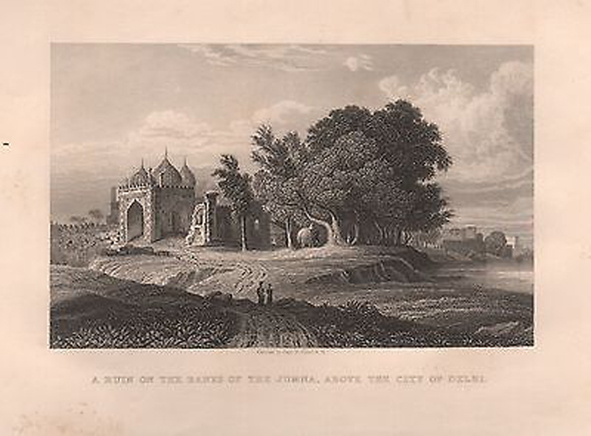
A pictorial book published in 1884 in Delhi gives a picture of Lall Kunwar. The identity of same it says Zeenat Mahal wife of Alamgeer II. There is a picture in the Walkers Art Museum in USA too. It has a seal of Mehrunnisa Begum and a modern writing of name as Lall Kunwar Mashooqa Jahandar Shah. That means beloved of the King. Vague entry in all cases. Which is true? One does not know. But we remember that only through documentations that we can arrive at the truth.
Portrait of Lall Kunwar
Lall Kunwar named Mehrunnisa Begum
Lal Bangla of Lal Kunwar
Lal Kunwar and Begum Jaan
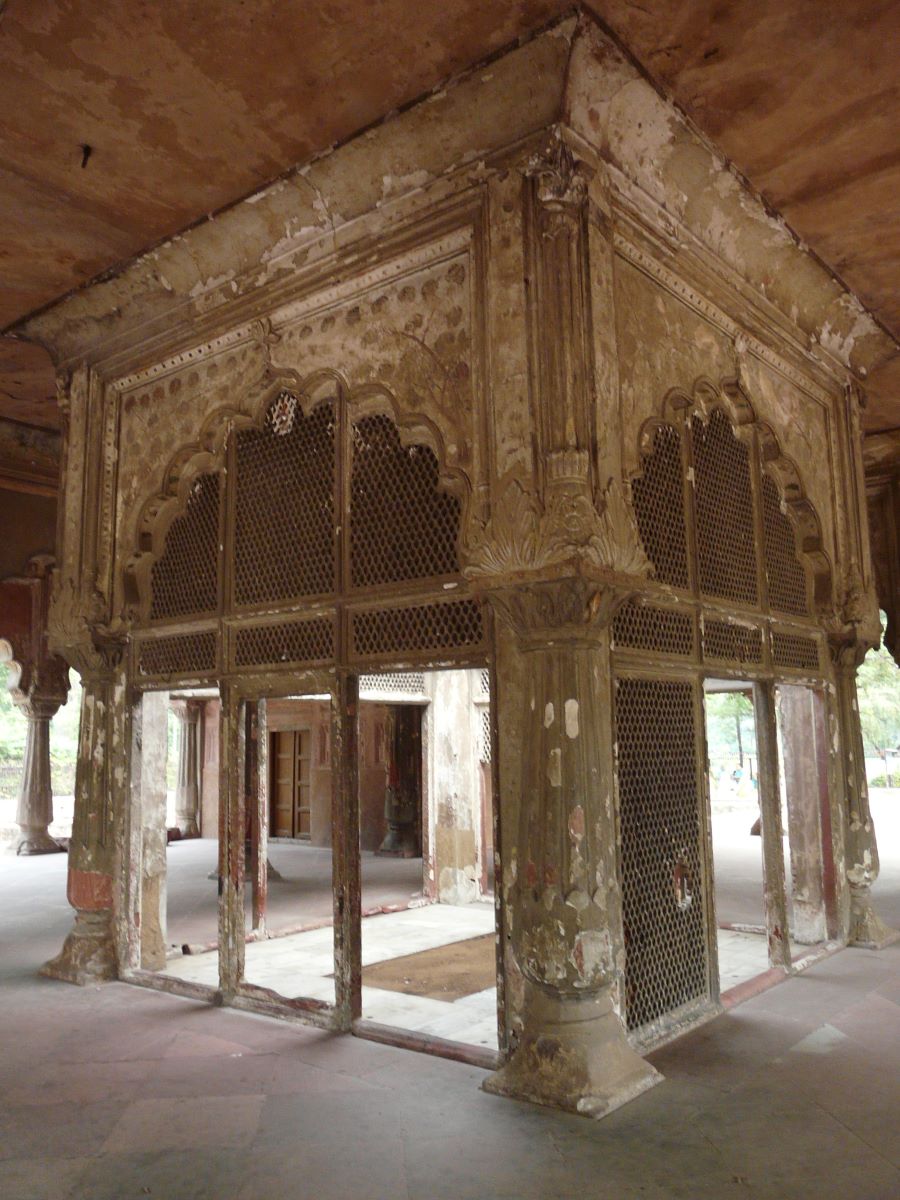
There is a mausoleum in a garden of Delhi and it described as Mausoleum of Lall Kunwar. It is called Lal Bangla. Description given by such sources is that of a prostitute of low status, beloved of the Mughal King. Her family is given and her frolic activities with the King. There is even an accusation of she bathing with the King, naked in public. Another claim is she drowning people in river just to have excitement of drowning deaths. But in a country where gossip becomes imagined truth, nothing can be said with any certainty. A lot of history is just made-up stories. Her identity stands disputed from two Delhi sources itself.
It is her luck where Kings and Queens are forgotten with time, a couple of pictures bring back her memory, and an isolated tomb in Delhi, literally forgotten by even those who frequent the parks of the city. Her aspirations were simple. She was no King makers nor involved in any political intrigues. Just fun and the desire to survive. And she survived indeed. The architecture of her tomb is splendid in itself as a small memento of the Mughal period.
THE CLEAREST NAME OF A MIMAR IN MUGHAL ARCHITECTURE; USTAD KHUDA QULI MIMAR OF TOMB OF ATGAH KHAN IN DELHI.
Thousands of architectural wonders made by Mughals in our region, and the most wonderful achievement, that these architects came from all around and far off regions. Obviously Central Asian was the dominant area, but others came from other areas. We even have African architects here. But the clearest name of an architect is that of Ustad Khuda Quli, obviously from Bokhara, as the calligrapher of the same monument is Baqi Muhammed Bokhari too. Contrary to other practice, both names are on the front of the monument itself, in beautiful calligraphy.
Atgah Khan tomb Delhi
Ustad Khuda Quli Mimar
Baqi Muhammed
Abdullah Chaghatai reference
Atgah Khan was son of the wet nurse of Prince Akbar, and so Shamsuddin Khan Ghaznavi was foster brother of the Prince. Others got jealous of him and he was murdered by Adham Khan. Akbar got so irrirated he abused him many times even in Punjabi by calling him a four-letter word. Then had him thrown from the fort. His legs broke but he survived the first fall. Akbar had him thrown again till his death. Strange that it is on record hat Akbar even knew Punjabi abuses. As a polite gesture we refrain from same.
Atgah Khan remembered, and the ruin being faced by the monument, is saved by the Agha Khan programme, who are now restoring the monument as partnership with Archaeological Survey of India.
SEARCHING FOR MIMARS OF THE MUGHAL PERIOD; SHUKR ULLAH MIMAR AND AURANGZEB ALAMGEER.
Literally thousands of buildings were created under the Mughal rule in the region and even with painstaking research, in my view there is no possibility of uncovering even twenty names of that period. Strange it is, the enigma lies somewhere? It is our attempt to list all the names revealed in this period, with fresh information wherever possible.
In a letter to one of his sons, Aurangzeb Alamgeer instructs the Prince to go to the mausoleum of his mother Rabia Durrani in Aurangabad (made by Attaullah Rushdi son of Ahmad Mimar), and get repaired the grave of his sister, which lies near the mosque of the mausoleum. In this respect he should get help of Shukrullah Mimar in repair and restoration of the grave. Small work but a new unknown name appears in Mughal history.
Abdullah Chaghatai reference
Manuscript Qaseeda 1093 AH
Elegant Thulth Qaseeda
Shukrullah Seeam 1093 AH
Nothing else is known about Shukrullah. We came across a Qaseeda written in honour of the Prophet (PBUH) in a beautiful direct handwriting, inspired by the immortal Qaseeda Burda. It is dated 1093 AH, and it is in Arabic, and Shukrullah writes his takhallus as SEEAM, which means an expert of arrows. This does not show whether he made arrows or was a professional in its use. Selection of the title means he was attached to the Army of Aurangzeb Alamgeer. Most of these architects were professionals in many ways, but were experts in poetry, as well as language. Literary people in all ways. History records their many talents.
COMPOSITION OF ARTIST’S IS A STUDY IN DETAILED ANALYSIS; GIVING A VIEW OF STUDY ON CEZANNE, REQUIRED URGENTLY; THE STUDY OF THE UNIQUE COMPOSITION OF CHUGHTAI ART.
I am working on “How to look at Chughtai Art?”. Western scholars study composition of Western Masters for analysis. They come up with startling conclusions. If we study the Art of M.A. Rahman Chughtai, we find a total change in perspective from traditional art in the region. Our students copy Western Masters and feel happy but even they have no knowledge of the composition skills of Western Masters. This is a difficult subject and we are working on it. Often Chughtai Sahib used to say, it took me great time to paint a work, spend some time in looking at it. Newer and newer things will be revealed to you.
Comp 1
Comp 2
Comp 3
Comp 4
Comp 5
Comp 6
Comp 7
Comp 8
An early painting of Krishna by Chughtai Sahib, namely Amrit Varsha, as indeed a composition worthy of study. We have just added tit. Please see the vision of Chughtai as he outclimbs Krishna in the tree, as he watches the cow down, playing his flute. Write your comments, please! Study same. You will see Chughtai in new light!
AN ACTUAL FAMILY OF CHABUK SAWARS STARTING FROM AFGHANISTAN; WITH CONNECTIONS IN PAKISTAN (LAHORE) AND VARIOUS CITIES IN INDIA.
Mohiuddin family tree
In 2017 I received communication from a truck driver in Saudia Arabia, with his family settled there. He was sending me a lot of emails in Roman Urdu, and with lot of details. He told me that they were twelve brothers, and had connections in various cities of India. But their main city was SALUMBAR, and in it was their Mohalla, which was 500 years old. The city was basically a Muslim city and was composed of various ethnic groups, mainly Mirza, Pathan, Nayak, Sheikh and others, but all of them were referred as of Turkish origin. He narrated his family as:
MOHIUDDIN KHAN, Son of SAALEH MUHAMMED KHAN, Son of MUHAMMED FATEH BAKSH KHAN CHABUK SAWAR, Son of MUHAMMED NOOR BAKSH CHABUK SAWAR, Son of RAHMAT KHAN CHABUK SAWAR, Son of RAHEEM KHAN CHABUK SAWAR, Son of RAJU KHAN CHABUK SAWAR.
He says there is family resemblance to a certain Prince Muhammed Raheem Khan of Uzbekistan. It means that some migration occurred there too.
Mother Mohiuddin Khan
Kifayat Hussain Chabuk Sawar
One of their elder NOOR KHAN was murdered in Bhadeswar, and his Mazar is still there. He was poisoned through his food by his slave. His eldest and only son BHURRE KHAN JI, as a child, was taken pity upon by the Raja of Mewar and given a jageer. This occurred around 1800 AD. The family spread over many cities.
Mohiuddin Khan says that the family tree starts from either father and son, or two brothers, namely RAJO JI and KHAJO JI. It is the start of the Chabuk Sawars perhaps even from Lahore, as told by an old lady of that family.
And what about the Gul Bahar colony, some miles away from Kabul, Afghanistan? Isolated from other places, a lush green area, famous for horses and Chabuk Sawars. We will explore that later.
A COARSE BLACK DRESS, CONTAMINIATED NAPPI FISH, MURDERED PARENTS: HELPLESS; AMEENA MUGHAL PRINCESS, DAUGHTER OF SHAH SHUJA; PREGNANT BY HEATHEN KING.
In 1927 Babu Astosh Chaudhury of Chittagong got enamoured with a different Bengali Ballad, which he picked up from a host of local singers, mainly first a gypsy singer, then another singer Makbul, a whimsical singer Belait Ali, and another Manjhi from a boat, who used to sing it in the night. It affected Babu Astosh immensely and he saw neglected and forgotten, historical truth in it, so he sent it to a scholar of University of Calcutta, Dinesh Chandra Sen. It was a lament of a Mughal Princess in Arrakan, namely Ameena and she was the daughter of Prince Shah Shuja, son of Emperor Shah Jahan. And who was this Shah Shuja and what was he doing in Arrakan?
Prince Shah Shuja
The story of the Mughal Prince is narrated by many people. It includes the rascal Bernier, as well as some Muslim writers. It is about the rebellion of the four sons of Shah Jahan and their fight with each other. The most able warrior was Aurangzeb Alamgeer and he was not liked by the father or by the other three brothers. The fate of Shah Shuja hung in a balance as he had been defeated two times by Aurangzeb. He decided to flee the safety of his home domain Bengal to the Burmese land and the territory of Arrakan. Bernier says he went on a Portuguese ship, while Muslim writers say he went on an elephant cavalcade through the jungle of Burma. He was received by the King of Arrakan with great pomp. The King offered him place to live and the hands of his own daughter. Prince Shah Shuja accepted the offer, but in return the heathen King wanted the hands of Ameena, daughter of Shah Shuja. Shah Shuja was in no mood to submit to this insult, and refused, As a result fight occurred between both parties and King of Arrakan had the whole Shuja family thrown in the sea. The wife of the Prince and one daughter died in the sea, while it is reputed that somehow Shah Shuja escaped the drowning incident. For it is seen that he finally came to the Mazar of Nangiana in Sargodha and spent the last years of his life there and is buried in the mazar. Proof exists nowhere but the speculation looks fine.
Ballad Lament Daughter one
Ballad Lament Daughter two
Arrakan 17th century
Grave of Shah Shuja
King Shudarma of Arrakan kidnapped Princess Ameena from her father’s camp and threw the rest of the family in the sea. The ballad records the tragedy of the Princess, used to the best in the world, she was forced to wear coarse black dress and eat NAPPI every day, a dish made of contaminated fish and dog’s tongue. The Mughals had recorded their attitude towards the people of Arrakan, and even Emperor Jahangeer had called them animals. Ameena was pregnant, but the King had no respect for same, and had her killed too. Or she escaped to Chittagong. Open to speculation. Centuries later the ballad of the LAMENT OF DAUGHTER OF SHAH SHUJA was still being sung by Bengali singers. It is on record now and we have added it to blog, as an attachment. The rise and fall of dynasty are a divine principle, and it opens our eyes to the tragedy of life itself.