THE ATTACK ON LAHORE (1043-1049) BY COMBINED HINDU RAJAS; THE PLANNED ATTACK ON LAHORE 2017 BY COMBINED LOBBIES; MARTYRDOM AT ITS BEST IN PAST AND IN FUTURE OBVIOUSLY

THE ATTACK ON LAHORE (1043-1049) BY COMBINED HINDU RAJAS
THE PLANNED ATTACK ON LAHORE 2017 BY COMBINED LOBBIES
MARTYRDOM AT ITS BEST IN PAST AND IN FUTURE OBVIOUSLY

In the year 435 AH (1043 AD), the Raja of Delhi was able to rally other Hindu Rajas to accost and drive the Muslims out of India. The religious motivation drove them into a frenzy, for they were loosing their commoner subjects by the thousands, each day, through voluntary conversions. Fearing there would be no vassals left to serve them, they started recovering one town after another. They took Hansi, Thanesar and then Nagar Kot. In the year 441 AH (1049 AD), they laid a siege to the city of Lahore.

Sultan Maudud was not in Lahore. Maudud undertook a campaign against Khurasan, and had gone through the city of Kabul. He reached the Fort of Sankot and was seized with a violent bowel movement (food poisoning of the worst kind). Probably poisoned by adversaries. On a litter tied behind a horse, he was taken to Ghazni, where he died, and the rest of the time there was chaotic fighting for the throne. A four year old son was put on the throne, which led to further infighting in the Ghaznavid ranks.

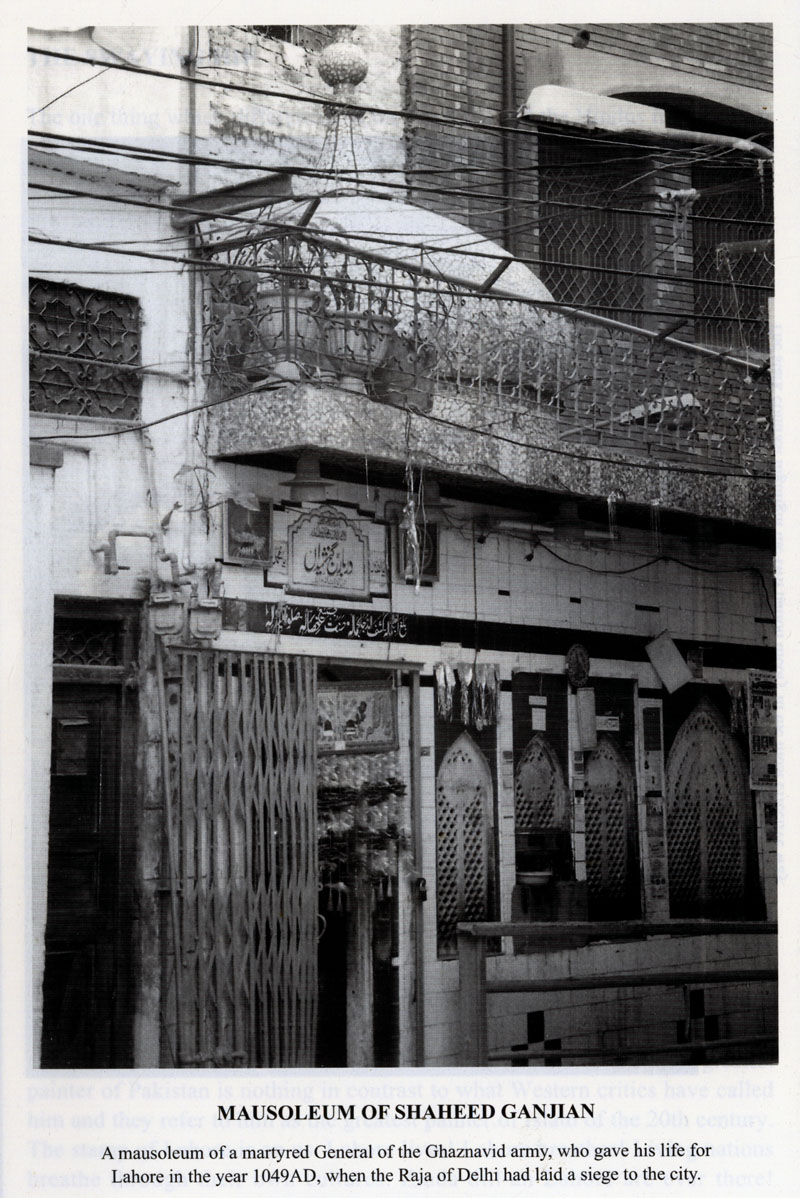
Without the protection of the Sultan, it was up to the citizens of Lahore to defend themselves. The Hindus gained initially a lot of ground in victory. Their number was ten thousand horsemen, as well as innumerable foot soldiers. Five thousand Muslims were taken prisoners, mosques were razed to the ground, and a general loot and plunder started outside Lahore in the suburbs. A group of valiant soldiers assembled in the Purani Kotwali Lahore and resolved to face the wrath of the Hindus. The siege was for about seven months and the soldiers held their ground. Thousands died defending Lahore, including many of their Generals who were controlling the action. The nature of Lahore was thus that in the course of fifty years or so, the citizens of Lahore had made the city as their own.

The soldiers who gave their life for Lahore and by their action were able to save Lahore. The place where they died was Mohalla Sadhoaun, Mohalla Chabuk Sawaran and the area of Chinay-wali mosque (the residential area of M.A. Rahman Chughtai and his ancestors). This place was known as GANJ SHAHEEDAN, and they were buried at the same place where they died with full honour, some individually, some in mass graves. A few graves existed till partition, and now the 968 years old incident is represented by the Mazar of one unnamed General only. I too was born in Lahore, very near the mausoleum of Ayaz Abu-Najm and my ancestors lived in the Mohalla Chabuk Sawaran, the area of the Ganj Shaheedan. The soil of Lahore on which you are born and where you live welcomes also those who die. The warmth of the soil is there for all to taste, but more specifically for the SHAHEEDS, the people who give their life in defending Lahore.
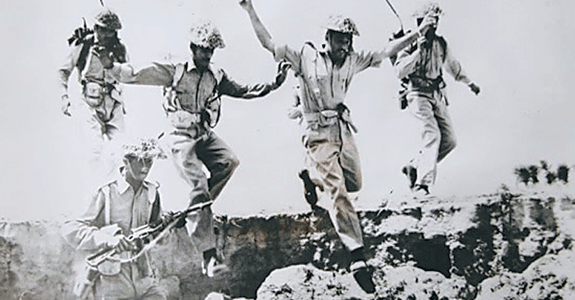
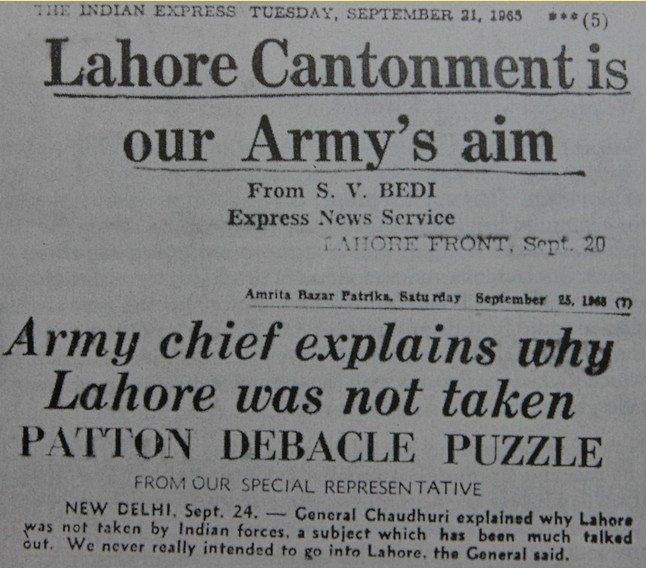
The 1965 Pakistani Indian war was similar in many ways., A surprise attack was launched on Lahore, and the war revolved around the KANGRI PULL, or the BRIDGE OF THE PROSTITUTE. This is the same bridge where Ranjit Singh on returning from victory from Amritsar met Moran, the femme fatale of his life. In radio broadcasts of that time the name of the ‘Kanjri pull’ came again and again. It was people like Major Aziz Bhatti who held the enemies at bay, and destroyed the General Chaudry’s proud assertion of drinking at Lahore Gymkhana. The plan ruined finally. After the 1965 war, the brother of Major Aziz Bhatti came back from Dacca, and opened the GO-GO restaurant in Liberty Market Lahore, frequented by most, before it got vacated out of the premises. The nephew of the Shaheed was with us in Forman Christian College. One Shabbir Syed was our senior in Saint Anthonys High School, Lahore, and as Head of Munster House, we used to buck him up in his races all the time. In a sudden sweep, the Shaheed and his aura walks tall in the area where they gave their life, and in Paradise, which await only selected people from Planet Earth.. Allah-o-Akbar!

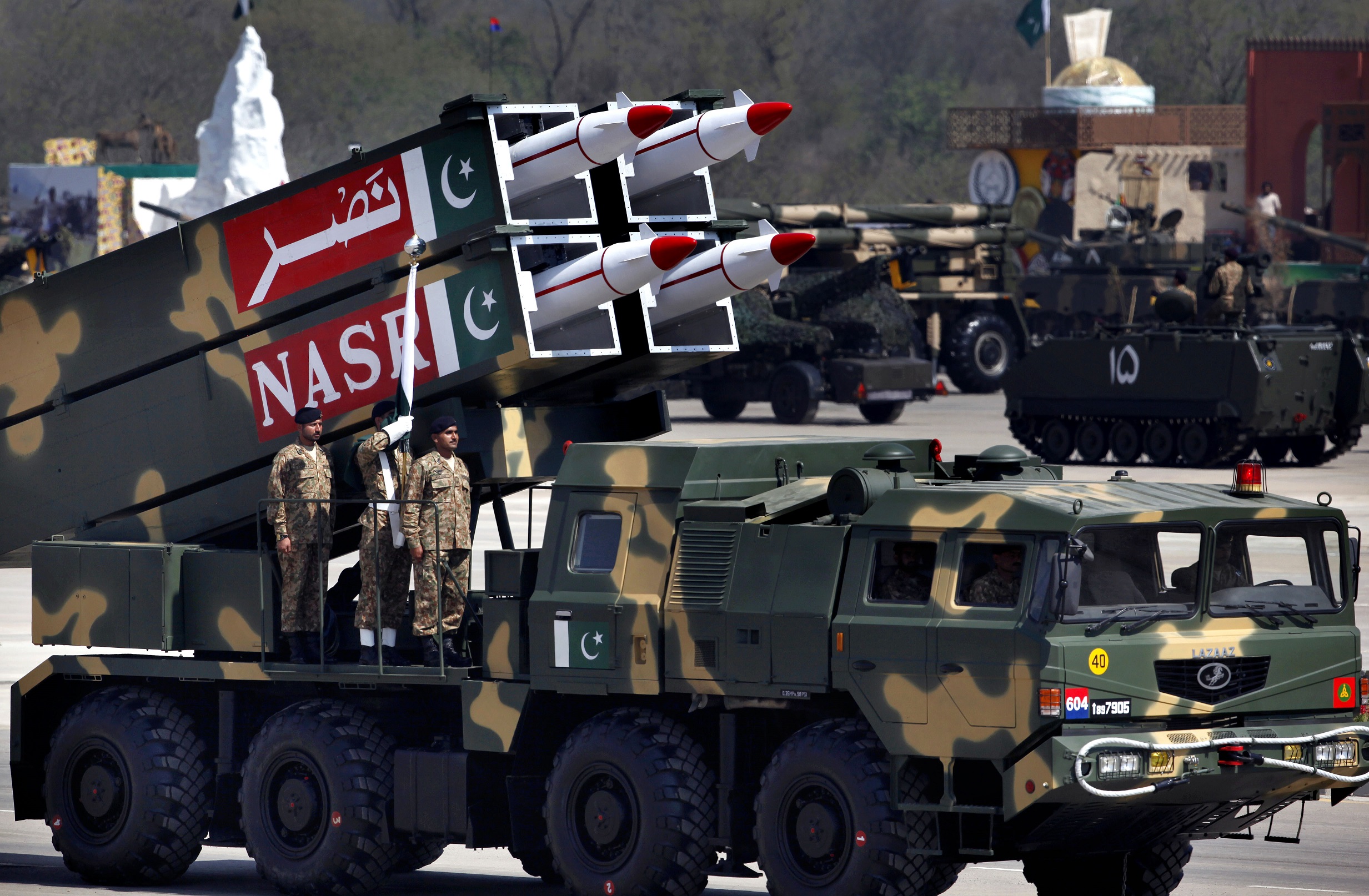
This time the plan is in motion again. The butcher of Gujarat, with his version of divine mission, plans to take over the country and for that Lahore is a must for their design. This time it is said that the war will be fought NOT ON KANJRI PULL but on the METRO BUS TRACK, where the enemy tanks will run to quell Lahore. The dream is that Lahore will wake up one day to be an enslaved city . I am sure that the Army who blew up the ‘Kanjri pull’ once, will have to blow up the Metro bus track too, for the safety of Lahore. But much before that Al-Nasr will be proving its worth to us. Yes, it is all possible, and just read between the lines in any news broadcast, and you will see that the think tank donkeys of the world are braying about the demise of Pakistan.

Just what saves Pakistan all the time? Ask anyone on the street and they say the same thing. We are protected by Allah. It is only due to Allah that Pakistan is still in existence. It is a belief which does not go away. It is futile to say that we have stopped following Allah. People believe that Allah will never desert us. And that belief gives us one UNCONDITIONAL EDGE OVER ADVERSARY. REAL MOTIVATION. And that motivation makes us know fully that a death for the sake of the country does not go unrewarded. We call that SHAHADAT and that is part of JEHAD of life. Jehad the most beautiful expression of need to help all others in need. A jehad which brought Muhammed bin Qasim here. Fret not General Sahib, the people of Pakistan are with you all the time!
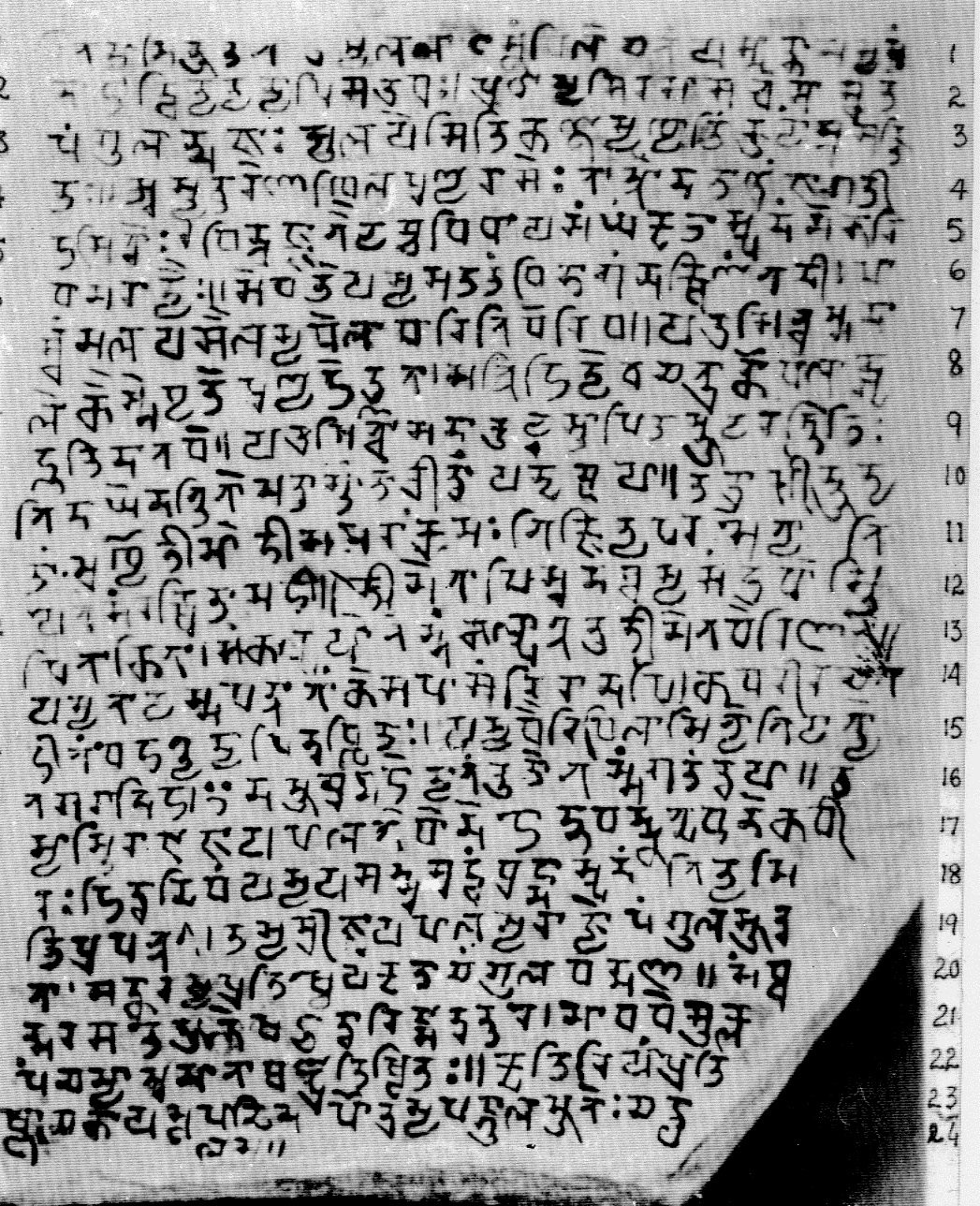
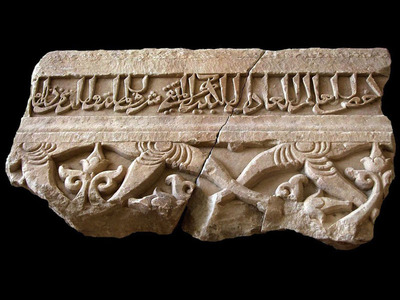
AN INSCRIPTION OF PERIOD OF RAJA JAYAPALA OF UDABHANDAPURA (HUND); PERHAPS THIS LAHORE WAS NEVER EVEN THEIR DOMAIN AS ONE EXISTS THERE

AN INSCRIPTION OF PERIOD OF RAJA JAYAPALA OF UDABHANDAPURA (HUND)
PERHAPS THIS LAHORE WAS NEVER EVEN THEIR DOMAIN AS ONE EXISTS THERE

The suicide Raja Jayapala is supposedly attached to Lahore. We have read local writers spin their tales about Jayapala, and his escape from the gutter of Mori Gate, Lahore. We could die laughing at this nincompoops, who do not know that Lahore as it is now never existed in the time of the Ghazanavids. This is Akbar’s Lahore. And these are Gates of Akbari period. Mori Gate is a Mughal period thing. The Ghaznavid Lahore was inside the city related to the Old Fort of Lahore (not this one), and that center is actually the area which includes Machi Hatta, Shah-almi (Mughal name), Kashmeeri Bazaar, Chabuk Sawaran, Chowk Wazeer Khan, Buzurg Shah de galli, etc. All these areas include old remains of Pre-Mughal period. The relic of Ganj-Shaheedan, the Generals and warriors who died defending the city is in Mohalla Sadhuan. Also at other places.

Dr Abdur Rahman is indeed a great scholar and dedicated to the task of Lahore. Perhaps only three inscriptions of 1000 years old are known of Jayapala period. And all of them are not known to exist, or to be in existence where? Even this one was discovered by Dr Abdur Rahman in photograph only. Its whereabouts are unknown. But it tells a tale. The writer is CANGULA, grandson of Secretary PADHIDA, son of PANGULA. Cangula talks of the kingdom of Jayapala, and the period is from 964 AD to 1002 AD. The greatest valour of Lahore is around 1050 AD and we will talk about it in another blog. Compare the aesthetics of this inscription with one of the period of Sultan Mahmood, and the difference is crystal clear. Till then, enjoy!

SEARCHING FOR AN INTELLECTUAL AND AESTHETIC COMPATIBILITY; INTELLECTUAL WOMEN OF REGION AND RABIA SULTANI BABUPURI.

SEARCHING FOR AN INTELLECTUAL AND AESTHETIC COMPATIBILITY;

INTELLECTUAL WOMEN OF REGION AND RABIA SULTANI BABUPURI.

There is a unique background of extraordinary women of this region, with no access to persons of their picked-up standards, searching for compatible relations with other extraordinary men. A beautiful example is of Lady Hijab of Hyderabad Deccan, who admired the intellectualness of Imtiaz Ali Taj and used to write to him, letters of appreciation. It naturally ended in a meeting and marriage. But this problem dates centuries back. Even the daughter of Iltutmish, Princess Razia passed through same issues and found consideration with a slave. Same applied to the Princesses of Mughal household.  The chance meeting of Princess Zebunnisa with the poet, and like a scion of Royalty, she rewarded him for his recited poem, but had him expelled from India. Our is not to list such historical facts, ours is to explore the Princess of Oudh, Rabia Sultana Babupuri, of Lucknow, with residence in the Jahangirabad Palace, Lucknow. 

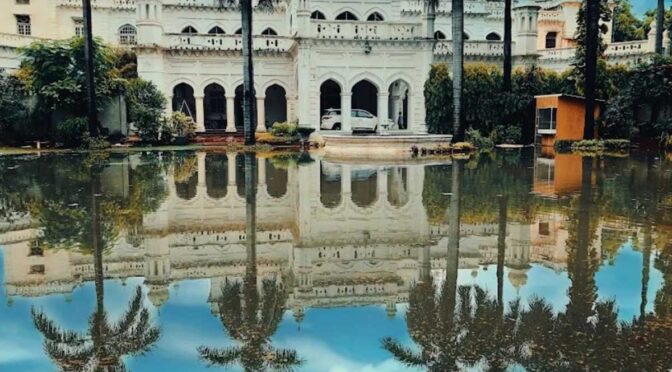
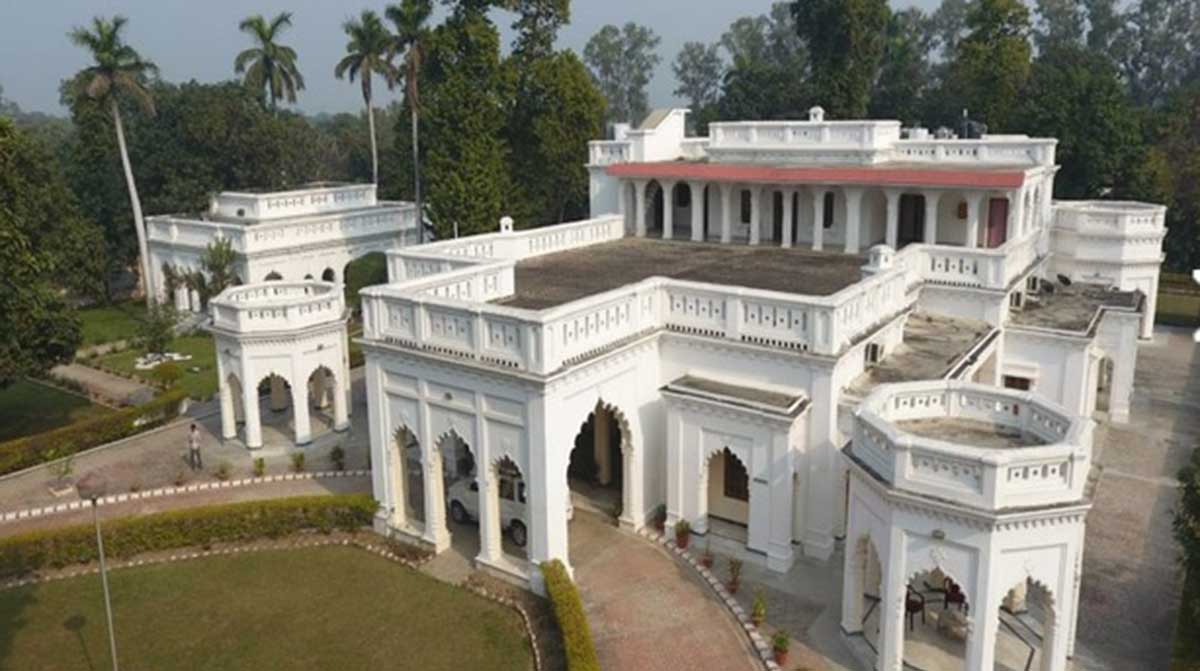
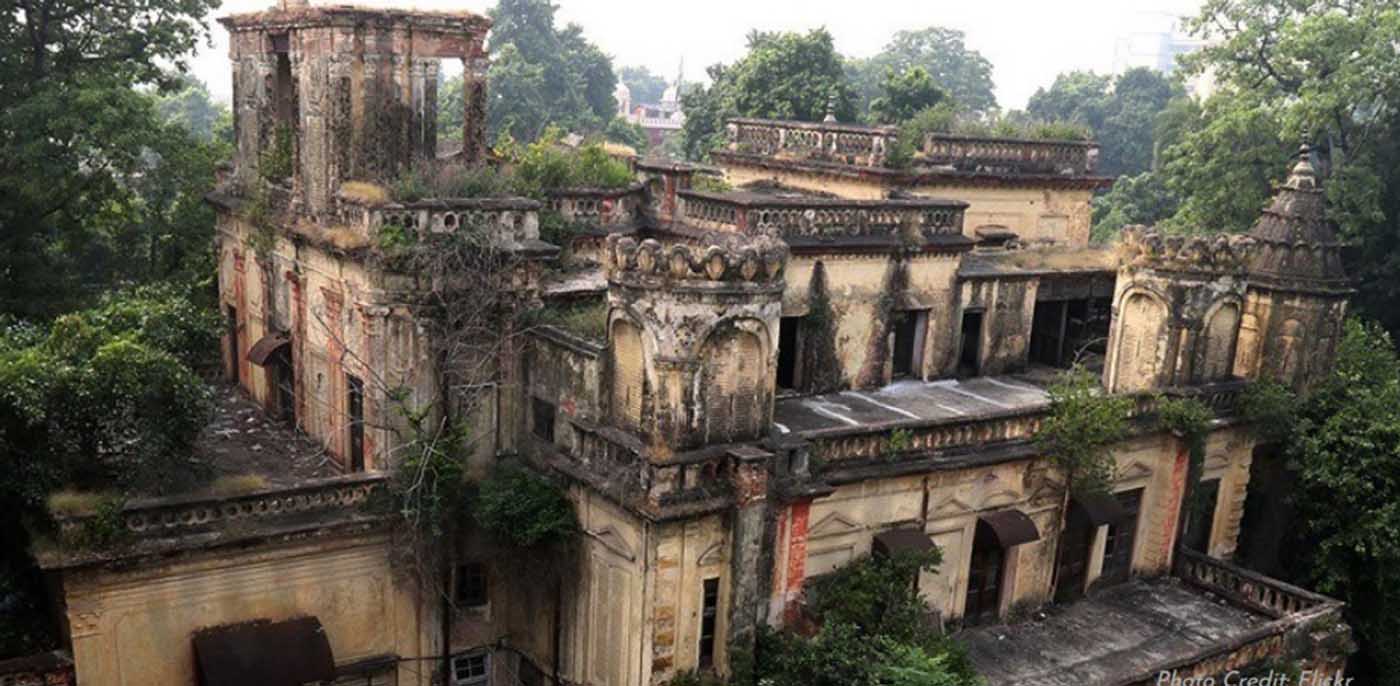
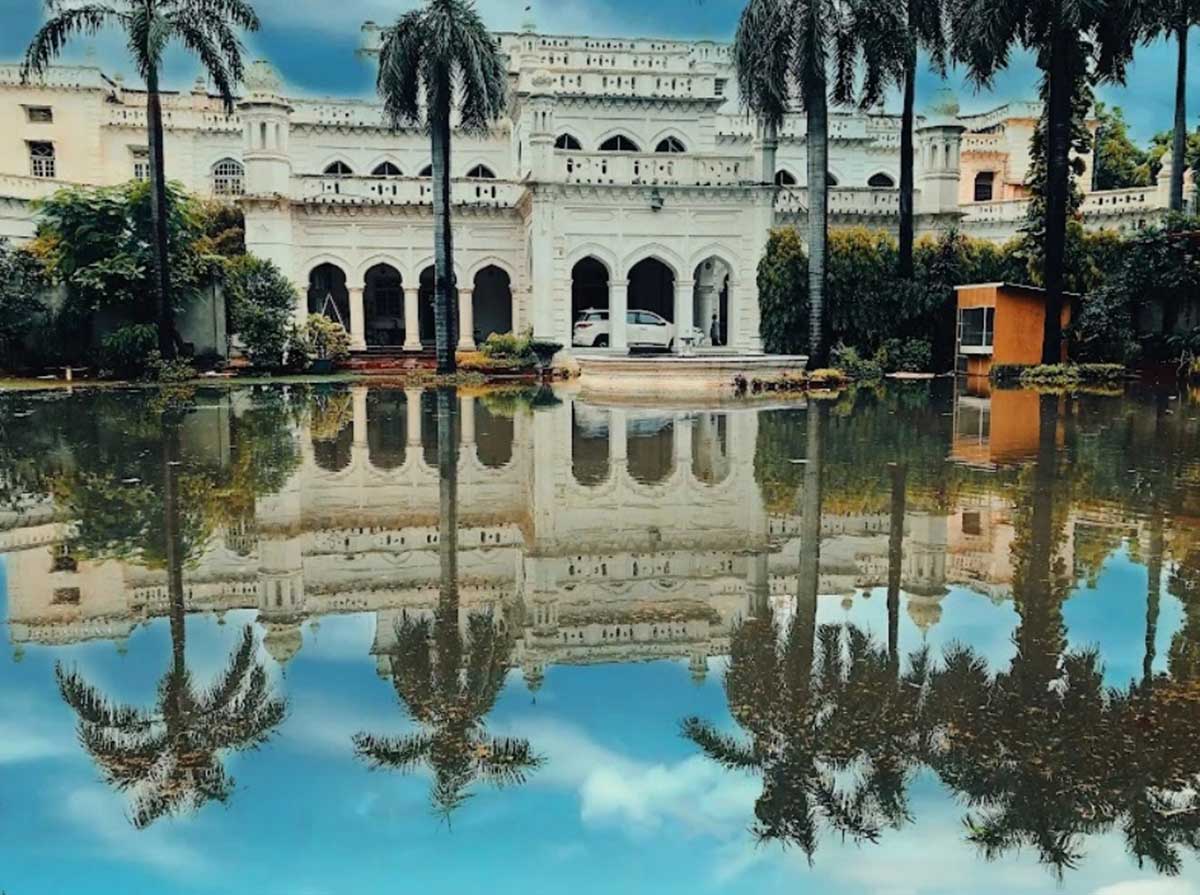
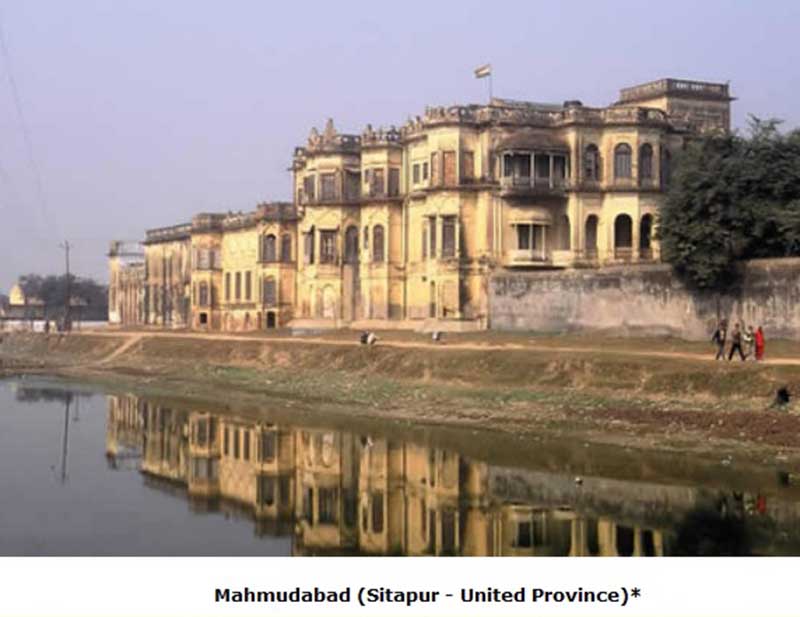
Jahangirabad Palace is reputed to be a place, once visited by Emperor Jahangeer , and the last Nawab of Oudh, Wajid Ali Shah, had a desire to create the ultimate palace of Hindustan, and he was himself responsible for the design of same. Built between 1848 and 1850, elements of rebellion were found here, and the Nawab exiled to Calcutta. The Princesses were offering resistance too, so the palace was systematically destroyed by the British. The estate at present was owned by Raja Muhammed Jamal Rasul Khan, who has now converted it into as first-class hotel.

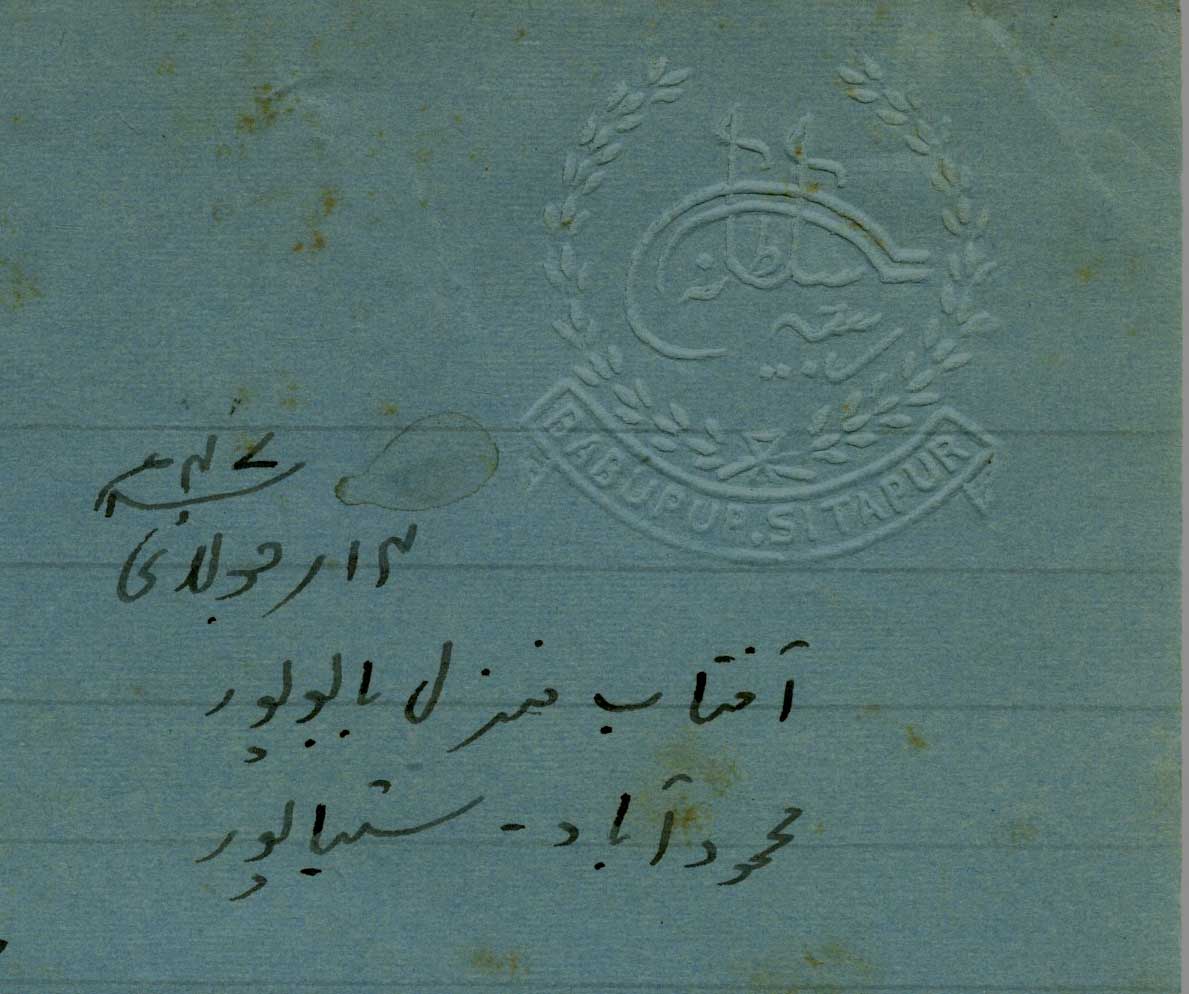
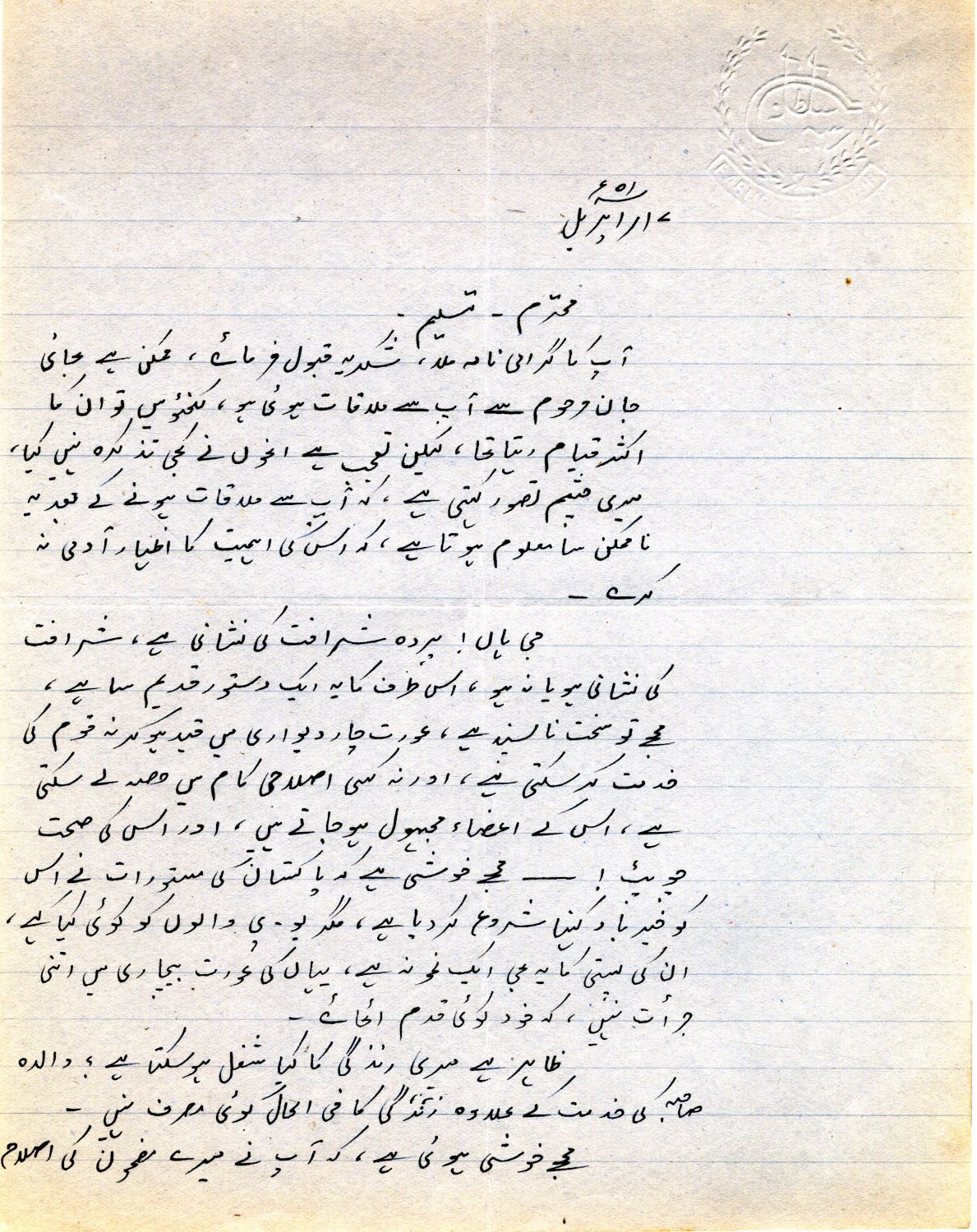
In our archives are a number of letters in Urdu written to the artist Abdur Rahman Chughtai, and roughly the letters start from 1947, and move on to at least 1960. There are a number of them. The first one is a request to the artist to dedicate some book or article of his to the lady. The lady in question has a watermark special seal on her letter pad, and she addresses herself as Miss Rabia Sultani Babupuri, Lucknow. Babupur is a district in Sitapur, also known as Mahmudabad, and the Raja of Mahmudabad was at one time a great supporter of Quaid e Azam and the idea of Pakistan, and that is a separate history. The address also states that Jahangirabad Palace is situated on Laxmi Bai Marg, which is a road, on which it is situated. There is also mention of an Asmat Manzil in it.

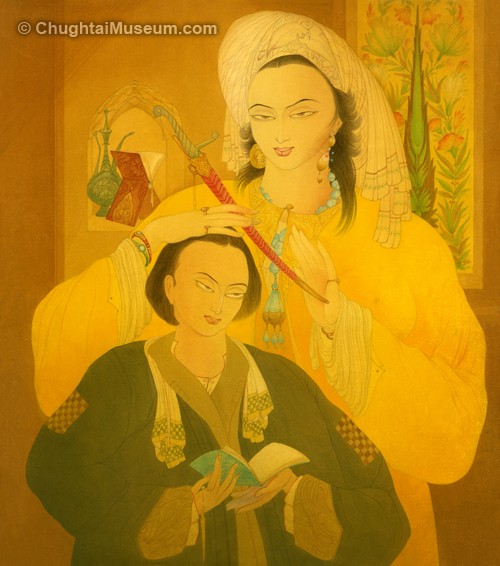
The letters contain many things. Regrets over illness of family members. Shock over death of brother and sister. Condolence on death of aunt (Khala) Maharani of Jahangirabad. Appreciation for receipt of copy of Murraqqa e Chughtai. Decoration of her room with prints of Chughtai Sahib. An ardent request for an original painting of the artist. Regrets about not extending an invitation to the artist to visit Babupur because of lack of proper facility for same. Enquiry about the artists proposed visit to Delhi in the 1950s. In short, she shares everything, personal and nonpersonal. She echoes her emotional state of life, but there is not word of any romantic overture. On some letters Chughtai Sahib has written replied to letter. But letters received are many more than letters sent. She seems to find an emotional rapport by exchanging things about her personal life. But in one letter. She talks about the position of women in the Indian region. And that is really something to remember her by. We print that letter in original for others to read. A Rani speaking about the things never said from the harem. Sharing after seven decades or more. Perhaps by reading this people will point out who she was and is remembered for her articles in books and magazines, and in that respect found the company of Chughtai sahib interesting for her development, intellectual and emotional. An episode in the life of Chughtai artist.

THE SIX INSCRIPTIONS ON THE AKBARI BRIDGE JAUNPUR OF MUNIM KHAN – A FORGOTTEN NADIR UL ASAR USTAD AFZAL ALI KABULI ARCHITECT OF SAME

THE SIX INSCRIPTIONS ON THE AKBARI BRIDGE JAUNPUR OF MUNIM KHAN
A FORGOTTEN NADIR UL ASAR USTAD AFZAL ALI KABULI ARCHITECT OF SAME

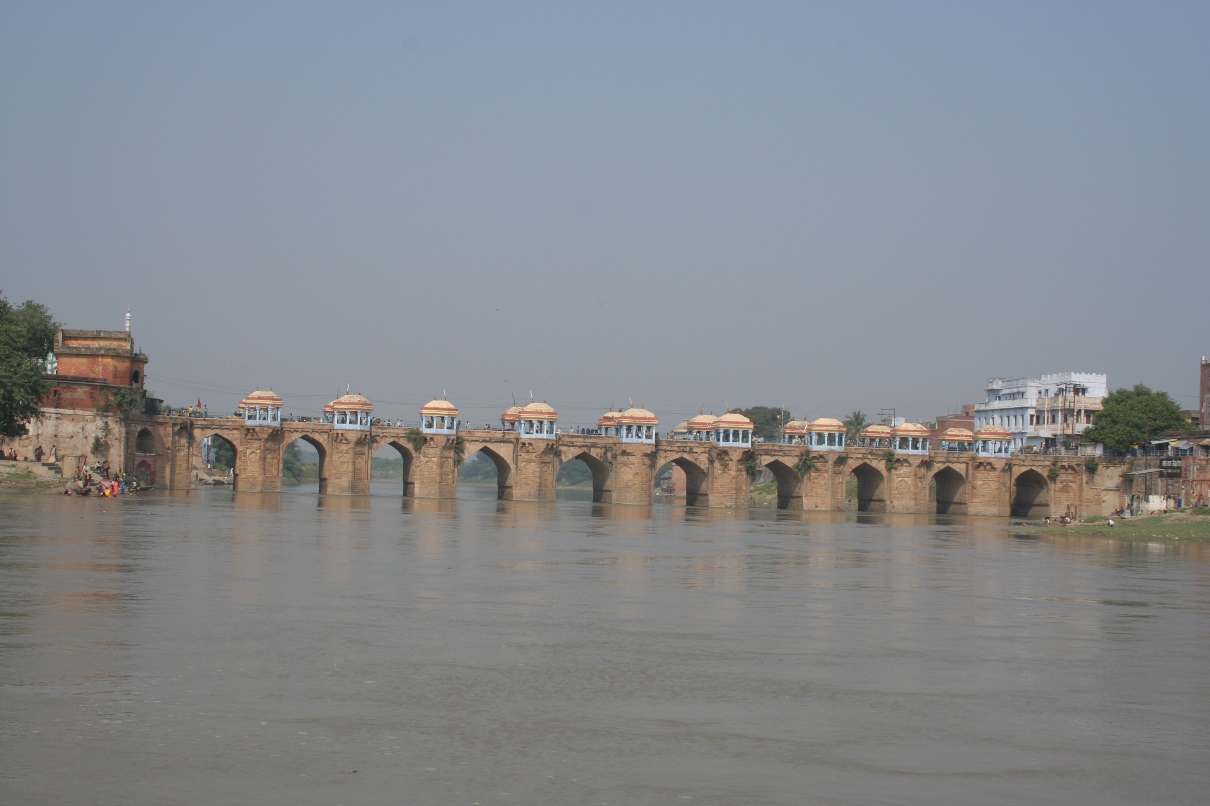
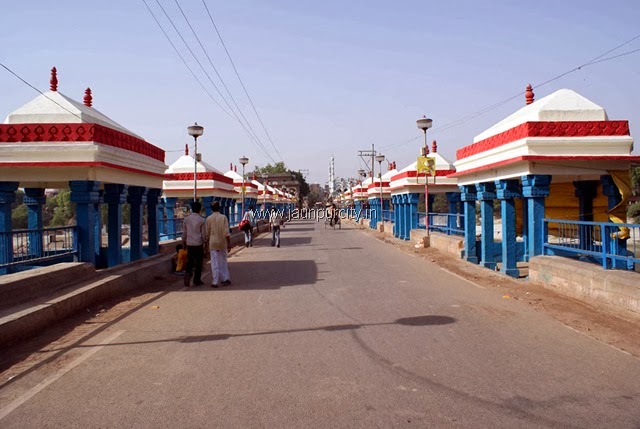
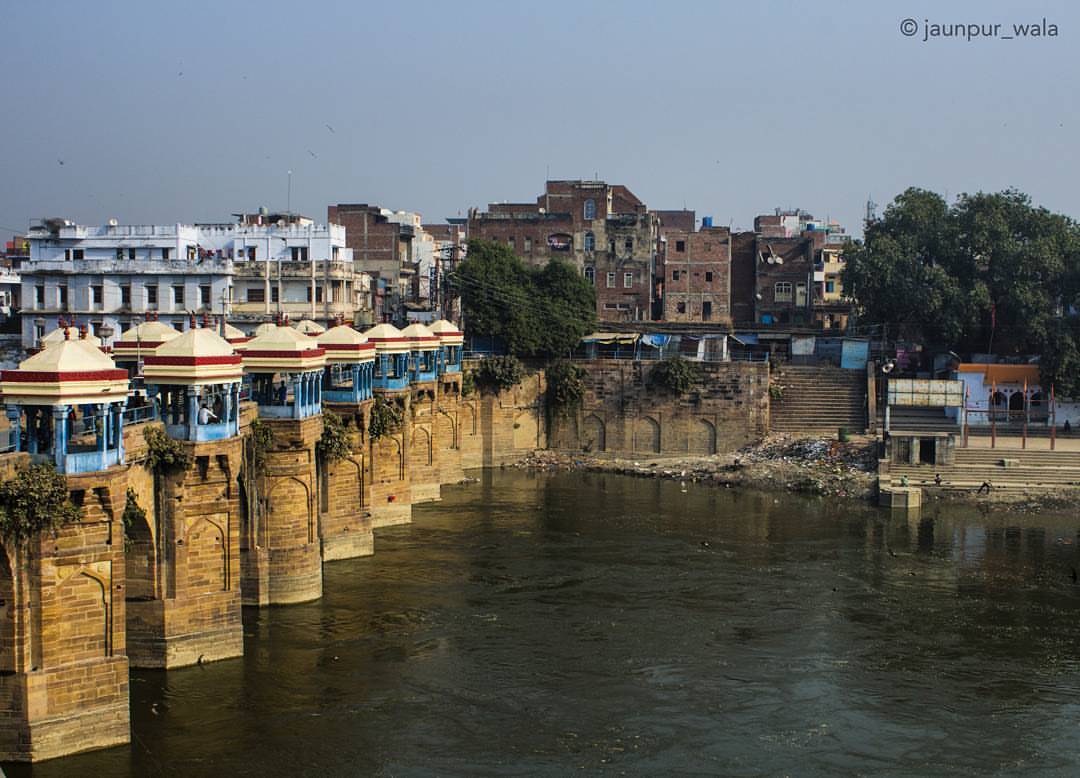
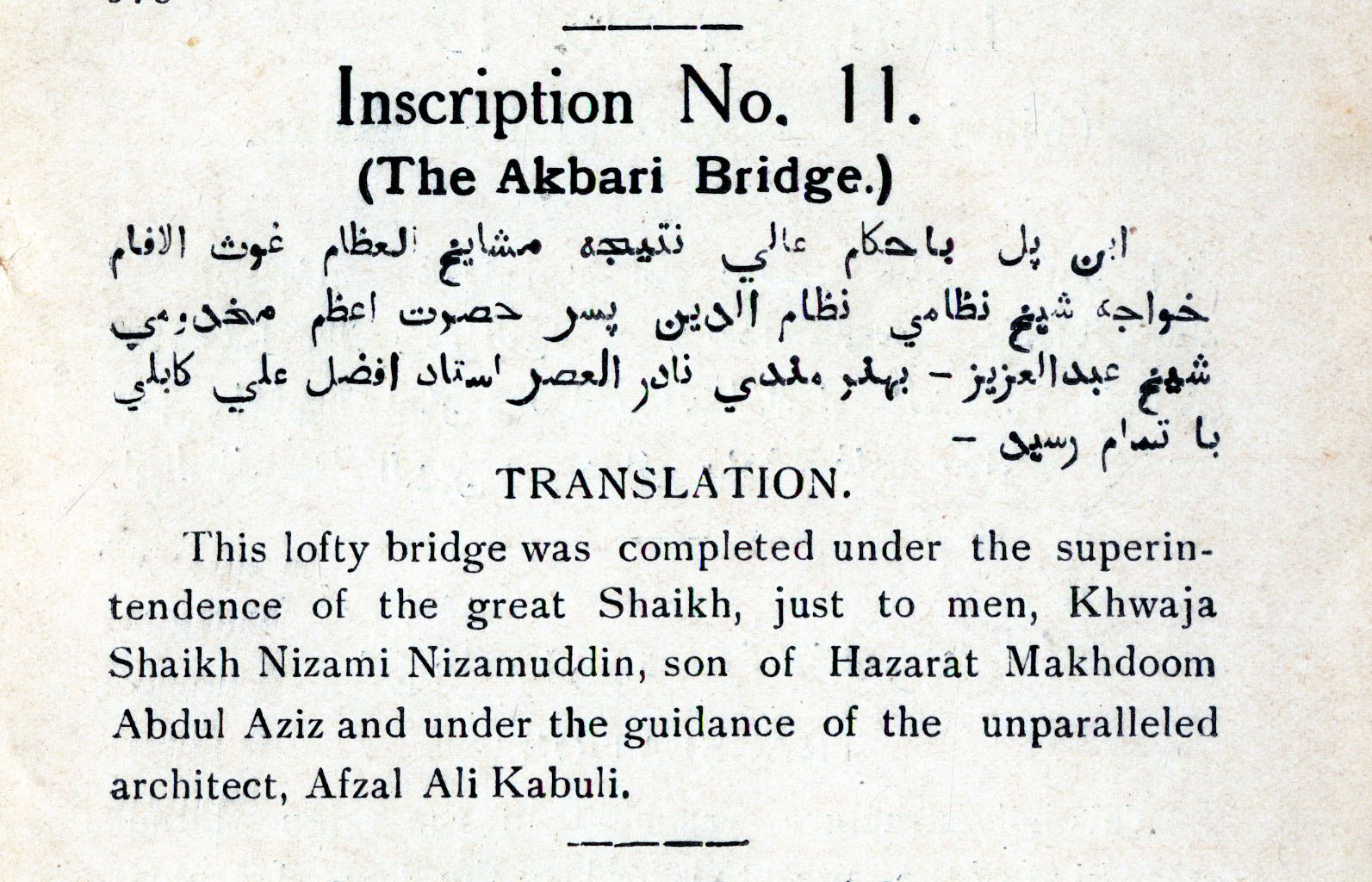
The year was 972 AH (1564 AD) and Emperor Akbar was crossing the river in Jaunpur. A wailing old woman whose son was left across the raging river caught the attention of Emperor Akbar and he immediately ordered Governor Munim Khan to build a bridge on the same river. The bridge took four years to build and there are six inscriptions on the same. Recorded by people in the past, one has no access to same today. Our pleasure to attach the one with the name of the Master Architect from Kabul, who made the same.

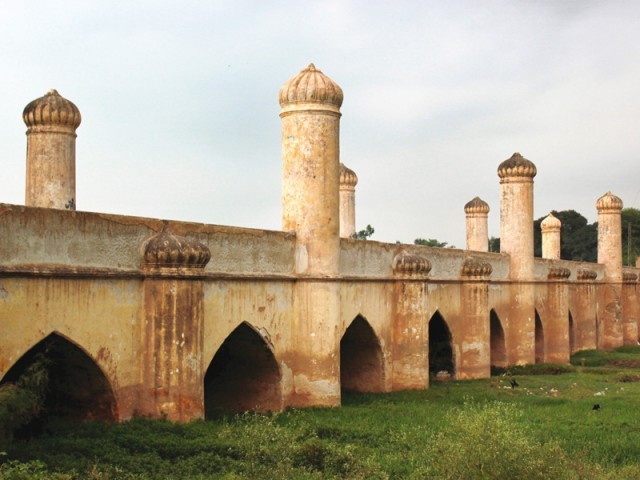
Mughal bridges are an interesting study in itself. And the different forms call for versatility of the builders. It is worthy of comparison with the Bara Bridge built by Lutuf ullah Ahmad Muhandis in Peshawar. Kiosks difference mainly as design element. A study is over due.

IN SEARCH FOR REFERENCES ABOUT HAMID MIMAR; AND THE LINK WITH USTAD AHMAD MIMAR LAHORI.

IN SEARCH FOR REFERENCES ABOUT HAMID MIMAR;
AND THE LINK WITH USTAD AHMAD MIMAR LAHORI.

The official histories of Emperor Shah Jahan record the construction of the Red Fort in Shahjahanabad as being done by two architects, namely Ustad Ahmad Mimar Lahori, and Ustad Hamid Mimar. Whereas a lot is known about Ustad Ahmad, literally only a few references keep the identity of Ustad Hamid alive.

One is a havelli in Delhi, known as Mohalla Hamid khan, having belonged to Ustad Hamid. It is at present known as Krishna galli, as photographed for us by the esteemed Ms Naheed Anwar Malik. Residents there refer to the enquiry of Sulaiman Nadwi, that Hamid was the brother of Ustad Ahmad. A number of jewelers in Lahore and Delhi refer to Hamid as their ancestor and call themselves even in Delhi as Lahore Walas. They have written their own history books on same but carry mostly memories, not documented evidence of their roots. And they even refer to Mansoor Musawwir as their ancestor. Okay indeed.
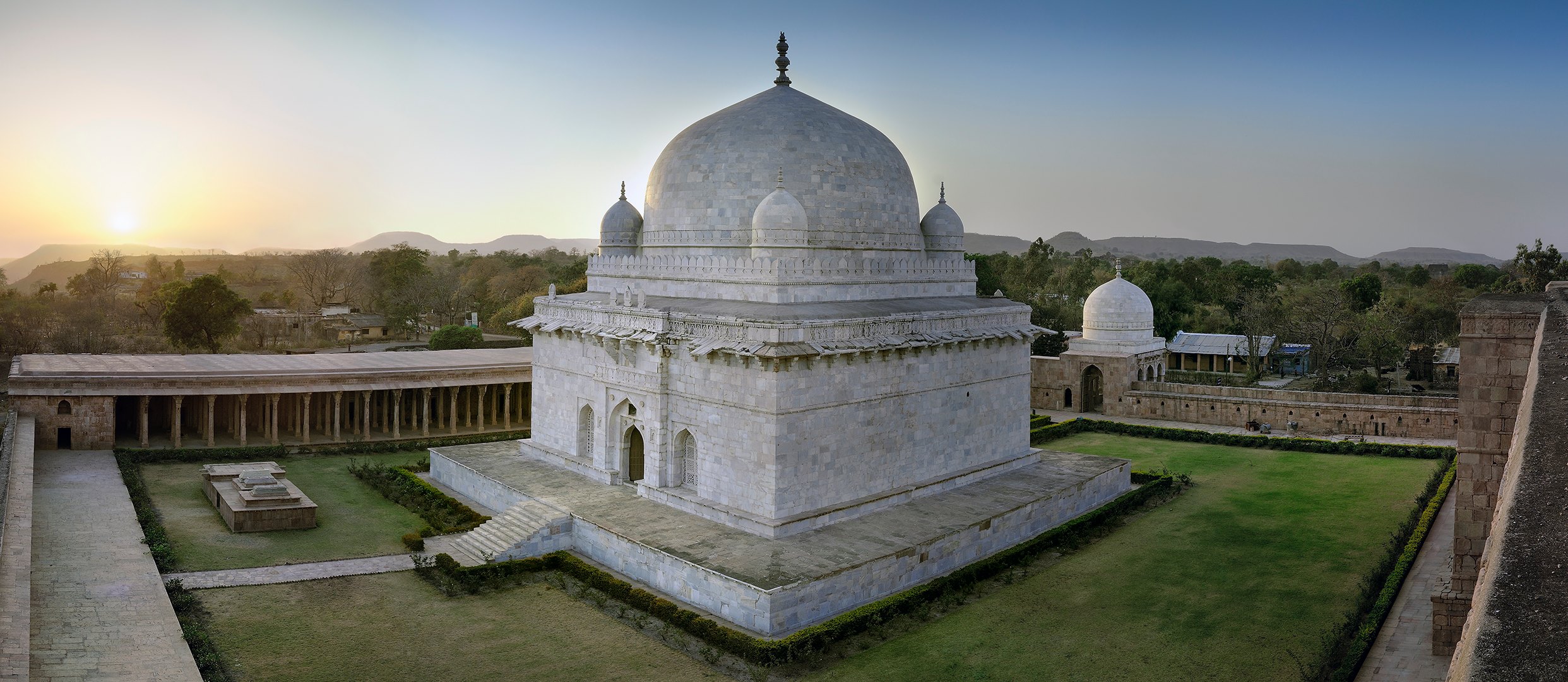
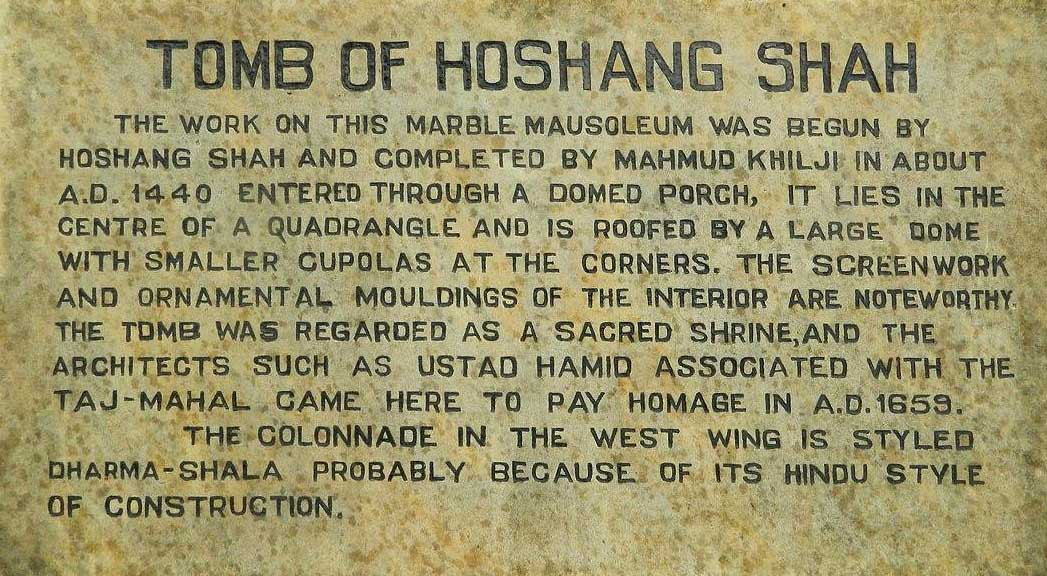
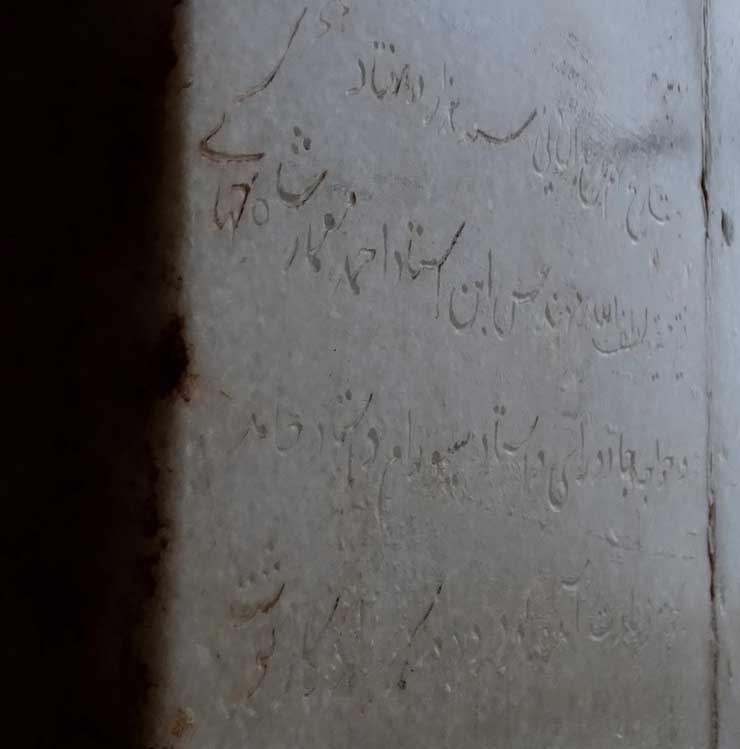
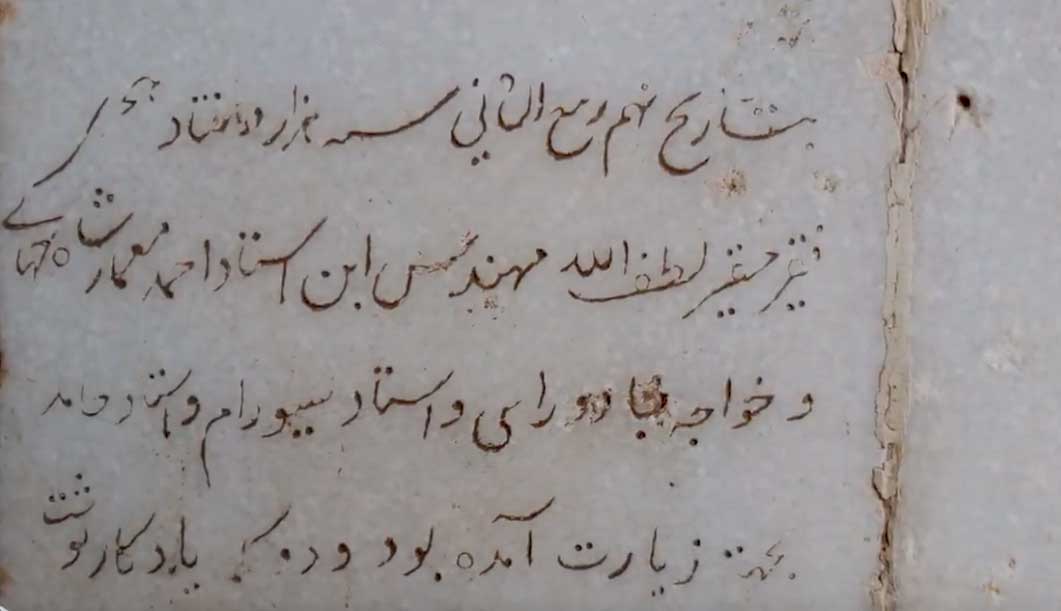
Then there is an inscription in the tomb of Hoshaing Shah in Mandu. It is fixed on the right jamb of the door and is in white marble. Although eroded with time, it has been recorded by many visitors, including the Archeological Survey of India. But still there and not taken care by the department. The engraving needs to be filled with stone or ink to make it legible. But the name of Lutufullah Ahmad Muhandis is on it, as well as the name of Ustad Hamid Mimar. Fixed in 1659 A D, it is exactly ten years after the death of the other architect.

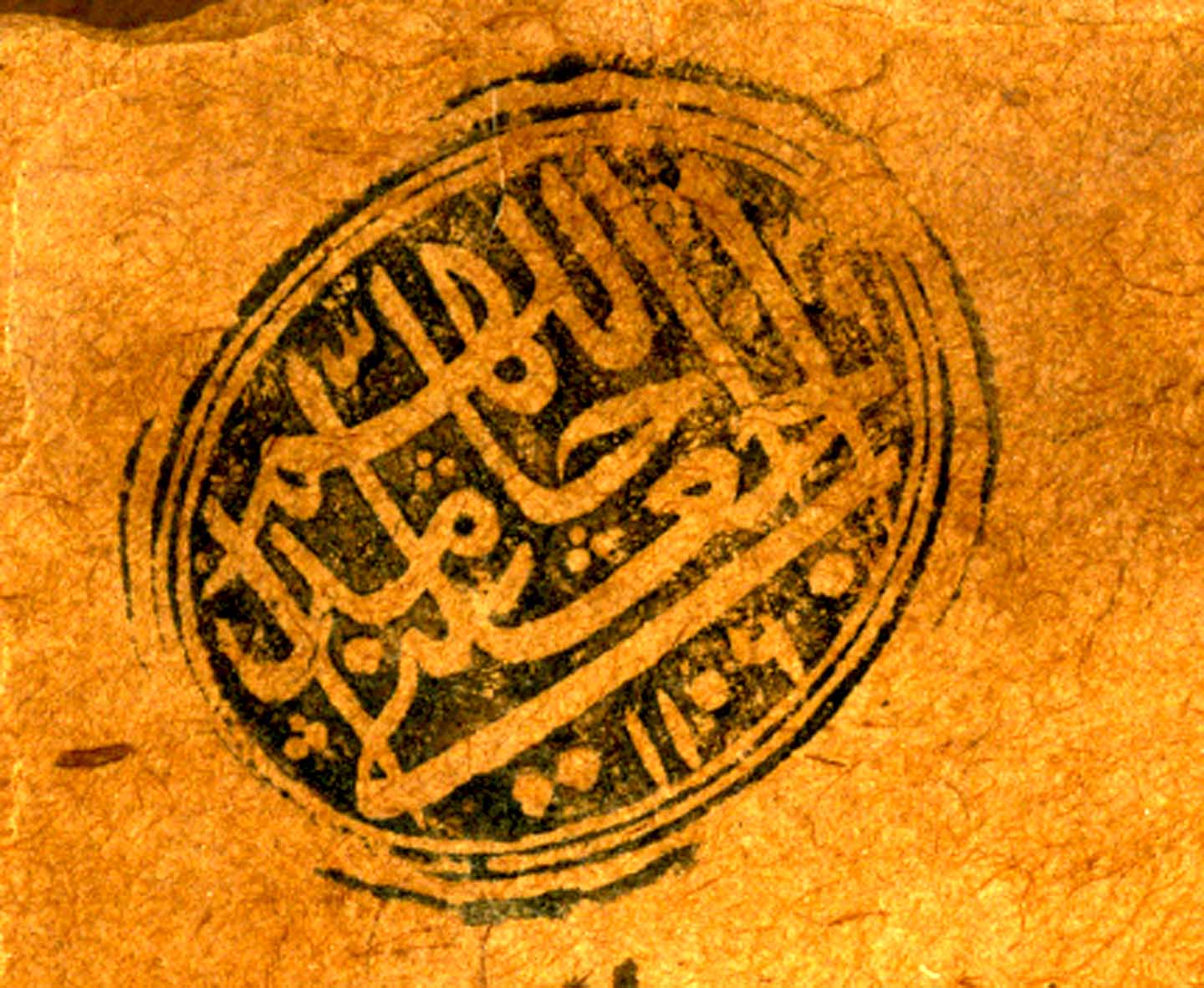
As said before Hamid Mimar has been called the brother of Ahmad Mimar by an old resident of Mohalla Hamid Mimar, but that too was a vague assertion. We have come about a beautiful manuscript dated around 1106 A H, and it has a seal on it, as well as a beautiful written end like an architectural diagram, telling us that Hamid is the son of Abdul Kareem. Now Abdul Kareem is the famous architect of Emperor Jahangeer, associated with the Emperor on many projects, including his mausoleum in Lahore, the Lahore Fort, the monuments in Mandu, even the Taj Mahal, as well as the Red Fort Delhi. Abdul Kareem has been rewarded by the Emperor many times. His period can be calculated between 570 A. D to 1646 A. D, and that is in fact the period of Ustad Ahmad Mimar too, as the architect died in 1649 A.D. Fellow workers yes, but both from Lahore.

The manuscript owes its authenticity the way the end is handled, less of an end, more of an architectural design in writing. It establishes the writer of the manuscript as an architect itself. It also establishes that Hamid was much younger than Ahmad in all cases and more a partner of Lutufullah Ahmad Muhandis. Writers of the biography of Imam uddin Riazi also state that Lutufullah was also himself involved in the construction of the Red Fort Delhi too.  We continue to seek more evidence.

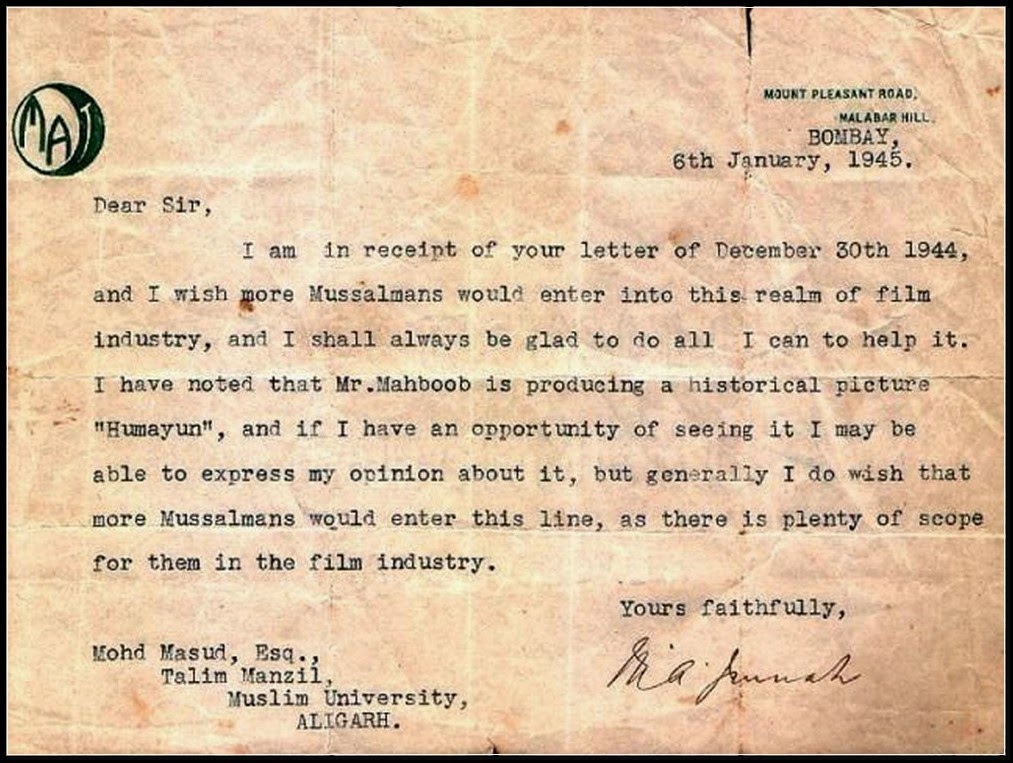
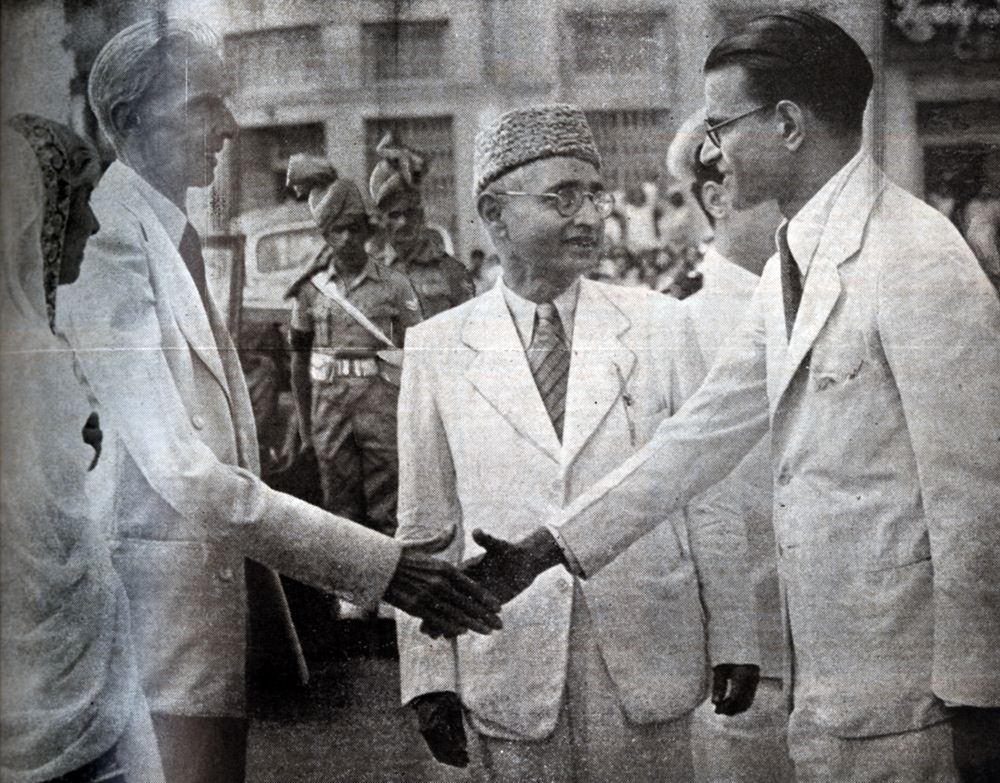
WAS QUAID E AZAM A FILM FAN? THE LEADER KNEW POTENTIALS OF FILM INDUSTRY

WAS QUAID E AZAM A FILM FAN?
THE LEADER KNEW POTENTIALS OF FILM INDUSTRY

Aspects of nation building

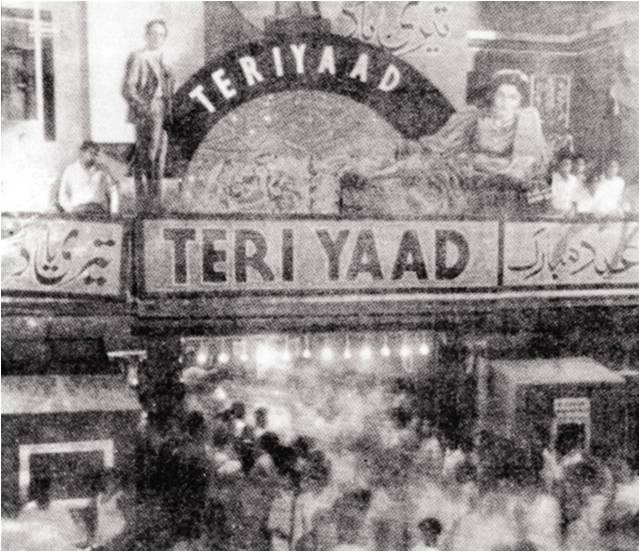
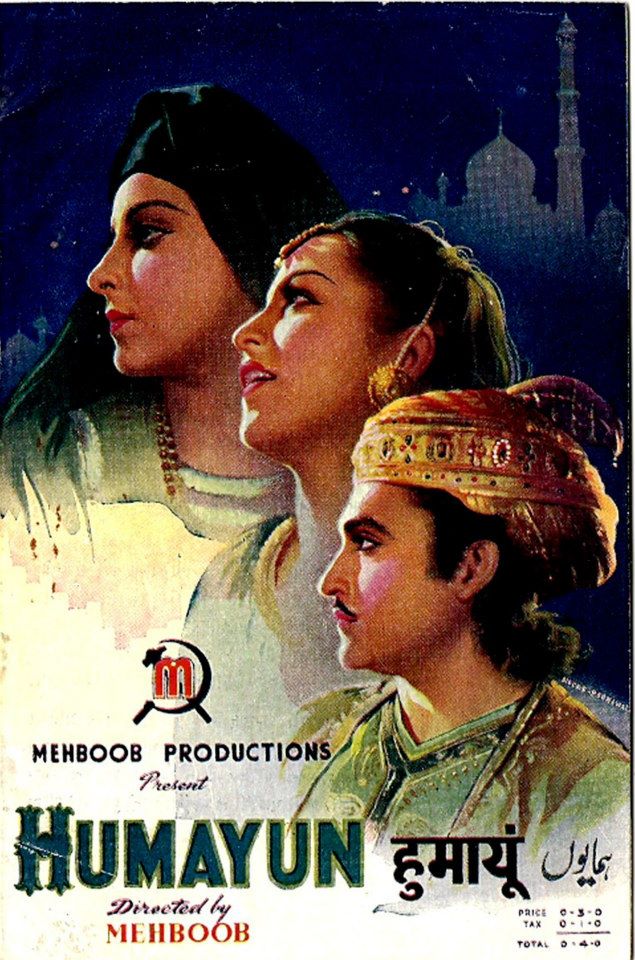
Films are not our line. But we enjoy films all the time. The films made before partition were of a different kind in all ways. Muslims contribution to film making in many ways was spectacular. But the most amazing thing is that the Quaid e Azam had eyes on this subject too. He wished Mussulmans to indulge in productive film making.

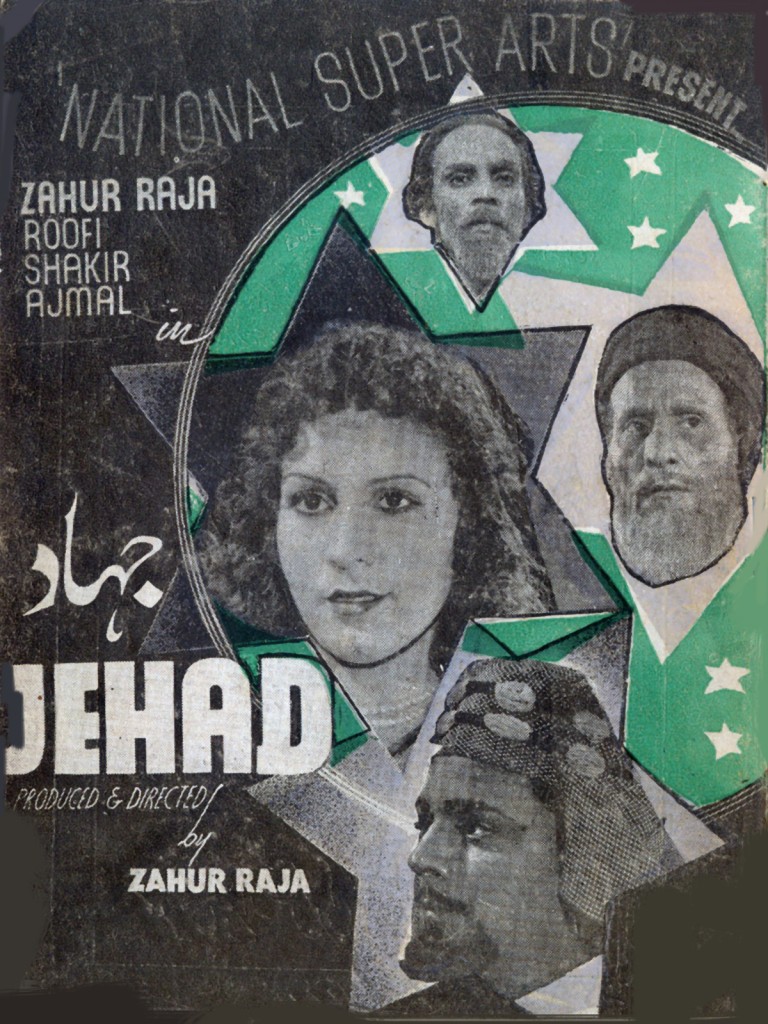
The name of the first Pakistani films tell us a lot about the minds of those people. The very first film envisaged in Pakistan was named JEHAD. What lovely inspiration those people had? Poignant settings, truly Pakistani stories. The rubbish and trash of these days was not there.

Foreign lobbies are rescuing our film industry for their own ends. No more views of the kind that were made in the past. Trash of another kind. Hit at the Ideology of Pakistan. Make heros of the zeros of our history.

An English writer was writing a script of a film on M.A. Rahman Chughtai. I do not know what happened to it but they were ready to make it. Again they wanted to give it their own twists and turns and I did not agree to same. A number of documentaries were made in the past. It included ones made by Russian and Japanese teams. Even a number of them made by Pakistani Films and Publication department and shown in cinema houses. Even Burmah Shell made a documentary in the 1960 s. More in the future.

Films can be used for uplift of nations or to degrade them. We know that all the more now.

RARELY KNOWN UNFNISHED ALL STONE MOSQUE OF HINDAL MIRZA; BELOVED SON OF EMPEROR BABAR; SUPPORTER PRINCE HUMAYOUN.

RARELY KNOWN UNFNISHED ALL STONE MOSQUE OF HINDAL MIRZA;
BELOVED SON OF EMPEROR BABAR; SUPPORTER PRINCE HUMAYOUN.

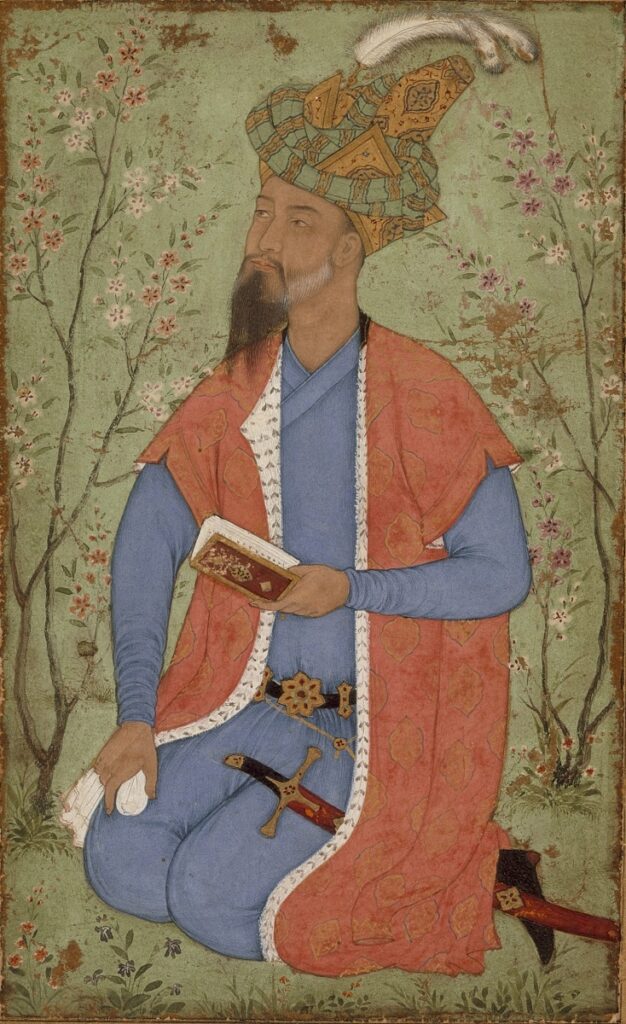
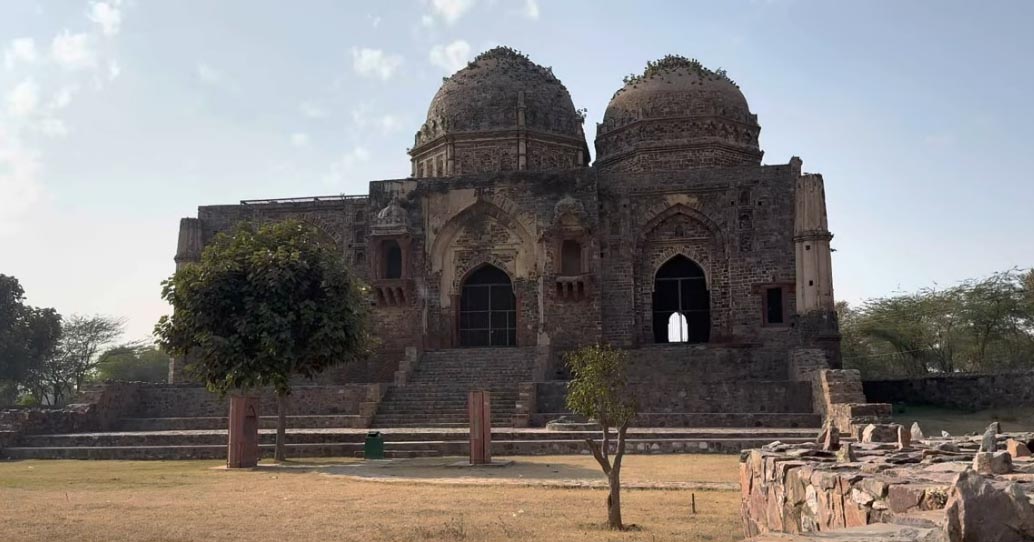
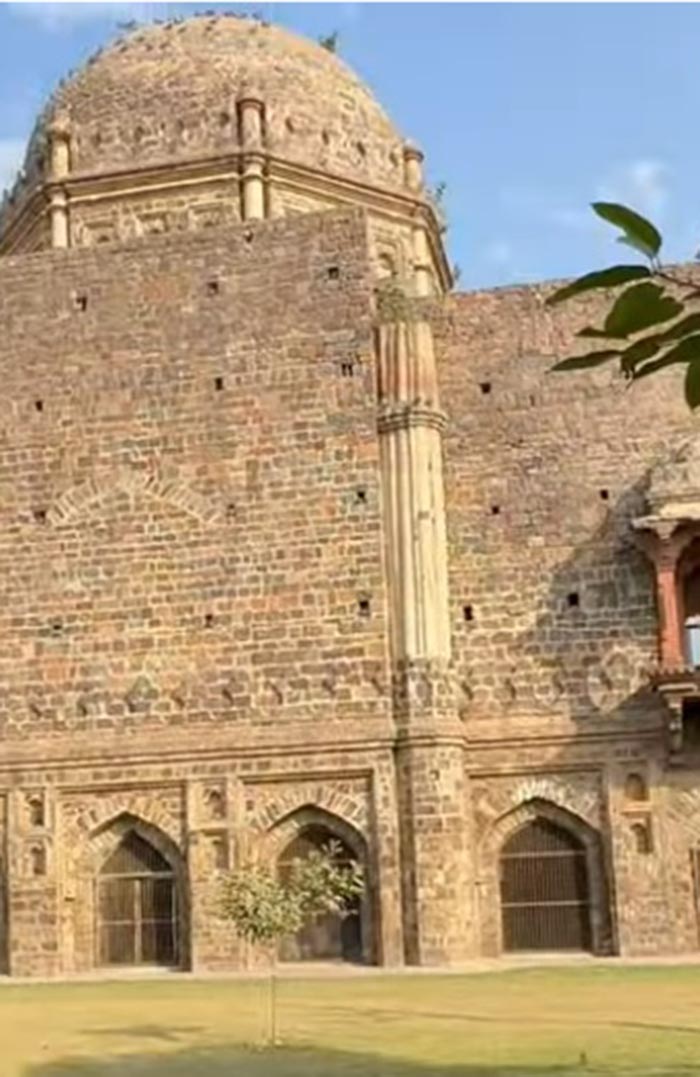
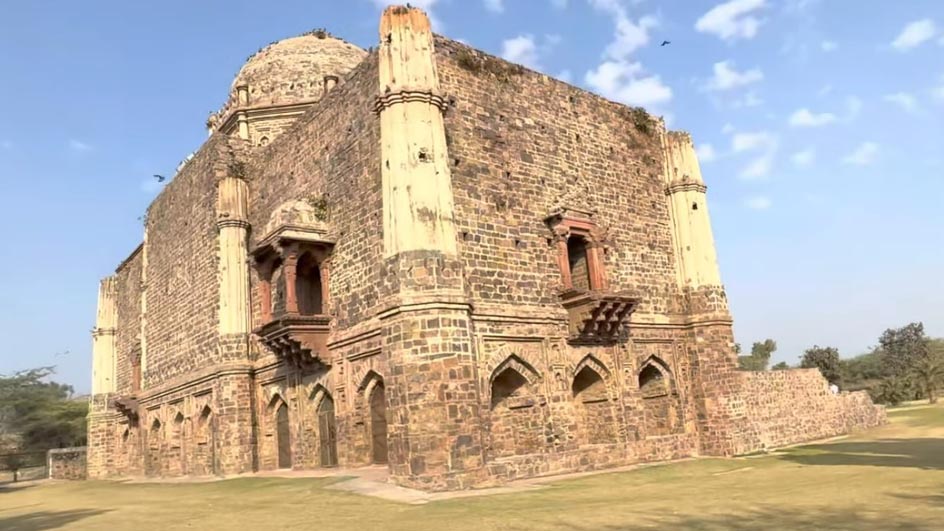
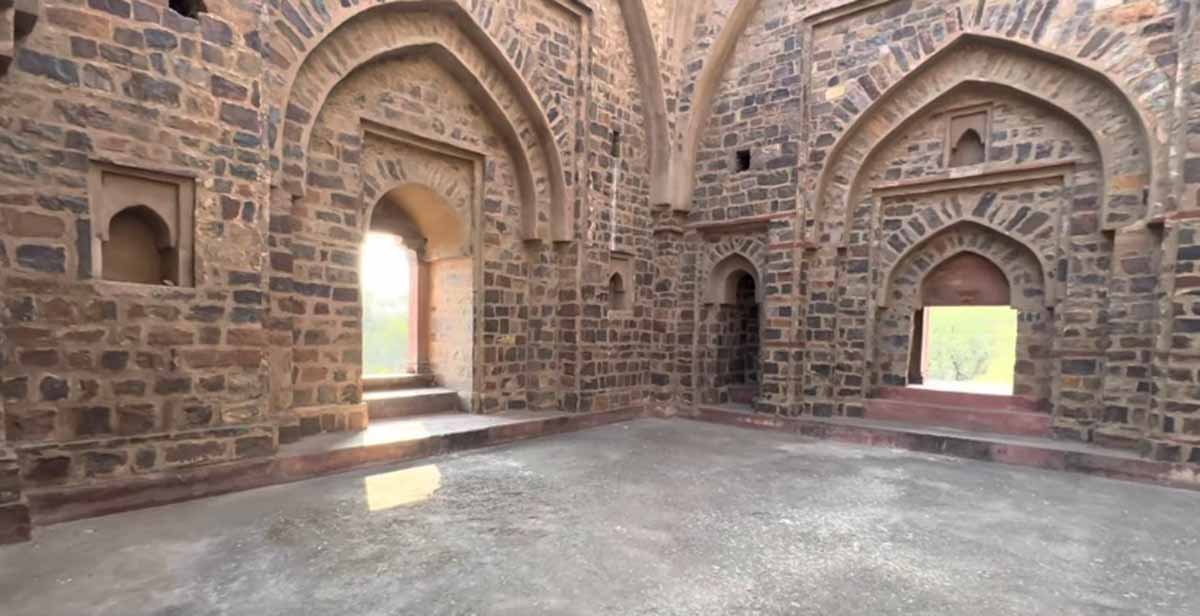
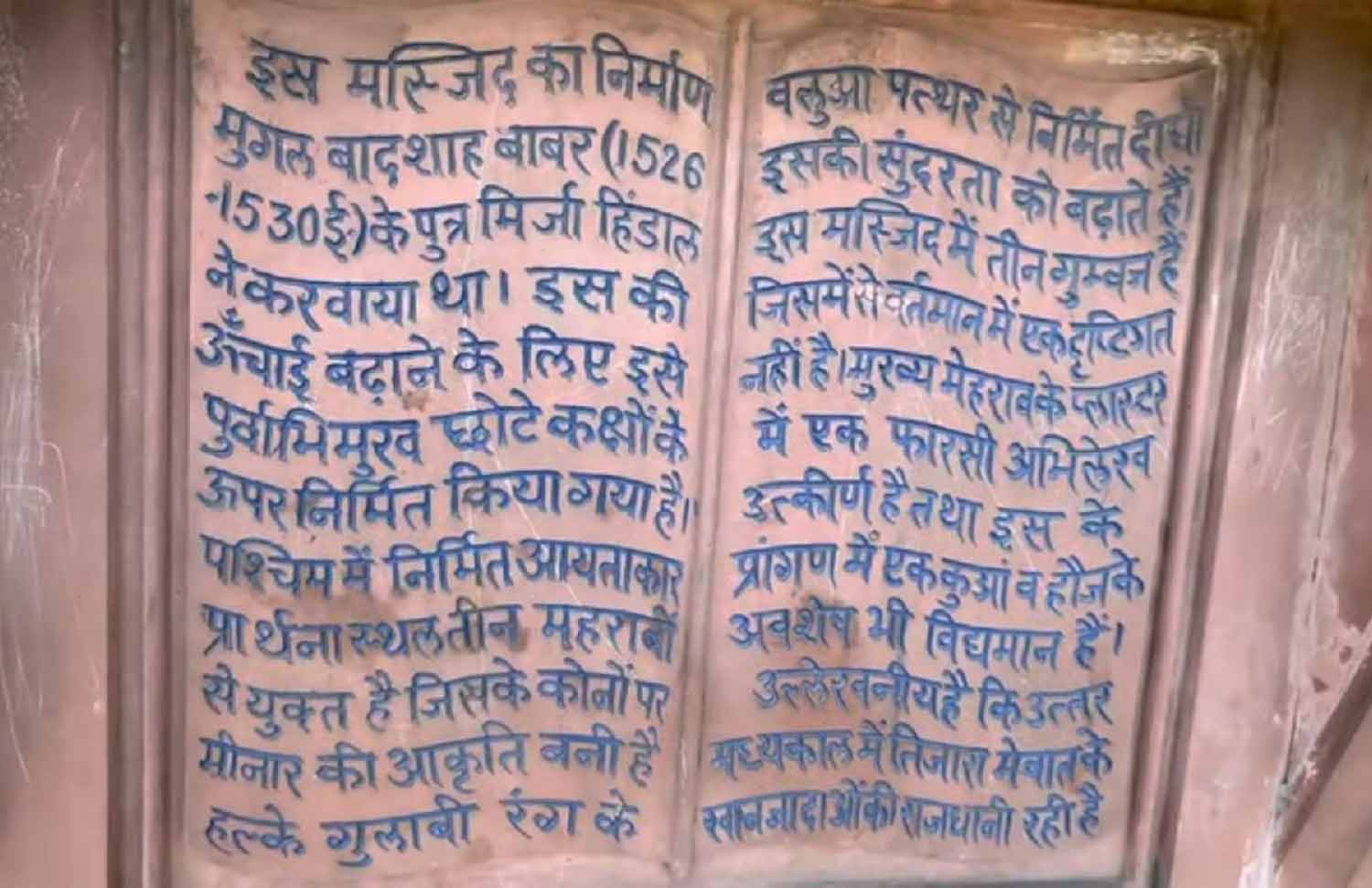
It was the custom of victorious armies to conslidate their presence, by activation of building activities. Mughals were no exceptions. Wherever they went building activities started in full swing. Very few of buildings of Emperor Babar were built and very few left intact after lapse of many centuries. In our region we have some things qualified as being built by Emperor Babar himself. This is particularly true of the Jamia mosque in Haryana which is visited by people all the time, but even that is not often spotlighted at all. But there is another unfinished mosque in stone built by his son, Hindal Mirza. A favourite son of Emperor Babar and father-in-law of Emperor Akbar. It was built between 1526 to 1530 A D.

Hindal Mirza sided with his brother Prince Humayoun in struggle for supermacy and also fought against Prince Kamran. He died a tragic death and both brothers were very sorry to the loss of his life. The mosque started by him is called Lall masjid, and rremains under lock and key all the time. Unfinished minarets and even domes. It is tragic reminder of a lost Prince of the Mughal Empire. In any case Hindal Mirza thought big and the Jamia Masjid is a silent reminder of his grandeur. The funny part is that he was named Hindal by his father as omen of his conquest of India. Indeed well done!
SHAH QALEEM ULLAH GRANDSON OF USTAD AHMAD MIMAR LAHORIA MANUSCRIPT FROM HIS LIBRARY ENTITLED SHARH QASIDA BURDA

SHAH QALEEM ULLAH GRANDSON OF USTAD AHMAD MIMAR LAHORIA MANUSCRIPT FROM HIS LIBRARY ENTITLED SHARH QASIDA BURDA

The family of Ustad Ahmad Mimar Lahori were professional people, with expertise in architecture, calligraphy, mathematics and astronomy. But they were also Islamic loving people and did things related to Islamic civilization. A number of them were writing Qurans, and dealing with iconic Islamic literature. Literature on Qirat is found in their writings. Qasida Burda fascinated them too. But the wonderful thing is that one of them became a famous Sufi himself, and homage paid to him in his grave in Delhi.

A number of religious books written by him survive both in printed form as well as manuscript form. Listing all of them is not required here. But we find an original manuscript of Sharh Qasida Burda, perhaps written by him, perhaps merely copied by him, for he was a calligrapher himself, as well as son of a famous calligrapher Nurullah Ahmad. We are talking here of the Sufi Qaleem ullah, who went on a journey to Holy Kaaba too, and it is well recorded of same.

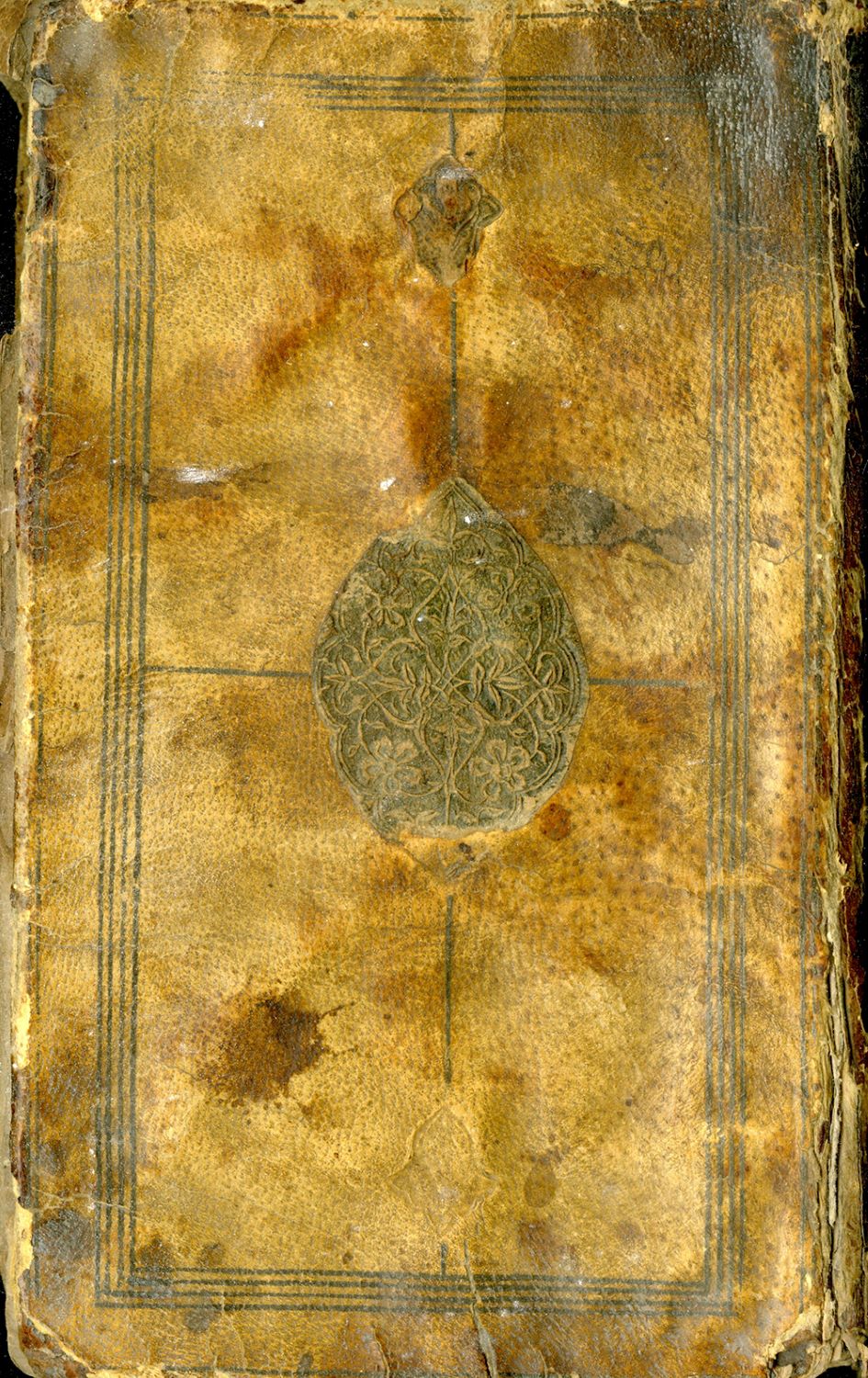
The manuscript is in original binding and has his seal and notation on it. Enjoy!
MEMORABLE FAREWELL GET TOGETHER AT CHAMBERLAIN ROAD; ON DEPARTURE OF HAFIZ YUSUF FOR HIS WORK IN SAUDI ARABIA.

MEMORABLE FAREWELL GET TOGETHER AT CHAMBERLAIN ROAD;
ON DEPARTURE OF HAFIZ YUSUF FOR HIS WORK IN SAUDI ARABIA.

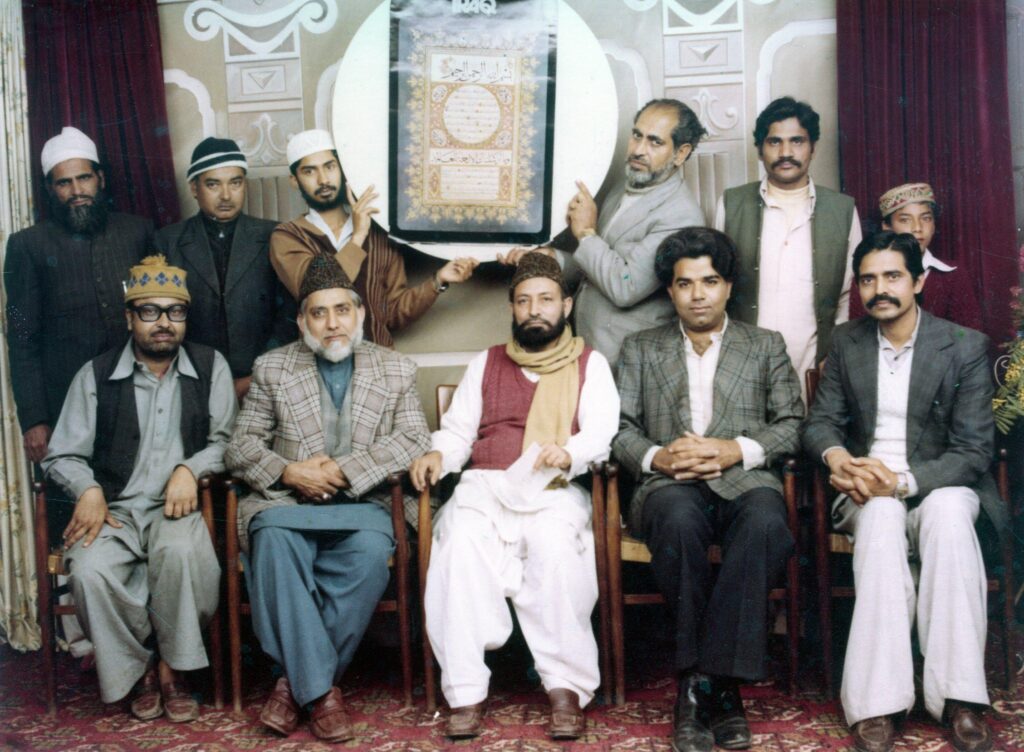
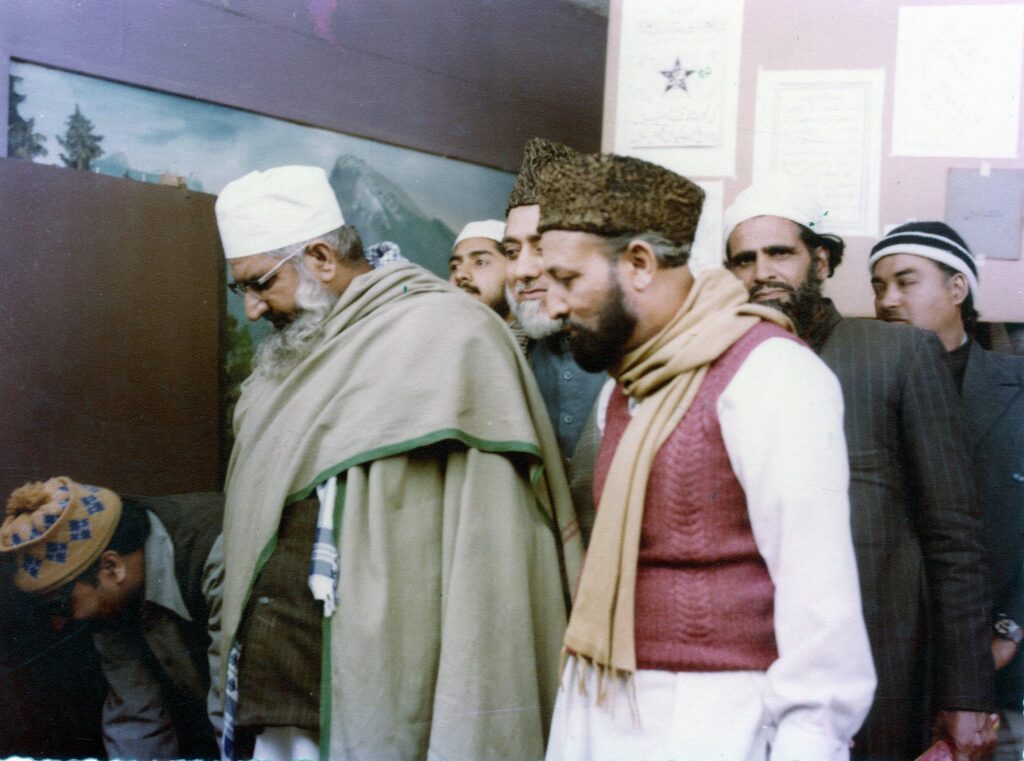
Two top calligraphers of our times were Hafiz Muhammed Yusuf for Nastaliq writing and Nafees Raqam for Arabic script. A number of calligraphers got together in a press building to say good bye to Hafiz Yusuf on his planned trip to Saudi Arabia, with desire to express his homage to the Prophet of Islam (PBUH). The invitation was extended to me too. In real terms an odd man out, but it was the love of the calligrapher which pulled me and he did write a manuscript for me, which I still have.

There was an accident in Saudi Arabia and the calligrapher really suffered. Without any money or support, he came back, and had lost his calligraphy job at newspaper IMROZE too. B.A. Qureshi Sahib, Chairman Lahore Museum, gave a job to his son in the Lahore Museum as compensation for his great work. A job he still has there, up to the best of my knowledge. I salute not only a great calligrapher but with a non business attitude, he obliged everyone without even taking any renumeration. Allah may bless him in heaven!!